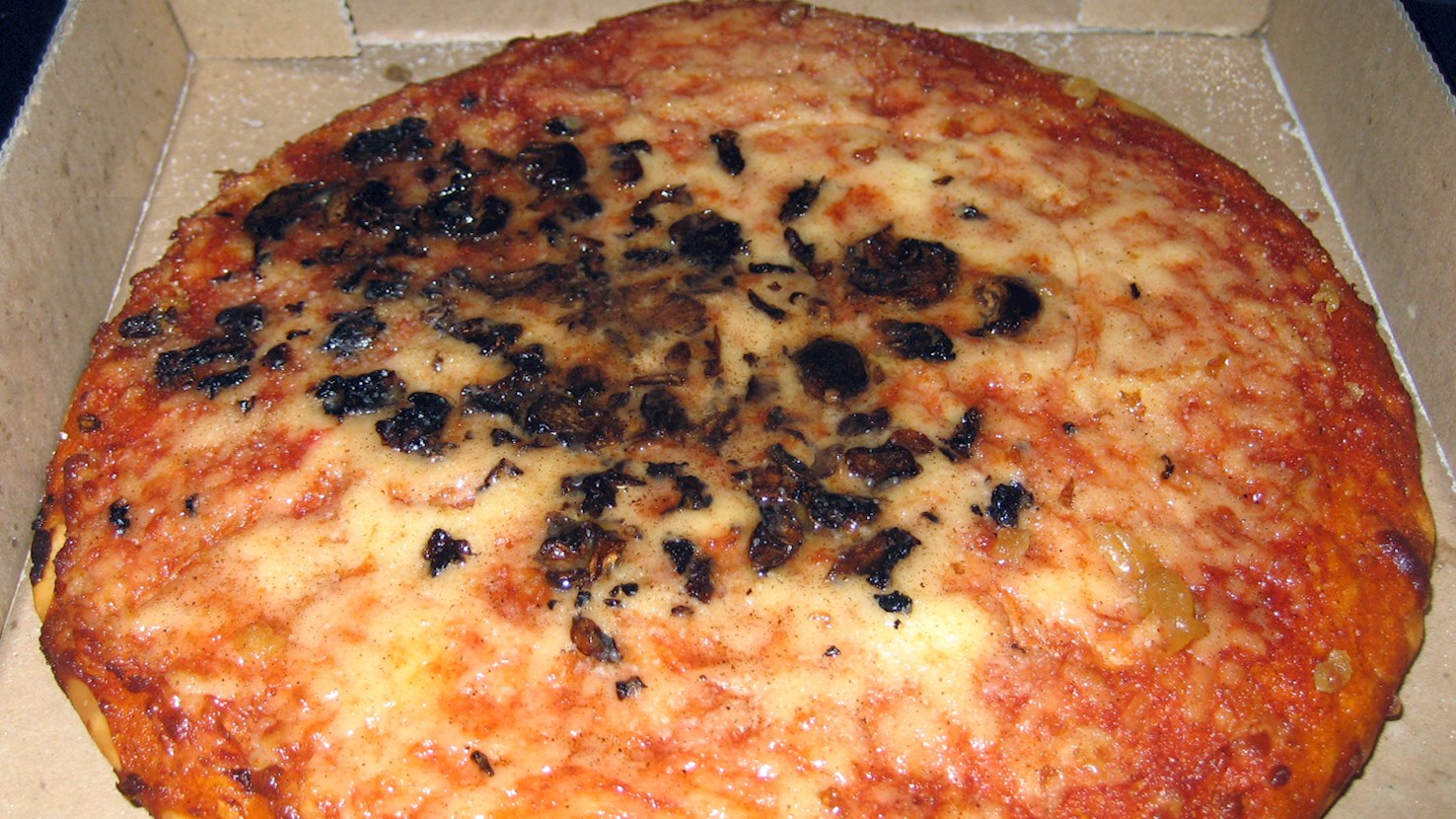
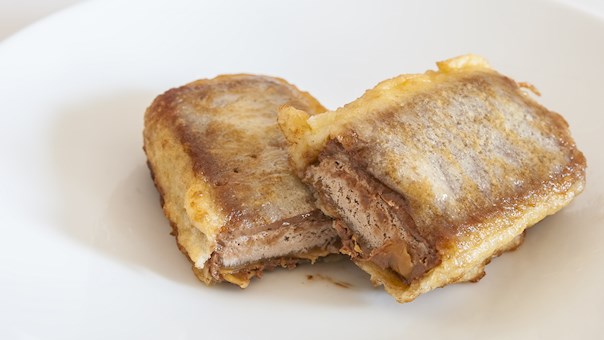
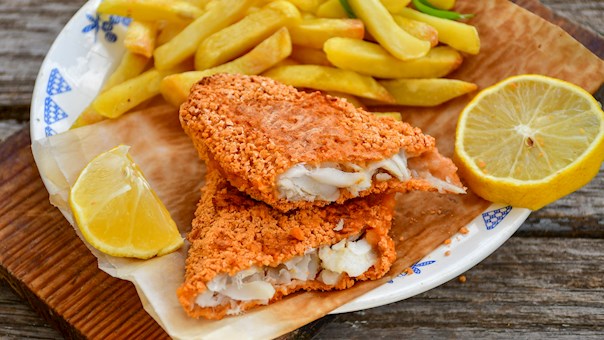
Deep-fried pizza is a Scottish concoction consisting of a pizza that is deep-fried in hot oil (without being dipped in batter) instead of being baked in an oven. It can be found in numerous chips shops throughout the country, where it is fried in the same oil where fish and chips are prepared. This extremely caloric and unhealthy meal is often served with salt, vinegar, or chips in order to improve its flavors.
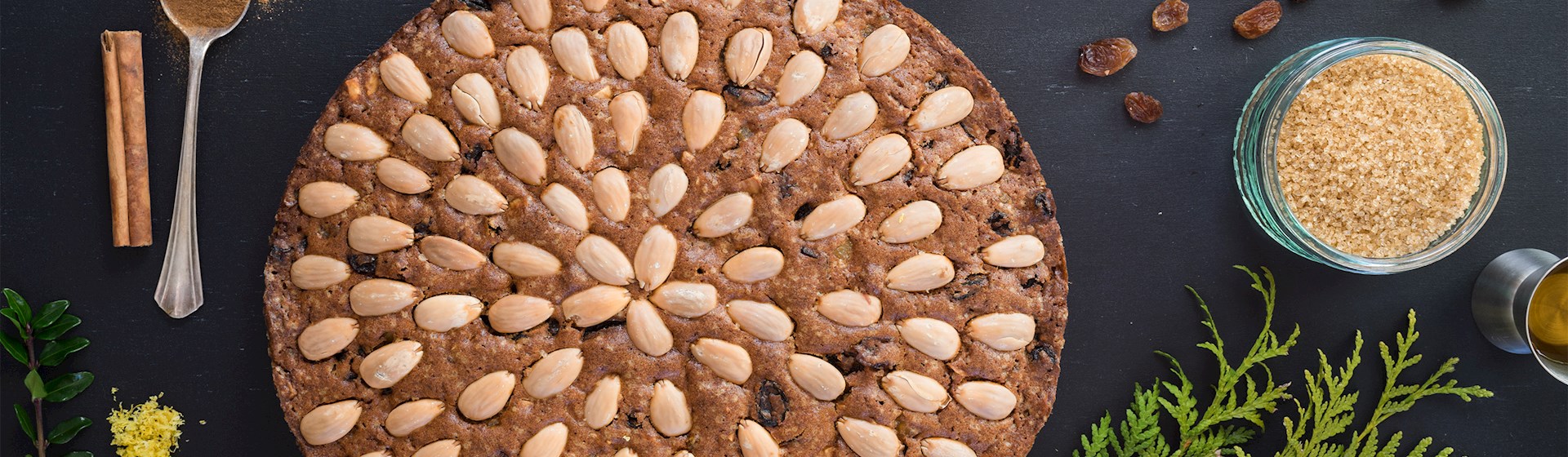
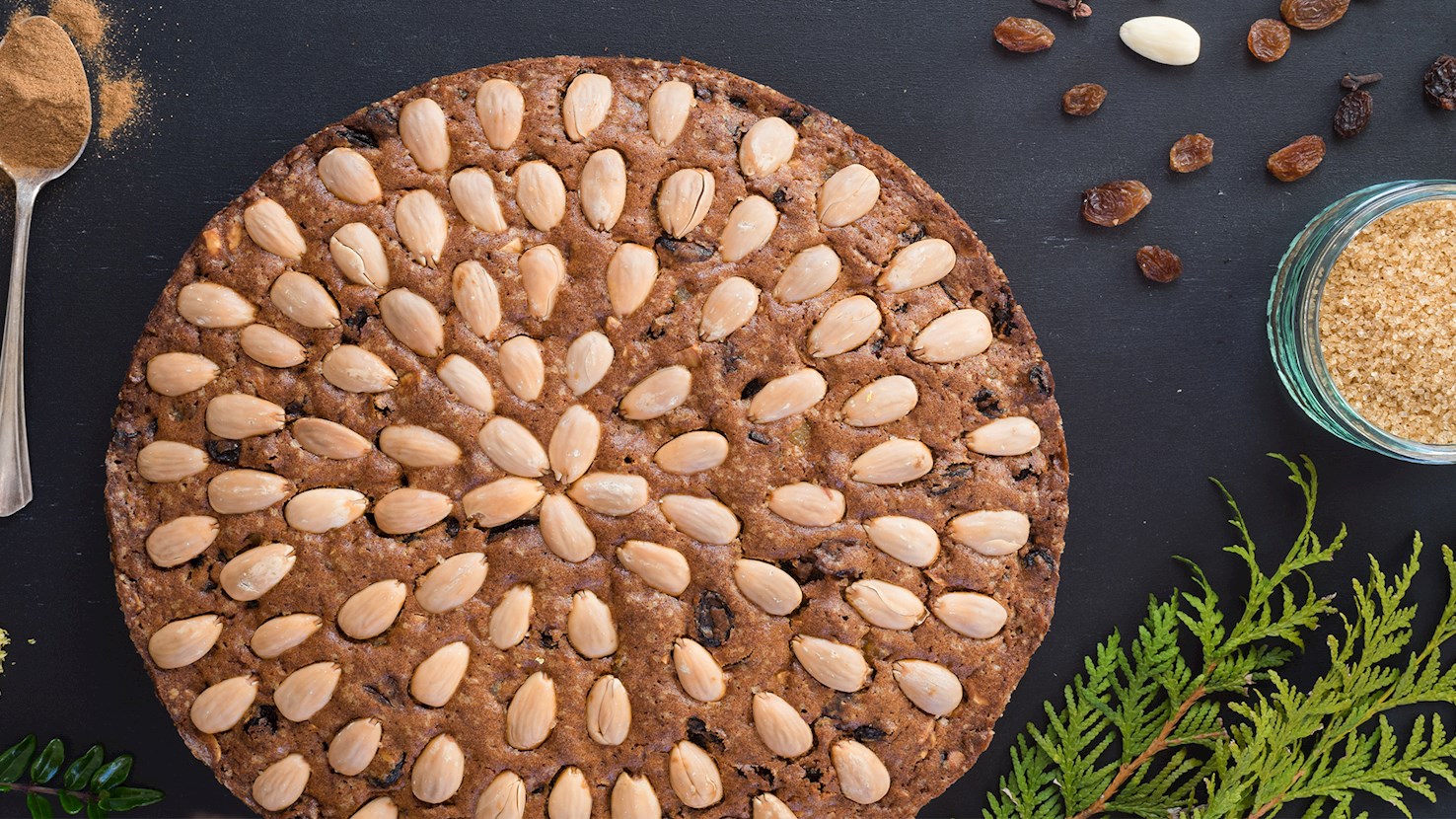
The traditional Scottish almond-studded fruitcake with sultanas and candied peel, known as Dundee cake originated in the city of Dundee while its name appears to have been first recorded in the late 19th century. Interestingly, the cake is said to be first created by Keiller’s, the renowned marmalade makers from Dundee, who apparently found it convenient to bake cakes during the part of the year when they weren't making marmalade, most likely to make use of the spare citrus peel. Until the 1970s, Keiller's were the only commercial bakers in Scotland allowed to make the famous cake, although the recipe was widely copied in other parts of Britain. In fact, bakers further south would often confuse it with other traditional recipes, suggesting it was merely the topping of whole blanched almonds which distinguished Dundee cake from similar British fruitcakes.
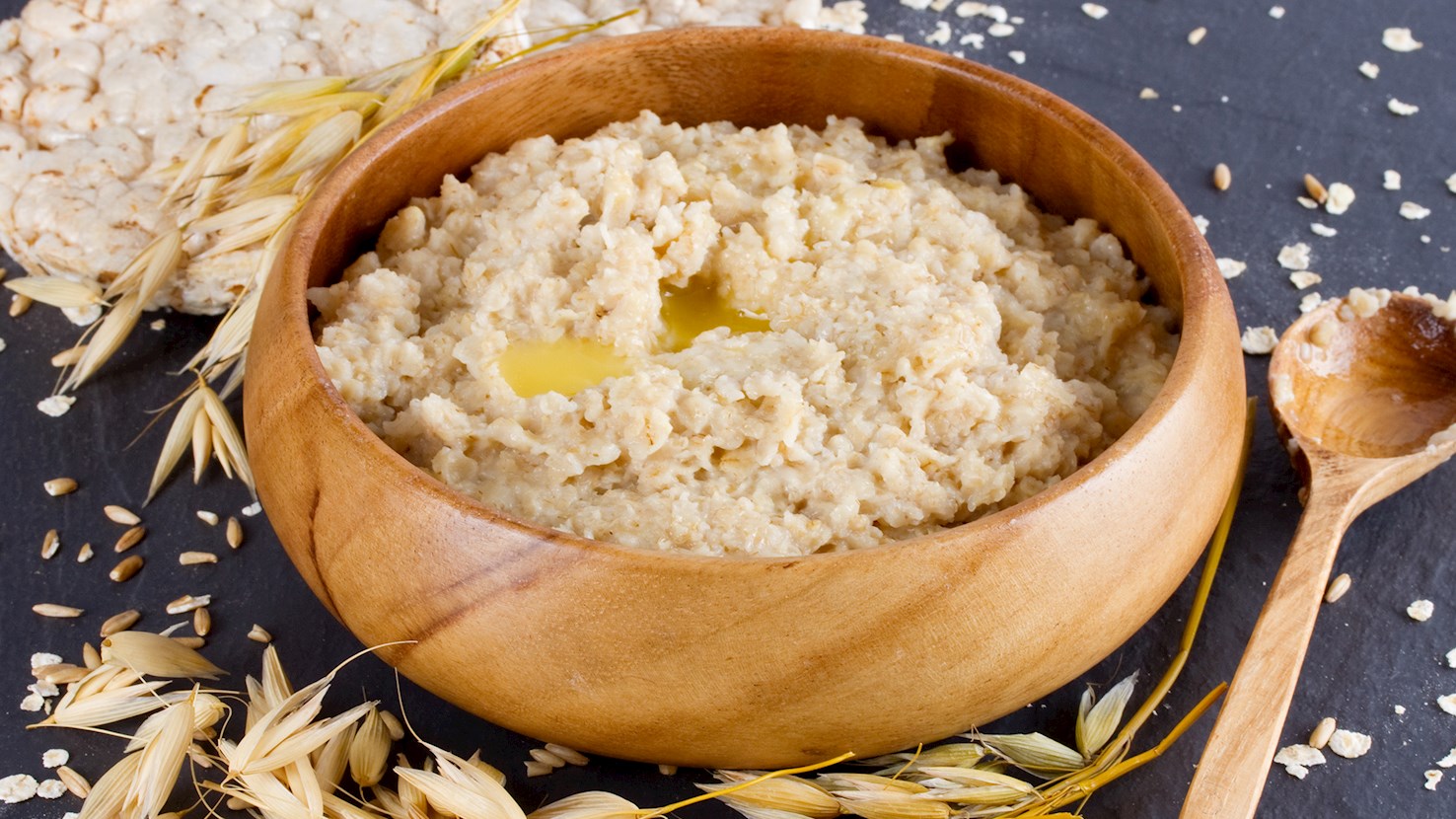
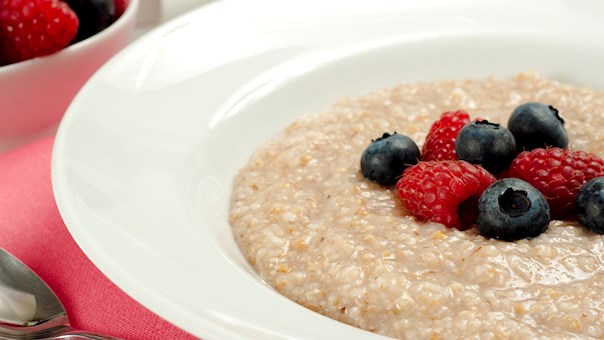
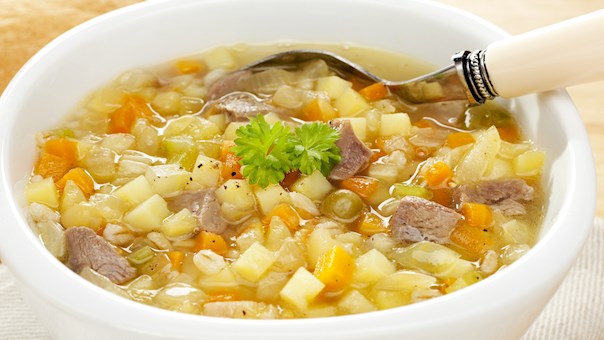
Originally, brose referred to a dish of oatmeal soaked in boiling water or milk, sometimes with a little butter stirred in for a richer flavor. Probably the simplest Scottish fare, depending on what was locally available, brose could be made with barley or beremeal, peasemeal, but also vegetables like young nettle tops, spring onions, swede, and kale. The origins of brose are unknown, however, up until the 18th century it was known to be a staple of Scottish soldiers on active service who used to carry along a bag of oatmeal with them until they had time to boil some water and prepare this humble, yet hearty meal.
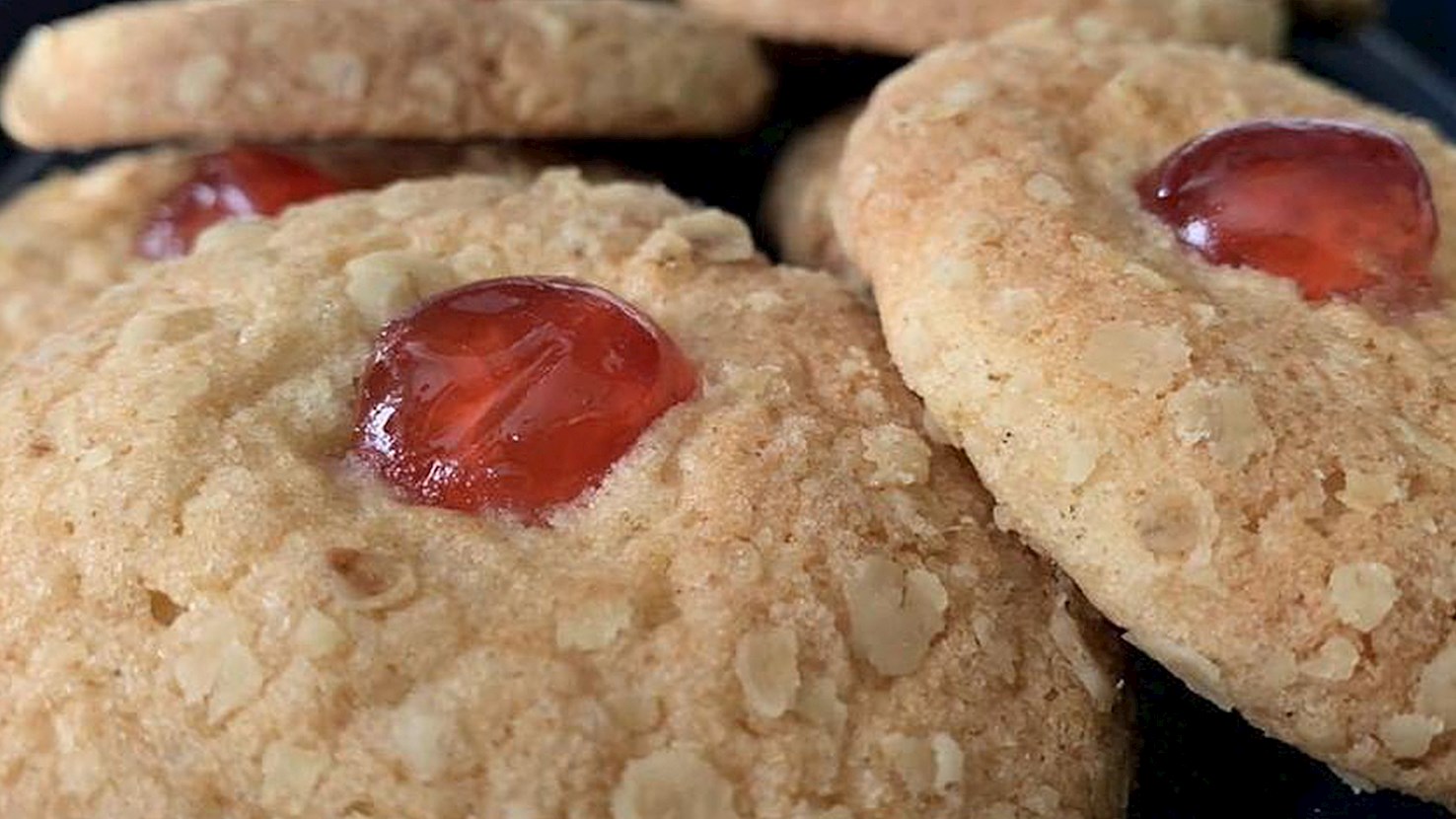
One of Scotland’s teatime staples, melting moments are traditional vanilla-flavored oat biscuits or cookies that are typically made by combining butter, caster sugar, eggs, flour, baking powder, vanilla extract, and oatmeal. The mixture is shaped into small, slightly flattened balls, which are then coated with either rolled oats (which is the traditional way) or desiccated coconut, and garnished with glacé cherries or other candied fruit before they are baked until nicely colored. Apart from being an all-time favorite tea treat, these scrumptious, buttery biscuits are also commonly prepared for parties and are the perfect accompaniment to a glass of milk.
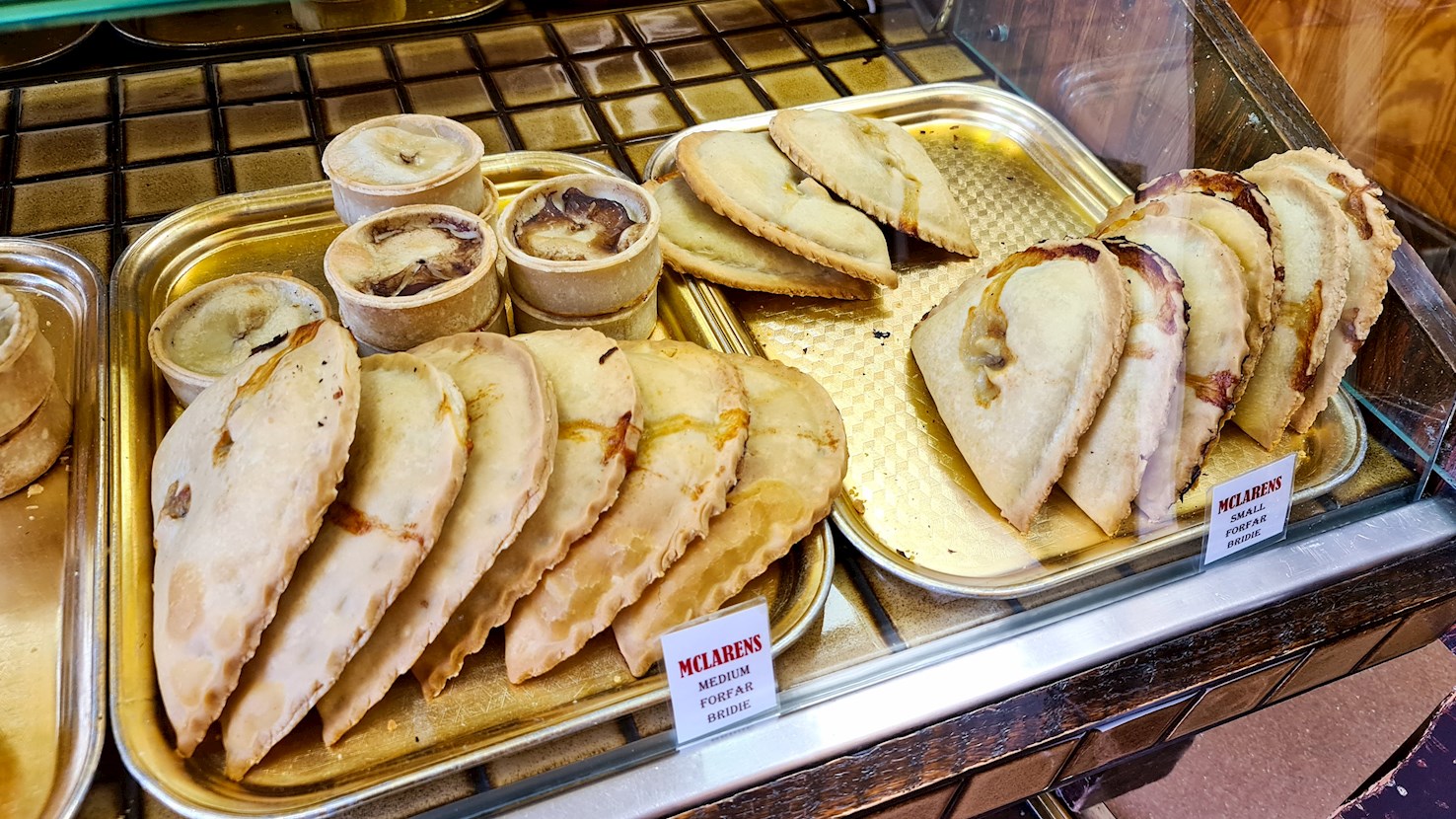
Named after the county town of Angus, where they originated in the 18th century as Scotland's answer to the already famed Cornish pasty, bridies are shortcrust pastry turnovers traditionally filled with chunks or strips of beef that was browned in suet with chopped onions. As the local stories claim, the delicious Forfar bridies took the other part of their name from a certain Margaret Bridie of Glamis who sold them at Forfarshire's weekly market. In 1896, they were mentioned in James Matthew Barrie's novel Sentimental Tommy, which made them popular across Scotland, and over time it has become a tradition to eat bridies for lunch on Saturdays.
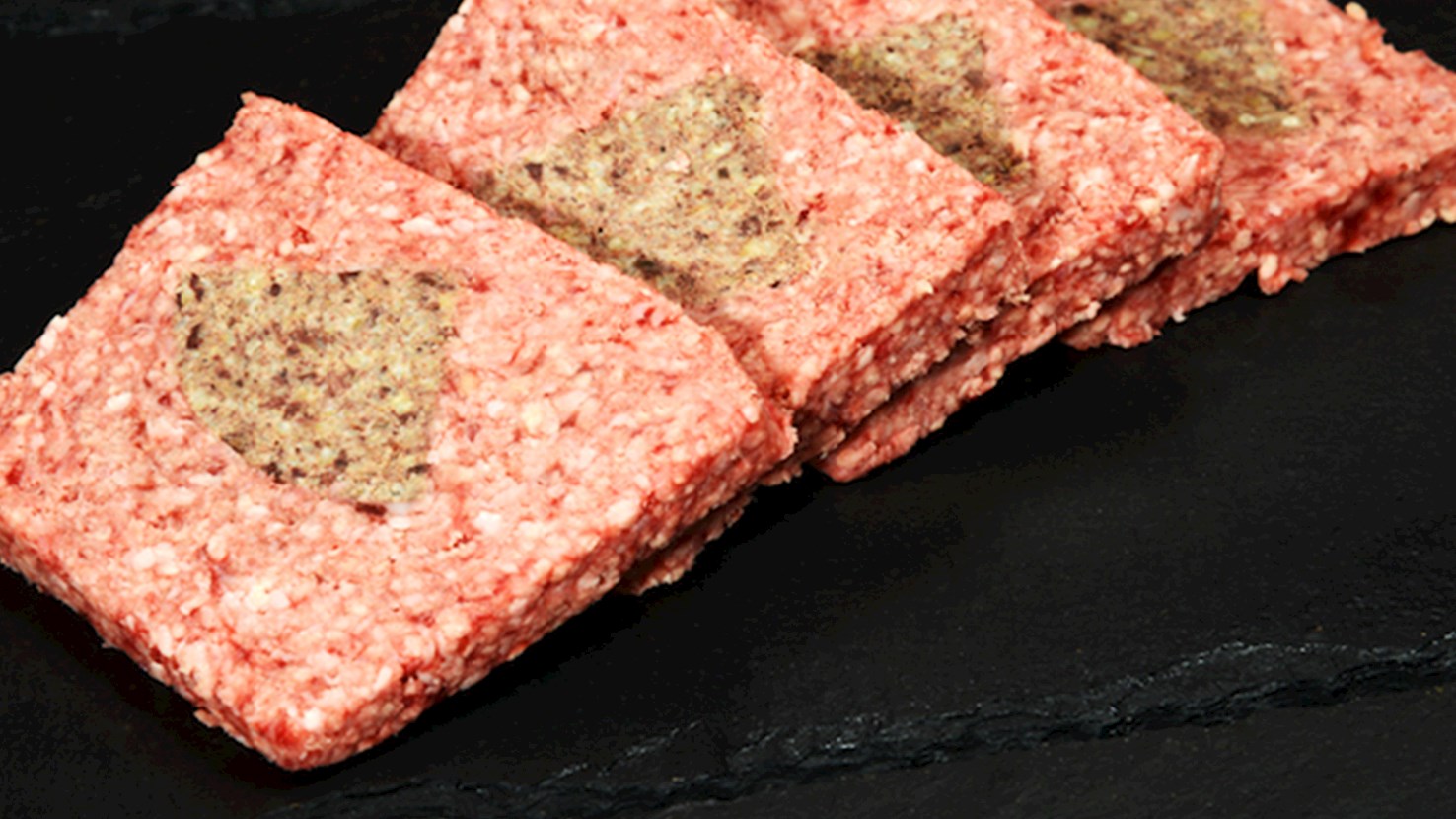
Lorne sausage is a Scottish favorite made with a combination of ground beef, rusk, and various spices such as nutmeg, cilantro, and ground black pepper. However, it is technically not a sausage – the combination is tightly packed in a rectangular tin and left to set in the refrigerator. It is then sliced into square pieces which are fried or grilled. Although the exact origins of lorne sausage are still murky, it is believed that the dish was named after the region of Lorne in Argyll. Nowadays, the sausage is incorporated into sandwiches or served as a part of the Scottish version of the full breakfast.
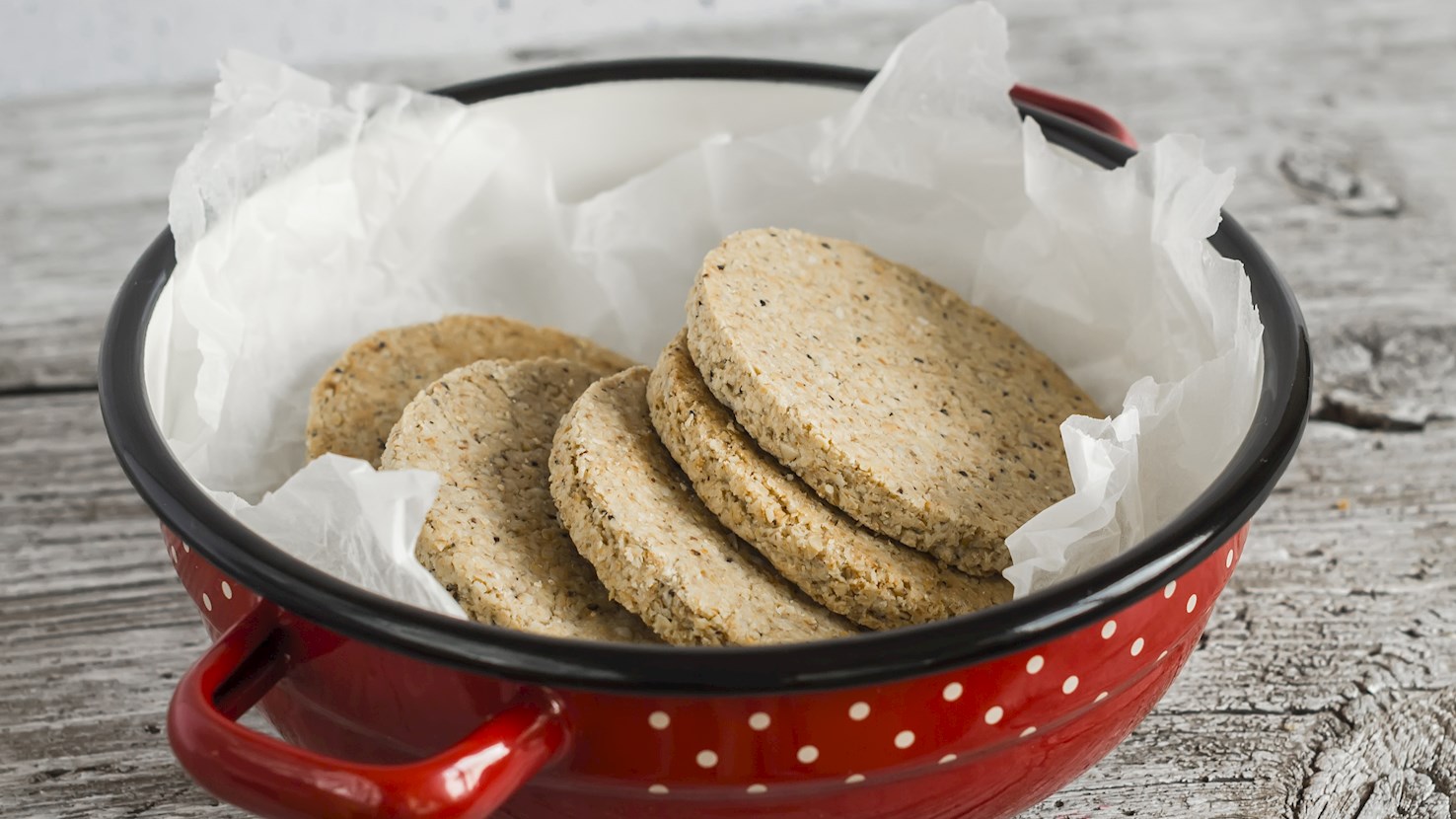
Scottish oatcakes are traditional flat cakes made from oats, similar to a biscuit, cracker, or flatbread. Although there are many versions of oatcakes - chewy or hard, rough or fine - they're usually made with a combination of rolled oats, oatmeal, butter (or bacon fat), salt, and hot water. The two types of oats are mixed with melted butter and hot water. The dough is kneaded into a ball and then rolled out and cut into rounds. The oatcakes are baked in the oven for about half an hour and then eaten once they have cooled down. They've been made in Scotland since Roman times, but many people believe that the oatcakes were made long before that.
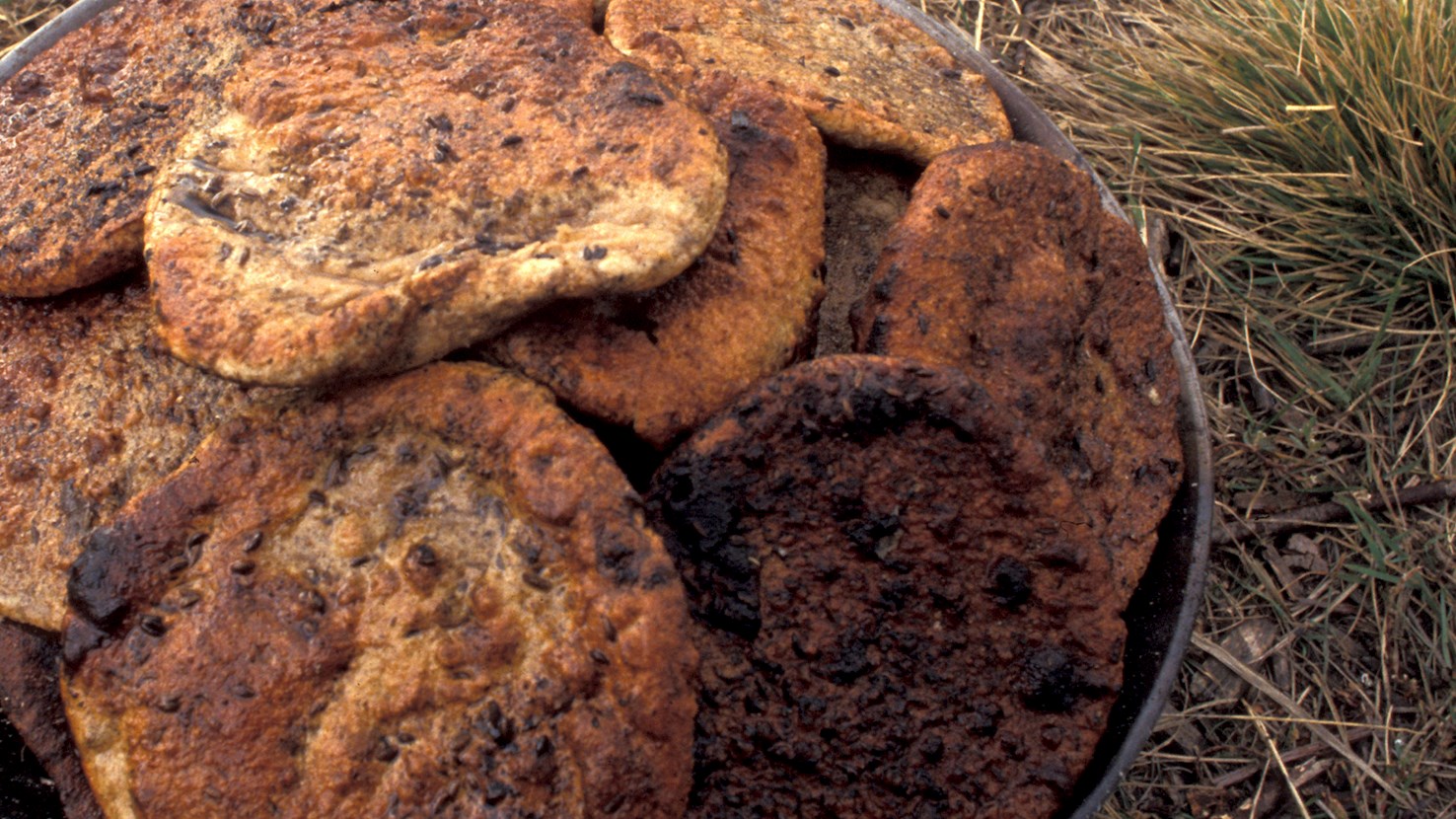
This griddle-baked unleavened flatbread hails from the Highlands of Scotland, where it is traditionally made with a single type of grain - whether barley, beremeal, oats, wheat, rye, or even peasemeal - with the addition of water or buttermilk. Bannock made from a mixture of different flours is known as mashlum or meslin bannock. This flatbread was once an essential part of everyday life and various festivities in the Highlands, especially during the celebration of the quarter days, and each variety of bannock was given a different name depending on which of the old Gaelic seasonal festivals it was made for. Prior to the 19th century, bannock bread was baked on a bannock stane - a flat stone placed on embers to be used as a cooking surface. Today, they are mainly made on the griddle, and there are numerous regional variations that diverge from its simple origins: for instance, the Selkirk bannock is more like a lardy, raisin-studded fruitcake, while the Pitcaithly bannock is a rich shortbread with candied fruit peel.
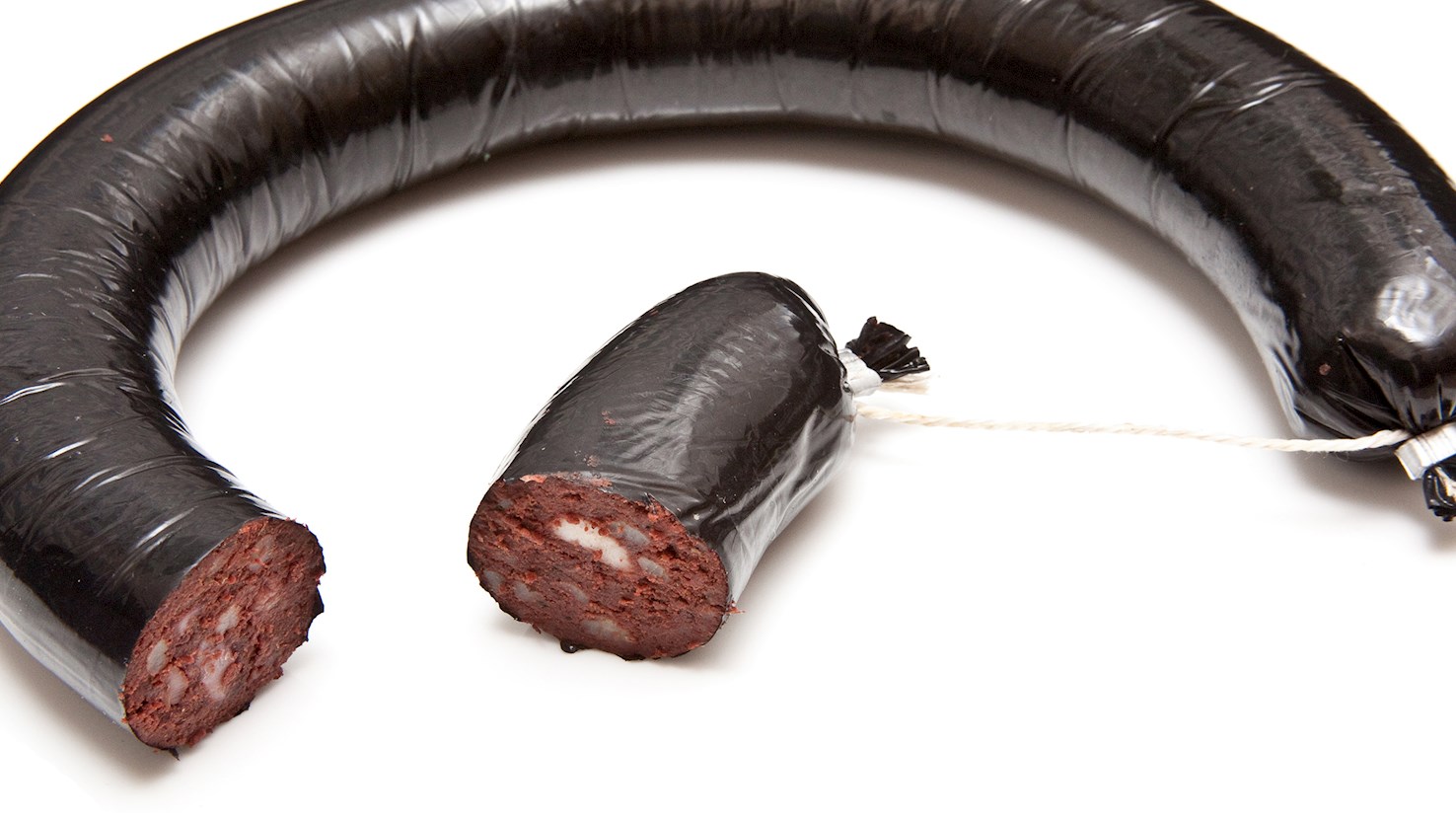
Black pudding is a type of blood sausage that originates from the British Isles, though similar versions exist across Europe. It is made by combining pig’s blood with fat or suet and a filler such as oatmeal or barley, then seasoning it with herbs and spices before being encased and cooked. The dish has long been considered both a practical way to use every part of the animal and a source of nourishment. Evidence suggests that blood sausages were made in many early agrarian societies, and the version that became black pudding became firmly established in the diets of rural communities where livestock was central to survival. To prepare black pudding, the blood is mixed with binders and seasonings such as pepper, onions, and sometimes allspice or cloves, depending on regional preferences. The mixture is stuffed into casings, simmered until firm, and then cooled. It can be sliced and fried, grilled, or crumbled into other dishes. In Ireland and the UK, it is often made with oats, lending it a distinctive texture and earthy taste. Some versions from continental Europe lean more toward smooth fillings with rice or other grains, but the British Isles’ variety is especially defined by its hearty consistency and savory balance. Today, black pudding is widely eaten in many ways. It is a classic part of a full Irish or English breakfast, fried and served alongside eggs, bacon, and toast. It can also be included in more elaborate meals, such as crumbled into stews, folded into potato dishes, or paired with scallops in modern restaurant cooking. The sausage pairs well with strong flavors, including mustard, apples, and sharp sauces that cut through its richness, and it is equally at home in rustic kitchens or on fine dining menus.
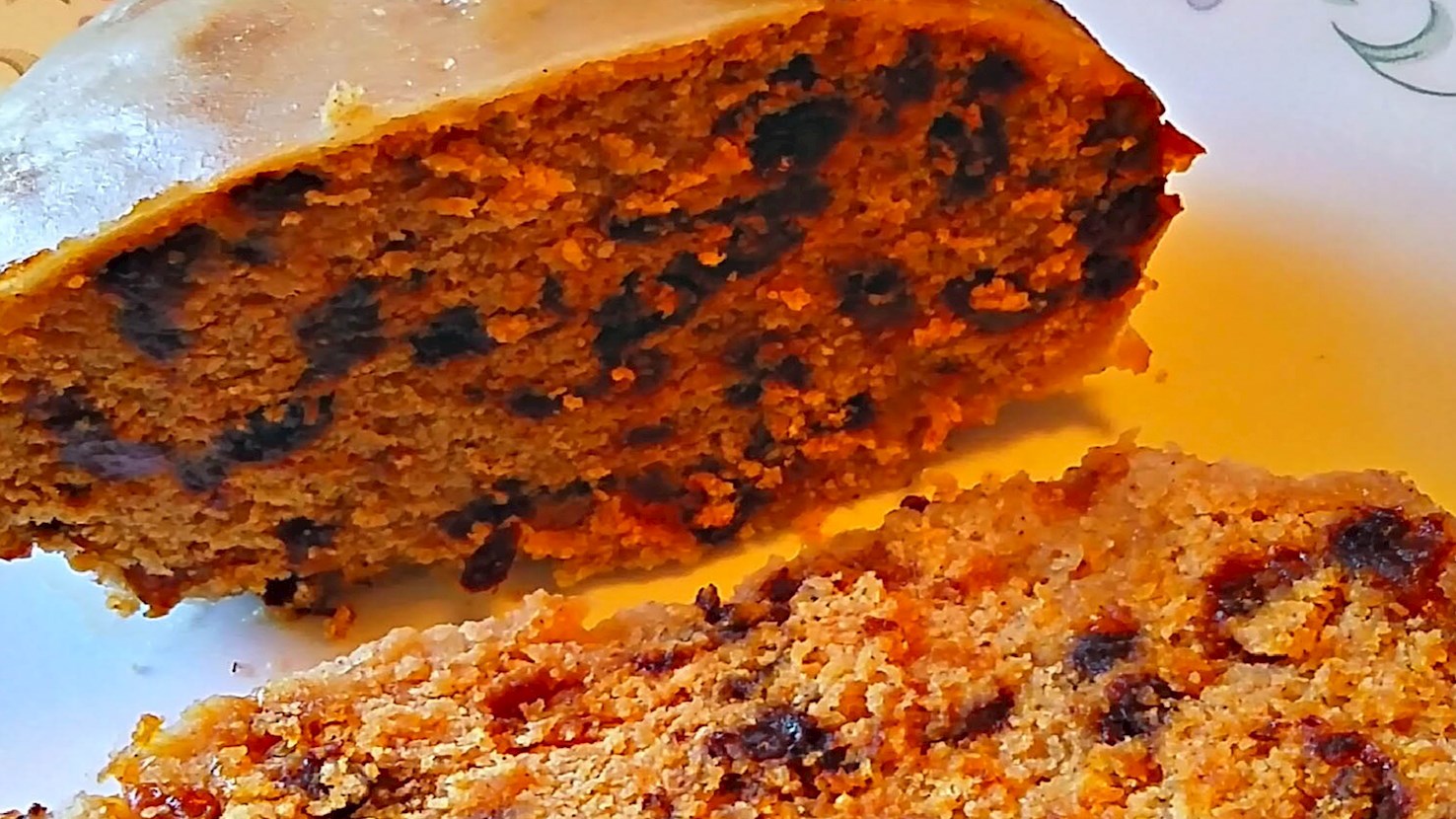
This traditional Scottish dessert, called either clootie or clootie dumpling, is a sweet pudding steamed in a cloot, meaning cloth. Clootie is typically made with flour, breadcrumbs, dried fruit such as sultanas and currants, suet, sugar and spices, a little milk to bind it all together, and sometimes golden syrup. The Scottish alternative to a celebration fruitcake, clooties were originally prepared for holidays, birthdays, and during the winter solstice celebrations known in Scotland as the Daft Days. These special-occasion dumplings usually contained a selection of surprises hidden in the dough: a coin signifying wealth; a ring—marriage; a button—bachelorhood; a thimble—spinsterhood; a wishbone—the heart’s desire; or a horseshoe, symbolizing good luck. Clooties are typically served with clotted cream and a dram of whisky, but when cold, even though these dumplings are quite sweet, they are often fried with bacon and eggs for breakfast.
TasteAtlas food rankings are based on the ratings of the TasteAtlas audience, with a series of mechanisms that recognize real users and that ignore bot,
nationalist or local patriotic ratings, and give additional value to the ratings of users that the system recognizes as knowledgeable.
For the “31 Worst Rated Scottish Foods” list until July 17, 2026, 4,038 ratings were recorded, of which 3,516 were recognized by the system as legitimate.
TasteAtlas Rankings should not be seen as the final global conclusion about food. Their purpose is to promote excellent local foods,
instill pride in traditional dishes, and arouse curiosity about dishes you haven’t tried.