


18 Worst Rated Slovak Foods

Last updated on June 17, 2026
01

Smotanová nátierka

2.5 ·

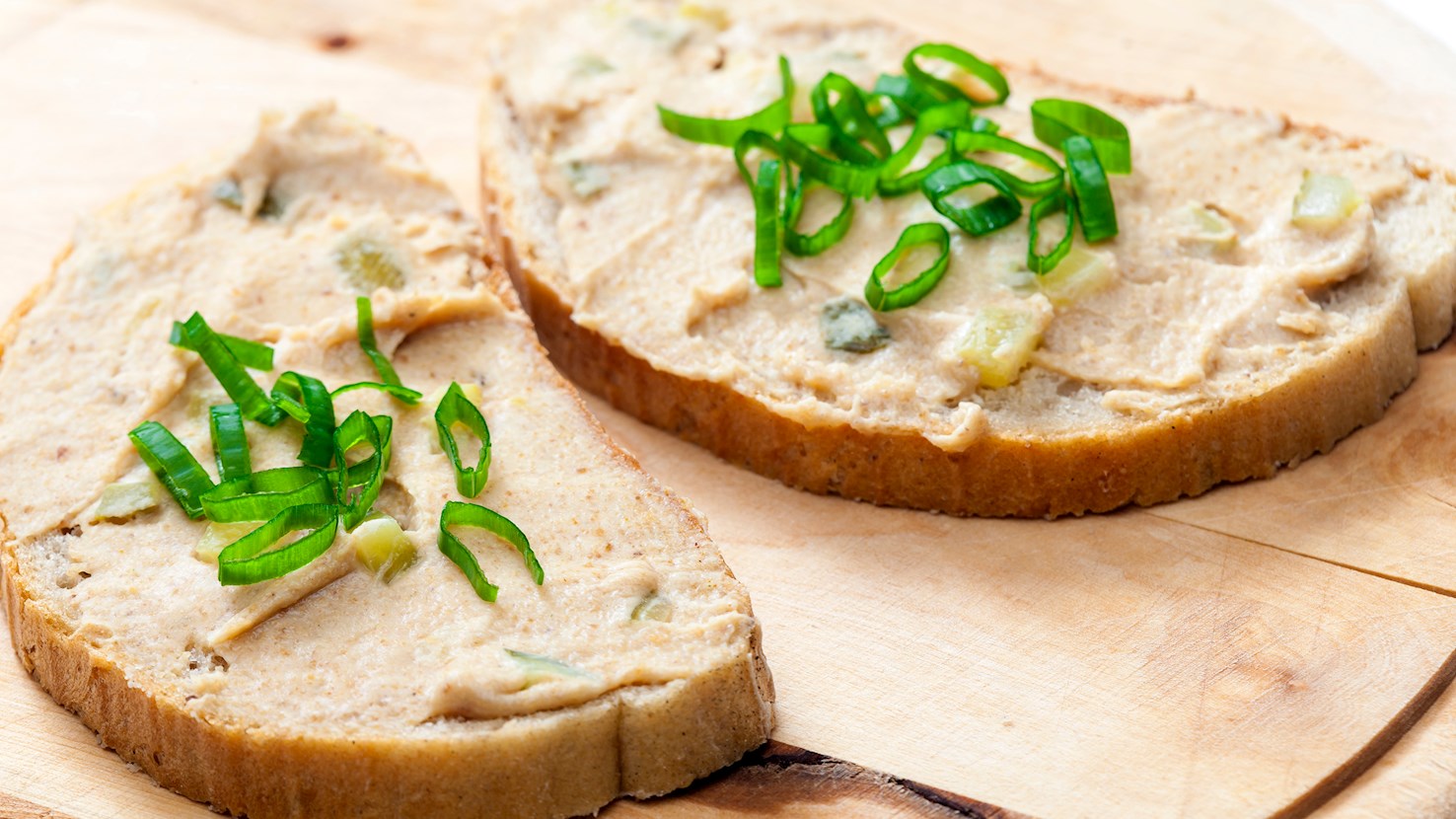
This creamy spread is made with sour cream and a combination of powdered milk and buttermilk. It is enjoyed throughout the Czech Republic and Slovakia. The spread is traditionally flavored with various herbs, ham, peppers, or garlic. Although it was originally known as pomazánkové máslo, meaning butter spread, under the recent European Union regulation the term was forbidden since the product does not contain the minimum milk fat content of 39%. In compliance with the law, both the Czech Republic and Slovakia have decided to name the spread máslová pomazánka and smotanová nátierka, respectively.

02

Rýžový nákyp

3 ·

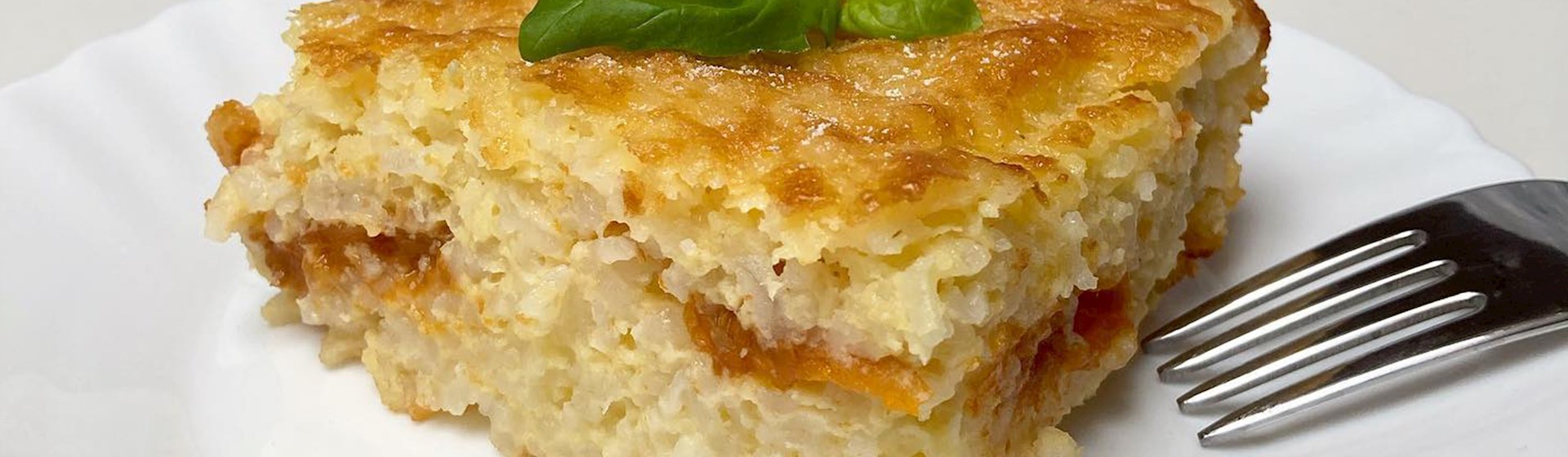
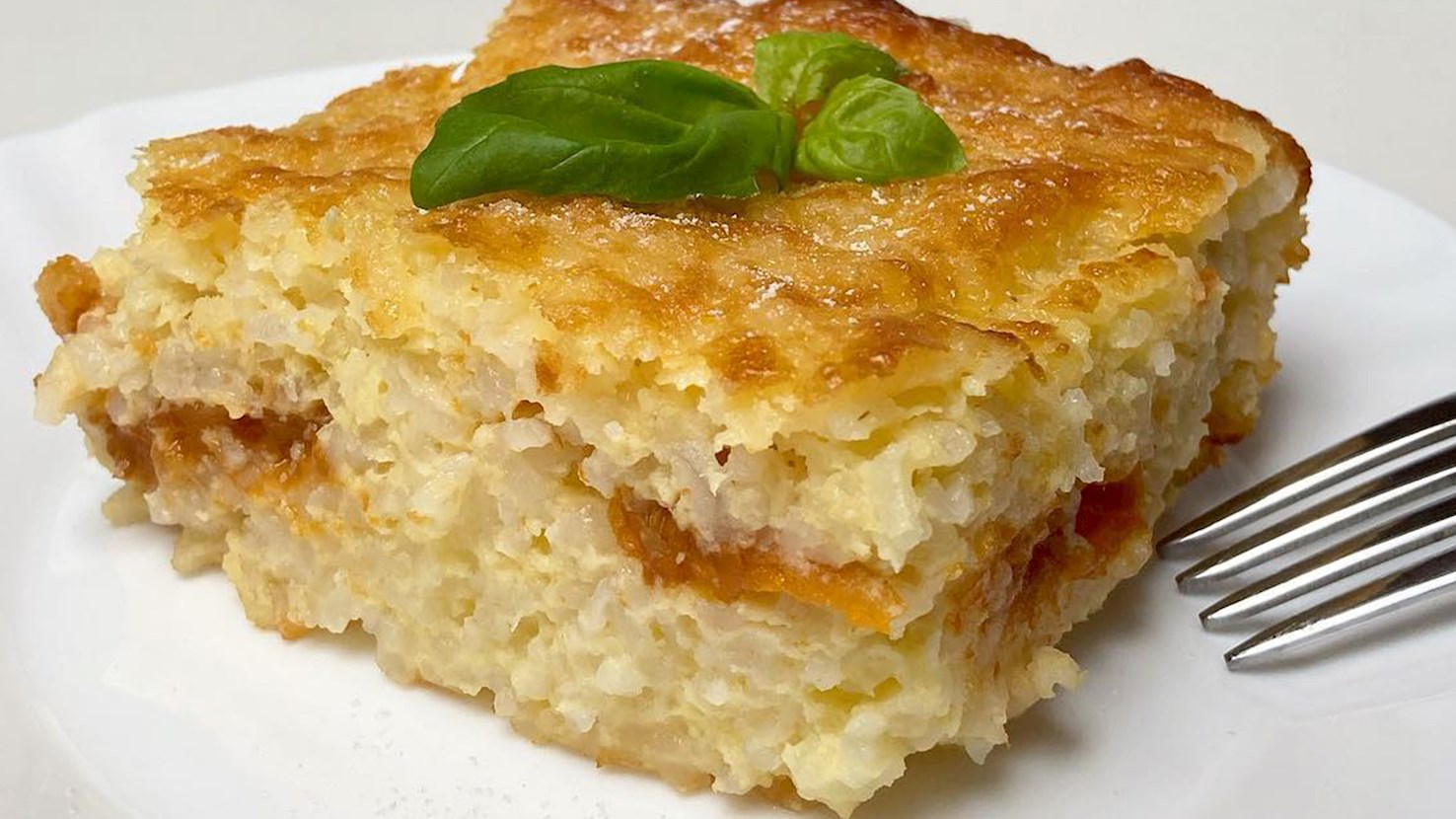
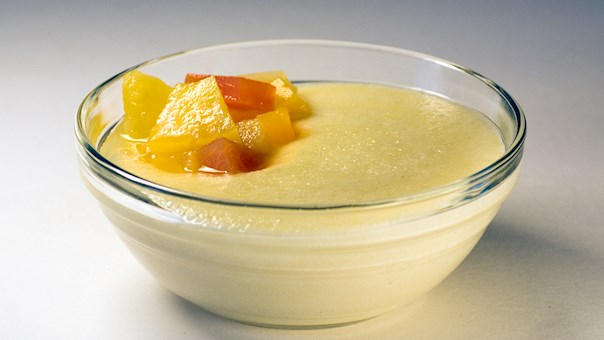
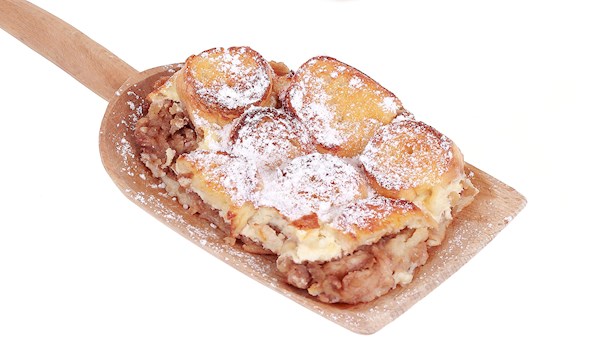
Rýžový nákyp is a traditional and Slovak rice pudding that is often served as the main course. It consists or rice cooked in milk that is chilled and combined with egg yolks, sugar, butter, vanilla, and beaten egg whites. The mixture is later mixed with fruit, topped with a thick layer of beaten egg whites, and baked until completely set. It is usually made with cherries or peaches, and the fruit is occasionally dispersed between the layers of rice. Although it is a sweet dish, it is mostly eaten as a second course or as the main dish. Rýžový nákyp is usually preceded by a hearty bowl of soup.

03

Medvedie labky

3.4 ·

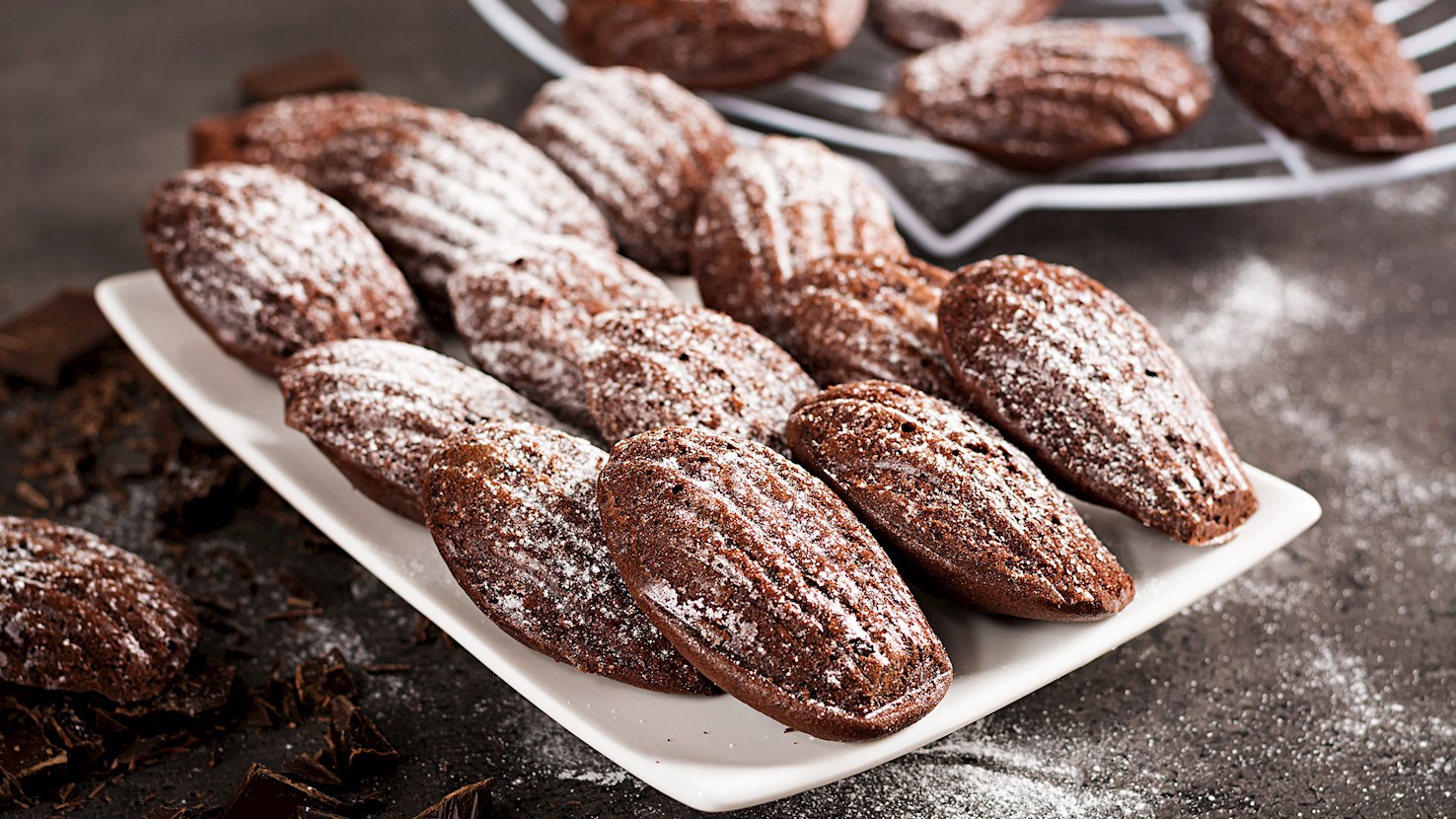
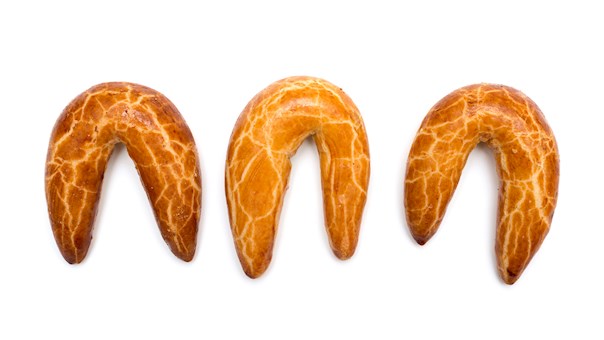
Medvedie labky are traditional Slovakian cookies consisting of flour, butter, eggs, and walnuts. The dough is placed into molds so that the baked cookies look similar to bear paws, hence the name. After the bake, the cookies are typically dusted with powdered sugar, but there are also versions where the cookies’ ends are dipped into melted chocolate. Medvedie labky are especially popular during the festive Christmas season, and it is believed that they taste even better after a day or two if stored in an airtight container.

04

Veka

3.5 ·

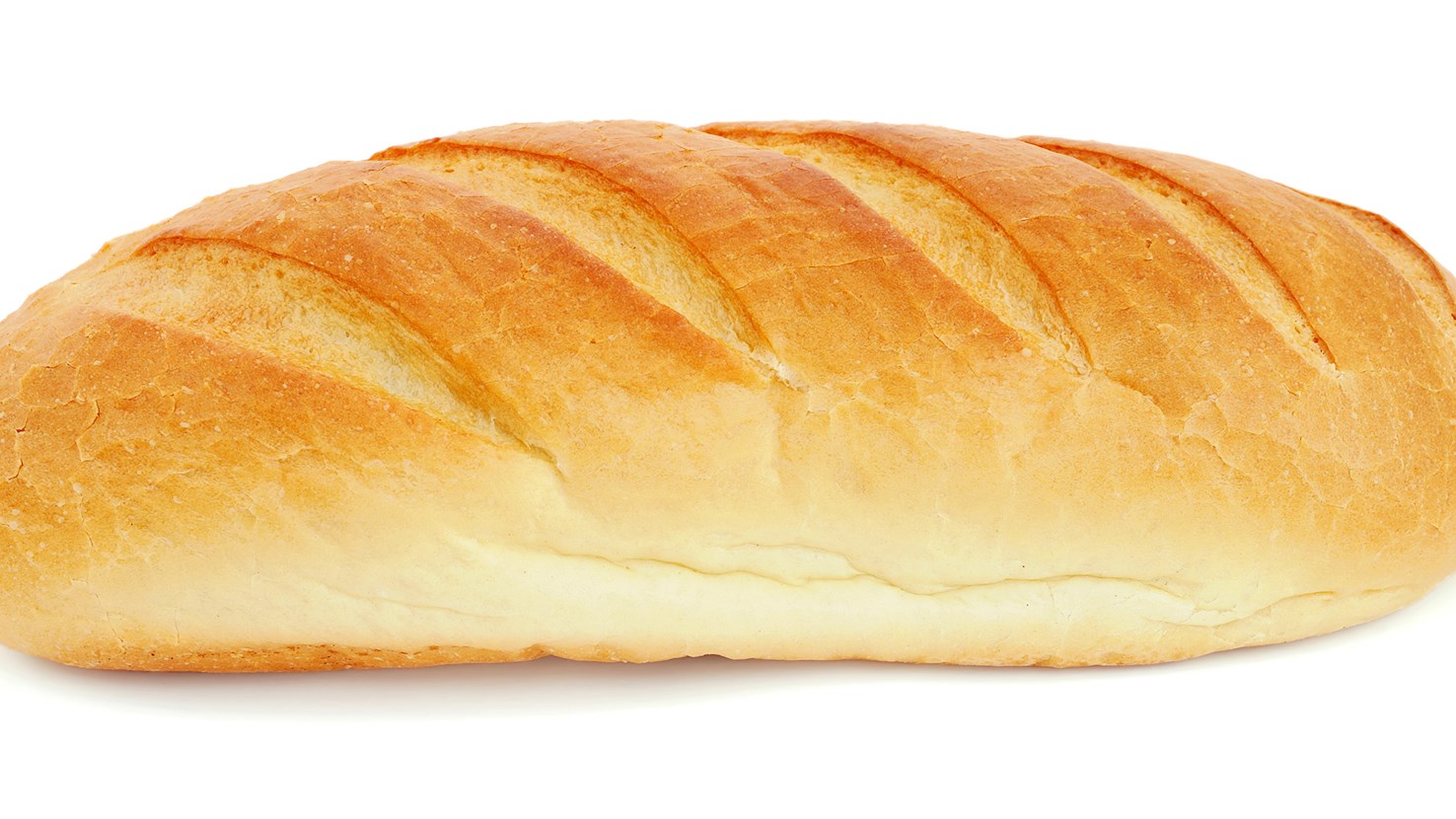
Veka is a white bread variety that is similar to the famous French baguette, commonly found in Czech, Slovak, and Polish cuisines. Made with yeasted wheat dough, it is usually shaped into small loaves, shorter and wider than the traditional baguette. When baked, the loaves attain a golden-brown crust, while the center stays soft and airy. It appears under various names and it is one of the most common bread varieties found in many Central and Eastern European countries. In the Czech Republic, it is usually used as a base for the open-faced chlebíčky sandwiches, when the slices are topped with various condiments and then served as a quick buffet snack.

05

Fliačky s kapustou

3.6 ·

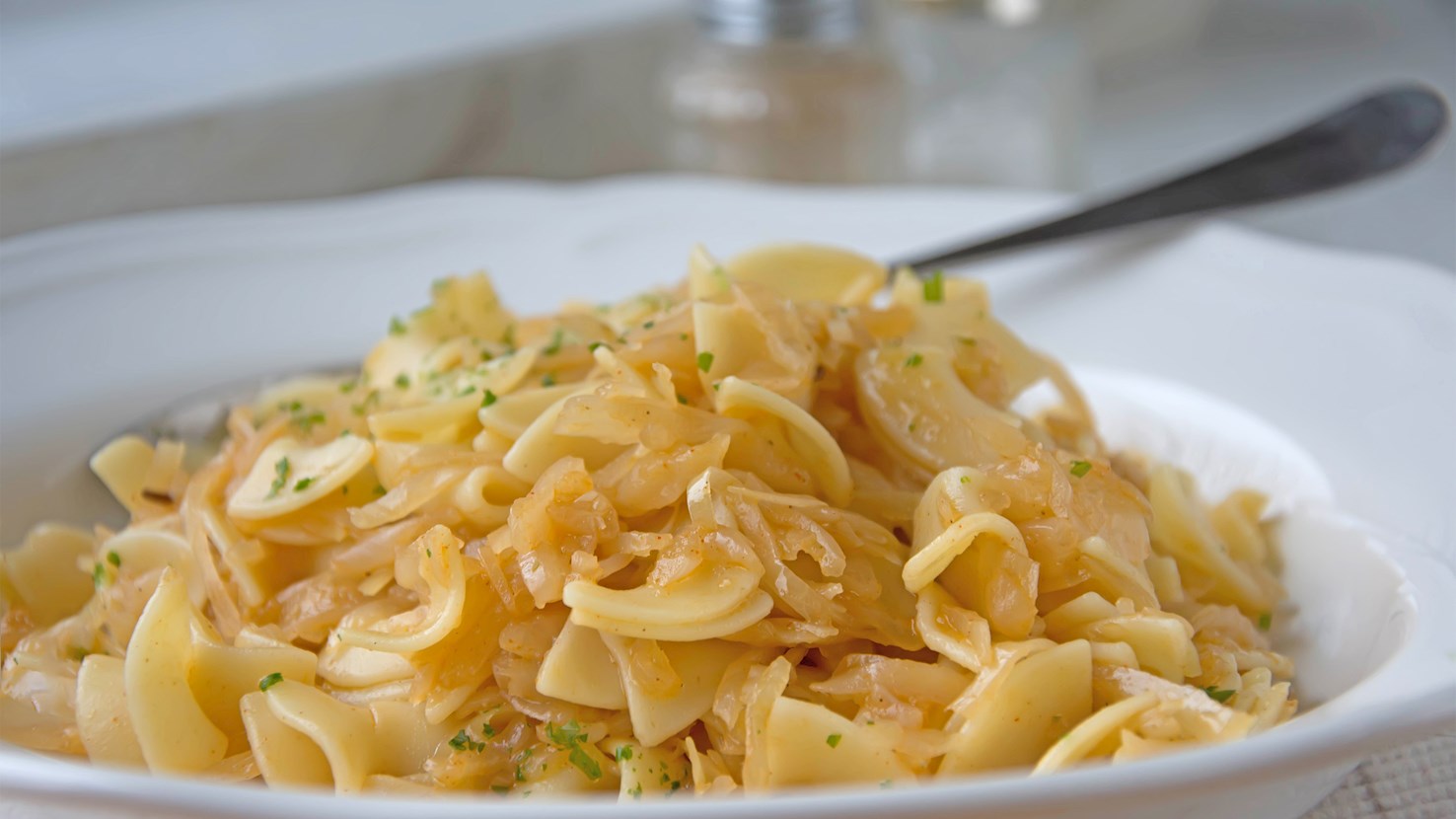
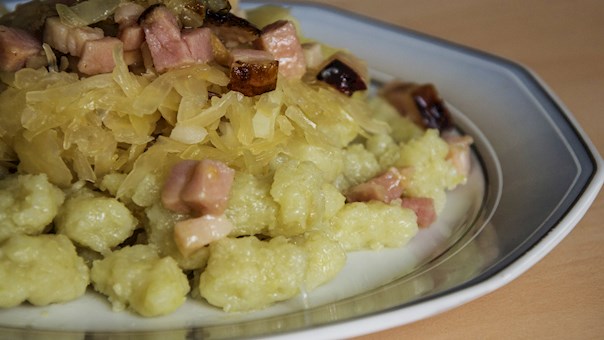
Krautfleckerl is an Austrian pasta dish with Bohemian (Czech Republic) origins that has handmade pasta squares fleckerl and white cabbage as main ingredients. The preparation starts with sauteeing onions, cabbage, and sugar until caramelized, which are then seasoned with caraway seeds, pepper, and salt, and mixed with cooked pasta. Optionally, broth, vinegar, or water can also be added, so the cabbage doesn't dry out. The dish is present in most of the Central European countries, such as Hungary, Germany, Poland, and Slovakia. Still, the dish varies from country to country and can include additional ingredients such as bacon, parsley, and garlic or leave some ingredients out.

06

Kokosové ježe

3.6 ·

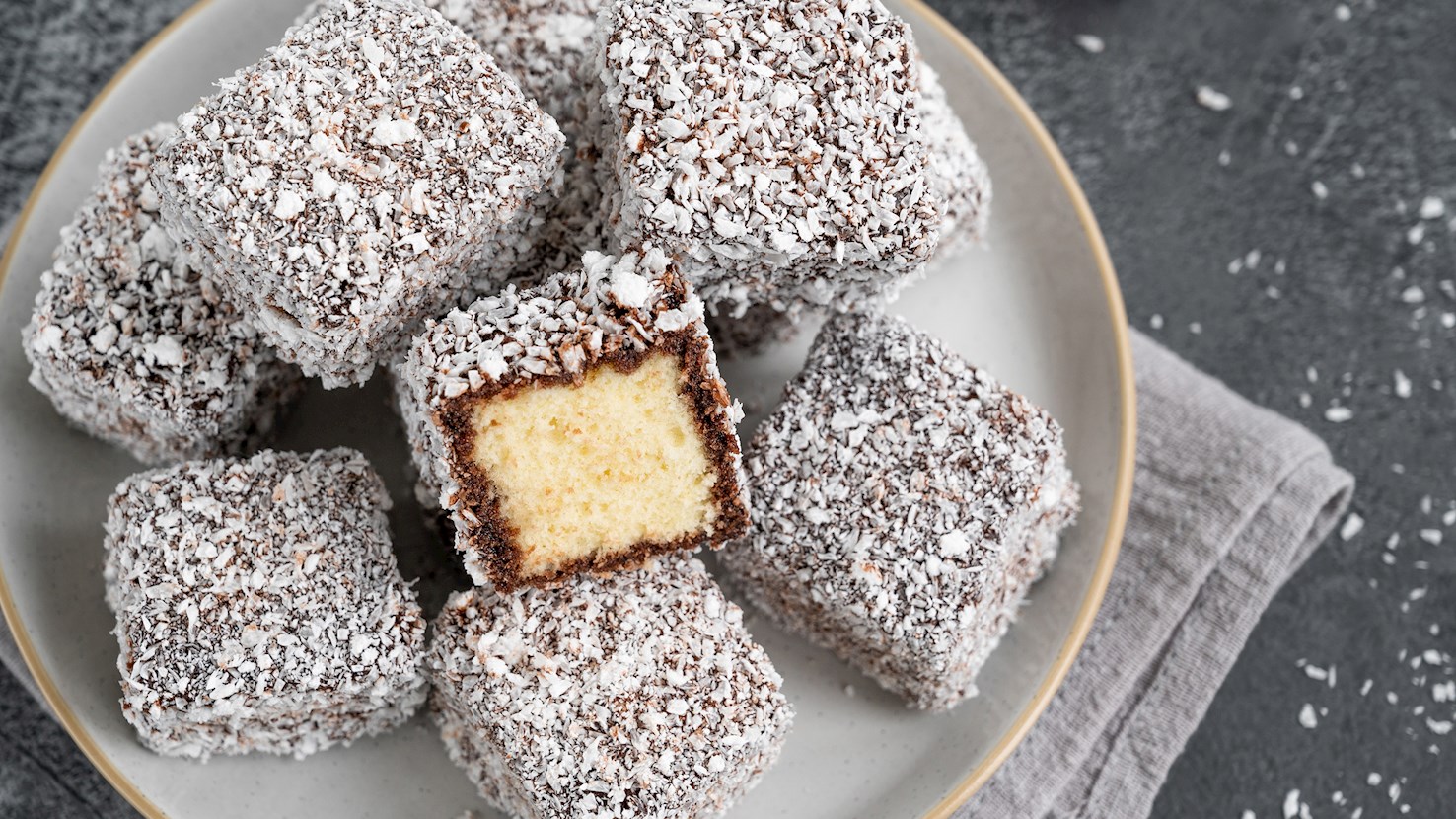
Čupavci are traditional Croatian cakes that are also popular in Poland, Slovakia, Hungary, and throughout the Balkans under different names. They consist of a sponge cake that is dipped in chocolate and sprinkled with finely desiccated coconut. Čupavci are extremely popular due to their climate suitability as they don't dry out when cut into bite-sized squares and covered in coconut. A very similar cake can also be found in Australia and New Zealand in many supermarkets, cafés, and bakeries, and it's known as lamington, but this variety is often made with a layer of fruit jam, unlike its European counterpart. In Croatia, čupavci are a Christmas staple. In Slovakia, the cake is called kokosové ježe, in Poland it's known as kostka kokosowa, while the Hungarian name is kókuszkocka.

07

Karbanátky

3.6 ·

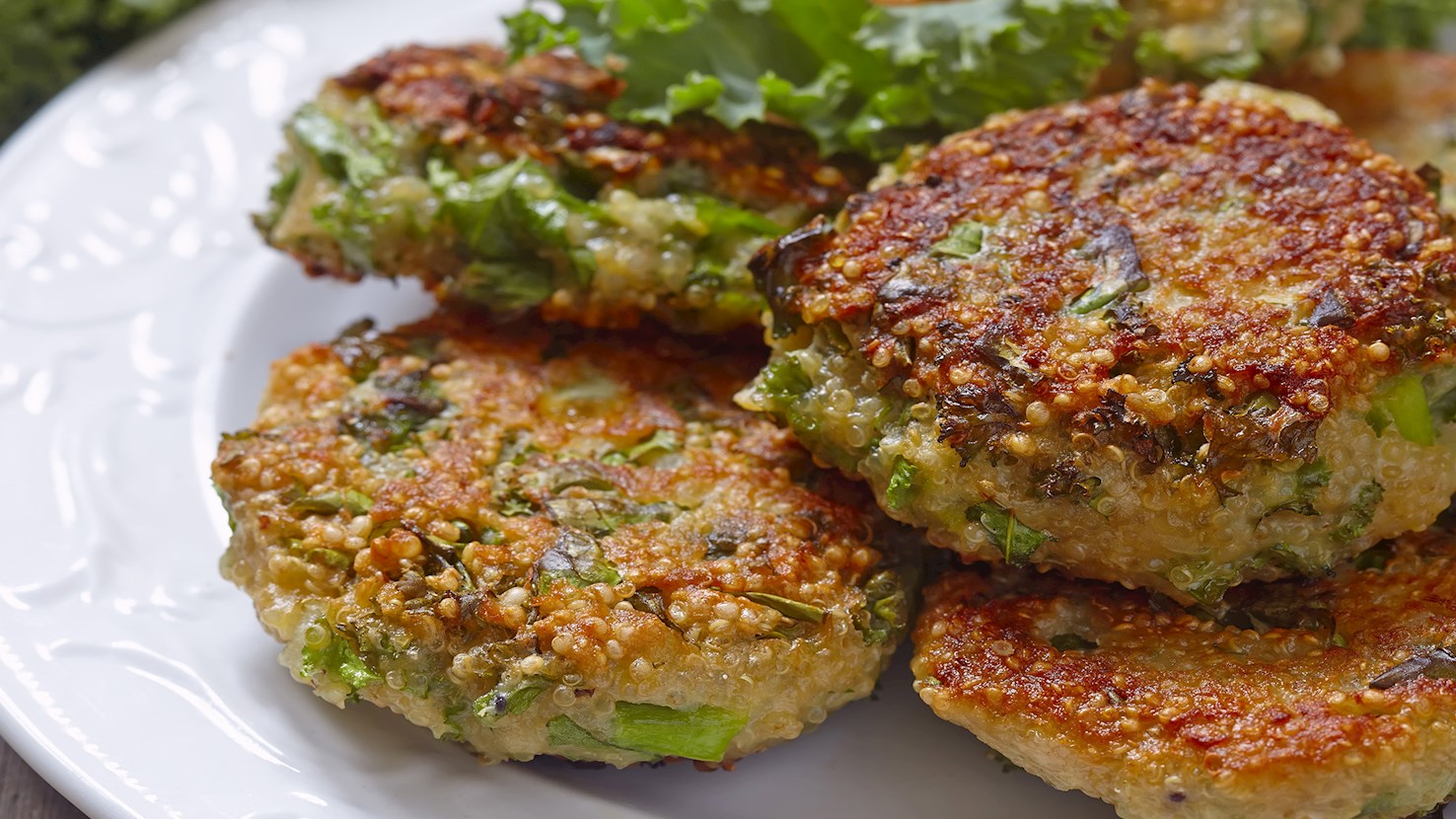
Karbanátky is a universal term which refers to a broad group of traditional Czech and Slovak patties. Although they are predominately made with minced pork, beef, or chicken, they can also be based on various vegetables, fish, soy, lentils, oats, and even cheese. Apart from the base ingredients, they usually incorporate onions, garlic, and a variety of spices. Most types are shaped into thick, round patties that are breaded and pan-fried until crispy and golden-brown in color. Both Czechs and Slovaks consume them as a quick and nutritious lunch or dinner. It is recommended to pair the patties with potatoes and salads on the side. Occasionally, these versatile patties can also be used as a sandwich filling.

08

Treska

3.6 ·

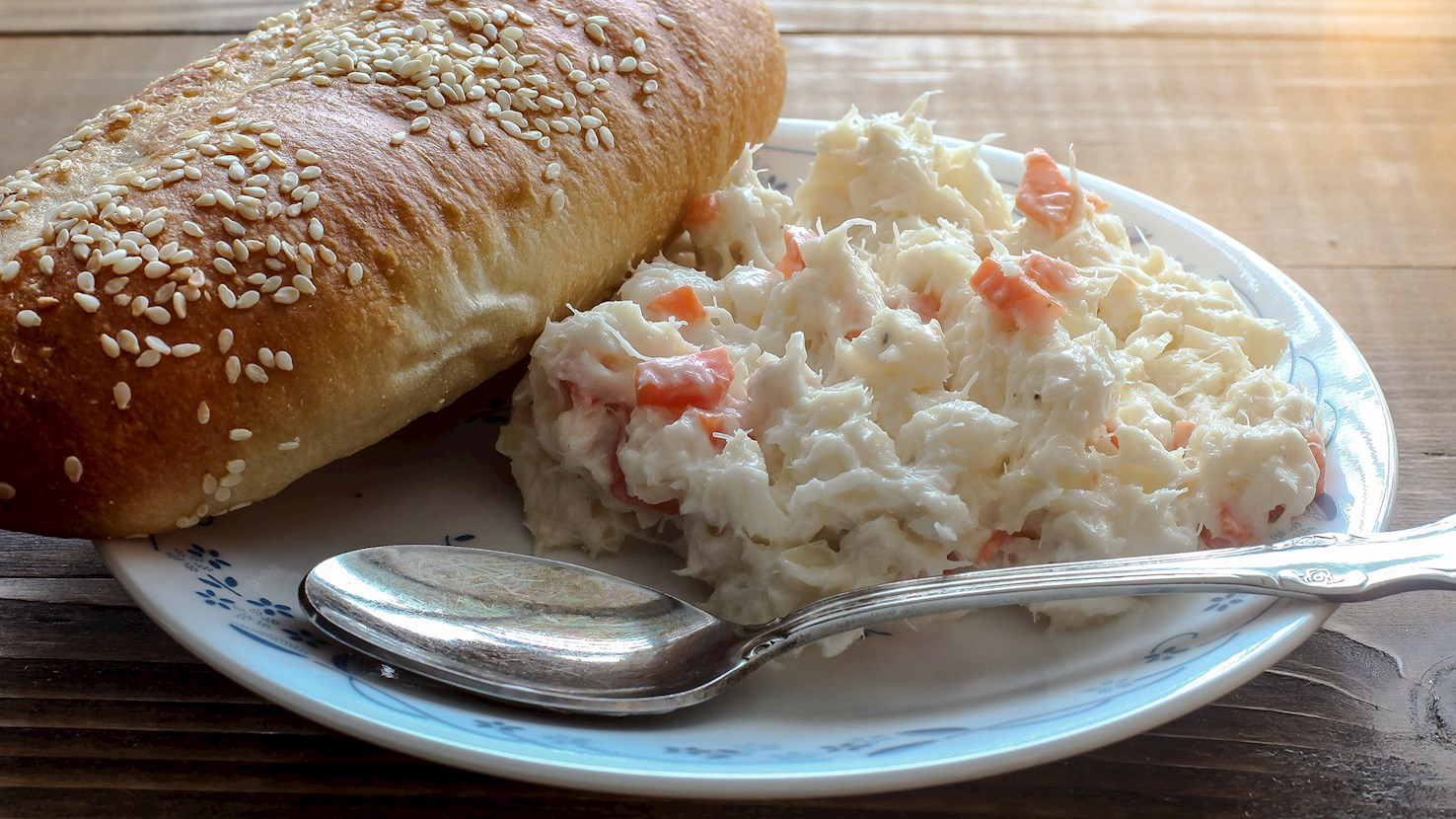
Treska is a traditional salad made with a combination of cod, mayonnaise, onions, carrots, vinegar, mustard, and seasonings. The cod is cooked in a mixture of vinegar, water, and bay leaves. It's then flaked and combined with cooked carrots and all the remaining ingredients. The salad is left to chill in the refrigerator, ideally for at least 24 hours before serving. It's usually eaten with long Slovak bread rolls known as rožky on the side. The recipe for the commercial version of treska was created in 1954 by Július Boško, a chef from Nové Mesto nad Váhom. It was ordered by Ryba, a company that was exporting fish to Slovakia and wanted to increase its popularity. Nowadays, treska is often made at home, but it can also be found in every supermarket.

09

Liptauer

3.6 ·

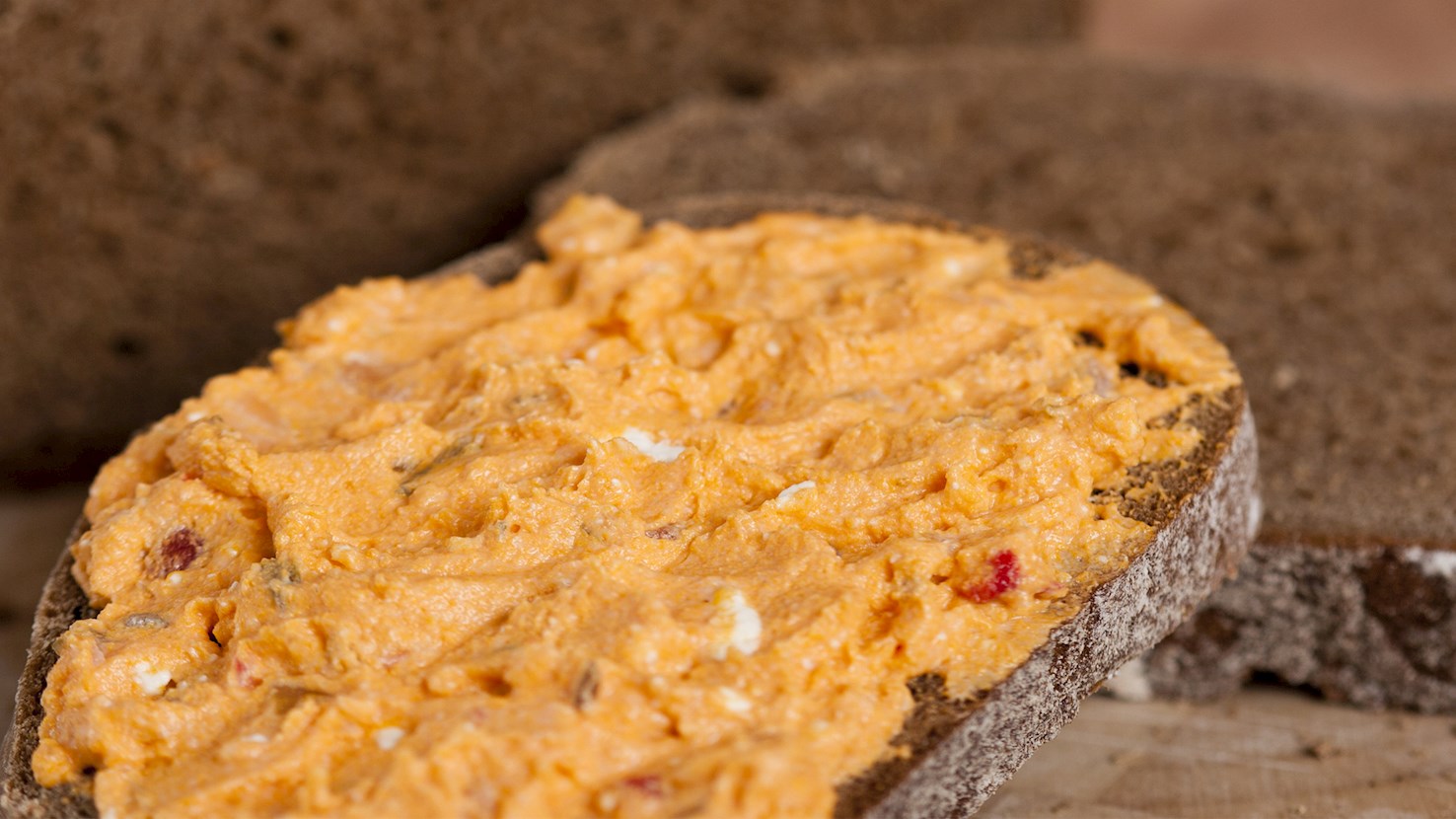
Described as a simple, paprika-spiced cheese spread, liptauer is one of the classic dishes that usually consists of different type of fresh or cream cheeses, blended with ground paprika and a variety of fresh herbs and spices. Even though there has been a long dispute over the true origin of this classic Central European spread, its name certainly derives from the German term used for the Slovak Liptov region. Due to its presence in traditional Hungarian and Austrian cuisine, it is believed to have been created during the period of Austro-Hungarian Monarchy. Today, it appears in numerous variations throughout many European countries, and it is usually enjoyed as a dip, a spread, or a creamy, spicy accompaniment to grilled meat.

10

Demikát

3.6 ·

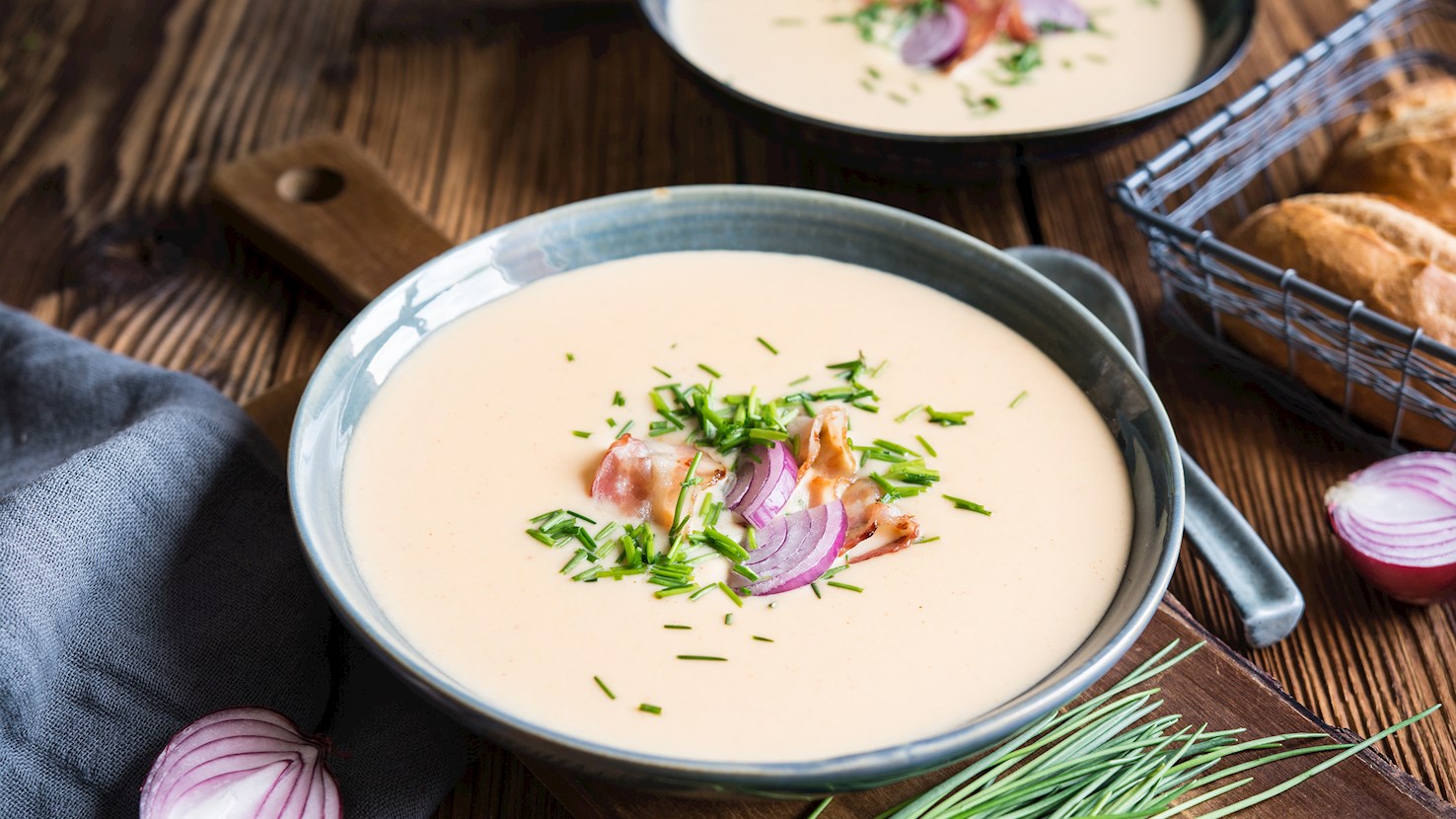
Demikát is a traditional Slovakian soup made with a combination of onions, garlic, lard, potatoes, stock, sour cream, and bryndza sheep cheese. The soup is typically flavored with black pepper, cumin, and ground red pepper, and it is garnished with chopped chives before serving. Due to the unusual flavors of bryndza cheese which is used in the soup, locals say that you will either love it or hate it. If desired, demikát can also be served with gnocchi.

Read more
View all
View map
About this ranking

TasteAtlas food rankings are based on the ratings of the TasteAtlas audience, with a series of mechanisms that recognize real users and that ignore bot, nationalist or local patriotic ratings, and give additional value to the ratings of users that the system recognizes as knowledgeable. For the “18 Worst Rated Slovak Foods” list until June 17, 2026, 3,962 ratings were recorded, of which 2,958 were recognized by the system as legitimate. TasteAtlas Rankings should not be seen as the final global conclusion about food. Their purpose is to promote excellent local foods, instill pride in traditional dishes, and arouse curiosity about dishes you haven’t tried.

Similar lists