


shutterstock

18 Worst Rated Slovenian Foods

Last updated on June 17, 2026
01

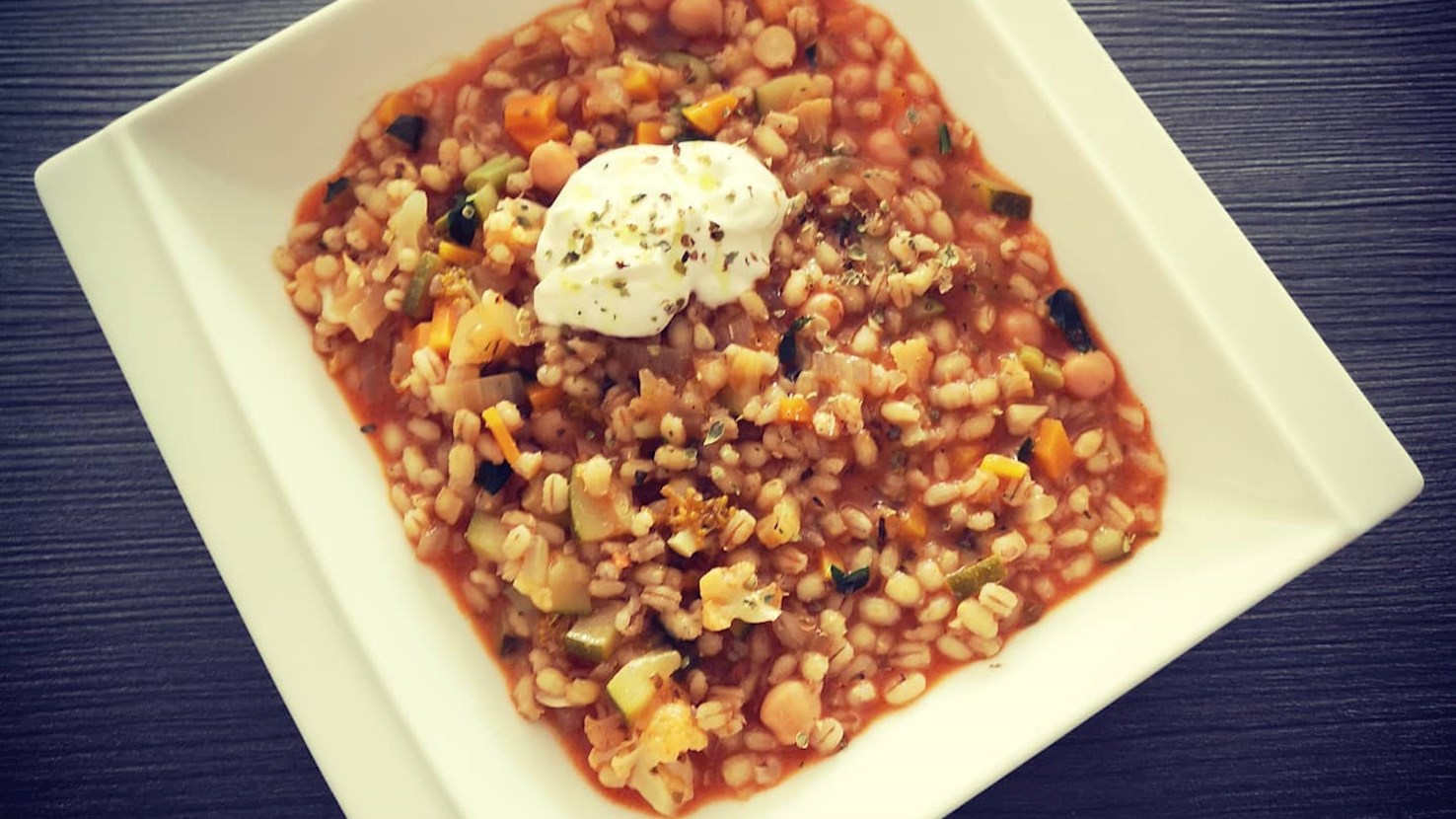
Ješprenj

2.6 ·

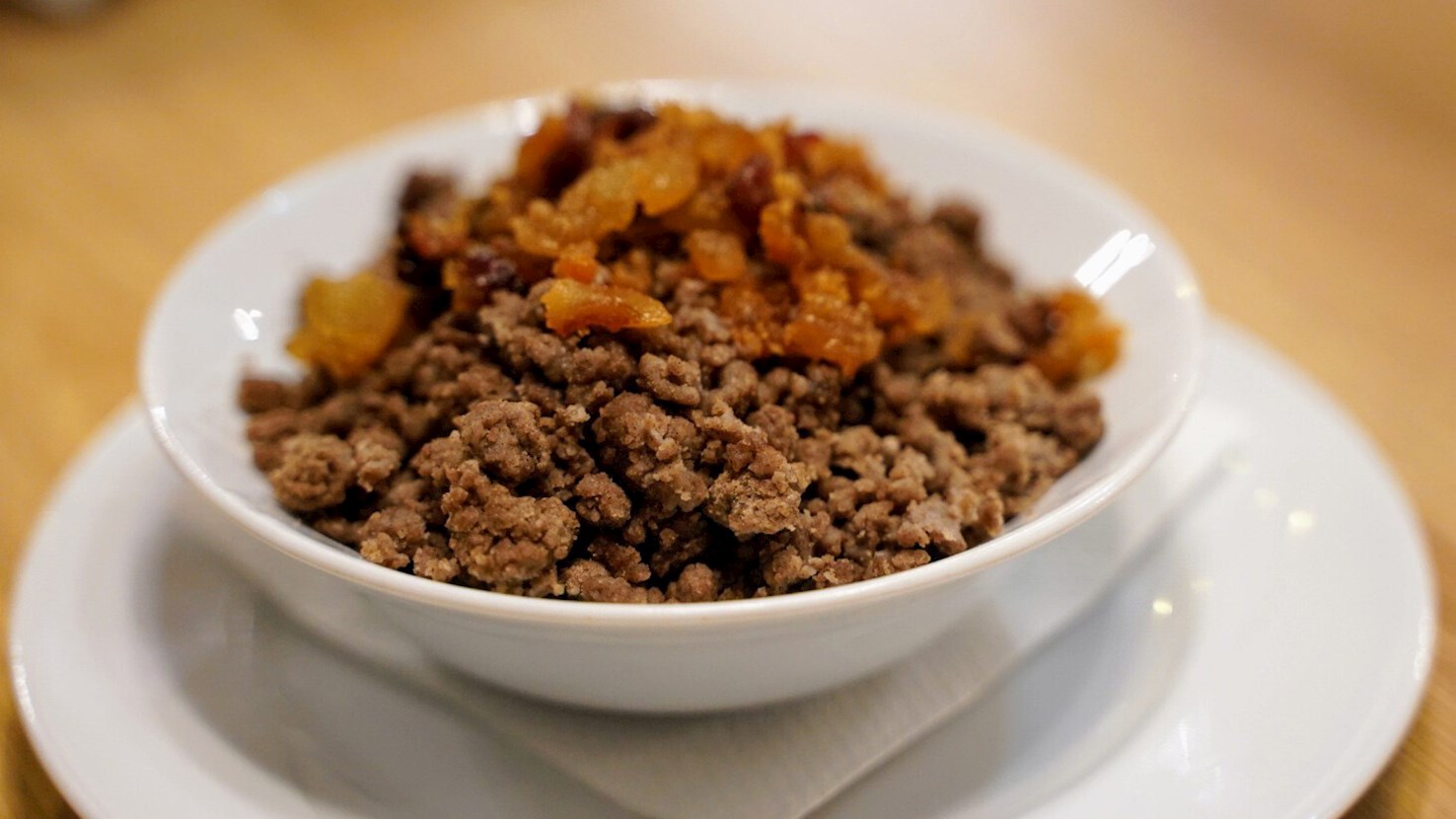
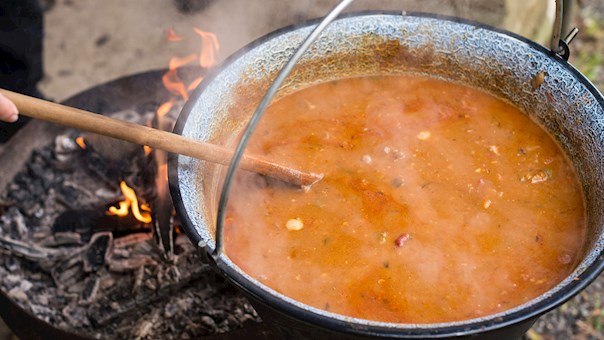
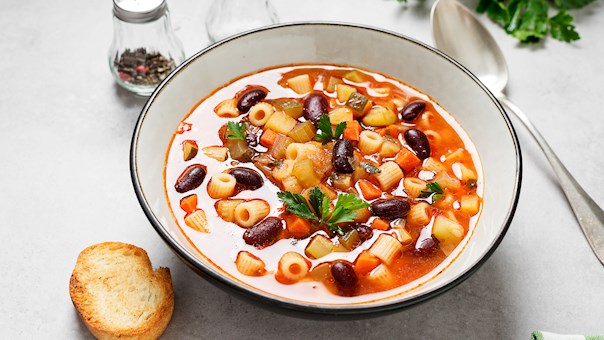
Ješprenj or ričet is a traditional dish originating from Slovenia. Ričet is often called ješprenj in Slovenia, which is Slovenian for dehulled barley. Although there are many variations, the dish is usually made with a combination of dehulled barley, onions, garlic, leeks, carrots, olive oil, beans, pork ribs, bay leaves, tomatoes, stock, and herbs such as parsley, lovage, and savory. The vegetables are sautéed in olive oil, mixed with the other ingredients, covered with stock or water, and the dish is then simmered until the barley is soft. The meat is taken out of the pot, sliced, and added to this thick soup according to personal preferences. It is believed that ješrenj tastes even better the following day.

02

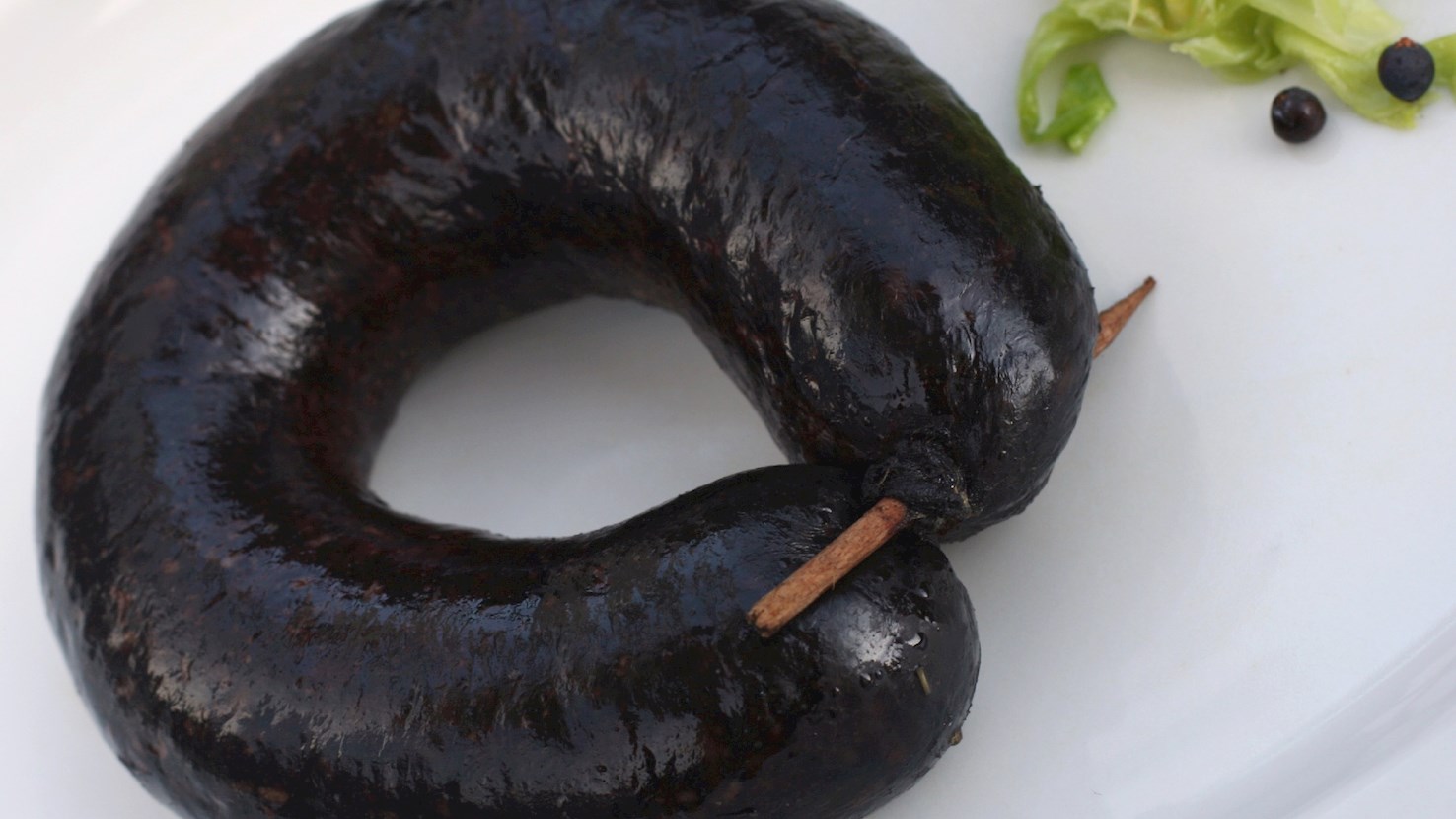
Krvavice

3 ·

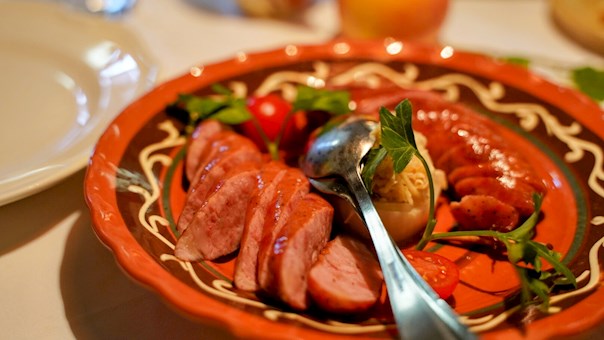
Krvavice are blood sausages produced mostly throughout continental Croatia, especially in the regions of Zagorje, Istria, Dalmatia, and Slavonija-Baranja. Apart from Croatia, the sausages are also commonly consumed in Slovenia and Serbia. They're made by cooking pork blood, skin, and offal with rice and either buckwheat, barley, or cornflour, unlike most other European blood sausages that use oats or oatmeal as fillers. However, there are numerous varieties of krvavice and every cook has his own recipe, so the ingredients may vary. The names also vary, and they're also called divenice, devenice, or kulenice. These sausages are traditionally consumed during winter when they are often accompanied by sauerkraut and a combination of boiled potatoes and sautéed onions known as restani krumpir.

03

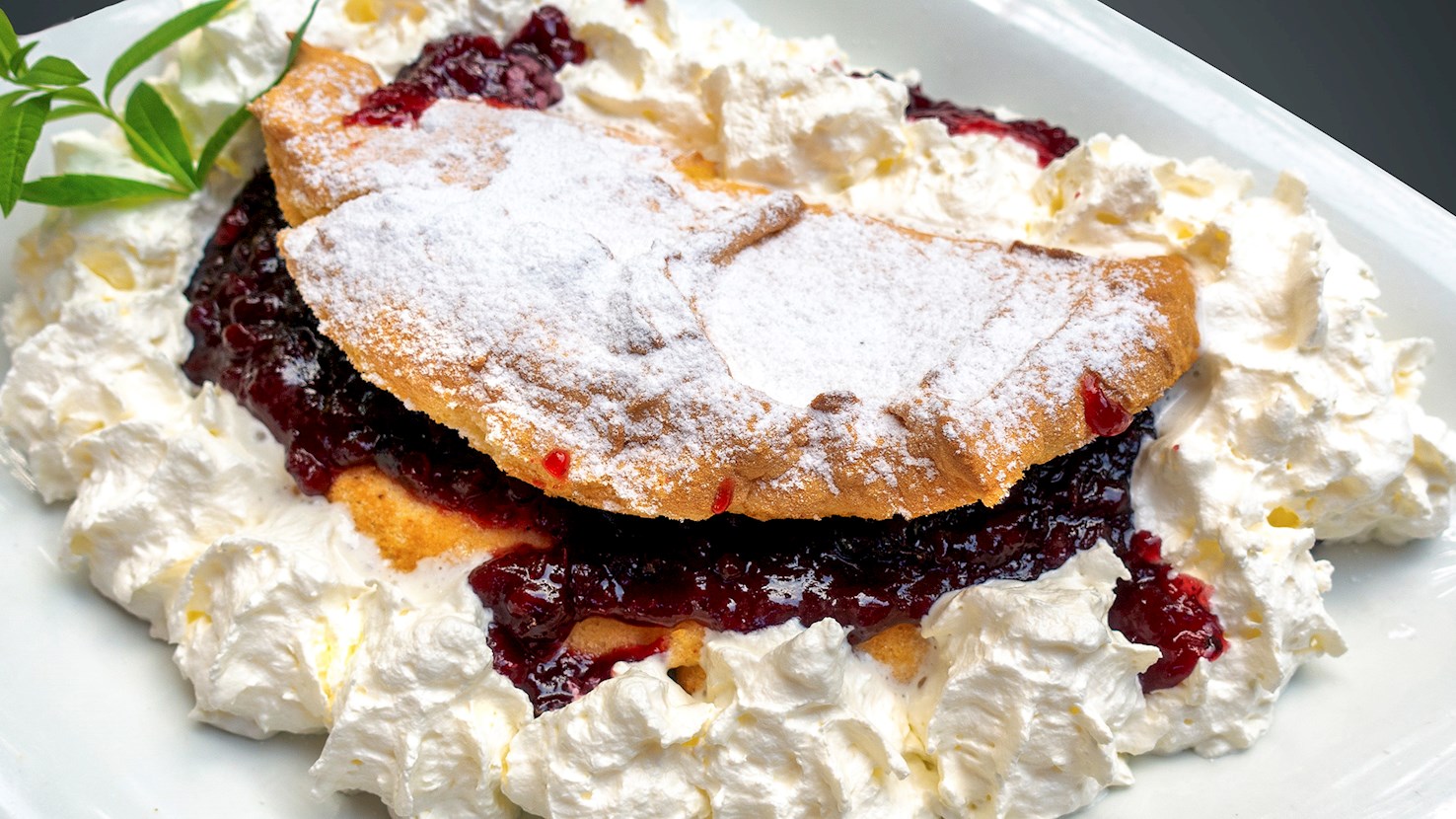
Pohorska omleta

3.1 ·

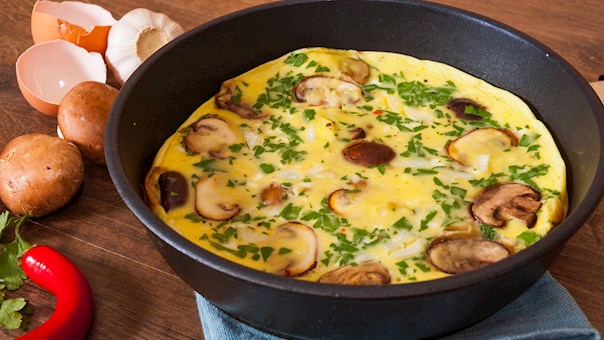
Pohorska omleta or Pohorje omelet is the most famous dessert of the Slovenian region called Pohorje. It was invented in the Poštarski Dom mountain hut in the middle of the 20th century. The dessert is made with eggs, sugar, vanilla sugar, salt, flour, rum, cranberry jam, whipped cream, and mint liqueur. In order to prepare it, egg whites, egg yolks, salt, sugar, rum, and flour are made into an omelet which is then baked in the oven. After it has been baked, the omelet is spread with cranberry jam, decorated with whipped cream, and sprinkled with mint liqueur. This is a dessert the guests need to wait for, because it is always served warm and freshly prepared.

Best restaurants
04

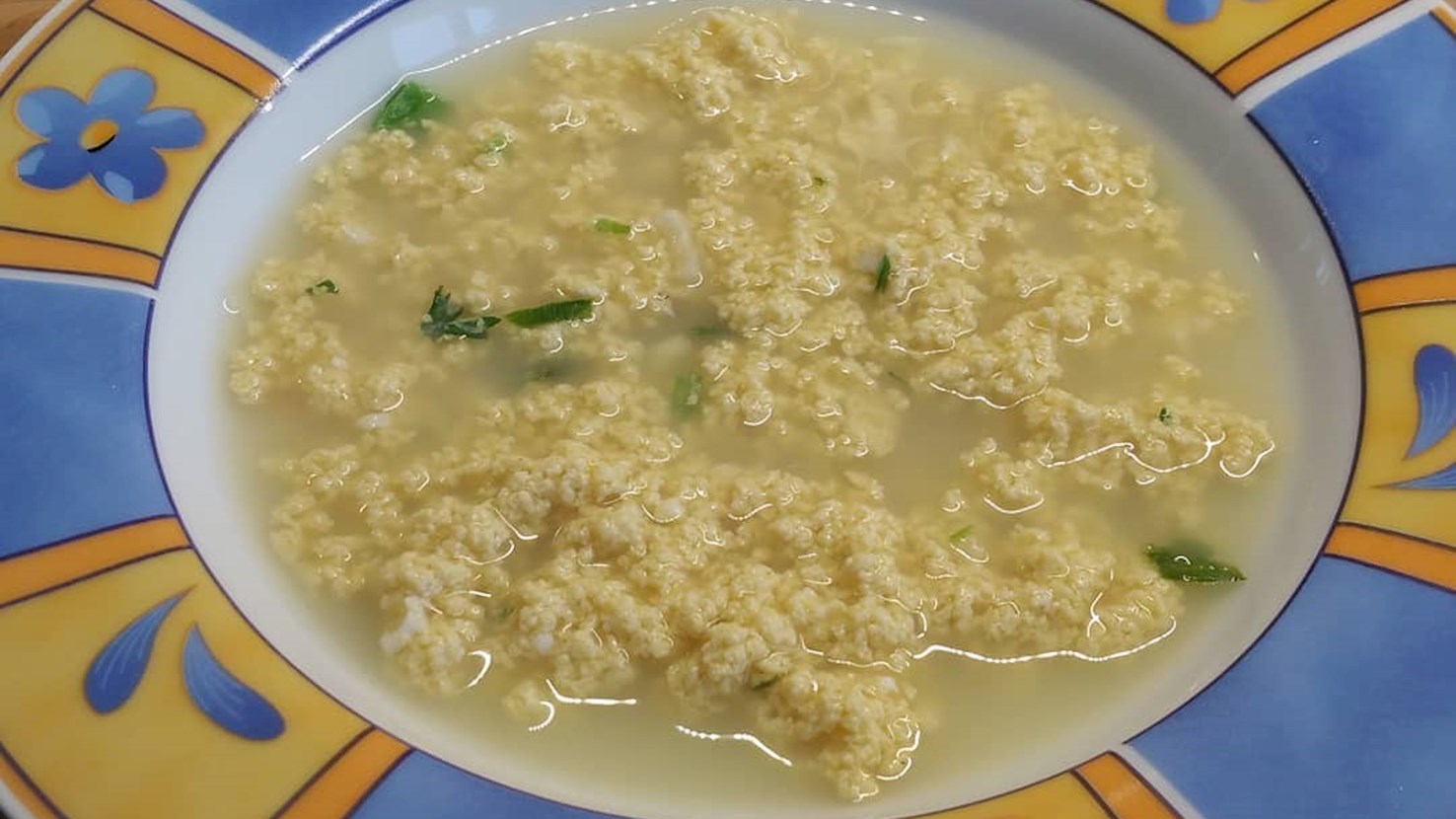
Prežganka

3.2 ·

Though it employs simple ingredients, prežganka is a Slovenian classic. This nourishing soup is prepared with water, flour that is lightly browned in oil, and spices such as caraway seeds, paprika, salt, and pepper. A lightly whisked egg is often added into the soup, which gives the dish a thicker consistency and a more complex flavor. Prežganka is commonly served with croutons or toasted bread on the side and is believed to be a great hangover remedy. A similar dish is found in Croatia, where it goes under the name prežgana juha or ajnpren juha, and in Germany, where it is commonly referred to as einbrennsuppe.

05

Ajdovi žganci

3.4 ·

Ajdovi žganci is the national dish of Slovenia, consisting of buckwheat flour and water. The word žganci is derived from žgati, meaning to burn. Originally, the dish was a basic meal for most people, a breakfast used to provide the daily nutrients and energy to farmers for their hard work during the day. Žganci was consumed as a substitute for bread, while the leftovers used to be toasted with lard the following day, so that no food went to waste. Today, the dish can be found throughout the country, but it is prepared differently in each region of Slovenia. It is commonly served with sauerkraut and grilled sausages on the side. Ajdovi žganci are considered the ultimate comfort food on cold winter days.

06

Strudelj

3.4 ·

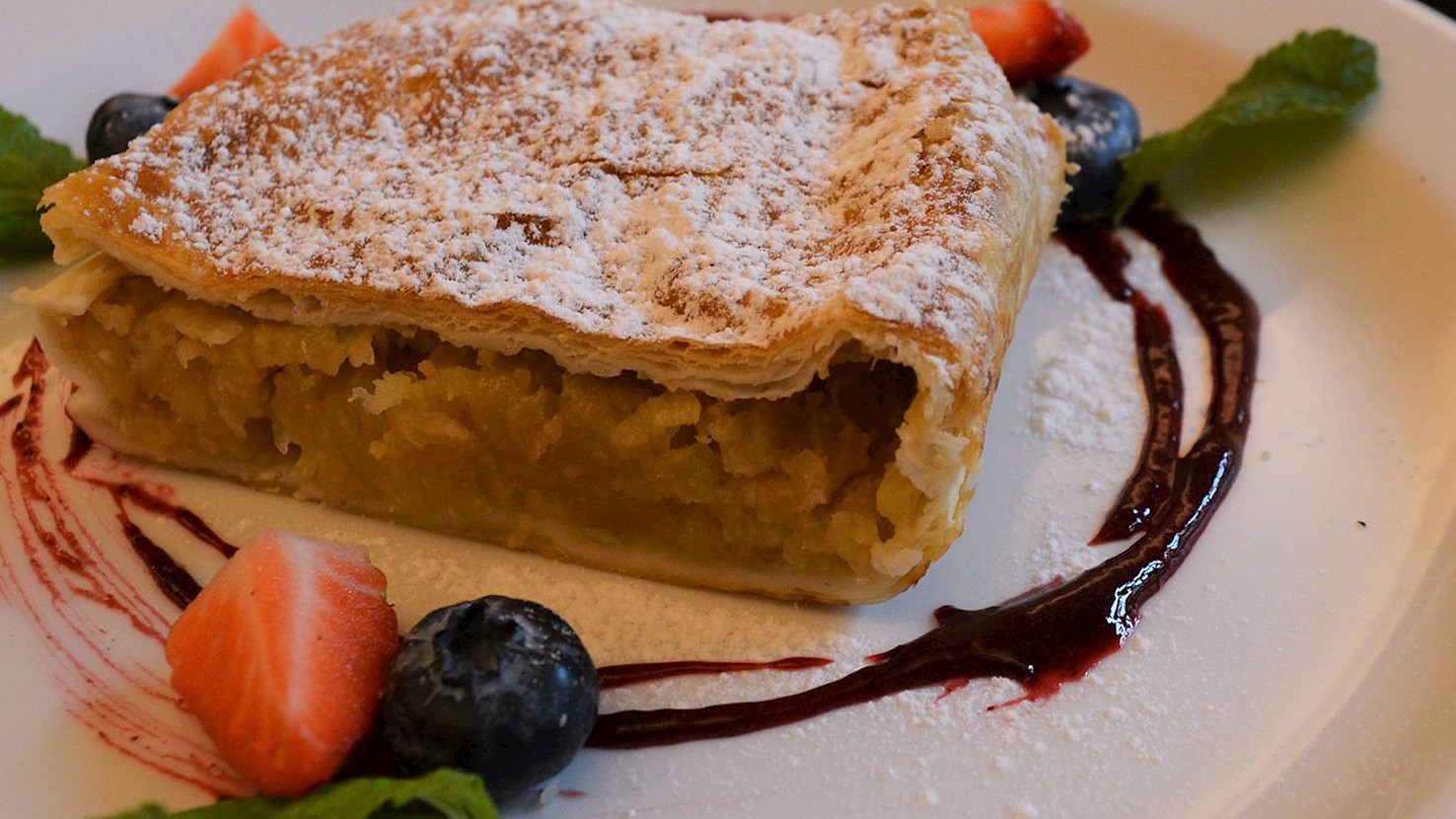
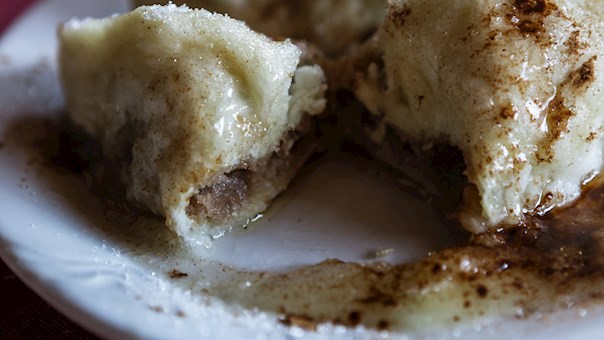
As the name suggests, strudelj is the Slovenian version of strudel, which is especially popular in the Vipava area. Since fruit is always at hand in the valley, sweet strudelj is one of the favorite desserts of the locals. Cherry strudelj is the most popular variety, but there are also other varieties prepared with apricots, peaches, pears, plums, and apples. In late autumn, dainty eaters will surely be delighted by the exceptional persimmon strudelj.

Best restaurants
07

Matevž

3.4 ·

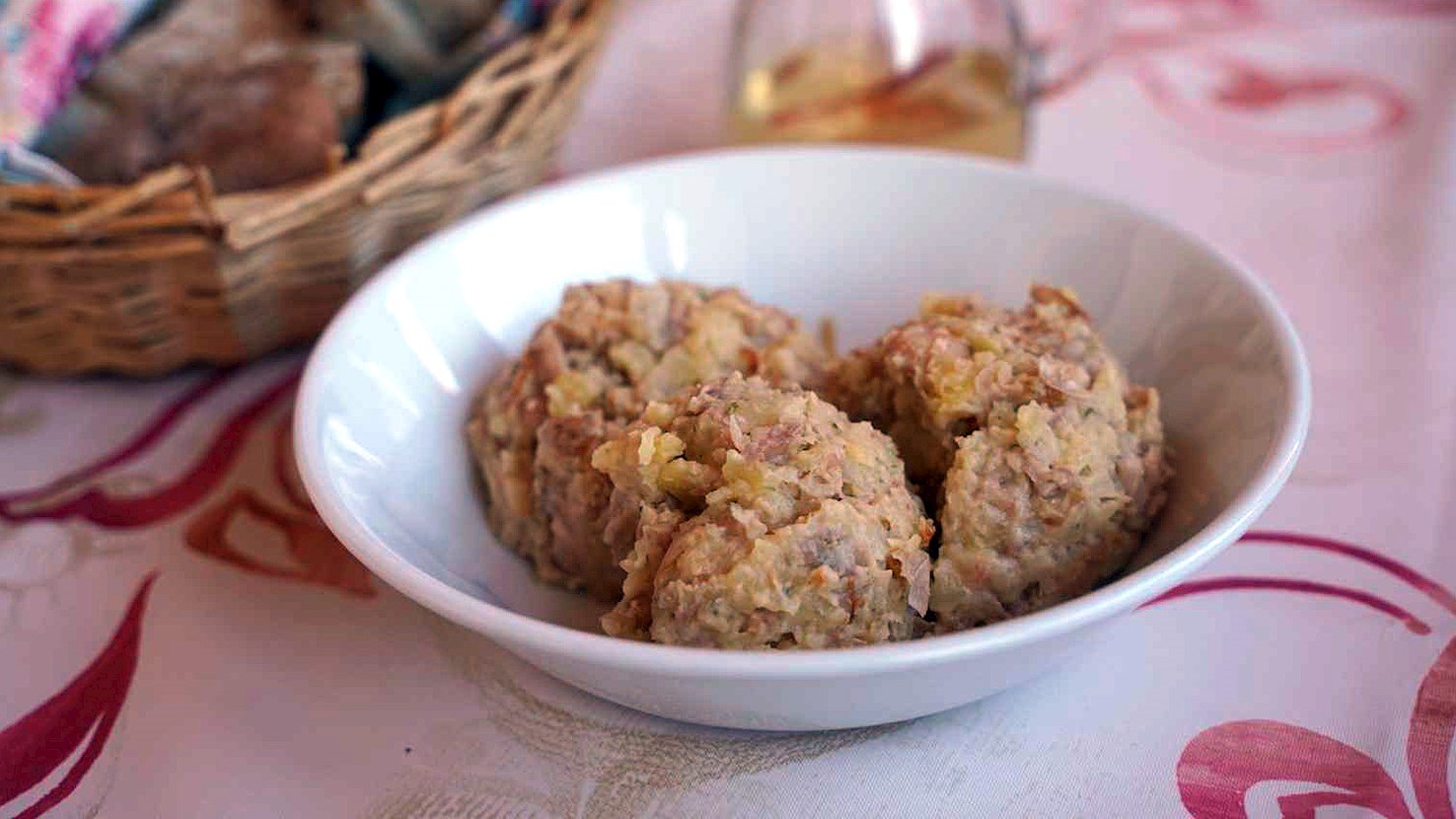
This creamy potato and bean purée is typically paired with sauerkraut, turnip, pork cracklings, roasted meat, ham, or sausages. Although it appears under various names such as krompirjev mož (potato man), medved (bear), or belokranjski mož (Bela krajina man), the most common is matevž, which is probably derived from the male name Matej. Once considered a frugal dish, matevž is nowadays appreciated as a traditional delicacy that is mainly associated with the region of Kočevsko and the wider region of Dolénjska.

08

Ajdova kaša

3.4 ·

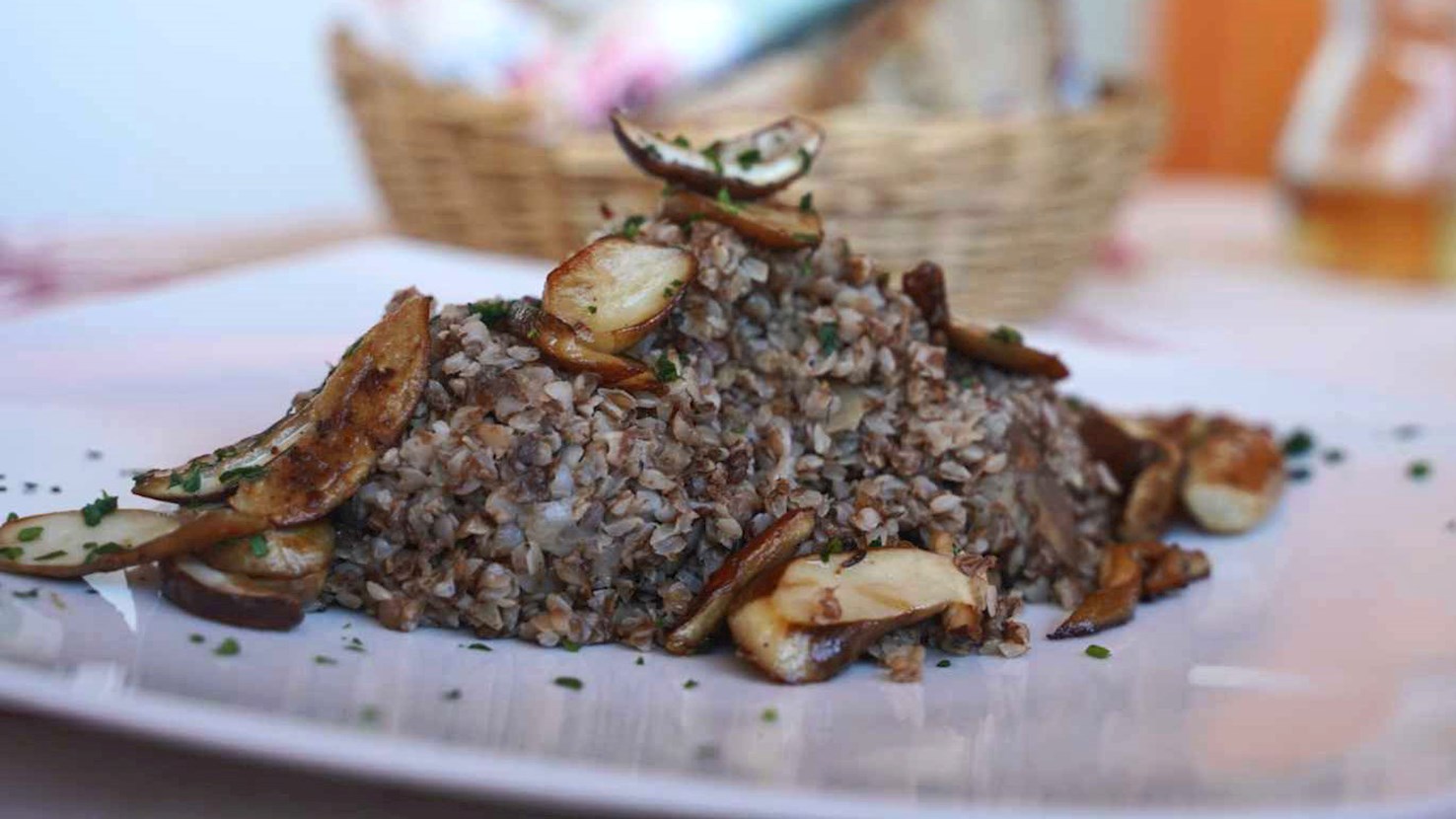
Ajdova kaša is a traditional dish originating from Slovenia. Although there are many variations, it's usually made with a combination of buckwheat, vegetable stock, onions, garlic, mushrooms, bay leaves, fat, parsley, salt, and pepper. The buckwheat groats are covered with the stock and slowly simmered in a pot with bay leaves and salt. The onions are sautéed in oil or butter and mixed with the mushrooms, garlic, salt, and pepper. The mixture is cooked until the water evaporates and it's sprinkled with chopped parsley. It is then mixed with the buckwheat, and ajdova kaša is typically served with roast meat or sauerkraut.

09

Belokranjska pogača

3.5 ·

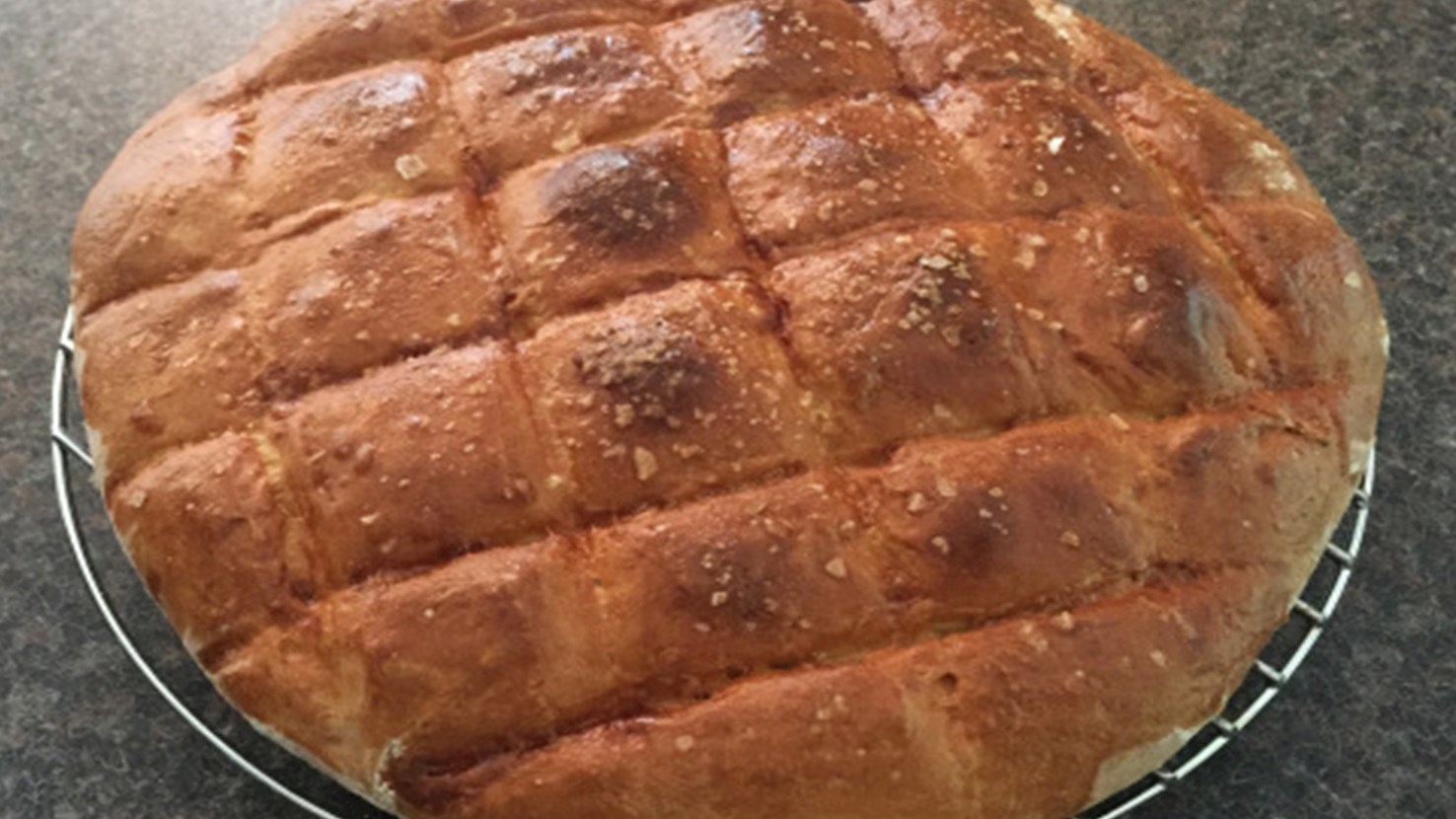
Made with only four basic ingredients, this variety of flatbread is a typical product of the White Carniola region and was brought there in the 15th or the 16th century by Uskoks, Balkan migrants who settled in the highlands of southeastern Slovenia. However, it was first mentioned in Bajke in Povesti o Gorjancih, a 1882 book by Janez Trdina, a renowned Slovene historian, folk collector, author and traveler. Belokranjska pogača is about 3-4 centimeters thick, round in shape, with its surface sliced in a cross-hatched pattern. It is glazed with egg wash, generously sprinkled with coarse salt and cumin, and baked to a golden or light brown color. Freshly baked Belokranjska pogača exudes a delightful aroma of cumin and it is best enjoyed while it's still warm, broken by hand, and consumed in bite-size squares. Traditionally, this authentic Slovenian flatbread is prepared for special occasions such as the Feast of St. Martin, religious holidays, and other similar festivities.

10

Kraška jota

3.6 ·

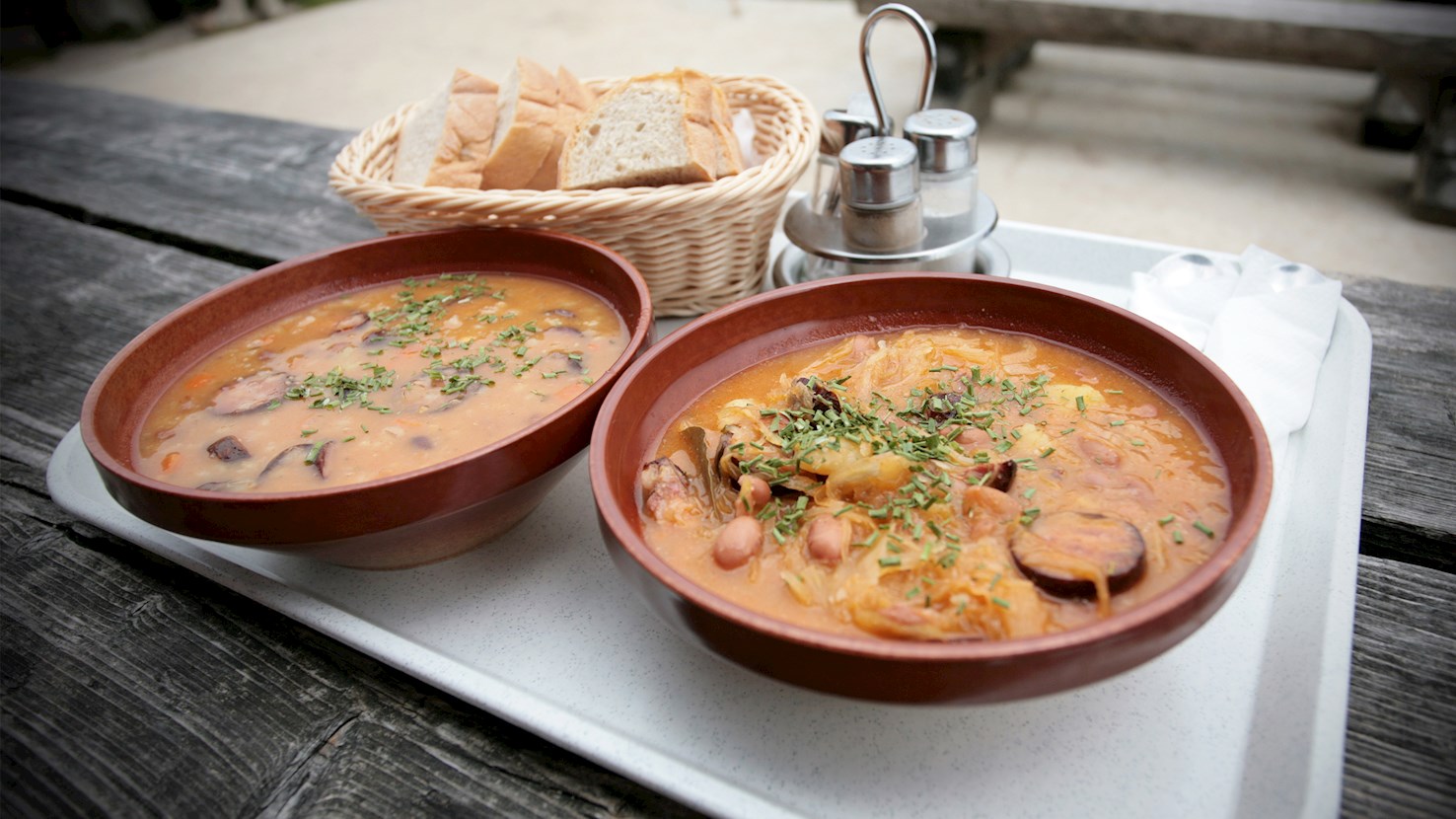
Kraška jota is a traditional thick soup or stew originating from the Karst area. It's usually made with a combination of sauerkraut, sour turnip, pork ribs, beans, pork sausages, potatoes, stock, onions, garlic, olive oil, paprika, black pepper, salt, thyme, and marjoram. The garlic and onions are sautéed in oil, and the sausage, stock, potatoes, and herbs are then added to the pot. After a few minutes of cooking, sauerkraut and sour turnip are added to the mix, followed by the beans, salt, pepper, and paprika. Once done, this hearty dish is served warm in deep bowls. It's recommended to serve the stew with a piece of fresh bread on the side.

Read more
View all
View map
About this ranking

TasteAtlas food rankings are based on the ratings of the TasteAtlas audience, with a series of mechanisms that recognize real users and that ignore bot, nationalist or local patriotic ratings, and give additional value to the ratings of users that the system recognizes as knowledgeable. For the “18 Worst Rated Slovenian Foods” list until June 17, 2026, 1,766 ratings were recorded, of which 1,259 were recognized by the system as legitimate. TasteAtlas Rankings should not be seen as the final global conclusion about food. Their purpose is to promote excellent local foods, instill pride in traditional dishes, and arouse curiosity about dishes you haven’t tried.

Similar lists