Milcao is a traditional dish originating from the Chiloé Archipelago. It consists of grated potatoes, mashed potatoes, and usually lard and seasonings, resulting in a type of potato pancake. Traditionally, only Chilotan potatoes should be used in the preparation of milcao. These potato pancakes are used as an important part of dishes reitimiento and curanto. Nowadays, there are many variations of milcaos – fried, oven-baked, steamed, boiled, sweetened, or enriched with chicharrones.
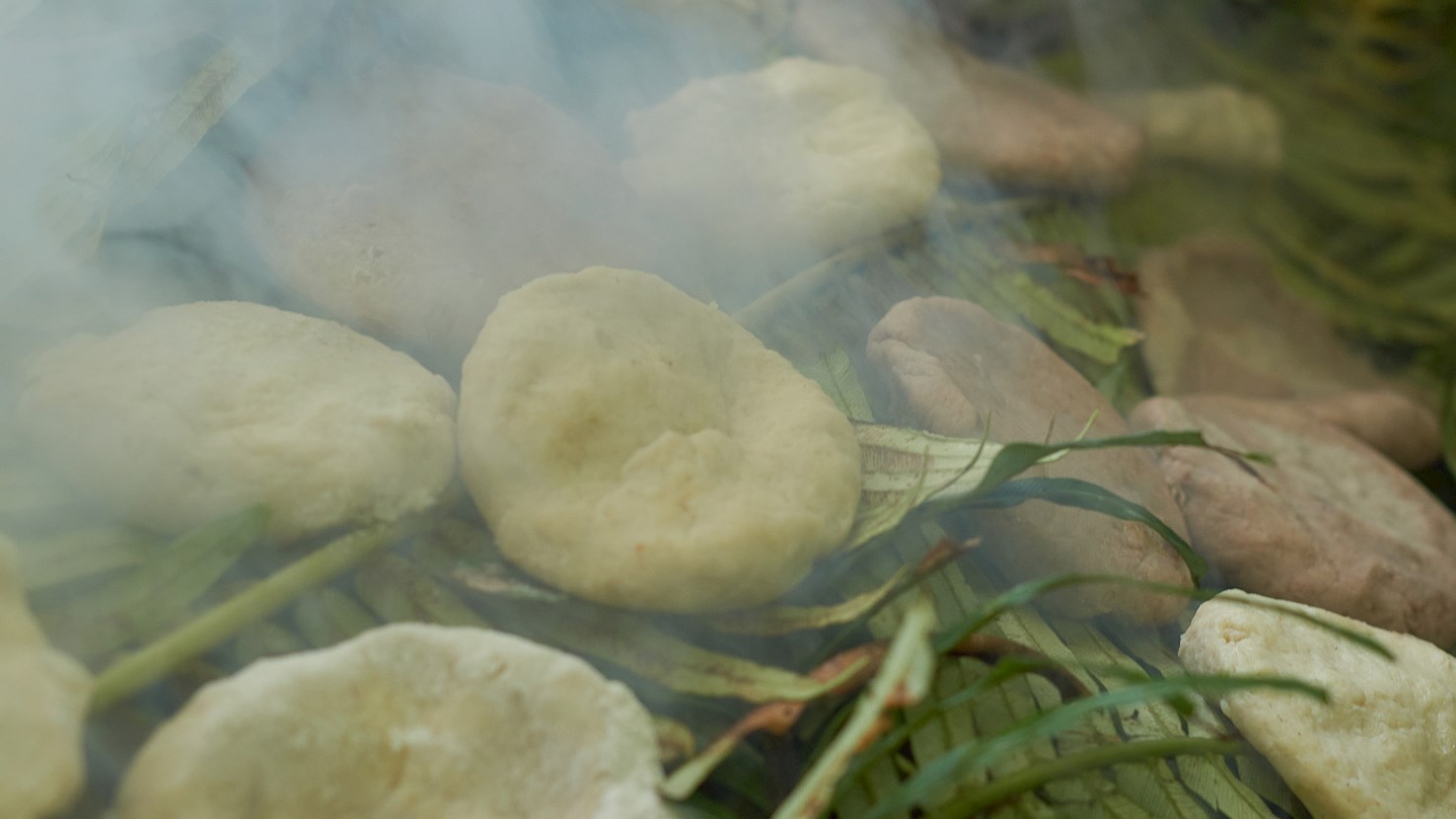
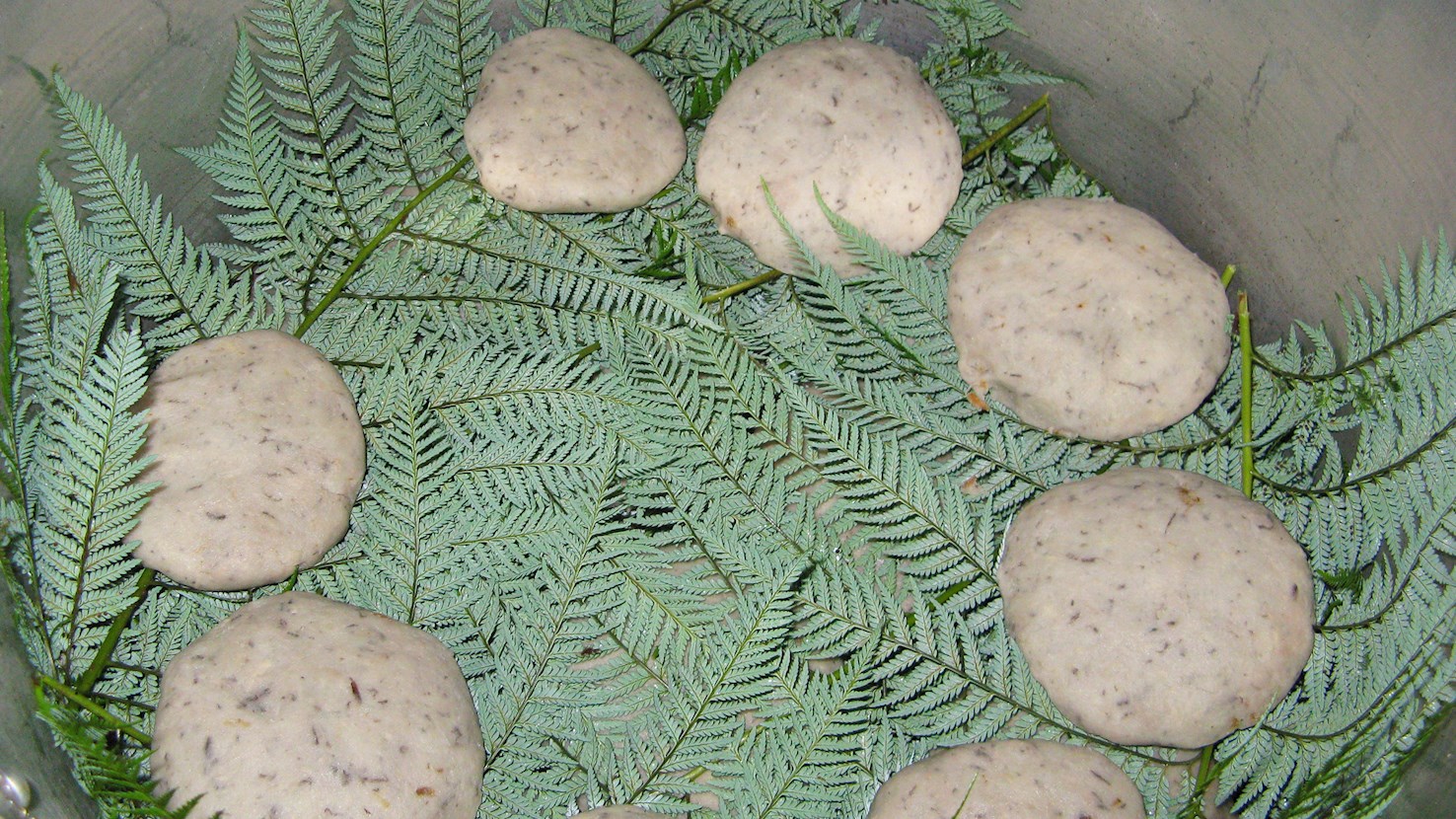
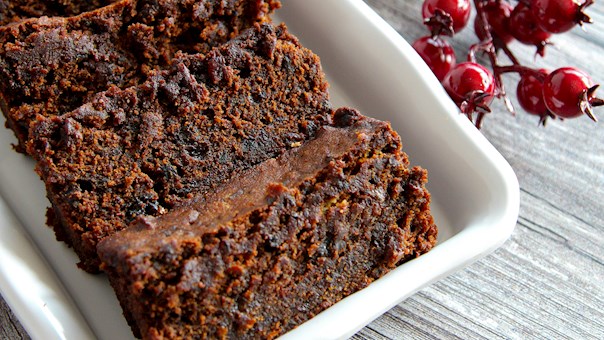
Chapalele is a potato-and-wheat bread from the Chiloé Archipelago in southern Chile, most closely associated with the island’s curanto meals and with the wider group of chilote preparations in which potatoes are turned into breads, cakes, and dumpling-like accompaniments. At its simplest, the dish mashes cooked potato and combines it with wheat flour and salt to form a soft dough, though some versions add pork fat, lard, or other enrichments. The pieces can be boiled, baked, fried, or cooked in a curanto, but the curanto version is particularly characteristic: flattened portions of dough are placed among the layers of food and cook in the hot steam generated by heated stones beneath meat, shellfish, potatoes, and nalca leaves. Chilean tourism material describes chapalele specifically as a mixture of cooked potato and wheat associated with Chiloé, while historical studies of the archipelago place it among the various “potato breads” that include milcao, chochoca, mella, and related preparations. Its development reflects the particular food history of Chiloé. Potatoes were already central to Huilliche agriculture before Spanish colonization, and archaeological and historical research describes them as one of the archipelago’s most important pre-Hispanic crops; wheat, by contrast, arrived with Europeans and was being cultivated in Chiloé during the colonial period, although the cool, wet climate made it considerably less reliable than potatoes. Chapalele therefore combines two very different agricultural histories in one dough: an indigenous potato culture deeply adapted to the islands and an introduced cereal that gradually became part of local cooking. No inventor or precise date marks the first time these ingredients were combined in this form, so it is more accurate to see chapalele as the result of a long process of adaptation in colonial and post-colonial Chiloé than as a dish created at one identifiable moment. Early 20th-century accounts already describe the importance of potatoes in chilote life, while regional dictionaries record chapalele as a recognized local preparation; one Chilean dictionary defines it as a type of tortilla made with flour and potato that commonly accompanies curanto. Preparation begins by boiling potatoes until completely tender, draining them, and mashing them while still warm so that the mixture remains smooth. Wheat flour and salt are then worked into the potato, usually gradually, because the exact amount of flour depends on how moist and starchy the potatoes are. The goal is a dough firm enough to hold its shape but still dominated by potato, rather than becoming ordinary wheat bread. Some cooks add a little lard or rendered pork fat, especially when serving chapaleles with a substantial curanto, while simpler versions rely only on potato, flour, and salt. The dough is divided into individual pieces and flattened into rounds or oval cakes. For a curanto, they are placed in the layered cooking arrangement and steam with the other ingredients. A curanto al hoyo begins with stones heated intensely in a pit, followed by shellfish, meats, sausages, potatoes, and other foods, then covered with large nalca leaves and additional insulating layers so the contents cook in trapped heat and steam. Chapaleles absorb some of the surrounding aromas while cooking, especially pork, shellfish, smoke, and the moist leaves, but they remain mild enough to serve as a neutral starch alongside the curanto's stronger flavors. This is one of the main differences between chapalele and milcao, another famous Chiloé potato preparation it is sometimes confused with. Milcao is generally made from a mixture of raw grated potato and cooked potato and often contains pork fat or chicharrones, while chapalele is more closely associated with cooked potato combined with wheat flour. The distinction affects both texture and flavor: chapalele tends to be softer, more bread-like, and less intensely potato-forward than milcao, while milcao can be denser, chewier, and richer because of its grated raw potato and pork components. Chapalele isn't limited to savory dishes. Chilean tourism sources also record sweet versions served hot with honey or sugar, showing how the same basic dough can move from a curanto accompaniment to a simple dessert or snack. Honey, particularly ulmo honey from southern Chile, works especially well because its floral sweetness contrasts with the mild potato dough, while sugar creates a simpler finish. Depending on the household, sweet chapaleles may be fried or otherwise cooked separately rather than steamed inside the curanto, giving them a crisper exterior and making them closer in function to a small fried bread. The dough's versatility helped chapalele remain useful in island cooking: potatoes were abundant, flour could stretch them into a more substantial food, and the finished pieces could be cooked using whatever heat source was available. The importance of potato to this food culture is difficult to overstate. Chiloé is home to a remarkable diversity of native potatoes, with agricultural authorities reporting more than 250 varieties across the archipelago, and potatoes have long served there not simply as a vegetable but as a central source of starch and the foundation for numerous distinct preparations. Chapalele is still eaten throughout Chiloé and is encountered at family gatherings, rural festivals, restaurants specializing in island cooking, and especially meals centered on curanto. Served savory, it is best eaten warm alongside the seafood, pork, chicken, sausages, and potatoes of the curanto, where it absorbs some of the cooking juices and provides a soft contrast to firmer shellfish and meats. It can also accompany roasted pork, lamb, smoked foods, or stews, and butter can be enough when chapalele is served separately. Sweet versions pair naturally with honey, jam, or sugar and work well with tea or mate. With a full curanto, dry Chilean white wine, particularly Sauvignon Blanc or a fresh coastal Chardonnay, can handle the shellfish while remaining bright enough for the dense potato bread, and light lager or cider are equally comfortable choices. Chicha de manzana, the apple cider long associated with Chiloé, is an especially fitting regional partner because its acidity cuts through pork fat and complements both the mild chapalele and the sweeter flavors found elsewhere on the table.
Ceviche de chochos is a traditional and Ecuatorian dish in made with chochos or tarwi (lupini beans) as the primary ingredient. These beans have a unique, slightly bitter flavor that pairs well with the acidic components of the dish. The chochos are mixed with ingredients typical of ceviche preparations, like tomatoes, onions, coriander, lime juice, and usually aji peppers. The mix is left to marinate, allowing the flavors to meld. Often, ceviche de chochos is garnished with toasted corn (maiz tostado), chifles (thin plantain chips), or avocado slices. The combination of textures – the softness of the beans, the crunch of the corn, and the creaminess of the avocado – adds to the appeal of the dish.
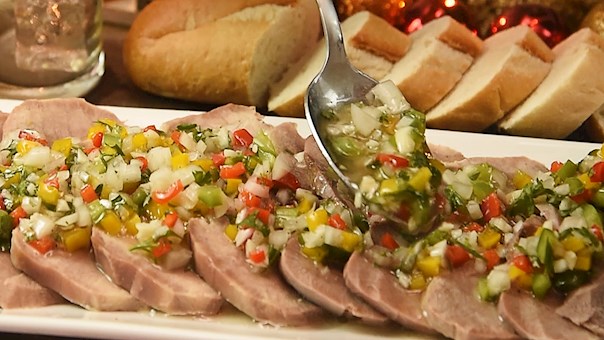
Pescoço is a beef cut that comes from the neck area of the animal and is typically a tougher and more muscular cut of meat. It would correspond most to the neck or nape beef cut in the US. Due to its composition, it's often used for slow-cooking methods like braising, stewing, or making stocks and broths. These methods help break down the tough connective tissues and fibers, resulting in tender and flavorful dishes. In Brazilian cuisine, pescoço might be used in hearty stews, soups, and traditional dishes that require long cooking times to develop rich flavors and tender textures.
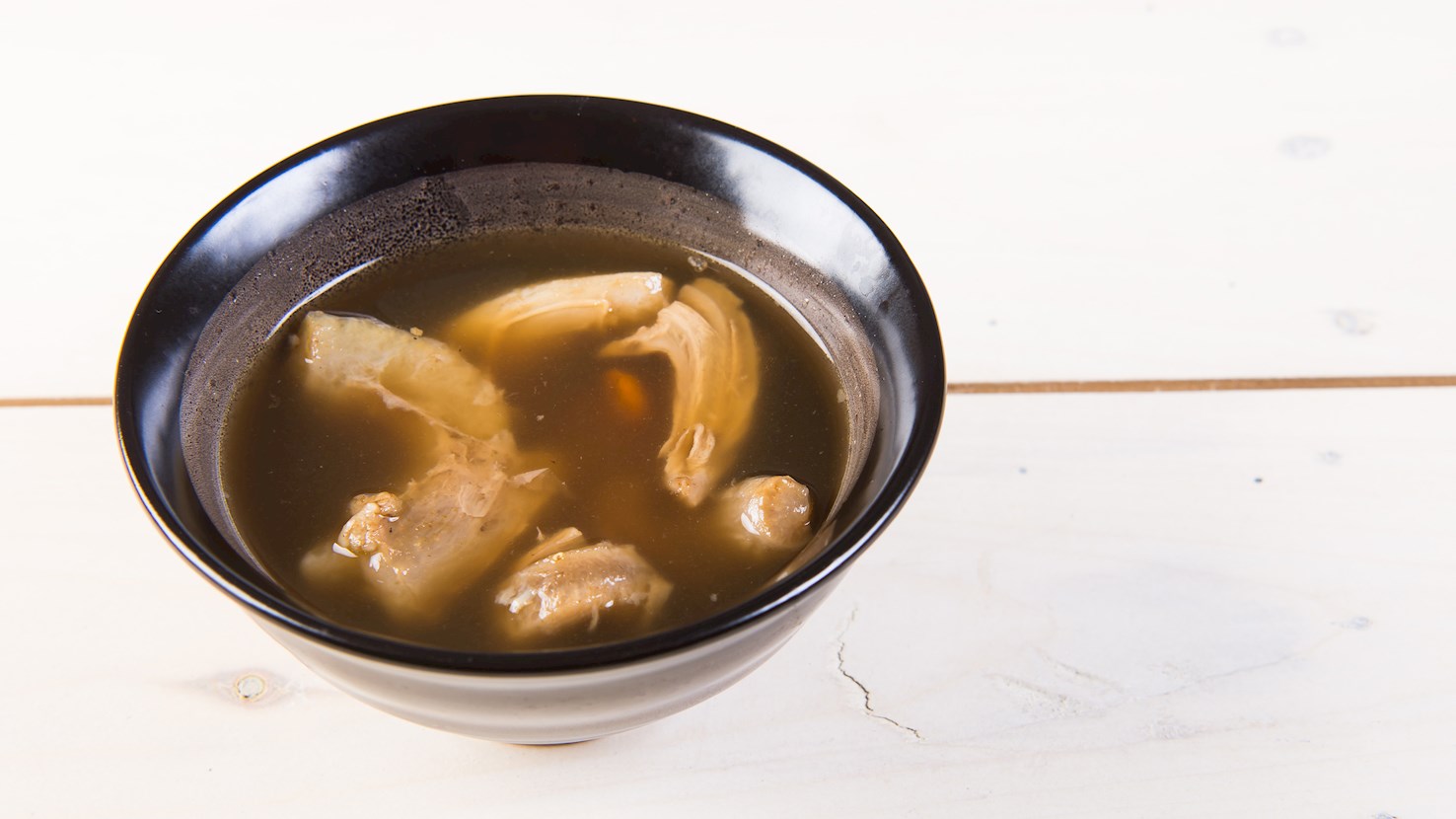
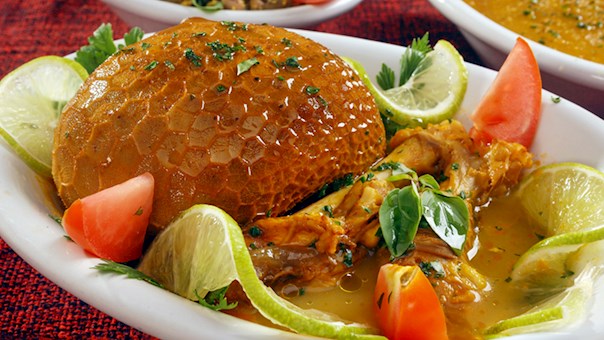
Caldo de cardán is a Bolivian soup prepared with bull's penis as the key ingredient. The soup needs to be cooked for a very long time over low flames, but the results are magnificent, and locals consider it an aphrodisiac and a great hangover cure. The soup is enriched with ingredients such as beef, beef tendon, lamb ribs, chicken breasts, potatoes, rice, hard-boiled eggs, and Bolivian beef jerky. The resulting broth is sharp and opaque, accentuated with a hint of cream or llajua – a spicy sauce made with tomatoes, onions, and chili peppers. Caldo de cardán is always served piping hot and it is especially popular on weekends, due to its long cooking time.
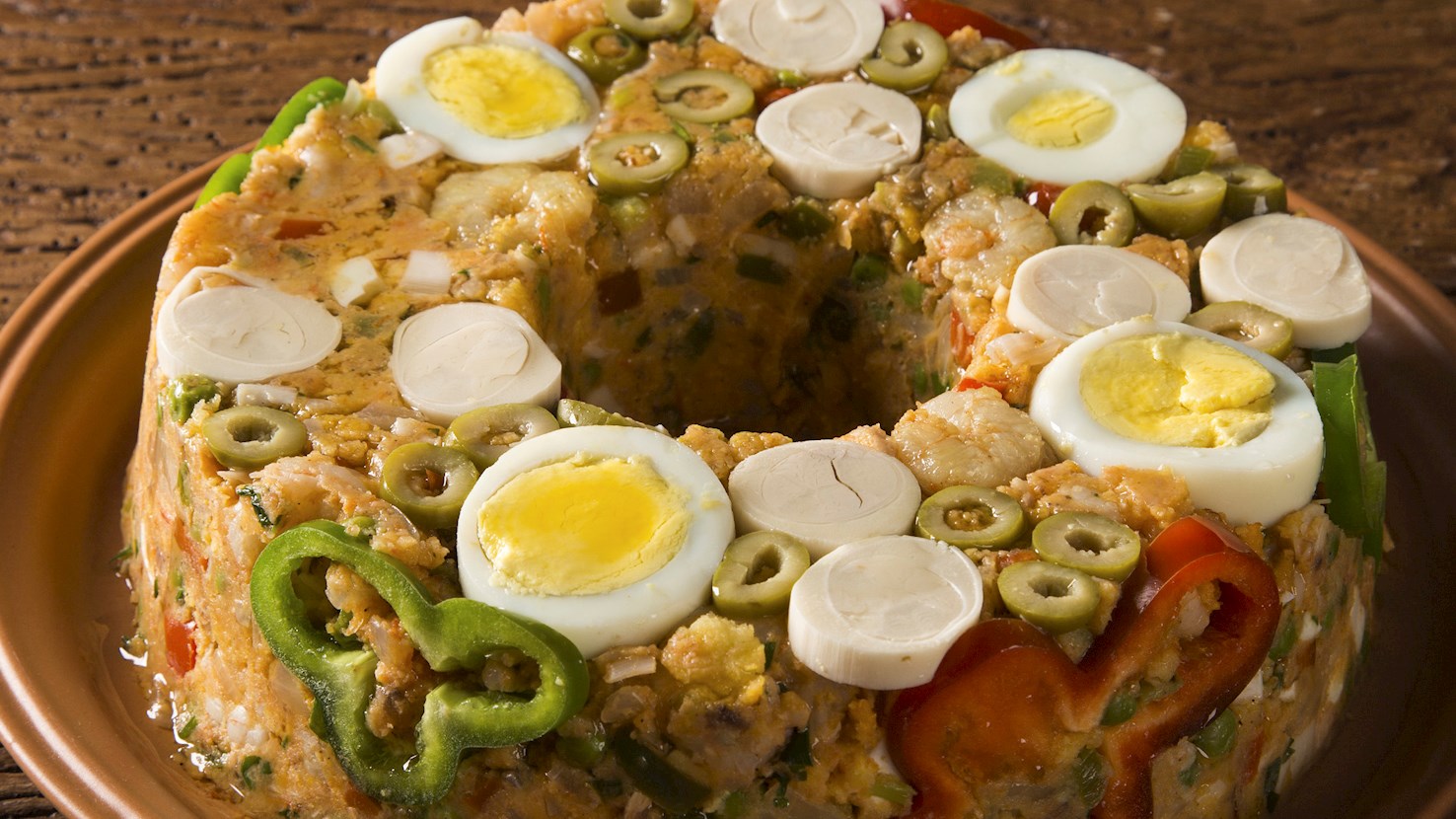
Cuzcuz Paulista is an elaborate Brazilian dish consisting of cornmeal enriched with olives, canned sardines (or any other canned fish), and peas – ingredients that were quite expensive and exotic during the time of the dish's invention in the 19th century. Among the huge number of ingredients, there is also manioc flour, garlic, onions, bell peppers, parsley, green onions, and hard-boiled eggs. The dish is typically prepared in a molded cake pan, then inverted, and the visual presentation of cuzcuz Paulista should have a "wow" effect on the guests. It is recommended to serve the dish for large crowds, ideally with salsa on the side.
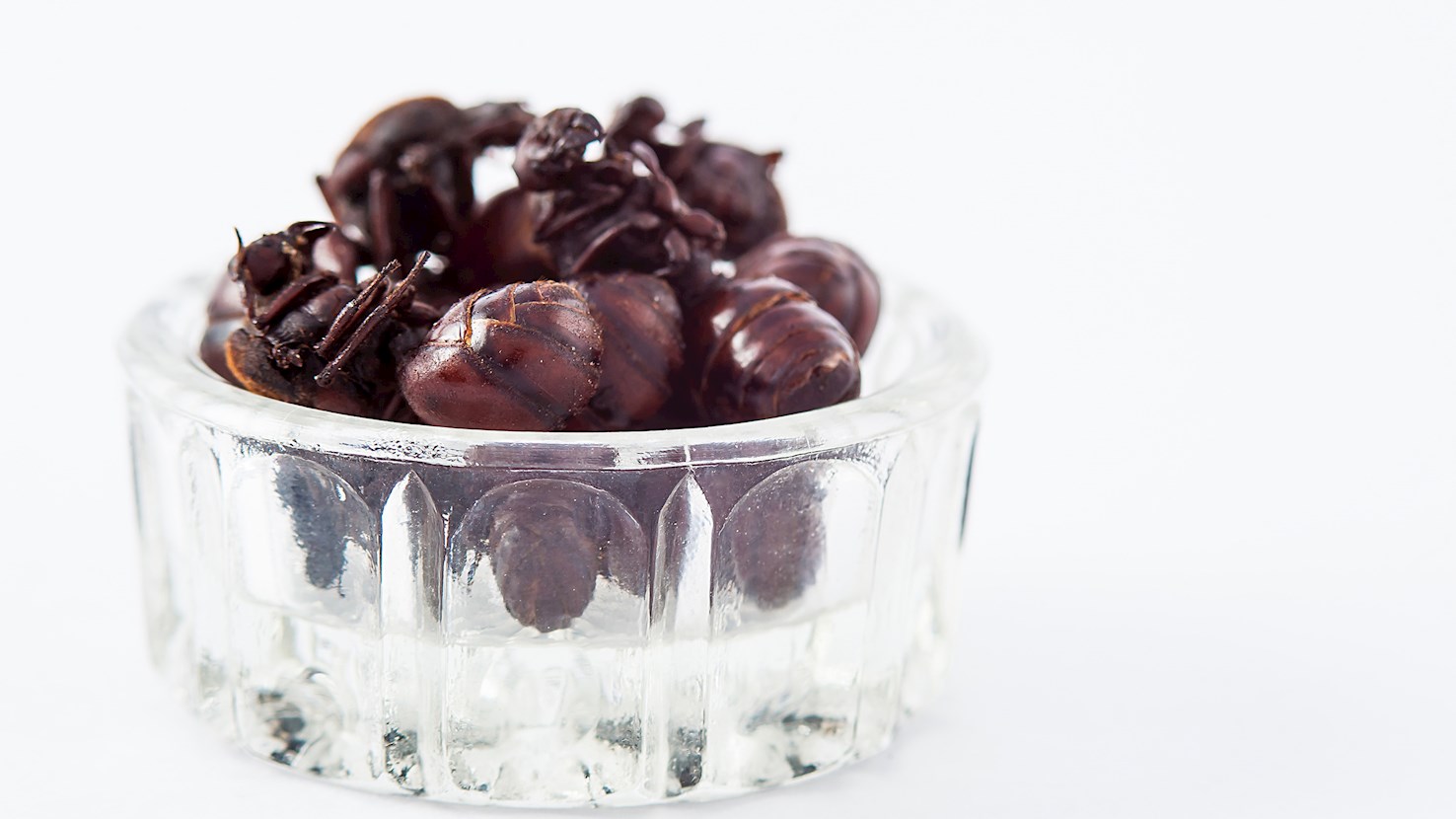
Hormiga culona are world famous fat-bottomed ants, an unusual delicacy from the department of Santander in Colombia. Originally harvested by the Guane Indians as a protein source, today it takes about five hours to gather the ants from their nests in springtime. Their bottoms get soaked in salted water, then they are fried for about 45 minutes and strained, while the wings get removed by hand. The snack is sold on numerous street corners, made with the addition of wine, or toasted with salt, while some upscale restaurants make their own gourmet versions of the dish. Providing a unique taste and flavor of Colombia, ants' bottoms can get seriously expensive due to the fact that they come out of their nests for only one or two days in a year, during the rainy season. They taste like peanut shells, salty and crunchy, and are sometimes also compared to pork rinds. The ants are large and always female, while some believe that they have aphrodisiacal properties, so hormiga culonas are sometimes even given as a wedding gift. Although it is an unusual food, the ants are believed to prevent high cholesterol in blood and are full of protein and Vitamin B, making it an unusual, yet healthy snack.
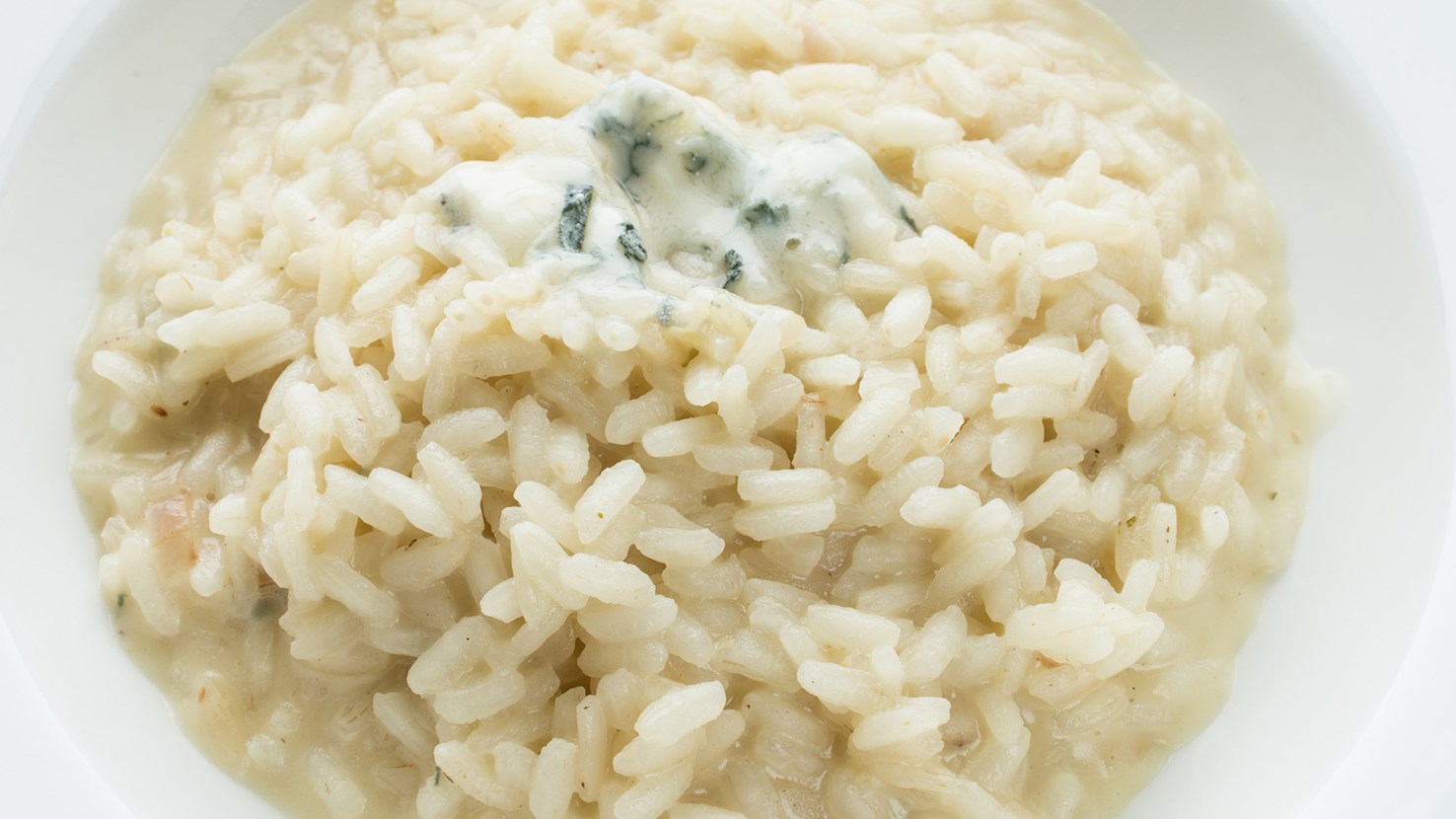
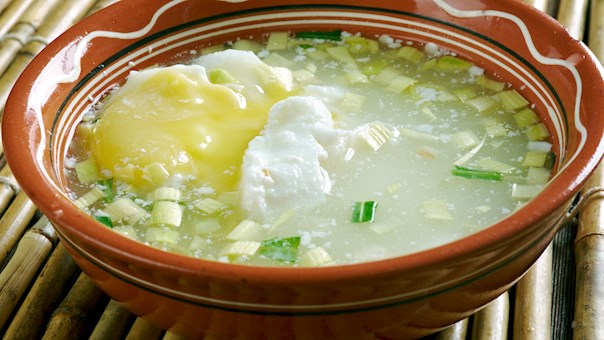
Arroz con queso is a traditional dish with a strikingly white color. It consists of rice (preferrably short and plump, such as Arborio), milk, and semi-firm white cheese. Rich and creamy, this popular dish can often be found alongside churrasco dishes and other grilled meat dishes, and it is recommended to serve arroz con queso while it is still hot.
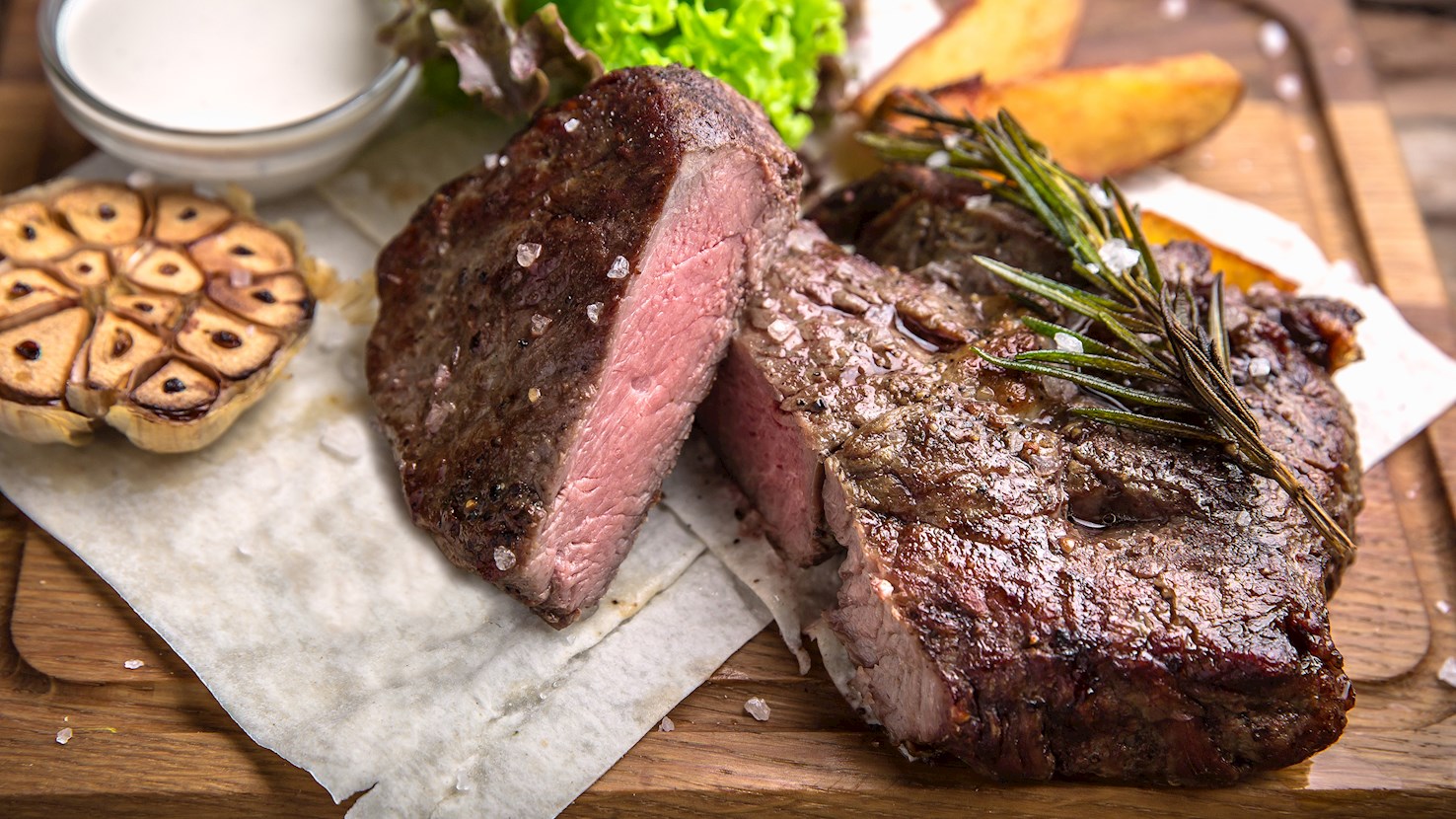
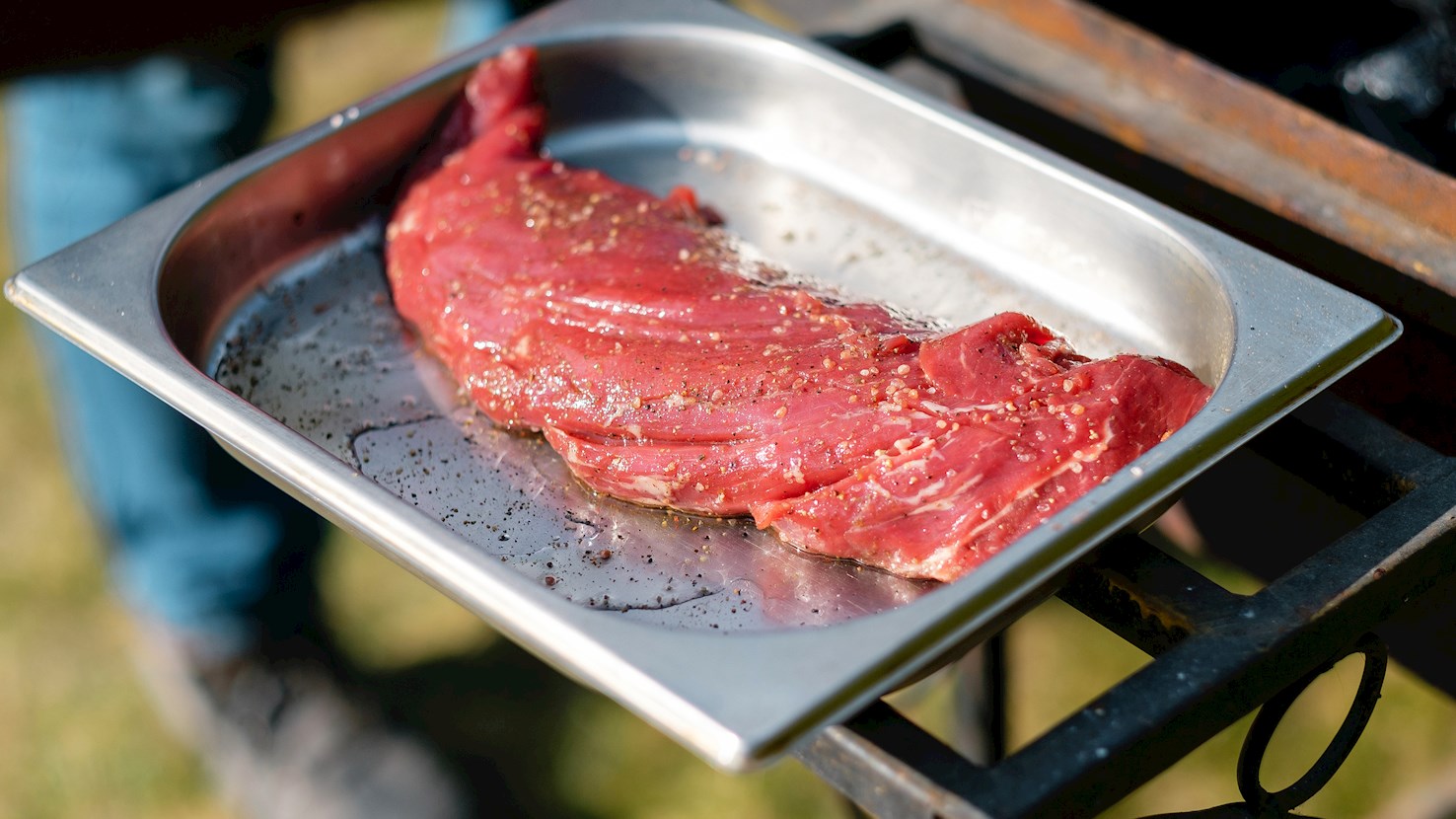
Lomo de llama is llama tenderloin, a prized cut from the loin of a llama. This cut is incredibly tender, succulent, and juicy, and it can be prepared similarly to beef tenderloin - as steaks, fillets, or fillet medallions. Llama meat is, however, much leaner than beef and higher in proteins, while flavor-wise, it is said to be similar to beef but slightly more intense, with hints of lamb and gaminess. Llama tenderloin is used to prepare a vast variety of specialties, and it's commonly fried, baked, stuffed, or braised in wine sauces. Typical accompaniments to dishes made with this cut of meat include mashed or boiled papas andinas (Andean potatoes), raw or cooked vegetables, quinoa salads, risottos, and chimichurri sauces.
Mogolla is a popular Colombian bread made from wheat flour, whole wheat flour, or cornmeal flour, characterized by its small size and a slightly sweet flavor. One of the most popular varieties is called mogolla chicharrona, where the bread is stuffed with tiny pieces of crispy pork belly. It is recommended to serve mogolla with a hot cup of coffee on the side.
TasteAtlas food rankings are based on the ratings of the TasteAtlas audience, with a series of mechanisms that recognize real users and that ignore bot,
nationalist or local patriotic ratings, and give additional value to the ratings of users that the system recognizes as knowledgeable.
For the “100 Worst Rated South American Foods” list until October 17, 2026, 72,061 ratings were recorded, of which 31,355 were recognized by the system as legitimate.
TasteAtlas Rankings should not be seen as the final global conclusion about food. Their purpose is to promote excellent local foods,
instill pride in traditional dishes, and arouse curiosity about dishes you haven’t tried.


















What People Say