

shutterstock

7 Worst Rated Southeastern Anatolian Foods

Last updated on May 22, 2026
01

Mıcırık aşı

2.9 ·

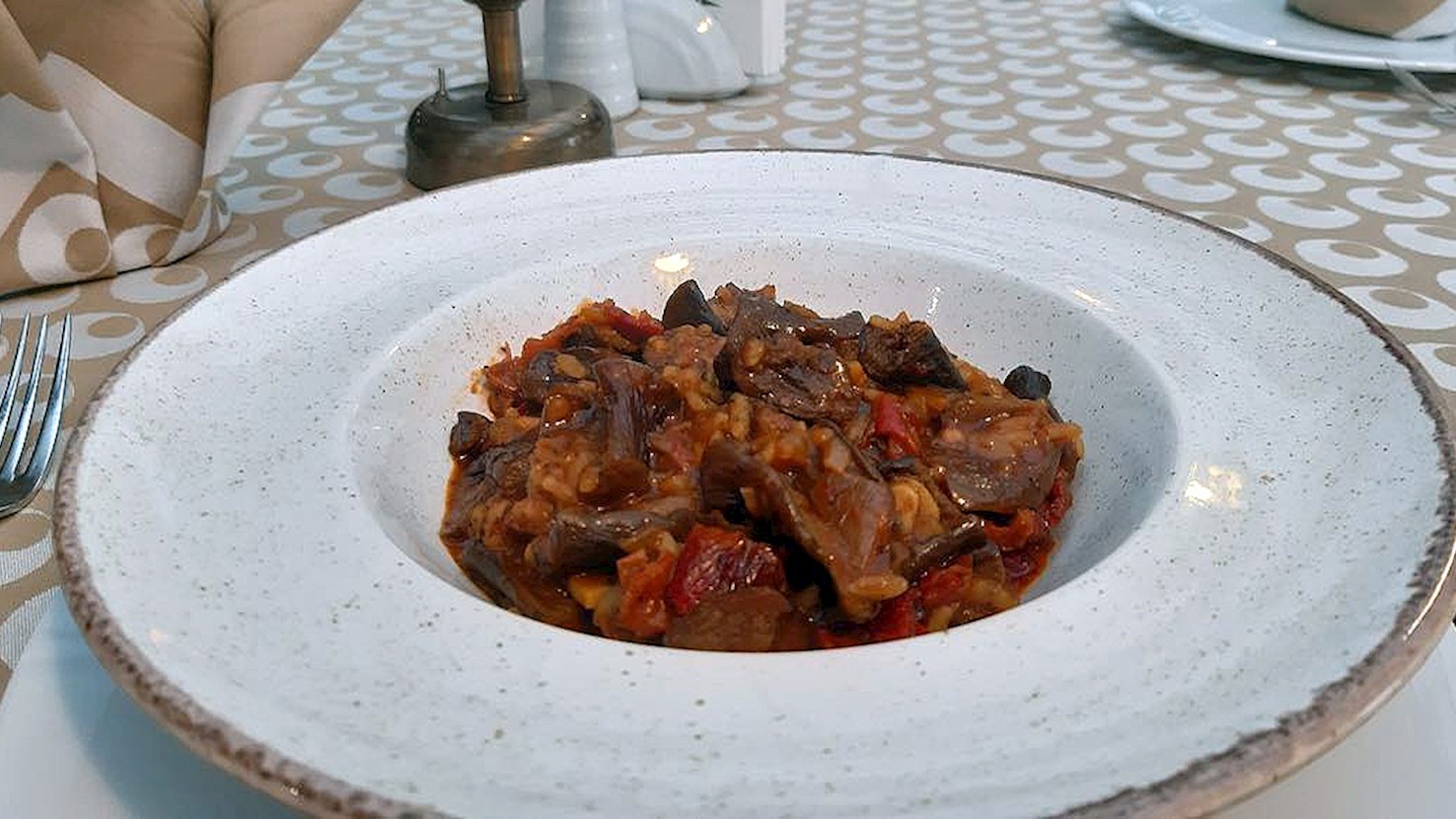
Mıcırık aşı is a traditional dish originating from Gaziantep. This stew is usually prepared with a combination of eggplants, rice, onions, tomato paste, bell peppers, garlic, olive oil, lemon juice, salt, paprika, and mint. The onions and garlic are sautéed in olive oil, then mixed with the tomato paste and bell peppers that are fried in the same pot. The mixture is covered with water, and the eggplants and rice are added to the pot. The dish is cooked until the rice becomes tender, and lemon juice is then mixed into the stew. Once served, mıcırık aşı is traditionally drizzled with the sauce consisting of olive oil, paprika, and mint.

02

Şiveydiz

3.4 ·

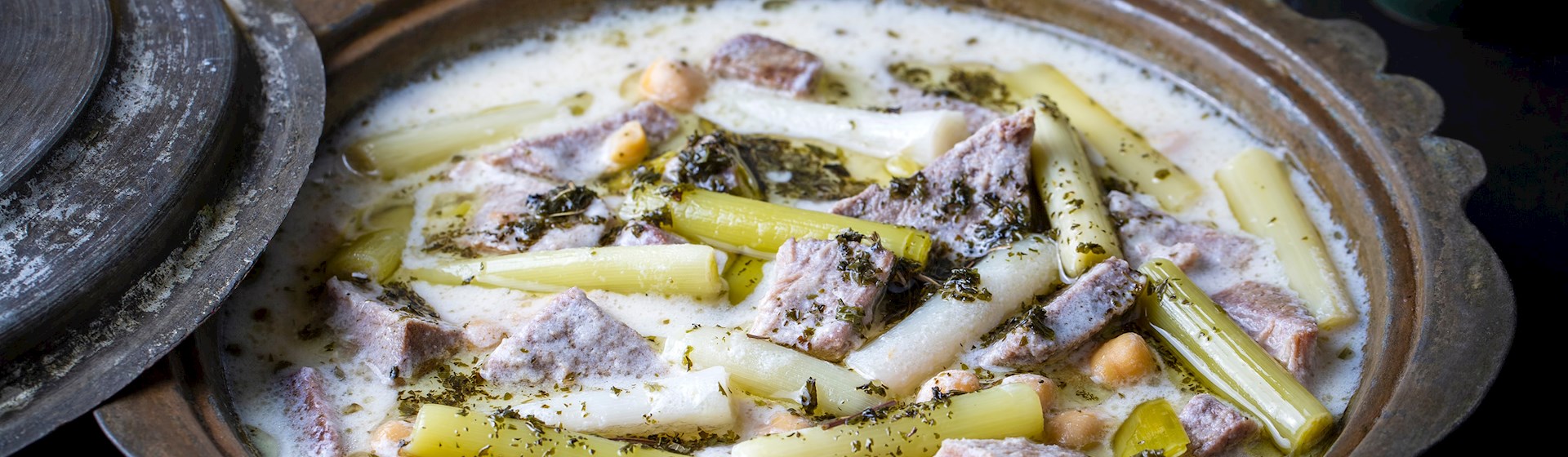
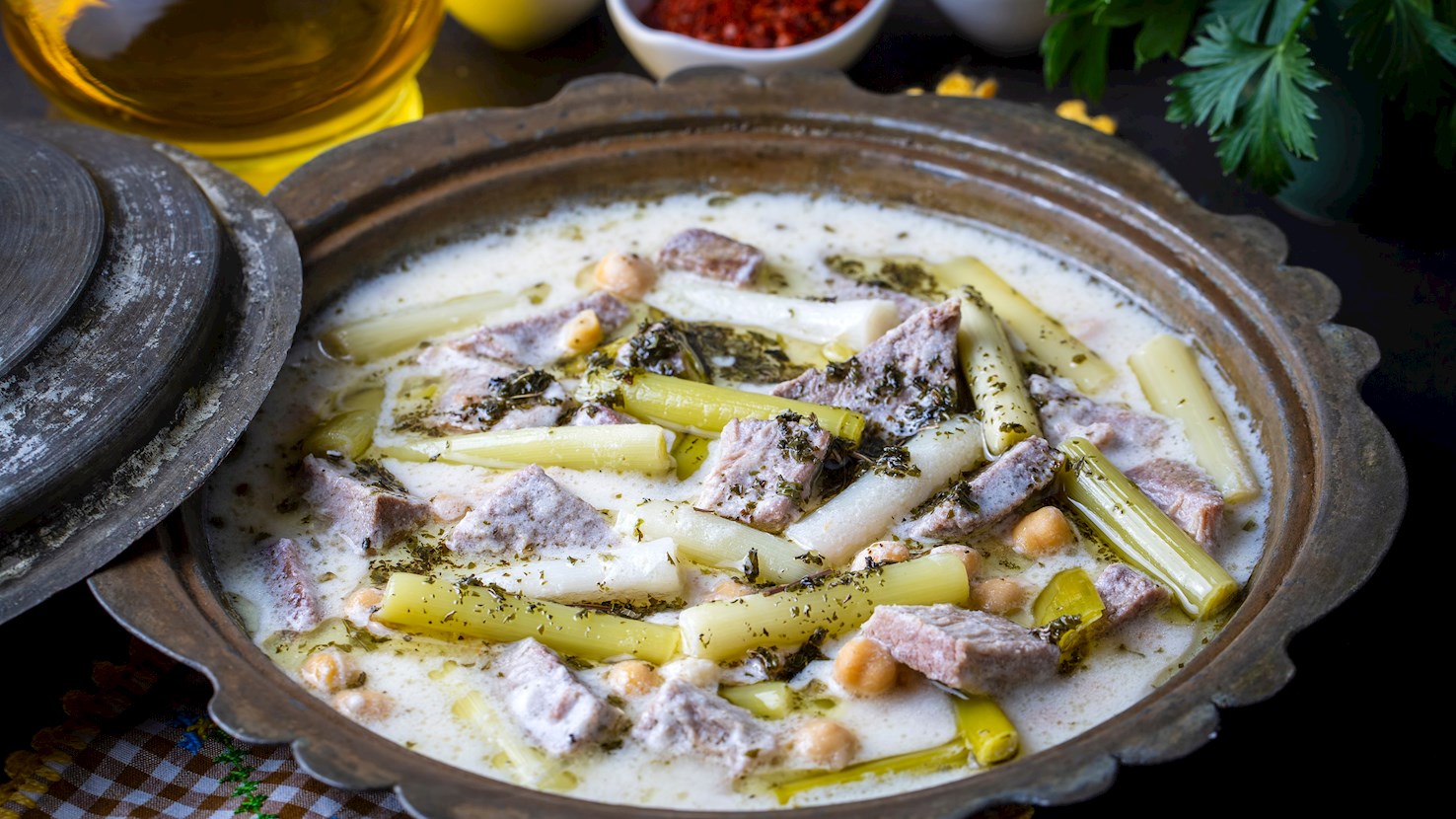
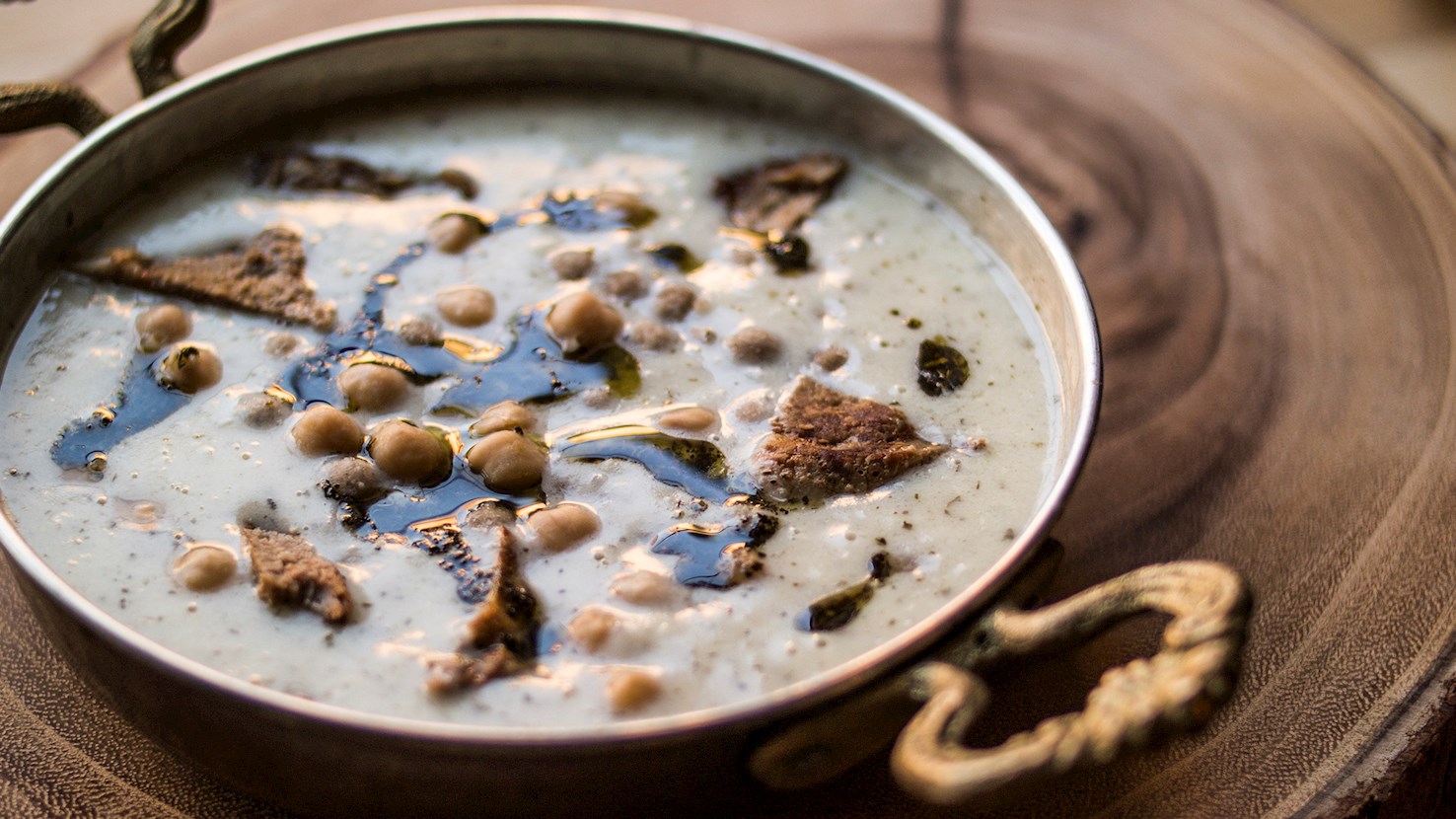
Şiveydiz is a traditional soup originating from Gaziantep. The soup is usually made with a combination of fresh green garlic, scallions, lamb, yogurt, chickpeas, butter, mint, chili flakes, salt, and pepper. The lamb and chickpeas are cooked in water, then mixed with the yogurt, onions, garlic, chili flakes, and seasonings. Once cooked, the soup is mixed with butter-sautéed mint and served. The soup is often prepared in April and May, and it's believed that it helps cure the common cold.

03

Nohut dürümü (Chickpea Wraps)

3.5 ·

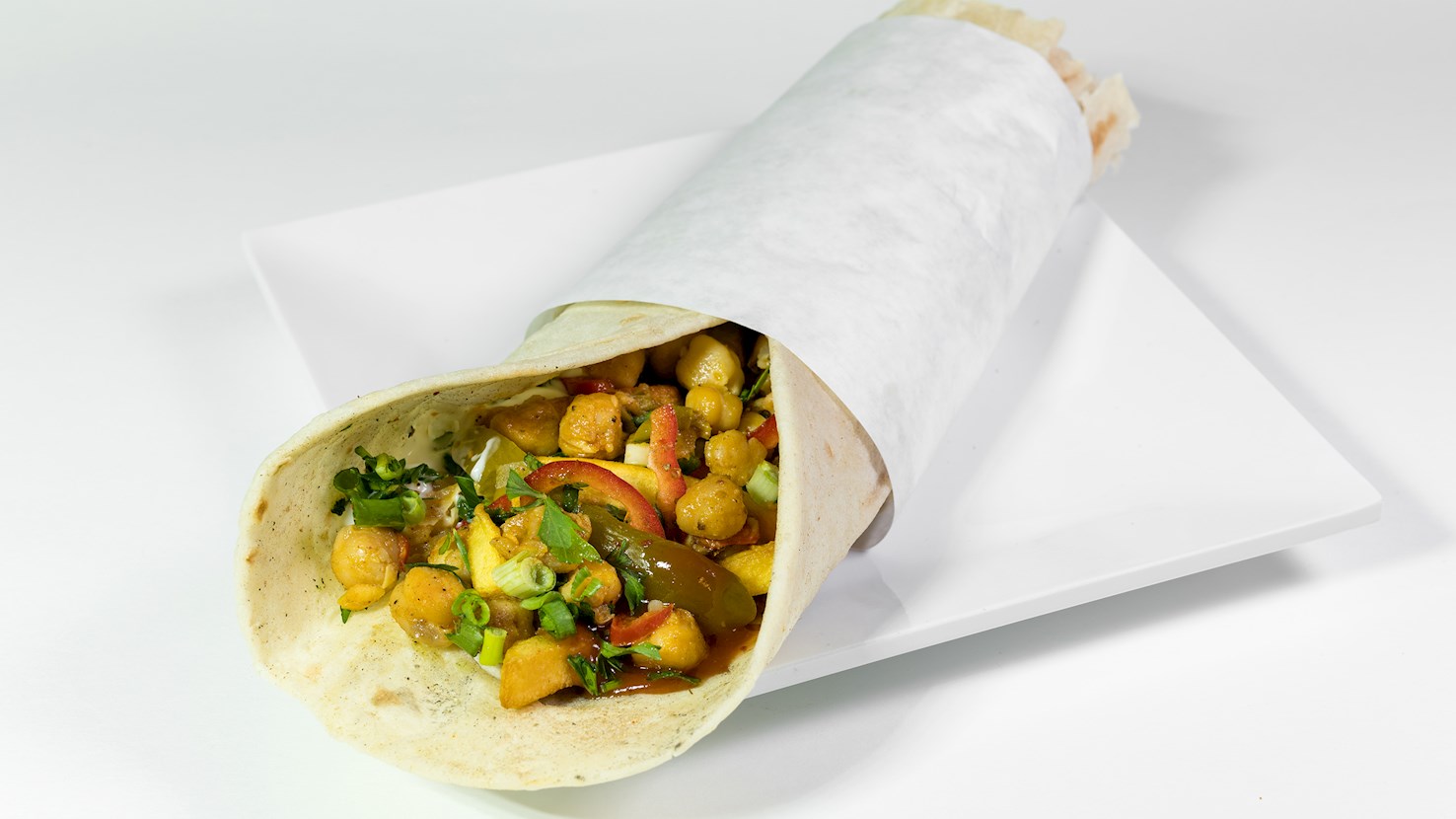
Nohut dürümü is a traditional dish originating from Gaziantep. The dish is usually made with a combination of chickpeas, salt, pepper, stock, lavash flatbread, onions, parsley, sumac, lemon juice, bell peppers, paprika, and hot pepper flakes. The chickpeas are soaked overnight, boiled, and partly mashed. They're placed into a lavash flatbread with lemon juice, salt, pepper, parsley, onions, bell peppers, sumac, paprika, and hot pepper flakes. The dish is then served either open or wrapped. Nohut dürümü can be enjoyed with or without the hot spices.

04

Ezogelin çorbası

3.8 ·

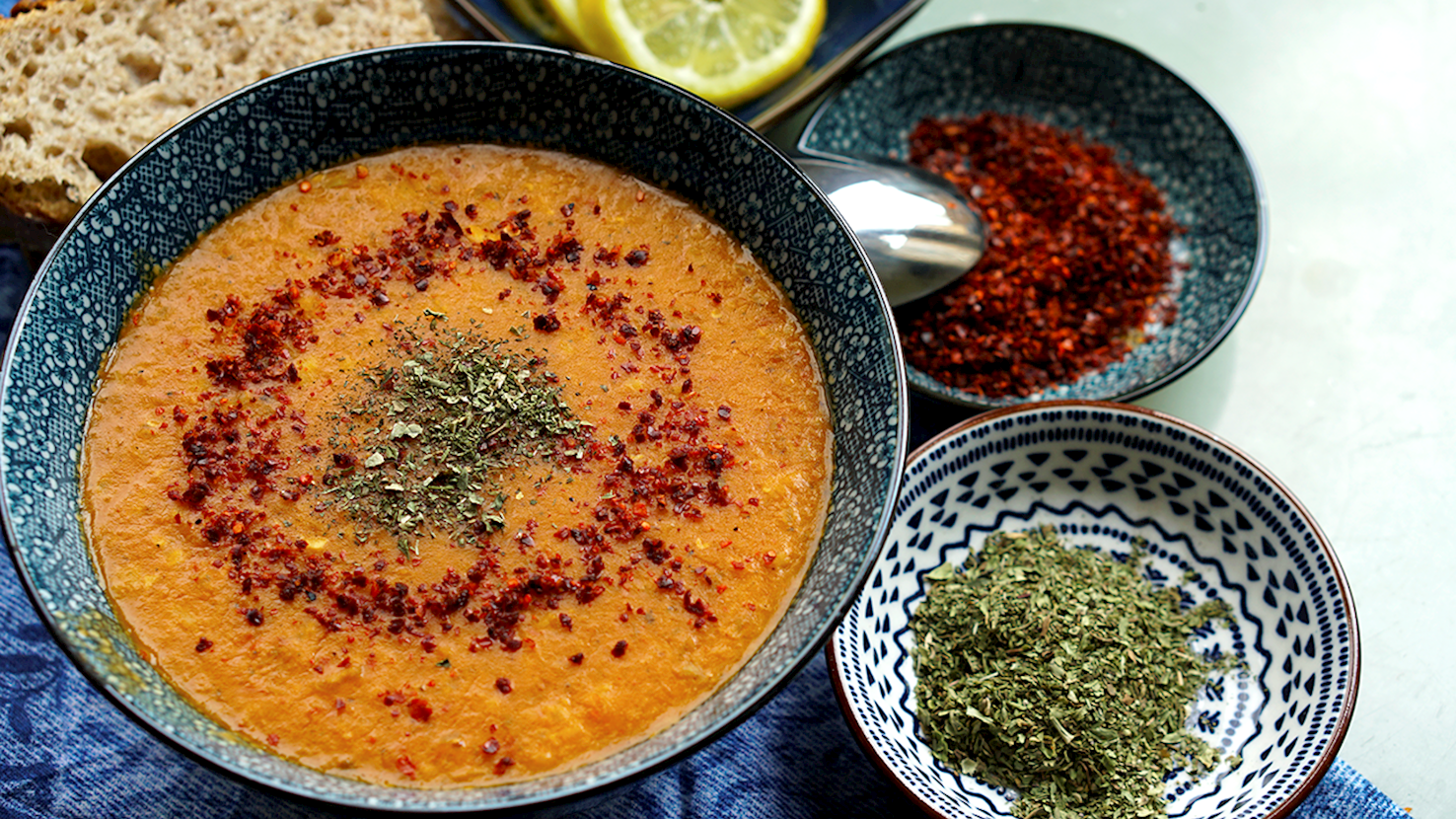
A great example of Turkish regional cuisine, Ezogelin çorbası is a hearty, mint-flavored soup made with red lentils, bulgur, pepper paste, and various Turkish spices. The origins of this classic Turkish winter dish are attributed to an unhappily married woman named Ezo who lived in the village of Dokuzyol near Gaziantep in the early 20th century. It is believed that Ezo used to make this soul-warming soup in a desperate effort to win over her mother-in-law's cold heart. Ezo's story was often depicted in films and lamented in folksongs, and her name still lives on in this flavorful dish. Today, apart from being served as a warm starter or even as a breakfast meal, Ezogelin çorbası is traditionally prepared as soul food for the young brides-to-be in order to sustain them for the marital journey that lies ahead.

Best restaurants
05

Yuvarlama çorbası

3.8 ·

Arguably the most laborious Turkish soup and one of Gaziantep's favorites, yuvarlama çorbası is made with spiced meatballs, chickpeas, yogurt broth, olive oil, and other optional ingredients. The soup is traditionally prepared for the three-day celebration of the fast-breaking Ramazan Bayramı, and it is served in virtually every Anatolian home. The preparation of this festive soup is a time-consuming process, and everyone is involved, as often both family members and neighbors get together to share the work and joy of rolling hundreds of tiny yuvarlama köfte. These spiced meatballs are typically made with lean beef mince, and either rice or bulgur flour, but they can also be made without meat. Köfte are then steamed and, together with pre-cooked chickpeas, added to the warm süzme or strained yogurt broth drizzled with minty olive oil. Yuvarlama soup can even include stewed chunks of beef, lamb, or chicken, and it is most often accompanied by rice pilaf, which altogether makes not only for quite a nutritious meal but also an amazing combination of different flavors and textures.

06

Ciğer kebabı

3.8 ·

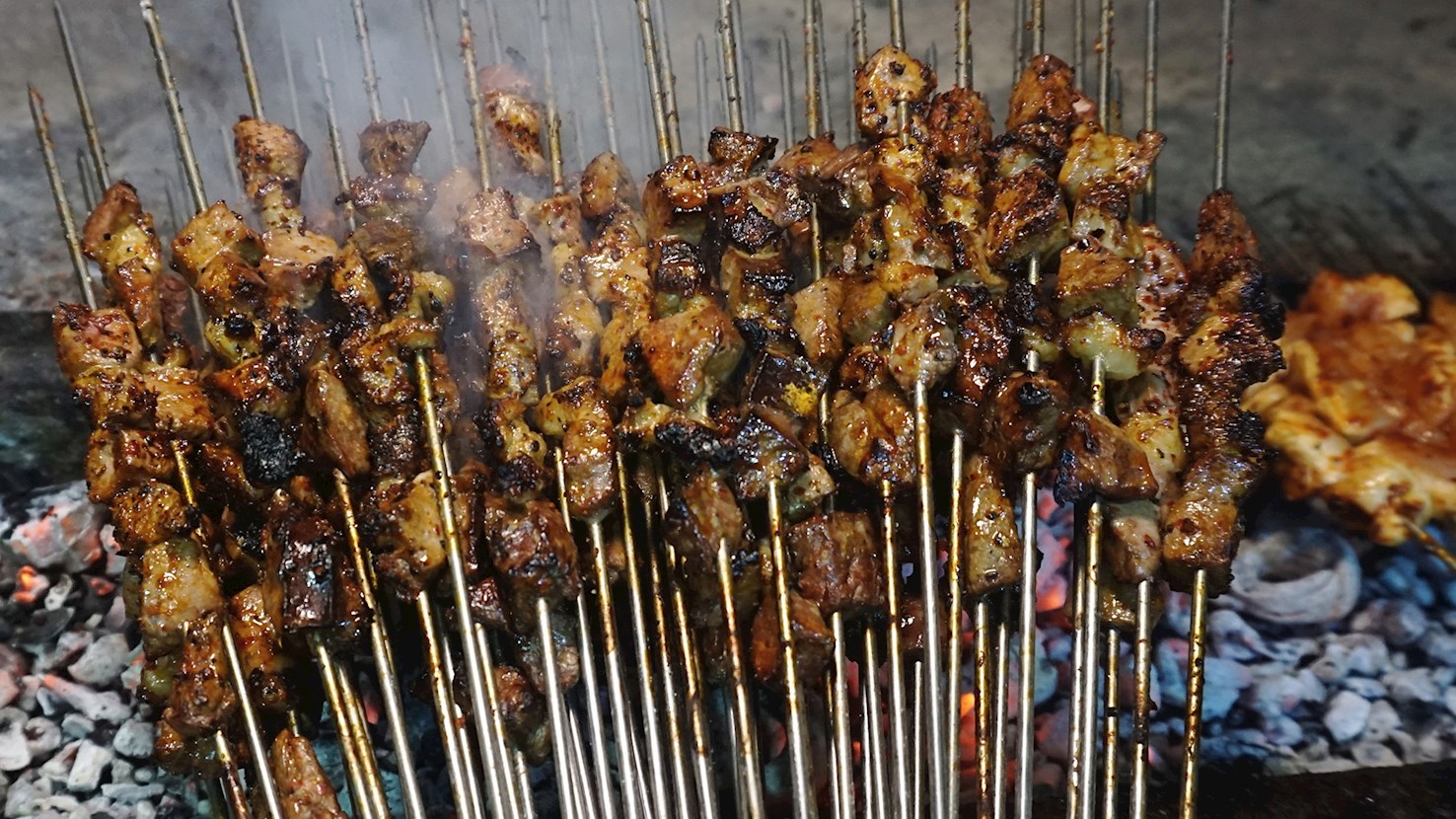
Ciğer kebabı, or liver kebab, is a popular Turkish dish of skewered and grilled liver originating from southeastern Turkey, particularly Diyarbakır, Gaziantep, and Şanlıurfa. It is popularly enjoyed in southern provinces and holds cultural significance. It is also often served for breakfast. Preparation involves cutting and seasoning the liver with salt, spices, and sometimes vegetables and skewering it with tail fat. In Gaziantep, the liver is cubed and skewered, while in Mersin, Adana, and Şanlıurfa, it is threaded in smaller pieces using special liver skewers, often alternating with tail fat in Gaziantep. In Urfa, the skewers are wrapped in tail fat. Serving methods vary: it may be garnished with parsley and onion and seasoned with cumin or also accompanied by lavash bread. In Gaziantep, it is served directly on skewers with bread, accompanied by ornamental pepper and lemon. Roasted green peppers and tomatoes also often accompany the skewers. Historically, ciğer kebabı is detailed in Ottoman cookbooks such as Melceü't-Tabbâhîn, describing sheep and lamb liver skewered and cooked over fire, seasoned with garlic, vinegar, water, and salt. Regionally, varieties include Urfa liver kebab and Diyarbakır liver kebab, each recognized with geographical indications, highlighting their unique local flavors and traditional preparation methods.

07

Kilis tava

3.8 ·

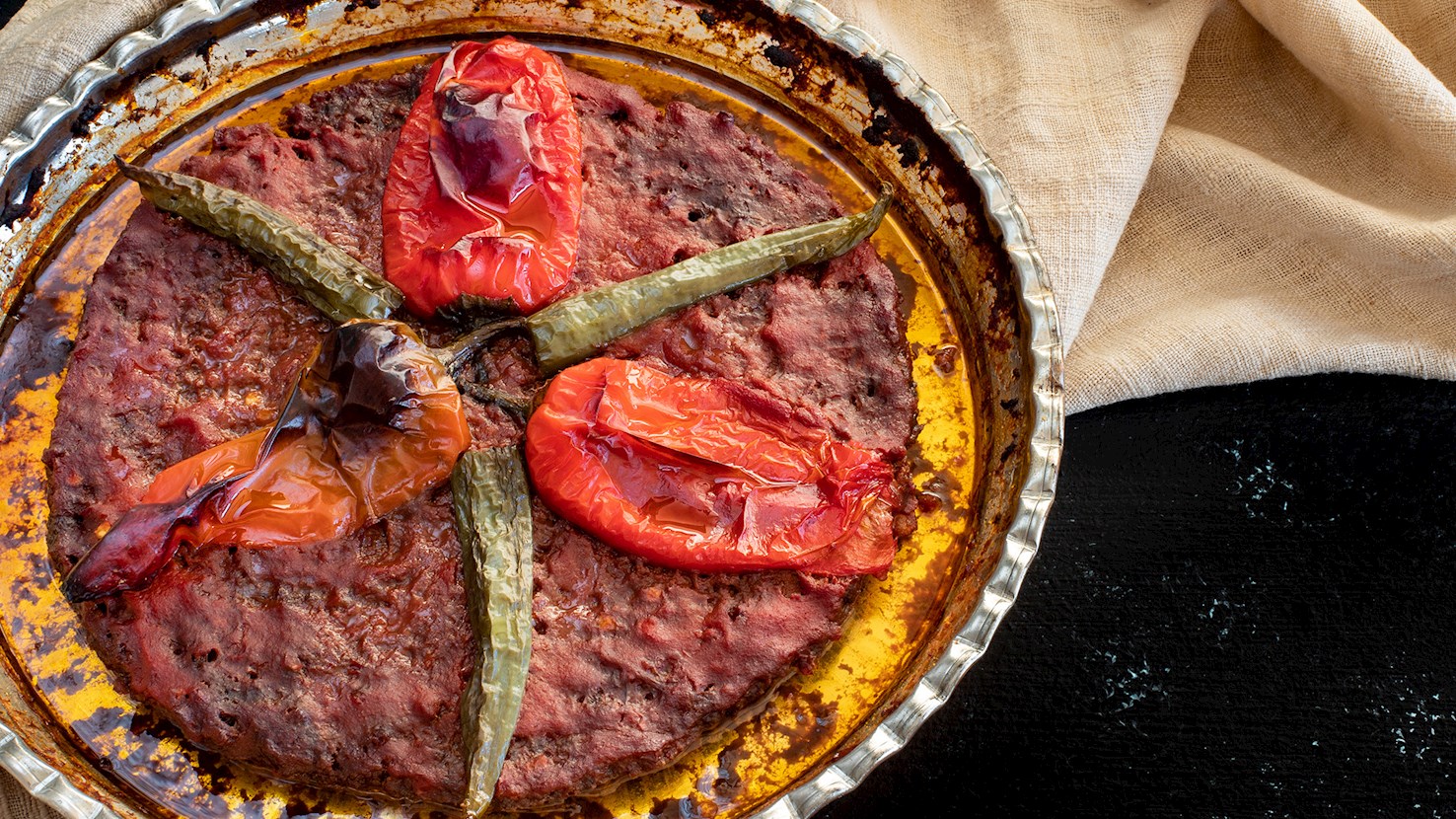
Kilis Tava is a minced meat dish baked in a tray, originating from the city of Kilis in southeastern Turkey near the Syrian border. It is prepared using finely ground lamb or a combination of lamb and beef, mixed with chopped vegetables, garlic, onions, parsley, and regional spices. The seasoned mixture is spread evenly over a shallow metal tray, often topped with sliced peppers, tomatoes, or potatoes, and baked in a wood-fired or household oven until well-cooked and lightly browned. Kilis tava is not only a household dish but also part of the shared food culture in Kilis, where local butchers frequently prepare the raw mixture by request. Customers bring their meat, have it ground and mixed with seasonings, then take the assembled tray to a bakery for cooking. This cooperative method of preparation highlights a practical and social aspect of the local food economy. The finished dish is typically served hot, cut into slices, accompanied by flatbread, fresh herbs, and light salads or yogurt-based sides. Its taste is rich but balanced, relying on the natural flavors of the meat and vegetables rather than heavy sauces or marinades. Kilis tava is often compared to similar dishes from nearby cities, such as tepsi kebabı in Hatay, but it maintains its own identity through specific seasoning choices and preparation customs that have remained consistent over time.

Read more
View all
View map
About this ranking

TasteAtlas food rankings are based on the ratings of the TasteAtlas audience, with a series of mechanisms that recognize real users and that ignore bot, nationalist or local patriotic ratings, and give additional value to the ratings of users that the system recognizes as knowledgeable. For the “7 Worst Rated Southeastern Anatolian Foods” list until May 22, 2026, 2,344 ratings were recorded, of which 1,201 were recognized by the system as legitimate. TasteAtlas Rankings should not be seen as the final global conclusion about food. Their purpose is to promote excellent local foods, instill pride in traditional dishes, and arouse curiosity about dishes you haven’t tried.

Similar lists