







shutterstock

36 Worst Rated Southern German Foods

Last updated on May 22, 2026
01

Brotsuppe

2.8 ·

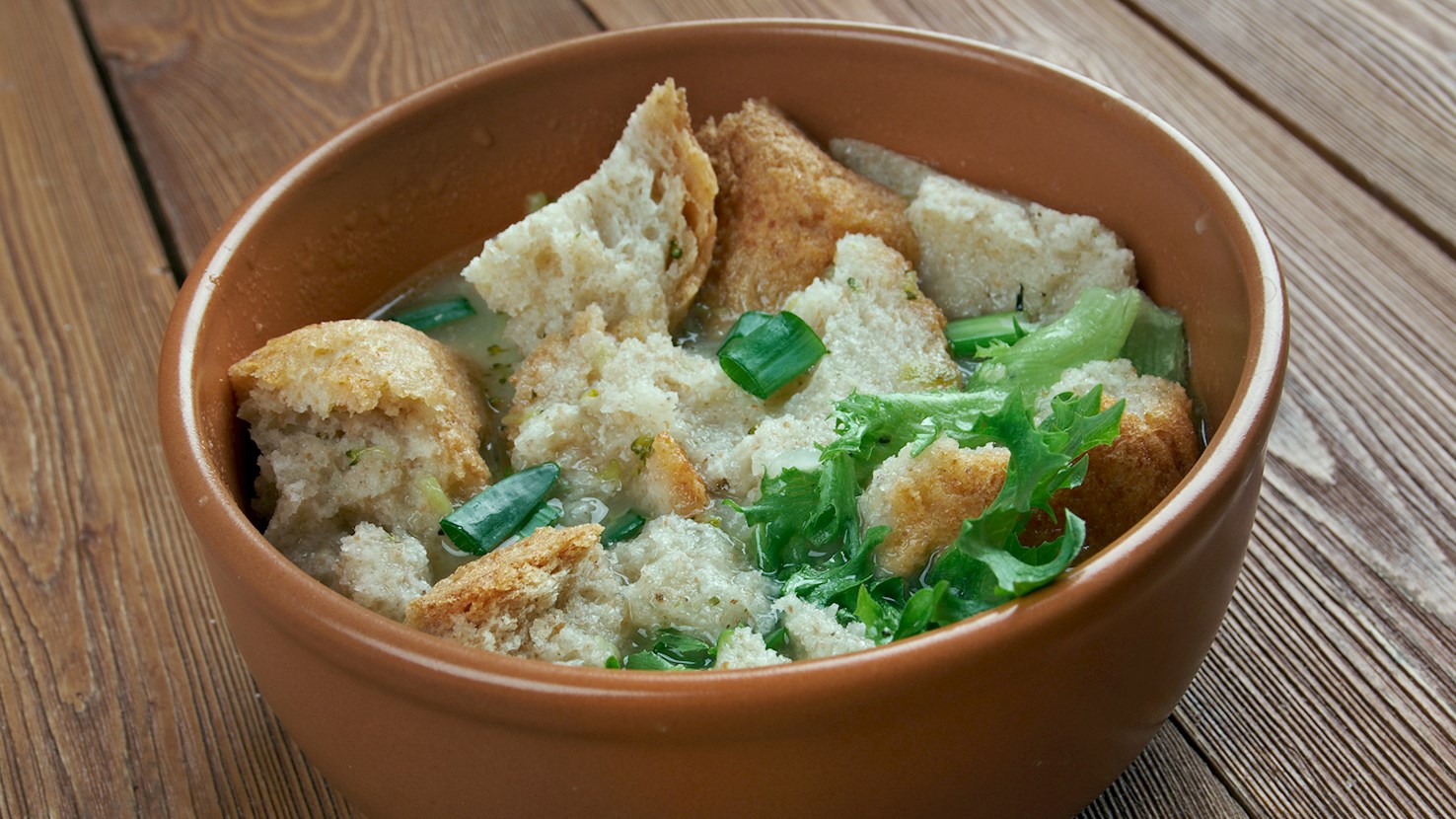
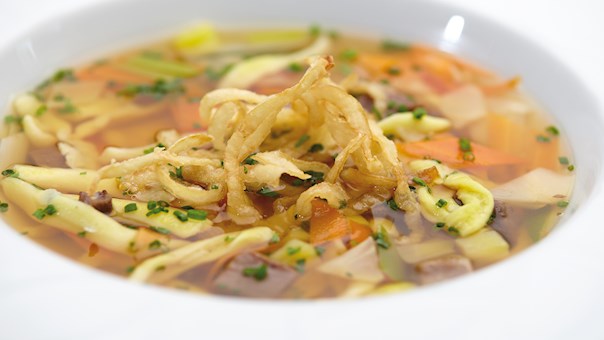
Brotsuppe, meaning bread soup, is a humble German dish based on stale bread and meat broth (usually beef) or vegetable broth. Pieces of leftover bread (usually rye bread) are fried in butter or lard alongside onions until nicely colored and crispy before they are added to a hot broth seasoned with salt and pepper and enhanced with aromatic spices such as marjoram, caraway, or nutmeg. Some variations of the soup call for the addition of meat, egg yolks, or cream for extra flavor, and a more filling meal. Brotsuppe is also often referred to as fränkische brotsuppe as it is mainly associated with the region of Franconia, although different versions of the soup have been traditionally consumed in other parts of the country as well. Vegetarian bread soups have been a common dish prepared during Lent, especially in the rural areas. This simple soup is typically served piping hot, and it is often finished with freshly chopped chives, parsley, or lovage on top.

02

Pichelsteiner

2.8 ·

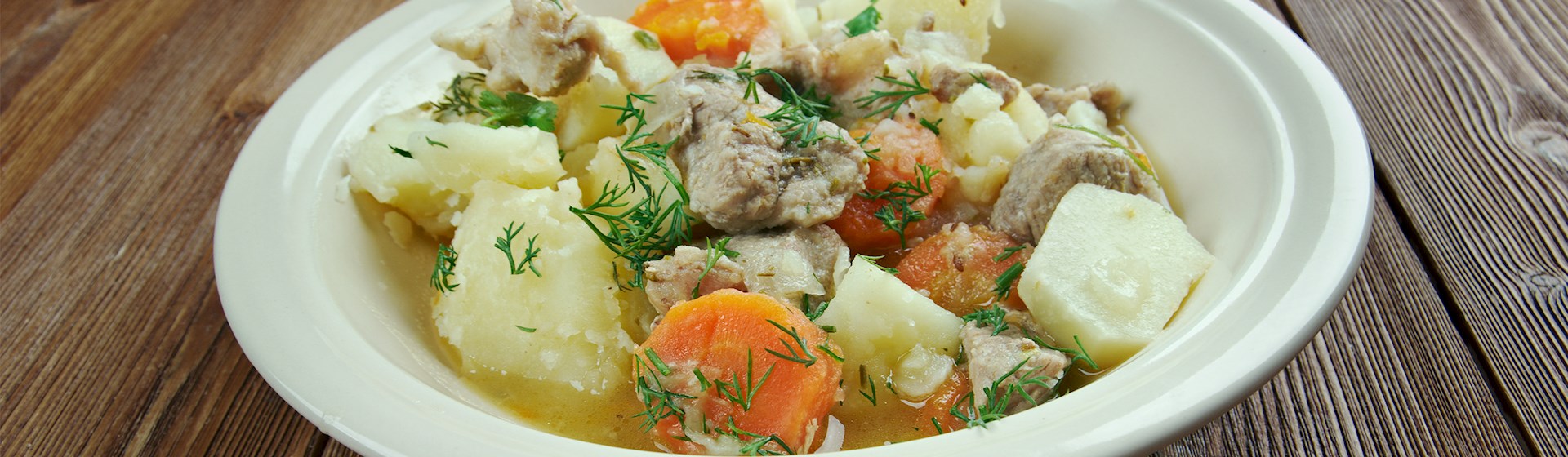
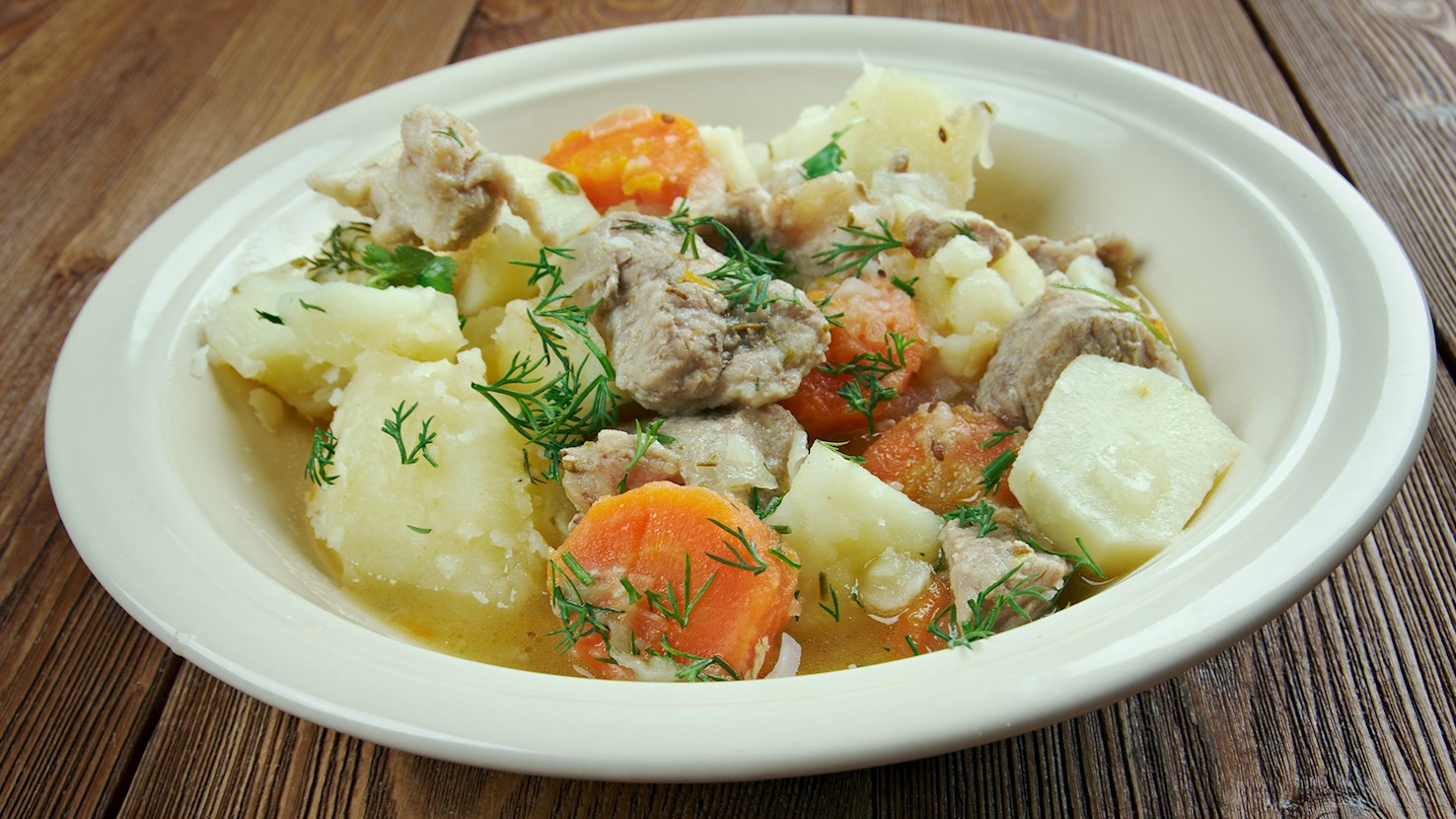
Pichelsteiner is a thick German stew made with several kinds of meat and vegetables. Pork, beef, and mutton are the main ingredients alongside potatoes, carrots, cabbage, and leeks. Various other vegetables can be added for extra flavor, such as onions, celery, and garlic. The stew is seasoned with salt and pepper, then sprinkled with fresh parsley. Pichelsteiner is considered an all-time classic in Bavaria, where the dish originated from in the 19th century. Auguste Winkler, an innkeeper from the small village of Grattersdorf, is credited with inventing the stew at an open-air cooking festival in 1879. The first mention of this dish appeared in a German cookbook from 1894. Since then, Pichelsteiner became associated with open-air cooking festivals in Germany. It is traditionally served piping hot on cold and rainy days.

03

Radi

2.8 ·

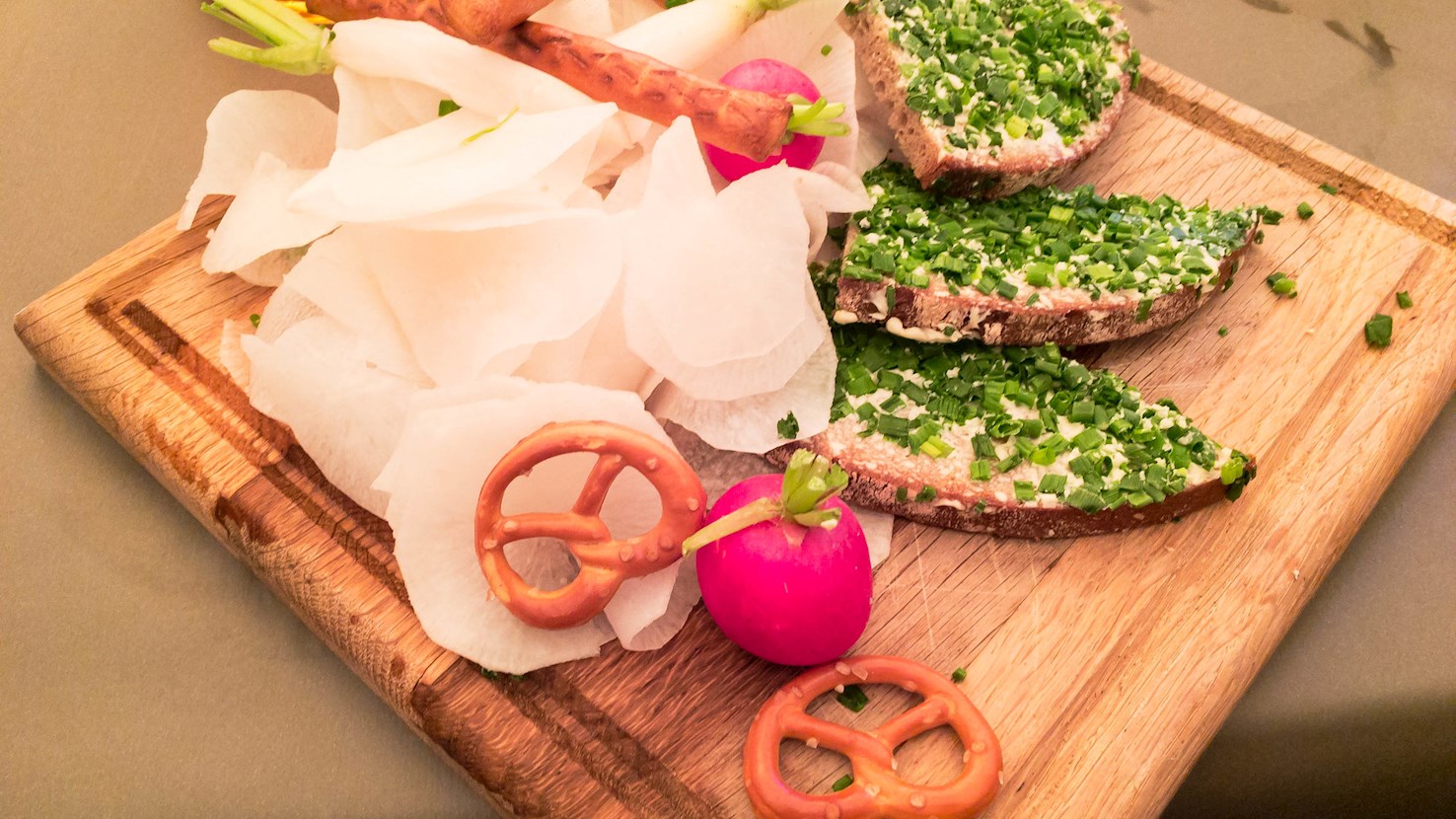
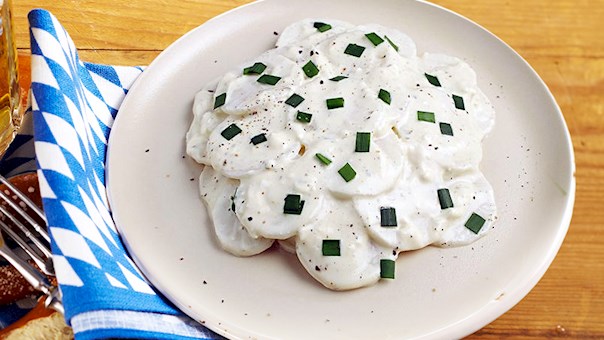
Radi is a traditional snack originating from Bavaria. The snack is made by spiralizing a radish, then sprinkling it with salt, and sometimes ground pepper and chives. This radish-based snack is always served with beer and it’s eaten with the fingers. A German pretzel on the side is also a common option. The type of radish used for radi should be the locally grown Munich beer radish. Radi is especially popular during the famous Oktoberfest.

04

Schlachteplatte

2.9 ·

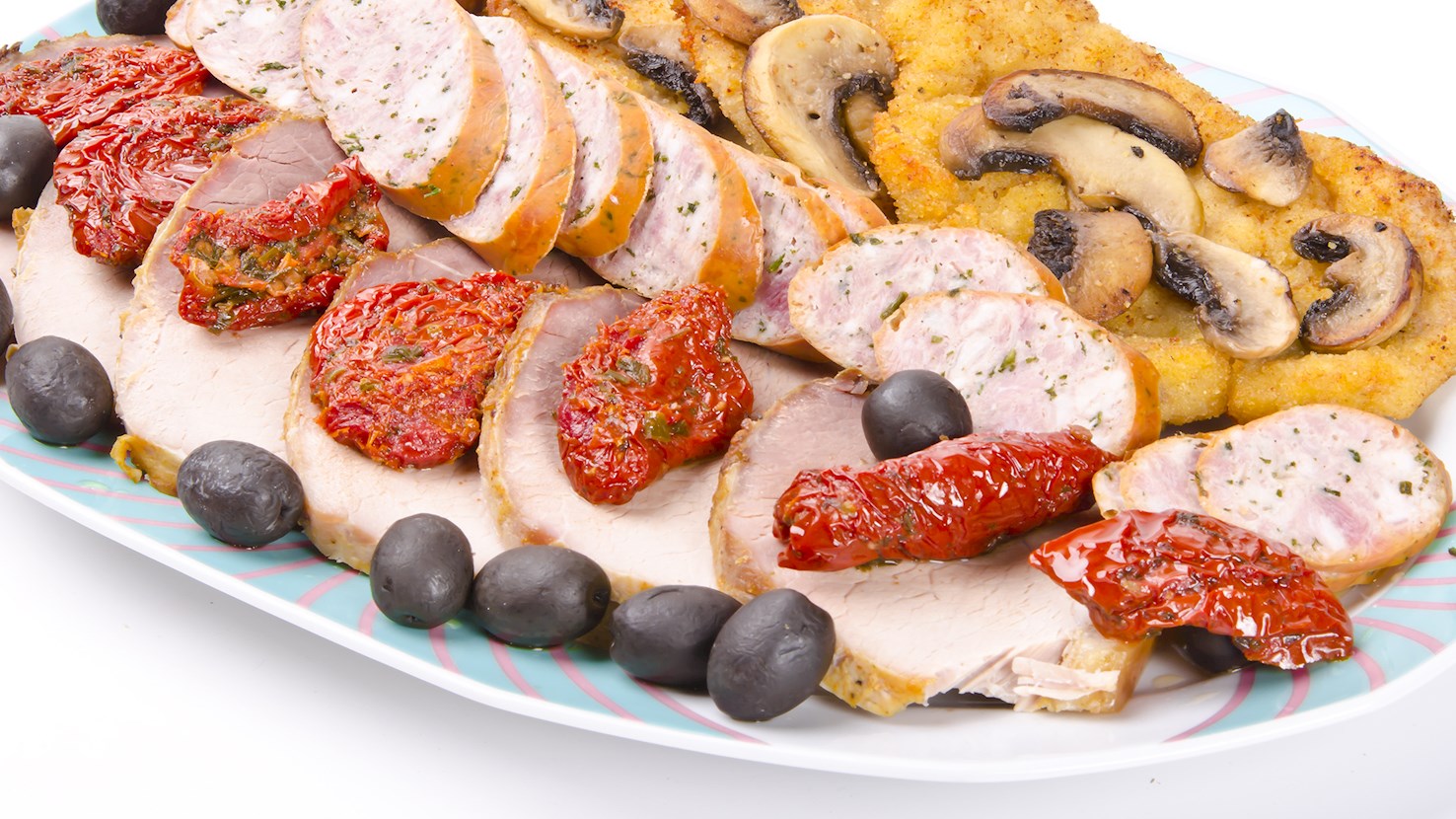
Schlachteplatte is a traditional Bavarian feast that consists of different types of meat and sausages. It typically contains smoked pork chops, slab bacon, bratwurst, blood sausages, liver sausages, bauernwurst, knackwurst, and wienerwurst. Grilled or cooked, the meat varieties are placed on a large serving platter, usually topped with freshly chopped parsley. A typical winter specialty, the dish is traditionally accompanied by cooked sauerkraut, potatoes, gravy, potato dumplings, or bread dumplings. The dish’s name translates as butcher’s plate from the German words Schlachten and Platte, which mean to butcher and platter, respectively. This German meat specialty most certainly got its name after the tradition of preparing it during the slaughter period in Germany.

05

Badische Zwiebelsuppe

2.9 ·

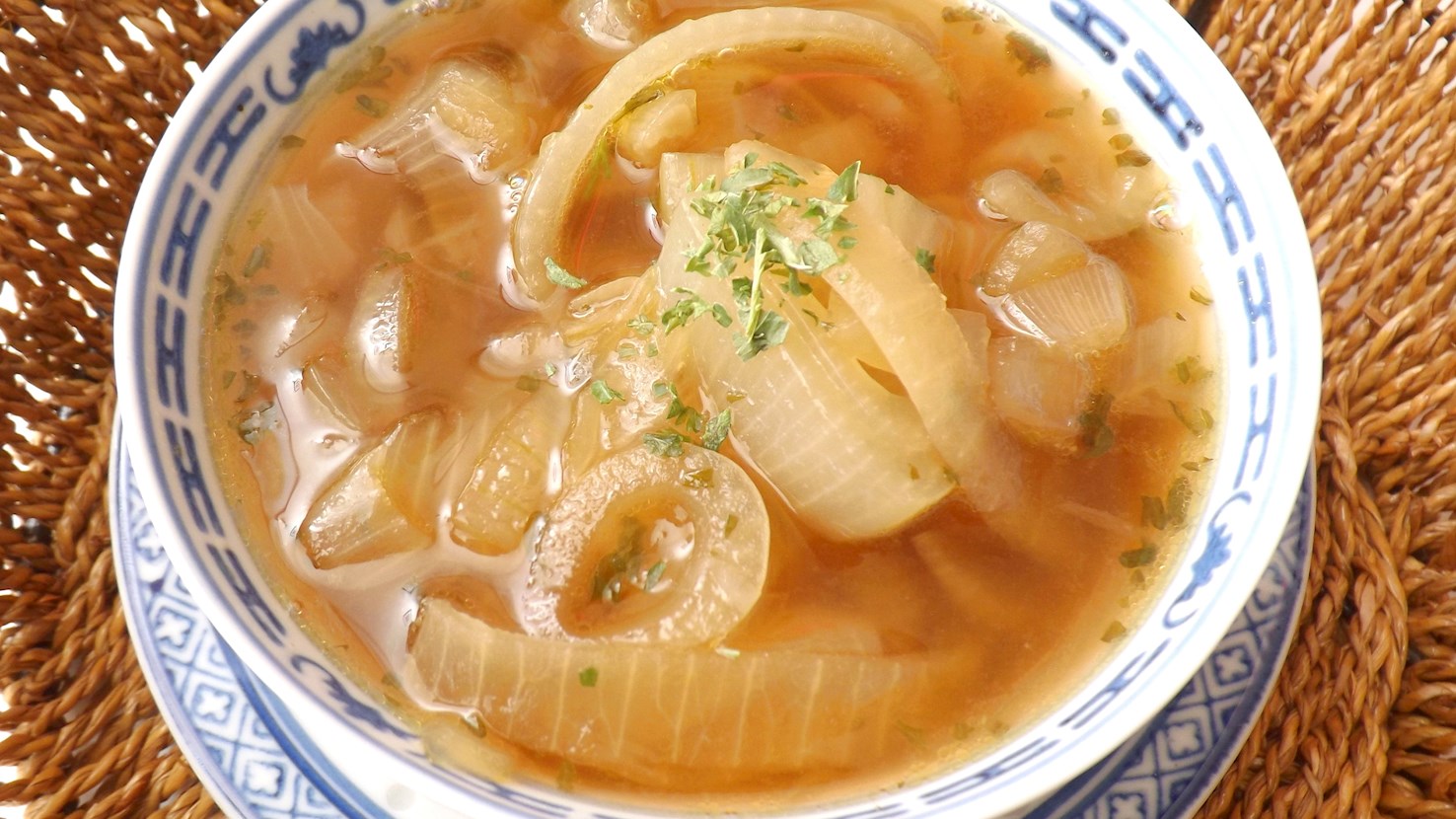
Badische Zwiebelsuppe is a traditional onion soup originating from Baden and influenced by neighboring France. It's usually made with a combination of thinly sliced onions, chicken stock, butter, flour, egg yolks, dry white wine, cream, salt, pepper, and chives. The onions are sautéed in butter, then mixed with flour and cooked over low heat. The chicken broth is heated and added to the pan. The mixture is seasoned with salt and pepper and simmered before the egg yolks, wine, and cream are mixed into the soup while it's removed from the heat. It is then reheated for a few minutes, but not boiled, and served hot. This creamy onion soup is often garnished with chopped chives before serving.

06

Saure Zipfel

3 ·

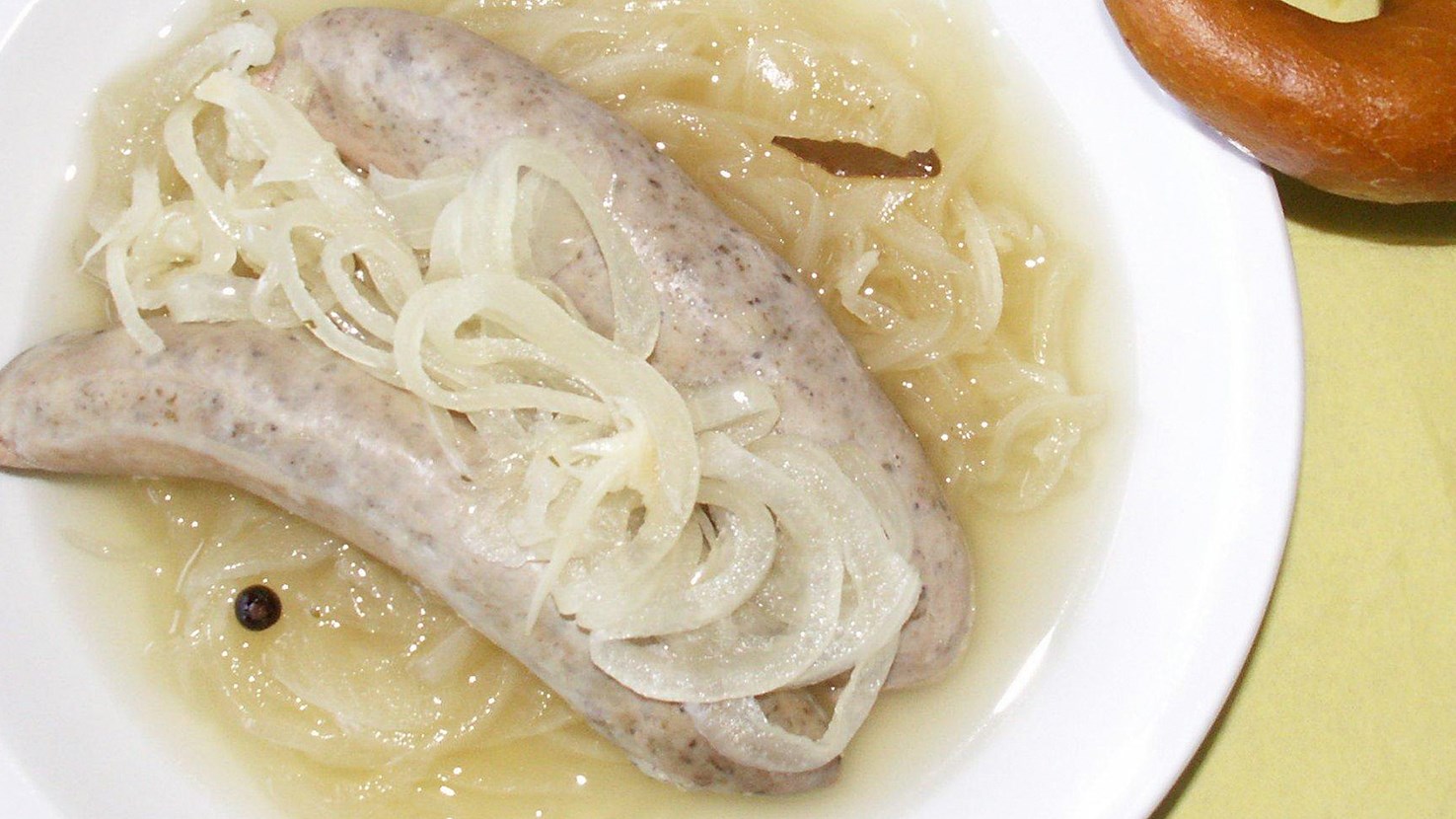
Saure zipfel is a traditional winter dish hailing from Franconia, consisting of bratwurst sausages that are simmered in a vinegar-based broth alongside onions, carrots, sugar, salt, and spices such as juniper berries, pepper, mustard seeds, and bay leaves. The broth is typically enhanced with a splash of white wine, and once ready, it is typically enjoyed piping hot, accompanied by slices of brown bread or a fresh pretzel bun for dipping on the side. When translated, the name of this dish means sour ends, which refers to the sharp flavor imparted to the sausages by the tangy broth. Saure zipfel is also often referred to as blaue zipfel (blue ends) due to the slightly bluish hue the sausages get once they’ve been cooked.

07

Blunzengröstl

3 ·

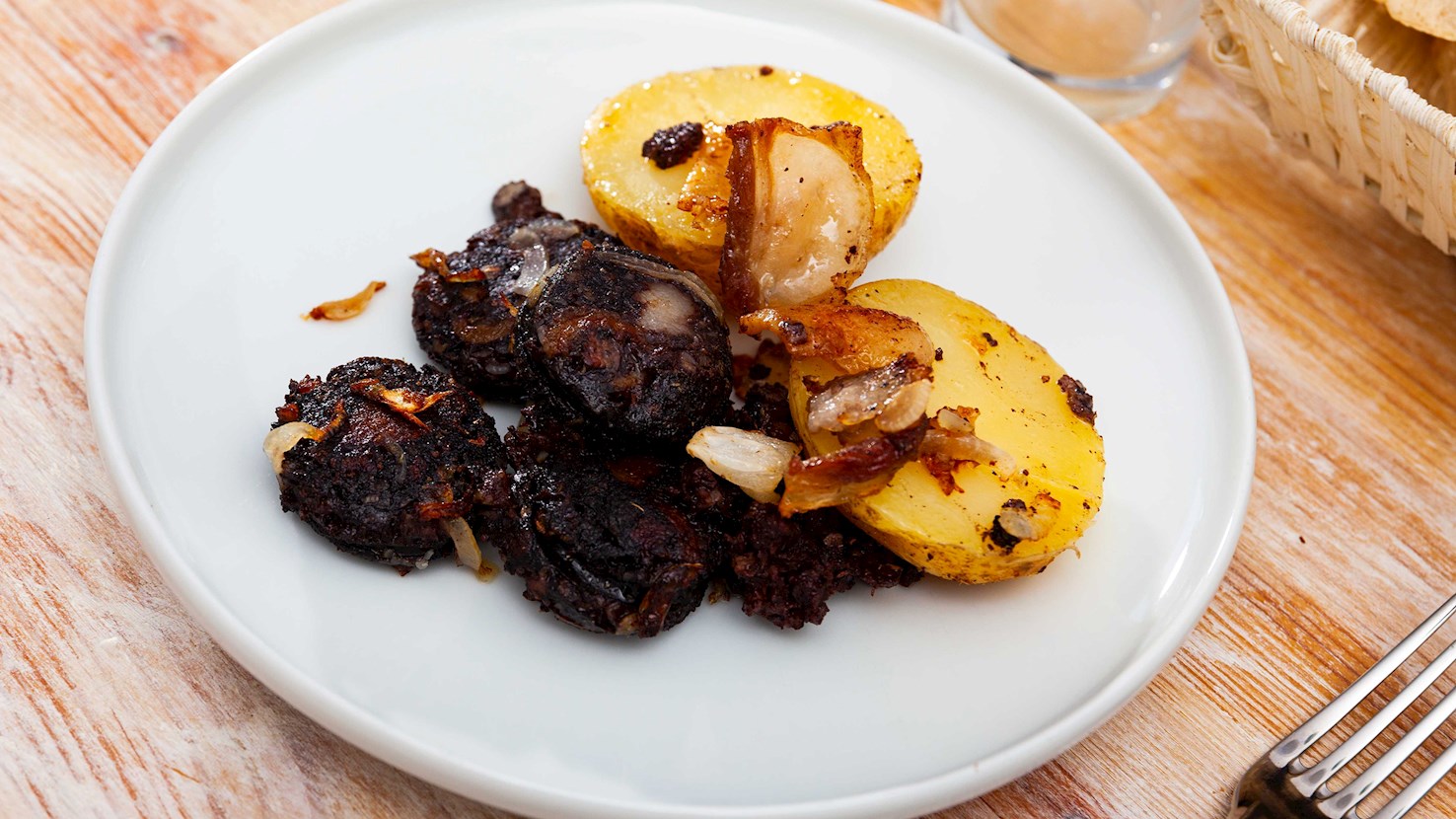
Blunzengröstl is a traditional Bavarian and Austrian dish made by frying pieces of blood sausage (Blunzen) with onions and often potatoes. It also includes other ingredients like garlic or parsley, and it's commonly seasoned with marjoram, salt, and pepper. Sometimes, apples or vinegar are included to provide a bit of tanginess that balances the richness of the sausage. Blunzengröstl is usually served hot and can be enjoyed as a main course or a hearty snack.

08

Dinnete

3 ·

Dinnete is a traditional dish originating from Baden-Württemberg. This pizza-like dish is topped with sour cream, salt, pepper, eggs, onions, ham, and cheese such as Emmental. The dough is made with a combination of wheat flour, spelt flour, yeast, salt, and water, and it's rolled into an oval shape, thick or thin, depending on personal preferences. Once baked, the dinnete is usually sliced into big rectangles and served hot. Although onions, ham, and cheese are the most authentic combination, some people also like to add sliced potatoes to the topping. It's recommended to pair dinnete with a glass of young white wine on the side. The dish is especially popular in autumn and winter.

09

Schneeballen

3.1 ·

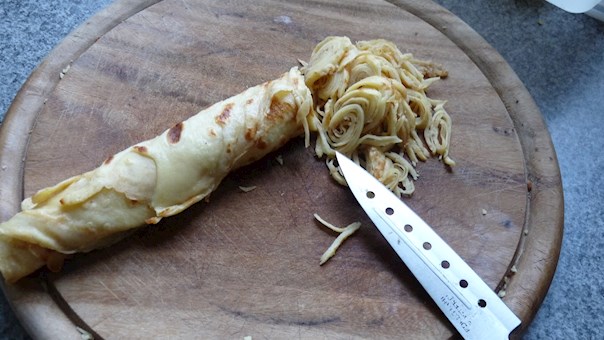
This German specialty consists of thin strips of shortcrust pastry that are loosely intertwined and wrapped into balls which are deep-fried until golden and crispy. Traditional versions are dusted with sugar, but there are also variations may be covered in chocolate glaze or different combinations of nuts, coconut, cinnamon, or marzipan. Schneeballen, which translates as snowballs, are traditionally associated with Rothenberg ob der Tauber, but they can be found throughout Bavaria. Although they were once enjoyed only on special occasions, nowadays they are a staple at numerous Bavarian pastry shops.

10

Bayerischer Wurstsalat

3.1 ·

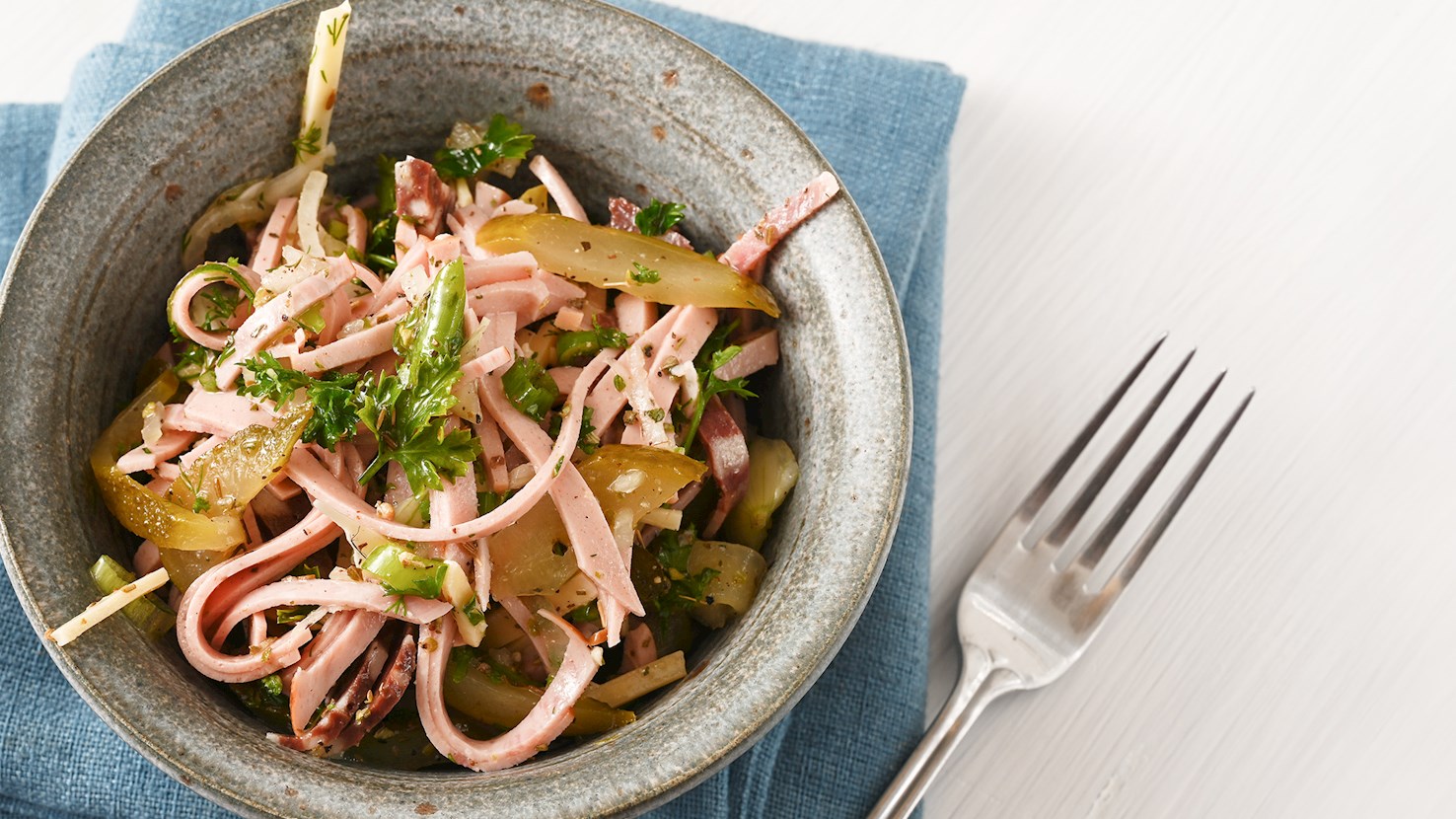
Bayerischer Wurstsalat is a traditional salad originating from Bavaria. It's made with Regensburger knockwurst sausage, diced onions, olive oil, wine vinegar, salt, pepper, and paprika. The wurst is peeled and sliced thinly, then tossed with the onions, olive oil, vinegar, and seasonings. Before serving, it's chilled, then dusted with paprika on top. The salad is sometimes also served as an appetizer, and it's recommended to serve it with beets, pickles, bread rolls, and butter.

Read more
View all
View map
About this ranking

TasteAtlas food rankings are based on the ratings of the TasteAtlas audience, with a series of mechanisms that recognize real users and that ignore bot, nationalist or local patriotic ratings, and give additional value to the ratings of users that the system recognizes as knowledgeable. For the “36 Worst Rated Southern German Foods” list until May 22, 2026, 5,198 ratings were recorded, of which 4,515 were recognized by the system as legitimate. TasteAtlas Rankings should not be seen as the final global conclusion about food. Their purpose is to promote excellent local foods, instill pride in traditional dishes, and arouse curiosity about dishes you haven’t tried.

Similar lists