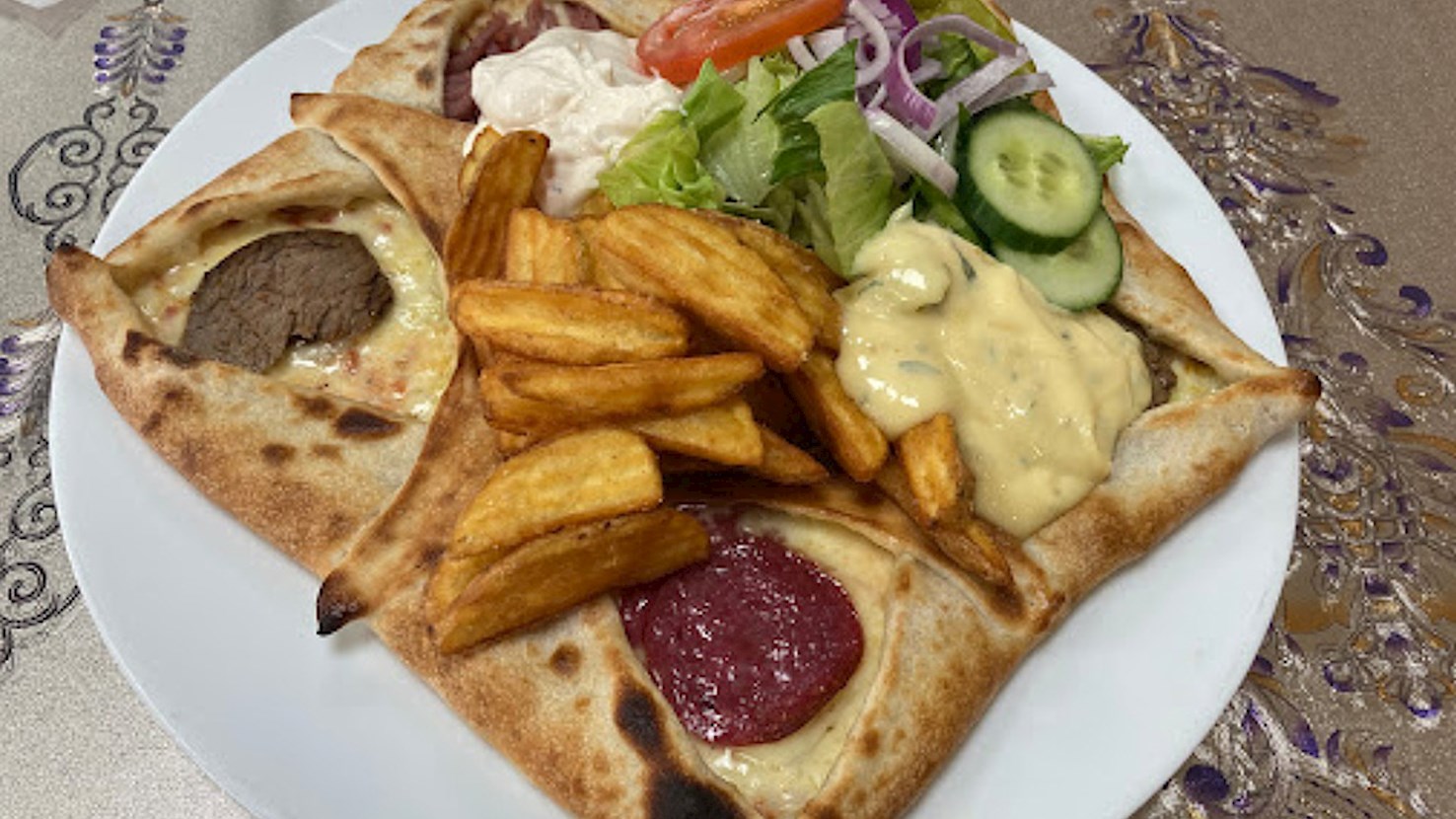
Invented by chef Halmat Givra of Nya Gul & Blå restaurant in Piteå, volcano pizza is a visually impressive dish with extra everything – there are pockets of cheese and ham, salami, bacon, and beef tenderloin in a wide ring. Erupting from the center are french fries and a salad with Béarnaise sauce. This recent Swedish invention is ideal for large parties – with a great number of flavors, there is something for everyone involved.
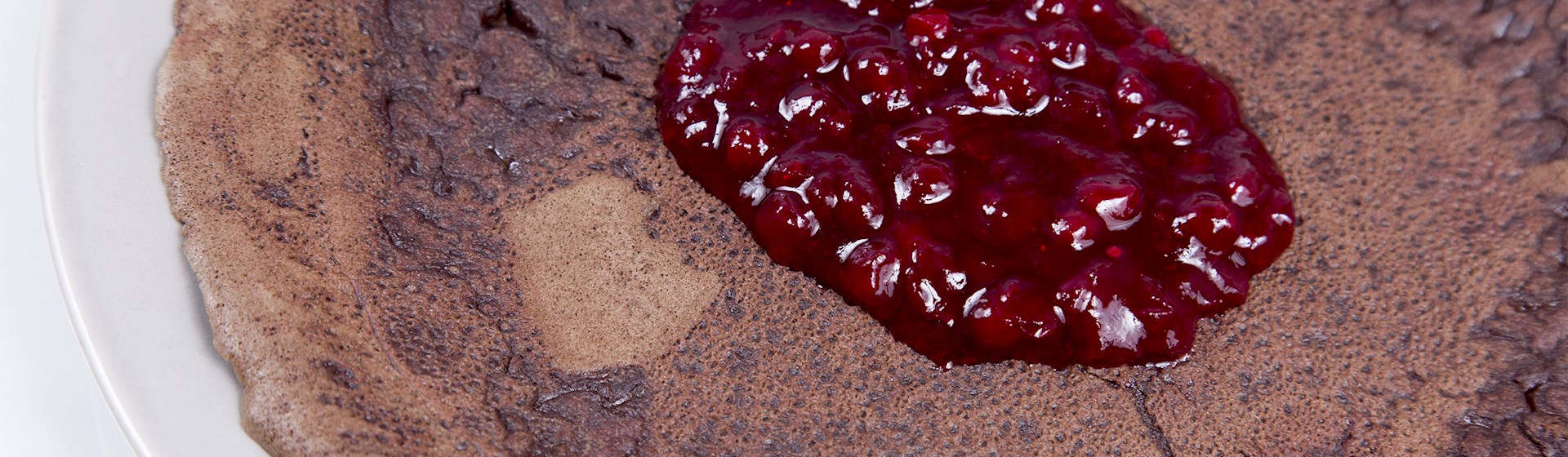
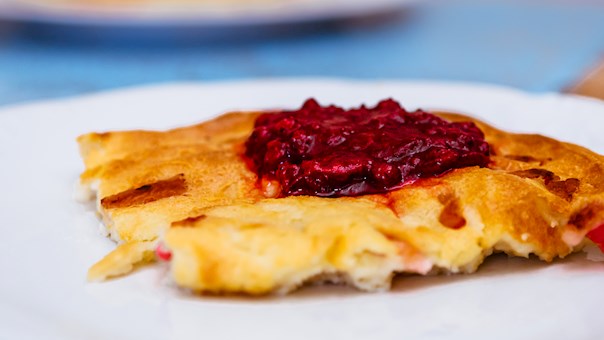
Blood pancakes are enjoyed throughout Sweden, Finland, and Norway. They are prepared with a regular pancake batter that is elevated with the addition of animal blood. Whether they are formed as thinner, crêpe-like pancakes or as smaller, chewier types, the pancakes will always develop a typical dark-brown hue. They are often enriched with onions and spices, and come topped with fresh lingonberries or lingonberry jam. Blood pancakes are sold as a ready-made product across Finland and Sweden.
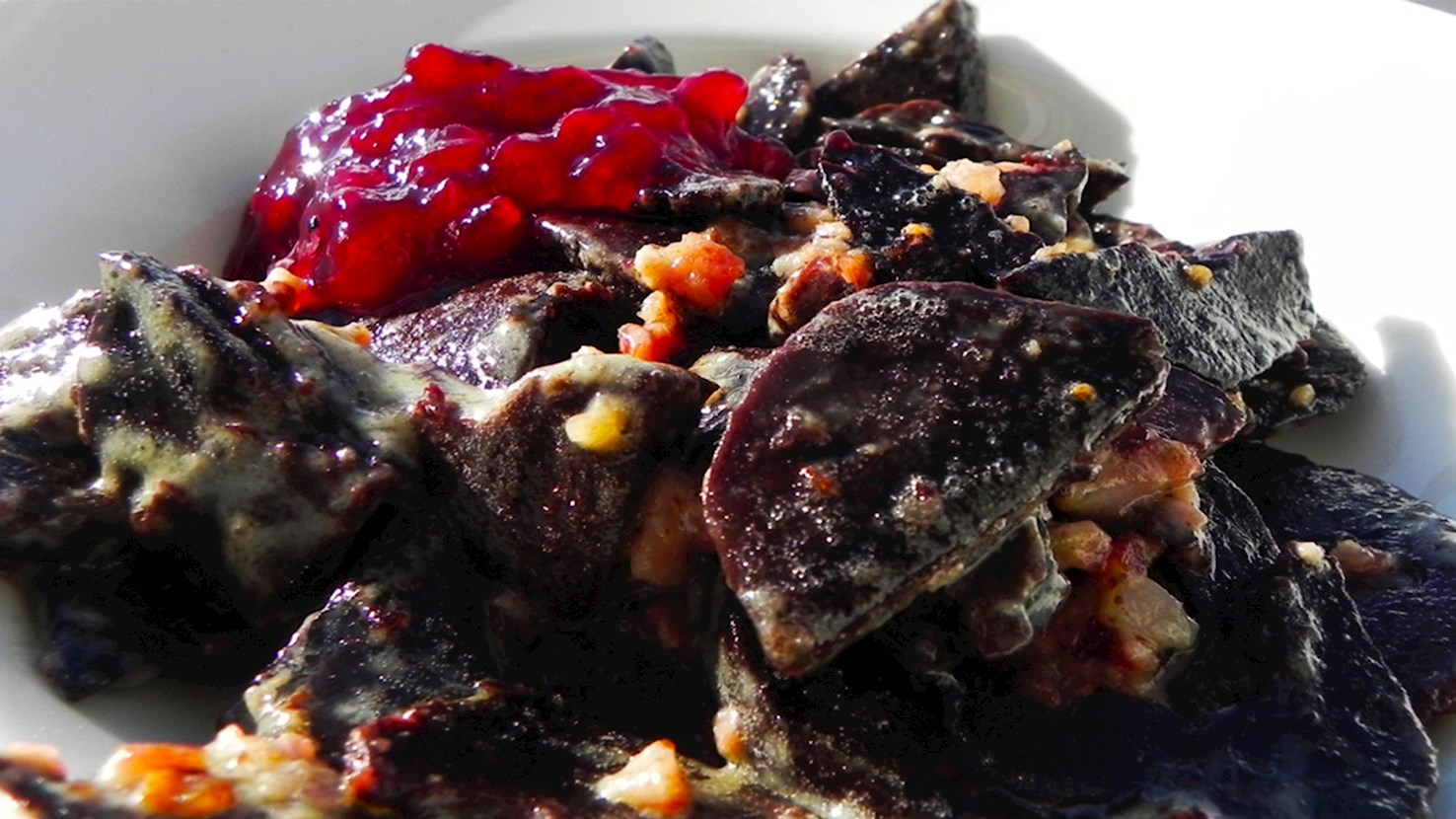
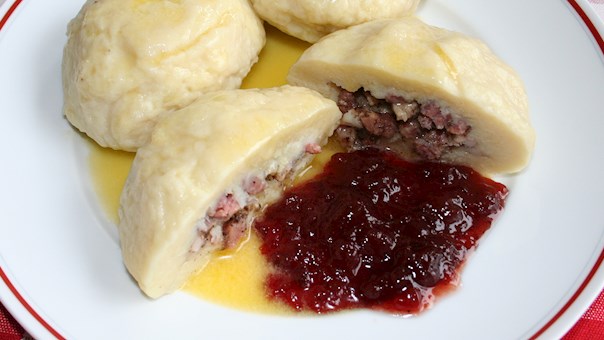
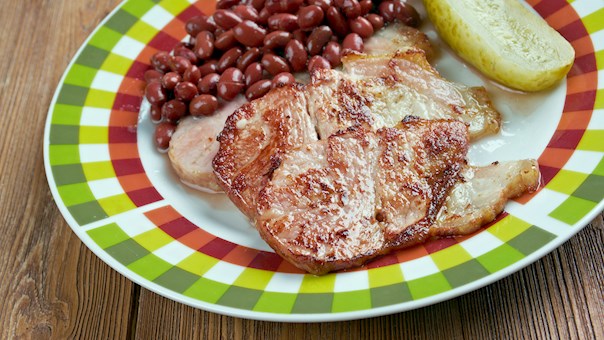
Traditionally associated with the northern parts of Sweden and the Finnish Lapland, blodpalt are the nutritious, dark-brown dumplings prepared with rye or barley flour and animal’s blood. Although they were traditionally made with reindeer’s blood, today they appear in numerous regional varieties which employ blood of various animals, different spices, and occasionally mashed potatoes. They are sometimes filled with a mixture of sautéed onions and diced bacon, and are commonly cooked in flavorful meat broths. Blodpalt dumplings are usually enjoyed as a side dish accompanied by fried bacon or pork, butter, and lingonberry jam.
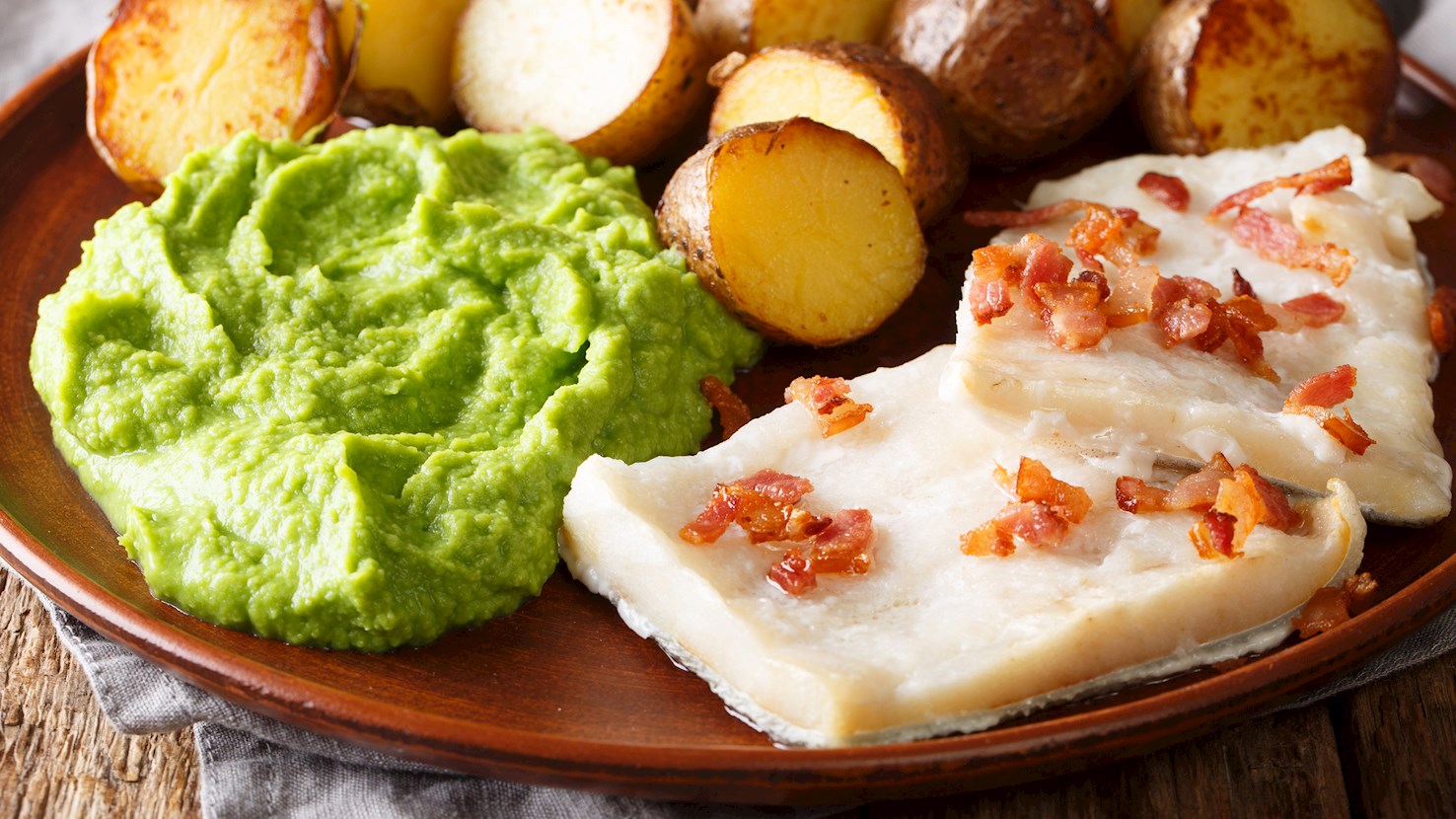
Lutefisk is a Scandinavian dish made from dried whitefish, most commonly cod, that has been rehydrated through a unique process involving a lye solution. It is closely associated with Norway and Sweden, though it is also eaten in parts of Finland and by Scandinavian communities in North America. Its origins lie in the necessity of preserving fish for long periods in harsh northern climates. Drying cod on wooden racks in the cold, windy air was one of the earliest and most effective preservation methods, allowing fish to be stored and transported without spoiling. Once dried, the fish was extremely hard and required soaking to make it edible again. At some point, the practice of soaking it in water combined with lye emerged, possibly as a way to accelerate rehydration or improve texture, and this became codified into the process known today. Over centuries, lutefisk became deeply woven into seasonal food traditions across Scandinavia, valued not only for its preservation heritage but also for its association with celebration and shared meals. Preparing lutefisk is a multi-stage process that transforms the fish’s structure completely. First, stockfish or dried cod is soaked in cold water for several days to reintroduce moisture. It is then soaked in a lye solution, which breaks down the protein structure and gives the fish its signature gelatinous, translucent texture. Because lye is caustic, the fish is subsequently soaked again in fresh water for several days to remove any traces of alkalinity and render it safe for consumption. Once this is done, the lutefisk is ready to cook, typically by steaming, baking, or gently poaching. The final dish is delicate and quivering, with a mild flavor that reflects the purity of its preparation. It is often served with accompaniments designed to balance its soft texture and subtle taste. In Norway, it is commonly paired with boiled potatoes, bacon, mustard, and green peas. In Sweden, additions like white sauce, allspice, and sometimes lingonberries provide contrast. In Finnish households, it may be served with melted butter or béchamel sauce. In North America, where it became an emblem of Scandinavian immigrant heritage, lutefisk dinners are often community events, served in church halls with simple sides and strong coffee. The use of lye is what sets lutefisk apart from nearly all other preserved fish dishes, producing a consistency unlike any other preparation method. While its slippery, gelatinous texture divides opinion, it is precisely this transformation that makes it distinctive. Lutefisk continues to be a seasonal centerpiece, valued as much for its connection to heritage as for its place in the contemporary Nordic table, where it is eaten slowly and socially, often surrounded by dishes that balance its mildness with richness, acidity, or spice.
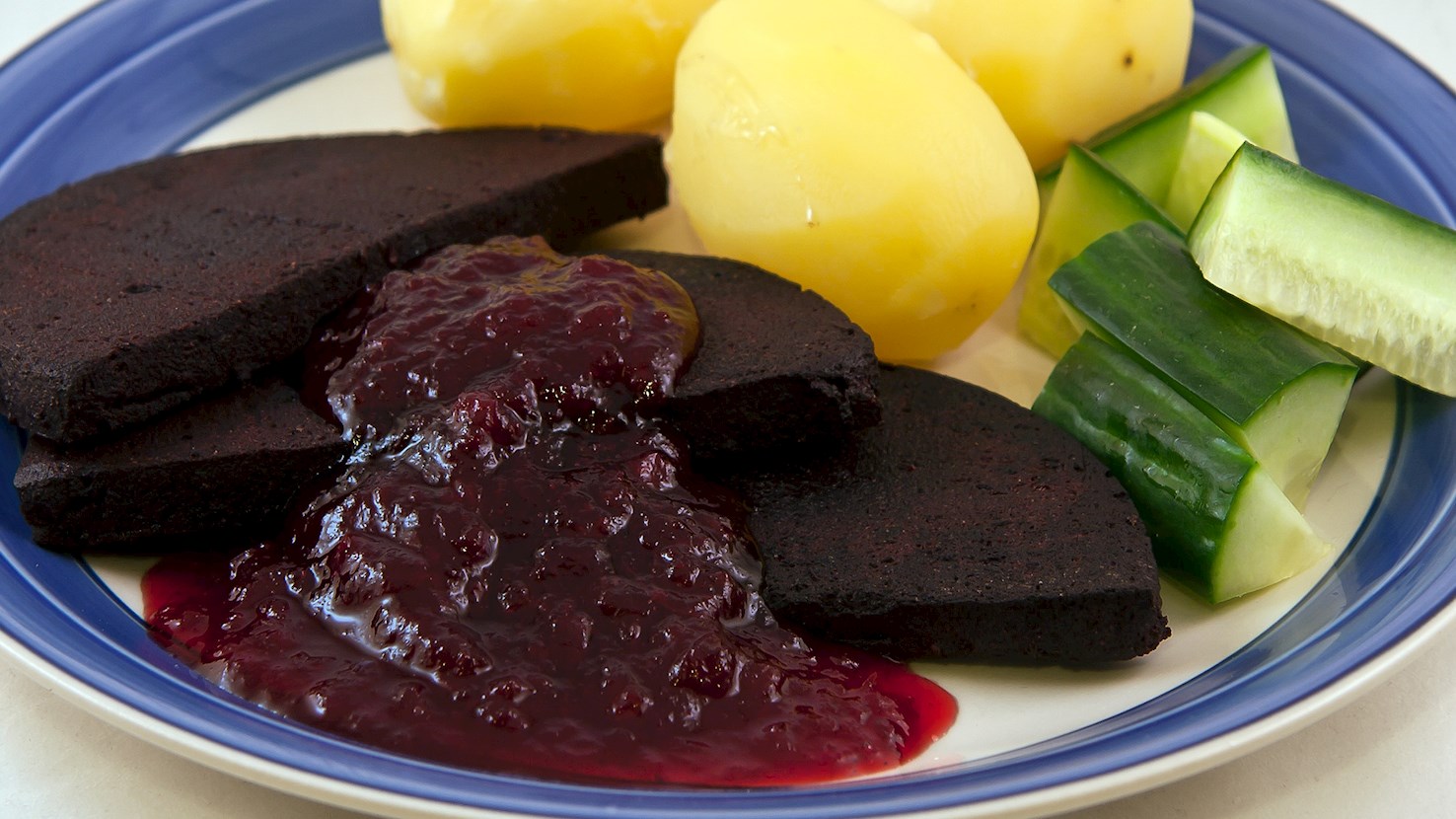
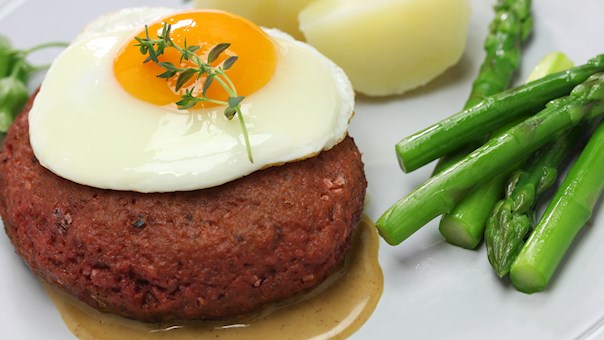
Blodpudding is one of traditional Swedish dishes made with animal blood. It is typically prepared with pig blood that is mixed with flour, beer or svagdricka, butter, and seasonings, then cooked in the oven. Once prepared, it is thinly sliced and fried with a little butter or oil until slightly crispy on the surface. The traditional way of serving it is with lingonberry jam, crispy bacon, and Swedish snaps. A variant of this dish is blodkorv (blood sausage), to which pork fat, raisins, and spices are added besides the usual ingredients. As intriguing as this dish might seem to a foreigner, blood pudding is a very popular and common food eaten for lunch or dinner in most Swedish households. In fact, the Swedes have not abandoned their habit of eating food made with animal blood since they consider this ingredient very nutritious and healthy. Children commonly have it at school, served with potato cakes (potatisbullar) and lingonberries. Premade blood pudding can be bought from any Swedish supermarket, making it a convenient and nutritious meal for students and busy individuals alike.
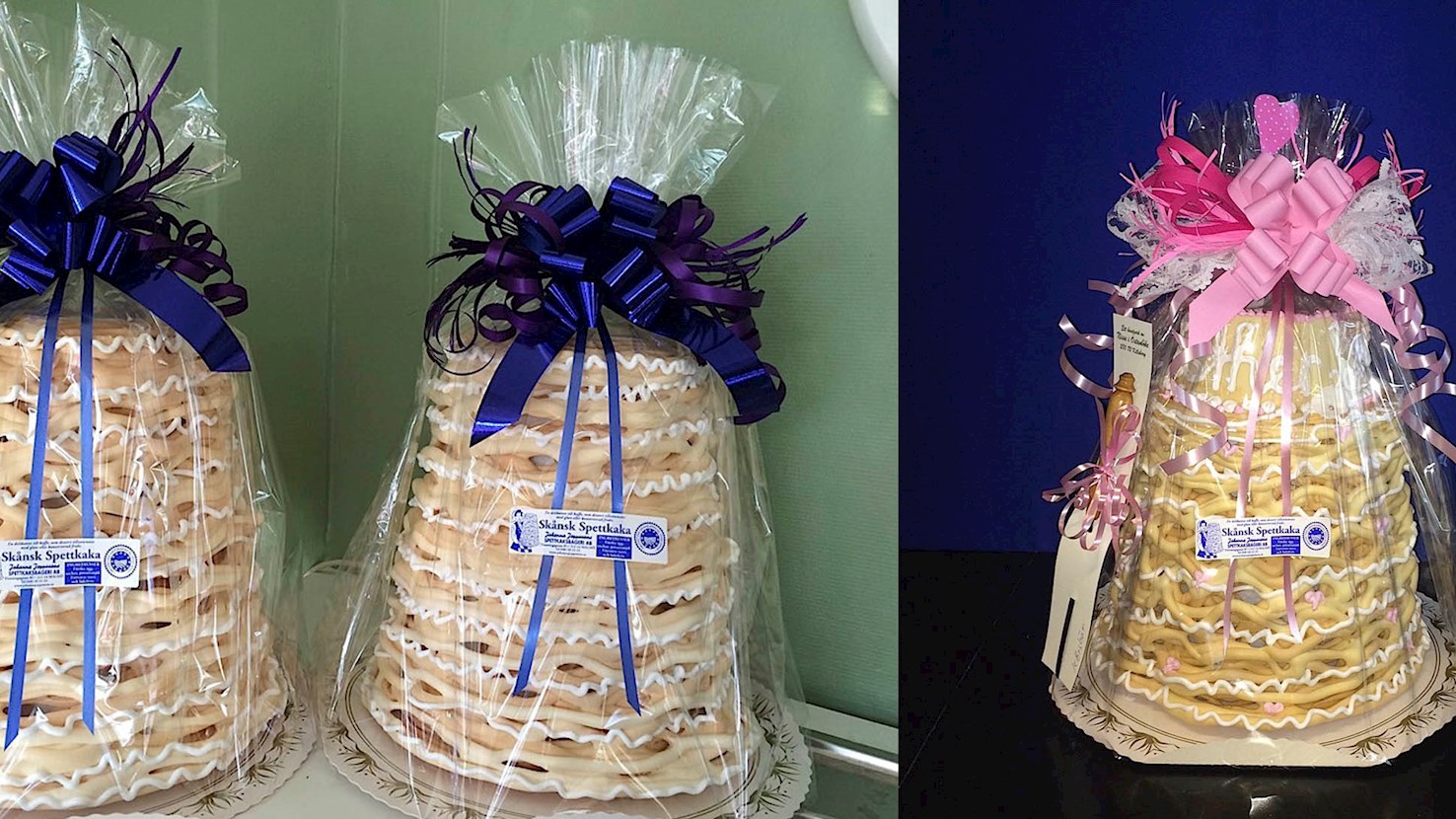
Skånsk spettkaka or pyramid cake is a visually appealing conical cake from Scania, Sweden, traditionally made using only fresh eggs, sugar, and potato flour. This spit cake has been baked in Sweden since the 1600s, and the first recipe for it was found in Susanna Egerin's cookbook dating back to 1733. In the past, only the wealthier people could afford this delicacy, but today anyone can enjoy its unique taste. The ingredients are mixed using a special technique, then formed into a sticky batter. Afterwards, the batter is slowly baked on a rotating mould at a high temperature, layer by layer, until it develops a golden-brown color (with irregular spikes on its body) and a pleasant aroma. In the end, it is coated with sugar frosting. If a knife is used to cut the cake, it will crumble and shatter, so a hacksaw blade is used instead of it to gently cut the cake into smaller pieces. All that remains is to serve it with vanilla ice cream, fruit, and a cup of coffee, and the sweet journey into Sweden's gastronomy can begin.
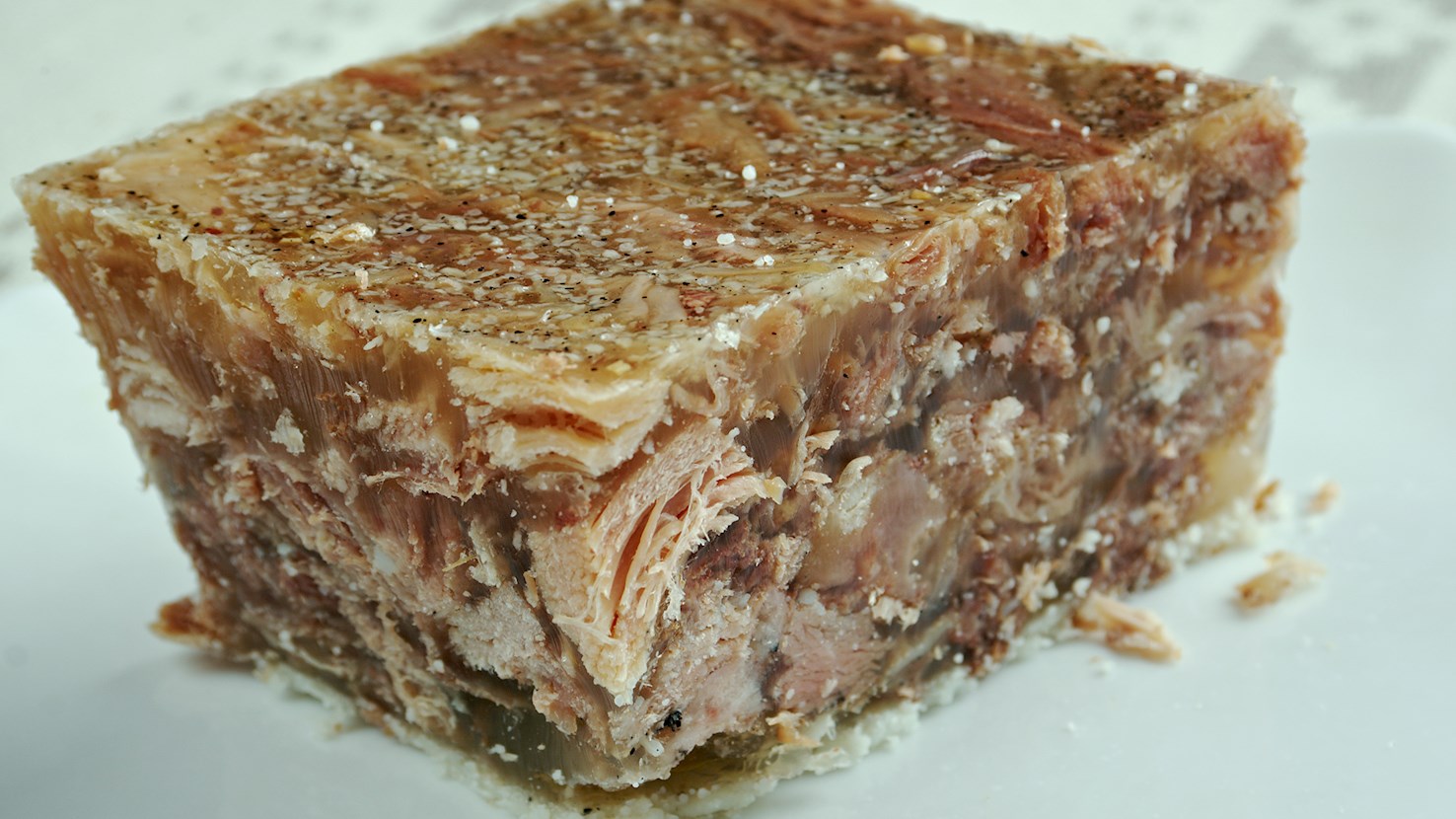
Jellied veal, or kalvsylta in Swedish, is a simple meat dish made with minced veal that is simmered in meat stock along with gelatin and seasonings. The jellied veal is then placed in a mold and cooled before serving. Traditionally served with other Christmas dishes on the Swedish Christmas buffet, kalvsylta is typically cut into slices and accompanied by beets, crackers, lingonberry jam, horseradish, pickled cucumbers, or mustard.
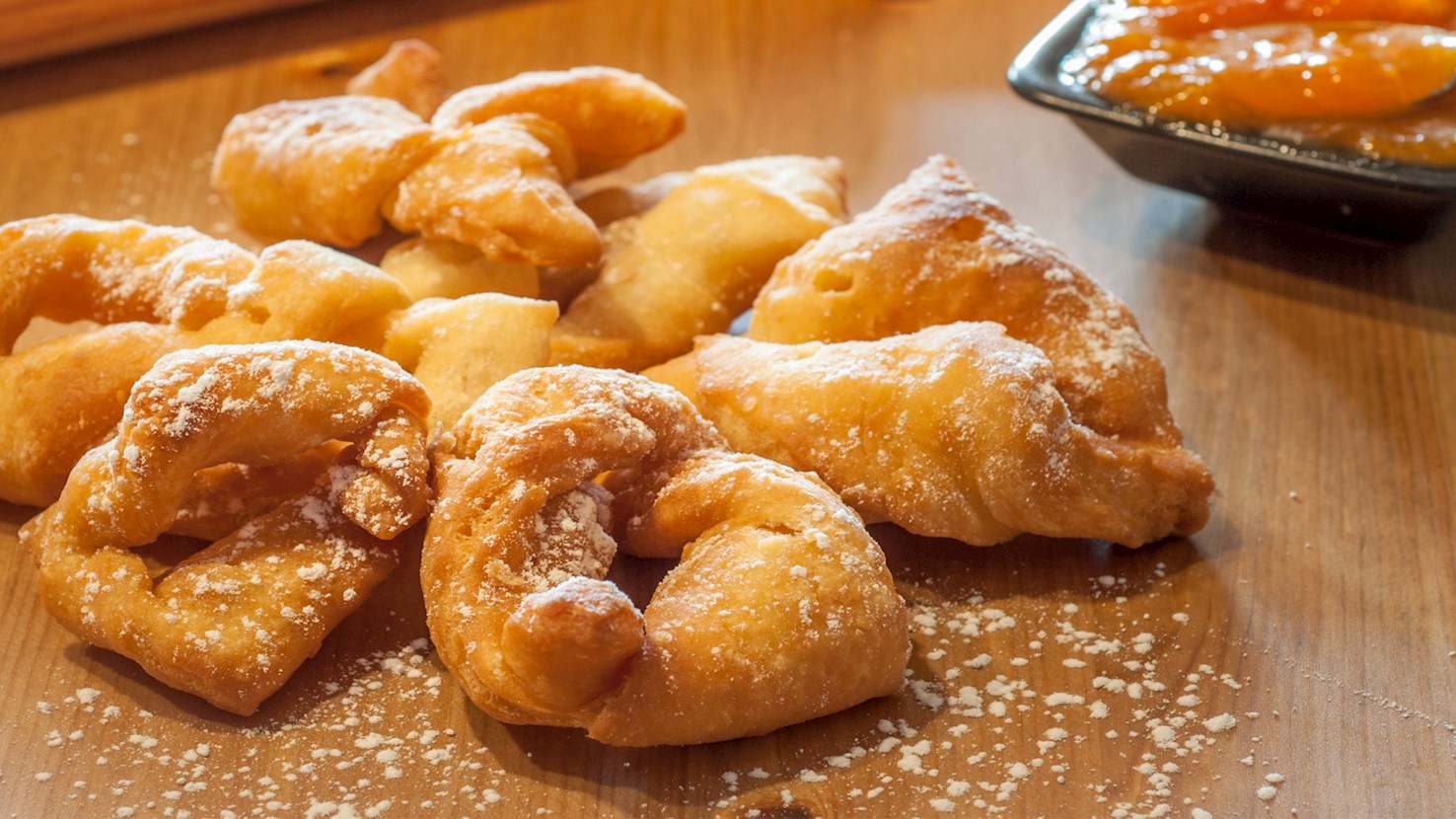
The rhomb-shaped, crispy klenät is a popular deep-fried pastry enjoyed in many Nordic countries. Made with the buttery yeasted dough, often enriched with various liqueurs, it is primarily rolled, shaped into a knotted trapezoid, and then fried until it turns into a light, crunchy, golden treat. Traditionally enjoyed during Christmastime, it is best served freshly prepared and lightly sprinkled with cinnamon and powdered sugar.
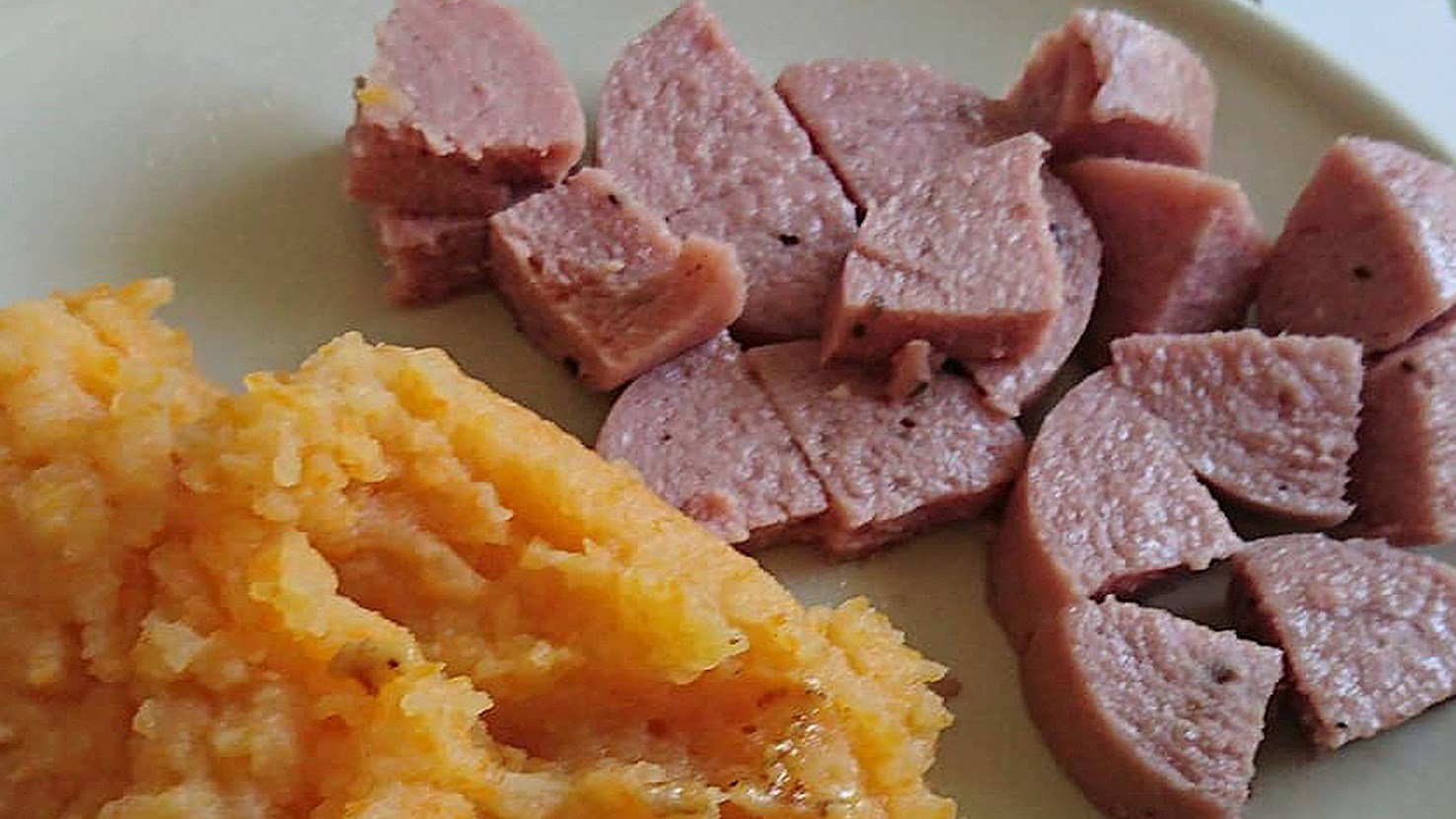
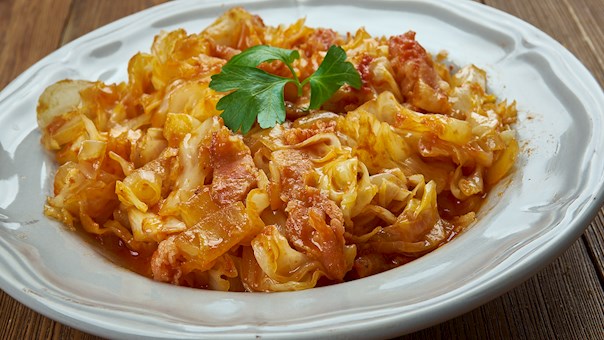
Fläskkorv is one of Sweden’s traditional raw sausages along with julkorv, grynkorv, and värmlandskorv. As its name suggests, this type of sausage is mainly composed of pork meat and fat which is seasoned and placed in a natural or artificial encasing. Swedish pork sausages are often found on the traditional julbord (Christmas buffet) and are a typical accompaniment to brunkål (brown cabbage). They go nicely with a side of mashed potatoes, boiled potatoes, sauerkraut, pickled beets, mixed steamed vegetables, or rotmos (root mash). Fläskkorv is available both raw and premade in Swedish supermarkets.
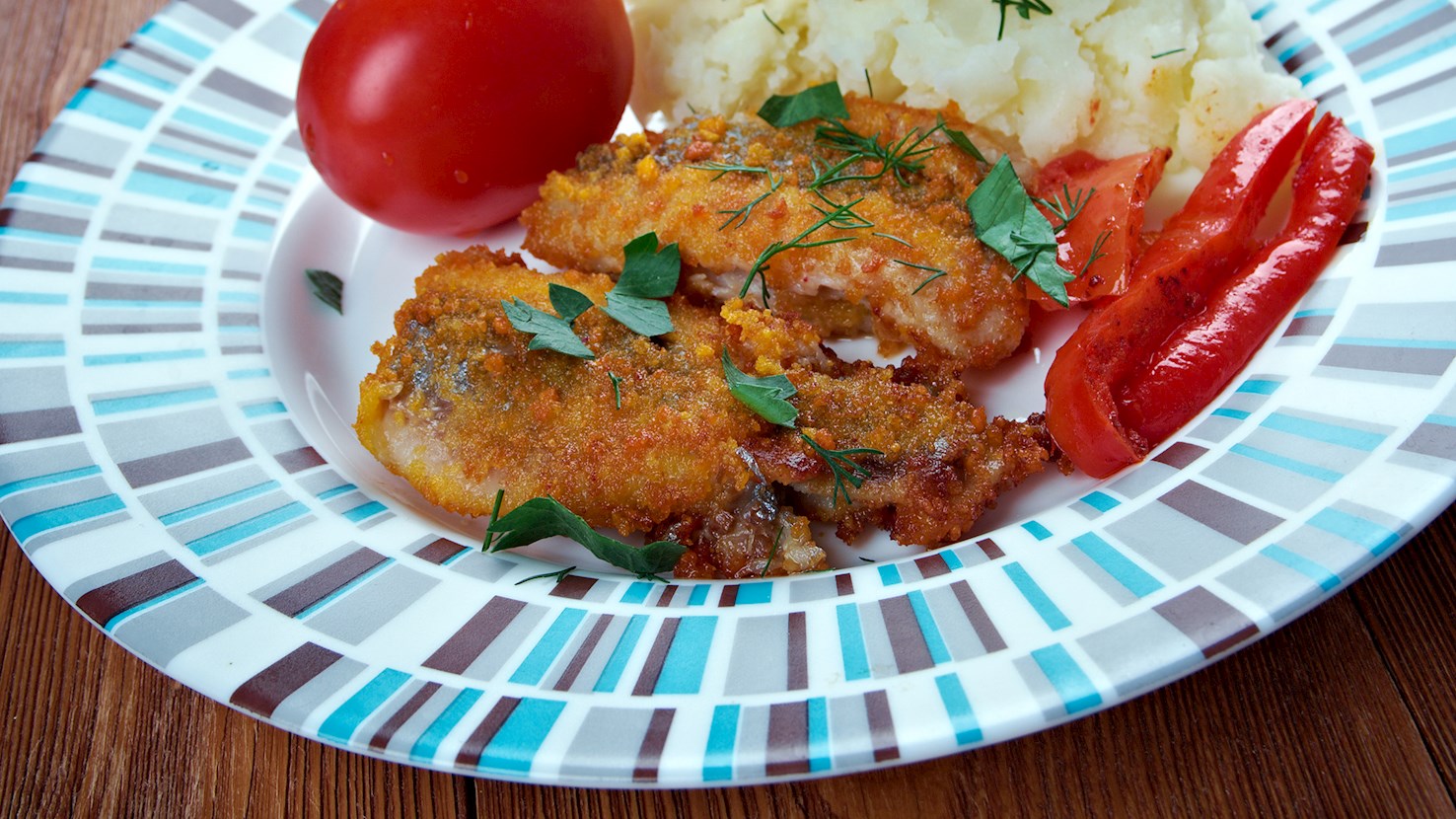
Stekt strömming or fried herring is a hearty Swedish specialty consisting of herring fillets that are seasoned with salt, white pepper, and fresh dill, coated with flour and breadcrumbs, then fried in butter until crisp and golden brown on the outside. There are many ways to eat and serve these delicious fish fillets, but usually, they are accompanied by mashed potatoes, lingonberries or lingonberry jam, red onions, or pickled cucumbers. Another way to consume fried herrings is by topping them with a mixture of vinegar, sugar, allspice, and chopped red onions, which is also used in another Swedish fish dish known as inlagd sill (pickled herring). In Sweden, freshly fried herrings placed on top of a buttered crispbread or Swedish knäckerbröd are sold as a popular street food item. Other delicious variations of this dish include herring roll (strömmingsrulle) and herring burger (strömmingsburgar).
TasteAtlas food rankings are based on the ratings of the TasteAtlas audience, with a series of mechanisms that recognize real users and that ignore bot,
nationalist or local patriotic ratings, and give additional value to the ratings of users that the system recognizes as knowledgeable.
For the “64 Worst Rated Swedish Foods” list until June 17, 2026, 4,932 ratings were recorded, of which 4,233 were recognized by the system as legitimate.
TasteAtlas Rankings should not be seen as the final global conclusion about food. Their purpose is to promote excellent local foods,
instill pride in traditional dishes, and arouse curiosity about dishes you haven’t tried.