

41 Worst Rated Swiss Foods

Last updated on May 22, 2026
01

Heusuppe

2.1 ·

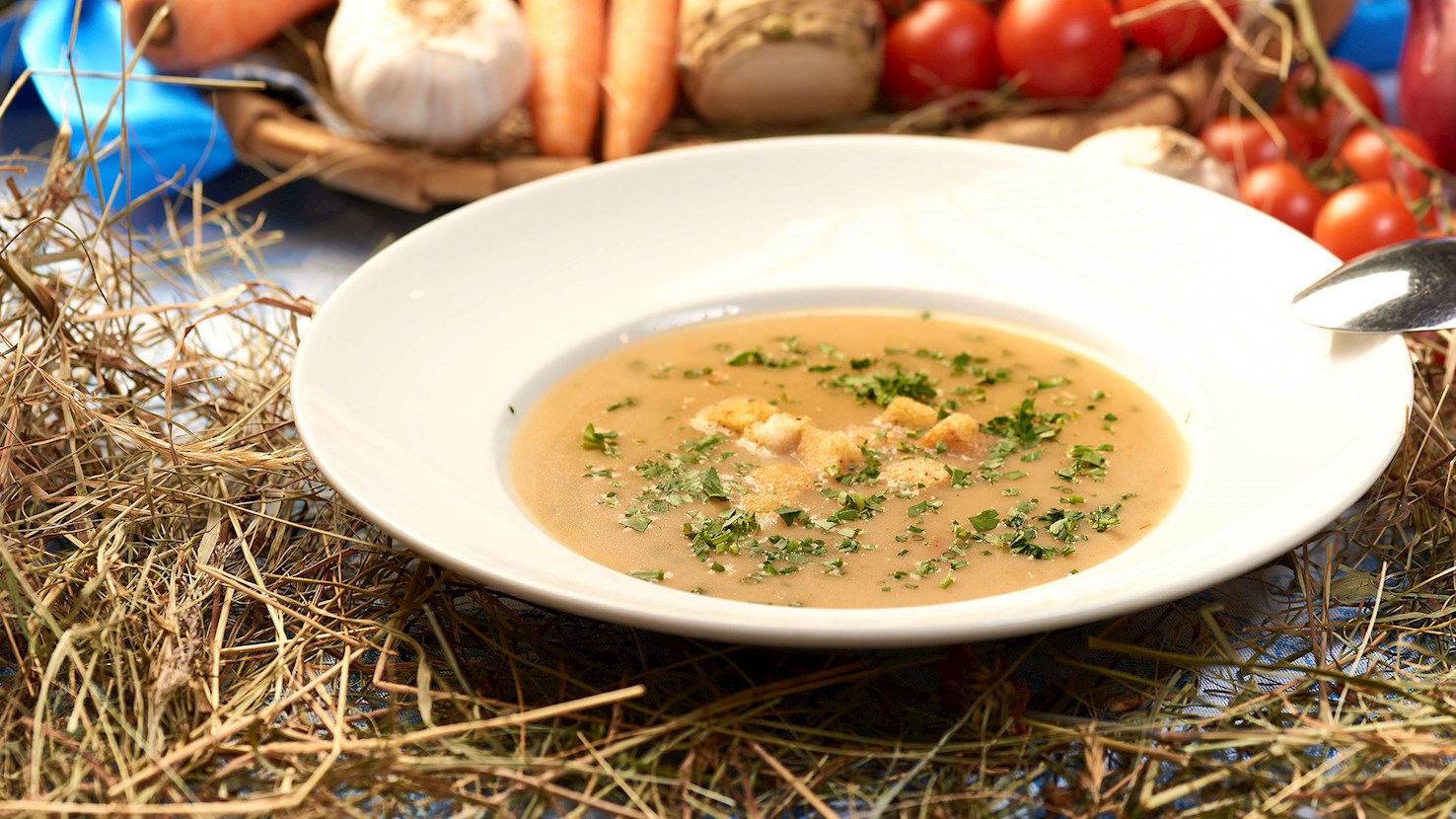
Heusuppe is an unusual, authentic Swiss soup originating from the Alpine huts. Literally translated as hay soup, the dish is made with mountain flowers and herbs which are steeped in bouillon with the addition of hay that is removed from the broth before serving. Typically, it takes about 2 kilos of hay to make just 1 liter of hay soup, and it is often prepared with additional ingredients such as cream and butter. Many people claim that the soup is an acquired taste – you are first hit with a slight sweetness, then creaminess, and finally, a slightly sour flavor in the mouth.

02

Longeole

2.4 ·

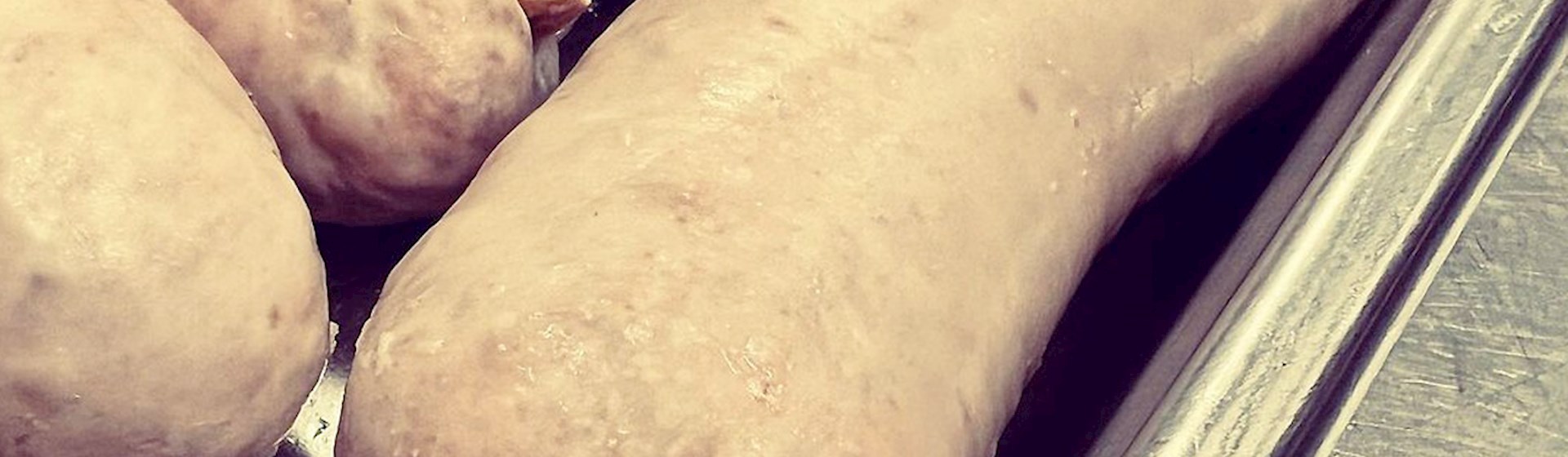
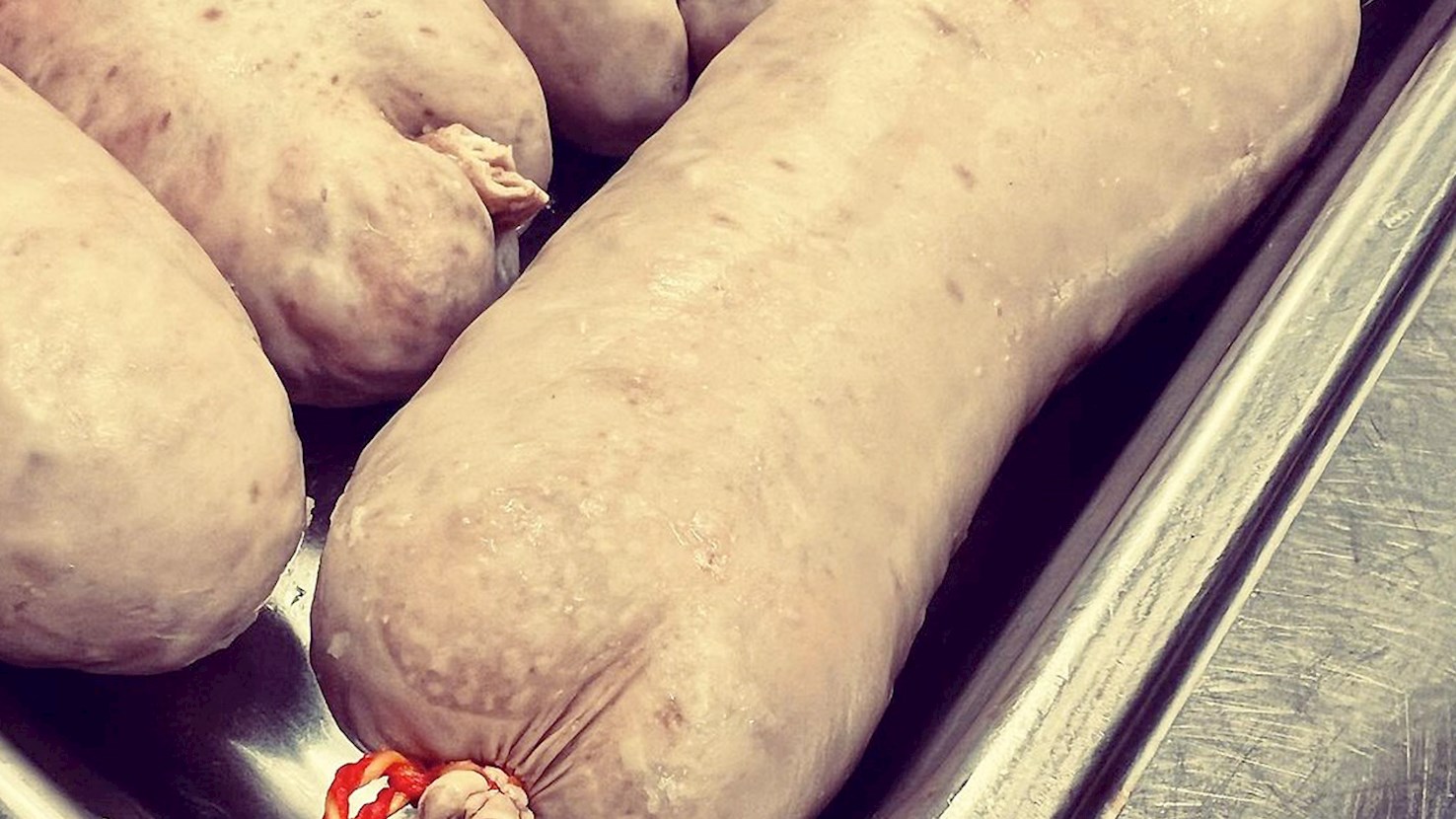
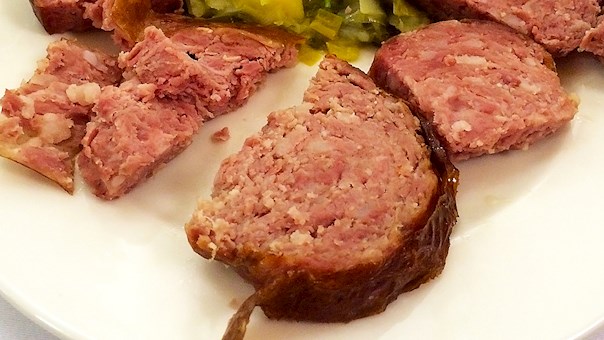
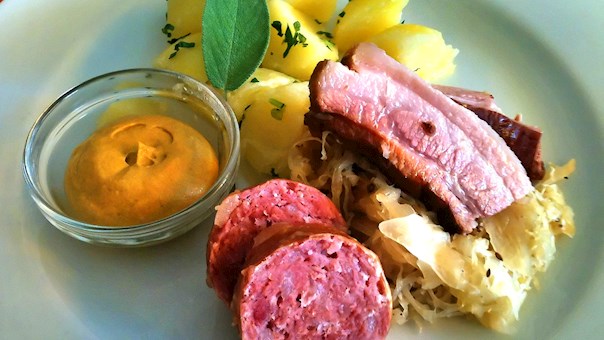
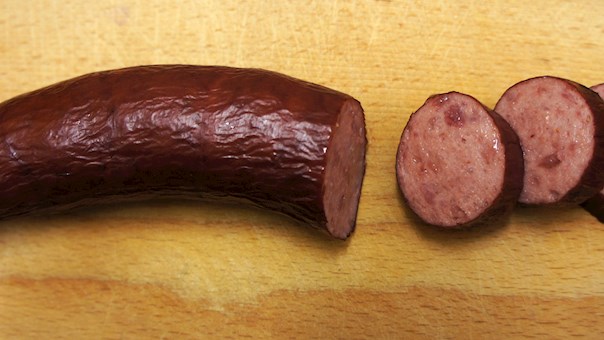
Longeole is a sausage originating from Geneva. It contains ground pork, ground pork rinds, and fennel seeds. The pork rinds keep the sausage from drying out and give it a fuller flavor, while the addition of fennel seeds is believed to be a Savoyard influence. Due to the addition of pork rinds, longeole takes longer to cook than other sausages. This sausage is especially popular during the colder months, and it is traditionally served with potatoes cooked in white wine for Christmas.

03

Basler Mehlsuppe

2.5 ·

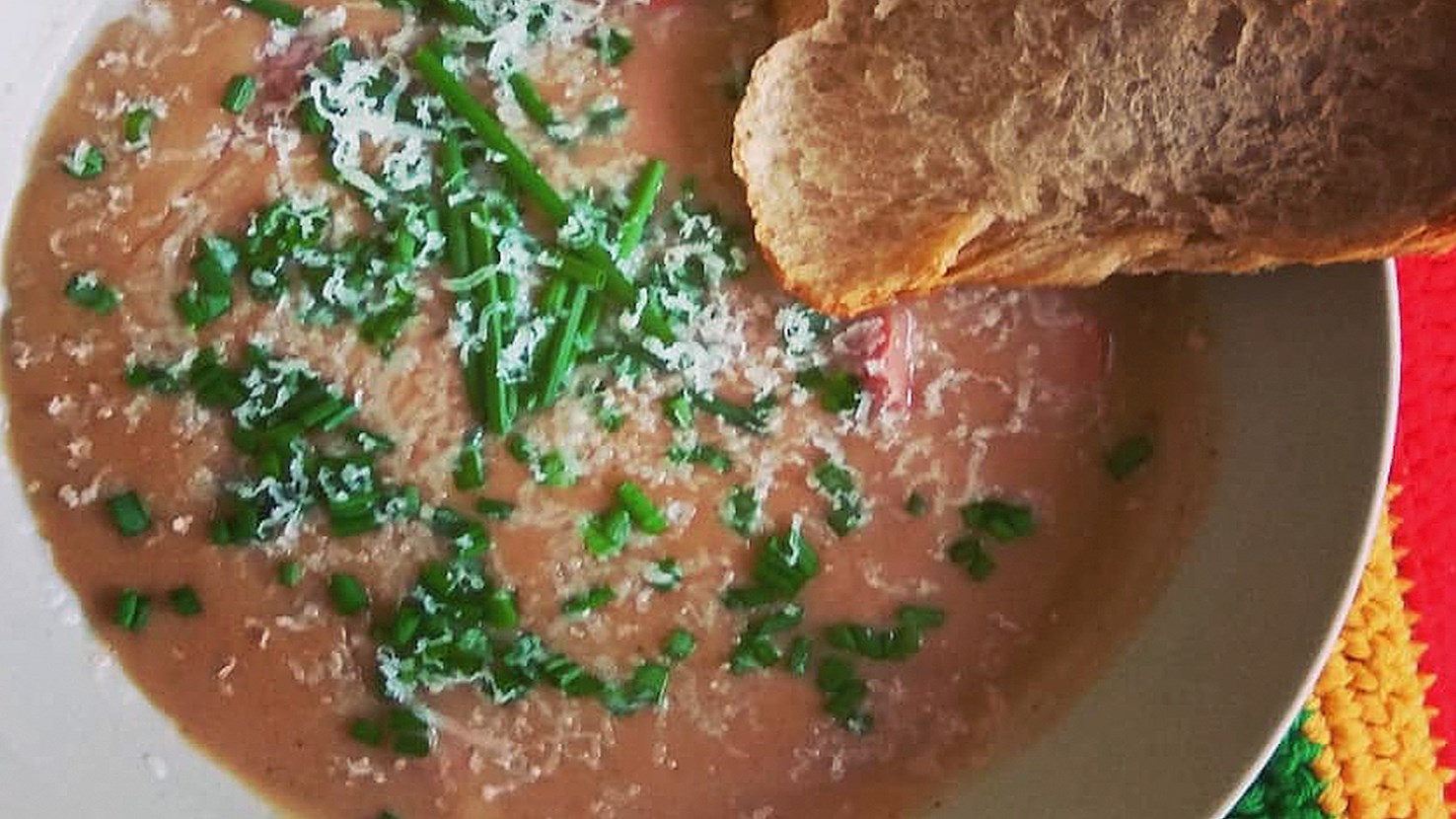
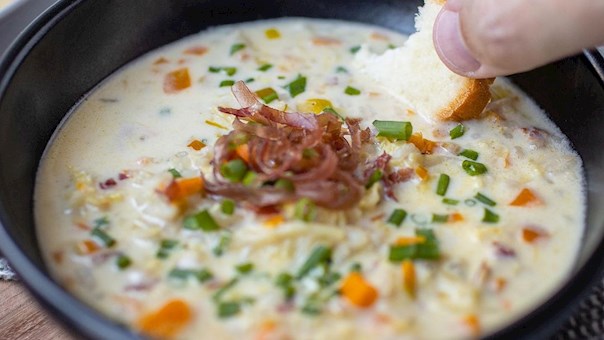
Basel's signature dish is a hearty, flavorful soup made with browned flour, beef stock, onions, and sometimes red wine. Basler mehlsuppe is usually seasoned with peppercorns, cloves, nutmeg or allspice, and served topped with a generous grating of Swiss cheese such as Sbrinz or Gruyère. Traditionally, the soup is a must-have at Basel Carnival, which is officially launched with a serving of it at precisely 4:00 AM on the first Monday after Ash Wednesday. Being a national favorite, mehlsuppe is also widely available throughout the year, not just in Basel, but across Switzerland.

04

Tirggel

2.6 ·

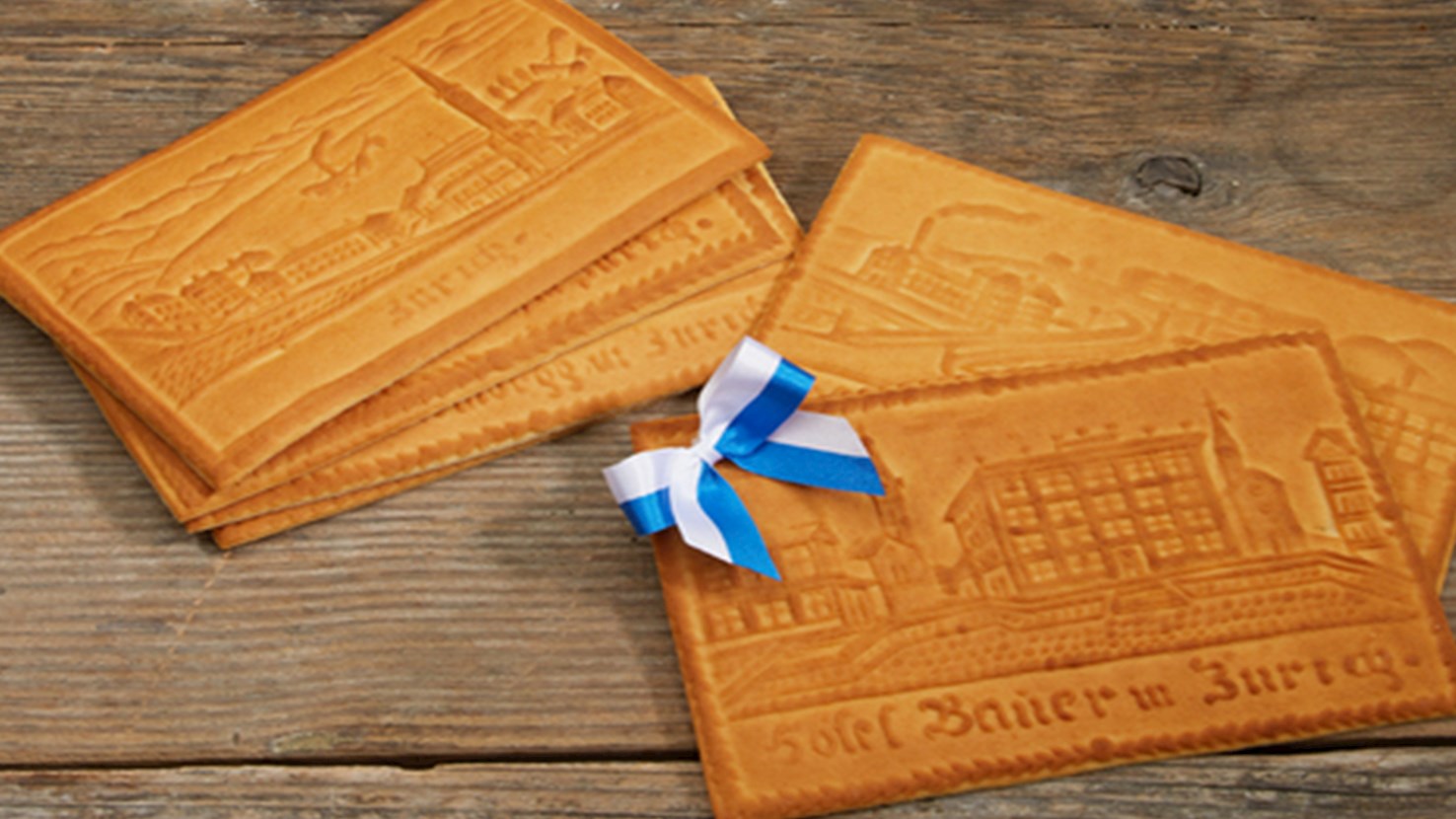
Tirggel are traditional Swiss Christmas cookies made with flour, honey, and sugar. They are thin and very hard, characterized by images on the top which are usually associated with the Zürich Canton, romance, and Biblical stories. It is believed that the name tirggel is derived from the word torggeln, which refers to stirring a thick dough. The first written mention of tirggel can be found in 1461 witch trial court documents. The cookies were a luxury item in the 15th and 16th centuries, and before 1840, only city bakers had the rights to bake them. After 1840, all bakers could bake them, and they gained popularity over the years, so nowadays everyone can enjoy these crunchy festive treats.

05

Fastenwähe

2.6 ·

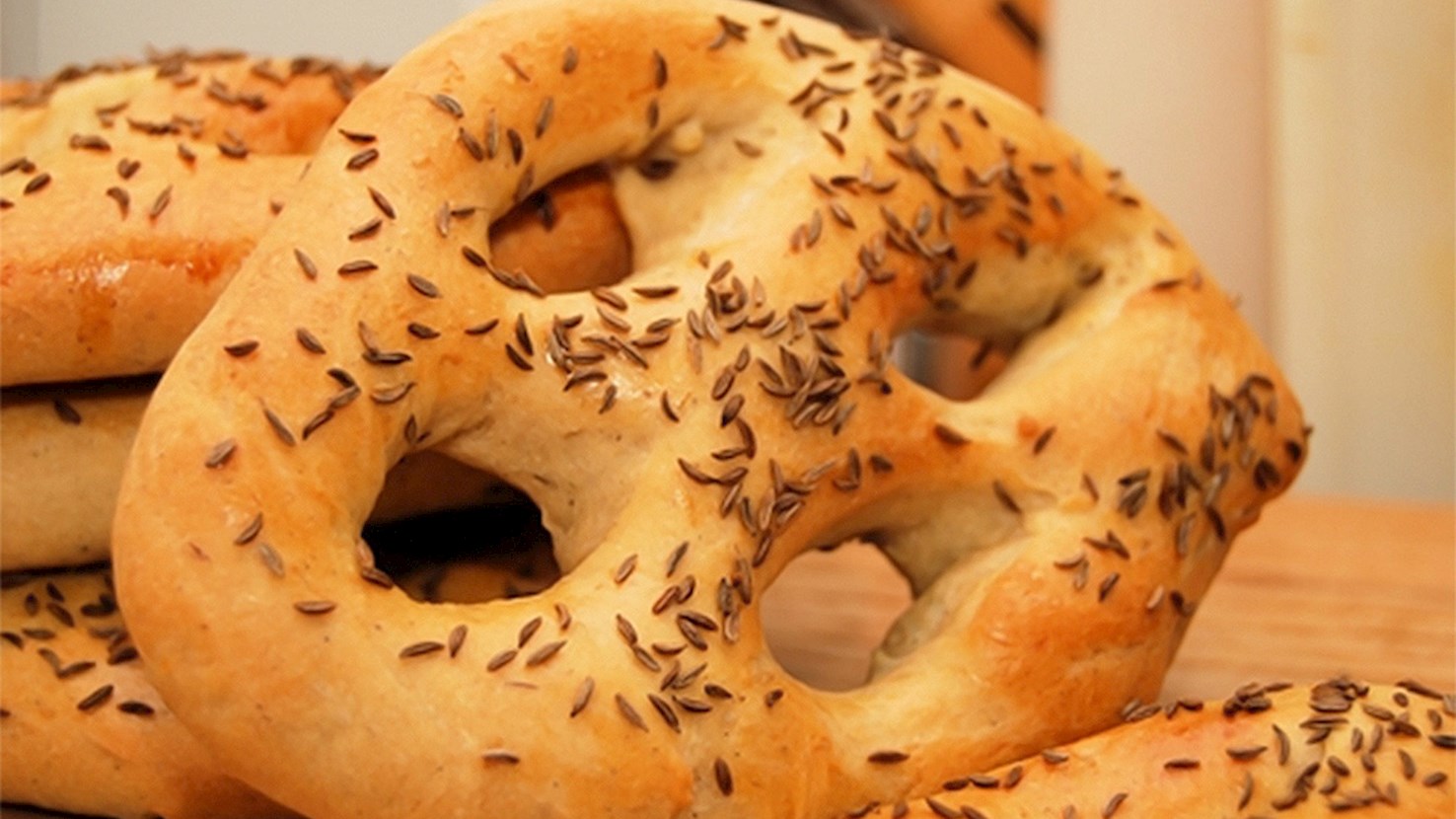
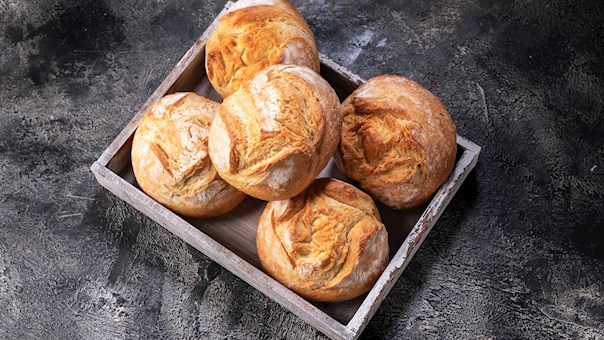
Fastenwähe is a type of small Swiss bread, carnival treat, and snack originating from Basel. The dough is usually made with a combination of flour, yeast, salt, sugar, milk, eggs, caraway seeds, and butter. Once the dough has rested and doubled in size, it's divided and shaped into ovals. A knife is used to cut four slits into each piece of dough, which is then carefully stretched in order to create a shape that's similar to a cross in the middle of the dough. The dough is brushed with beaten egg yolks, sprinkled with caraway seeds, and baked until golden. Fastenwähe is especially popular during the Fasnacht (the biggest carnival in Switzerland) celebration, and it was originally enjoyed only during Lent.

06

Kalberwurst

2.8 ·

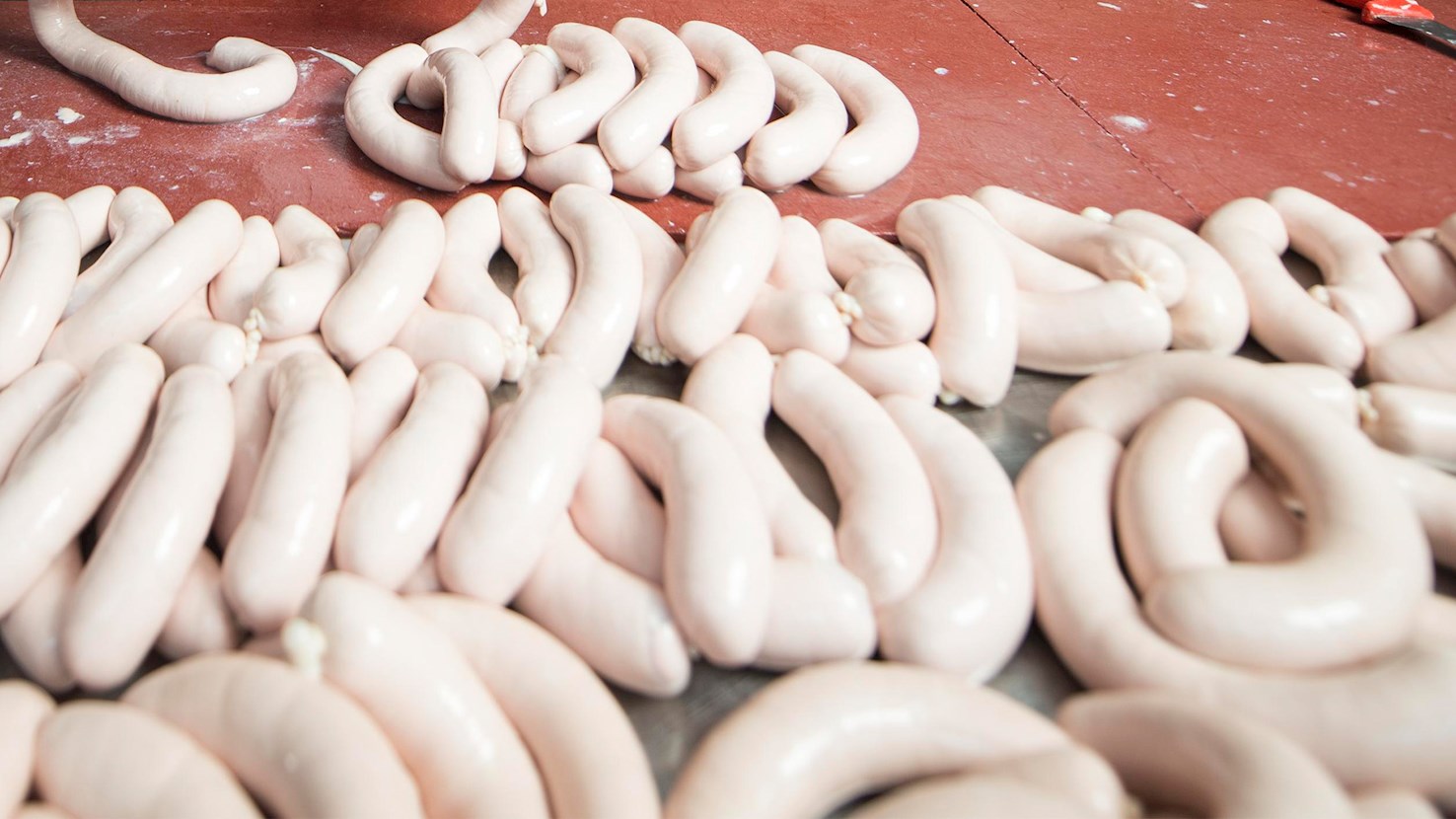
Kalberwurst is a fresh Swiss sausage made with a combination of veal, ground crackers, and milk, although pork is sometimes also added to the combination. Its flavor is often described as mild and creamy. The sausage is typically cooked alongside onions and gravy, but it can also be grilled.

07

Meitschibei

2.8 ·

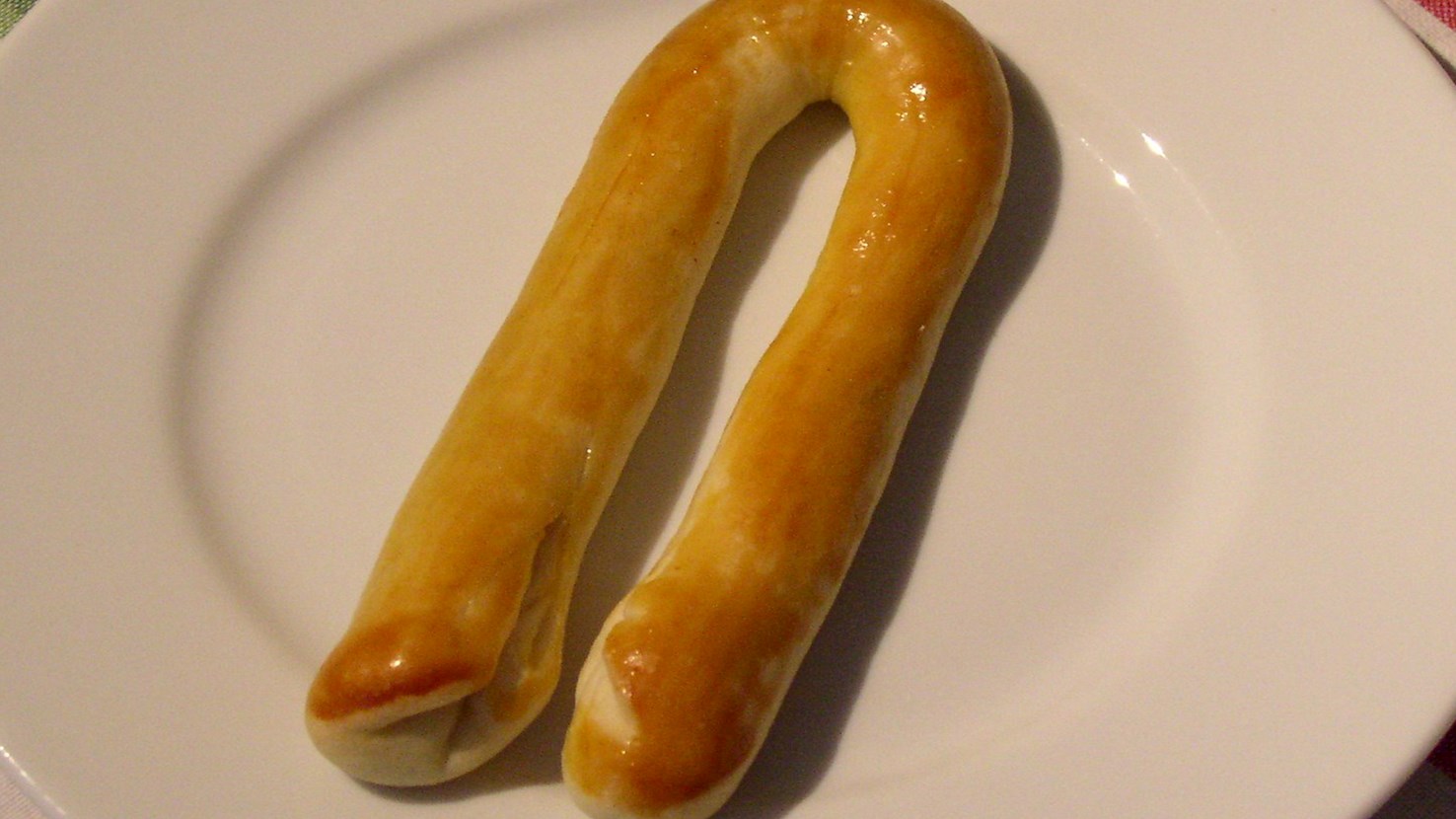
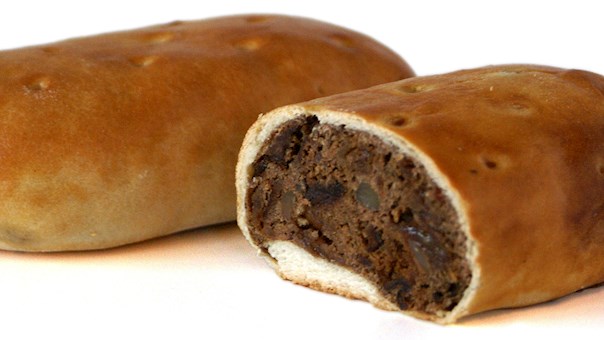
Meitschibei are finger-thick, horseshoe-shaped Bernese pastries filled with sweetened hazelnuts. Their name directly translates to girl’s legs and it comes from their characteristic shape. The dough is made with white flour, butter, milk, yeast, malt, sugar, salt, and eggs, while the filling is made with ground hazelnuts, orange peel, lemon zest, cinnamon, sugar, and a little water. Meitschibei can be easily found in bakeries throughout the German-speaking part of Switzerland. In the French-speaking parts of the country, the product is known as croissant viennois – Viennese croissant. The origins of meitschibei are lost to time, but they most likely originated in Bern at the beginning of the 20th century.

08

Wurstsalat

2.9 ·

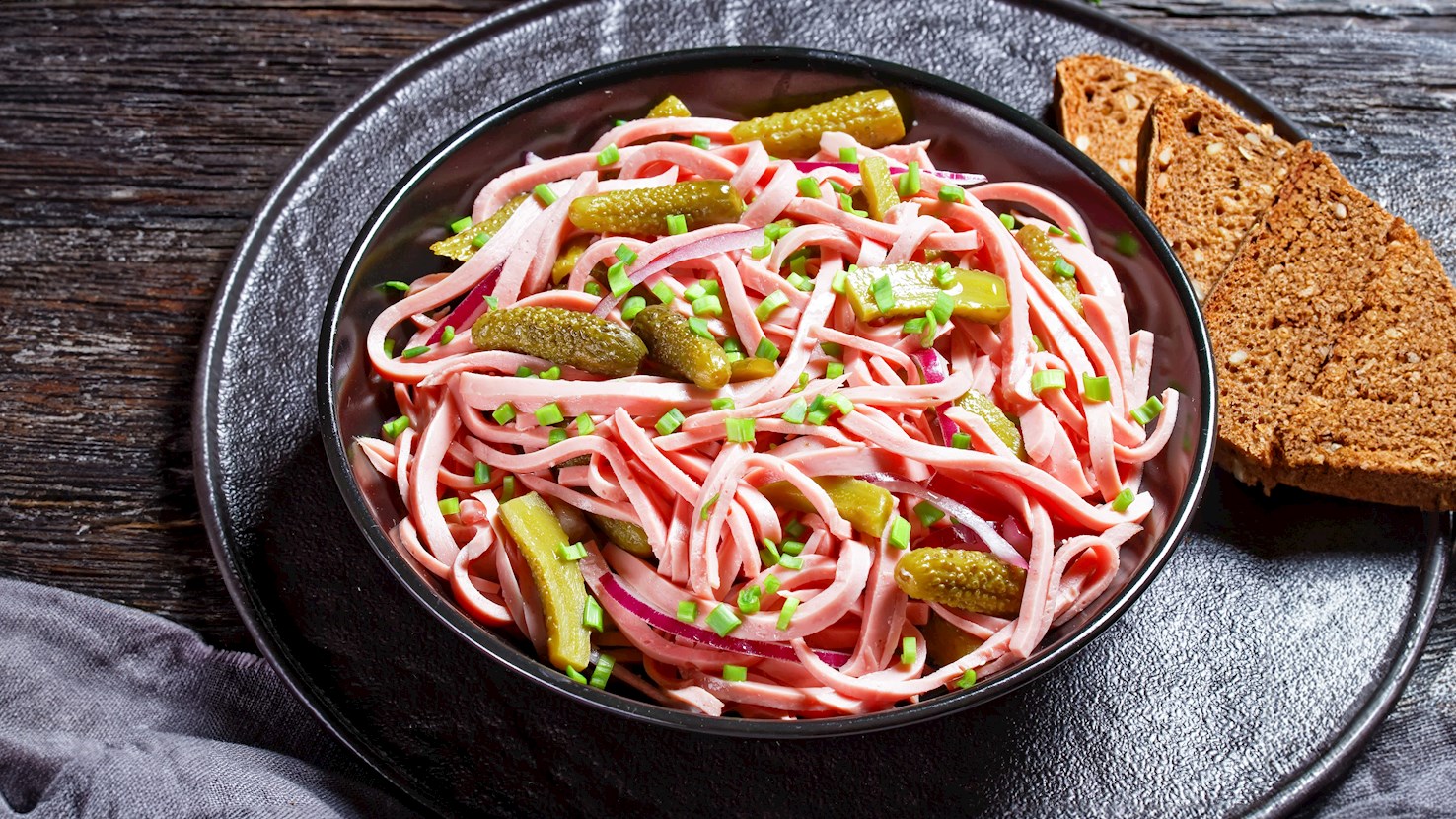
Wurstsalat is a traditional salad from Germany (especially southern parts), Switzerland, Austria, and Alsace in France made with strips of sausage. It's a popular dish often consumed as a light meal in beer gardens or traditional inns, especially during the warm summer months. The main ingredient in wurstsalat is thinly sliced sausage. The most commonly used type is Lyoner, fleischwurst, or stadtwurst, although the Swiss variant often uses cervelat. These are all types of cooked sausage that are similar to bologna or frankfurter. The sliced sausage is mixed with chopped onions, and the salad is dressed with a simple vinaigrette made from oil, vinegar, salt, and pepper. The dish is typically marinated for a few hours or overnight to allow the flavors to meld together. There are several regional variations of Wurstsalat. For example, in Switzerland and in the Swabian and Bavarian regions of Germany, it's common to add pickles and cheese, typically Swiss Emmental, to the salad. In some regions, it's also common to add other ingredients such as radishes, boiled eggs, tomatoes, or bell peppers. Wurstsalat is typically served chilled, often accompanied by bread or pretzels. It can be a standalone dish or part of a larger meal. Despite its simplicity, wurstsalat is beloved for its tangy, hearty flavors and refreshing qualities.

09

Riz Casimir

2.9 ·

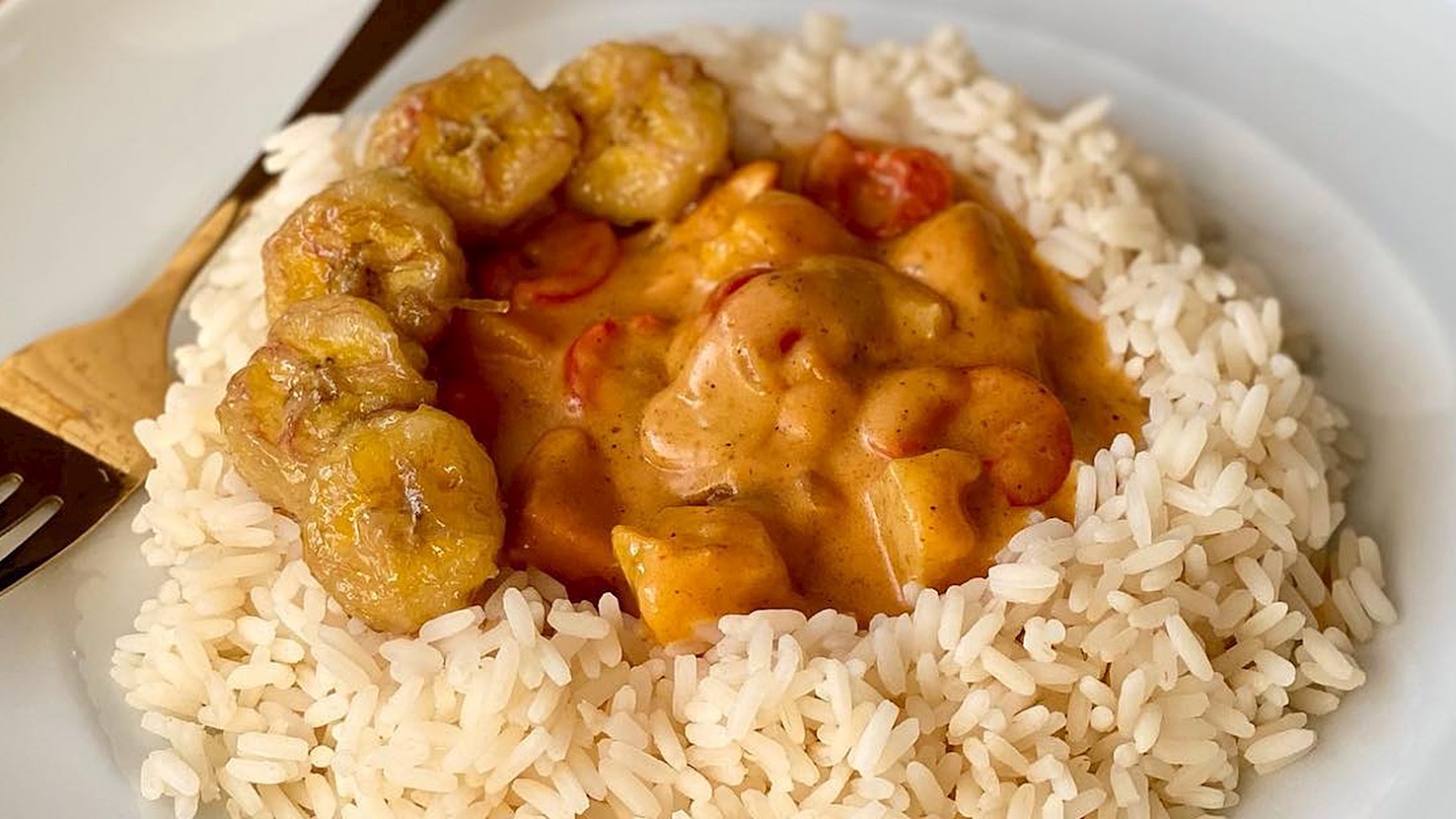
Although it is filled with exotic ingredients, riz Casimir is an authentic Swiss dish dating back to 1952, when the owner of Mövenpick restaurant, Ueli Prager, first put it on the menu. The dish is made with chicken, cream, coconut milk, rice, toasted almonds, pears, pineapples, peaches, and a variety of flavorings such as curry powder, chili, cinnamon, cloves, garam masala, and bay leaves. Although riz Casimir was at the peak of its popularity in the 1950s, nowadays it is often mentioned as a favorite dish among people of all ages in the country.

10

Basler Brot

2.9 ·

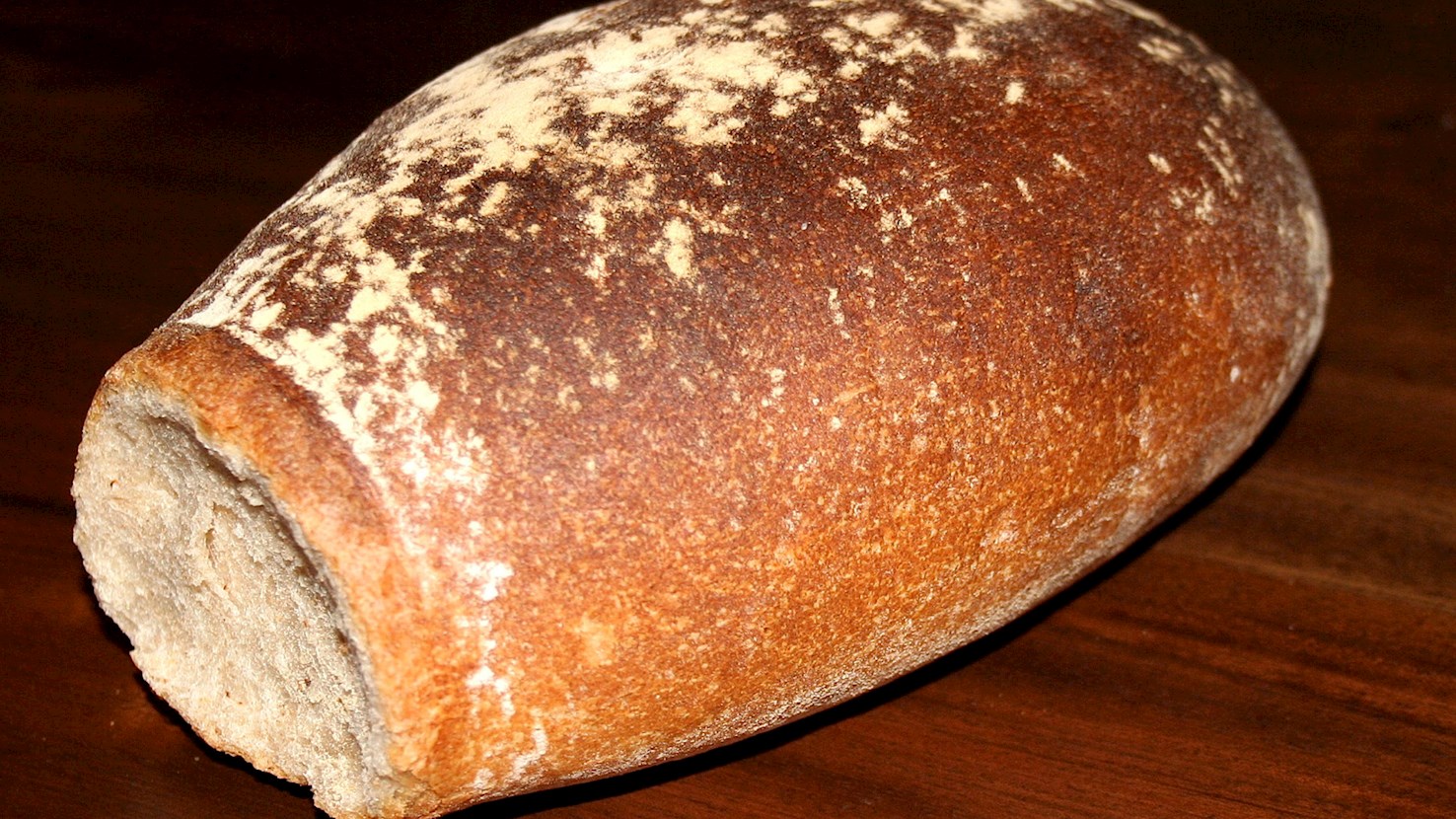
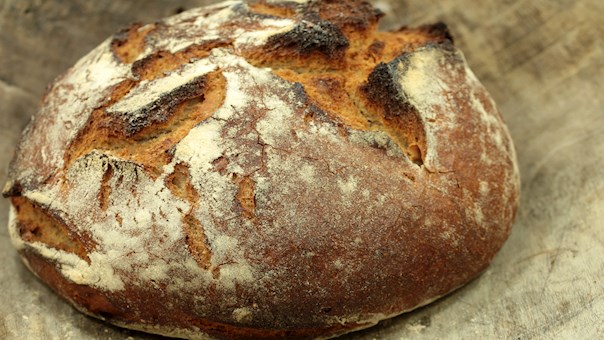
Basler brot is a traditional bread originating from Basel. It is made with a starter, resulting in light and airy bread with a distinctive flavor. Other ingredients include wholegrain flour or half dark and half white flour, water, and salt. It is characterized by an aromatic crumb, high water content, and high baking temperatures. Visually, the bread is oblong, and it consists of two round loaves of bread that are combined together at the ends. The two pieces represent two Cantons – Basel countryside and Basel the city. It was first mentioned in Eugen A. Meiers 1792 book Das süsse Basel.

Read more
View all
View map
About this ranking

TasteAtlas food rankings are based on the ratings of the TasteAtlas audience, with a series of mechanisms that recognize real users and that ignore bot, nationalist or local patriotic ratings, and give additional value to the ratings of users that the system recognizes as knowledgeable. For the “41 Worst Rated Swiss Foods” list until May 22, 2026, 3,603 ratings were recorded, of which 3,104 were recognized by the system as legitimate. TasteAtlas Rankings should not be seen as the final global conclusion about food. Their purpose is to promote excellent local foods, instill pride in traditional dishes, and arouse curiosity about dishes you haven’t tried.

Similar lists