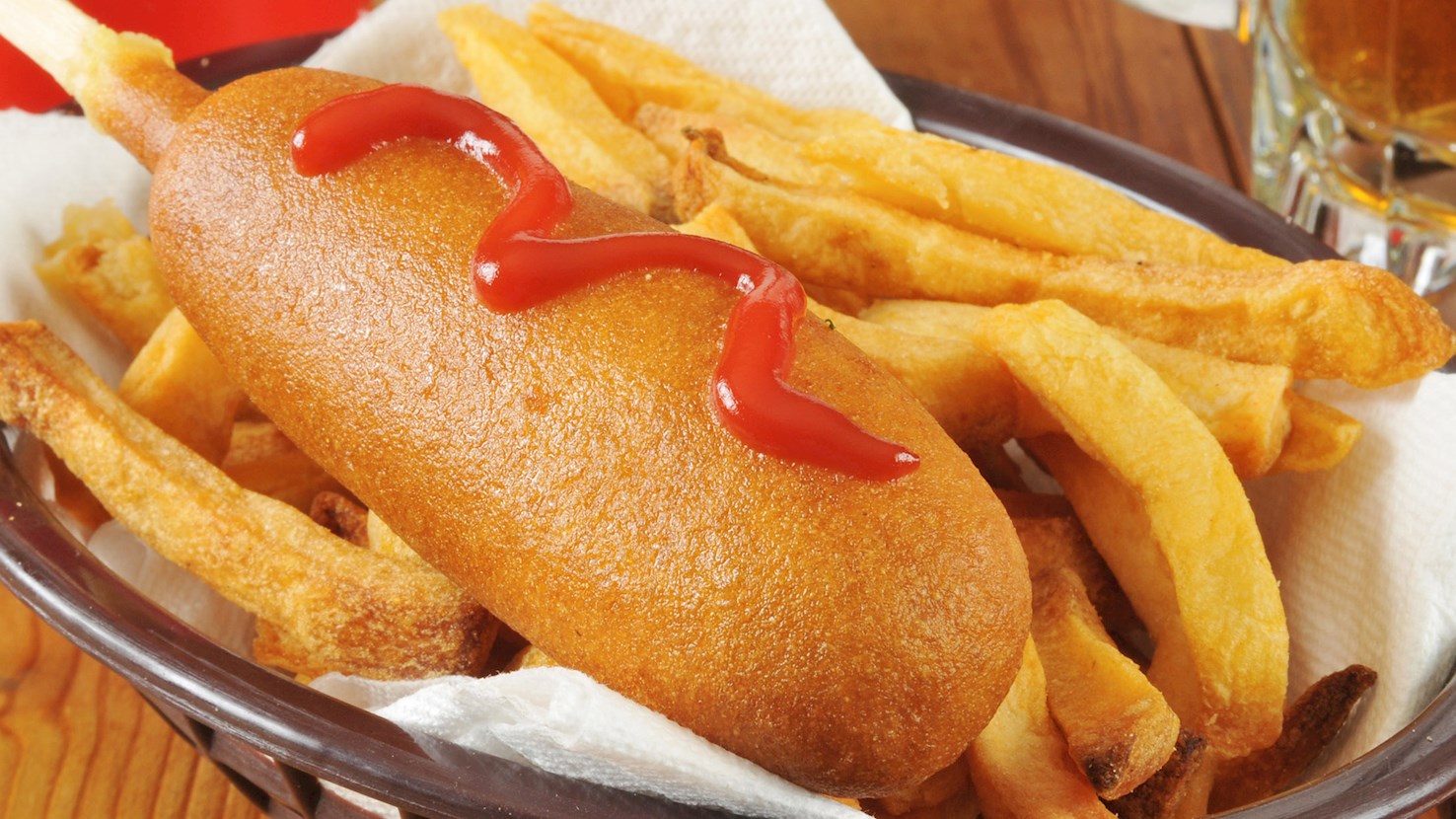
A corn dog consists of processed meat on a stick that is dipped in corn meal batter and deep-fried. It is a wildly popular snack (and hot dog variation) throughout the United States of America. Corn dogs are typically found at county fairs, carnivals, sports arenas, food courts in malls, and roadside eateries. This flavorful snack was first popularized by Neil Fletcher at the Texas State Fair in 1942, although the vendors at the Minnesota State Fair claim that they invented it in 1941 when it was known as a Pronto Pup. Today, corn dogs are often eaten with yellow mustard, pickles, sauerkraut, or mayonnaise, and there are numerous varieties of the snack throughout the world, namely in Argentina, Australia, New Zealand, and Japan. Convenient, simple, and hard to resist, corn dogs even has its own day, known as the National Corndog Day, occuring on the first Saturday of March Madness (basketball championship) every year.
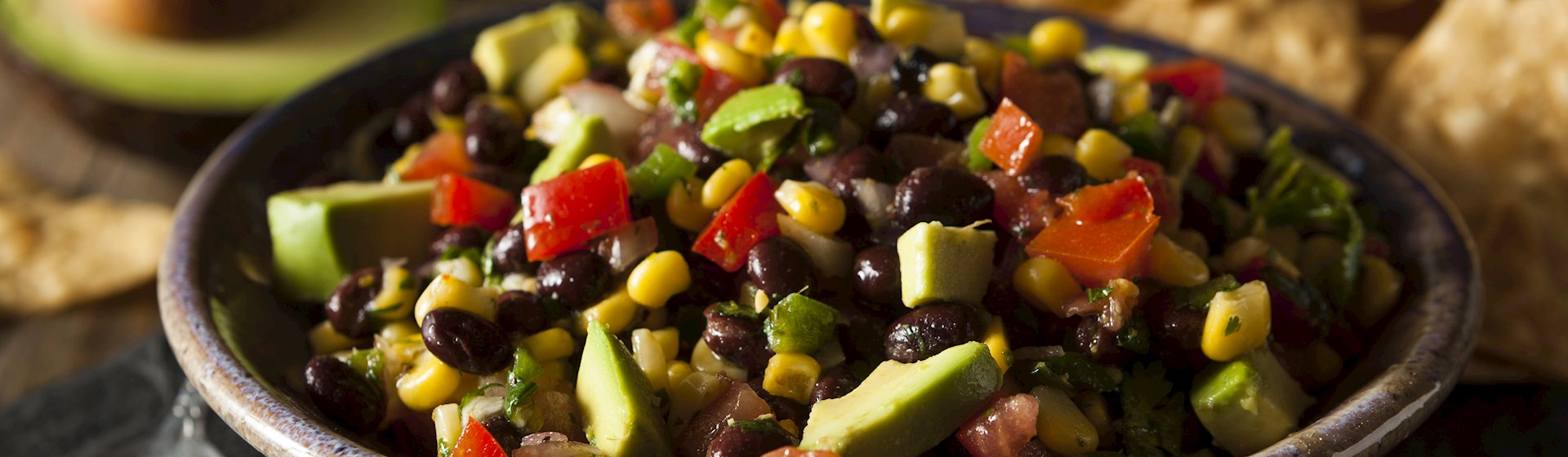
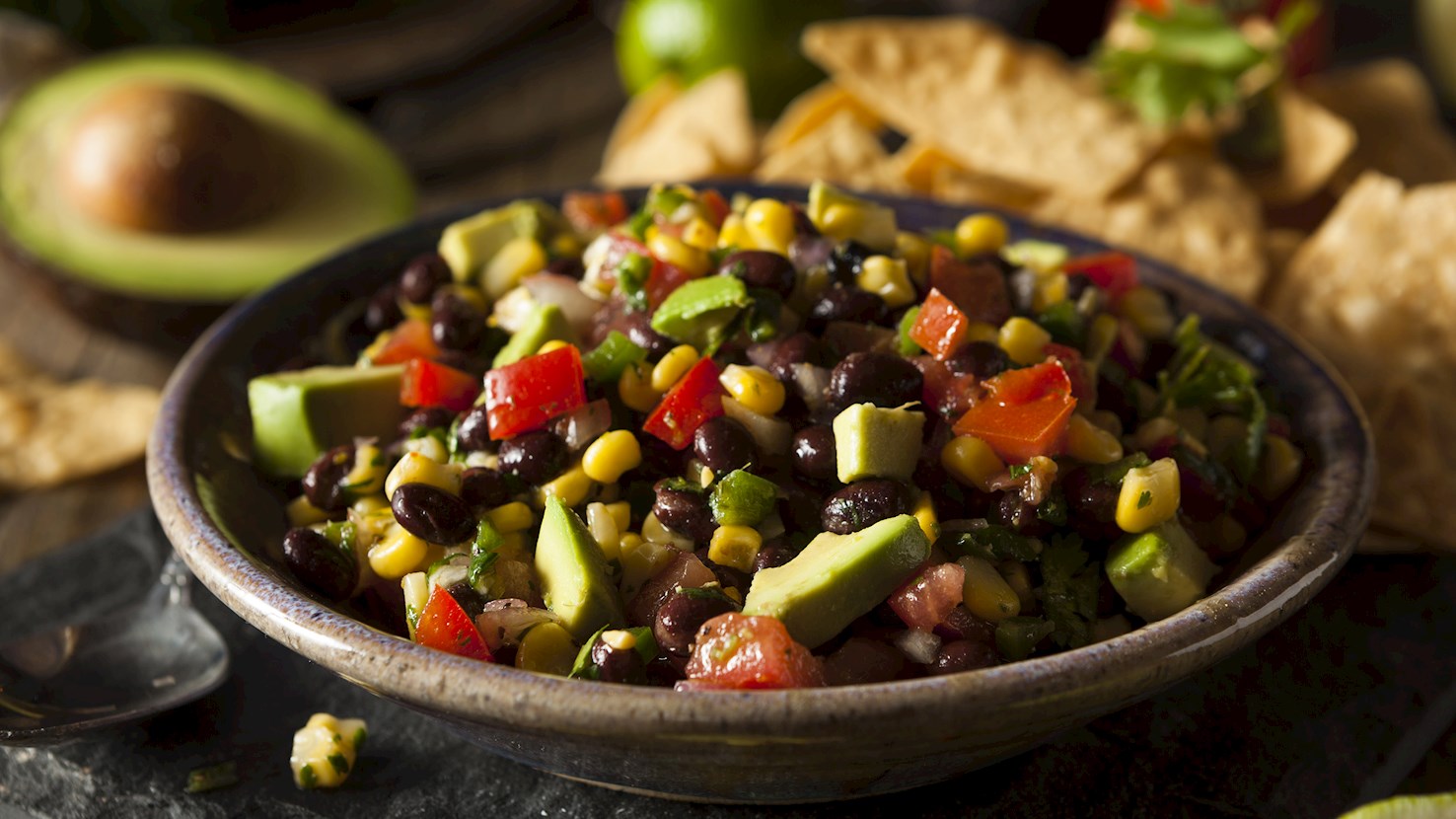
Texas caviar is a traditional salad originating from Texas. Despite the name, there is no roe in Texas caviar – the salad is usually made with a combination of black-eyed peas, garlic, scallions, bell peppers, jalapeños, celery, coriander, parsley, red wine vinegar, vegetable oil, sugar, salt, and pepper. The oil, vinegar, sugar, garlic, salt, and pepper are whisked in a bowl. The remaining ingredients are added to the bowl, and everything is tossed to combine. The salad is seasoned with salt and black pepper to taste, and it's then left to sit for about an hour before serving. Texas caviar was invented in the 1940s by Helen Corbitt. The salad is usually enjoyed as an accompaniment to tortilla chips or grilled meat and fish.
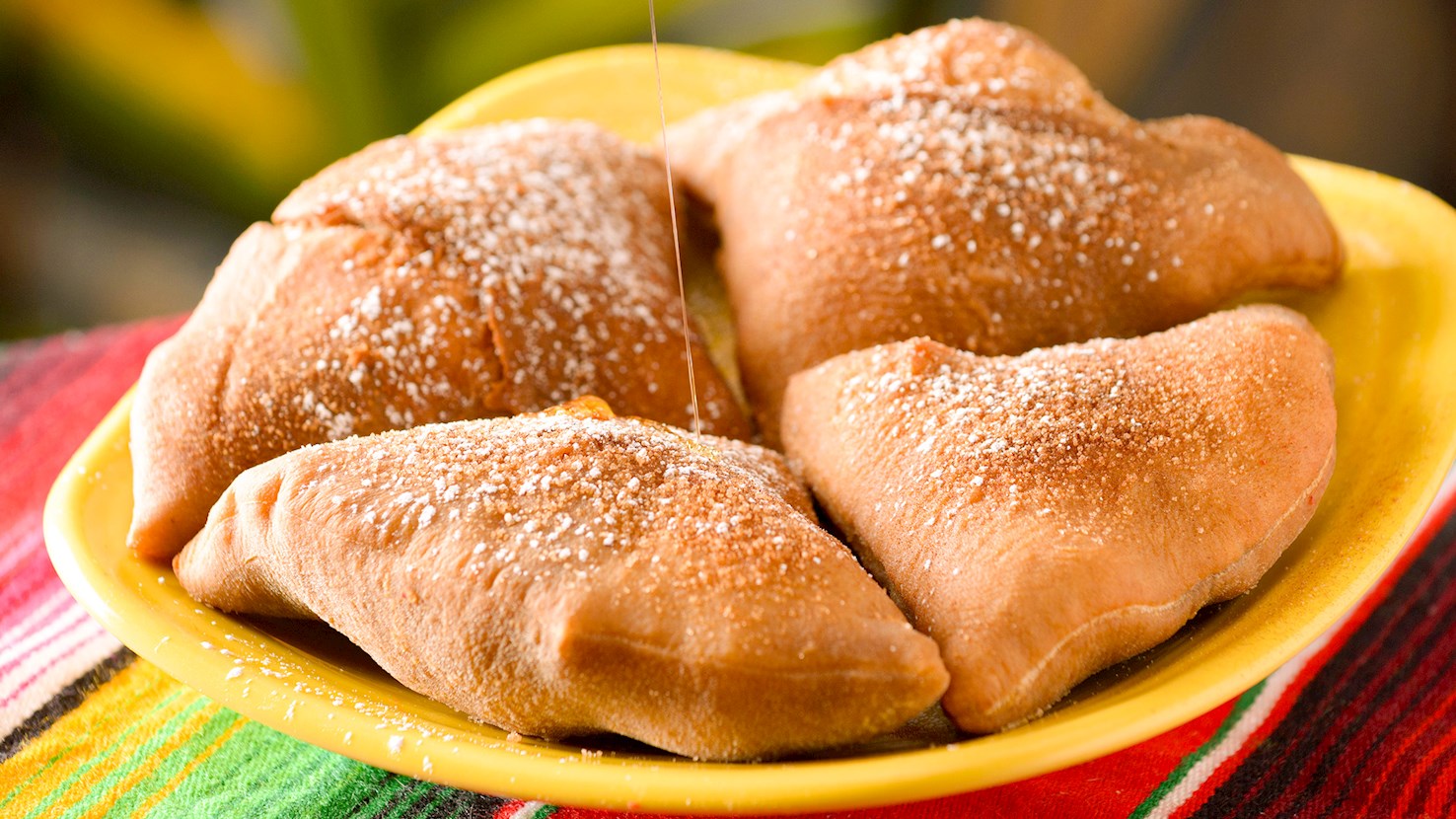
Sopapillas, a beloved icon of New Mexican cuisine, are golden, puffed pillows of fried dough that capture the essence of the region’s rich cultural tapestry—blending Native American, Spanish, and Mexican culinary traditions into one irresistible creation. Though variations of fried bread exist across the Americas, the sopapilla as it’s known in New Mexico holds a special place in the hearts (and on the tables) of locals, often served warm with honey or used as a vessel for savory fillings. The dough is typically made from a simple mix of flour, baking powder, salt, and fat—usually shortening or lard—with a bit of warm water to bring it together. Rolled out and cut into squares or triangles, the pieces are then fried until they puff dramatically, forming a hollow interior and a crisp, golden crust. The result is a pastry that is simultaneously airy and indulgent, with a slightly chewy bite and a neutral flavor profile that lends itself to both sweet and savory applications. In its most iconic form, the New Mexican sopapilla is served as a dessert, freshly fried and drizzled with local honey, sometimes dusted with powdered sugar or cinnamon. That simple combination—hot, crispy dough and sweet, floral honey—creates a nostalgic treat that’s both comforting and deeply rooted in regional tradition. In fact, in many traditional New Mexican restaurants, sopapillas are brought to the table at the end of the meal, complimentary and bottomless, a cherished ritual that reflects the hospitality and generosity of local food culture. Yet sopapillas are not limited to dessert. In New Mexico, they are also served savory, especially when split open and stuffed with meats, beans, cheese, or green and red chile—essentially transforming the pastry into a pocket-style meal reminiscent of a stuffed taco or burrito. This savory variation showcases the sopapilla’s versatility and its seamless integration into the broader New Mexican culinary landscape, where the bold, smoky flavors of roasted chiles and slow-cooked meats reign supreme. Though similar to Navajo fry bread, New Mexican sopapillas are generally lighter, puffier, and more structured, thanks to the use of leavening agents and precise dough handling. The dish’s roots are thought to trace back to the Spanish colonists of the 16th and 17th centuries, who brought their knowledge of wheat-based pastries to the Americas, merging it with Indigenous cooking techniques to create something entirely new. In essence, New Mexican sopapillas are more than just fried dough—they are a culinary symbol of the Southwest, beloved for their comforting texture, simple preparation, and deep cultural heritage. Whether served sweet with honey or savory with chile and cheese, they remain a timeless expression of New Mexico’s diverse and delicious food identity.
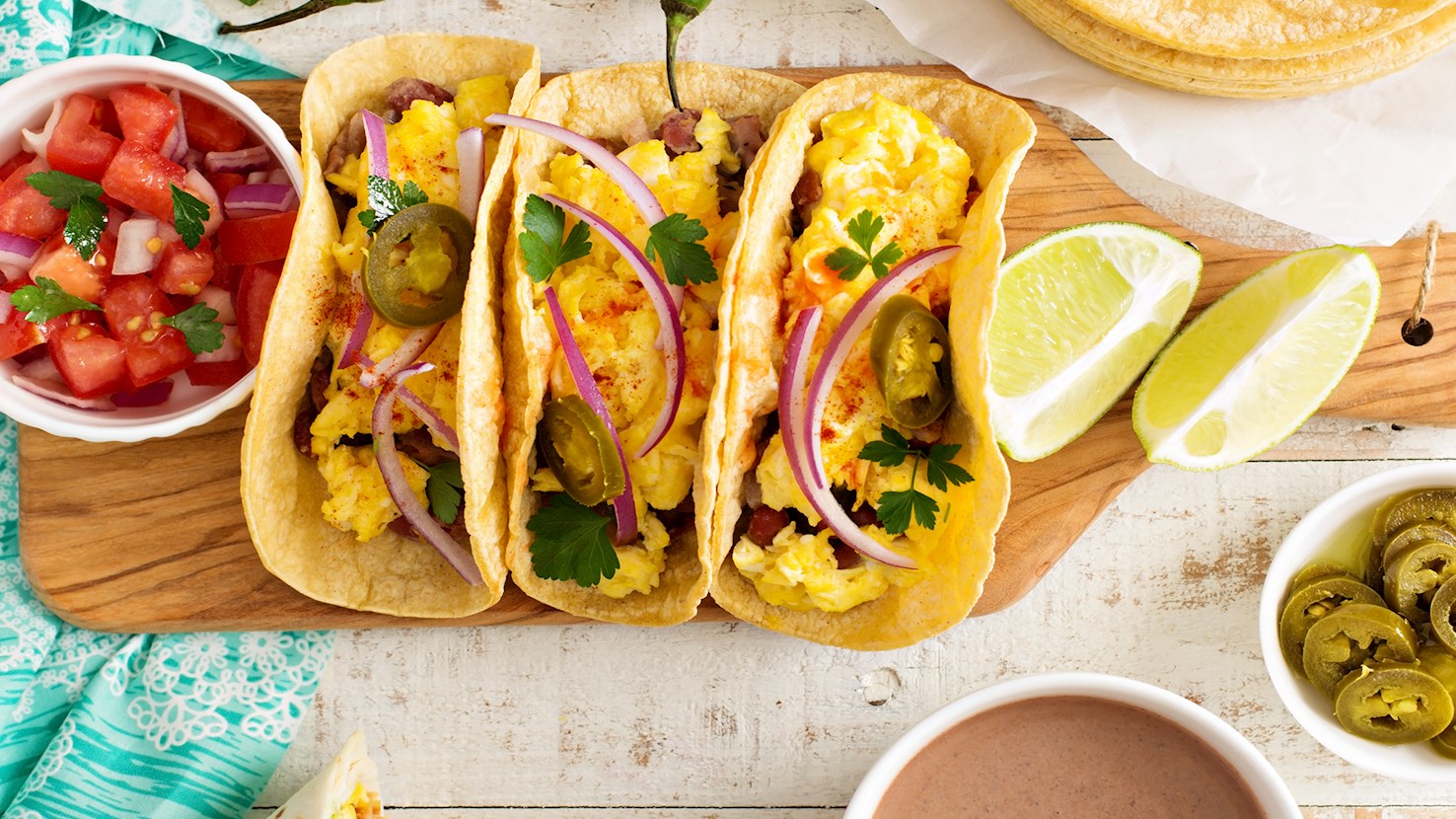
This Lone Star culinary treasure is quite simple – a tortilla stuffed with traditional breakfast ingredients, depending on personal preferences: processed yellow cheese, pork, and eggs are just some of the most common ingredients used in the preparation of breakfast tacos. However, there is a huge food fight regarding this taco variety, with Austin and San Antonio both claiming the dish as their own. It is speculated that breakfast tacos were a staple in San Antonio a long time ago, but locals used to simply call it breakfast, while Austin had given the dish its current name. With a dish so simple and delicious, shouldn’t we agree that breakfast tacos are simply and truly Texan?
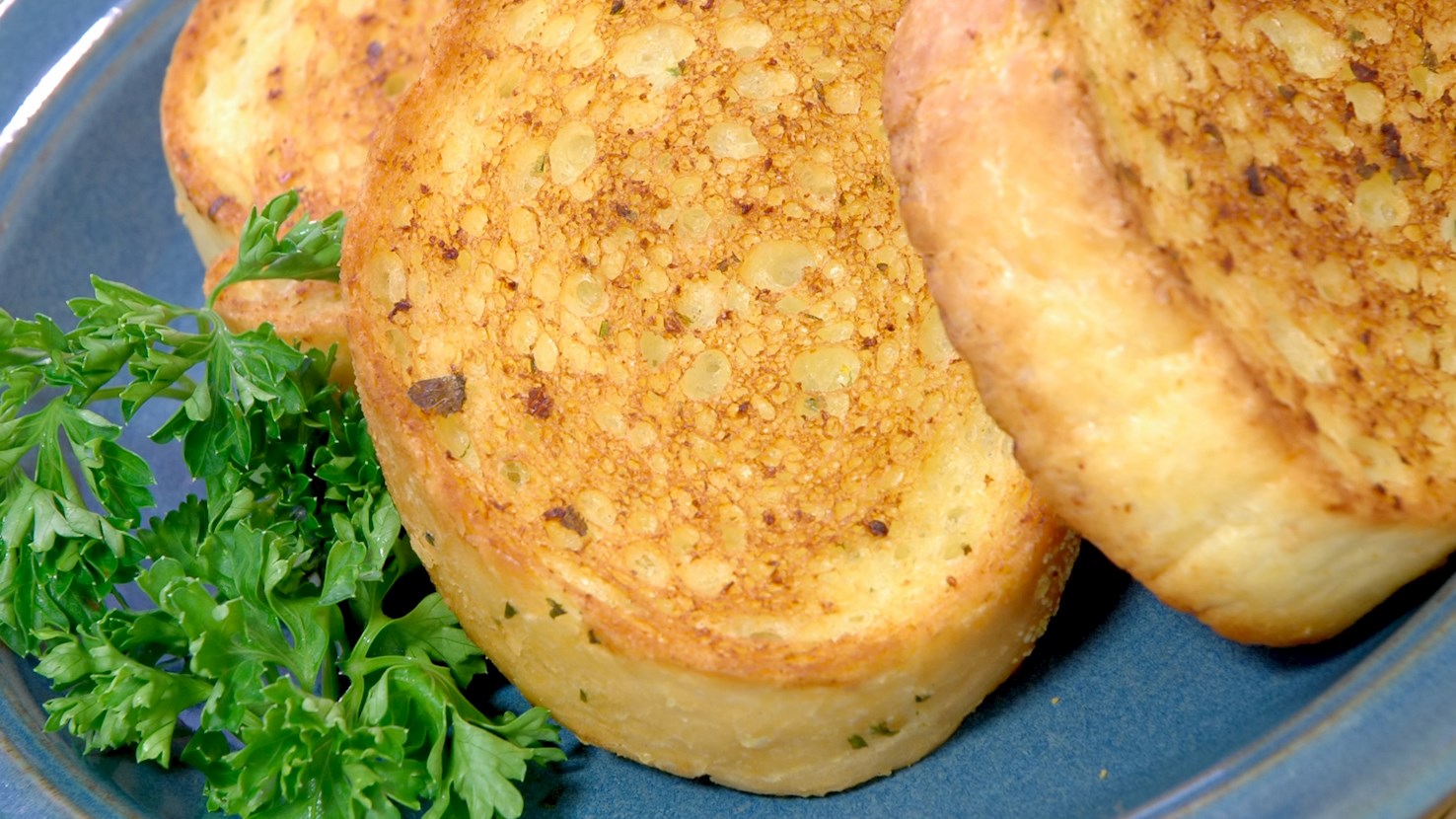
Despite the implications in its name, Texas toast is not sold toasted, but is instead a packaged, sliced bread, characterized by its thickness (twice the thickness of most sliced and packaged bread). It is most commonly used for dishes such as French toast, and others which incorporate heavy substances like sauces and syrups. Sometimes, it is buttered, broiled until golden, and served with pulled pork and garlic. It is also often used in fondues and chicken sandwiches. If there is a barbecue going around, it is not uncommon to see Texas toast served as a side dish. The highly versatile bread is believed to have originated in 1941 in Beaumont, Texas, at the restaurant named Pig Stands when its owner, Royce Hailey, ordered some wide-sliced bread that he intended for toasting. Since the bread was too thick to fit into the toaster, a cook suggested that the bread should be buttered and grilled instead. The dish was a huge success with the customers, and it is still a favorite at the only remaining Pig Stand restaurant in San Antonio.
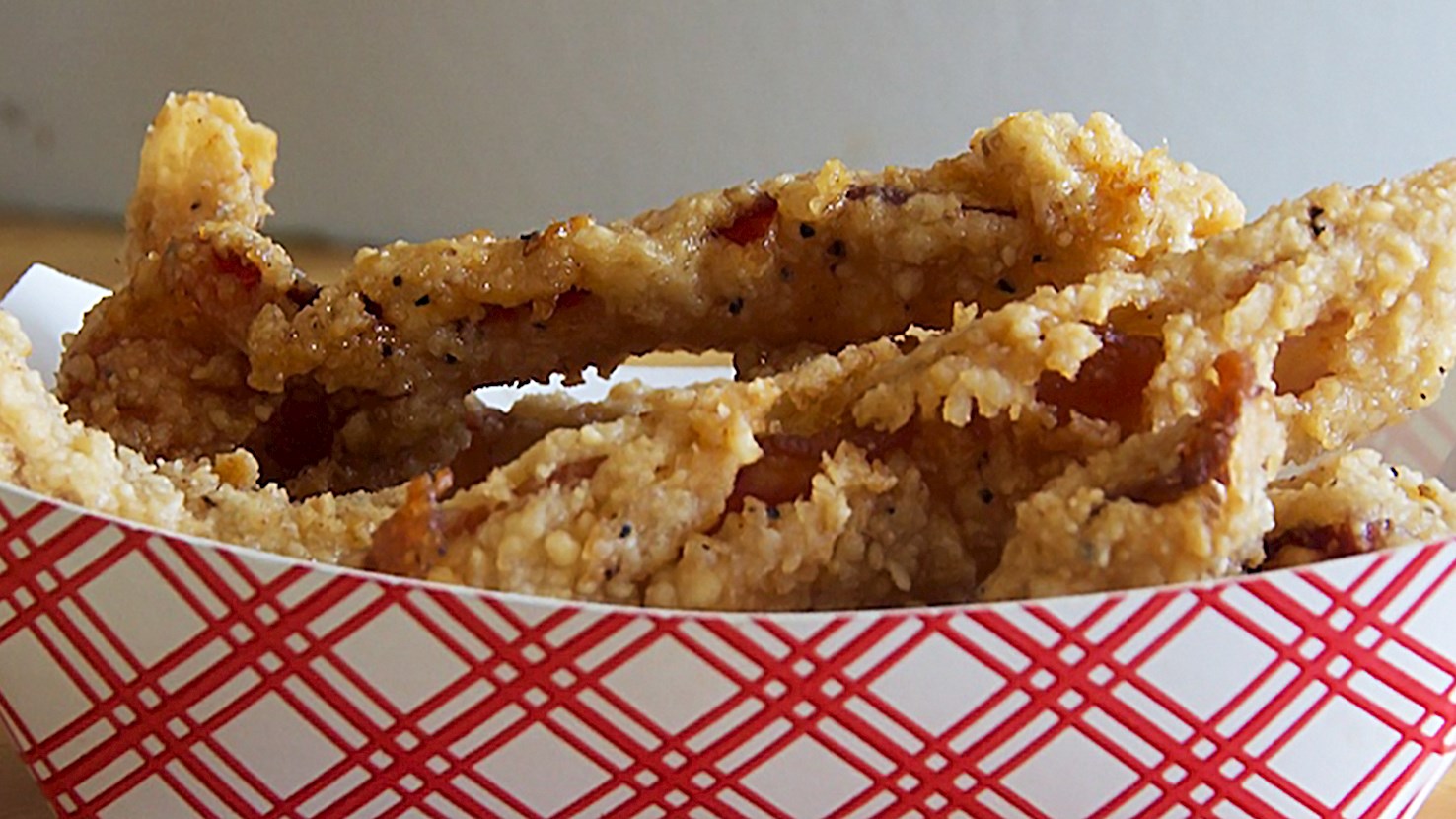
Chicken fried bacon is a tasty appetizer or breakfast consisting of bacon strips that are battered and deep-fried in hot oil, just like chicken fried steak, hence the unusual name of this dish. It was invented in the early 1990s in Texas by Frank Sodolak, who served it in Sodolak’s Original Country Inn in Snook. Traditionally, chicken fried bacon is served with sausage gravy or cream gravy on the side for dipping. When prepared correctly, the bacon should be perfectly crisp without being too crumbly.
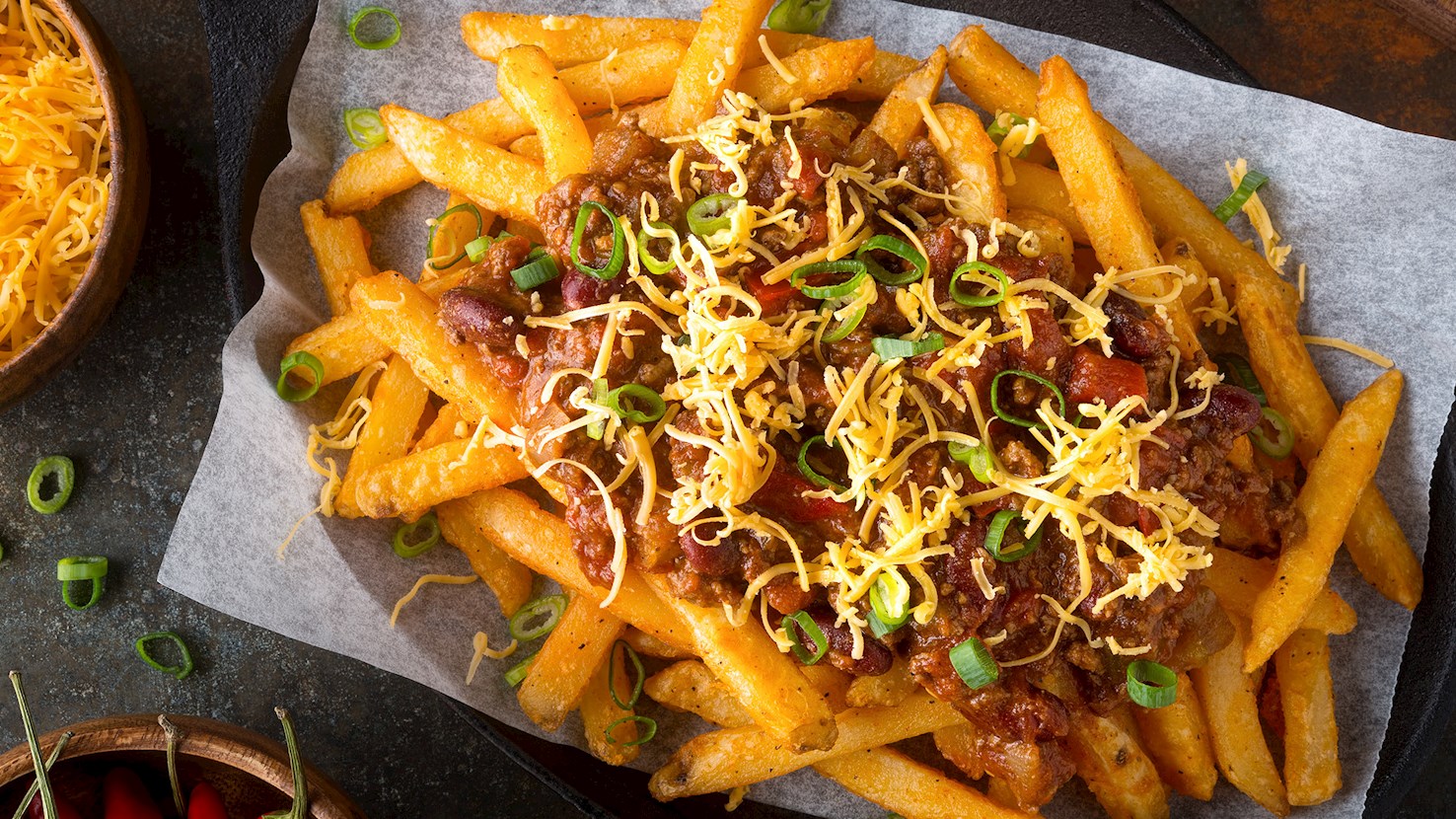
Chili cheese fries is an American dish with elusive origins. The dish consists of french fries that are topped with chili and grated cheese. There are many origin stories connected with chili cheese fries, although none of them can be 100% confirmed. Texans claim that a 16-year-old Don A. Jenkins invented the dish when he was eating lunch at the local Dairy Queen in Tomball, Texas. In Michigan, it is believed that the dish was invented by two local waitresses who simply combined the ingredients. There are similar stories in New York, Philadelphia, Chicago, and Missouri, but all that is known is that chili cheese fries could be bought in frozen form as early as 1975.
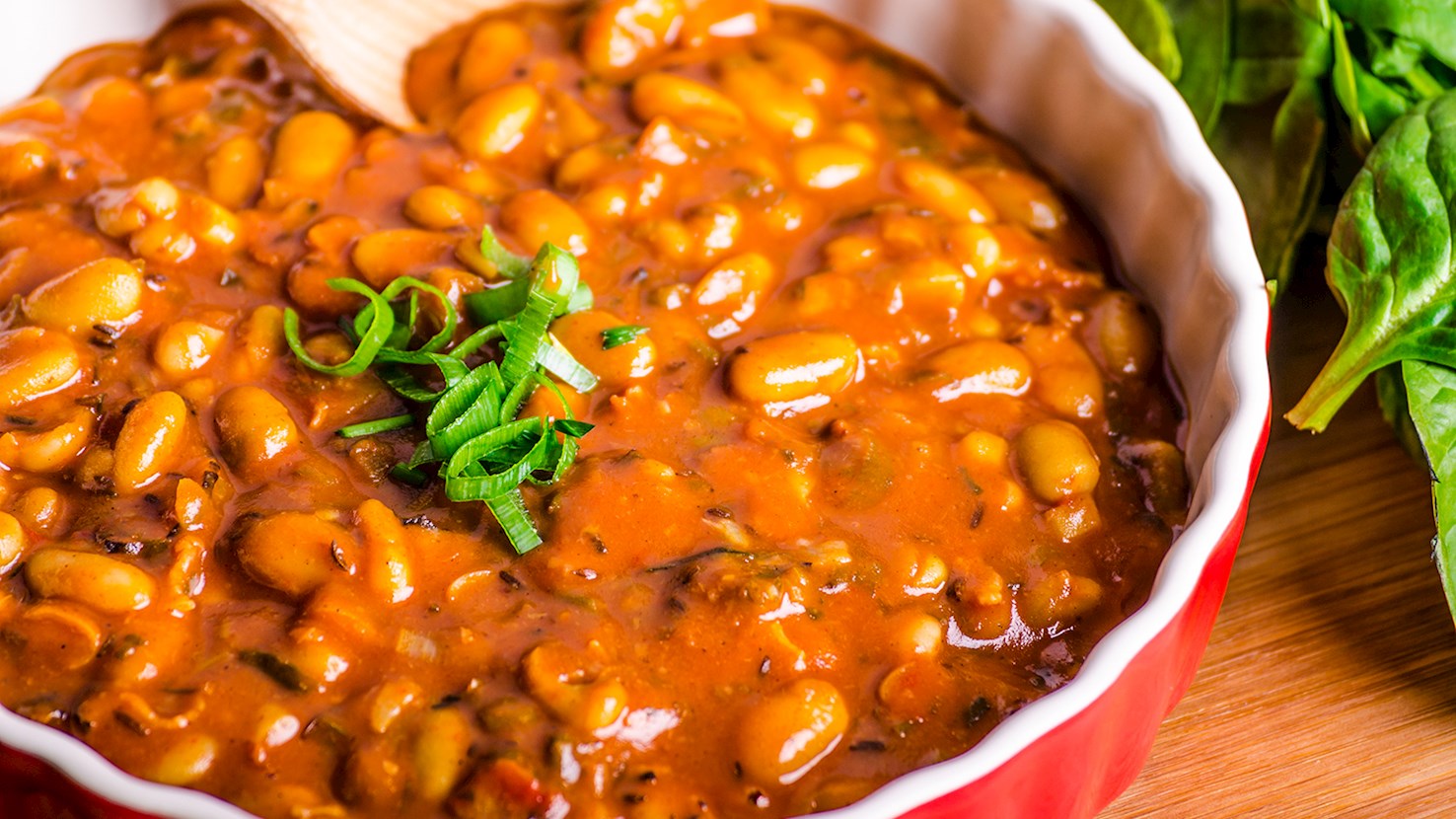
Cowboy beans or chuckwagon beans is a traditional dish with unknown origins. However, it is especially popular in the American Southwest and a staple of Texan cuisine. The dish is usually made with a combination of pinto beans (alternatively: red kidney beans, black beans, or white navy beans), ground beef, smoked meat, and a sweet and tangy sauce made with different ingredients such as barbecue sauce, brown sugar, ketchup, garlic, onions, or Worcestershire sauce. Cowboy beans are a staple at parties, barbecues, and potlucks in the region. Interestingly, the dish can be seen in Mel Brooks' famous Western parody Blazing Saddles (1974).
TasteAtlas food rankings are based on the ratings of the TasteAtlas audience, with a series of mechanisms that recognize real users and that ignore bot,
nationalist or local patriotic ratings, and give additional value to the ratings of users that the system recognizes as knowledgeable.
For the “8 Worst Rated Texan Foods” list until September 16, 2026, 2,975 ratings were recorded, of which 2,566 were recognized by the system as legitimate.
TasteAtlas Rankings should not be seen as the final global conclusion about food. Their purpose is to promote excellent local foods,
instill pride in traditional dishes, and arouse curiosity about dishes you haven’t tried.



What People Say