

shutterstock

73 Worst Rated Thai Foods

Last updated on May 22, 2026
01

Hon mhai (Deep-Fried Silk Worms)

2 ·

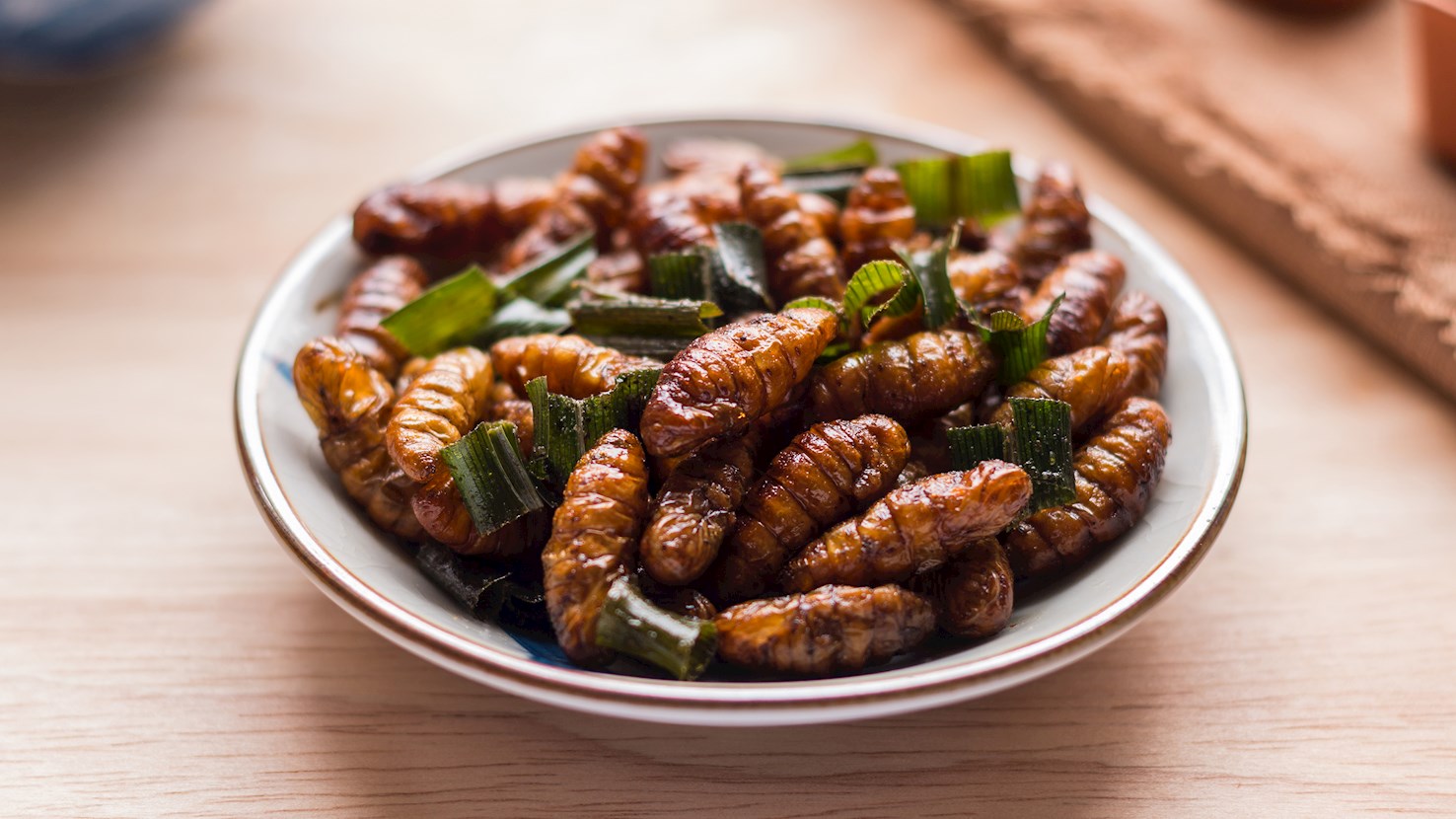
Hon mhai is a traditional insect dish that's especially popular in Bangkok. It's made by deep-frying silk worms, then seasoning them with salt, pepper, and sometimes a secret sauce that's prepared by the vendor, because the snack is usually sold from street carts. Once fried, the silk worms turn crunchy and greasy, while the flavor is sometimes described as slgihtly bitter. Hon mhai silk worms are prized because they're rich in protein and some believe that they have medicinal properties.

02

Kaeng tai pla (Thai Fish Entrails Sour Curry)

2.2 ·

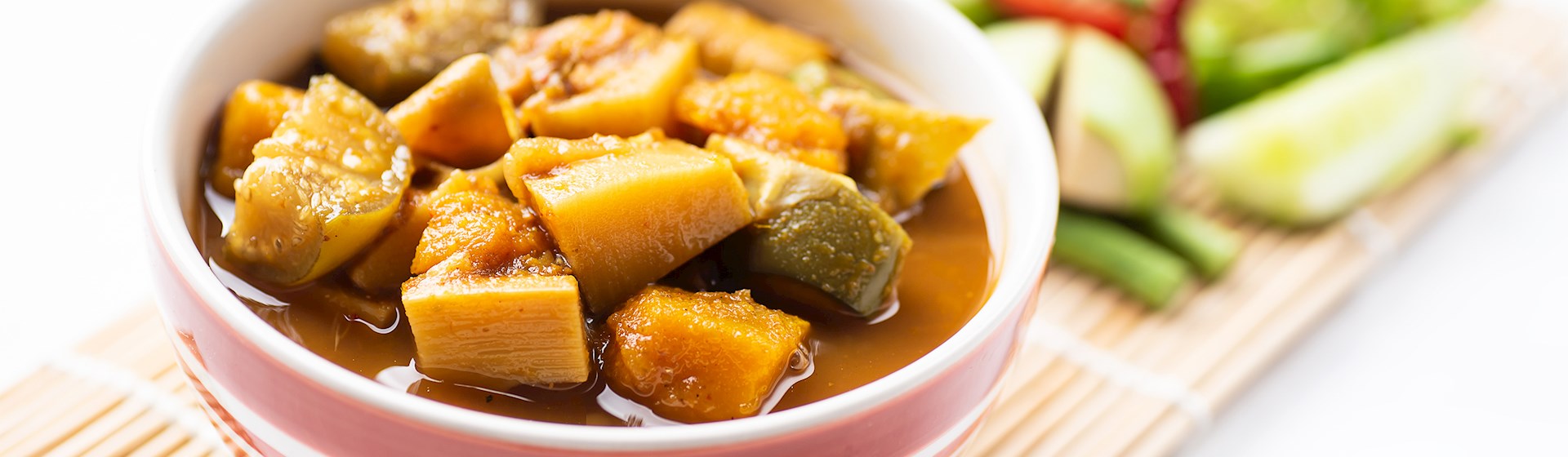
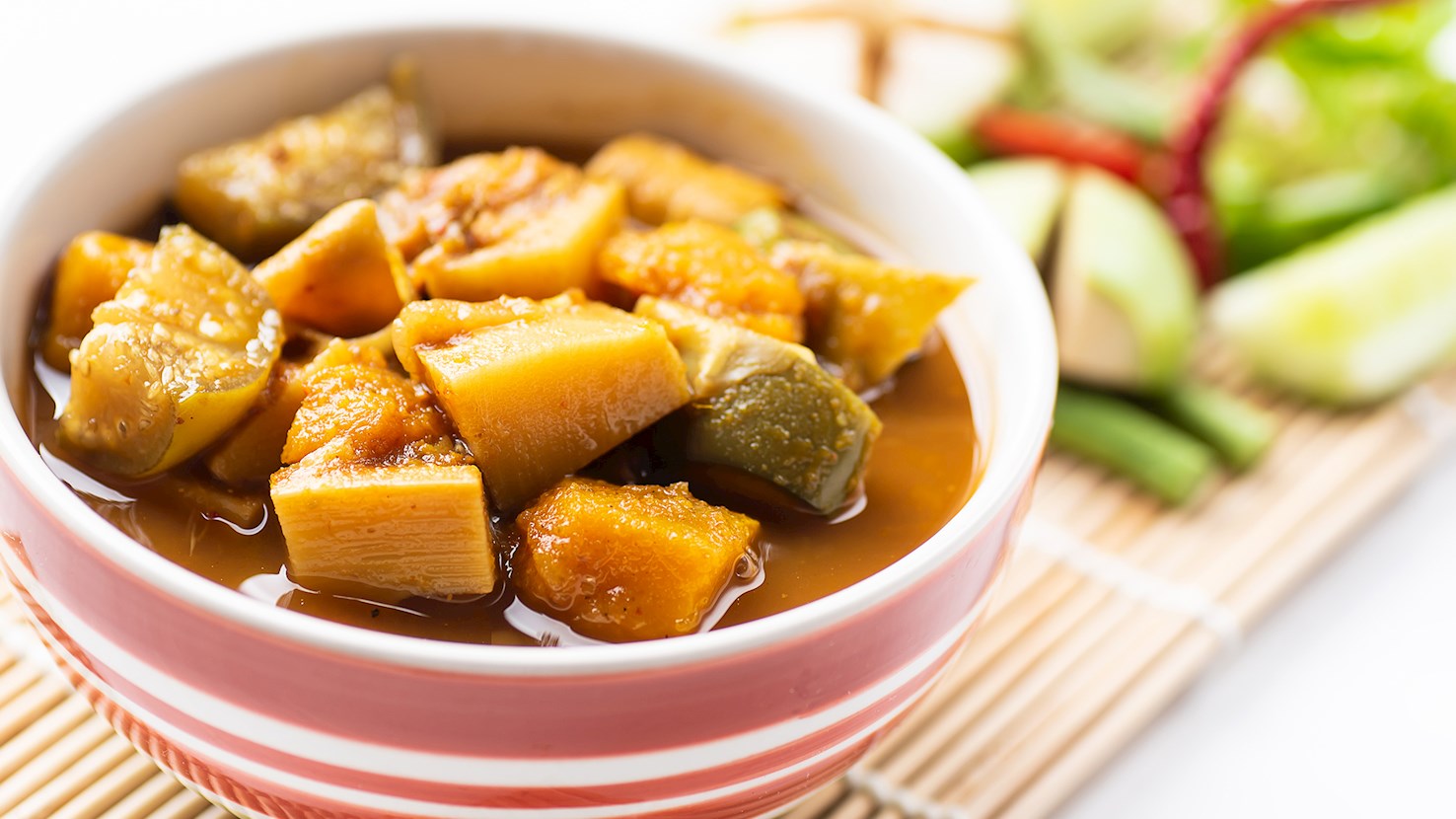
This thick and aromatic fish curry originated in southern Thailand. The base of the dish is prepared with tai pla—fermented fish entrails—and a spicy curry paste consisting of chili peppers, galangal, shrimp paste, turmeric, shallots, and lemongrass. Other additions usually include dry fish, diced eggplant, bamboo shoots, string beans, or other vegetables. Because of its intensity and strong, pungent aromas, kaeng tai pla is best served with steamed rice on the side. Traditionally, this Thai curry was only prepared with fish, and most varieties do not use coconut milk.

03

Thong yip

2.4 ·

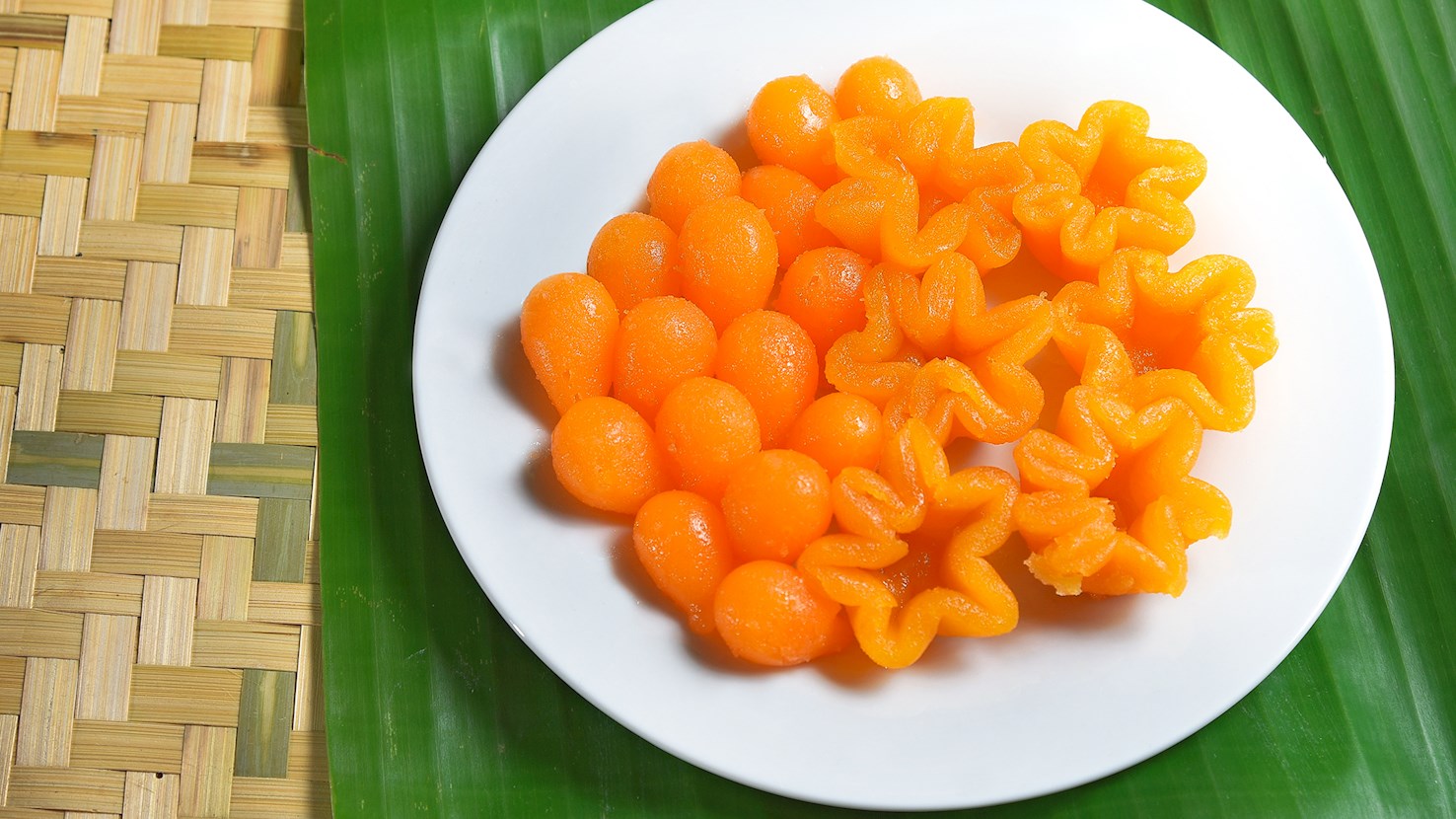
Thong yip is one of the traditional egg yolk-based Thai desserts that have the word thong in their name, which means gold, symbolizing prosperity, increased wealth, and success. This golden-colored dessert is typically made with duck and chicken egg yolks, sugar, and jasmine-flavored water, and it is usually shaped into a flower or a five-point star. The delicately shaped dessert is then transferred to a small porcelain cup to chill and become firm before serving. Sometimes referred to as sweet egg yolk cups, these desserts are commonly prepared for weddings and other celebrations with the intent to bring good luck, prosperity, and wealth. They are available in Thai supermarkets and at street food stalls.

04

Tom chuet

2.4 ·

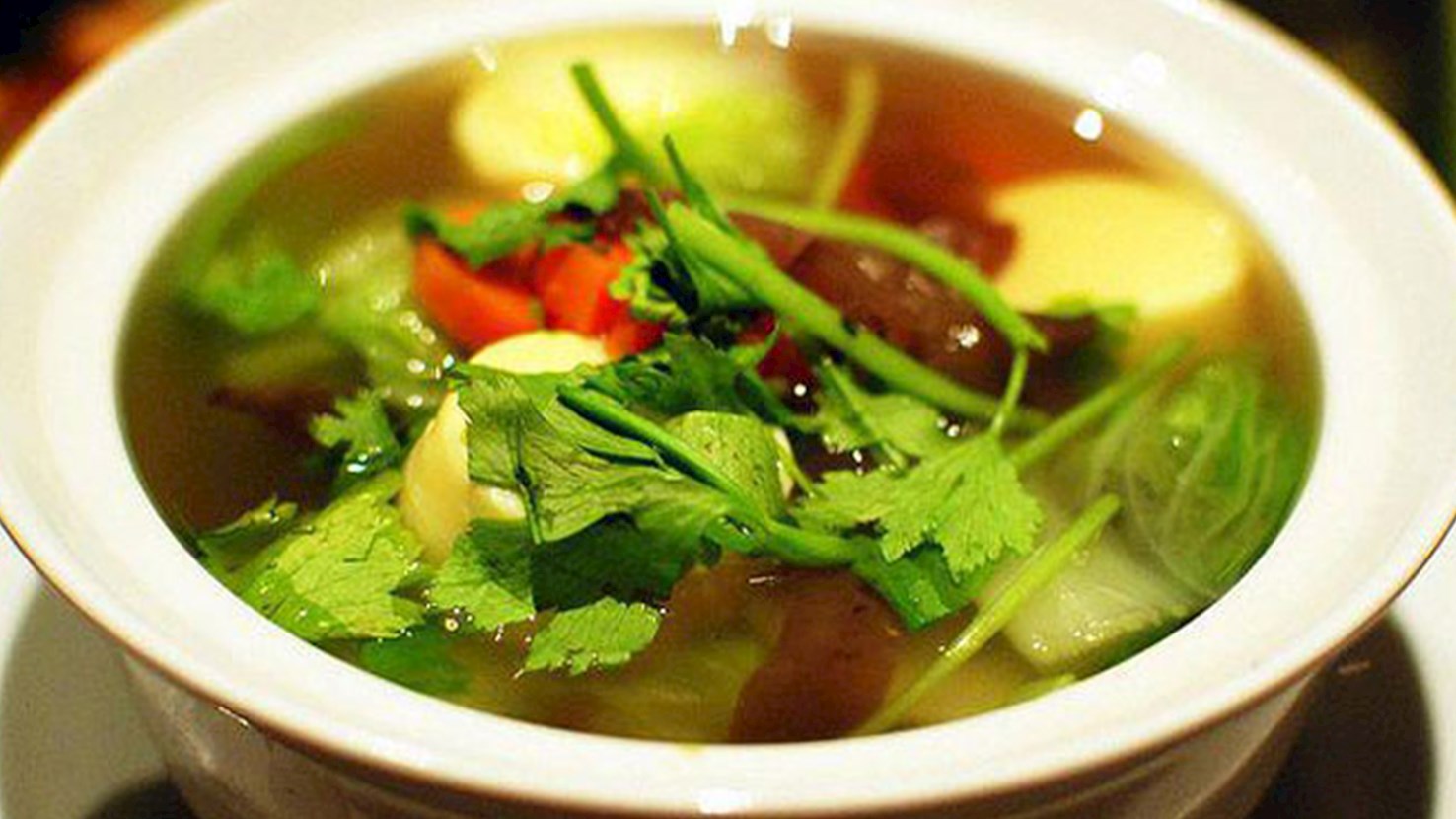
Tom chuet is a simple, clear soup made with vegetables, usually Chinese cabbage, carrots, and french beans, simmered in vegetable broth along with seasonings, celery, spring onions, garlic, and soy sauce. This dish can also use chicken or pork broth instead of vegetable broth and is often enriched with pork meatballs, glass noodles, soft tofu pieces, seaweed, and mushrooms. Also known as kaeng chuet or tom jued, this dish has a mild flavor that makes it quite different from other Thai dishes, which typically combine several flavors in one. It is traditionally served hot or warm, usually followed by other, spicier dishes.

05

Khai luk khoei (Son-in-Law Eggs)

2.5 ·

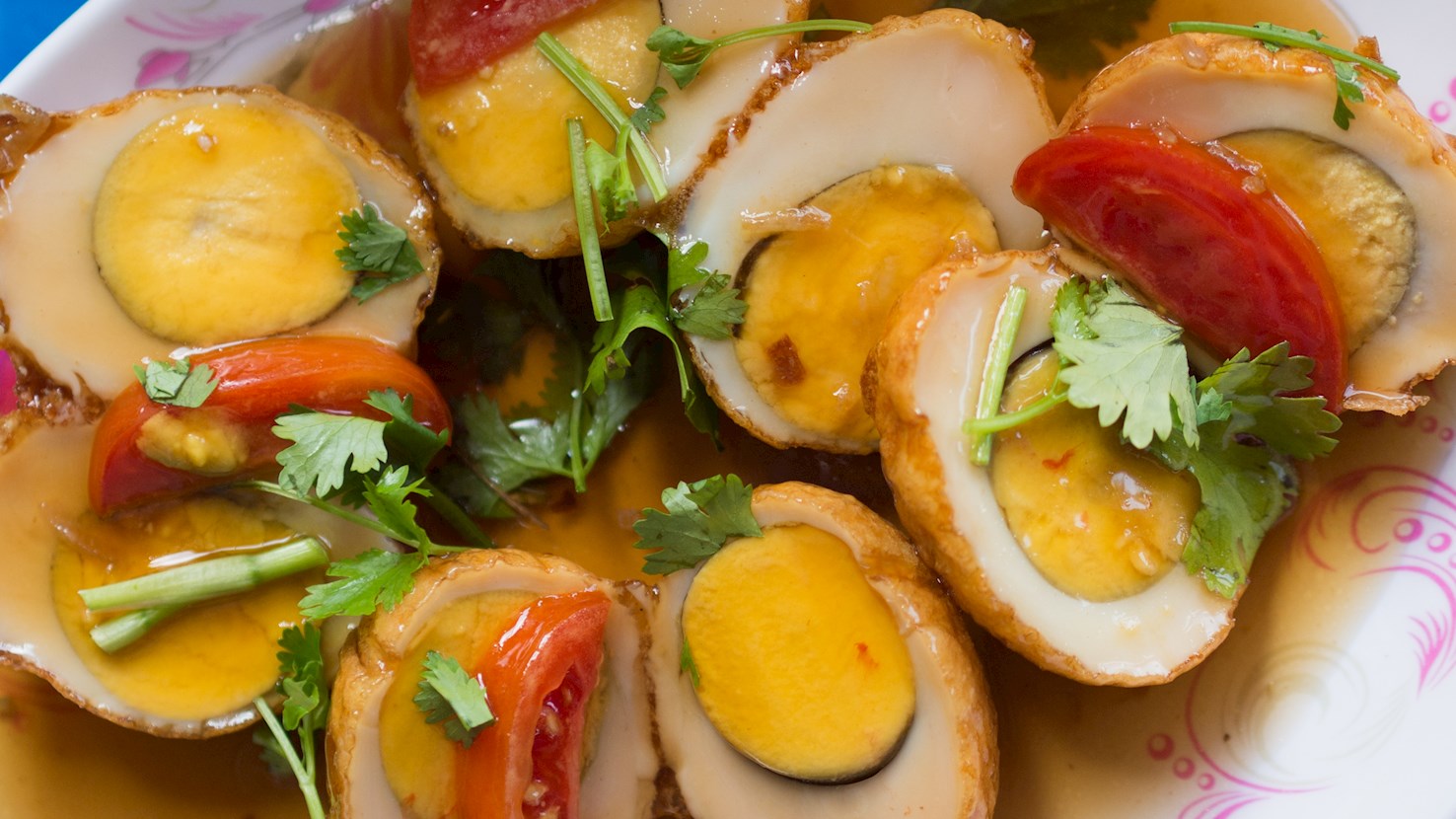
Khai luk khoei or son-in-law eggs is a traditional dish from Thailand. It's made with a combination of hard-boiled eggs, sugar, fish sauce, shallots, chili peppers, tamarind pulp, and cilantro sprigs for garnish. The peeled, hard-boiled eggs are fried in hot oil, then taken out to cool down. A sauce consisting of shallot oil, fish sauce, tamarind pulp, water, and sugar is then prepared in the same pan until it develops a slightly thick consistency. The eggs are then sliced in half, arranged on a platter, and drizzled over with the sauce. Before serving, this sweet and sour dish is garnished with cilantro sprigs, chili peppers, and fried shallots. The name of the dish can mean one or two things: some believe that the golden eggs act as a symbol of wealth (apparently a son-in-law wanted to impress his mother-in-law so he prepared this dish), while others claim that the eggs stand for the son-in-law's testicles - if he doesn't act properly with his wife, his mother-in-law would come and cook this dish the first time, but next time she'd threaten to use his testicles in the dish instead of the eggs.

06

Khanom tan

2.6 ·

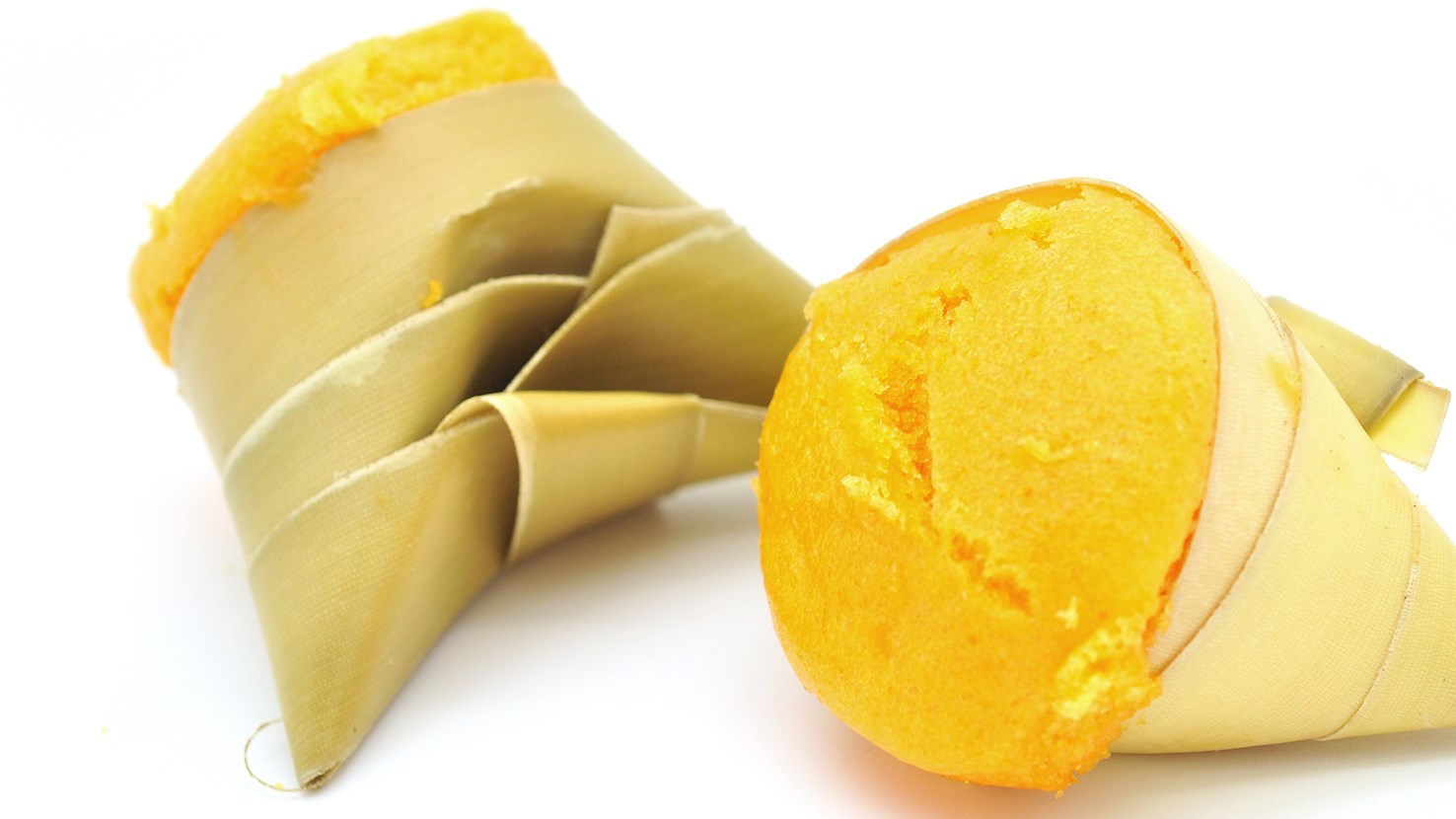
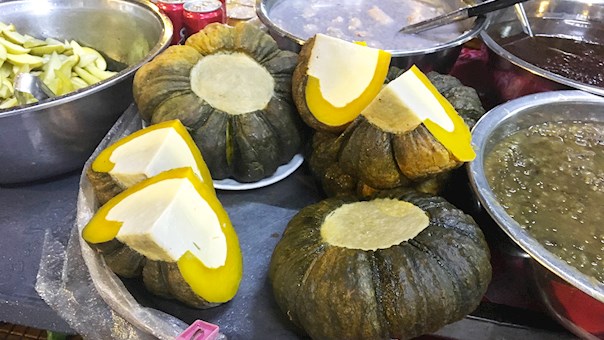
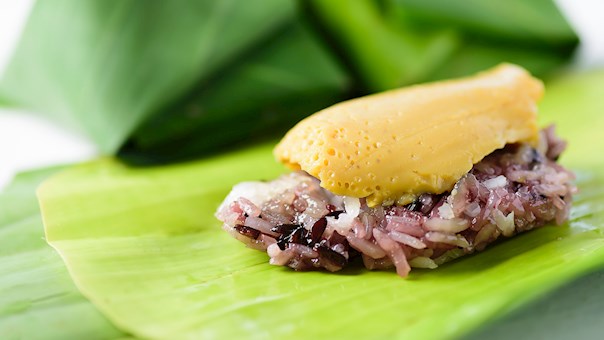
Khanom tan is a Thai dessert whose main ingredient is the vibrant yellow flesh of palm fruit. Mashed fruit is combined with coconut milk, sugar, and rice flour before the mixture is placed into individual containers made from banana leaves. The cakes are sprinkled with grated coconut before they are steamed. These small treats were usually prepared for special occasions such as religious ceremonies and various festivities, but nowadays they are a staple dessert.

07

Khanom tom

2.7 ·

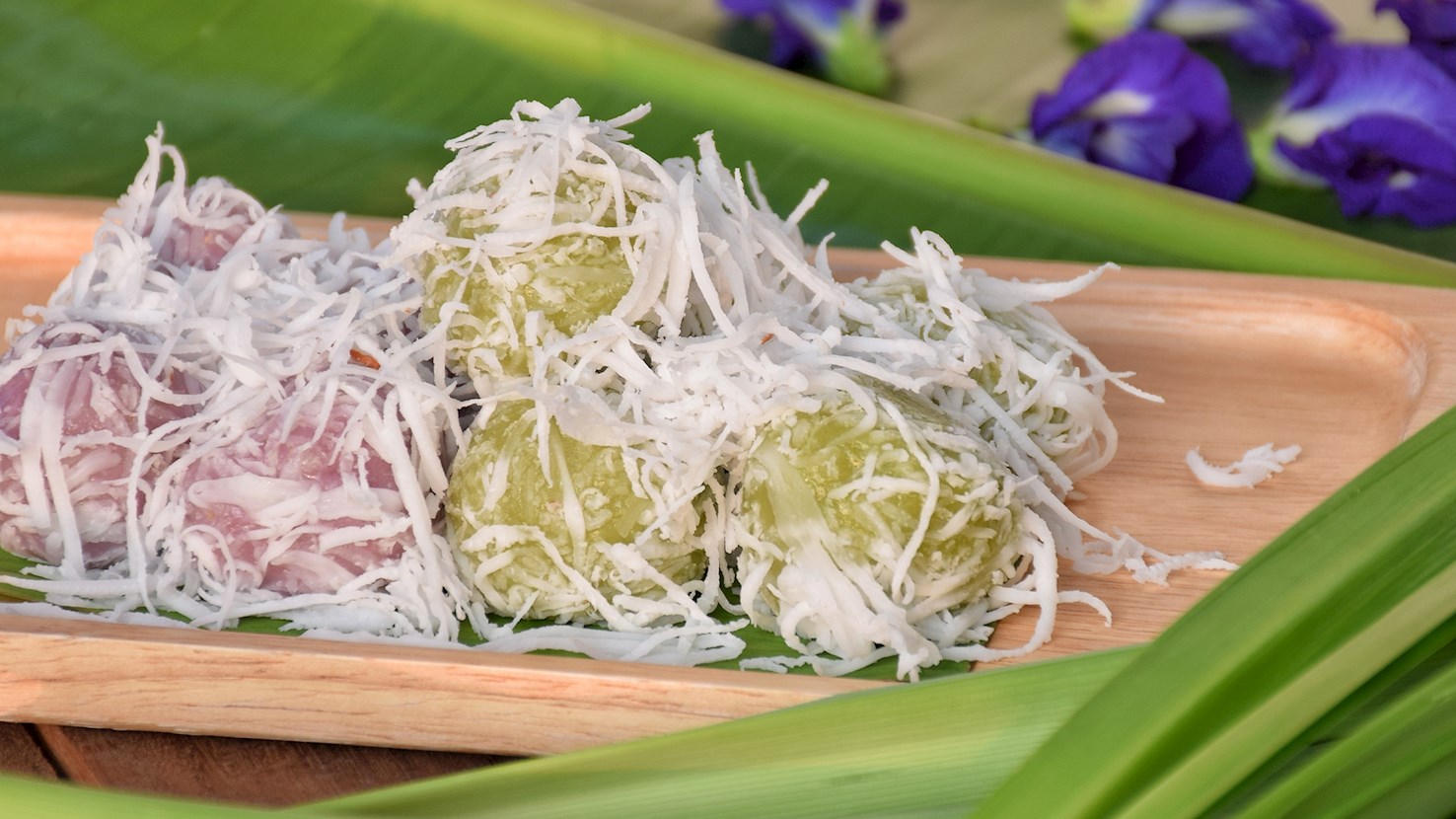
Khanom tom is a traditional dessert consisting of boiled rice flour dumplings, coated with shredded coconut, and stuffed with a filling of shredded coconut melted along with palm sugar and coconut milk. The coconut filling is commonly infused with flower fragrance by using scented candles, while pandan leaves or butterfly pea extract are often added to the dough for color, fragrance, and flavor. These soft and aromatic coconut rice flour balls are available in markets throughout Southeast Asia, but they are also commonly sold on street stalls.

08

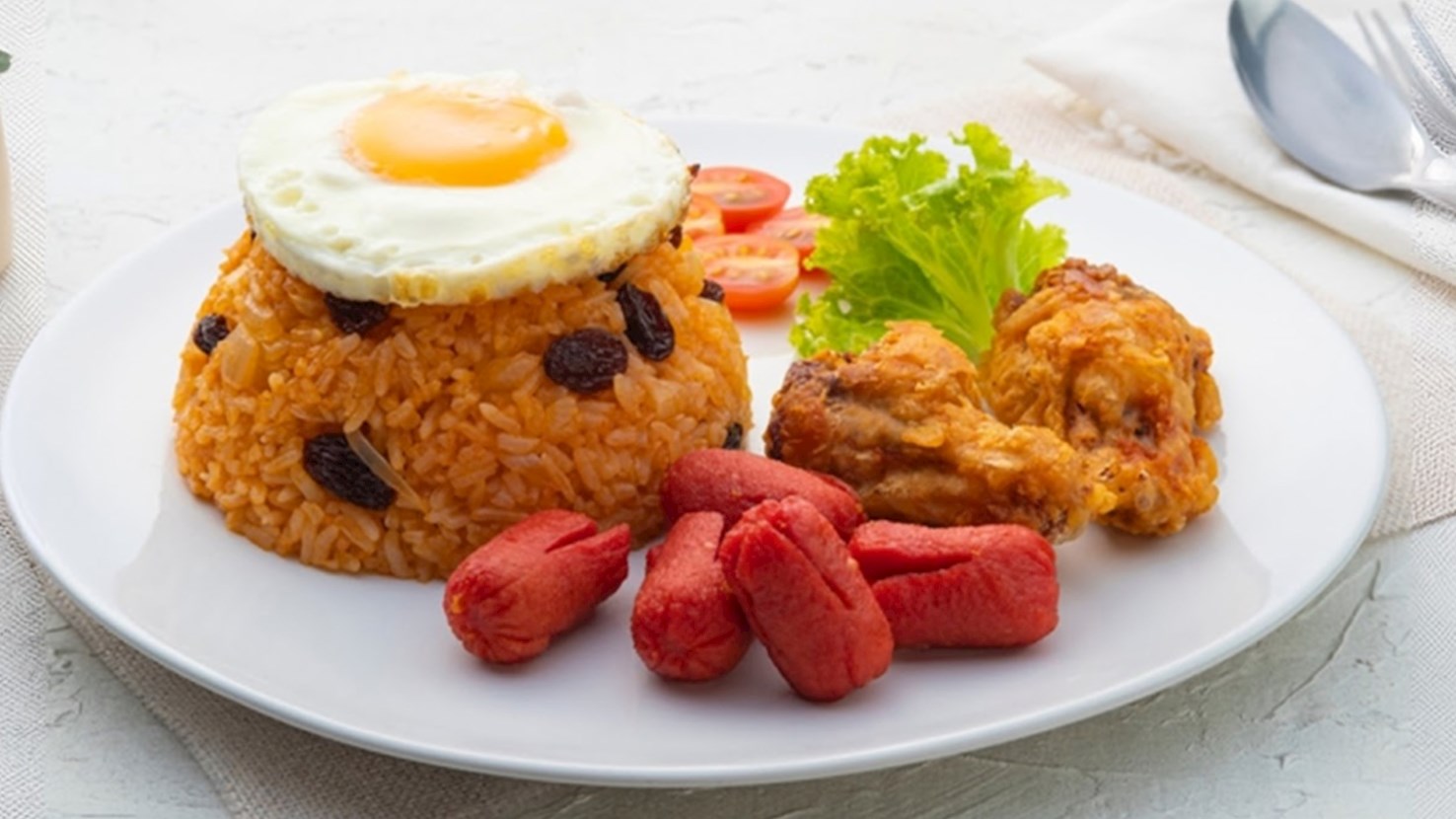
Khao phat amerikan

2.7 ·

Khao phat amerikan is a traditional rice dish originating from Thailand. Also known as American fried rice, the dish consists of fried rice and typical American ingredients and sides such as hot dogs, raisins, ketchup, fried chicken, and ham. A fried egg is always served with the fried rice, along with the foods mentioned previously. It is believed that the dish was invented by Thai cooks during the Vietnam war era because they wanted to give the US soldiers something to remind them of home.

09

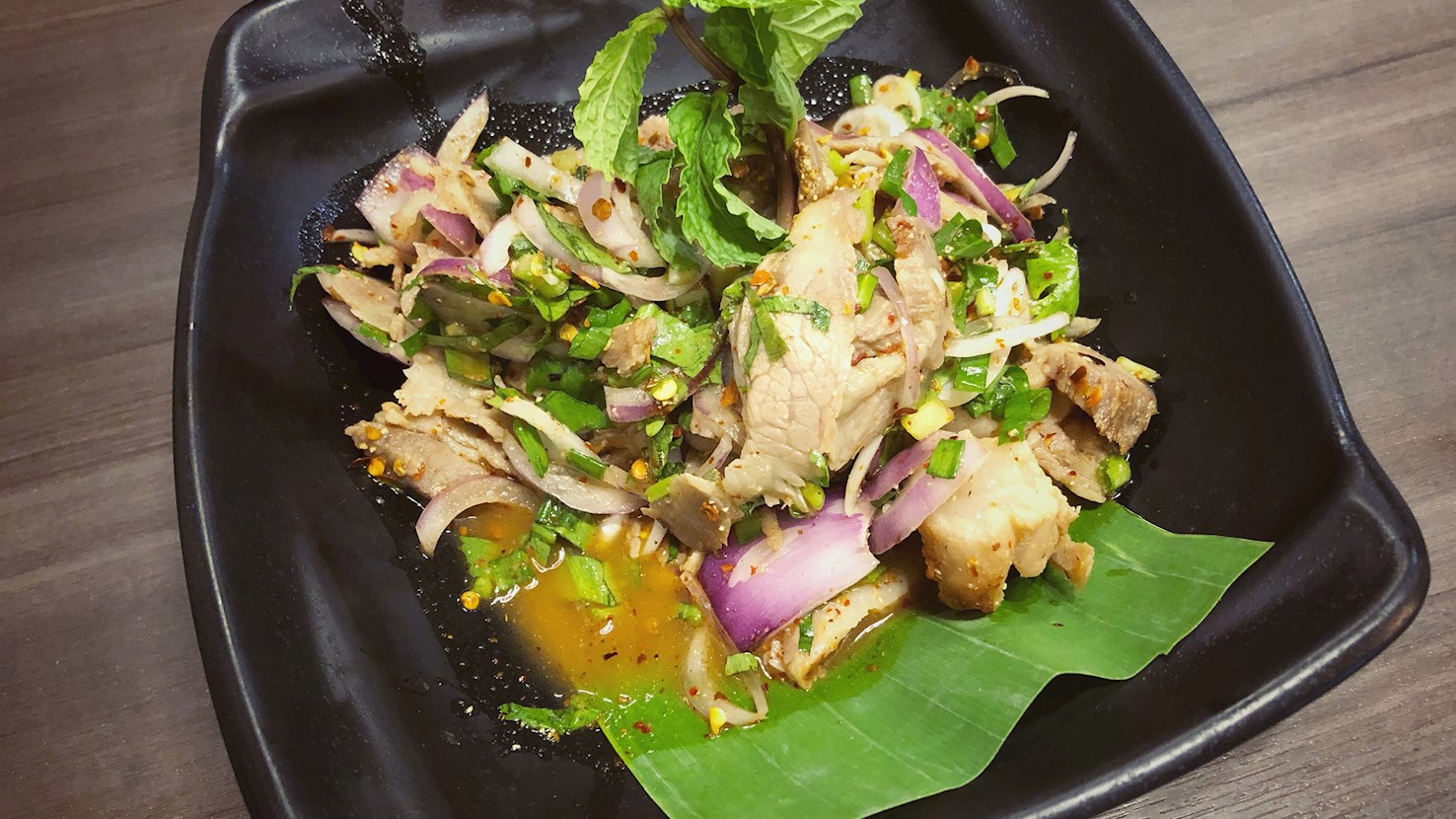
Mu nam tok

2.8 ·

Mu nam tok is a traditional grilled pork salad originating from the northeastern parts of the country. The salad is usually made with a combination of glutinous rice, pork, oil, shallots, mint, scallions, coriander, cabbage, and extra herbs. The pork is marinated in a mixture of sugar, fish sauce, and black pepper before it's grilled and thinly sliced. The ingredients are tossed together, and the salad is then dressed with a combination of fish sauce, sugar, chili flakes, and lime juice.

10

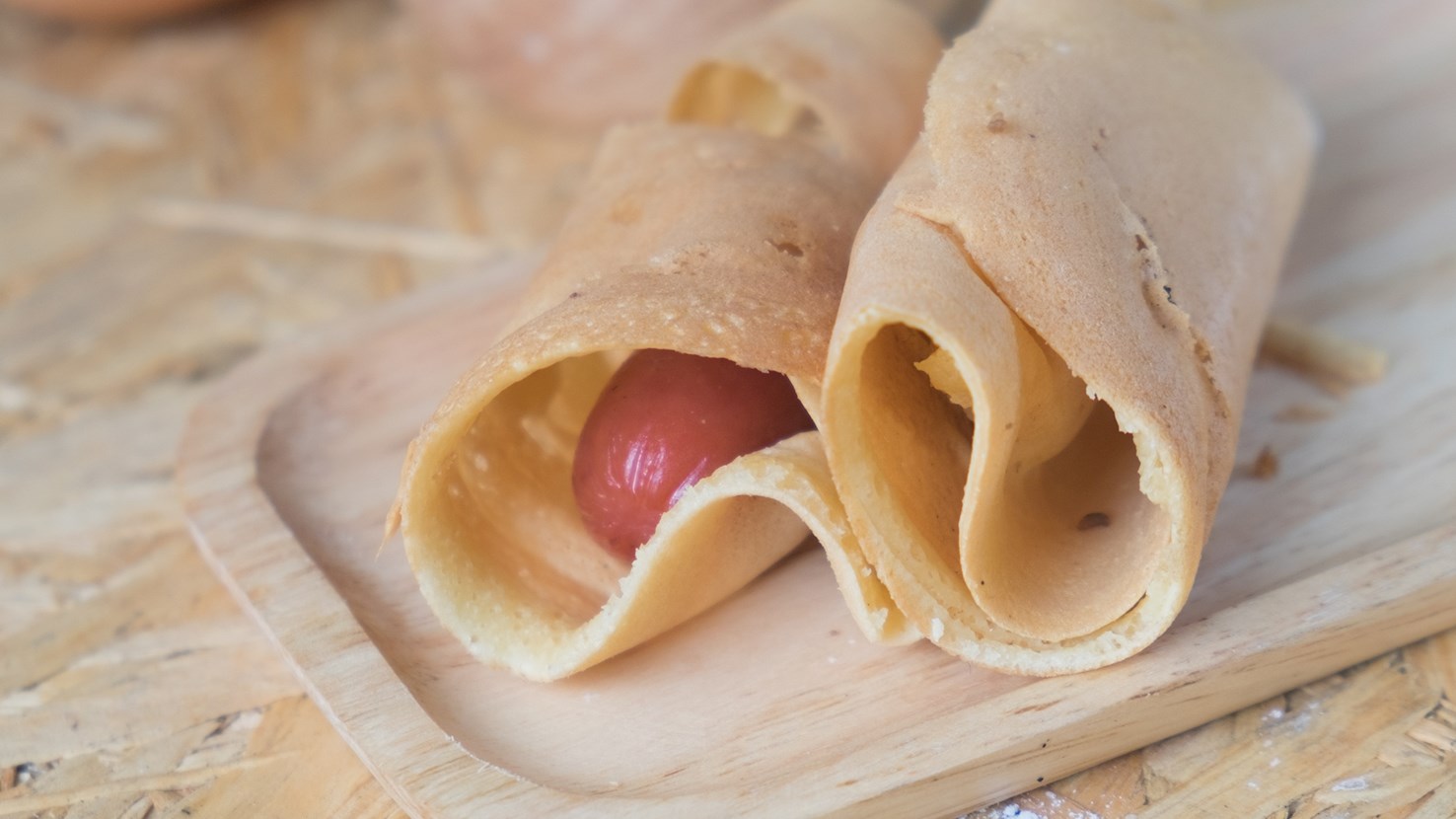
Khanom Tokyo

2.8 ·

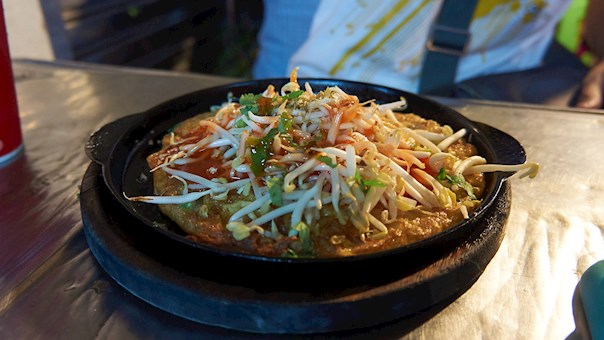
Even though it has Tokyo in its name, this pancake variety is an authentic Thai invention that is prepared with leavened egg batter. The fillings may include sweet options such as various creamy spreads and custards or savory ingredients such as sausages, quail eggs, or ground pork. The dish is usually made at street stalls, and the pancakes are typically small in size and served rolled. There's also a version called the phiset, which means special, and it consists of a larger crêpe that's filled with crumbled sausage, beaten eggs, Maggi seasoning sauce, and powdered white pepper. The origin of khanom Tokyo is often associated with Thai-Daimaru department store in Bangkok, and the dish is said to be a variation of dorayaki, a Japanese pancake that's stuffed with red bean paste.

Read more
View all
View map
About this ranking

TasteAtlas food rankings are based on the ratings of the TasteAtlas audience, with a series of mechanisms that recognize real users and that ignore bot, nationalist or local patriotic ratings, and give additional value to the ratings of users that the system recognizes as knowledgeable. For the “73 Worst Rated Thai Foods” list until May 22, 2026, 9,372 ratings were recorded, of which 7,335 were recognized by the system as legitimate. TasteAtlas Rankings should not be seen as the final global conclusion about food. Their purpose is to promote excellent local foods, instill pride in traditional dishes, and arouse curiosity about dishes you haven’t tried.

Similar lists