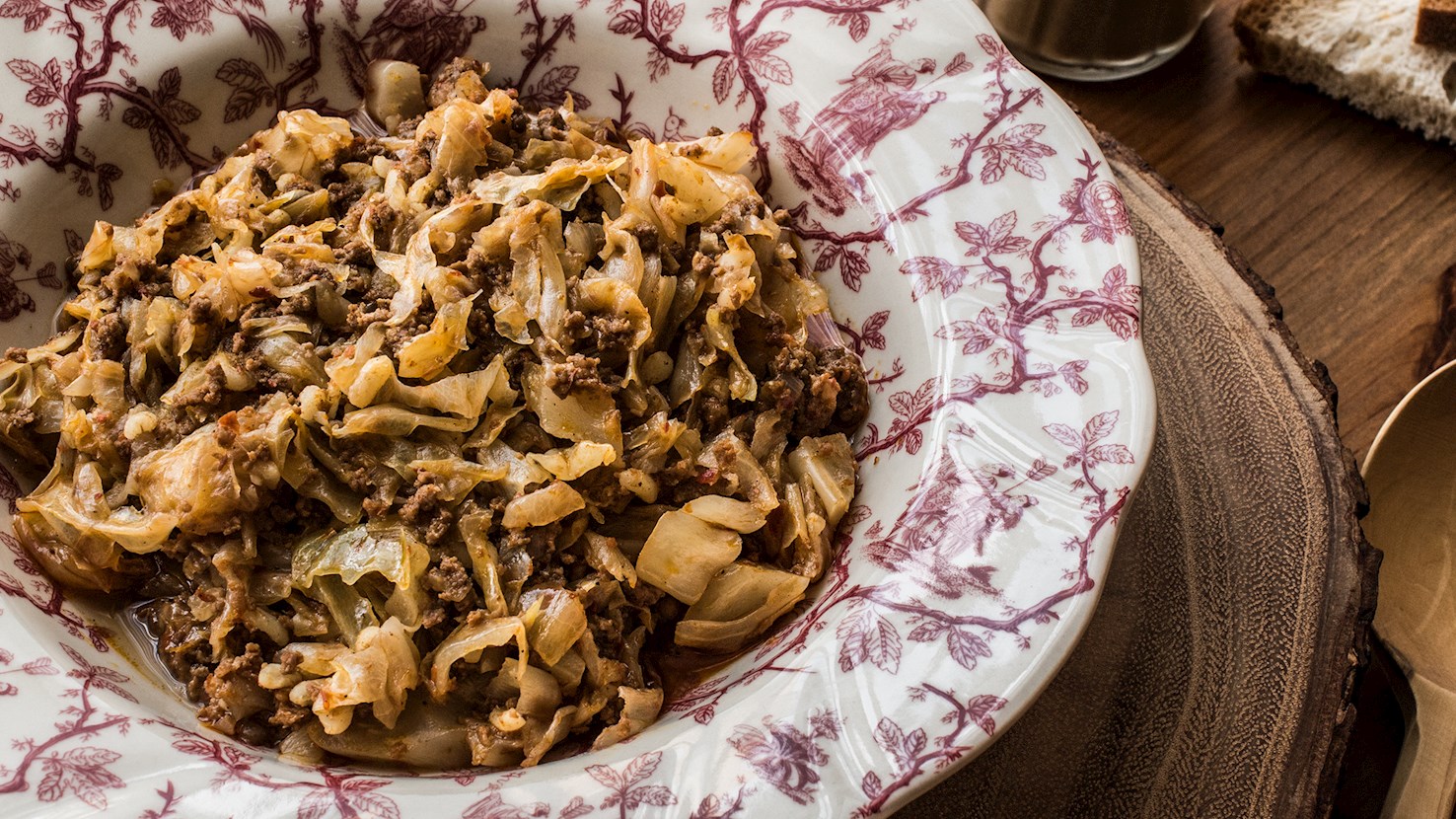
Kapuska is a cabbage stew made with white cabbage, onions, tomato paste, rice, and, in one of its most familiar forms, minced beef. It is a simple, filling home-cooked dish with a soft texture and a lightly tomato-flavored broth. The name comes from the Russian word kapusta, meaning cabbage. Cabbage dishes are widespread throughout Eastern Europe, the Balkans, and Türkiye, and kapuska reflects the long culinary exchange between these regions. Its exact origin in Turkish cooking is not documented. To prepare it, onions and minced beef are cooked together, followed by tomato paste and chopped cabbage. Rice, hot water, salt, black pepper, and red pepper are added, and the stew is simmered until the cabbage and rice are tender. Kapuska should remain moist and spoonable rather than becoming completely dry. The cabbage softens considerably during cooking, while the rice absorbs some of the liquid and gives the broth a little body. The flavor is savory and slightly sweet from the cabbage, with acidity and depth from the tomato paste. The dish is traditionally served hot and is commonly accompanied by plain yogurt and bread. The cool acidity of the yogurt works particularly well with the soft cabbage and tomato-based sauce. Meatless versions are also common, but the classic kıymalı kapuska combines cabbage, minced meat, tomato paste, onion, and a small amount of rice in a single pot. It is an everyday Turkish home dish valued more for its simplicity and warmth than for elaborate ingredients.
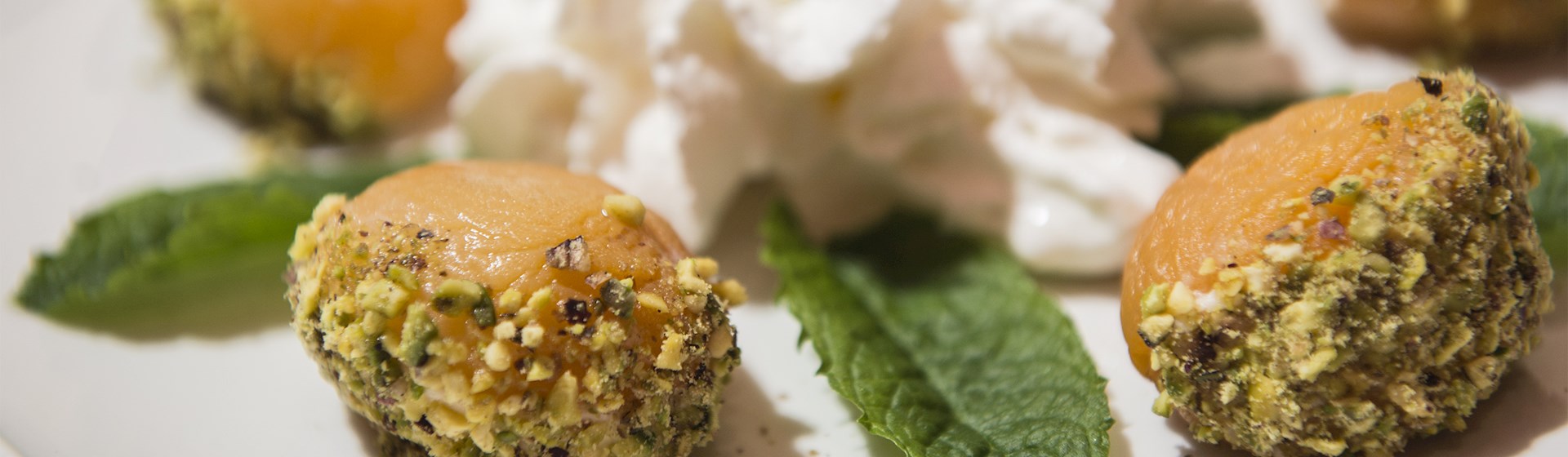
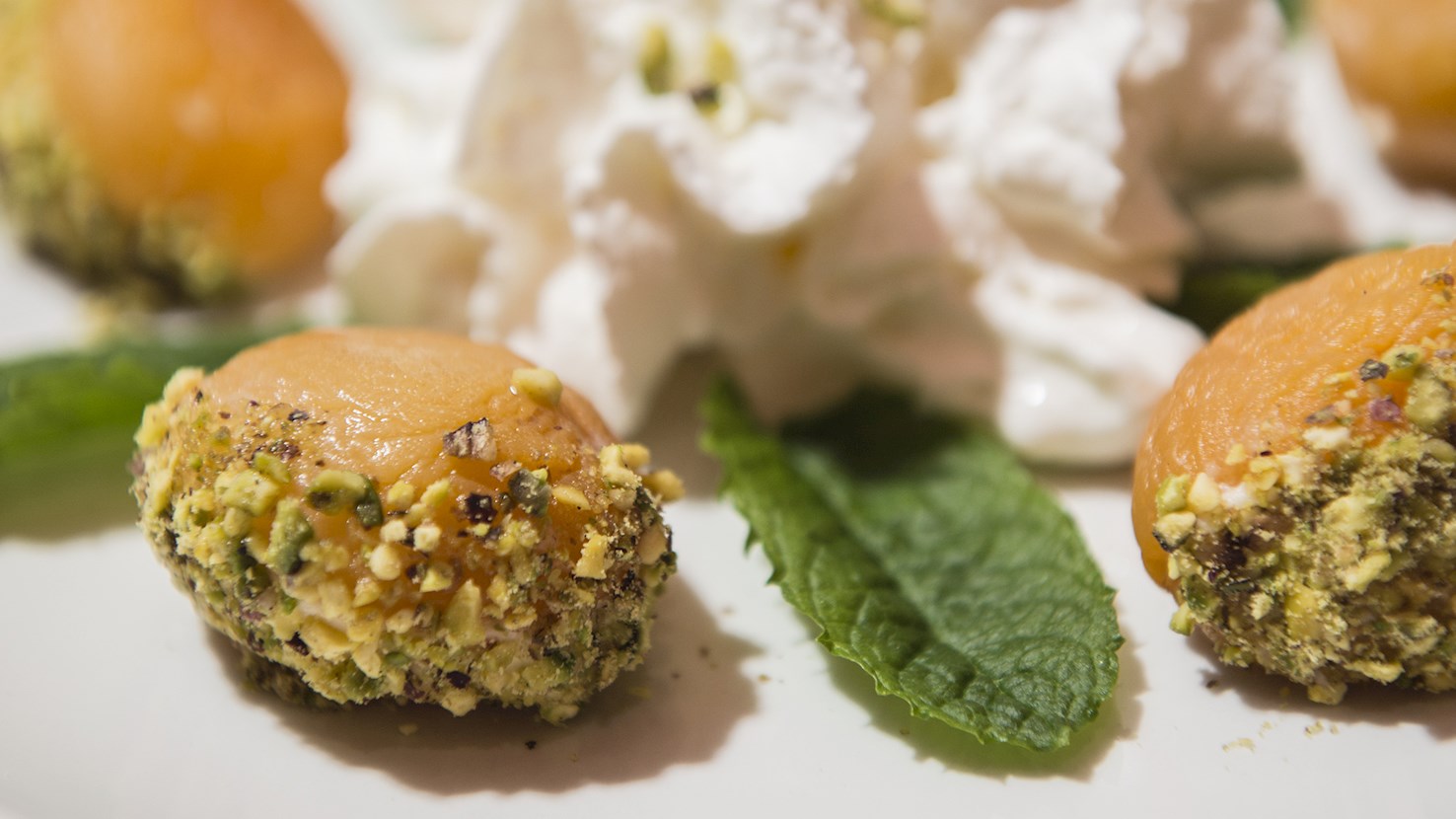
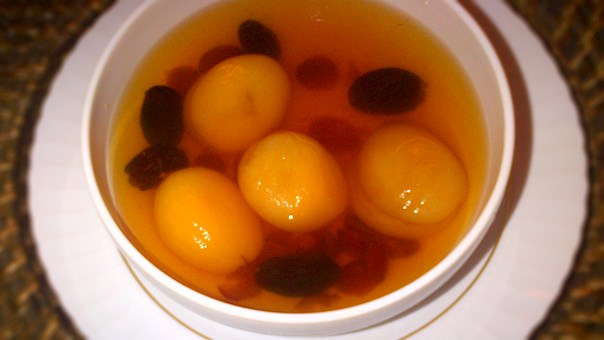
This unique Turkish dessert consists of dried apricots that are first cooked in a lemon-flavored syrup until soft, then stuffed with kaymak—a type of clotted cream made with water buffalo milk. In the end, the apricots are rolled in ground pistachios. Fruity, creamy, and nutty all at once, kaymaklı kayısı delivers an interesting combination of textures and flavors. To enhance their color, the apricots can also be simmered in red wine, and alternatively garnished with walnuts or hazelnuts, while blanched almonds can also be added to the cream filling.
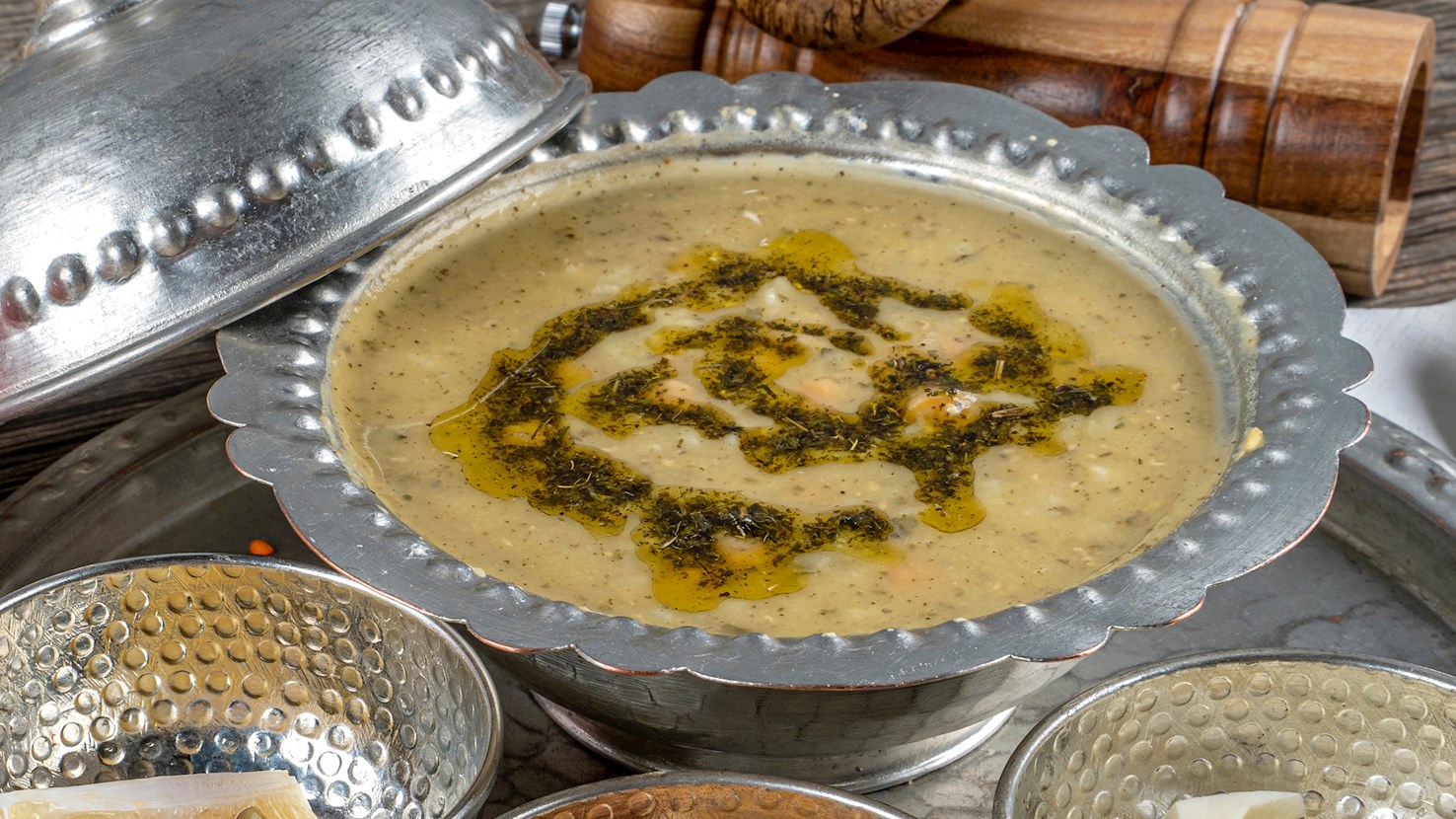
Mahluta is a traditional soup hailing from Türkiye. The soup is usually made with a combination of red lentils, onions, tomato paste, rice, olive oil, lemon juice, cumin, and salt. The onions are finely chopped and sautéed in olive oil until tender. The tomato paste is added to the pot and cooked with the onions, followed by the washed and drained red lentils, rice, and water. The mixture is covered and simmered over low heat until both the lentils and the rice become fully cooked and tender. Before serving, lemon juice, cumin, and salt are added to the pot, mixed, and the pot is then removed from the heat source. If properly prepared, mahluta should have a chunky and slightly thick consistency. If desired, the rice can be replaced with bulgur.
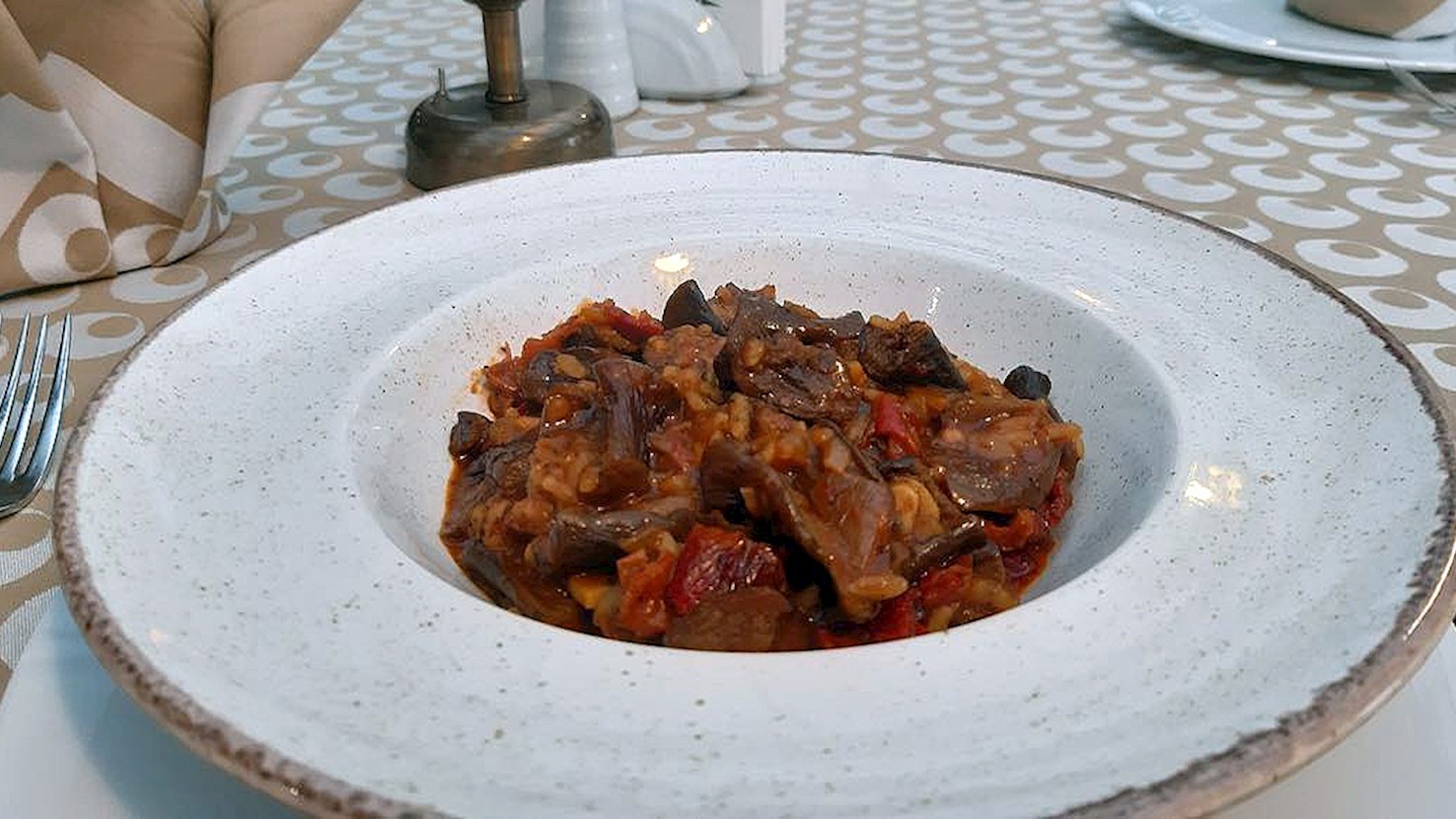
Mıcırık aşı is a traditional dish originating from Gaziantep. This stew is usually prepared with a combination of eggplants, rice, onions, tomato paste, bell peppers, garlic, olive oil, lemon juice, salt, paprika, and mint. The onions and garlic are sautéed in olive oil, then mixed with the tomato paste and bell peppers that are fried in the same pot. The mixture is covered with water, and the eggplants and rice are added to the pot. The dish is cooked until the rice becomes tender, and lemon juice is then mixed into the stew. Once served, mıcırık aşı is traditionally drizzled with the sauce consisting of olive oil, paprika, and mint.
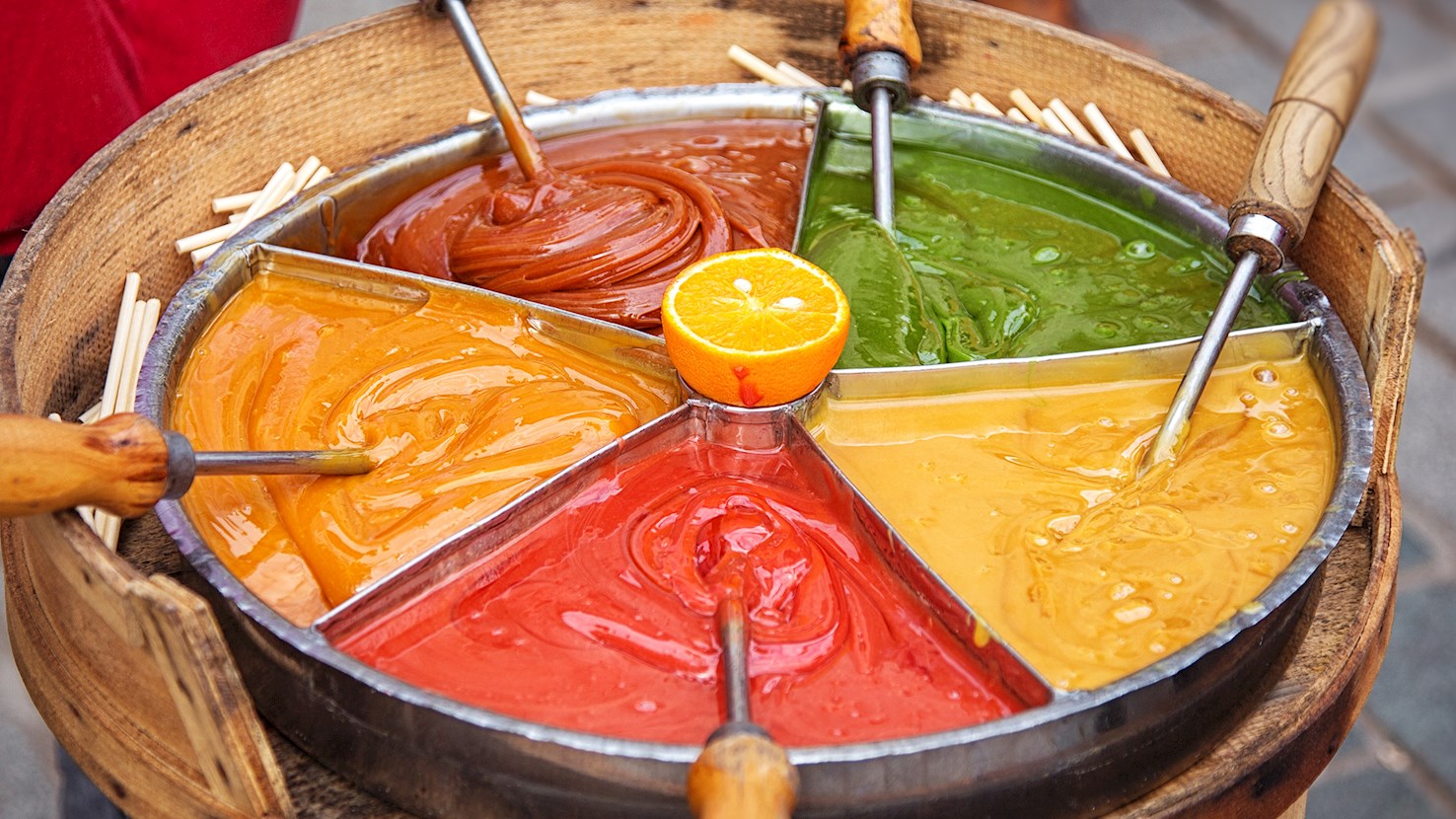
This unusual Turkish dessert is usually prepared by street vendors on small stoves with individual compartments. Each compartment is filled with a thick, colorful toffee paste that the vendor then wraps around a wooden stick, creating a sort of multicolored lollipop. The candy has a long history, presumably originating during the Ottoman Empire period, when it was mainly used as a health remedy. The modern versions of macun are quite different than the original herbal pastes, but they are characterized by their distinctive sweet and spicy flavor which is achieved by the addition of numerous spices such as aniseed, cloves, turmeric, black pepper, cinnamon, or cumin. The dish is strongly associated with the city of Manisa, where wrapped macun candies are thrown from the top of the mosque during the Mesir Macun Celebration.
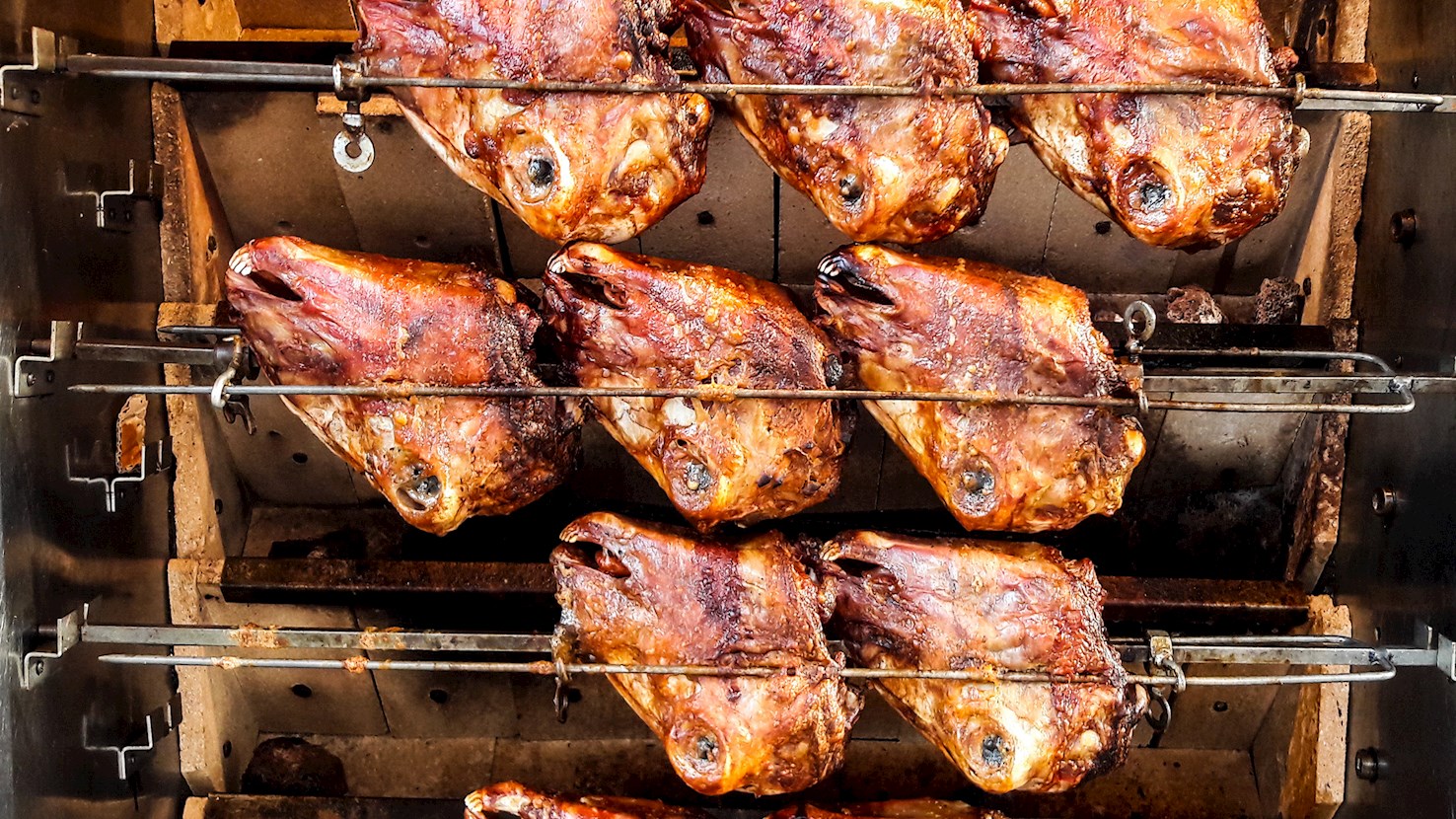
Kuzu kelle is an intriguing Turkish dish employing an unusual ingredient – the sheep’s head. It is prepared in two traditional ways; boiled and served cold, known as kelle söğüş; or roasted and served hot, more familiar under the name tandur kelle. The cold variety is usually cut in thin slices and is generously covered in salt, parsley, and onions before serving. The roasted head is usually served straight from the oven, while still steaming, and the juicy parts are usually delicately separated by the cook and presented to guests. For the locals, the sheep’s head is an authentic delicacy that is commonly enjoyed in local restaurants. It represents an exquisite meal because of the numerous pieces, each employing a different texture and flavor. The lean, firm tongue and the rich, juicy brain are usually considered to be special parts of the meal. If it is not served whole in restaurants and at local markets, where it is usually accompanied by a variety of vegetables, chili, and fresh herbs, sheep’s head can be found at numerous food stalls, served as a snack inside buns or wraps. Locals prefer to consume it as a breakfast dish, eaten before they start their working day. For the tourists, however, the dish represents an unusual meal, not recommended for the faint-hearted, but for those who prefer to enjoy and taste authentic meals without prejudice.
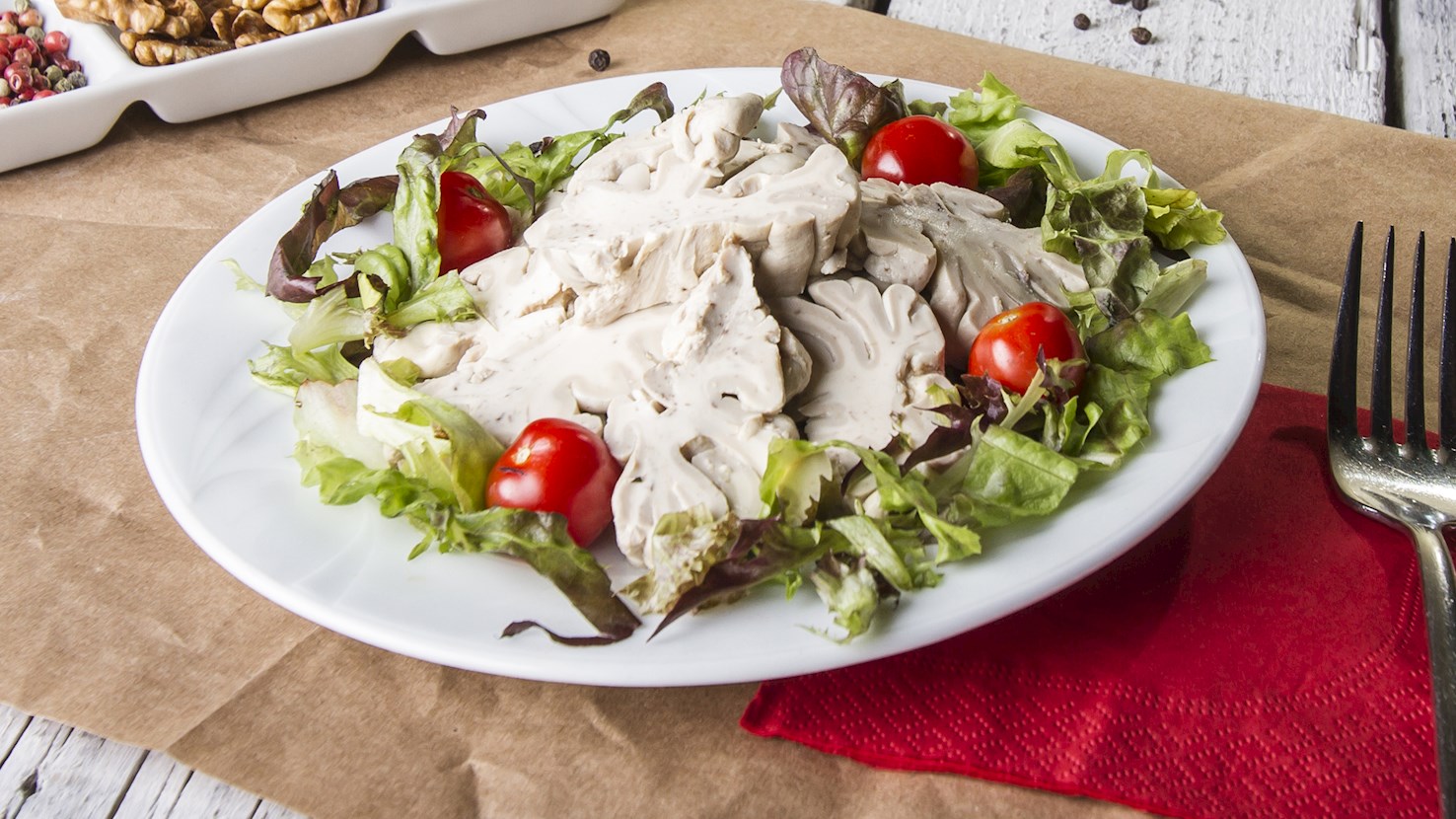
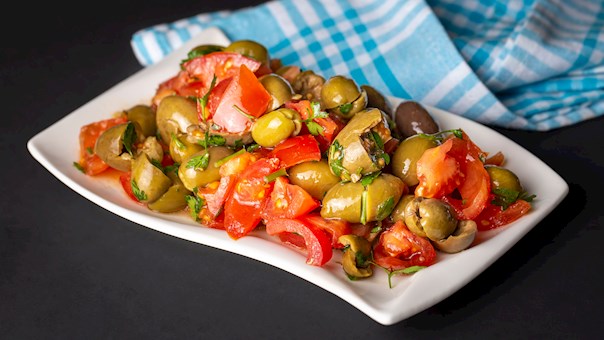
Beyin salatasi is a traditional salad originating from Türkiye. The main ingredient is an unusual one – the salad is made with lamb brain. Other ingredients include tomatoes, lemon juice, olives, parsley, and olive oil. The brains are boiled in salted water and vinegar, cooled, chopped, then mixed with the remaining ingredients. The salad is dressed with olive oil, seasoned with salt, then served, usually as part of a meze platter.
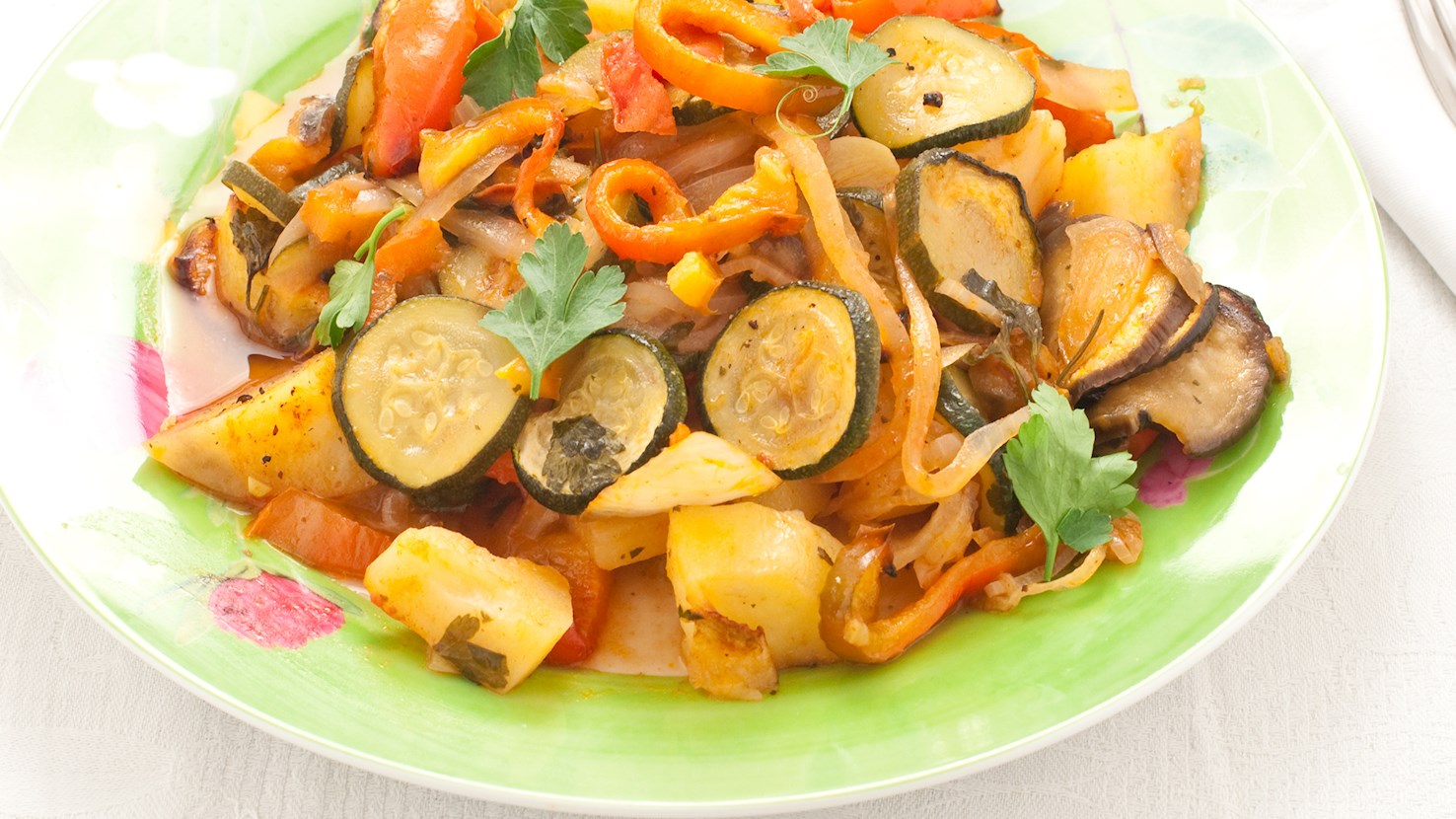
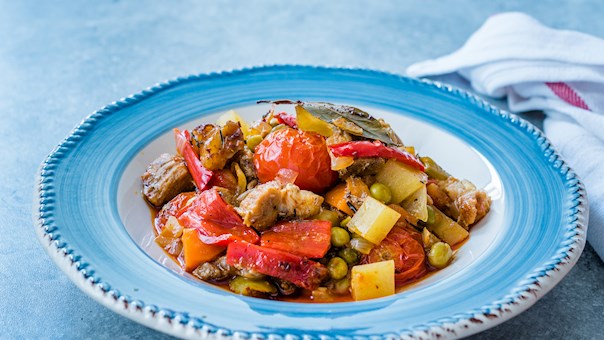
Often referred to as Turkish ratatouille, türlü is a flavorful vegetable stew with added meat such as lamb or beef. The vegetables used in the stew are typically zucchinis, eggplants, onions, okra, green beans, and potatoes. The stew is usually flavored with garlic, tomato sauce, bay leaves, cinnamon, and a variety of fresh herbs. After the slow-cooking process, it is recommended to serve türlü with steamed rice and yogurt on the side.
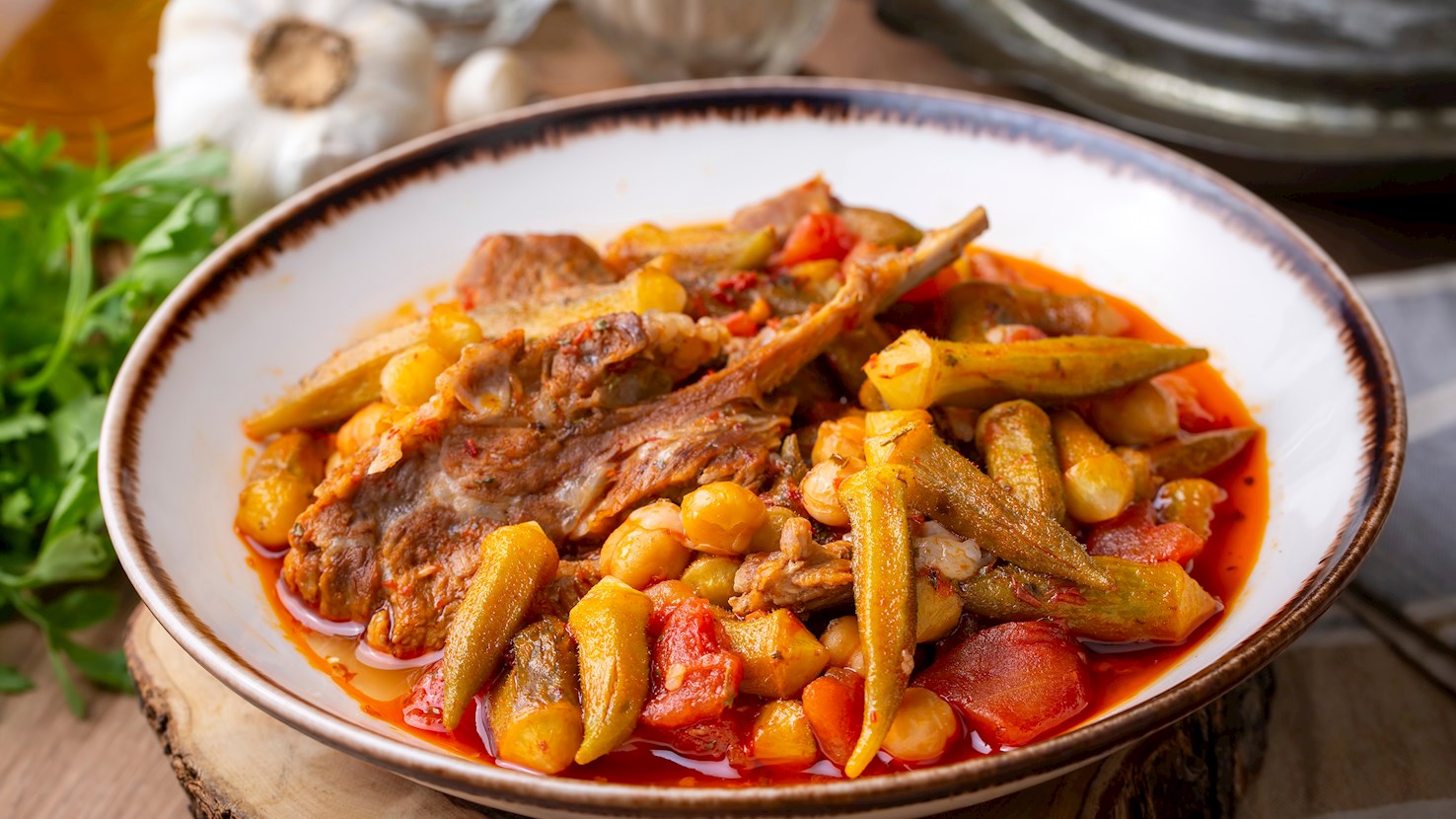
Etli bamya is a traditional dish originating from Türkiye. It's usually made with a combination of okra, lamb (or sometimes beef), olive oil, onions, tomatoes, garlic, lemon juice, tomato paste, sugar, salt, and pepper. The lamb is cubed and fried in olive oil, then mixed with the onions, garlic, tomato paste, sugar, and water. Once the ingredients become tender, okra, lemon juice, and seasonings are added to the pot, and the dish is simmered over low heat. Before serving, the stew is once again seasoned with lemon juice and a drizzle of olive oil. It's recommended to enjoy etli bamya with rice, salad, or crusty bread on the side.
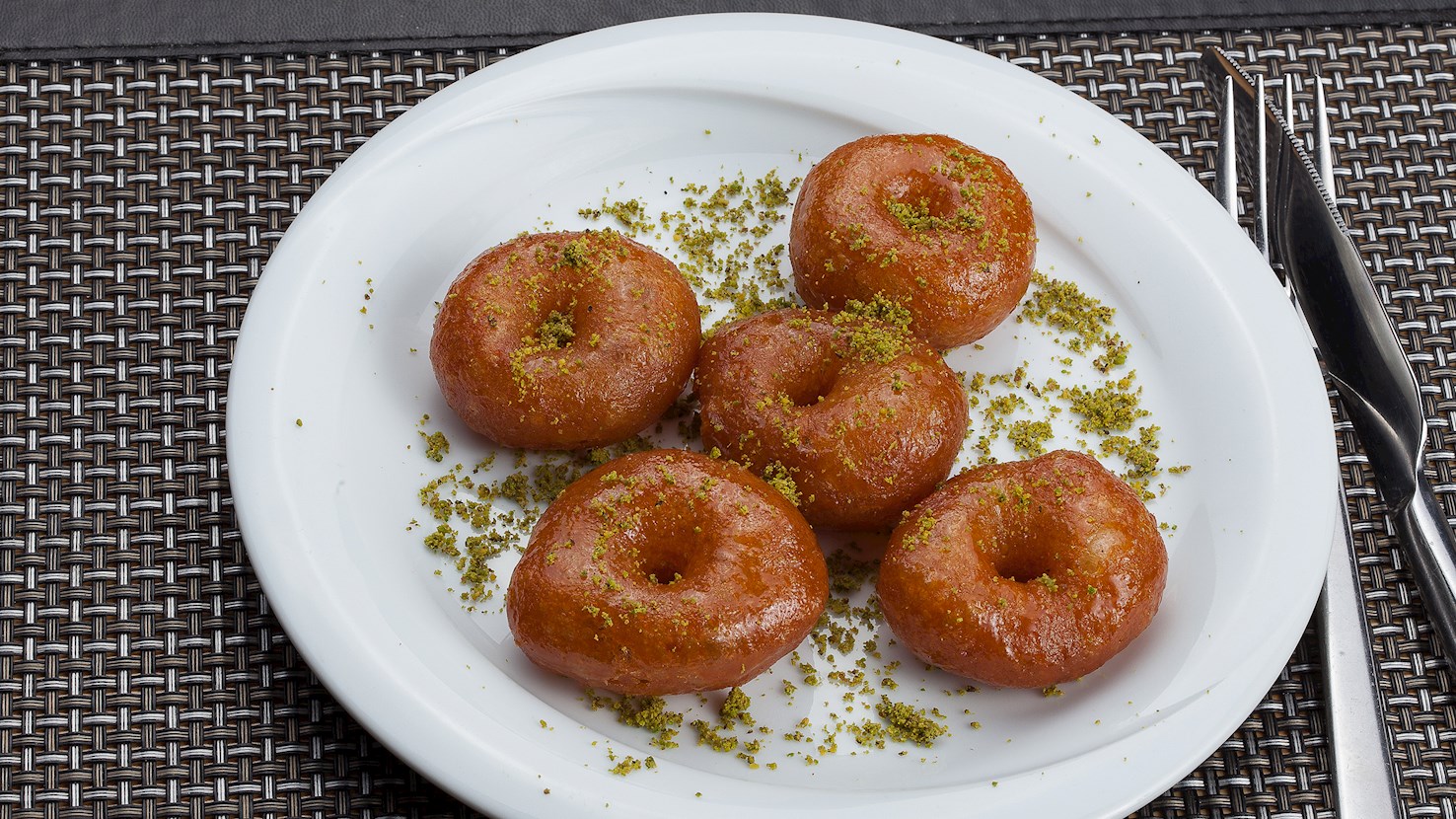
Hanım göbeği is a traditional sweet pastry originating from Turkey. It consists of choux pastry balls that are pressed in the middle to create a dimple, then deep-fried in hot oil and soaked in sugar syrup. The name of this sweet treat means lady's navel, hence the indentation in the middle of the pastry. The dough is made with a combination of flour, sugar, eggs, butter, and salt, while the syrup is made with a mixture of sugar, water, and lemon juice. The dough should be fried in oil over medium heat, and the pastry is then placed into cold syrup.
TasteAtlas food rankings are based on the ratings of the TasteAtlas audience, with a series of mechanisms that recognize real users and that ignore bot,
nationalist or local patriotic ratings, and give additional value to the ratings of users that the system recognizes as knowledgeable.
For the “93 Worst Rated Turkish Foods” list until September 16, 2026, 50,874 ratings were recorded, of which 26,748 were recognized by the system as legitimate.
TasteAtlas Rankings should not be seen as the final global conclusion about food. Their purpose is to promote excellent local foods,
instill pride in traditional dishes, and arouse curiosity about dishes you haven’t tried.




What People Say