


shutterstock

13 Worst Rated Ukrainian Foods

Last updated on May 22, 2026
01

Kutia

3.1 ·

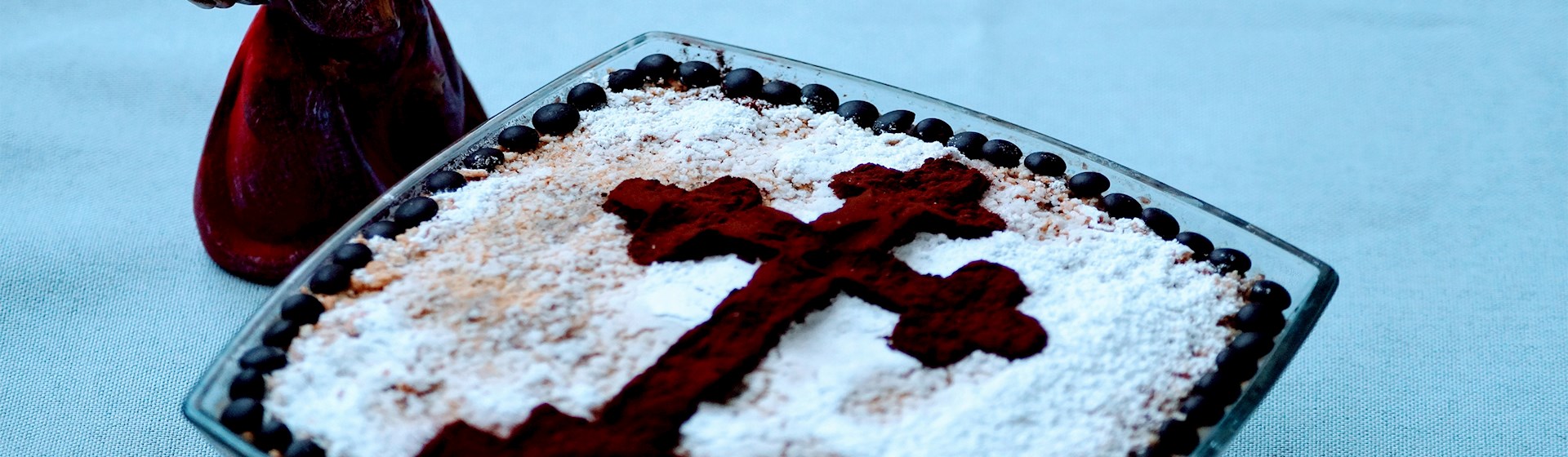
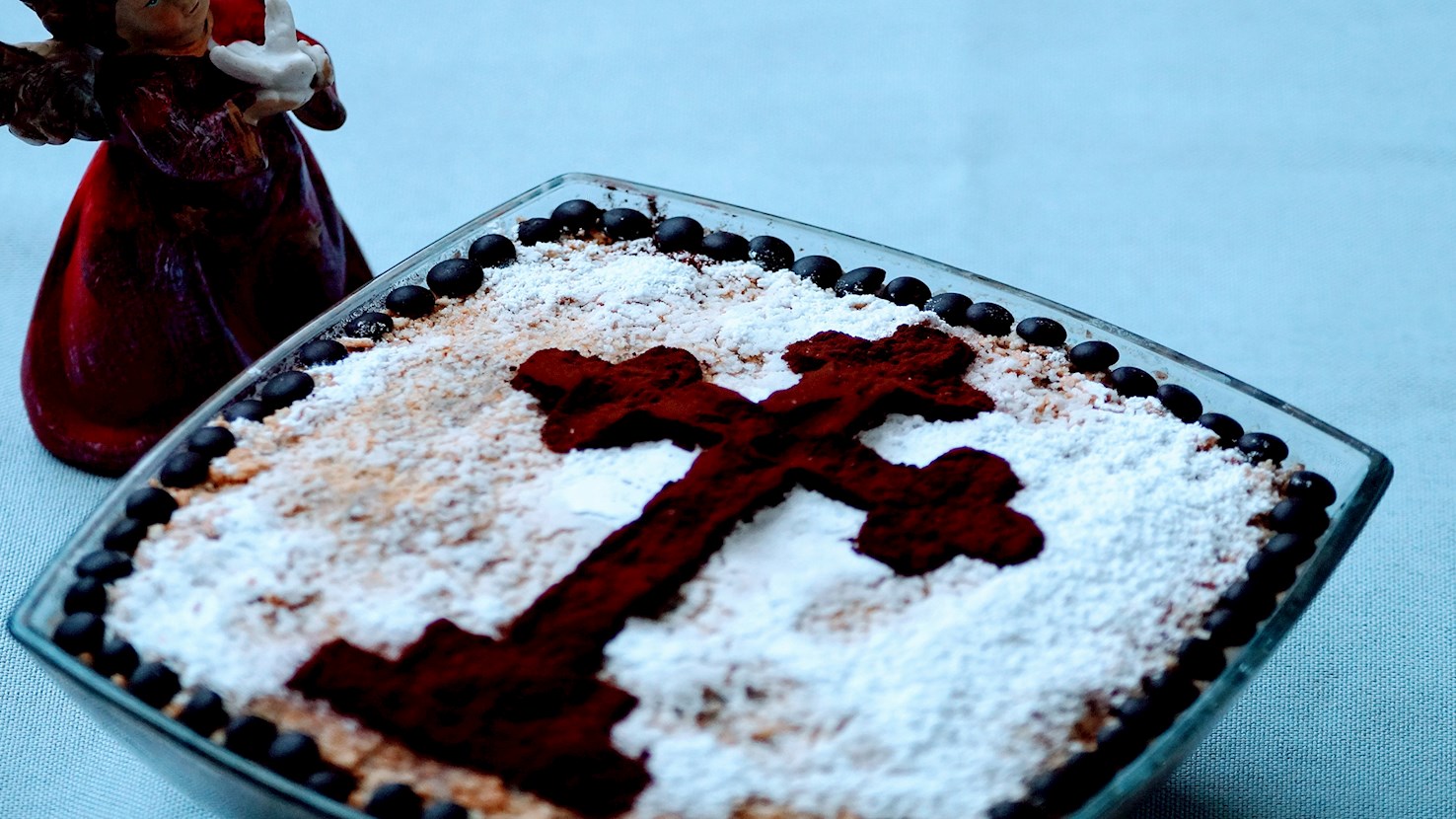
Kutia is a Ukrainian, Russian, Belarusian, and Polish sweet grain pudding that is traditionally served as part of a twelve-meal Christmas Eve supper. Interestingly enough, this festive treat is believed to have existed long before Christianity. It is made with wheat, berries, honey or sugar, nuts, raisins, and poppy seeds.On Christmas Eve, before consuming the dish, a small bowl of kutia is traditionally placed outdoors as a bribe to Father Frost, then some of the kutia is tossed to the ceiling, and the number of grains that stick to the ceiling are used to predict next year's agricultural prosperity.

02

Koliva

3.3 ·

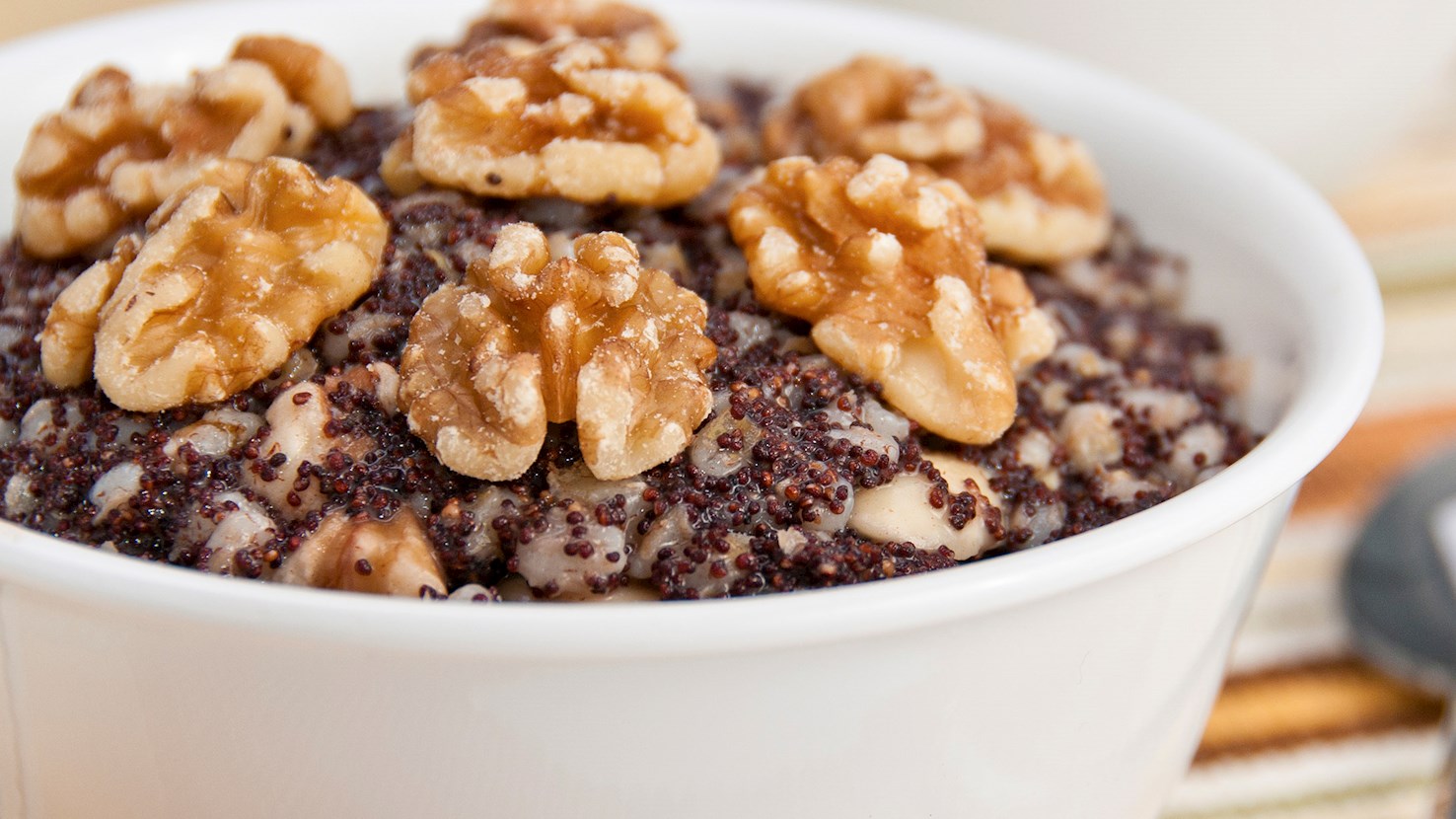
Koliva is a traditional dish consisting of a combination of any of the following ingredients: boiled wheat kernels, honey, sugar, sesame seeds, walnuts, raisins, anise, almonds, and pomegranate seeds. In the Orthodox Christian religion, it is used as a ritual dish that is prepared for funerals, memorials, Lent, Slava, or Christmas, since it symbolizes death and resurrection. This unique porridge is traditionally served with powdered sugar on top, while it is customary to stick a candle in the center and light it at the beginning of the service, then extinguish it at the end.

03

Baklazhannaya ikra

3.5 ·

Baklazhannaya ikra is a traditional Slavic vegetable spread made primarily from eggplant. Often translated as "eggplant caviar," the dish is popular in Russia, Ukraine, and other Eastern European countries. Despite its name, it contains no actual caviar—the term "ikra" (икра) refers to its finely chopped, spreadable texture. It typically includes roasted or sautéed eggplant, peppers, carrots, onions, tomatoes, garlic, and sunflower or vegetable oil, all cooked down into a rich, savory spread. There are many regional and personal variations—some smooth and blended, others chunky and rustic. It's often served cold or at room temperature, spread on bread or crackers, and sometimes preserved in jars for winter. During Soviet times, it gained particular notoriety as a vegetarian staple and was famously nicknamed "poor man's caviar."

04

Korovai

3.7 ·

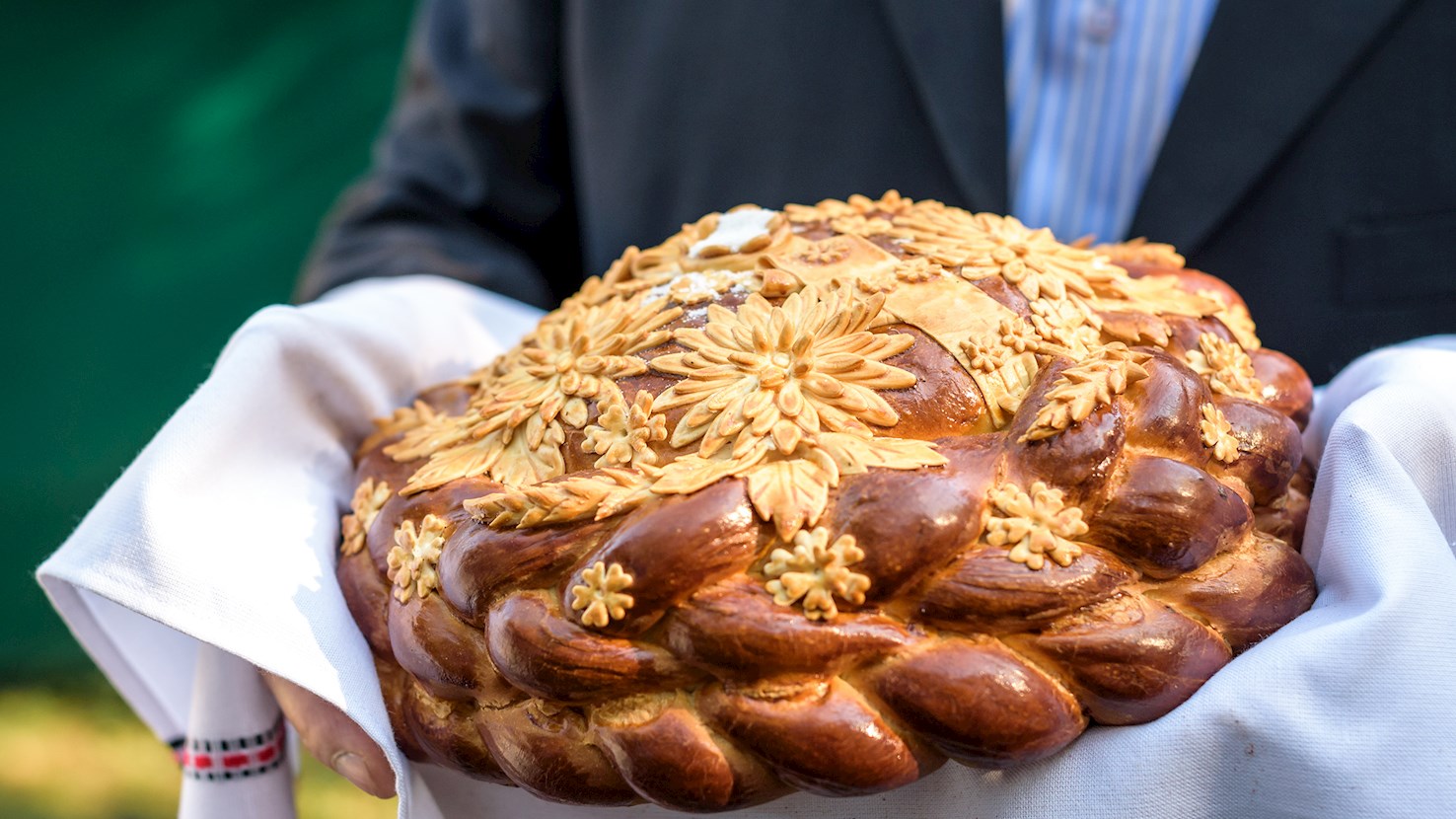
Korovai is a traditional wedding bread that is also popular in countries such as Poland, Bulgaria, Romania, and Russia. Instead of a cake, Ukrainians bake this massive, lavishly decorated bread that is often made by seven married women from seven different places. Participation of widows in the bread-making process is forbidden, since it is believed that a piece of their fate will be forwarded to the prospective couple. There are many superstitions and rituals connected to korovai – for example, if the bread cracks in the oven, the marriage will be doomed. After the wedding ceremony, korovai is cut and shared among guests.

05

Hrechanyky (Buckwheat Patties)

3.7 ·

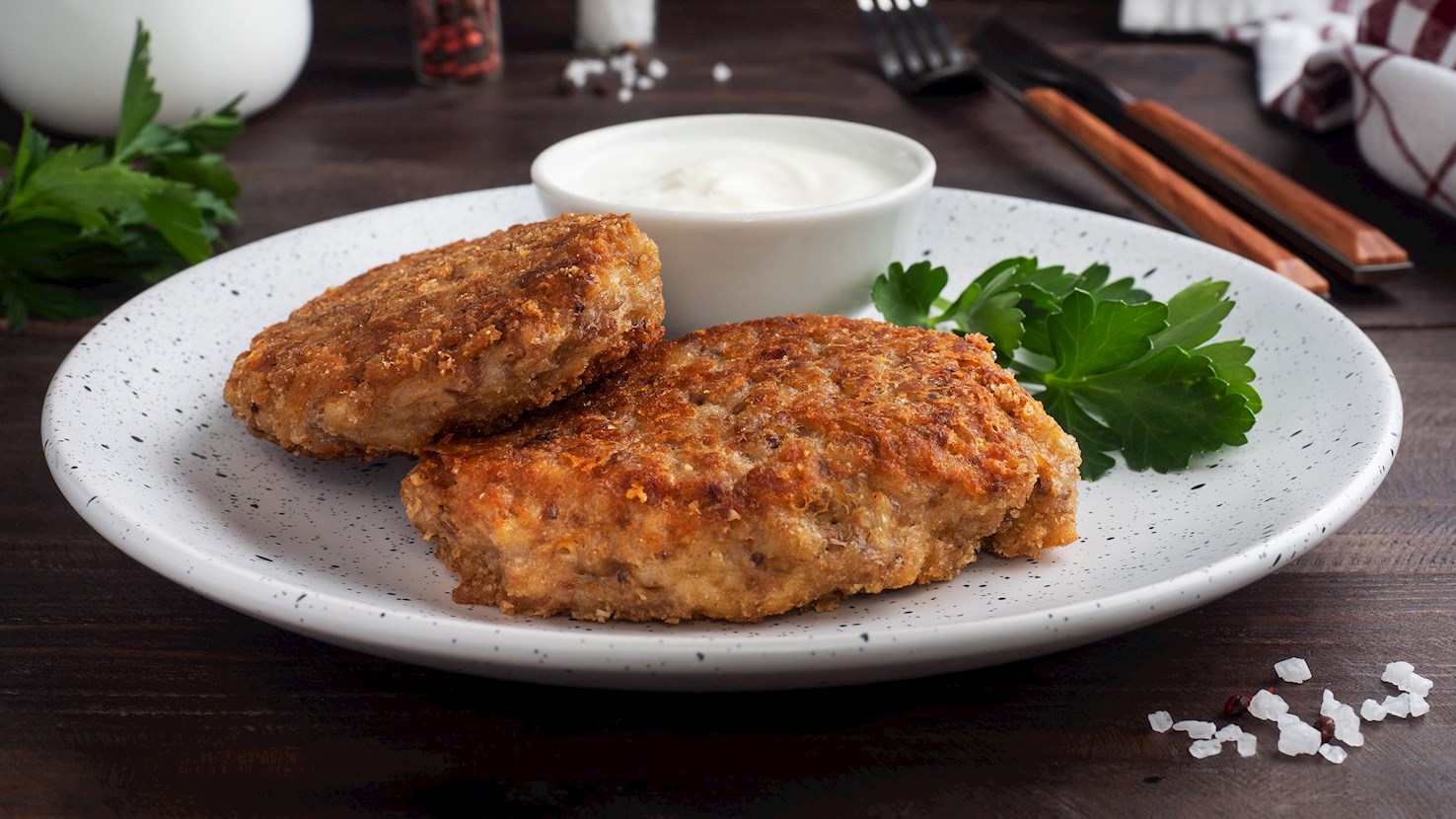
Hrechanyky are traditional Ukrainian patties that are especially popular in the region of Lemko. The patties are usually made with a combination of ground meat (beef, chicken, or pork), boiled buckwheat, eggs, onions, flour, breadcrumbs, coriander, sunflower oil, salt, and pepper. The onions are chopped and sautéed in oil, and then mixed with the ground meat, eggs, breadcrumbs, coriander, and seasonings. The mixture is shaped into patties that are rolled in flour and fried in oil on both sides until golden brown. The patties are then baked in the oven, usually with a sauce based on tomatoes, mushrooms, or sour cream. Hrechanyky are served with stewed or raw vegetables.

06

Perepichka

3.7 ·

Perepichka is an iconic Ukrainian street food item consisting of a soft, not overly seasoned sausage that is enclosed within yeasted dough. The whole combination is deep-fried, and it is usually served piping hot without any condiments. The first version of this favorite Kyiv street food appeared in 1981 at a small kiosk on Bohdan Khmelnytsky street. Perepichka was an instant success, and this hole-in-the-wall food outlet became somewhat of an institution for both locals and tourists.

Best restaurants
07

Kherson-Style Eggplants

3.7 ·

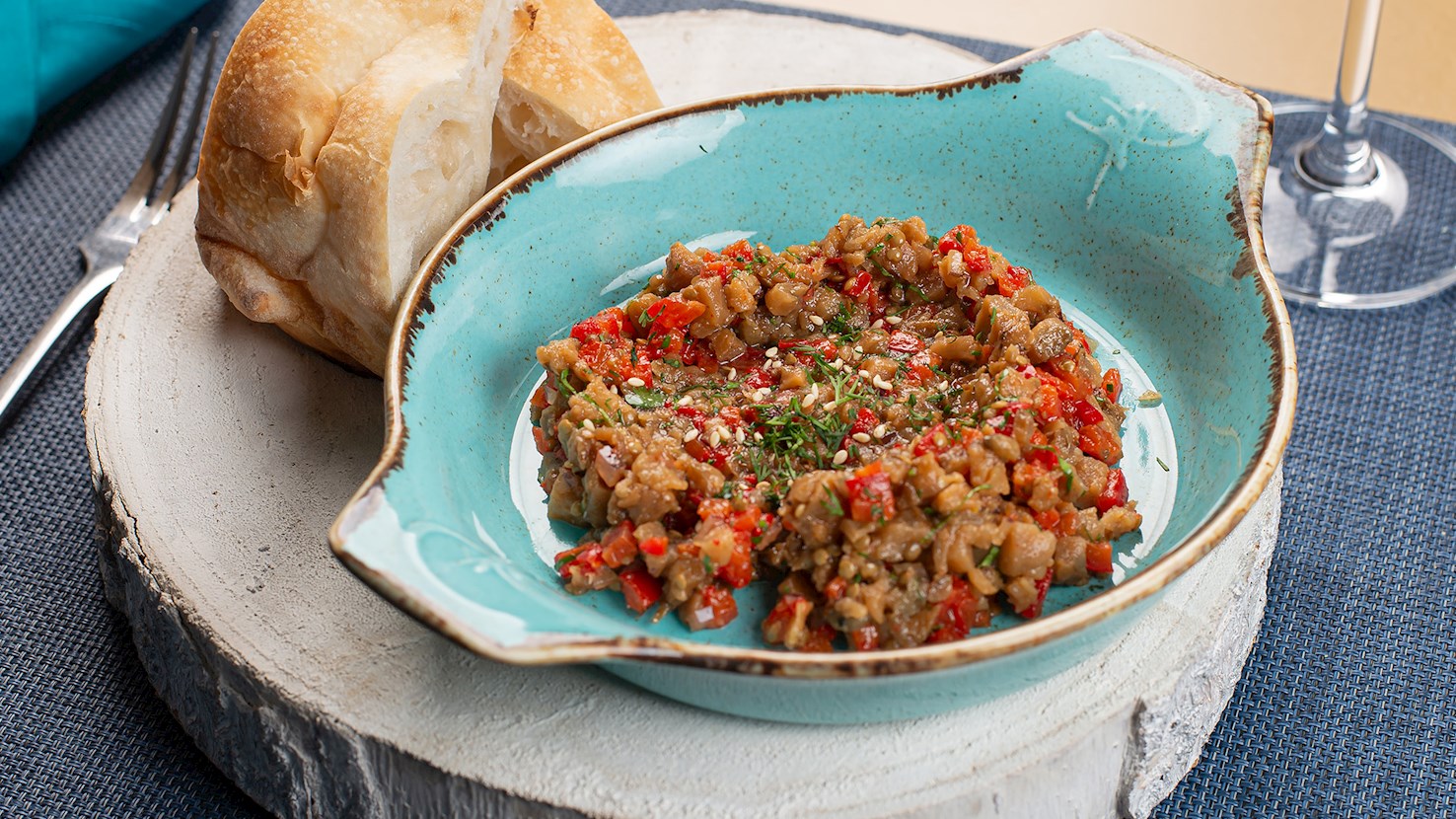
Kherson-style eggplants is a traditional dish originating from Kherson, a region with abundant eggplants. The dish is usually made with a combination of eggplants, tomatoes, bell peppers, onions, garlic, lemon juice, sunflower oil, sugar, salt, and black pepper. The vegetables are washed and peeled. The eggplants and bell peppers are cut in half and roasted in the oven, while the tomatoes are blanched and cut into cubes. The eggplants, bell peppers, and tomatoes are mixed with garlic, grated onions, lemon juice, oil, and seasonings. The mixture is stirred until smooth, and it's then typically served as an appetizer with bread or croutons.

08

Paska

3.8 ·

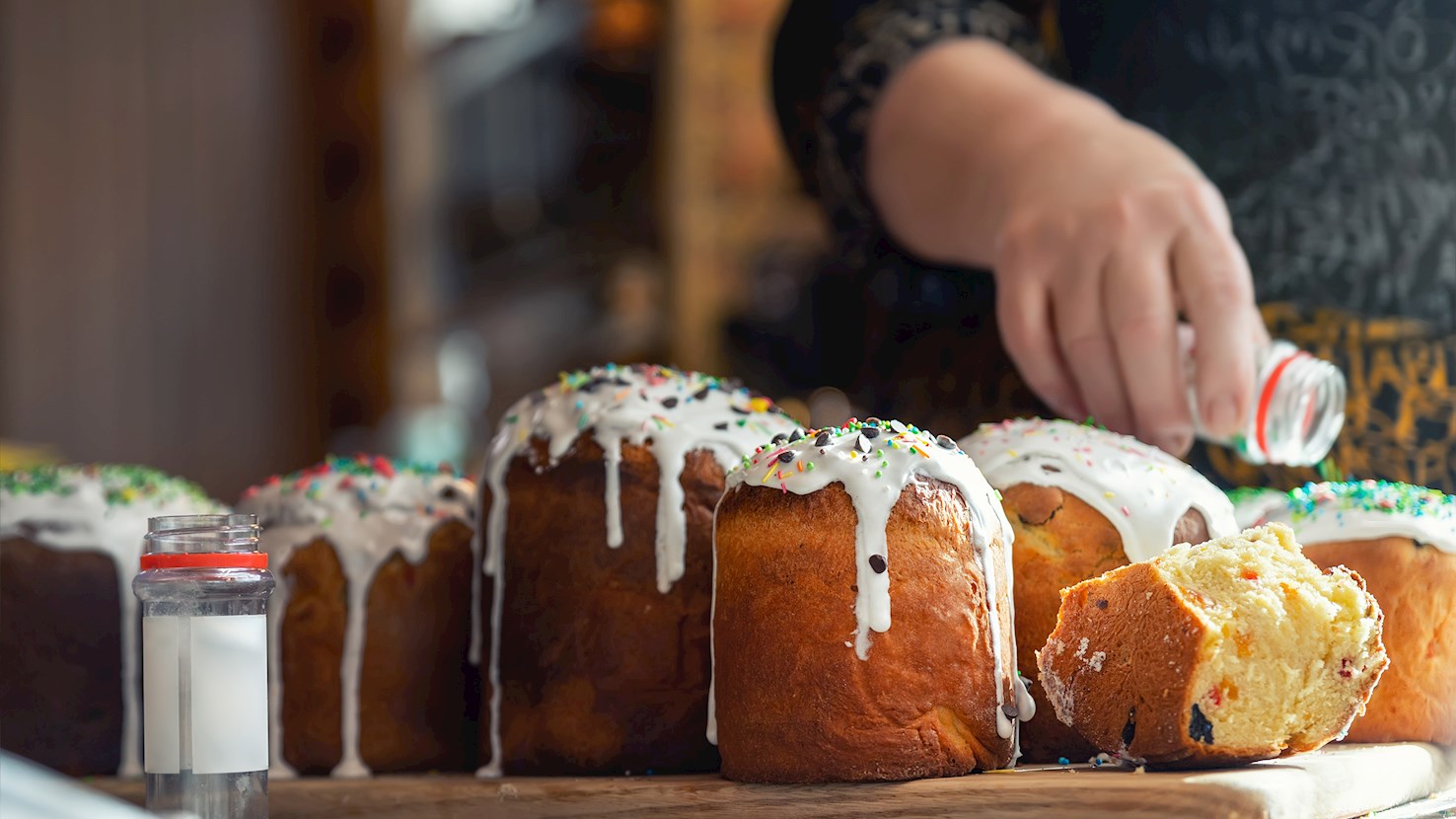
The traditional Ukrainian paska is a sweet and fragrant Easter bread. This popular delicacy abounds in eggs and butter, and typically has a tall cylindrical shape with a rounded top. It is often enriched with citrus juice or zest, vanilla, rum, ginger, and occasionally saffron. Some varieties of paska also might include raisins, candied fruit, or maraschino cherries. In the past, the surface of the bread was commonly decorated with festive ornaments, usually roses or crosses, but modern versions are often brightened with pristine egg-white glaze, colorful sprinkles, or poppy seeds. Outside Ukraine, this type of bread is also commonly consumed in Georgia, Bulgaria, Romania, Serbia, and Slovakia. Paska is usually taken to church on Easter morning, where it is blessed, and later shared at home among family members.

09

Shchavel Borsch (Sorrel Soup)

3.8 ·

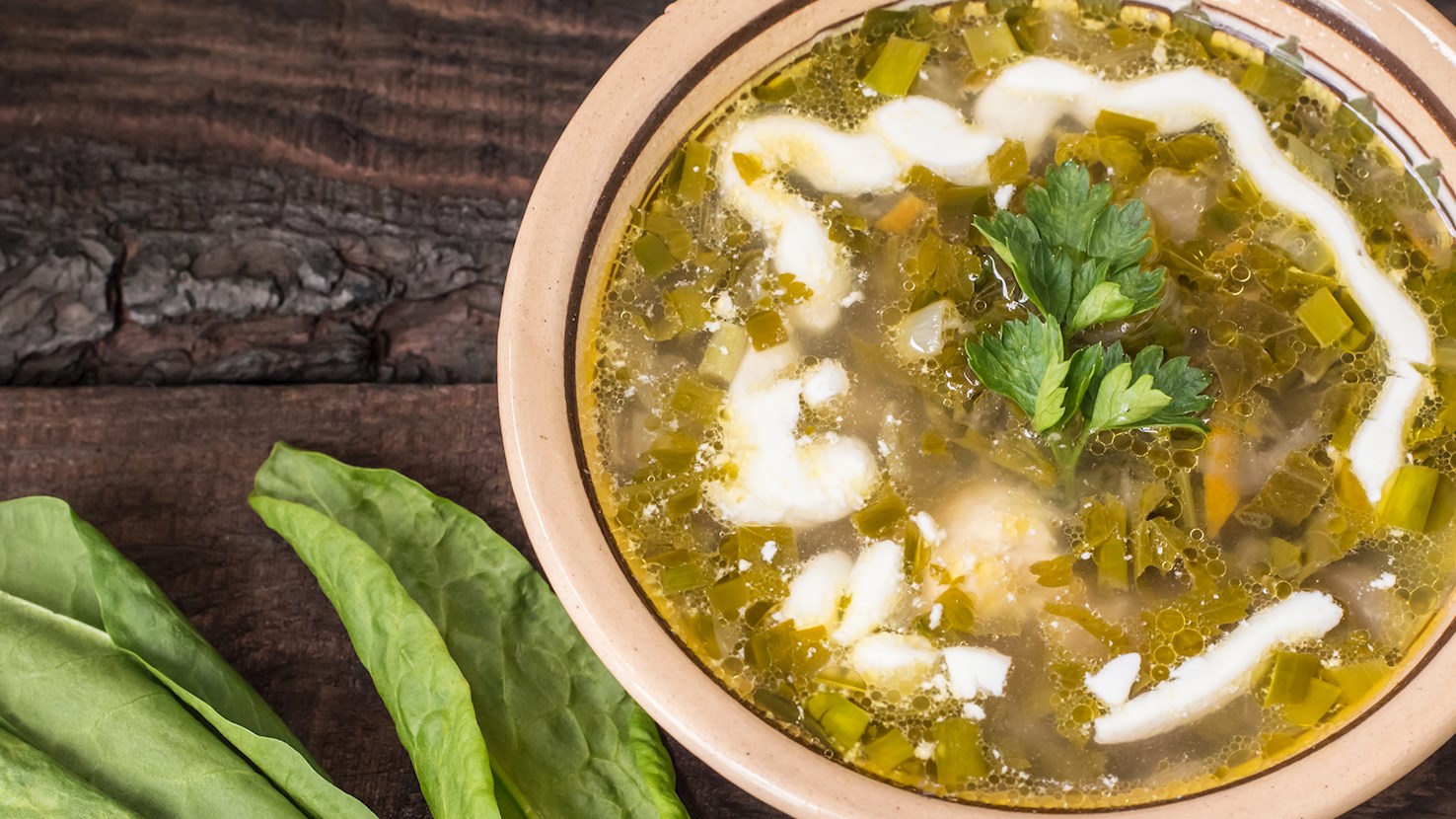
Sorrel soup or green borscht is a hearty, sour-flavored Ukrainian soup made with sorrel leaves, stock, butter, onions, sugar, lemon juice, sour cream, and beaten egg yolks. The soup is also popular in Russia and Belarus, and it can be served warm or chilled. Today, there are numerous versions of the soup throughout Eastern Europe, so cooks add different ingredients into it, such as spinach, carrots, potatoes, or beetroot. Serve green borscht with a dollop of sour cream and a slice of rye bread.

10

Bublik

3.8 ·

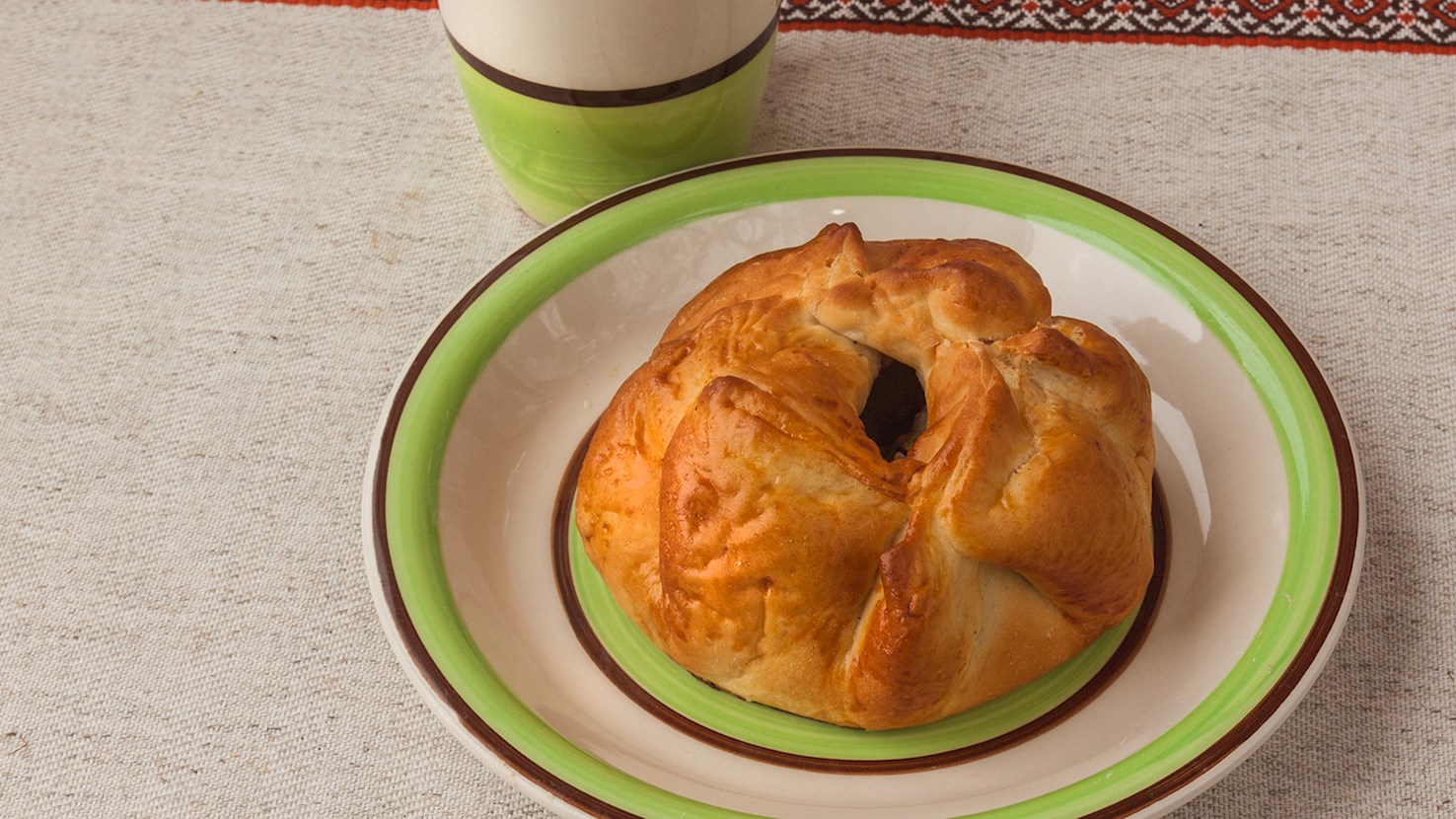
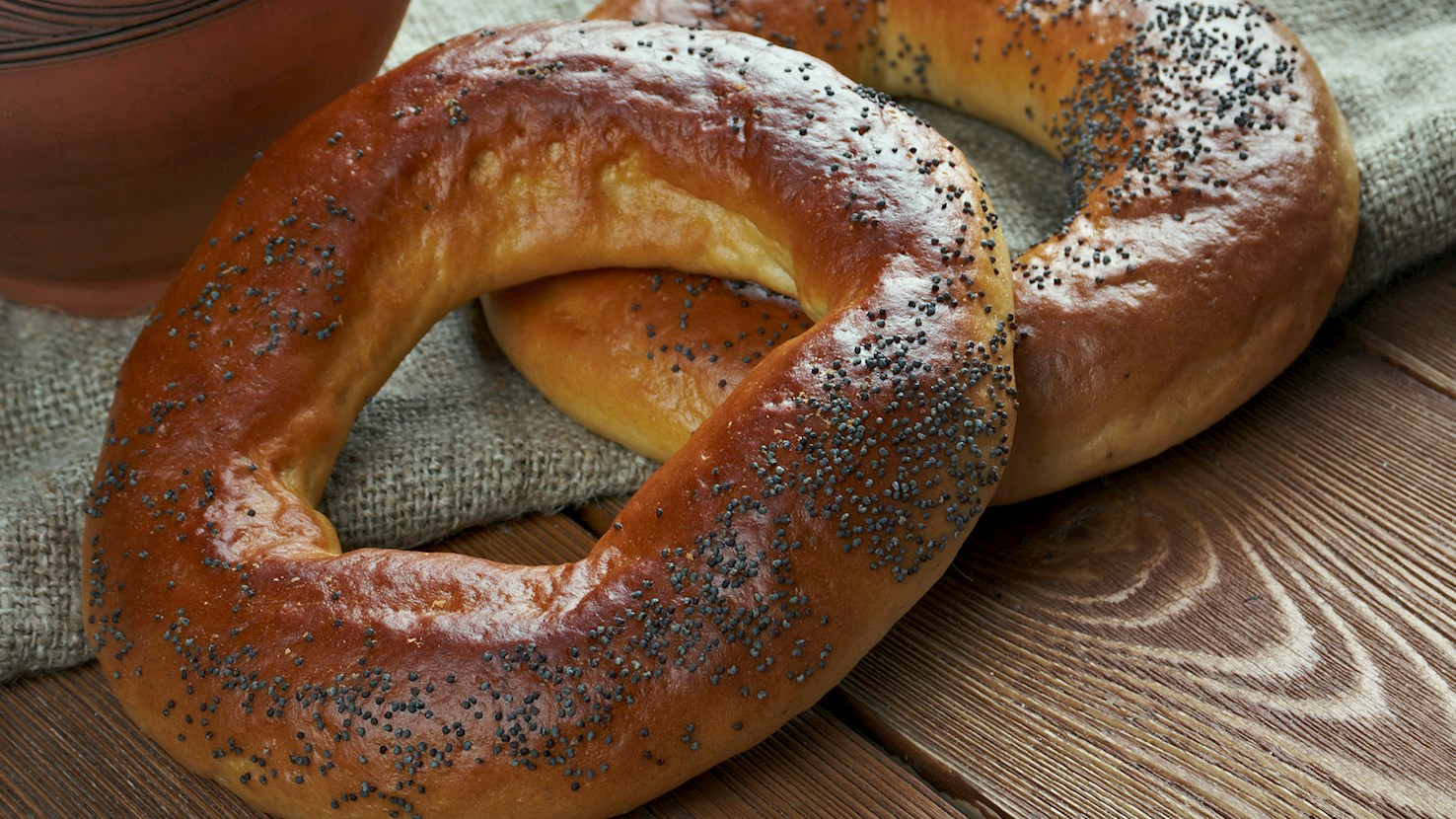
Bublik is a name that is commonly used in Eastern European countries, predominately Ukraine and Russia, when referring to a round, yeasted bun, in many ways similar to a bagel. Before baking, it is shortly poached in water and dusted with poppy seeds, sesame, or sugar. It is believed that bublik was created among the Jewish population in czarist Russia, but got its present form in Ukraine. It was originally sold from street carts, where it was lined on a string and offered to the customers. Bublik is typically consumed as a snack or as an accompaniment to coffee or tea. In Europe, there are numerous bread products resembling bublik, such as the Polish obwarzanek and Russian baranki.

11

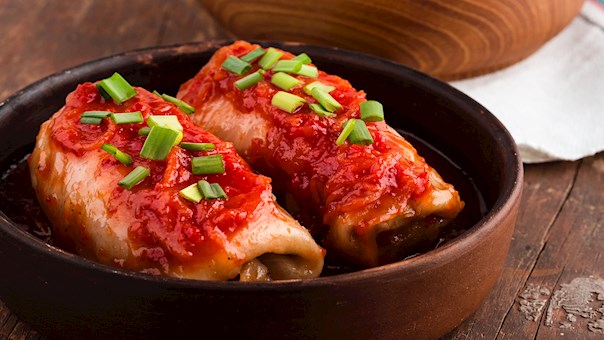
Holubtsi

3.9 ·
13

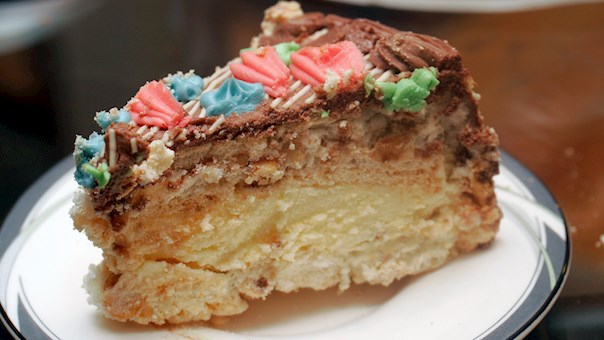
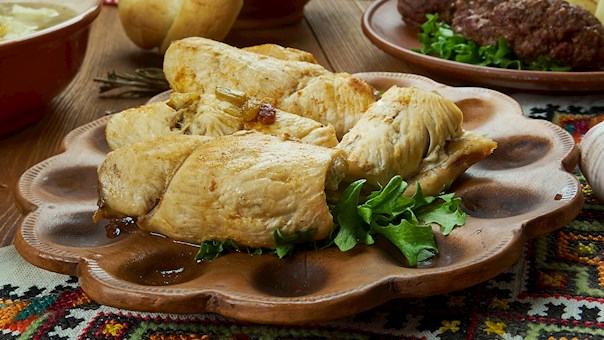
Kruchenyky

3.9 ·
Read more
View all
View map
About this ranking

TasteAtlas food rankings are based on the ratings of the TasteAtlas audience, with a series of mechanisms that recognize real users and that ignore bot, nationalist or local patriotic ratings, and give additional value to the ratings of users that the system recognizes as knowledgeable. For the “13 Worst Rated Ukrainian Foods” list until May 22, 2026, 4,448 ratings were recorded, of which 2,789 were recognized by the system as legitimate. TasteAtlas Rankings should not be seen as the final global conclusion about food. Their purpose is to promote excellent local foods, instill pride in traditional dishes, and arouse curiosity about dishes you haven’t tried.

Similar lists