

9 Worst Rated Uruguayan Foods

Last updated on May 22, 2026
01

Lengua a la vinagreta

2.8 ·

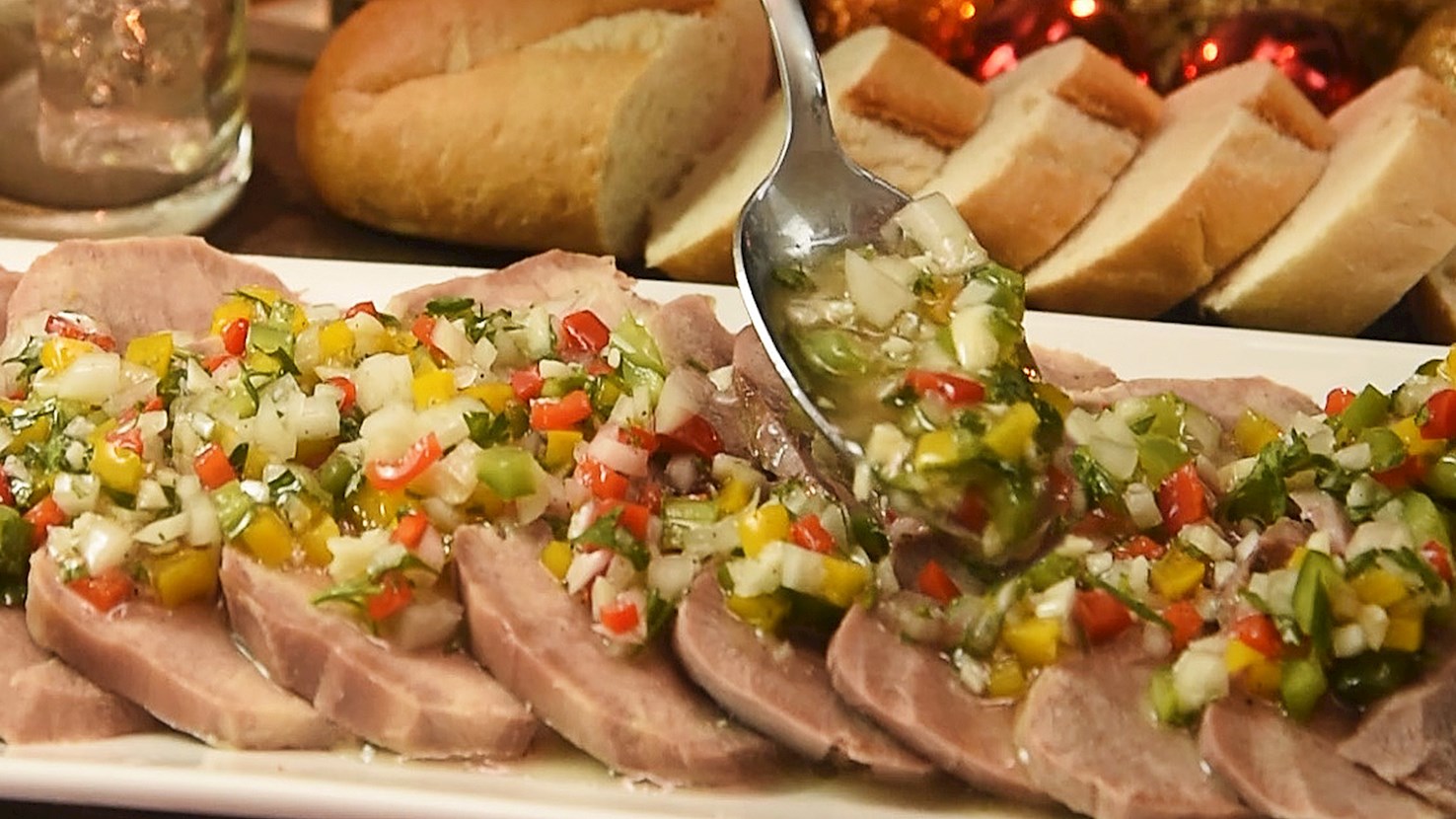
Lengua a la vinagreta is a cold appetizer that is popular in Uruguay and Argentina. It consists of boiled ox or beef tongue that is sliced into thin pieces, then marinated in a combination of white wine vinegar, olive oil, garlic, and parsley, while capers and hard-boiled eggs are used sometimes, but not always. Although lengua a la vinagreta is usually served as an appetizer, it also makes for a light lunch or dinner. It is recommended to serve the dish with a glass of red wine on the side.

02

Niños envueltos

3.1 ·

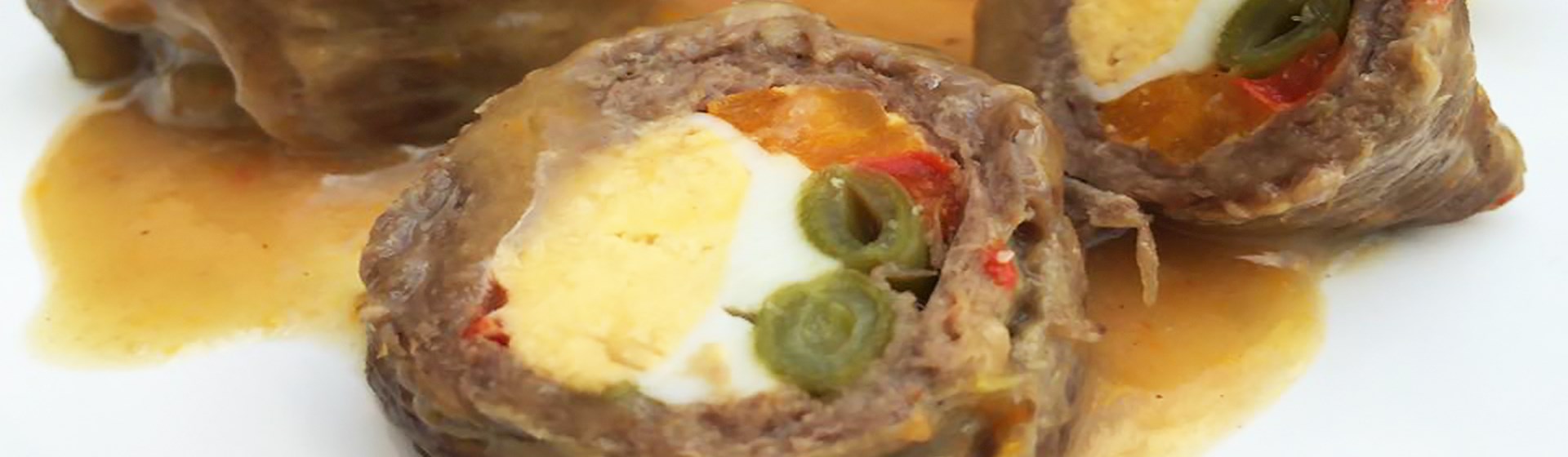
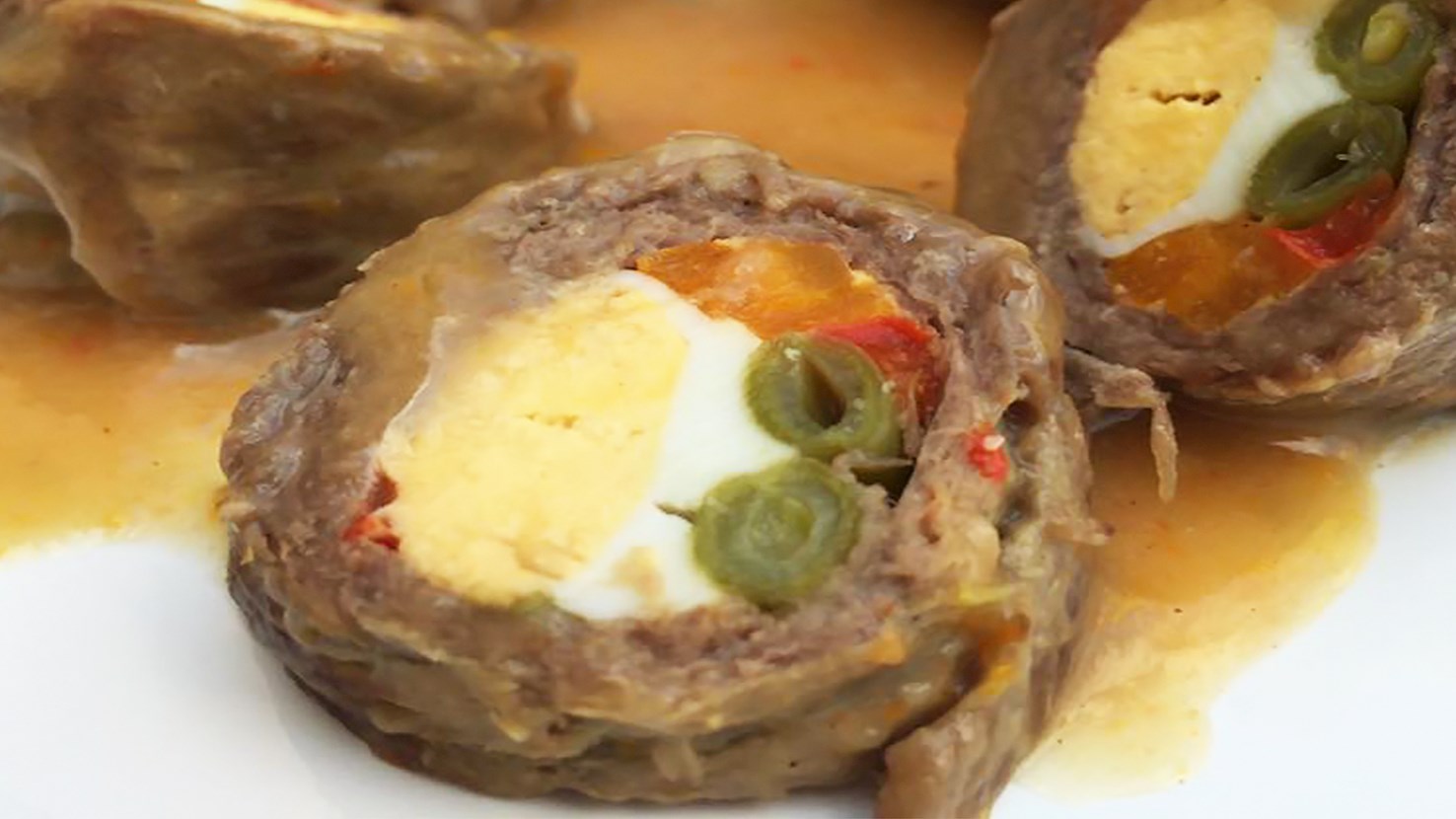
Niños envueltos (lit. wrapped children) is a traditional dish consisting of rice and ground beef that are wrapped in cabbage and cooked in tomato sauce. Apart from the main ingredients, the dish also often contains garlic, basil, bell peppers, and onions, while the tomato sauce is made with olive oil, tomatoes, garlic, oregano, sugar, salt, and pepper. The dish is slowly simmered until the cabbage becomes tender and the rolls are fully cooked. The rolls are often served with bread and a fresh salad on the side. It is believed that this dish is actually a Dominican adaptation of Middle Eastern dishes which were brought to the country by immigrants in the 19th century.

03

Dulce de batata

3.5 ·

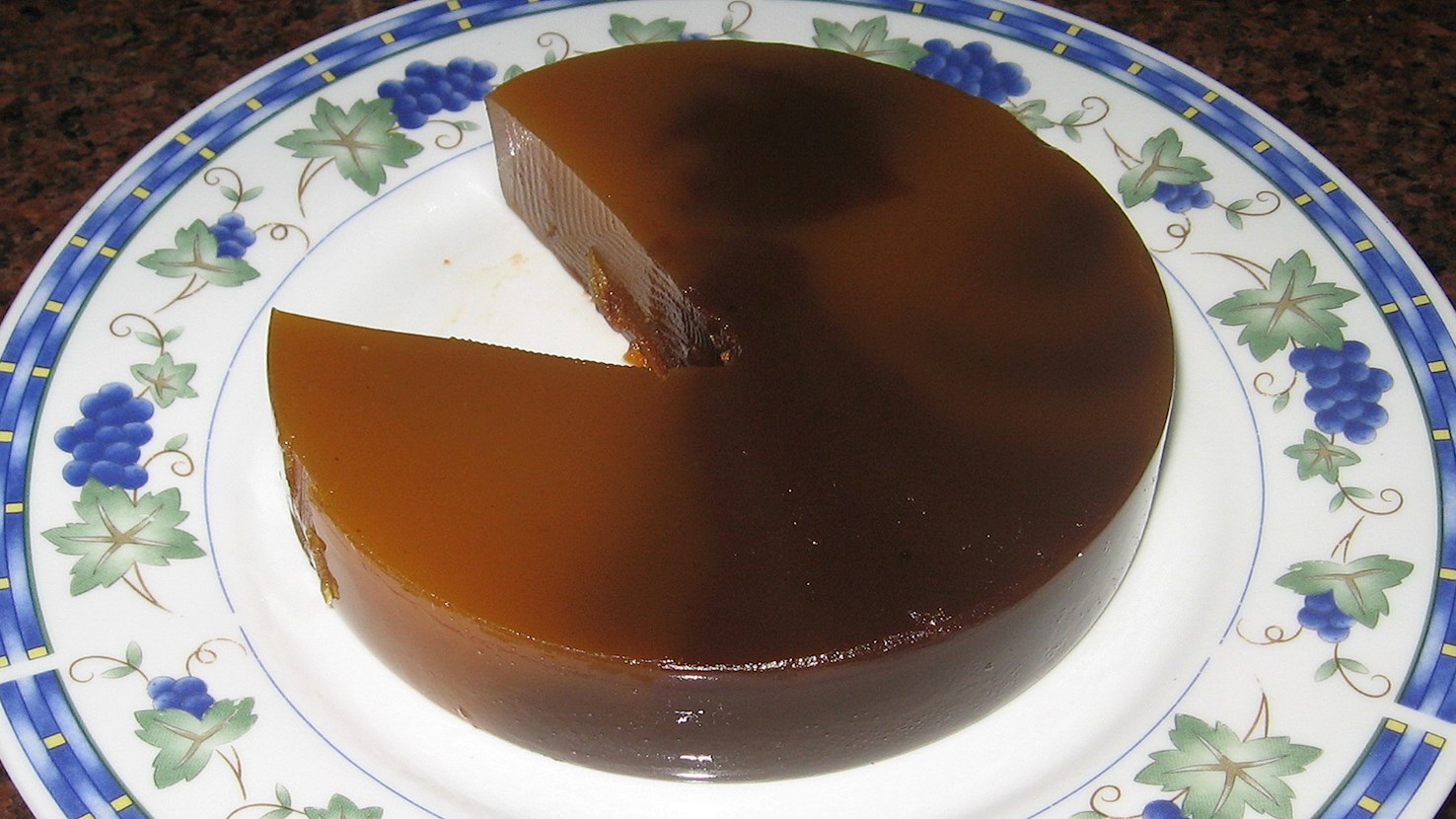
Dulce de batata is a jelly-like dessert prepared with a base of mashed sweet potatoes, sugar, vanilla flavoring, and a thickening agent. When cooked, dulce is left to set and should always be well-chilled. It is usually enjoyed as a dessert, which is traditionally served with cheese to create a Latin American favorite known as vigilante or Martín Fierro. Although the origin of dulce de batata is often disputed, it is enjoyed throughout Latin America.

04

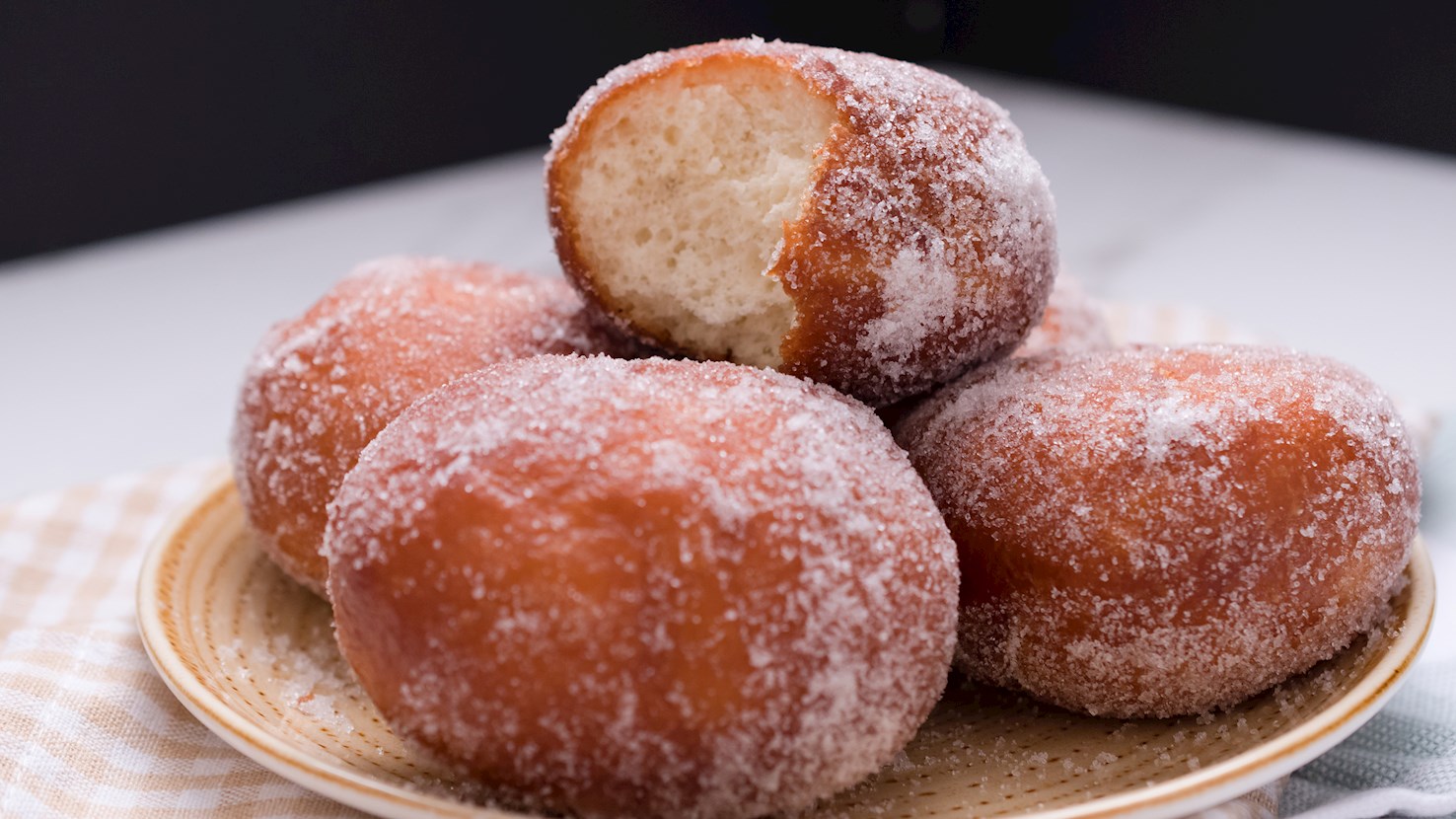
Bolas de fraile

3.5 ·

Bolas de fraile is the Argentine and Uruguayan version of a doughnut. It is made without a hole in the center, and the doughnut is usually filled with dulce de leche, then dusted with powdered sugar. It is believed that bolas de fraile is derived from a popular Germany pastry called Berliner Pfannkuchen. The name of these tasty doughnuts means balls of weakness, and it is said that the name was invented by anti-clergy anarchists who wanted to oppose a harsh regime that was imposed by the Catholic church.

05

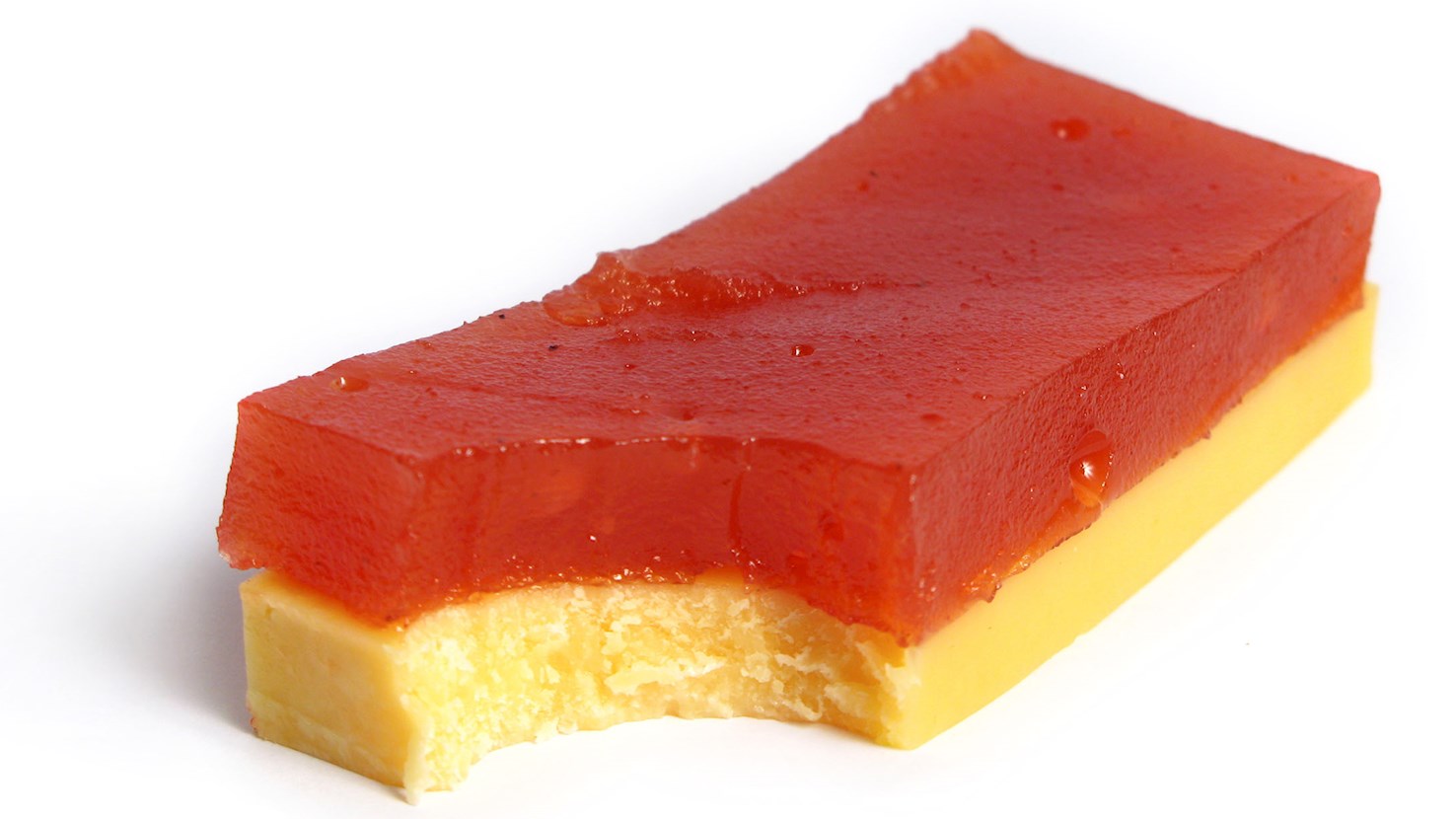
Martín Fierro

3.6 ·

The unique combination of cheese (ideally, salty and firm manchego cheese) and a slice of flavorful quince paste known as dulce de membrillo makes the Uruguayan treat known as Martín Fierro. The dish got its name from a character with the same name, popularized in the stories of José Hernández, who wrote about freedom and gauchos - an equivalent to the American cowboys. Hernández always ordered a dessert based on the popular Argentinian treat known as Vigilante - a dish of cheese slices combined with a sweet potato paste. Uruguay's version of the dish replaced the sweet potato paste with quince paste, and since Hernández was a famous activist for gaucho rights and his every move was observed, the news of his preference for the Uruguayan version of the dish quickly spread across the country. Soon, the dish was named Martín Fierro in the writer's honor.

06

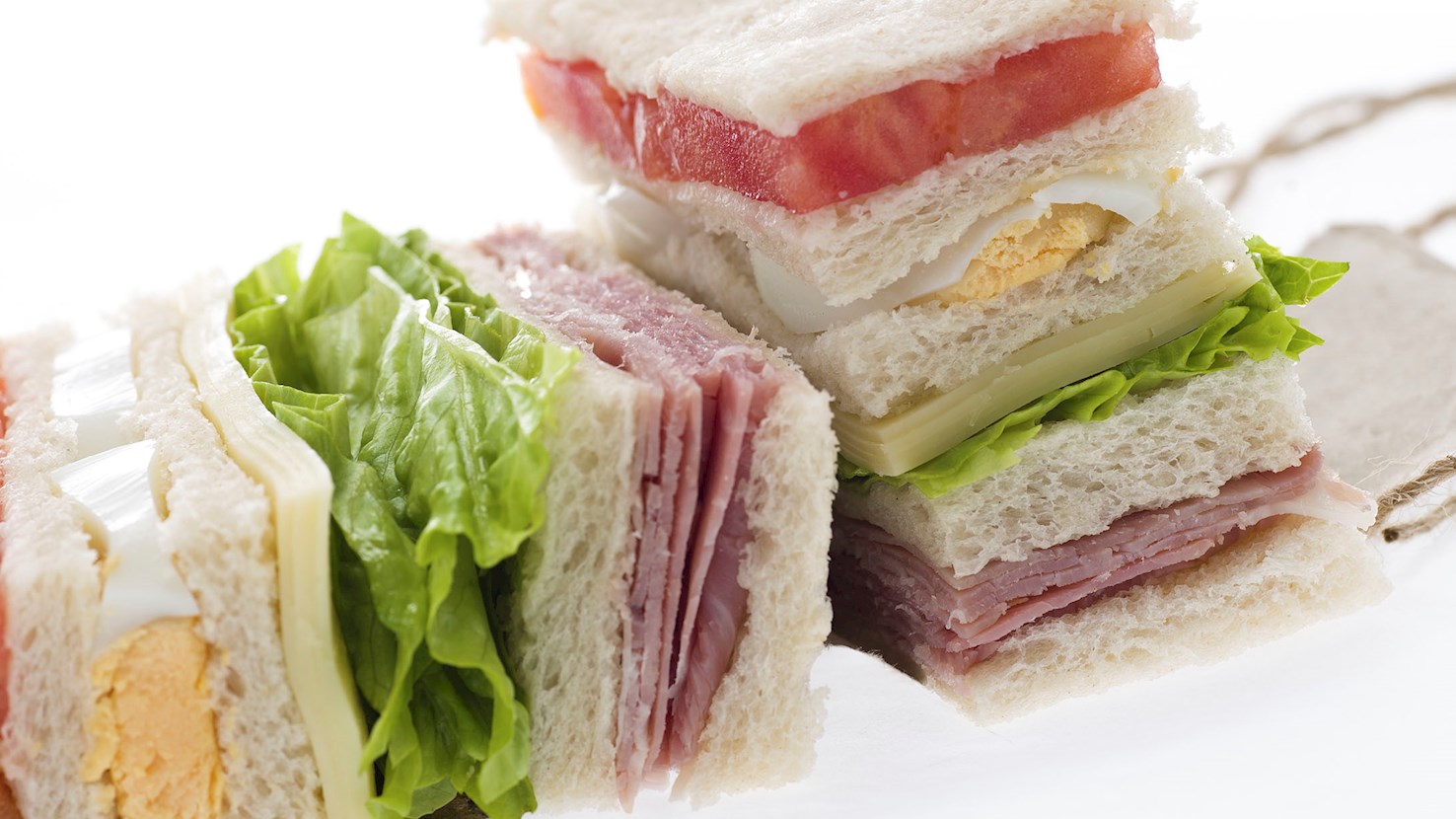
Sandwiches de miga

3.7 ·

Sandwiches de miga are prepared with crustless white bread, and they can consist of two or more bread slices per sandwich. It is believed that they developed under strong European influences, primarily British and Italian. The most common variety of the sandwich is made with mayonnaise, cheese, and ham, but there are no restrictions concerning the possible fillings. Although sandwiches de miga are usually consumed as an afternoon snack, they are also a staple at parties, celebrations, or family gatherings. A common variety is called a tostado – a toasted sandwich de miga that is traditionally served warm. It is believed that sandwiches de miga were created around 1900 in the Confitería Ideal in Buenos Aires, where British businessmen used to meet and eat these crustless sandwiches that reminded them of their home.

07

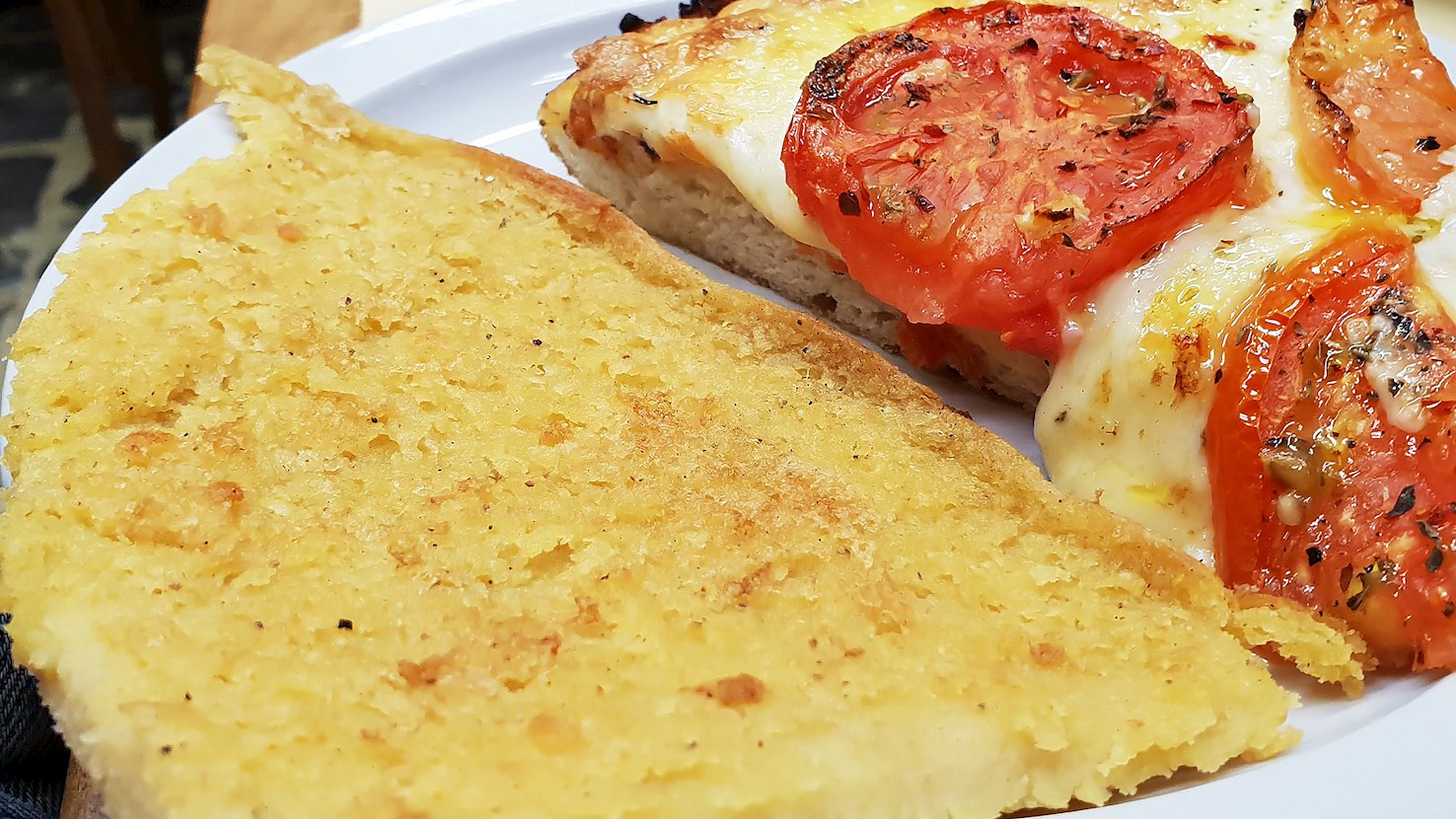
Fainá

3.7 ·

Fainá is a unique flatbread made with chickpea flour, black pepper, and lots of fresh herbs. It is extremely popular throughout Argentina and Uruguay. The most prevalent theory about its origin says that Genovese immigrants brought it to Buenos Aires and Montevideo in the early 20th century, and over time it became a popular food item in the country. Fainá is typically served as an accompaniment to pizza, in a way that pizza slices are topped with a piece of fainá. When paired this way, the dish is then known as pizza a caballo or horseback pizza.

Best restaurants
08

Garrapiñada

3.8 ·

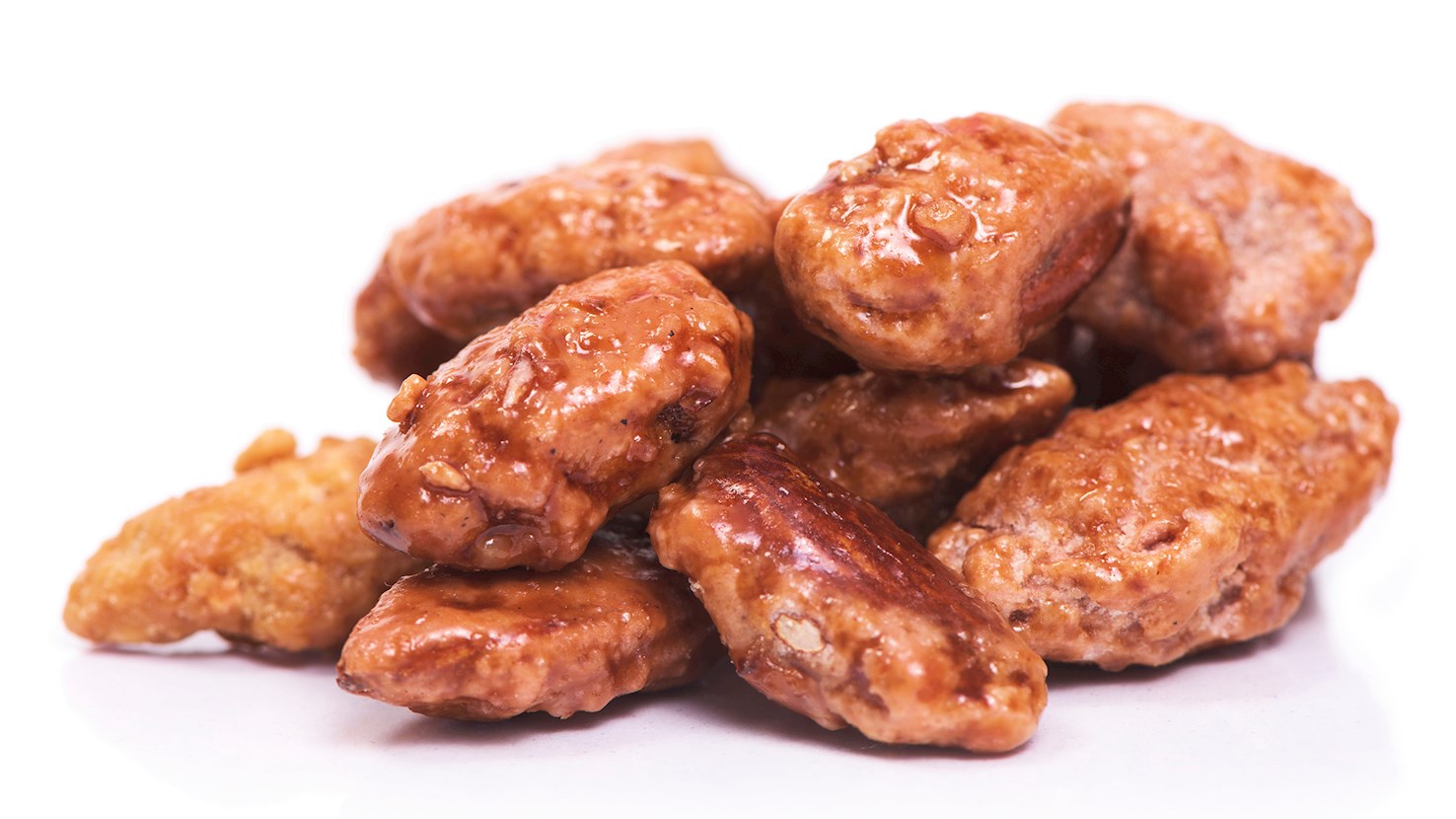
Garrapiñada is an Uruguayan and Argentinian street food item consisting of peanuts roasted in a combination of sugar, water, and vanilla essence. When the peanuts are completely coated and the syrup hardens, they are ready to eat. This treat can be found on the streets of Uruguay and Argentina, where it is sold by vendors called garrapiñeros. They put the peanuts in a small, long bag and hand it over to customers who then eat the peanuts on the go. Apart from peanuts, garrapiñada can also be made with almonds and walnuts.

09

Pancho

3.8 ·

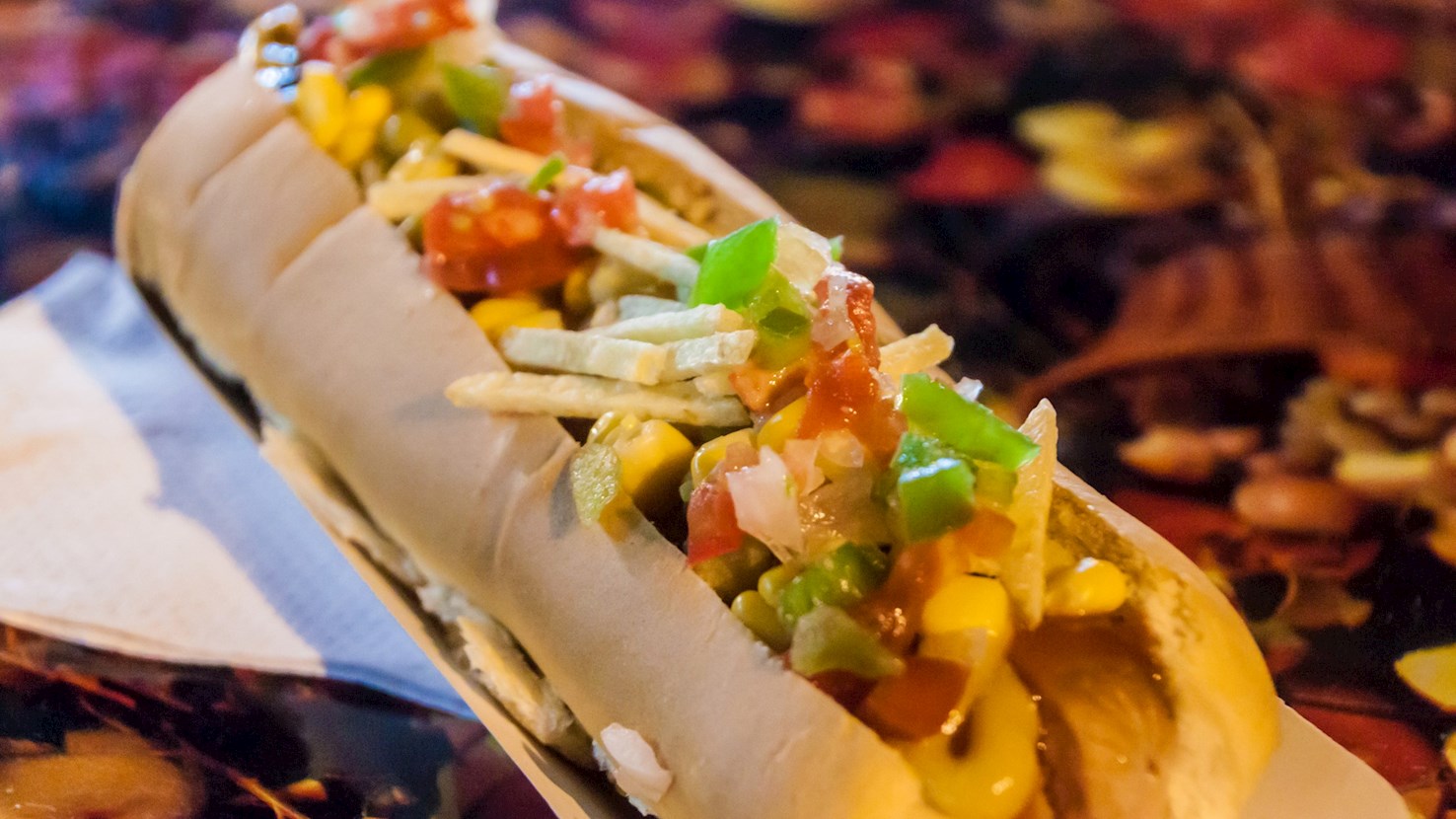
Pancho is an Uruguayan hot dog made with a sausage in a pan de Viena bun. The sausage often sticks out from the bun as it is usually longer than pan de Viena. Experts say that the pancho is all about the toppings, which vary depending on the region and vendors. Some of the favorite toppings include corn, mustard, cheese, onions, and salsa golf, which is a combination of mayonnaise and ketchup. If you're making pancho at home, it is recommended to serve it with a side of french fries.

Read more
View all
View map
About this ranking

TasteAtlas food rankings are based on the ratings of the TasteAtlas audience, with a series of mechanisms that recognize real users and that ignore bot, nationalist or local patriotic ratings, and give additional value to the ratings of users that the system recognizes as knowledgeable. For the “9 Worst Rated Uruguayan Foods” list until May 22, 2026, 3,797 ratings were recorded, of which 2,106 were recognized by the system as legitimate. TasteAtlas Rankings should not be seen as the final global conclusion about food. Their purpose is to promote excellent local foods, instill pride in traditional dishes, and arouse curiosity about dishes you haven’t tried.

Similar lists