






100 Worst Rated American Foods

Last updated on June 17, 2026
01

Ramen Burger

2.1 ·

Ramen burger is a unique variety of a hamburger consisting of a meat patty that is sandwiched between two fried ramen noodle buns. The meat patty is typically slathered in shoyu sauce and topped with arugula and scallions. The dish was created by Keizo Shimamoto, a ramen blogger, who debuted it in 2013 in Brooklyn. The ramen burger was so popular that it had been voted by Time Magazine as one of the 17 most influential burgers ever created.

02

Cookie Salad

2.2 ·

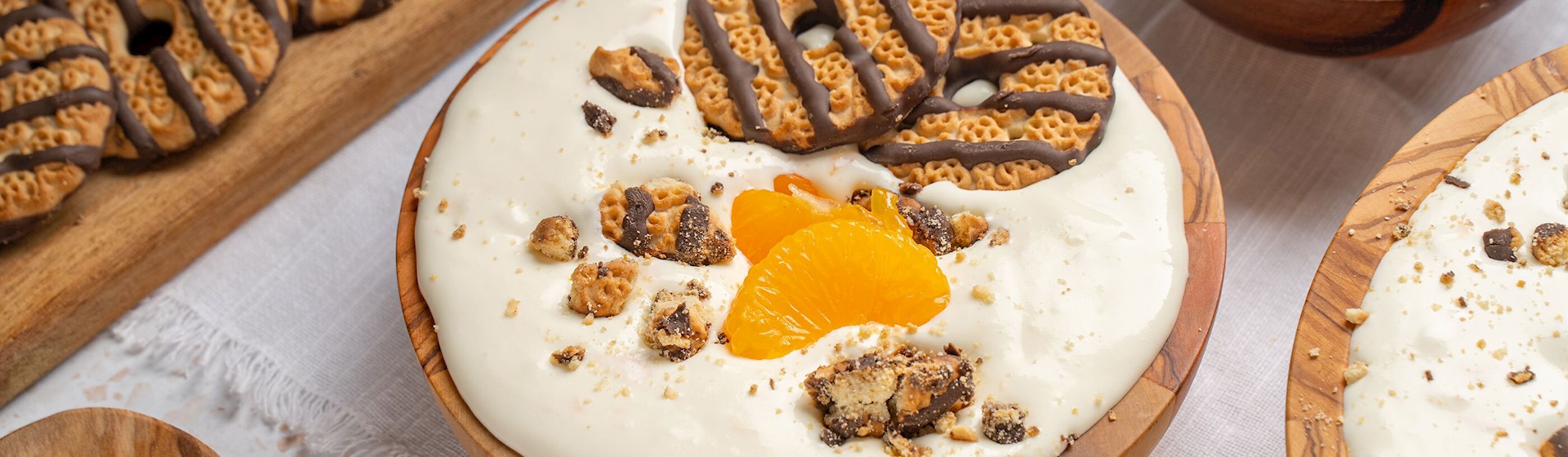
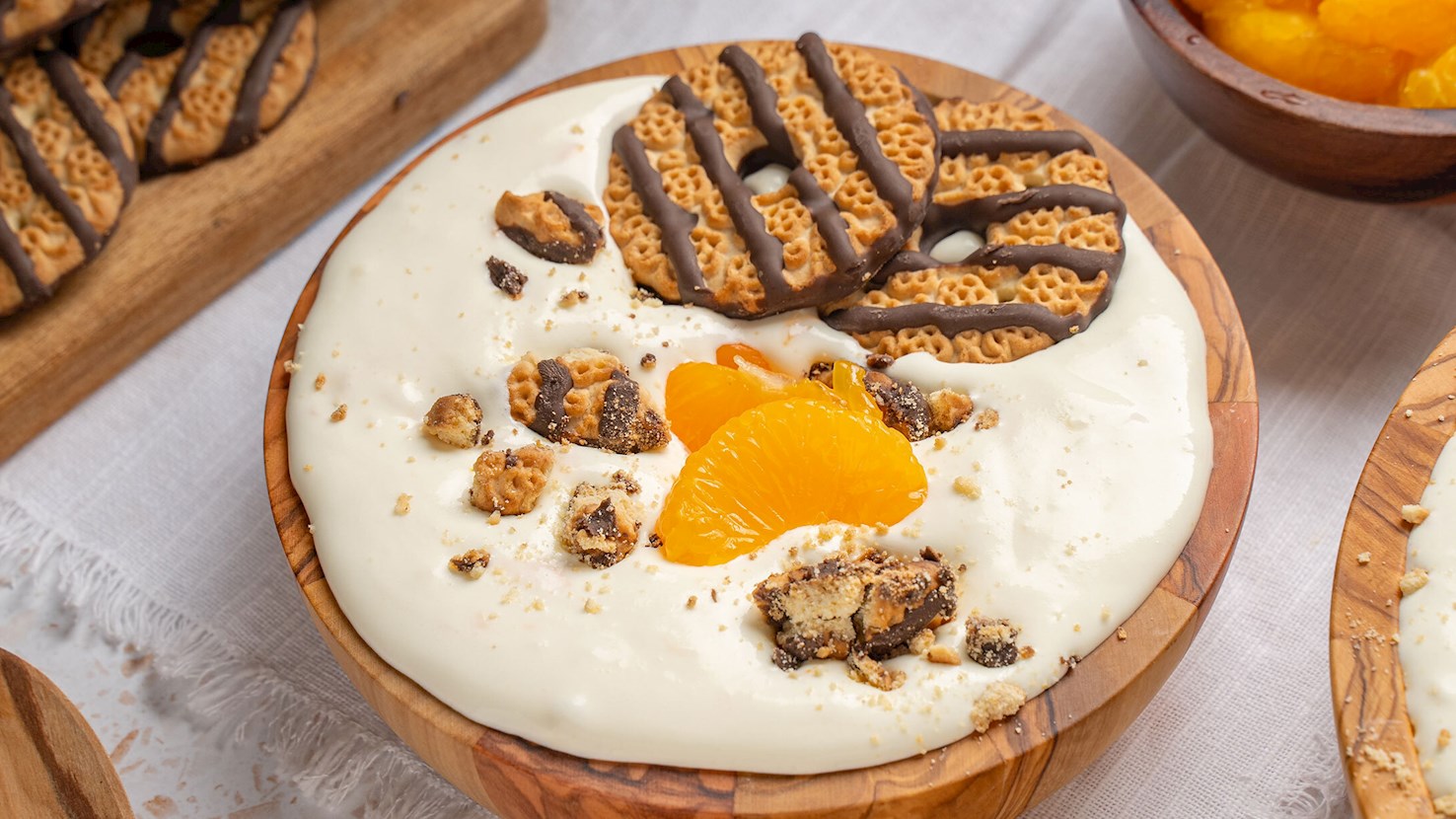
Originating from Minnesota, cookie salad is a simple dessert beloved by children made by combining fudge stripe shortbread cookies, buttermilk, vanilla pudding, whipped cream, and mandarin oranges. Additional ingredients may include berries, but Oreo cookies are strictly prohibited.

03

Glorified Rice

2.2 ·

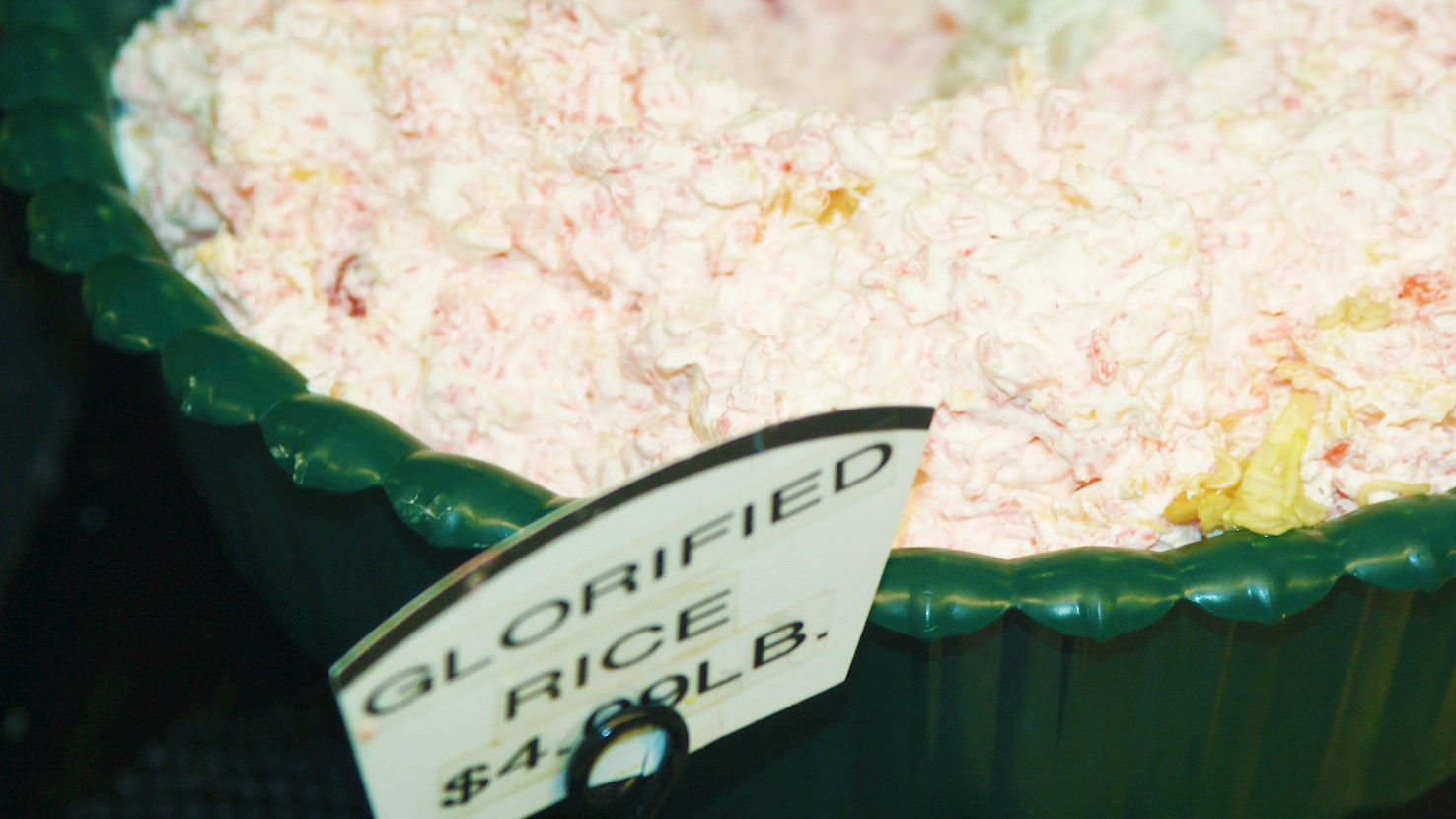
Glorified rice is an American Midwestern dessert consisting of rice, canned pineapple chunks, and whipped cream. The dish is traditionally garnished with a few maraschino cherries on top. Purists claim that the rice should always be cooked in cream in order to develop a tender, melting texture. The dessert was at its most popular from the 1930s to the 1950s, with numerous variations and additions such as bananas, apples, nuts, and gelatin. Today, glorified rice is mostly popular in rural Midwestern areas, and can often be found at church gatherings and potluck dinners.

04

Frog Eye Salad

2.3 ·

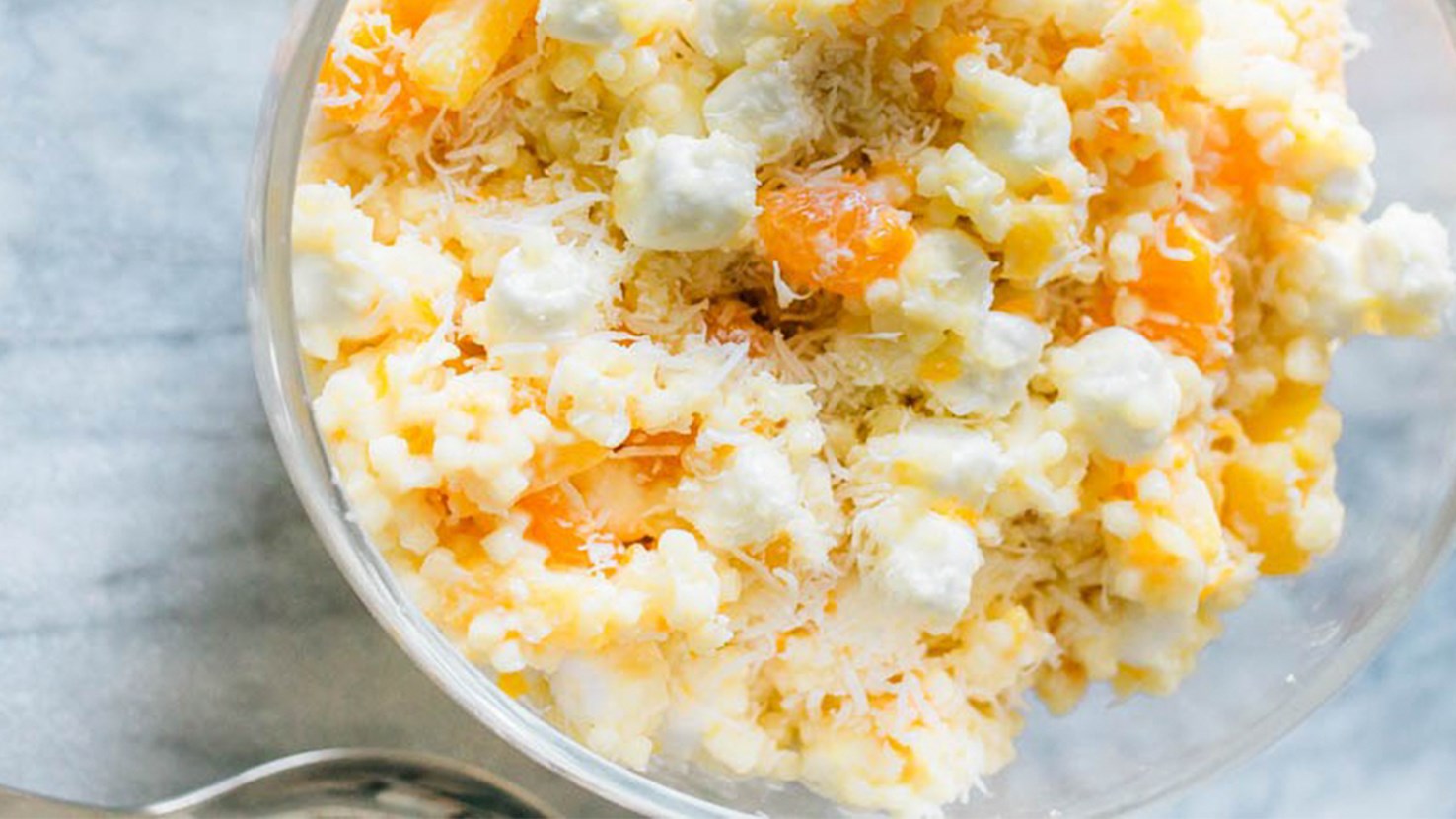
Frog eye salad is a flavorful concoction made with the ball-shaped acini di pepe pasta, egg yolks, and a whipped cream topping that can sometimes be enriched with the addition of pineapple pieces, shredded coconut, mandarin oranges, or marshmallows. This crossover between a pasta salad and a fruit salad is especially popular in Utah, where it is a staple at potlucks.

05

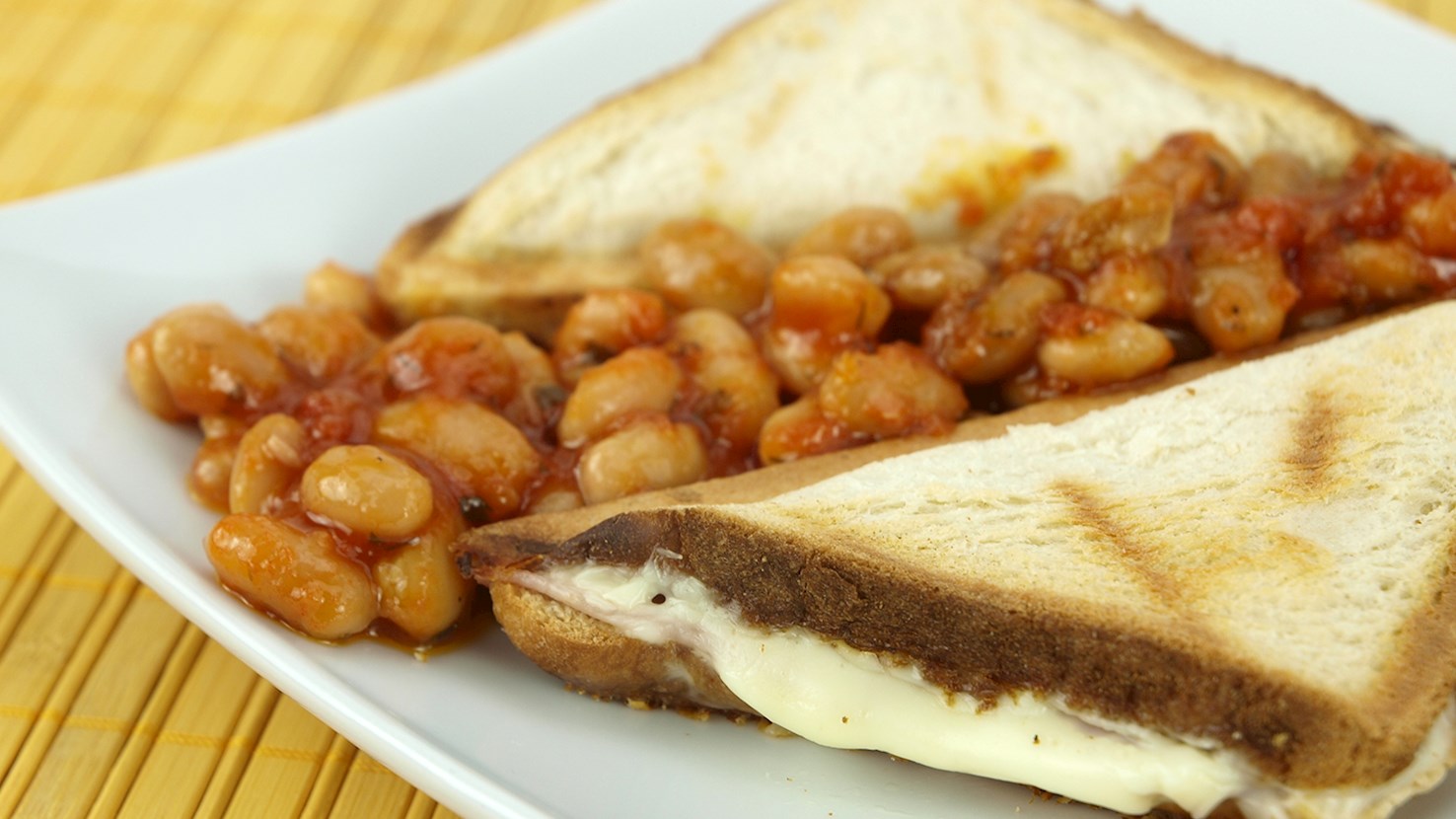
Baked Bean Sandwich

2.3 ·

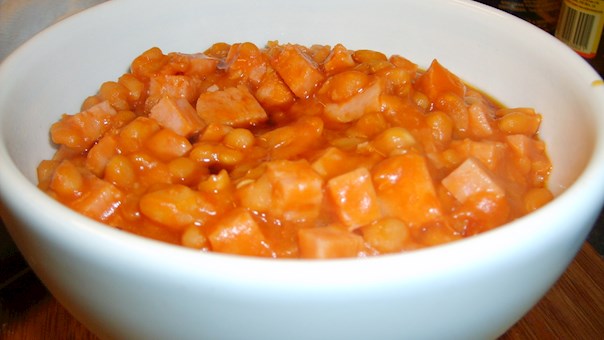
Baked bean sandwich is a traditional sandwich originating from New England. It consists of two slices of thick and chewy brown bread that are buttered and topped with Boston baked beans. This bean mixture is typically made with molasses and sugar. The earliest recipe for baked bean sandwiches dates back to 1909, as Pilgrims, who didn't believe in cooking on Sundays, made large quantities of baked beans and baked loaves of brown bread on Saturdays. Nowadays, the sandwich is often served with piccalilli, a relish consisting of pickled vegetables and spices.

06

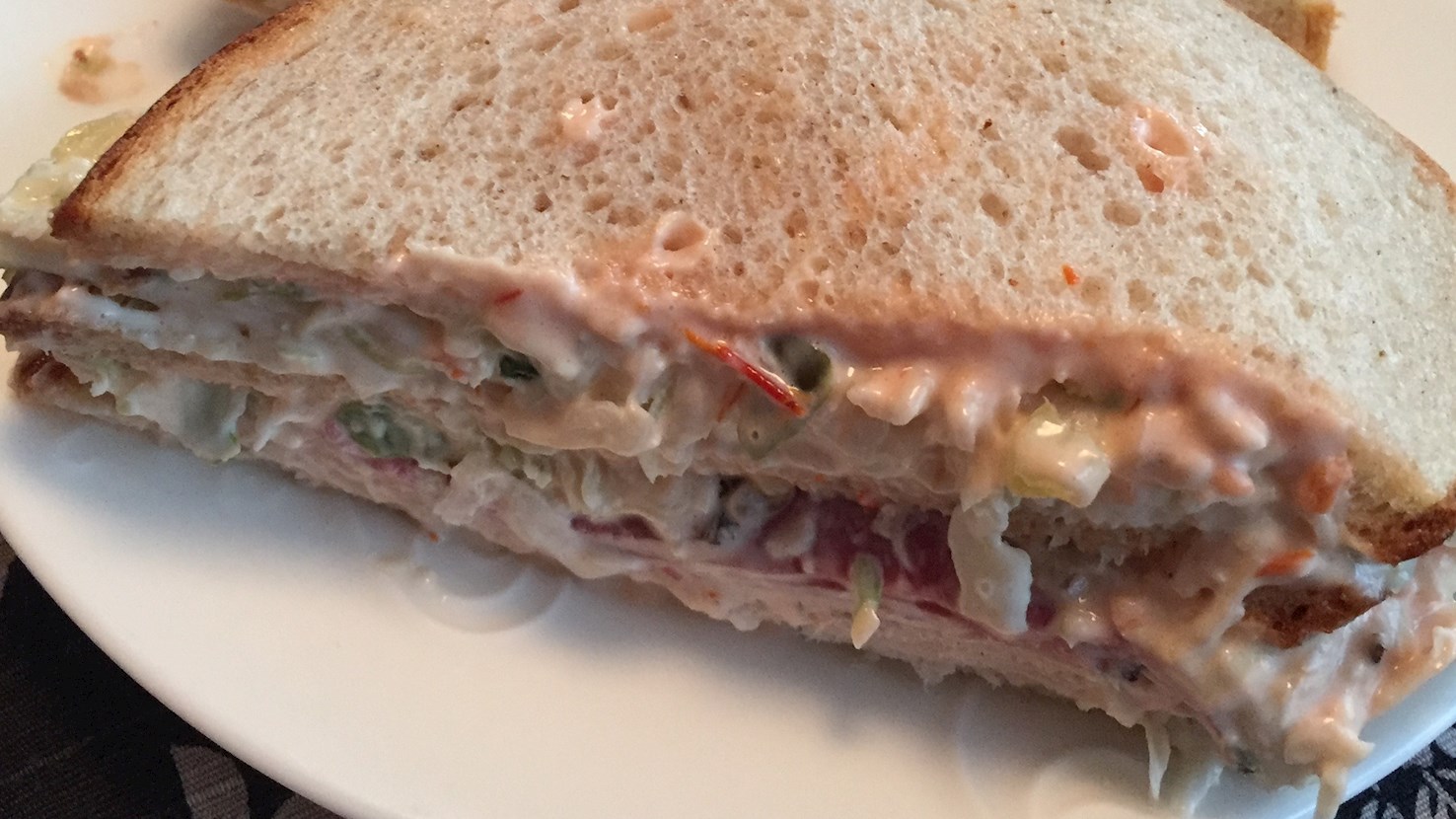
New Jersey Sloppy Joe

2.3 ·

In New Jersey, the term sloppy Joe does not refer to the popular sandwich filled with ground beef and tomato sauce. This deli classic was invented in Town Hall Delicatessen in South Orange, New Jersey, and the double-decker rye bread sandwich typically contains two types of sliced deli meat, Swiss cheese, coleslaw, and Russian dressing. Although it might not be the best sandwich to eat on-the-go, locals say that "it’s a neat type of sloppiness."

07

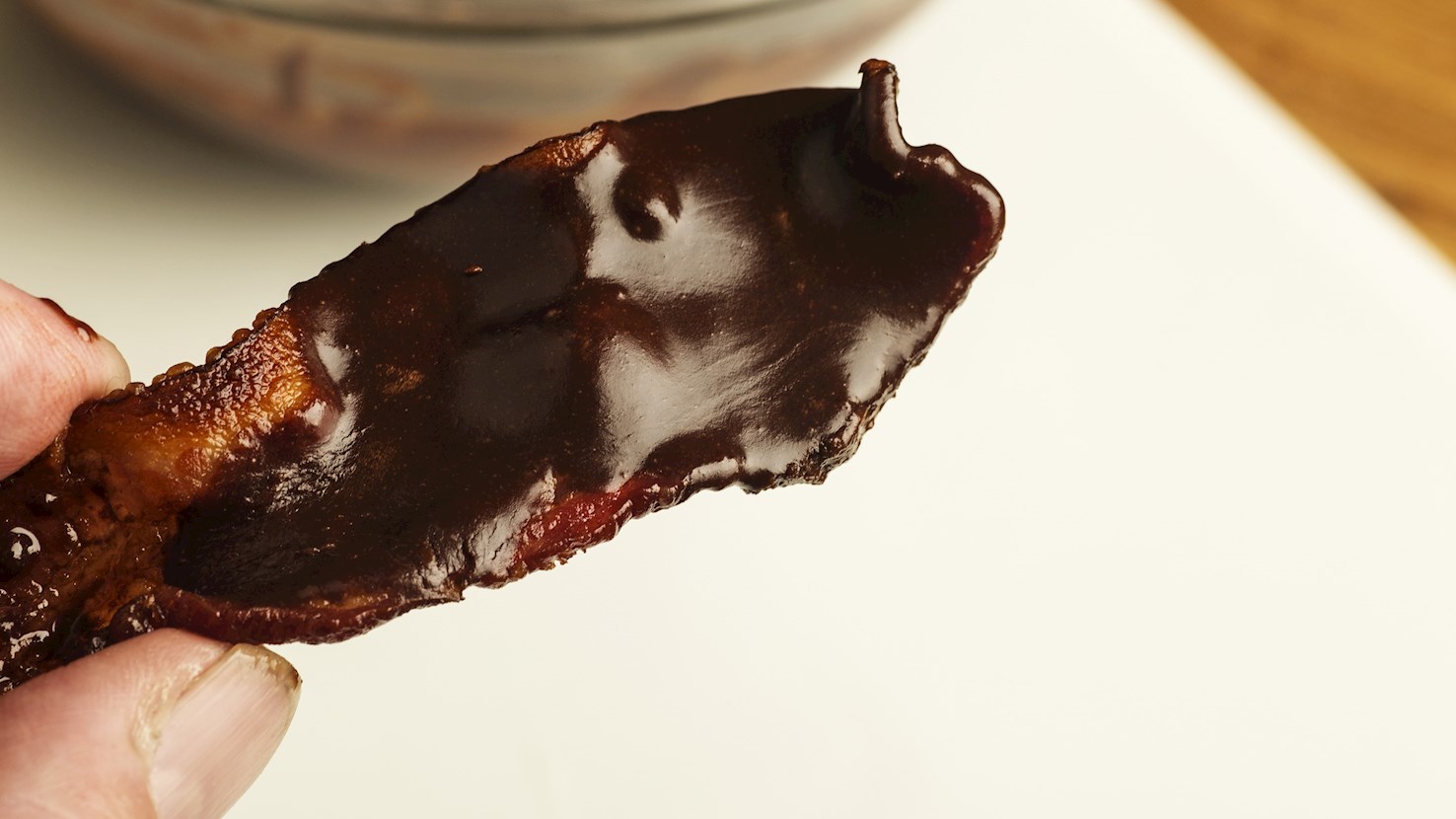
Chocolate-Covered Bacon

2.7 ·

This unusual American specialty consists of bacon strips that are cooked until barely crispy, dipped in chocolate, then left to cool until the chocolate coating hardens. The earliest mentions of this sweet and savory snack date back to 2005, but it is still unknown who had created it. Some suggest a state fair in Minnesota, while others claim that it is was invented in Marini's Candy in Santa Cruz, California. The snack gained huge popularity when it was featured on Food Network's show called Dinner: Impossible, and nowadays it can often be found at numerous state fairs throughout the country.

08

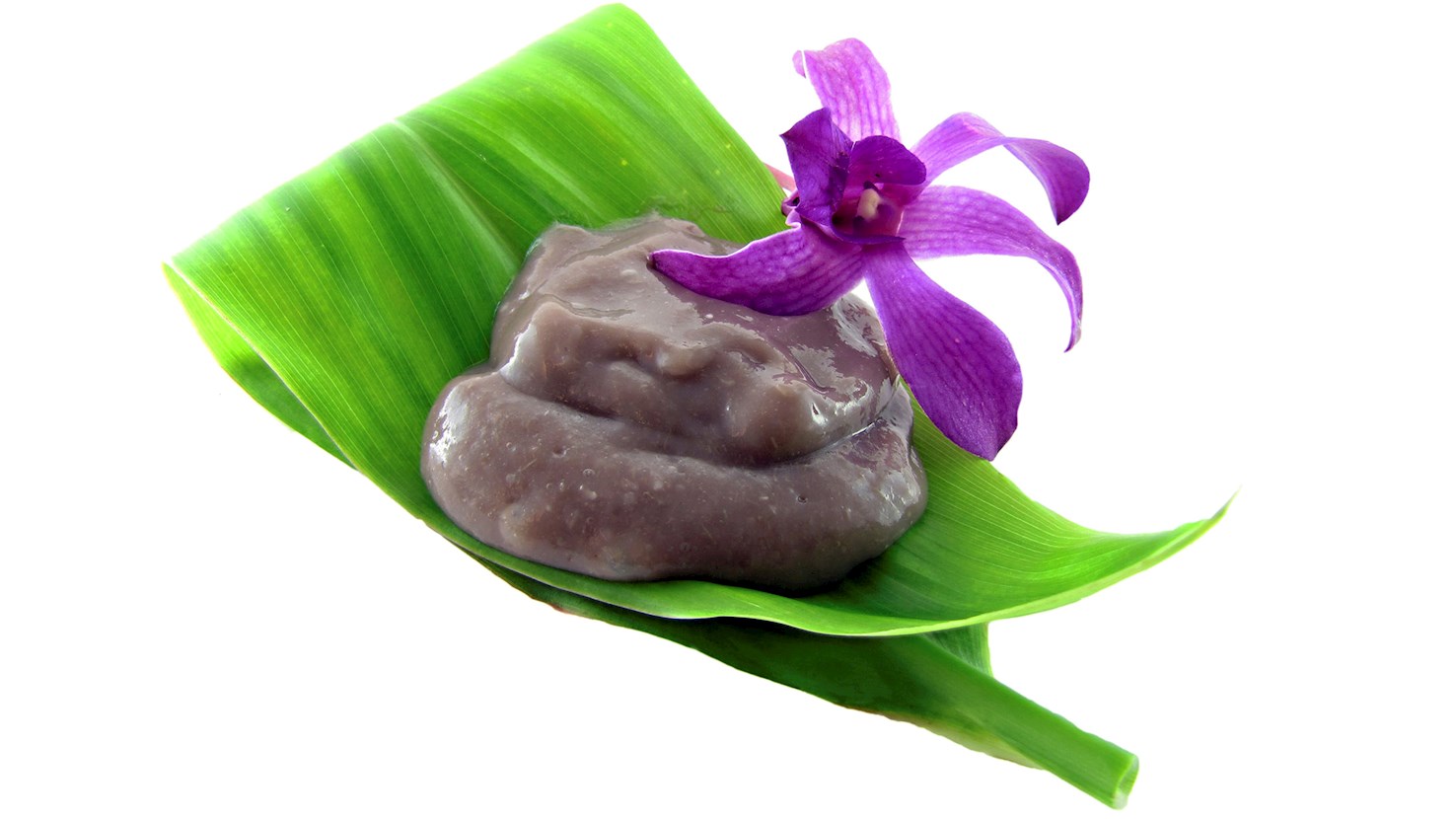
Poi

2.6 ·

Poi is a traditional Hawaiian food, a nutritious, starchy dish made from the taro plant, prepared by smashing the cooked corm (underground plant stem) and adding water to it until it becomes a thick, sticky paste that is purple in color. It stimulates weight loss, lowers cholesterol, is a great source of vitamin B and calcium, and it has low fat and protein content. The taro plant was brought to Hawaii by the Polynesians in the year 450, and it is one of the oldest crops on Hawaii. Since taro is associated with the god Kane, creator of water, sun, and life - poi became a sacred part of Hawaiian life. When poi was served at the table, the consumers were forbidden from arguing, as a symbol of respect to its sacredness. Some like it thinner, some thicker, and it can be eaten immediately, when it is fresh and sweet, or when it has been left to sit a bit longer to ferment and lose some of the sweetness. It may be eaten for breakfast, on bread or buns, but it is traditionally paired with fish.

09

Spaghetti Pie

2.6 ·

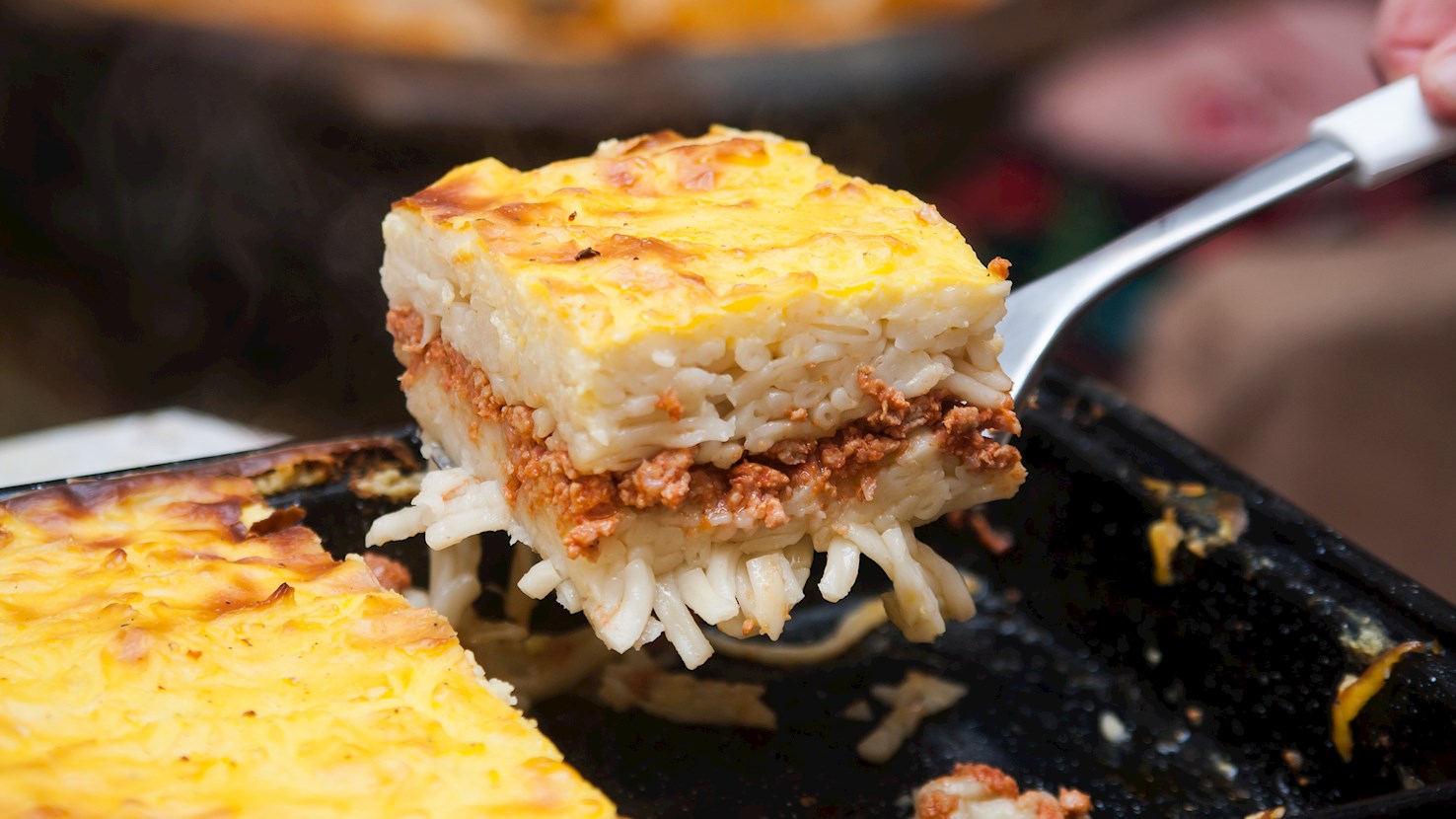
Spaghetti pie is a traditional pie originating from Colorado. Although it’s often dubbed the most iconic pie of Colorado, spaghetti pie is savory and not sweet, like most other iconic state pies. It’s made with a combination of spaghetti, ground beef, onions, tomatoes, bell peppers, butter, beaten eggs, and cheese such as mozzarella, ricotta, or parmesan. Parsley, basil, and oregano are often added to elevate the flavors. Once assembled, this savory pie is topped with cheese and baked in the oven until the cheese melts and the pasta becomes golden brown.

10

Quad City-Style Pizza

2.7 ·

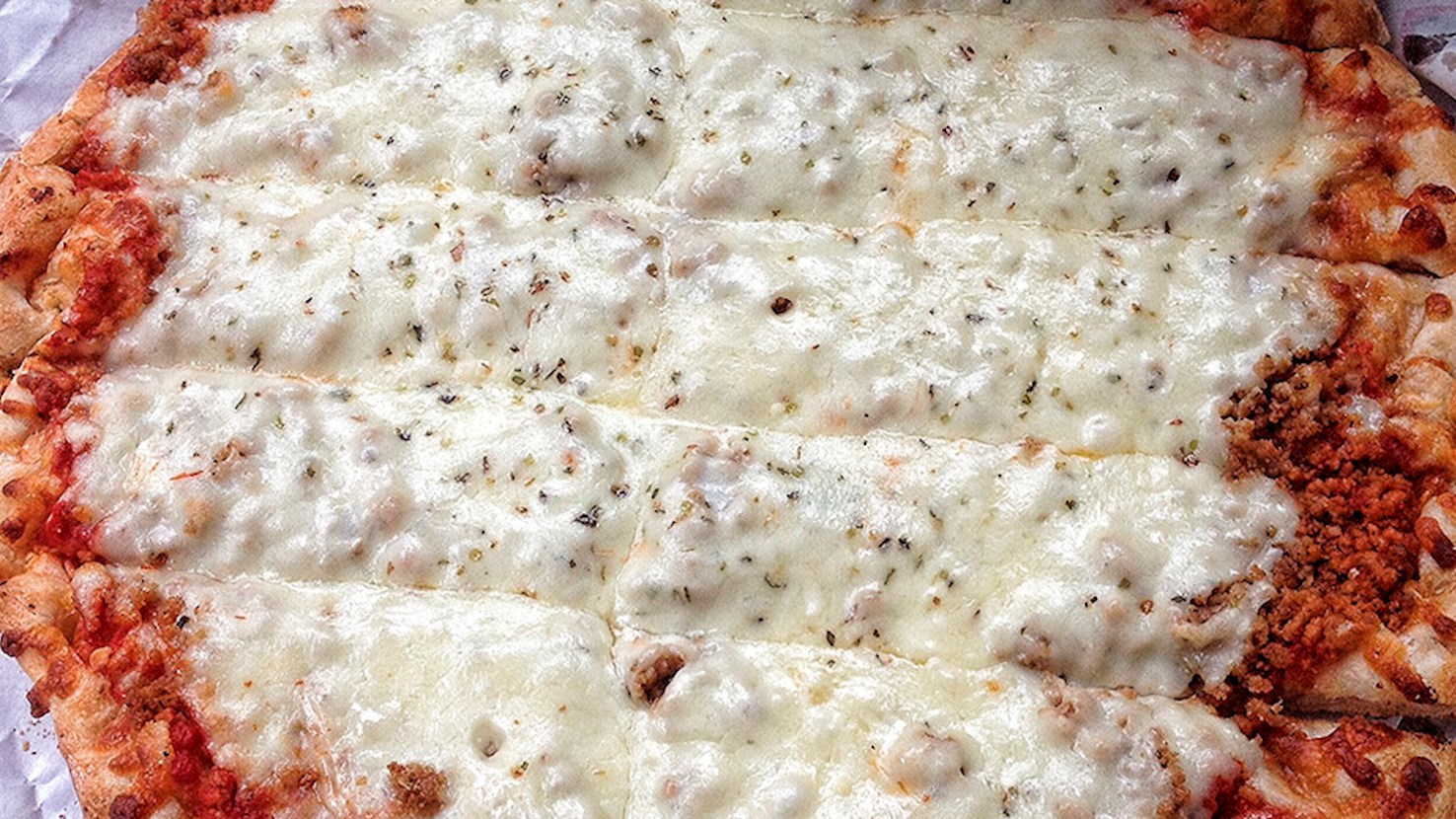
This unique pizza style originates from the Quad Cities region of Iowa and Illinois and is characterized by an unusual strip cut and a slightly spicy sauce. The crust has a nutty taste due to a generous amount of malt syrup, and the sauce contains chili and cayenne pepper flakes. The pork sausage used for the topping should be cooked and allowed to rest in its juices for several hours before being spread over the entire pizza. Due to its malt-enriched crust, this dish naturally pairs well with beer.

Read more
View all
View map
About this ranking

TasteAtlas food rankings are based on the ratings of the TasteAtlas audience, with a series of mechanisms that recognize real users and that ignore bot, nationalist or local patriotic ratings, and give additional value to the ratings of users that the system recognizes as knowledgeable. For the “100 Worst Rated American Foods” list until June 17, 2026, 68,530 ratings were recorded, of which 62,506 were recognized by the system as legitimate. TasteAtlas Rankings should not be seen as the final global conclusion about food. Their purpose is to promote excellent local foods, instill pride in traditional dishes, and arouse curiosity about dishes you haven’t tried.

Similar lists