

19 Worst Rated Venetian Foods

Last updated on October 17, 2026
01

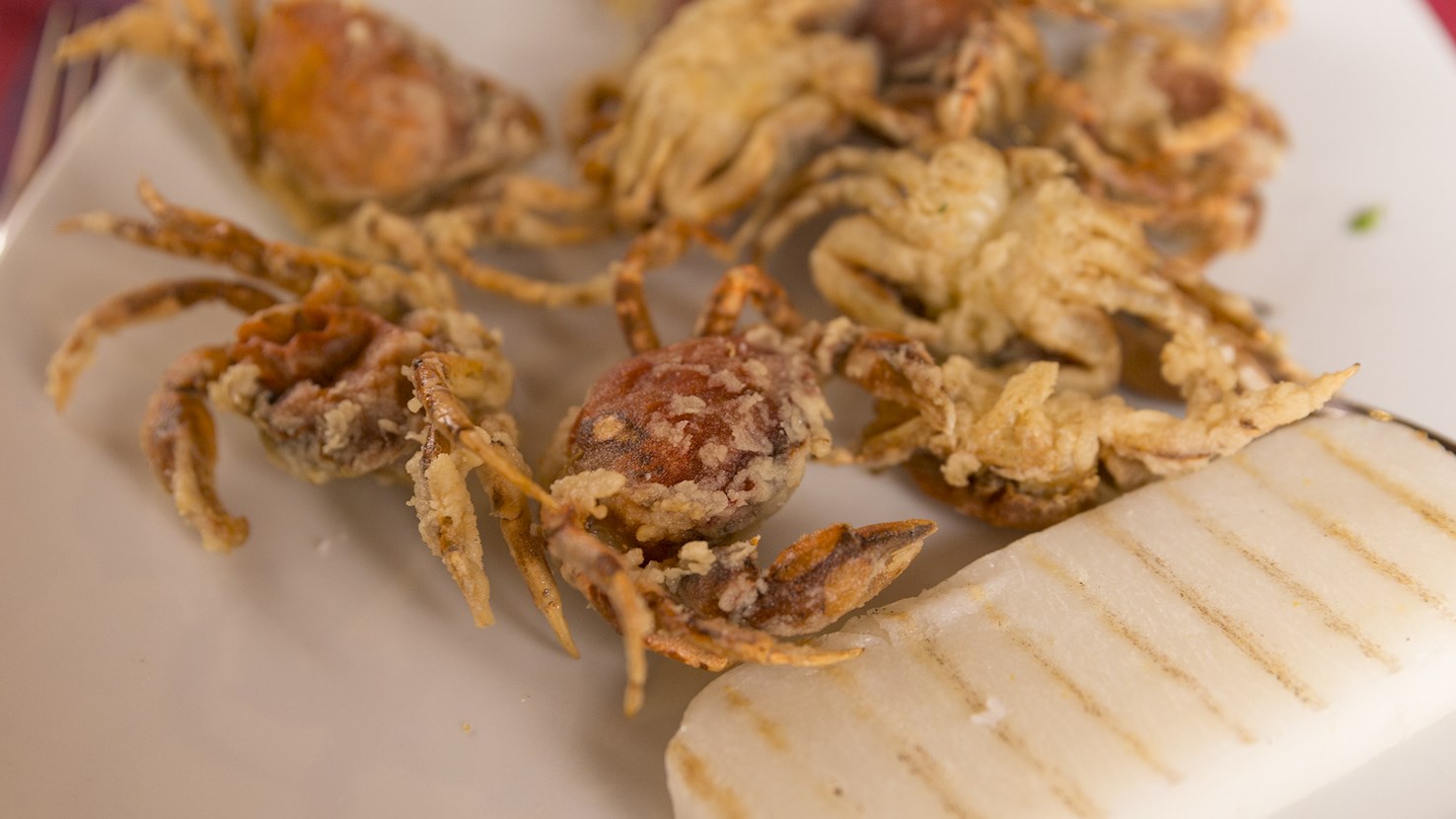
Moeche

2.9 ·

Moeche or moleche is a traditional dish hailing from Venice. This seasonal dish consists of soft shelled crabs – both males and females shed their old shells in the spring, but only the males moult in the fall. There's only a few hours from when the crabs shed their hard shells and before the new shell hardens when it contacts the water. Enter the molecanti, local moeche fishermen who are experts at harvesting these crabs and can identify which crabs are about to molt and which not. The crabs are washed, dipped in eggs and flour, then fried until golden brown. They are traditionally served with a lemon wedge and polenta on the side. For the best experience, stroll down the Rialto market and grab the moeche in one hand and a glass of prosecco in the other.

02

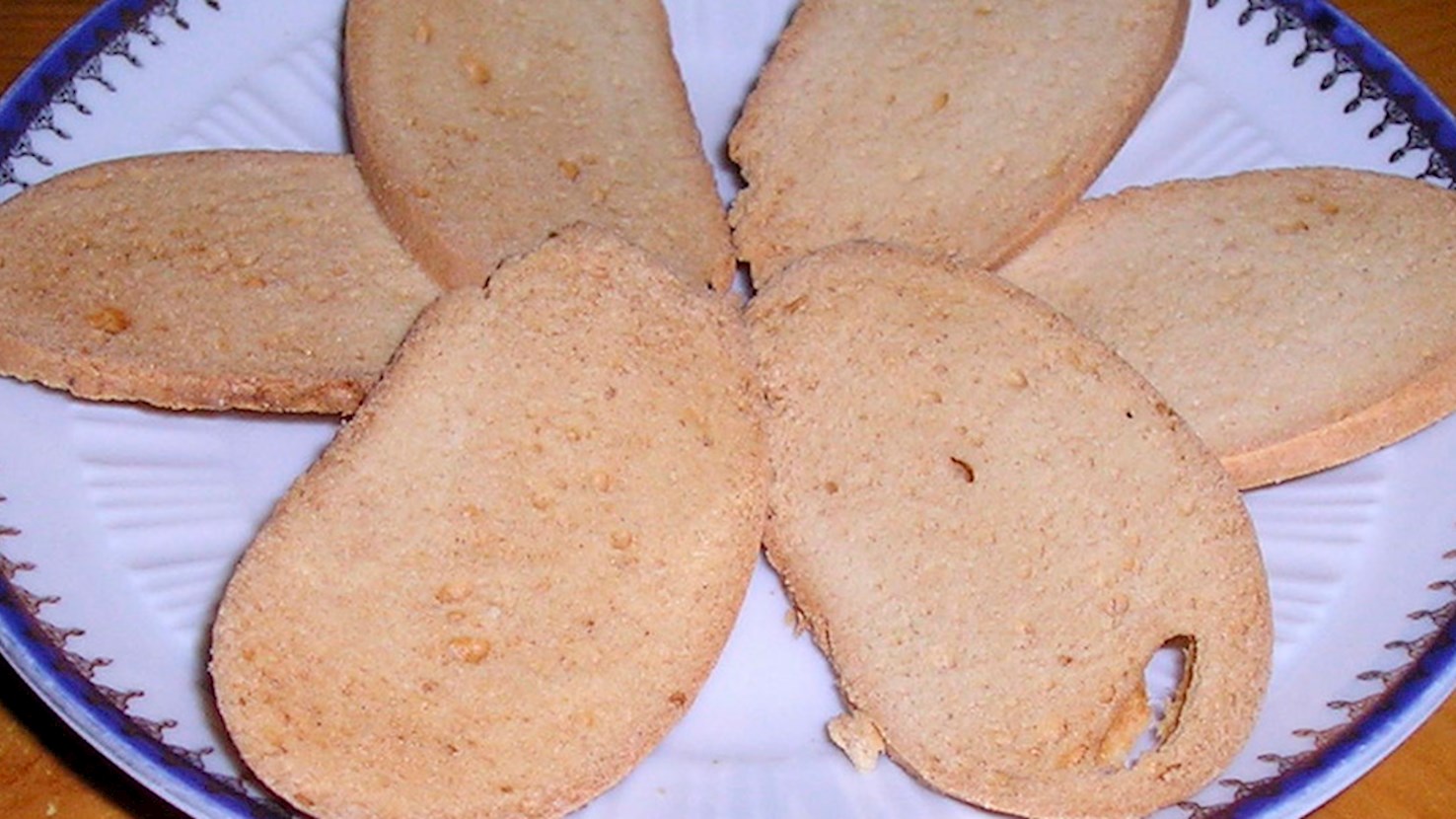
Baicoli

2.9 ·

Invented in the 18th century by a Venetian baker, baicoli are small, slightly sweet biscotti consisting of flour, butter, sugar, yeast, egg whites, milk, and a pinch of salt. The name baicoli, meaning sea bass, refers to the shape of these cookies, which is similar to that of a small sea bass, elongated and slightly flattened. Due to their prolonged shelf life, baicoli were also a staple on numerous boats and war ships. Today, they are most often served with coffee and a light, foamy dessert known as zabaglione.

03

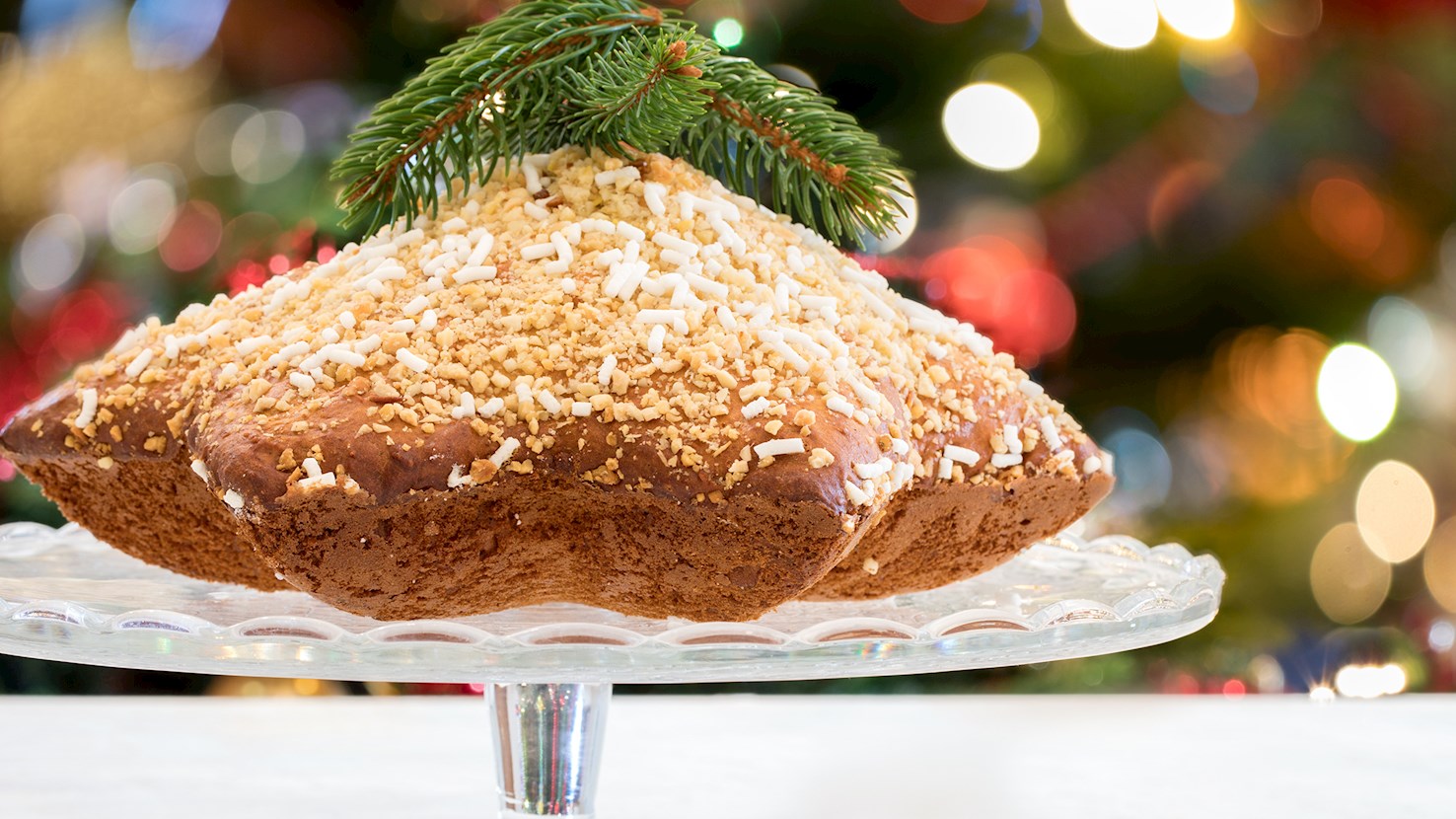
Nadalin

2.9 ·

This classic Italian dessert was invented in the 13th century to celebrate the first Christmas in Verona under the Scala family, a dynasty that ruled the city for over a century. Nadalin is the ancestor of the more famous pandoro, but despite having similar ingredients, it is less buttery, sweeter, and has a denser texture. Though both breads are emblematic of Verona’s cuisine, many locals prefer nadalin, which received a municipal designation of origin in 2012. Just like many other Italian Christmas breads, the dough is flavored with vanilla and lemon zest. But what sets nadalin apart is its crunchy top crust made from granulated sugar, marsala wine, almonds, and pine nuts.

04

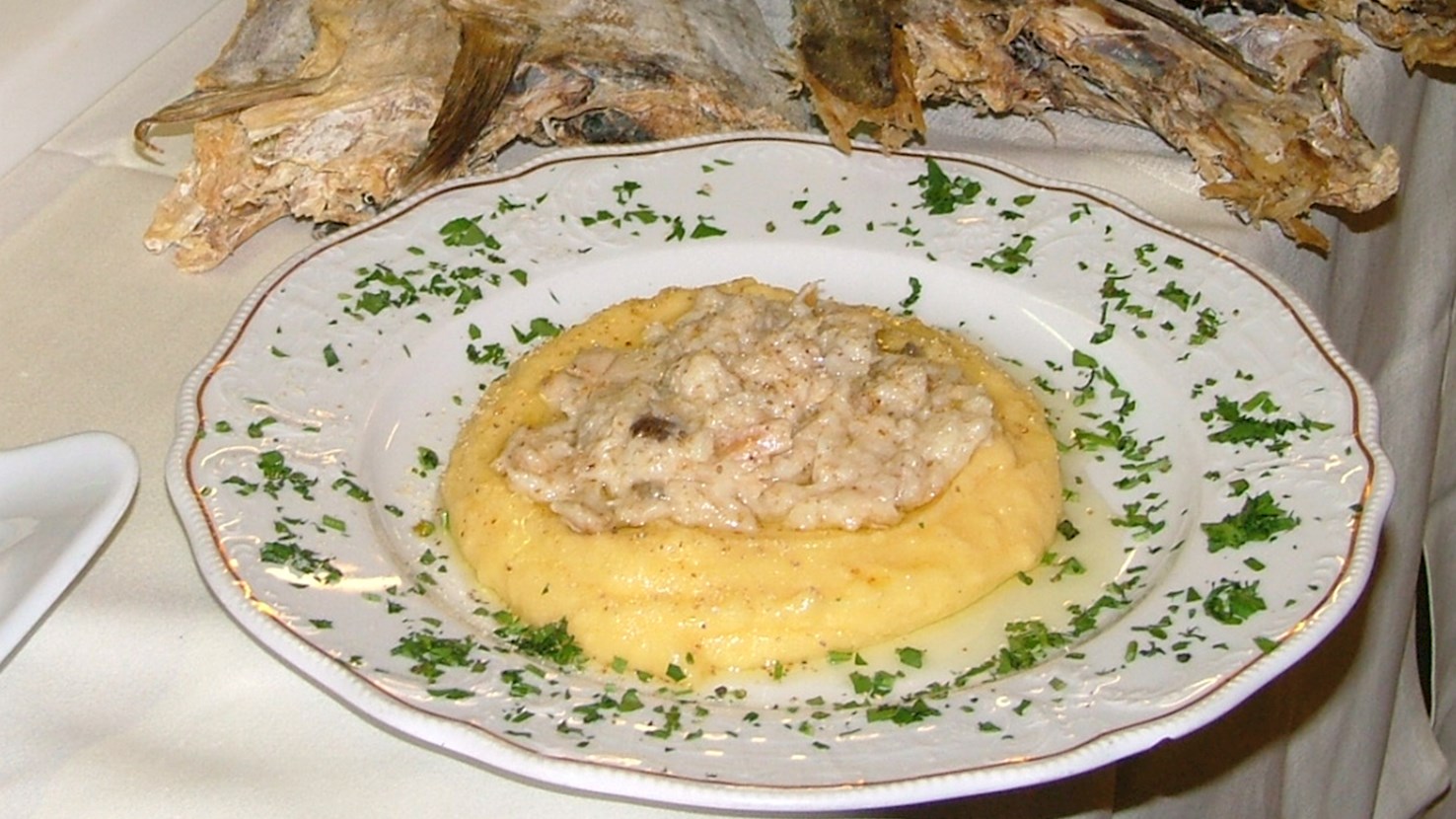
Baccalà alla Vicentina

3.1 ·

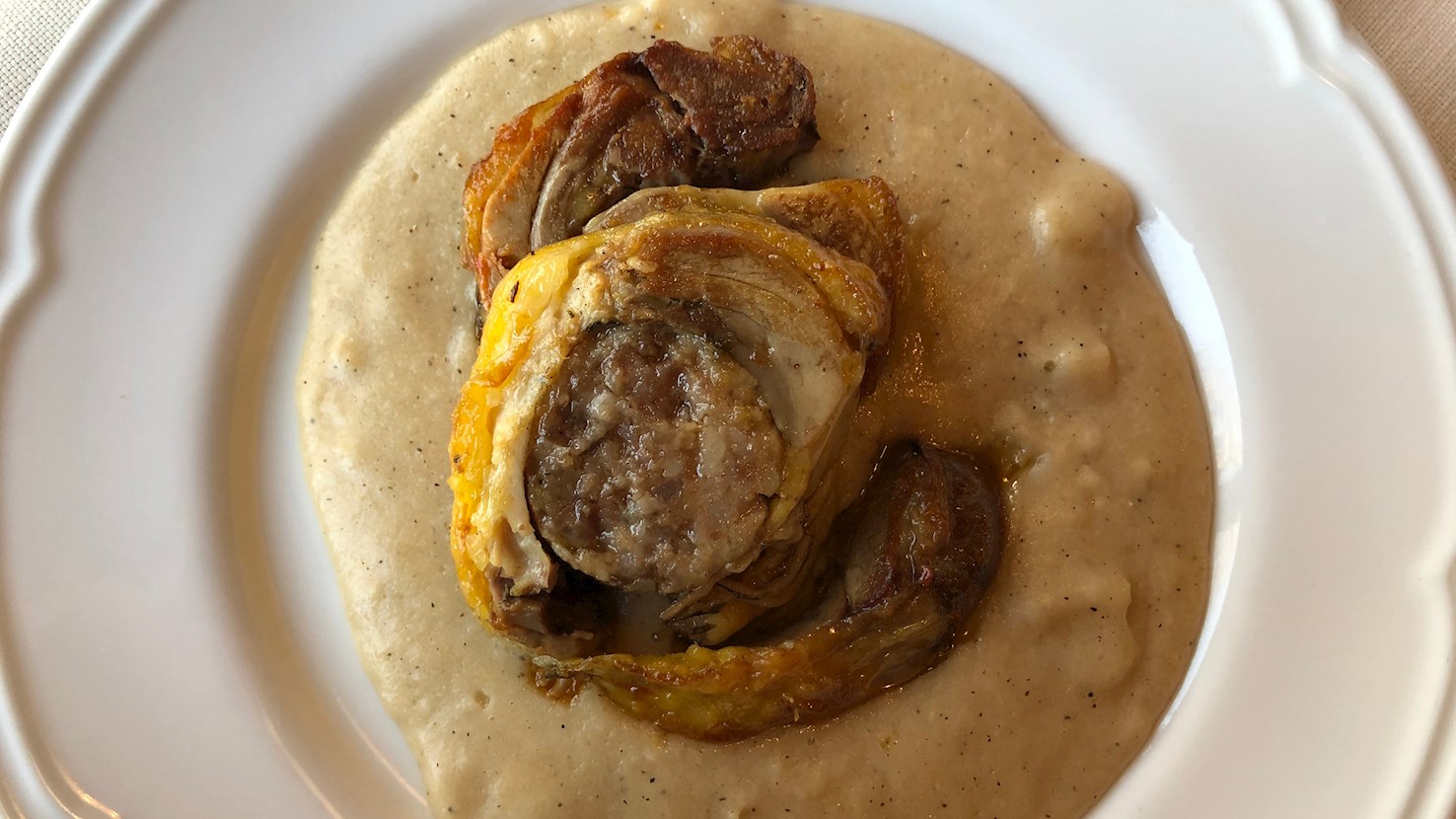
The famed signature dish of Vicenza, baccalà alla Vicentina is made with stoccafisso (lit. stockfish), which refers to a cod that is not salted but air-dried until almost rock-hard, and requires several days of soaking before being cooked. Stockfish was first introduced to the region back in 1432 by Pietro Querini, a Venetian merchant whose ship wrecked off the coast of Norway. The crew was saved, reaching the island of Røst where stockfish was very common, so the merchants brought some of this peculiar dried fish back home to Vicenza. The Venetians embraced this new ingredient as an alternative to the expensive and easily perishable fresh fish and eventually came up with their own recipe: codfish Vicenza-style, slowly simmered in milk flavored with a savory soffritto base of garlic, onions, and anchovies. Over the long cooking hours, stockfish meat becomes amazingly tender, while milk tends to soften the typical strong taste and aroma of dried cod. Baccalà alla Vicentina is traditionally served over soft polenta and it is recommended to pair it with local white wines such as Soave.

05

Pinza Veneta

3.1 ·

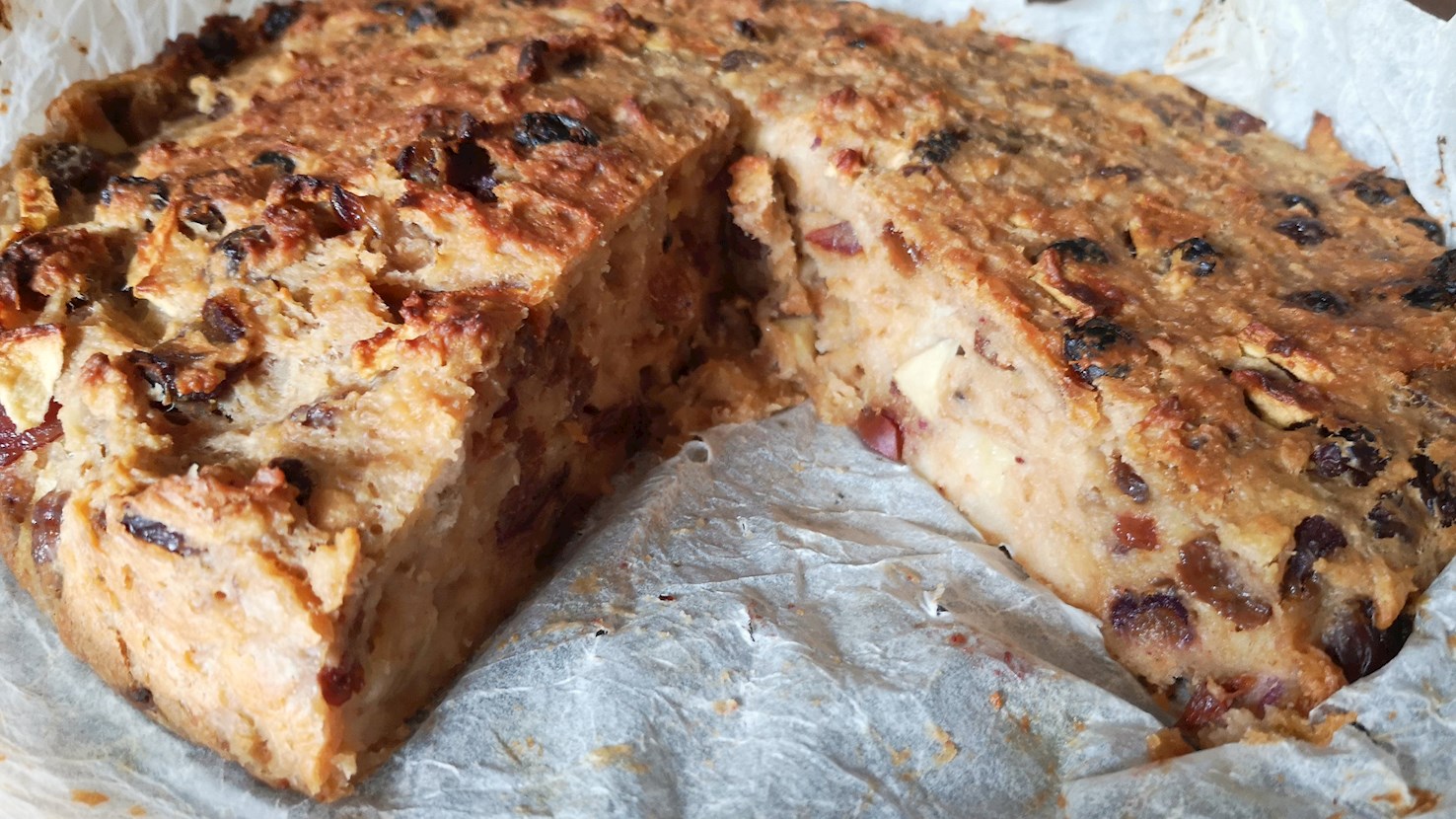
Pinza Veneta is a traditional cake originating from the Veneto region. It's made with a combination of polenta flour, plain flour, raisins, figs, apples, orange zest, grappa, butter, sugar, yeast, and fennel seeds. The mixture is placed onto a baking tray, then baked until golden brown. This rustic cake is traditionally prepared for Epiphany (the 6th of January). It's recommended to serve it with a glass of dessert wine.

06

Prosciutto e fichi

3.3 ·

Prosciutto e fichi is an Italian appetizer consisting of only two ingredients – figs and prosciutto crudo. The dish is especially popular in August in the region of Veneto. Good figs should be supple, jammy, and a little bit squishy, oozing their nectar from the base. One of the best varieties for this appetizer is called settembrini – green, small, soft, and extremely sweet figs that are in season in late August and early September. The figs are divided into quarters and then a few slices of prosciutto crudo are rolled and placed onto each fig. This appetizer is often served with crusty bread on the side.

07

Lasagne al radicchio

3.3 ·

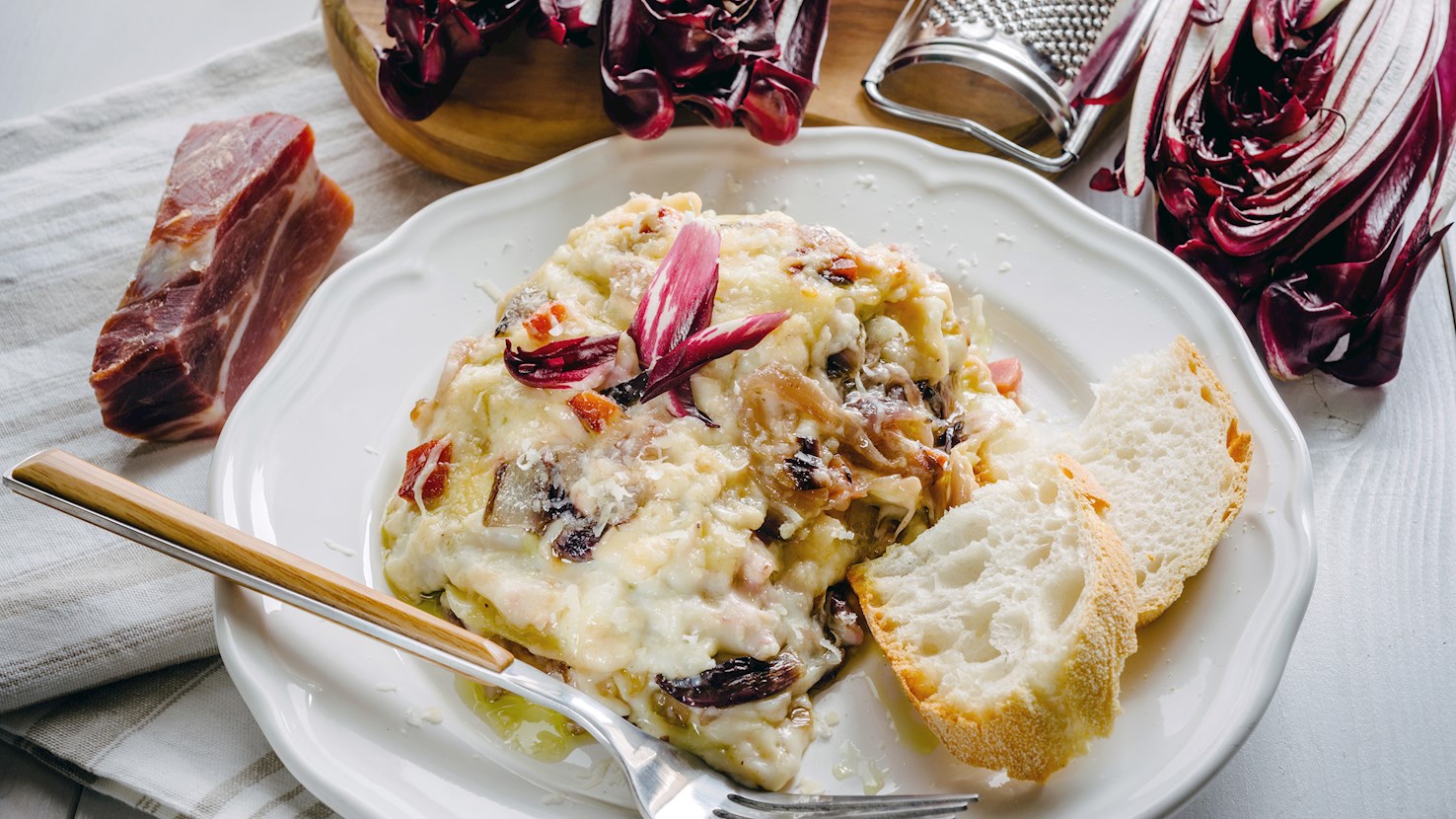
Lasagne al radicchio is a traditional variety of lasagne made with radicchio as the key ingredient. This type of lasagna is associated with northeastern Italy, and radicchio di Treviso, with its long shape, is the most common type of radicchio used in this lasagna variety. In Veneto, the dish is also called pasticcio di radicchio. There are many variations on radicchio lasagne – besides the crucial ingredients to make the dish such as lasagna sheets, béchamel sauce, salt, pepper, and often some garlic and parmesan, there are varieties made with the addition of salsiccia sausage, walnuts, speck, and cheeses such as Piave, Gorgonzola, Scamorza, and Fontina. Once assembled, radicchio lasagne are baked in the oven until golden and bubbling, and the dish is then ready to be enjoyed.

08

Radicchio rosso alla Trevisana (Grilled Radicchio)

3.4 ·

Radicchio rosso alla Trevisana is a traditional dish originating from Treviso. It's made with a few simple ingredients – the red radicchio from Treviso (radicchio rosso di Treviso), olive oil, salt, and black pepper. The heads are cut into quarters, washed, dried, then placed in the grill pan. The radicchio is drizzled with olive oil and seasoned with salt and pepper, then cooked under the hot grill while being turned as it cooks so that it doesn't burn. The radicchio is served on a plate and the juices from the pan are spooned over it. Some cooks like to drizzle the grilled radicchio with a sweet and sour condiment called agrodolce. The dish can be served warm or cold, and if the red radicchio from Treviso is unavailable, it can be replaced with radicchio di Chioggia.

09

Capelonghe veneziane (Venetian-Style Razor Clams)

3.4 ·

Capelonghe veneziane is a traditional Venetian way of preparing razor clams. The dish is made with a combination of razor clams (capelonghe or cannolicchi), olive oil, parsley, salt, and black pepper. The razor clams are washed, soaked in cold salted water in order to remove the sand, and then cooked in olive oil until they open. When they open, the razor clams are removed from the pan, while the cooking juices are strained to remove leftover sand. The strained liquid is mixed with olive oil, pepper, and parsley, and the dressing is then poured over the razor clams before serving. Razor clams can also be baked in the oven and dressed the same way. Just be careful not to overcook them as the texture will become rubbery.

10

Lesso e Pearà

3.4 ·

Lesso e pearà is a typical Veronese dish that is often prepared for holidays and similar festive events in the region. It consists of boiled meat paired with pearà (lit. peppery) sauce. The sauce is made with broth, beef marrow, butter, bread crumbs, and a hefty amount of pepper. The choice of meat is selected according to personal preferences, but the dish is most commonly prepared with beef which should be slowly boiled in a traditional terracotta pot for the most authentic experience.

About this Ranking

TasteAtlas food rankings are based on the ratings of the TasteAtlas audience, with a series of mechanisms that recognize real users and that ignore bot, nationalist or local patriotic ratings, and give additional value to the ratings of users that the system recognizes as knowledgeable. For the “19 Worst Rated Venetian Foods” list until October 17, 2026, 4,499 ratings were recorded, of which 3,758 were recognized by the system as legitimate.

TasteAtlas Rankings should not be seen as the final global conclusion about food. Their purpose is to promote excellent local foods, instill pride in traditional dishes, and arouse curiosity about dishes you haven’t tried.

What People Say

Similar Lists