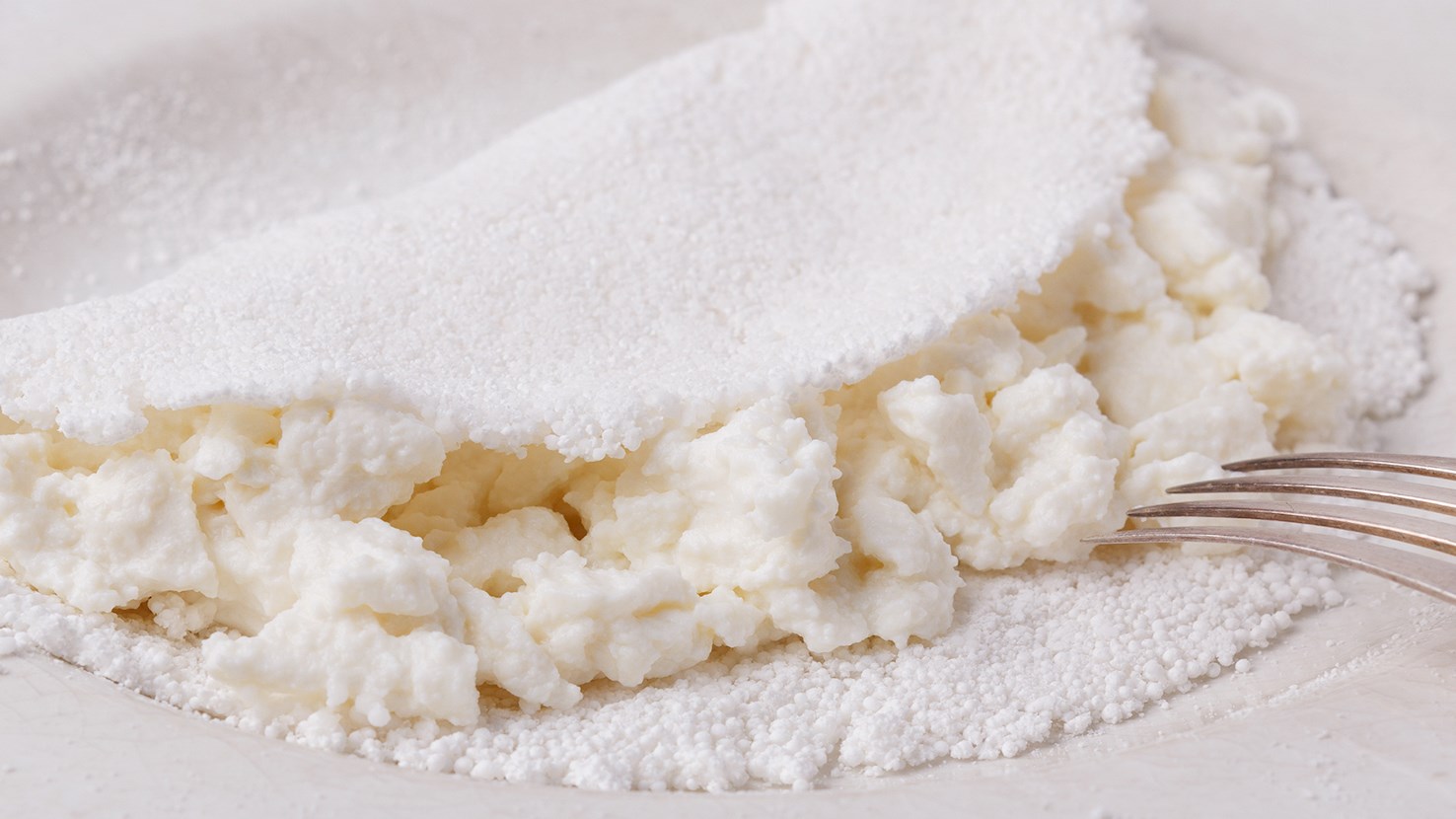
Casabe is a traditional thin flatbread. It is made with flour gained from cassava, an ancient plant native to northern parts of South America. No leavening agent or fat is used in the preparation, and as a result, the bread has an unusually crispy texture. This traditional delicacy has a distinctive taste, it is rarely eaten on its own and usually, like other bread varieties, it is eaten as an accompaniment to other dishes, most commonly stews and soups. Plain casabe is highly versatile and can be improved by either sweet or savory additions. Similar to tortillas, it can be soaked and filled with different ingredients or cut into smaller pieces and served with a variety of dips. This simple bread is praised because of its health benefits, it is rich in fiber and minerals, and because of this, it is slowly starting to gain popularity outside South America. Casabe is commonly sold in numerous international shops and food markets.
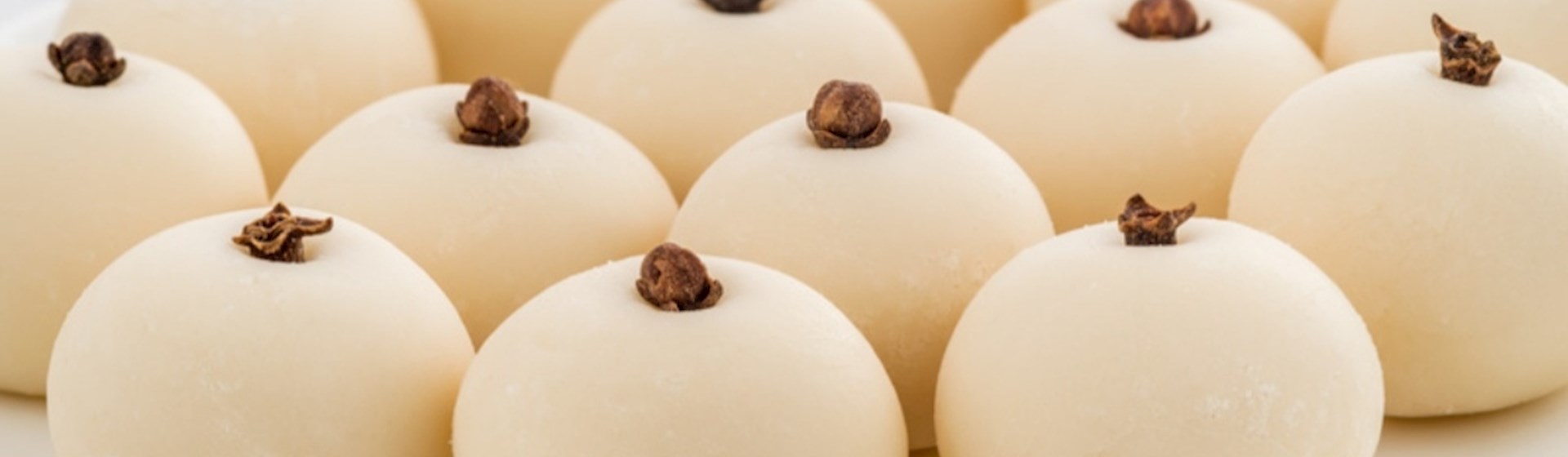
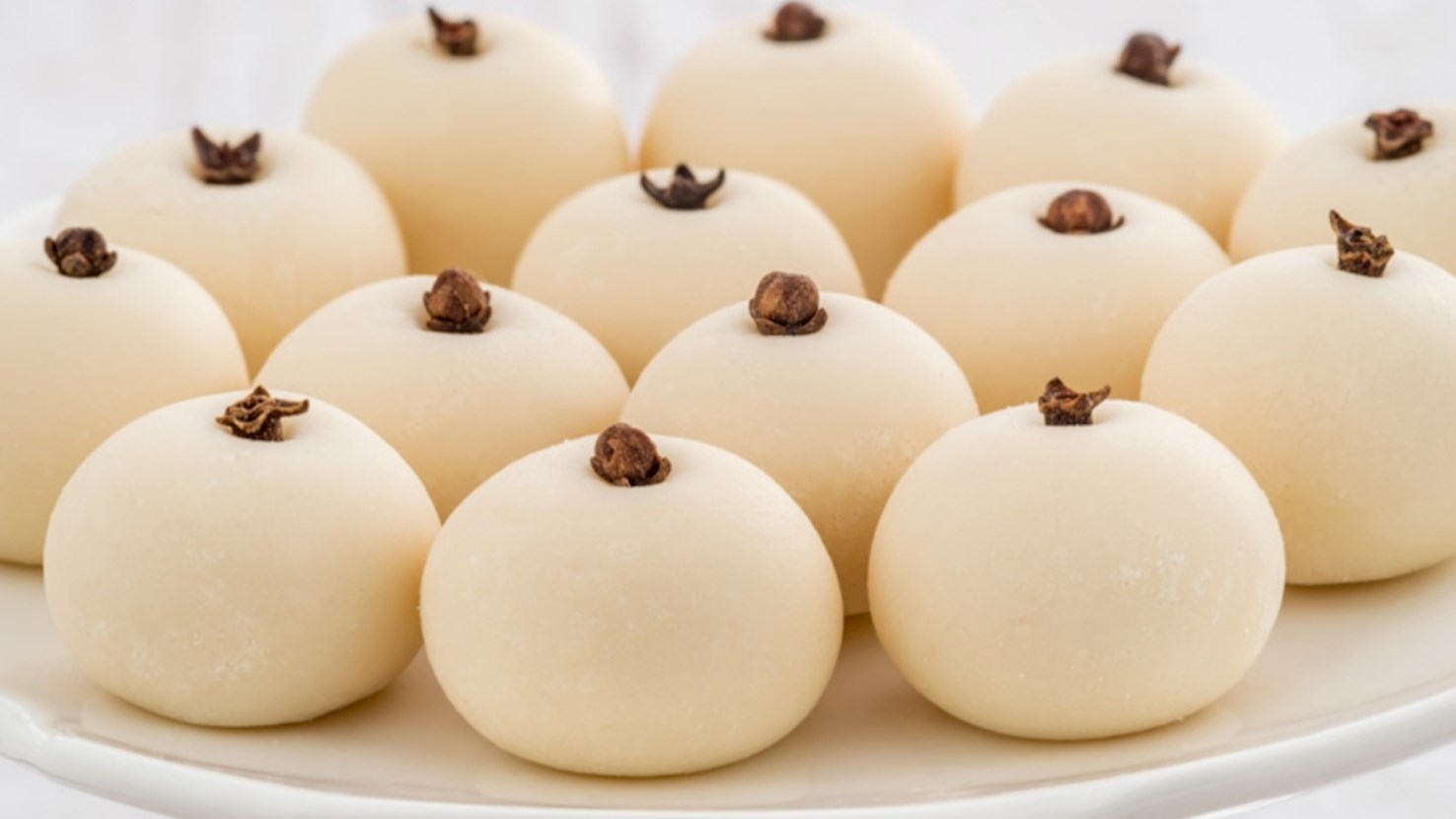
Papitas de leche are traditional sweet treats (or milk truffles) originating from Venezuela. These small desserts are made with simple ingredients such as sugar, condensed milk, powdered milk, and cloves. Papitas de leche are instantly recognizable due to the cloves that are studded into the center of each papita. The dry ingredients are first mixed in a bowl, and the condensed milk is added after that. The mixture should be smooth and firm. It’s rolled into small balls, and a clove is stuck into each papita de leche before they’re enjoyed. These small desserts are ideal for festive events and gatherings.
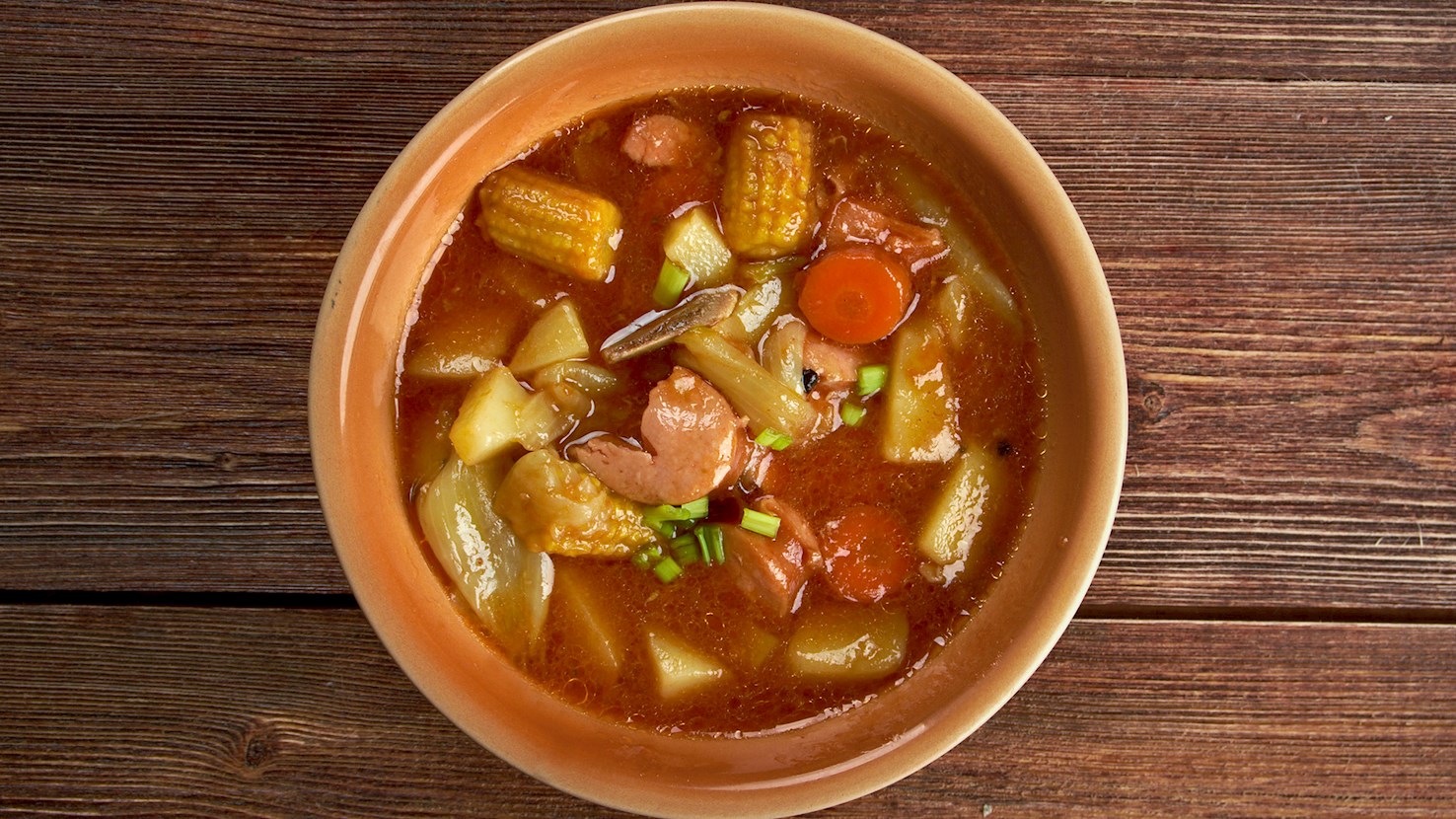
Sopa de mondongo is a term that is widely used all across Central and South America when referring to a hearty tripe and vegetable soup. The star of the dish is beef or pork tripe, the rather tough edible part of animal stomach which is cut into smaller pieces and cooked with other ingredients in a flavorful broth. Different versions of the soup are found all across Latin America, where it has been adapted with locally available ingredients and spices. Typically, sopa de mondongo employs plain and sweet potatoes, cassava, corn, cabbage, plantains, onions, sliced avocado, and generous amounts of chopped cilantro, which is used as a garnish. It is often spiced with cumin and the authentic Latin American spice called achiote. Local varieties commonly include additional ingredients such as lean pork meat, pork feet, Columbian chorizo sausage, and animal bone marrow. Because of its nutritious ingredients, it is usually regarded as a complete meal that is mainly served alongside white rice. Sliced lemon or lime wedges and local tortilla varieties such as arepa in Colombia are often served on the side. Unusual additions may include raisins or capers in Puerto Rican versions, or peanut sauce in the Ecuadorian version, popularly called guatica. In many Latin American countries, sopa de mondongo is believed to have healing properties, and it represents a traditional dish that is usually served for lunch or in the early hours after a night of clubbing.
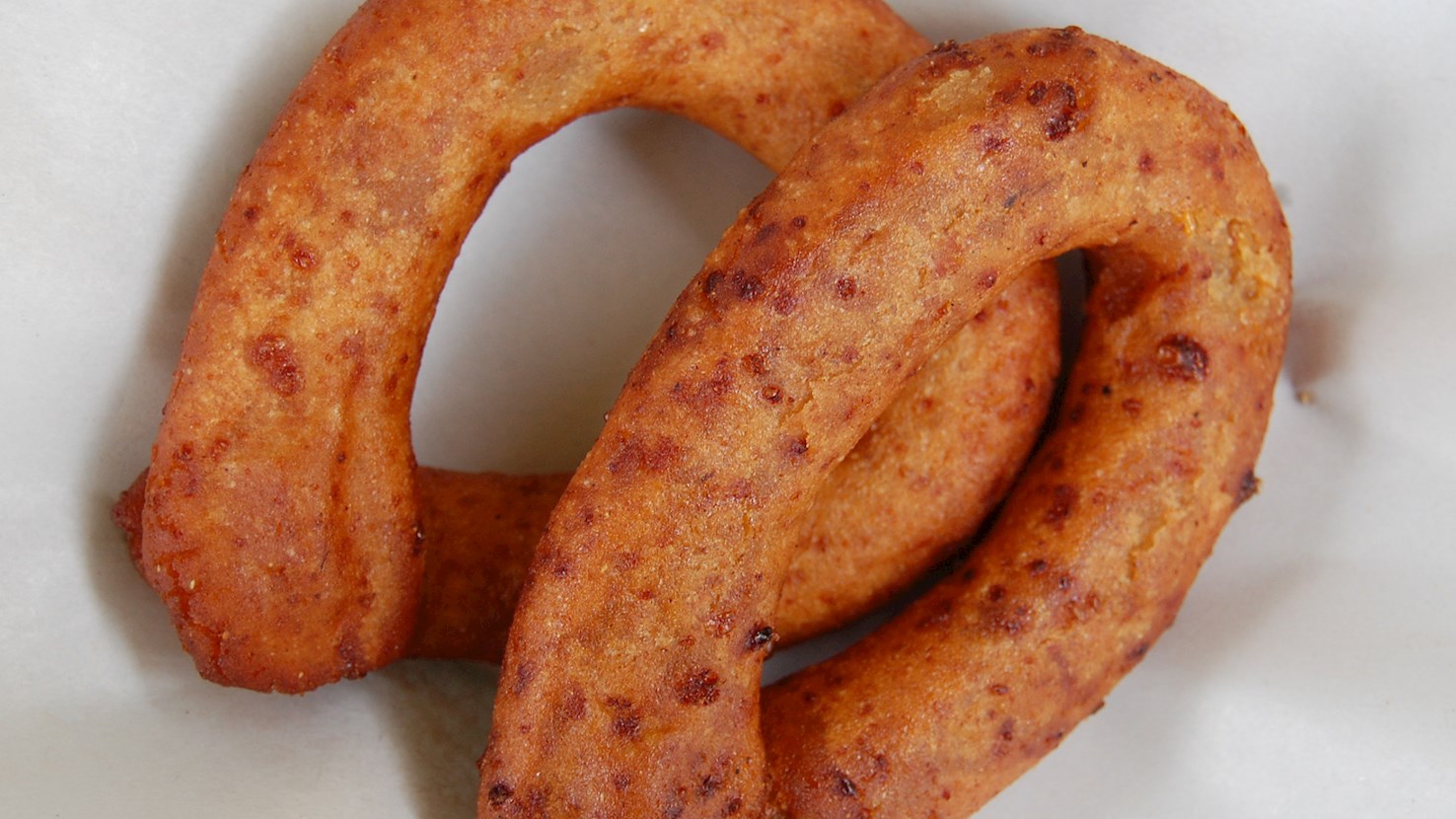
Mandoca is a Venezuelan dish originating from the region of Zulia. These elongated rings are made with a combination of cornmeal, plantains, panela sugar, water, and queso fresco. Once prepared, the dough is fried in hot oil until golden-brown. Mandocas are traditionally served hot for breakfast, accompanied by cheese, butter, and coffee on the side.
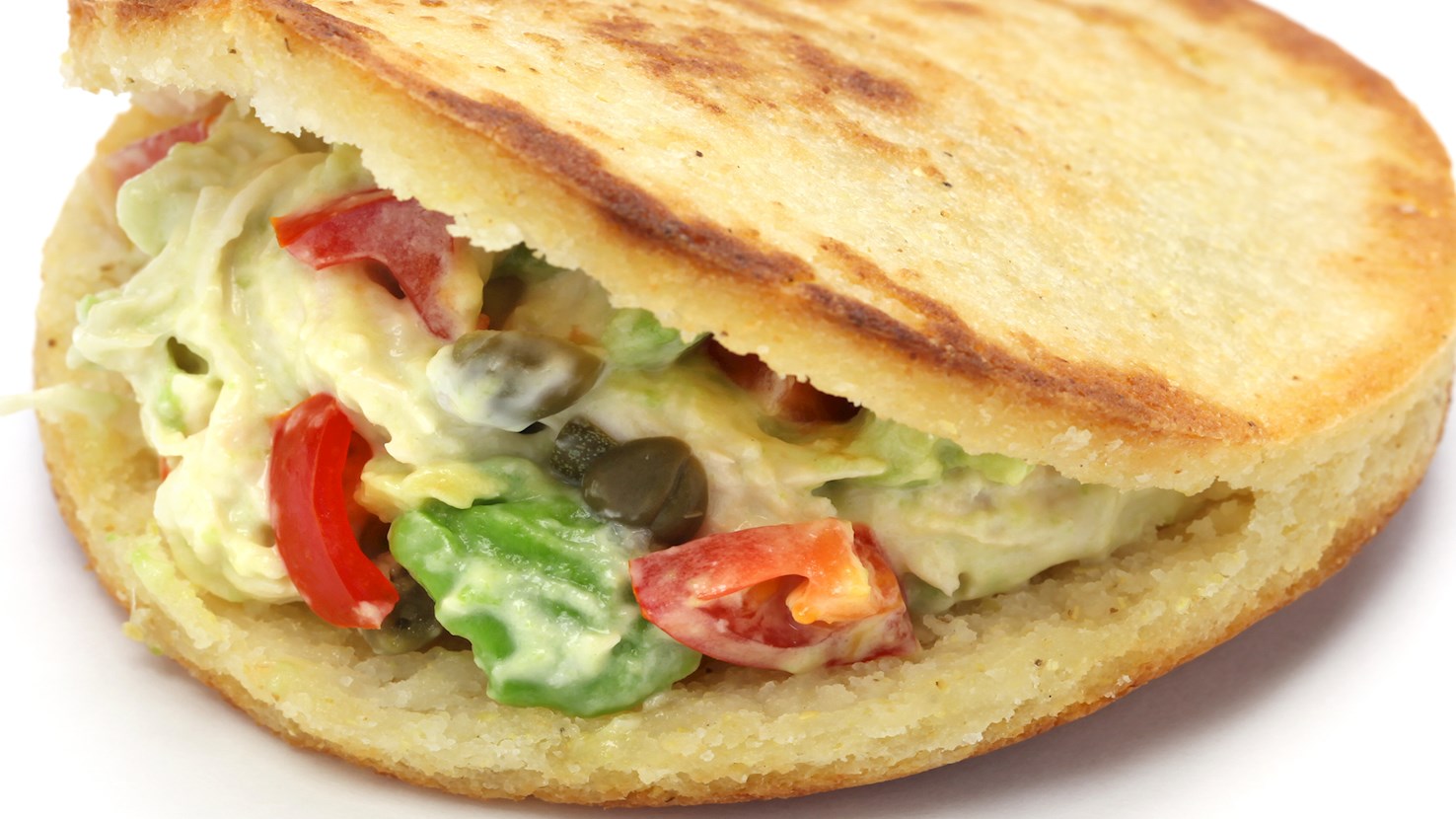
Arepa Andina is a variety of Venezuelan arepas, distinguished from the regular arepas by the usage of wheat flour rather than the standard corn flour. This variety of arepa is popular in the Andes region, near the Colombian border, especially in the state of Mérida, where wheat has been cultivated since ancient times. Arepa Andina can be consumed plain, or filled with cheese and vegetables such as tomatoes. It is recommended to pair a plain arepa Andina with a hot cup of coffee.
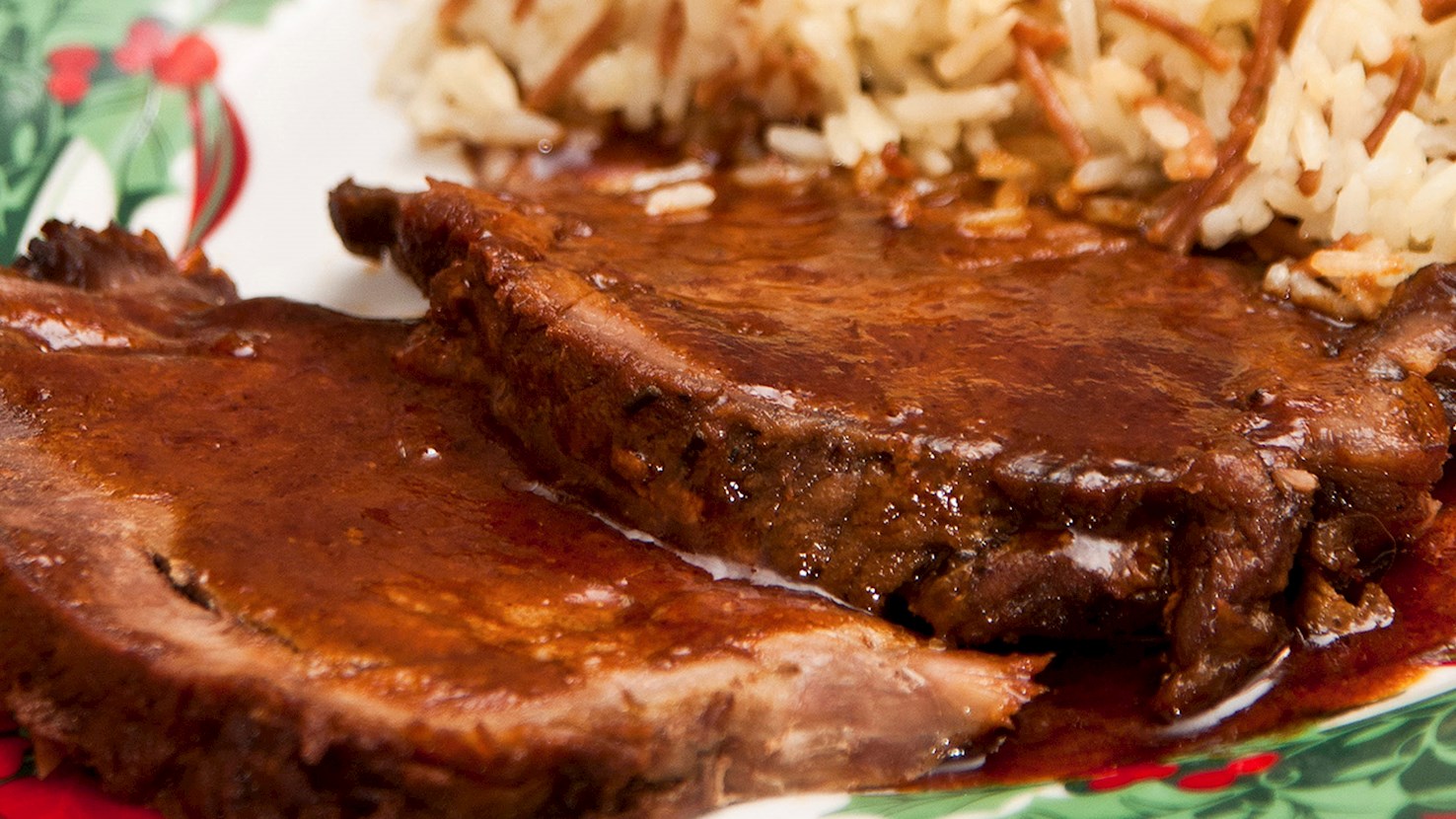
Asado negro is a Venezuelan dish prepared with the eye of round roast (muchacho redondo). The meat is slowly braised for hours in rich red wine sauce until it attains its typical, almost black color. Although the exact recipe for the sauce may vary, the wine is usually combined with onions, garlic, and various spices, while some varieties may include tomatoes, olives, sugar, Worcestershire sauce, or other vegetables. The dish is usually served with rice and fried plantains, but mashed or baked potatoes are also a standard accompaniment.
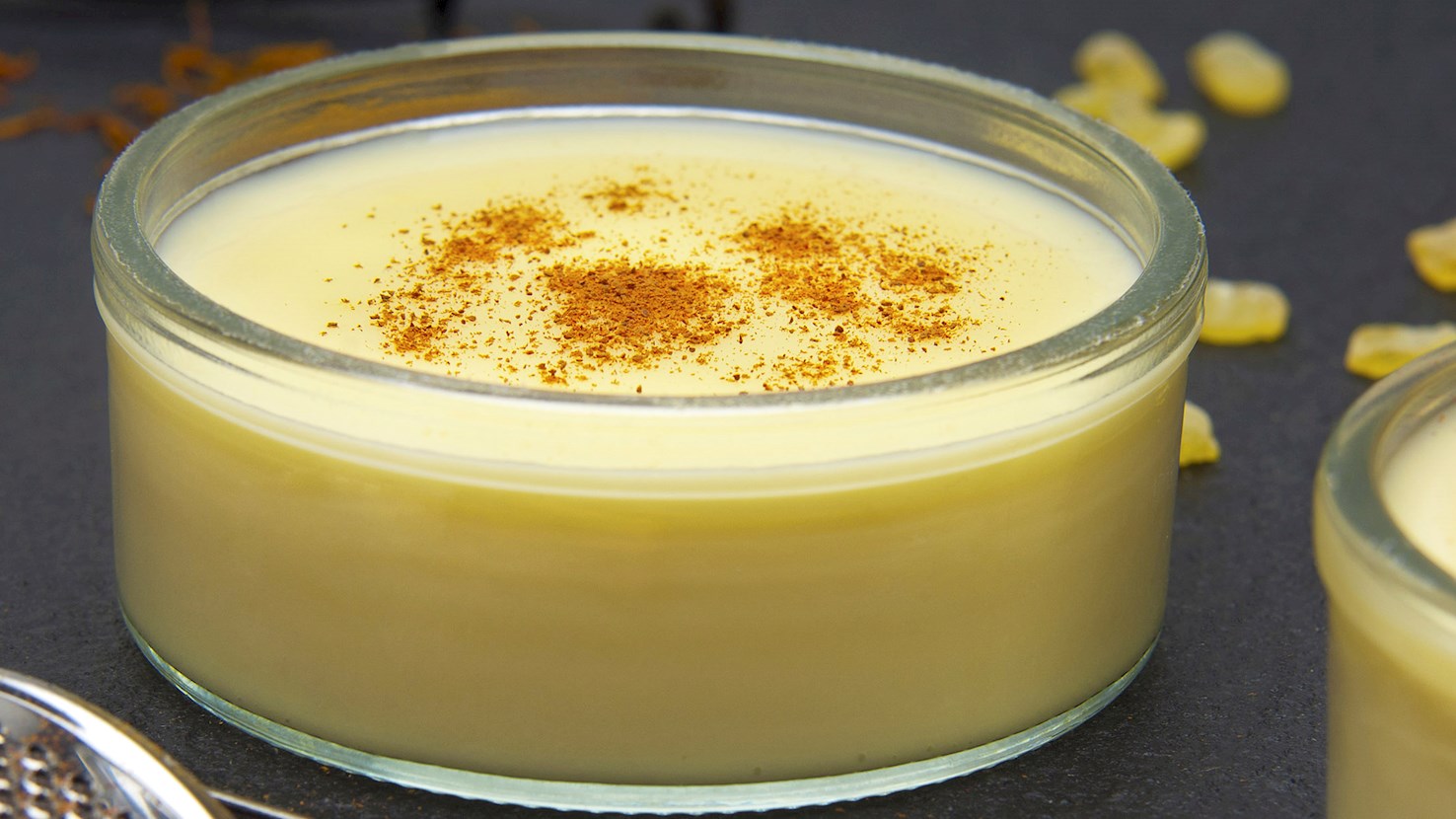
Majarete is a traditional dessert made with corn and coconut milk. This delicious concoction has a creamy consistency and resembles corn pudding. Traditionally, it was prepared with fresh corn, but modern varieties usually employ corn flour to provide a creamier texture. It is made with brown sugar, and in the end it is generously sprinkled with cinnamon. Depending on the region and personal preferences, grated coconut, cloves, condensed milk, or vanilla are occasionally added to the dish. The recipe dates back to colonial times in Venezuela; it is usually passed down to family members, and each family has their signature majarete recipe. It is regarded as one the most traditional Venezuelan desserts, evoking memories of home and family. Although its origin is often traced to Venezuela, the varieties of majarete are also found in Cuba, the Dominican Republic, and Puerto Rico, which make it an original Caribbean dessert. Venezuelan majarete is usually served cold and traditionally prepared during Lent.
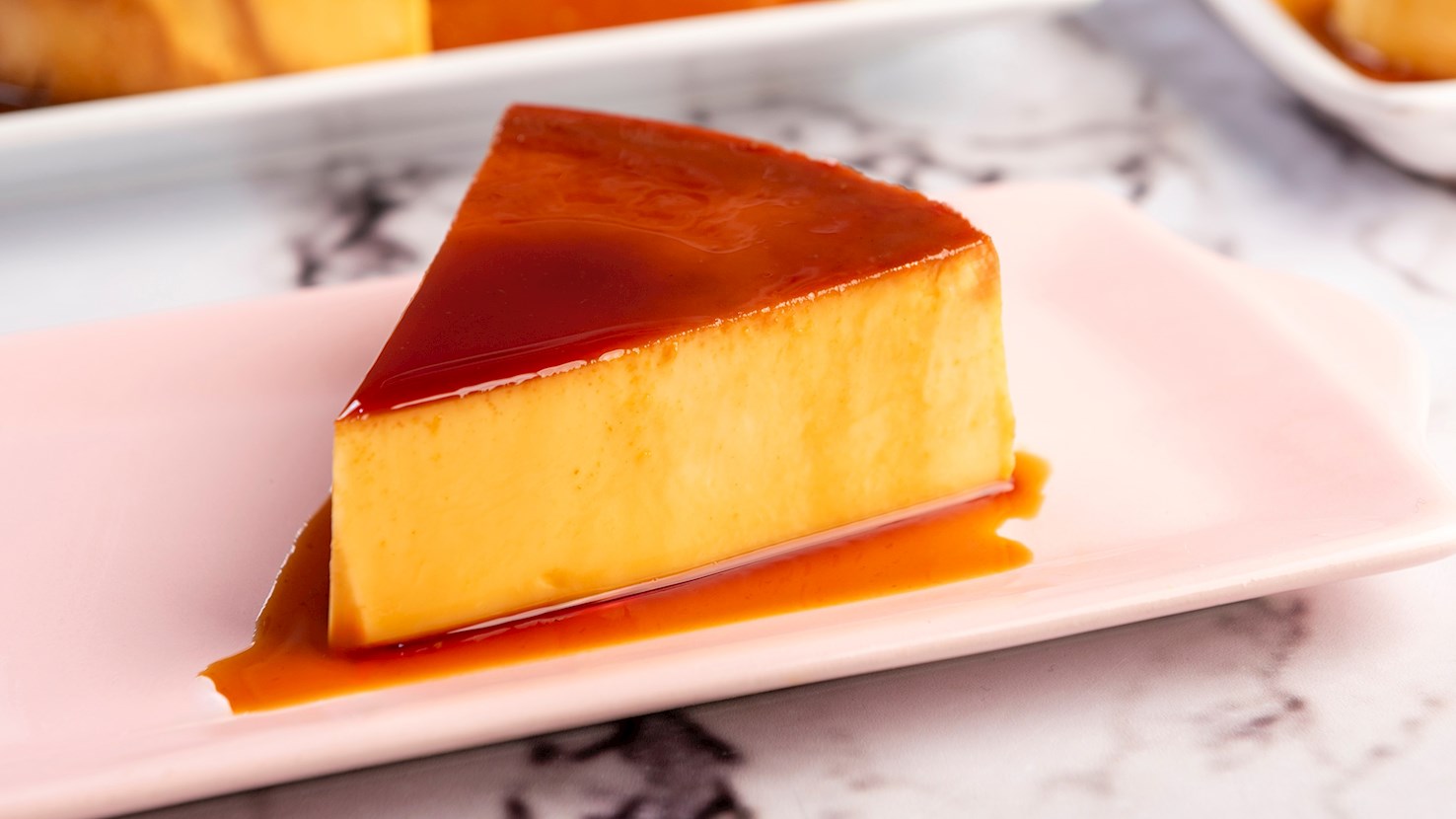
Quesillo venezolano is a dessert similar to flan, made with eggs, condensed milk, whole milk, sugar, and caramelized sugar syrup. It gets its name from its creamy yet airy texture, which contains small holes resembling cheese (queso). To prepare quesillo, sugar is first caramelized in a mold, then the milk, eggs, and vanilla mixture is poured in and cooked using a bain-marie (water bath) method until set. It is then chilled before serving, creating a smooth yet slightly porous texture. Quesillo is a popular dessert for celebrations, often enjoyed at birthdays, holidays, and family gatherings. It can be flavored with rum, coconut, or coffee, depending on regional variations. It is typically served cold, sometimes topped with extra caramel syrup.
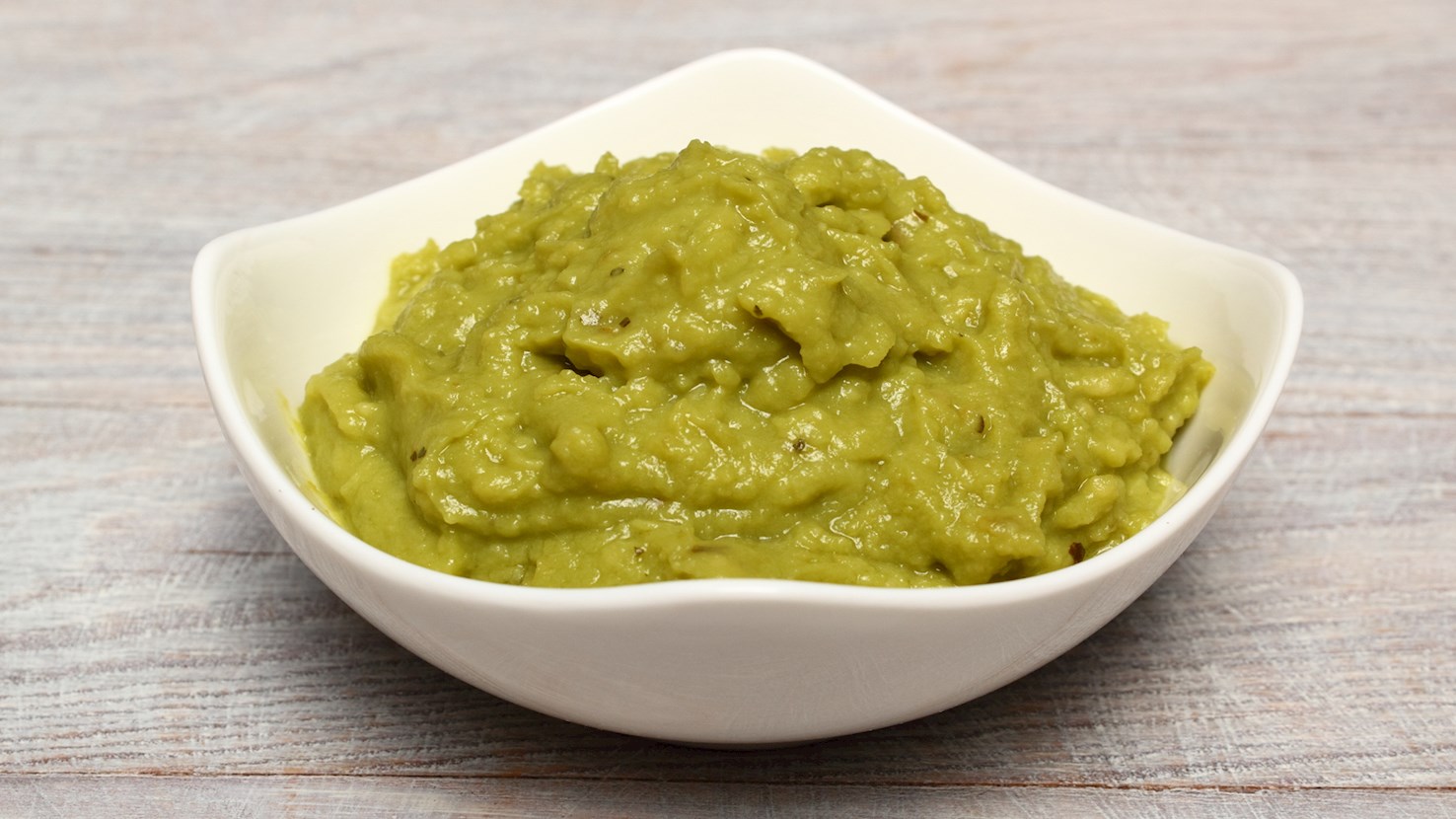
Guasacaca is Venezuela's version of guacamole, although it is not as thick. This simple combination of avocado, coriander, parsley, bell peppers, onions, garlic, salt, oil, and vinegar is typically consumed with barbecued meats such as beef, chicken, sausages, and morcillas. It is used as a dip with fried plantain and yuca, but it can also be drizzled on empanadas. The sauce is usually made in a blender, resulting in a creamy sauce, while some prefer the mashed version, resulting in a chunkier sauce.
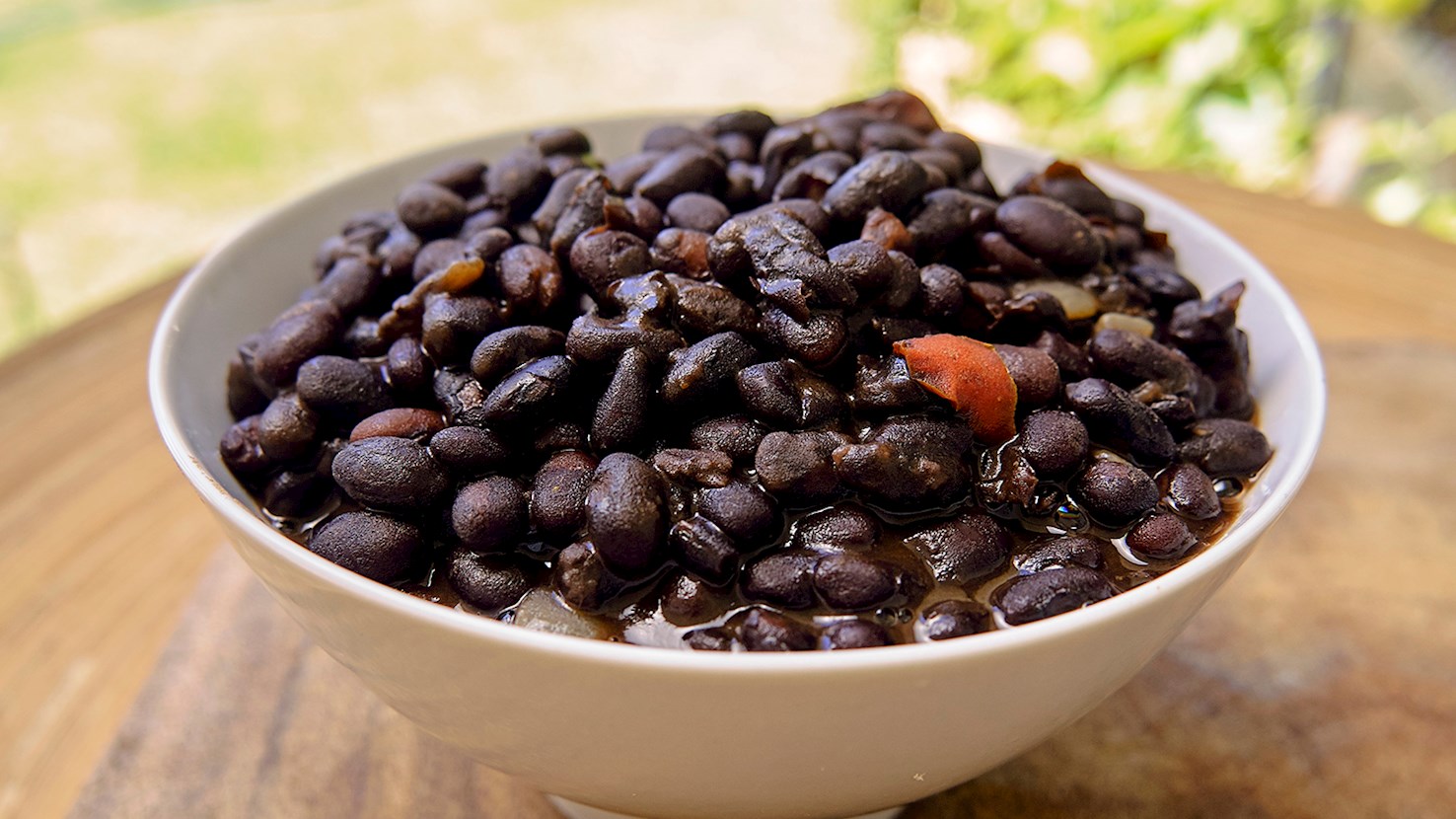
Caraotas negras is the Venezuelan name for black beans, also known as turtle beans. They are a part of the Venezuelan national dish called pabellon criollo, but can also be included in various soups or side dishes, and when refried they are an essential ingredient of empanadas or arepas. Caraotas negras can also be used as a substitute for kidney beans in chili con carne, but they can also be cooked and served in cold salads. Generally speaking, black beans are indigenous to Central and South America and are called differently depending on the region: frijoles negros or caviar criollo. Its origins can be traced back to Mayan cuisine, which means they have been a part of the South American diet for nearly 4,000 years.
TasteAtlas food rankings are based on the ratings of the TasteAtlas audience, with a series of mechanisms that recognize real users and that ignore bot,
nationalist or local patriotic ratings, and give additional value to the ratings of users that the system recognizes as knowledgeable.
For the “11 Worst Rated Venezuelan Foods” list until May 22, 2026, 3,952 ratings were recorded, of which 1,076 were recognized by the system as legitimate.
TasteAtlas Rankings should not be seen as the final global conclusion about food. Their purpose is to promote excellent local foods,
instill pride in traditional dishes, and arouse curiosity about dishes you haven’t tried.