

shutterstock

66 Worst Rated Vietnamese Foods

Last updated on June 17, 2026
01

Tiết canh (Raw Blood Pudding)

2.4 ·

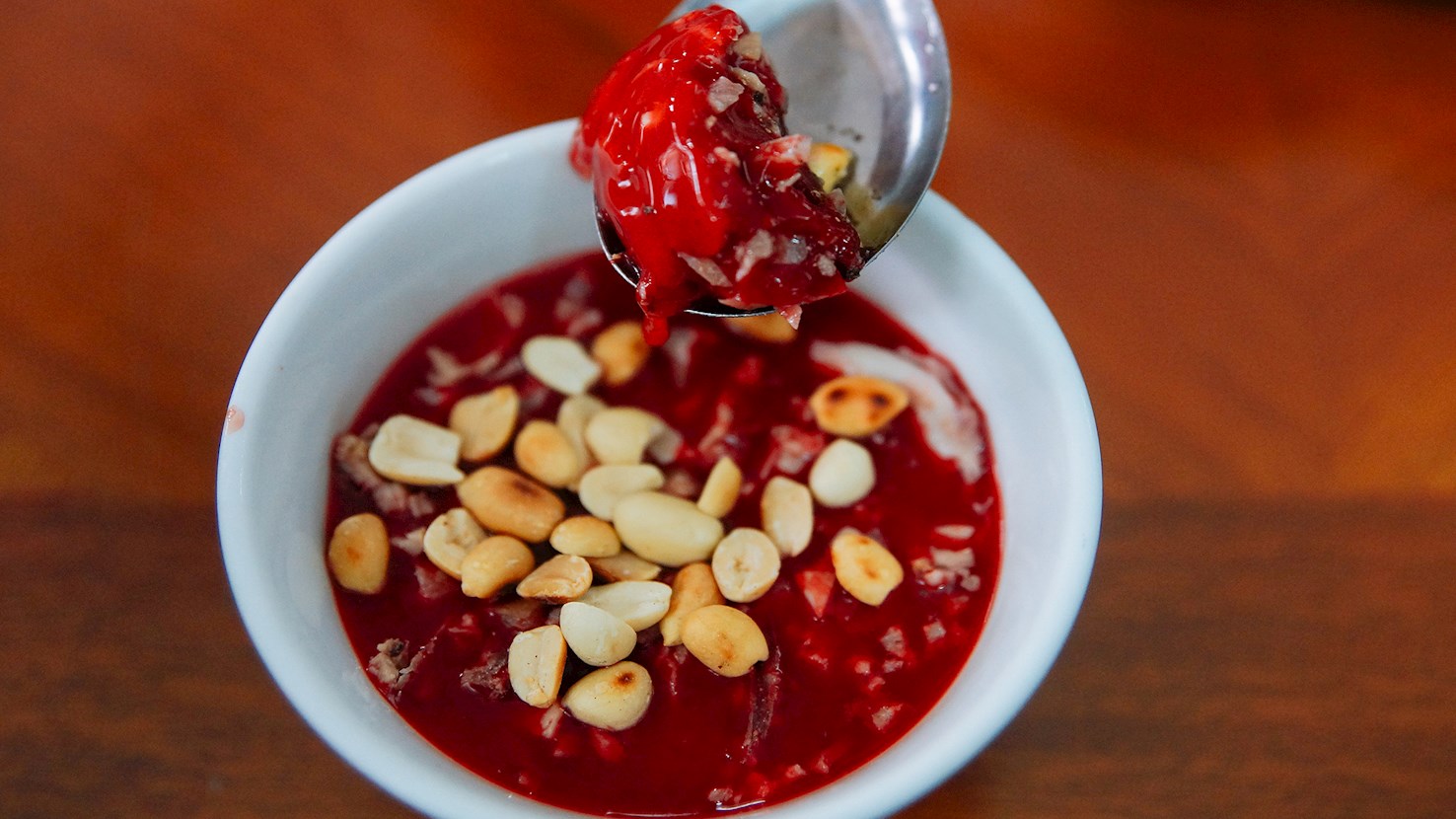
This vibrant red Vietnamese dish is prepared with fresh animal blood that is mixed with fish sauce. The base is then seasoned and incorporated with fried or roasted meat before it is left to coagulate. When set, the base transforms into a thick, gelatinous pudding that's usually garnished with chopped peanuts, Vietnamese coriander, and mint. The dish is traditionally prepared on special occasions, and though it has caused much controversy due to the danger of ingesting meat bacteria, it has not been officially banned.

02

Bánh canh cua (Crab Tapioca Noodle Soup)

2.6 ·

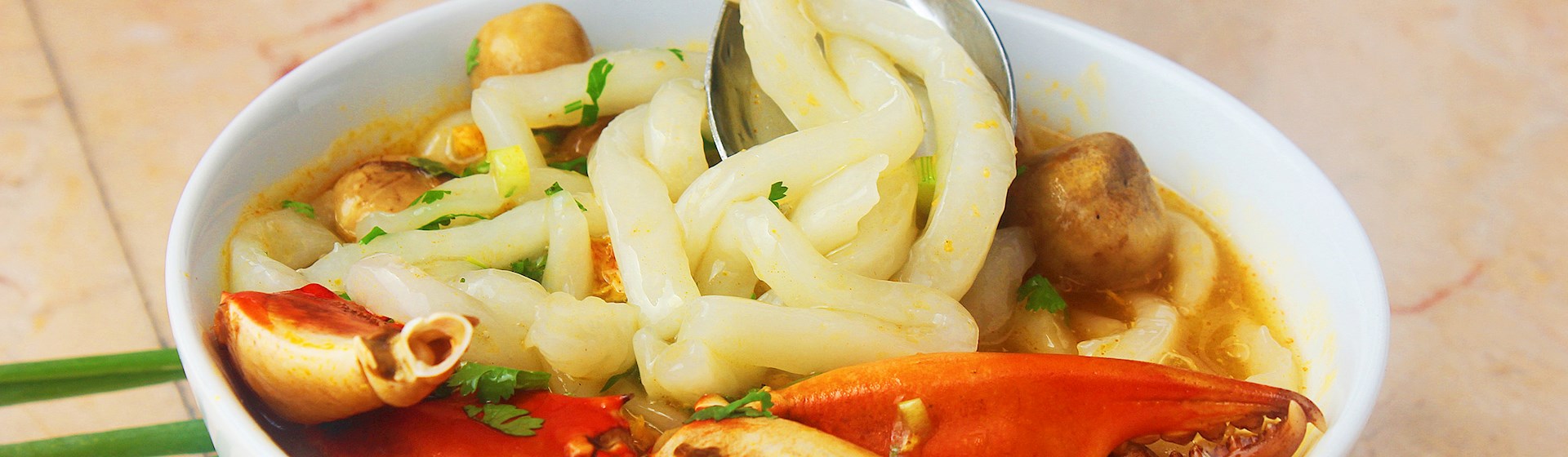
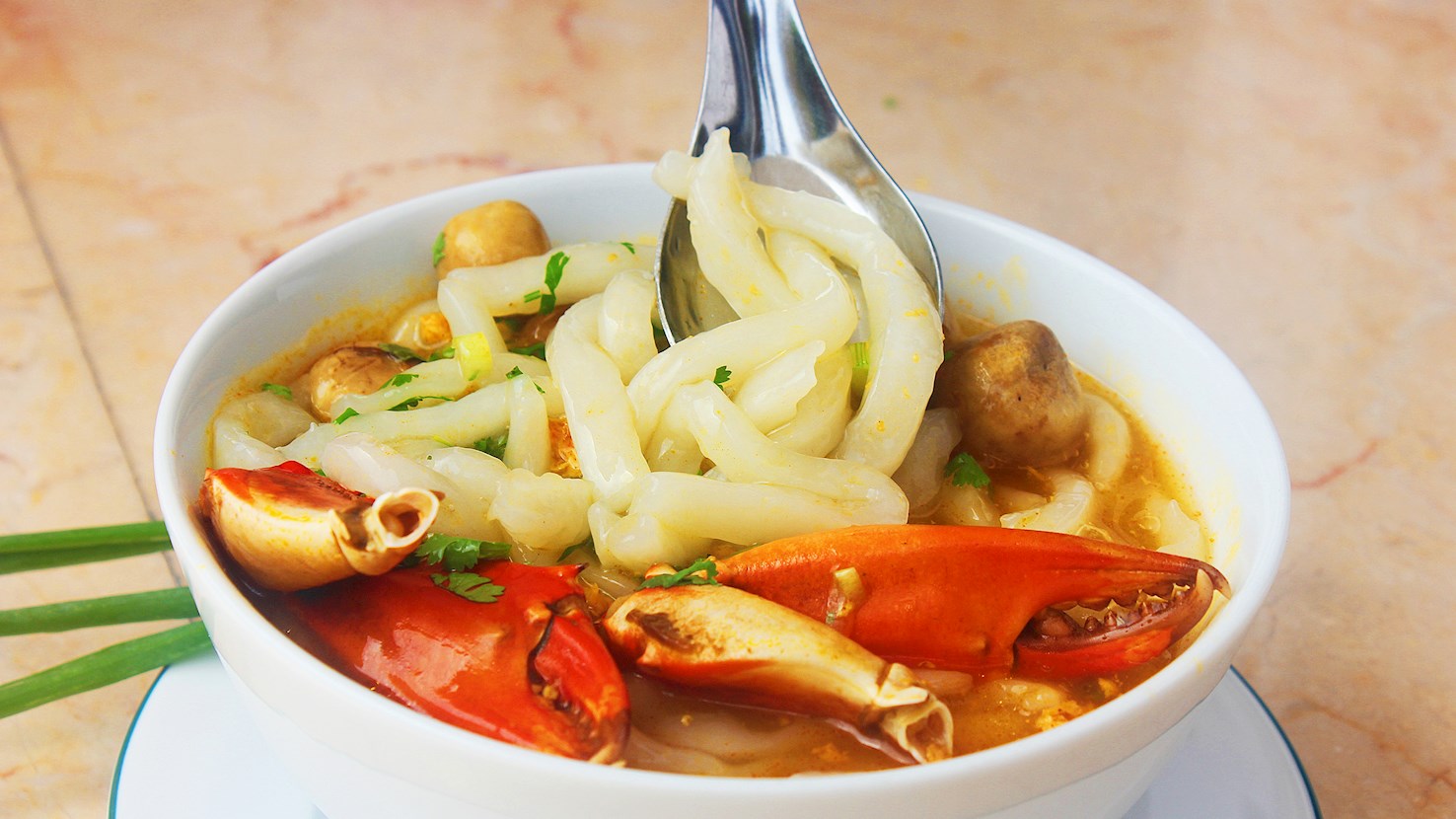
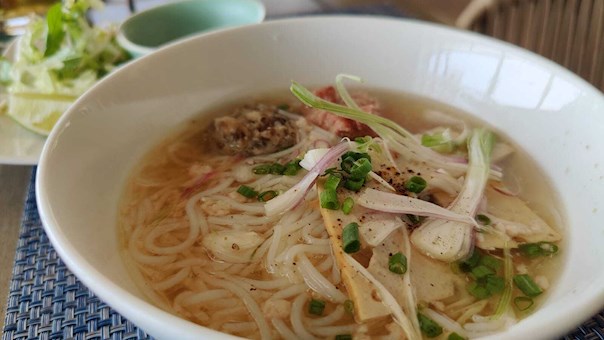
Banh canh cua is a traditional noodle soup. The noodles contain both rice and tapioca flour and they're characterized by their thickness, similar to the famous Japanese udon. These thick and slightly chewy noodles are enriched with crab meat and a rich broth. Common additions include quail eggs, shallots, garlic, or shrimp balls. It's recommended to slurp loudly while eating these noodles because that's how the dish is traditionally eaten. Banh canh cua is typically garnished with chopped green onions, cilantro, and bean sprouts, while lime wedges are often served on the side.

03

Chè đậu xanh (Vietnamese Mung Bean Sweet Soup)

2.9 ·

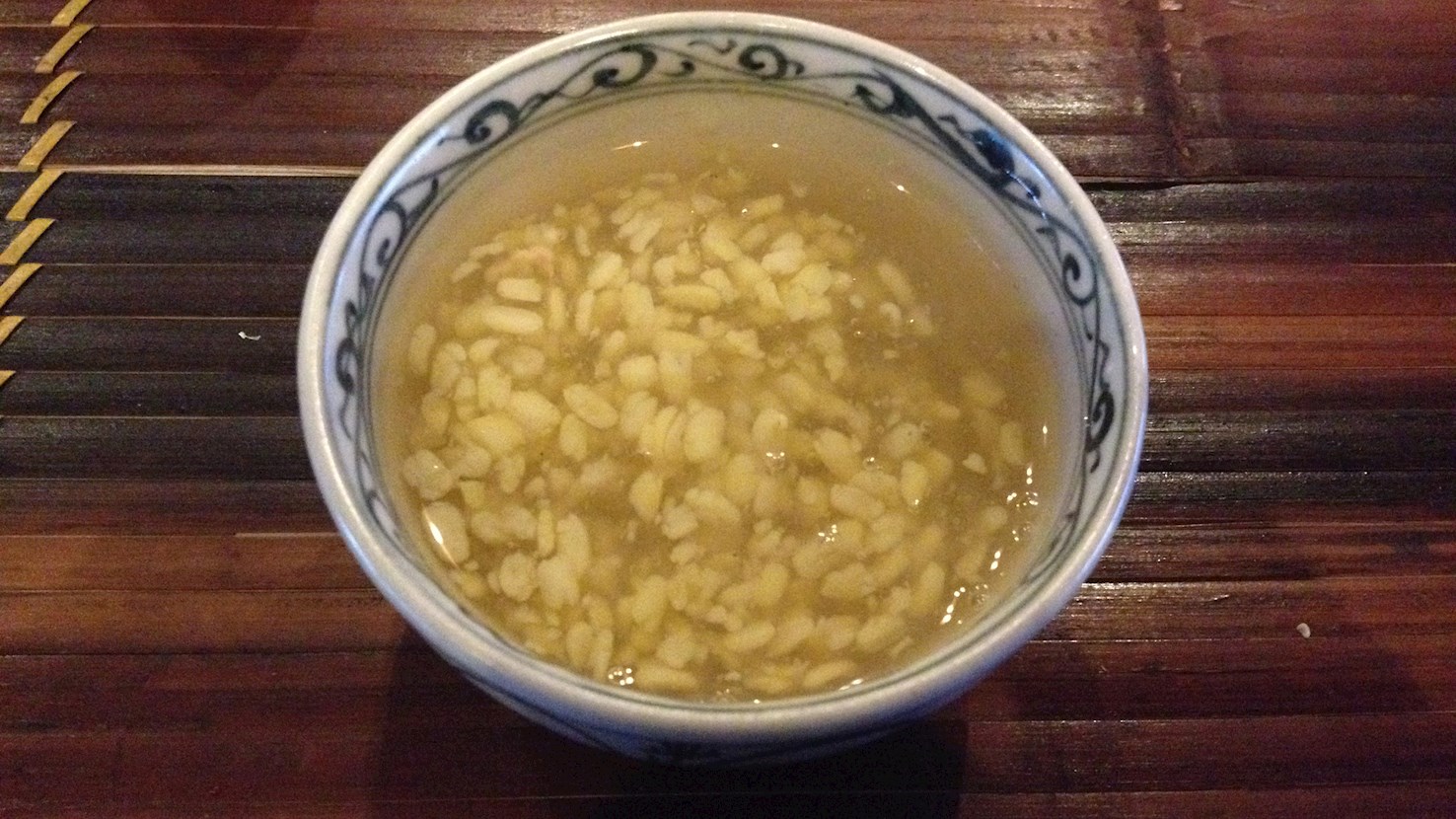
Chè đậu xanh is a traditional dessert soup. It's prepared with mung beans as the main ingredient. Apart from the mung beans, the soup also contains water, sugar, and coconut milk. The beans are soaked, drained, rinsed, then slowly simmered with sugar until tender. Coconut milk is added near the end of cooking, and the soup is then left to cool down or chilled in the refrigerator. Due to the fact that mung beans have cooling properties, chè đậu xanh is especially popular in the summer.

04

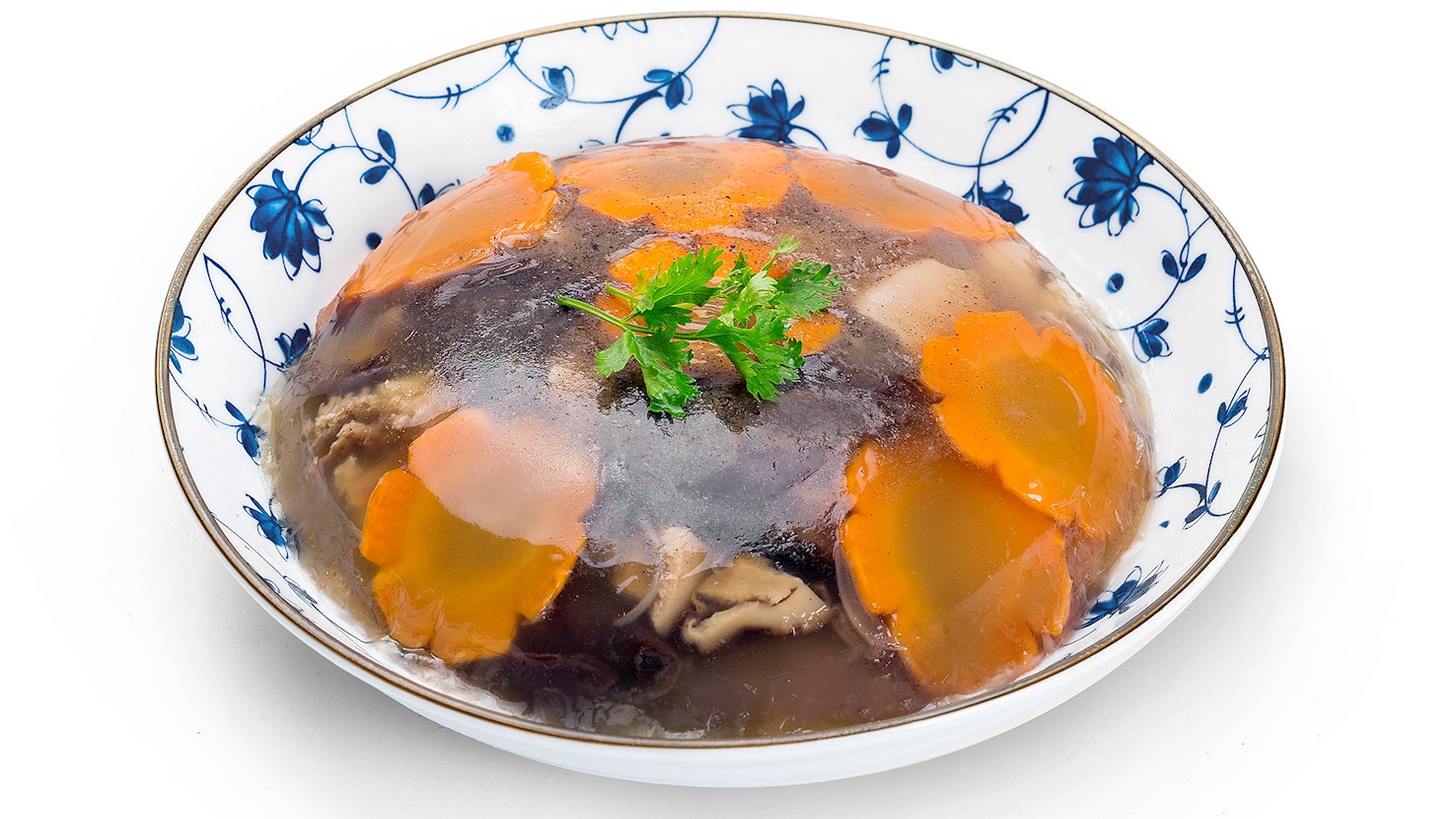
Thịt đông (Vietnamese Pork Aspic)

3.0 ·

Thịt đông is a Vietnamese take on aspic. The dish is prepared by slowly boiling pork meat and various pork cuts such as trotters and hocks, as well as pork skin, carrots, mushrooms, and different spices. When cooked, the combination is left to set until it achieves its typical jellied texture. The dish is usually associated with northern Vietnam, and it is often enjoyed on Vietnamese New Year. It is best served with pickled onions and a bowl of rice on the side.

05

Bánh ít (Little Cake)

3.0 ·

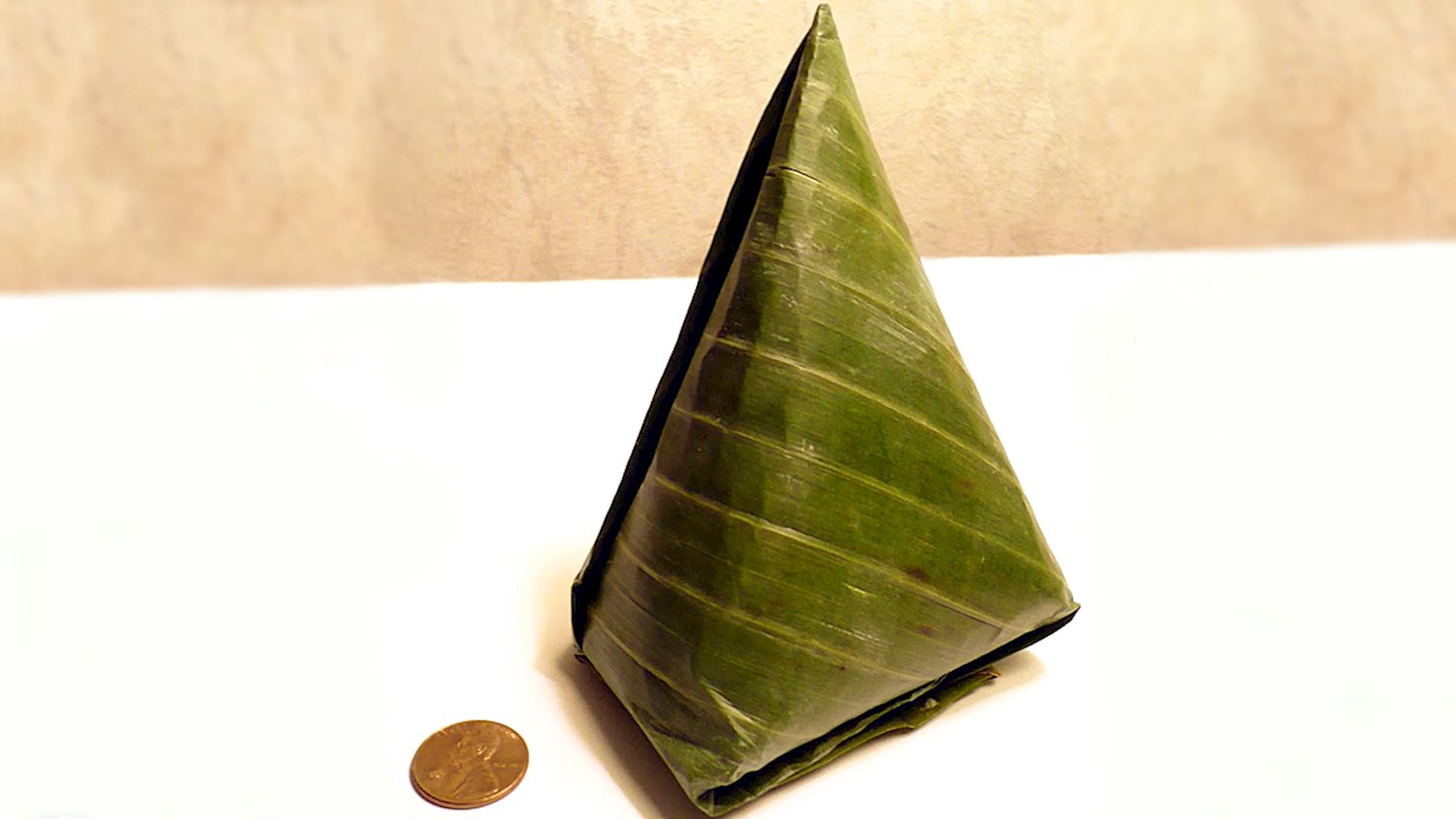
Bánh ít is a traditional dish of steamed sticky rice cakes. The cakes are usually made from glutinous rice flour, while the fillings vary depending on the recipe, but pork, steamed mung beans, and shrimps are some of the most common ingredients for the filling. Once prepared, the rice cakes are wrapped in banana leaves, then steamed until tender. Bánh ít is often served as a snack or appetizer with a dipping sauce on the side that's usually based on vinegar or pineapple.

06

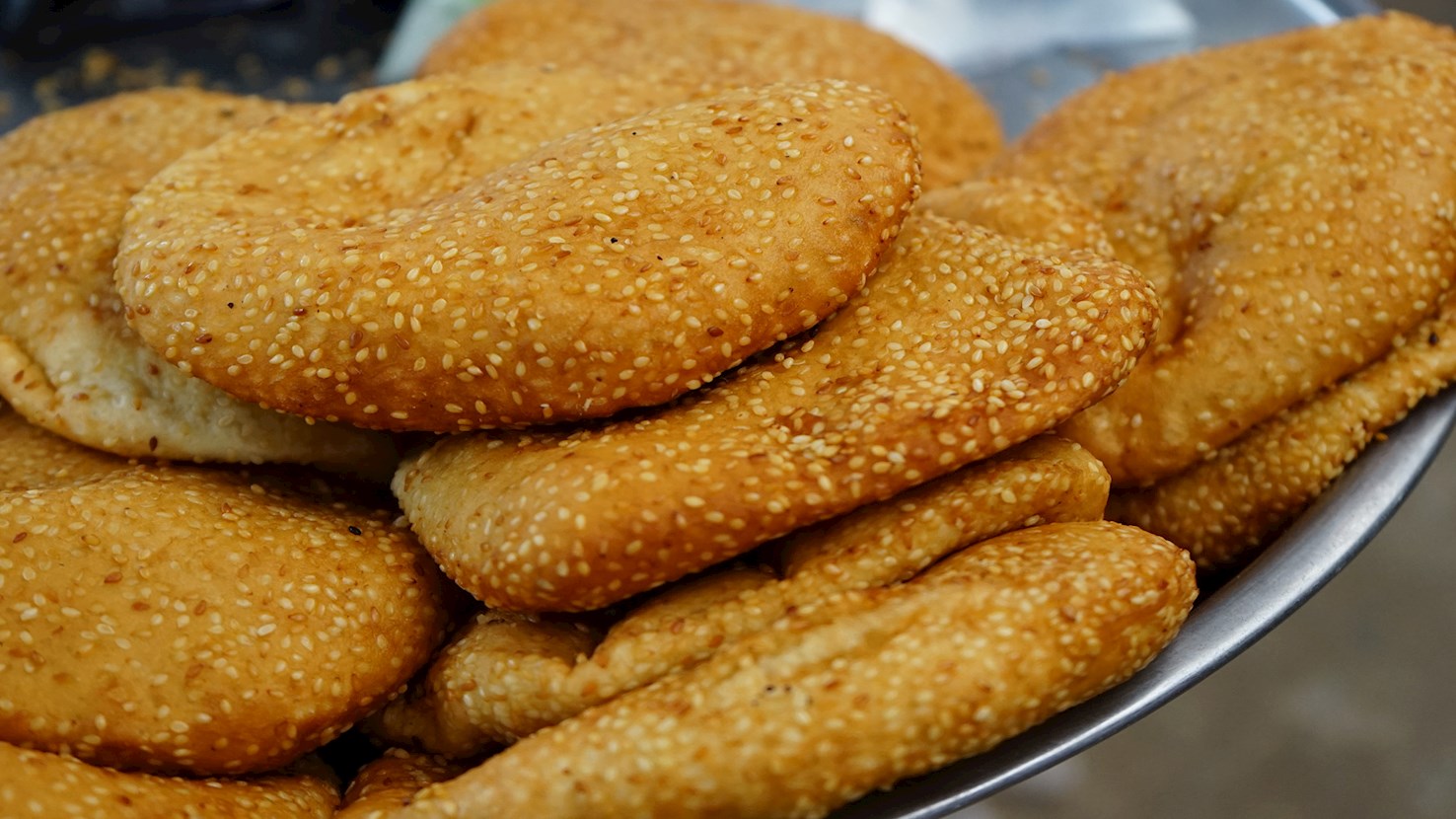
Bánh tiêu (Vietnamese Donuts)

3.0 ·

Bánh tiêu are deep-fried and subtly sweet Vietnamese doughnuts. They are prepared with wheat flour and usually come topped with sesame seeds. During the frying process, the doughnuts expand and develop their typical puffed and hollowed appearance. Often compared and associated with Chinese youtiao crullers, it is believed that bánh tiêu have an ancient Chinese origin, but they remain a traditional Vietnamese specialty that is mainly enjoyed as a convenient street food snack. These crispy doughnuts are best served warm and freshly prepared.

07

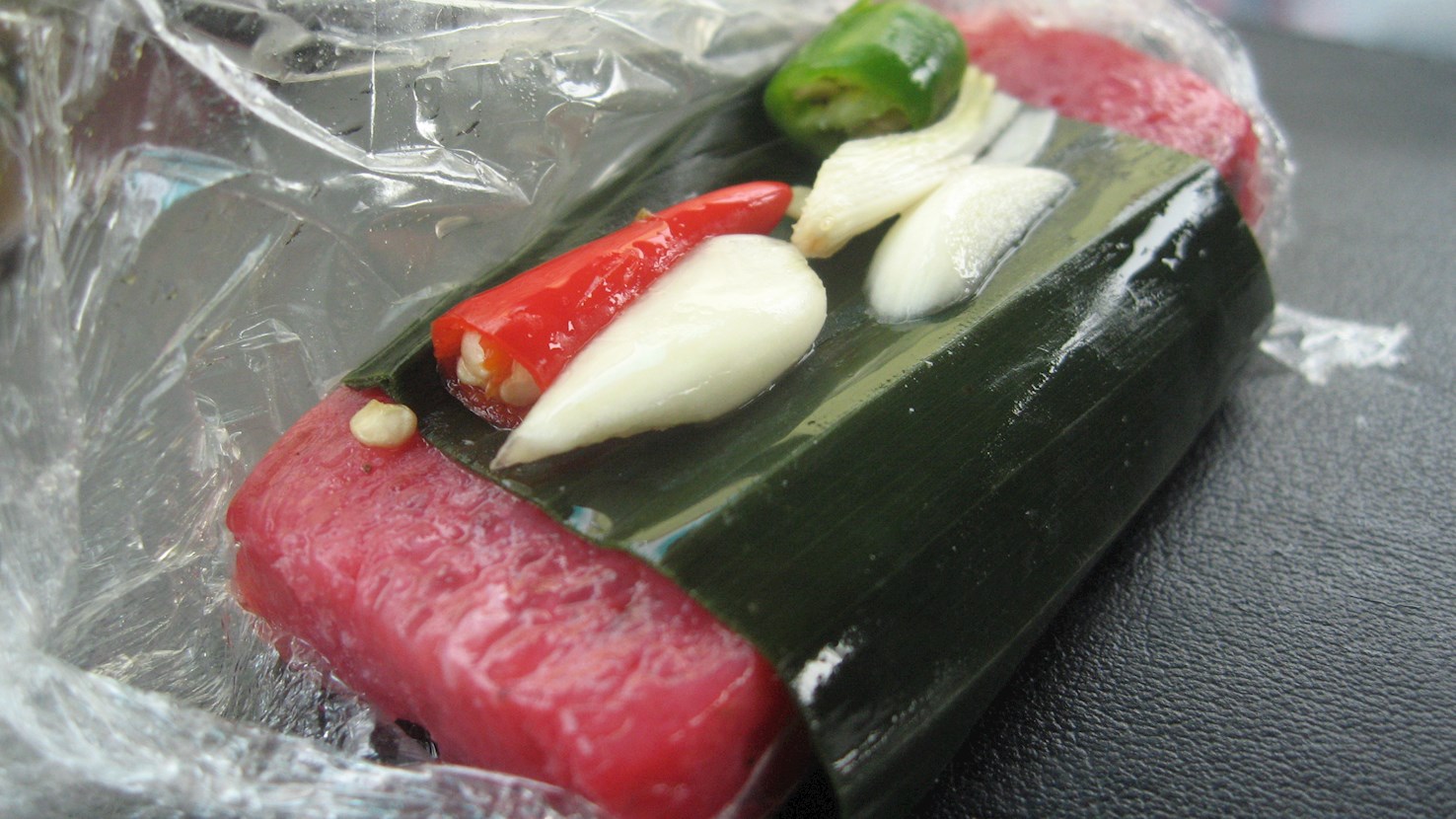
Nem chua (Cured Fermented Beef or Pork)

3.2 ·

Nem chua is a traditional dish of cured and fermented meat. Although the dish is traditionally made from pork, it can also be made with other types of meat such as beef. In order to prepare it, lean pork is minced, then combined with sliced pork skin, spices, chili peppers, and garlic. The combination is wrapped into banana leaves, then stored for the fermentation process from 3 to 5 days in a cold place. These rolls have a sweet, salty, spicy, and sour flavor, and they're usually served as a snack or an appetizer with raw garlic on top, and fish sauce or chili sauce on the side. They can also be grilled. Nem chua is especially popular for the Lunar New Year celebrations.

08

Bánh gai (Thorn Leaf Cake)

3.2 ·

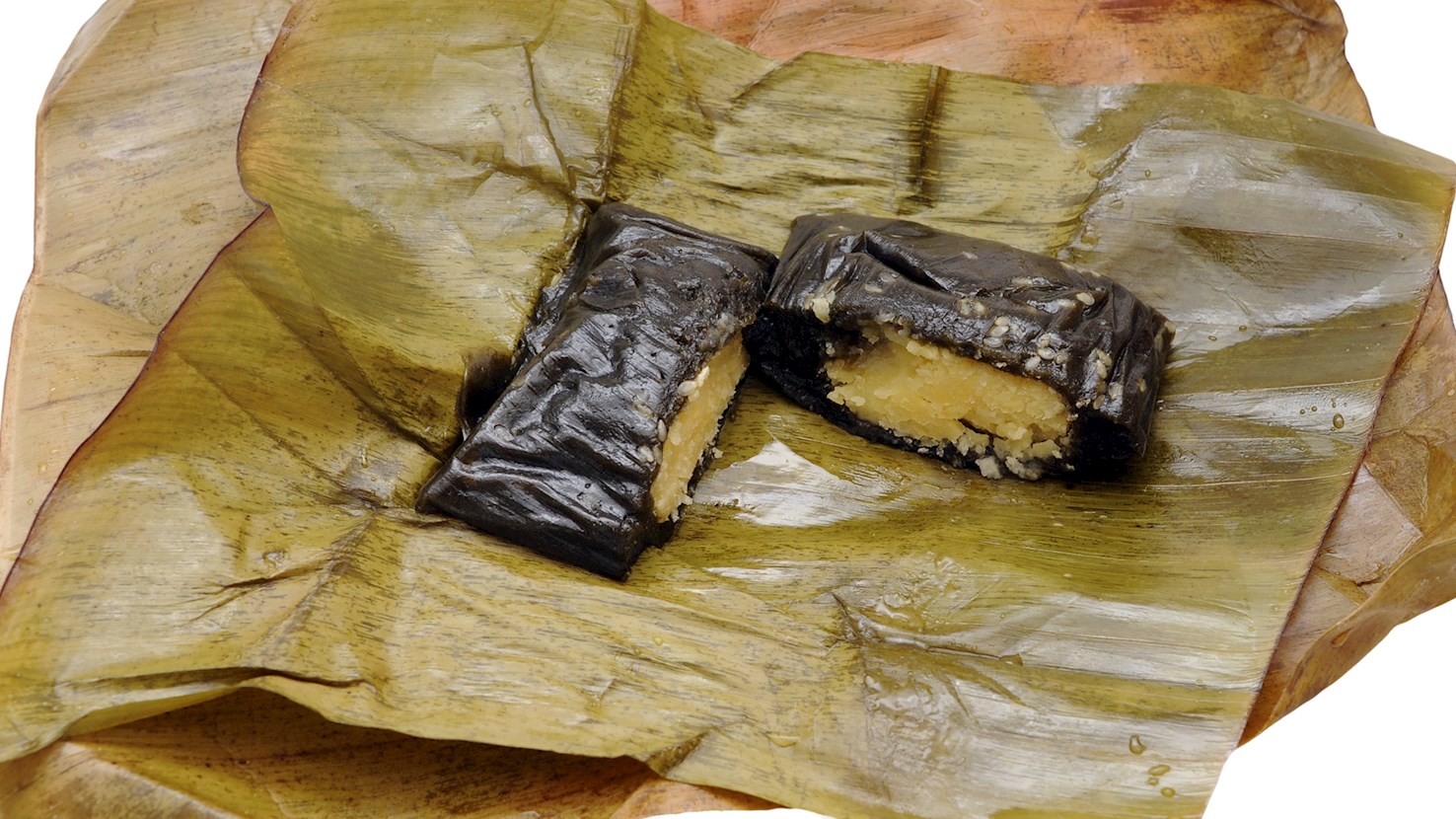
Bánh gai is a Vietnamese cake consisting of dark-colored dough that is stuffed with a sweet filling. The dough combines rice flour and a paste or a powder that is made from thorn leaf (gai or ramie)—a plant belonging to the nettle family. The filling is typically made with mung beans, shredded coconut, sesame and lotus seeds, sugar, pork fat, and flavorings, while some optional additions may also include ginger, pumpkin jam, or roasted peanuts. Before they are steamed, the cakes are wrapped in dry banana leaves. Bánh gai originates from the Red River Delta region, and they were once a staple dessert prepared for special occasions. The cakes are served without the banana wrapping and are best enjoyed well-chilled.

09

Bánh căn (Vietnamese Mini Pancakes)

3.2 ·

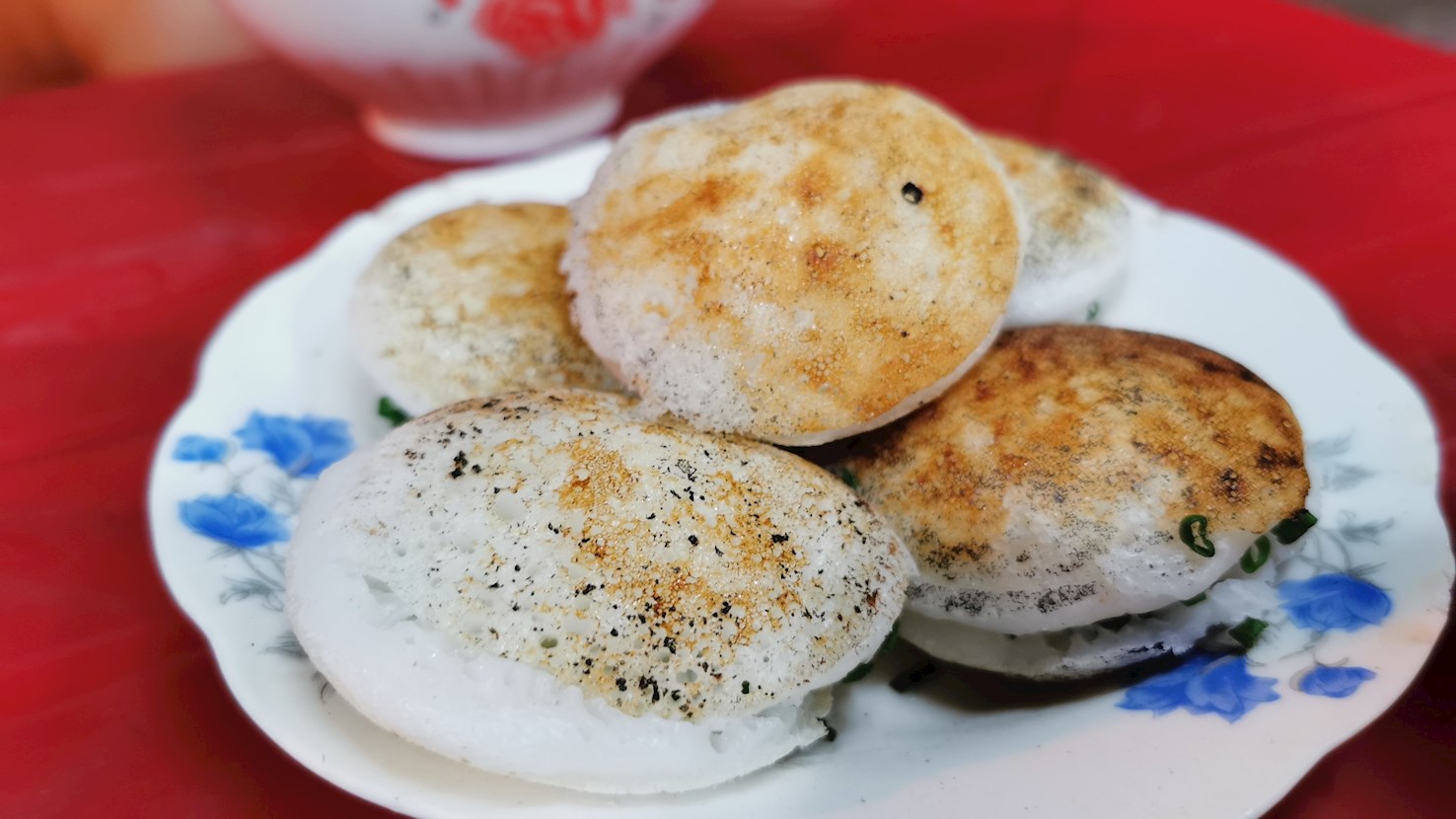
These savory Vietnamese pancakes are made with a thin rice flour batter. They are cooked on outdoor grills which are equipped with a specialized terracotta bánh căn mold. The mixture is poured into the mold, and the pancake is then topped with a whole shrimp and scallions, or optionally pork or quail eggs. The pancakes are usually served with a fish sauce on the side and various fresh herbs and leafy vegetables which are meant to be used as wrappers. It is not clear when these pancakes first appeared, but their origin is often attributed to Ninh Thuận province, although they are enjoyed throughout South Central region. People often confuse bánh căn and bánh khọt. Although the two are very similar, the difference lies in the fact that bánh căn (as it's called in Central Vietnam) is cooked with a bit of oil and it remains soft, while bánh khọt (as it's called in South Vietnam) is fried in oil until crunchy and contains turmeric.

10

Cốm (Green Sticky Rice)

3.2 ·

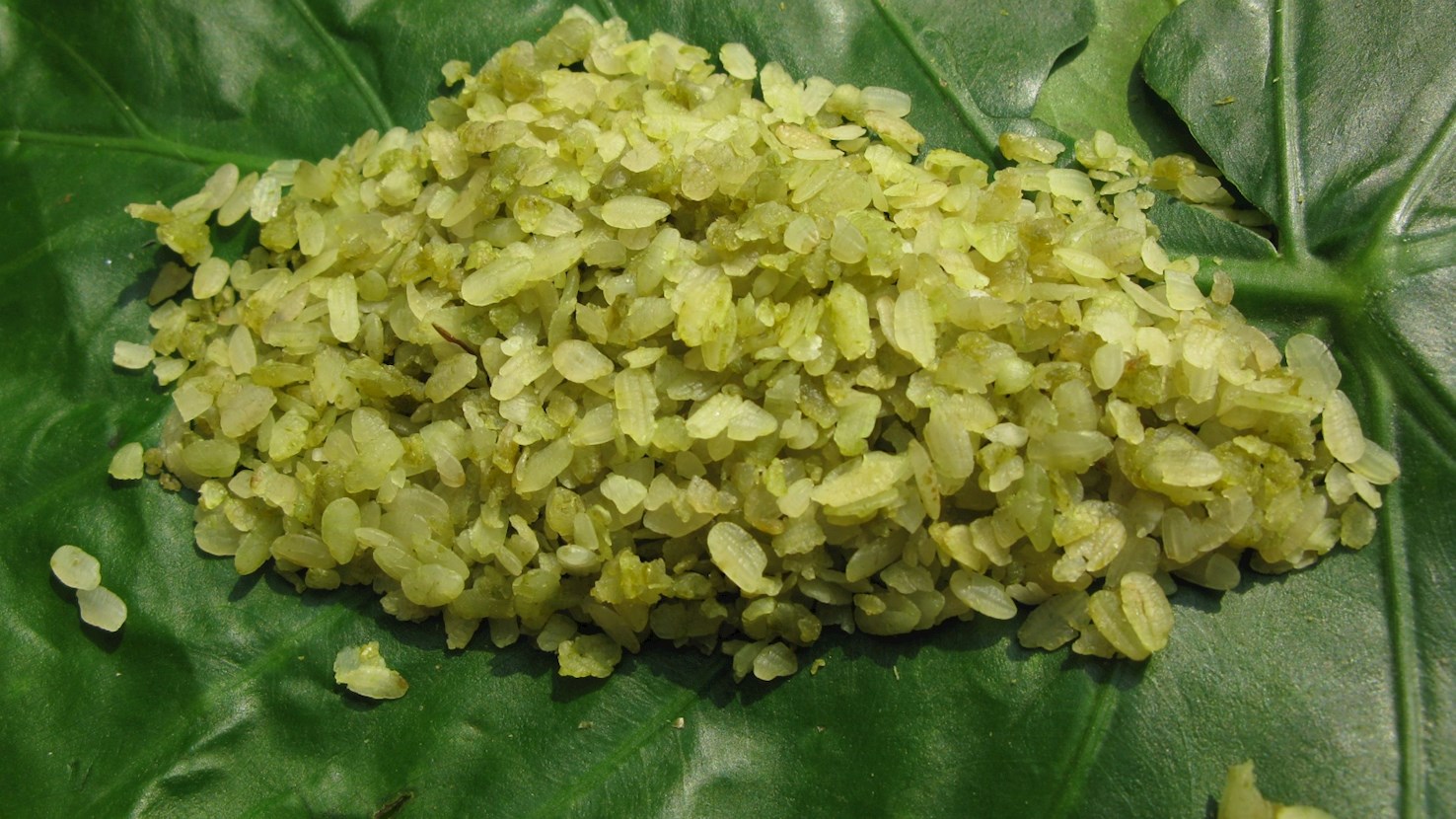
Cốm is a traditional dish hailing from the Red River Delta region. Also known as green sticky rice or green rice flakes, the dish is prepared only in autumn. In order to prepare it, sticky rice is plucked manually so that the grains don't break. They are then selected, sifted, washed, dried, and pounded in stone mortars. The young rice is taken out from the mortar and winnowed, then placed into the mortar and pounded again, and the process is repeated seven times so that the husk is fully removed. After the pounding, the rice is wrapped in emerald lotus leaves so that it doesn't dry. The rice is eaten from the lotus leaves by hand, usually a pinch at a time. The flavors of young rice are nutty, sweet, and buttery. Cốm is often used in dishes such as bánh cốm (green sticky rice cake) and cốm xào (browned green sticky rice).

Read more
View all
View map
About this ranking

TasteAtlas food rankings are based on the ratings of the TasteAtlas audience, with a series of mechanisms that recognize real users and that ignore bot, nationalist or local patriotic ratings, and give additional value to the ratings of users that the system recognizes as knowledgeable. For the “66 Worst Rated Vietnamese Foods” list until June 17, 2026, 9,230 ratings were recorded, of which 6,155 were recognized by the system as legitimate. TasteAtlas Rankings should not be seen as the final global conclusion about food. Their purpose is to promote excellent local foods, instill pride in traditional dishes, and arouse curiosity about dishes you haven’t tried.

Similar lists