

shutterstock

4 Worst Rated Czech Dumplings

Last updated on June 16, 2026
01

Knedlíky (Czech dumplings)

3.7 ·

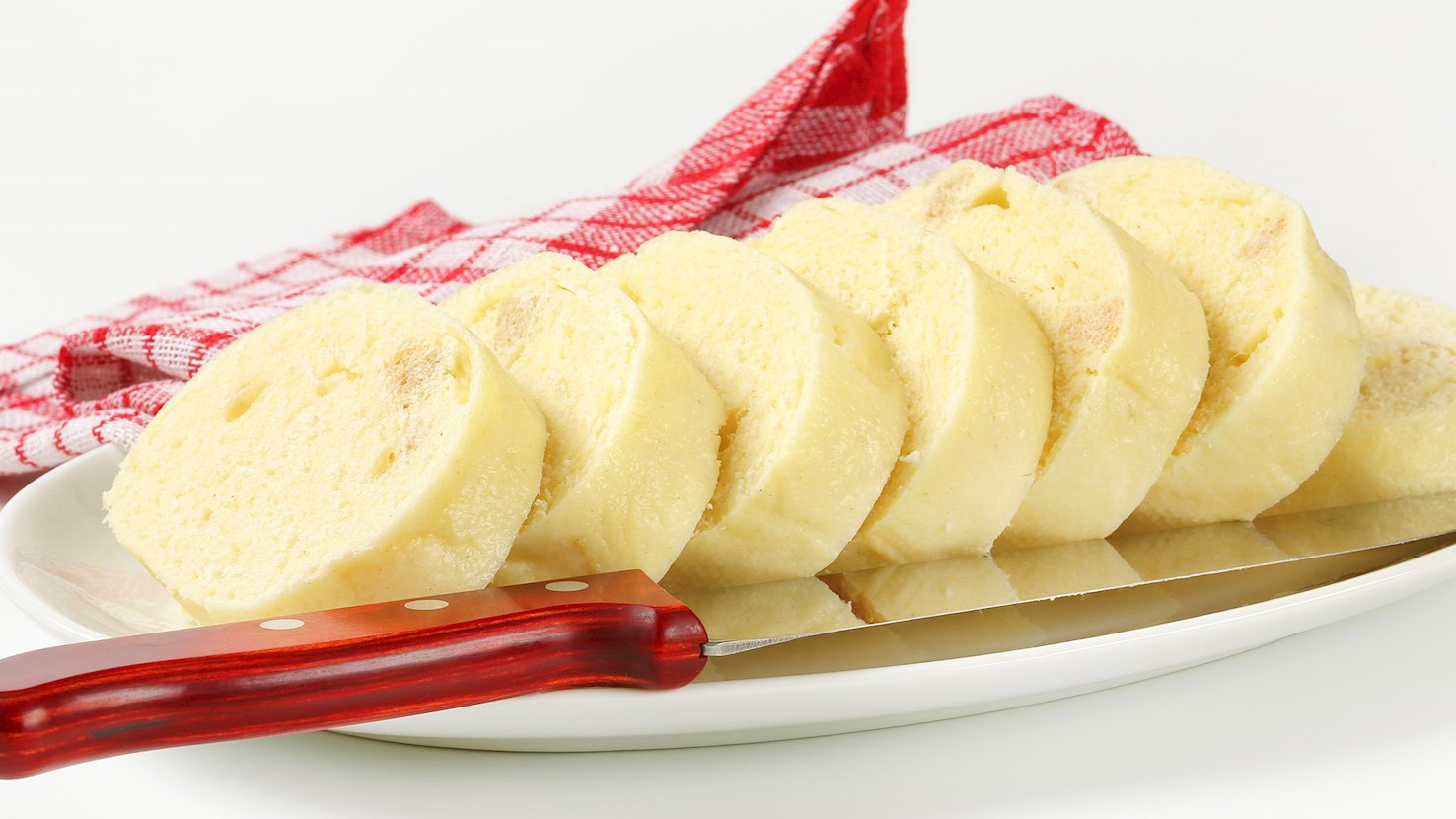
Czech knedlíky are traditional savory and sweet dumplings created with various ingredients. The main savory varieties include houskový, made with soaked bread, bramborové, made with mashed potatoes, syrove, made with cheese, and the plain yeast dumplings. While the sweet variations are filled with fruit and served as a dessert, the savory dumplings are usually formed in a roll, boiled or steamed, and served sliced. They can also be enriched with smoked meat, different herbs, or diced onions. Regardless of the type, knedlíky should always be fragrant and succulent. They are the most common side dish in the country, traditionally served alongside roasted meat and hearty stews. Similar varieties of boiled and steamed dumplings are commonly consumed across the Central and Eastern Europe, and they are especially favored in the neighboring Slovakia, Germany, and Austria.

02

Bramborové šišky s mákem

3.7 ·

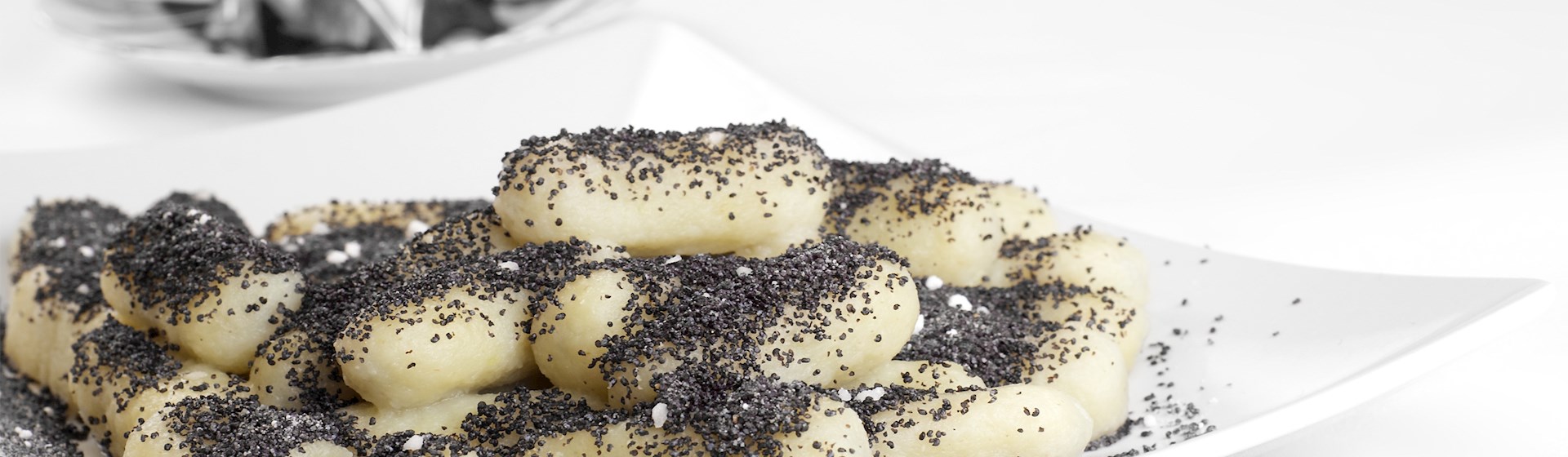
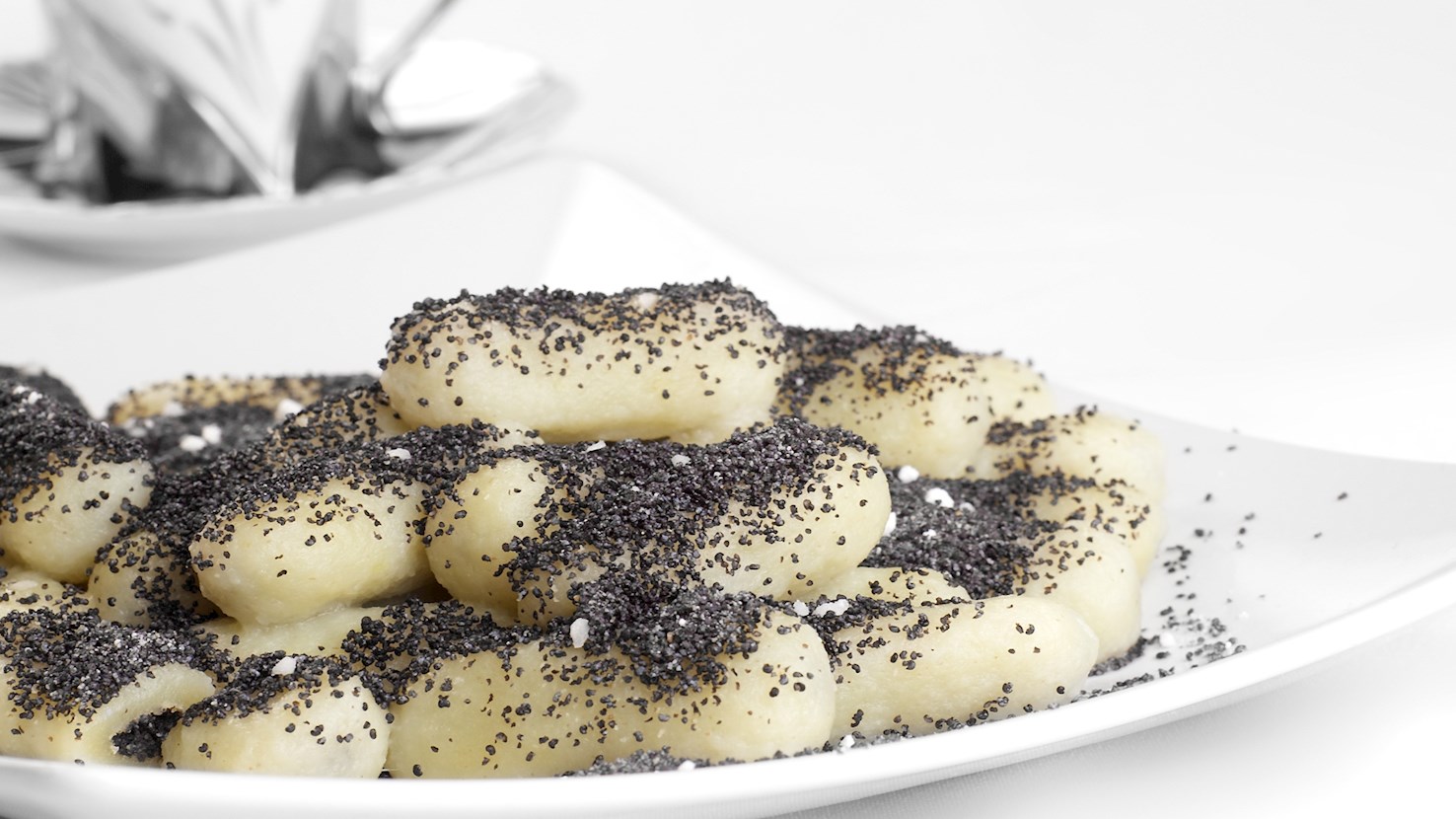
This flavorful Czech dish consists of potato dumplings that are traditionally dusted with sweetened, vanilla-flavored poppy seeds. Characterized by their cylindrical shape and delicate texture, the dumplings are shortly boiled, then served while still warm. The whole dish is occasionally doused in melted butter, complemented with jams, and enjoyed as the main course or a nutritious dessert.

03

Švestkové knedlíky (Czech plum dumplings)

3.8 ·

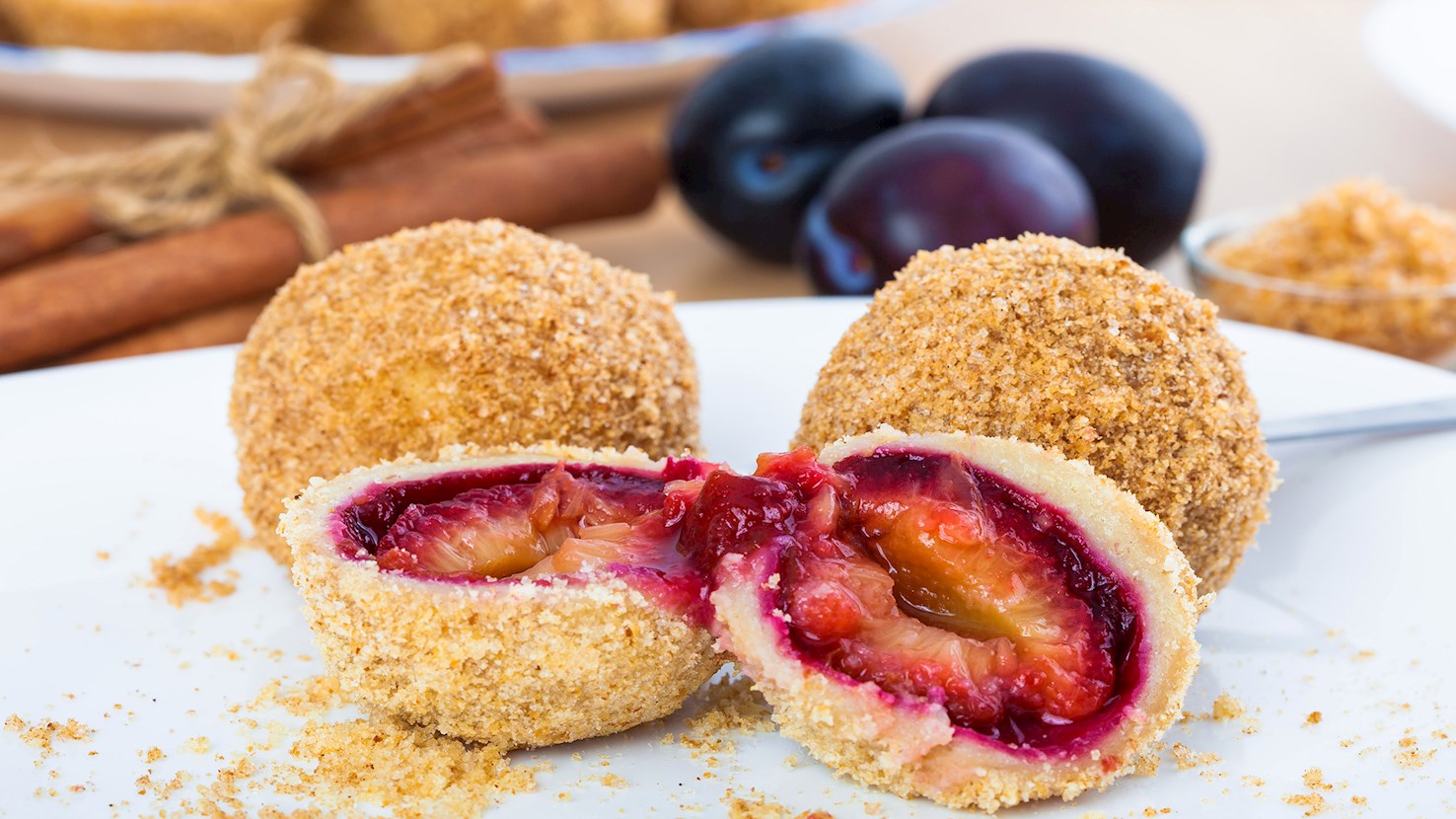
One of the classics of traditional Czech cuisine are these sweet, succulent plum dumplings known as švestkové knedlíky. They are prepared with leavened, potato, or fresh cheese dough that is wrapped around whole pitted plums. When cooked, the result is a soft, juicy treat that is usually enjoyed as a dessert or a sweet main course, usually complemented with melted butter, cinnamon sugar, poppy seeds, or grated tvaroh cheese.

04

Houskové knedlíky

3.9 ·

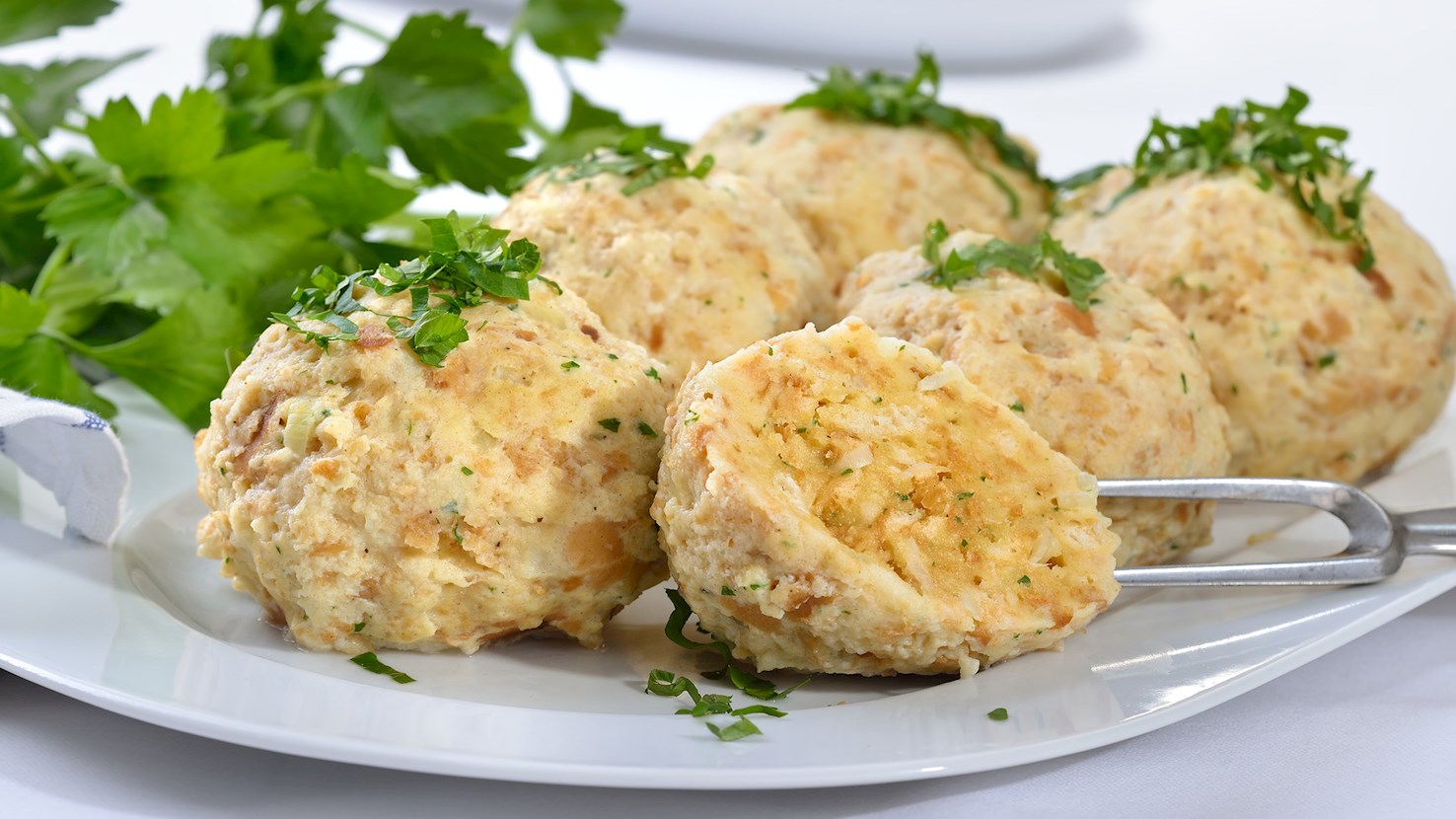
Semmelknödel are popular German bread dumplings–nutritious and convenient, they are one of the most versatile side dishes in traditional German cuisine. Even though there are numerous semmelknödel varieties, which come in various sizes, they all have a recognizable round form and employ bread as the base ingredient. Sliced or diced bread pieces, which can be fried in oil, are usually soaked in plain milk to soften, then mixed with eggs to form a pliable, soft base. Since they are incredibly neutral on their own, bread dumplings are usually mixed with different spices and additional ingredients to form a myriad of flavorful varieties. They commonly include onions and fresh herbs such as parsley or marjoram, but can even withstand strong flavors coming from nutmeg or fresh lemon zest. Even though semmelknödel are mostly served as a complement to various roast meat dishes and stews, they can be enjoyed as a nourishing dish on their own, usually served alongside vegetables and lentils, or doused in creamy mushroom sauces. Various dumplings are omnipresent in many European cuisines, but the invention of semmelknödel has usually been associated with the German region of Bavaria, from where it spread to other parts of Germany and countries such as Austria, Hungary, and the Czech Republic.

Read more
View all
View map
About this ranking

TasteAtlas food rankings are based on the ratings of the TasteAtlas audience, with a series of mechanisms that recognize real users and that ignore bot, nationalist or local patriotic ratings, and give additional value to the ratings of users that the system recognizes as knowledgeable. For the “4 Worst Rated Czech Dumplings” list until June 16, 2026, 853 ratings were recorded, of which 724 were recognized by the system as legitimate. TasteAtlas Rankings should not be seen as the final global conclusion about food. Their purpose is to promote excellent local foods, instill pride in traditional dishes, and arouse curiosity about dishes you haven’t tried.

Similar lists