

shutterstock

3 Worst Rated Indian Dumplings

Last updated on May 21, 2026
01

Pitha

3.1 ·

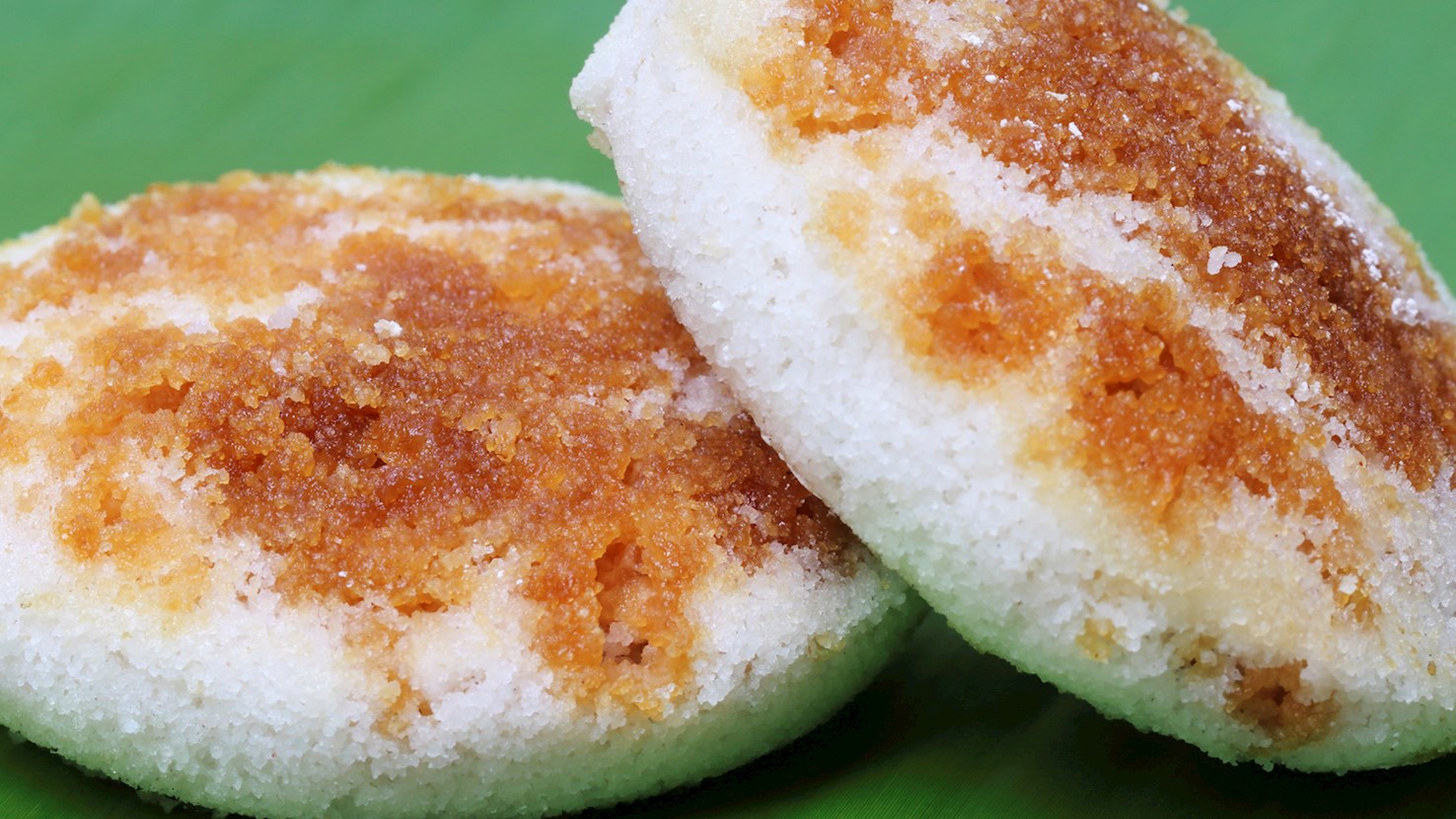
Pitha is a large group of bread and cakes that are popular throughout Bangladesh and India. The most common base for pitha is rice flour, although wheat or corn flour can also be used. Most varieties of pitha are prepared as small cookies or dumplings that are filled with spices, nuts, or different vegetables, in either sweet or savory versions. The simplest versions of pitha are filled with jaggery and coconut, while the more complex ones usually include cheese, lentils, and vegetables in the filling. In Bangladesh, pithas are usually reserved for special occasions - family celebrations, weddings, and harvest festivals such as Nabanna and Poush Parban. They are also often consumed as an afternoon snack, paired with a cup of tea.

02

Kozhukkatta

3.5 ·

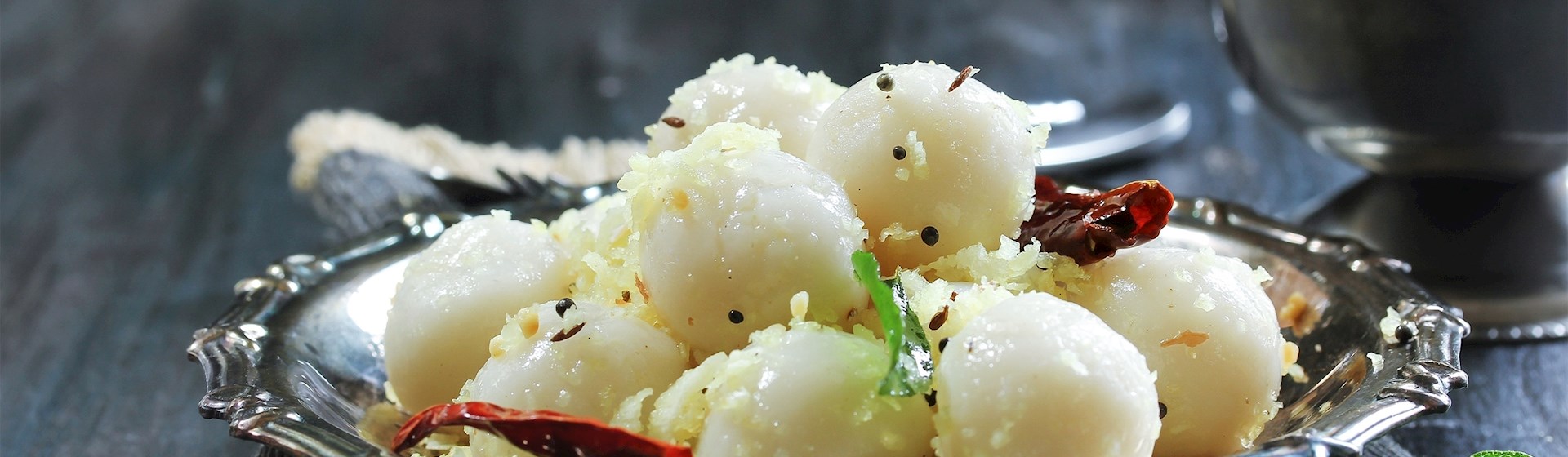
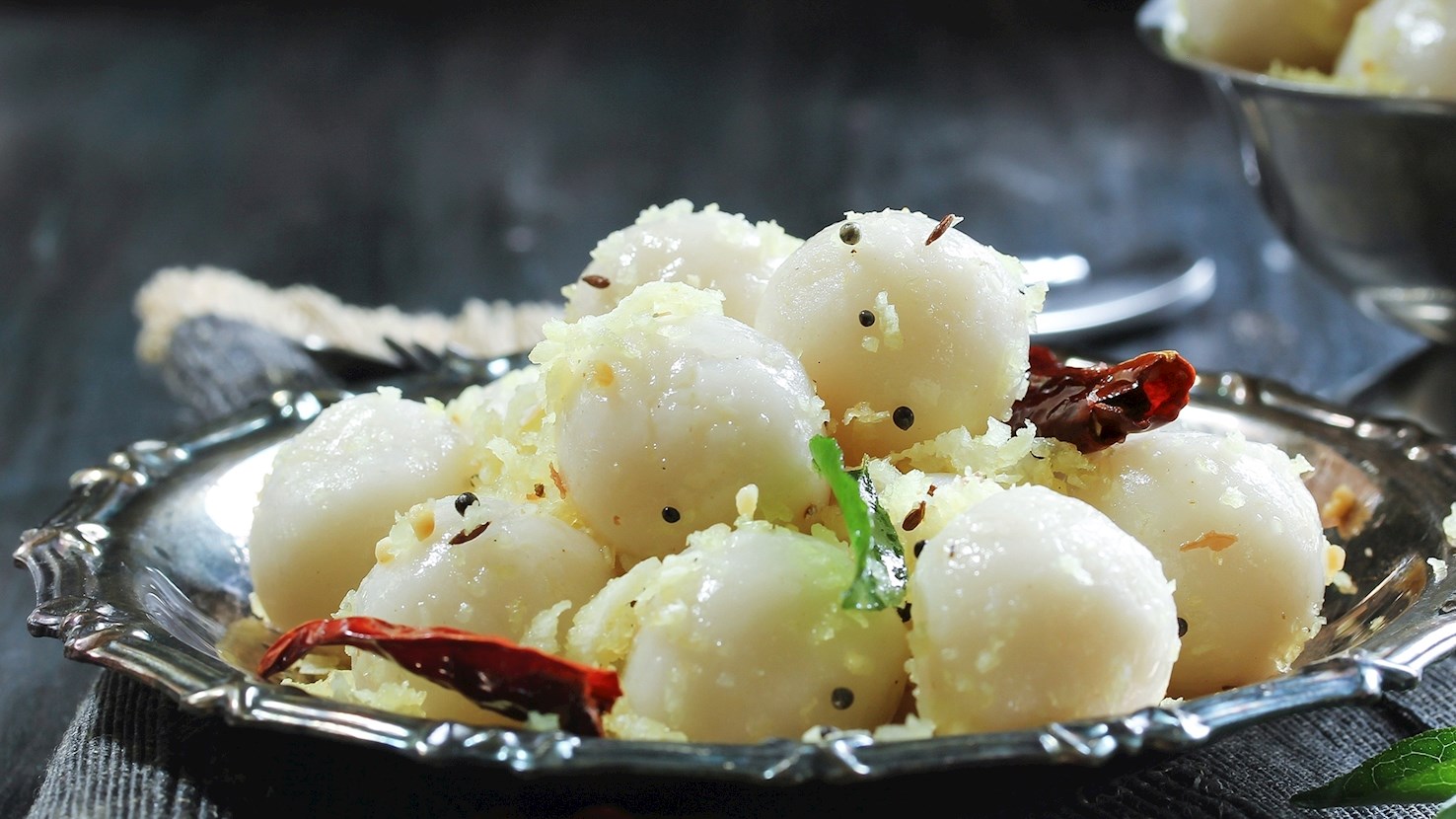
Kozhukkatta is the name for Indian rice flour dumplings filled with jaggery and coconut. The dumplings are steamed and then usually served for breakfast, or consumed as a snack, when they are accompanied by tea on the side. In some cases, cooks like to add cardamom or ghee to the filling. In Kerala, these dumplings are closely tied to Oshana Sunday celebrations, while in Tamil Nadu, kozhukkatta is associated with the elephant-faced god, Lord Ganesh, and it is prepared as an offering to receive his blessings for science, arts, and knowledge.

03

Modak

3.8 ·

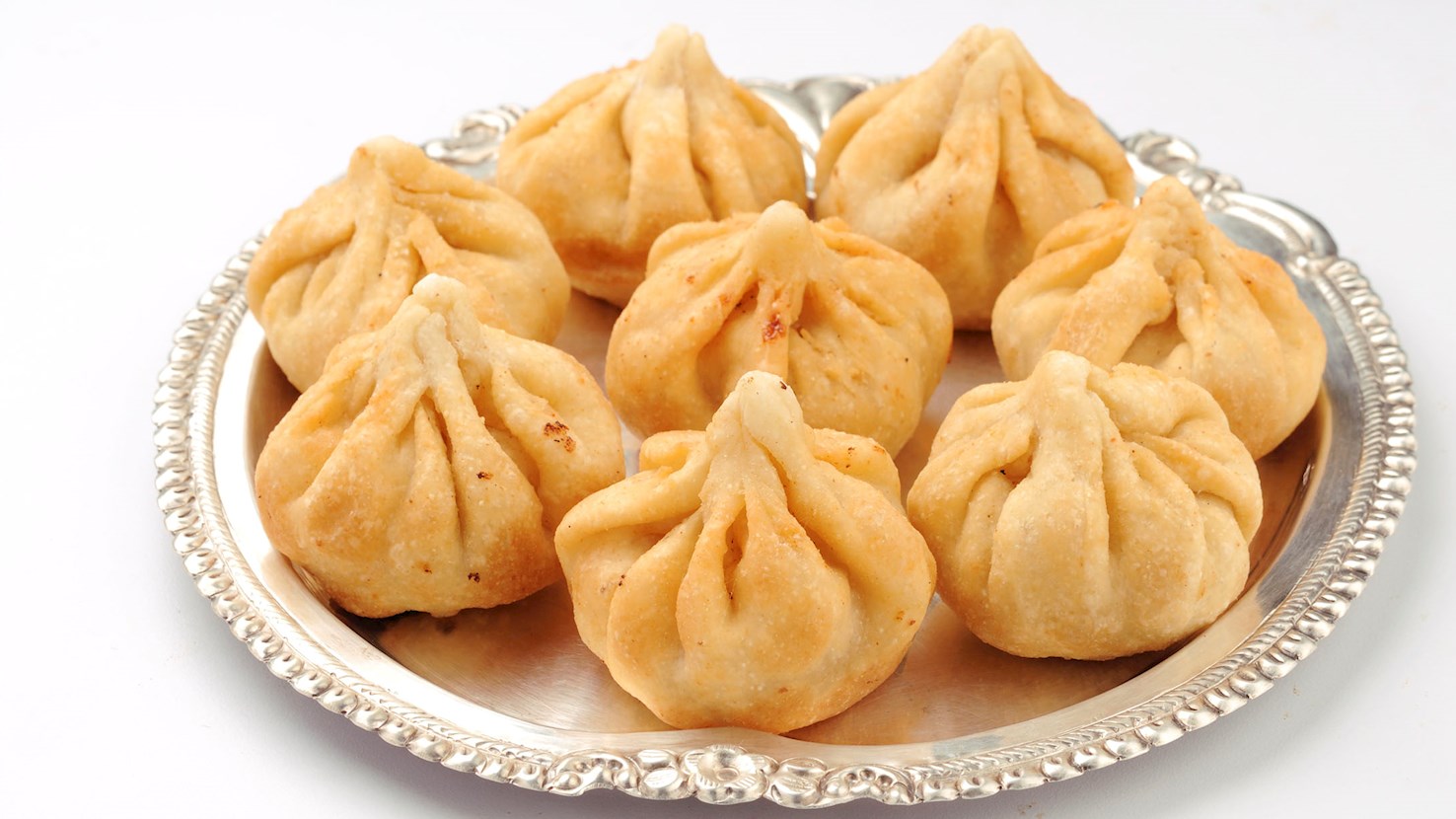
Modak is an Indian sweet dumpling believed to have originated in the state of Maharashtra. In India, modak is prepared in a variety of ways, and it is known under various names. Depending on the region, it is also referred to as mothagam or kozhukattai in Tamil, modhaka or kadubu in Kannada, or kudumu in Telugu. The ingredients, preparation, and cooking methods also depend on regional differences. However, the most common variety is called ukadiche modak, the steamed variety made with rice flour and filled with a sweet concoction of grated coconut and jaggery. Occasionally, wheat flour and semolina are used to make the modak shell, and the fillings might also include ingredients such as bananas, saffron, or nutmeg. Subsequently, prepared modak can be steamed, boiled, or fried, and sometimes it is even served raw. This traditional Indian delicacy is most famous for being the favorite dessert of the Hindu deity Ganesha, and it is always prepared as a religious offering during the Ganesh Chaturthi festival, which is held annually to honor and celebrate the elephant-headed god Ganesha. Steamed modak varieties are usually served with melted ghee, while fried varieties are commonly served plain.

Read more
View all
View map
About this ranking

TasteAtlas food rankings are based on the ratings of the TasteAtlas audience, with a series of mechanisms that recognize real users and that ignore bot, nationalist or local patriotic ratings, and give additional value to the ratings of users that the system recognizes as knowledgeable. For the “3 Worst Rated Indian Dumplings” list until May 21, 2026, 103 ratings were recorded, of which 66 were recognized by the system as legitimate. TasteAtlas Rankings should not be seen as the final global conclusion about food. Their purpose is to promote excellent local foods, instill pride in traditional dishes, and arouse curiosity about dishes you haven’t tried.

Similar lists