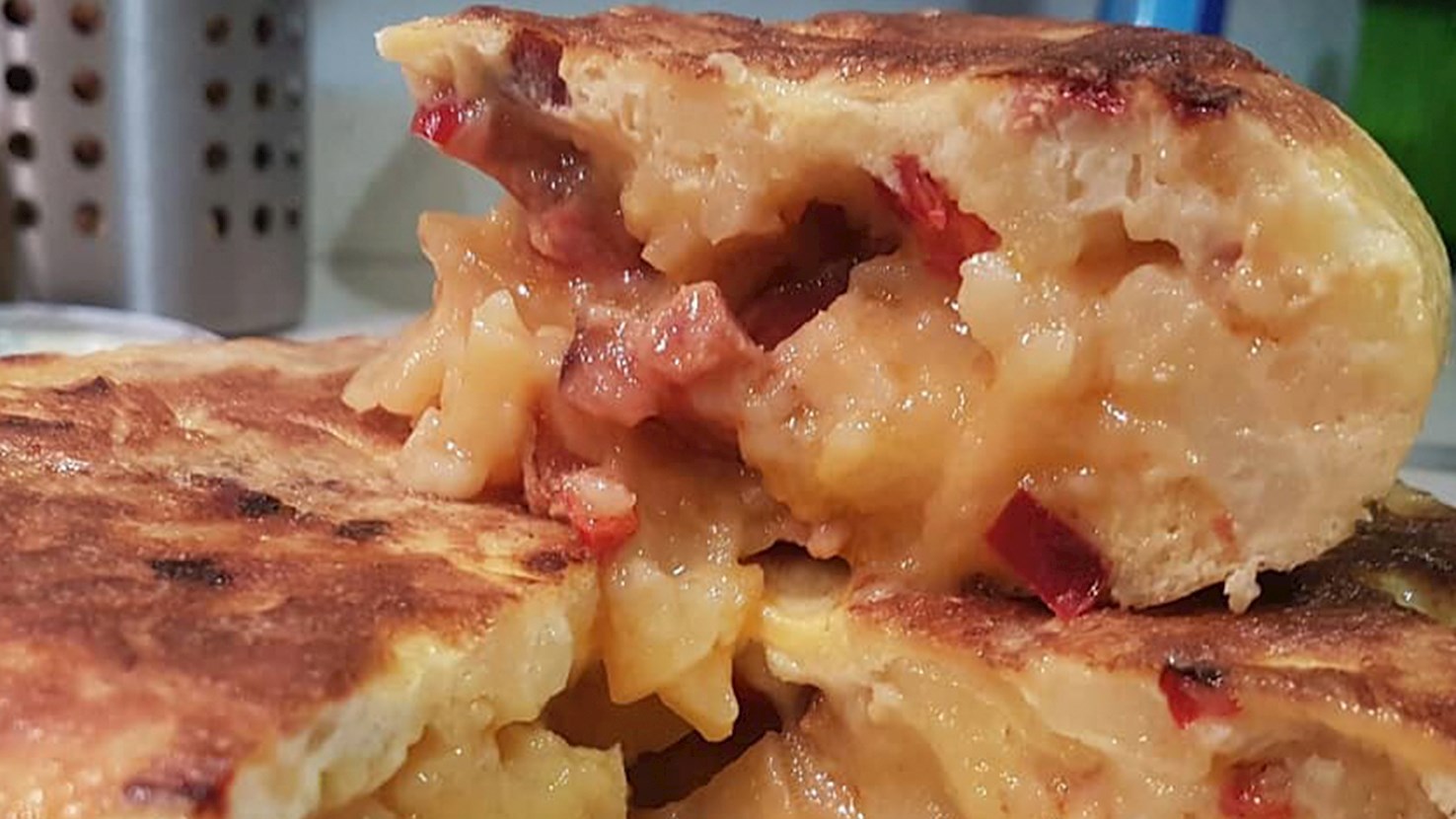
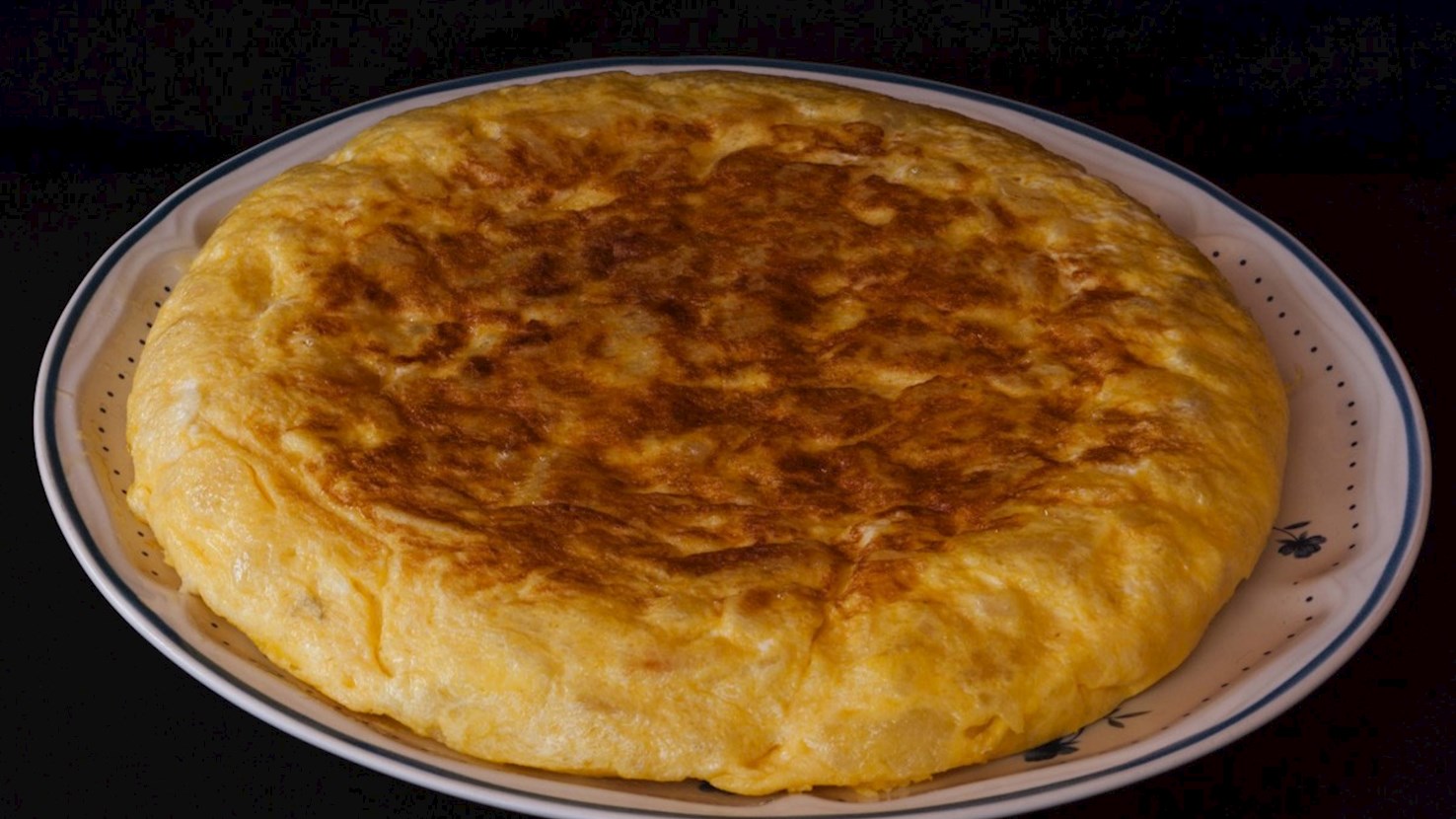
Tortilla a la paisana is a country-style variety of a Spanish omelet. It's made with the same ingredients (eggs, potatoes, salt, oil, and sometimes onions) with the addition of vegetables and jamón serrano. The vegetables used in tortilla a la paisana are usually bell peppers, peas, asparagus, and zucchinis. The ingredients are mixed together and fried as an omelet, which is later served sliced into smaller portions. The dish can be served warm, at room temperature, or even cold.
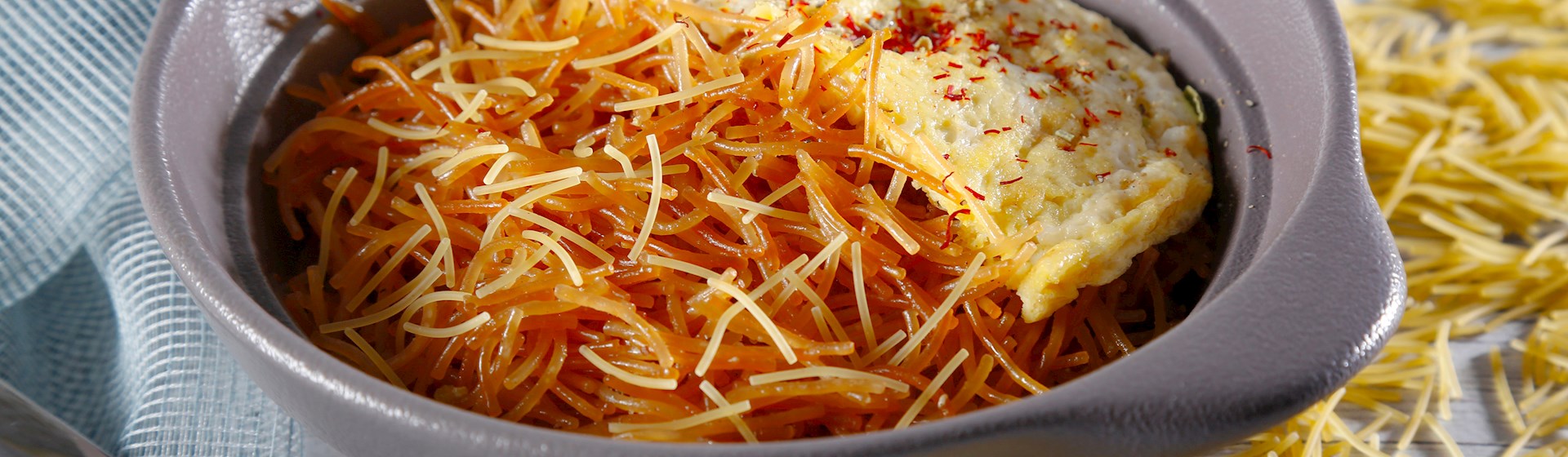
The sweet and savory balaleet is a breakfast dish that can be found in the Arab states of the Persian Gulf. It is typically made with vermicelli, eggs, cardamom, saffron, butter, and water, but it can also include rosewater, nuts, dried fruits, and honey. The aromatic mixture is topped with an omelet and served hot or cold, usually for breakfast. During the month of Ramadan, however, it is also served for dinner.
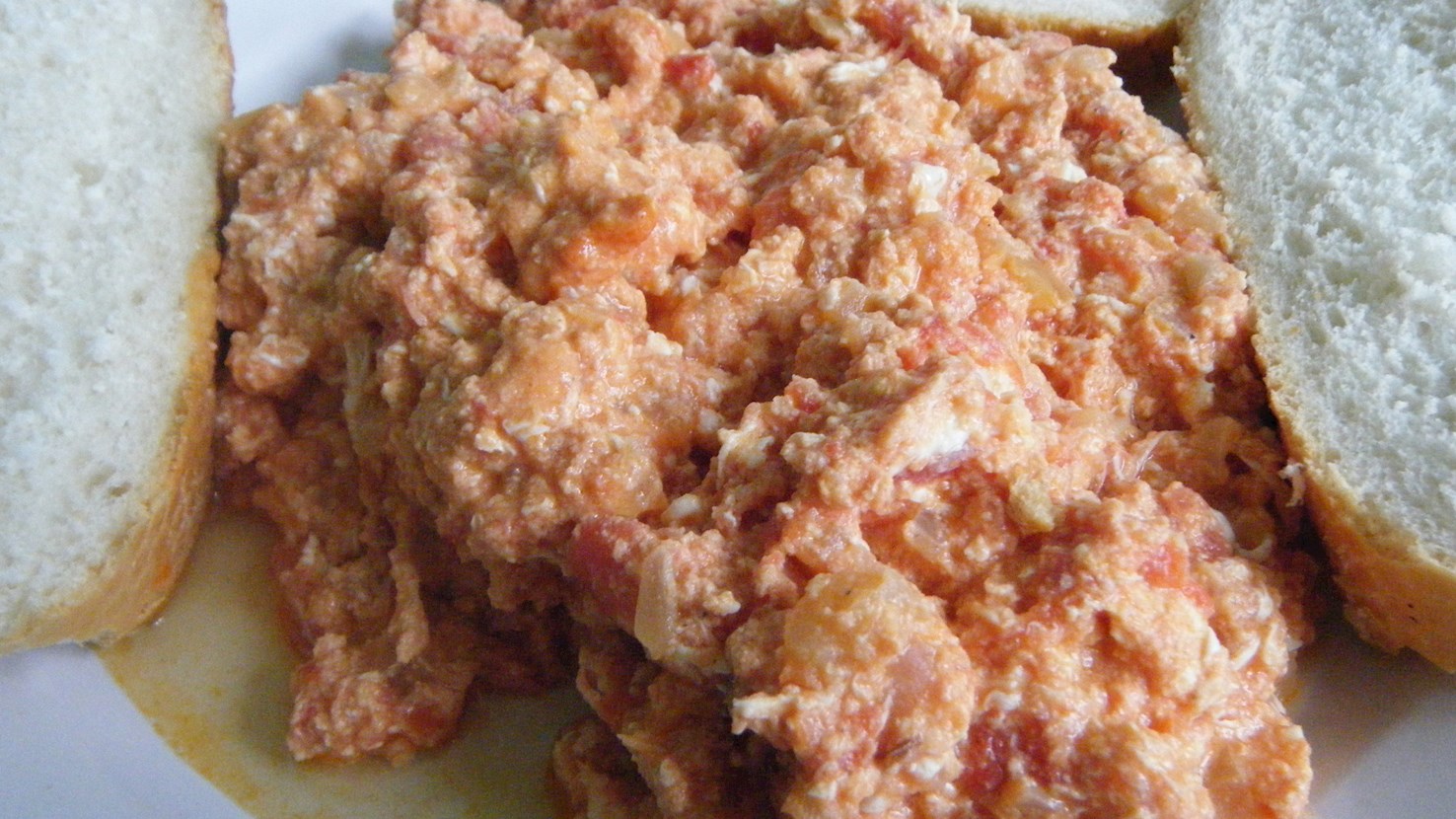
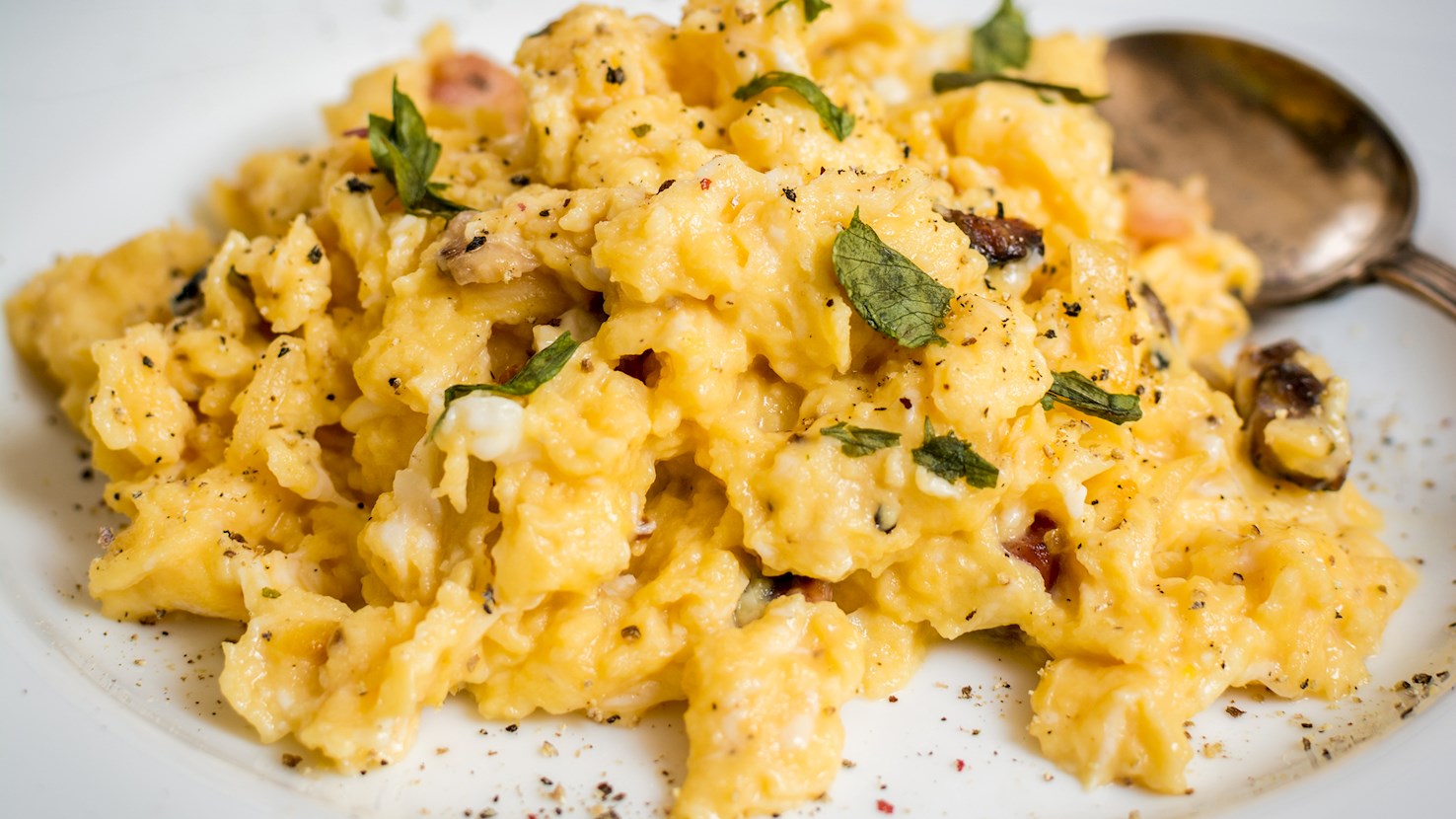
This Maltese version of scrambled eggs combines sautéed tomatoes and onions with whisked eggs. The combination is pan-fried and can be elevated with various additions such as meat, cheese, or spices. Buljubata is best served with crusty bread on the side, preferably the traditional Maltese bread variety called hobz tal-Malti. It is usually served for breakfast, lunch, or dinner, but it can also be consumed as a snack or a light main course.
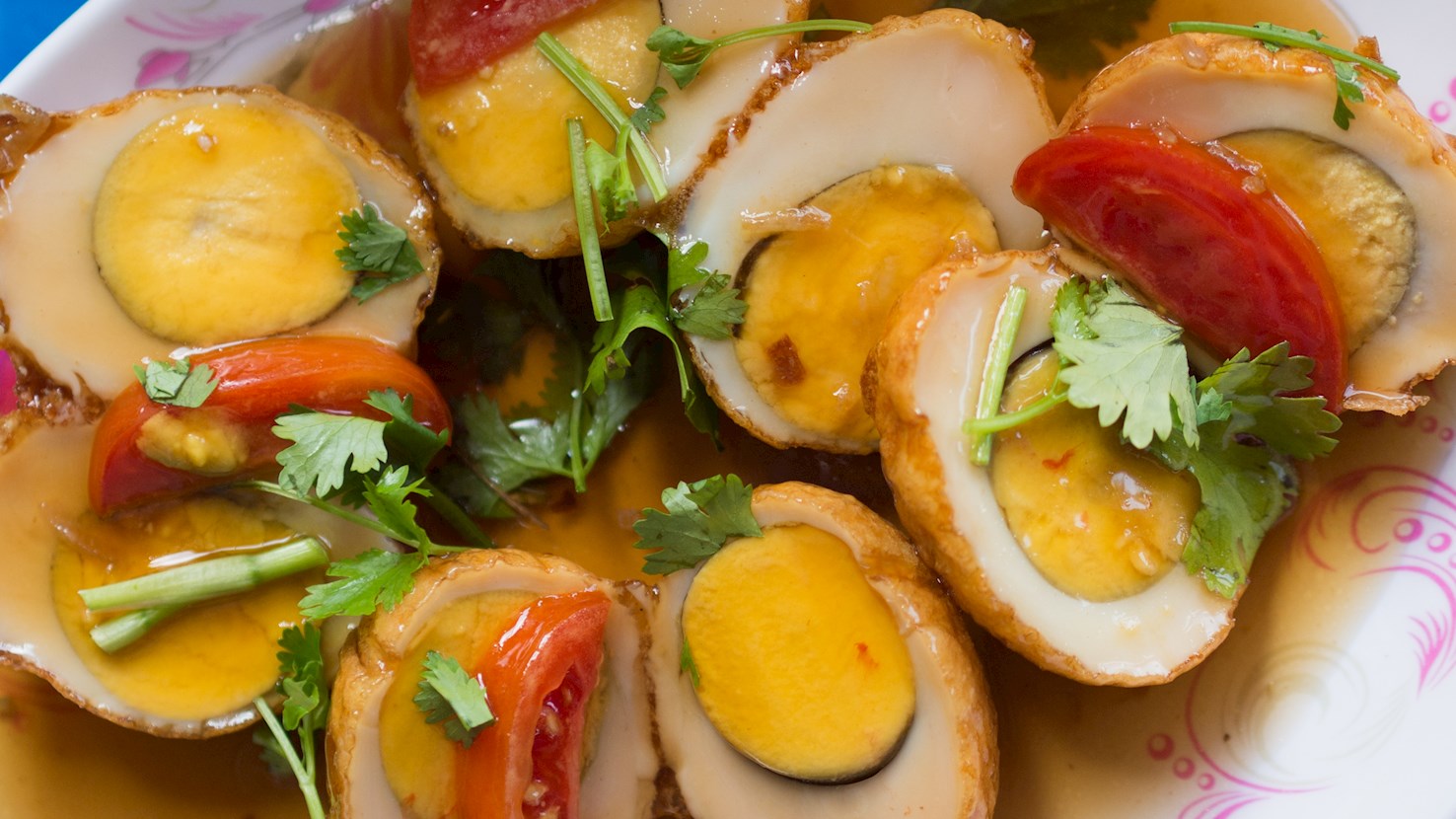
Khai luk khoei or son-in-law eggs is a traditional dish from Thailand. It's made with a combination of hard-boiled eggs, sugar, fish sauce, shallots, chili peppers, tamarind pulp, and cilantro sprigs for garnish. The peeled, hard-boiled eggs are fried in hot oil, then taken out to cool down. A sauce consisting of shallot oil, fish sauce, tamarind pulp, water, and sugar is then prepared in the same pan until it develops a slightly thick consistency. The eggs are then sliced in half, arranged on a platter, and drizzled over with the sauce. Before serving, this sweet and sour dish is garnished with cilantro sprigs, chili peppers, and fried shallots. The name of the dish can mean one or two things: some believe that the golden eggs act as a symbol of wealth (apparently a son-in-law wanted to impress his mother-in-law so he prepared this dish), while others claim that the eggs stand for the son-in-law's testicles - if he doesn't act properly with his wife, his mother-in-law would come and cook this dish the first time, but next time she'd threaten to use his testicles in the dish instead of the eggs.
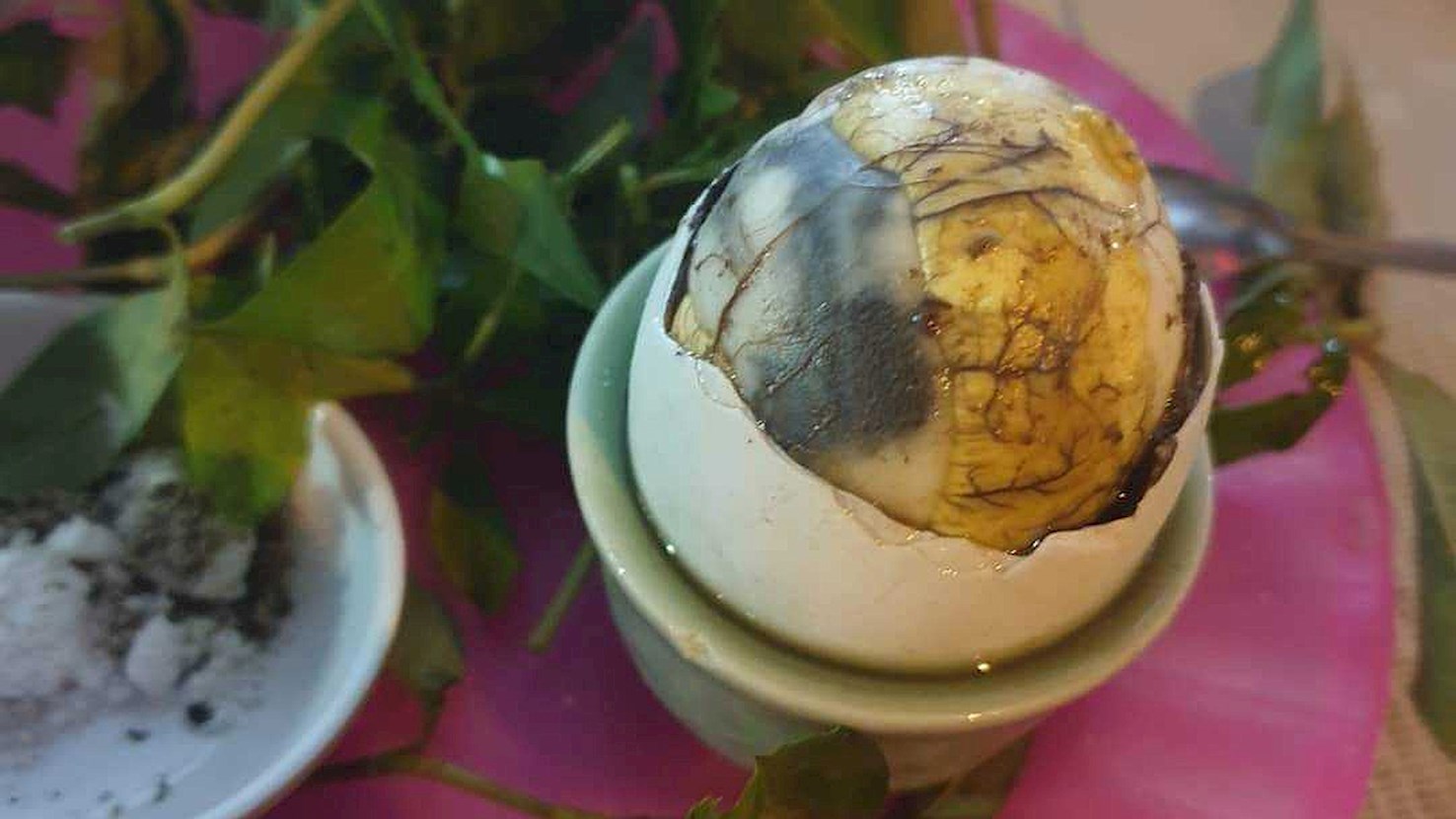
Balut is a popular, although unusual Filipino delicacy, served everywhere from street stalls to upscale restaurants. It is a duck egg that has been hard-boiled, fertilized, and incubated. Traditionally, the cooked embryo is consumed straight from the shell. It is considered an aphrodisiac that is commonly paired with a cold beer on the side. The dish can be seasoned with chili, garlic, vinegar, salt, lemon juice, ground pepper, and mint leaves. It can also be cooked in omelets or used as a filling for pastries. Although balut is closely associated with Filipino cuisine and has achieved popularity throughout the world, it is still considered a poor man's meal in the Philippines.
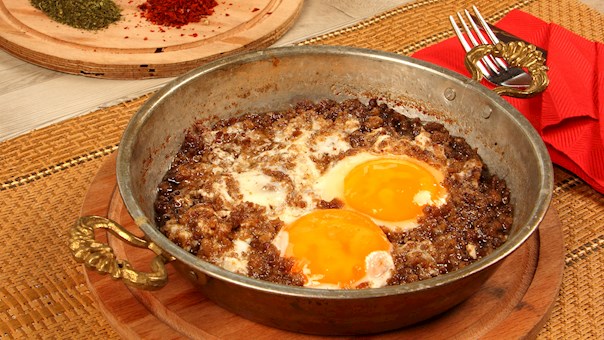
Čimbur is a simple Bosnian dish that is similar to scrambled eggs. It is made by sautéing onions in butter and oil and then adding eggs to the combination, which should be mixed the entire time, and the eggs should be neither runny nor too dry. Some versions of the dish incorporate green onions or pieces of meat. In Bosnia, the name čimbur is more commonly used for another dish, which is also known as čimbur s mesom (čimbur with meat), consisting of minced meat that is topped with whole eggs.
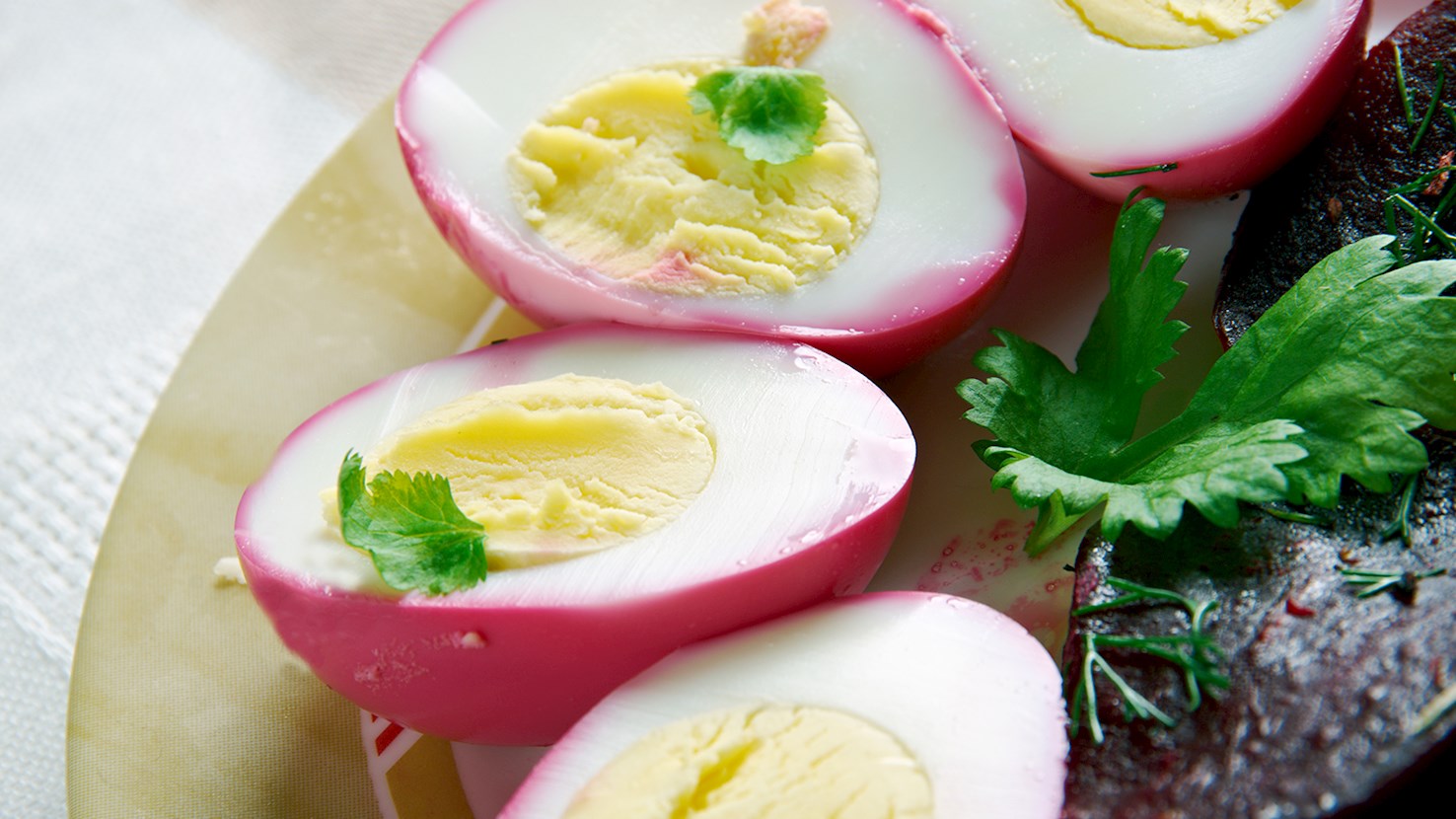
Beet eggs are a traditional Amish dish originating from Pennsylvania. In order to prepare it, eggs are hard-boiled in a seasoned liquid that's made from cooked beets. The liquid is usually seasoned with onions, sugar, vinegar, cloves, salt, and (sometimes) a cinnamon stick. Once cooked, the eggs develop a purplish-red color. It is believed that beet eggs were the first colored eggs for the holiday of Easter, and the tradition has been brought to America by the first Amish immigrants. These eggs have sweet and sour flavors and they're often served as appetizers or part of a main course.
Tortilla de manzana is a traditional apple omelet originating from Asturias. It's made with a combination of eggs, sugar, butter, olive oil, and (ideally) Reinetas apples. If unavailable, these Asturian apples can be replaced with Golden Delicious apples. The apples are cut into wedges and sautéed for up to 20 minutes until soft and lightly browned on the sides. Once done, they're sprinkled with sugar. The eggs are beaten, then added to the pan with the apples, until the eggs set at the bottom. The pan is then placed under the broiler to set the top of the omelet, which should still be creamy on the inside. This sweet omelet is served hot, and if desired, it can be enriched with cinnamon or apple brandy.
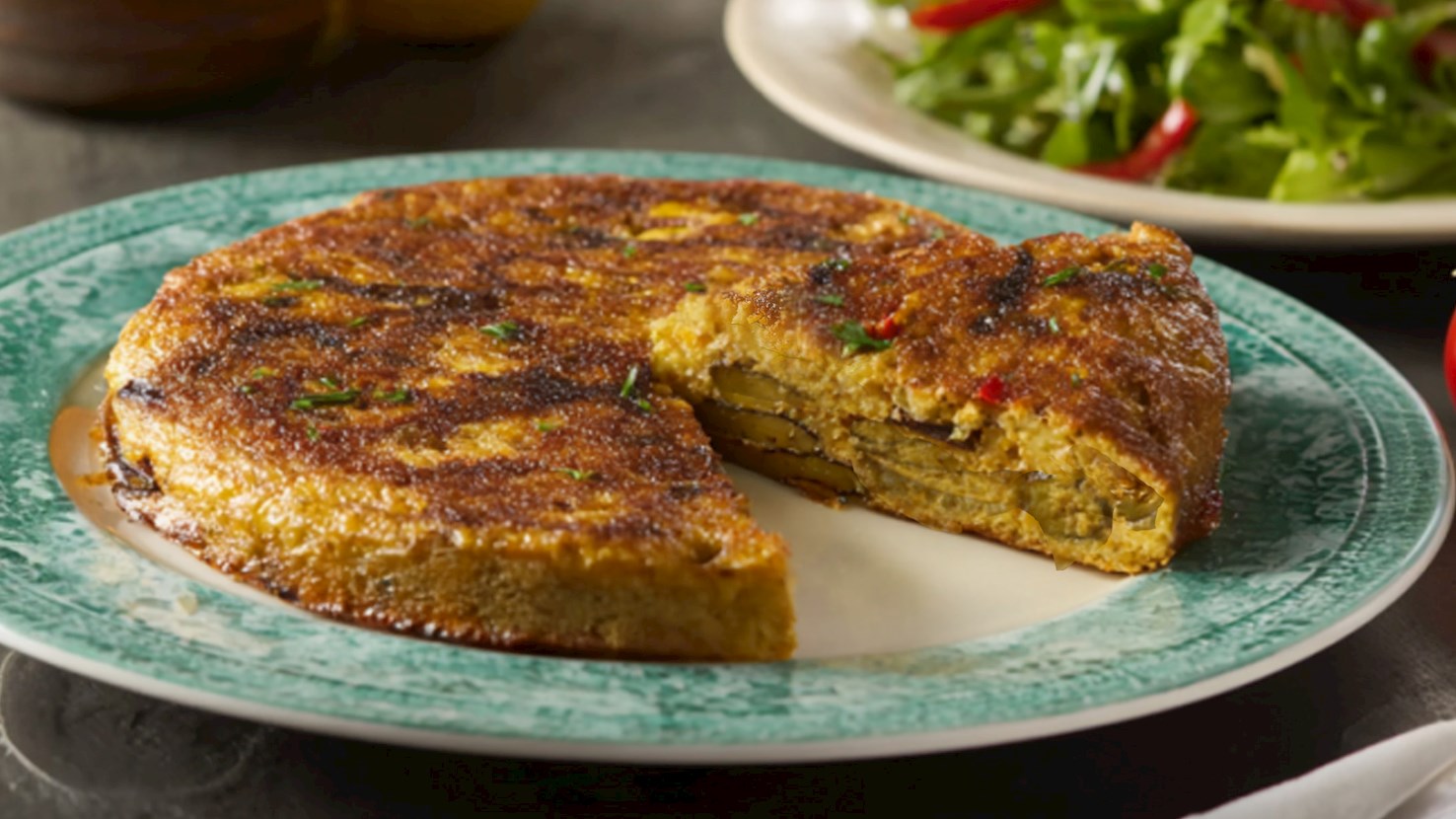
Kuku bademjan is a savory Persian egg-based dish prepared with eggplants, commonly enjoyed across Iran as a main or side course. It belongs to the broader family of kuku recipes, which are similar to frittatas and often combine eggs with vegetables or herbs. The history of kuku as a cooking method dates back centuries, with references in Persian culinary manuscripts to dishes that bind seasonal vegetables with eggs to create a nourishing and economical meal. Over time, variations developed to showcase regional produce, and eggplant became a favored choice because of its soft texture and ability to absorb flavors. As eggplants spread from India and the Middle East to Iran, they gained prominence in many dishes, including stews and kuku preparations. To make kuku bademjan, eggplants are peeled and sliced before being salted and left to rest briefly to reduce bitterness. They are then fried or sautéed in oil until tender and lightly golden. In a bowl, the cooked eggplants are combined with beaten eggs, finely chopped onions, turmeric, salt, black pepper, and sometimes crushed garlic or fresh herbs such as parsley or dill. This mixture is poured into a skillet and cooked over gentle heat until the eggs set and the edges become crisp. In some recipes, the pan is briefly finished in the oven to firm the center without burning the bottom. Kuku bademjan is cut into wedges or squares for serving. It can be served hot, warm, or cold, and is often accompanied by fresh herbs, flatbreads like lavash or sangak, and a side of yogurt or torshi (pickled vegetables). The combination of soft eggplant and fluffy eggs creates a texture that pairs well with rice dishes and salads. Kuku bademjan is commonly eaten at family gatherings, picnics, and as part of shared meals where multiple small dishes are presented together.
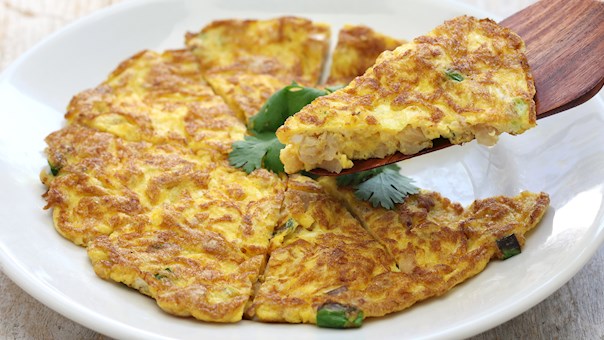
Hoy tod is a traditional dish that's commonly sold at street food stands. This crispy omelet is prepared with plump oysters or mussels (or both) and bean sprouts that are fried after being coated in savory egg batter. Once fried, the omelet is typically garnished with spring onions and served with assorted condiments such as green chili sauce, fish sauce with chili peppers, or tomato sauce. There's also the spongy and gooey version called or suan, and it's said that men usually prefer or suan, while women opt for the crispy hoy tod.
TasteAtlas food rankings are based on the ratings of the TasteAtlas audience, with a series of mechanisms that recognize real users and that ignore bot,
nationalist or local patriotic ratings, and give additional value to the ratings of users that the system recognizes as knowledgeable.
For the “94 Worst Rated Egg Dishes in the World” list until September 15, 2026, 10,714 ratings were recorded, of which 7,105 were recognized by the system as legitimate.
TasteAtlas Rankings should not be seen as the final global conclusion about food. Their purpose is to promote excellent local foods,
instill pride in traditional dishes, and arouse curiosity about dishes you haven’t tried.









What People Say