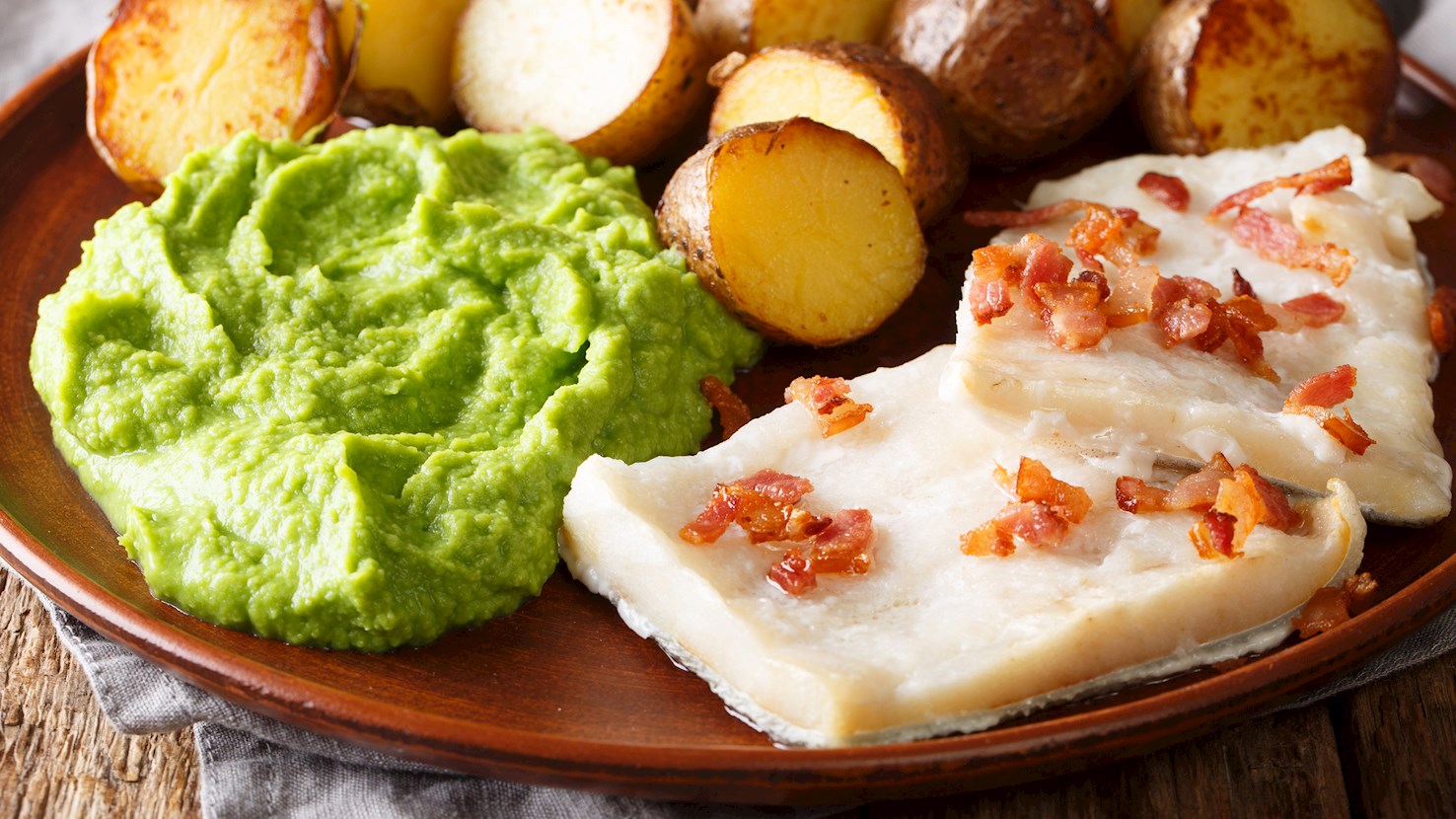
Lutefisk is a Scandinavian dish made from dried whitefish, most commonly cod, that has been rehydrated through a unique process involving a lye solution. It is closely associated with Norway and Sweden, though it is also eaten in parts of Finland and by Scandinavian communities in North America. Its origins lie in the necessity of preserving fish for long periods in harsh northern climates. Drying cod on wooden racks in the cold, windy air was one of the earliest and most effective preservation methods, allowing fish to be stored and transported without spoiling. Once dried, the fish was extremely hard and required soaking to make it edible again. At some point, the practice of soaking it in water combined with lye emerged, possibly as a way to accelerate rehydration or improve texture, and this became codified into the process known today. Over centuries, lutefisk became deeply woven into seasonal food traditions across Scandinavia, valued not only for its preservation heritage but also for its association with celebration and shared meals. Preparing lutefisk is a multi-stage process that transforms the fish’s structure completely. First, stockfish or dried cod is soaked in cold water for several days to reintroduce moisture. It is then soaked in a lye solution, which breaks down the protein structure and gives the fish its signature gelatinous, translucent texture. Because lye is caustic, the fish is subsequently soaked again in fresh water for several days to remove any traces of alkalinity and render it safe for consumption. Once this is done, the lutefisk is ready to cook, typically by steaming, baking, or gently poaching. The final dish is delicate and quivering, with a mild flavor that reflects the purity of its preparation. It is often served with accompaniments designed to balance its soft texture and subtle taste. In Norway, it is commonly paired with boiled potatoes, bacon, mustard, and green peas. In Sweden, additions like white sauce, allspice, and sometimes lingonberries provide contrast. In Finnish households, it may be served with melted butter or béchamel sauce. In North America, where it became an emblem of Scandinavian immigrant heritage, lutefisk dinners are often community events, served in church halls with simple sides and strong coffee. The use of lye is what sets lutefisk apart from nearly all other preserved fish dishes, producing a consistency unlike any other preparation method. While its slippery, gelatinous texture divides opinion, it is precisely this transformation that makes it distinctive. Lutefisk continues to be a seasonal centerpiece, valued as much for its connection to heritage as for its place in the contemporary Nordic table, where it is eaten slowly and socially, often surrounded by dishes that balance its mildness with richness, acidity, or spice.
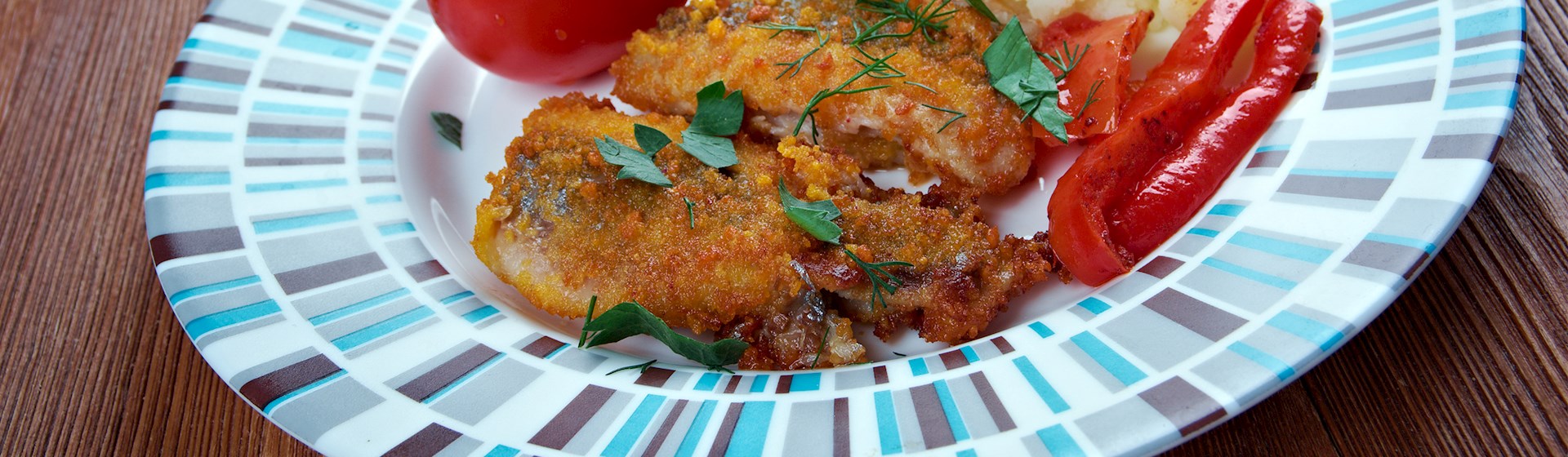
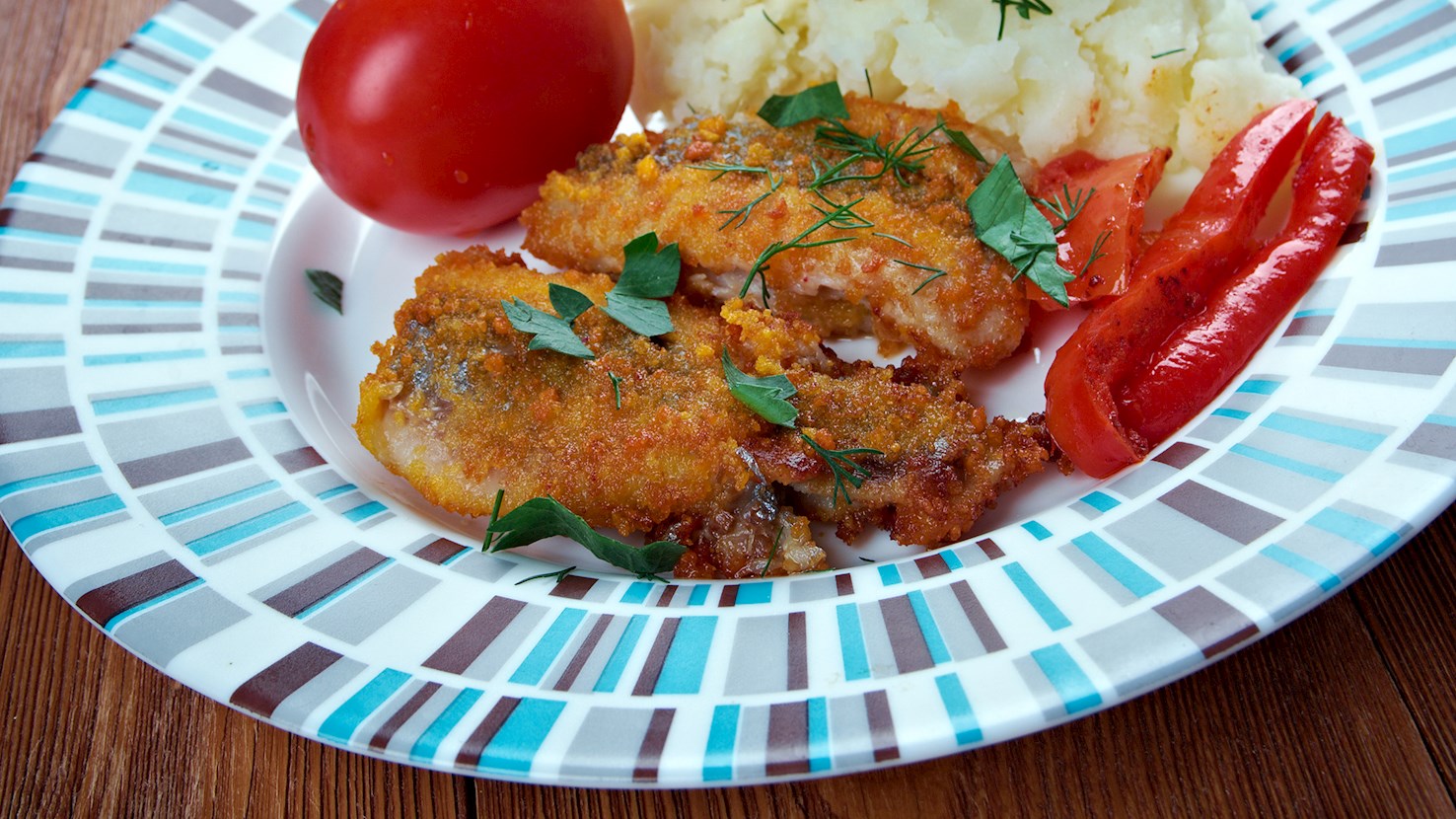
Stekt strömming or fried herring is a hearty Swedish specialty consisting of herring fillets that are seasoned with salt, white pepper, and fresh dill, coated with flour and breadcrumbs, then fried in butter until crisp and golden brown on the outside. There are many ways to eat and serve these delicious fish fillets, but usually, they are accompanied by mashed potatoes, lingonberries or lingonberry jam, red onions, or pickled cucumbers. Another way to consume fried herrings is by topping them with a mixture of vinegar, sugar, allspice, and chopped red onions, which is also used in another Swedish fish dish known as inlagd sill (pickled herring). In Sweden, freshly fried herrings placed on top of a buttered crispbread or Swedish knäckerbröd are sold as a popular street food item. Other delicious variations of this dish include herring roll (strömmingsrulle) and herring burger (strömmingsburgar).
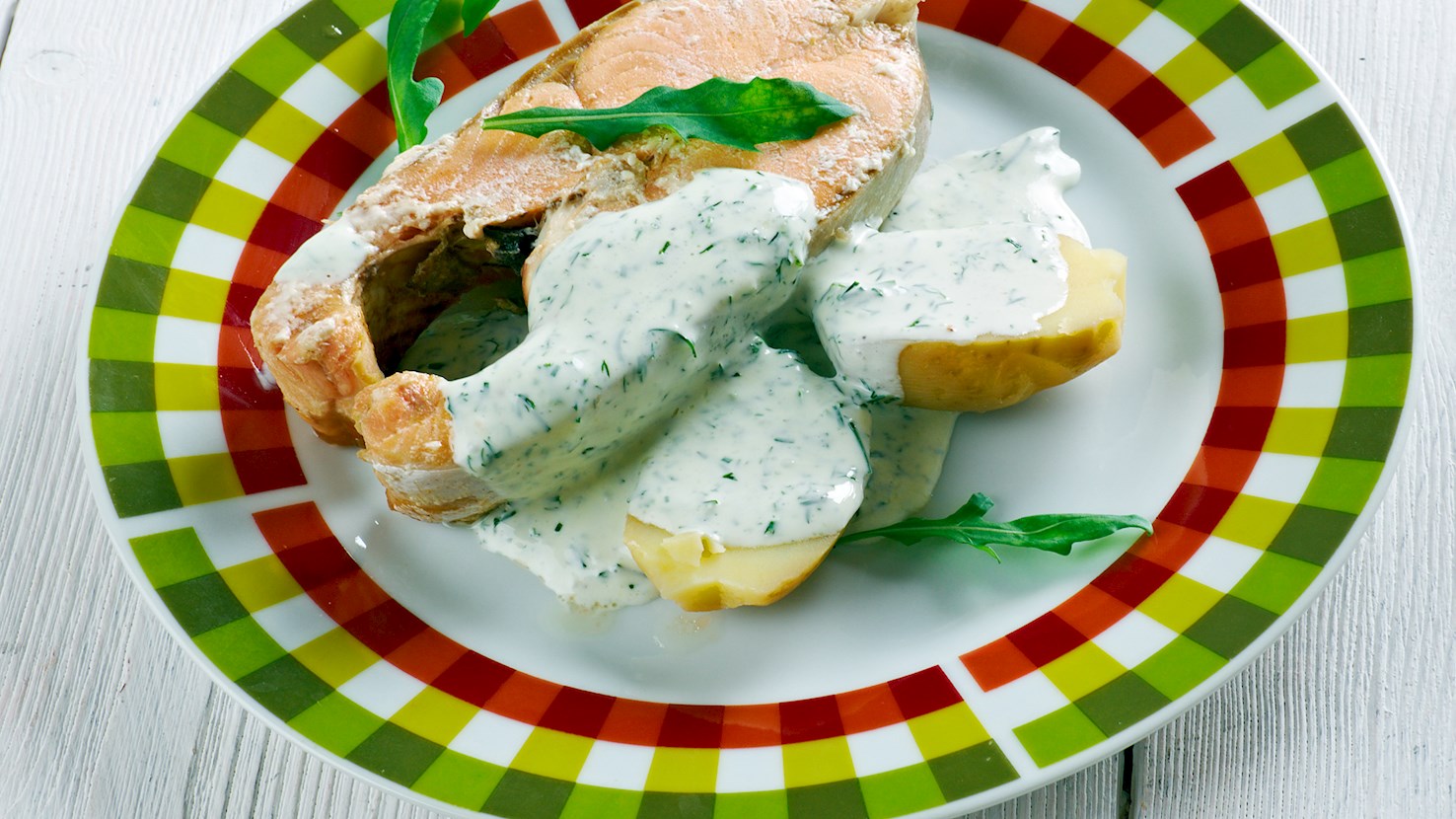
Inkokt lax is a Swedish specialty consisting of salmon that is lightly simmered in a marinade of water, vegetables, white wine vinegar, salt, and spices. The cooked salmon should be left to cool (usually overnight) before serving. Cold poached salmon is typically accompanied by new potatoes, fresh dill mayonnaise, and lemon slices on the side. Other popular accompaniments include asparagus, pickled cucumbers, fresh salads, tartar sauce, hollandaise, or skarpsås sauce. Some variations of this dish call for the addition of fresh herbs such as thyme, fresh dill, or rosemary for better flavor. Simple and refreshing, inkokt lax is usually enjoyed at dinner parties and picnics. It also serves as a perfect addition to a Swedish smörgåsbord.
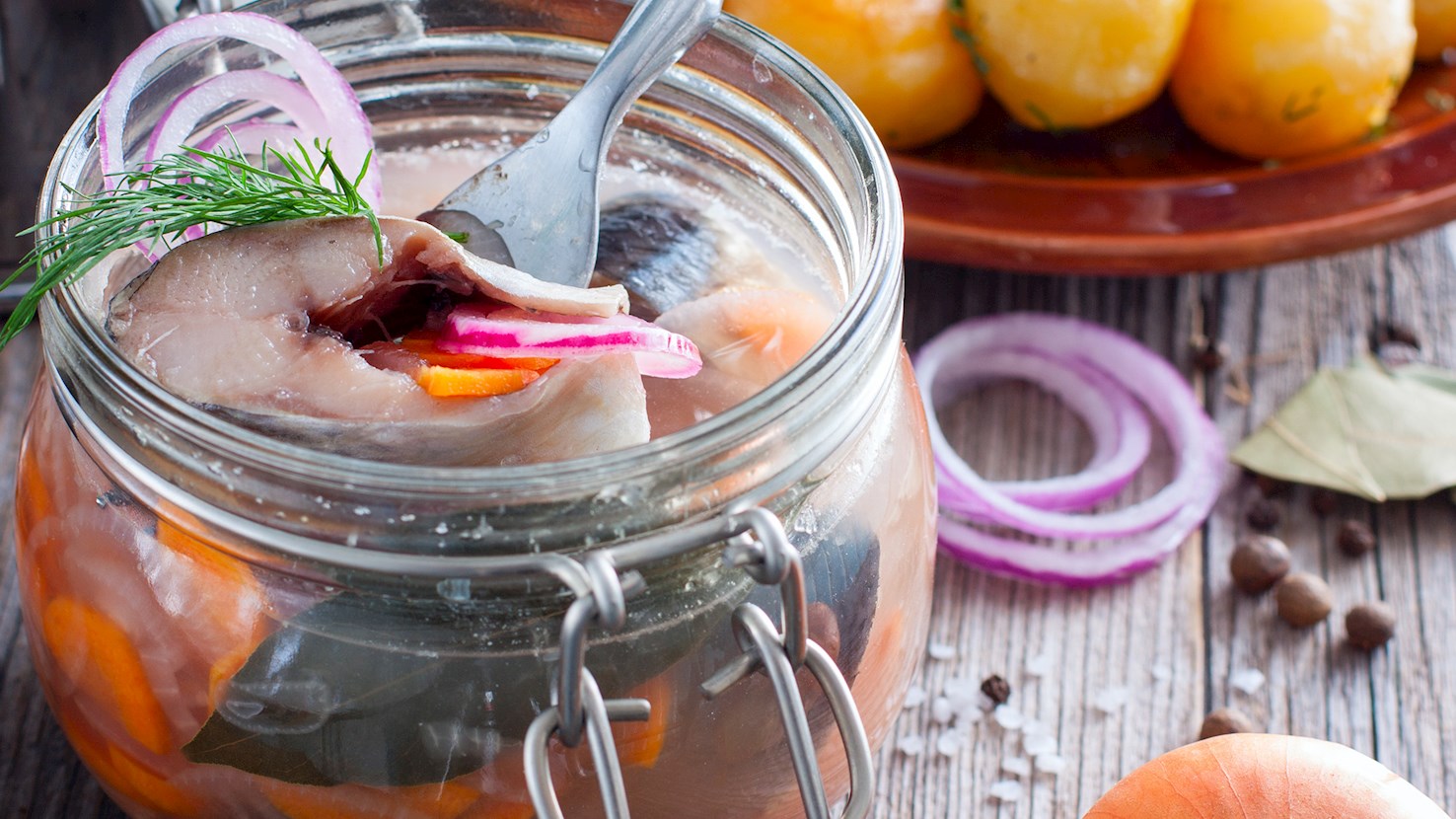
Inlagd sill or pickled herring is a Swedish fish dish that has long been served in Sweden at Midsummer, Christmas, and Easter celebrations. The dish consists of cleaned, skinned, and salted herring that is soaked in a marinade of vinegar, sugar, chopped onions and carrots, allspice, bay leaves, pepper, and crushed peppercorns. Before serving, the fish is cut into thick slices and it is traditionally garnished with minced red onion and sprigs of fresh dill. As always, Swedish snaps (shots of strong alcoholic beverages) are more than welcome to accompany this dish.
TasteAtlas food rankings are based on the ratings of the TasteAtlas audience, with a series of mechanisms that recognize real users and that ignore bot,
nationalist or local patriotic ratings, and give additional value to the ratings of users that the system recognizes as knowledgeable.
For the “4 Worst Rated Swedish Fish Dishes” list until May 21, 2026, 386 ratings were recorded, of which 338 were recognized by the system as legitimate.
TasteAtlas Rankings should not be seen as the final global conclusion about food. Their purpose is to promote excellent local foods,
instill pride in traditional dishes, and arouse curiosity about dishes you haven’t tried.