

shutterstock

11 Worst Rated Fish Roes
in the World

Last updated on June 16, 2026
01

Kazunoko

2.7 ·

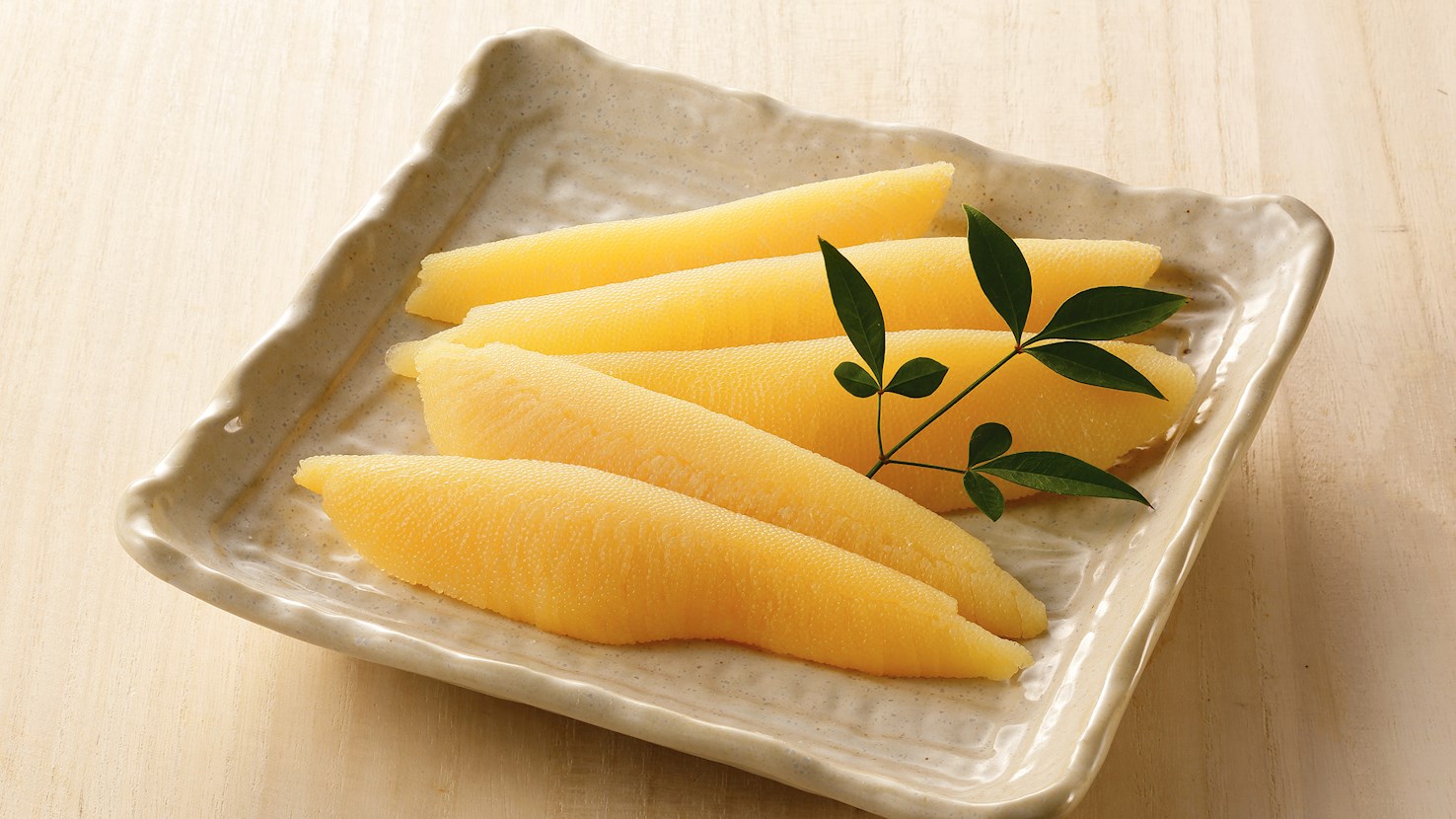
Kazunoko is a Japanese term for salted herring roe that is typically marinated in dashi stock. This yellow roe is slightly elongated and filled with tiny round eggs that pop and release their briny flavor when eaten. In Japan, herring roe is usually first desalted and then marinated in dashi stock, which is often seasoned with soy sauce, kelp (seaweed), and bonito flakes. The word translates as number (kazu) and child (ko), and the dish symbolizes a prosperous future and fertility. Because of this, kazunoko is one of the essential courses served during Japanese New Year festivities—collectively called Osechi-ryōri. Herring roe can be enjoyed on its own, but it is also incorporated into sushi, and it is one of the ingredients in matsumaezuke.

02

Bottarga di Tonno

3.2 ·

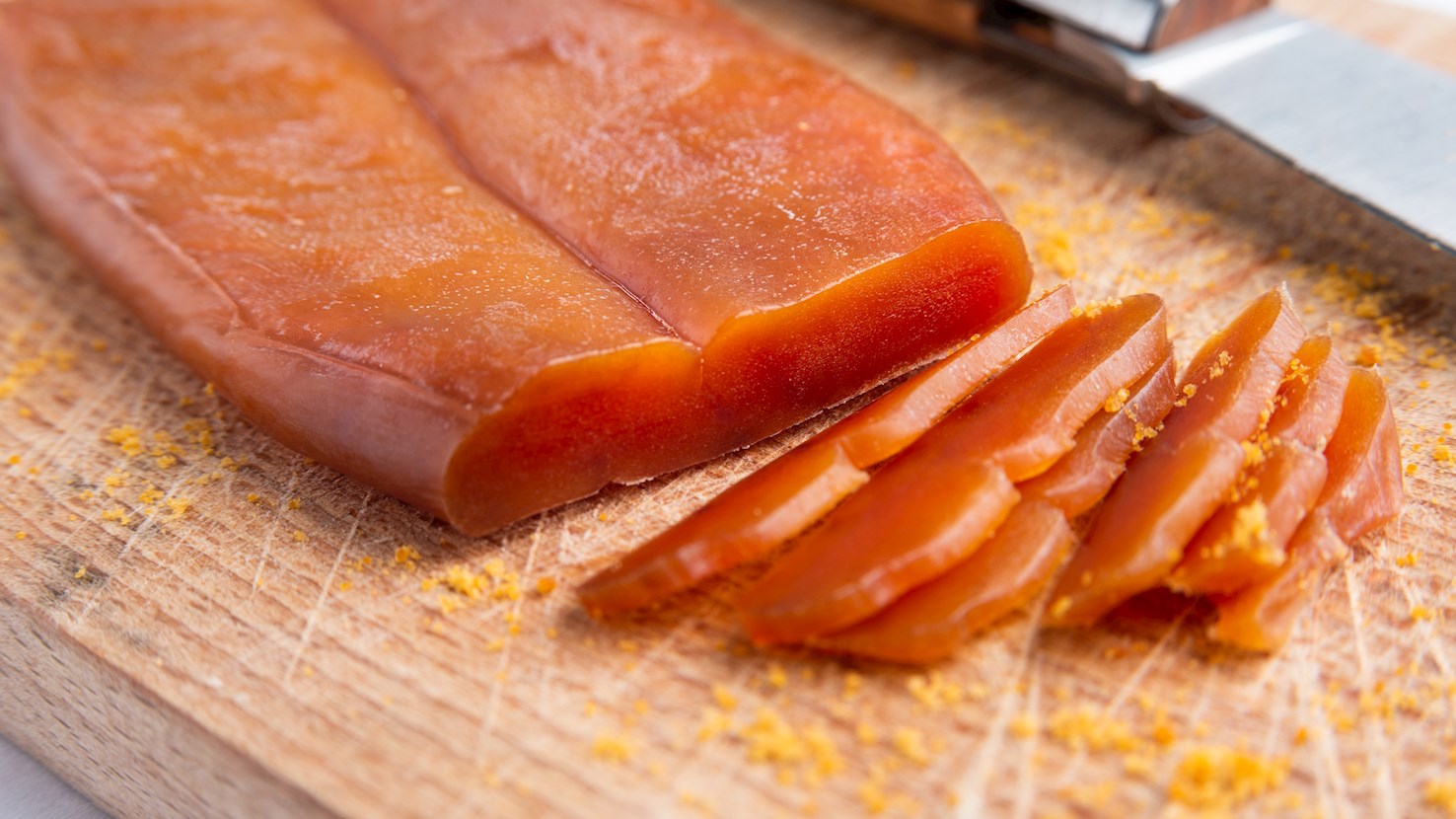
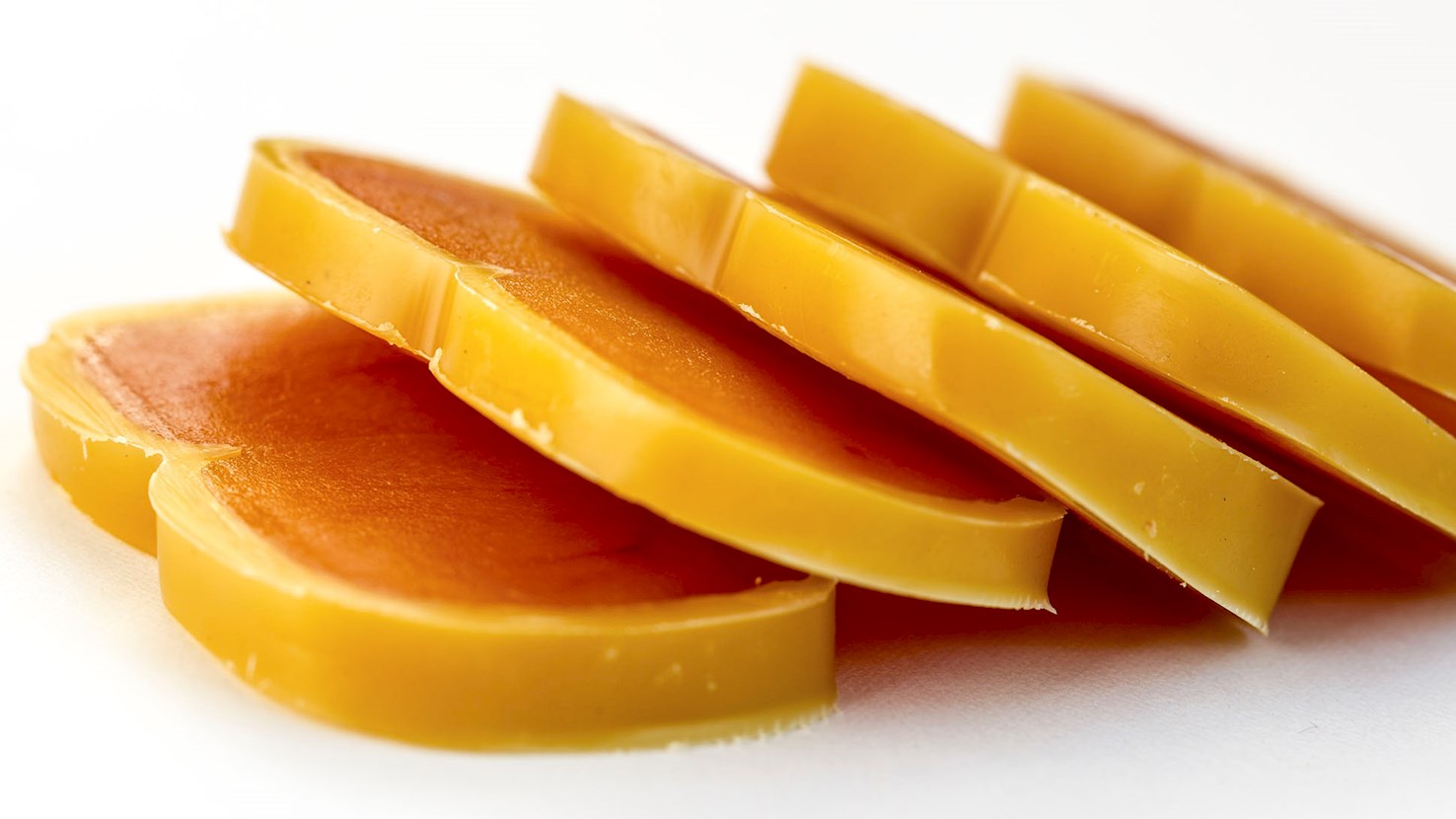
Bottarga di tonno, or tuna fish roe, is a cured delicacy from the Italian region of Sardinia. Made with salted, pressed, and dried tuna fish roe, bottarga di tonno used to be considered a poor man’s food, but nowadays it is a luxurious treat, often referred to as the gold of Sardinia. With its extraordinary, rich, salty flavor and beautiful colors ranging from deep red-amber to brilliant orange-yellow, bottarga di tonno is a great addition to a wide range of dishes, but it is also delicious enough to be enjoyed on its own, flavored with a touch of lemon juice and a drizzle of extra virgin olive oil.

03

Lumpfish roe

3.3 ·

Lumpfish roe is one of the more available roe varieties, and it is usually reasonably priced. It is harvested from lumpfish (Cyclopterus lumpus), which is mostly found in the cold waters of the North Atlantic. The natural color of the roe can vary, though it is usually pale gray or dusty pink. However, most producers opt for artificial coloring to attain appealing red or black hues. The beads are small, mildly-flavored, briny, and subtly sweet. Lumpfish roe is an excellent addition to appetizers, salads, soups, or seafood-based main dishes. The major producers of lumpfish caviar are Denmark, Germany, Iceland, and Sweden, while the main importing countries are France, Germany and the United States of America.

04

White Sturgeon Caviar

3.4 ·

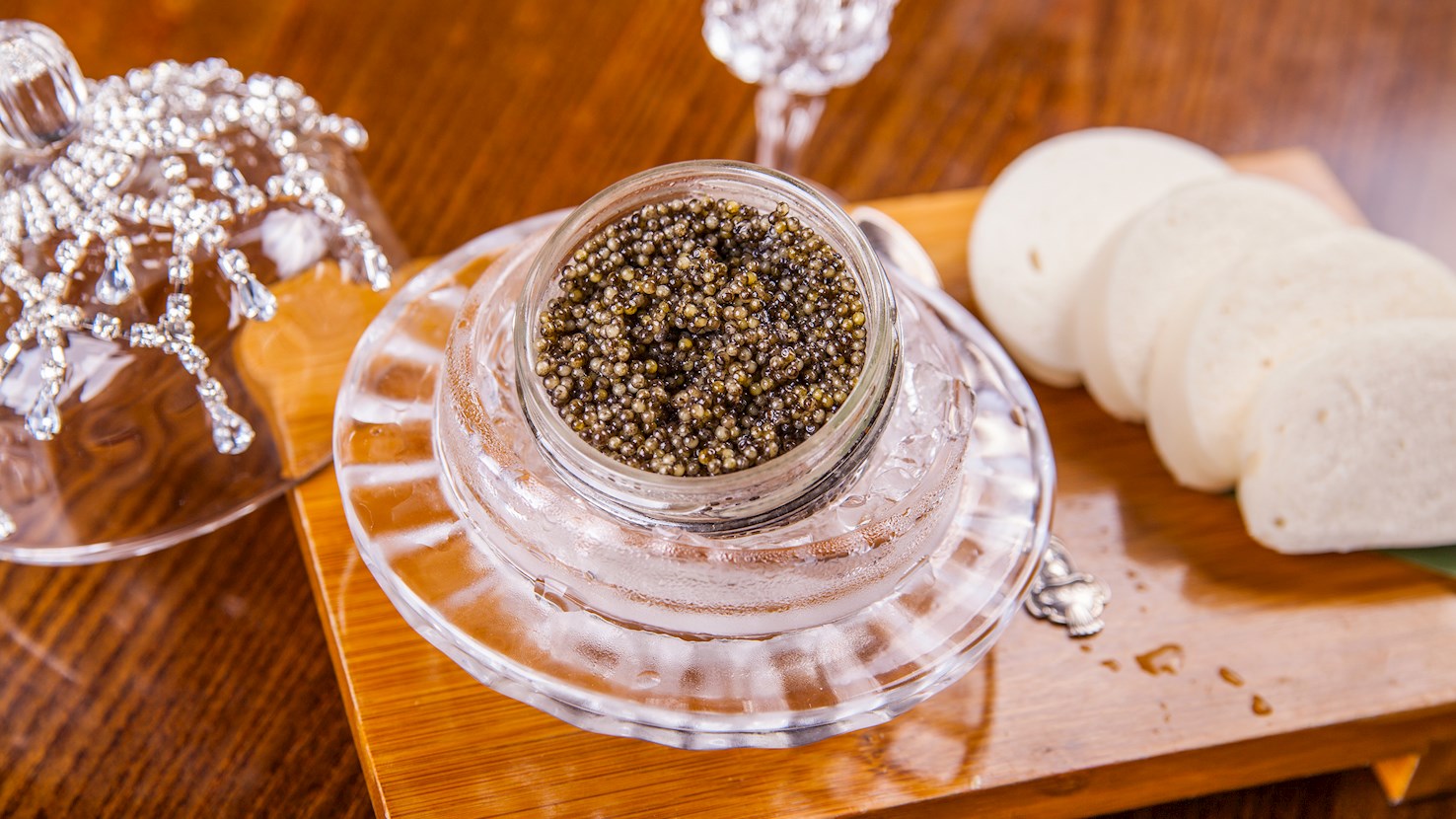
White sturgeon caviar is harvested from Acipenser transmontanus—a sturgeon that is native to the west coast of North America, from the Gulf of Alaska to Baja California. Often compared to osetra, this caviar has glistening dark pearls, ranging from dark brown to black. The beads are usually medium-sized and firm, while the flavor is clean, crisp, nutty, and buttery. White sturgeon is considered one of the most environmentally friendly caviar options, but the production and the sales are strictly regulated. This caviar is excellent served on its own, but it also pairs well with blinis, crème fraîche, seafood, and creamy sauces. It should always be served well-chilled. By the 1990s, the number of sturgeons significantly declined, mostly due to overfishing and pollution. Several countries now ban the sales of wild caviar for various environmental and political reasons. At the same time, aqua farms became the future of caviar trade. Sustainable and ethical farms are now the most reliable places to buy caviar. Their caviar is more consistent since the sturgeons are fed a controlled diet. This has also influenced the price, and caviar has become more accessible. Caviar trade now does not depend on the location, and the focus has been shifted to the type of sturgeon—which should always be clearly labeled—and ethical and sustainable harvesting methods.

05

Sevruga Caviar

3.6 ·

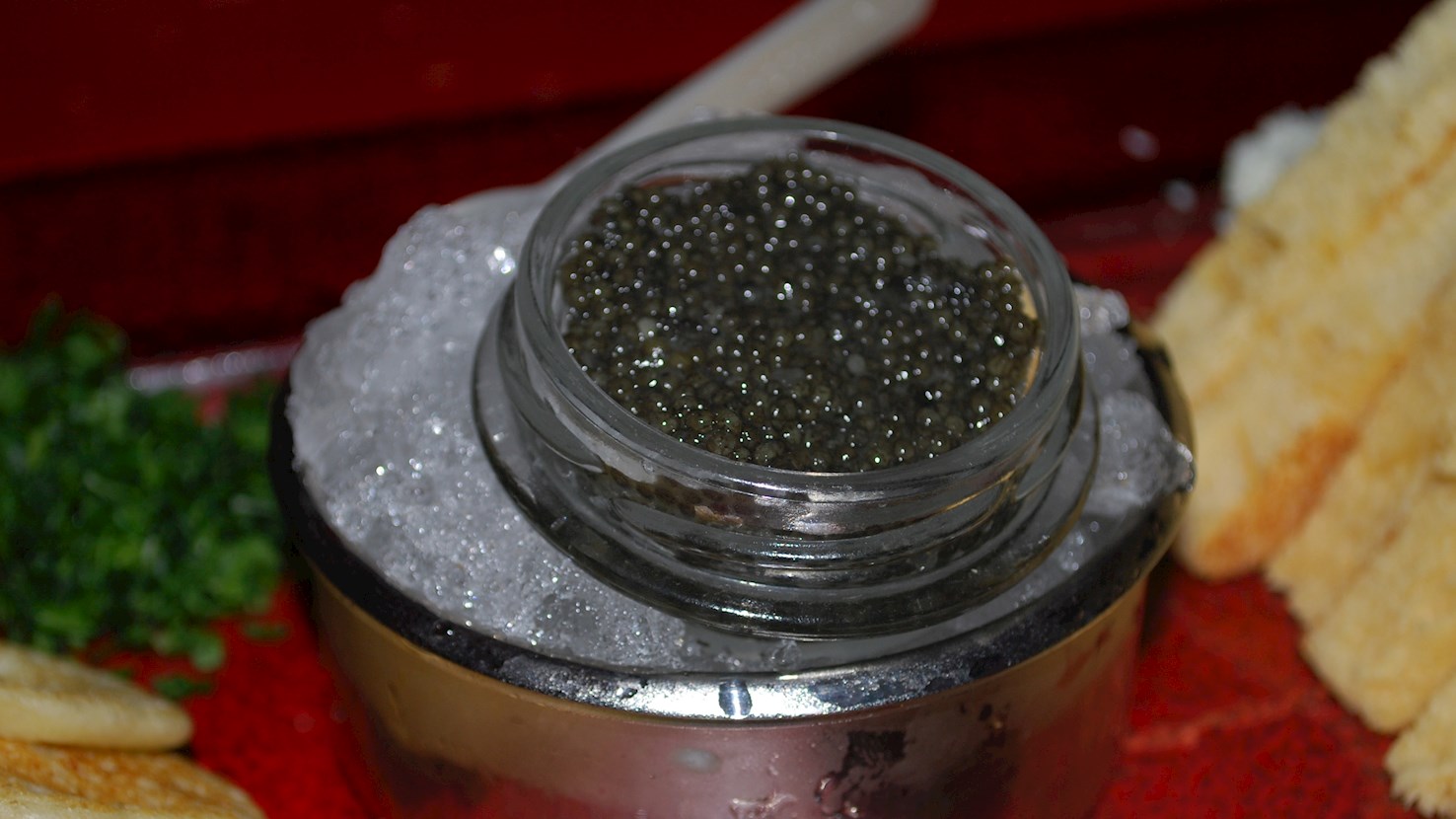
Salted roe of the sevruga sturgeon is one of the most common and renowned caviar varieties in the world. Native to the Black and Caspian Sea, sevruga reproduces faster than other sturgeon varieties, which makes the caviar plentiful and more affordable. Although small in size, the crunchy caviar beads are packed with salty, buttery flavors and usually range from light gray to black. Although it is said that this specialty is best enjoyed plain, eaten exclusively with a pearl or wooden spoon and paired with Champagne, sparkling wines, or vodka, it is also commonly combined with blini pancakes, potatoes, or bread.

06

Kalix Löjrom

3.6 ·

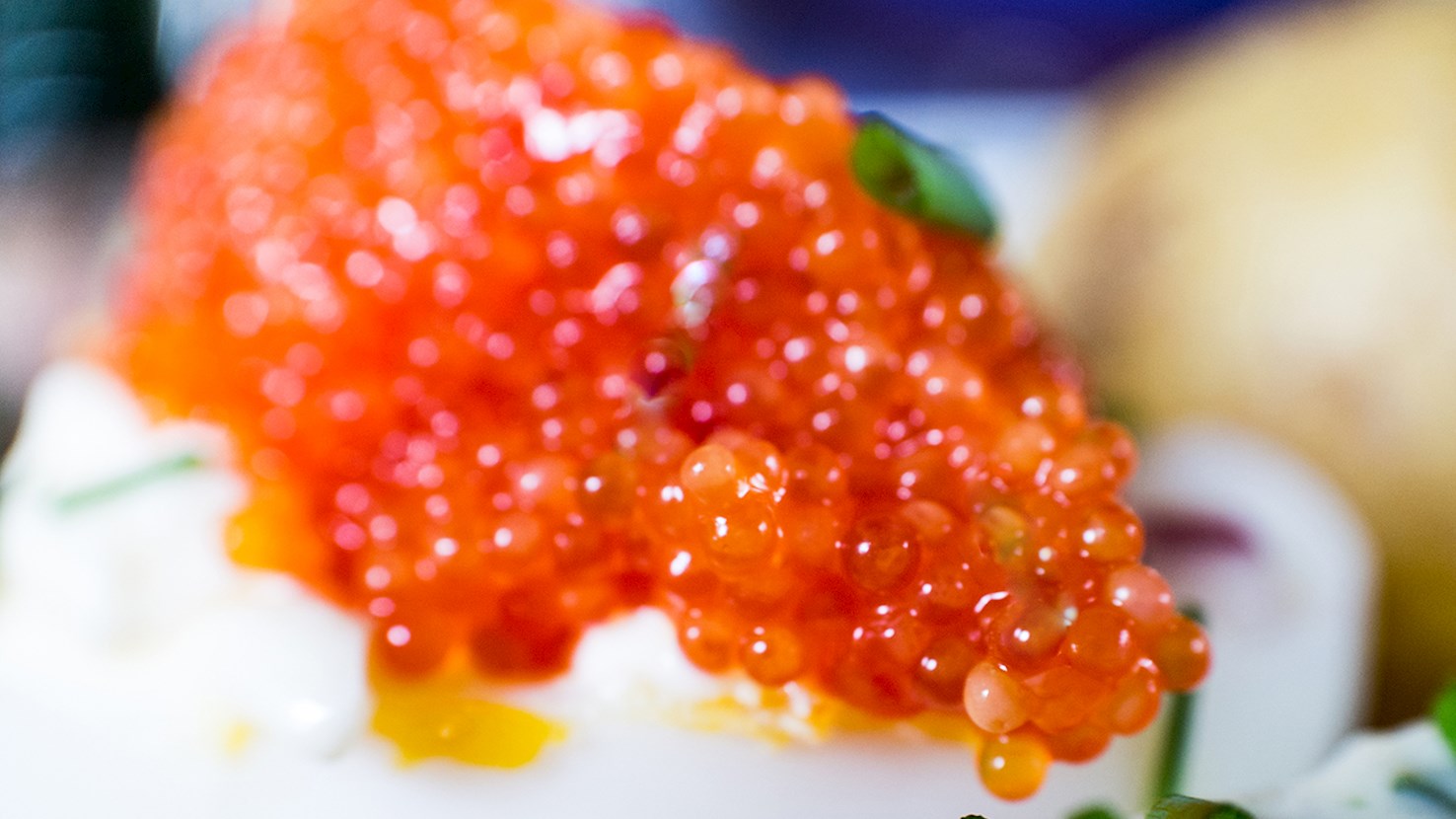
Kalix Löjrom is the roe of a small vendace fish swimming off the coast of Kalix in Northern Sweden. The roe must be hand extracted from the fish on the same day it was caught, and it is then thoroughly rinsed, dried and salted. The final product is orange-colored due to the unique feeding habits of vendace fish, and it has a subtly salty flavor reminiscent of fish oil. Kalix Löjrom can be enjoyed on its own, but it is most commonly served on rye bread with sour cream and chopped red onions. Other variations may include prawns, avocado or potato cakes.

07

Bottarga di Muggine

3.6 ·

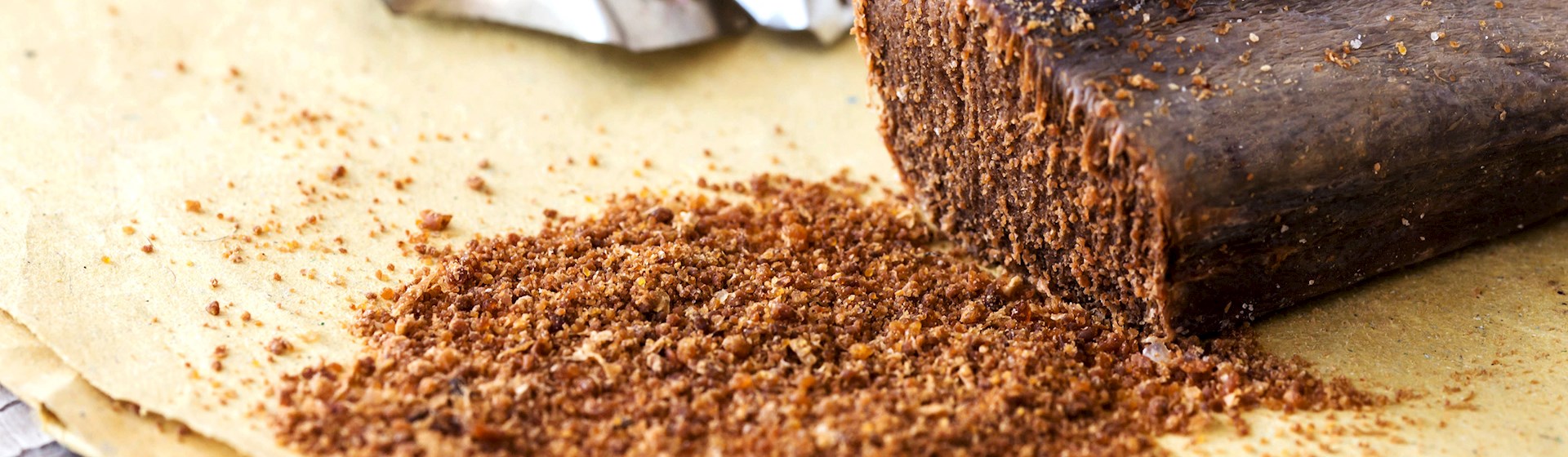
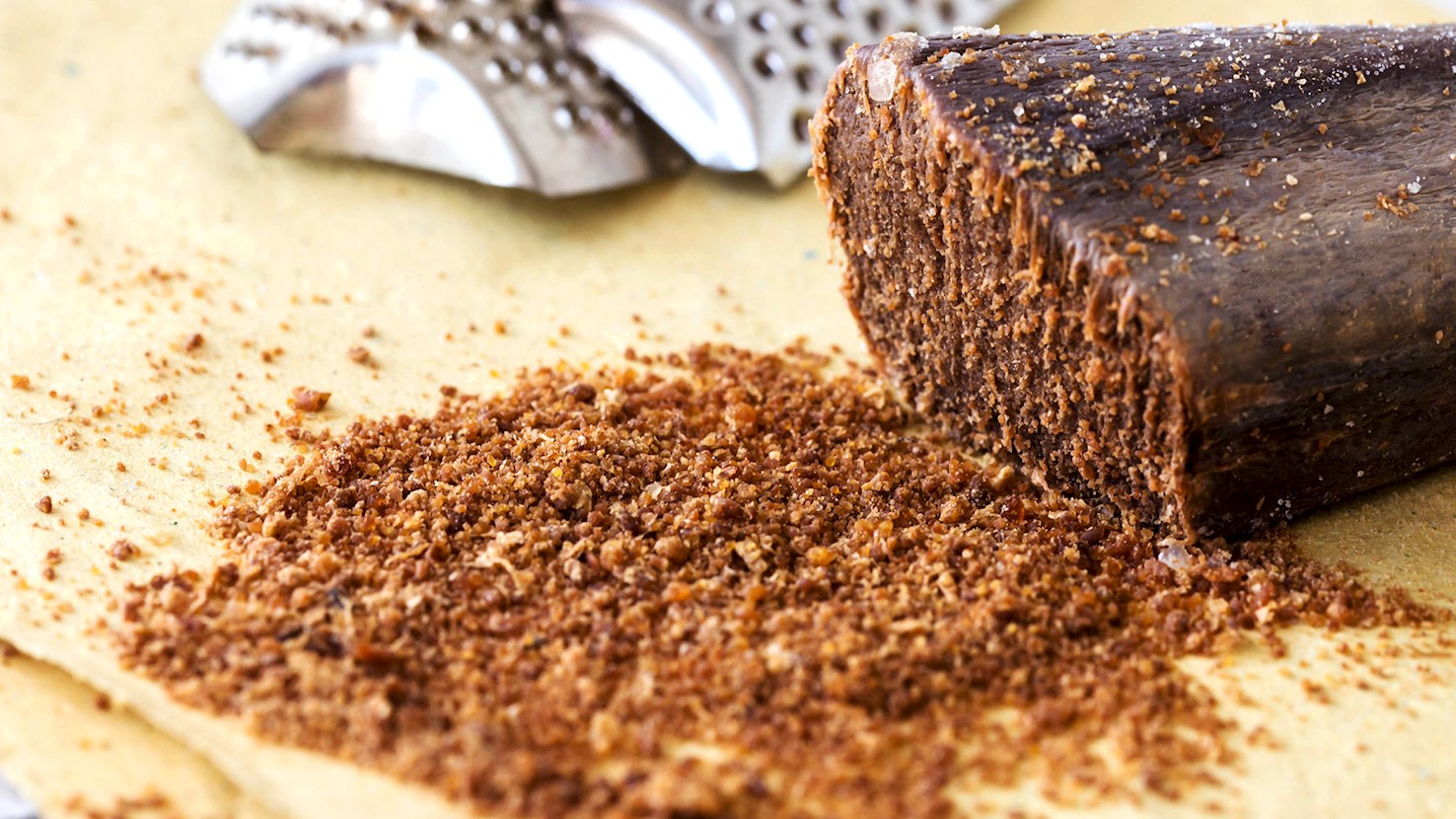
Bottarga di muggine or mullet roe is one of the most renowned Sardinian foods. To prepare this delicacy, roe pouches of Mugil Cephalus, or flathead grey mullet, are first cleaned, cured in sea salt, pressed, then dried. The result is a delicacy with a salty flavor and a dense, silky texture. Bottarga can be shaved, sliced, chopped, or grated, and even a small amount can provide a lot of flavor to a wide range of dishes. Thinly sliced and flavored with lemon juice and olive oil, bottarga is often served as an appetizer, and when it's finely chopped, it makes a great addition to fresh vegetable salads. Aged bottarga is best enjoyed grated over hot pasta, most commonly in a popular local dish spaghetti con bottarga, which is made with pasta, grated bottarga, extra virgin olive oil, red pepper flakes, and chopped parsley – simple, yet utterly delicious.

08

Tobiko

3.7 ·

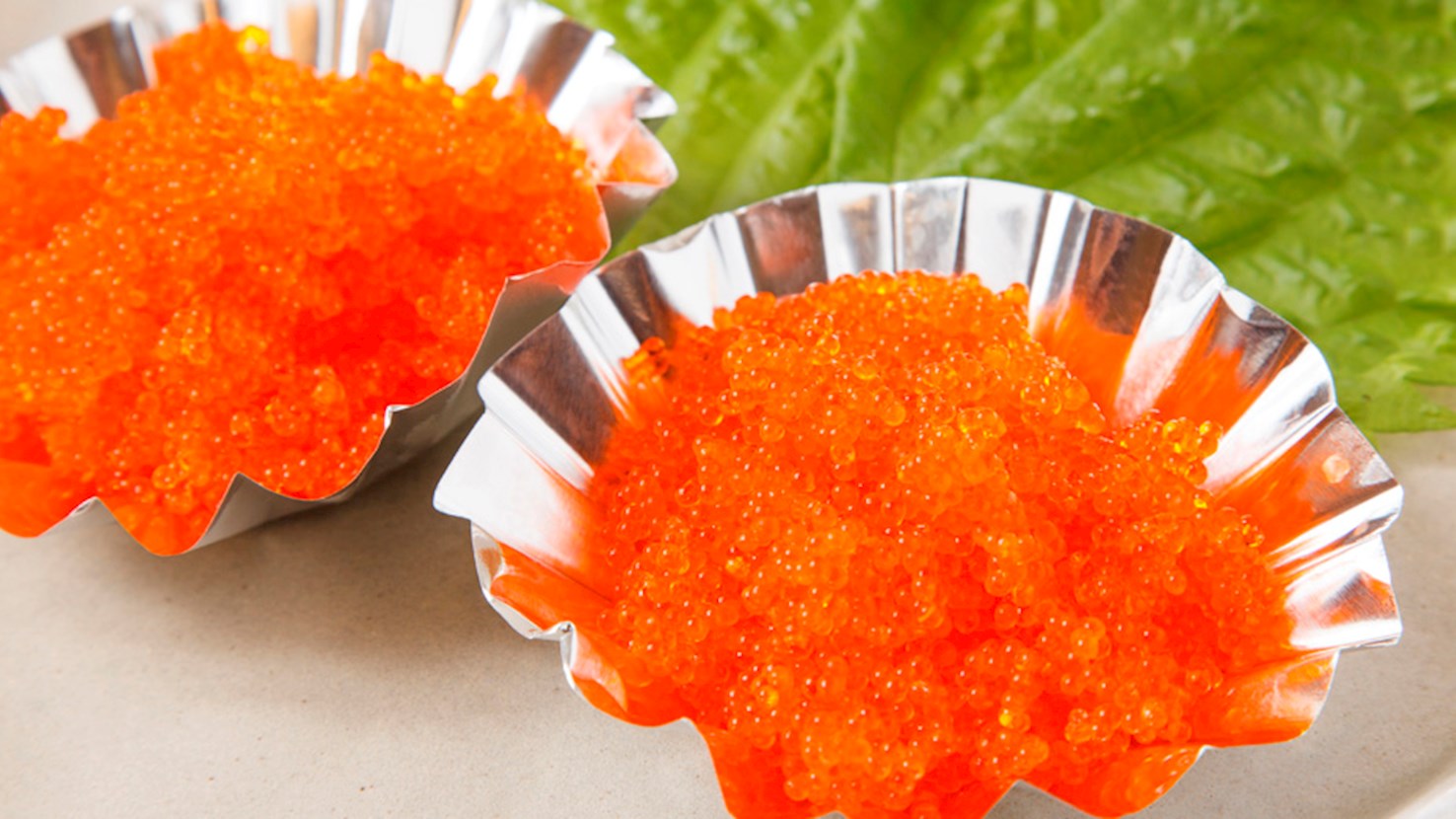
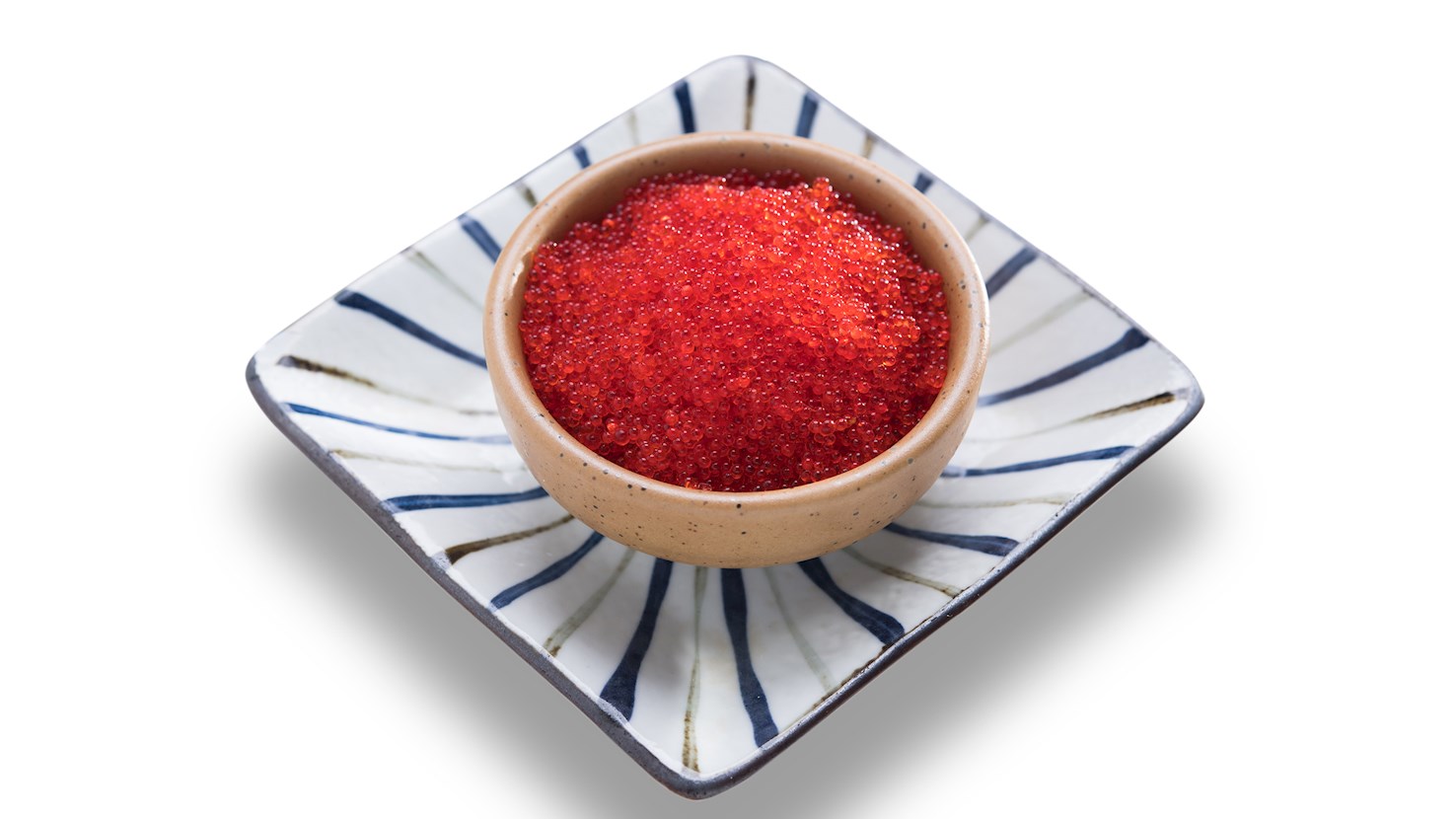
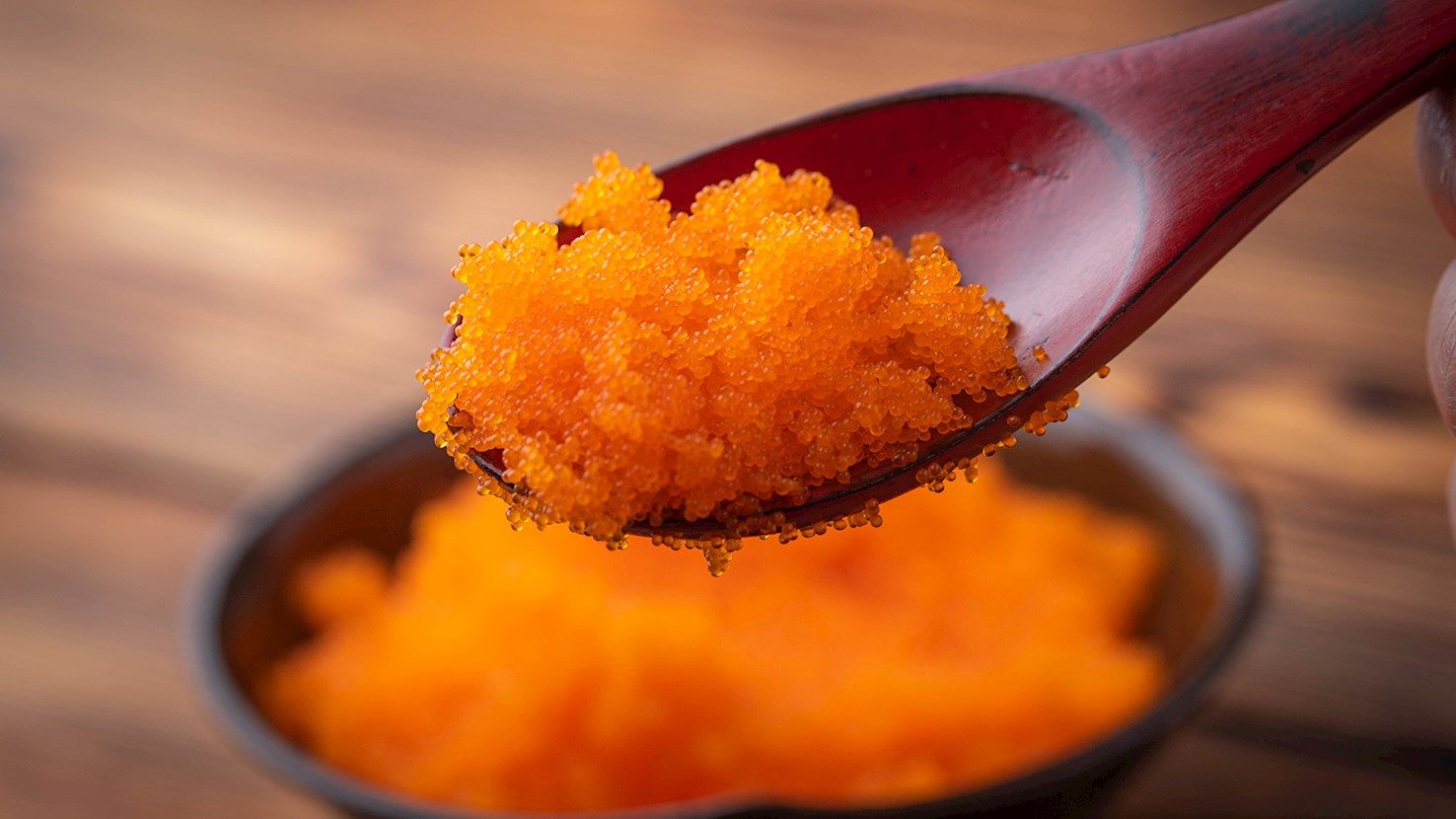
Tobiko is a Japanese term for flying fish roe. The natural color of this roe is bright orange, but sometimes other ingredients, such as squid ink or yuzu, can be added to impart the roe with various colors and slightly alter its flavor. Tobiko eggs are smaller than ikura (salmon roe), but they have a similar crunchy texture. Their flavor is often described as salty, smoky, and subtly sweet. Tobiko can be enjoyed on its own, but it is mostly used as an ingredient in gunkan sushi or as a garnish on various sushi rolls.

09

Avgotaracho Messolongiou

3.7 ·

This exceptional Greek delicacy, which was first referenced in writing in 1668, is made from whole roe of the gray mullet. The fish are caught in the shallow waters of the lagoons of Messolongi-Etolikos, Kleisova and Bouka between the estuaries of the Aheloos and Evinos rivers in western Greece. The production of this so-called 'Greek caviar' takes time – once the fish are caught, the roe is gently removed, dried in their membranes, and then salted before they are separated and put into brine. Once they become pale and flat, they are hung to dry for several months. When ready, they are encased in beeswax to naturally protect their unique flavor. Avgotaracho Messolongiou is an highly nutritious food with high levels of amino acids, omega-3, and vitamins. It has a distinct aroma and a slightly salty flavor. This yellow or orange 'caviar' is often included on lists of the most delicious foods in the world. Although there are many ways to enjoy Avgotaracho Messolongiou, the simplest and most delicious is with a drizzle of lemon and extra virgin oil. It can be served with bread, pasta, or alongside Ouzo and Tsipouro. It can even be served in cocktails – martinis taste even better with Avgotaraho Messolonghiu instead of olives.

10

Masago

3.9 ·

Masago is a Japanese term for the capelin roe (Mallotus villosus). The roe usually has small, pale-colored beads, and producers frequently dye it red, black, green (wasabi), or yellow (yuzu). Masago is usually cheaper than similar roe varieties, such as ikura (salmon) or tobiko (flying fish). It usually has a milder flavor and less crunch, so it is best used as a garnish or paired with neutral-flavored dishes. The most common use of masago is as a sushi garnish—usually as a topping for rolls or hand-rolled sushi. It is often falsely marketed as the slightly more esteemed tobiko.

11

Mentaiko

3.9 ·
About this ranking

TasteAtlas food rankings are based on the ratings of the TasteAtlas audience, with a series of mechanisms that recognize real users and that ignore bot, nationalist or local patriotic ratings, and give additional value to the ratings of users that the system recognizes as knowledgeable. For the “11 Worst Rated Fish Roes in the World” list until June 16, 2026, 693 ratings were recorded, of which 534 were recognized by the system as legitimate. TasteAtlas Rankings should not be seen as the final global conclusion about food. Their purpose is to promote excellent local foods, instill pride in traditional dishes, and arouse curiosity about dishes you haven’t tried.

Similar lists