

shutterstock

8 Worst Rated Asian Fish Soups

Last updated on May 21, 2026
01

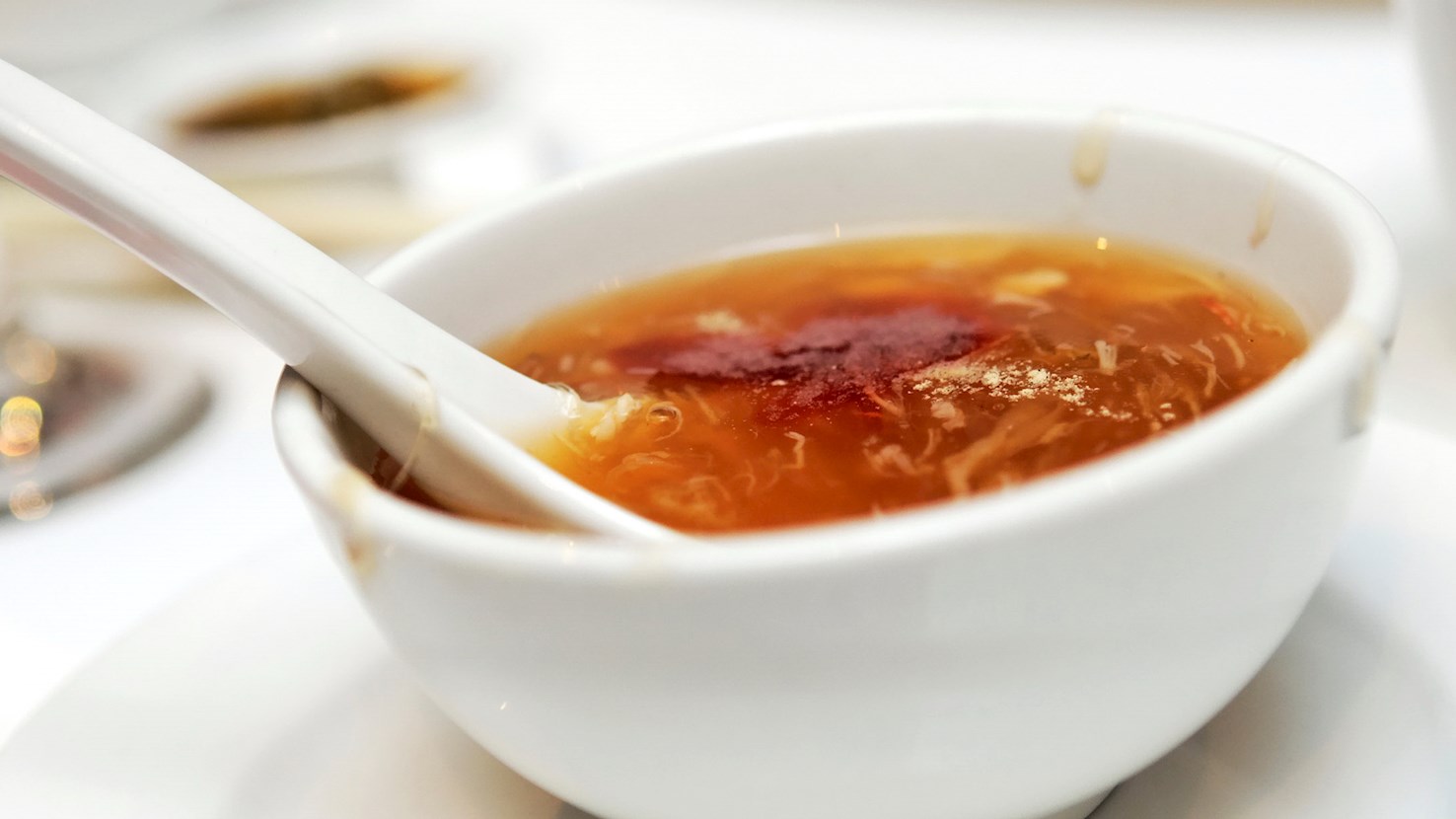
Yu chi geng (Shark fin soup)

2.9 ·

Shark fin soup is a controversial soup with Chinese origins, made with shark fins and flavored with chicken or another type of stock. Shark fin is slightly neutral in flavor, and is used in the dish to add texture. It is believed that the first shark fin soup was invented by an emperor during the time of the Sung Dynasty who wanted to show off his power, wealth, and generosity to his guests. Because of that, preparing and serving this expensive dish is now considered a sign of respect. Today, the soup is a part of the Big 4, dishes that represent health and prosperity in Chinese culture, which are usually reserved for special occasions, the other three being abalone, sea cucumber, and fish maw. Shark fin soup is also a status symbol, with bowls of it ranging from $5 to $2,000, depending on the type of shark fin served in the soup. However, due to the shark finning process and the inhumane treatment of sharks which are finned alive and left in the ocean unable to swim or survive, shark fin soup is considered one of the major threats to the world's shark populations, and some organizations are still actively discouraging the consumption of this flavorful, yet controversial Chinese delicacy.

02

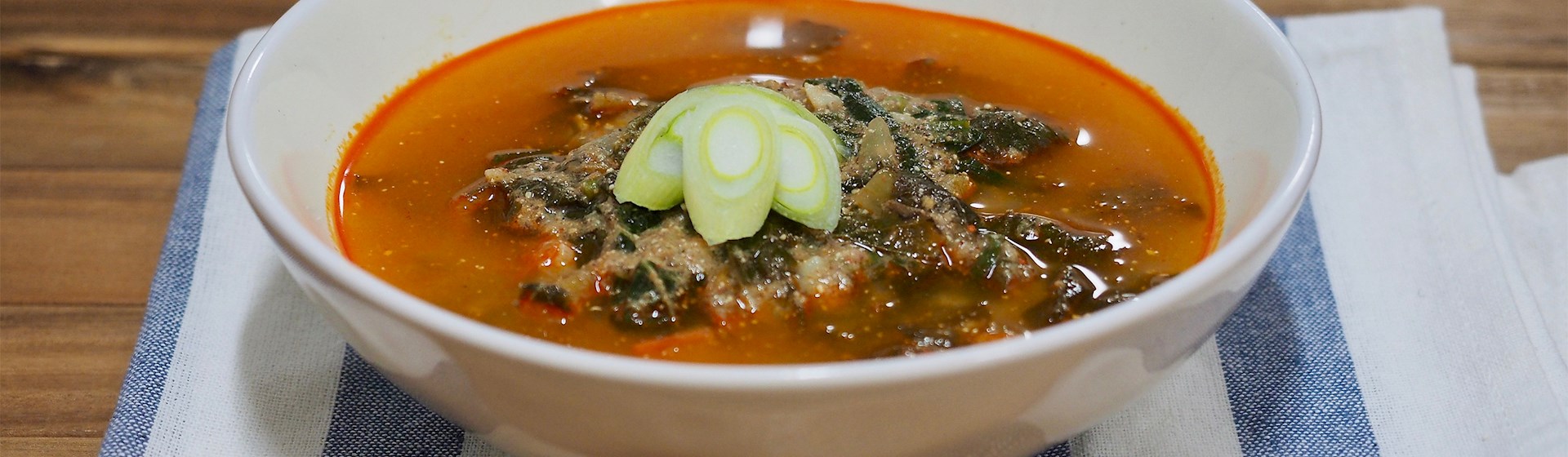
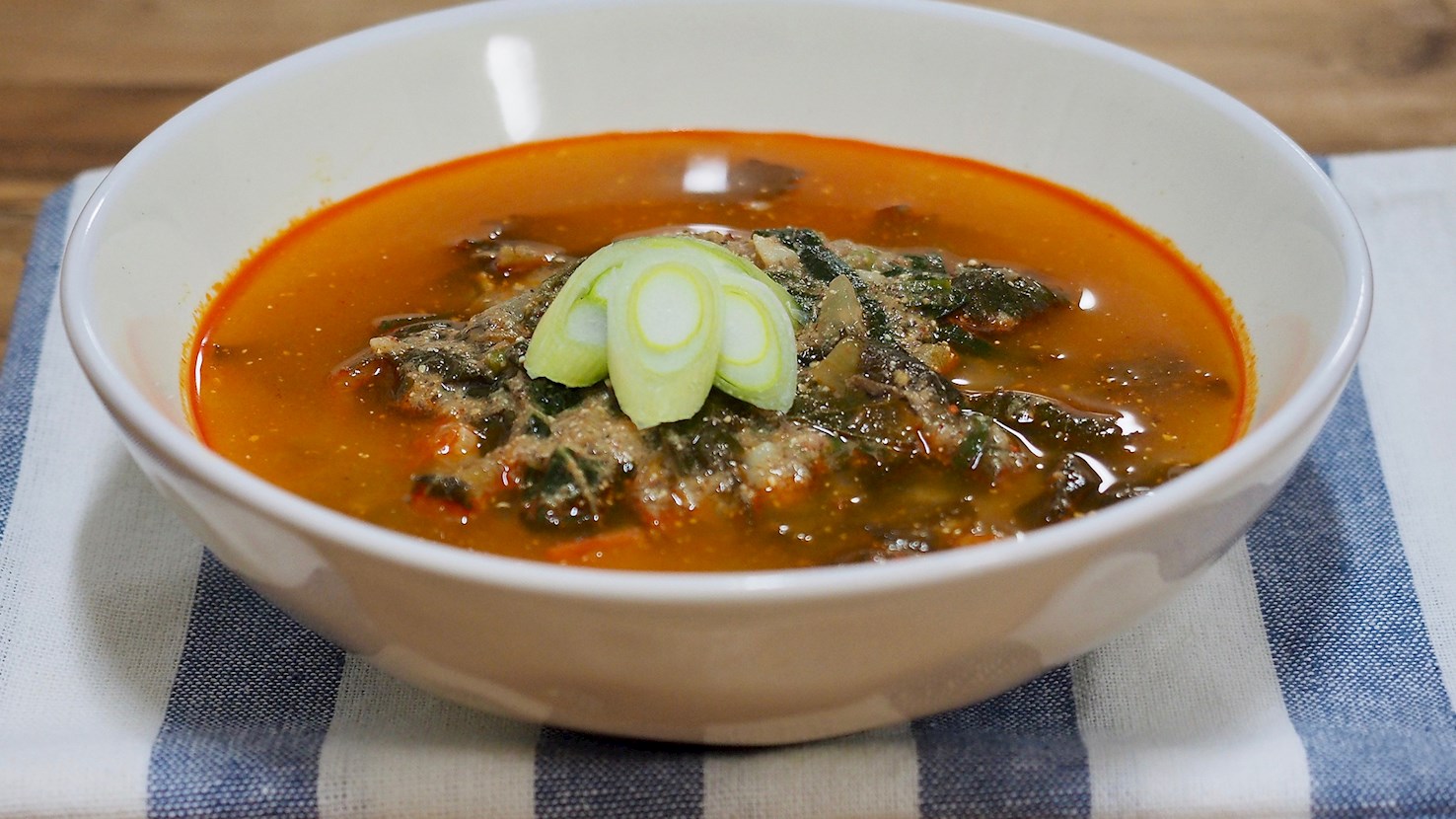
Chueotang

3.1 ·

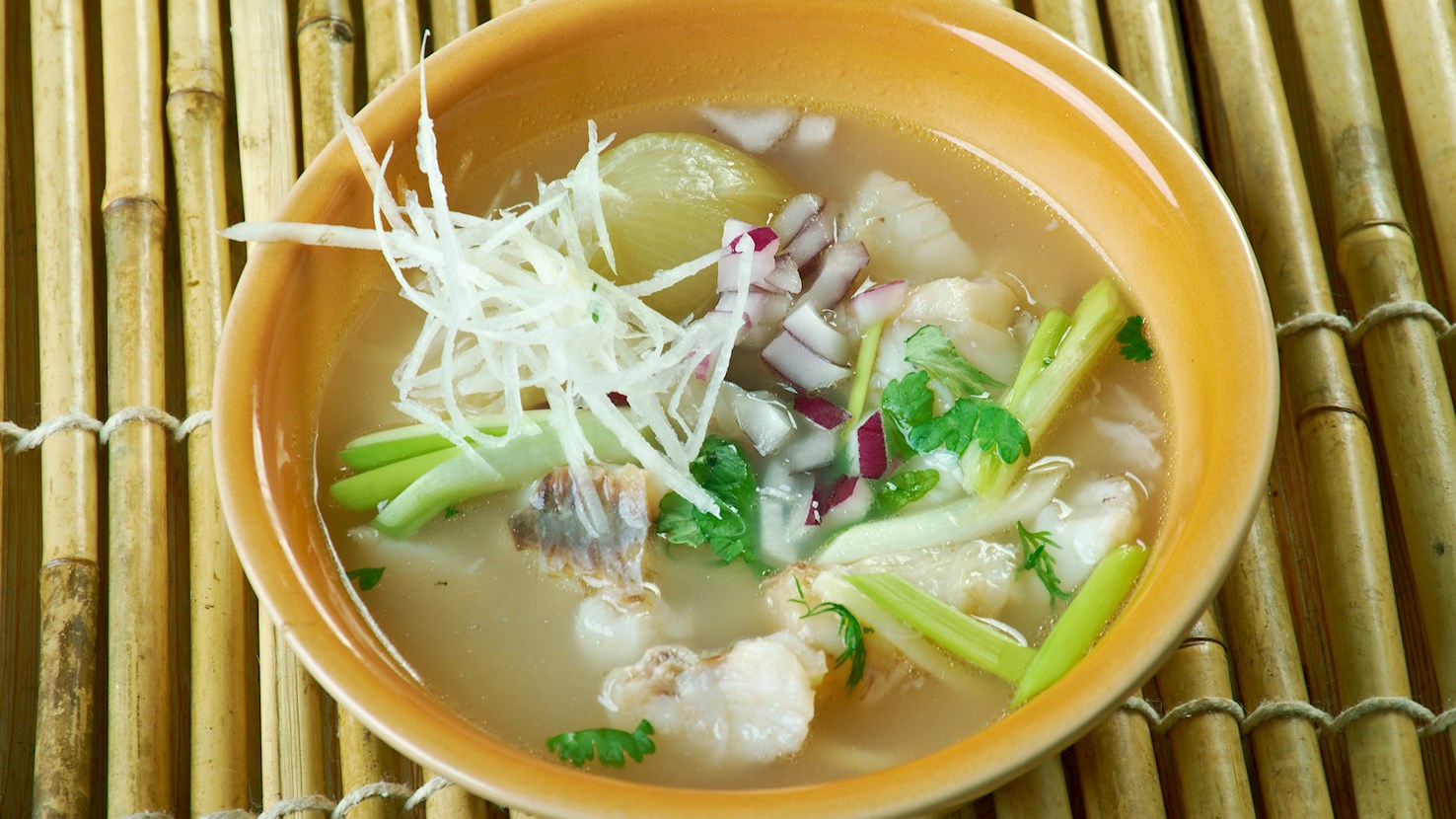
This hearty Korean soup consists of mudfish (loach), chili paste, soybean paste, and ginger, while the most common additions include various green vegetables such as mustard greens, scallions, and cabbage. In Seoul, the soup is prepared with the whole fish, but the most popular version comes from Namwon where the mudfish is typically ground. Chueotang is praised for its health benefits and is best consumed from July throughout November when the mudfish are in season. It usually comes served with rice and traditional Korean side dishes (banchan).

03

Mohinga

3.2 ·

Crowned as the unofficial national dish of Burma, mohinga is a fish and rice noodle soup that can, depending on the region, be enriched with an array of different ingredients by adding them to the soup or using them as a dressing or garnish. When it comes to the origin, various accounts exist, some of them dating as far back to the first century. By the 19th century, mohinga was regarded as a working-class meal due to its low cost, but over time, it has become so popular that today it can even be purchased as a ready-made soup. Although this fish soup is typically consumed for breakfast, it evolved into an all-day dish that is traditionally sold by street hawkers and roadside sellers.

04

Sliced Fish Soup

3.2 ·

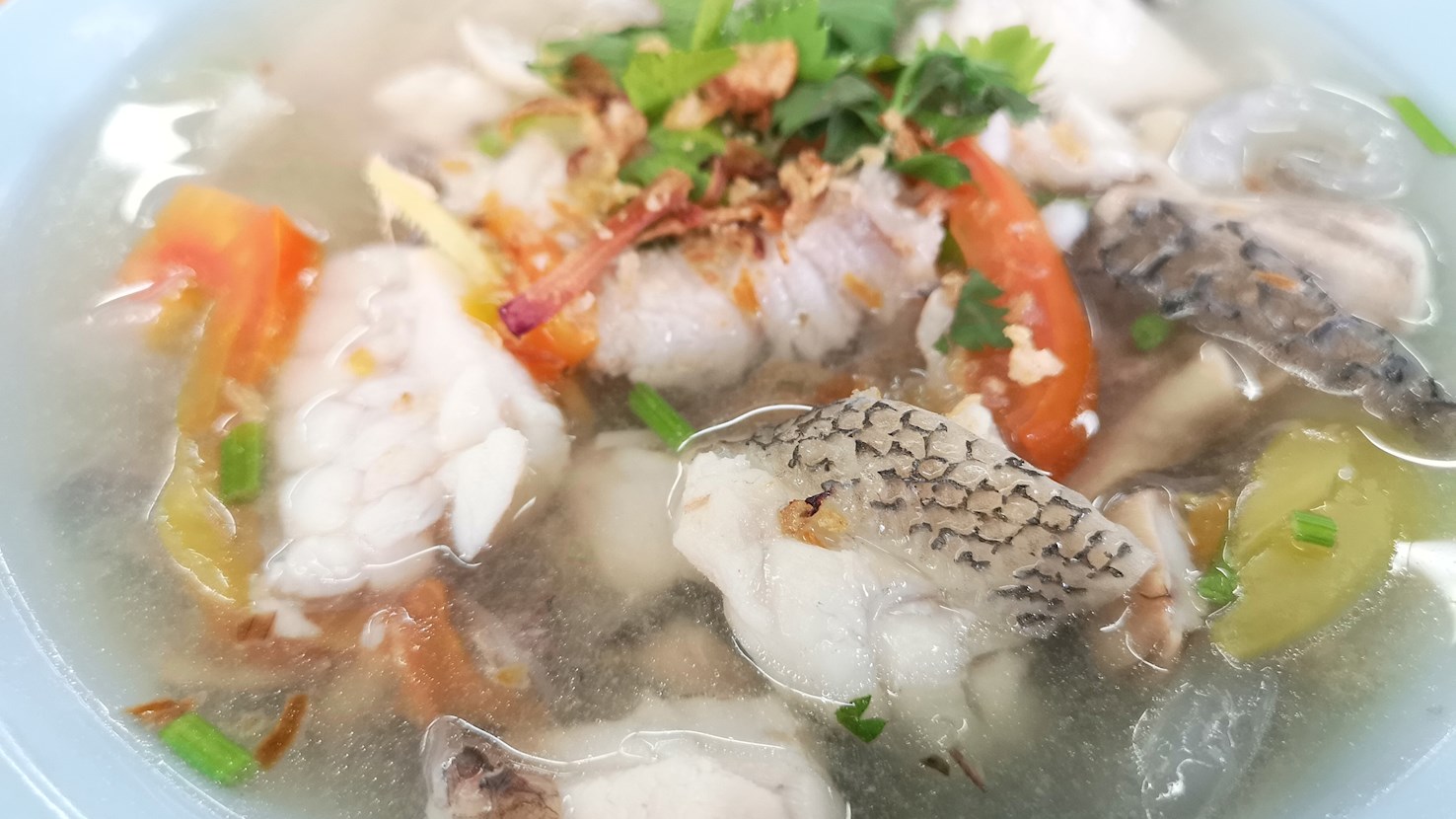
Sliced fish soup is a traditional fish soup originating from Singapore. There are many variations, but it’s often made with a combination of fish such as grouper, minced pork, cabbage, tofu, tomatoes, fish stock, salt, white pepper, sesame oil, cornstarch, soy sauce, and Shaoxing wine. The fish and meat are marinated, sautéed, and then cooked into a soup with the vegetables and seasonings. If desired, cooked noodles can also be added to the soup. Sliced fish soup is a staple at hawker centers across the country and it’s believed that the dish was created by the Teochew people.

05

Fish soup bee hoon

3.2 ·

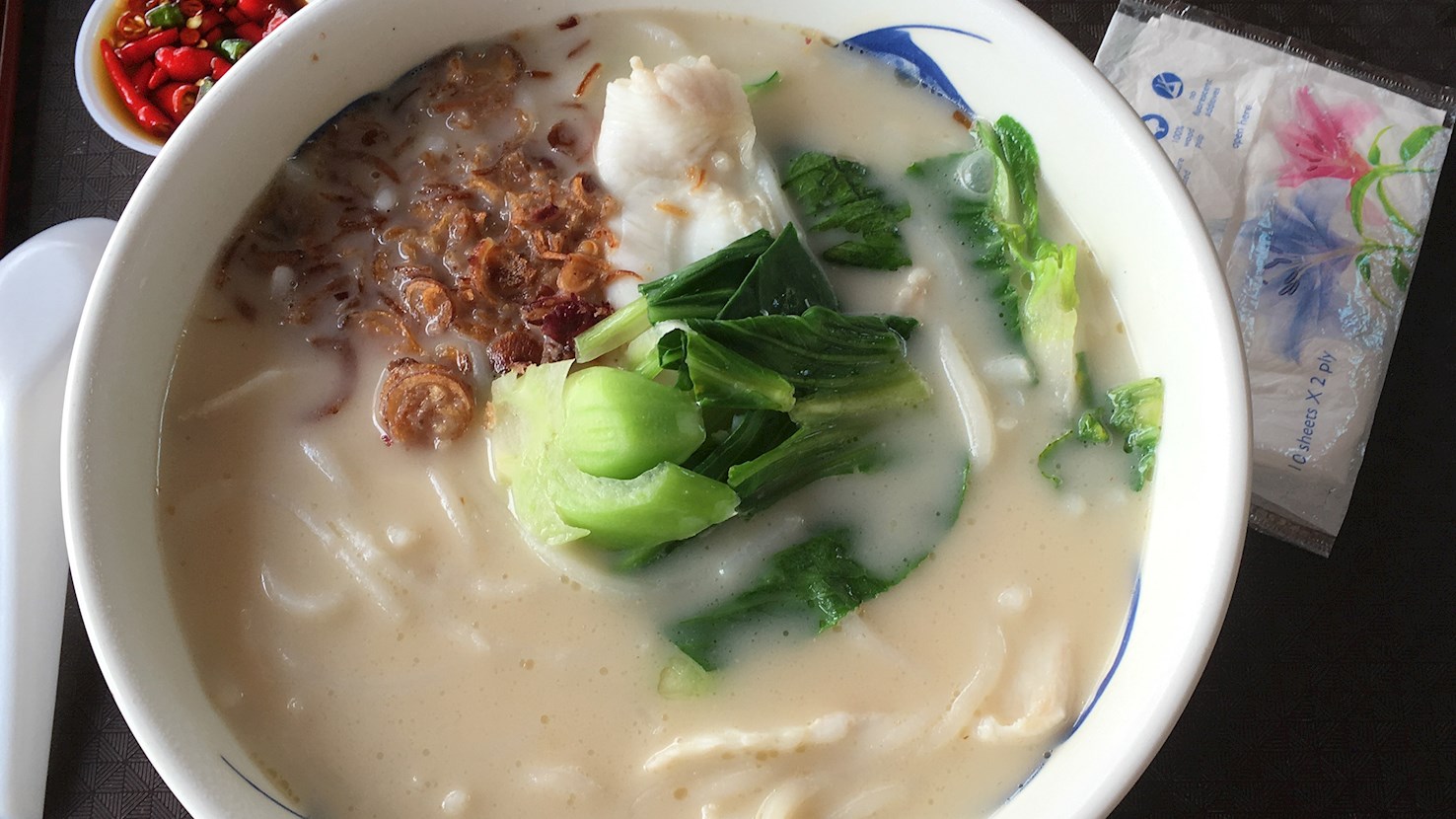
The main elements of this Singaporean soup include a flavorful fish-based broth that is enriched with milk and spices, bee hoon noodles (rice vermicelli), fried or boiled fish heads or fish slices, and mustard greens. Garoupa, snakehead, pomfret, and batang are the most common types of fish used in this dish, and the fish stock is occasionally flavored with brandy or rice wine. This hearty soup is a classic hawker-style dish that is usually served garnished with fresh scallions. In 2010, CNN mentioned this soup as one of the forty must-try dishes in Singapore.

06

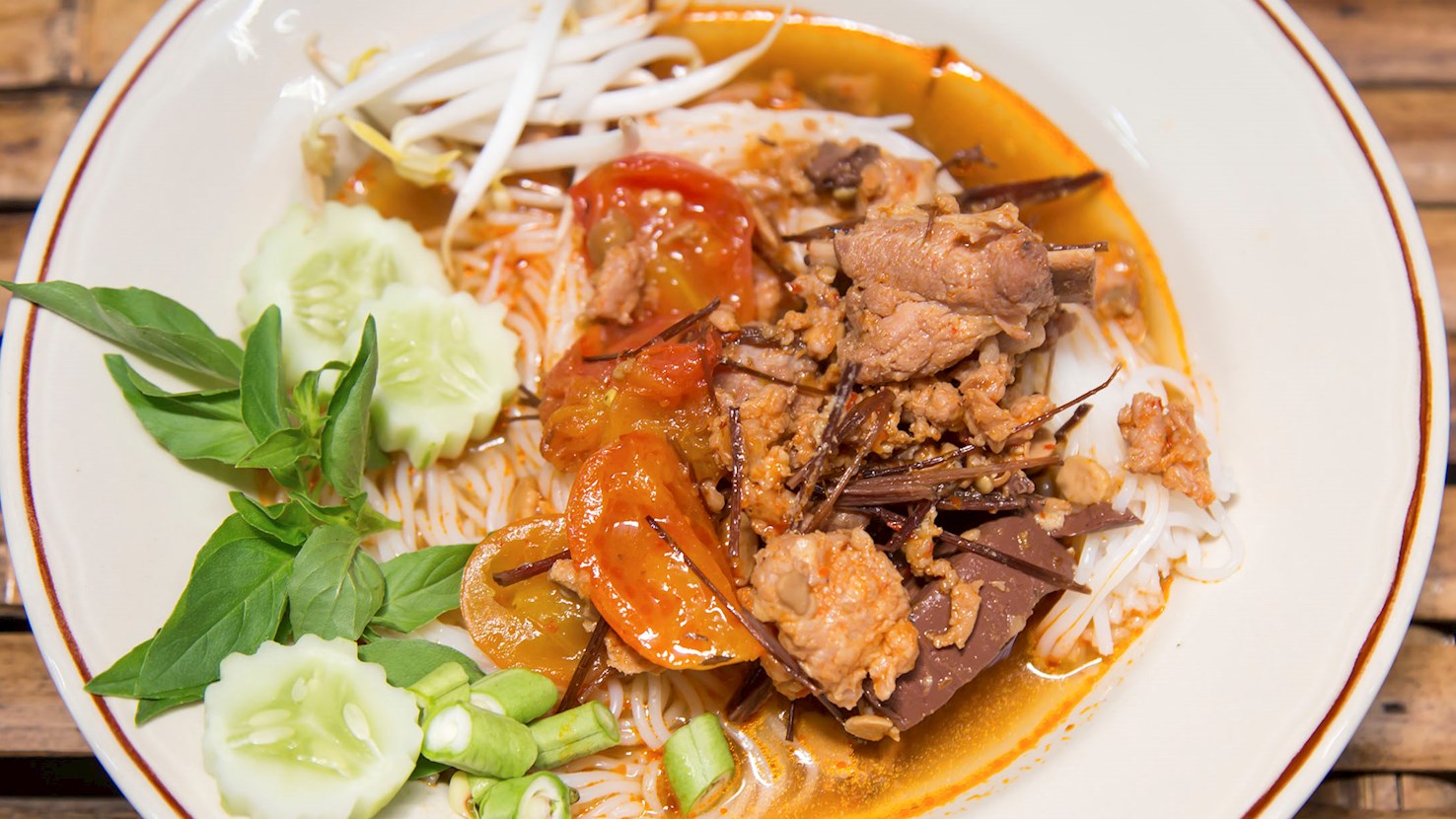
Canh chua (Sweet and Sour Tamarind Soup)

3.6 ·

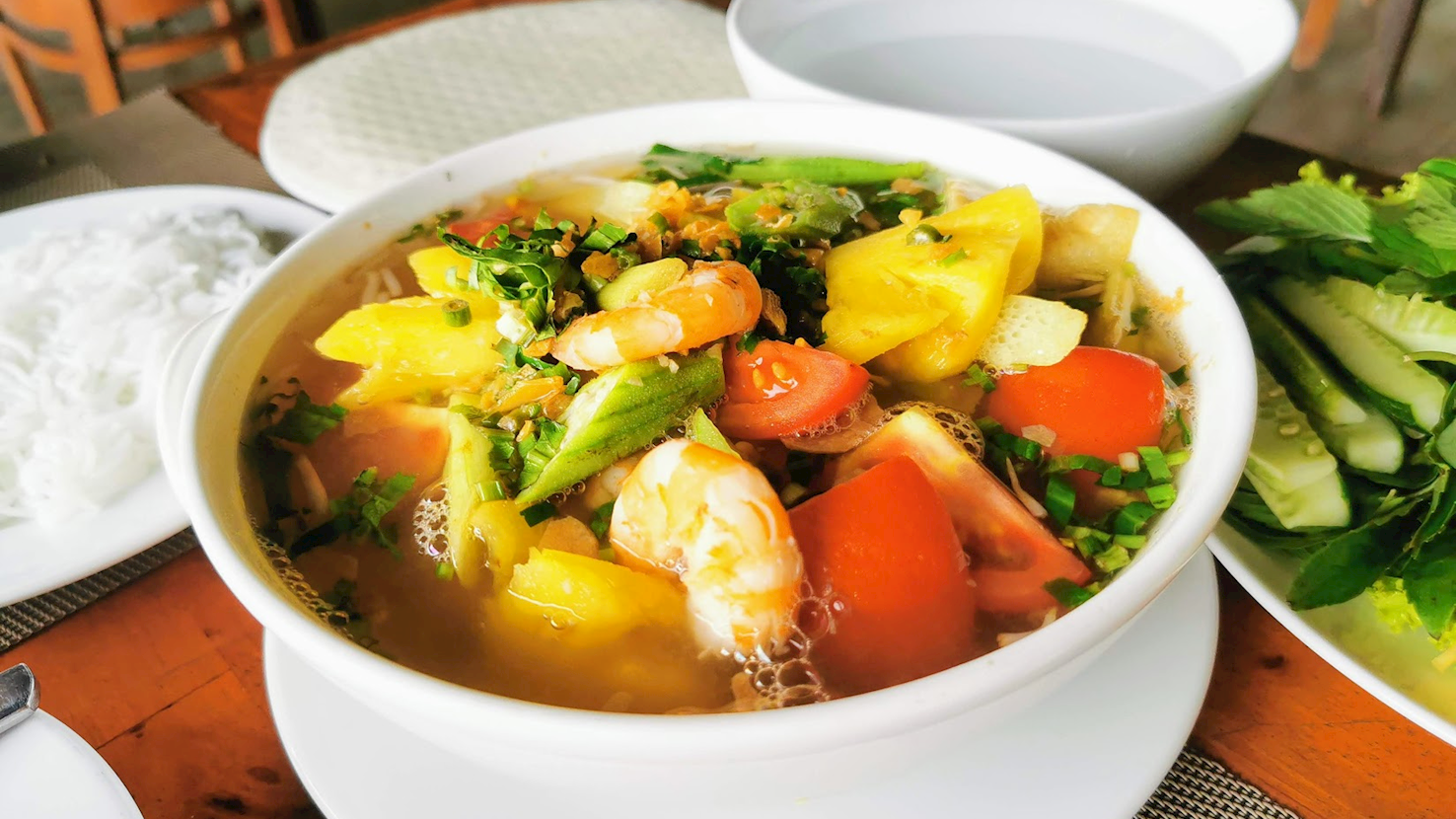
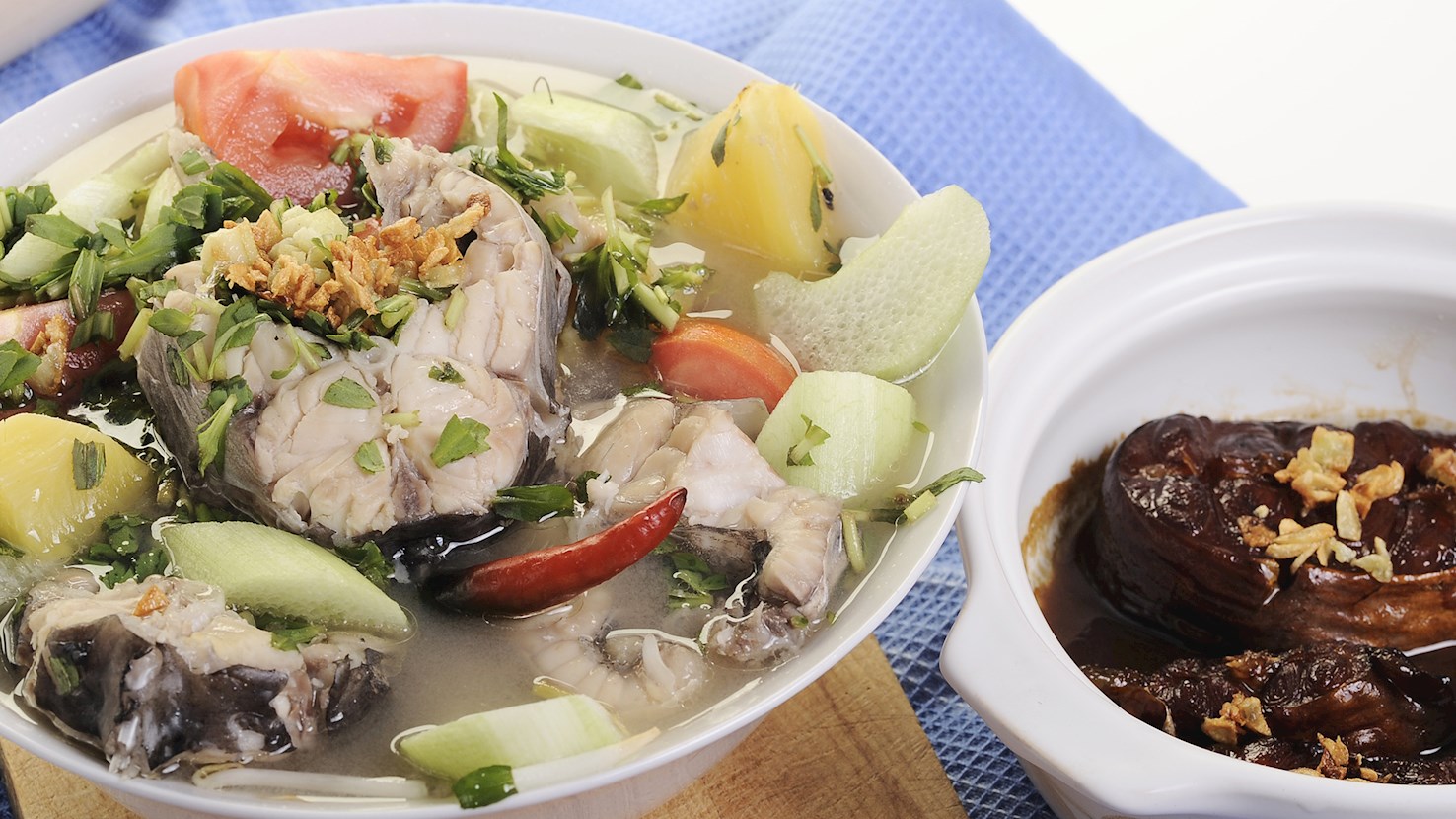
Canh chua is a popular Vietnamese soup originating from the Mekong Delta region. It's characterized by its contrasting flavors - sour, sweet, and savory. The soup incorporates ingredients such as seafood (eel, shrimp, snakehead, catfish), tomatoes, okra, pineapple, tamarind, bean sprouts, and fresh herbs with a tangy flavor. Traditionally, canh chua is served either with rice vermicelli noodles or with a side of steamed jasmine rice. There are numerous versions of the soup depending on the ingredients used in it - besides fish, it can be made with water spinach, chicken, bamboo shoots, mustard greens, pork, or beef. Due to its nutritional value, health benefits, and short cooking time, canh chua has the status of a quintessential Vietnamese meal.

07

Tekwan

3.7 ·

Tekwan is a traditional fish ball soup. The essential component of the dish are tekwan fish balls, from which the dish derives its name. Usually made with fish paste, tapioca, and flour, they are boiled or fried before being added to the soup. The broth is usually fish or shrimp-based, and mushrooms, dried lily flowers, slices of jicama, garlic, and scallions are subsequently added and served with tekwan. Some varieties of the dish also include vermicelli noodles and other vegetables. The origin of tekwan is believed to be the city of Palembang, located in South Sumatra, from where this delicious soup has spread across the country. It is usually found on the menus of Indonesian restaurants, and it is commonly served at warungs - traditional Indonesian street food stalls. Sambal, the traditional Indonesian chili sauce, is the usual accompaniment to tekwan. Served on the side, it allows the people to adjust the spiciness according to their taste and preference.

08

Canh chua cá (Vietnamese Sweet and Sour Soup)

3.8 ·

The term canh chua cá encompasses various fish-based Vietnamese soups that are characterized by their combination of sweet, spicy, and sour flavors. The soups are usually made with a tamarind-based broth, and they typically include chunks of pineapple, tomatoes, okra, bean sprouts, or other vegetables. Most varieties are prepared with catfish, but some versions include carp, snakehead fish, eels, or salmon. These soups are usually topped with cilantro and served with rice on the side.

Read more
View all
View map
About this ranking

TasteAtlas food rankings are based on the ratings of the TasteAtlas audience, with a series of mechanisms that recognize real users and that ignore bot, nationalist or local patriotic ratings, and give additional value to the ratings of users that the system recognizes as knowledgeable. For the “8 Worst Rated Asian Fish Soups” list until May 21, 2026, 425 ratings were recorded, of which 283 were recognized by the system as legitimate. TasteAtlas Rankings should not be seen as the final global conclusion about food. Their purpose is to promote excellent local foods, instill pride in traditional dishes, and arouse curiosity about dishes you haven’t tried.

Similar lists