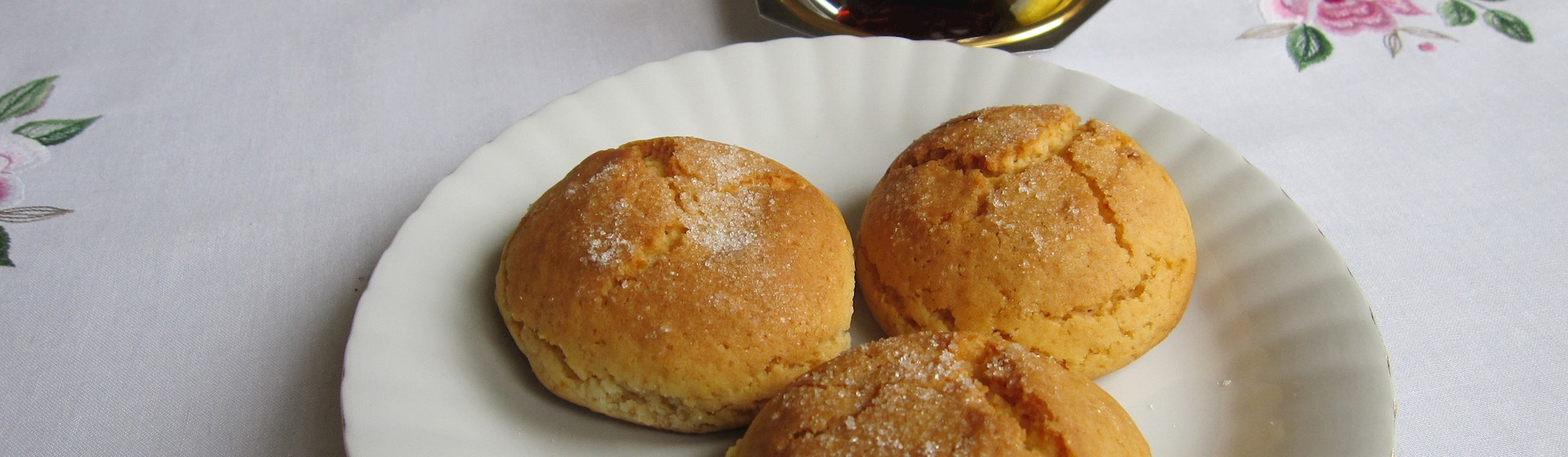
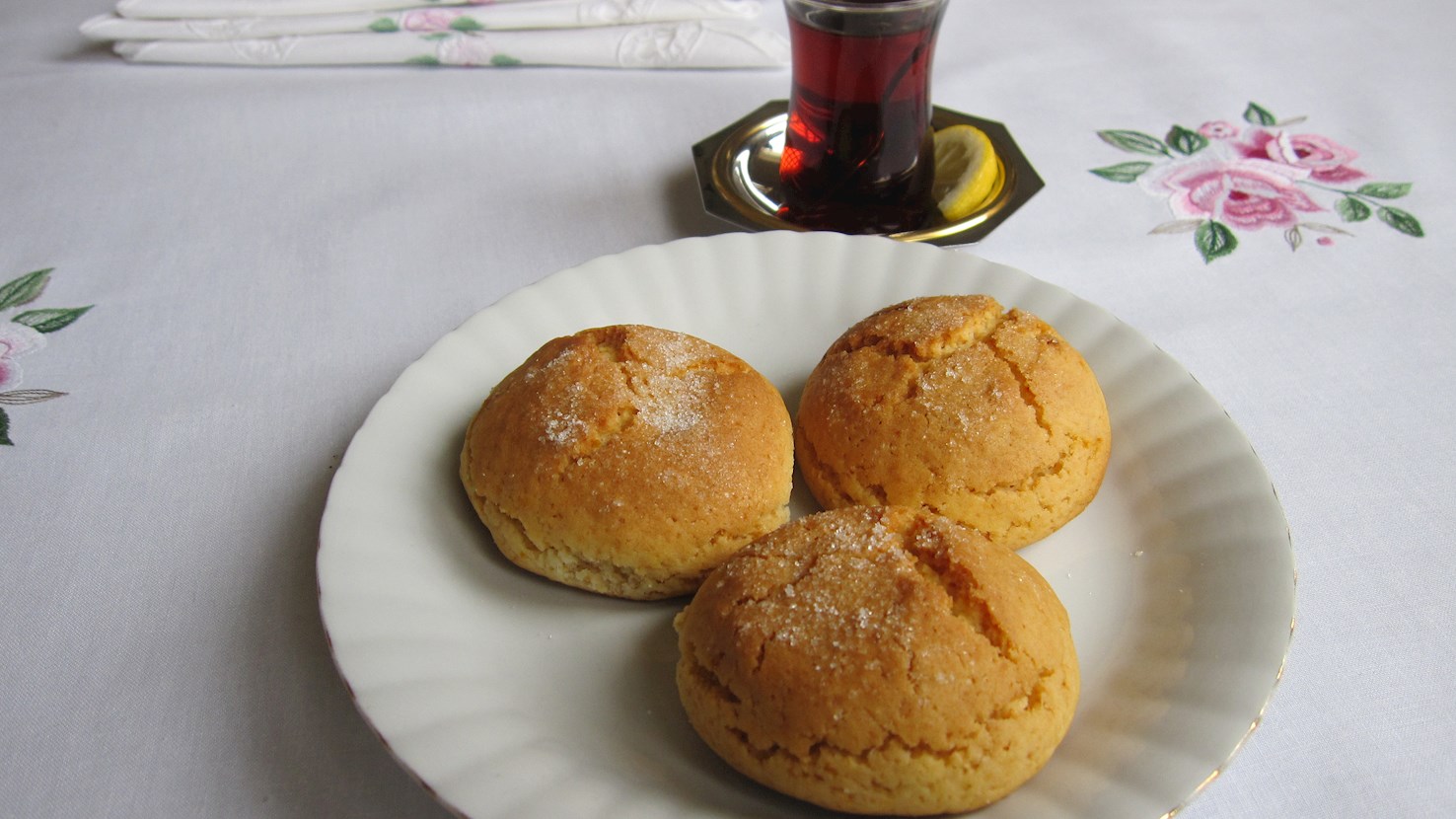
A classic Bosnian dessert, gurabija is a type of round, flat shortbread cookie that is usually made with flour, sugar, and oil. This sweet specialty is believed to have oriental origins, and it’s been an essential part of the culture, tradition, and culinary heritage of the entire Balkan. Although the variations on this dessert abound, the cookies commonly contain eggs, baking powder or baking soda, butter or margarine, and dairy products such as mileram cream, yogurt, or milk. The combination is typically flavored with vanilla powder or vanilla sugar, lemon zest, nuts, and dried fruits. Apart from the ingredients used for making the dessert, the cookies may also vary in size, shape, and decoration. In Bosnia and Herzegovina, the cookies are often decorated with a fork or a knife, while a truly distinguishing trait of Bosnian gurabija cookies is the sugar cube that’s pressed in the center of the cookies before they’re baked. Gurabija cookies in Albania are usually made with jam, while the Macedonian version of the cookies is said to be the closest to the original one. A popular variation of these cookies in Serbia is hilanderske gurabije, which calls for the addition of honey to the combination. The Bosnian city of Tuzla, on the other hand, is famous for its gurabija with apple pekmez (boiled apple juice), a variation that’s been characteristic of Bosnian Muslims. These cookies know no religious boundaries as they are equally prepared for religious holidays and celebrations by both Muslims and Christians. Gurabija cookies can be enjoyed as a dessert or a sweet snack, and they’re customarily served with a cup of Bosnian coffee or tea on the side. Some people, especially children, like to dip the cookies in milk and eat them for breakfast.
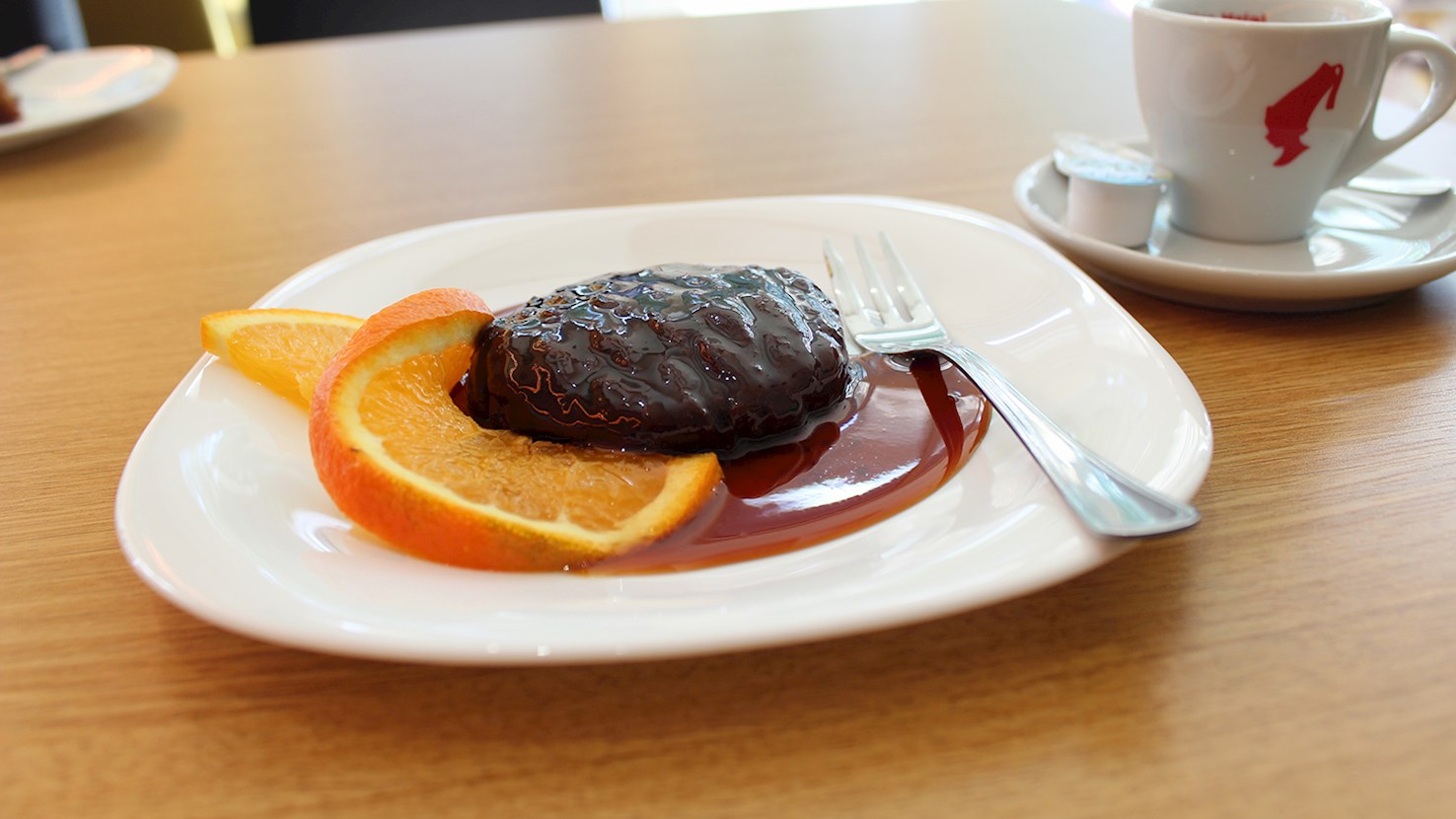
Smokvara is a traditional dessert hailing from Herzegovina. It is prepared with a dark-brown dough consisting of fig pekmez—a thick syrup-like product—wheat and corn flour, sugar, oil, and water. The dough is shaped into flat disks that are then baked before they are doused in a variety of sherbet that combines pekmez, sugar, and water. Because of its sweetness, smokvara, whose name stems from the local term for figs (smokve), is best paired with strong Bosnian coffee.
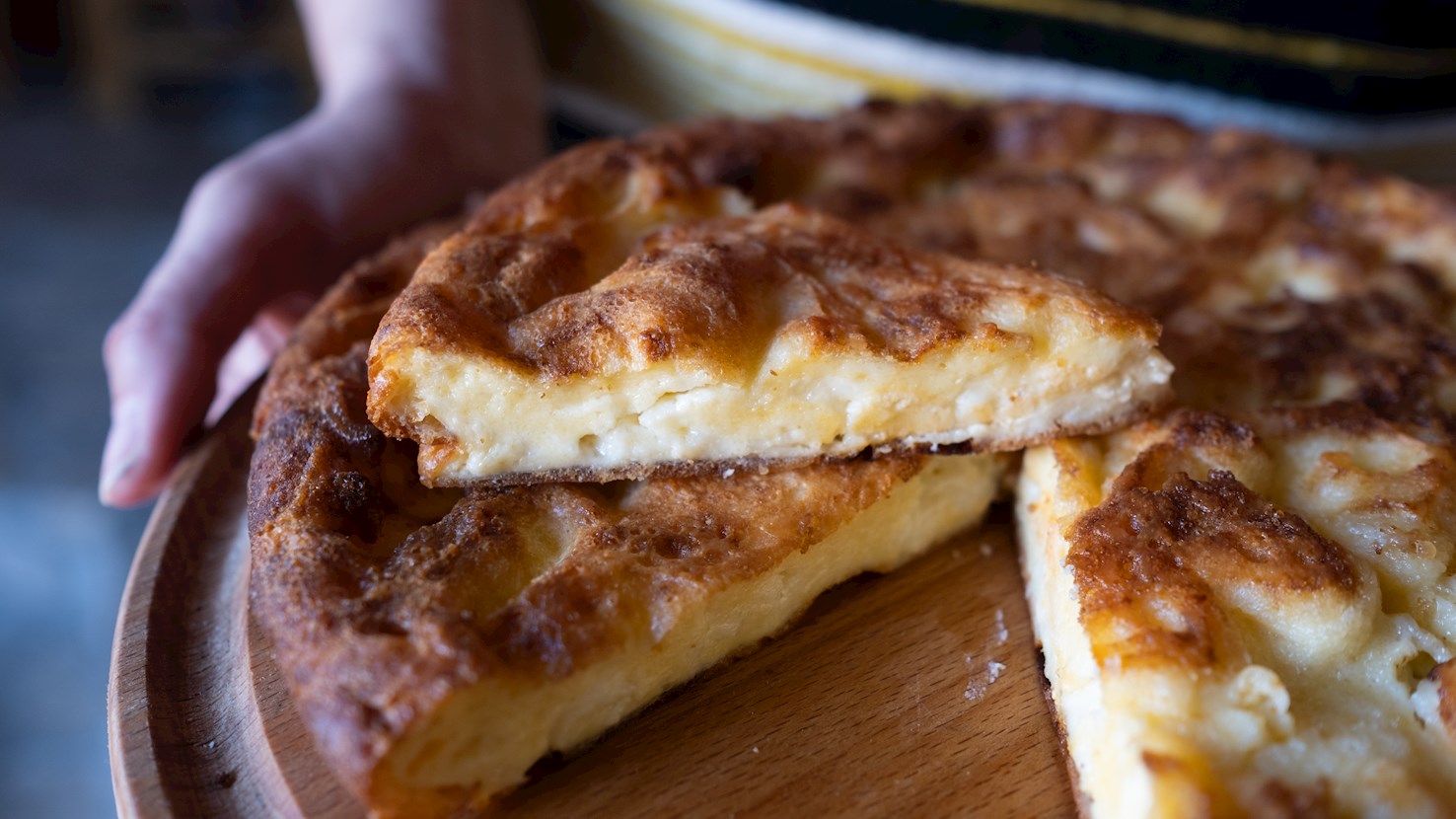
Prijesnac is a traditional cheese pie originating from the Trebinje area of Herzegovina and the northern parts of Montenegro, but it is also eaten in the entire Bosnia and Herzegovina. The pie is made with a combination of cottage cheese, kaymak or sour cream, eggs, milk, flour, oil, salt, and baking powder. The batter is placed into an oiled baking tray and the pie is then baked until golden brown. Once done, prijesnac is served immediately while still warm. Although there is not much information about this simple peasant dish, it is believed that the locals had originally prepared it in order to make use of leftover cheese.
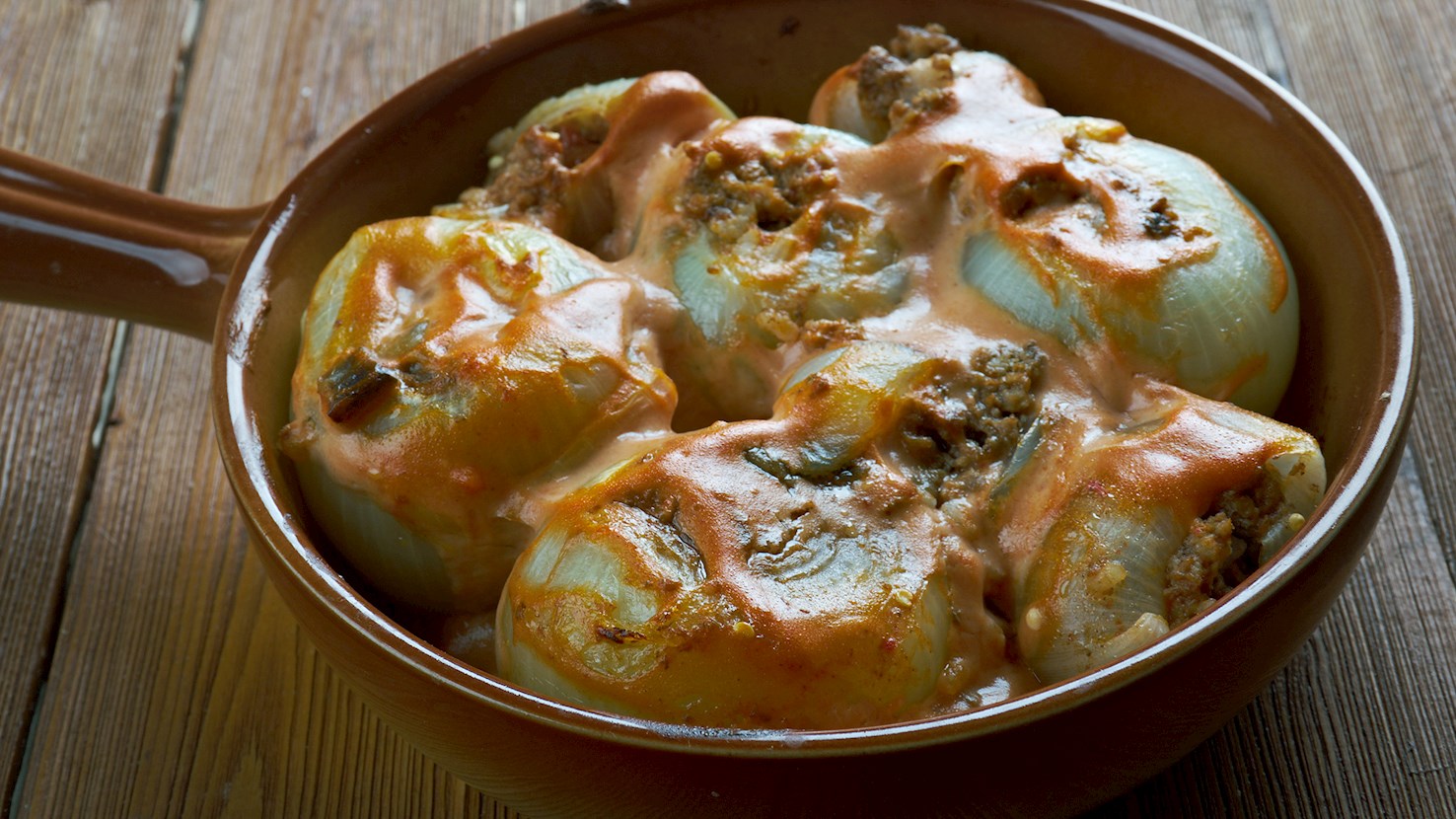
Though its name stems from the Turkish soğan dolması, which translates as stuffed onions, this dish is a part of traditional Bosnian cuisine. It consists of onion bulbs that are blanched and stuffed with a flavorful combination of minced meat, rice, various spices, and (optionally) onions and grated carrots. When stuffed, the bulbs are layered and slowly cooked in the oven, usually in a small amount of water. The final addition is a layer of sour cream or a combination of flour and paprika, typically generously smeared on top. Sogan-dolma is a Bosnian classic, enjoyed throughout the country, although it is typically associated with the southern regions. The dish is best enjoyed with an additional scoop of sour cream or yogurt, lemon wedges, and country-style bread.
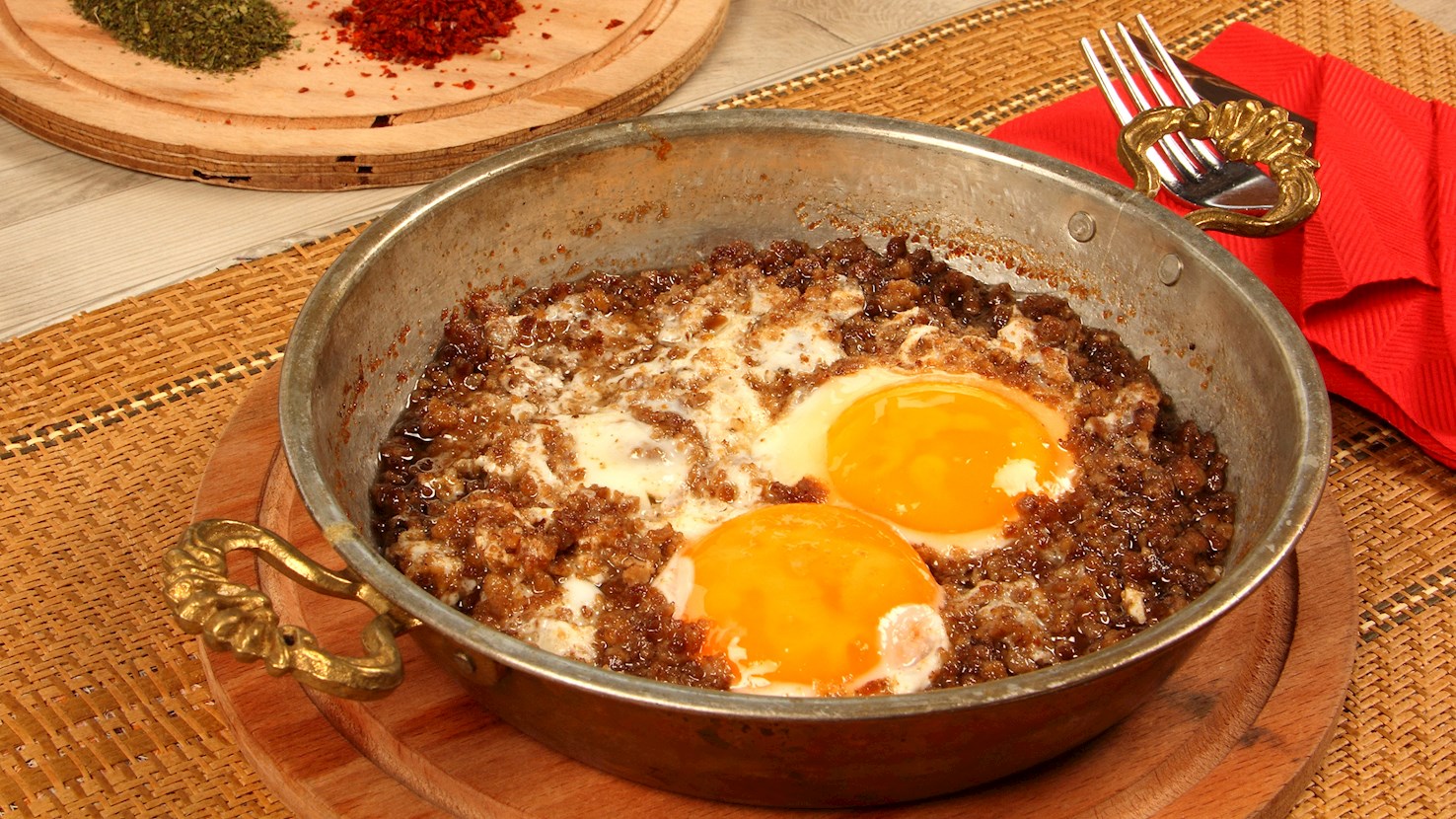
Čimbur s mesom is a Bosnian dish consisting of ground meat and eggs. The meat is sautéed with onions, ground paprika, and (optionally) tomatoes or tomato sauce. After that, whole eggs are cracked on top of the meat, and they are then slowly baked until set. Occasionally, a mixture of ground paprika and melted butter can be drizzled over the eggs. This traditional dish can be served as a filling breakfast or the main course. It is usually enjoyed with bread on the side. Čimbur s mesom is also known simply as čimbur, but it should not be mistaken with an egg-based dish that shares the same name.
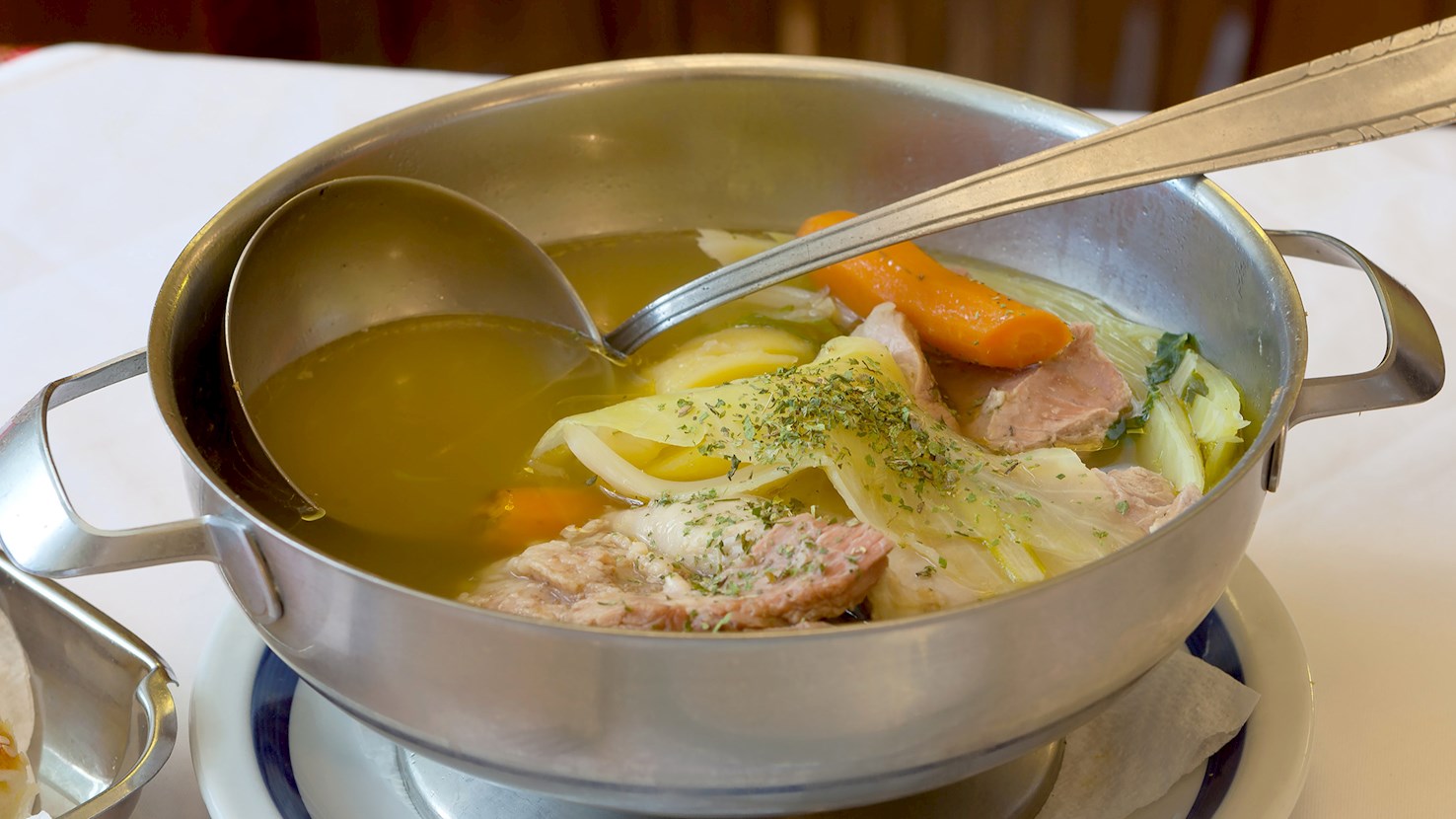
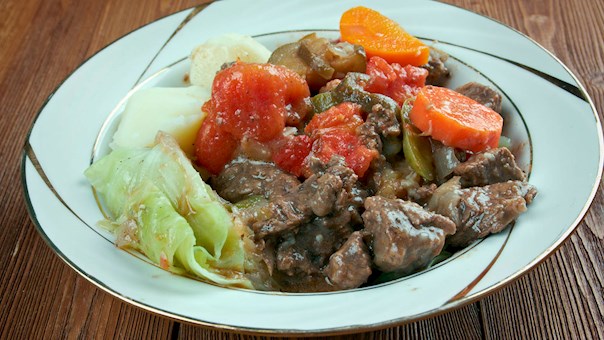
Kalja is an old peasant dish originating from Bosnia, with variants of it popular in Serbia and the Lika area of Croatia. In the past, the dish was made with a combination of lamb or sheep meat and cabbage or any available vegetables. Nowadays, it's mostly prepared with veal or lamb, potatoes, cabbage, onions, carrots, garlic, and tomatoes. The stew is simmered until the meat becomes tender. Kalja is traditionally served without side dishes, but it's often accompanied by a dollop of sour cream and a few slices of bread. The dish is especially comforting on cold winter days.
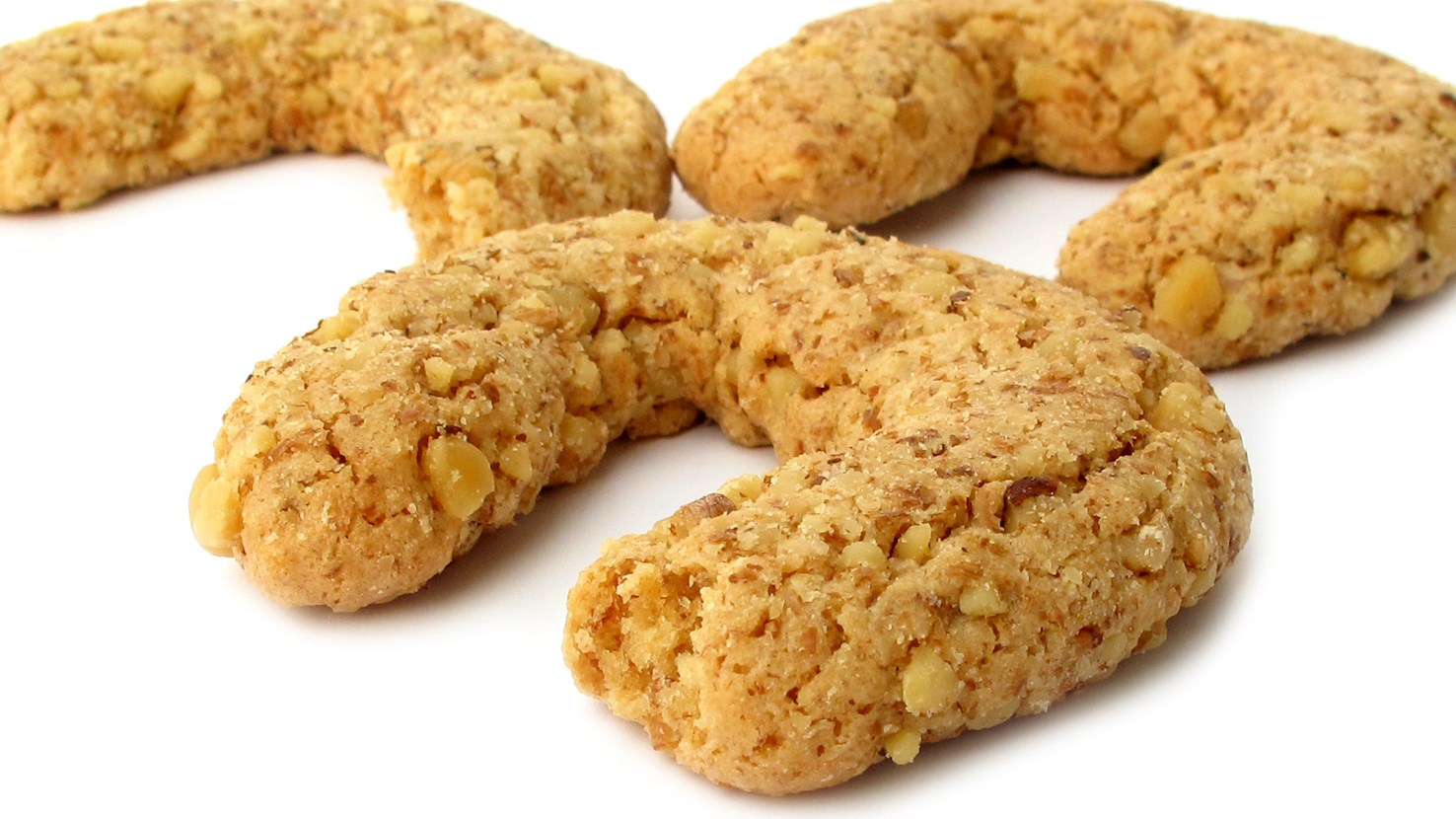
A favorite homemade treat during the holiday season, orašnice are traditional Bosnian walnut cookies. Everyone has their own version, however, the standard recipe for orašnice only uses three ingredients - egg whites, sugar, and walnuts. Once all the ingredients have been mixed together, another helping of coarsely ground walnuts is sprinkled on top in order to provide a crunchy outer layer. The cookies are always shaped to look like a horse hoof, and they are then baked in the oven. Some common variations use lemon juice or orange juice for a softer interior, while others use crushed shortbread biscuits for a better texture. It is recommended to serve the cookies with a cup of coffee or tea.
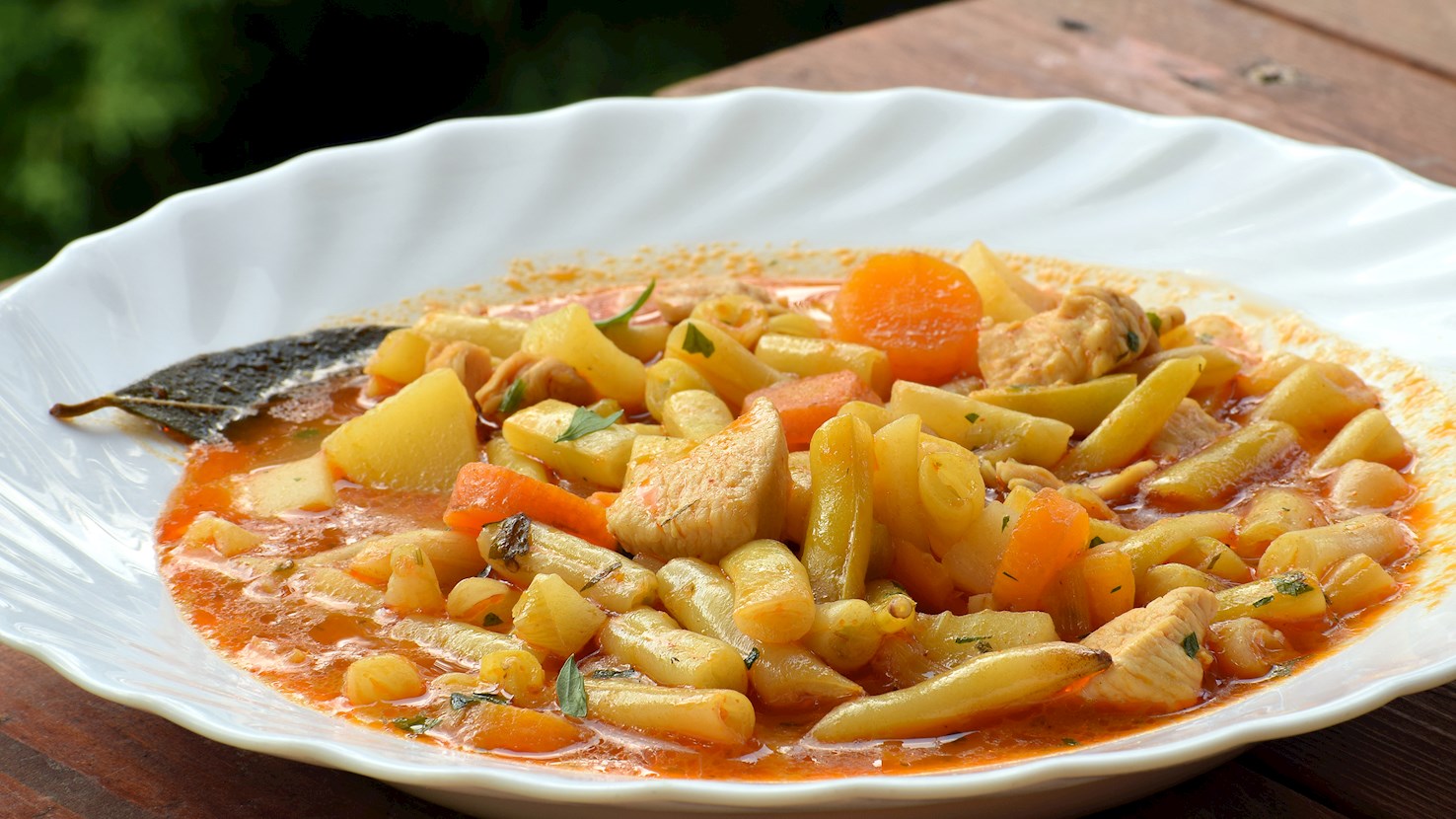
Buranija is a flavorful Bosnian stew consisting of green beans and chunks of veal as its main ingredients. The stew is typically flavored with salt, paprika, pepper, and bay leaves, with additional ingredients such as onions, garlic, carrots, or potatoes. It is simmered for a few hours until all of the ingredients have combined their flavors and the meat becomes tender, although buranija can also be prepared without any meat in a vegetarian version of the dish.
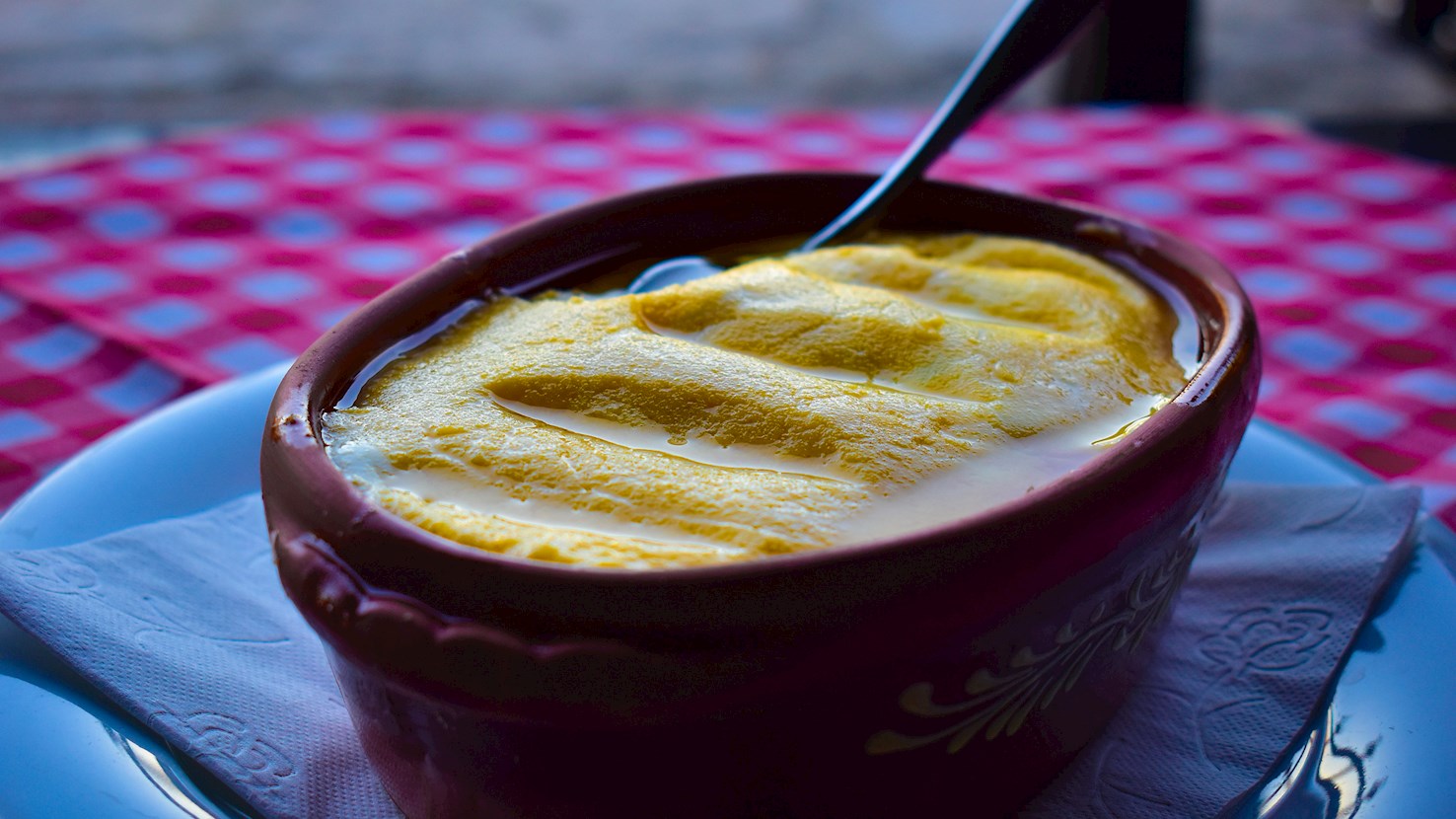
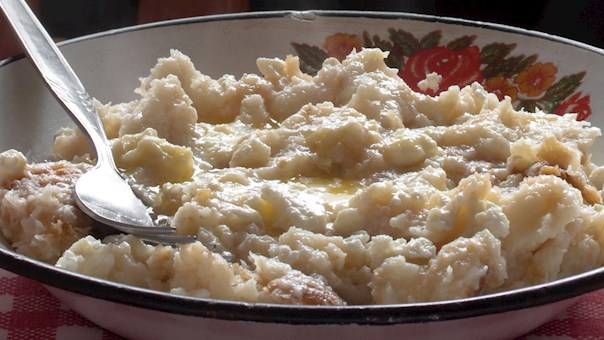
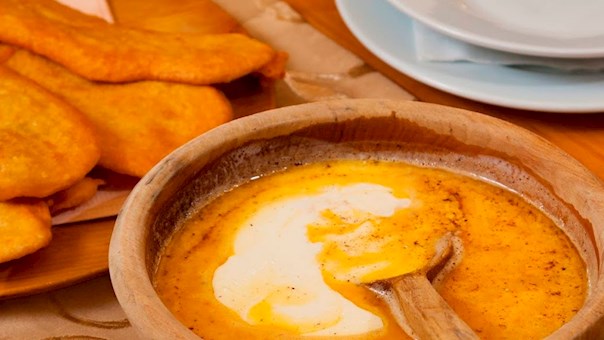
Cicvara is a traditional peasant dish originating from Montenegro and some areas in Herzegovina. The dish is usually made with a combination of corn flour, fresh cottage cheese or semi-hard cheese, milk, water, salt, and matured kaymak. The cheese is melted in water and milk, and when the flour is added, the mixture should be vigorously stirred until done. Regardless of the name and numerous variations (almost every family has their own way of preparation), cicvara started out as peasant dishes that provided the much-needed calories for a full day of work in the fields. It's recommended to serve the porridge in wooden bowls. If desired, top it with herbs, bacon bits, sour cream, or honey.
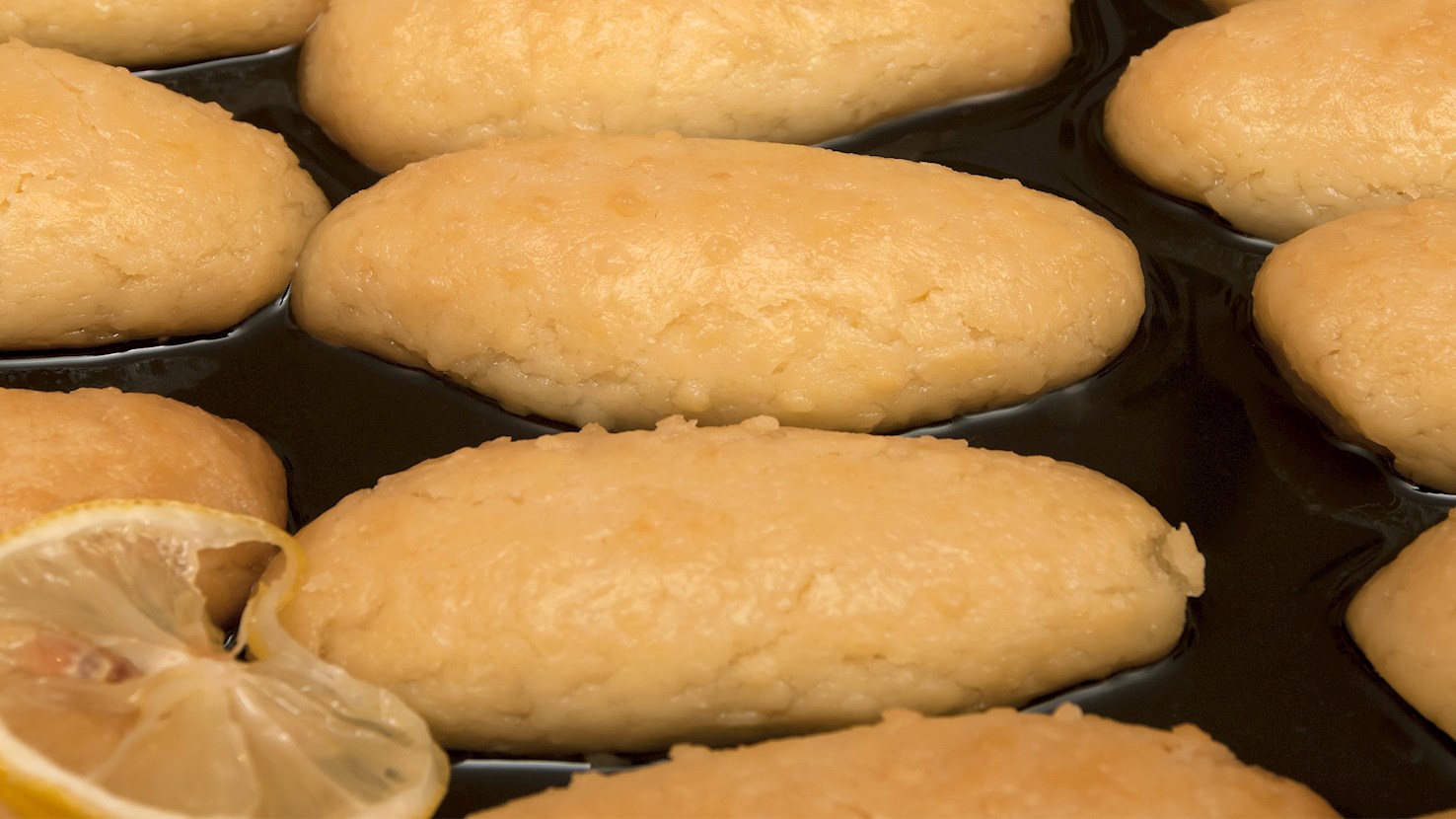
Hurmašice are dense, date-shaped pastries baked until golden brown and completely submerged in a heavy lemon-scented sugar syrup. Making the dough requires creaming soft butter vigorously with whole eggs and white sugar until pale and fluffy. All-purpose flour and a small pinch of baking powder are folded into the wet mixture, forming a smooth, pliable mass that holds its shape easily without sticking to the hands. Small chunks of the dough are pinched off, rolled into short cylinders, and flattened slightly. A distinct visual hallmark involves pressing the top of each unbaked cylinder against the fine side of a metal cheese grater, imprinting a rough, textured grid pattern. Ingredient substitutions and additions are common. Chopped walnuts heavily stud the dough in specific regional iterations, providing a harsh crunch against the otherwise soft crumb. Another adaptation entirely replaces the butter with neutral vegetable oil or rendered fat, yielding a much denser, heavier bite. A less common adjustment involves mixing desiccated coconut into the flour. The raw pastries are snugly arranged on a baking sheet and go into a hot oven to bake until the crust hardens and turns a dark mahogany. Concurrently, a massive volume of white sugar is dissolved into boiling water with thick slices of fresh lemon to create a clear, intensely sweet liquid known as agda. The hot syrup pours directly over the freshly baked, still-warm pastries right in the pan, initiating a loud sizzle. The entire batch rests at room temperature for several hours, allowing the porous baked dough to absorb nearly all the surrounding liquid. The exact shape and naming convention of this dessert originate directly from the 15th-century Ottoman expansion into the Balkan Peninsula. The Ottoman military and administrative presence introduced heavily syruped sweets to the region, and this pastry took its name from the Turkish word "hurma," meaning "date," solely due to its visual resemblance to the imported fruit rather than its containing any actual dates. In Türkiye, its relative is the almost identical kalburabastı. When served, usually a single hurmašica arrives on a small ceramic saucer, fully saturated and heavy with syrup, holding its shape just enough to require a fork. A strong cup of unfiltered black coffee always sits alongside the plate, providing a necessary bitter contrast that cuts sharply through the dessert's overwhelming sweetness.
TasteAtlas food rankings are based on the ratings of the TasteAtlas audience, with a series of mechanisms that recognize real users and that ignore bot,
nationalist or local patriotic ratings, and give additional value to the ratings of users that the system recognizes as knowledgeable.
For the “23 Worst Rated Bosnian and Herzegovinian Foods” list until September 16, 2026, 5,766 ratings were recorded, of which 2,924 were recognized by the system as legitimate.
TasteAtlas Rankings should not be seen as the final global conclusion about food. Their purpose is to promote excellent local foods,
instill pride in traditional dishes, and arouse curiosity about dishes you haven’t tried.



What People Say