




shutterstock

100 Worst Rated Central European Foods

Last updated on May 22, 2026
01

Heusuppe

2.1 ·

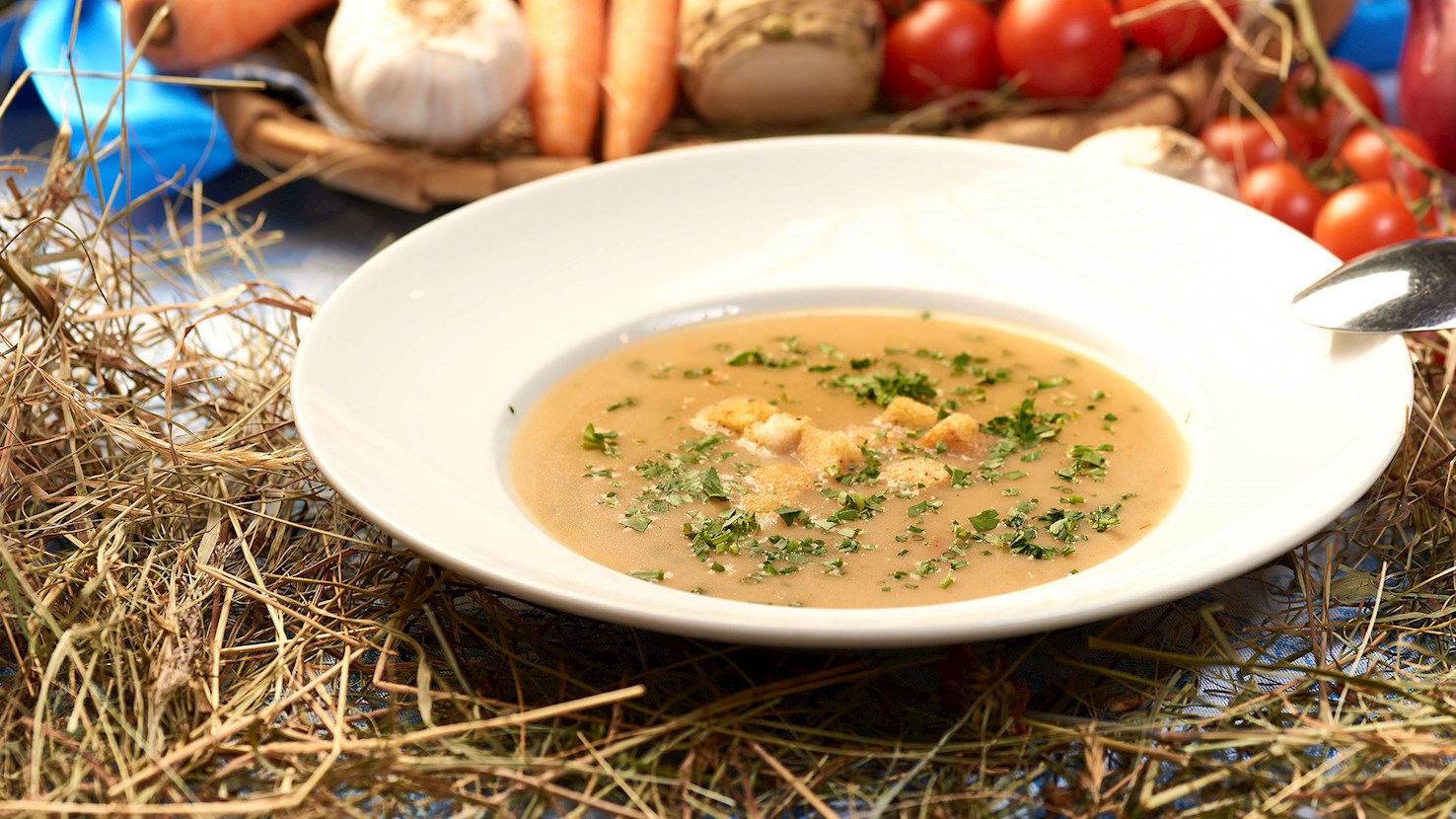
Heusuppe is an unusual, authentic Swiss soup originating from the Alpine huts. Literally translated as hay soup, the dish is made with mountain flowers and herbs which are steeped in bouillon with the addition of hay that is removed from the broth before serving. Typically, it takes about 2 kilos of hay to make just 1 liter of hay soup, and it is often prepared with additional ingredients such as cream and butter. Many people claim that the soup is an acquired taste – you are first hit with a slight sweetness, then creaminess, and finally, a slightly sour flavor in the mouth.

02

Żymlok

2.1 ·

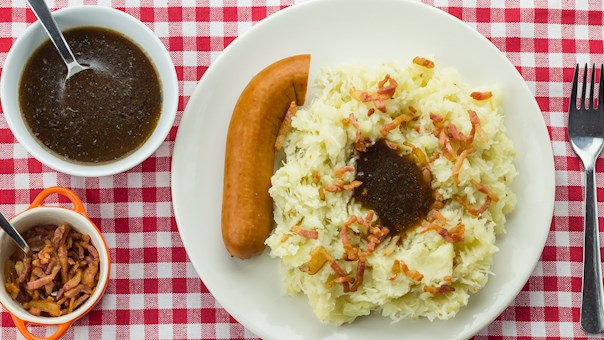
Żymlok is a traditional Silesian blood sausage consisting of a mixture of pork blood, bread rolls, ground pork offal, onions, spices, and seasonings stuffed into intestines. The ground meat is cooked in meat broth and the bread rolls are soaked in the same broth before they are combined and added to the intestines. Bread rolls are called żymła in Silesian and bułka in Polish, hence the name of this sausage. Żymlok is usually flavored with aromatic spices such as marjoram, nutmeg, black pepper, bay leaves, allspice, and juniper berries. Although it appears to be a regular sausage, its consistency is similar to black pudding. It used to be traditionally prepared after St. Martin’s Day, when pigs were slaughtered, and it was then served at various festivities. Not as popular as it once used to be, the sausage can be consumed hot or chilled, typically accompanied by caramelized onions and slices of bread.

03

Borleves

2.4 ·

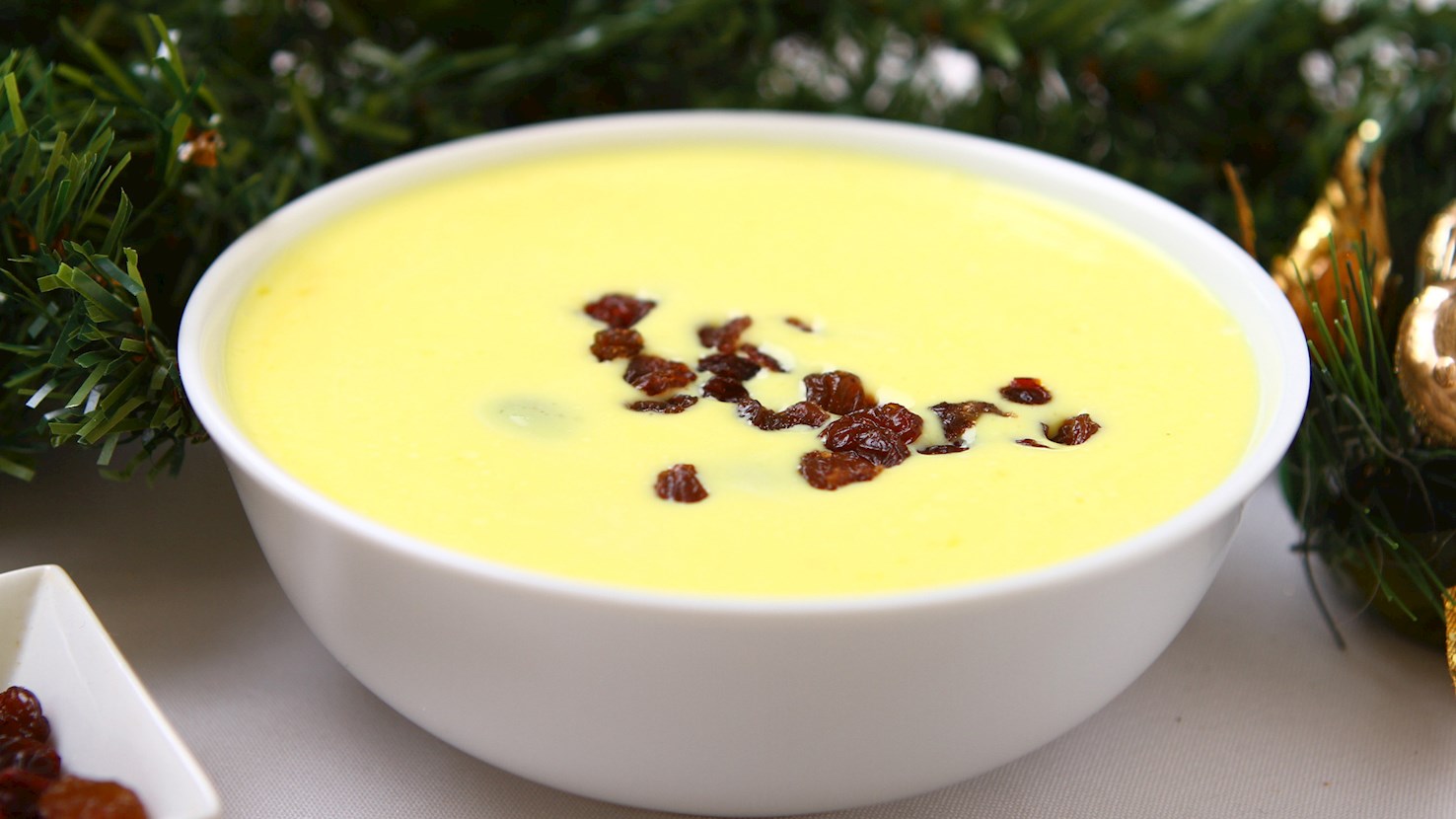
Borleves is a traditional soup made with white wine, egg yolks, cloves, lemon juice, and sugar. When properly prepared, it should thicken during the cooking process, but the eggs mustn’t curdle. Its flavor is best described as rich, tart, and sweet. The soup is especially popular during the festive Christmas season.

04

Chlebová polévka (Czech bread soup)

2.4 ·

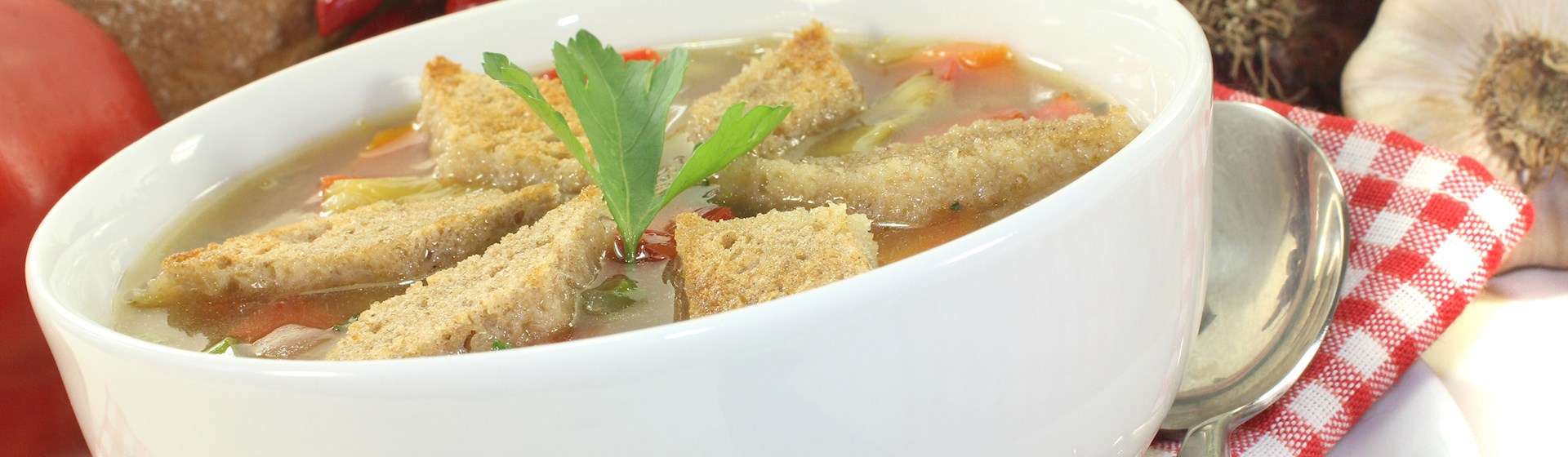
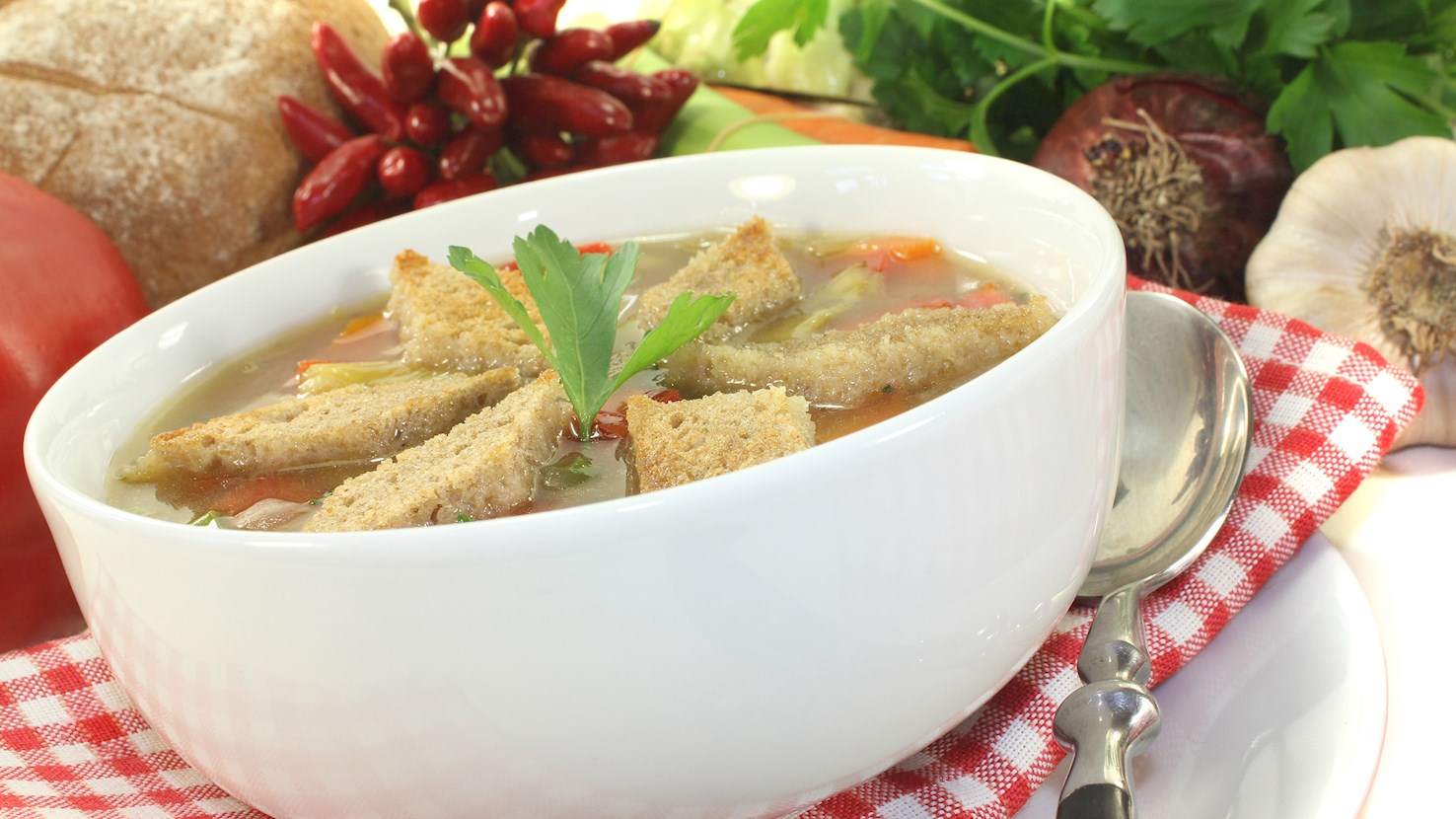
This simple bread soup is a traditional dish prepared with a combination of stale bread, water, onions, and a variety of spices. The more refined versions are occasionally thickened with eggs and may incorporate flavorful broths or various root vegetables. Characterized by its rustic appeal and thick consistency, chlebová polévka is a common home-cooked dish that is traditionally enjoyed plain or accompanied by crispy croutons.

05

Karlovarsky suchar

2.4 ·

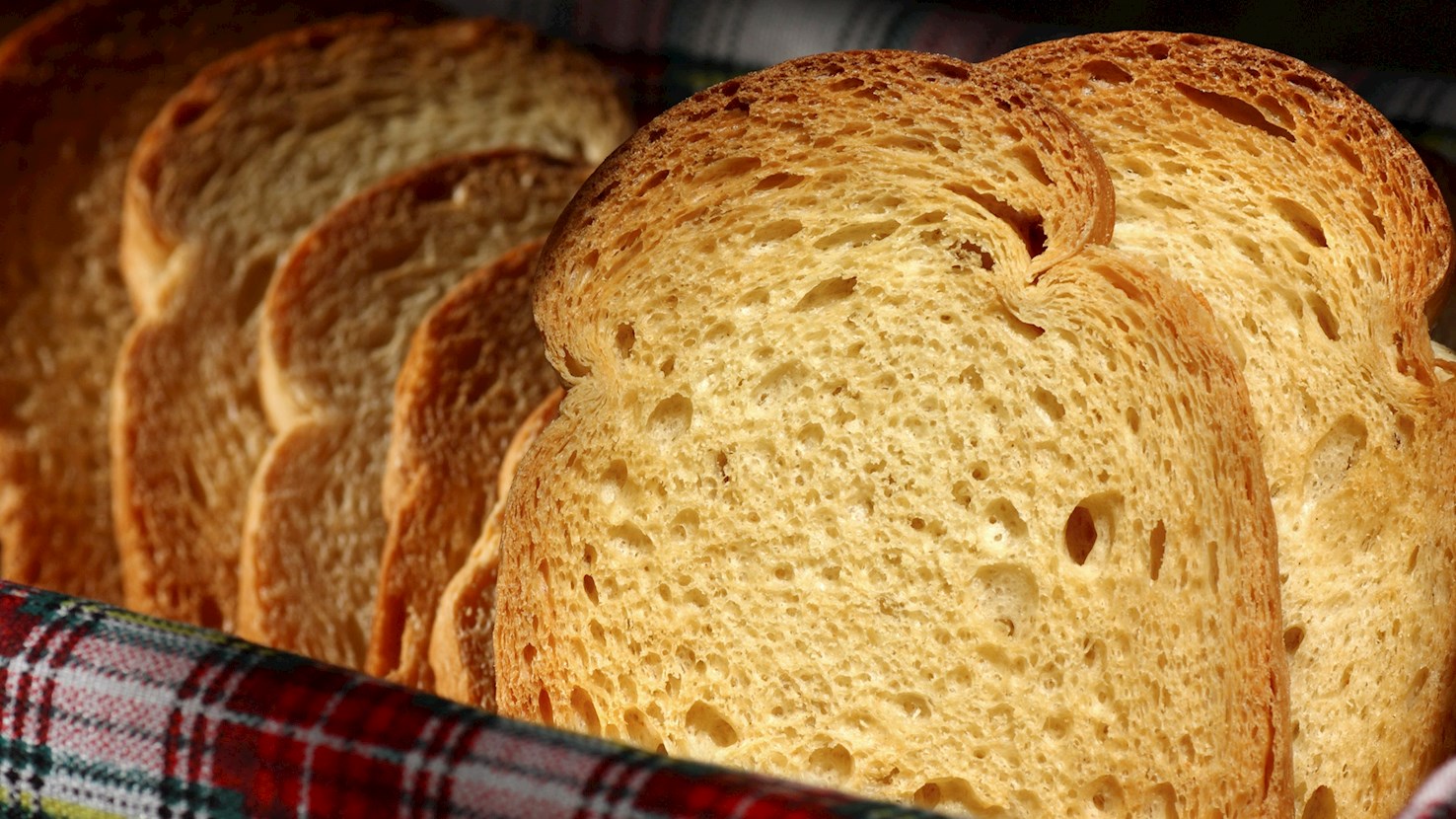
Karlovarský suchar is a rusk, a toasted bread cut in thin slices from a whole load, produced in the Karlovy Vary region in the Czech Republic. There are two varieties of the bread - special and diet versions. The bread is well baked and dried, clean, crisp and uniformly porous. It is golden brown in color, with a delicate scent of bakery goods. The taste is that of baked bread. Both versions of the bread must contain Karlovy Vary spring water. The special variety is made from wheat flour, spring water, sugar, yeast, salt, egg yolk, and flour improver. The diet version is made from the same ingredients, but sugar, egg yolks and salt are removed from the mix. When the bread is toasted, it is left to cool and sold in packs of 200 grams, ready to be enjoyed with fruit jams, butter, and tea.

06

Longeole

2.4 ·

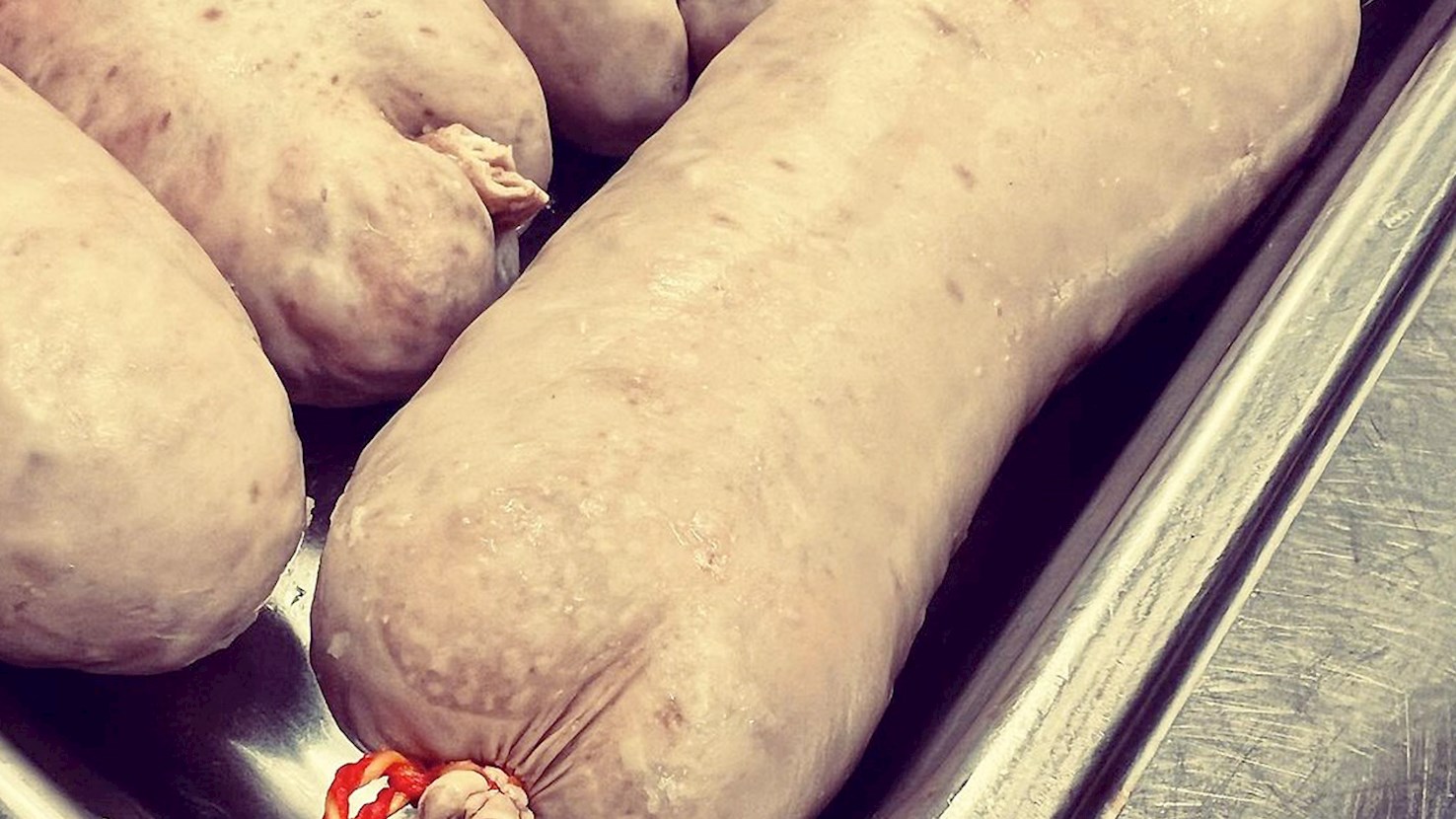
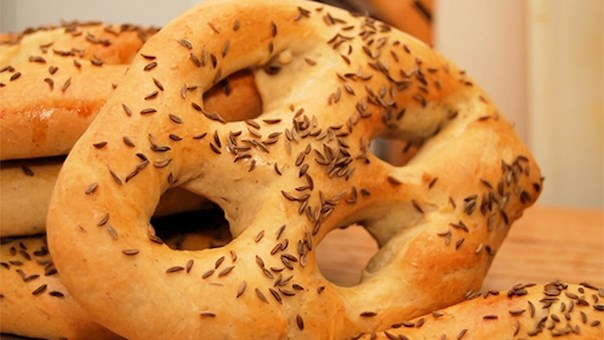
Longeole is a sausage originating from Geneva. It contains ground pork, ground pork rinds, and fennel seeds. The pork rinds keep the sausage from drying out and give it a fuller flavor, while the addition of fennel seeds is believed to be a Savoyard influence. Due to the addition of pork rinds, longeole takes longer to cook than other sausages. This sausage is especially popular during the colder months, and it is traditionally served with potatoes cooked in white wine for Christmas.

07

Czernina

2.5 ·

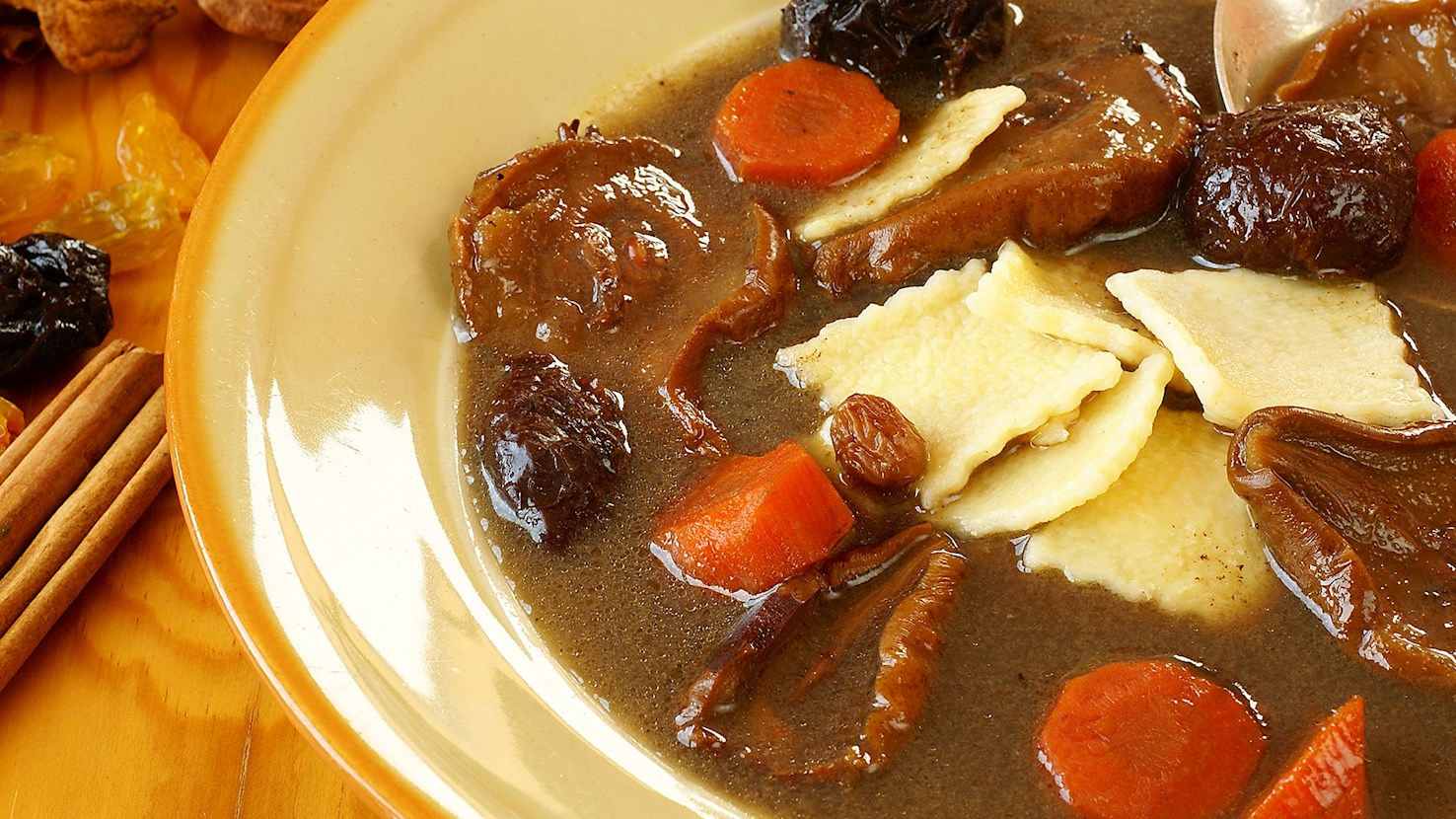
Czernina is a traditional soup prepared with duck or goose blood, which is preserved in vinegar so it would not coagulate. The soup is made with a flavorful duck broth, while the typical additions include dried fruits and a variety of spices such as cloves and allspice. The name of the soups stems from the word czarny, which translates as black and refers to the dark color of the soup. Even though some modern versions occasionally omit the blood and employ other types of meat, czernina should always be tangy, slightly sweet, and dark in color. This hearty soup is traditionally served with pasta or potato dumplings.

08

Basler Mehlsuppe

2.5 ·

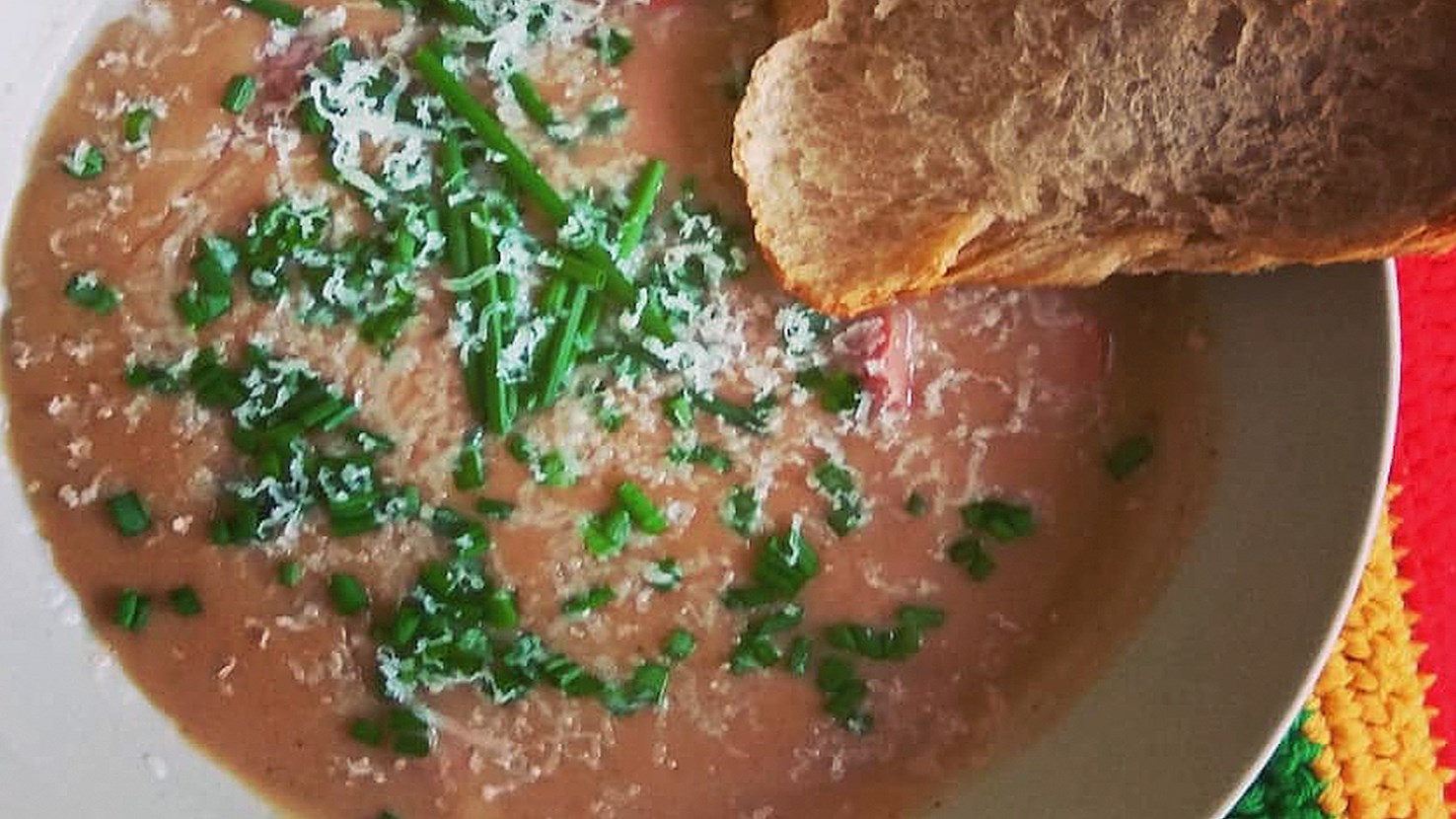
Basel's signature dish is a hearty, flavorful soup made with browned flour, beef stock, onions, and sometimes red wine. Basler mehlsuppe is usually seasoned with peppercorns, cloves, nutmeg or allspice, and served topped with a generous grating of Swiss cheese such as Sbrinz or Gruyère. Traditionally, the soup is a must-have at Basel Carnival, which is officially launched with a serving of it at precisely 4:00 AM on the first Monday after Ash Wednesday. Being a national favorite, mehlsuppe is also widely available throughout the year, not just in Basel, but across Switzerland.

09

Schmierwurst

2.5 ·

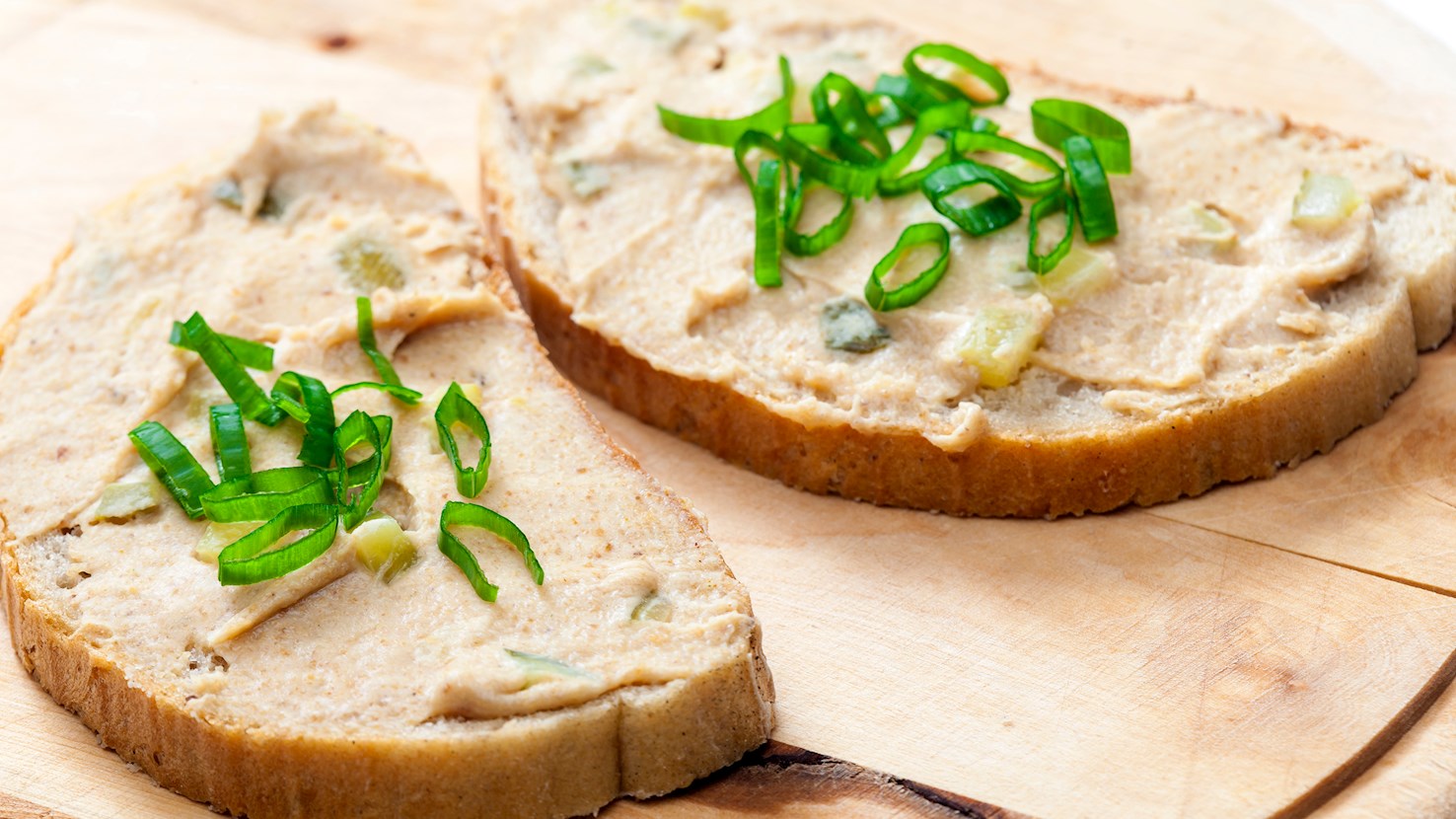
Schmierwurst, along with mettwurst and teewurst, belongs to the category of uncooked or raw sausages (rohwurst) that are typically fermented and smoked. The sausage usually consists of finely ground pork, bacon, and spices such as white pepper and coriander, which are combined into a smooth mixture and then added into a natural or artificial casing. The preparation of the final product involves fermentation and gentle smoking, yielding a soft sausage that is perfectly good to be enjoyed without additional cooking and can easily be spread over a slice of bread. It is this distinctive soft and spreadable nature of the sausage that has probably been the reason why it had earned the name schmierwurst, meaning smear sausage or sausage spread.

10

Máslová pomazánka

2.5 ·

This creamy spread is made with sour cream and a combination of powdered milk and buttermilk. It is enjoyed throughout the Czech Republic and Slovakia. The spread is traditionally flavored with various herbs, ham, peppers, or garlic. Although it was originally known as pomazánkové máslo, meaning butter spread, under the recent European Union regulation the term was forbidden since the product does not contain the minimum milk fat content of 39%. In compliance with the law, both the Czech Republic and Slovakia have decided to name the spread máslová pomazánka and smotanová nátierka, respectively.

Read more
View all
View map
About this ranking

TasteAtlas food rankings are based on the ratings of the TasteAtlas audience, with a series of mechanisms that recognize real users and that ignore bot, nationalist or local patriotic ratings, and give additional value to the ratings of users that the system recognizes as knowledgeable. For the “100 Worst Rated Central European Foods” list until May 22, 2026, 85,033 ratings were recorded, of which 67,298 were recognized by the system as legitimate. TasteAtlas Rankings should not be seen as the final global conclusion about food. Their purpose is to promote excellent local foods, instill pride in traditional dishes, and arouse curiosity about dishes you haven’t tried.

Similar lists