




shutterstock

100 Worst Rated European Foods

Last updated on May 22, 2026
01

Pizza Vulkanen

1.6 ·

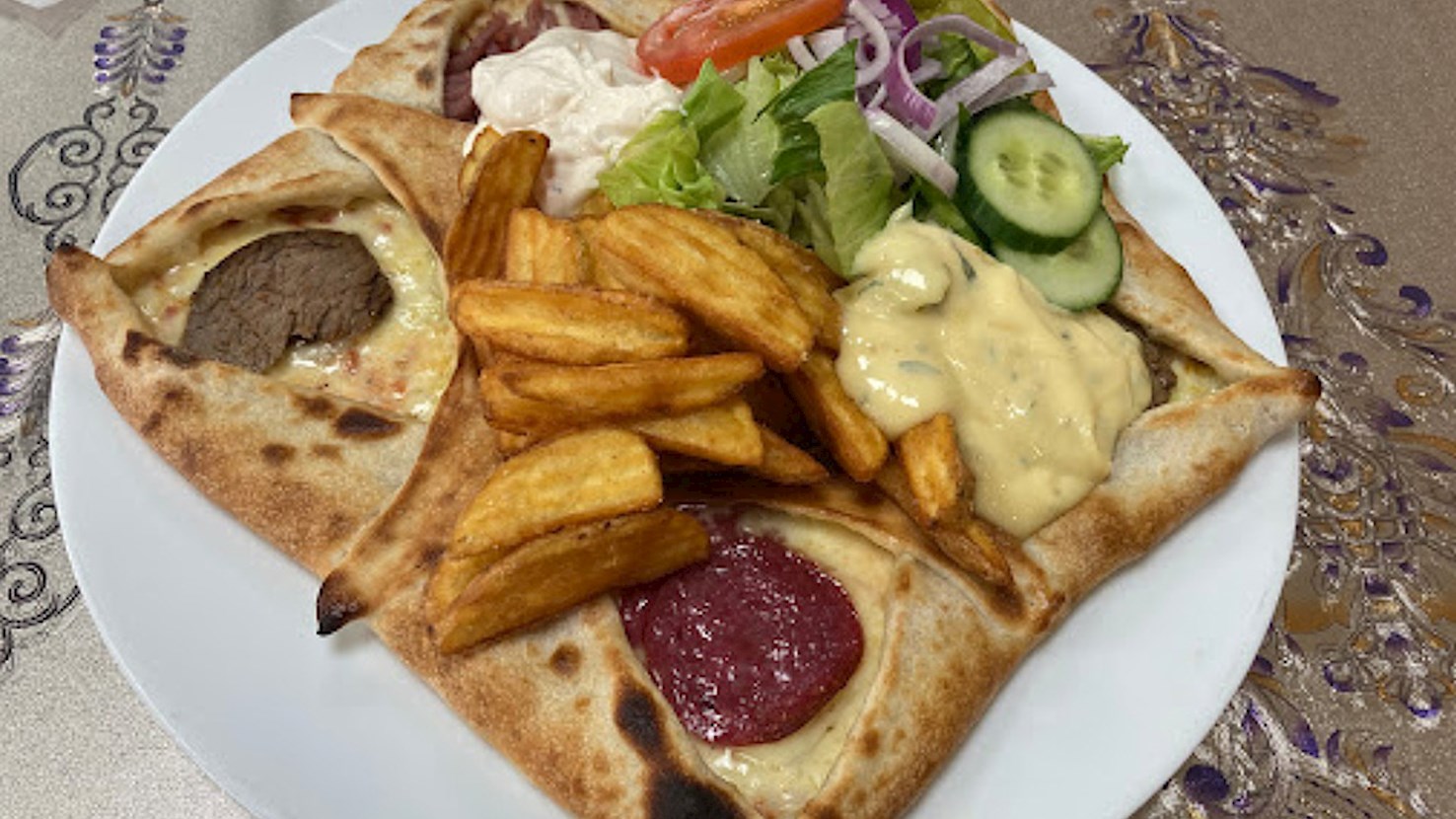
Invented by chef Halmat Givra of Nya Gul & Blå restaurant in Piteå, volcano pizza is a visually impressive dish with extra everything – there are pockets of cheese and ham, salami, bacon, and beef tenderloin in a wide ring. Erupting from the center are french fries and a salad with Béarnaise sauce. This recent Swedish invention is ideal for large parties – with a great number of flavors, there is something for everyone involved.

Best restaurants
02

Svið

1.7 ·

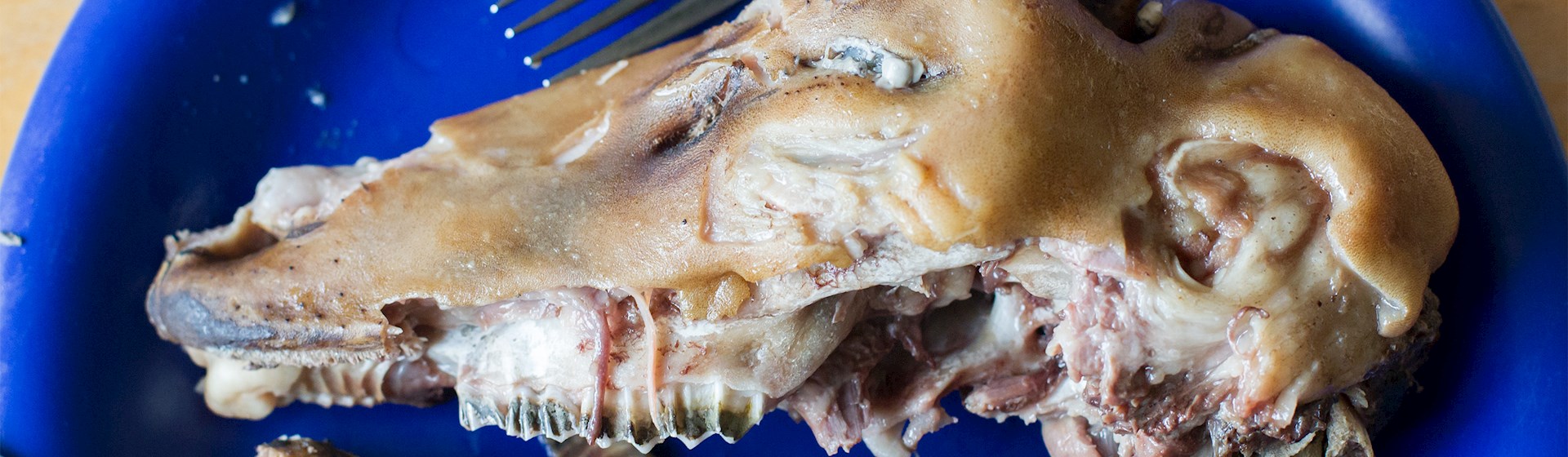
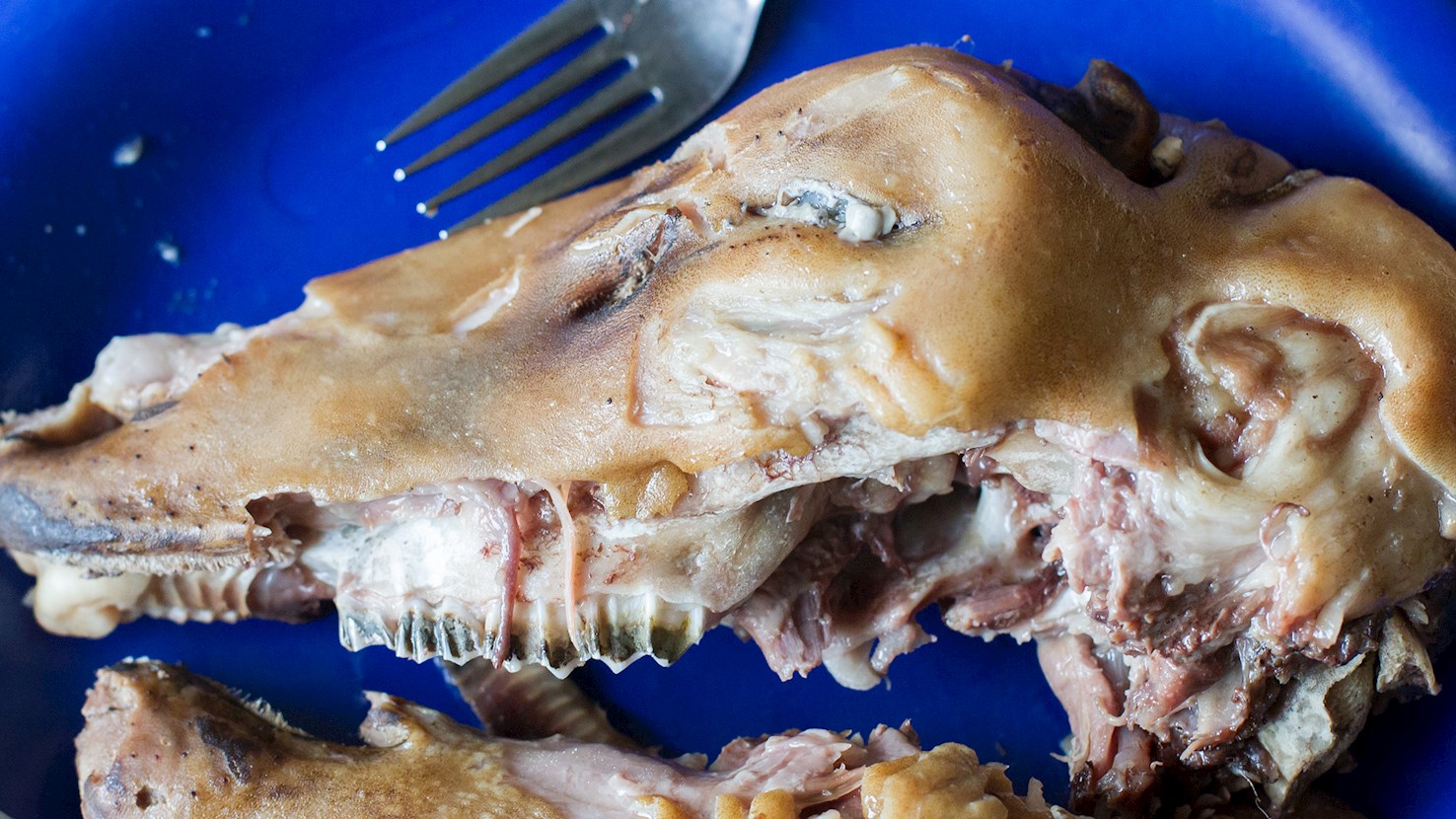
Svið is an unusual and unique dish from Iceland consisting of singed, halved, and cooked sheep's head. The head is then cooked in an open fire (in order to remove the fur) and consumed. The dish is traditionally served with a side of mashed turnips, rhubarb jelly, and mashed potatoes, especially during the traditional Icelandic mid-winter festival known as Þorrablót. Originally, the dish was invented at a time when people could not let any part of meat go to waste. Although svið has a reputation of being really tasty, some may find it strange to literally look their food in the eye.

03

Thorramatur

1.8 ·

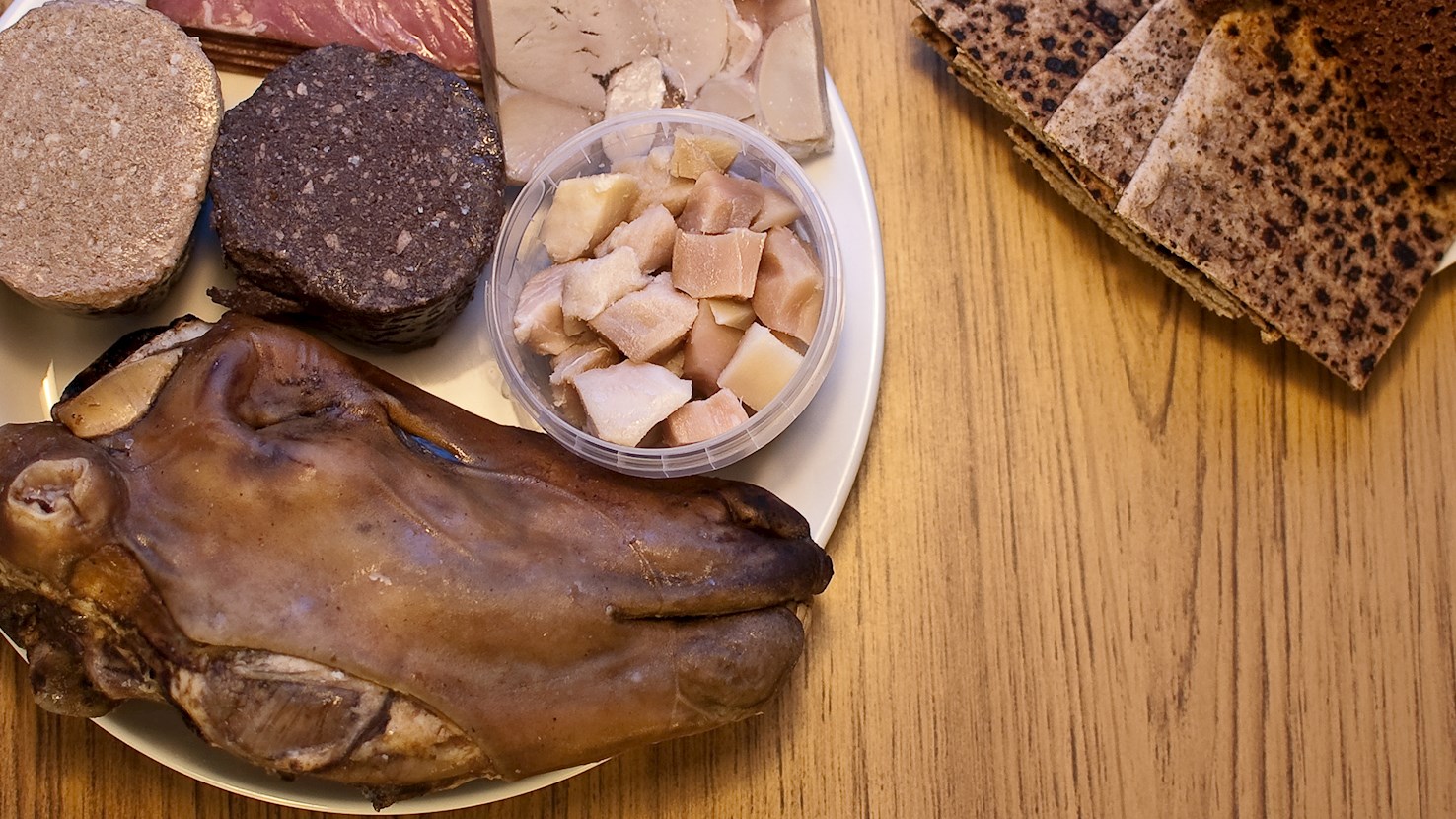
Thorramatur is a selection of traditional Icelandic foods consumed predominantly during the Nordic month of Þorri, taking place from mid-January to mid-February each year. Cured fish and meat products are cut into slices or bite-sized pieces and served alongside rúgbrauð and butter on numerous buffet tables. The standard choice includes specialties like fermented shark meat, smoked lamb, seared lamb head, blood sausages, and much more, all of which can be additionally soured according to personal preferences. Typical accompaniments include brennivín, Iceland's flavored spirit drink, and seasonal Þorri beer that is traditionally produced by local breweries specifically for the occasion.

04

Blodplättar

1.8 ·

Blood pancakes are enjoyed throughout Sweden, Finland, and Norway. They are prepared with a regular pancake batter that is elevated with the addition of animal blood. Whether they are formed as thinner, crêpe-like pancakes or as smaller, chewier types, the pancakes will always develop a typical dark-brown hue. They are often enriched with onions and spices, and come topped with fresh lingonberries or lingonberry jam. Blood pancakes are sold as a ready-made product across Finland and Sweden.

05

Truchas a la Navarra

1.8 ·

Truchas a la Navarra is a traditional fish dish originating from Navarre. The dish is made with a combination of trout, jamón serrano, flour, lemon, parsley, olive oil, and salt. The trout is seasoned with salt, dredged in flour, and fried in olive oil until golden and just cooked through. It is then stuffed with sautéed jamón serrano pieces and lemon juice is squeezed over the fish. Before serving, this Navarra-style trout is typically dusted with chopped jamón and parsley.

06

Blodpalt

1.9 ·

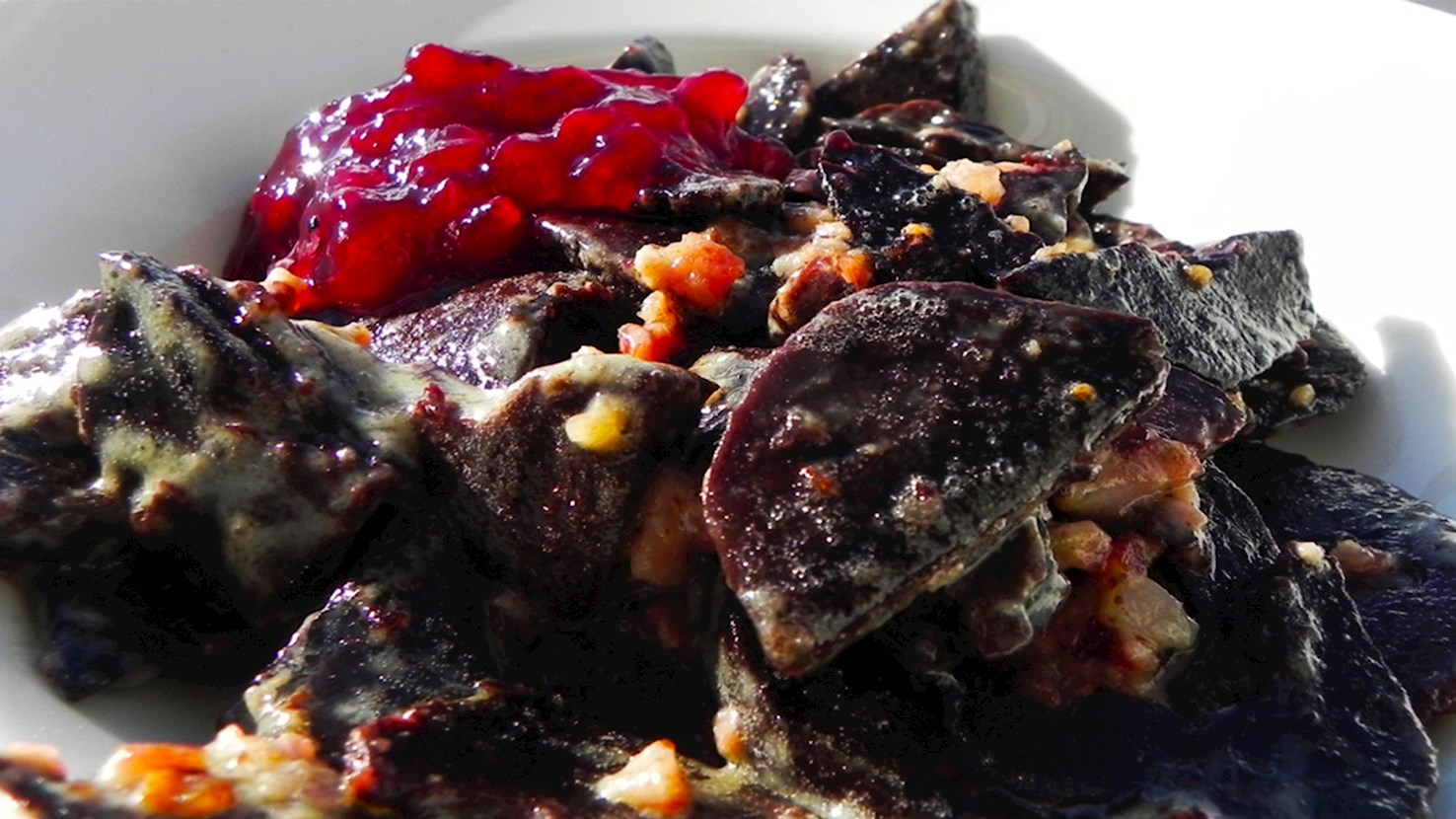
Traditionally associated with the northern parts of Sweden and the Finnish Lapland, blodpalt are the nutritious, dark-brown dumplings prepared with rye or barley flour and animal’s blood. Although they were traditionally made with reindeer’s blood, today they appear in numerous regional varieties which employ blood of various animals, different spices, and occasionally mashed potatoes. They are sometimes filled with a mixture of sautéed onions and diced bacon, and are commonly cooked in flavorful meat broths. Blodpalt dumplings are usually enjoyed as a side dish accompanied by fried bacon or pork, butter, and lingonberry jam.

07

Jellied eels

2 ·

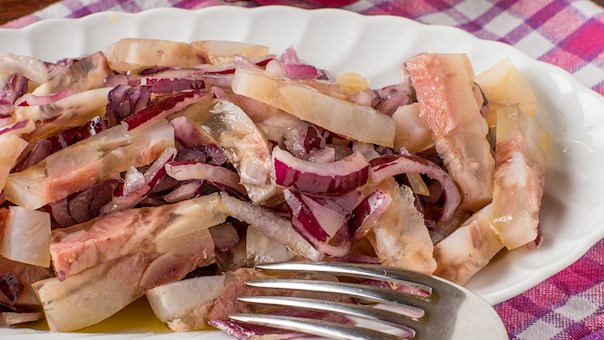
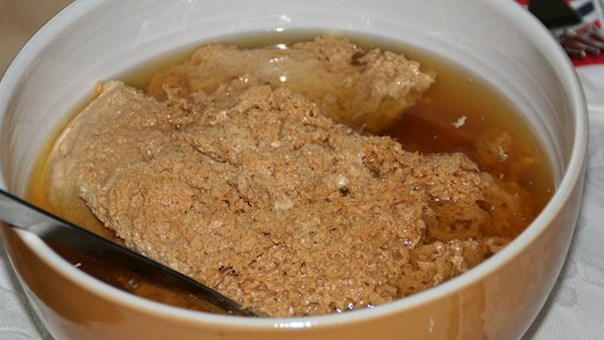
Jellied eels is a traditional Cockney street food item, dating back to the 18th century. Originally, it was a cheap and easy way to make a good dish, with plenty of native eels readily available in the Thames River. The eels would get chopped, boiled for approximately half an hour in herbs, then cooled - that is when the fish would produce their own gelatin, and a soft, transparent jelly would form on the cut pieces. The texture of jellied eels is delicate and soft, and while some may say it's unpleasant, their flavor is unique - mild, slightly salty, like pickled herring, but without the unusual "fishy" scent. They are commonly accompanied by white pepper and vinegar in order to further accentuate the flavors. The dish can be served either hot or cold, and according to jellied eels experts, it tastes perfect when paired with chili vinegar.

08

Aginares salata

2 ·

Aginares salata is a traditional salad originating from Crete. Although there are variations, the salad is usually made with a combination of young and tender artichokes, lemon, lemon juice, olive oil, mustard, garlic, dill, salt, and pepper. The artichokes are trimmed and boiled in a mixture of water and lemon juice. The artichokes are quartered and cut in half, rubbed with lemon, and placed on a platter. A dressing consisting of lemon juice, olive oil, mustard, and garlic is then poured over the artichokes, and the salad is sprinkled with chopped dill, seasoned with salt and pepper, tossed, and served immediately. Aginares salata can be found only in the early spring, on the first days of Lent, when it's typically served with taramosalata and rengosalata as an appetizer.

09

Tortilla paisana

2.1 ·

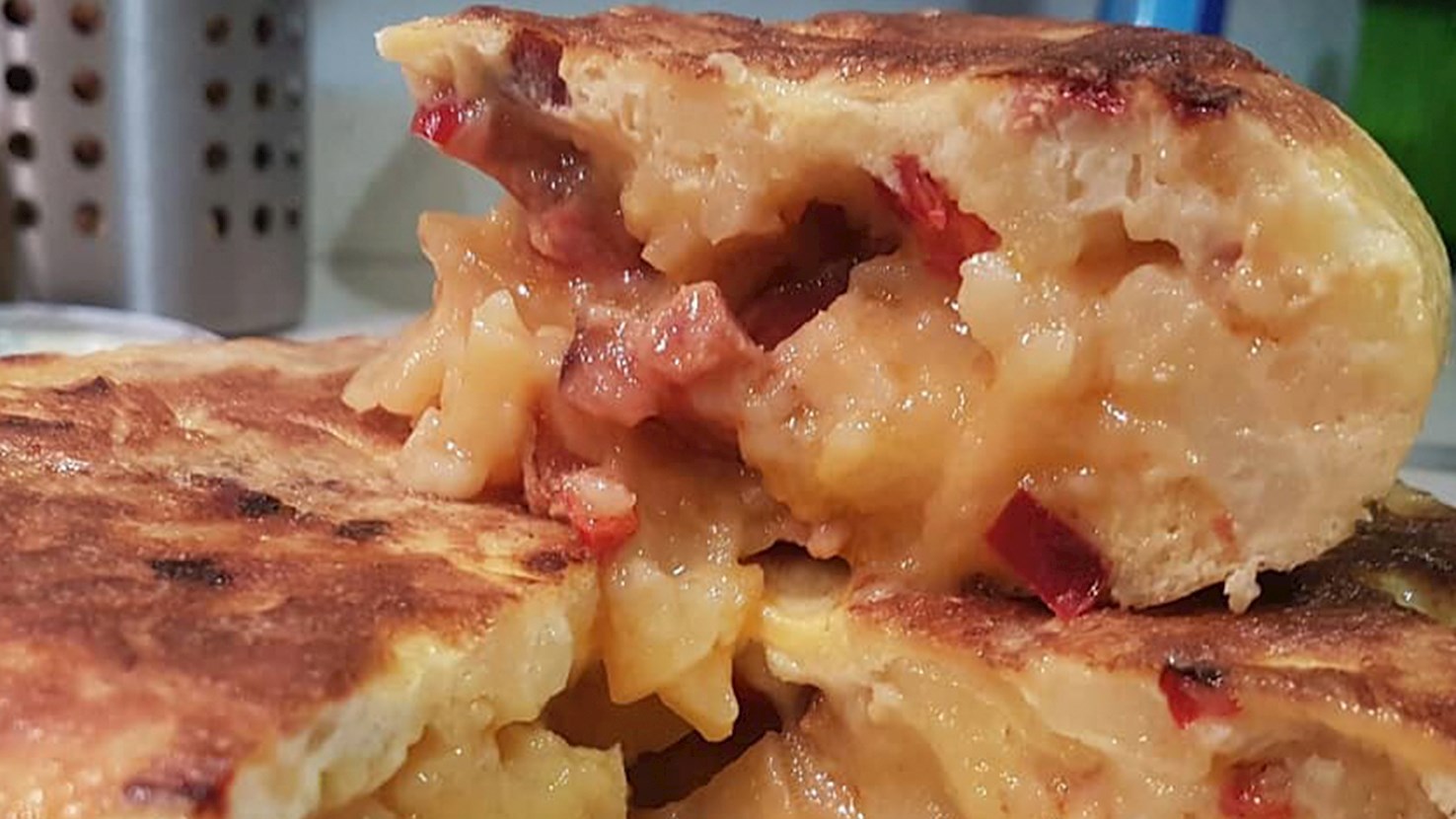
Tortilla a la paisana is a country-style variety of a Spanish omelet. It's made with the same ingredients (eggs, potatoes, salt, oil, and sometimes onions) with the addition of vegetables and jamón serrano. The vegetables used in tortilla a la paisana are usually bell peppers, peas, asparagus, and zucchinis. The ingredients are mixed together and fried as an omelet, which is later served sliced into smaller portions. The dish can be served warm, at room temperature, or even cold.

10

Heusuppe

2.1 ·

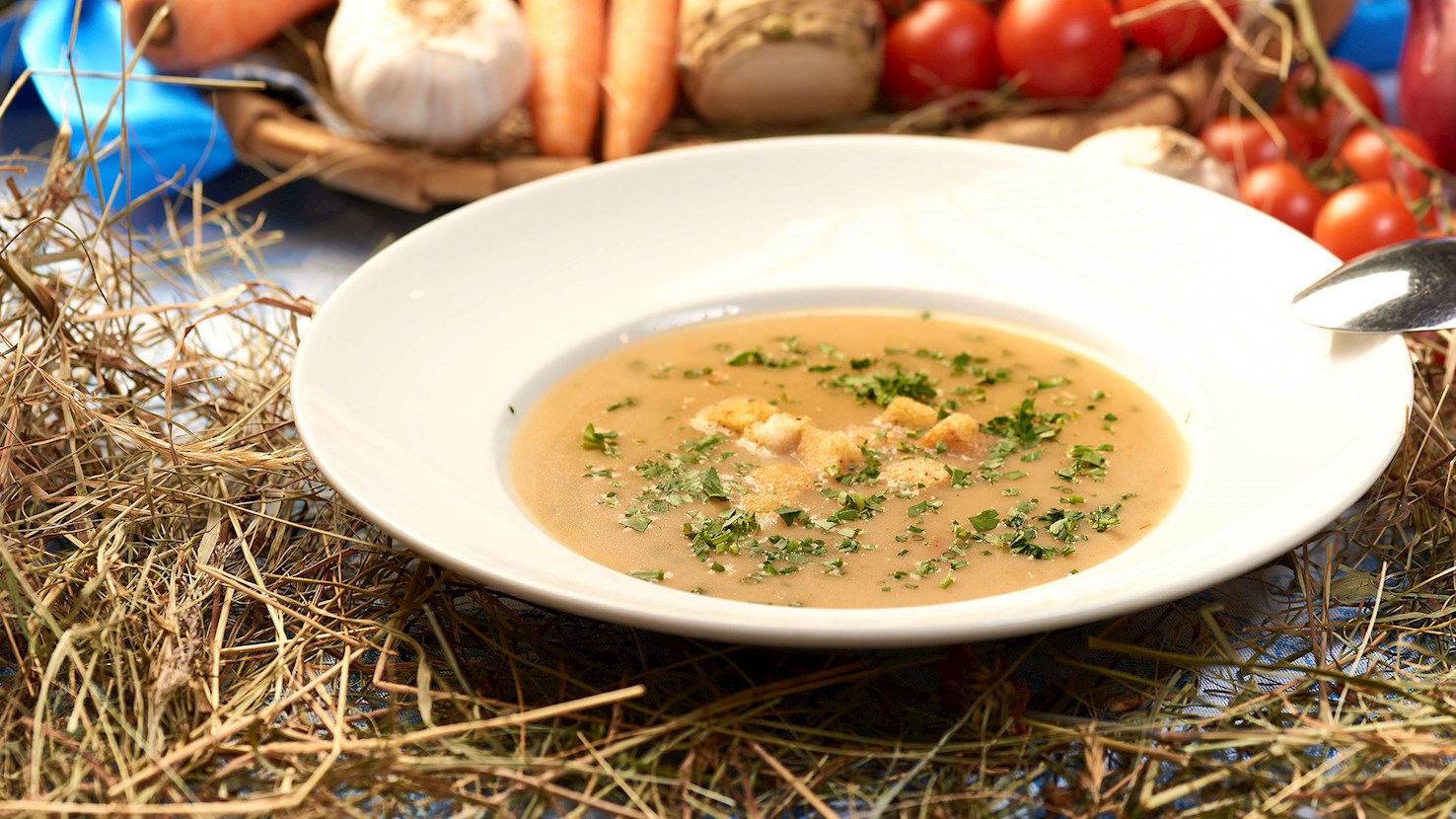
Heusuppe is an unusual, authentic Swiss soup originating from the Alpine huts. Literally translated as hay soup, the dish is made with mountain flowers and herbs which are steeped in bouillon with the addition of hay that is removed from the broth before serving. Typically, it takes about 2 kilos of hay to make just 1 liter of hay soup, and it is often prepared with additional ingredients such as cream and butter. Many people claim that the soup is an acquired taste – you are first hit with a slight sweetness, then creaminess, and finally, a slightly sour flavor in the mouth.

Read more
View all
View map
About this ranking

TasteAtlas food rankings are based on the ratings of the TasteAtlas audience, with a series of mechanisms that recognize real users and that ignore bot, nationalist or local patriotic ratings, and give additional value to the ratings of users that the system recognizes as knowledgeable. For the “100 Worst Rated European Foods” list until May 22, 2026, 347,147 ratings were recorded, of which 255,561 were recognized by the system as legitimate. TasteAtlas Rankings should not be seen as the final global conclusion about food. Their purpose is to promote excellent local foods, instill pride in traditional dishes, and arouse curiosity about dishes you haven’t tried.

Similar lists