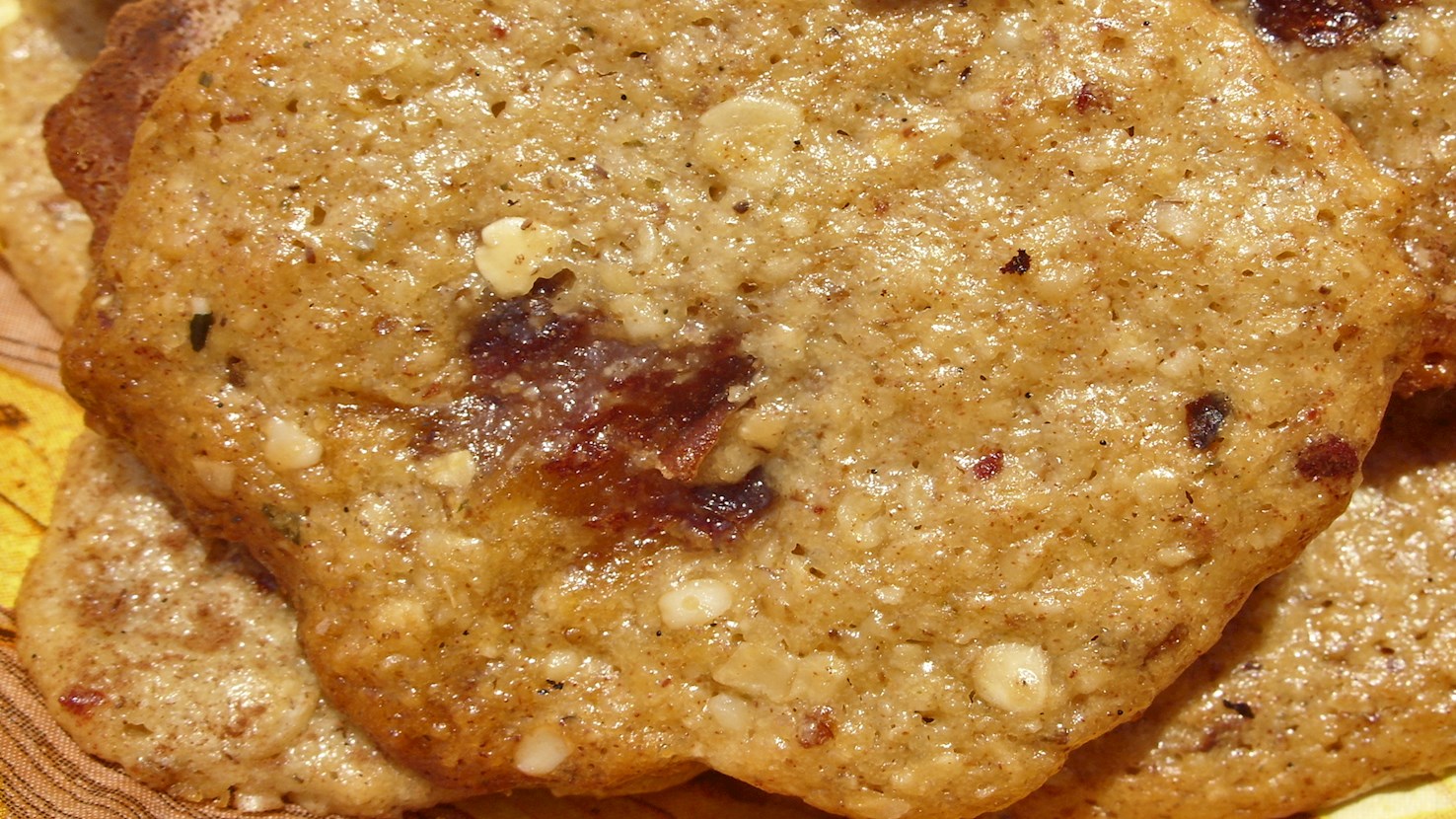
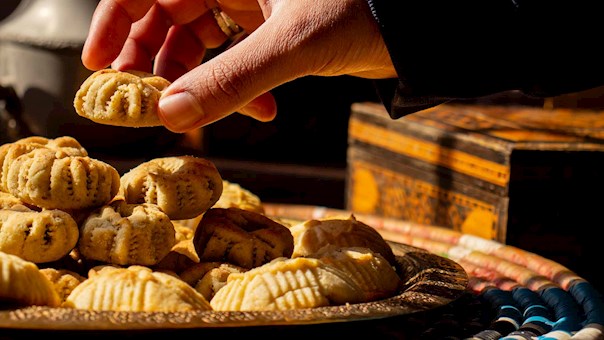
Tahini cookies are baked sweets made with tahini, the sesame seed paste that is widely used across the cuisines of the Eastern Mediterranean and parts of the Middle East, where sesame cultivation and milling have been present for centuries. They emerged from regions where tahini was already a common pantry ingredient, especially in areas of present-day Lebanon, Israel, Palestine, Turkey, and parts of Greece, gaining presence in home kitchens and bakeries as sesame-based confectionery evolved. Their development followed the spread of sesame grinding techniques and the growing use of tahini in both savory and sweet preparations, which eventually led bakers to incorporate it into flour-based doughs that could be shaped and baked easily. The cookies are usually made by mixing tahini with sugar, flour, and a fat source such as butter or oil, creating a dense dough that needs no complicated handling and often relies on the natural richness of sesame for flavor. They are baked until lightly set, resulting in a crumbly texture that comes from the high fat content of the sesame paste rather than from large amounts of added butter, and this reliance on tahini for both structure and flavor is a distinguishing feature. Some versions may include vanilla, citrus zest, or a small amount of leavening, but many rely on the purity of sesame without elaborate additives. They are eaten throughout the year in households, cafés, and bakeries, often as an accompaniment to coffee or tea, and they pair well with beverages that balance their richness, including unsweetened black tea, Arabic coffee, espresso, or mildly acidic herbal infusions.
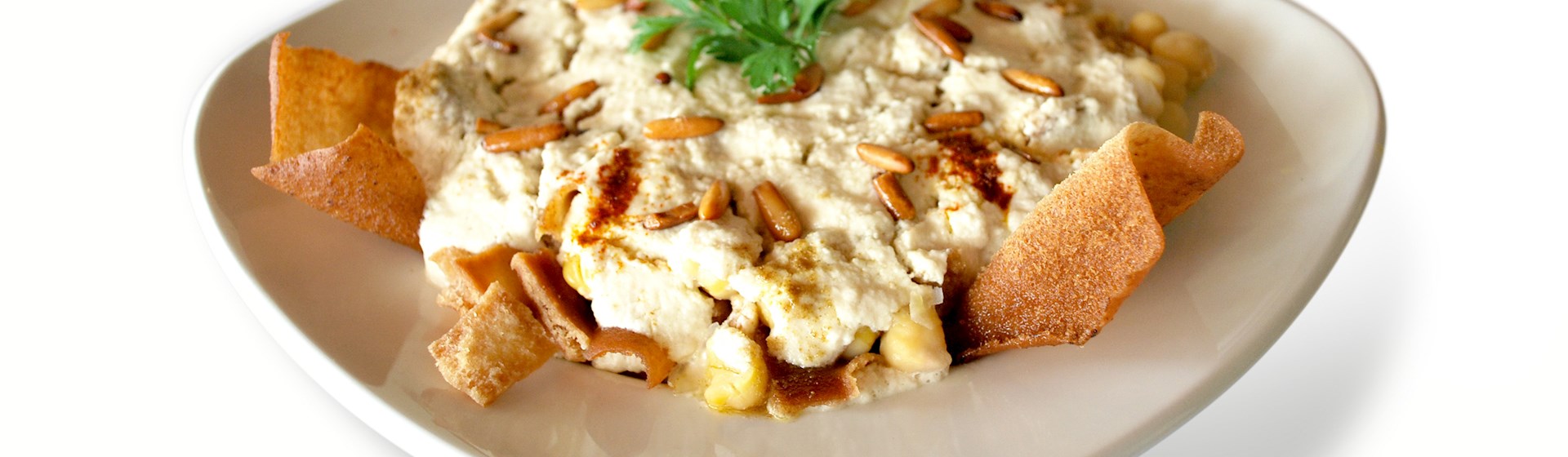
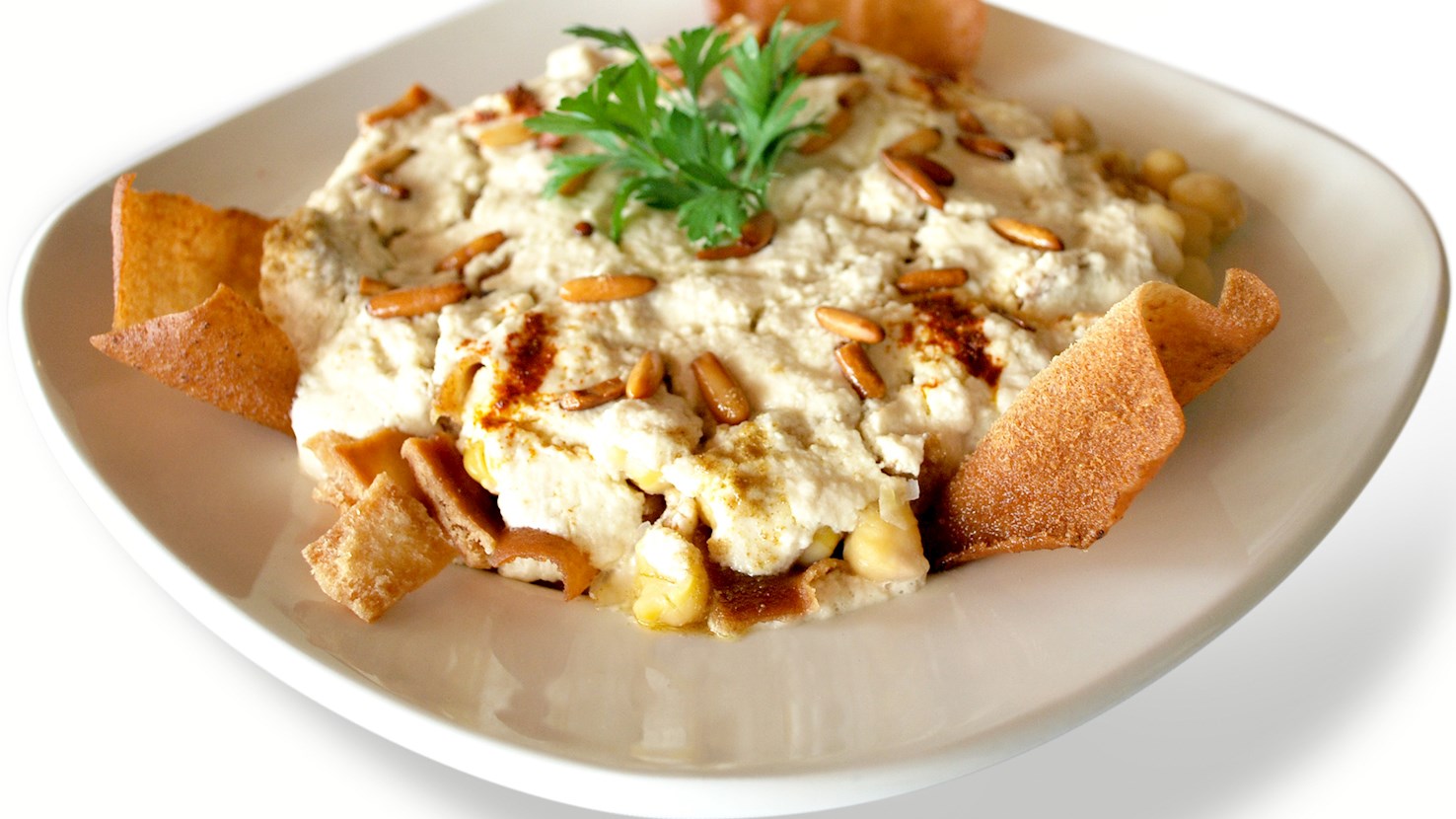
Fattet hummus is a layered dish built from chickpeas, yogurt, tahini, garlic, toasted bread, and clarified butter, prepared widely in the Levant and eastern Mediterranean, particularly in Lebanon, Syria, Palestine, and Jordan, where it is eaten as a substantial breakfast or early-day meal rather than as a side dish. Its development is linked to urban household cooking that combined cooked legumes, fermented dairy, and leftover flatbread into warm assembled dishes, a practice common in cities where bakeries supplied daily bread and chickpeas were a dependable pantry staple, leading to a format in which components were prepared separately and assembled at serving time to preserve texture and temperature contrast. Preparation begins with dried chickpeas soaked and cooked until tender, while pieces of flatbread are fried or toasted until crisp, yogurt is mixed with tahini, crushed garlic, and salt, and clarified butter is melted, often with pine nuts briefly cooked in it until lightly colored, after which the dish is assembled by placing bread at the base, topping it with hot chickpeas, covering this with the yogurt mixture, and finishing with the hot butter poured over the surface so it partially penetrates the layers. Serving is immediate, while the dish is still warm, and it is not stirred before reaching the table, as the intended structure relies on gradual mixing by the diner rather than full integration in the kitchen. It is eaten with a spoon from a deep bowl, commonly at home and in casual restaurants, most often in the morning or at midday, accompanied by fresh vegetables such as radishes or cucumbers, olives, or pickles, and paired with water, unsweetened tea, or light Arabic coffee, which balances the richness of the yogurt and butter without overpowering the dish.
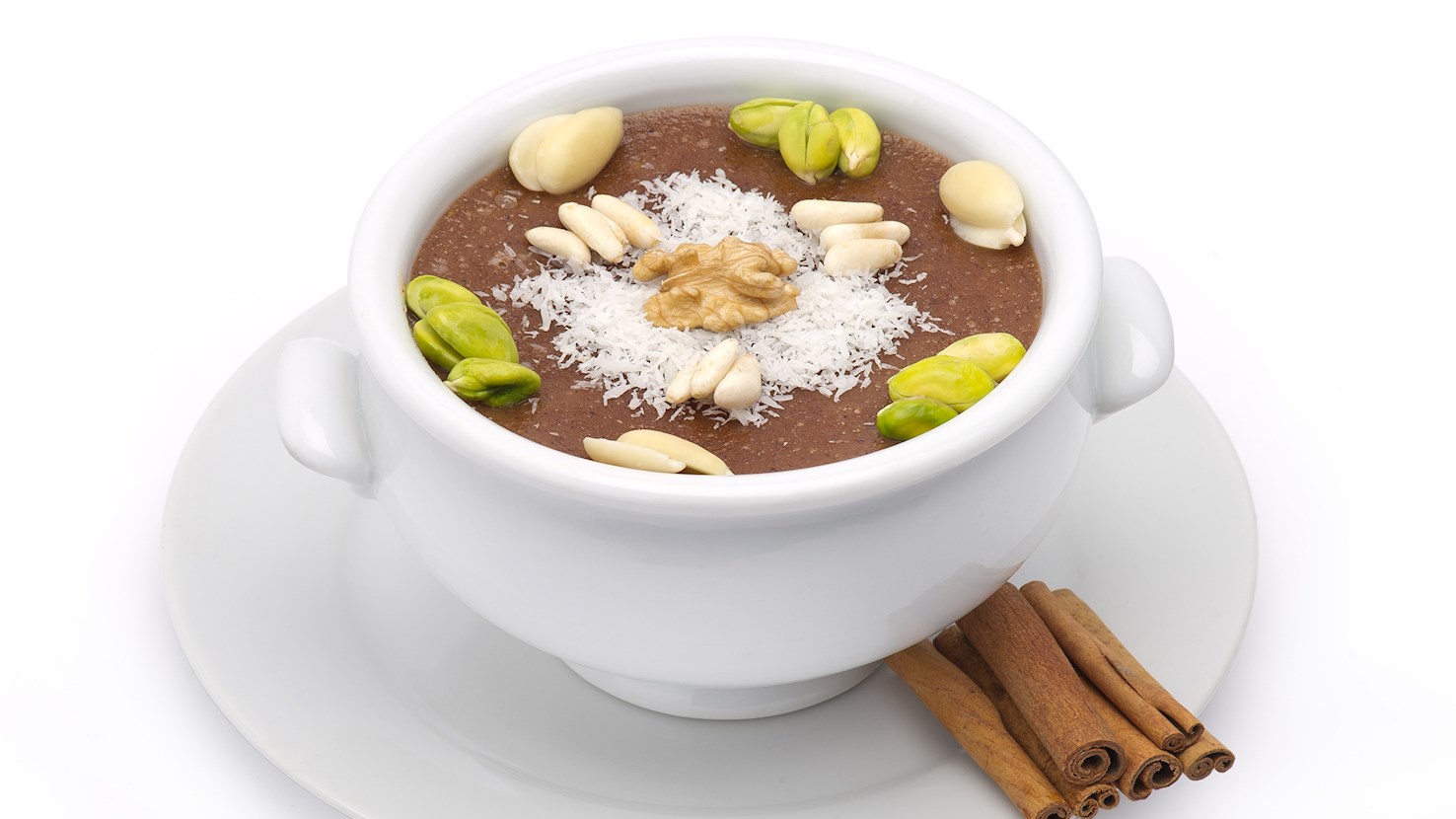
The traditional Levantine rice pudding called meghli is a vegan, gluten, and dairy-free dish that is traditionally consumed to celebrate the birth of a baby. It is also said that the brown color of the spiced pudding is symbolic for the richness of soil, while the rough texture of the nuts on top represents growing seeds. In addition to those symbolic meanings, the caraway in the pudding is thought to assist new mothers with lactation and bloat reduction. Meghli is made with rice flour, caraway, water, sugar, spices, a variety of nuts and spices, and is then cooked over low heat until the mixture can hold itself when tilted. It can be enjoyed both warm or cold.
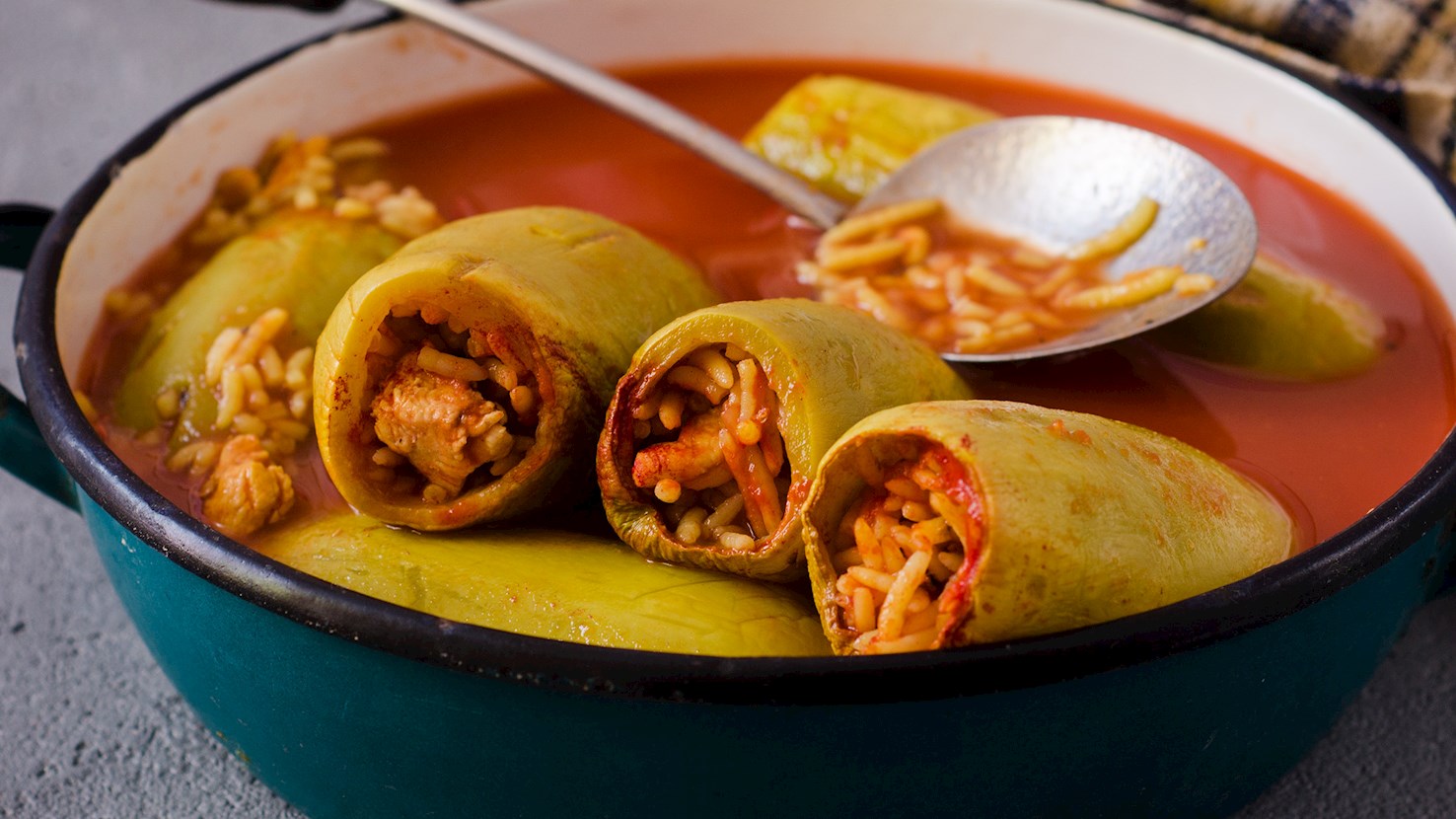
Kousa mahshi is a stuffed zucchini dish prepared and eaten across the Levant, particularly in Lebanon, Syria, Jordan, and Palestine, consisting of pale green zucchini hollowed and filled with a mixture of rice, minced meat, and seasoning, then gently cooked in a light broth or tomato-based liquid. Its development is closely linked to the long cultivation of squash varieties in the eastern Mediterranean and to cooking practices that favored extending limited quantities of meat by combining them with grains and vegetables, with written references to stuffed vegetables appearing in medieval Arabic cookery manuscripts that describe similar methods applied to gourds, eggplants, and vine leaves, indicating an established culinary framework well before modern national cuisines formed. Preparation involves coring small zucchini to create a thin shell, filling them loosely with a mixture of short-grain rice, minced lamb or beef, salt, and mild spices, then arranging them in a pot and simmering them slowly until the rice is fully cooked and the zucchini tender, sometimes finished in a yogurt-based sauce or a lightly acidic tomato broth depending on regional preference. Kousa mahshi is served hot, often with some of its cooking liquid spooned over the top, and presented as a composed dish rather than a side, reflecting its balance of vegetable, grain, and protein in a single form. A defining characteristic of kousa mahshi is the use of hollowed zucchini as both container and component, allowing the filling to absorb moisture and flavor while remaining distinct rather than forming a dense mass. It is eaten mainly at home meals and family gatherings, commonly accompanied by plain yogurt, flatbread, or simple salads, and it pairs naturally with water, unsweetened black tea, or lightly fermented yogurt drinks, fitting into meals where moderate seasoning and careful cooking emphasize texture and balance rather than intensity.
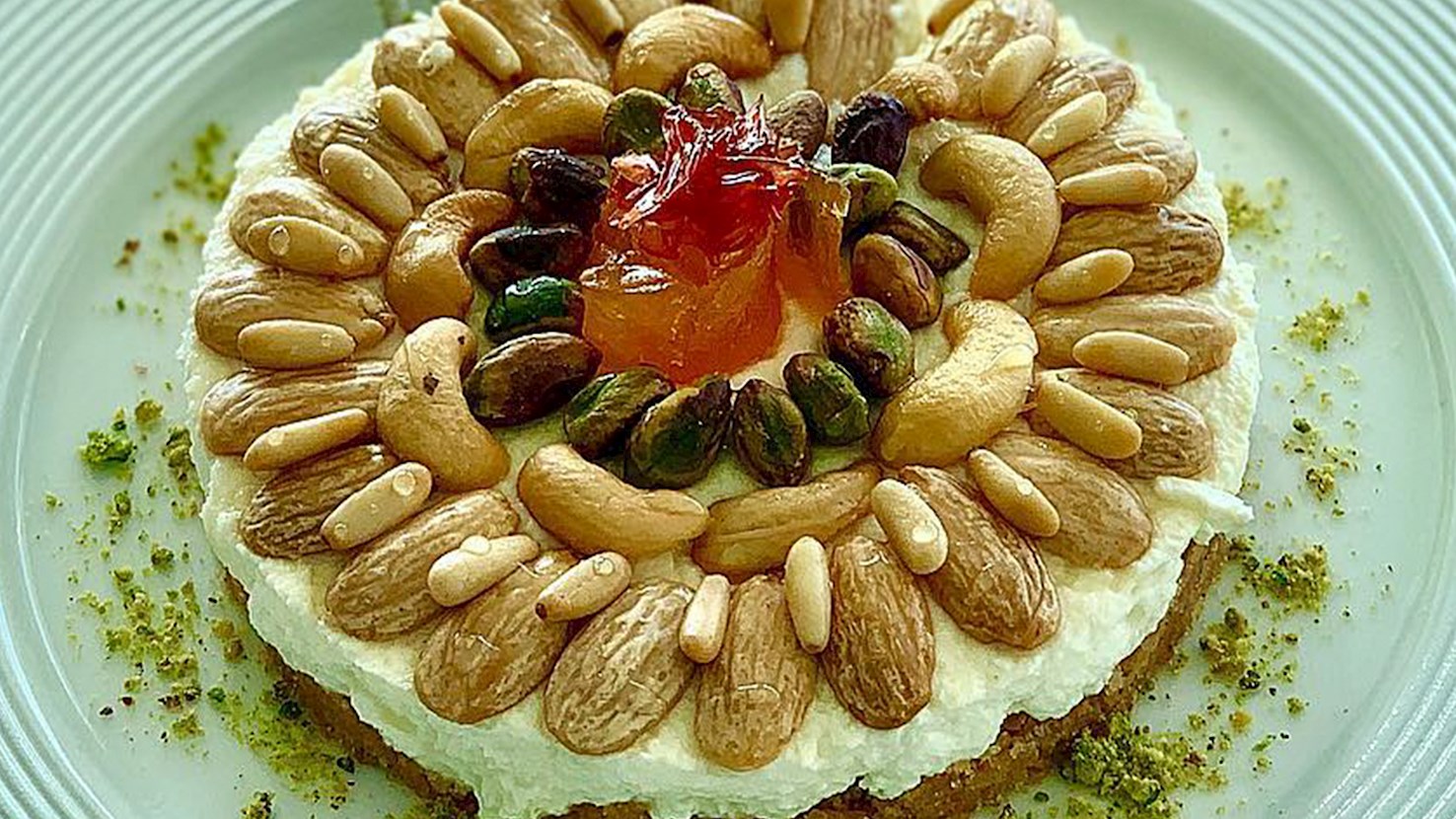
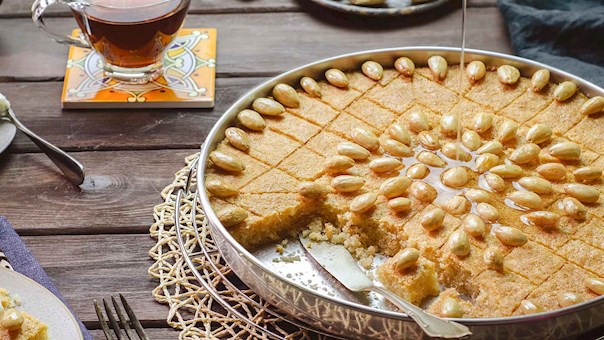
Mafroukeh is a traditional dessert that combines semolina dough and ashta—clotted cream that is often flavored with orange blossom and rose water. The dough is usually made by blending semolina flour, orange blossom and rose water, butter, (optionally nuts), and sugar syrup until the desired consistency is achieved. Traditionally, semolina mixture is flattened and is then topped with ashta and garnishes such as slivered almonds or ground pistachios, but modern variations may come in different forms and sizes. This sweet treat is a staple dessert served during various special occasions and Ramadan.
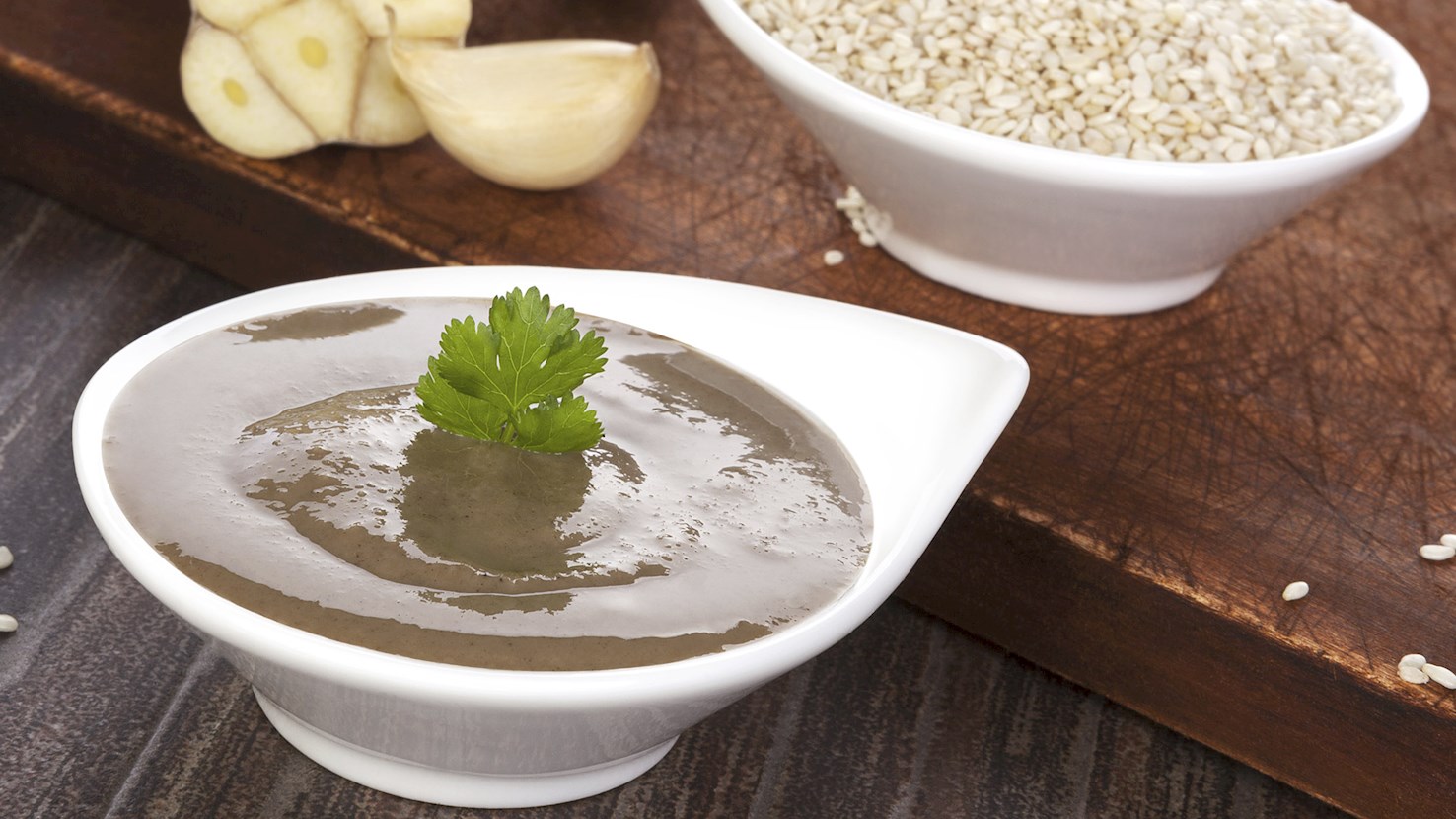
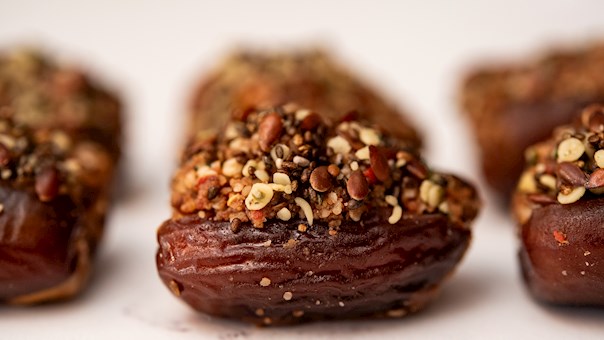
Tahini is a paste consisting of toasted and ground sesame seeds which are usually thinned with lemon juice and water. It is an incredibly versatile paste that can be served as a dip and consumed on its own, or as a condiment accompanying numerous meat and vegetable dishes in Middle Eastern cuisine. Tahini can also be used as a spread, as the main ingredient in soups, or as a key ingredient in hummus, halva, or baba ghanoush. It is believed that the best tahini should have a light and toasty sesame seed flavor and a rich texture. The paste contains large amounts of Vitamin B and E, as well as magnesium, iron, and calcium. Originally, sesame seeds came to Israel via ancient Persia, where they were considered holy food. Sesame products were so popular that they were reserved only for the aristocracy, and tahini soon spread to India, Africa, and Asia. Today, it remains an extremely popular condiment in numerous countries such as Greece, Iraq, Turkey, Syria, and Egypt. It is recommended to pair it with date syrup or cocoa powder for a nutritious, flavorful dessert.
Asawer is prepared with phyllo dough that is rolled and swirled to create a small, round baklava. Before it is rolled, phyllo sheets are occasionally sprinkled with ground nuts, and when baked, this round pastry is doused in rose-flavored sugar syrup, while the center is filled with ground or roughly chopped nuts such as pistachios, cashews, or pine nuts. Asawer, which translates as a bracelet, is typically associated with Lebanon.
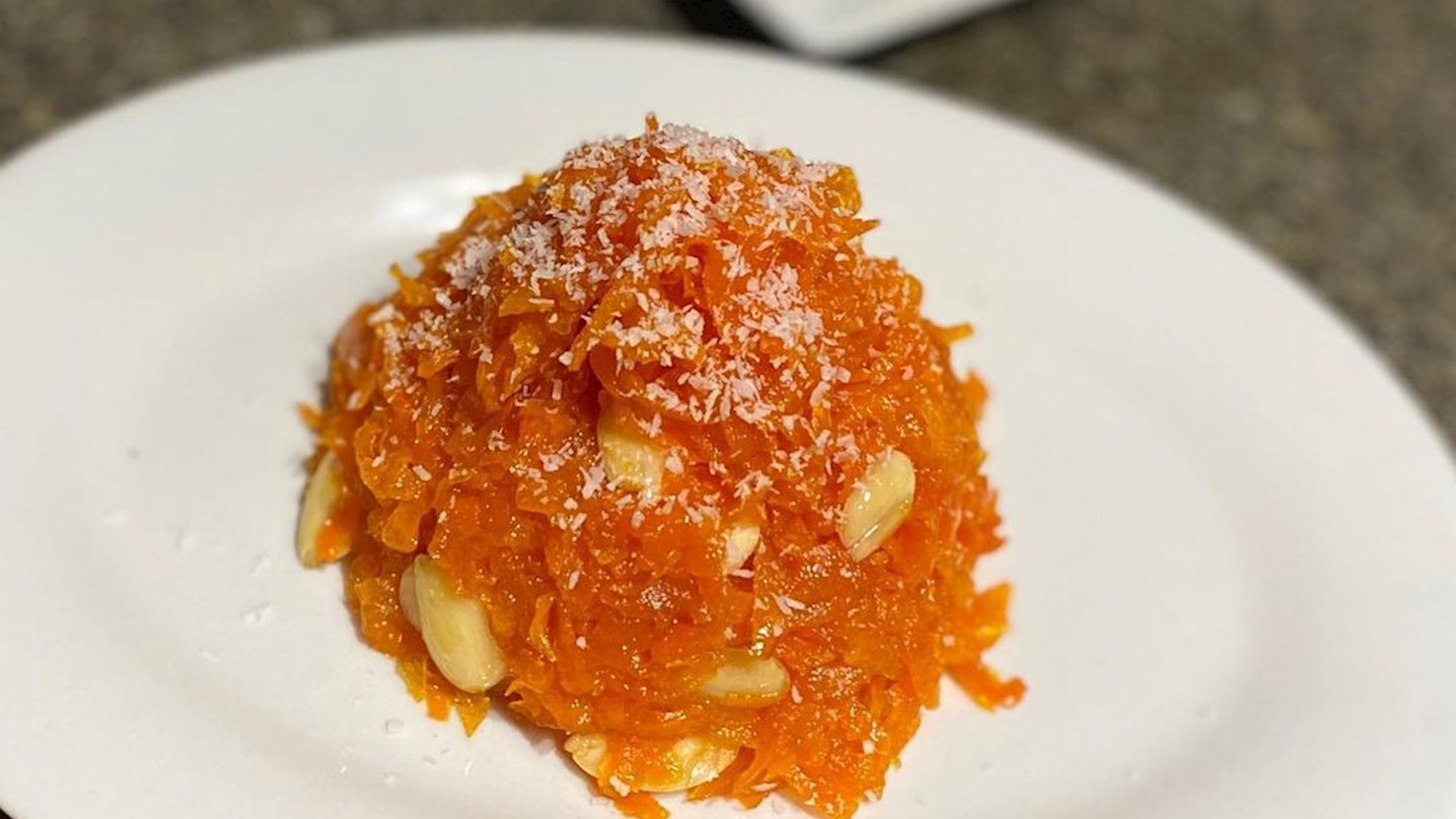
Jazarieh is a Lebanese and Syrian treat consisting of either grated pumpkin shreds or grared carrots that are cooked in a sweet sugar syrup. The dish is mainly enjoyed as a dessert, and it typically has a soft, jam-like texture. Occasionally, carrots or pumpkin shreds are spiced or combined with nuts, and the dish is usually served garnished with pistachios, blanched almonds, or walnuts. The name jazarieh stems from the word jazar (carrot) due to the orange color of the pumpkin that resembles carrots. In Syria, jazarieh is particularly connected with the city Latakia.
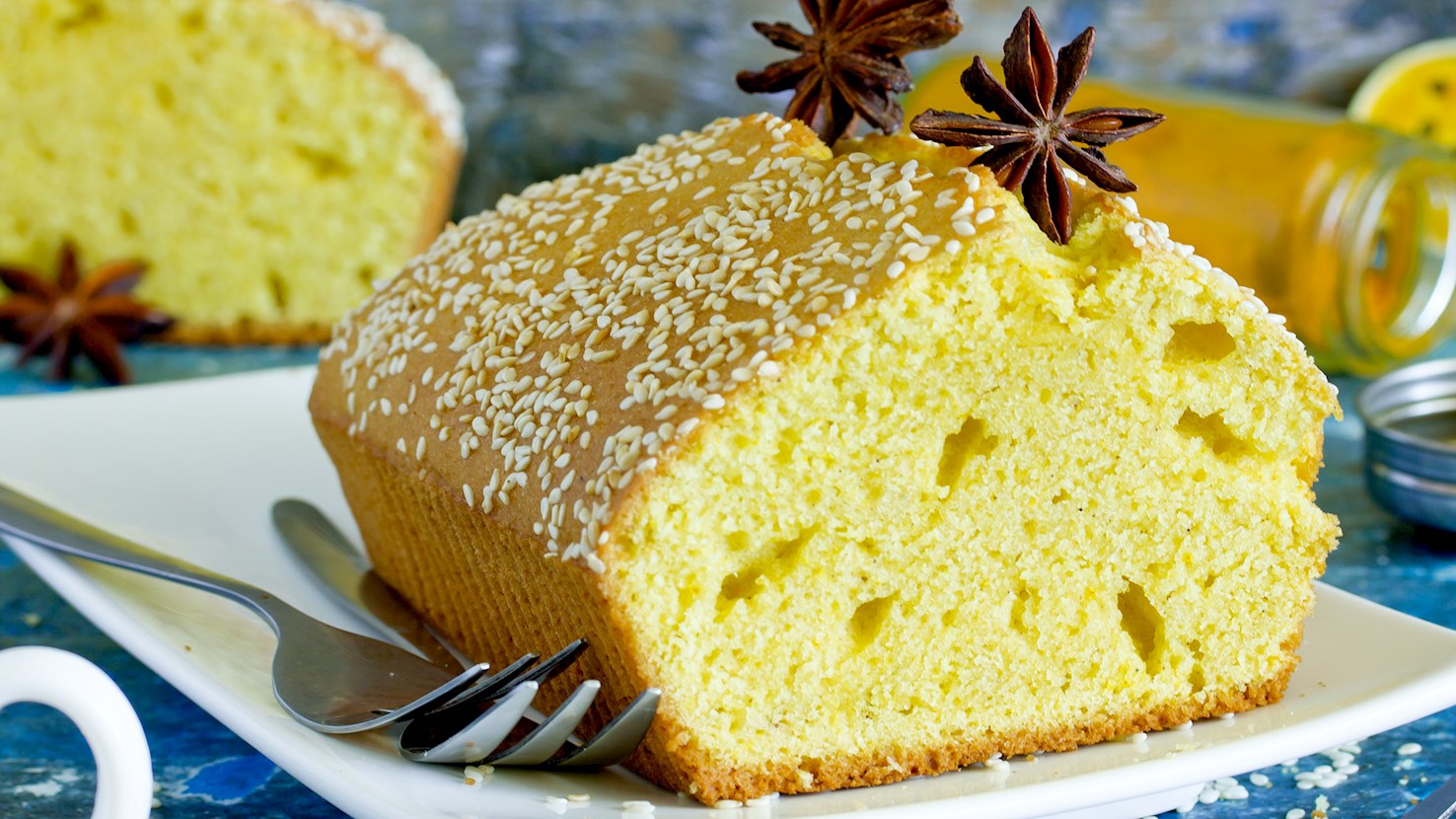
Sfouf is a popular Lebanese dessert that is mostly consumed during special occasions, be it a birthday, a family reunion, a religious holiday, or afternoon tea. The cake is characterized by its yellow color, largely due to the base of turmeric and semolina. Sfouf can also contain pine nuts, sesame paste, and aniseed, and it is often topped with slivered almonds. This Lebanese classic can be made in moist or dry varieties, and it is best enjoyed with a hot cup of coffee or tea.
Riz bil-foul or riz b'foul is a traditional and Lebanese dish. The dish is usually made with a combination of fava beans, basmati rice, onions, garlic, chicken stock, beef, coriander, cumin, cinnamon, ginger, salt, and pepper. The onions are sautéed in oil and mixed with ground meat, salt, pepper, ginger, and cinnamon. The mixture is cooked until browned and then mixed with the rest of the ingredients. The dish is simmered until the beans are fully cooked, and it's then mixed with rice and water and cooked for a few more minutes until the rice is tender. There is also a meatless version, as well as ones that include different vegetables, like chard. Once done, riz bil-foul is typically served with yogurt or a salad on the side.
TasteAtlas food rankings are based on the ratings of the TasteAtlas audience, with a series of mechanisms that recognize real users and that ignore bot,
nationalist or local patriotic ratings, and give additional value to the ratings of users that the system recognizes as knowledgeable.
For the “22 Worst Rated Lebanese Foods” list until August 17, 2026, 22,731 ratings were recorded, of which 7,880 were recognized by the system as legitimate.
TasteAtlas Rankings should not be seen as the final global conclusion about food. Their purpose is to promote excellent local foods,
instill pride in traditional dishes, and arouse curiosity about dishes you haven’t tried.






What People Say