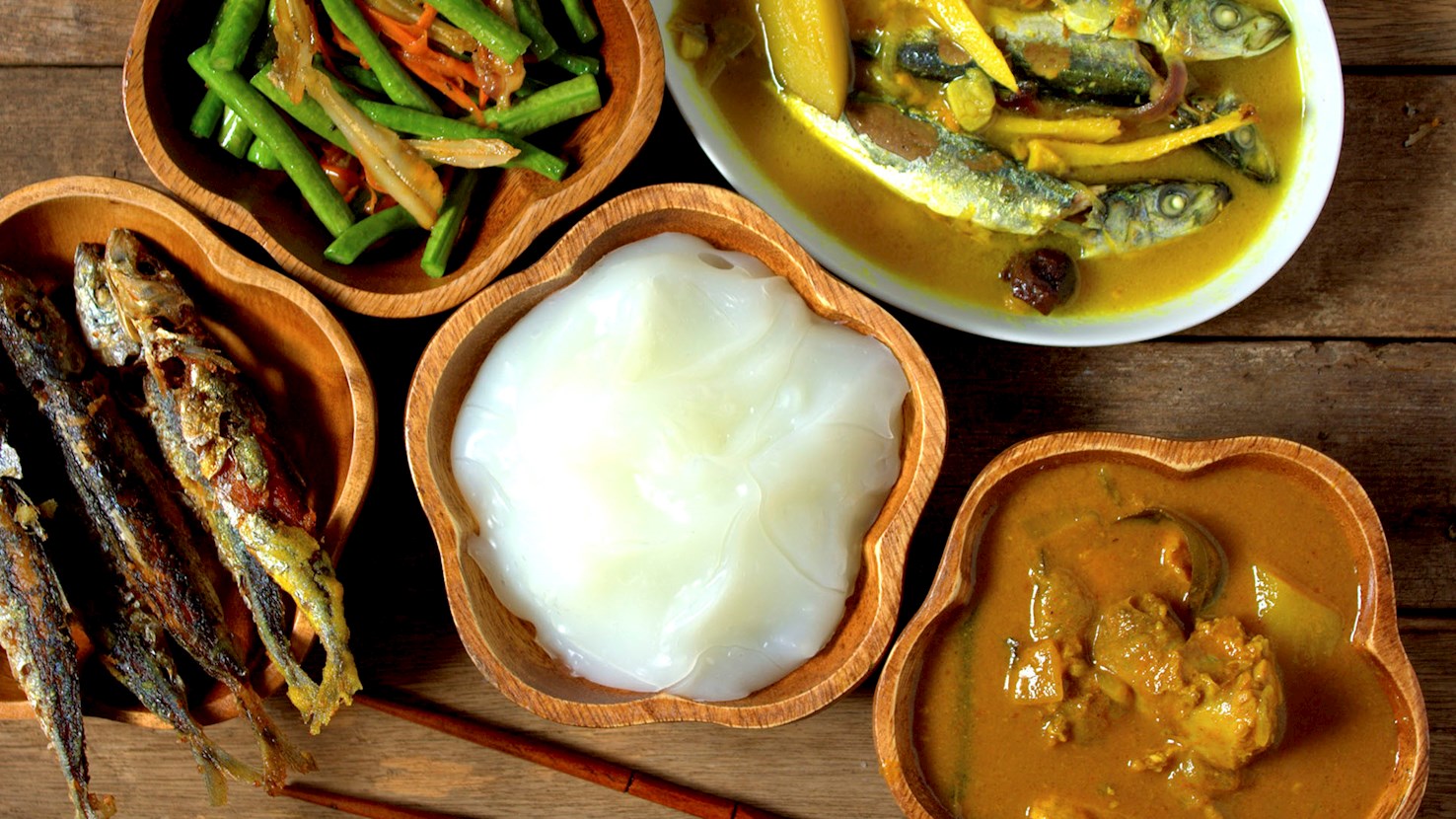
Ambuyat is the extremely sticky national dish of Brunei, made with sago palm tree starch that gets cooked into a substance similar to glue. It is typically eaten for lunch with a fermented sour sauce and a variety of vegetables on the side. Ambuyat is traditionally prepared for special occasions where it serves as a substitute for rice. Locals eat it with a double pronged bamboo stick known as chandas and the best way to eat Ambuyat is by twirling it around the stick, then dipping it into a sauce and swallowing it instead of chewing. Ambuyat may be accompanied by a variety of side dishes, dips, and sauces due to its blandness (a minimum of three main and side dishes), and some say it tastes like "nothing at all." The most popular dips are binjai, made from a local sour fruit, and tempoyak, made with the (in)famous durian fruit. The dish can also be served with meat. Being a must-try delicacy, this iconic dish with a unique texture is not to be missed.
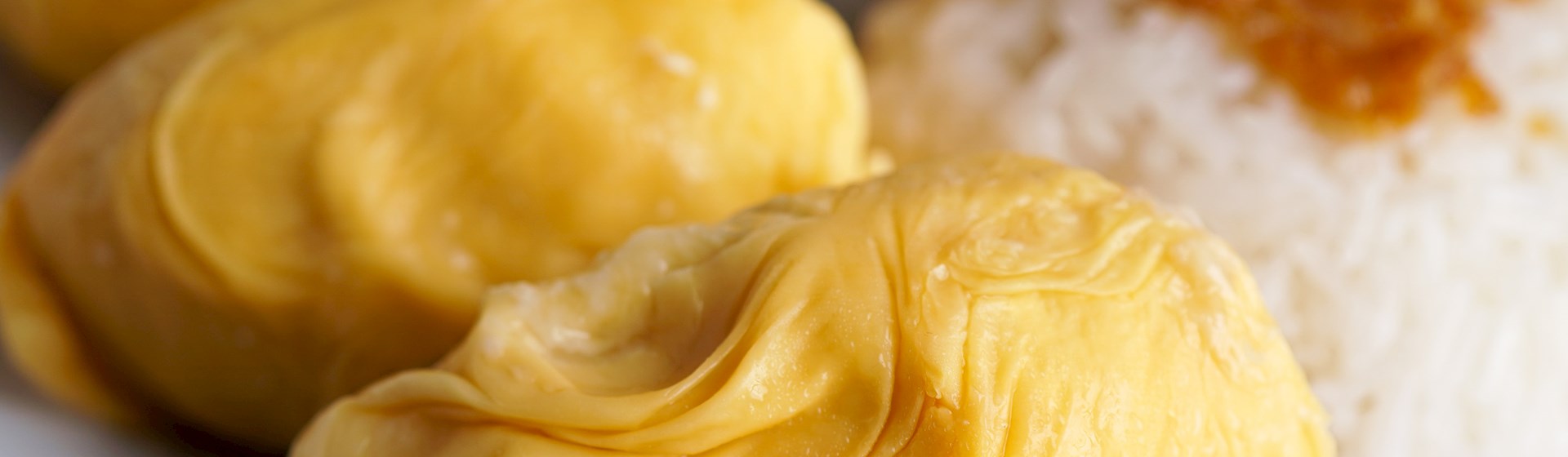
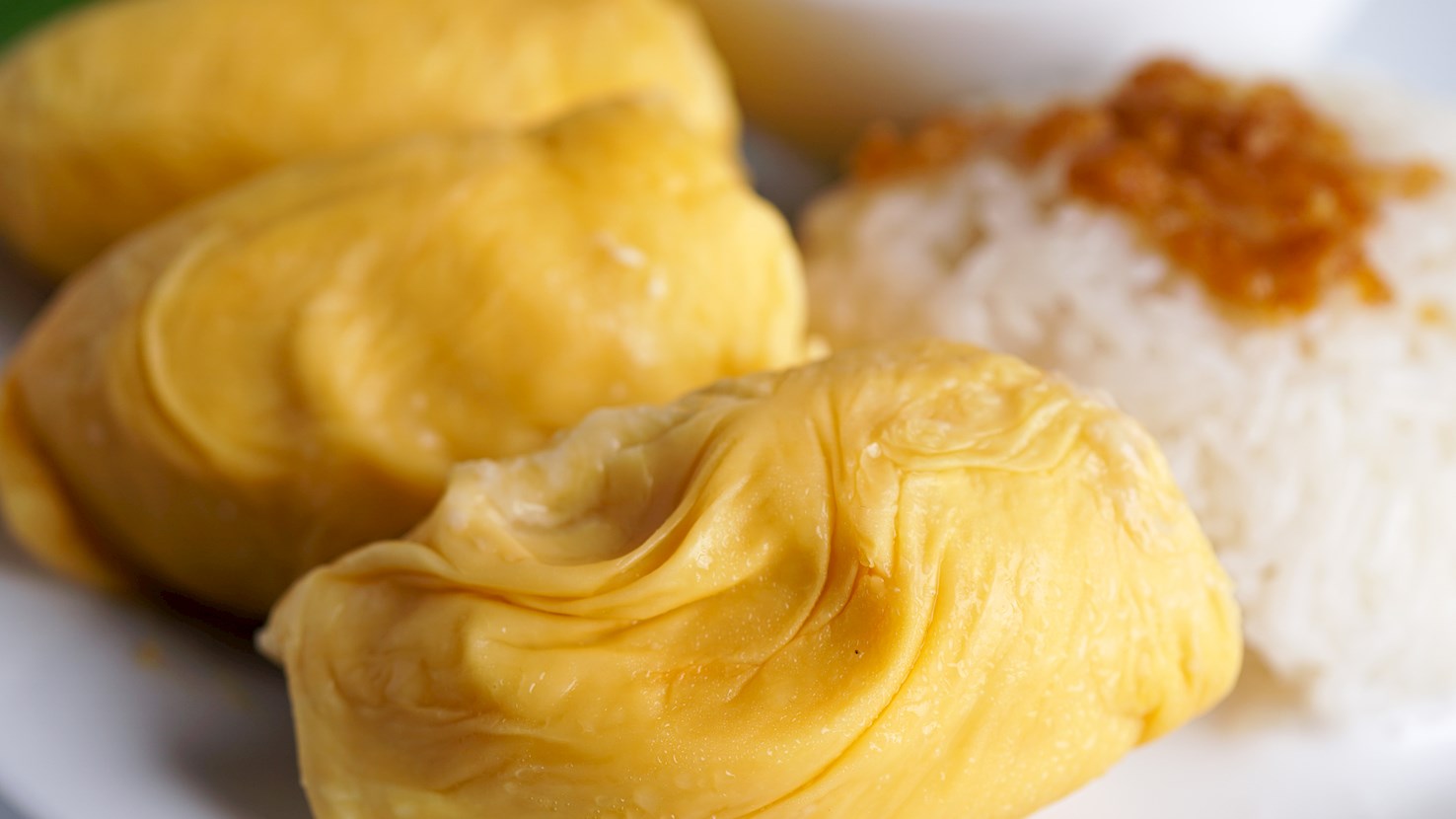
Pulut durian is a traditional Asian dessert that's popular in Malaysia, Thailand, and Singapore. It's usually made with a combination of durian flesh, glutinous rice, coconut milk, salt, sugar, and pandan leaves. The glutinous rice is seasoned with salt and steamed until done. The durian flesh is mixed with coconut milk, salt, sugar, and pandan leaves, and the mixture is boiled until the sauce develops a thick consistency. Once done, the sauce is served hot with glutinous rice.
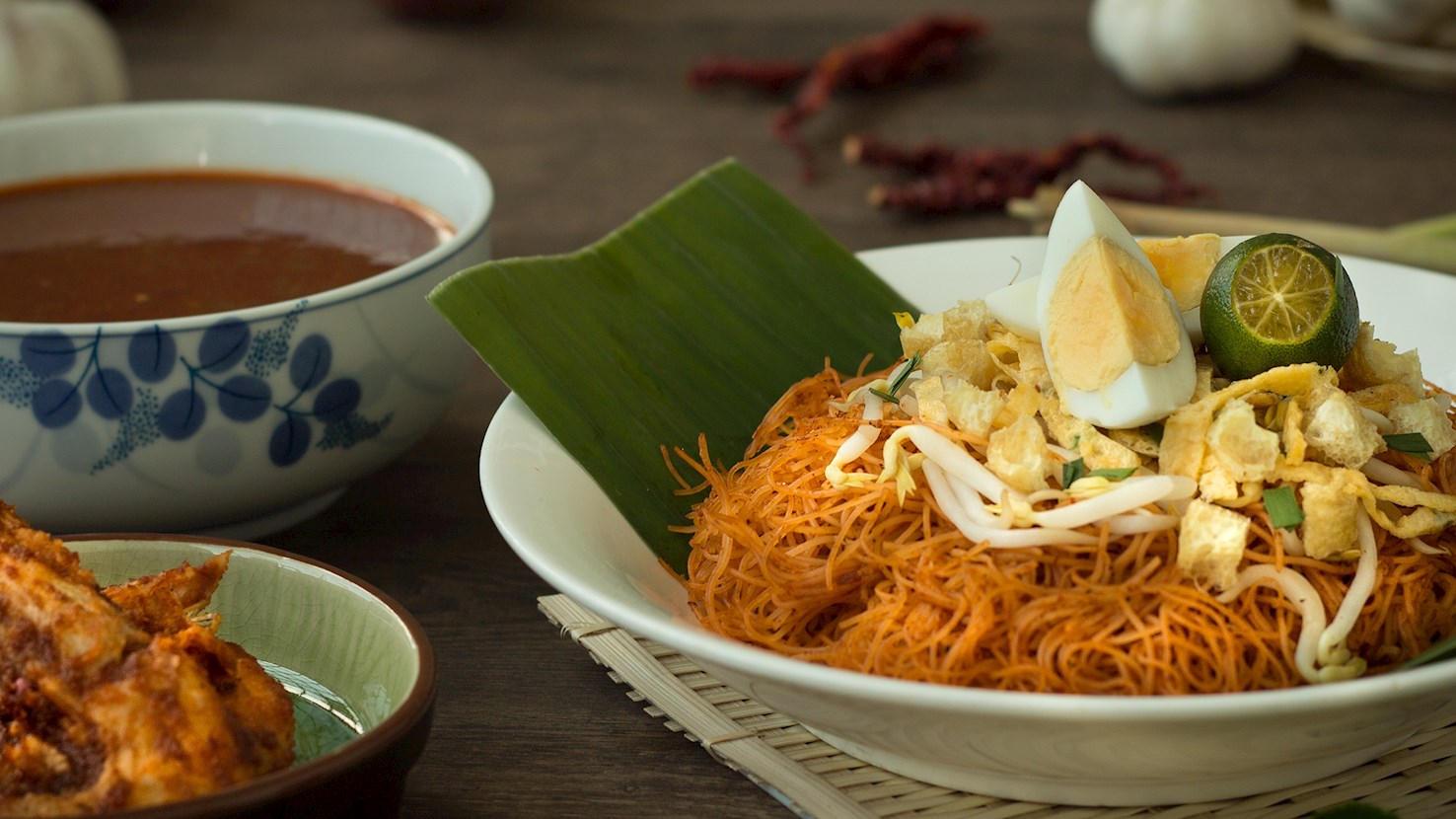
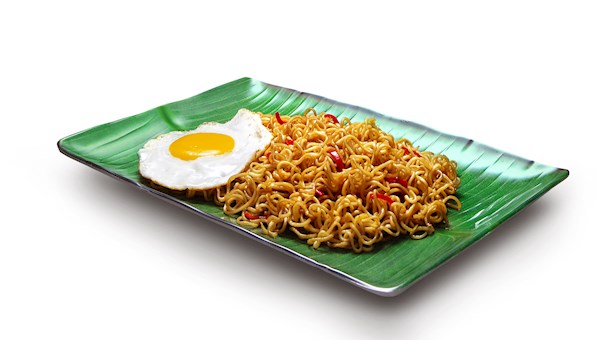
Mee siam or Siamese noodles is a dish that is popular in Malaysia and Singapore, and it is believed to have been inspired by Thai cuisine and flavors. It is made with vermicelli noodles which are fried with small shrimps, bean sprouts, soybeans, and chili paste. The dish is usually topped with spring onions, red chili peppers, fried onions, coriander, and omelet strips, while lime wedges are always served on the side so that each person can drizzle mee siam with lime juice to their preference. This dish is usually prepared in large quantities on special occasions such as end-of-school parties.
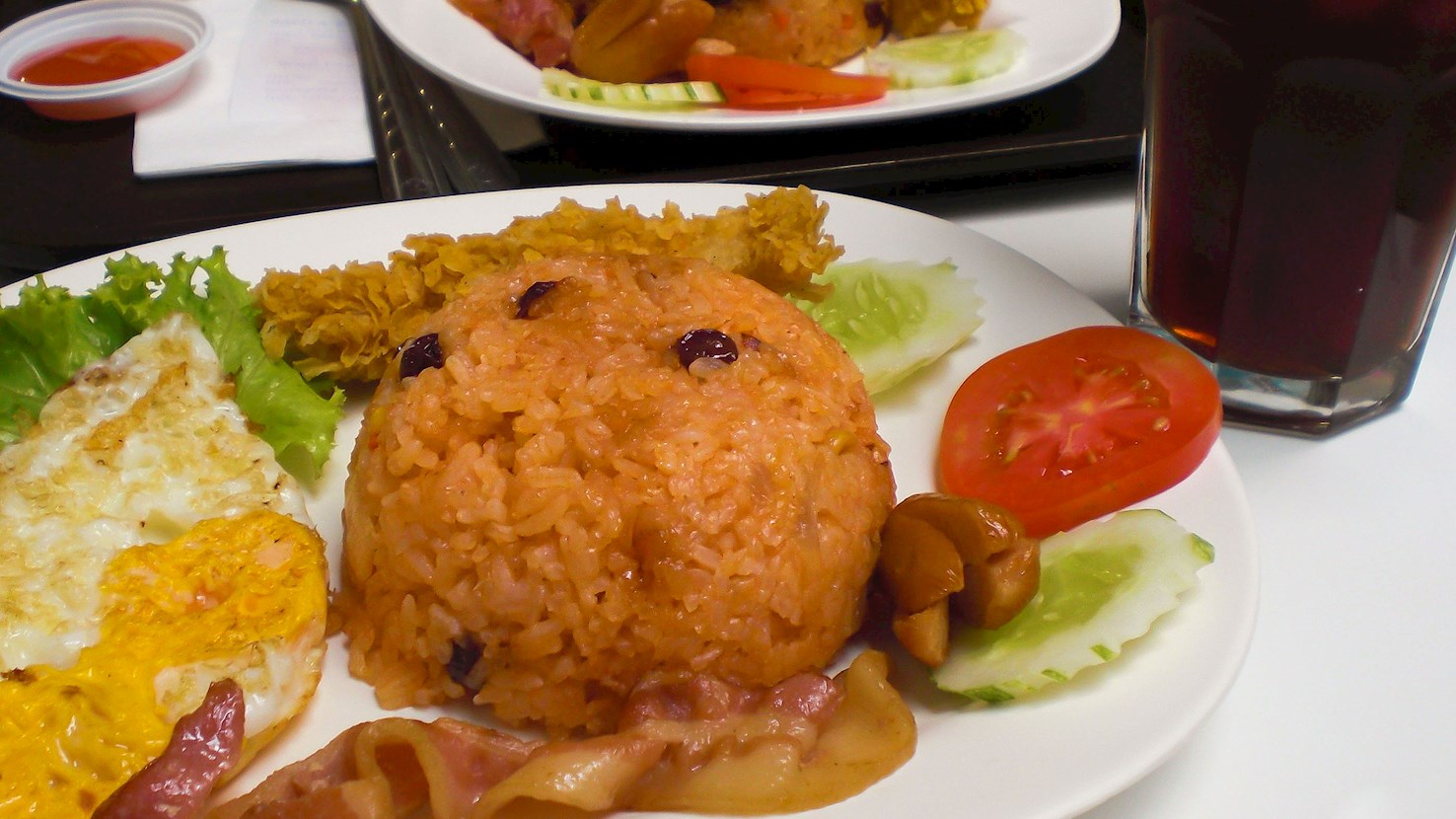
Nasi goreng USA is a Malaysian fried rice dish that combines rice with three main accompaniments: udang (shrimp), sotong (squid), and ayam (chicken). The name is not a reference to the United States but instead comes from the initials of these ingredients, forming the abbreviation “USA.” The dish reflects Malaysia’s love of fried rice and the way cooks often customize it with a variety of proteins and seasonings. Nasi goreng USA is especially popular in local eateries and roadside stalls, where it is served as a filling lunch or dinner option. Preparation begins with cooked white rice, preferably day-old so the grains remain separate when stir-fried. The rice is quickly sautéed in hot oil with garlic, onions, and a mild chili paste, giving it a reddish tint and a subtle heat. Pieces of marinated chicken, cleaned squid rings, and peeled shrimp are then added to the wok and cooked until tender. Soy sauce and oyster sauce contribute savory depth, while a touch of ketchup or tomato sauce provides sweetness and color. The finished rice is often served with a fried egg placed on top, and sliced cucumbers or lettuce on the side to refresh the palate. Nasi goreng USA is commonly accompanied by sambal or pickled chilies, which diners can mix into each bite to increase the spiciness. Vendors often prepare the dish to order, allowing customers to request extra seafood or adjust the heat level. Because it uses familiar sauces and straightforward seasoning, nasi goreng USA is easily adapted for different tastes and remains one of the most approachable fried rice options for visitors trying Malaysian hawker food.
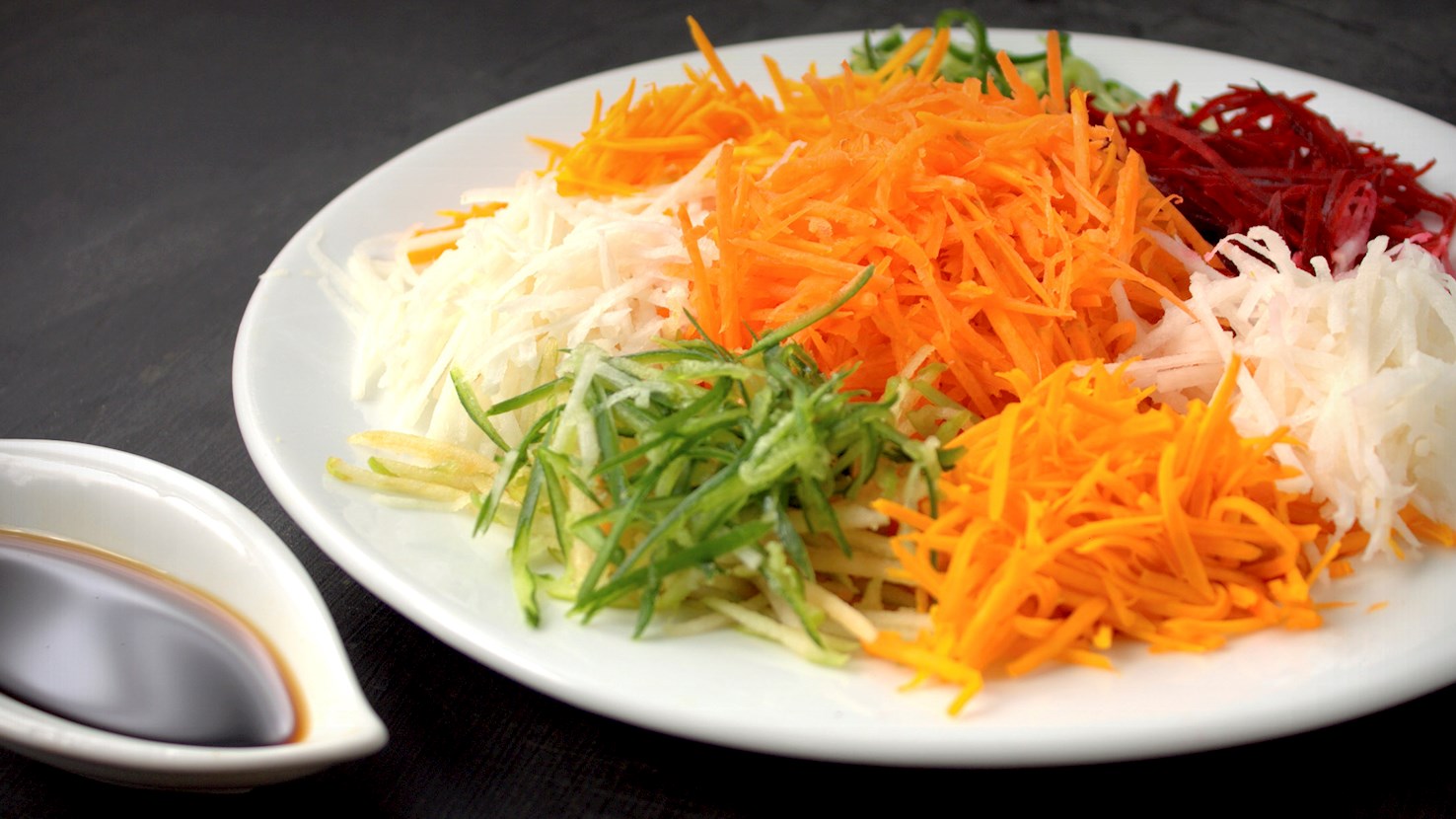
Usually consumed during the Chinese New Year celebrations, yusheng is a tasty salad made with slices of raw fish and shredded vegetables which are seasoned with spices and various toppings such as peanuts and sesame seeds. The dish is additionally flavored with yusheng sauce, most commonly consisting of plum sauce and sesame oil. The origins of the dish can be traced to south China, but nowadays, especially since the dish was repopularized in the 1960s in Singapore, the dish is eaten predominantly by the Chinese living in Singapore and Malaysia. Yusheng is typically presented as an appetizer in a multi-course dinner and is served in a very peculiar way - in a ceremony known as lo hei, as each ingredient is added to the plate, people gathered around the table will say auspicious greetings related to that ingredient. Once all the ingredients have been introduced on the plate, everyone will (on cue, and by using their chopsticks) toss the ingredients as high as they can while at the same time loudly proclaiming their New Year's wishes, and by doing so, predestine themselves to have a prosperous year.
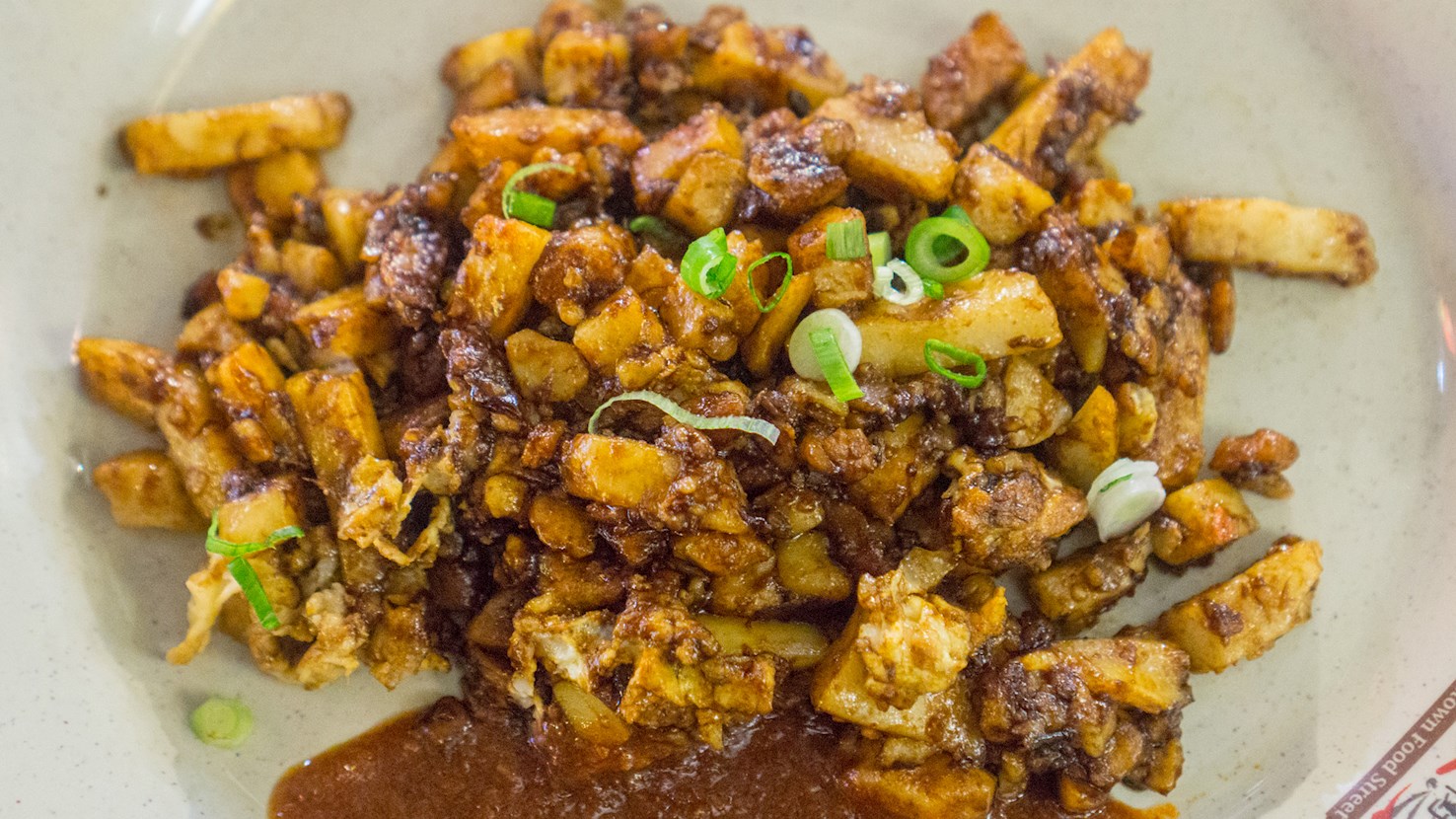
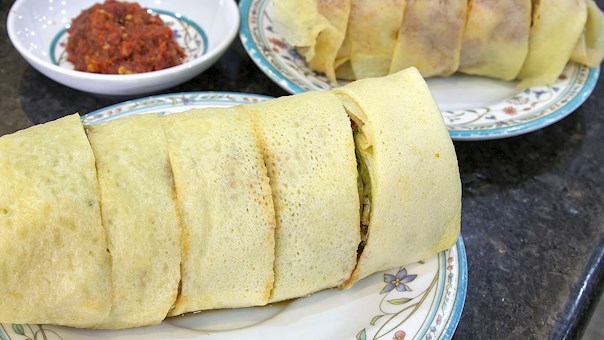
Chai tow kway is a savory dish originating in the Teochew Chinese community and widely popular in Singapore, Malaysia, Indonesia and southern Thailand, where it is often called carrot cake despite containing no carrot. The name comes from the Teochew words for radish and cake, referring to the main ingredient: steamed rice flour and white radish batter that is set into a firm cake. This cake is cut into cubes and then stir-fried with preserved radish, eggs, garlic, and seasonings. The preparation results in a dish that is both crisp and tender, with a balance of savory and lightly sweet flavors. The batter for chai tow kway begins with grated white radish, which is mixed with water and rice flour to form a thick slurry. This mixture is poured into a tray and steamed until it solidifies into a smooth, cohesive block. After cooling, the cake is diced into bite-sized pieces. In hawker stalls and home kitchens alike, the cubes are then fried in hot oil with chopped preserved radish for a salty undertone, garlic for aroma, and beaten eggs to bind everything together. Depending on preference, the dish can be prepared in a white style without sweet soy sauce, or in a black style where dark sweet soy sauce is added for a richer taste and caramelized edges. Chai tow kway is typically garnished with chopped scallions and sometimes a sprinkle of white pepper. It is eaten hot, often as a breakfast or supper dish, and is a staple offering at many hawker centers. Vendors usually prepare it fresh to order, letting customers choose how much egg or chili to include. The dish is commonly enjoyed with pickled chilies on the side, adding a sour and spicy contrast.
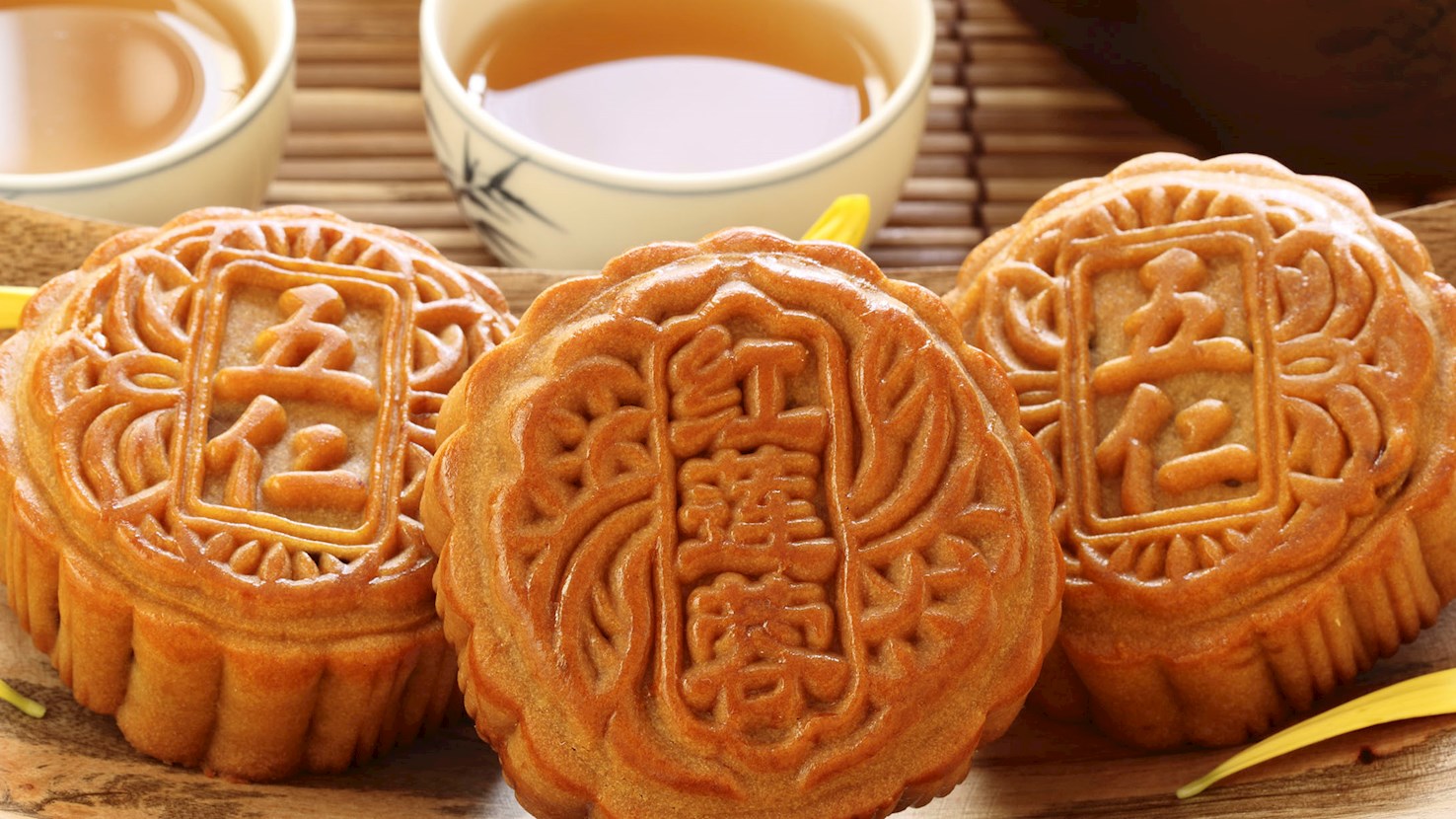
An ancient Chinese delicacy eaten during the Mid-Autumn Festival or Moon Festival, known as mooncake, is a pie-like pastry made with a shortcrust base called yueh ping that is traditionally filled with black sesame seed or lotus seed paste, along with red beans, roasted pork, mung beans, dates, and salted duck egg yolks. Nowadays, mooncakes are available in a variety of different sweet and savory fillings, some of which are fruits like honeydew, litchi or pineapple; chocolate or mixed nuts; abalone and seaweed; green tea, and even cream cheese or ice cream. Their round shape is not only reminiscent of the moon, but also a symbol of return or a full circle, which in Chinese philosophy stands for fulfillment, oneness, perfection, and unity. Mooncakes are meant to be shared among people, so they are typically enjoyed sliced into small wedges and usually served with Chinese tea. In ancient times, these pastries were prepared as an offering to the Moon, but over centuries they have become the most popular food of the Mid-Autumn Festival. Listed as a public holiday and an intangible cultural heritage, the Mid-Autumn Festival or Moon Festival is one of China’s most important traditions celebrated on the 15th day of the 8th lunar month when the full moon is said to be at its brightest and closest to Earth.
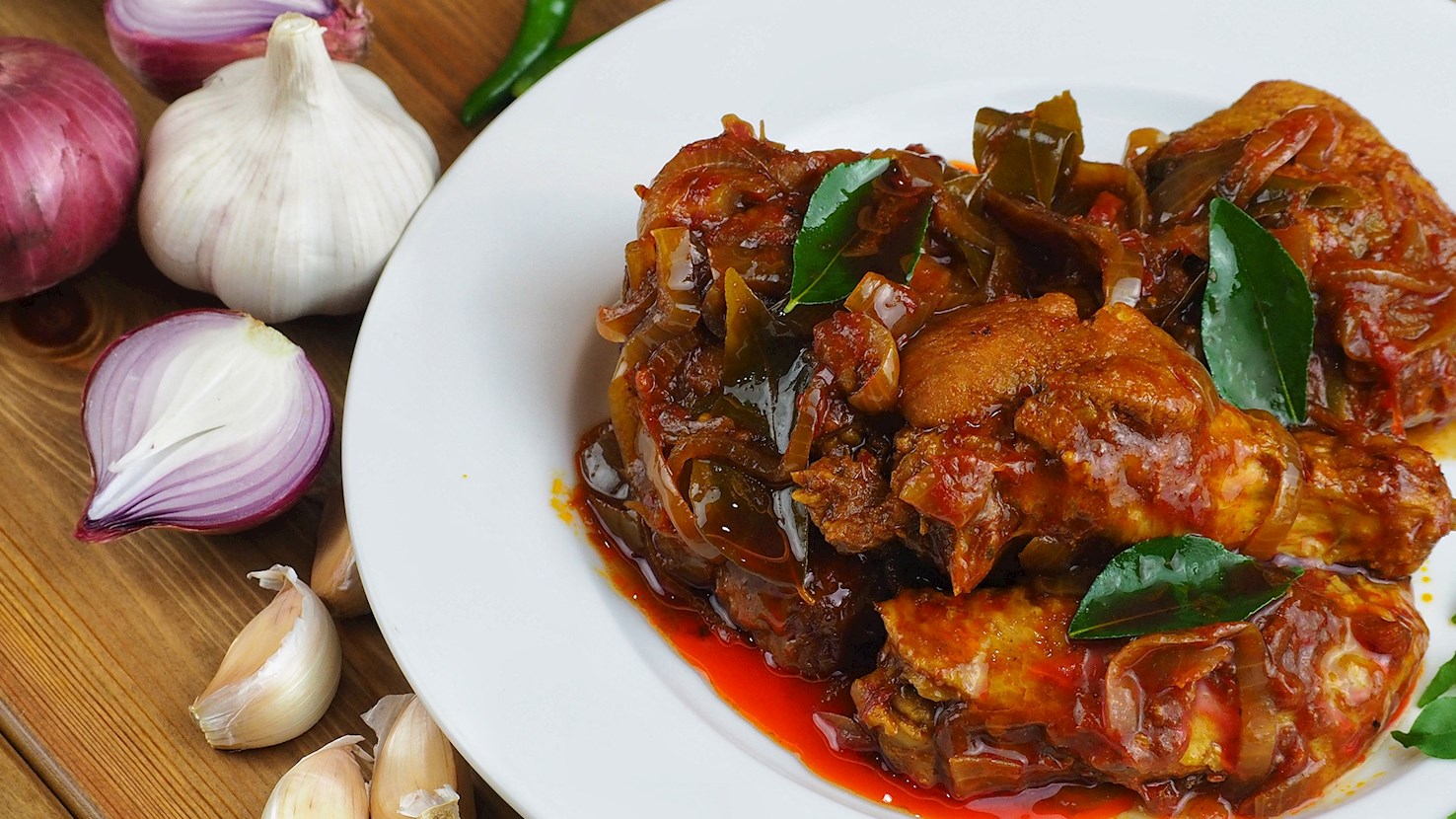
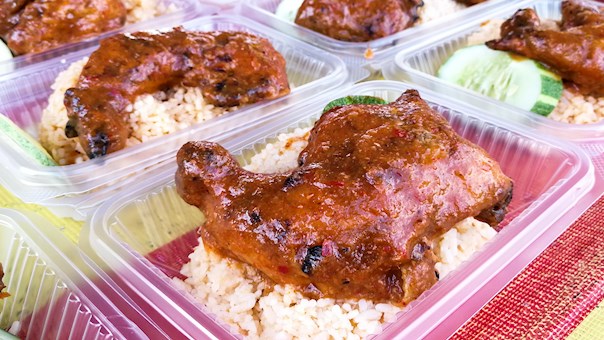
Ayam masak merah is chicken fried with turmeric and finished in a thick red chili sauce, often enriched with tomato, in Malay kitchens in Malaysia and Singapore. The pieces are usually served on the bone, coated in a glossy gravy that tastes savory, sweet, and gently acidic, with chili heat that varies widely from household to household. The name literally translates to “chicken cooked red.” The color comes largely from red chilies and tomato products, while onions, garlic, and ginger give the sauce much of its substance. At Malay wedding receptions, it is especially associated with nasi minyak, fragrant rice cooked with ghee and spices, though it is equally at home alongside plain rice. Its exact birthplace and date of creation are not securely documented, and no single inventor can be credited. Its established place in family cooking and celebratory meals is clearer than any precise account of its beginnings. The two-stage cooking method gives the chicken a different character from meat simmered directly in a sauce. First, the pieces are rubbed with salt and turmeric, which seasons the surface and gives it a yellow color beneath the eventual red coating. They are then fried until the exterior takes on color and firms up. Some versions fry the chicken only partway before finishing it in the gravy; others cook it more thoroughly and combine it with the sauce near the end. Either approach needs to account for the second cooking stage so the meat doesn't dry out. The fried surface softens once coated, so the finished dish is not generally crisp, but it retains the flavor developed in the hot oil. Deep-frying is common, though shallower frying also appears in established family recipes. The sauce requires more attention than its short ingredient list suggests. Dried red chilies are softened before being ground with onions or shallots, garlic, and ginger. Depending on the version, lemongrass, galangal, or fresh turmeric may join this paste. Grinding breaks down the aromatics so they form the body of the gravy rather than remaining separate pieces. The paste is then fried in oil, with regular stirring, until its moisture reduces and its raw smell gives way to a fuller cooked aroma. This stage is often described as pecah minyak, when the oil visibly separates from the paste. It signals that the wet mixture has cooked down sufficiently, rather than merely warmed through. Rushing it can leave the sauce tasting of raw onion and inadequately cooked chili. Whole cinnamon, cloves, star anise, or cardamom may also be fried in the oil, but the selection varies; a recipe does not need all four to qualify as ayam masak merah. Tomato can appear as fresh chopped fruit, concentrated paste, purée, ketchup, or a combination. Each changes the sauce: fresh tomato adds moisture and lighter acidity, concentrated paste adds body, and ketchup adds sweetness, vinegar, and seasoning. These differences explain why sugar needs adjusting to the tomato product already in the pan. Sweetness is usually noticeable, but it should leave room for the chili and aromatics. Some versions are made without bottled sauces, so ketchup isn't essential. The amount and variety of chili determine the heat more reliably than the finished color; a deeply red sauce can be relatively mild. Once the paste and tomato mixture have cooked, a little liquid allows the gravy to simmer around the fried chicken. It is reduced until it clings to the pieces while leaving enough sauce to spoon over rice. Coconut milk is an optional addition that gives a richer, rounder gravy, rather than a universal ingredient. Onion rings added toward the end stay more distinct than the onions ground into the base, and some versions add green peas as another optional ingredient. These variations are better understood as differences between household and catering recipes than as a fixed set of regional categories. The essential sequence remains recognizable: season and fry the chicken, thoroughly cook the aromatic red sauce, then bring the two together. Ayam masak merah is served at weddings and other kenduri gatherings, during Hari Raya celebrations, at meals that break the Ramadan fast, and for ordinary family lunches and dinners. Nasi tomato is another frequent accompaniment, its seasoned rice soaking up the sauce, while nasi minyak offers a richer, more festive plate. Cucumber acar or acar jelatah, sometimes including pineapple, adds crunch and acidity alongside the chicken; papadom can provide a crisp contrast. Plain steamed rice works well when the gravy is especially rich or strongly seasoned. For a drink, iced lime water or unsweetened iced tea would offer a refreshing accompaniment.
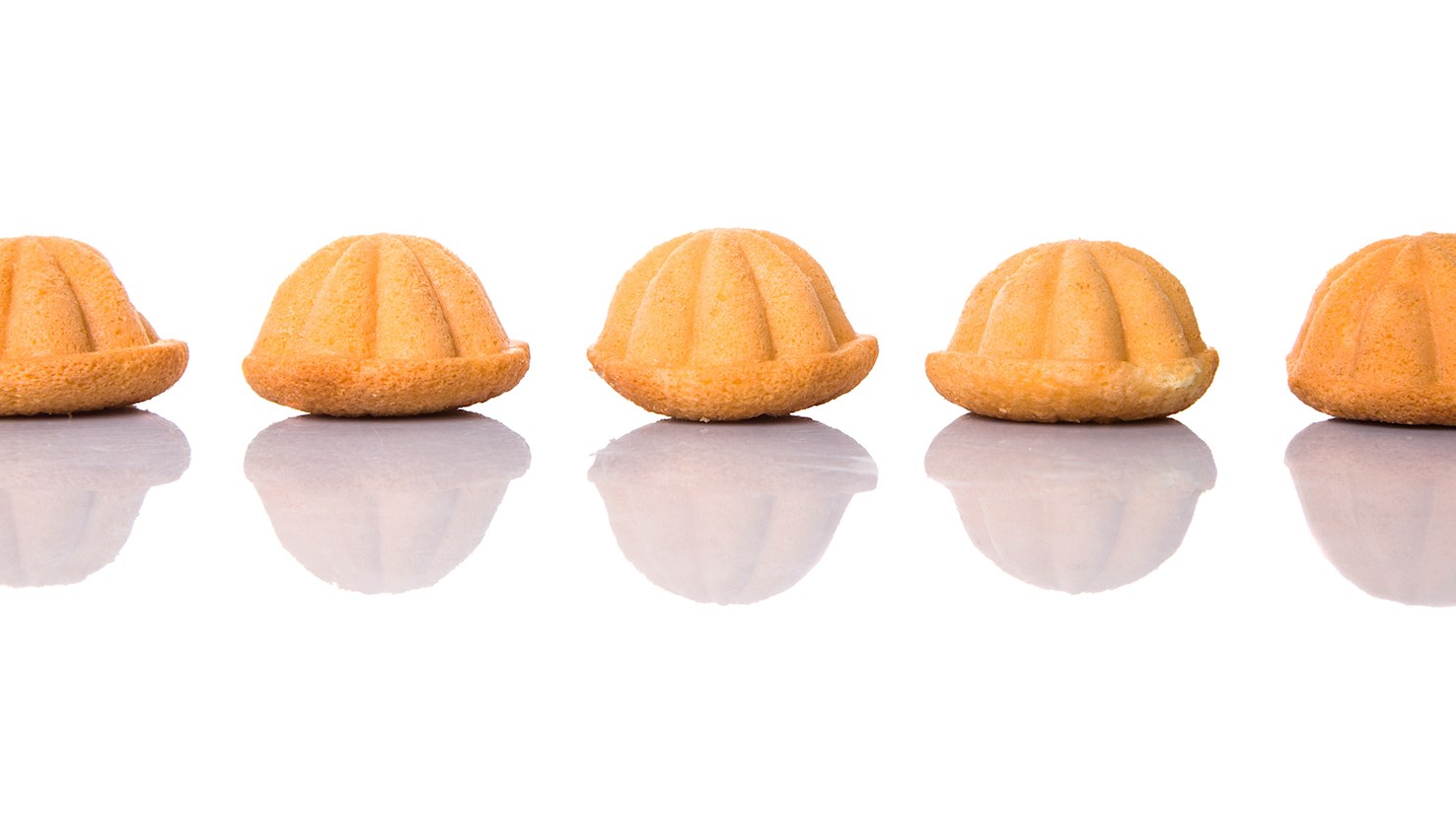
Often called Malaysian madeleines, these traditional sponge cakes are commonly enjoyed on various special occasions such as Chinese New Year and Eid al-Fitr (Hari Raya), which marks the end of Ramadan. They come in many different sizes and shapes, but the most popular are the small-sized buttons (bahulu-cermai) and goldfish (bahulu-ikan). Nowadays, these traditional treats come in many flavors that often include fruit, pandan, or chocolate. Interestingly, they have earned a place on the list of national Malaysian Heritage products.
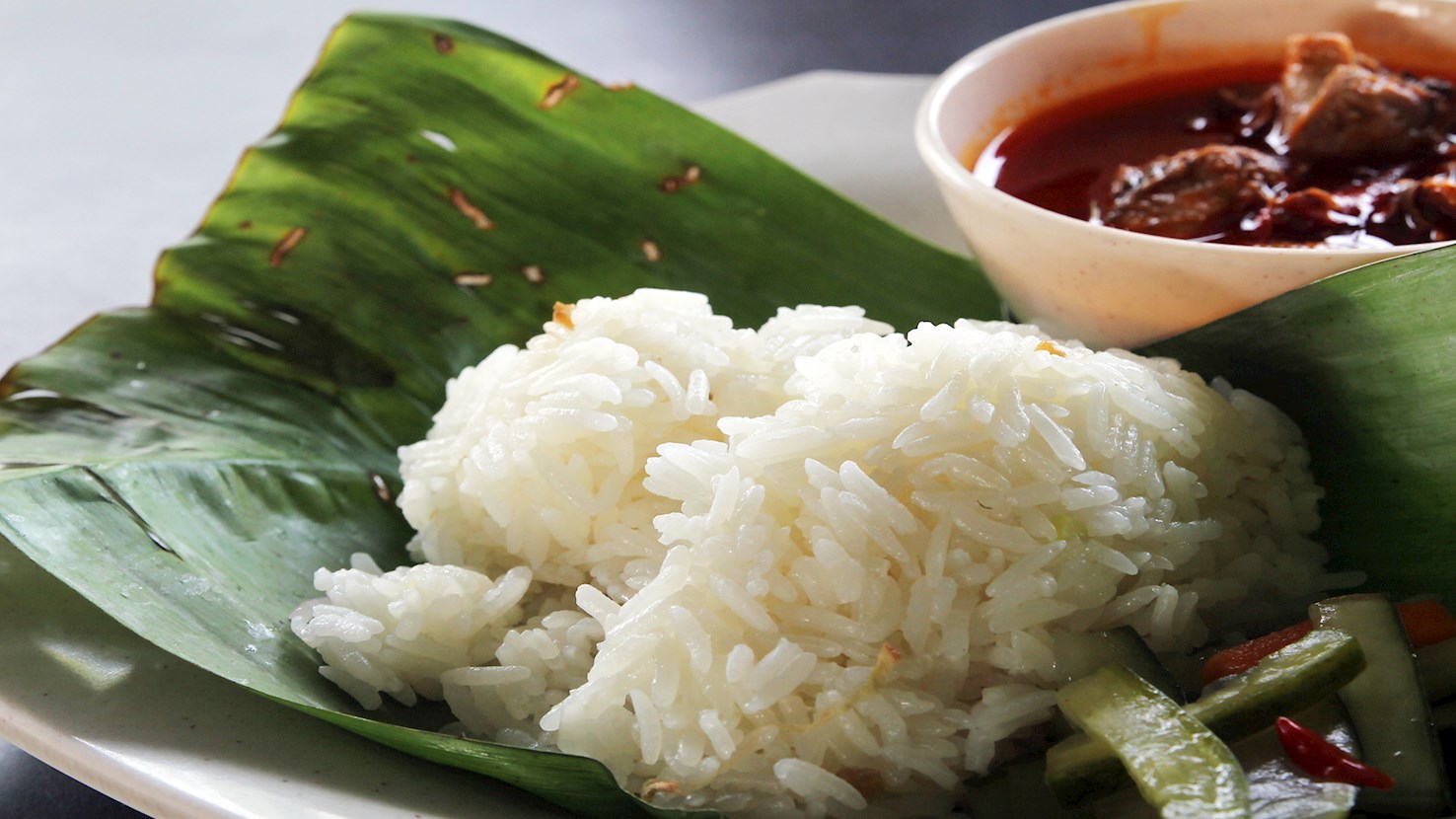
This flavorful Malaysian dish consists of rice that is steamed in coconut milk and usually served accompanied by spicy fish curry. It is traditionally associated with eastern parts of the country, primarily the regions of Kelantan and Terengganu, along with Southern Thailand. Depending on the area, nasi dagang can be prepared with husked red rice or the combination of jasmine and glutinous white rice. It is enjoyed as a hearty breakfast that comes served doused in flavor-packed fish curry, and it is usually complemented by pickled vegetables, hard-boiled eggs, toasted coconut, sambal, and fish crackers.
TasteAtlas food rankings are based on the ratings of the TasteAtlas audience, with a series of mechanisms that recognize real users and that ignore bot,
nationalist or local patriotic ratings, and give additional value to the ratings of users that the system recognizes as knowledgeable.
For the “31 Worst Rated Malaysian Foods” list until October 17, 2026, 4,648 ratings were recorded, of which 2,971 were recognized by the system as legitimate.
TasteAtlas Rankings should not be seen as the final global conclusion about food. Their purpose is to promote excellent local foods,
instill pride in traditional dishes, and arouse curiosity about dishes you haven’t tried.



What People Say