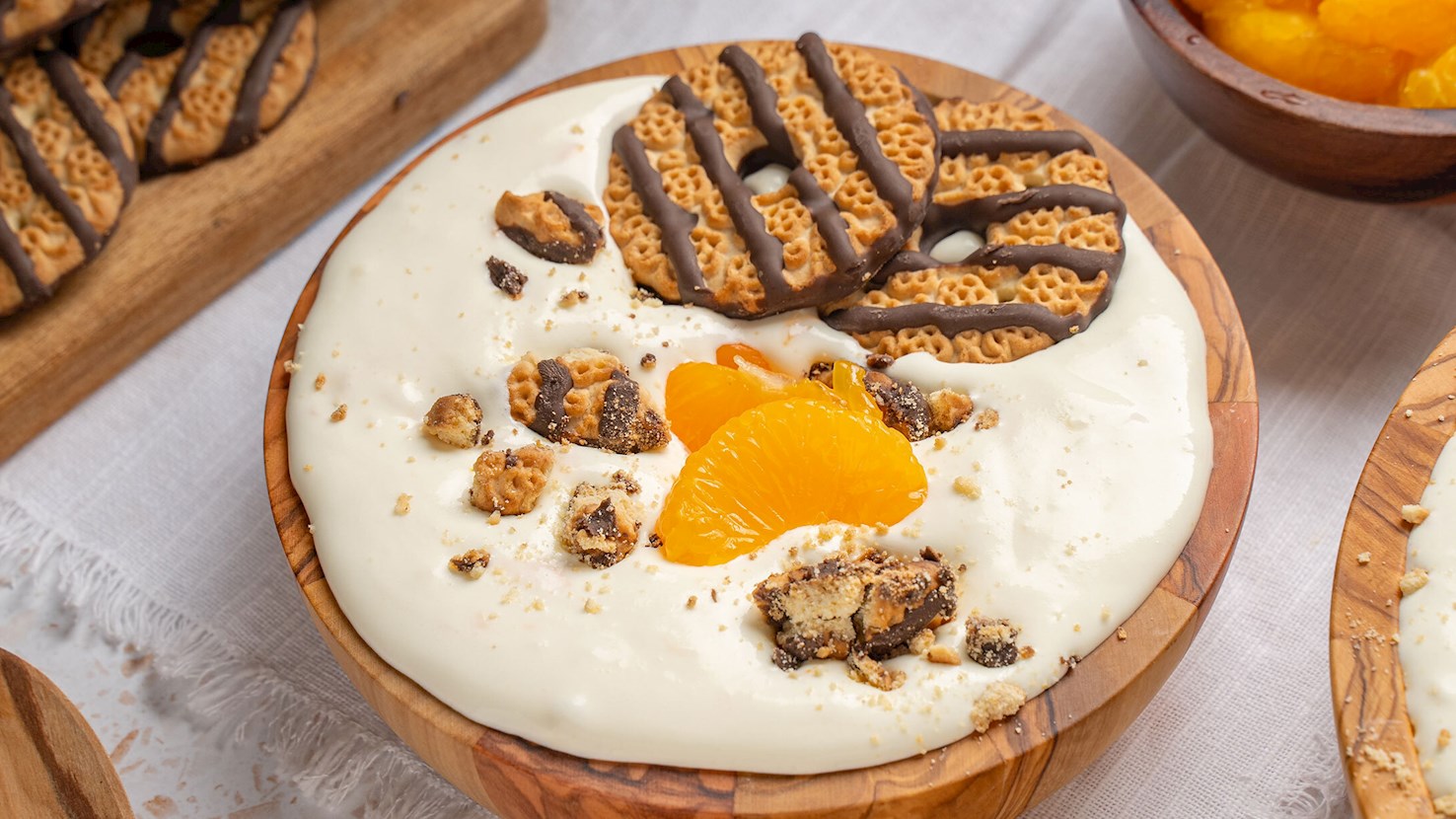
Originating from Minnesota, cookie salad is a simple dessert beloved by children made by combining fudge stripe shortbread cookies, buttermilk, vanilla pudding, whipped cream, and mandarin oranges. Additional ingredients may include berries, but Oreo cookies are strictly prohibited.
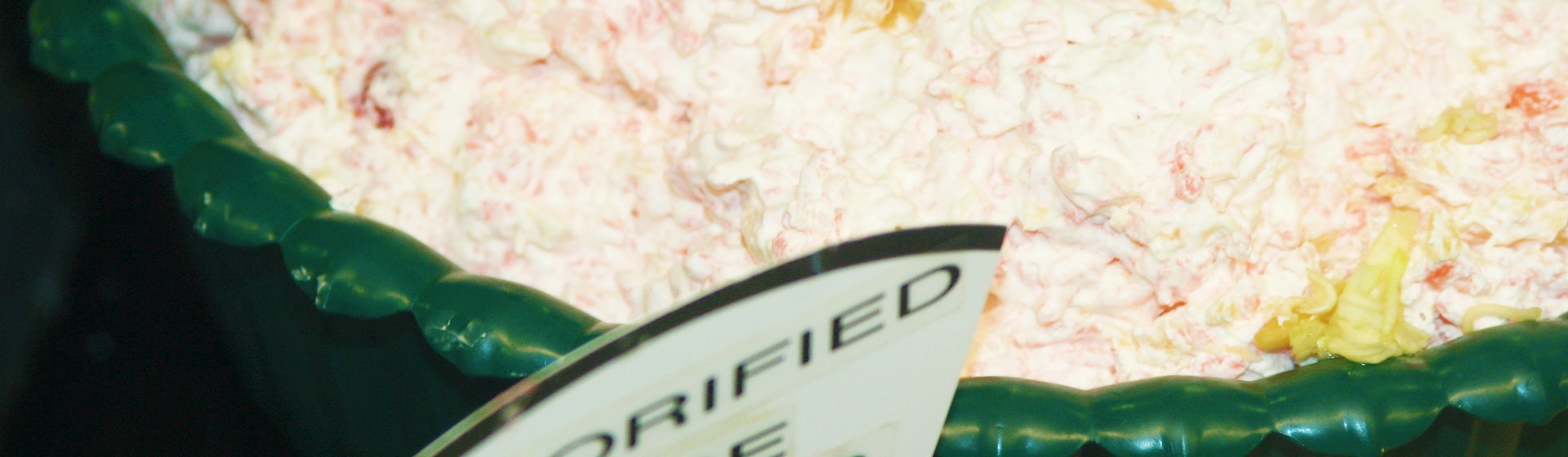
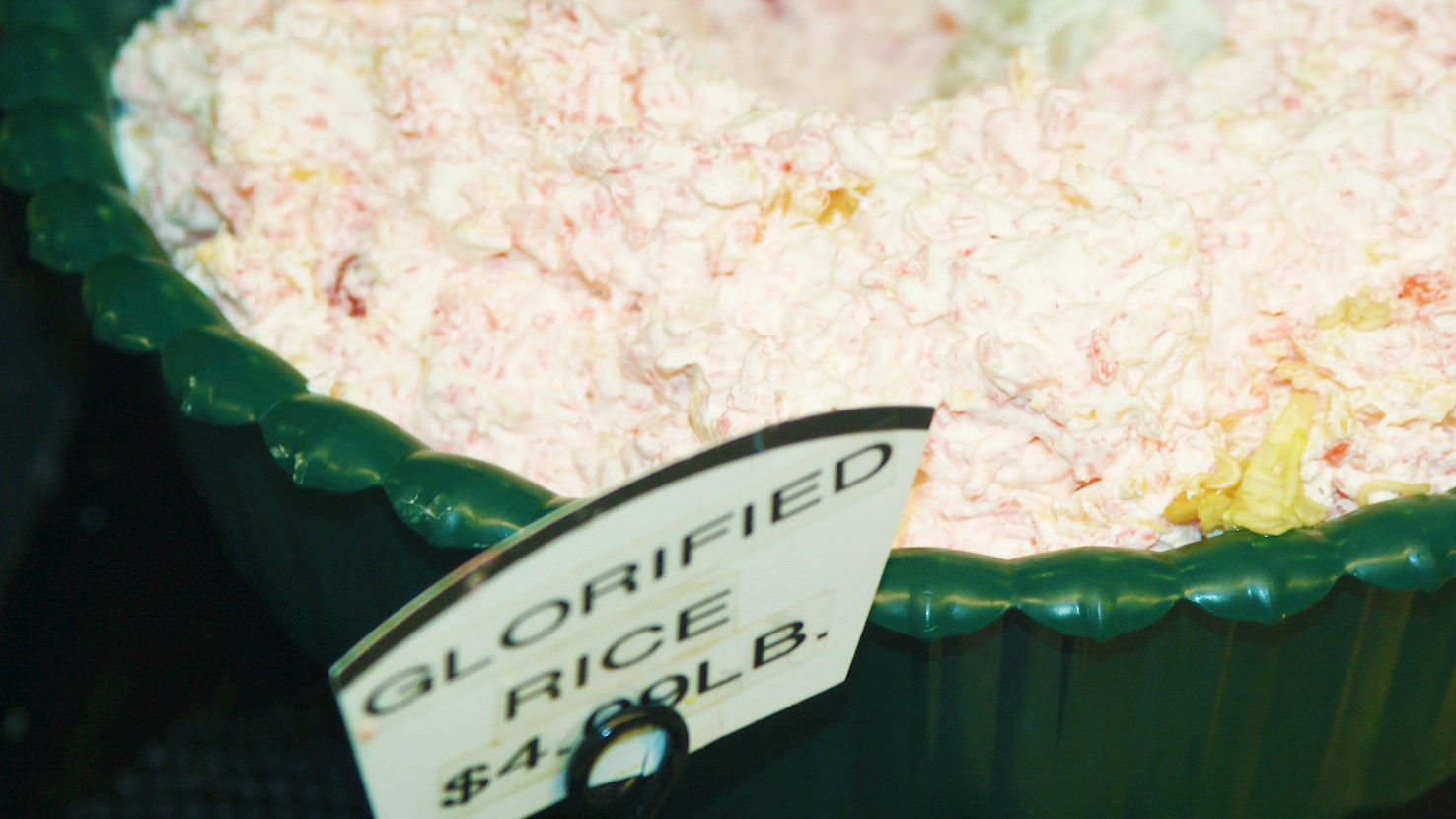
Glorified rice is an American Midwestern dessert consisting of rice, canned pineapple chunks, and whipped cream. The dish is traditionally garnished with a few maraschino cherries on top. Purists claim that the rice should always be cooked in cream in order to develop a tender, melting texture. The dessert was at its most popular from the 1930s to the 1950s, with numerous variations and additions such as bananas, apples, nuts, and gelatin. Today, glorified rice is mostly popular in rural Midwestern areas, and can often be found at church gatherings and potluck dinners.
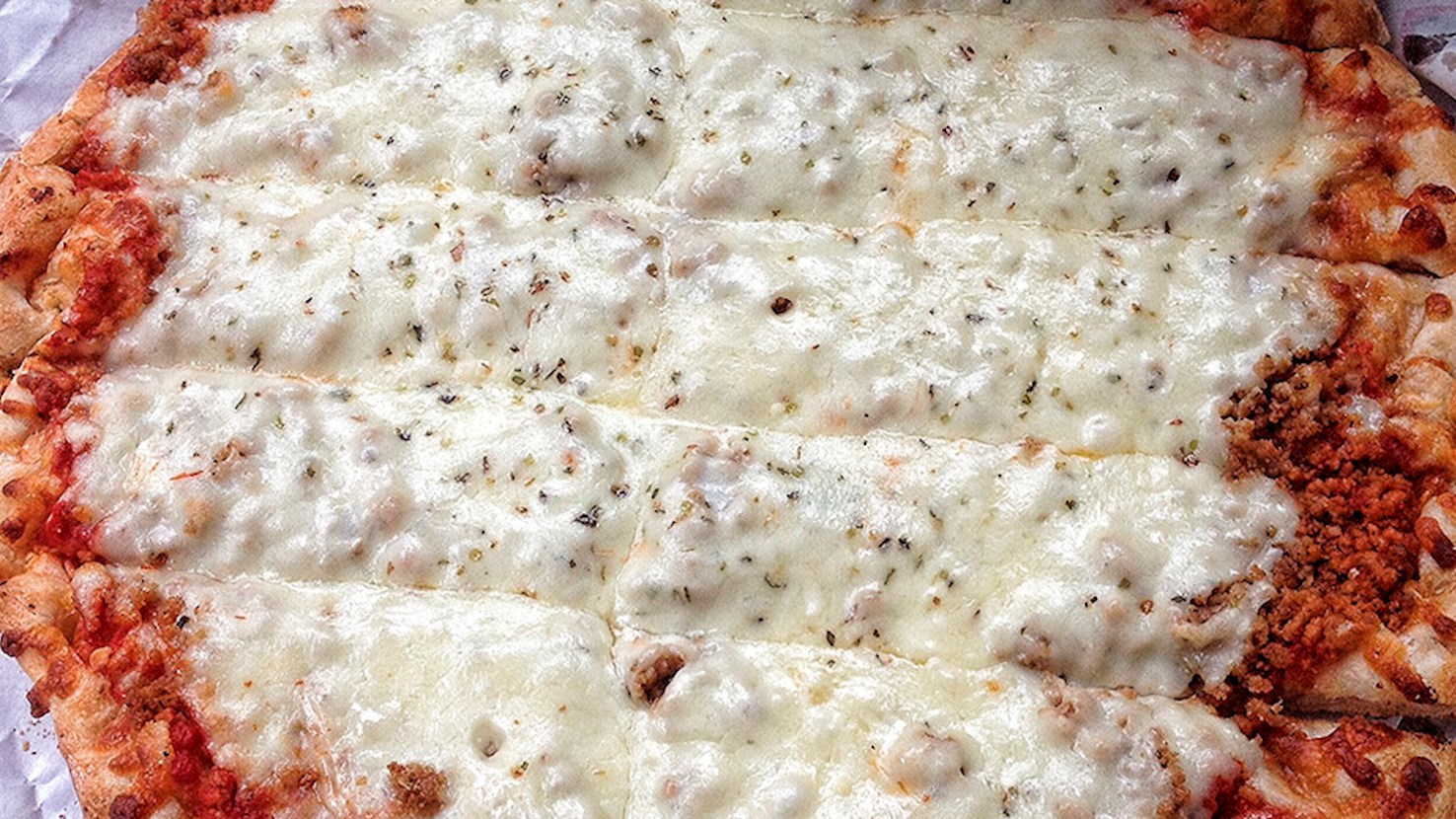
This unique pizza style originates from the Quad Cities region of Iowa and Illinois and is characterized by an unusual strip cut and a slightly spicy sauce. The crust has a nutty taste due to a generous amount of malt syrup, and the sauce contains chili and cayenne pepper flakes. The pork sausage used for the topping should be cooked and allowed to rest in its juices for several hours before being spread over the entire pizza. Due to its malt-enriched crust, this dish naturally pairs well with beer.
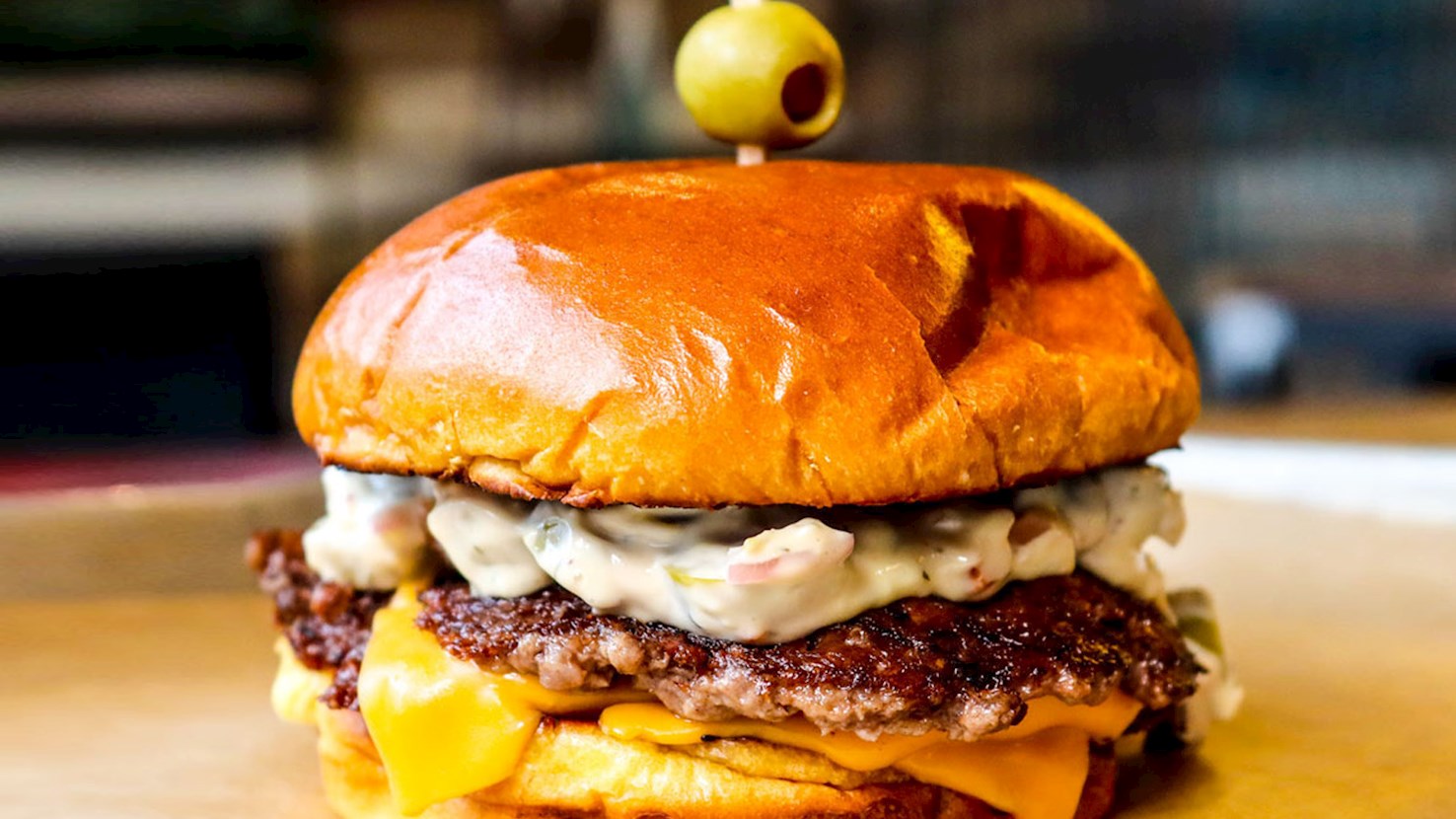
Olive burger is an American burger variety originating from Michigan. It’s made with a combination of ground beef, oil, white buns, mayonnaise, and pitted green olives. In order to prepare it, the meat patties are fried, topped with a mixture of olives and mayonnaise, then placed in a burger bun with no other condiments. Some like to add a bit olive brine to the olive-mayo mix, while others put the mayonnaise on a bun, and the patties are topped with olives before they’re placed into the buns. There are many theories about the origins of this burger, and some people claim that Olympic Broil in Lansing made the first olive burger in the 1960s, while others say it was made much earlier at Kewpee Hotel Hamburgs in Grand Rapids.
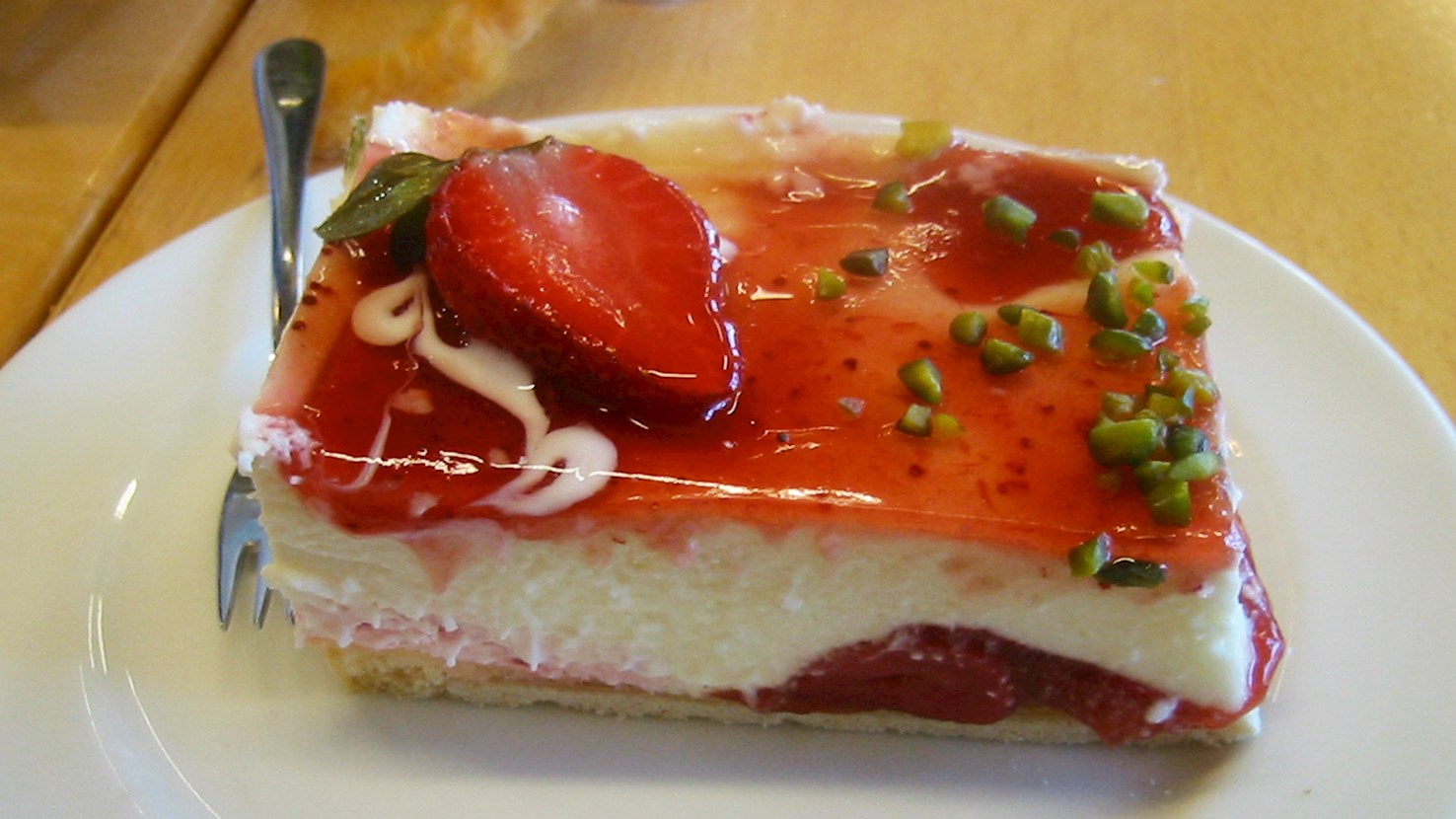
This unusual American dessert salad is especially popular in Minnesota. It consists of cream cheese, graham crackers, milk, strawberries, and strawberry gelatin, although it can be enriched by the addition of canned pineapple, walnuts, or marshmallows. The combination of these ingredients is typically refrigerated in order to set. Strawberry delight is sometimes prepared for Thanksgiving and Christmas, and it is still a staple of many potlucks in the American South.
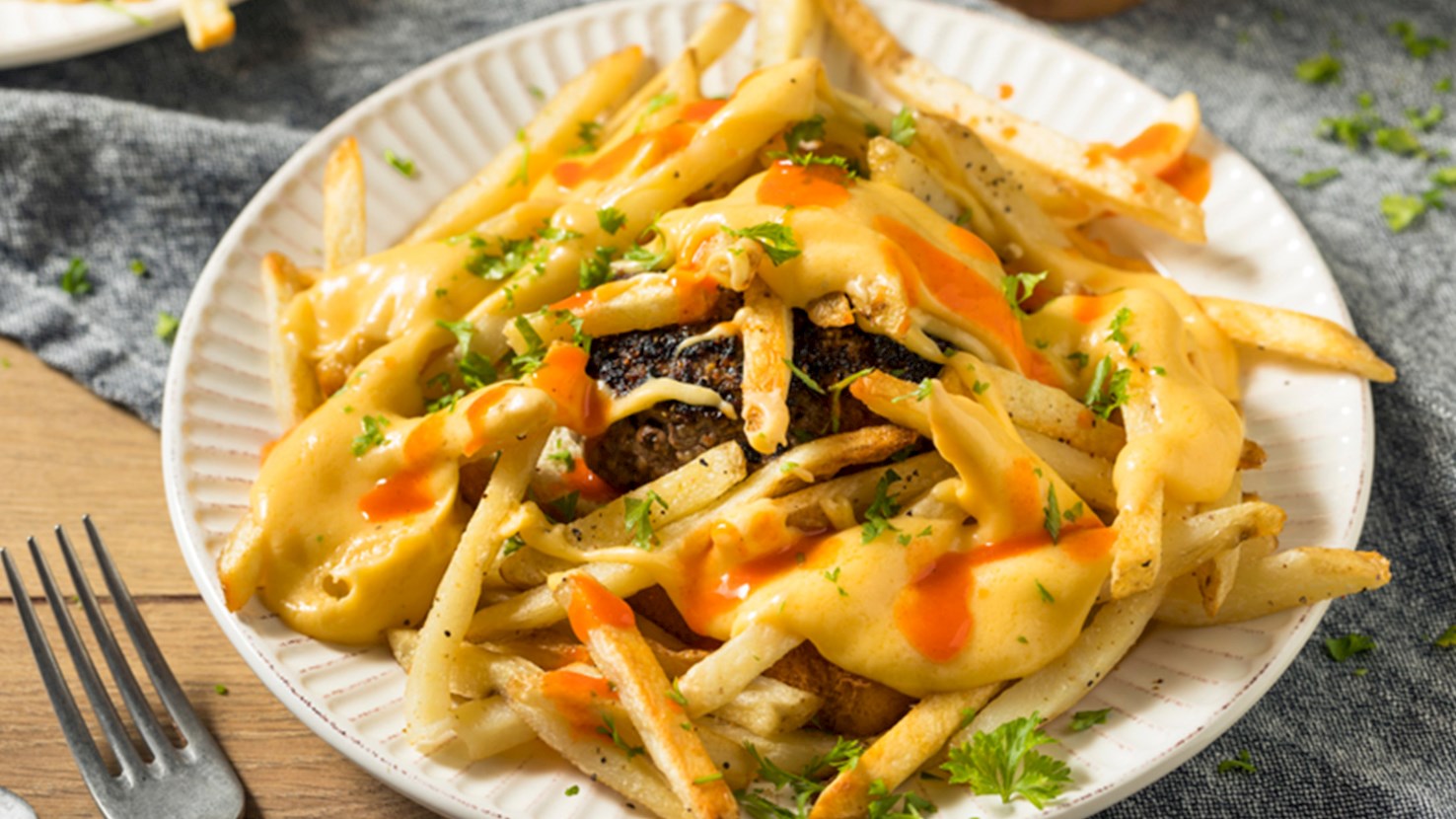
This open-faced sandwich is a specialty of Springfield, Illinois, where it was originally invented. A horseshoe typically consists of two slices of toast topped with two meat patties or slices of ham, french fries, and a cheesy sauce. Originally, it was served on a hot metal plate known as anvil, with ham and fries representing the horseshoe nails, hence the name. There is also a variety of this sandwich called a pony shoe sandwich, which is half of a regular horseshoe portion. The sandwich was invented in the late 1920s by a chef named Joe Schweska at Leland Hotel in Springfield.
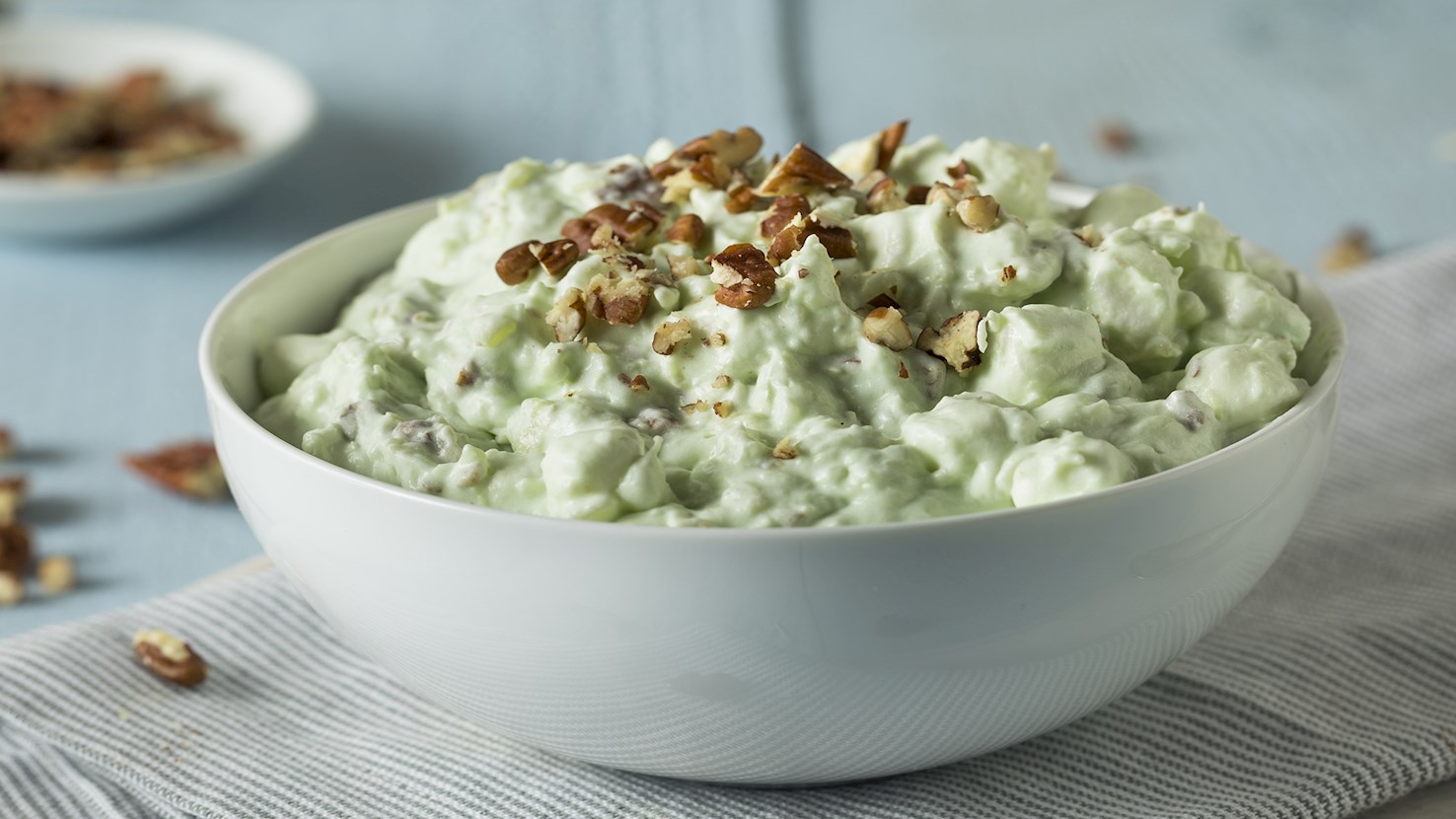
Despite its name, Watergate salad is a summertime dessert consisting of a combination of mini marshmallows, pecans, and chunks of pineapple in a base of pistachio pudding. This dessert started its way to popularity in 1985 or 1986, when Kraft put a recipe for the dish on the box of JELL-O Pistachio Flavor Pudding. In 1993, the name of the recipe was changed to Watergate salad, and it has stuck until today. Nowadays, Watergate salad is especially popular at Thanksgiving dinners and Easter.
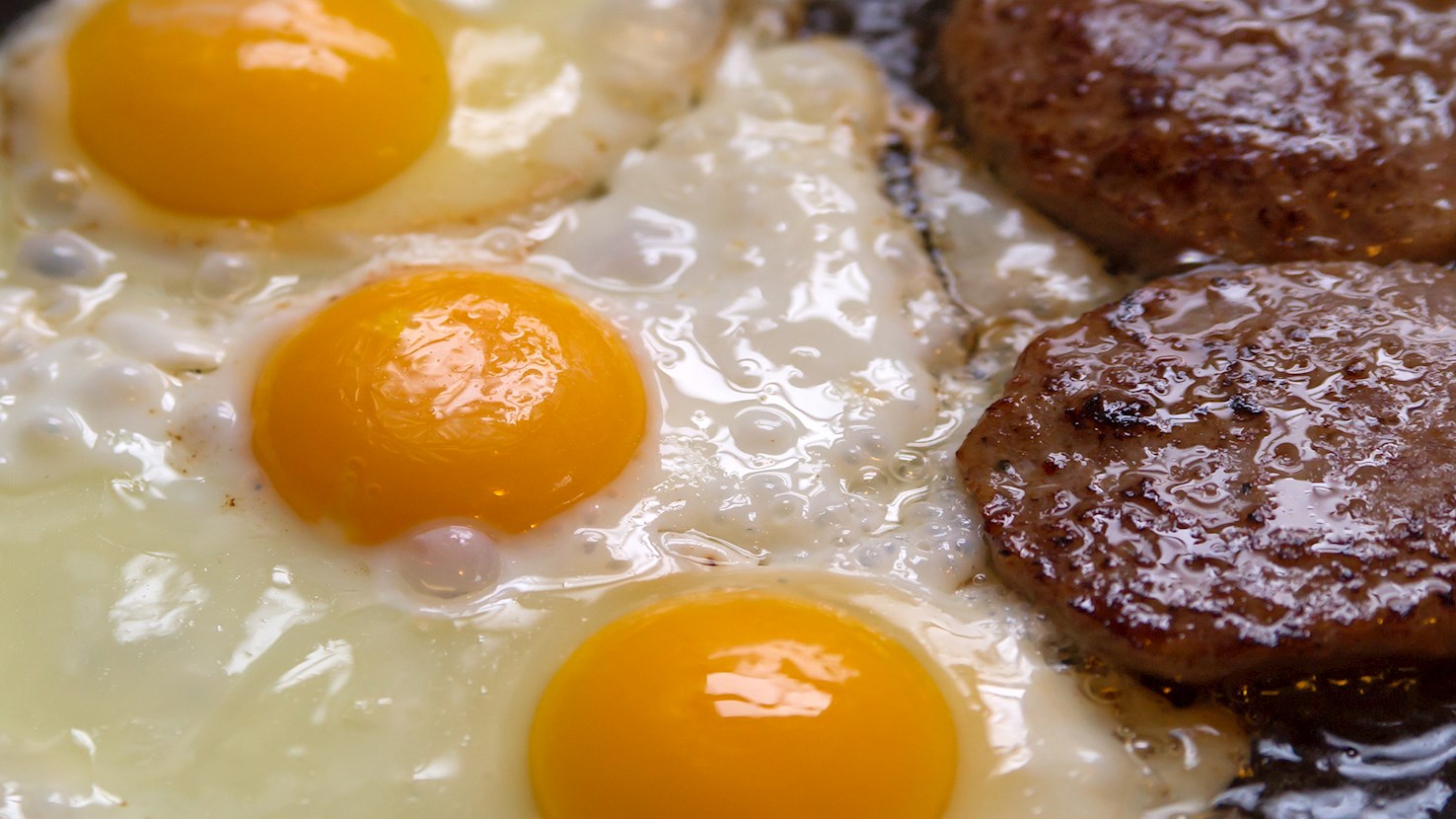
Goetta is a sausage-like patty that is synonymous with Cincinnati, although its roots are steeped in German heritage, due to the influx of German-born immigrants in the 19th century. The sausage is commonly eaten for breakfast, and consists of pork, beef, onions, spices, and unprocessed oats. Traditionally, it is sliced and fried until golden brown, then served with eggs and ketchup on the side. What was once a humble breakfast is today a hip and glamorous dish that is sometimes even used as a hamburger topping. As further proof of goetta's popularity, there is an annual celebration held since 2004 in the Greater Cincinnati area, called Goettafest, focusing on goetta, music, dancing, and other forms of public entertainment.
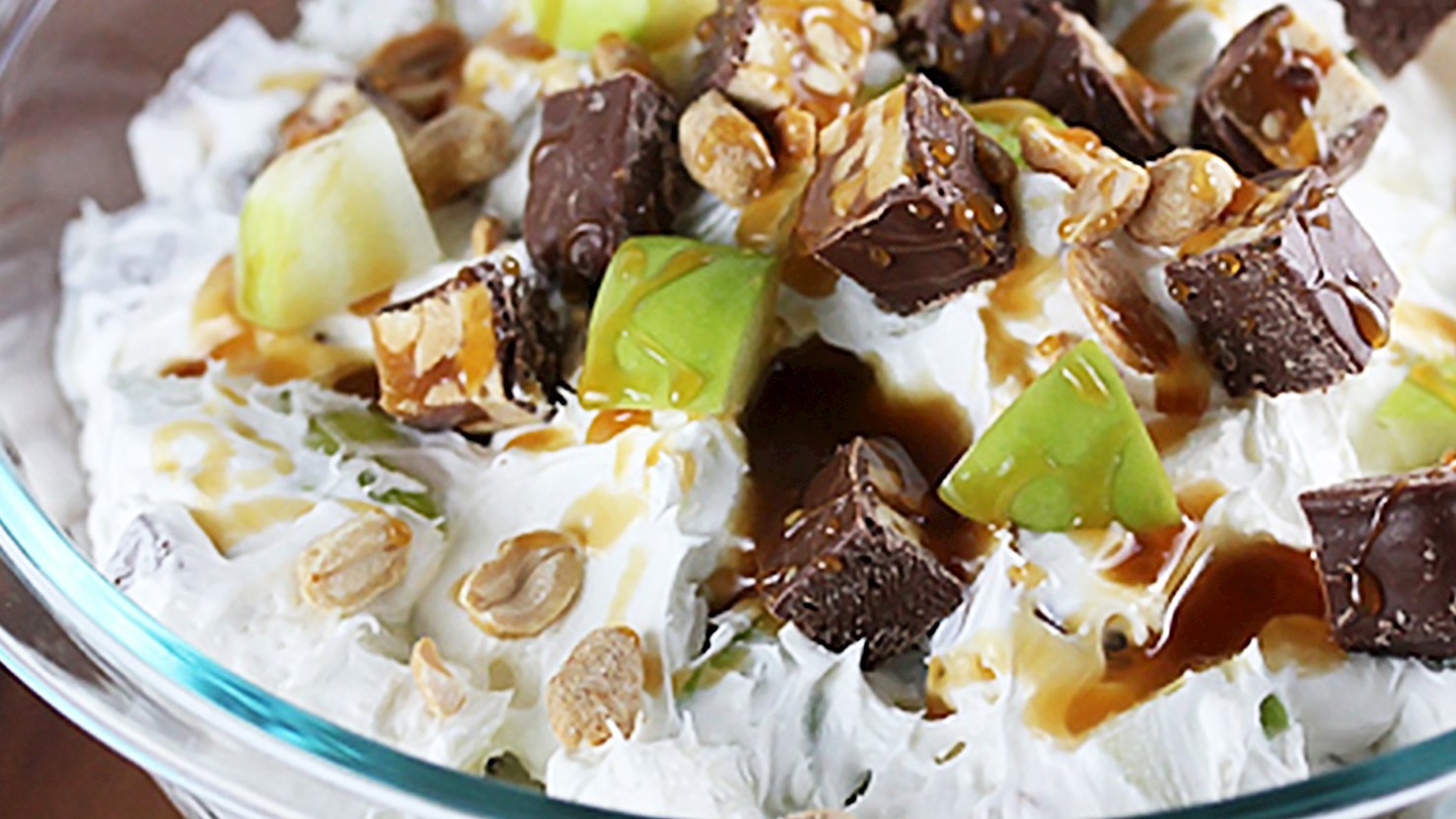
Although its name might suggest otherwise, Snickers salad is more of a dessert than a conventional salad, consisting of Snickers bars, whipped cream, Granny Smith apples, and pudding. In order to prepare it, the ingredients are simply chopped, then combined. There are many versions of this salad, with added ingredients such as bananas, buttermilk, sour cream, lemon juice, or crushed pineapple. This unusual dessert is traditionally served in a bowl, and it is a staple at potlucks in Iowa, the place of its origin.
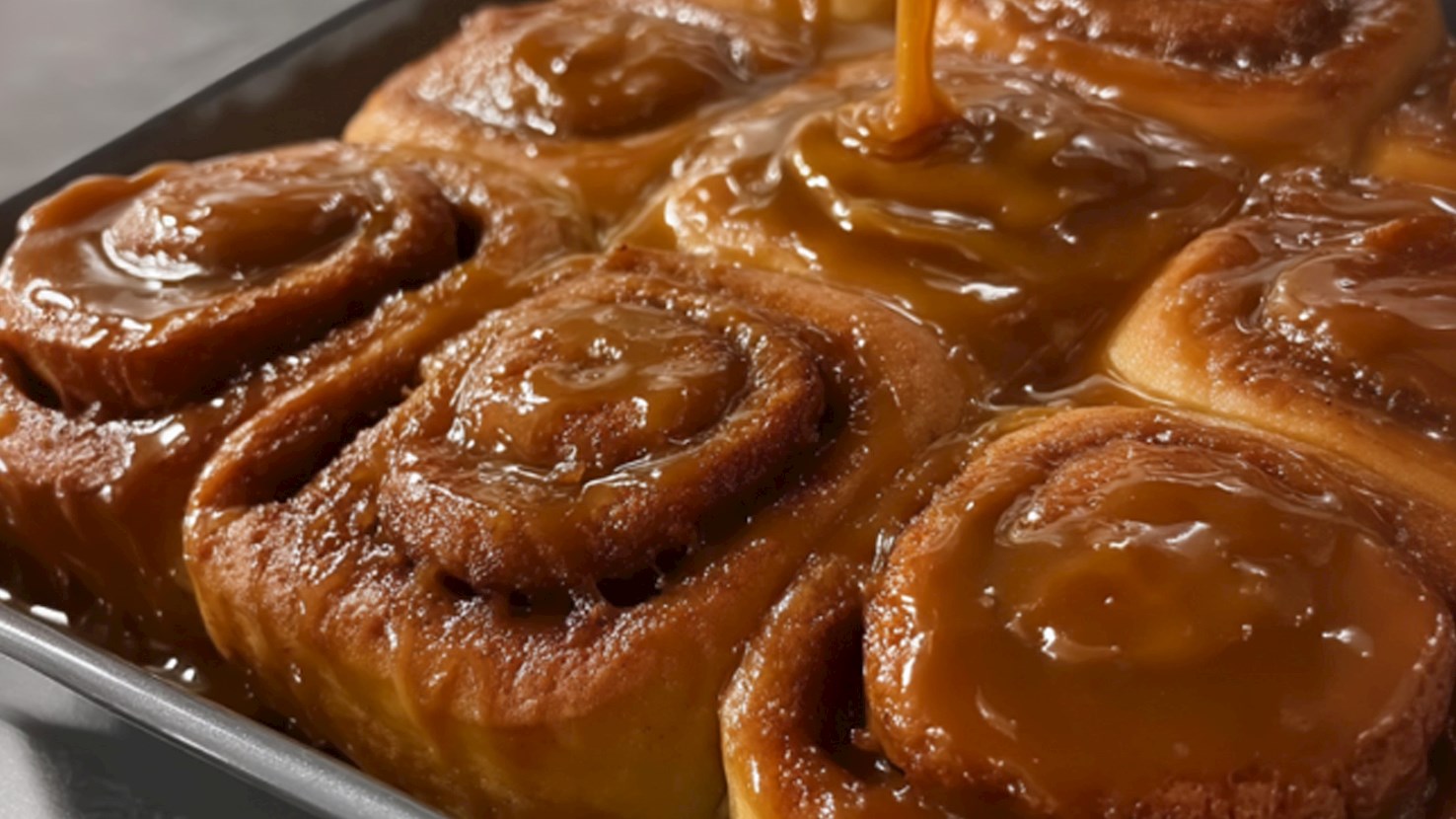
Caramel rolls from North Dakota are a deeply comforting regional specialty—soft, spiraled pastries drenched in rich, buttery caramel sauce that melt into the very heart of the dough. A local twist on the classic cinnamon roll, these indulgent treats are less about frosting and more about the warm, sticky embrace of slow-cooked caramel, reflecting the hearty, unpretentious spirit of North Dakota’s prairie kitchens. The dough is sweet and enriched, similar to brioche, and is rolled out, slathered with butter, cinnamon, and brown sugar, then tightly coiled and arranged in a baking dish. What distinguishes North Dakota-style caramel rolls is the generous layer of homemade caramel sauce—made from butter, brown sugar, cream, and sometimes corn syrup or vanilla—poured into the bottom of the pan before baking. As the rolls bake, the caramel bubbles and seeps into the dough, soaking the swirls and creating a deep, toffee-like glaze. After baking, the rolls are flipped out of the pan so the caramel ends up on top, forming a glossy, golden layer that’s both sweet and slightly sticky, without the need for frosting. The texture is tender and fluffy, with just the right balance of softness and chew. The flavor is warmly spiced with cinnamon and wrapped in rich, buttery caramel that clings to each bite without overwhelming it. Some versions are extra saucy, while others lean more toward chewy caramelized edges, especially when baked in cast iron or sheet pans. Occasionally, chopped nuts or a hint of salt are added for balance, but the focus is always on the caramel itself. More than a breakfast pastry, caramel rolls are a fixture of North Dakota's food culture—served at church potlucks, diner counters, holiday brunches, and farm kitchens. They’re often paired with a strong cup of coffee, and in some parts of the state, they’re even served alongside savory dishes like chili, offering a sweet counterpoint to hearty meals. The tradition draws from the baking heritage of the state’s German-Russian and Scandinavian immigrant communities, where wheat, dairy, and sugar were pantry staples used to create comforting, sharable food. In North Dakota, caramel rolls are not just a treat—they’re a tradition. Passed down through generations, often scribbled on well-worn recipe cards and perfected over Sunday mornings, they represent a slower, simpler kind of joy. Sticky, warm, and made with love, they’re as essential to the state's culinary identity as fields of wheat and the wide prairie sky.
TasteAtlas food rankings are based on the ratings of the TasteAtlas audience, with a series of mechanisms that recognize real users and that ignore bot,
nationalist or local patriotic ratings, and give additional value to the ratings of users that the system recognizes as knowledgeable.
For the “40 Worst Rated Midwestern American Foods” list until September 17, 2026, 4,677 ratings were recorded, of which 4,242 were recognized by the system as legitimate.
TasteAtlas Rankings should not be seen as the final global conclusion about food. Their purpose is to promote excellent local foods,
instill pride in traditional dishes, and arouse curiosity about dishes you haven’t tried.




What People Say