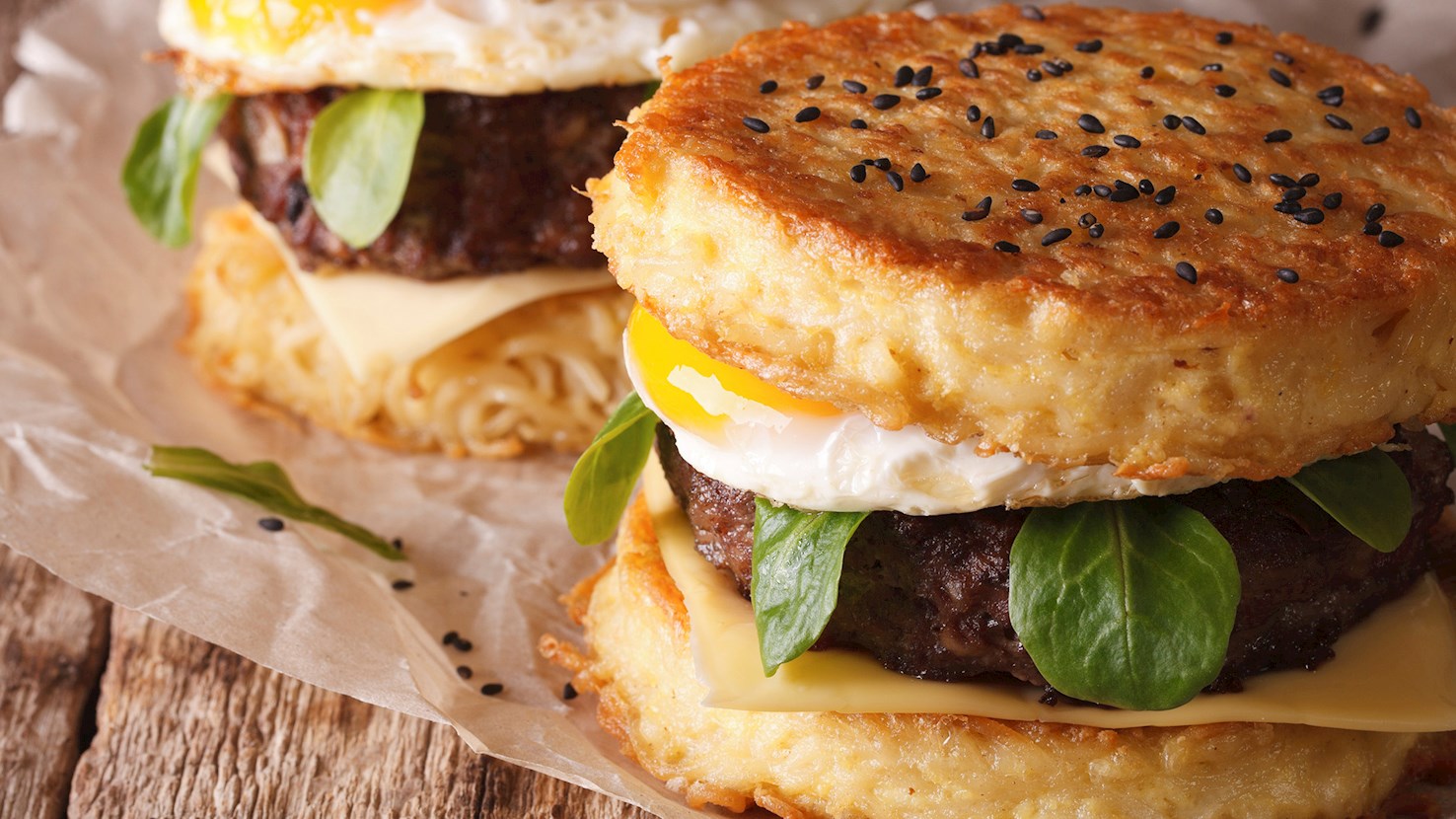
Ramen burger is a unique variety of a hamburger consisting of a meat patty that is sandwiched between two fried ramen noodle buns. The meat patty is typically slathered in shoyu sauce and topped with arugula and scallions. The dish was created by Keizo Shimamoto, a ramen blogger, who debuted it in 2013 in Brooklyn. The ramen burger was so popular that it had been voted by Time Magazine as one of the 17 most influential burgers ever created.
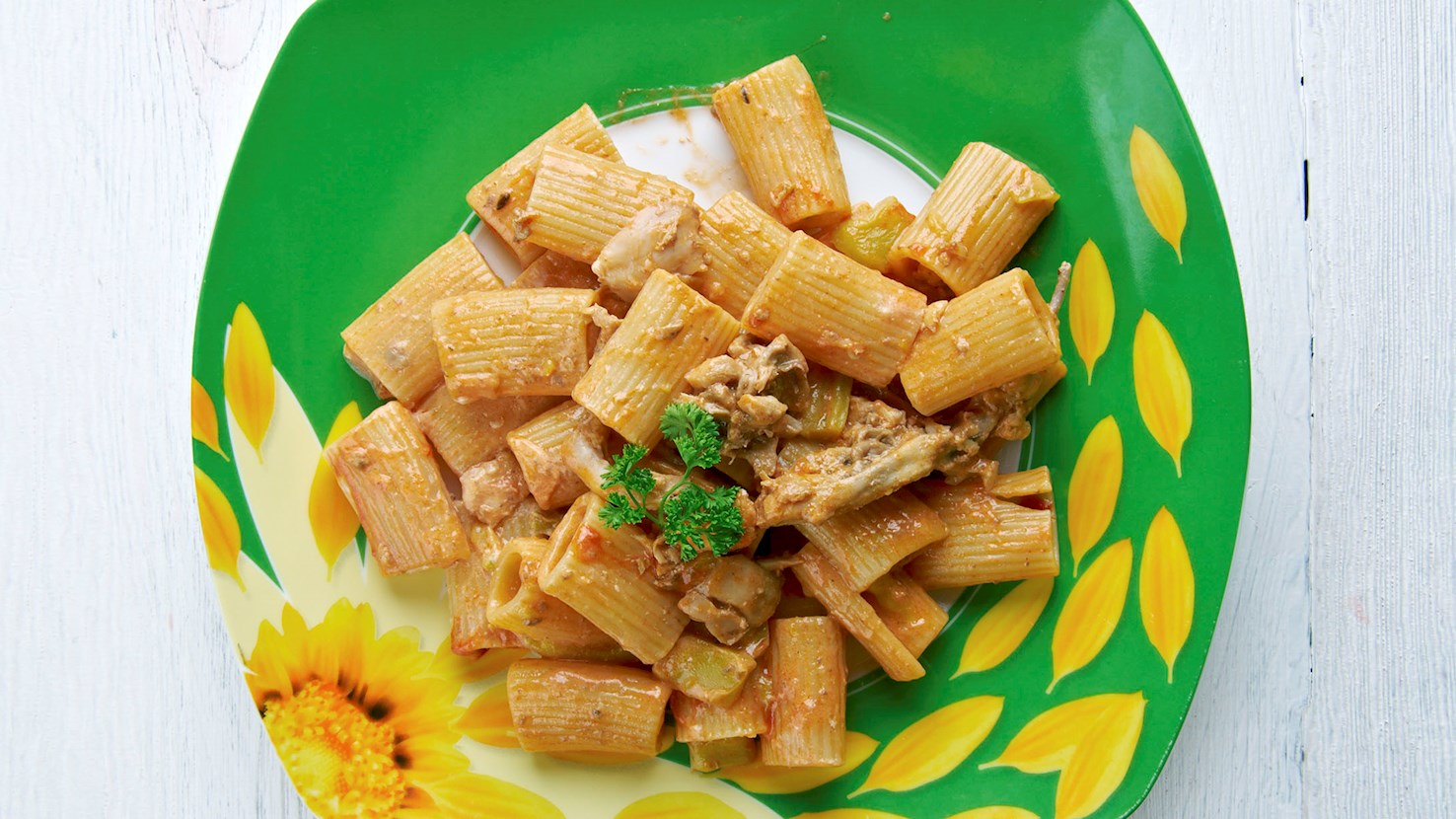
Chicken riggies is an Italian-American pasta dish from the Utica area of New York. Most often, it consists of rigatoni pasta, hot or sweet peppers, chicken, and a spicy, flavorful cream and tomato sauce. Almost every Italian restaurant in the Utica area serves the dish. Its story starts in the late 1970s at the Clinton House restaurant in Clinton, NY. The lawyers, doctors, and union workers would come in to play cards and eat the "riggie dish" with chicken, tomatoes, and cherry peppers, but without the sauce. Since they wanted the same dish every week, chicken riggies quickly gained popularity with other customers, and a new American classic was born. A simple dish that has yet to reach the peak of popularity, chicken riggies even has its own annual festival in the city, where the cooks change up the recipe by adding ingredients such as steak, shrimp, and heavy cream.
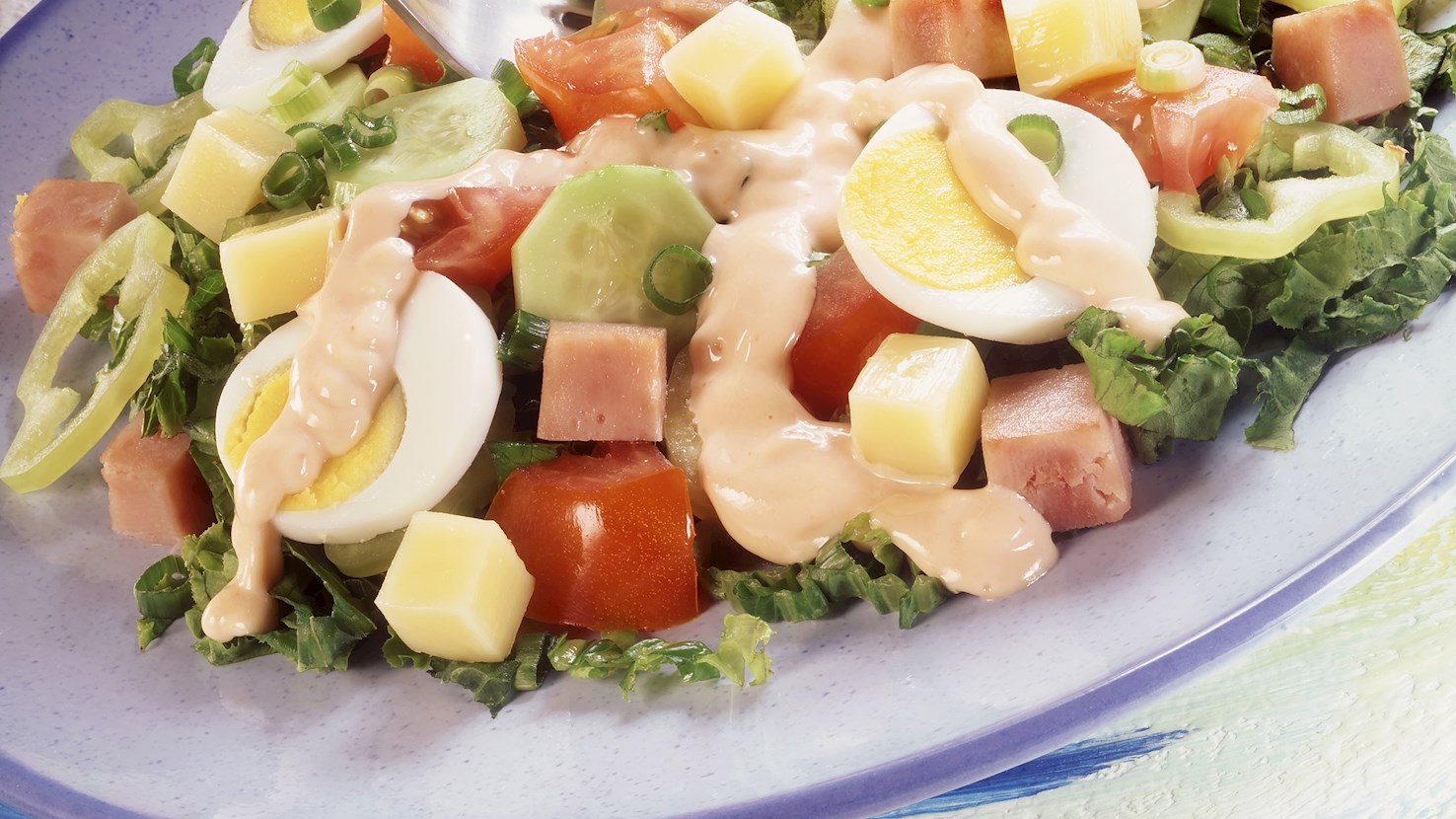
A chef's salad is a big salad that is usually served as a meal of its own. It consists of a variety of vegetables, hard-boiled eggs, cheese, and meats such as ham or turkey meat. The salad can be served with a variety of different dressings. No one can agree about the origins of chef's salad, so there are quite a few theories about its invention. Some claim that it originated from salmagundi, a 17th-century dish consisting of anchovies, chopped meat, eggs, onions, and oil. Others claim that Cobb salad was the true inspiration, while most believe that chef's salad was created in the 1940s by Louis Diat, a chef at the Ritz-Carlton Hotel in New York City. Regardless of its origins, the salad's popularity lies in the fact that it is both a great way to use up leftovers and a quick, flavorful meal.
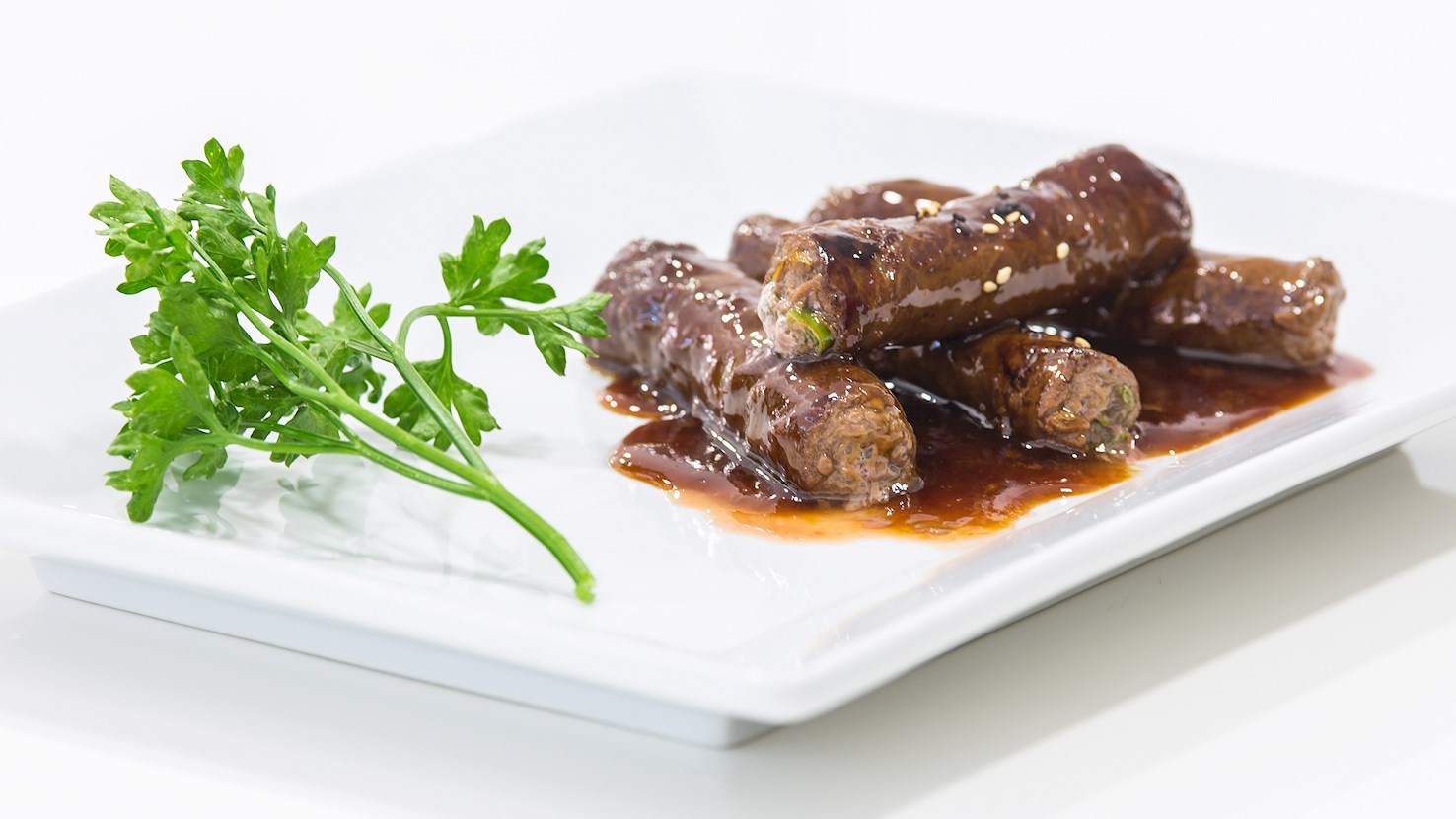
Beef Negimaki can also be dubbed 'sushi for carnivores', as it consists of strips of teriyaki-marinated beef that are rolled with scallions. This dish originates from Manhattan in the 1960s. It was invented by Nobuyoshi Kuroaka at Restaurant Nippon after the New York Times critic Craig Claiborne proposed that a dish containing beef would be of great appeal to the American patrons. The meat of choice for beef Negimaki is usually flank steak, and it should be tender and succulent. It's recommended to serve these rolls with rice on the side and drizzle them with the sauce.
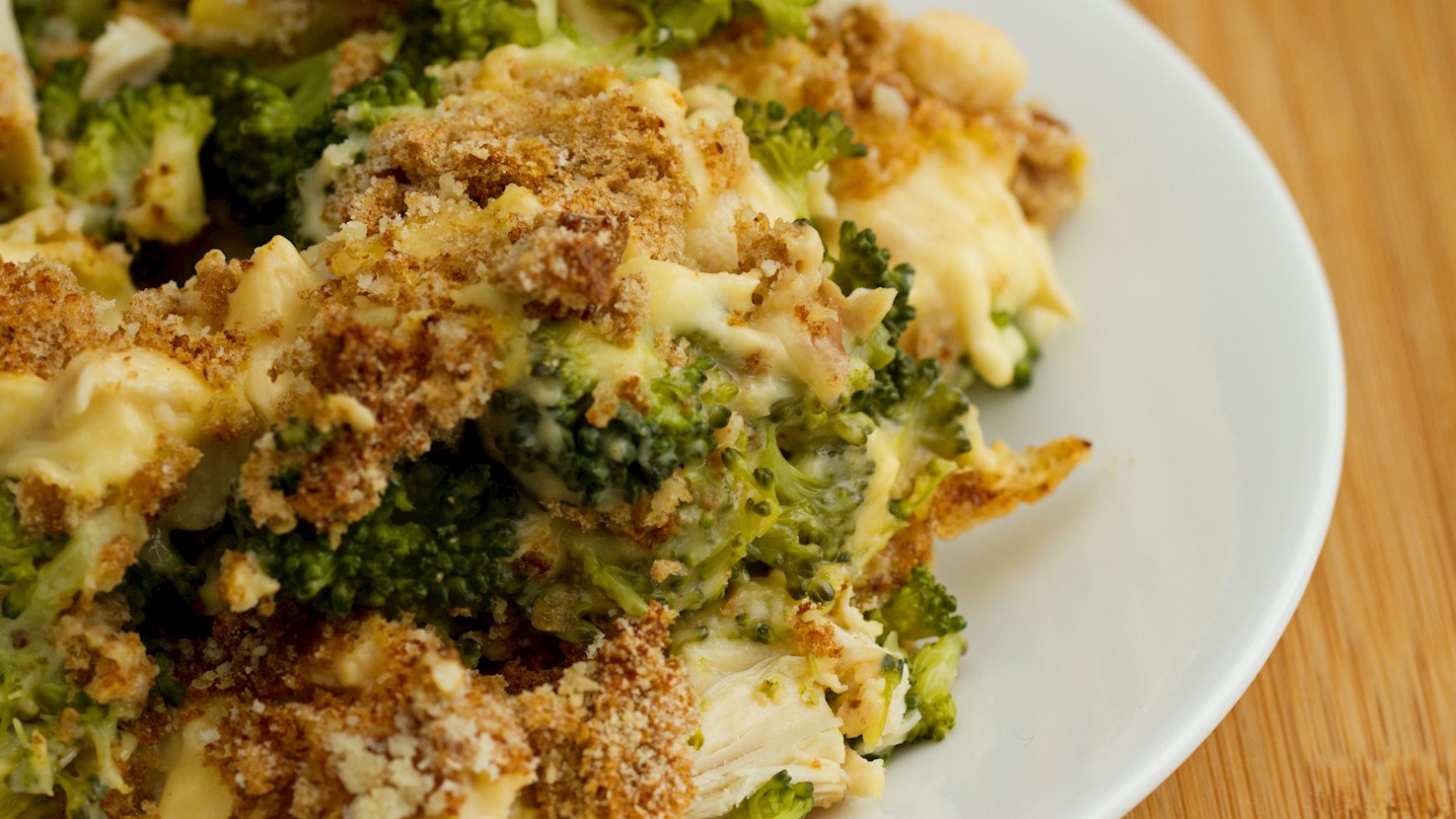
Chicken divan is a rich casserole made with chicken pieces, almonds, broccoli, and Mornay or hollandaise sauce. In the 1950s, it was the signature dish of a New York restaurant called the Divan Parisienne, hence the name. The inventor of the dish is a chef named Anthony Lagasi, who received an award from the New York Chatham Hotel for his creation. The dish might be additionally enriched with ingredients such as cheese, white wine, mushrooms, or water chestnuts, and it is recommended to serve it with bread and salads on the side.
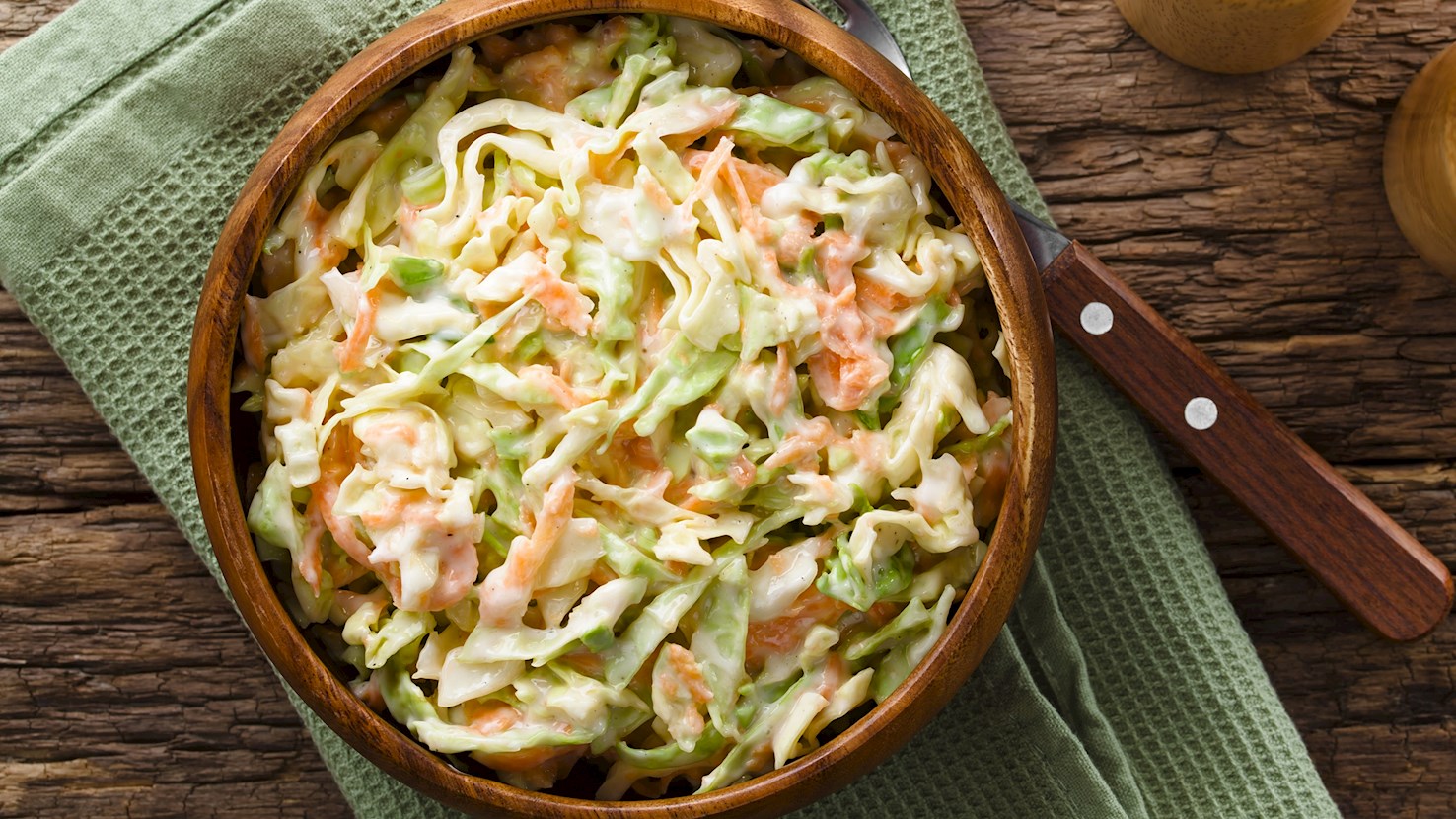
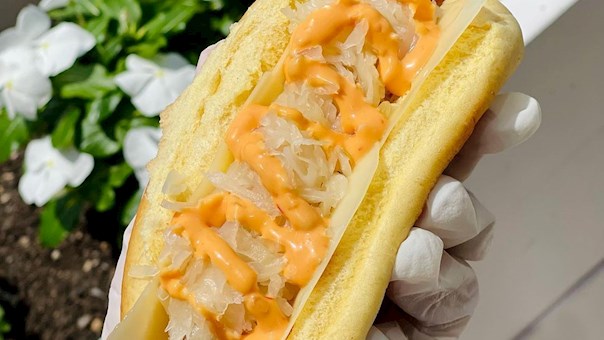
Originating from the Dutch term koolsla, meaning cabbage salad, coleslaw is nowadays a true American staple and a side dish that's often served with barbecued meat or fried chicken. Originally, it was brought over to New York state in the 18th century by the Dutch settlers. It consists of shredded cabbage, mayonnaise, carrots, buttermilk or sour cream with vinegar, sugar, and other seasonings, depending on the cook and regional variations. Some of the variations have other ingredients such as salad dressings, celery seeds, grated cheese, pineapple, or peppers. However, the only consistent ingredient in coleslaw is shredded cabbage. The salad is always served chilled, and it's commonly used in hamburgers, sandwiches, and hot dogs.
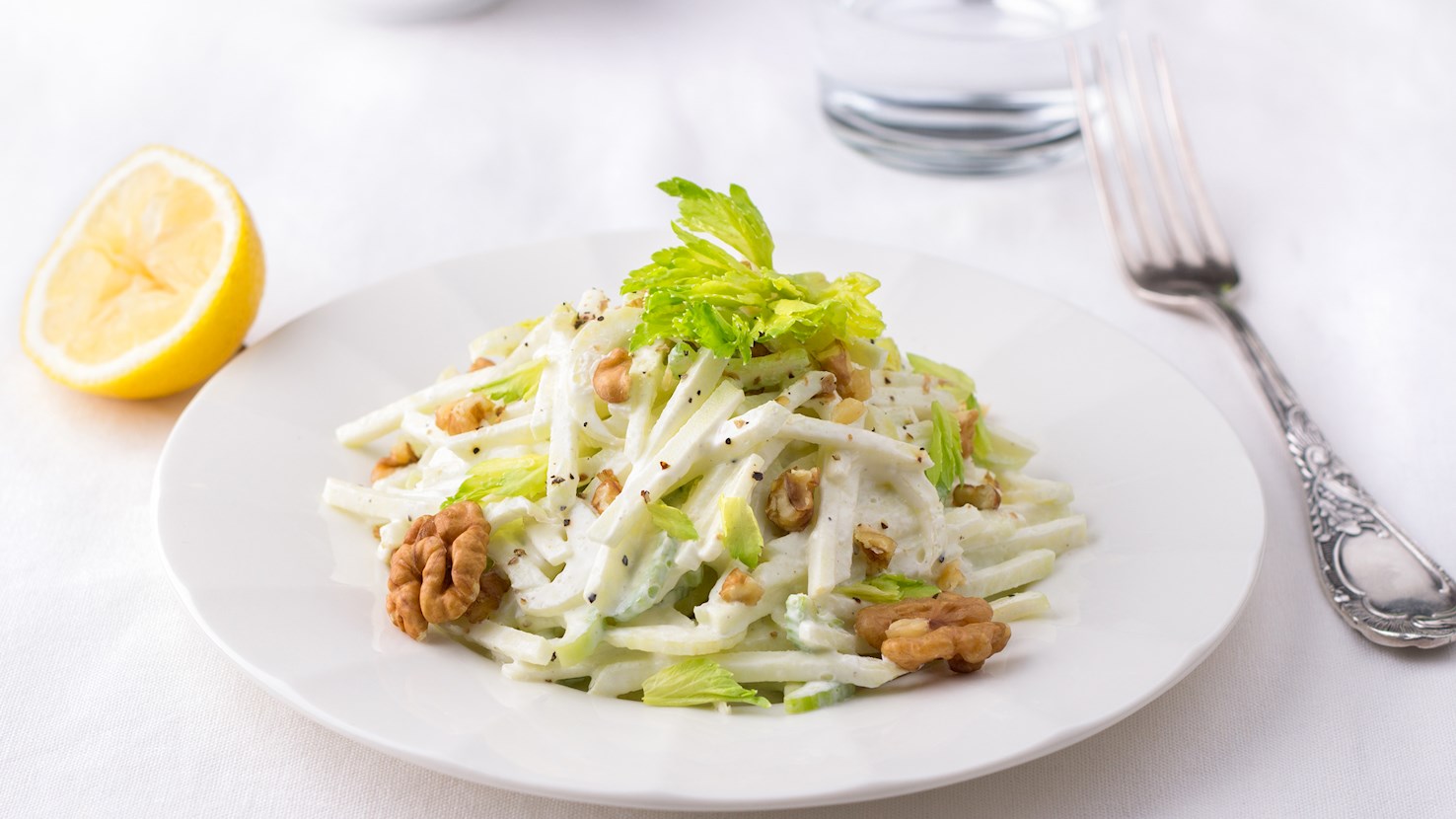
Waldorf salad had been invented in 1896 by Oscar Tschirky, a dining room manager at New York's Waldorf-Astoria Hotel. Originally, the salad consisted of apples, celery, and mayonnaise, and was a huge success. Interestingly, finely chopped walnuts were added to the salad much later, in 1928, although most people associate the salad with walnuts as the key ingredient. Today, Waldorf salad is usually served cold as an appetizer, on a bed of lettuce, while ingredients such as chicken, raisins, or grapes are sometimes added in the modern versions of this elegant dish.
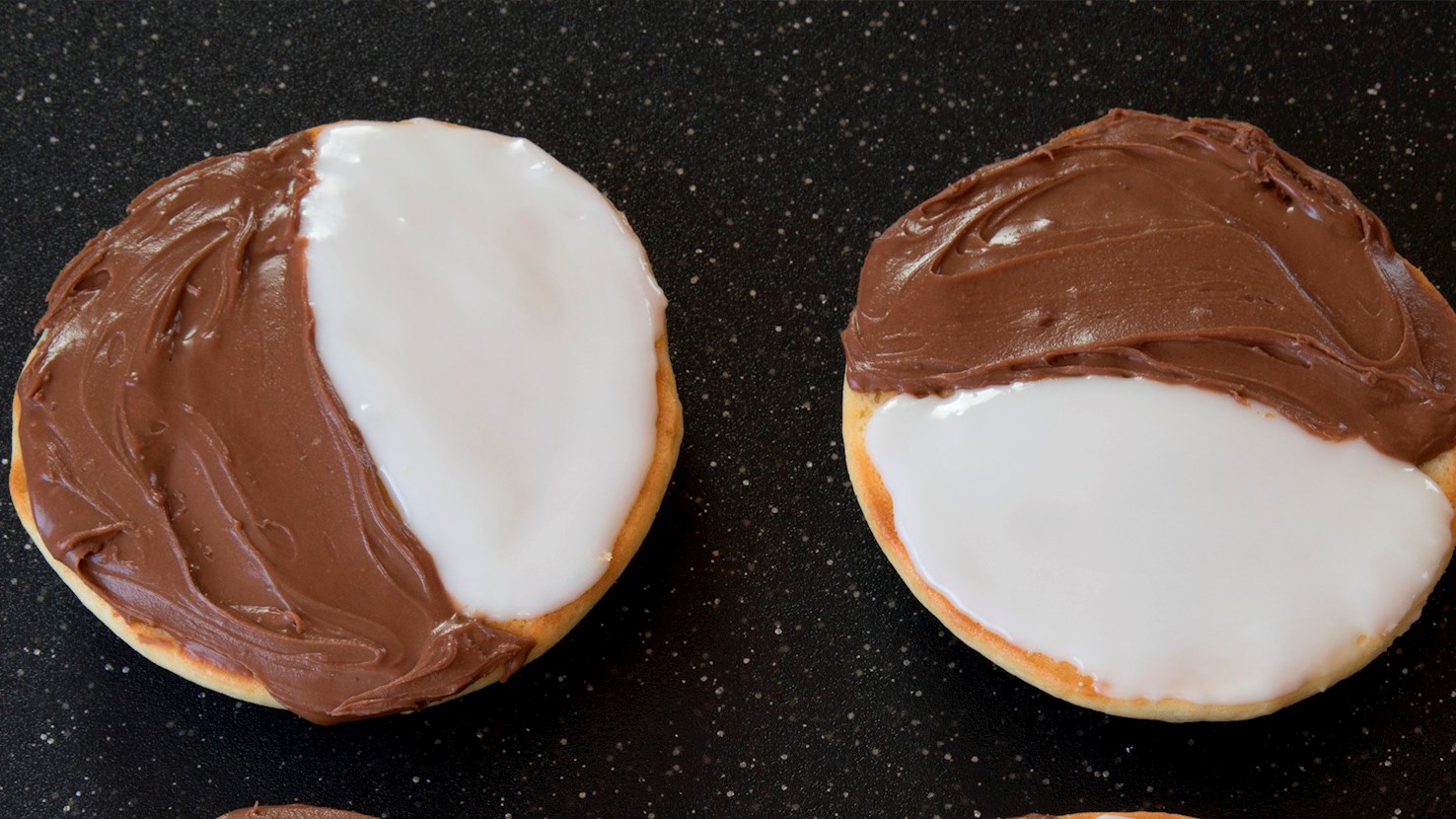
These iconic New York City cookies consist of a soft, cake-like base that is covered in equal parts chocolate and vanilla frosting or fondant. Their origin is somewhat of a mystery, and one theory claims that they evolved from the incredibly similar half-moon cookies that are predominantly found in Upstate New York. However, these treats come with chocolate and vanilla base and usually have a buttercream topping. Others believe that black and white cookies originated as a separate dessert at the beginning of the 20th century, and the name that is often associated with its origin is Glaser's Bake Shop in Yorkville. To add to the confusion, in Germany, similar cookies are known as Amerikaners and are typically only vanilla-glazed. Regardless of its origin, the black and white cookie remains one of the classic New York City desserts that is found in numerous bakeries and delis across the city.
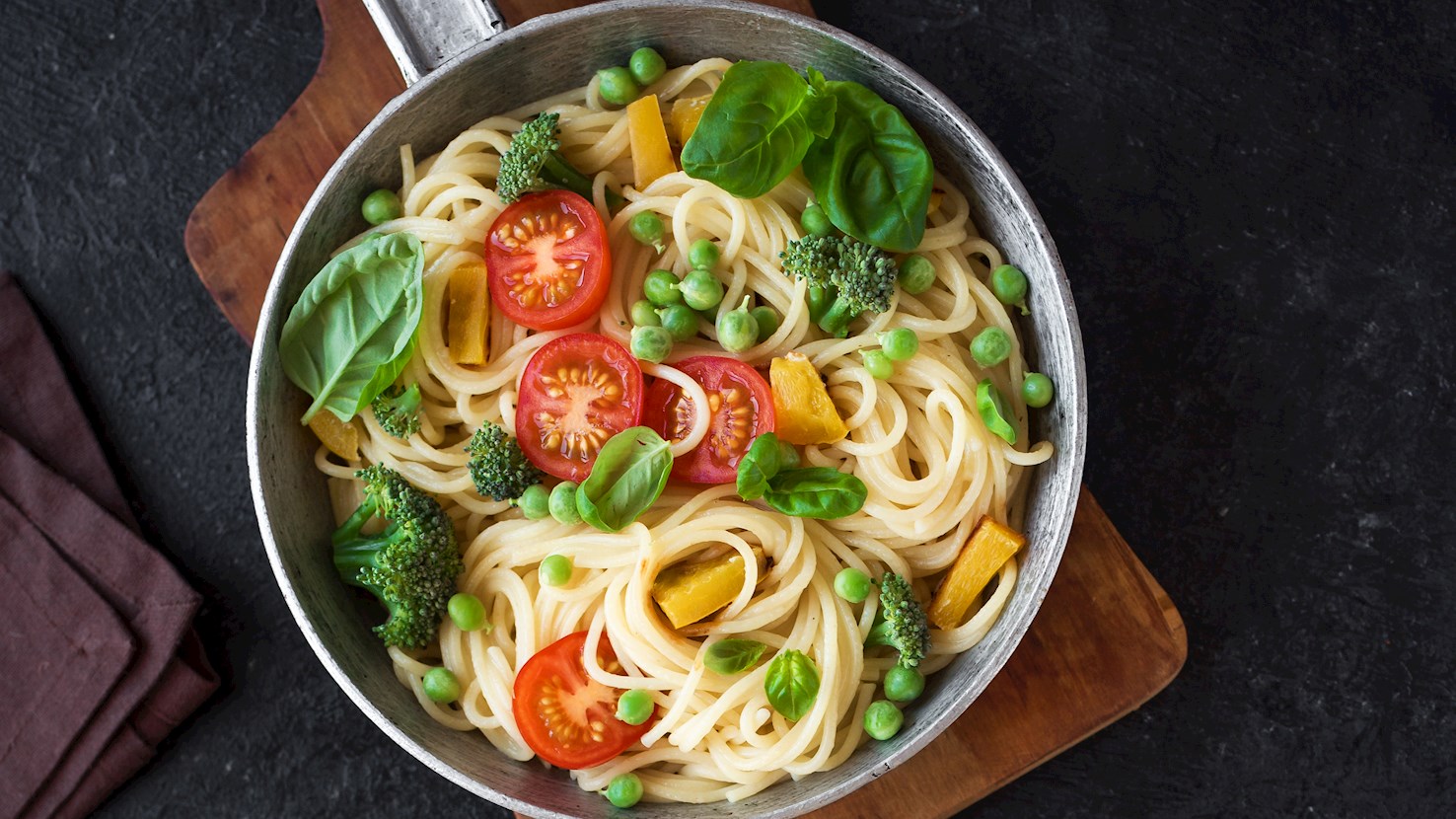
Pasta primavera is a dish combining pasta and lightly cooked vegetables along with some fresh herbs and spices. Despite its Italian-sounding name, the dish was actually invented by Ed Giobbi during his hunting trip to Nova Scotia. He brought the recipe to New York City and gave it to his friends Jean Vernges and Sirio Maccioni, who used it in their new restaurant named Le Cirque. The original pasta primavera incorporated ingredients such as ripe tomatoes, chopped basil, parsley, and garlic, olive oil, and spaghetti. In 1976, it was the most talked-about dish in Manhattan, and it is still popular today.
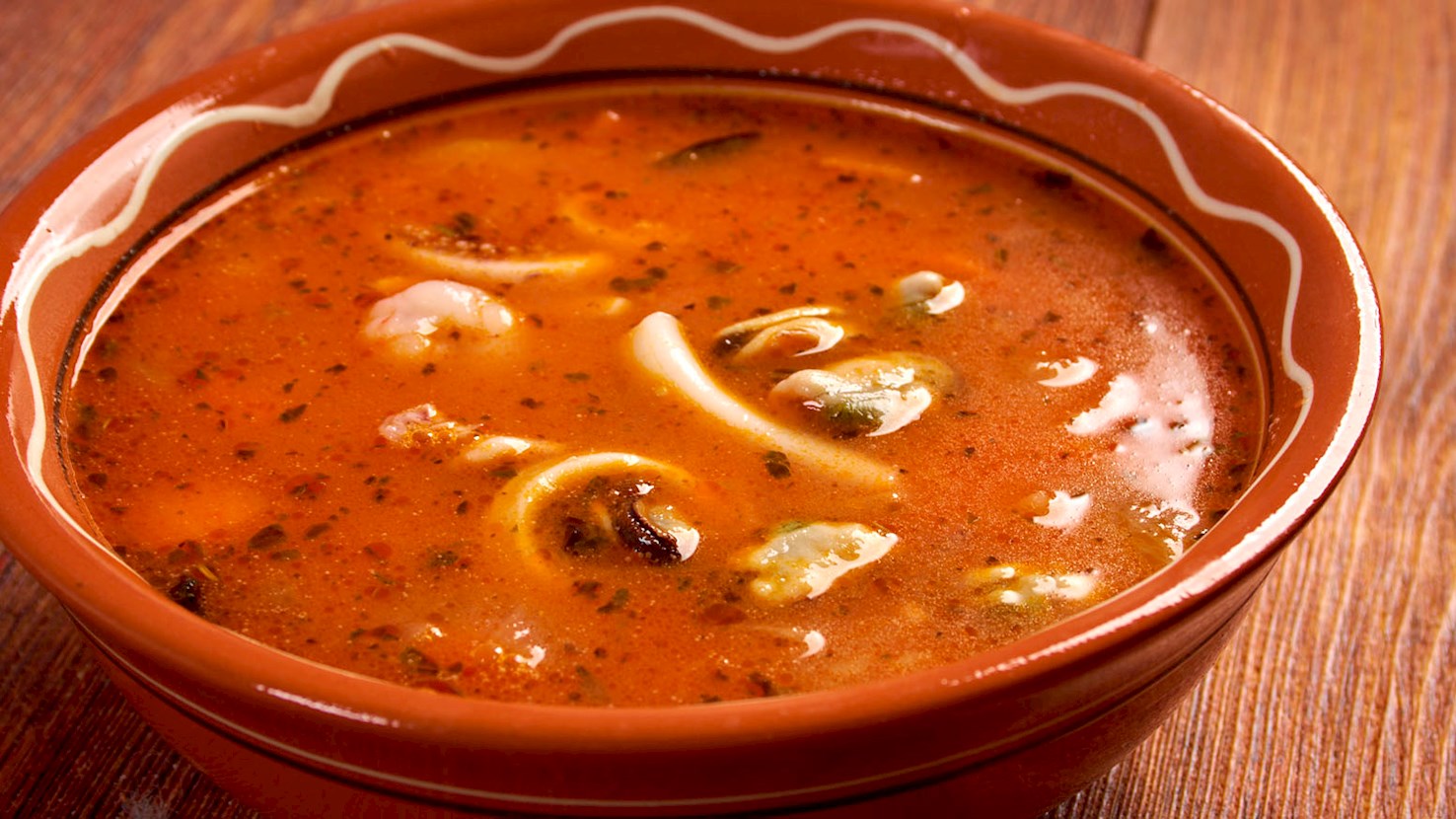
Although New England clam chowder boasts with its salt pork, mollusk, potato, and onion mixture, New Yorkers have their own Manhattan variety of the dish, a light tomato stew similar to minestrone, filled with carrots, onions, potatoes, celery, and lots of large, chopped chowder clams accompanied by aromatic herbs such as thyme, oregano, and pepper. It is said that the flavor significantly improves after a day, so if making it at home, it's best to let it sit and reheat it the next day. As for its origins, some claim that it was invented in Rhode Island regardless of Manhattan in its name and that the original recipe was inspired by immigrants from Italy or Portugal. Since the dish has tomatoes in it, and they were thought to be suspicious, if not poisonous in New England until the mid-1800s, Manhattan clam chowder would have to date back from at least the period after those years. It differs from the New England version as it doesn't have any milk in it, and the New England version doesn't contain tomatoes, so the dish is sometimes called red chowder, while the New England version is called white chowder. The rivalry between the two is so great that in 1939, a bill was introduced in the state of Maine in order to make it illegal to add tomatoes to the dish. Regardless of the dispute, Manhattan clam chowder is a unique and special stew that must be tried, and it's never bad to have two different versions of a universally loved dish.
TasteAtlas food rankings are based on the ratings of the TasteAtlas audience, with a series of mechanisms that recognize real users and that ignore bot,
nationalist or local patriotic ratings, and give additional value to the ratings of users that the system recognizes as knowledgeable.
For the “30 Worst Rated New York Foods” list until September 16, 2026, 7,964 ratings were recorded, of which 7,281 were recognized by the system as legitimate.
TasteAtlas Rankings should not be seen as the final global conclusion about food. Their purpose is to promote excellent local foods,
instill pride in traditional dishes, and arouse curiosity about dishes you haven’t tried.




What People Say