



shutterstock

84 Worst Rated Polish Foods

Last updated on June 17, 2026
01

Żymlok

2.1 ·

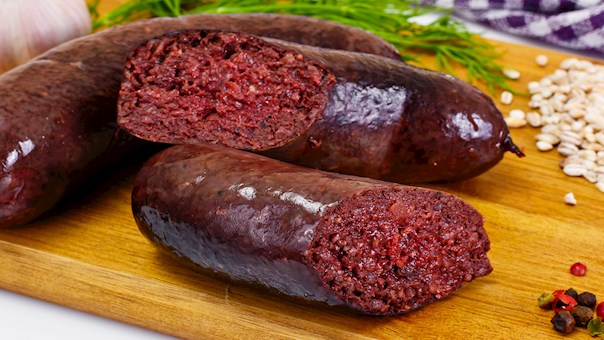
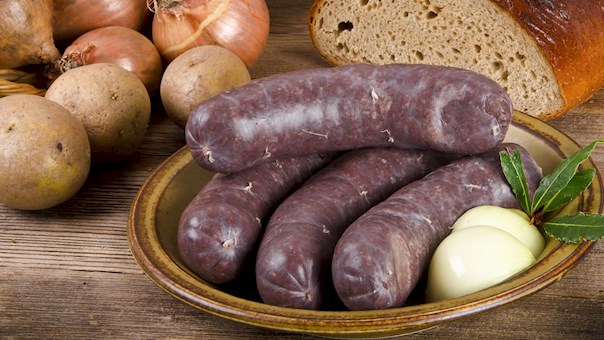
Żymlok is a traditional Silesian blood sausage consisting of a mixture of pork blood, bread rolls, ground pork offal, onions, spices, and seasonings stuffed into intestines. The ground meat is cooked in meat broth and the bread rolls are soaked in the same broth before they are combined and added to the intestines. Bread rolls are called żymła in Silesian and bułka in Polish, hence the name of this sausage. Żymlok is usually flavored with aromatic spices such as marjoram, nutmeg, black pepper, bay leaves, allspice, and juniper berries. Although it appears to be a regular sausage, its consistency is similar to black pudding. It used to be traditionally prepared after St. Martin’s Day, when pigs were slaughtered, and it was then served at various festivities. Not as popular as it once used to be, the sausage can be consumed hot or chilled, typically accompanied by caramelized onions and slices of bread.

02

Czernina

2.5 ·

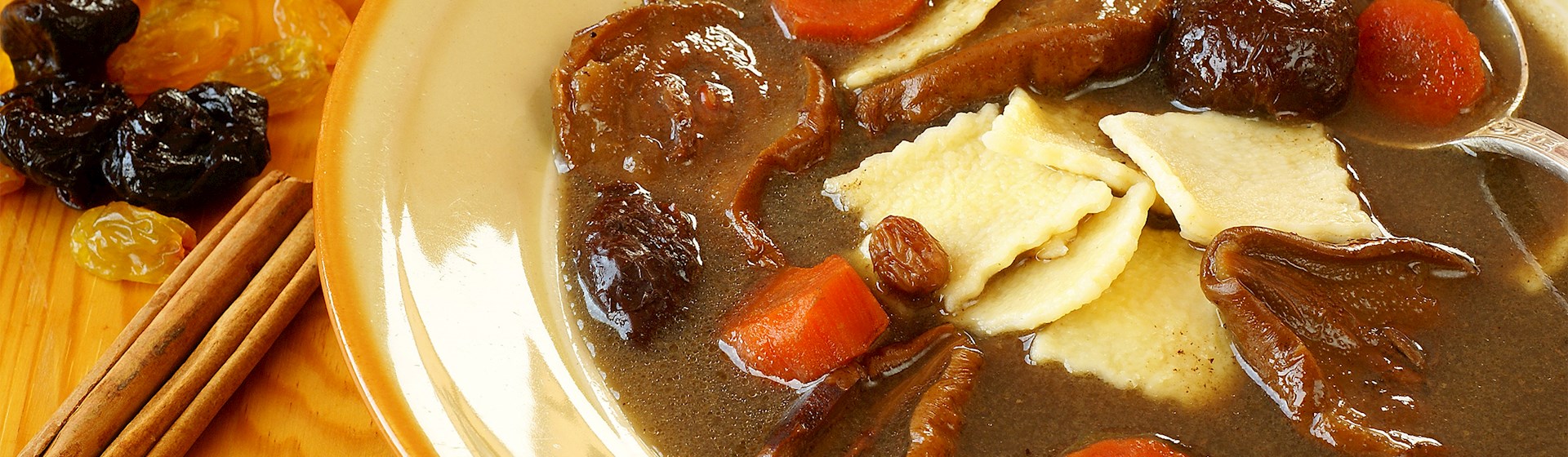
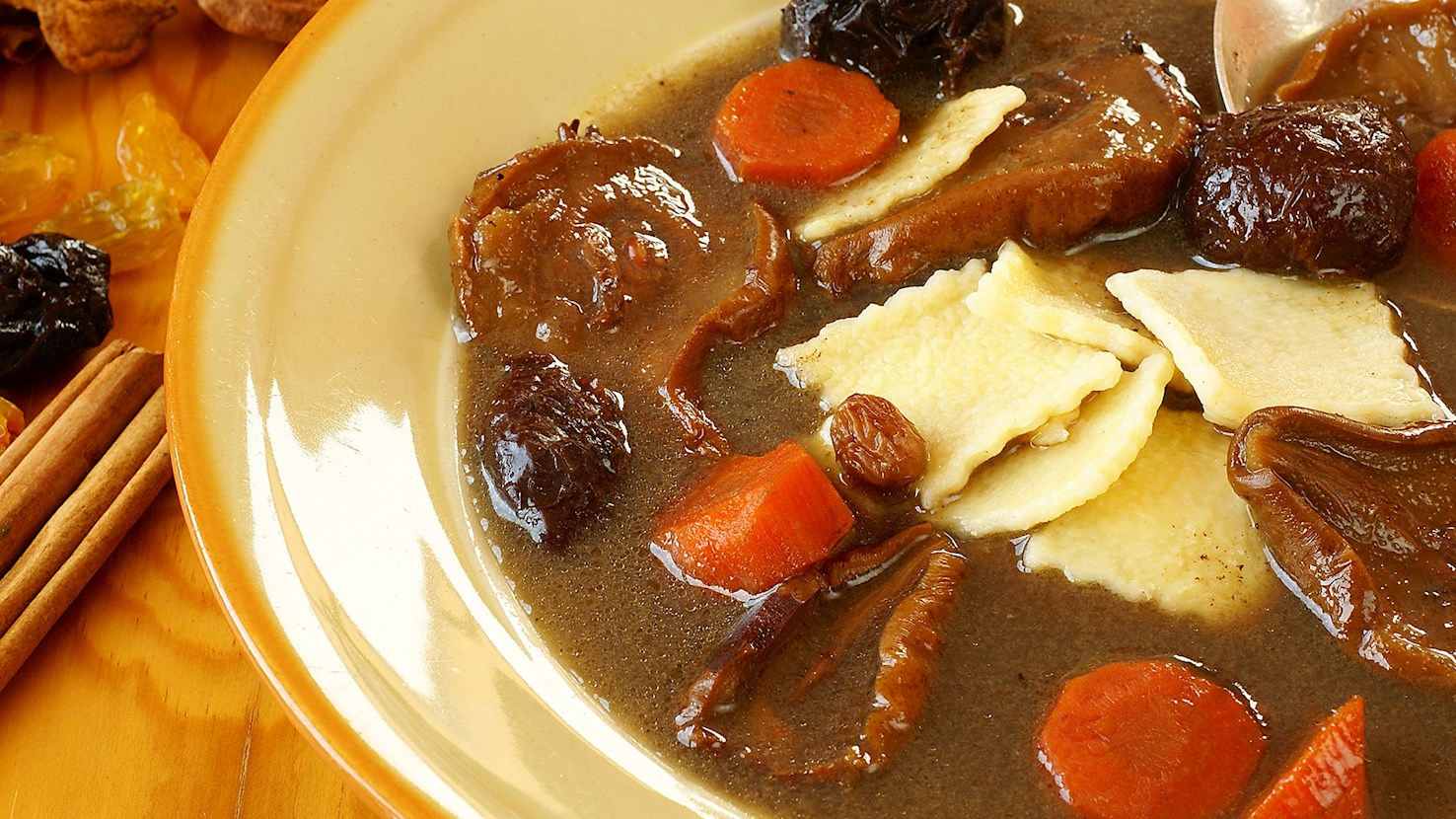
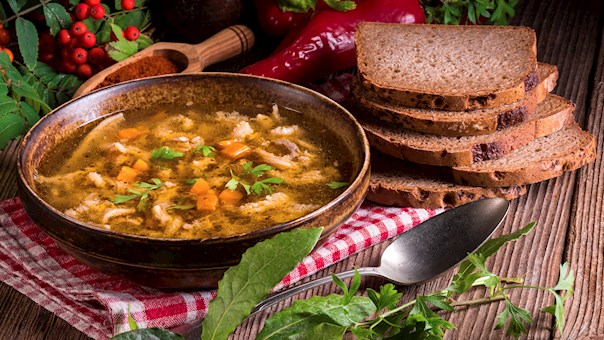
Czernina is a traditional soup prepared with duck or goose blood, which is preserved in vinegar so it would not coagulate. The soup is made with a flavorful duck broth, while the typical additions include dried fruits and a variety of spices such as cloves and allspice. The name of the soups stems from the word czarny, which translates as black and refers to the dark color of the soup. Even though some modern versions occasionally omit the blood and employ other types of meat, czernina should always be tangy, slightly sweet, and dark in color. This hearty soup is traditionally served with pasta or potato dumplings.

03

Kiełbasa parówkowa

2.7 ·

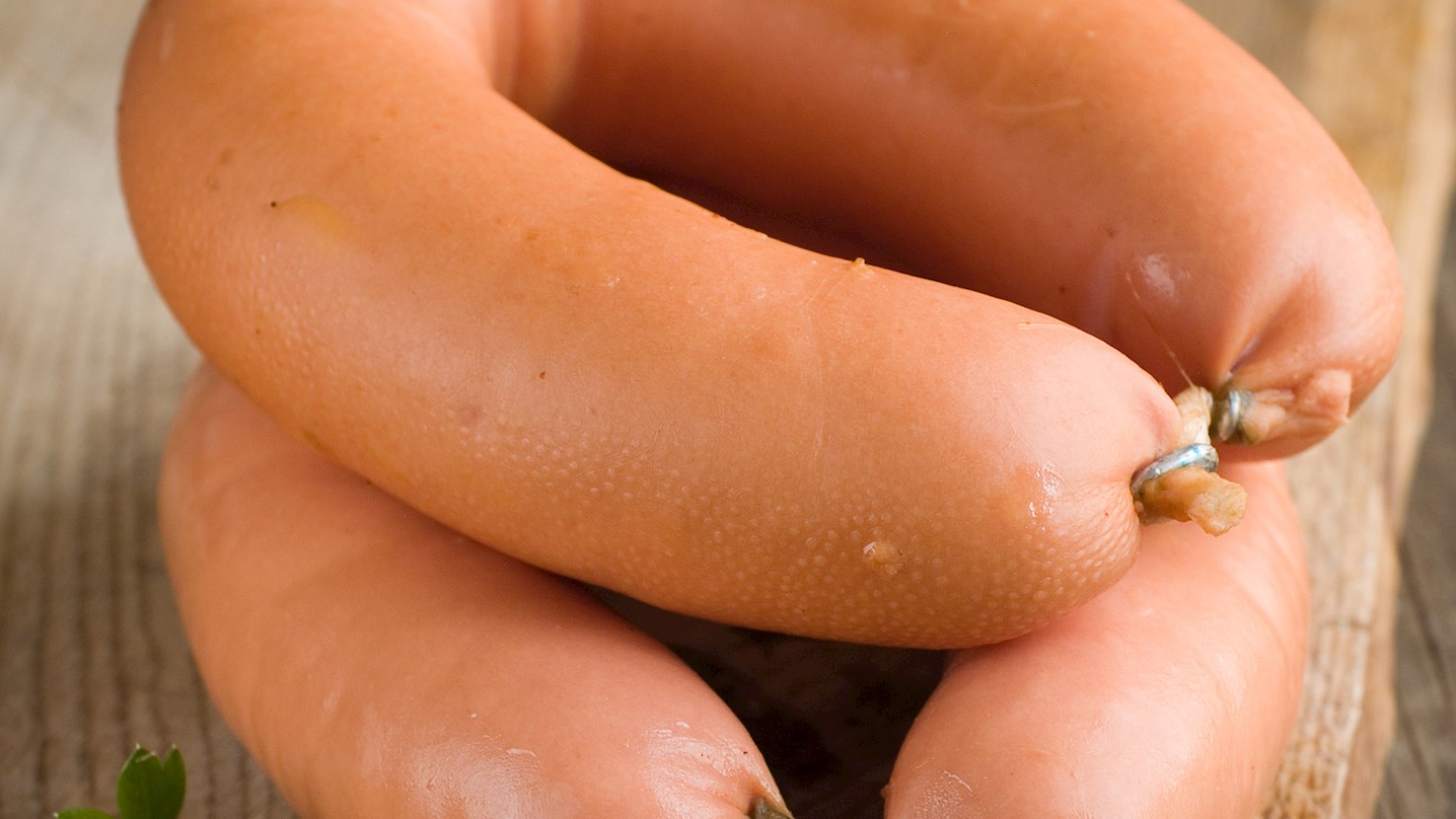
Kiełbasa parówkowa is a traditional pork sausage originating from Poland. These small sausages are usually made with a mixture of semi-fat pork, jowls, salt, nutmeg, garlic, paprika, and white pepper. The meat and fat is ground, emulsified with cold water or crushed ice, and then mixed with ground jowls and the rest of the ingredients. The mixture is stuffed into casings, and the sausages are linked, coiled, and hung at room temperature before they're hot-smoked until light brown. Parówkowa is shortly boiled in hot water and usually served for breakfast in Poland. The sausages emit steam once they're placed on a plate, hence the name parówkowa.

04

Szałot

2.8 ·

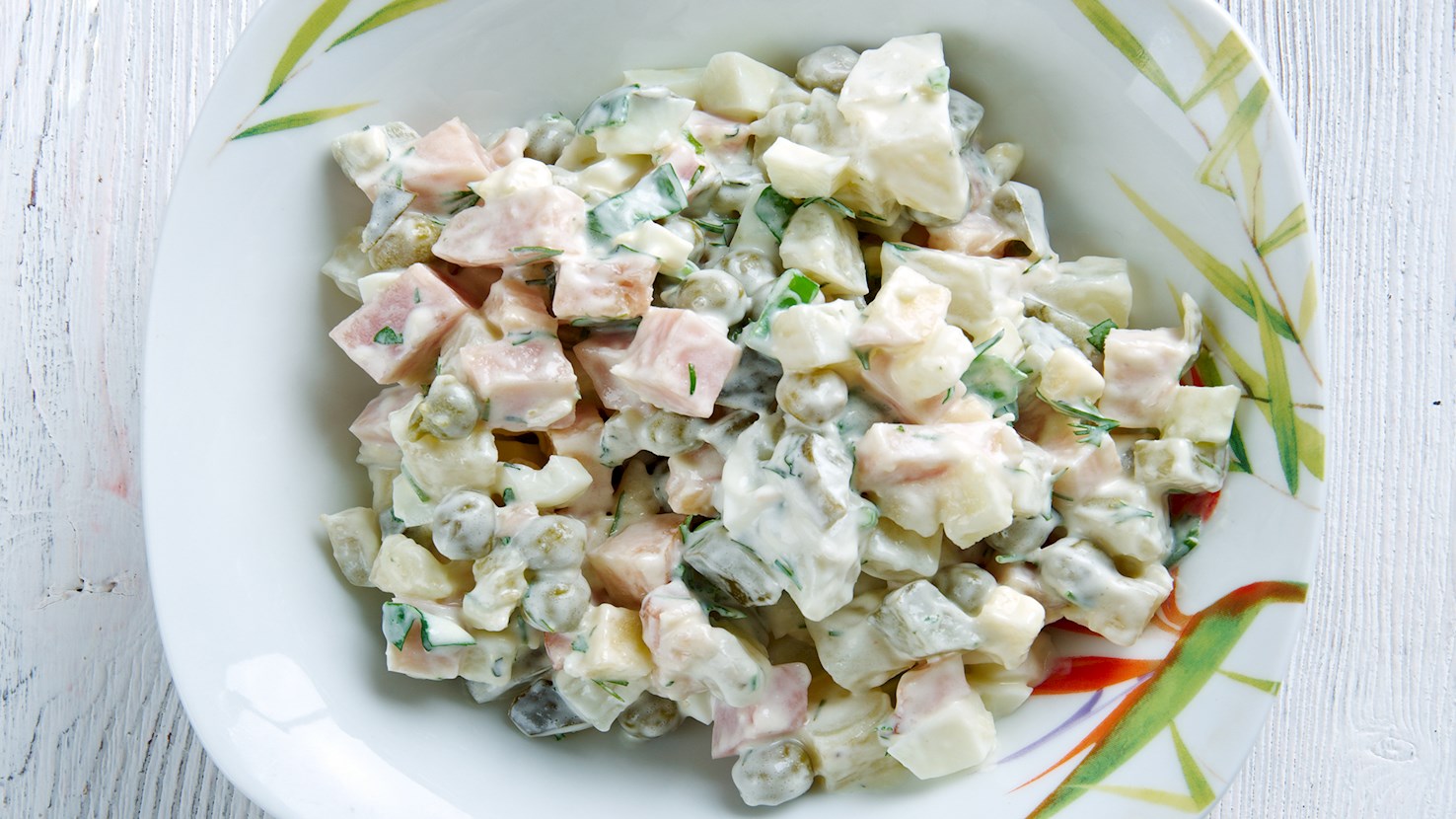
Szałot is a traditional salad in Silesian cuisine that is made with diced boiled potatoes, carrots, pickled cucumbers, peas, hard-boiled eggs, and either bacon, sausages, or brined herring. It is dressed with mayonnaise and seasoned with salt and pepper, with mustard being added as a flavor enhancer. Szałot is very popular in Poland, especially in the historical region of its origin, Silesia. It is usually served cold or at room temperature with a few slices of bread on the side.

05

Sałatka z kukurydzy (Corn Salad)

2.8 ·

Sałatka z kukurydzy is a traditional salad originating from Poland. Although it has many variations, the salad is often made with a combination of corn, flour, butter, sour cream, parsley, and dill. The corn is trimmed away from the cob and boiled until soft. Alternatively, canned corn can also be used. The corn is fried in butter in a skillet over low heat for a few minutes. A mixture of sour cream and flour is added to the skillet and the dish is fried until it starts to boil. The salad is then removed from the heat and garnished with dill and parsley before serving.

06

Moczka

2.8 ·

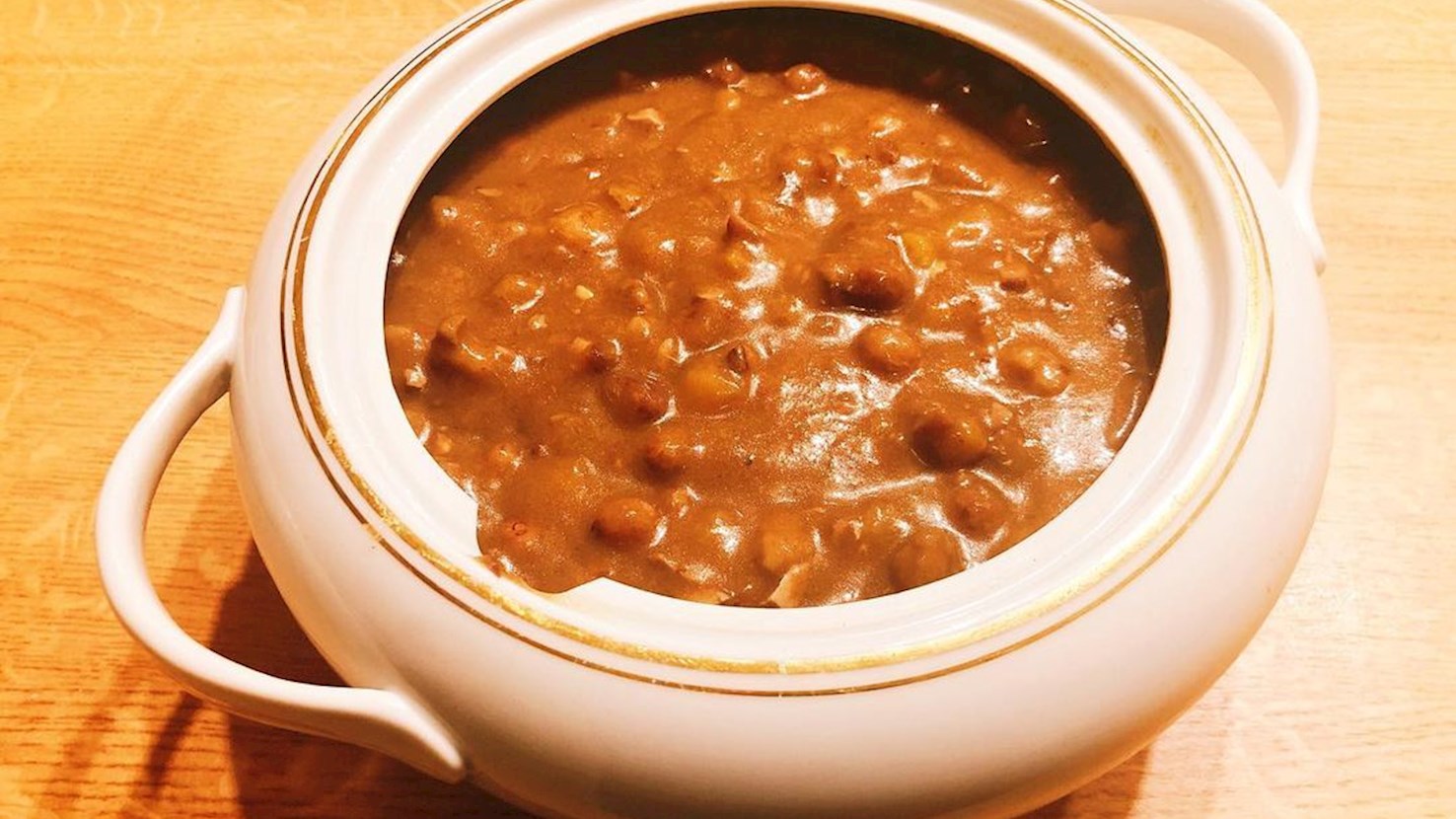
Moczka is a traditional dish originating from Upper Silesia. This dish has so many versions that it's sometimes treated as a dessert and other times as an appetizer. The sweet soup is made with gingerbread that's soaked in dark beer, water, or stock alongside nuts such as almonds, walnuts, or hazelnuts and dried fruit such as raisins, prunes, apricots, figs, dates, or pears. Dark chocolate, butter, and flour are also sometimes added to the sweet soup. Moczka is traditionally prepared during the festive Christmas season and it can be served warm or cold.

07

Pieczeń z mięsa mielonego

2.9 ·

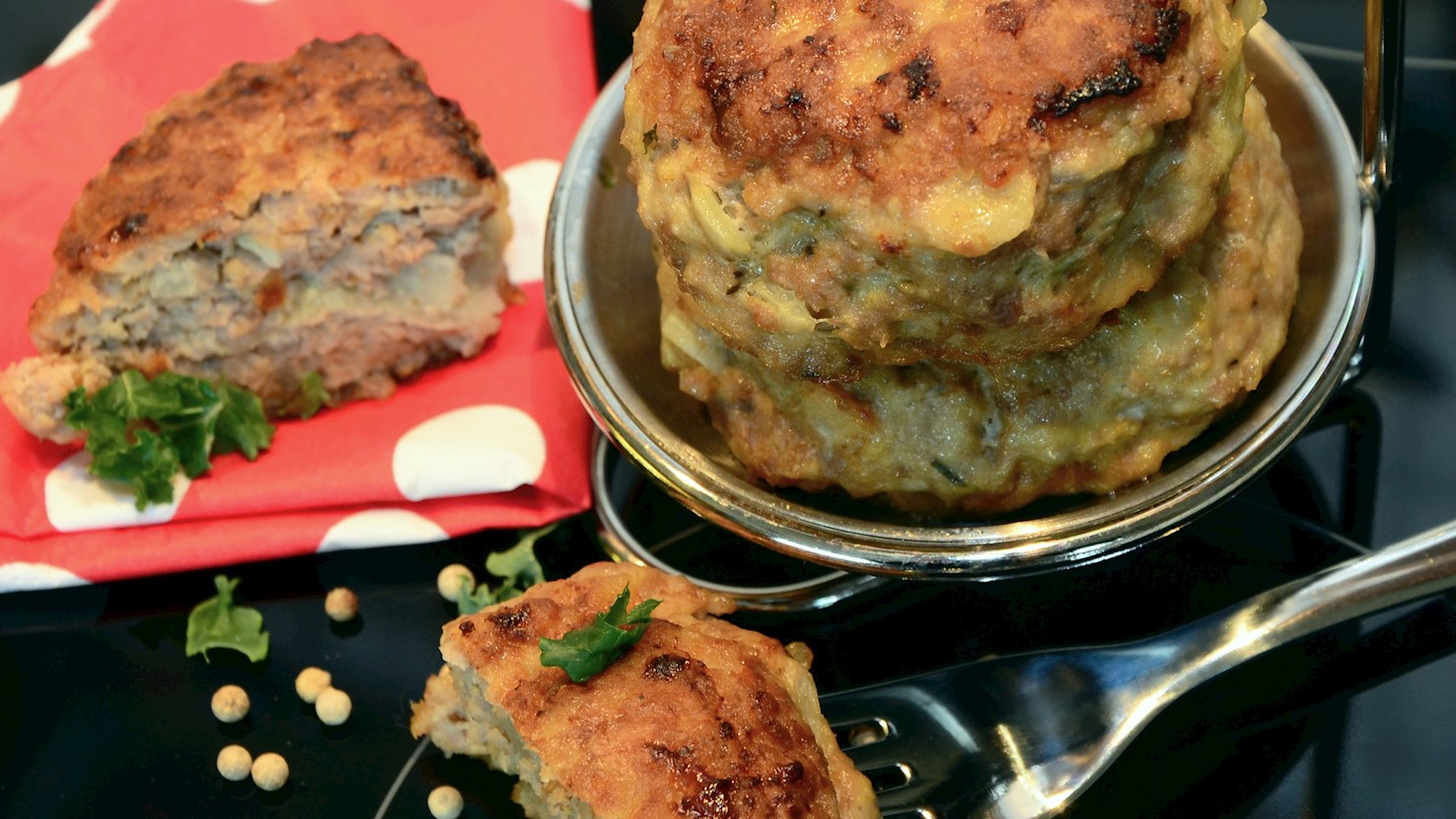
Pieczeń z mięsa mielonego is a traditional meatloaf made with ground meat, bread, chopped onions, garlic cloves, and eggs. Salt, pepper, and dried herbs are added to the ground meat mixture, which is then placed in a greased baking dish or a bread pan, and baked in the oven until nicely browned on the surface. The meatloaf can also be stuffed with yellow cheese and wrapped in bacon slices for added flavor. Polish meatloaf is usually eaten warm for lunch, accompanied by baked potatoes and fresh salads.

08

Zupa truskawkowa (Strawberry Soup)

3 ·

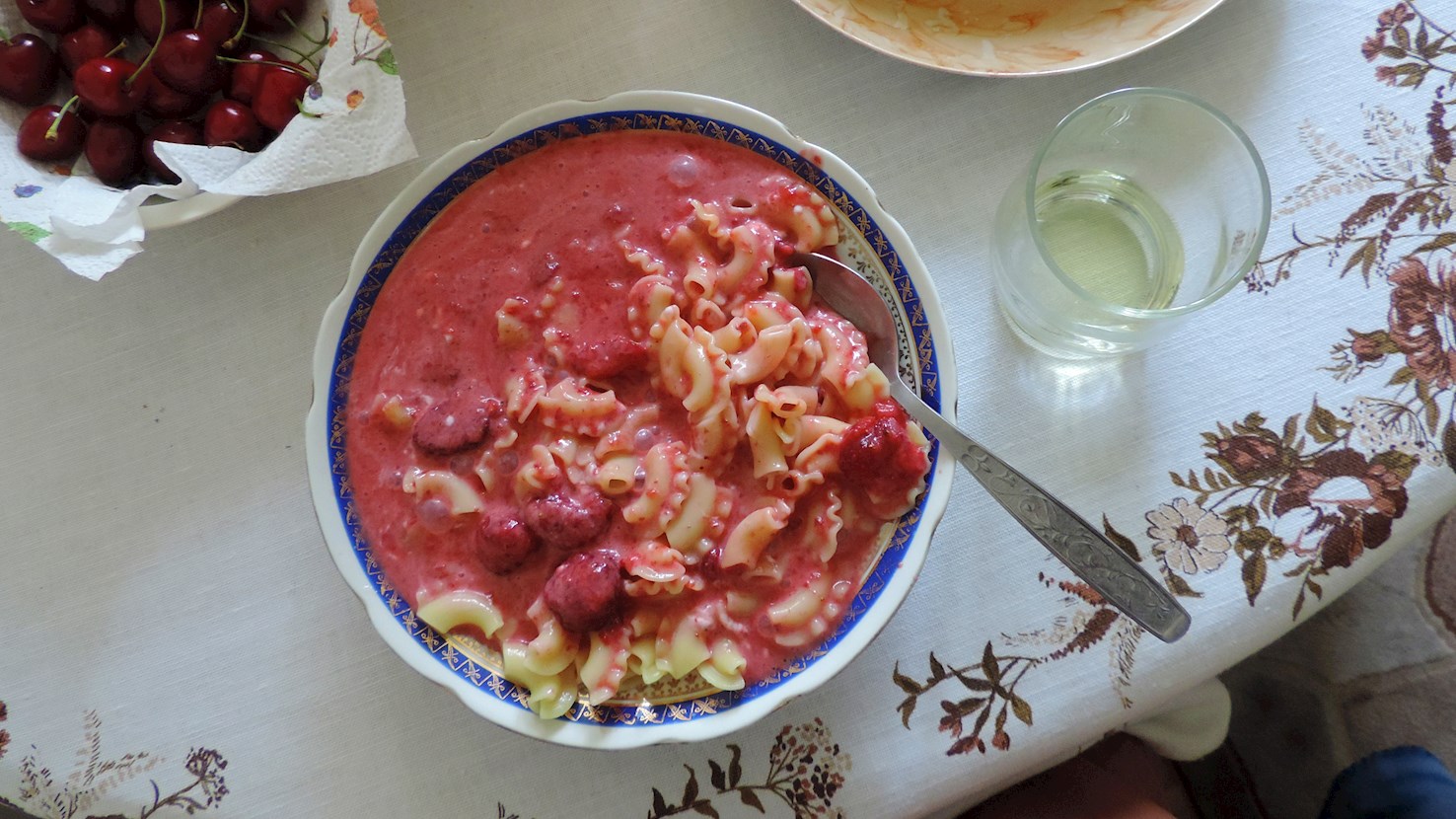
Zupa truskawkowa is a traditional fruit-based soup originating from Poland. It's usually made with a combination of frozen or fresh strawberries, sugar, and optional ingredients such as noodles, sour cream, and mint leaves. The sugar is dissolved in water, the strawberries are cut into cubes and added to the pot, and the mixture is boiled over low heat. Once cooled, the soup is mixed or puréed until smooth in consistency. Some of the reserved strawberries are then added to zupa truskawkowa, and it's reheated and cooked over low heat for a few more minutes. The soup can be served hot or chilled and its flavors are often elevated with the addition of sour cream, noodles, or fresh mint leaves.

09

Kartoflanka

3 ·

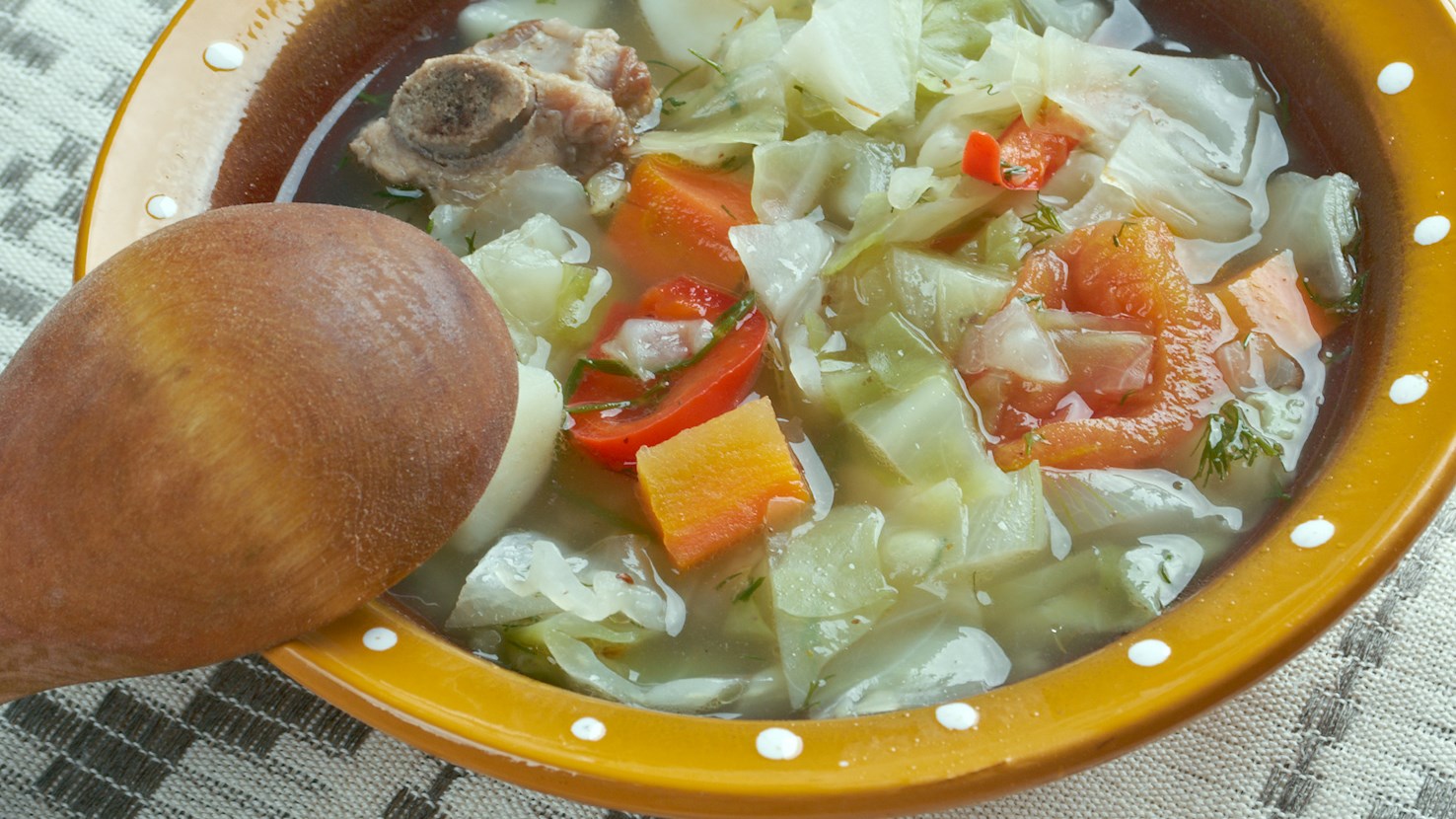
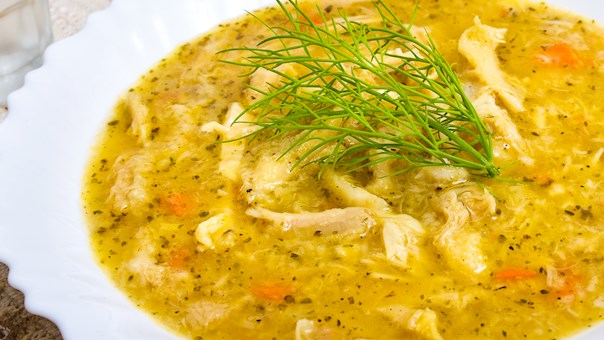
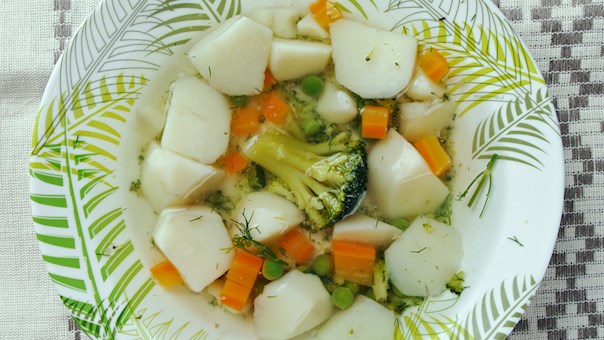
This traditional Polish potato soup is incredibly versatile and apart from potatoes, it can incorporate various root vegetables, mushrooms, or smoked meat. The choice of ingredients is easily adjusted to personal preferences, but all the varieties are cooked in flavorful meat or vegetable broths, then usually thickened with cream. Garnished with chopped parsley or dill and always served hot, this thick, hearty soup is enjoyed as a nutritious appetizer.

10

Wodzionka

3 ·

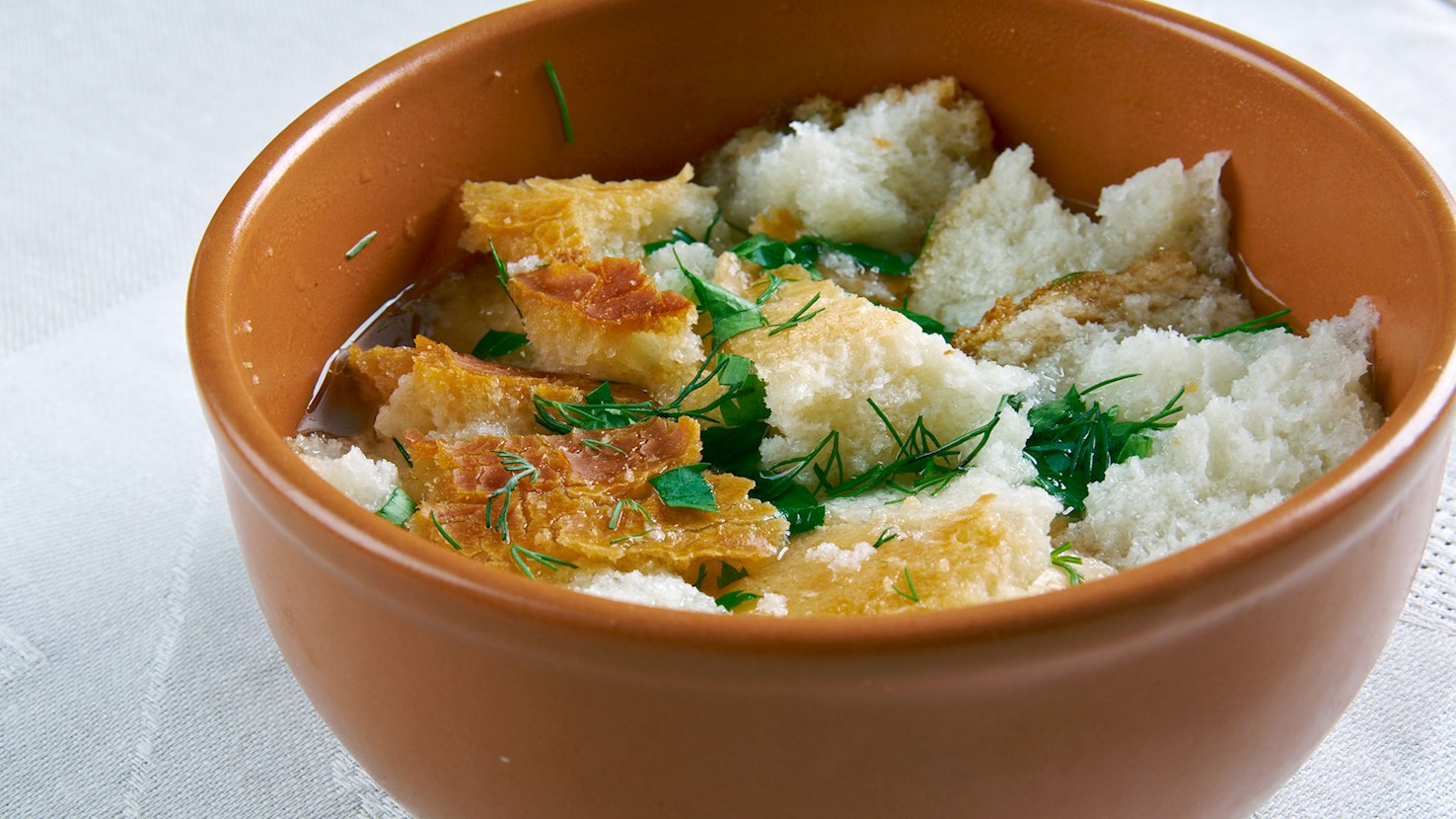
Wodzionka is a traditional Silesian soup made with stale bread. The type of bread used is ideally a more dense and heavy one, such as sourdough bread, and it should be several days old. The bread is soaked in water or broth, and then melted pork fat, garlic, bay leaves, salt, and pepper are added to the pot. Butter and cream can also be used. It is said that this dish was traditionally enjoyed in autumn or winter, when milk was scarce.

Read more
View all
View map
About this ranking

TasteAtlas food rankings are based on the ratings of the TasteAtlas audience, with a series of mechanisms that recognize real users and that ignore bot, nationalist or local patriotic ratings, and give additional value to the ratings of users that the system recognizes as knowledgeable. For the “84 Worst Rated Polish Foods” list until June 17, 2026, 22,548 ratings were recorded, of which 17,543 were recognized by the system as legitimate. TasteAtlas Rankings should not be seen as the final global conclusion about food. Their purpose is to promote excellent local foods, instill pride in traditional dishes, and arouse curiosity about dishes you haven’t tried.

Similar lists