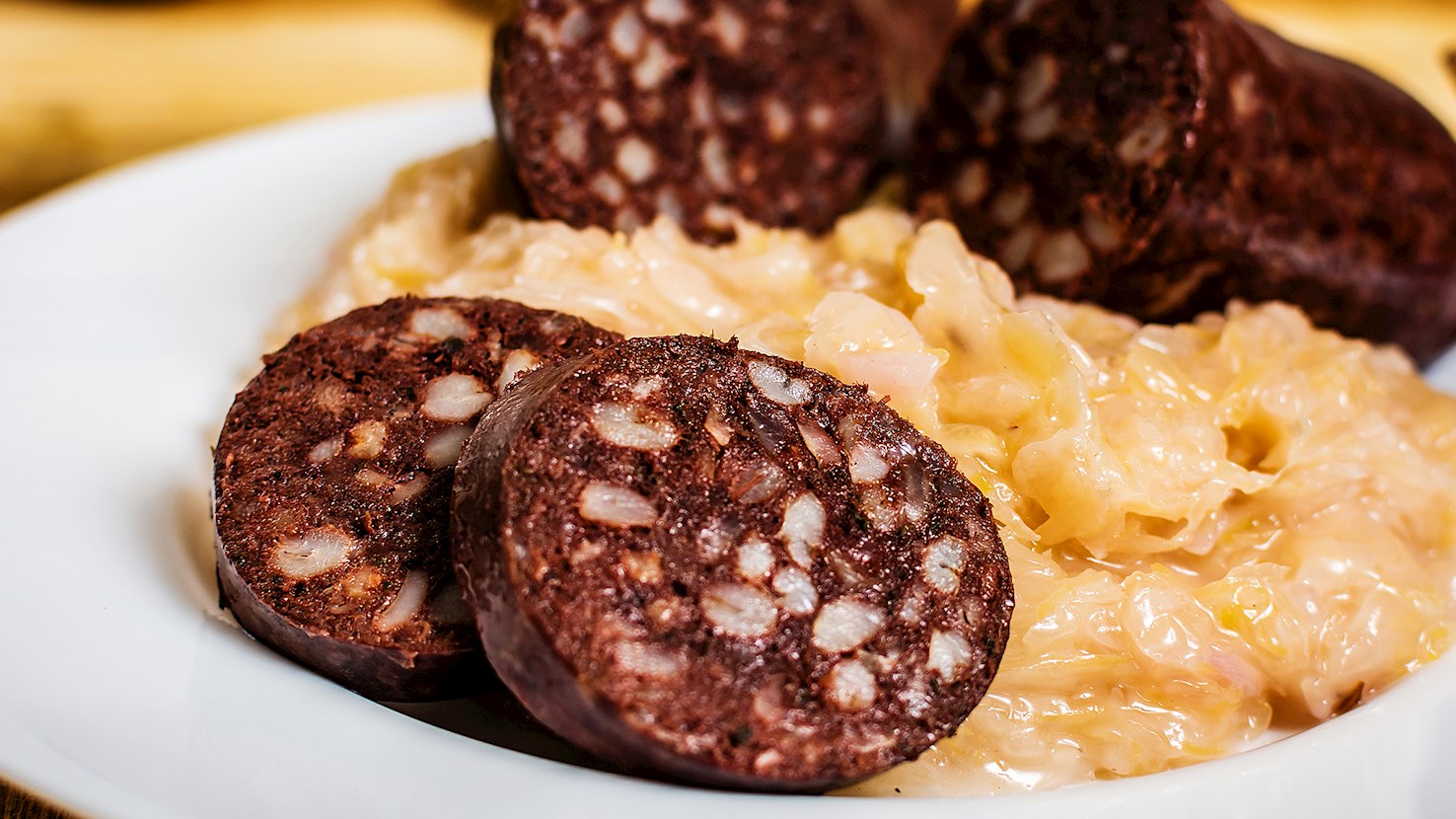
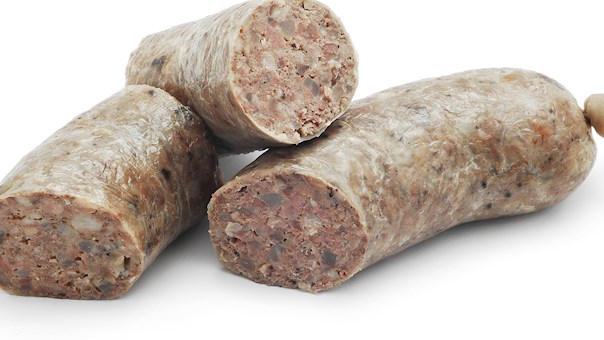
Sângerete is a type of traditional Romanian blood sausage, which is typically boiled. It consists of a mixture of pork blood combined with ground pork meat, fat, and spices. Often seasoned with garlic, thyme, allspice, coriander, or nutmeg, the sausage can also contain boiled rice as a filler. Romanian blood sausages are also called cârnaţi cu sânge, from the Romanian sânge, meaning blood in English. Due to the pork blood, the sausages are very juicy and have an exquisite flavor. Although each region in Romania has its own version of blood sausages, they are especially popular in Transylvania. In Romania, blood sausages are traditionally eaten during Christmas.
Papricaș de pește is a traditional paprikash made with fish. It usually consists of cooked boneless fish that is cut into pieces, and then stewed with garlic, chopped onions, sweet paprika, tomatoes or tomato paste, white wine, seasonings, and some broth. Fish paprikash is typically consumed hot, with chopped parsley sprinkled on top. Typical accompaniments to this dish include traditional Romanian polenta, potatoes, or crusty bread.
Chiftele de pește are fish patties or fish balls, usually seasoned with garlic, onion, and fresh herbs, then fried until the outside is browned and the inside is tender. They are particularly associated with the Danube and its delta, where freshwater fish supplies the filling for many dishes made with meat elsewhere in the country. Carp, pike, and crucian carp are common choices, though the name refers to a way of preparing fish rather than a recipe limited to one species. The mixture commonly includes egg and softened bread, and it can be shaped into small rounds for an appetizer platter or broader, slightly flattened patties for a main course. Dill and parsley leave green flecks through the pale interior, while garlic gives the mild fish a more assertive flavor. The dish belongs to the wider Romanian family of chiftele, which encompasses minced meat and vegetable preparations as well as fish. Its exact date and place of invention are not securely documented, and it is better understood as part of the cooking of fishing households along the lower Danube than as a single origin story. In Dobrogea and the Danube Delta, fish is prepared in soups, stews, stuffed dishes, spreads, and minced mixtures, with different species used according to availability and the requirements of the dish. Chiftele provide a practical use for smaller pieces of flesh that do not need to remain intact as steaks or whole fillets. They also let cooks combine fish with different textures: lean pike yields a delicate mixture, while carp adds more richness. This flexibility has helped the dish remain familiar beyond the fishing regions, where cooks also use purchased fillets of hake, cod, or other fish. Preparing the flesh is the most demanding part of making chiftele from a whole freshwater fish. Skin, the backbone, ribs, and fine bones must be removed carefully before the meat is minced. Grinding creates the texture needed for the patties, but it doesn't replace proper deboning. A meat grinder produces a relatively even mixture; a food processor can also be used, although prolonged processing turns the flesh into a paste and reduces the distinction between the fish and the other ingredients. Many preparations start with raw fish, which cooks after the patties are shaped, rather than flaking cooked fish into mashed potatoes. Softened bread is an important part of many Romanian versions. The crumb is soaked in water or milk and squeezed before being mixed or ground with the fish. It retains moisture and softens the texture, helping lean fish stay tender when fried. Breadcrumbs are another option, but their quantity needs restraint: too much bread makes the patties heavy and weakens the fish flavor. Egg helps the mixture hold together as it cooks. Onion may be grated or finely minced so that it blends into the filling, and garlic is crushed or passed through the grinder with the other ingredients. Dill, parsley, salt, and pepper form a common seasoning combination; thyme, chili, lemon zest, or a little nutmeg appear in individual recipes but aren't essential. The mixture should hold its shape while remaining soft. Wet or lightly oiled hands make it easier to form portions without adding excessive flour. Many cooks dust lightly with flour before frying, while others use breadcrumbs for a more pronounced crust. Flattening larger portions helps the center cook before the exterior becomes too dark. Small rounds can be fried in deeper oil, while flattened patties cook easily in a skillet and are turned once the underside sets. Moderate, steady heat gives the fish time to cook through while the coating browns; overcrowding the pan lowers the oil temperature and makes the surface less crisp. Oven-baked versions are also made, usually with a little oil on the tray or on the patties, though their exterior differs from the crust frying produces. Another established preparation finishes the cooked fish balls in a tomato-based sauce. These are often called chiftele marinate, a name that, in this context, describes a sauced dish rather than raw fish in a marinade. The sauce softens the fried surface and makes the patties suitable for serving with mashed potatoes, rice, or bread. Plain chiftele de pește can be eaten hot or cold and fit among the fish appetizers served in the Danube Delta, alongside roe spreads, smoked fish, and fish zacuscă. Small portions suit a shared platter, while larger patties make an everyday lunch with potatoes and a fresh salad. Lemon wedges or a garlic-and-yogurt sauce are useful accompaniments that don't require another cooked dish. For a regional wine pairing, a dry Dobrogean white, including Aligoté, works well with the fried crust, herbs, and mild fish.
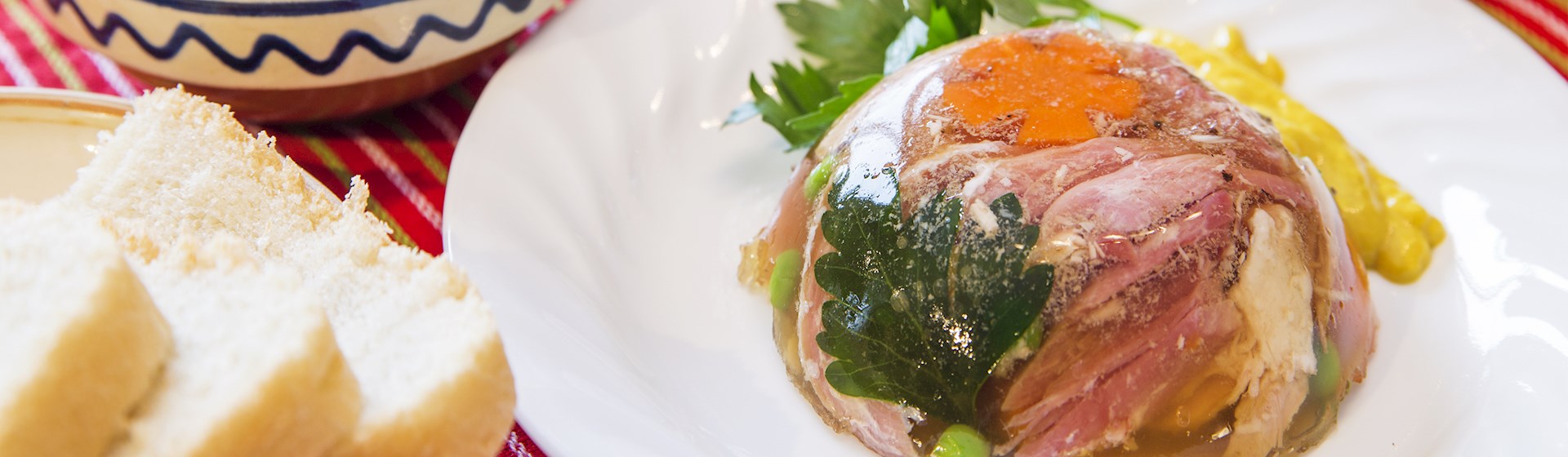
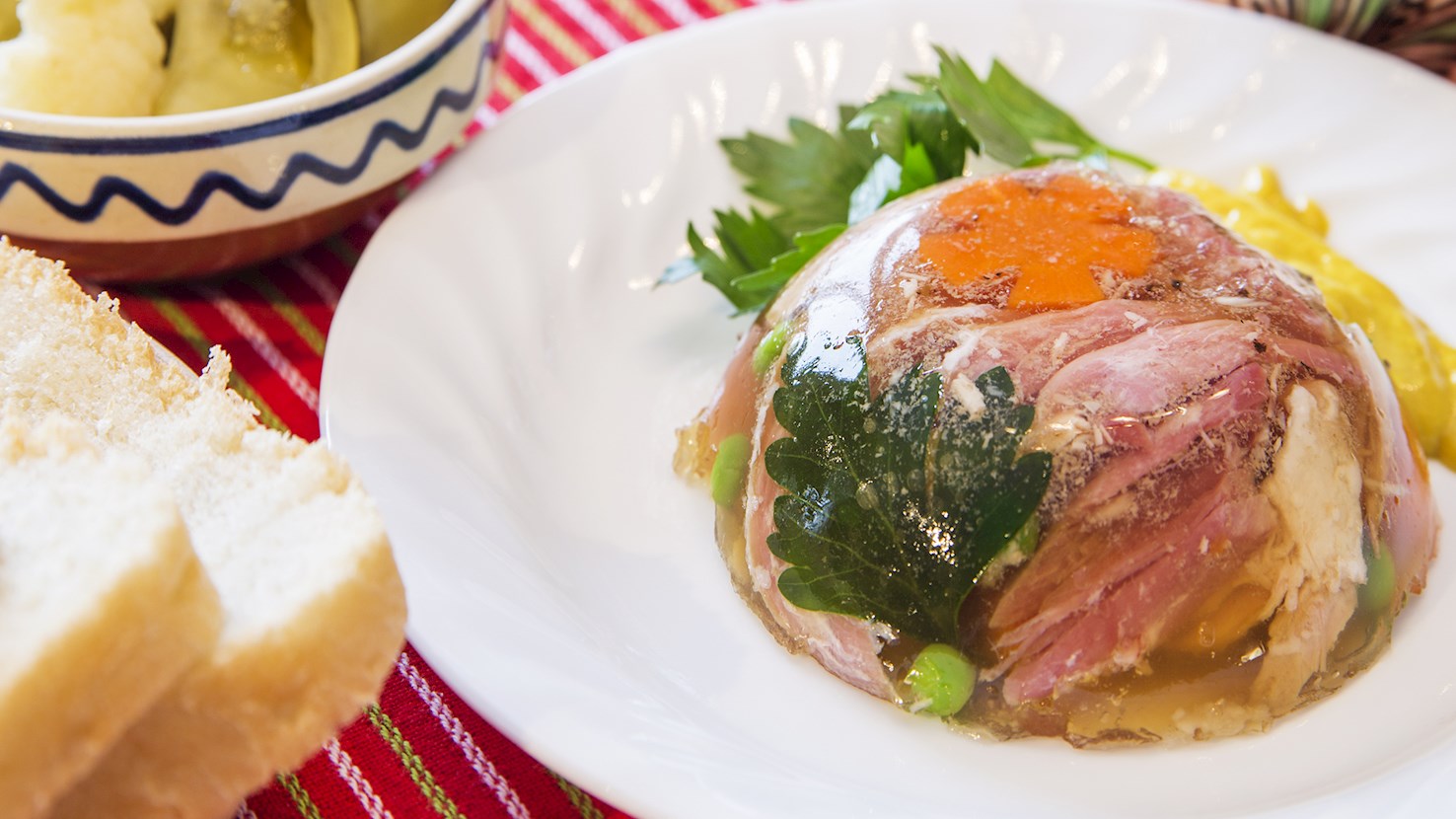
Piftie, more commonly called răcitură in the north of the country, is a traditional meat aspic made with meat parts, usually pork or chicken, boiled along with chopped vegetables, garlic, and bay leaves. Chunks of cooked meat parts, diced boiled carrots, minced garlic, and (optionally) chopped parsley are placed in a mold or a deep bowl, then topped with meat broth. The garlicky dish is then refrigerated and allowed to congeal, developing a gelatinous consistency. In Romania, this dish is typically prepared during the winter season and it is traditionally served as an appetizer on holidays such as Christmas, New Year's Eve, and Easter. This dish is also consumed in Moldova and Macedonia, called răcitură and piftija or pacha, respectively.
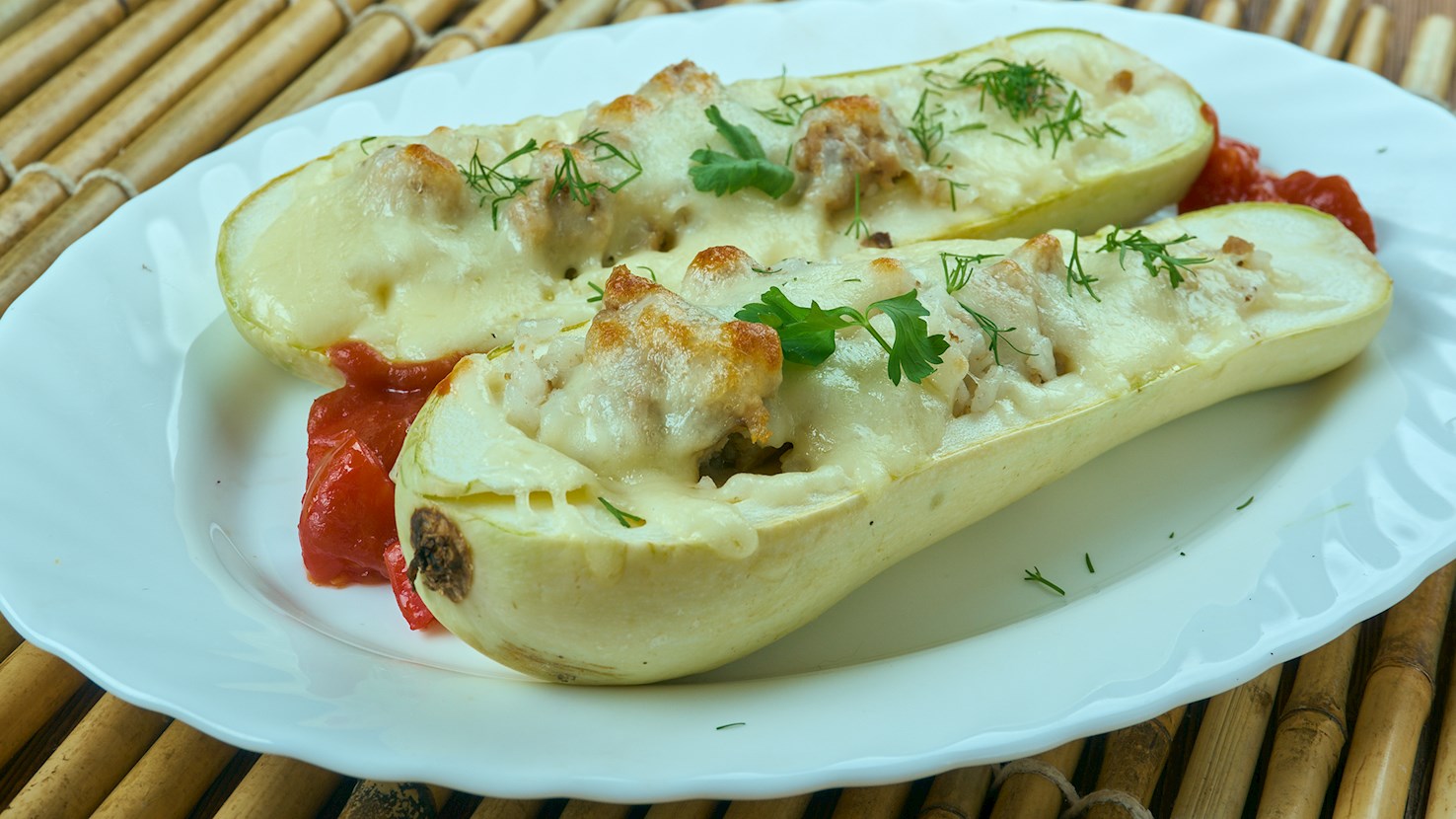
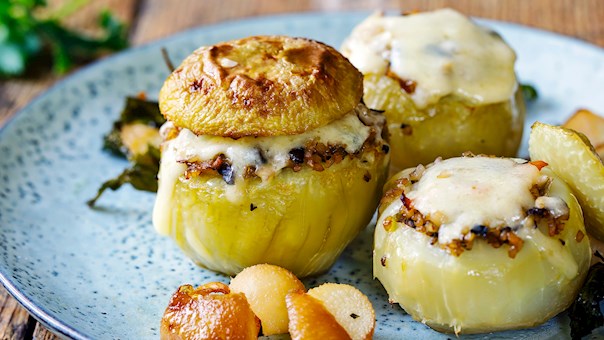
Dovlecei umpluți translates to stuffed zucchini, a common home-cooked dish from Romania in which hollowed zucchini are filled with minced meat, rice, onion, and herbs, then simmered or baked, usually with tomatoes or tomato sauce and served with sour cream. Romanian recipes most often use pork or mixed minced meat, although beef and chicken versions are also prepared, while meatless fillings based on rice and vegetables are common as well. The dish belongs to Romania’s wider group of stuffed vegetables, alongside peppers, tomatoes, cabbage leaves, and other vegetables filled with mixtures of meat and rice. Regional recipes show the preparation across the country rather than tying it to one specific locality: stuffed zucchini appear in Moldavian cooking together with stuffed peppers and tomatoes, while Oltenia has a related preparation in which stuffed zucchini are cooked as part of a sour soup. In the most typical Romanian version, medium or small zucchini are washed, trimmed, and hollowed carefully with a spoon so that their walls remain intact. Depending on their shape, they may be cut in halves or kept as short cylinders with the centers removed. The extracted flesh can be added to the sauce or filling rather than discarded. The filling combines minced meat with washed rice, finely chopped onion, salt, pepper, and fresh herbs, especially dill and parsley; some recipes also add egg to bind the mixture or finely chopped pepper for extra flavor. The zucchini are filled loosely enough to leave room for the rice to expand during cooking, then arranged closely in a pot or baking dish. Tomato purée, chopped fresh tomatoes, water, broth, or a combination of these is added around them, and the dish is cooked gently until the zucchini are tender, the rice has softened, and the meat is fully cooked. Some recipes begin on the stovetop and finish in the oven, which concentrates the tomato sauce and lightly browns the exposed surface of the zucchini. Romanian versions vary considerably in their final seasoning. Dill and parsley are especially common, while thyme, garlic, black pepper, and occasionally basil appear in individual recipes. Pork gives the filling a richer texture, while chicken produces a lighter version. Some preparations are finished with grated cheese or a cream-based sauce, but the combination of meat, rice, tomato, herbs, and sour cream remains one of the most recognizable forms. Sour cream is usually added at the table rather than cooked extensively into the filling, providing acidity and richness against the mildly sweet zucchini and tomato sauce. Fresh dill or parsley is commonly scattered over the finished dish. Dovlecei umpluți are generally served hot as a main course, especially during the warmer months when young zucchini and tomatoes are abundant. The soft vegetable casing, rice, and meat make the dish filling enough to stand on its own, although bread is commonly served alongside it to absorb the sauce. A simple cucumber or tomato salad can provide a fresher accompaniment, while pickled vegetables work well with richer pork-based versions. Dry or lightly aromatic Romanian white wines suit the mild zucchini and herbs, while a light red can accompany versions made with pork and a stronger tomato sauce. For a non-alcoholic pairing, mineral water, ayran-style yogurt drinks, or plain cultured milk work well with the sour cream and meat filling. The defining feature of dovlecei umpluți is the balance between the tender zucchini shell and the compact but moist filling of meat, rice, onion, and herbs, with tomato and sour cream providing the characteristic finishing flavors found in many Romanian versions.
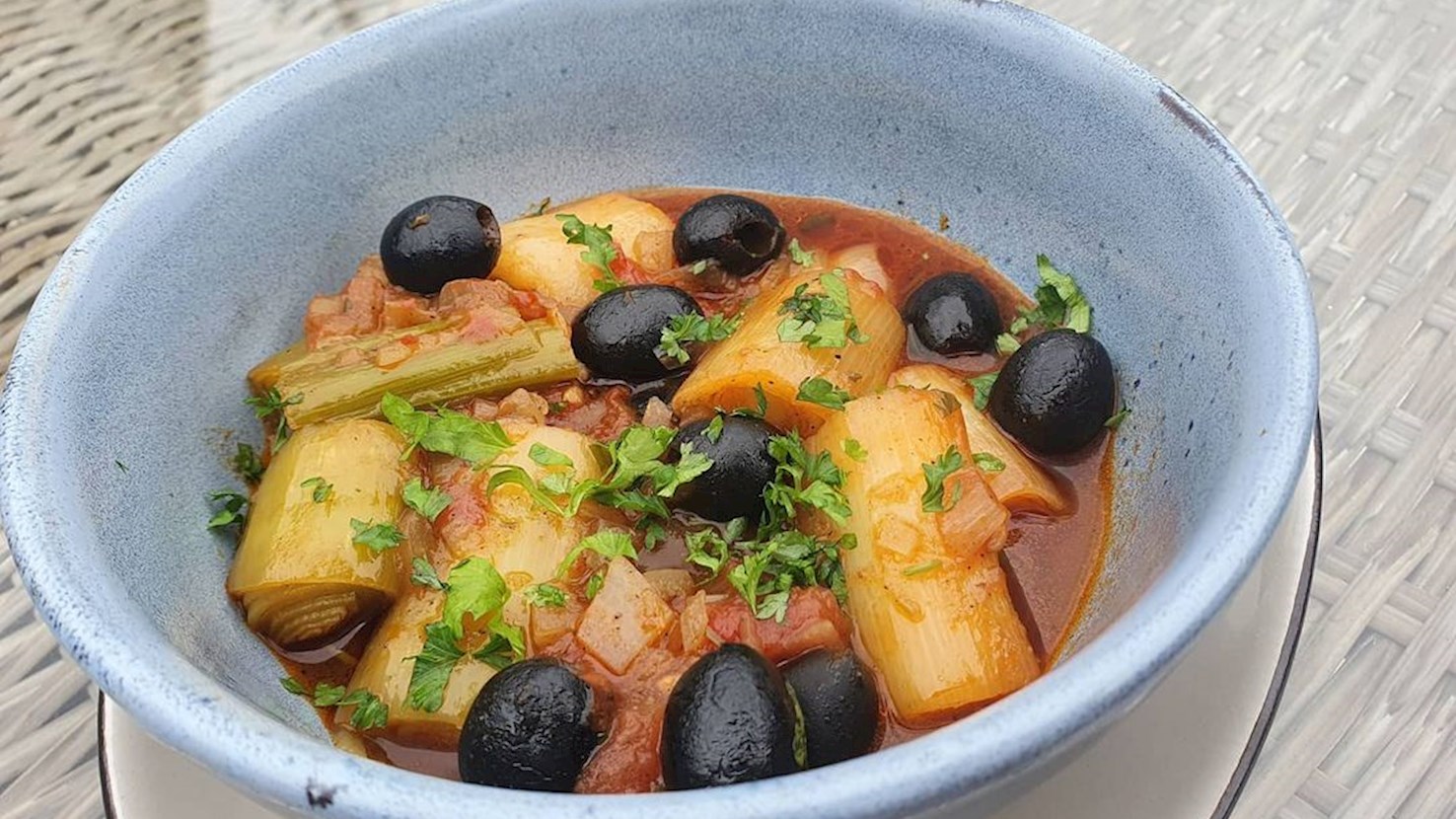
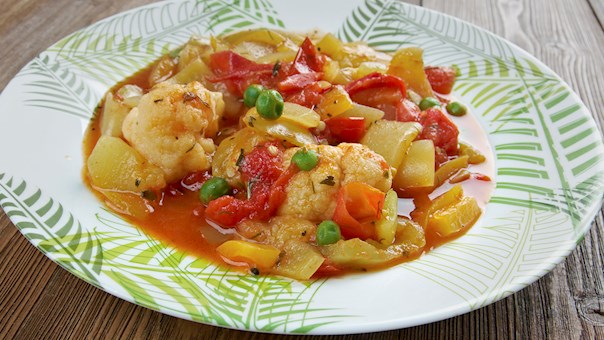
Mâncare de praz is a traditional leek stew. It usually consists of chopped leeks and olives cooked with tomato sauce with onions until the leeks are tender. The stew is typically seasoned with lemon juice and garnished with chopped parsley or dill. A simple meatless dish, this leek stew is usually accompanied by crusty bread on the side.
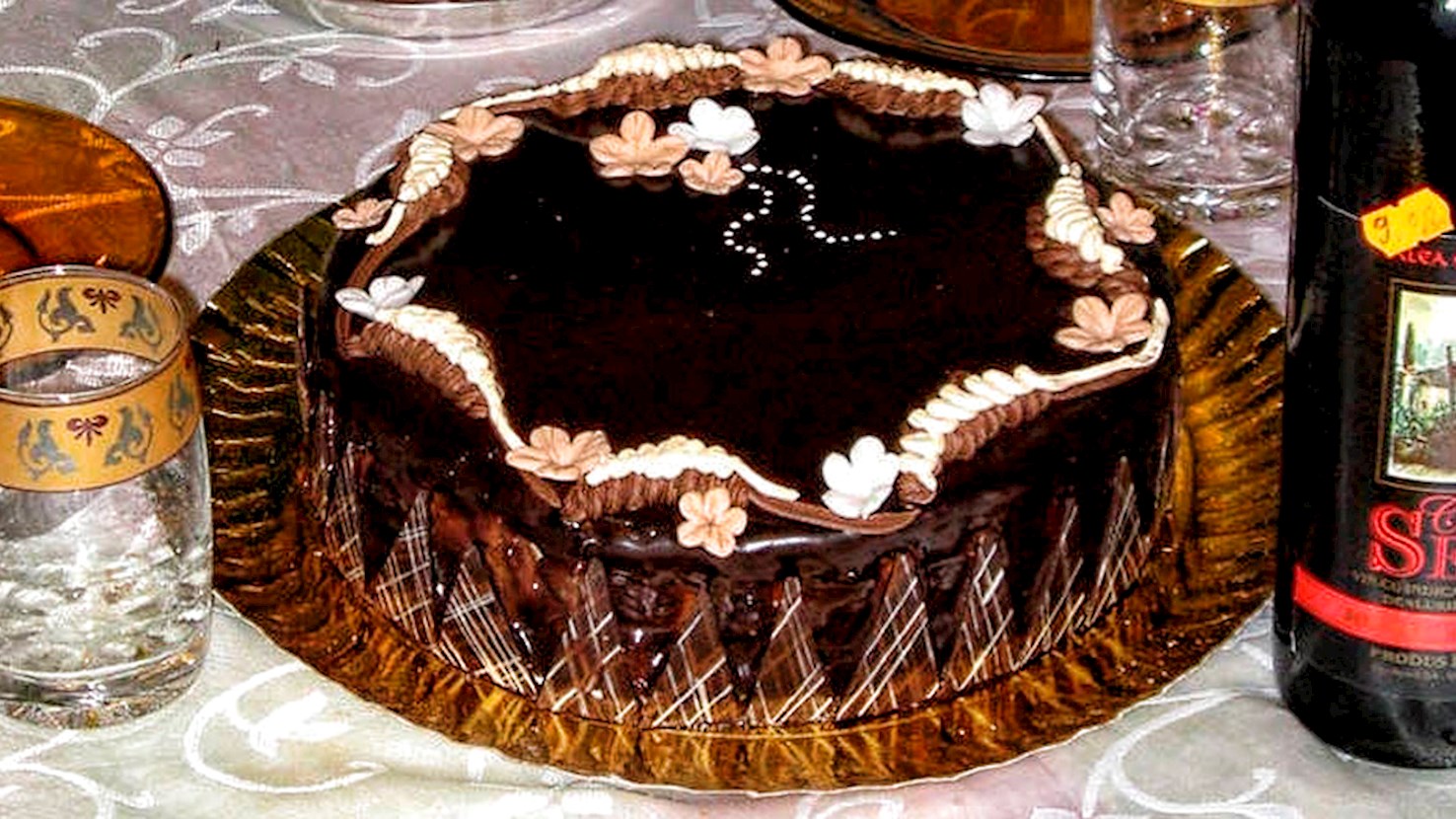
Joffre cake is a rich, layered chocolate and buttermilk cake that was invented in 1920 in Bucharest. Built in 1852, a restaurant, hotel, and cafe called Casa Capsa was thought to be a symbol of Romanian high society, a place where the most special dinner parties in Bucharest took place. When Marshal Joffre, leader of the French army, visited the country in 1920, the Capsa brothers organized a special event in his honor and made a special cake that was named after the Marshall. The size and shape of the cake are thought to be modeled after the French casquettes worn in World War I by the Marshall's troops. The cake was a great success, and it still is today, supported by the saying "one piece of Joffre is always followed by another one."
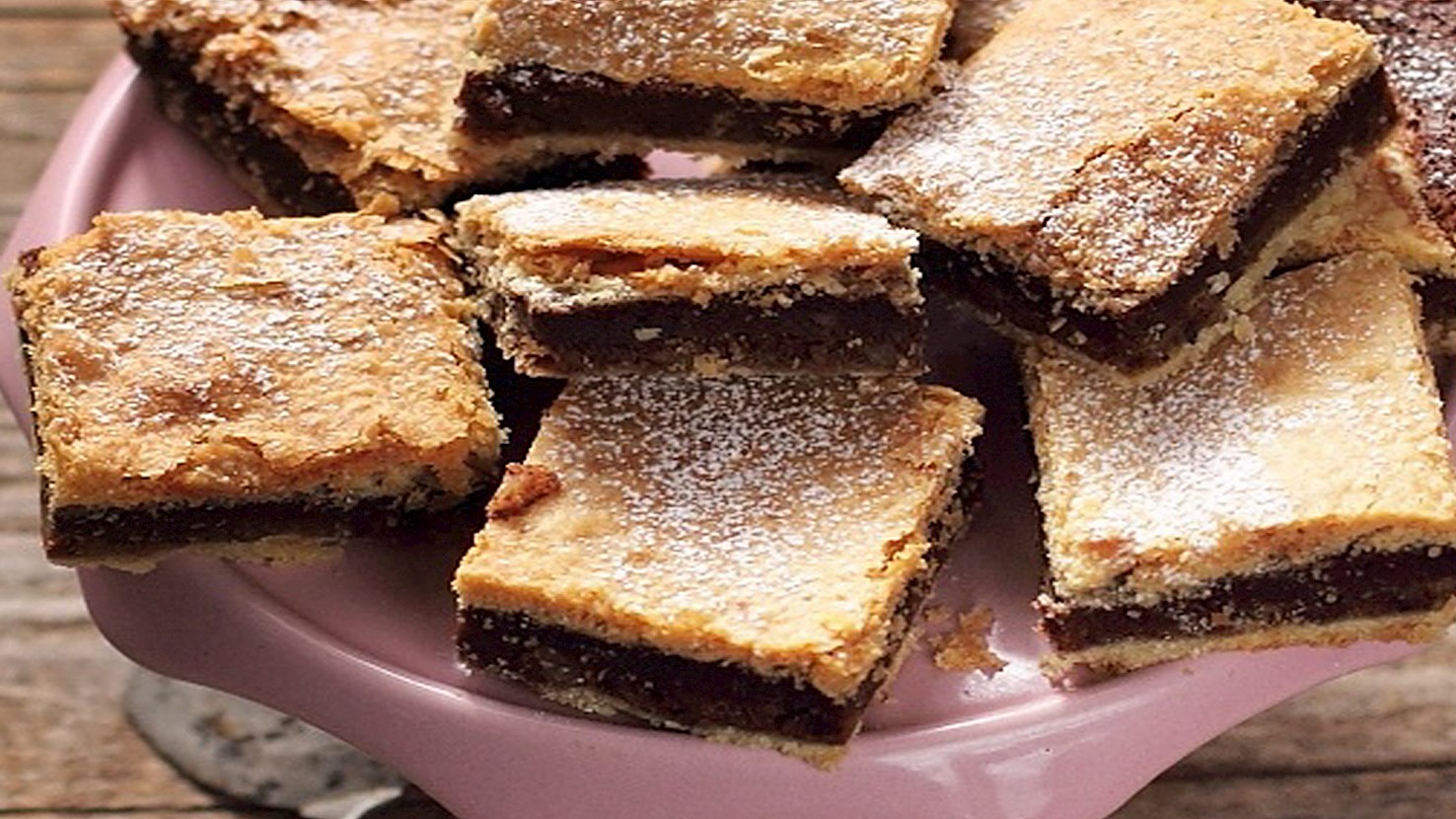
Plăcintă cu ciocolată is a thin pastry with chocolate and nut filling. It is one of many Romanian plăcintă dishes that are stuffed with either savory or sweet fillings. This dessert is made with soft dough layers filled with chocolate, eggs, sugar, and chopped nuts, and flavored with orange zest and vanilla extract. Its sweet and nutty flavor, enhanced by the refreshing orange zest and vanilla, will satisfy any sweet tooth.
A Christmas dessert from the region of Moldova, pelincile Domnului consists of layers of thin flatbread made with flour, water, salt and vegetable oil. The flatbread is left to soak up a liquid mixture of honey, water, and lemon zest and is then served with a hemp seed and sugar filling. Nowadays, due to its association to cannabis, hemp is rarely cultivated in Romania anymore, so the traditional filling has been replaced with ground walnuts. Loosely translated, pelincile Domnului means the Lord's diapers, and it is said that the women from Moldova invented this recipe in remembrance of Holy Mary's suffering on Christmas Eve, as she was searching for a place to give birth to baby Jesus.
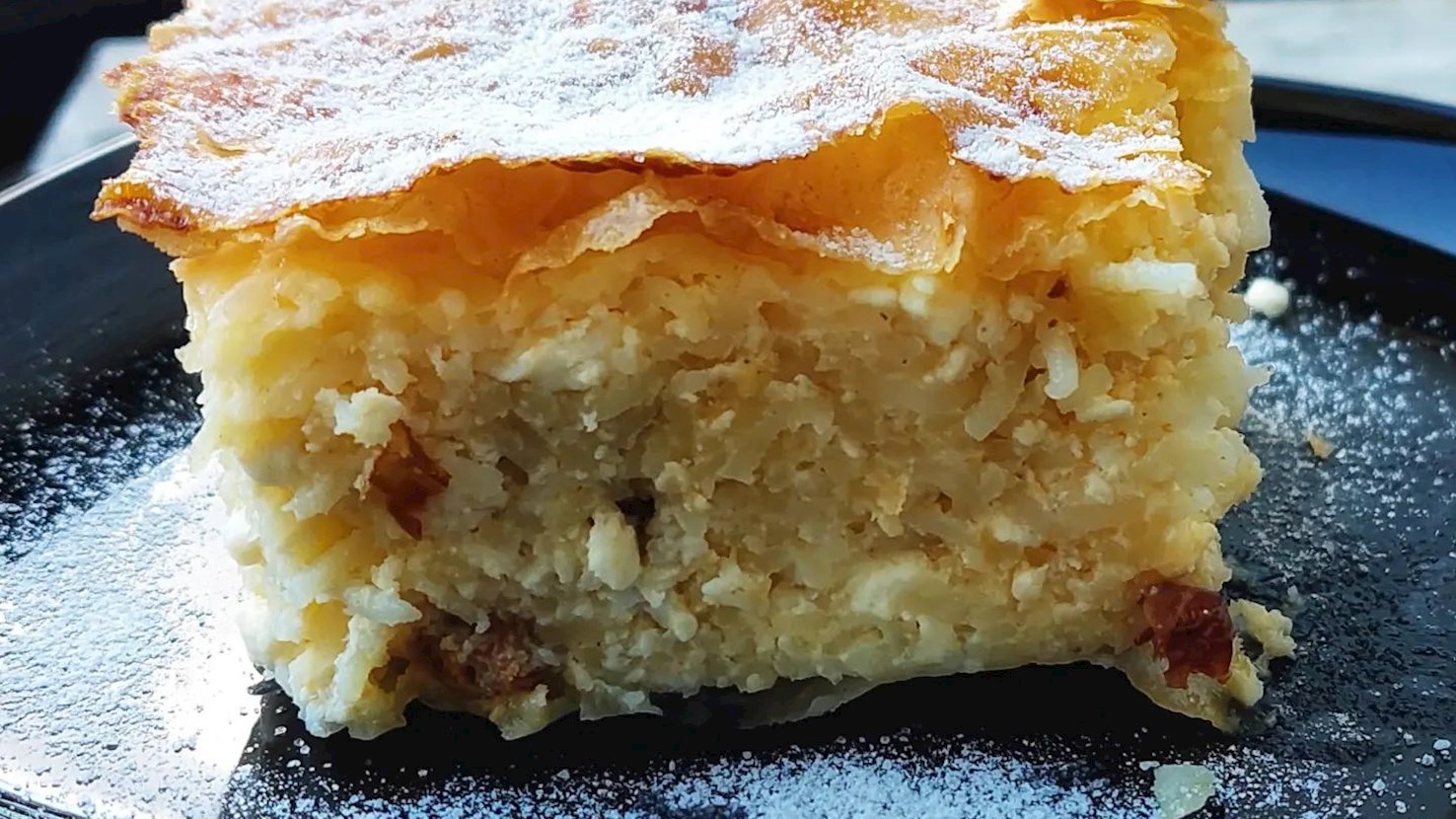
This simple dessert consists of thin egg noodles that are cooked in milk, then mixed with whipped egg whites and curd cheese before they are neatly placed between sheets of phyllo pastry. The noodle filling is usually enriched with raisins, cinnamon, vanilla, or lemon zest, and the dessert is typically served warm and dusted with powdered sugar. The invention of the cake is often associated with the Romanian city of Cluj, but who exactly invented it is still a matter of dispute. While one theory claims it was an invention of a Hungarian named Varga, others believe that it first appeared on the menu of a family-owned Darvas restaurant at the beginning of the 20th century. Regardless of its origin, the dessert is common in both Romanian and Hungarian cuisine.
TasteAtlas food rankings are based on the ratings of the TasteAtlas audience, with a series of mechanisms that recognize real users and that ignore bot,
nationalist or local patriotic ratings, and give additional value to the ratings of users that the system recognizes as knowledgeable.
For the “46 Worst Rated Romanian Foods” list until October 17, 2026, 9,768 ratings were recorded, of which 5,242 were recognized by the system as legitimate.
TasteAtlas Rankings should not be seen as the final global conclusion about food. Their purpose is to promote excellent local foods,
instill pride in traditional dishes, and arouse curiosity about dishes you haven’t tried.






What People Say