

shutterstock

100 Worst Rated Southeast Asian Foods

Last updated on May 22, 2026
01

Hon mhai (Deep-Fried Silk Worms)

2 ·

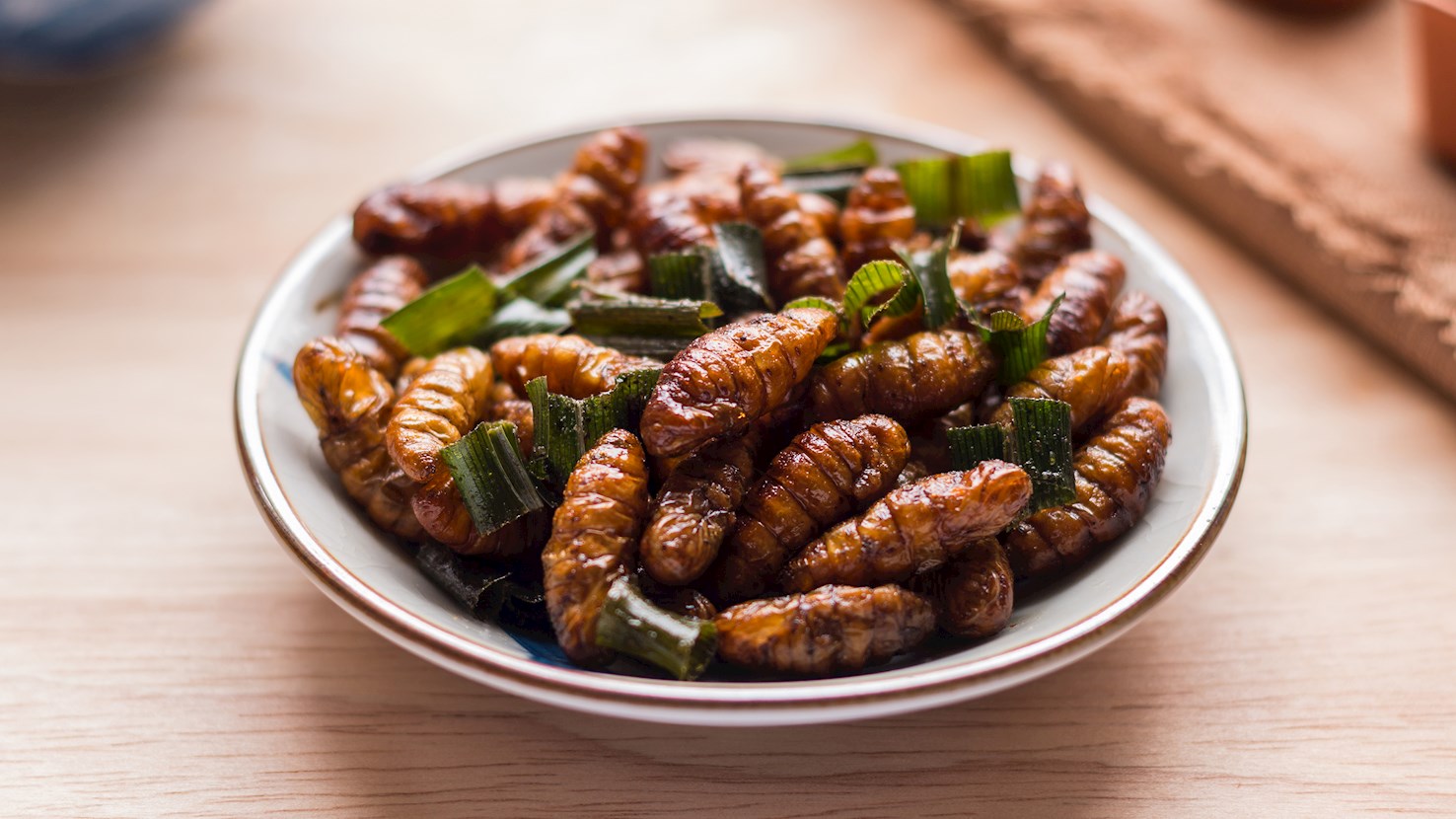
Hon mhai is a traditional insect dish that's especially popular in Bangkok. It's made by deep-frying silk worms, then seasoning them with salt, pepper, and sometimes a secret sauce that's prepared by the vendor, because the snack is usually sold from street carts. Once fried, the silk worms turn crunchy and greasy, while the flavor is sometimes described as slgihtly bitter. Hon mhai silk worms are prized because they're rich in protein and some believe that they have medicinal properties.

02

Ambuyat

2 ·

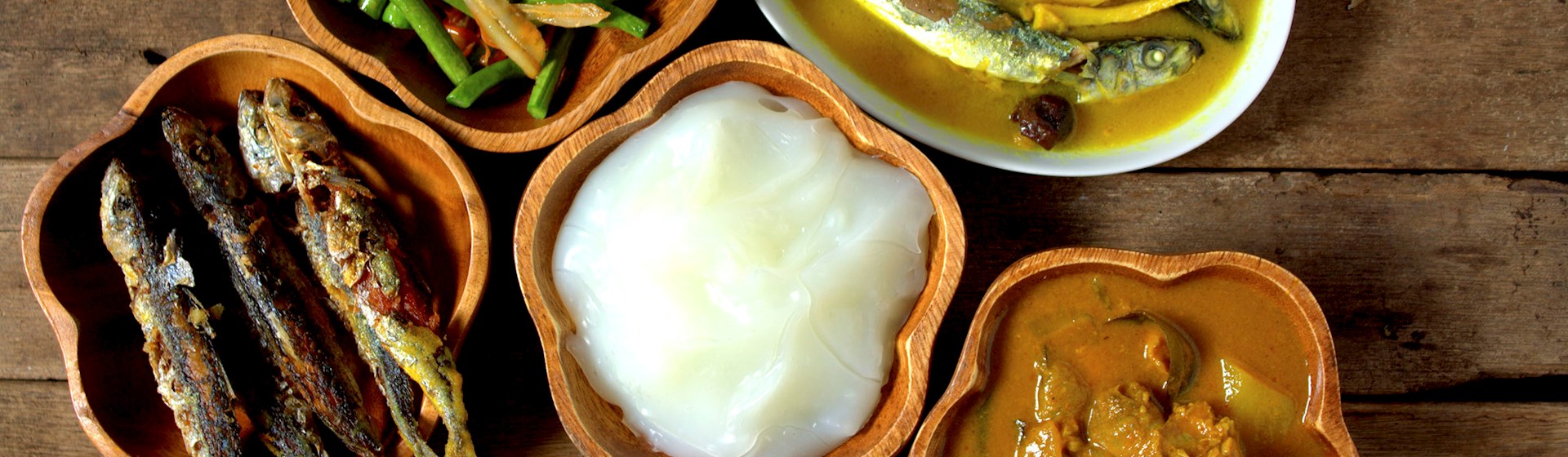
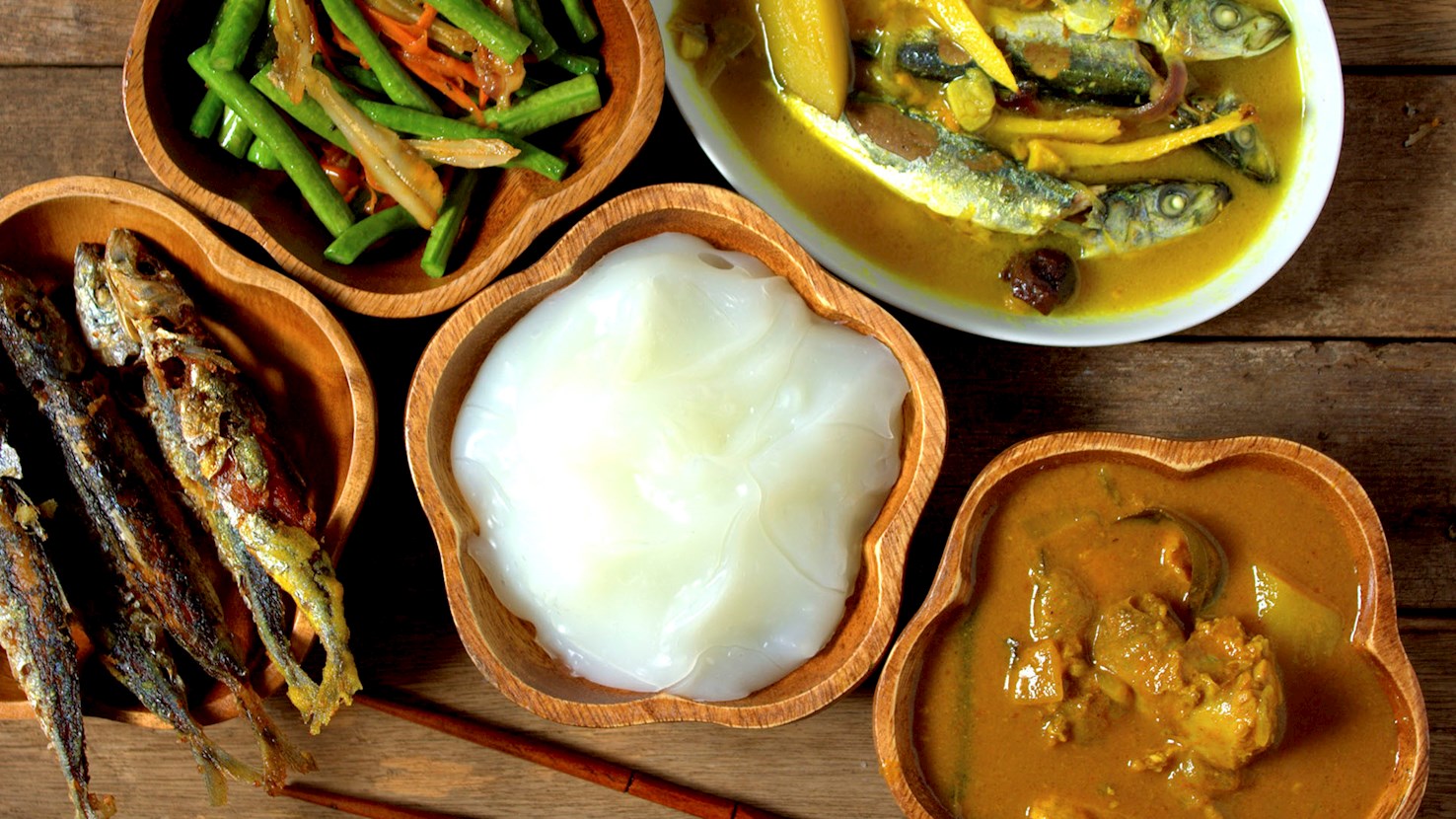
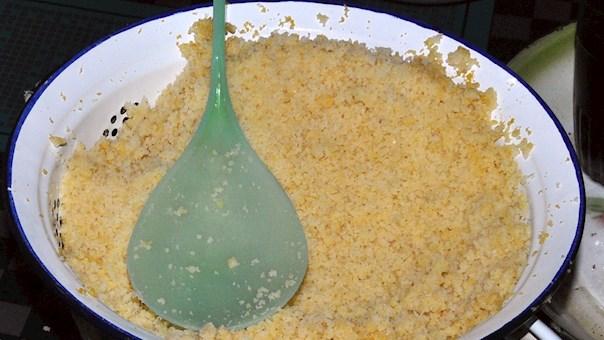
Ambuyat is the extremely sticky national dish of Brunei, made with sago palm tree starch that gets cooked into a substance similar to glue. It is typically eaten for lunch with a fermented sour sauce and a variety of vegetables on the side. Ambuyat is traditionally prepared for special occasions where it serves as a substitute for rice. Locals eat it with a double pronged bamboo stick known as chandas and the best way to eat Ambuyat is by twirling it around the stick, then dipping it into a sauce and swallowing it instead of chewing. Ambuyat may be accompanied by a variety of side dishes, dips, and sauces due to its blandness (a minimum of three main and side dishes), and some say it tastes like "nothing at all." The most popular dips are binjai, made from a local sour fruit, and tempoyak, made with the (in)famous durian fruit. The dish can also be served with meat. Being a must-try delicacy, this iconic dish with a unique texture is not to be missed.

03

Kaeng tai pla (Thai Fish Entrails Sour Curry)

2.2 ·

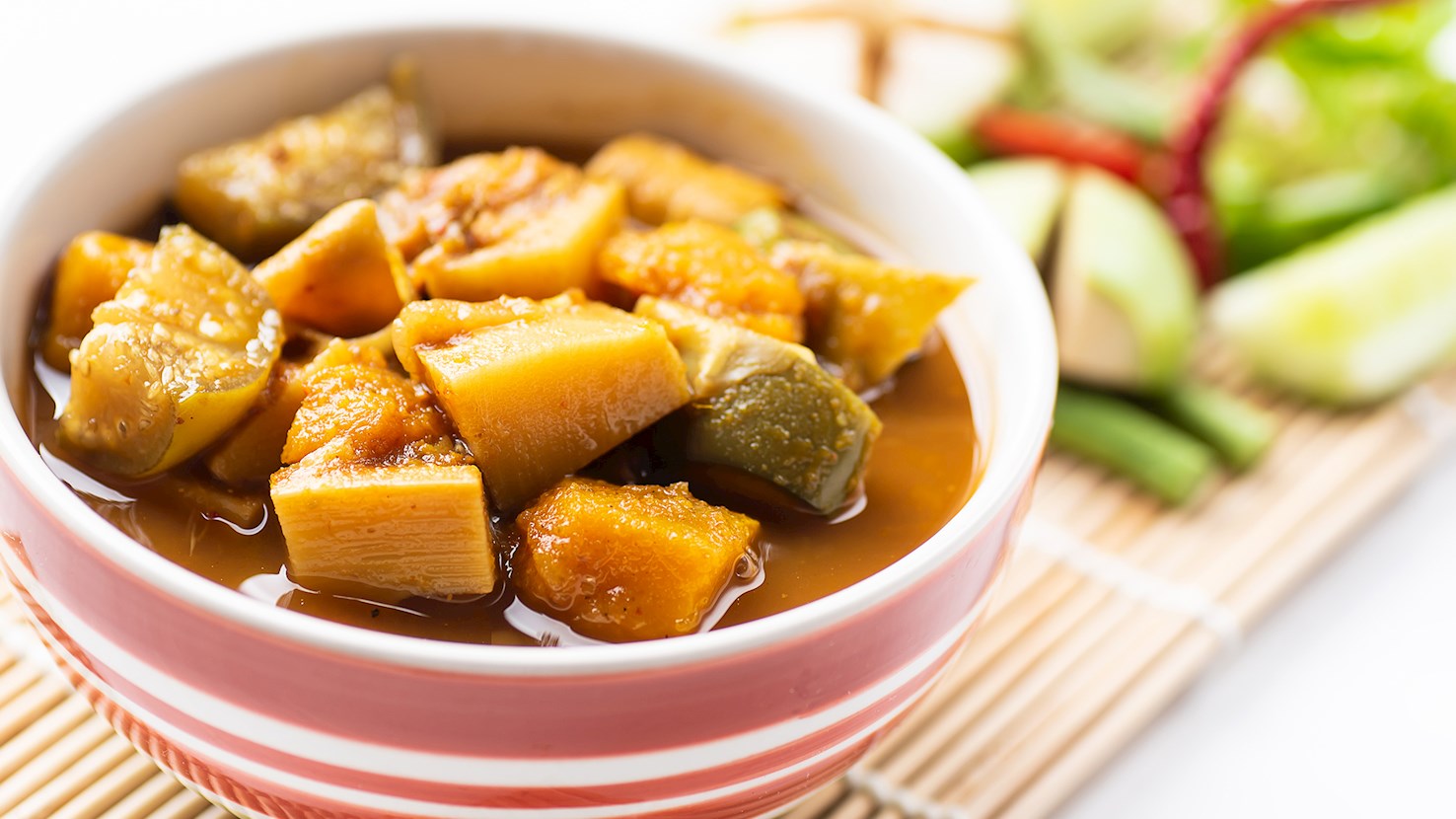
This thick and aromatic fish curry originated in southern Thailand. The base of the dish is prepared with tai pla—fermented fish entrails—and a spicy curry paste consisting of chili peppers, galangal, shrimp paste, turmeric, shallots, and lemongrass. Other additions usually include dry fish, diced eggplant, bamboo shoots, string beans, or other vegetables. Because of its intensity and strong, pungent aromas, kaeng tai pla is best served with steamed rice on the side. Traditionally, this Thai curry was only prepared with fish, and most varieties do not use coconut milk.

04

A-ping (Fried spider)

2.2 ·

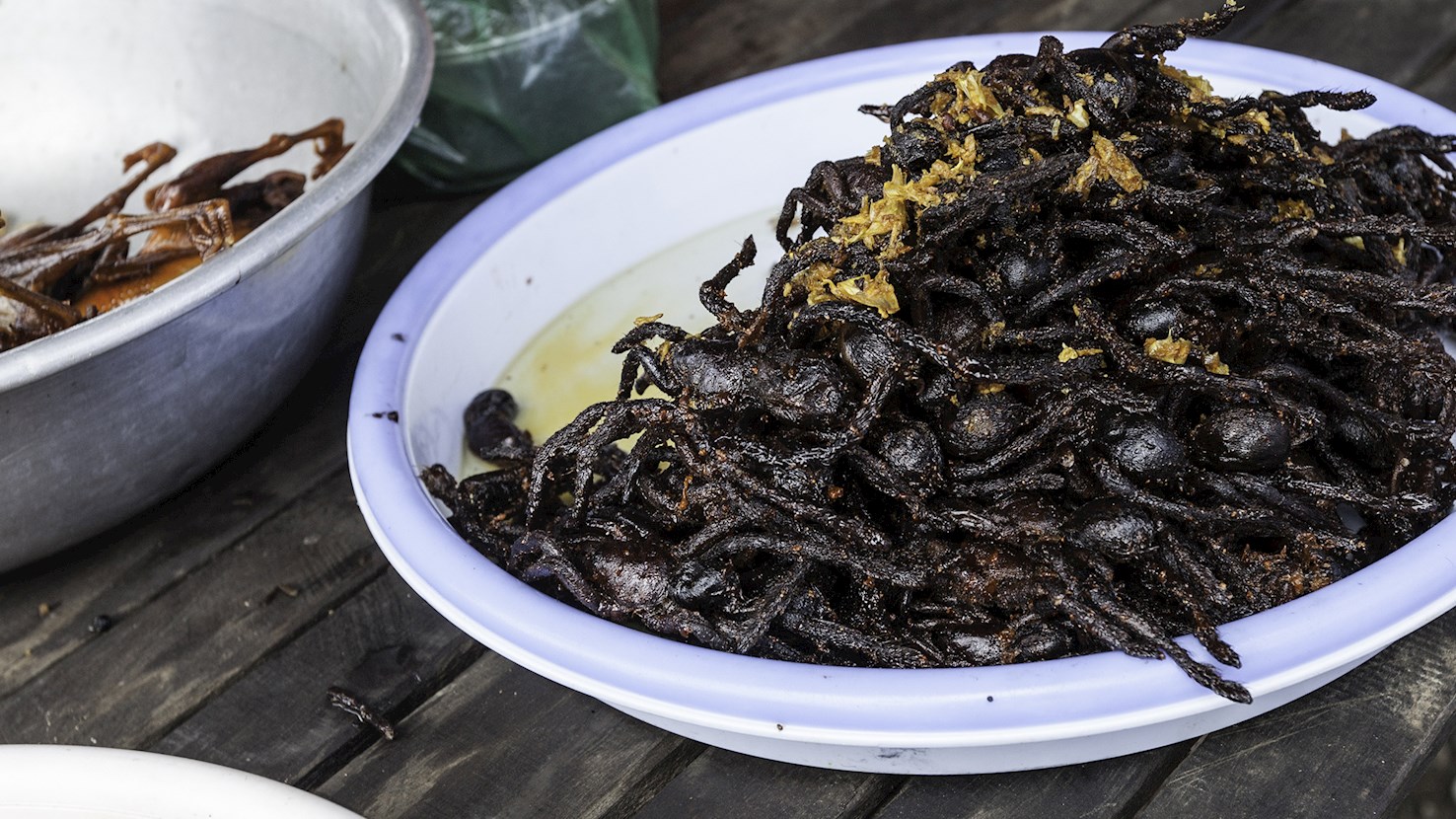
The city of Skuon in Cambodia is so infested with spiders that the nearly-starved locals have adapted and started consuming them in the 1970s, and the practice has continued ever since. It is no wonder that the city is known as Spider Town or Spiderville. The spiders (usually tarantulas) are breaded and deep-fried in hot oil, then served with some fresh local herbs on a bed of rice or noodles. The flavor of these critters has been described as a cross between cod and chicken – at least the hairy legs are supposed to taste so, because consumers are warned not to bite into the abdomen, which contains spiders’ internal organs and bodily fluids.

05

Paniki

2.2 ·

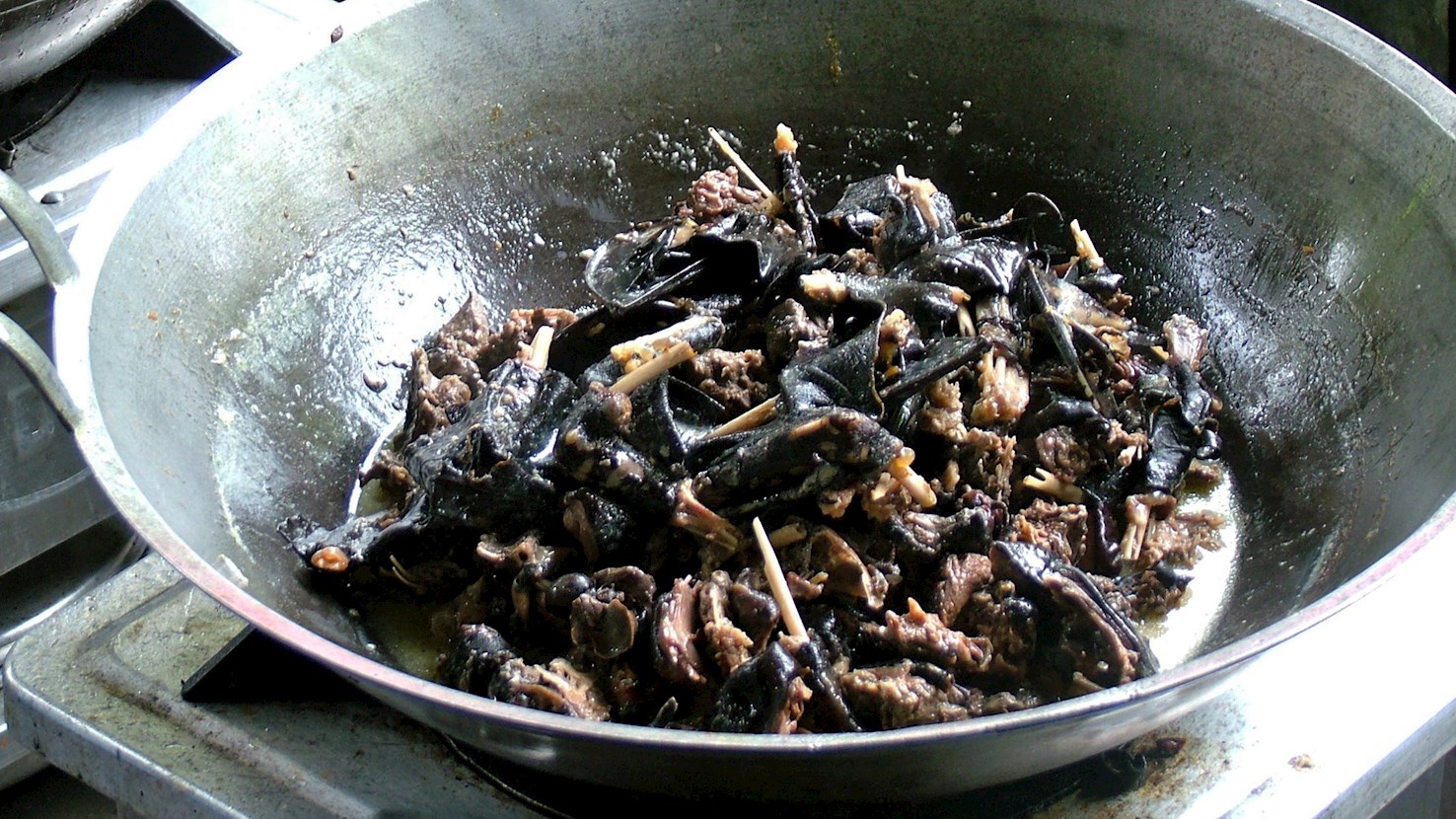
Traditionally made by the native Minahasan people and hailing from North Sulawesi, this Indonesian dish employs fruit bat as the main ingredient. Though bats are often fried or grilled, the most popular way is to incorporate them into paniki, the traditional soup-like dish. The usual procedure starts with grilling the bat to remove all the hairs covering its body. The bat is then cleaned, its intestines are removed, and it is cut into smaller chunks and boiled in water. The dish is finished off with the addition of fried onions, garlic, ginger, leeks, curry leaves, lemongrass, and coconut milk. Paniki is typically served accompanied by white rice.

06

Tiết canh (Raw Blood Pudding)

2.4 ·

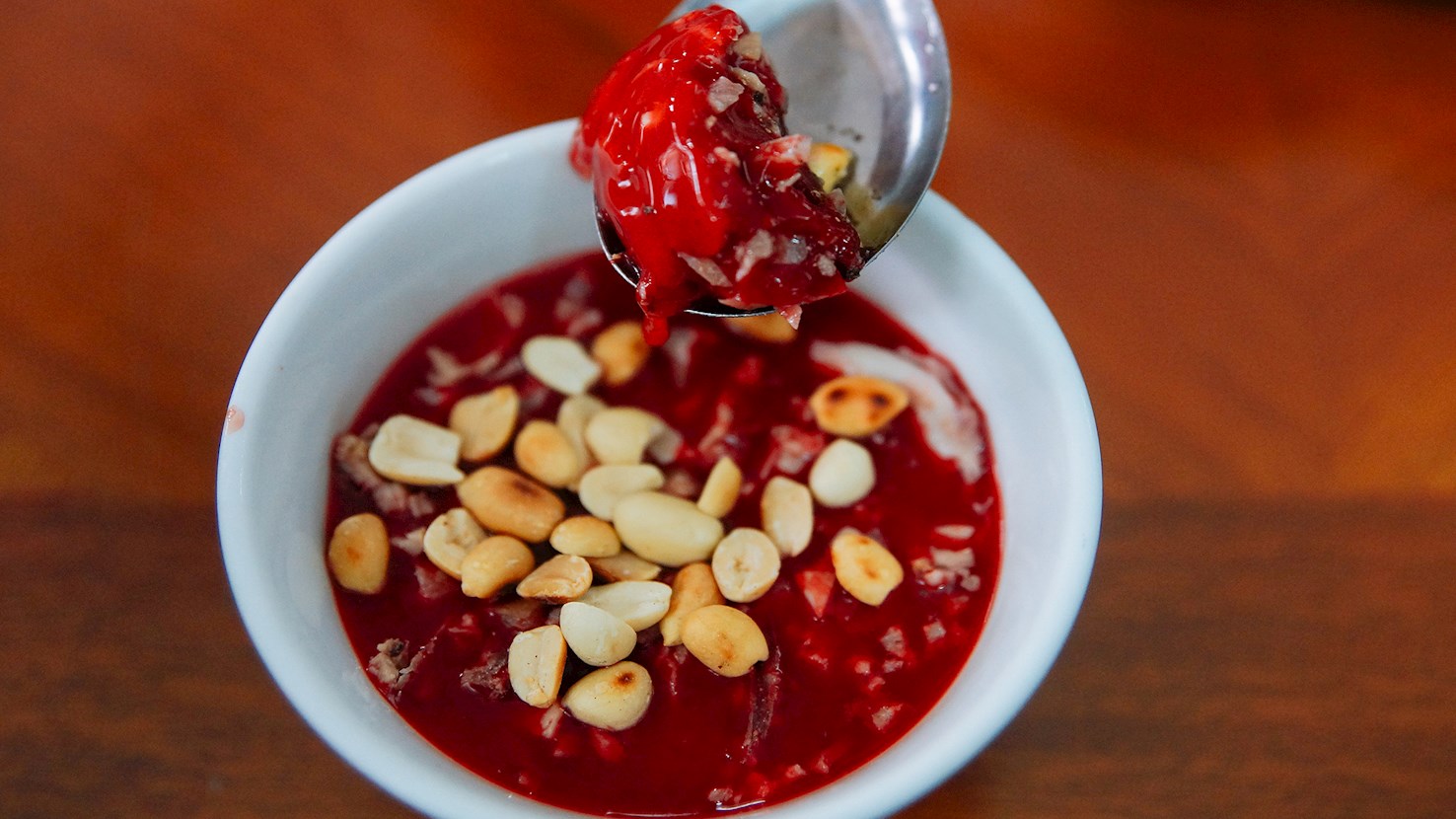
This vibrant red Vietnamese dish is prepared with fresh animal blood that is mixed with fish sauce. The base is then seasoned and incorporated with fried or roasted meat before it is left to coagulate. When set, the base transforms into a thick, gelatinous pudding that's usually garnished with chopped peanuts, Vietnamese coriander, and mint. The dish is traditionally prepared on special occasions, and though it has caused much controversy due to the danger of ingesting meat bacteria, it has not been officially banned.

07

Thong yip

2.4 ·

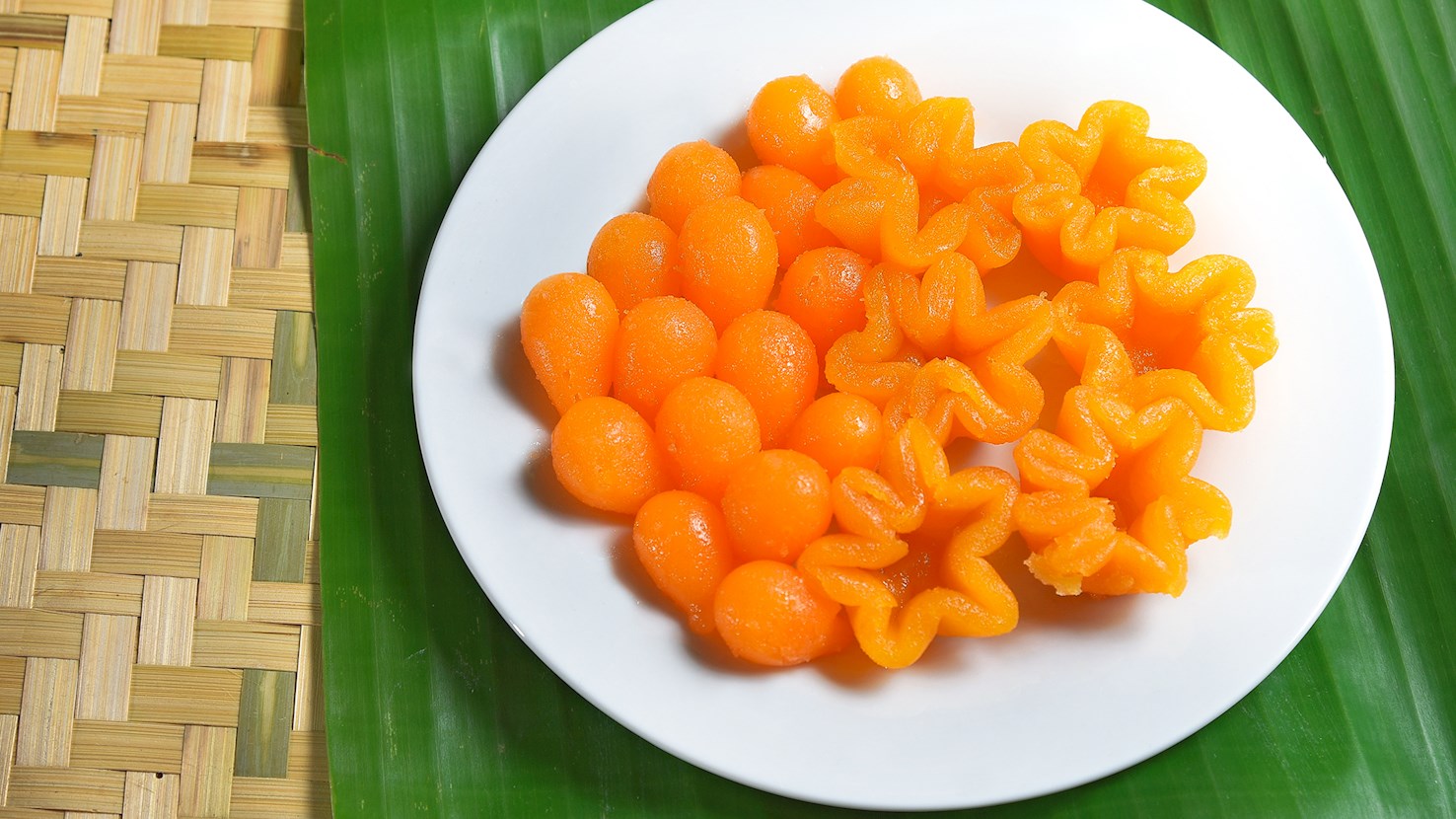
Thong yip is one of the traditional egg yolk-based Thai desserts that have the word thong in their name, which means gold, symbolizing prosperity, increased wealth, and success. This golden-colored dessert is typically made with duck and chicken egg yolks, sugar, and jasmine-flavored water, and it is usually shaped into a flower or a five-point star. The delicately shaped dessert is then transferred to a small porcelain cup to chill and become firm before serving. Sometimes referred to as sweet egg yolk cups, these desserts are commonly prepared for weddings and other celebrations with the intent to bring good luck, prosperity, and wealth. They are available in Thai supermarkets and at street food stalls.

08

Tom chuet

2.4 ·

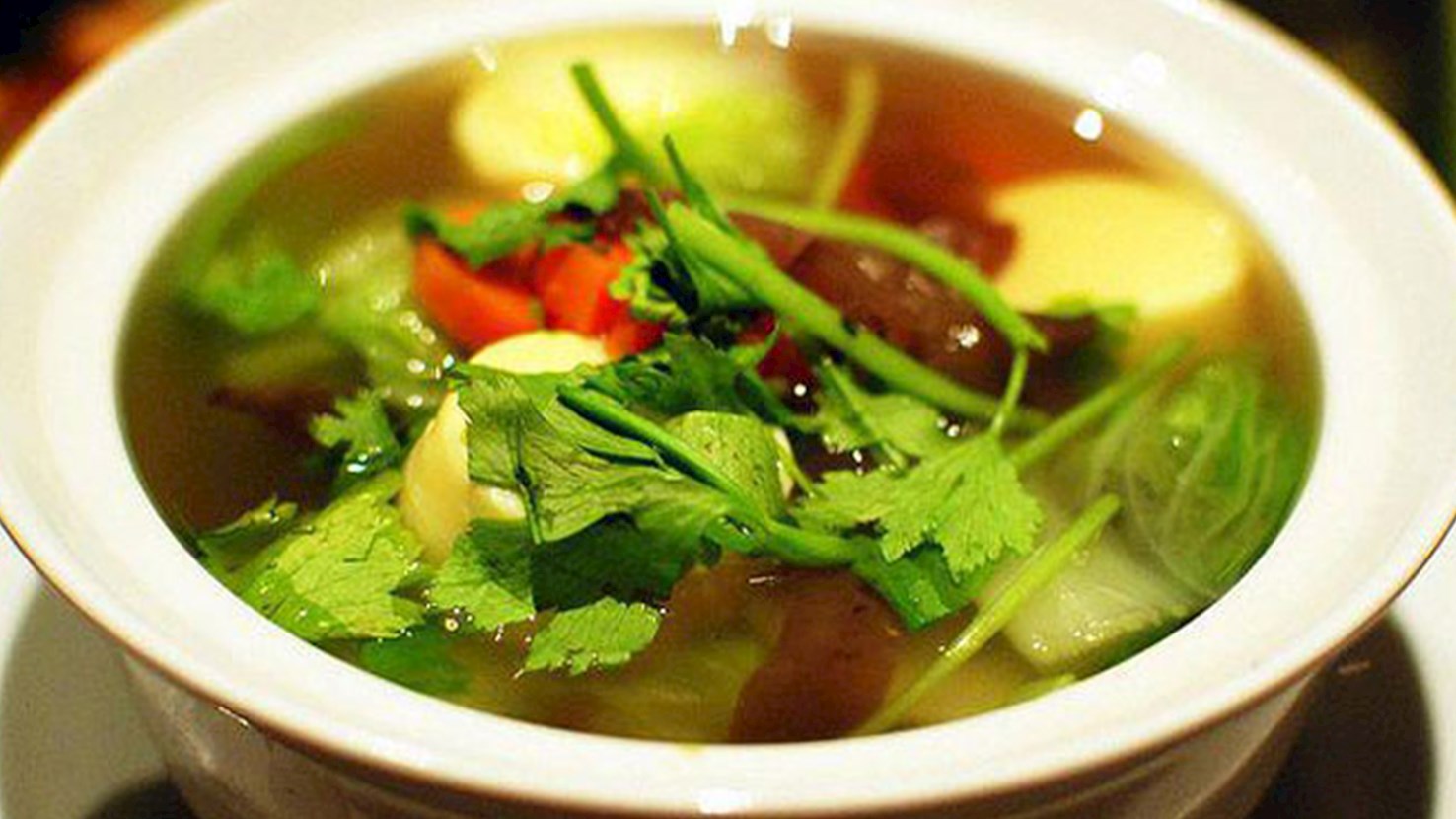
Tom chuet is a simple, clear soup made with vegetables, usually Chinese cabbage, carrots, and french beans, simmered in vegetable broth along with seasonings, celery, spring onions, garlic, and soy sauce. This dish can also use chicken or pork broth instead of vegetable broth and is often enriched with pork meatballs, glass noodles, soft tofu pieces, seaweed, and mushrooms. Also known as kaeng chuet or tom jued, this dish has a mild flavor that makes it quite different from other Thai dishes, which typically combine several flavors in one. It is traditionally served hot or warm, usually followed by other, spicier dishes.

09

Khai luk khoei (Son-in-Law Eggs)

2.5 ·

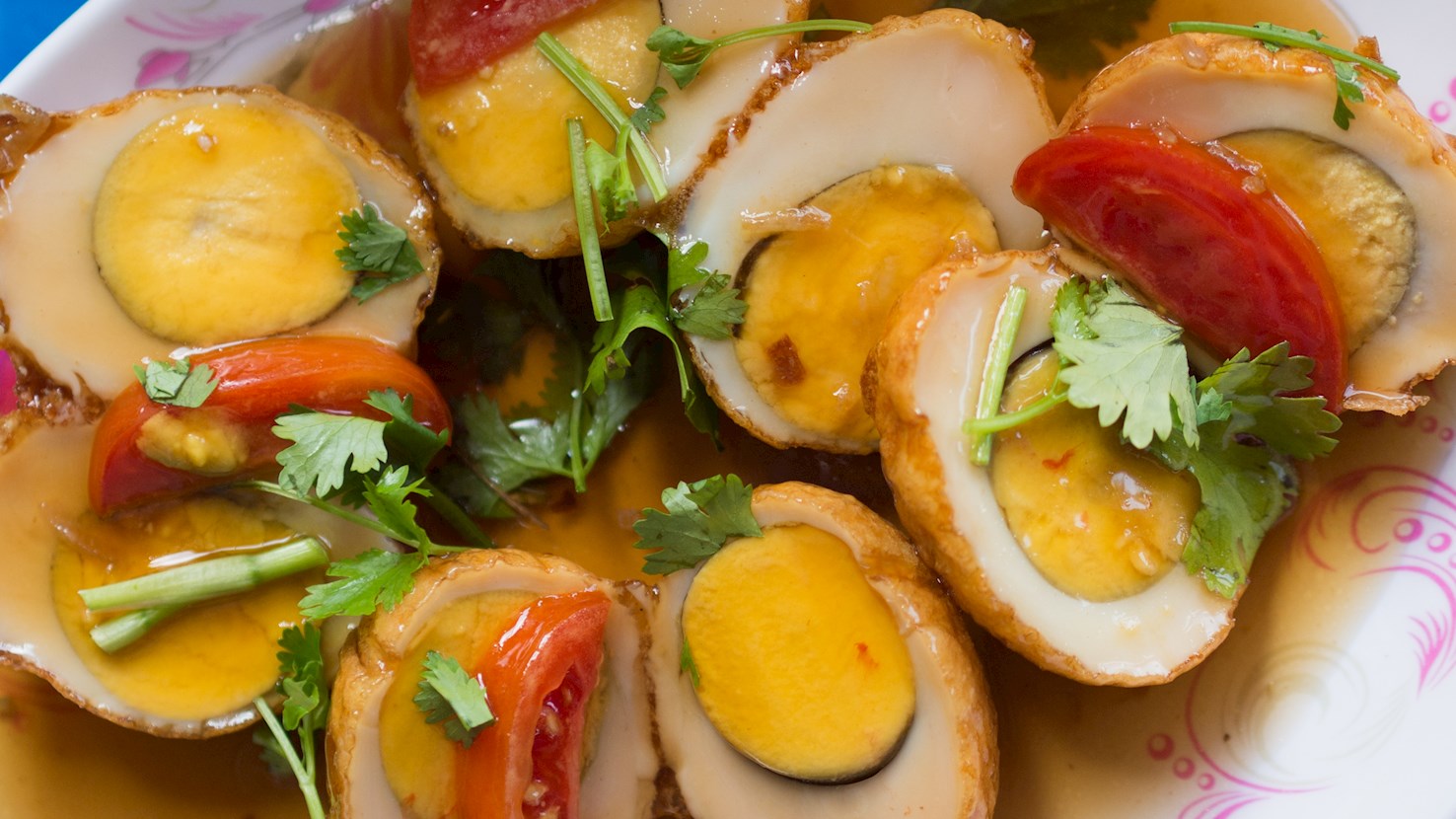
Khai luk khoei or son-in-law eggs is a traditional dish from Thailand. It's made with a combination of hard-boiled eggs, sugar, fish sauce, shallots, chili peppers, tamarind pulp, and cilantro sprigs for garnish. The peeled, hard-boiled eggs are fried in hot oil, then taken out to cool down. A sauce consisting of shallot oil, fish sauce, tamarind pulp, water, and sugar is then prepared in the same pan until it develops a slightly thick consistency. The eggs are then sliced in half, arranged on a platter, and drizzled over with the sauce. Before serving, this sweet and sour dish is garnished with cilantro sprigs, chili peppers, and fried shallots. The name of the dish can mean one or two things: some believe that the golden eggs act as a symbol of wealth (apparently a son-in-law wanted to impress his mother-in-law so he prepared this dish), while others claim that the eggs stand for the son-in-law's testicles - if he doesn't act properly with his wife, his mother-in-law would come and cook this dish the first time, but next time she'd threaten to use his testicles in the dish instead of the eggs.

10

Balut

2.6 ·

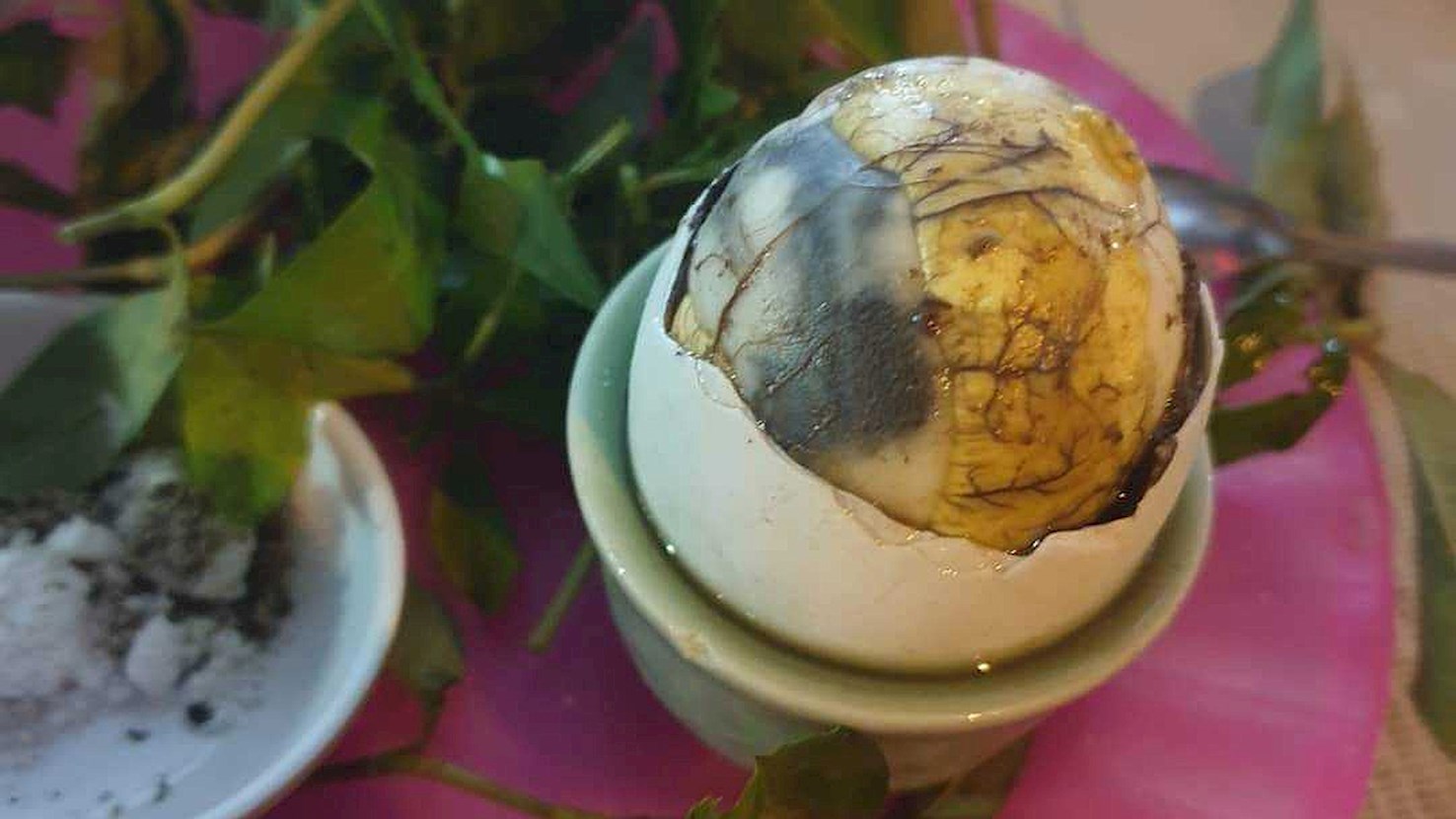
Balut is a popular, although unusual Filipino delicacy, served everywhere from street stalls to upscale restaurants. It is a duck egg that has been hard-boiled, fertilized, and incubated. Traditionally, the cooked embryo is consumed straight from the shell. It is considered an aphrodisiac that is commonly paired with a cold beer on the side. The dish can be seasoned with chili, garlic, vinegar, salt, lemon juice, ground pepper, and mint leaves. It can also be cooked in omelets or used as a filling for pastries. Although balut is closely associated with Filipino cuisine and has achieved popularity throughout the world, it is still considered a poor man's meal in the Philippines.

Read more
View all
View map
About this ranking

TasteAtlas food rankings are based on the ratings of the TasteAtlas audience, with a series of mechanisms that recognize real users and that ignore bot, nationalist or local patriotic ratings, and give additional value to the ratings of users that the system recognizes as knowledgeable. For the “100 Worst Rated Southeast Asian Foods” list until May 22, 2026, 39,091 ratings were recorded, of which 26,955 were recognized by the system as legitimate. TasteAtlas Rankings should not be seen as the final global conclusion about food. Their purpose is to promote excellent local foods, instill pride in traditional dishes, and arouse curiosity about dishes you haven’t tried.

Similar lists