

shutterstock

11 Worst Rated Asian Freshwater Fish Dishes

Last updated on June 16, 2026
01

Xīhú cùyú (West Lake vinegar fish)

2.9 ·

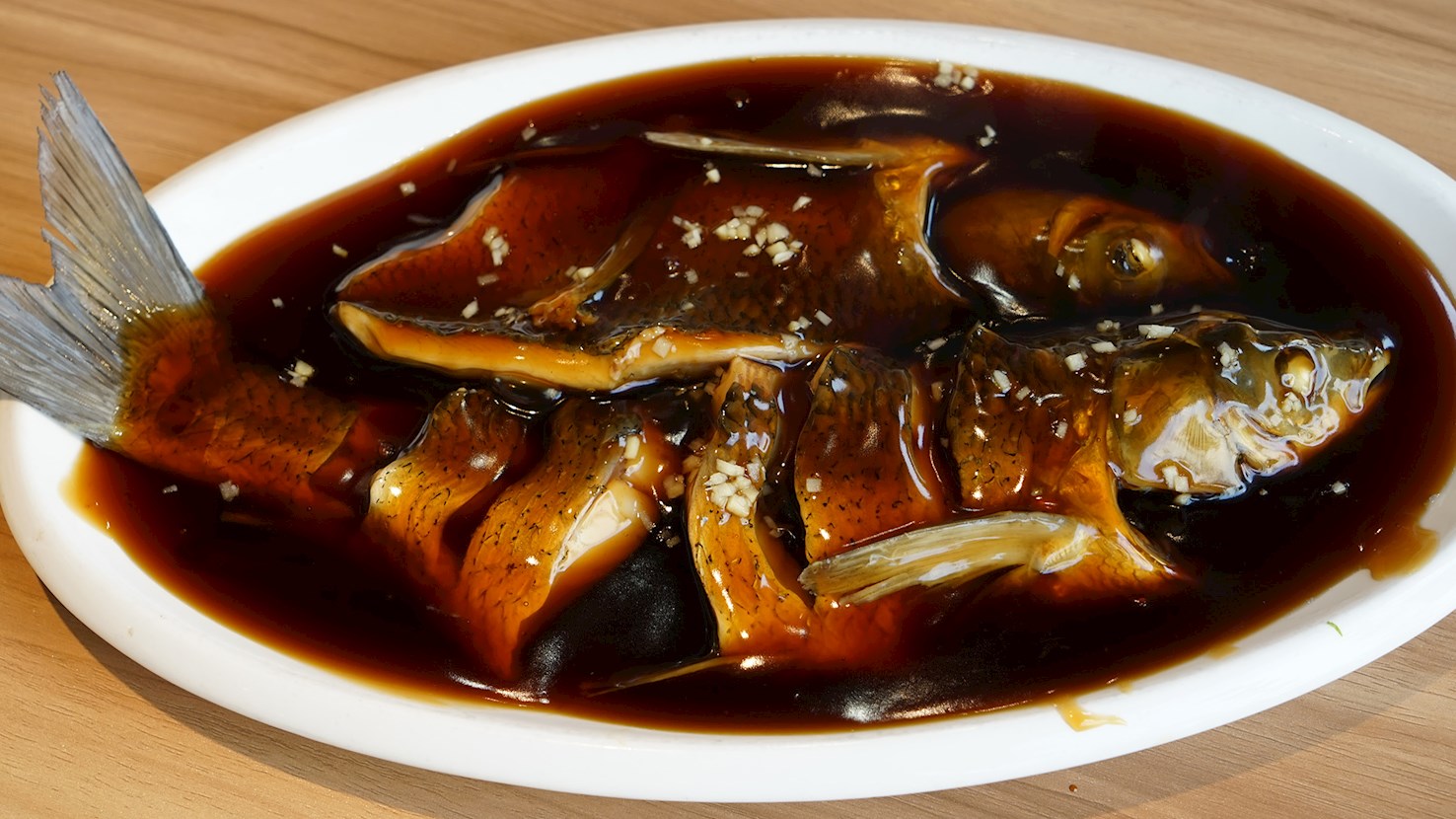
Xīhú cùyú is a West Lake vinegar fish dish from Hangzhou in Zhejiang Province, made with grass carp cooked in a sweet–sour sauce based on Zhejiang vinegar. It is closely associated with the waters around West Lake, where freshwater fish have long been central to local cuisine and where mild, clean-tasting carp provided a suitable base for sauces that emphasize clarity and balance. The dish formed in an environment where Zhejiang vinegars, especially those from nearby regions, were already established in household cooking, and Hangzhou cooks began preparing fish by first poaching or steaming it until just cooked and then coating it with a vinegar–sugar reduction that highlighted the fish’s natural flavor without masking it. Preparation begins with selecting a fresh grass carp, typically around one kilogram, cleaning it carefully, and cutting shallow diagonal slits along the body to ensure even cooking and better absorption of the sauce. The fish is either steamed or briefly cooked in hot water until the flesh sets, then removed and placed on a serving plate. A sauce is prepared separately by heating vinegar, sugar, a small amount of soy sauce, and sometimes rice wine, reducing the mixture until it becomes glossy and slightly thick. The hot sauce is poured over the warm fish so the flavor adheres to the surface while the interior remains tender. The dish is eaten in Hangzhou restaurants, banquet settings, and home kitchens, especially during seasons when fresh grass carp is plentiful. It is typically served with plain rice, mild vegetable dishes, or light broths that complement the sweet–sour profile. It pairs well with Longjing tea, which is native to the region, or with simple, non-aromatic white wines that do not compete with the vinegar’s flavor.

02

Panta ilish

2.9 ·

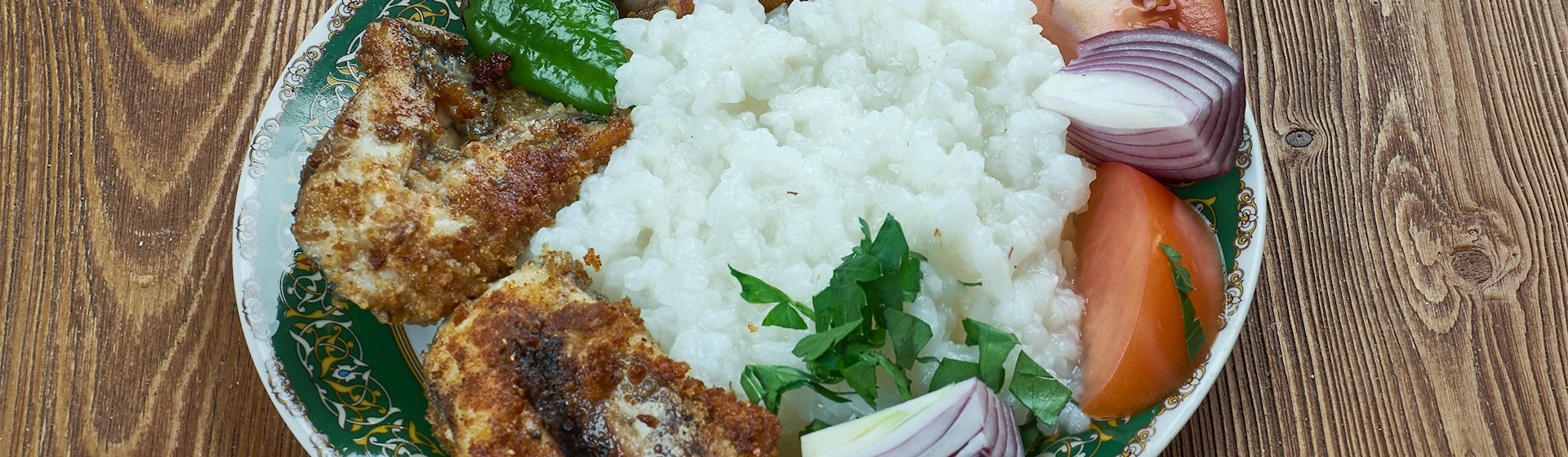
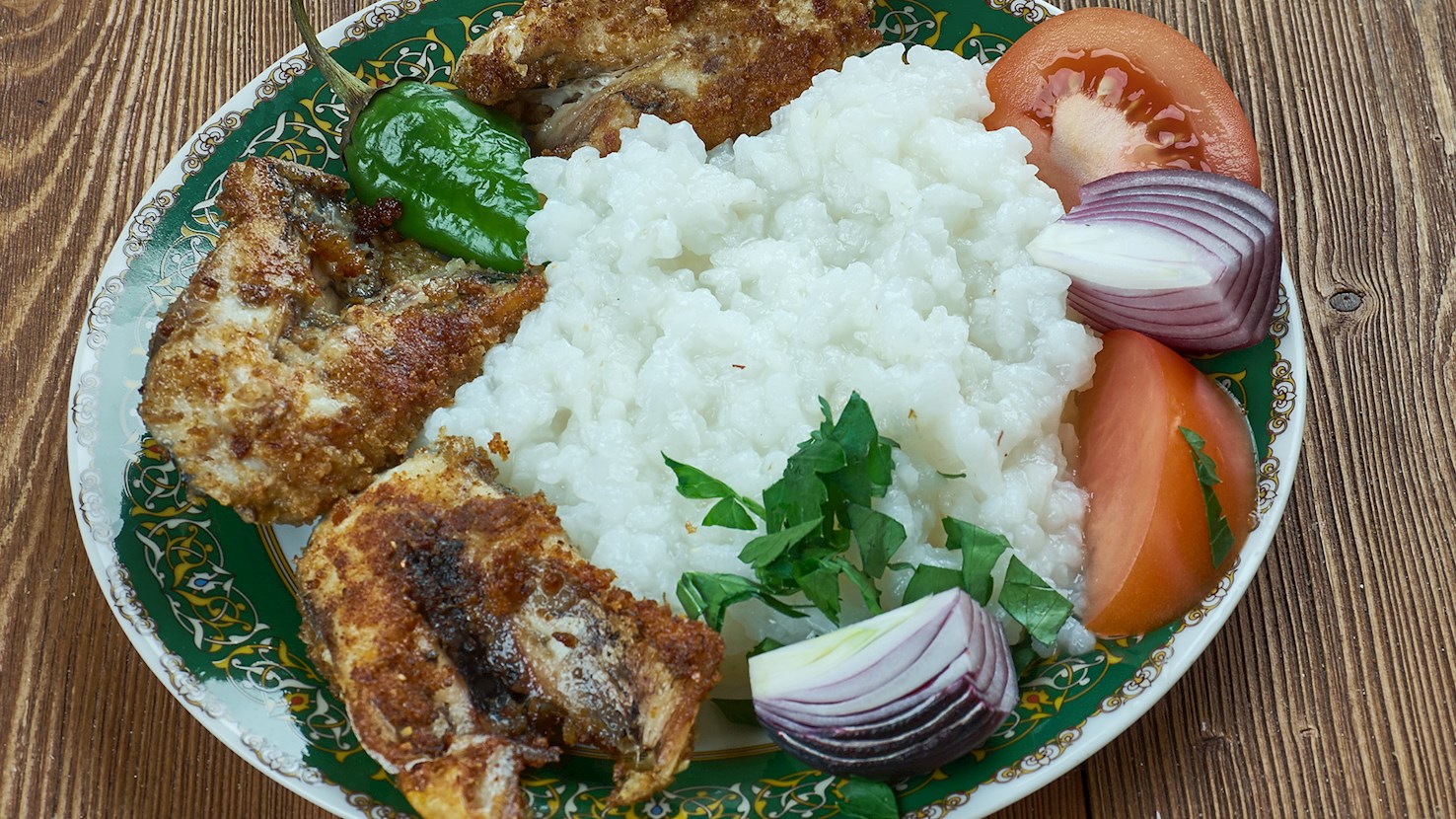
Panta ilish is a dish from Bangladesh that combines a bowl of panta bhat—cooked and soaked rice—with fried ilish fish. The combination is traditionally enjoyed in urban areas, and it has become a staple dish served on the Pahela Baishakh, a national holiday celebrating the first day of the Bengali calendar. The fish is usually generously seasoned with turmeric, chili powder or other spices, and the dish is typically topped with fresh chili peppers, onions, and bhorta—traditional vegetable or fish mash that is usually served as a side dish.

03

Daegujeon

3 ·

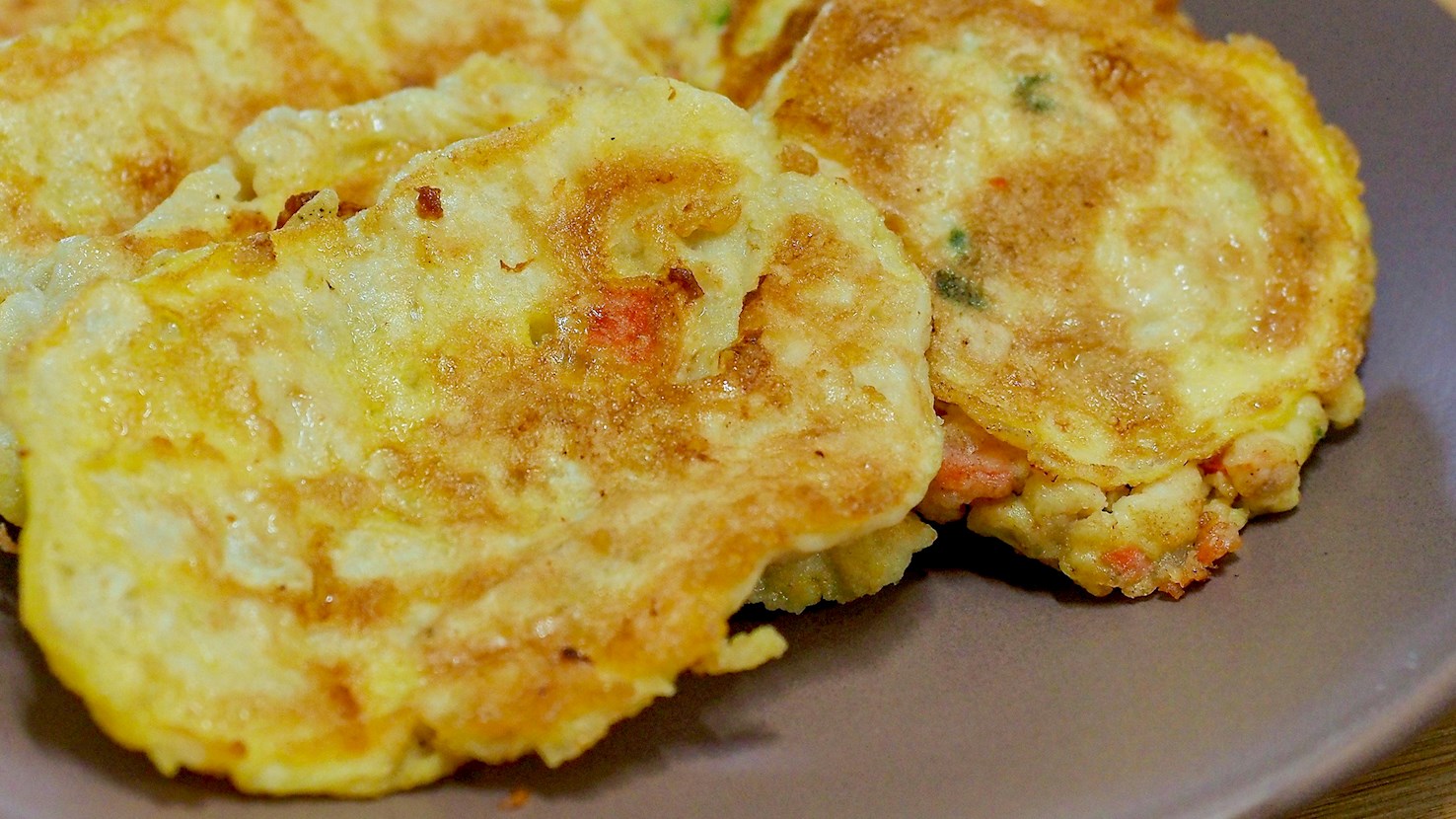
Daegujeon is a traditional dish originating from South Korea. This type of jeon (pan-fried battered food) is made with a combination of cod fillets, flour, eggs, garlic, scallions, salt, white pepper, and oil. The cod fillets are seasoned with salt, pepper, and garlic, coated with flour, and dipped into a mixture of beaten eggs and chopped scallions. Once battered, they are pan-fried in hot oil on both sides until golden brown. Daegujeon is served hot with a dipping sauce on the side. The sauce usually consists of soy sauce and vinegar.

04

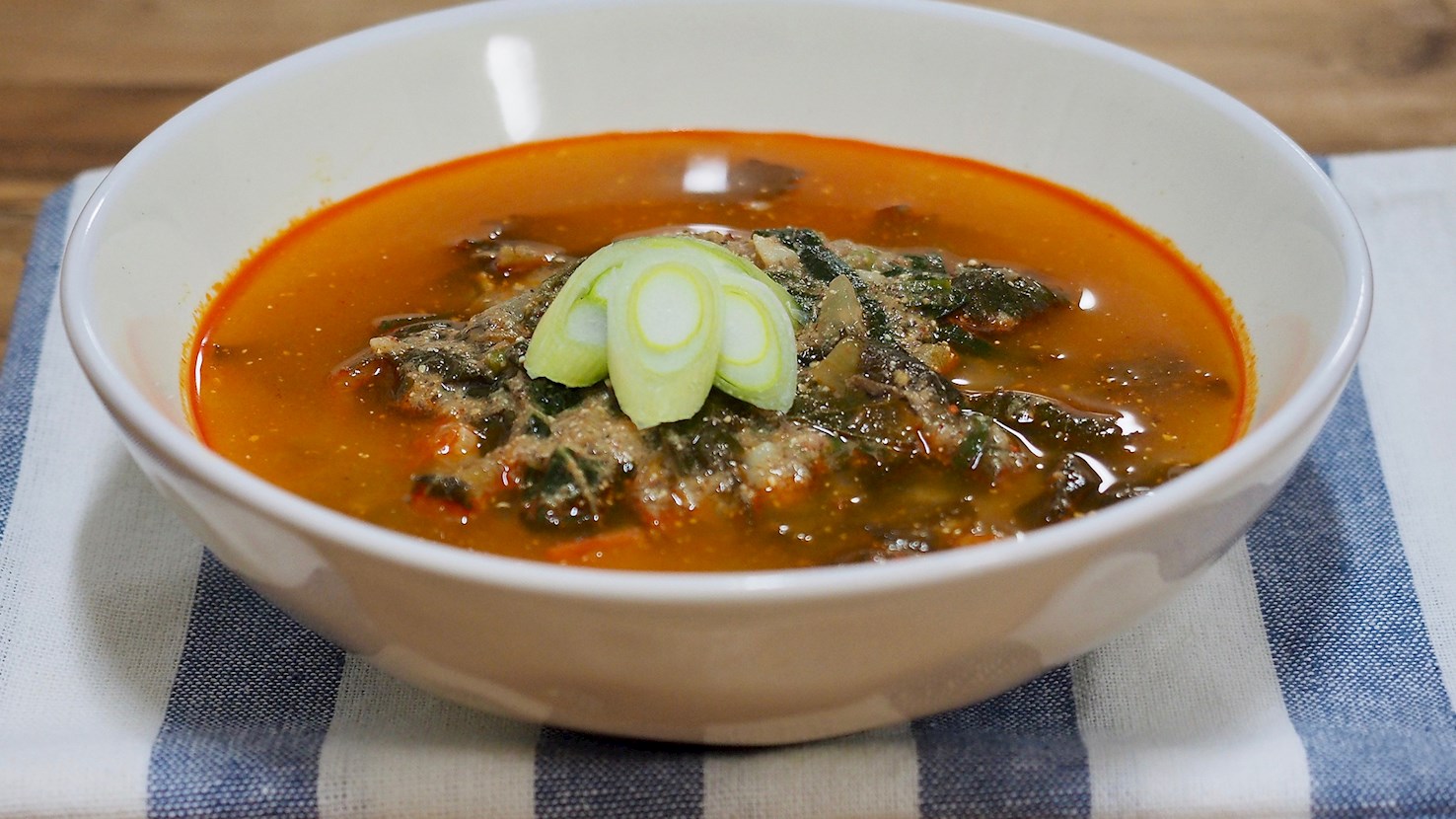
Chueotang

3.1 ·

This hearty Korean soup consists of mudfish (loach), chili paste, soybean paste, and ginger, while the most common additions include various green vegetables such as mustard greens, scallions, and cabbage. In Seoul, the soup is prepared with the whole fish, but the most popular version comes from Namwon where the mudfish is typically ground. Chueotang is praised for its health benefits and is best consumed from July throughout November when the mudfish are in season. It usually comes served with rice and traditional Korean side dishes (banchan).

05

Amritsari machhli (Amritsari fish)

3.3 ·

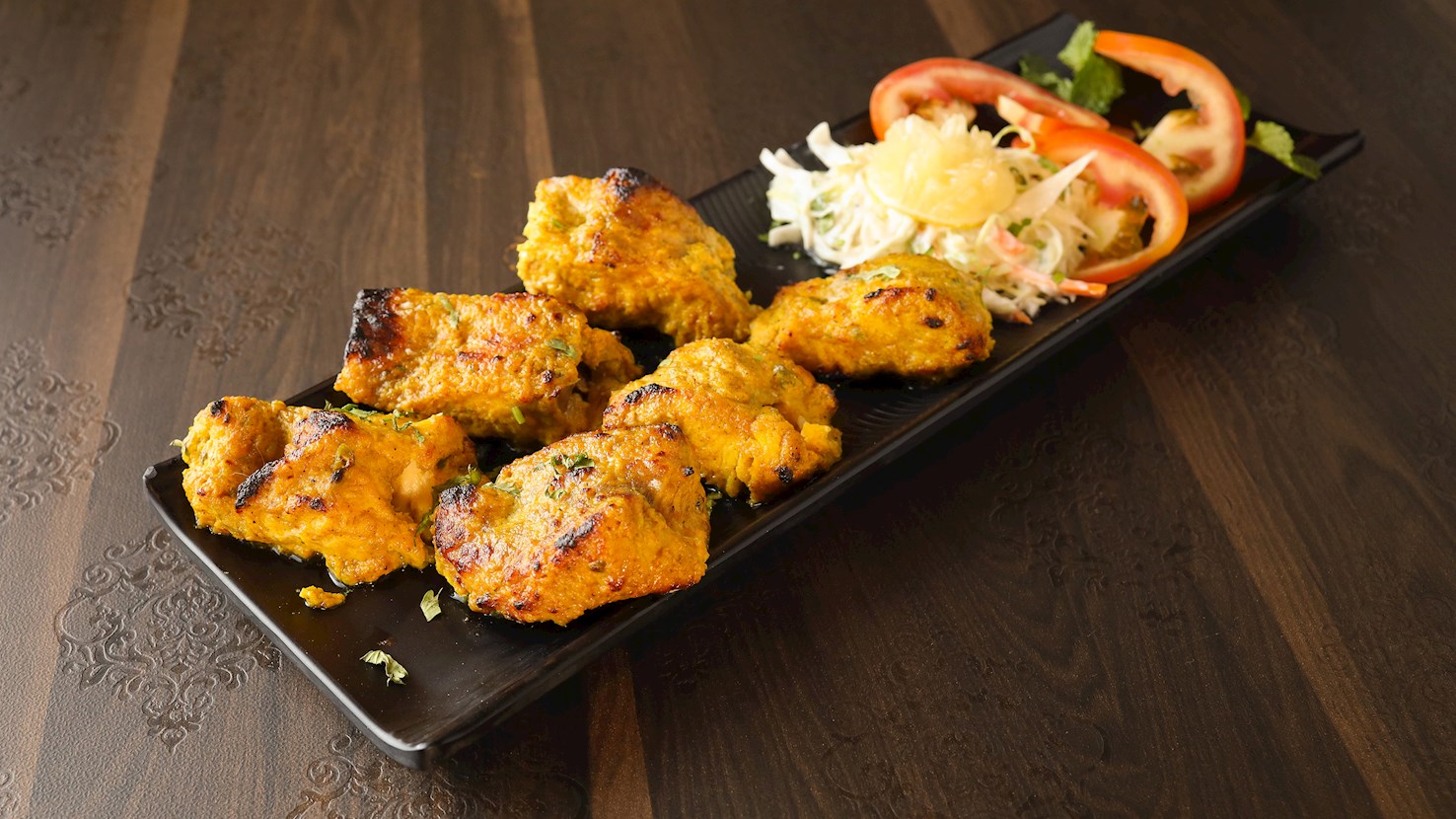
Amritsari fish is a traditional fish dish and a popular street food originating from Amritsari. It’s usually made with a combination of freshwater fish, ginger-garlic paste, ajwain, red chili powder, garam masala, amchur mango powder, lemon juice, salt, gram flour, turmeric, and oil. The fish is coated with a mixture of gram flour, spices, lemon juice, and curd. Once coated, it’s fried in hot oil until golden and crisp. Amritsari fish is then served piping hot, and it’s enjoyed on its own.

06

Ilish macher paturi

3.4 ·

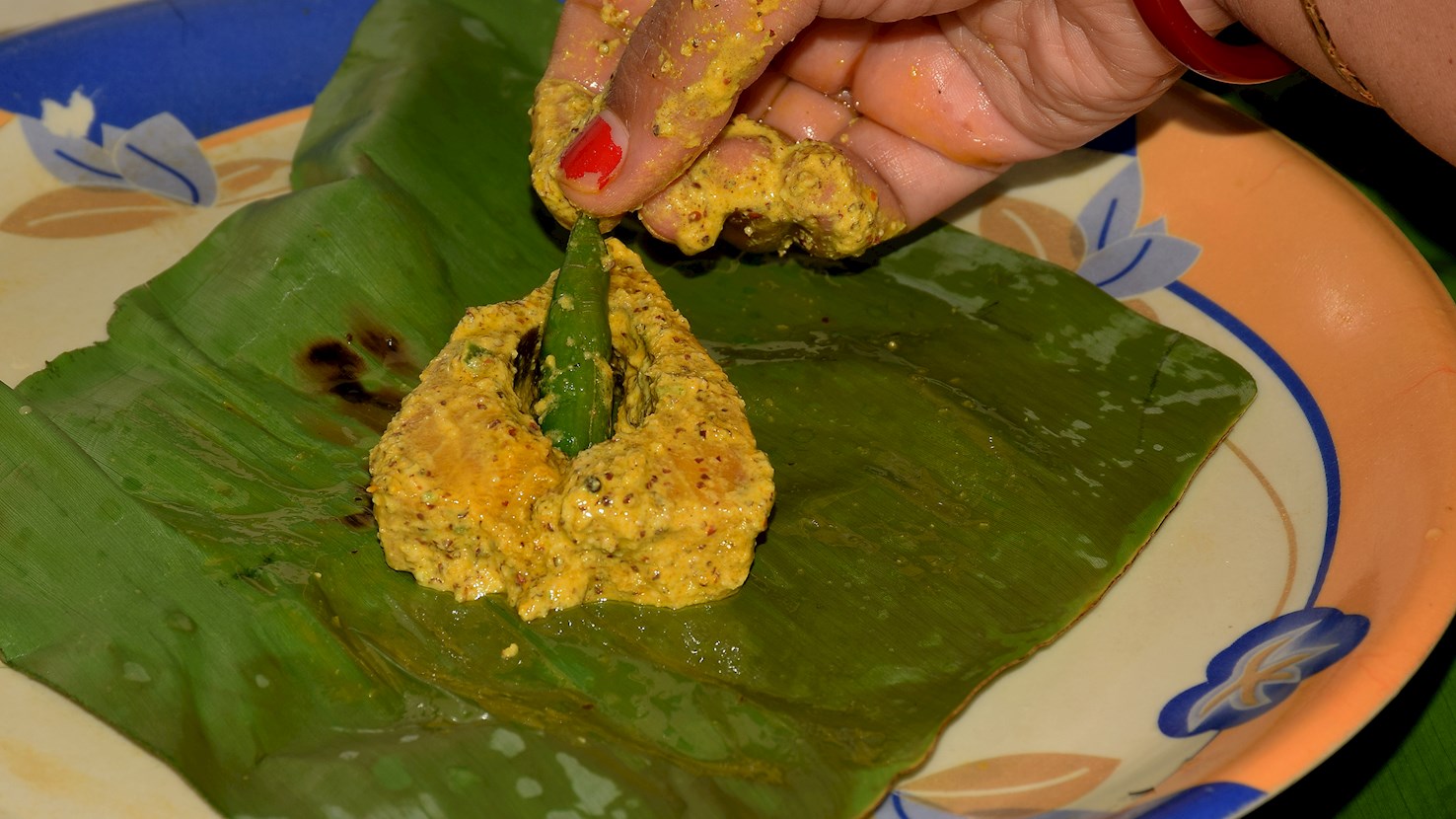
Ilish macher paturi is the national dish of Bangladesh. It is made with ilish fish that has been marinated with ground spices before it's wrapped in banana leaves and steamed or roasted. The ingredients used in the dish typically include mustard paste, chili peppers, mustard oil, and turmeric. A little bit of the marinade is usually saved and poured over the fish after it's been cooked. The dish is traditionally accompanied by rice on the side.

07

Macher jhol

3.4 ·

Macher jhol is a Bengali and Odia spicy fish stew, similar to curry. It consists of chunks or slices of fish that are slowly simmered in a flavorful broth that is usually enriched with onions, turmeric, chili peppers, ginger-garlic paste, coriander, nigella seeds, cumin, and mustard seeds. The most common fish varieties used in the dish include ilish (hilsa), rohu, and bhakura (catla), and the dish often incorporates potatoes, as well as tomatoes or tomato purée. Macher jhol is usually served with rice, and it is occasionally garnished with coriander leaves.

08

Pecel lele

3.5 ·

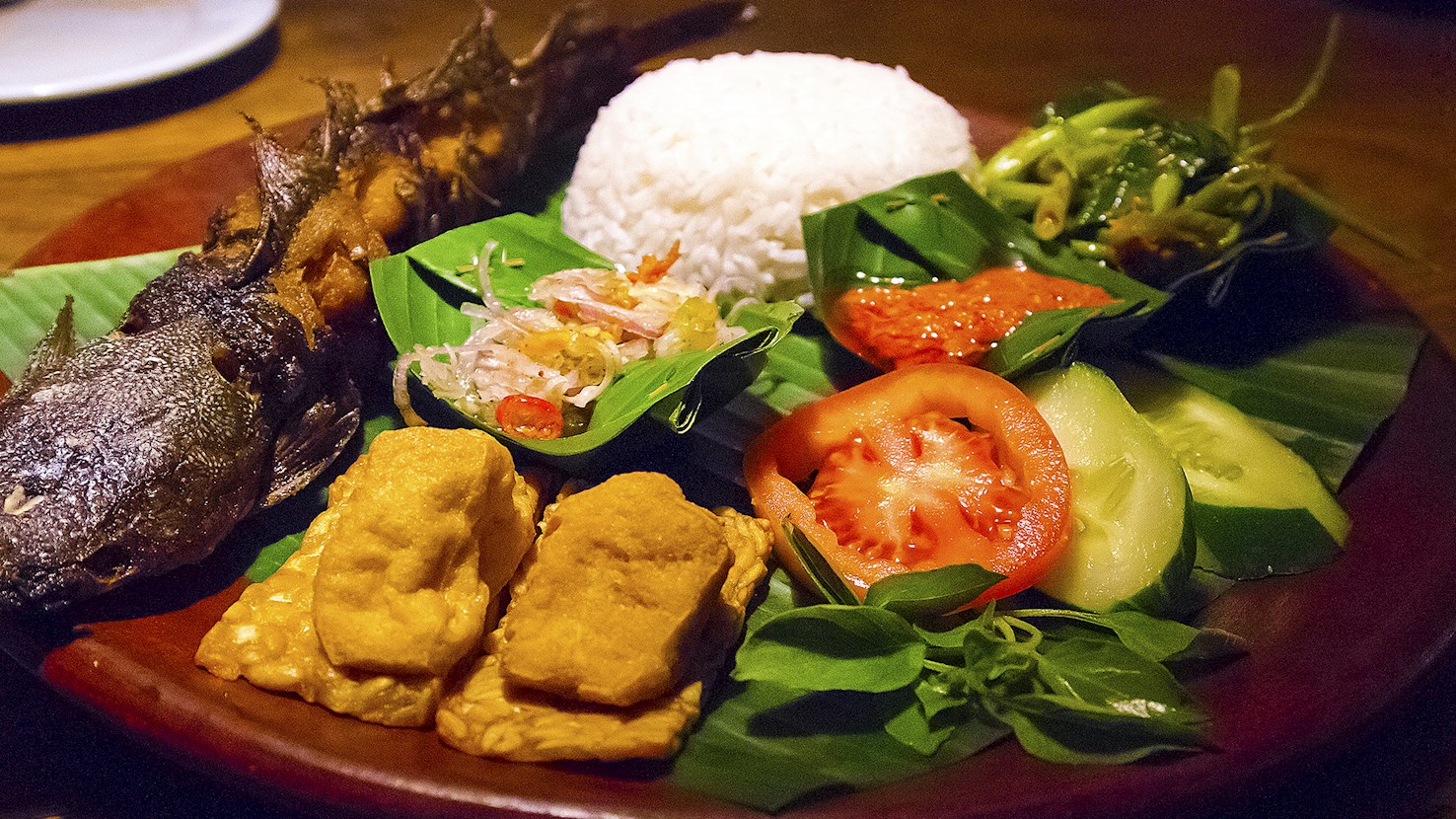
Pecel lele is a beloved Indonesian street food dish featuring deep-fried catfish (lele) served with sambal (spicy chili sauce), steamed rice, and fresh vegetables (lalapan). Originally popularized in Java, especially among Javanese roadside food stalls (warung lesehan), pecel lele has become a nationwide favorite for its affordability, bold flavor, and satisfying crunch. Despite the word pecel traditionally referring to vegetables with peanut sauce (as in nasi pecel), in this dish, pecel simply denotes the serving style—fish with sambal and rice. The lele (catfish) is typically marinated with salt, garlic, and turmeric, then deep-fried whole until the skin becomes crispy and golden, while the flesh remains moist and flavorful. The dish’s defining element is the raw or freshly ground sambal, often made from red chilies, tomatoes, garlic, shallots, shrimp paste (terasi), lime juice, and salt, pounded coarsely in a traditional mortar (cobek). It’s spicy, smoky, and intensely aromatic—perfectly complementing the rich, oily texture of the fried catfish. Pecel lele is usually served with steamed rice, a side of lalapan such as cucumber, basil leaves, lettuce, or cabbage, and occasionally with tempeh or fried tofu. It is typically eaten with hands while sitting on floor mats, especially in late-night warungs that line busy streets and corners.

09

Cá kho tộ (Caramelized Fish in Clay Pot)

3.6 ·

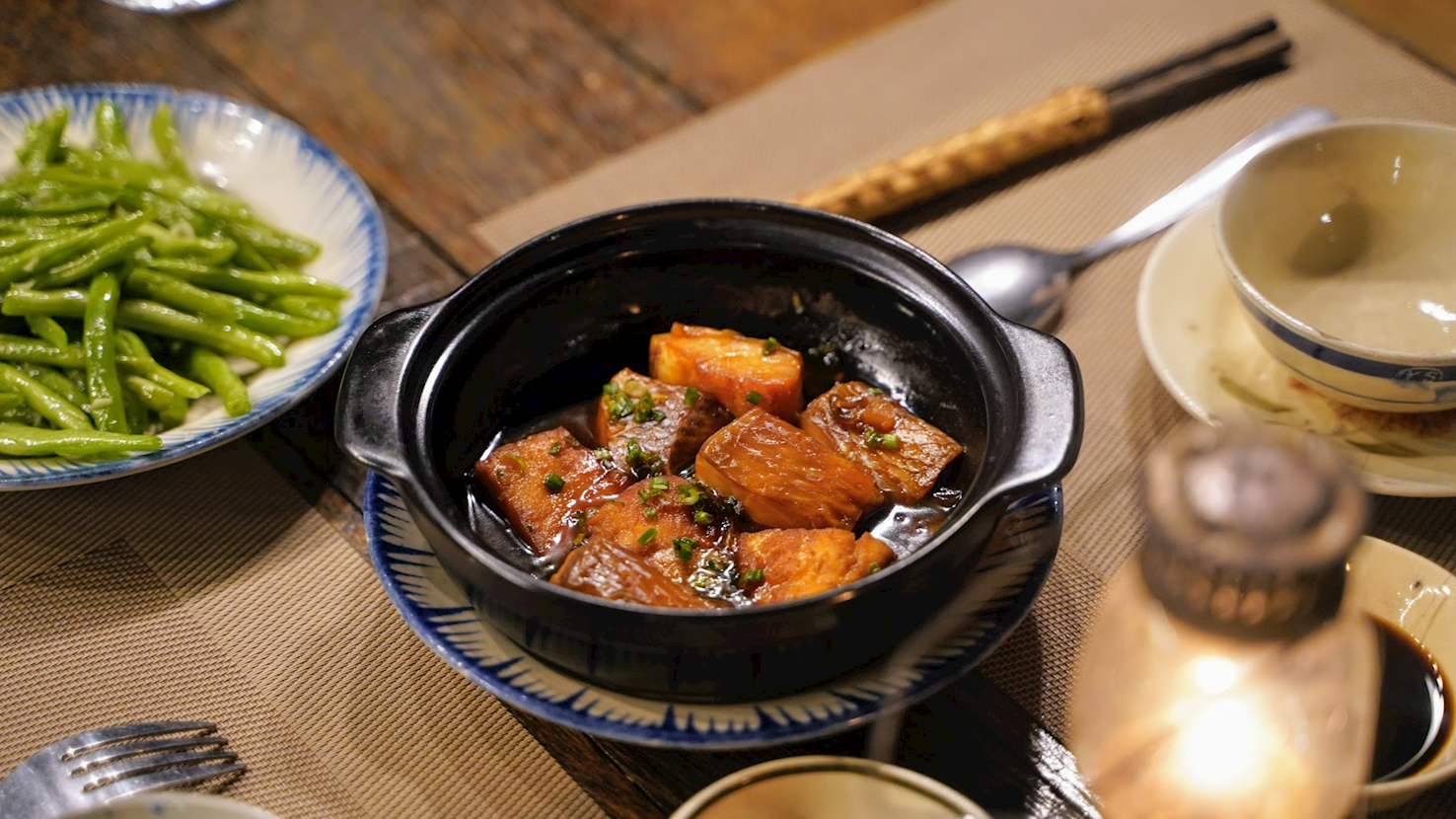
Cá kho tộ is a Vietnamese specialty made with fatty fish cuts that are braised in traditional clay pots (tộ). The dish is usually prepared with catfish (cá mèo) or snakehead (cá lóc) that is braised and caramelized in a combination of fish sauce, sugar, and coconut water, while other additions include sliced scallions, onions, or garlic. Cá kho tộ is traditionally served with rice on the side, and it is often accompanied by a bowl of canh chua cá—the fish-based Vietnamese soup.

Best restaurants
10

Shorshe ilish

3.6 ·

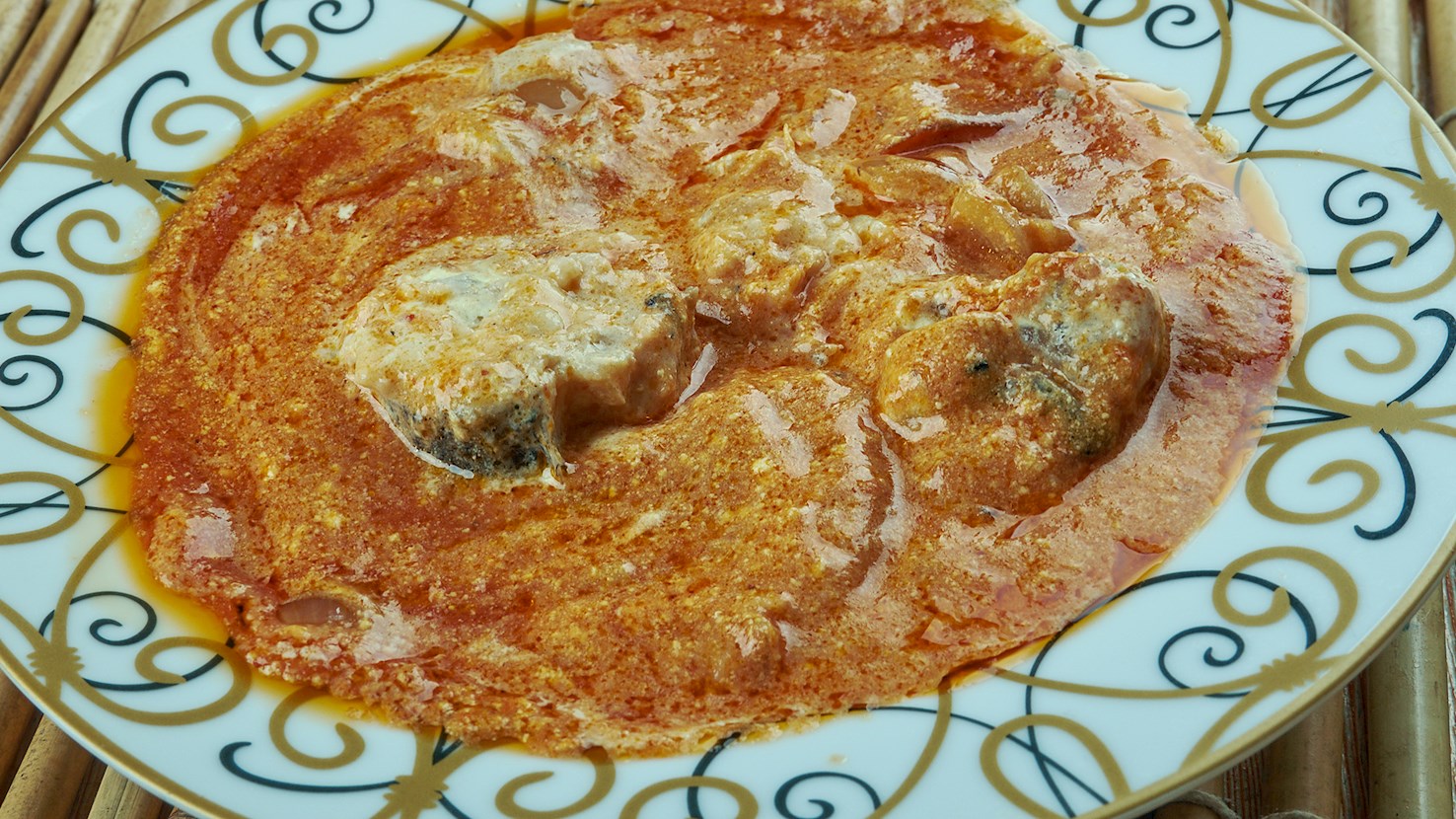
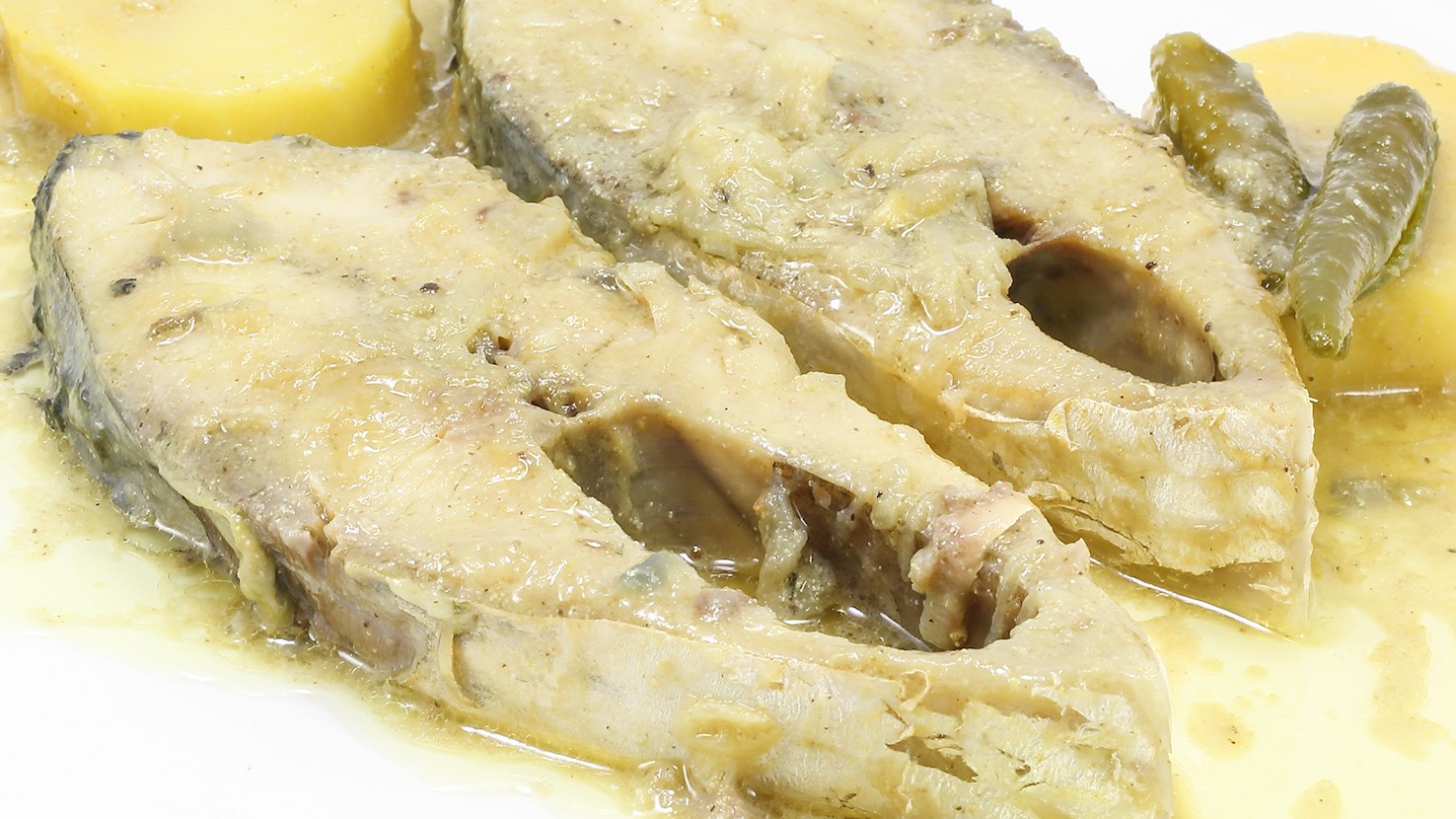
Shorshe ilish is a traditional dish that employs ilish fish as its star ingredient. Sliced ilish is slowly simmered in a thick broth consisting of ground mustard seeds and green chili peppers, as well as mustard oil and other spices such as turmeric, cumin, and red chili powder. The variation of the dish may include the addition of milk or yogurt (doi). This hearty fish dish is usually served with steamed rice on the side.

11

Masgouf

3.7 ·
Read more
View all
View map
About this ranking

TasteAtlas food rankings are based on the ratings of the TasteAtlas audience, with a series of mechanisms that recognize real users and that ignore bot, nationalist or local patriotic ratings, and give additional value to the ratings of users that the system recognizes as knowledgeable. For the “11 Worst Rated Asian Freshwater Fish Dishes” list until June 16, 2026, 338 ratings were recorded, of which 198 were recognized by the system as legitimate. TasteAtlas Rankings should not be seen as the final global conclusion about food. Their purpose is to promote excellent local foods, instill pride in traditional dishes, and arouse curiosity about dishes you haven’t tried.

Similar lists