

shutterstock

15 Worst Rated Asian Fried Dough Foods

Last updated on June 16, 2026
01

Hanım göbeği

3.1 ·

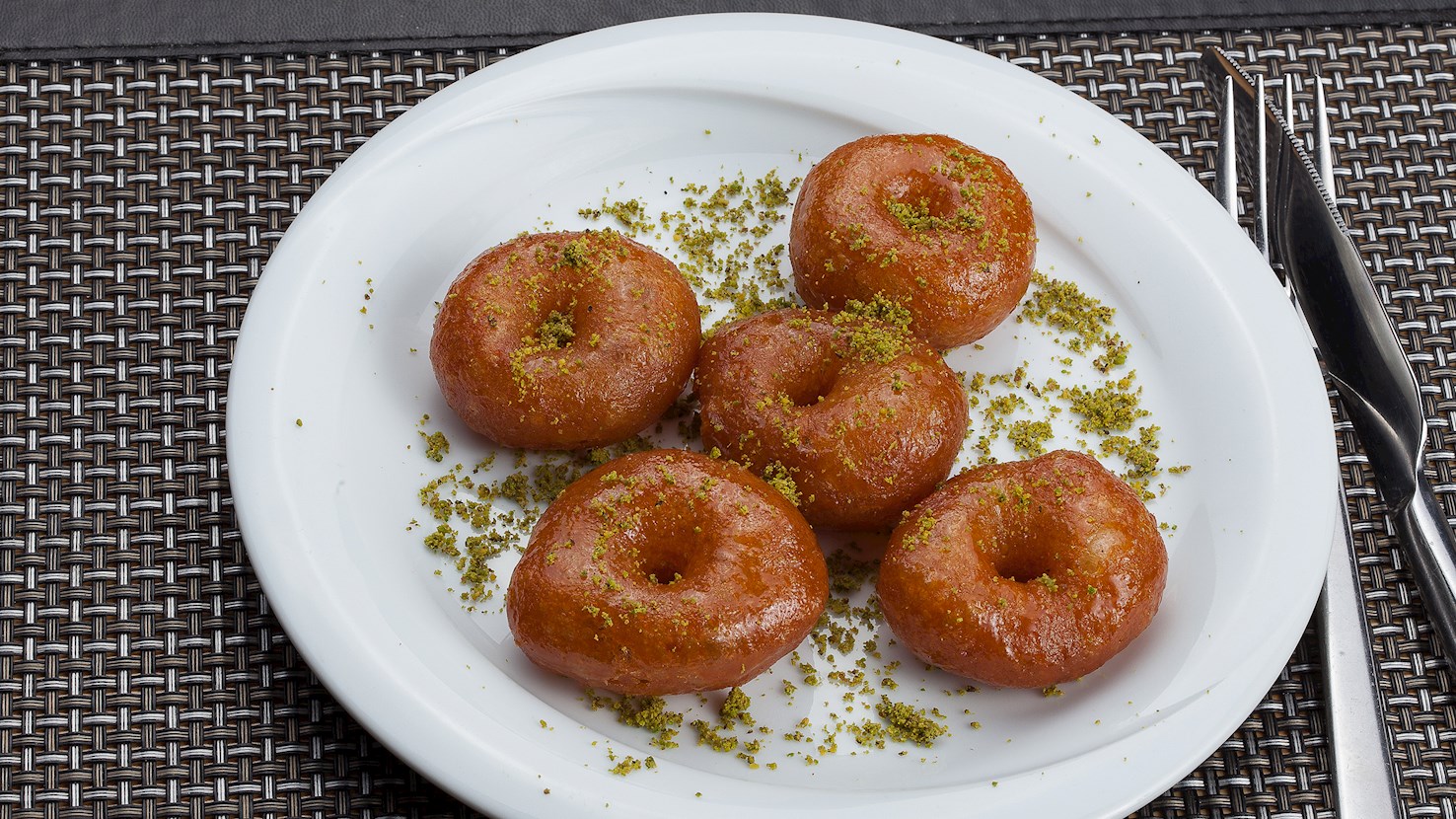
Hanım göbeği is a traditional sweet pastry originating from Turkey. It consists of choux pastry balls that are pressed in the middle to create a dimple, then deep-fried in hot oil and soaked in sugar syrup. The name of this sweet treat means lady's navel, hence the indentation in the middle of the pastry. The dough is made with a combination of flour, sugar, eggs, butter, and salt, while the syrup is made with a mixture of sugar, water, and lemon juice. The dough should be fried in oil over medium heat, and the pastry is then placed into cold syrup.

02

Awameh

3.1 ·

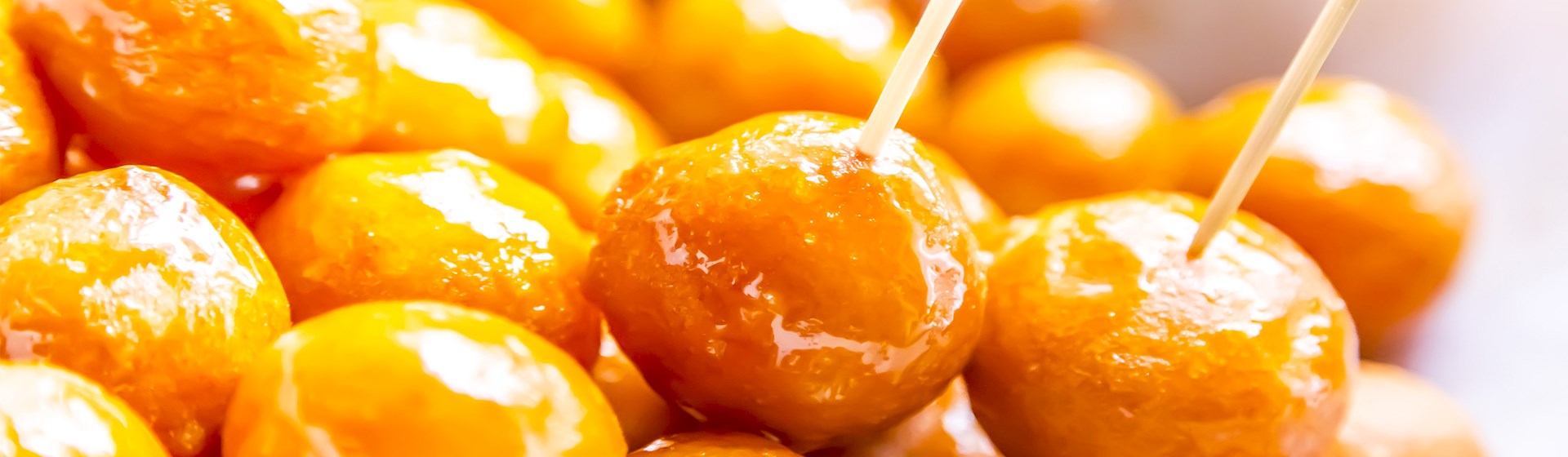
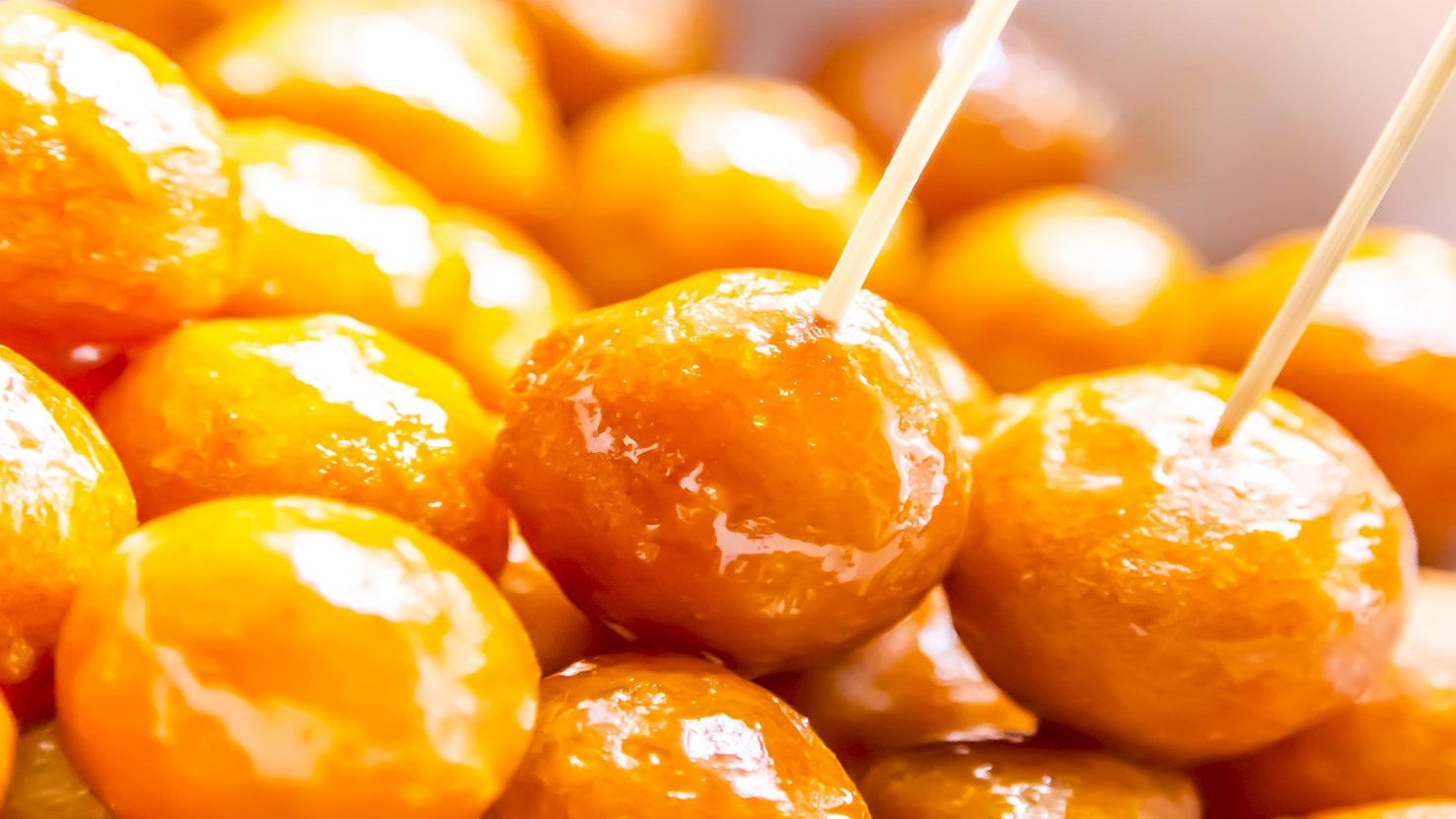
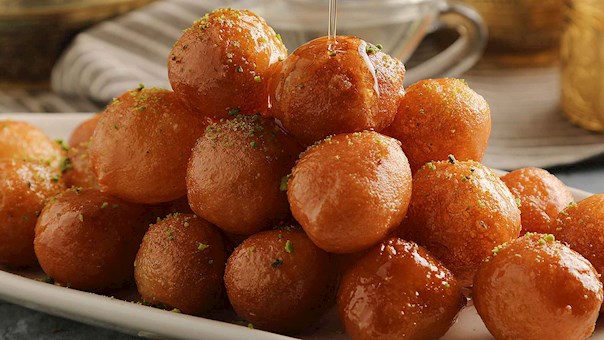
Awameh is a sweet Syrian dish consisting of small balls of dough which are fried in hot oil and soaked in honey, cinnamon, or sugar syrup. Sometimes, awameh is sprinkled with sesame seeds. The name of the dish means floater in Arabic, referring to the way the balls float on the surface while being fried.

03

Panada

3.2 ·

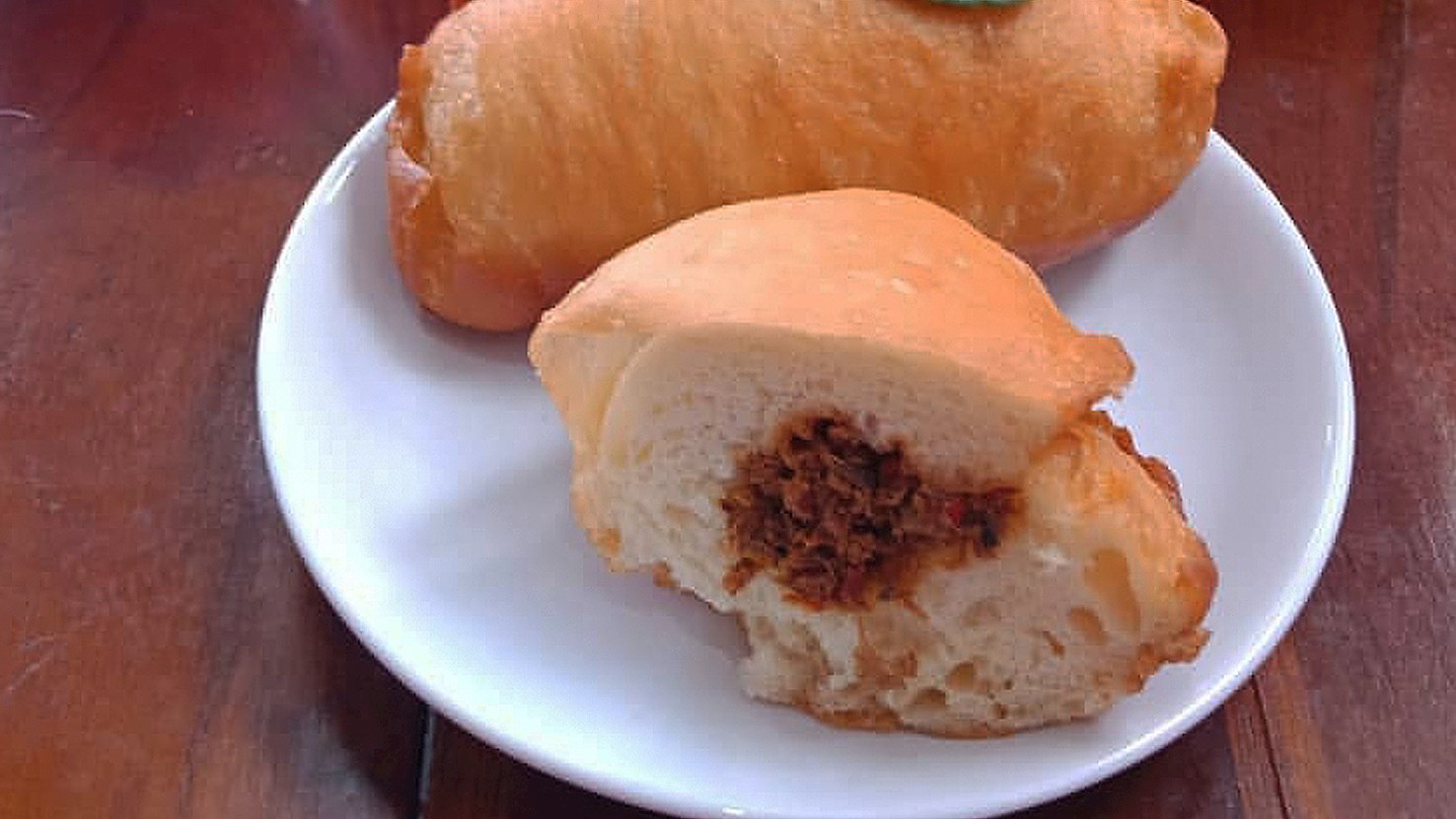
Panada is an interesting Indonesian take on Spanish and Latin American empanadas. These deep-fried, crescent-shaped pastries consist of leavened dough and a fish-based filling. The Indonesian version is traditionally filled with a combination of skipjack tuna, shallots, coconut milk, chili peppers, and other optional ingredients. The name of this convenient snack unmistakably resembles Spanish empanadas, small pies that originated in Galicia, but which have become a staple in Latin American countries. However, it is believed that the origin of panada was influenced by the Portuguese, who were present in the area since the 16th century. Regardless of its questionable background, panada has become a traditional Indonesian snack that is mostly associated with North Sulawesi and the city of Manado.

04

Khuushuur

3.3 ·

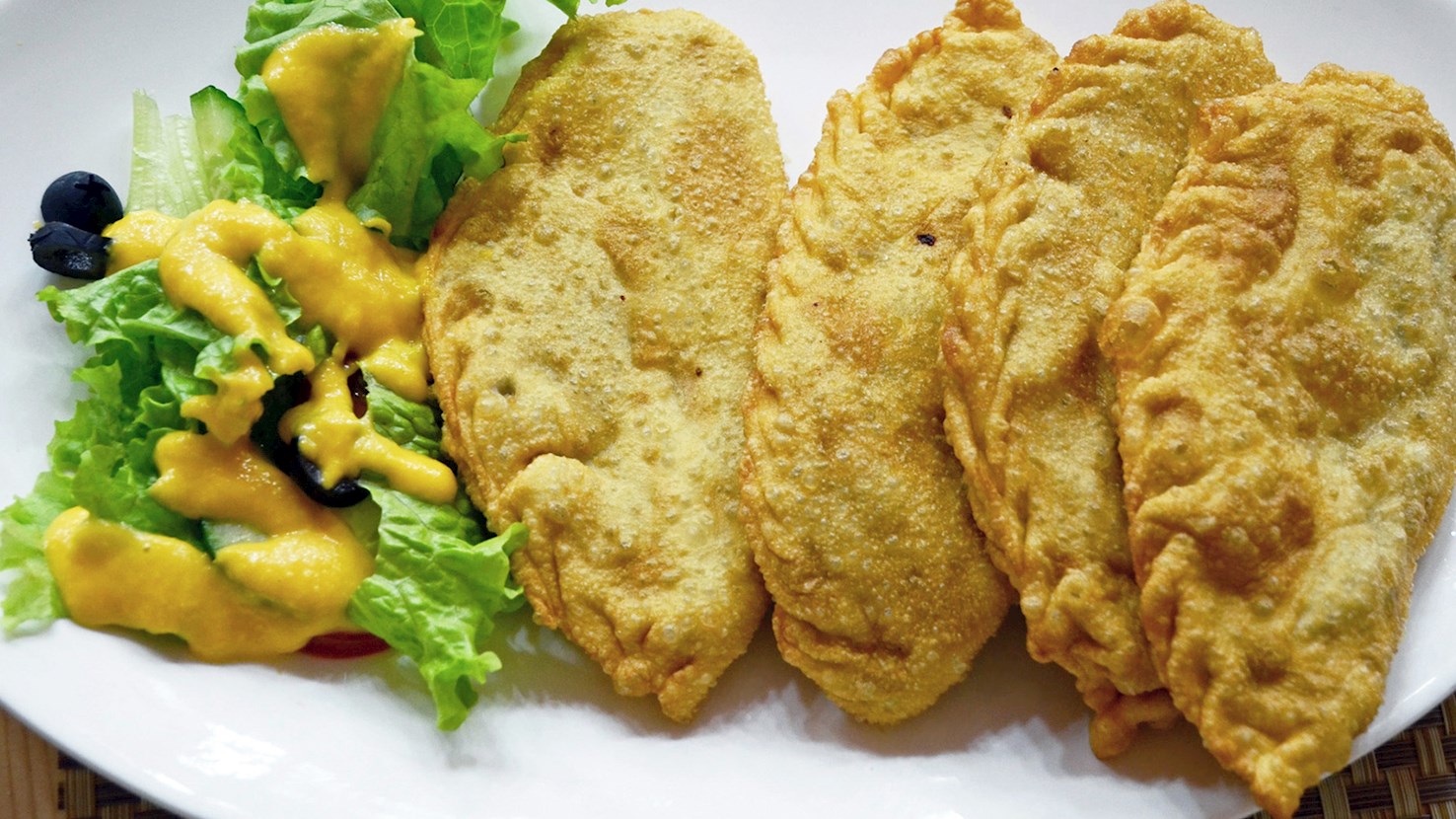
Khuushuur is a savory Mongolian pastry that is traditionally filled with a mixture of ground mutton and onions, but there are a few variations that include beef, garlic or peppers, as well as other vegetables. This crescent-shaped pastry is usually deep-fried and is meant to be eaten by hand. It is mostly enjoyed as street food, but it is also served in local restaurants, where the order usually includes four pieces of khuushuur accompanied by lettuce or pickles.

05

Dal puri

3.3 ·

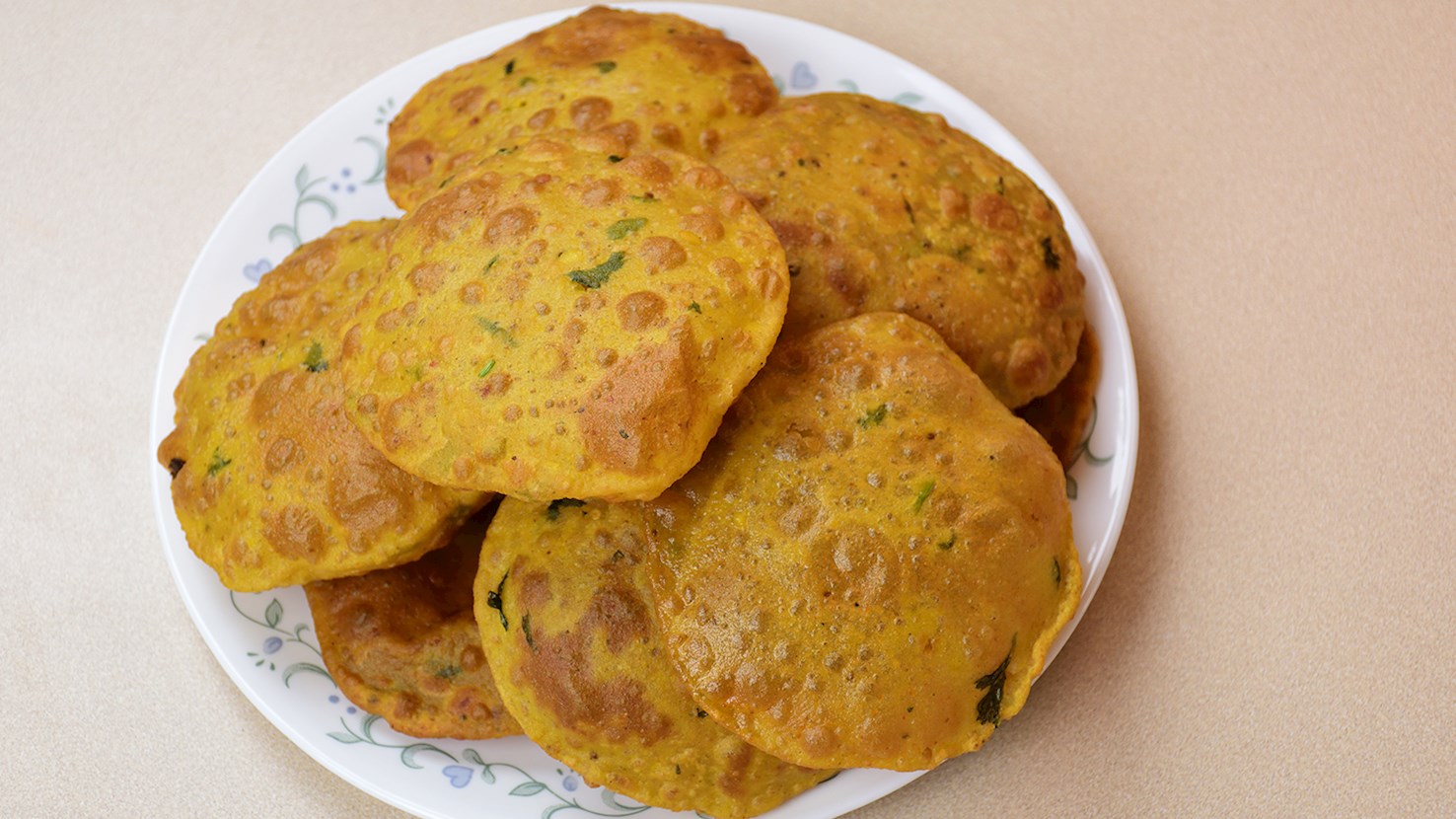
Hailing from North India, dal puri is a variety of puri, a type of round-shaped Indian bread that is deep-fried until crispy, puffy, and golden. This version of the bread consists of puri dough that’s kneaded with a lentil-based mixture. Numerous versions of the dish exist throughout different regions, and depending on the spices used for its preparation, the dish can range from mildly spicy to hot. The dough is typically made with plain flour, water, salt, and oil, while the filling usually combines mung dal lentils with oil and spices such as ginger, green chili, cumin, fennel seed powder, mango powder, asafetida, and salt. Other typical spices include garam masala powder, carom seeds, turmeric, pepper, garlic, and coriander leaves. Dal puri is traditionally prepared for various celebrations and festivals, and it is usually enjoyed for breakfast or as an accompaniment to a variety of main dishes. These crispy-fried puris pair nicely with Indian specialties such as aloo ki sabzi (potato curry), gajar ka halwa (carrot halwa), chole (chickpea curry), or spicy squash curry.

06

Ga li su (Curry beef triangle)

3.4 ·

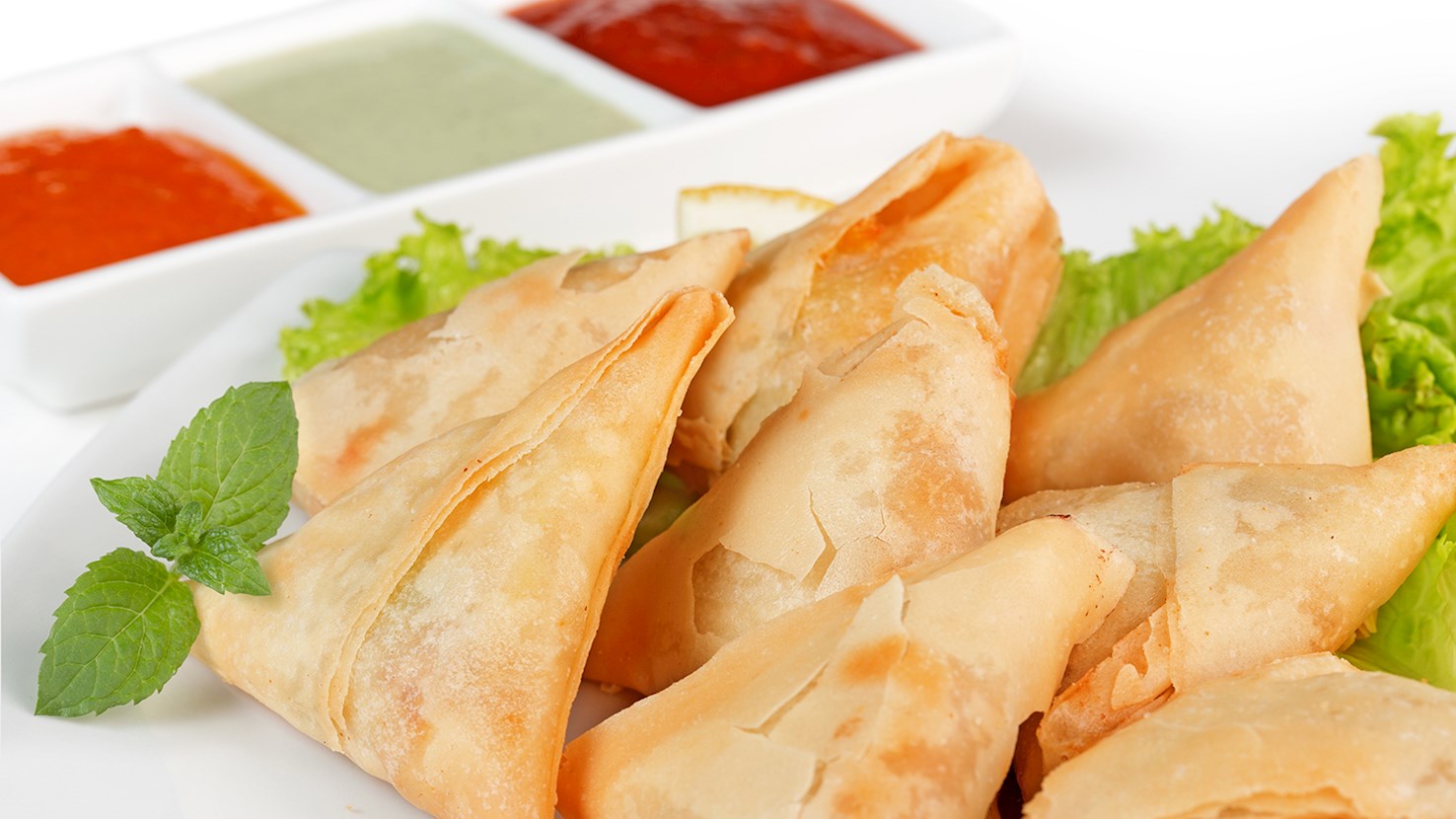
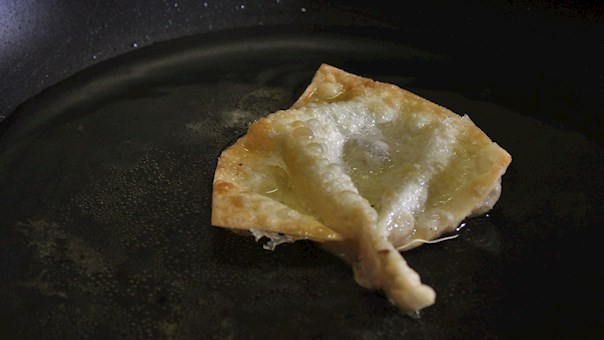
Curry beef triangle is a pastry originating from Hong Kong. In order to prepare it, the dough is shaped into a circle, then usually filled with a combination of ground beef, onions, garlic, curry powder, and peas. It is then folded into a triangle, sealed with beaten eggs, and fried in oil over high heat. If properly prepared, the outside should be thick, crunchy, and flaky while the interior remains succulent.

07

Youtiao (Chinese crullers)

3.5 ·

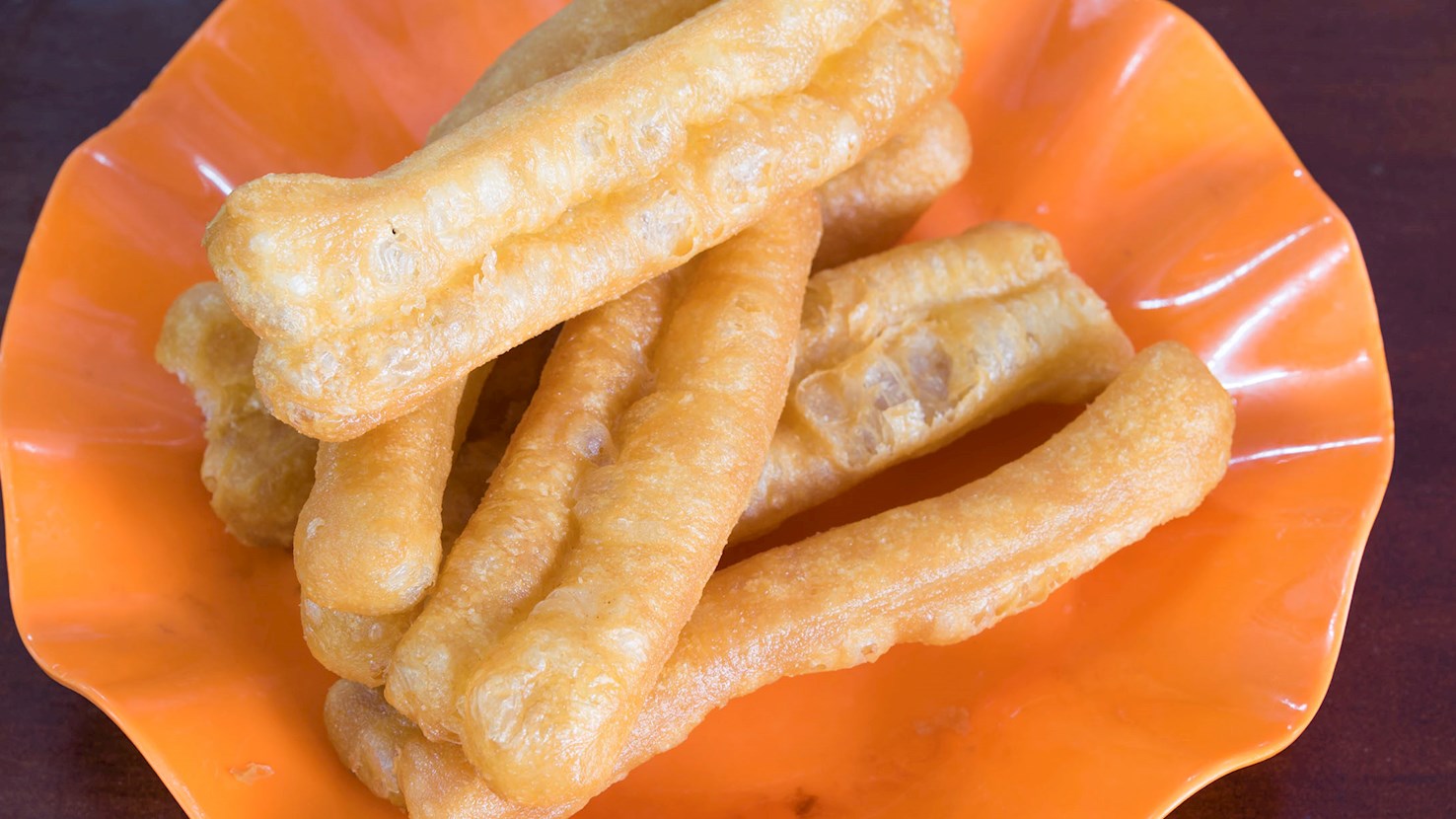
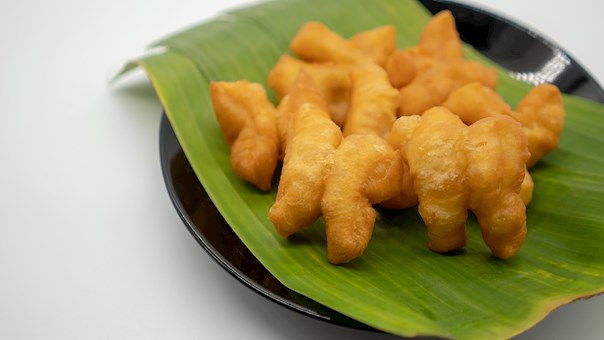
Youtiao is one of the most popular breakfast foods in China, consisting of Chinese breadsticks that are fried in pairs and connected in the middle. The result is a puffy snack that is crispy on the exterior and tender on the interior. Youtiao dates back to the Song Dynasty when the leader Qin Gui, under the influence of his wife, executed a general named Yue Fei, who was loved by the people. As a sign of protest, a cook made a pair of breadsticks that were shaped to resemble human beings (the leader and his wife), and symbolically deep-fried them in hot oil. That is how youtiao got its nickname - you zha gui, literally translated to deep fried ghosts. Today, the snack is usually accompanied by hot soy milk, rice porridge, or a soup filled with pork, beef, or shrimp.

Best restaurants
08

Kkwabaegi (Korean Twisted Donuts)

3.5 ·

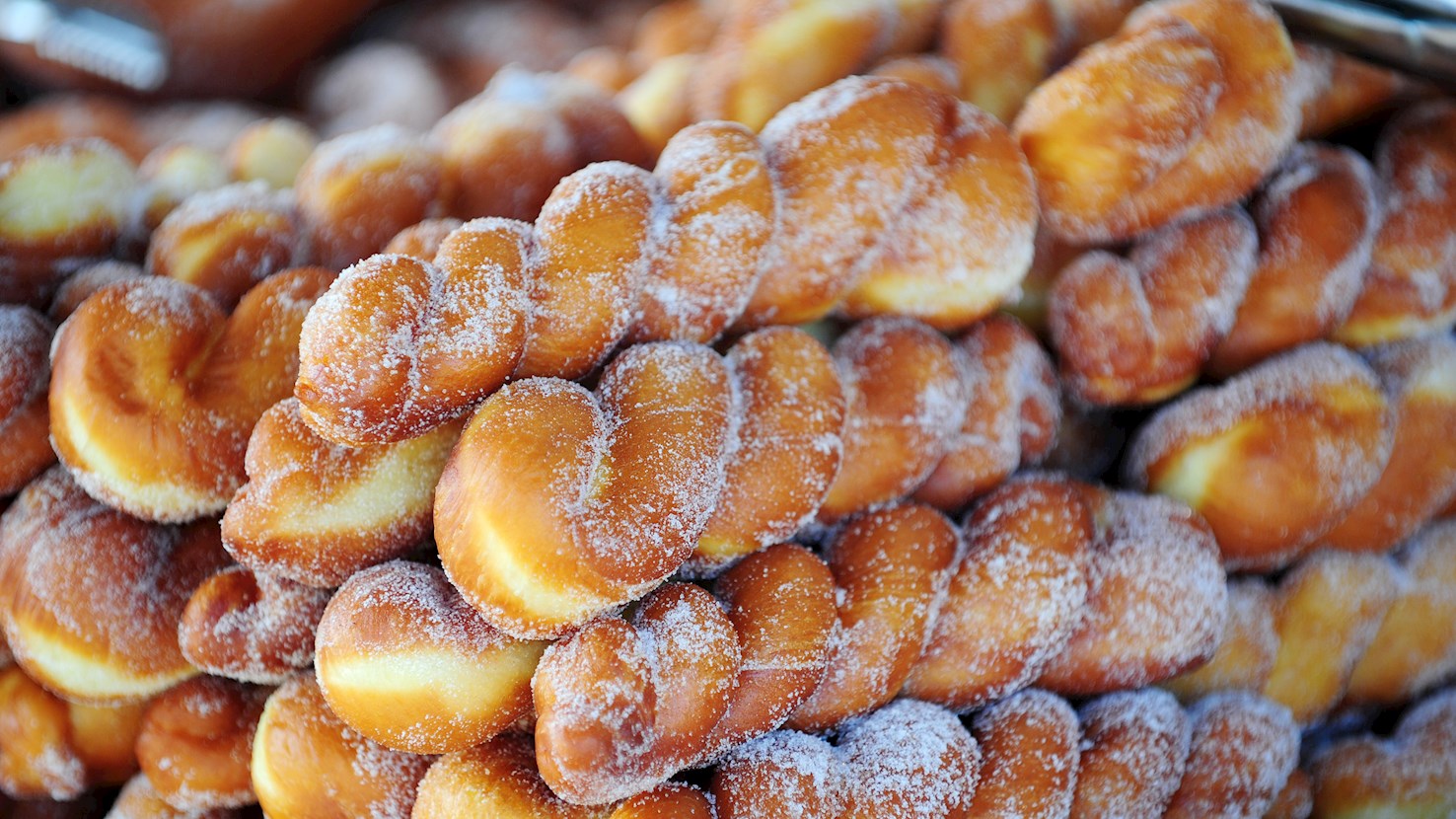
Kkwabaegi are traditional South Korean twisted donuts. They're usually made with a combination of flour, butter, sugar, milk, eggs, yeast, salt, corn oil, and cinnamon. Melted butter is mixed with milk, sugar, salt, eggs, yeast, and flour. The dough is kneaded, wrapped, left to rise, kneaded again, and left to double in size one more time. Pieces of dough are rolled into ropes that are twisted into short braids, and then fried in oil on both sides until golden brown. The twisted donuts are rolled in cinnamon sugar while still warm, and kkwabaegi is then ready to be enjoyed. These donuts can be found in most Korean bakeries.

09

Sufganiyah

3.6 ·

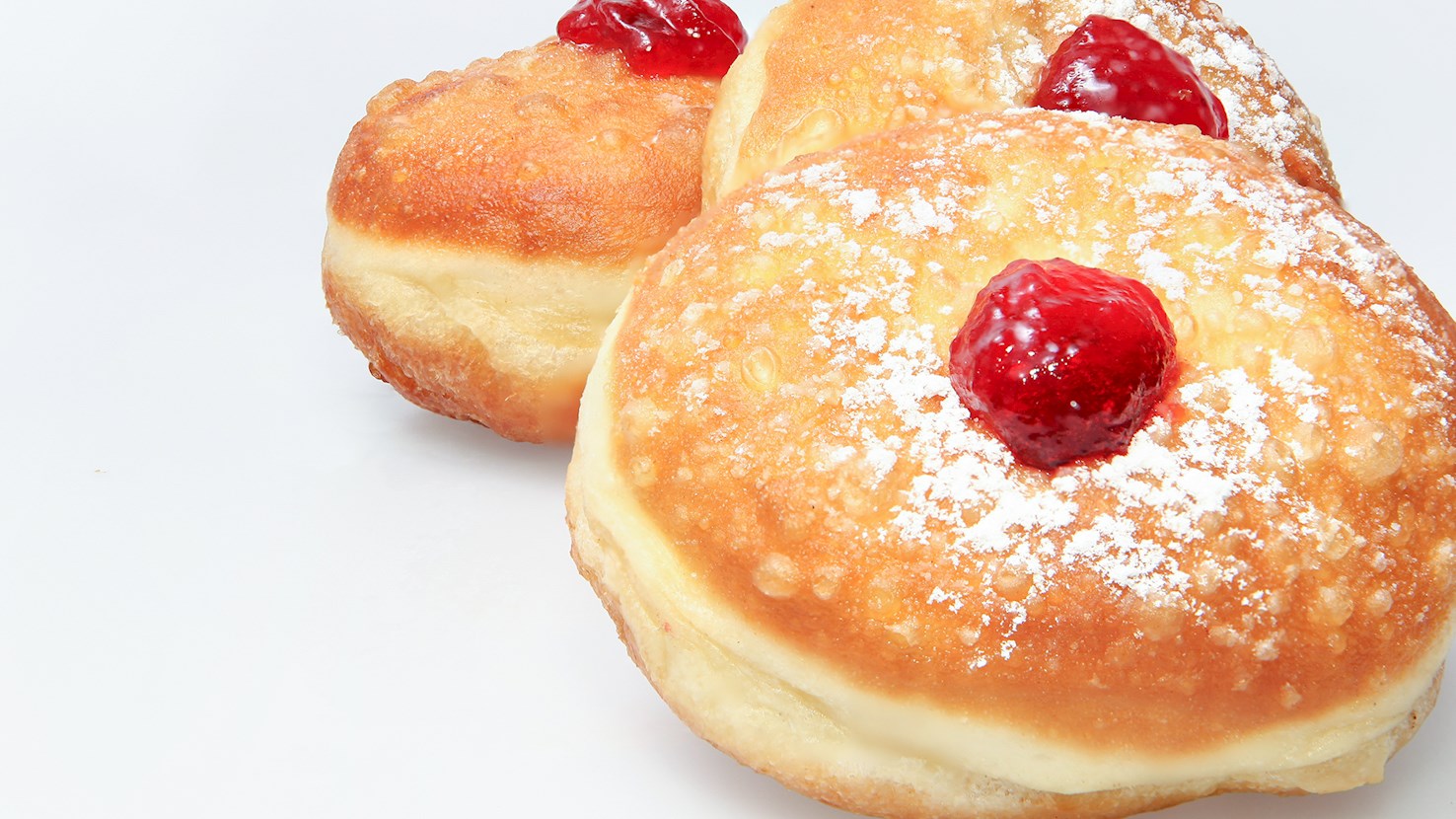
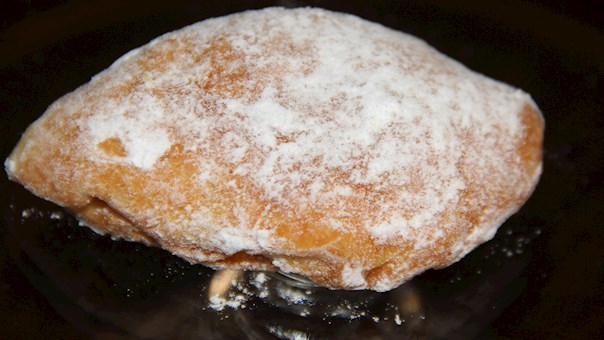
Sufganiyah is a round, deep-fried doughnut filled most commonly with jam and widely associated with Jewish communities, particularly in Israel, where it is produced in large quantities during Hanukkah and sold in bakeries, cafés, and markets. Its development traces to earlier European jelly-filled pastries such as the German Berliner and Central European sufganiyot-style fried doughs that Jewish migrants adopted and adapted, eventually becoming integrated into local cuisines in the Levant during the twentieth century when commercial bakeries began standardizing the recipe and promoting it as a convenient holiday food that aligned with the regional emphasis on cooking with oil during the season. The dough is usually made from flour, eggs, yeast, sugar, and fat, mixed into a soft enriched dough that is left to rise before being shaped into small rounds, proofed again, and fried in oil until golden, after which they are filled through a small opening with jam, custard, chocolate, halva cream, or other fillings introduced by modern bakeries; the surface is often dusted with powdered sugar. One notable element is the ring-less shape that sets it apart from American-style doughnuts and the focus on post-frying filling rather than mixing the flavor into the dough, a method that preserves a clear contrast between the soft interior and the filling. It is eaten primarily during Hanukkah in Israel and Jewish communities worldwide but is available year-round in many places, served with coffee, tea, hot chocolate, and other warm drinks that balance the sweetness and richness of the fried dough.

10

Khaja

3.6 ·

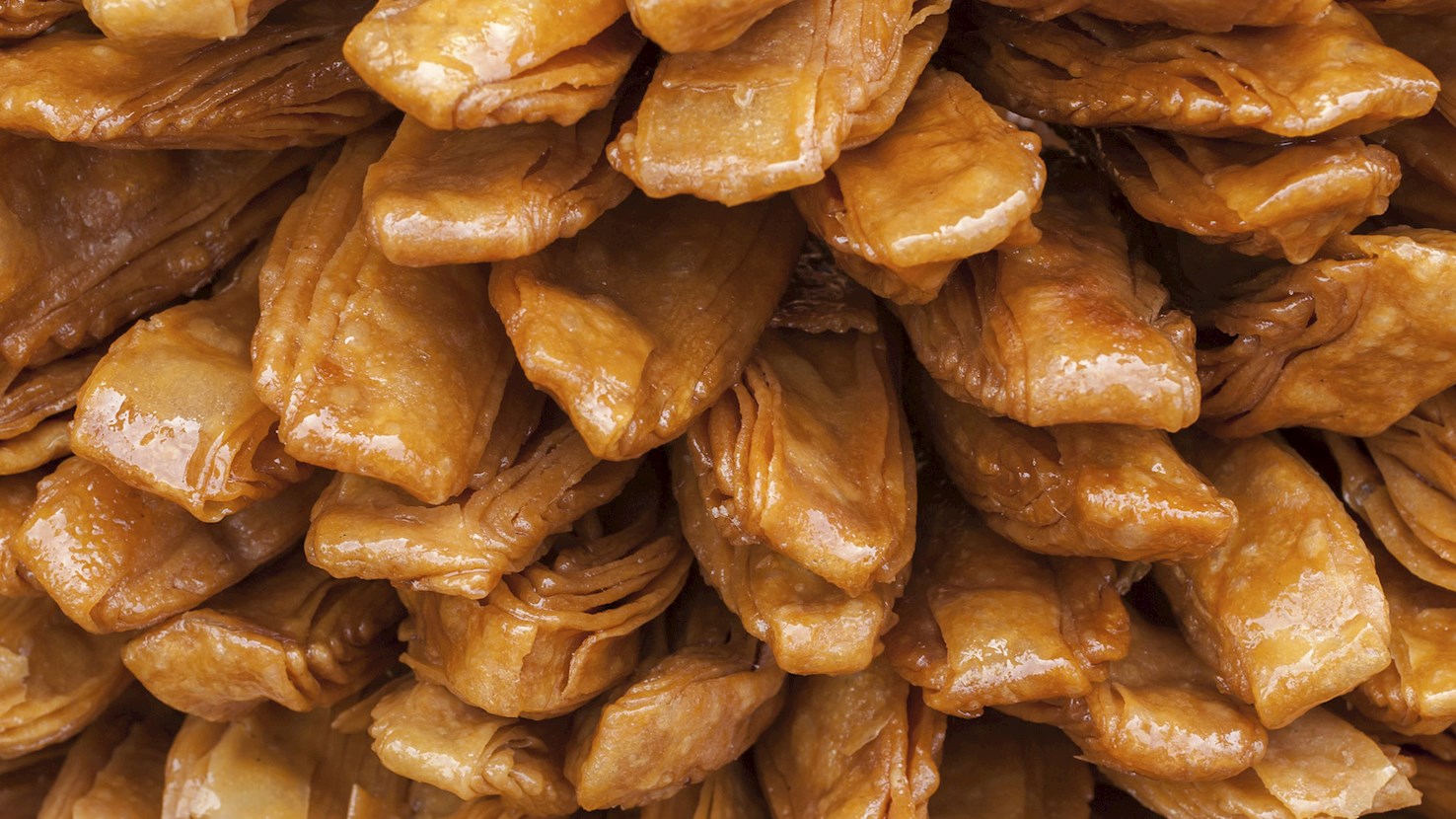
Khaja is a traditional dessert consisting of flour, sugar, and ghee-based dough that is deep-fried in oil until golden and crispy. After the preparation, khaja is sometimes soaked in sugar syrup, depending on the regional variation of the recipe. This tasty dessert is one of the key dishes at numerous North Indian wedding feasts. There are many regional varieties of khaja, so khajas from Silao and Rajgir are characterized by their puffiness, while khajas of the coastal part of Andhra Pradesh are dry on the exterior and filled with sugar syrup on the inside. All of the varieties should have a wafery texture and melt in the mouth. There is also a special variety of khaja called belgrami which is not so sweet and is made from milk solids, sugar, and ghee.

12

Gosh-e fil

3.7 ·
13

Pa thong ko

3.8 ·
14

Lokma

3.9 ·
15

Qottab

3.9 ·
Read more
View all
View map
About this ranking

TasteAtlas food rankings are based on the ratings of the TasteAtlas audience, with a series of mechanisms that recognize real users and that ignore bot, nationalist or local patriotic ratings, and give additional value to the ratings of users that the system recognizes as knowledgeable. For the “15 Worst Rated Asian Fried Dough Foods” list until June 16, 2026, 2,825 ratings were recorded, of which 1,042 were recognized by the system as legitimate. TasteAtlas Rankings should not be seen as the final global conclusion about food. Their purpose is to promote excellent local foods, instill pride in traditional dishes, and arouse curiosity about dishes you haven’t tried.

Similar lists