


16 Worst Rated Fruit Liqueurs
in the World

Last updated on June 16, 2026
01

Passoã

2.9 ·

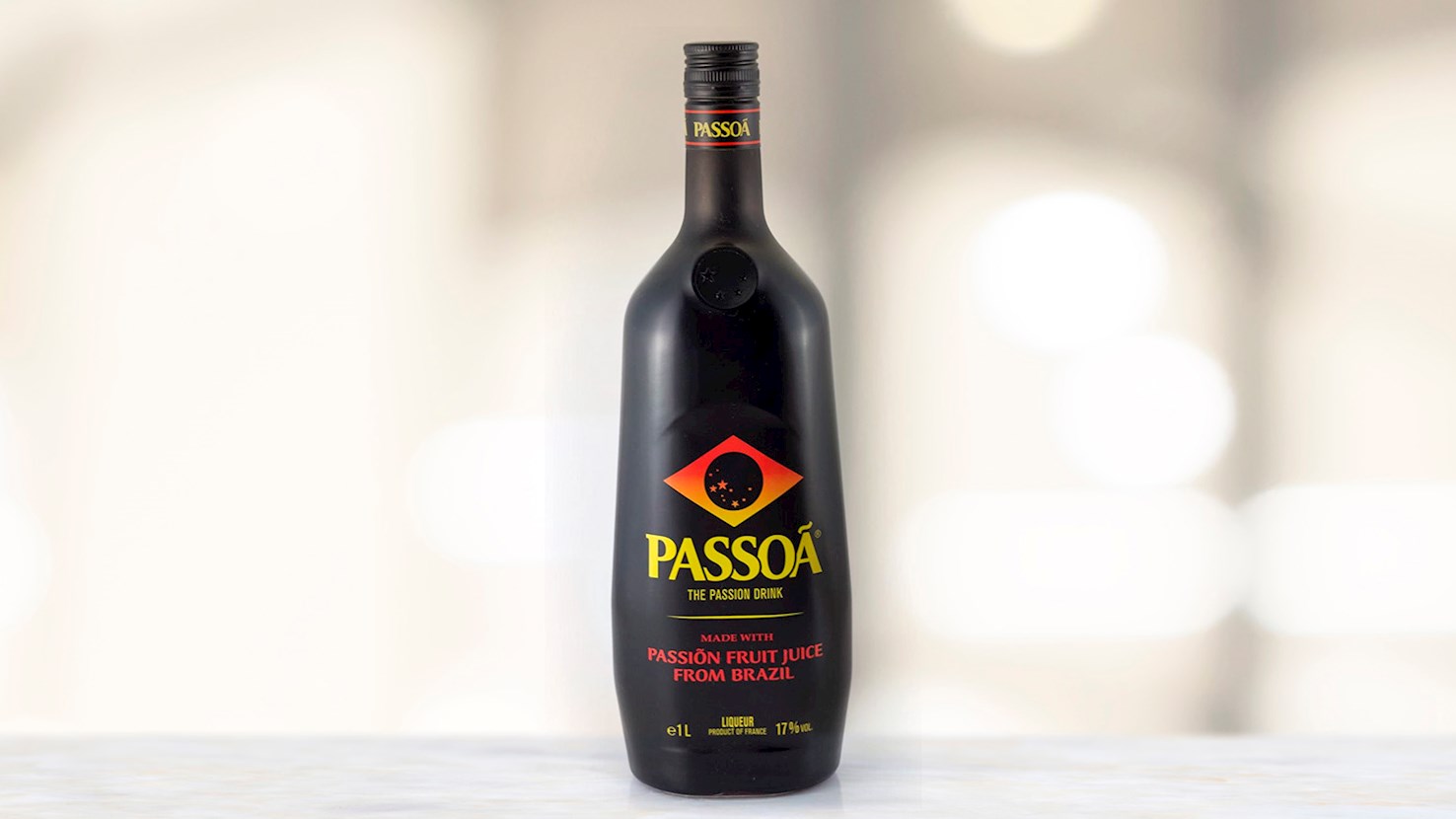
Passoã is a passion fruit liqueur that is produced in France with passion fruit sourced from Brazil. It was created in 1985, and it is currently bottled at 17%. The liqueur has a dominant passion fruit aroma. On the palate, honey sweetness is well balanced with zesty, citrus-like notes. Although it can be enjoyed on its own, Passoã is usually used in mixed drinks. It goes well with fruit juice, tonic water, sparkling water, ginger ale, and various spirits. The liqueur is a great cocktail ingredient—Porn Star Martini is probably the most popular cocktail made with Passoã.

02

Pacharán

2.9 ·

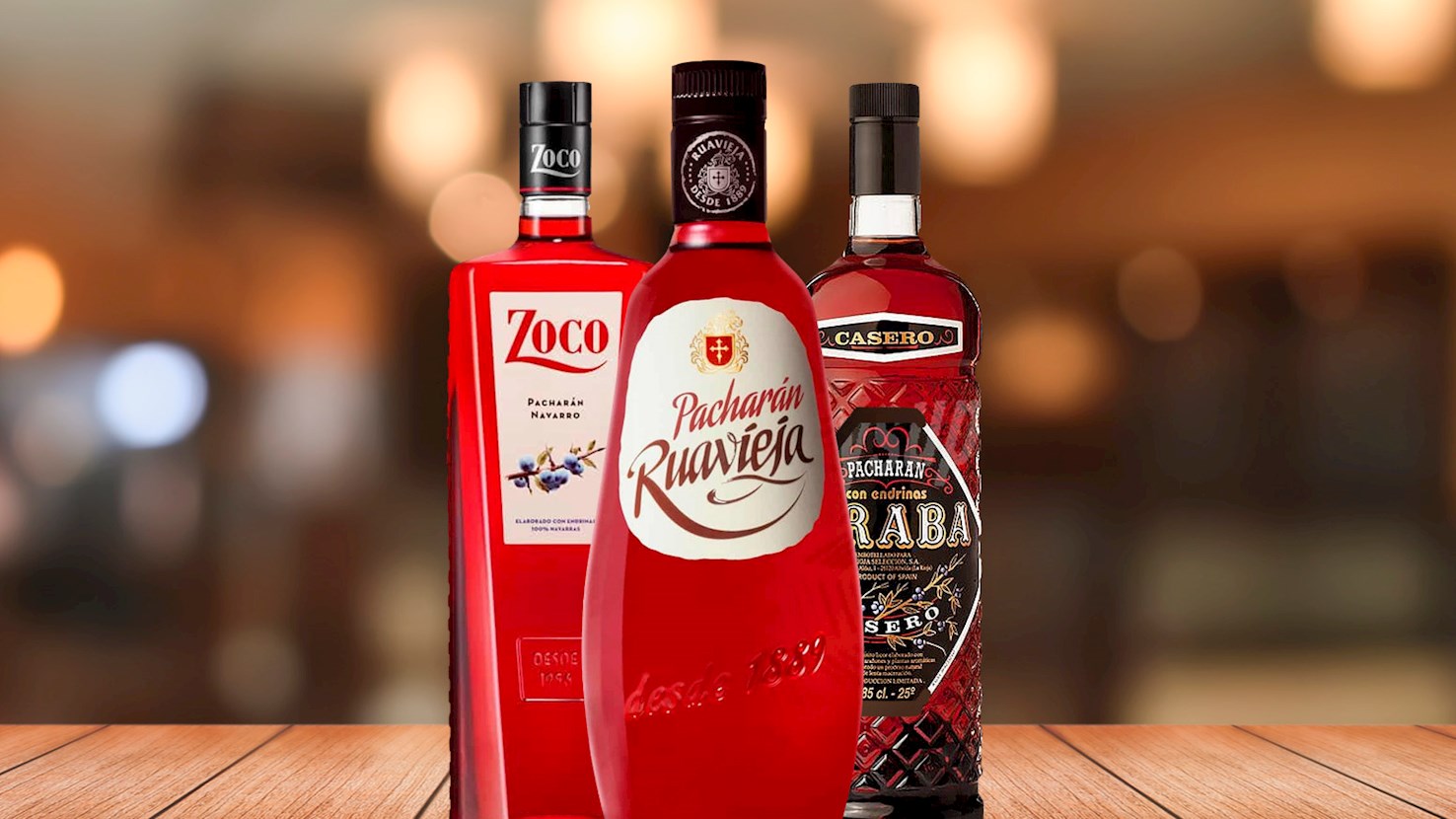
Pacharán is a sloe-flavored liqueur that is mostly associated with Navarre, but it is also enjoyed in other Spanish regions. The drink is made by macerating sloes (blackthorn) in an anise-flavored spirit. Sometimes, bay leaves, roasted coffee beans, herbs, or spices can be added to the mix. The sloes are macerated for several months until the liqueur attains a distinctive mahogany hue. The resulting drink is sweet, pleasant, and potent—alcohol content typically falls between 25-30% ABV. Pacharán has a long history, dating back to the Middle Ages. It was initially consumed as a medicinal drink that had beneficial effects on digestion, or it could act as a sedative. By the 19th century, it became a common after-dinner drink. It is best served chilled, straight or over ice.

03

Curaçao

2.9 ·

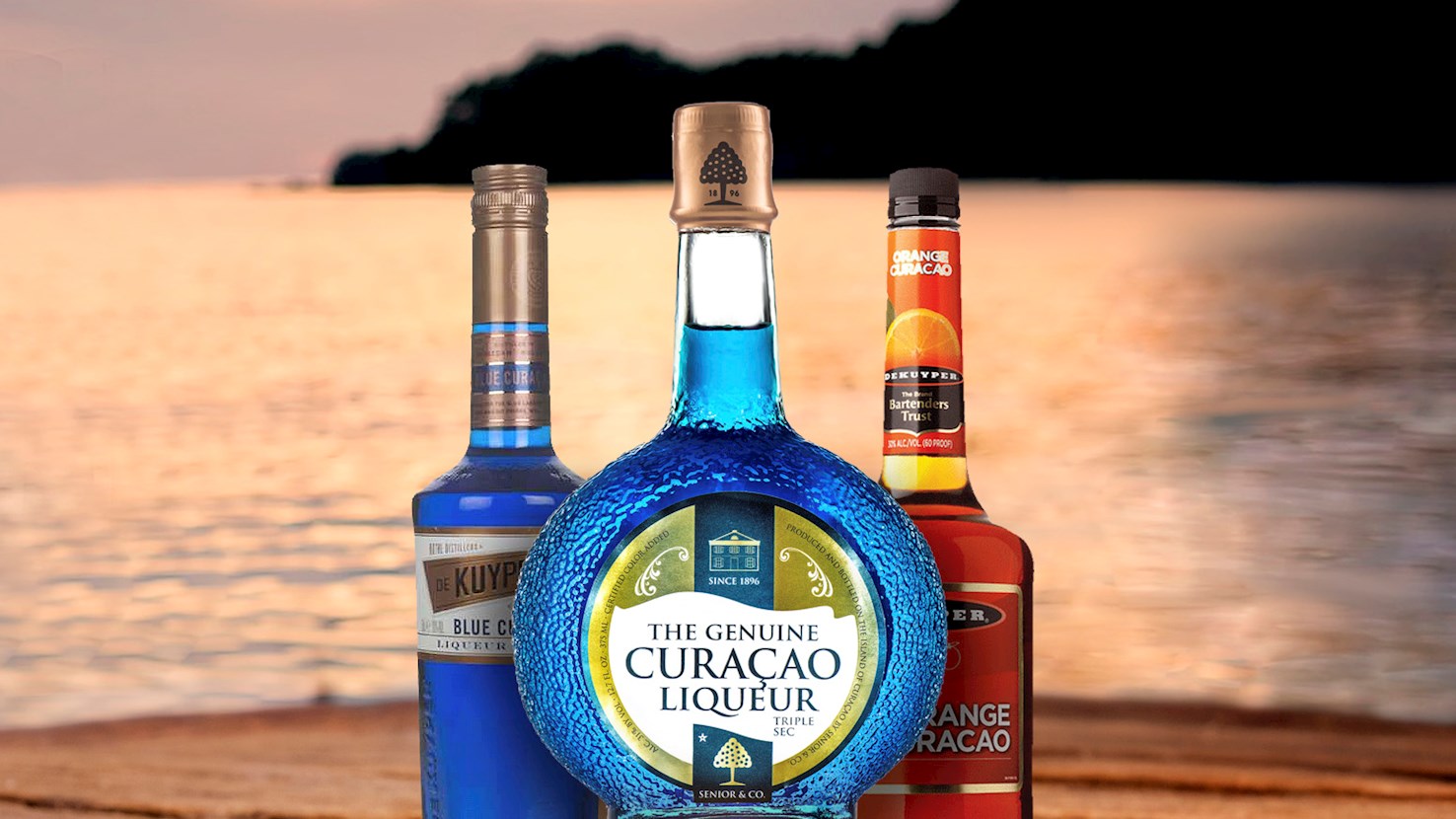
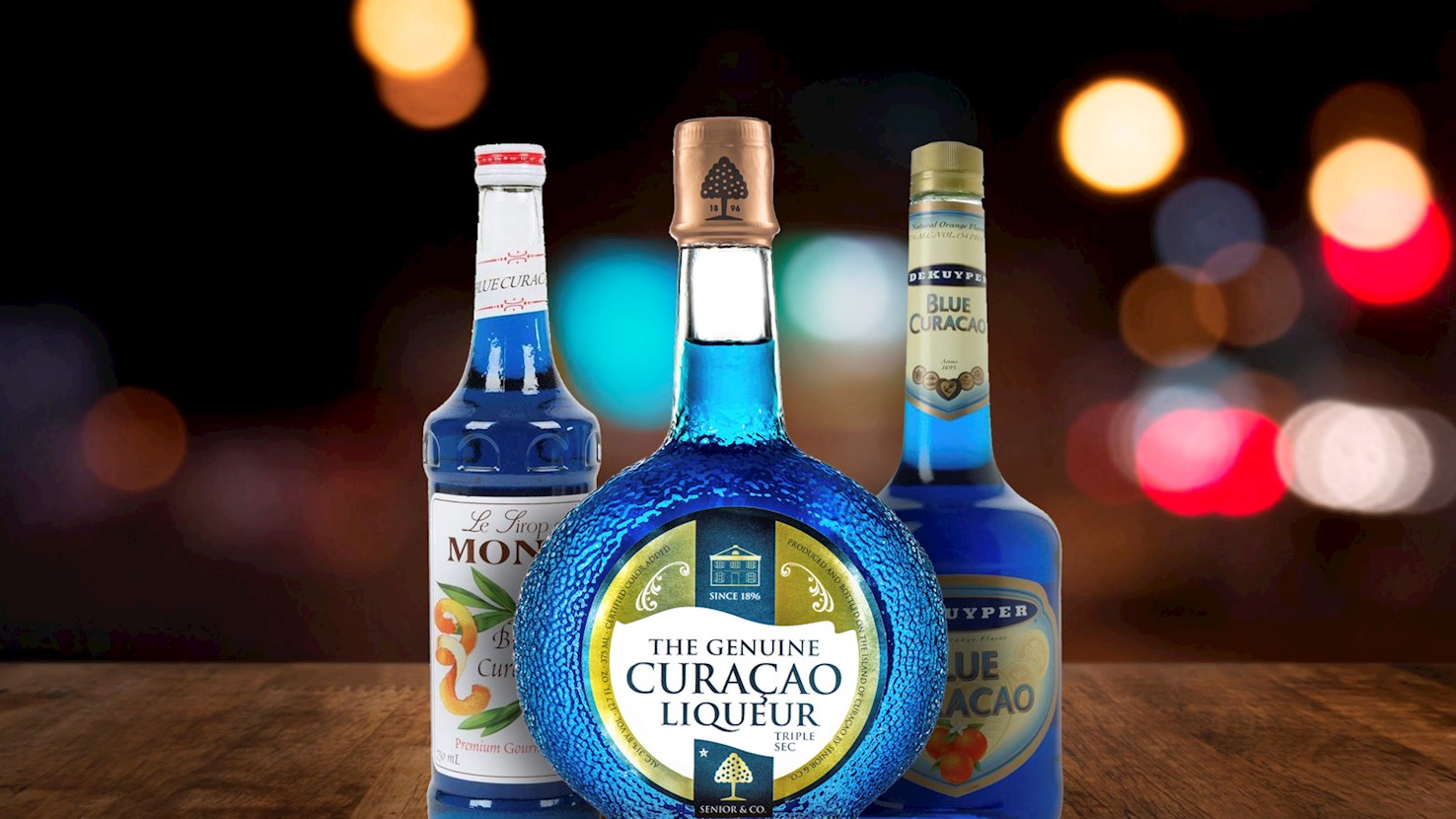
Curaçao is a popular liqueur flavored with Laraha (Curaçao orange), which is cultivated on the namesake island in the southern Caribbean Sea. The story of its invention started in the 16th century when the Spanish colonizers brought Valencian oranges to Curaçao. The fruit did not adapt well to the local climate, and it was almost inedible. It took decades for the locals to realize that the dried peel is rich with essential oils and incredibly aromatic. The peel was then used in the production of liqueurs, and though it is not certain, many believe that the commercial production was started in 1896 by the Senior family. Nowadays, there are several manufacturers that produce Curaçao, but not all are made with the local oranges or even on the island. The drink also comes in several varieties that include additional flavorings and colorings. It is mostly used as a cocktail ingredient.

04

Hesperidina

3.0 ·

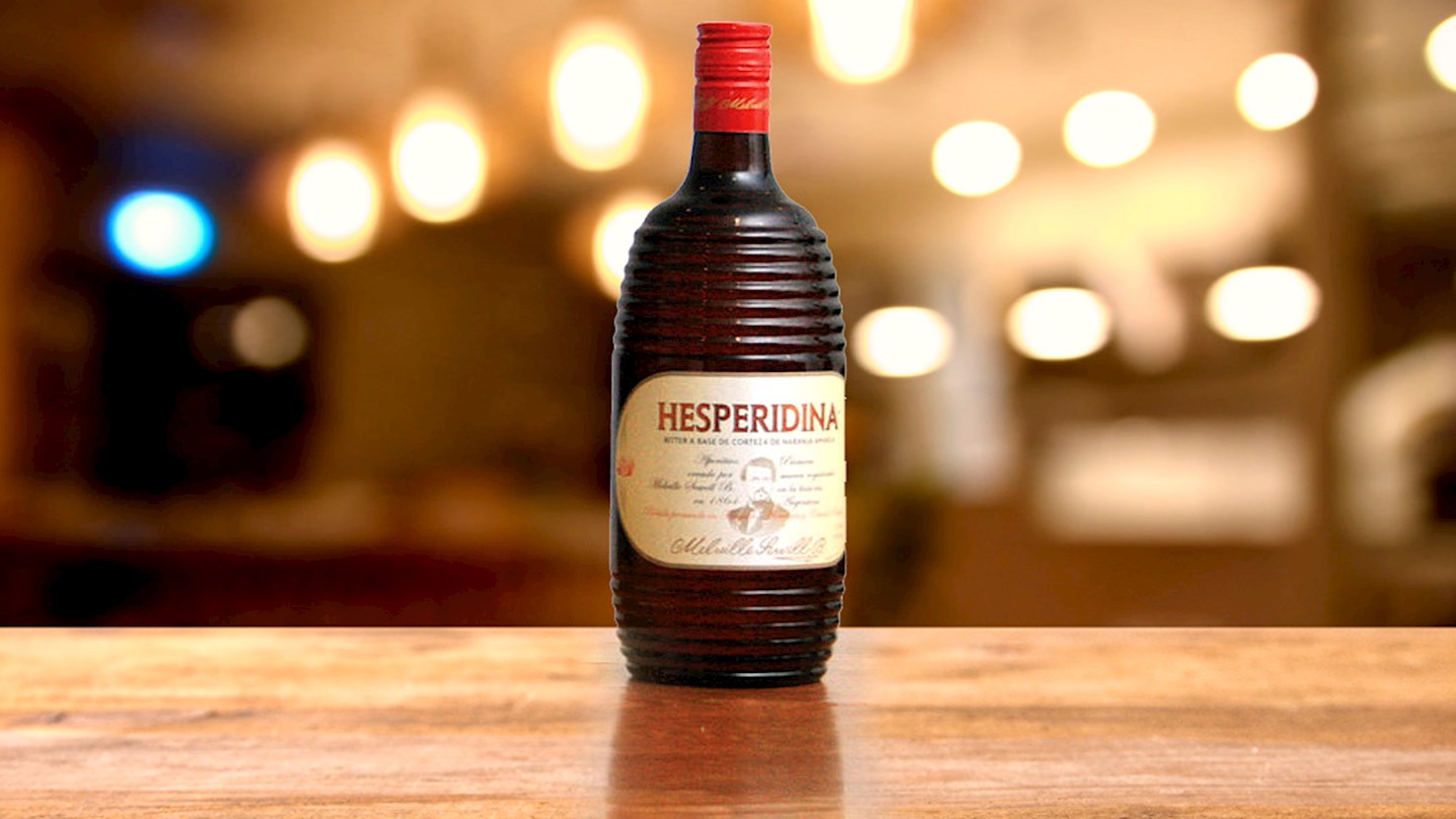
Invented by an American Melville Sewell Bagley, this orange-based aperitif was created in Buenos Aires, and it was initially launched in 1864. Hesperidina is characterized by its aromas of fresh oranges and herbs, while its flavor is reminiscent of bitter oranges. Although it can be enjoyed on its own, the drink is often mixed with tonic water and can also be used as a cocktail ingredient. Interestingly, Hesperidina was the first protected trademark in Argentina.

05

Blue Curaçao

3.2 ·

Blue Curaçao is a type of Curaçao liqueur—naturally colorless liqueur that is flavored with Laraha oranges. This variety is artificially colored to attain its distinctive, vibrant blue color. This clear drink has a typical orange flavor, though the final taste profile may vary depending on the producer. There are several manufactures on the market, but they are not necessarily located on Curaçao, and some even do not use Laraha oranges. Blue Curaçao is mostly used as a flavoring and coloring agent in cocktails.

06

Picon

3.2 ·

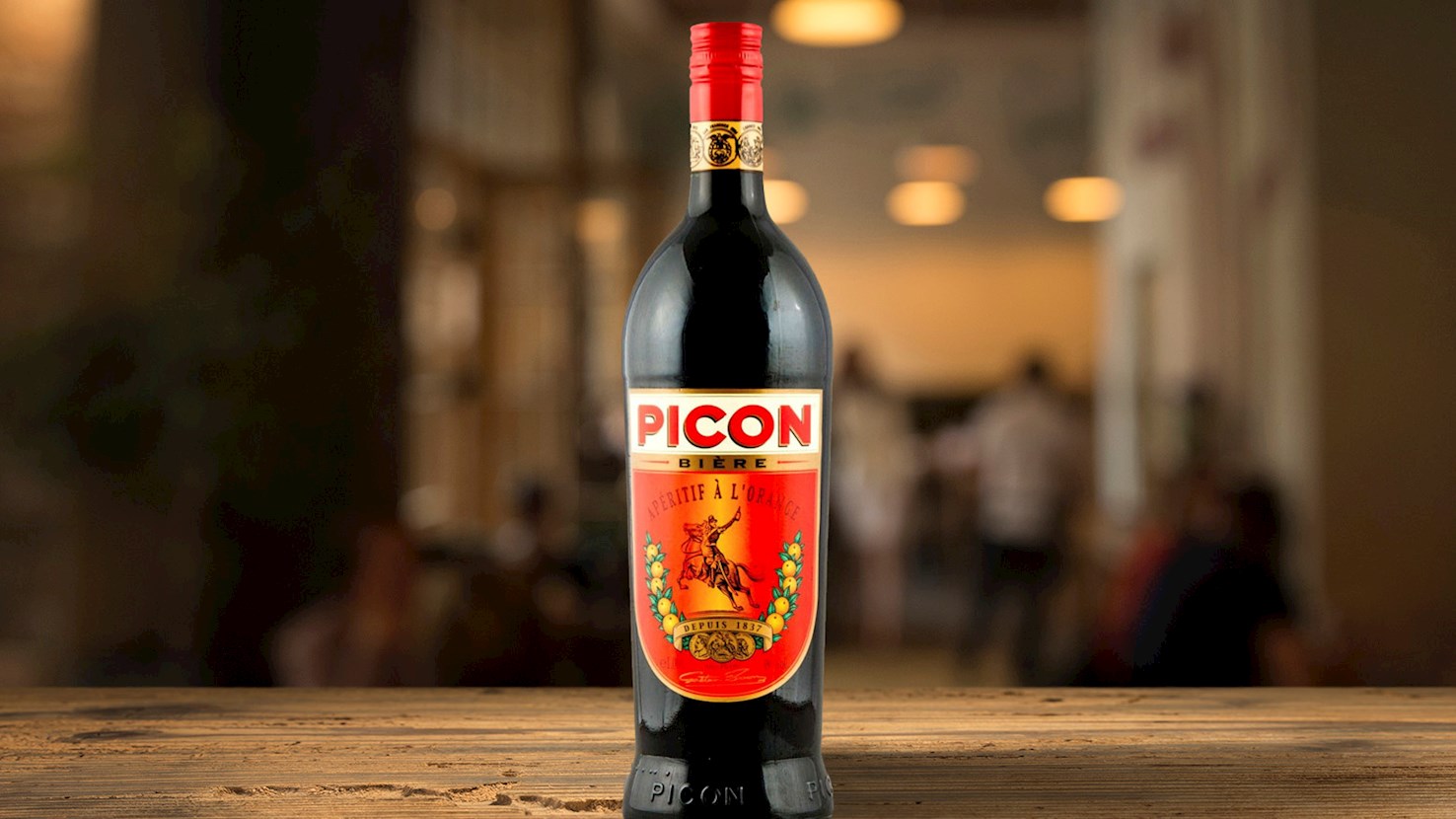
Picon is a bittersweet orange-flavored French liqueur, officially classified as a bitter, which is commonly paired with beer. It was created in 1932 by Gaétan Picon, who was an apprentice at a distillery before he was stationed in Algeria. Like many other French soldiers, he was exposed to malaria, and soon after he invented Picon—a combination of neutral alcohol, caramel, and various herbs and spices such as orange zest, gentian root, and cinchona bark (known to yield quinine which was an effective treatment against malaria). The drink was first produced in Algeria, but after he improved his formula and won a bronze medal at the London World's Fair in 1862, Picon relocated his factory to Marseille, where the drink is still produced. Picon is often mixed with white wine, while the combination of beer and Picon is a favorite in the French-speaking part of Belgium. Since 1995, Picon is produced as the original Picon bière—meant to be combined with beer—and as Picon club—intended to be mixed with white wine. Picon is mostly enjoyed in northern and eastern France, and apart from classic combinations, it is also commonly used as a cocktail ingredient.

07

Midori

3.4 ·

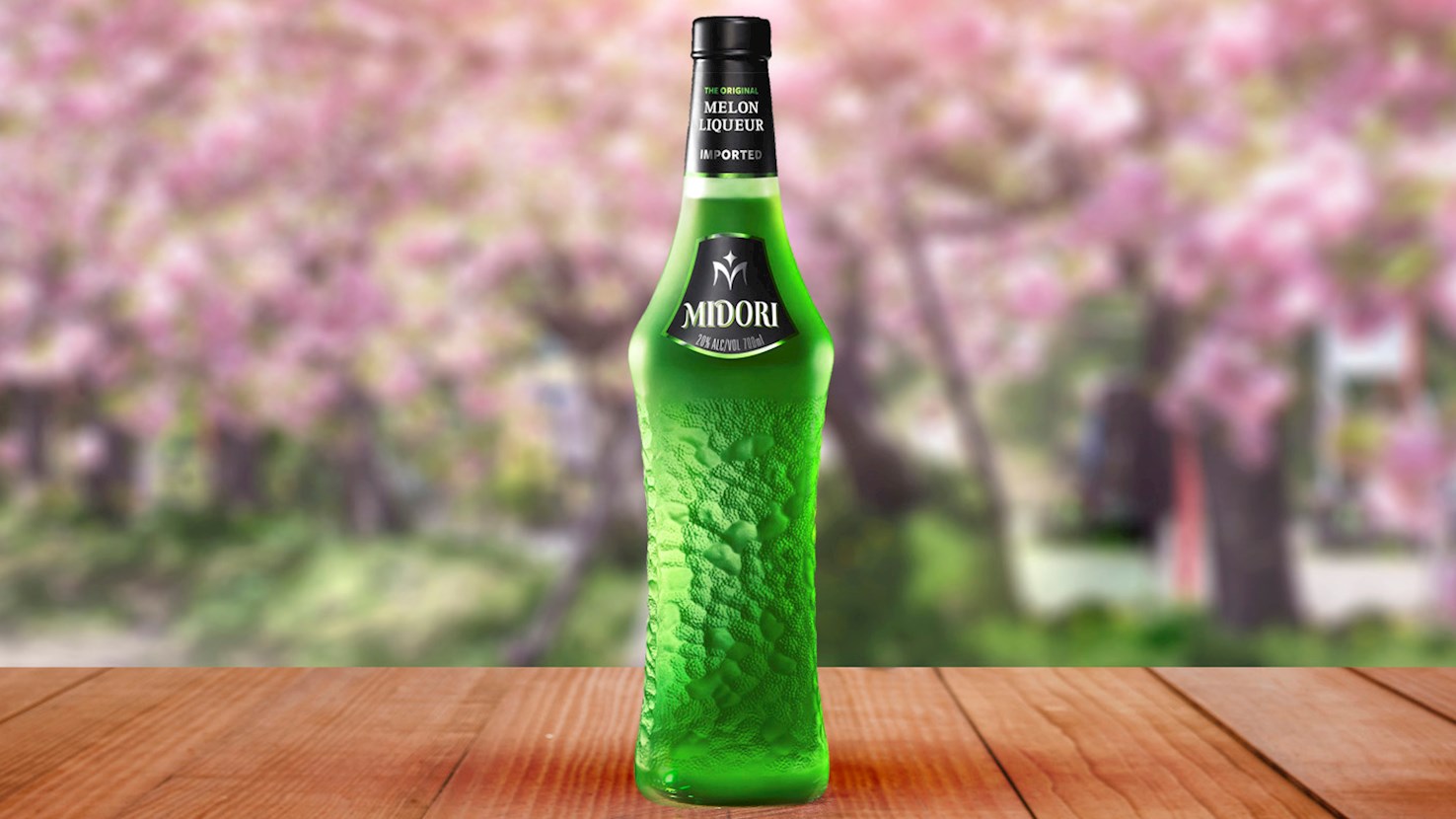
Midori is a vibrant green melon-flavored liqueur. It is made with a base spirit infused with yubari and musk melons, which are cultivated and sourced from Japan. The drink also includes sugar, brandy, and artificial coloring, which provides its distinctive green color. Midori is a clear and sweet liqueur with a subtle melon flavor. When it was released in 1964, it was initially named Hermes Melon Liqueur. The name Midori, which translates as green, was introduced in 1978. In the same year, the liqueur gained international attention after it was launched at the legendary ‘Studio 54’ in New York. Midori can be sipped on its own, but it is usually used as a cocktail ingredient. It goes especially well with citrus flavors, and it can be mixed with spirits, liqueurs, or fruit juice. Midori was initially solely produced in Japan, but some production was later moved to Mexico and France. It is bottled at 21% ABV.

08

Triple Sec

3.5 ·

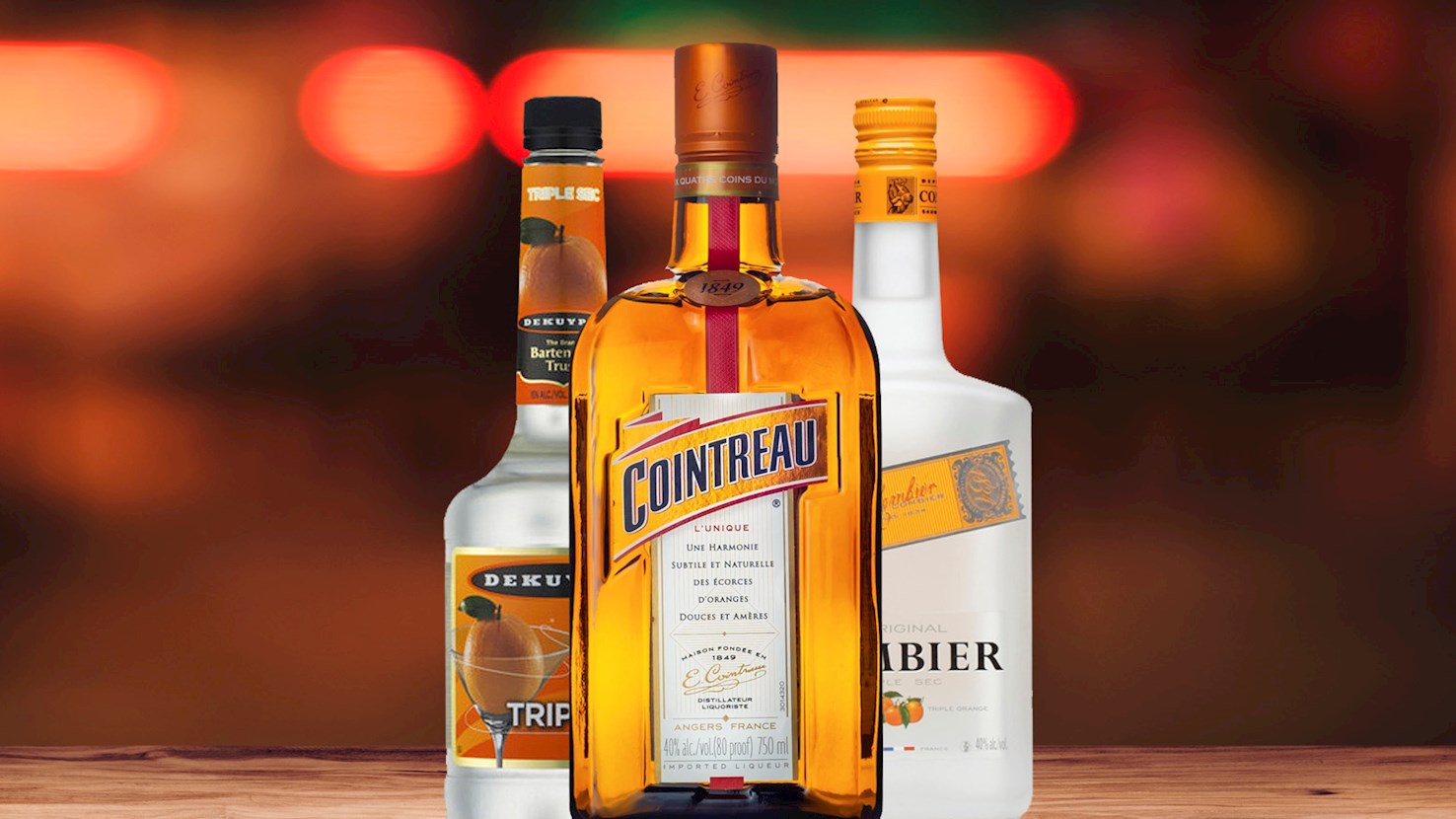
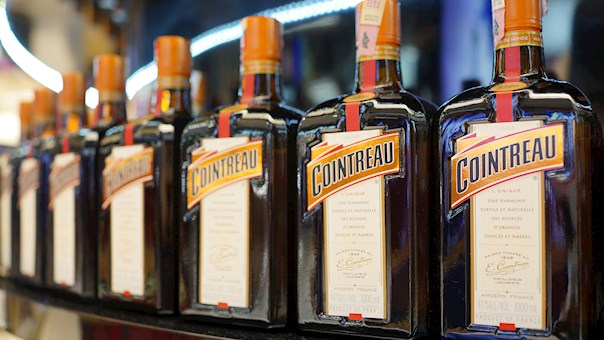
Triple sec is a French term for clear, orange-flavored liqueurs. They are traditionally distilled from a macerate of dried orange peels and a neutral spirit. The origin of triple sec is undoubtedly French, though it is disputed who was the first to use and market the term, as well as the true meaning of the name triple sec, which translates as triple dry. Combier distillery from Saumur claims that their triple sec is the earliest version, first made in 1834, though some name Cointreau as the original producer. Regardless, the two companies are still the biggest competitors and the most important triple sec brands. High-quality triple sec liqueurs will have a potent orange flavor as well as aromas of bitter oranges and orange blossom. They range from 20 to 40% ABV, though better quality versions tend to have higher alcohol content, which usually goes from 38 to 42%. Although they can be enjoyed neat or on the rocks, triple sec liqueurs are most commonly used in cocktails.

09

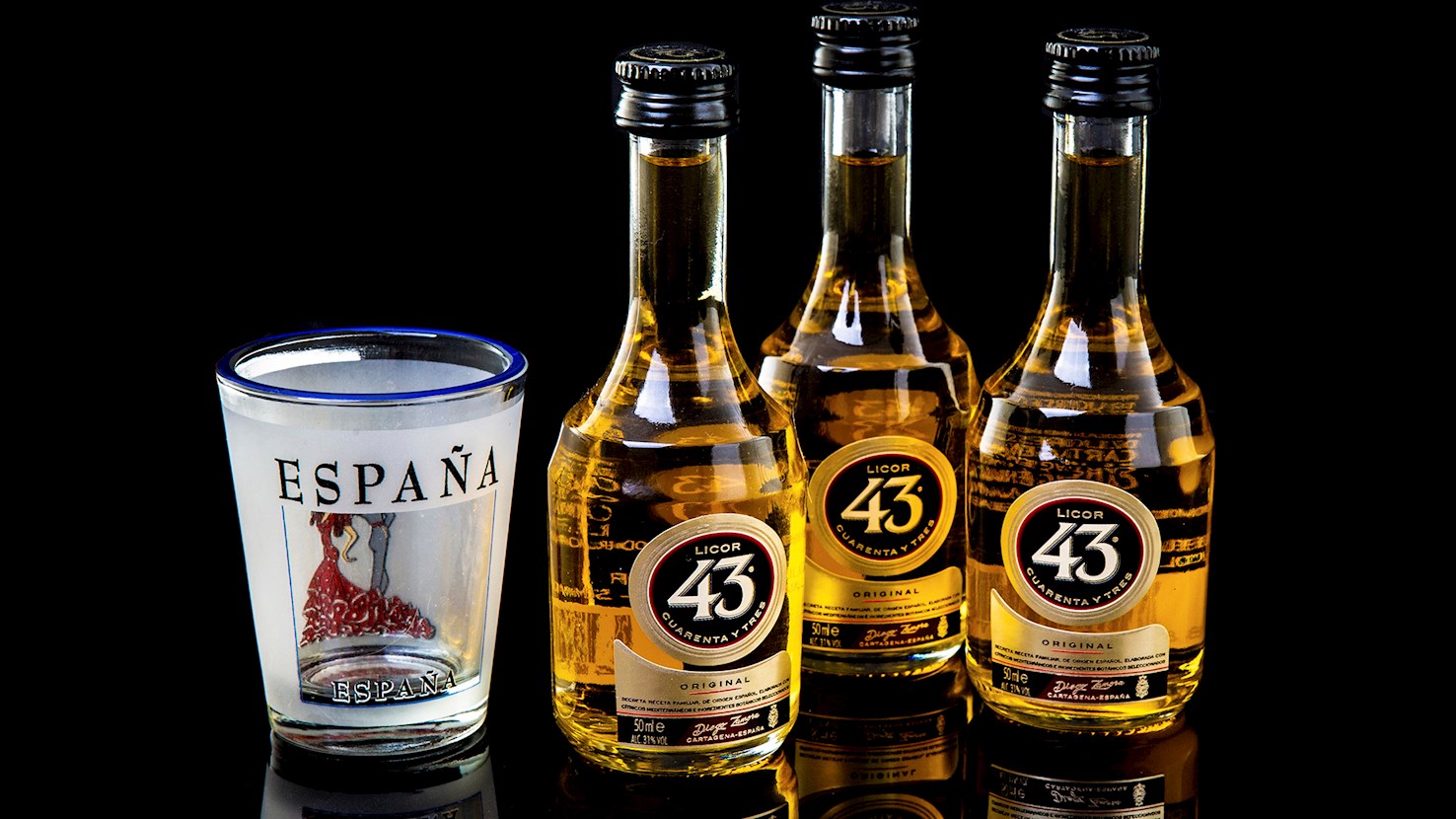
Licor 43

3.6 ·

Also known as Cuarenta y Tres, which translates as forty-three, this sweet liqueur was first produced in the 1940s by Diego Zamora and other members of the Zamora family who claim that their recipe was based on an ancient liqueur known as liqvor mirabilis (marvelous liquid). Although the exact recipe is secret, the liqueur is made with precisely forty-three ingredients—hence the name. After it is aged and filtered, the final result is a smooth and dense golden-colored drink with aromas reminiscent of vanilla, citrus fruit, and spices. Licor 43 can be served well-chilled, preferably on the rocks and enjoyed as a digestif, but it is also commonly incorporated into cocktails and mixed drinks. It is used in coffee-based drinks such as barraquito and carajillo, but it also goes well with various carbonated drinks. Because of sweetness, it is also commonly used in desserts or as a topping for ice creams or custards. Licor 43 is bottled at 31% ABV.

Best producers
10

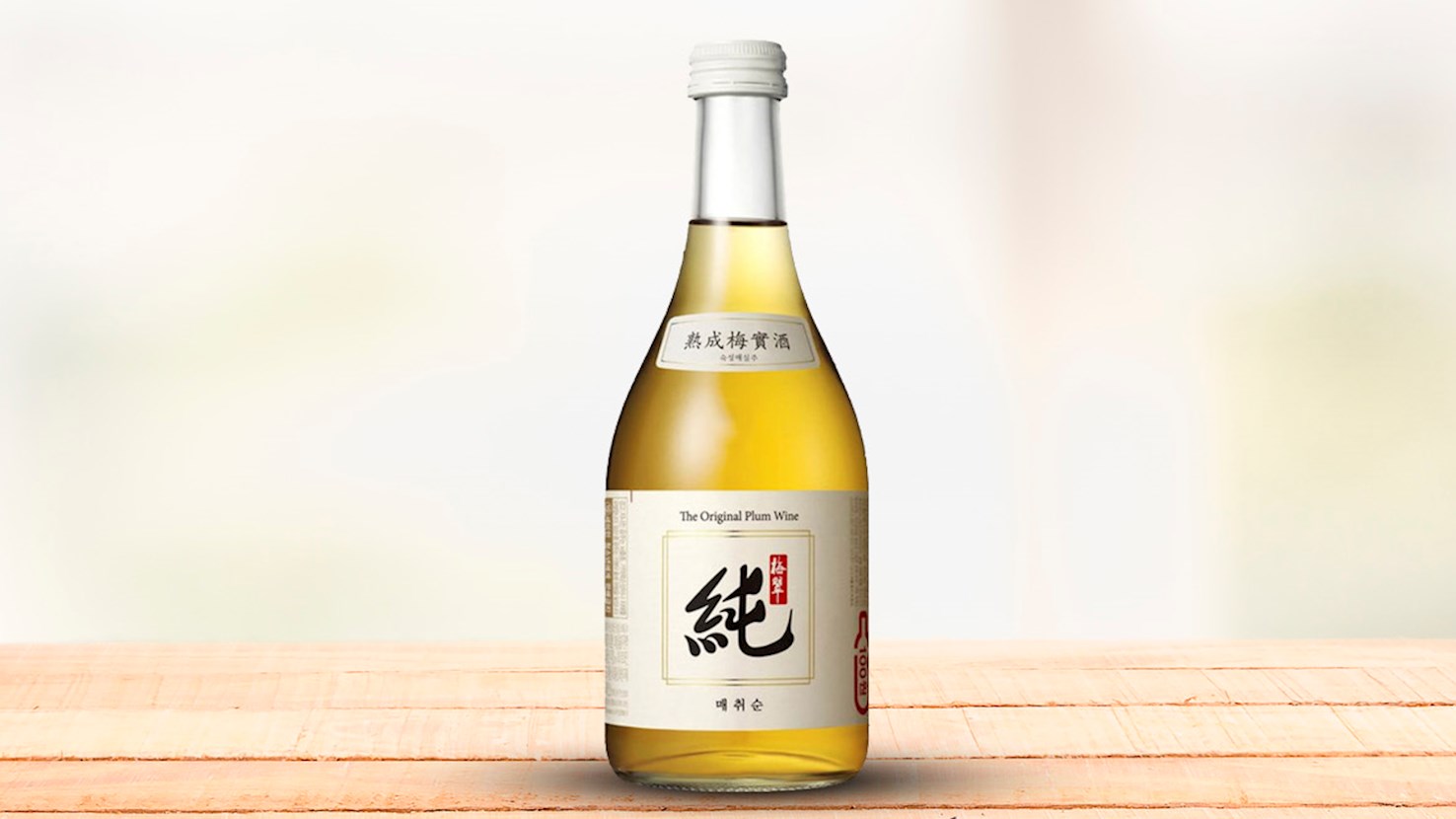
Maesil-ju

3.6 ·

Maesil-ju is a traditional liqueur made with small-sized Asian plums (Prunus mume). Either unripe green or ripe yellow fruits can be used, sometimes even a mixture of both varieties. The drink is traditionally produced by steeping the fruit, together with sugar, in soju – traditional Korean spirit usually distilled from rice. The combination is macerated for at least several weeks until the beverage attains its distinctive golden color and bitter-sweet flavor. The fruit is usually strained, though several plums can be left inside jars or bottles. Maesil-ju is traditionally enjoyed neat, served in small shot glasses. It can pair well with seafood. The alcohol content typically varies around 14%.

About this ranking

TasteAtlas food rankings are based on the ratings of the TasteAtlas audience, with a series of mechanisms that recognize real users and that ignore bot, nationalist or local patriotic ratings, and give additional value to the ratings of users that the system recognizes as knowledgeable. For the “16 Worst Rated Fruit Liqueurs in the World” list until June 16, 2026, 1,366 ratings were recorded, of which 1,123 were recognized by the system as legitimate. TasteAtlas Rankings should not be seen as the final global conclusion about food. Their purpose is to promote excellent local foods, instill pride in traditional dishes, and arouse curiosity about dishes you haven’t tried.

Similar lists