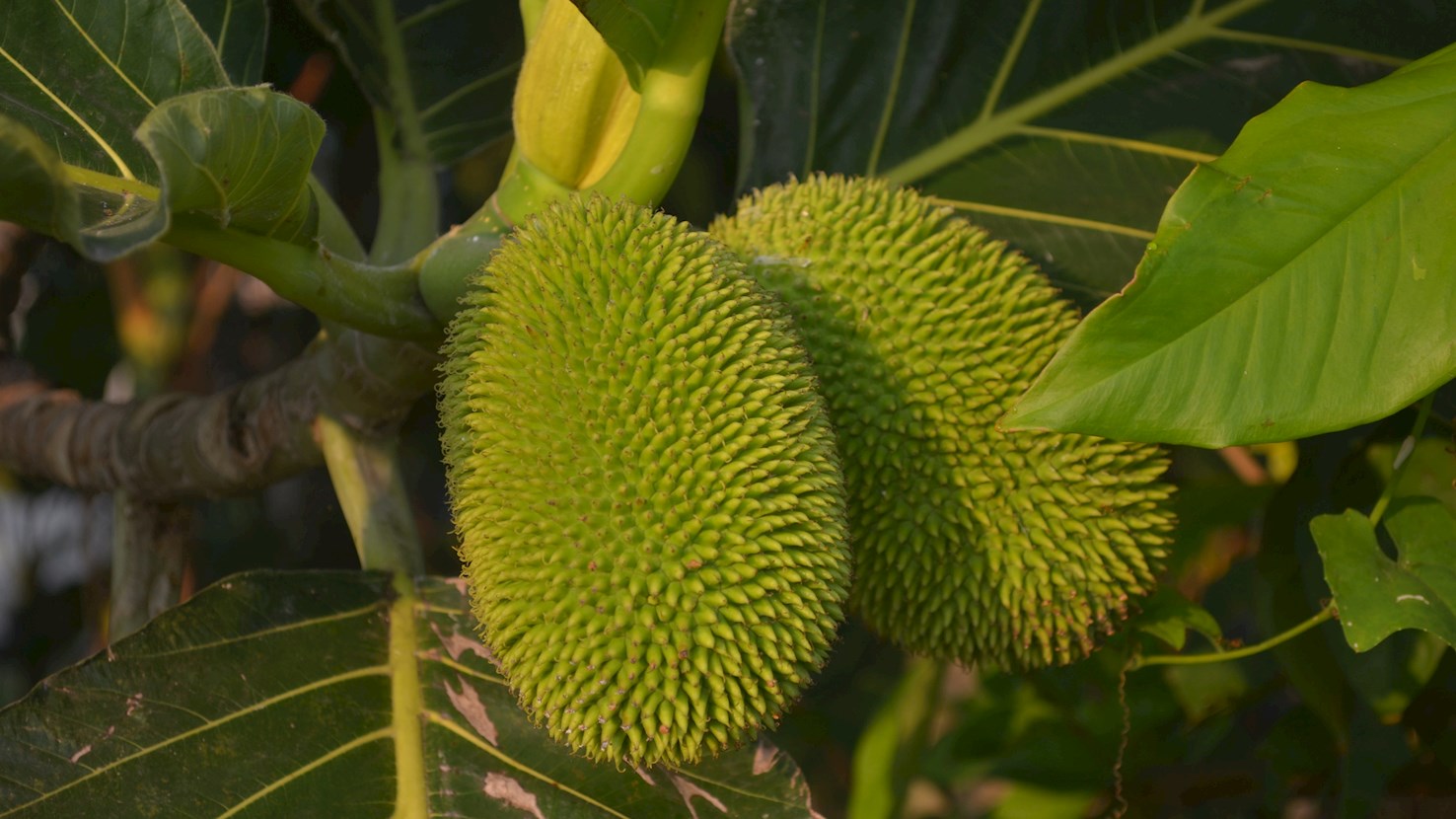
Breadnut is a starchy tropical fruit that comes from New Guinea and the surrounding islands of eastern Indonesia, where it is known by names such as kapiak and sukun berbiji. Its scientific name is Artocarpus camansi, and it is closely related to breadfruit but distinct because its fruits are filled with numerous large seeds. The tree produces round, spiny fruits that are harvested when mature but still green. Inside, the flesh is pale and firm, and the seeds are large enough to be separated and cooked on their own. The flavor of breadnut flesh is mild and starchy, while the seeds have a nutty taste and can be boiled, roasted, or added to stews as a filling ingredient. In the Philippines, where it is commonly called kamansi or kolo, breadnut is often prepared by peeling and slicing the immature fruit, then simmering it in coconut milk with spices and sometimes meat or seafood. The cooked flesh absorbs the flavors of the sauce and softens to a texture similar to firm potatoes. In some regions, the seeds are the main focus of cooking, valued for their nutritional content and dense texture. Unlike breadfruit, which is often eaten when fully ripe and soft, breadnut is harvested while still firm to make it easier to handle and preserve. The tree itself is valued for its resilience, as it grows well in humid, lowland environments with minimal care. Botanists have identified breadnut as the likely ancestor of the seedless breadfruit varieties cultivated across Oceania. The domestication process involved selecting trees that produced progressively fewer seeds, ultimately leading to the breadfruit most people recognize today. Breadnut continues to be planted in home gardens and small farms because it provides a dependable food supply during periods when other crops are scarce. Its seeds are high in starch and contain significant amounts of protein, making them a versatile ingredient in both savory and sweet preparations. In some regions, breadnut wood is used for making lightweight tools and utensils.
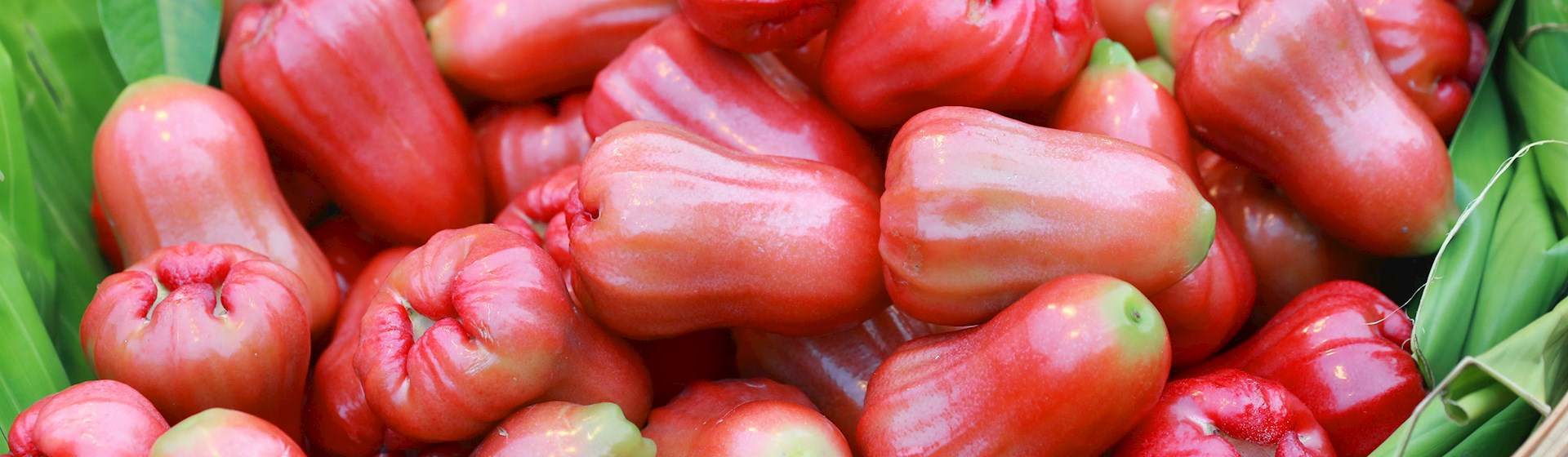
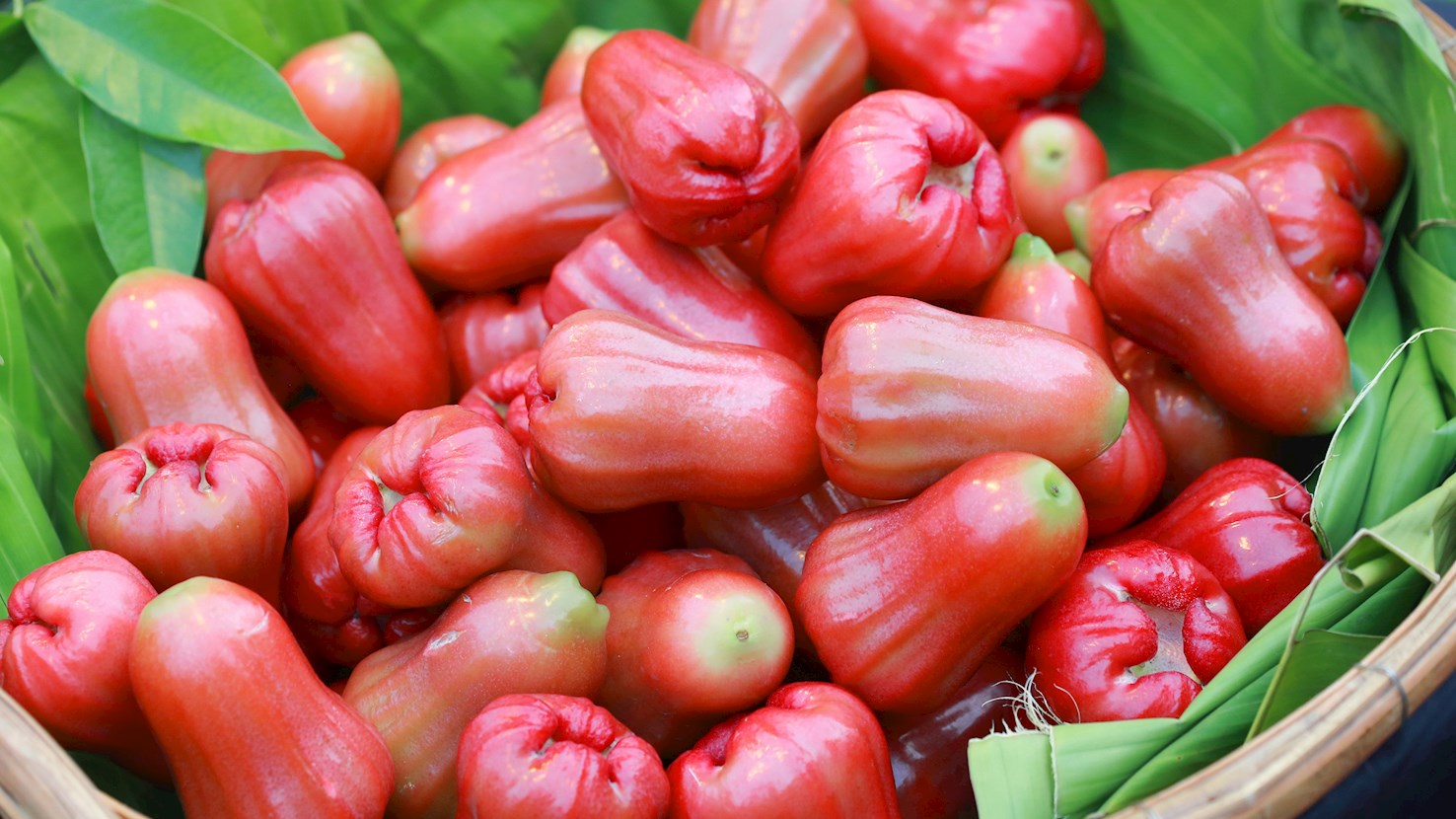
Water apple is a tropical fruit native to Southeast Asia and the Malay Archipelago, produced by the evergreen tree Syzygium malaccense and widely cultivated in regions such as Malaysia, where it is known locally as jambu bol and consumed primarily for its high water content and crisp flesh rather than for sweetness or acidity. Its spread beyond its native range followed maritime trade and botanical exchange during the late eighteenth century, and plants were later introduced to the Caribbean, including Jamaica, where it became known as Otaheite apple after its route of introduction from the Pacific rather than its place of origin. Preparation in its native region is minimal, as the fruit is most often eaten fresh, washed and consumed whole or sliced, with the thin skin left intact and the central seed removed, and it may also be used in light preserves, juices, or briefly cooked preparations that emphasize moisture and texture. The flesh is firm and watery when just ripe and softens quickly, which limits storage and favors immediate consumption close to harvest. Water apple is typically served at ambient temperature or lightly chilled and eaten casually as a snack rather than as part of a structured meal. It is commonly sold in markets and eaten at home, often paired with salt, chili, or light sugar, and accompanied by water or mild fruit drinks that reinforce its clean, hydrating character without competing with it.
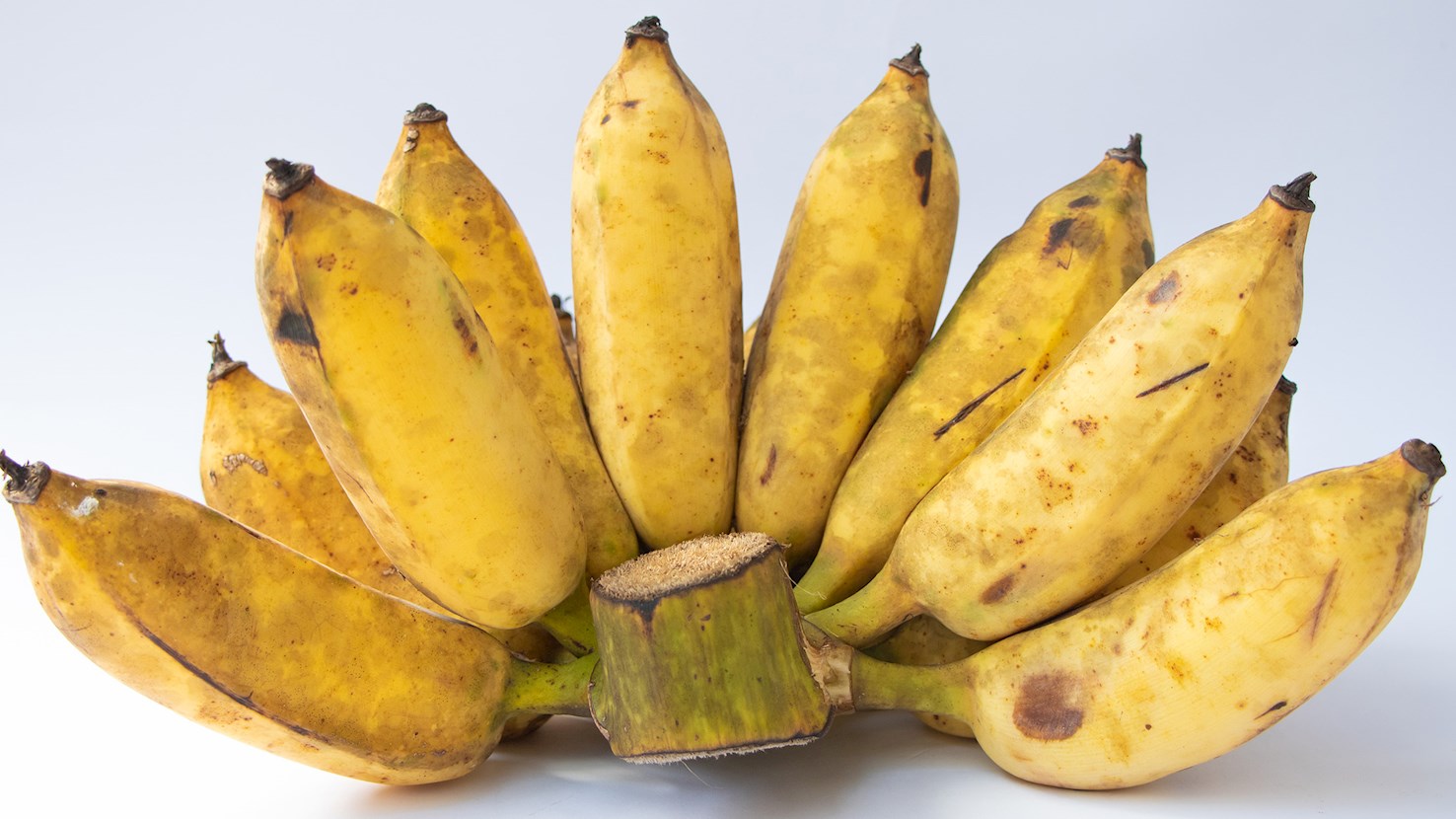
Pisang raja (lat. Musa paradisiaca var. Raja) is a highly prized variety of banana in Indonesia and other parts of Southeast Asia. The name pisang raja literally translates to "king of bananas" in Indonesian, reflecting its esteemed status among banana varieties due to its superior taste and texture. Pisang raja bananas are known for their delightful sweetness, creamy texture, and a slight hint of citrus. This makes them highly sought after for both fresh consumption and culinary use. Characteristically, pisang raja bananas have a long and slightly curved shape, with a thick skin that turns a deep yellow with slight green tips when fully ripe. The flesh of the banana is dense, yet it melts in the mouth, offering a burst of rich, sweet flavor with nuances that some describe as similar to honey or vanilla. Pisang raja is especially popular for traditional desserts and culinary preparations. In Indonesia, it is often used in the making of pisang goreng (fried bananas), a popular snack where the bananas are coated in batter and deep-fried until golden brown. The variety's natural sweetness and firm texture make it ideal for cooking, as it holds its shape well and enhances the flavor of the dishes.
TasteAtlas food rankings are based on the ratings of the TasteAtlas audience, with a series of mechanisms that recognize real users and that ignore bot,
nationalist or local patriotic ratings, and give additional value to the ratings of users that the system recognizes as knowledgeable.
For the “3 Worst Rated Indonesian Fruits” list until May 21, 2026, 459 ratings were recorded, of which 363 were recognized by the system as legitimate.
TasteAtlas Rankings should not be seen as the final global conclusion about food. Their purpose is to promote excellent local foods,
instill pride in traditional dishes, and arouse curiosity about dishes you haven’t tried.