

shutterstock

100 Worst Rated Fruits
in the World

Last updated on June 16, 2026
01

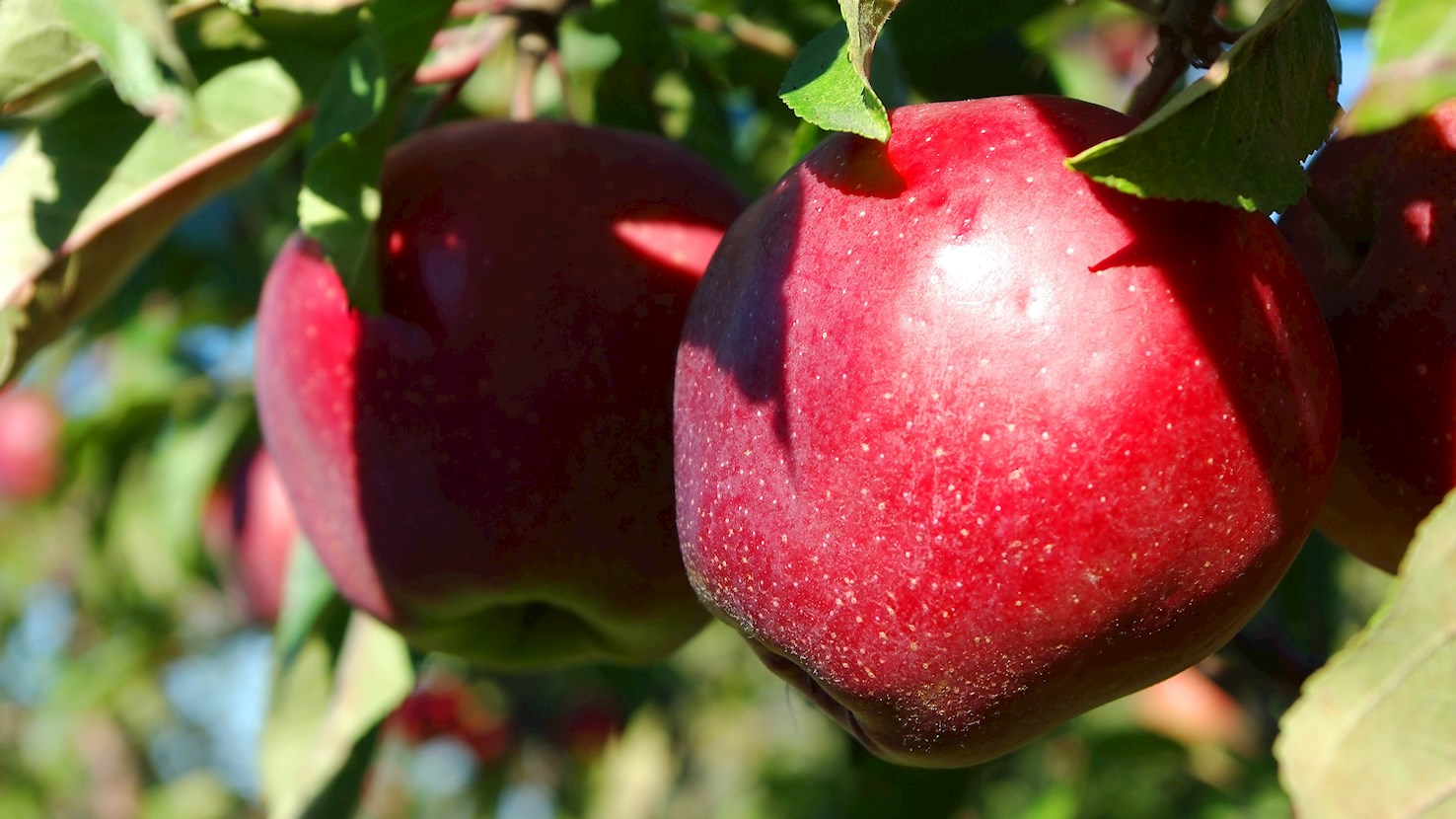
Red Prince apples

2.5 ·

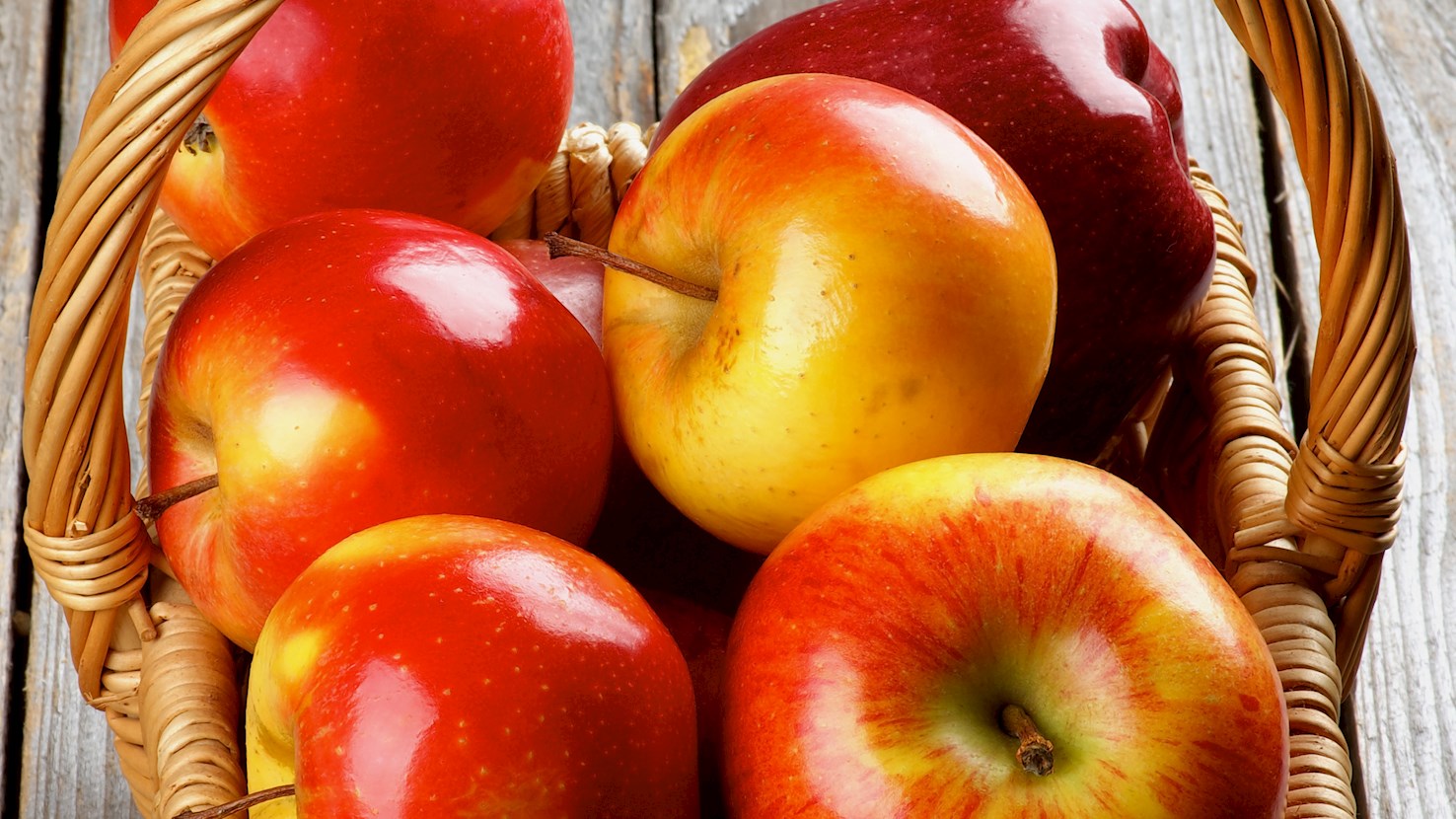
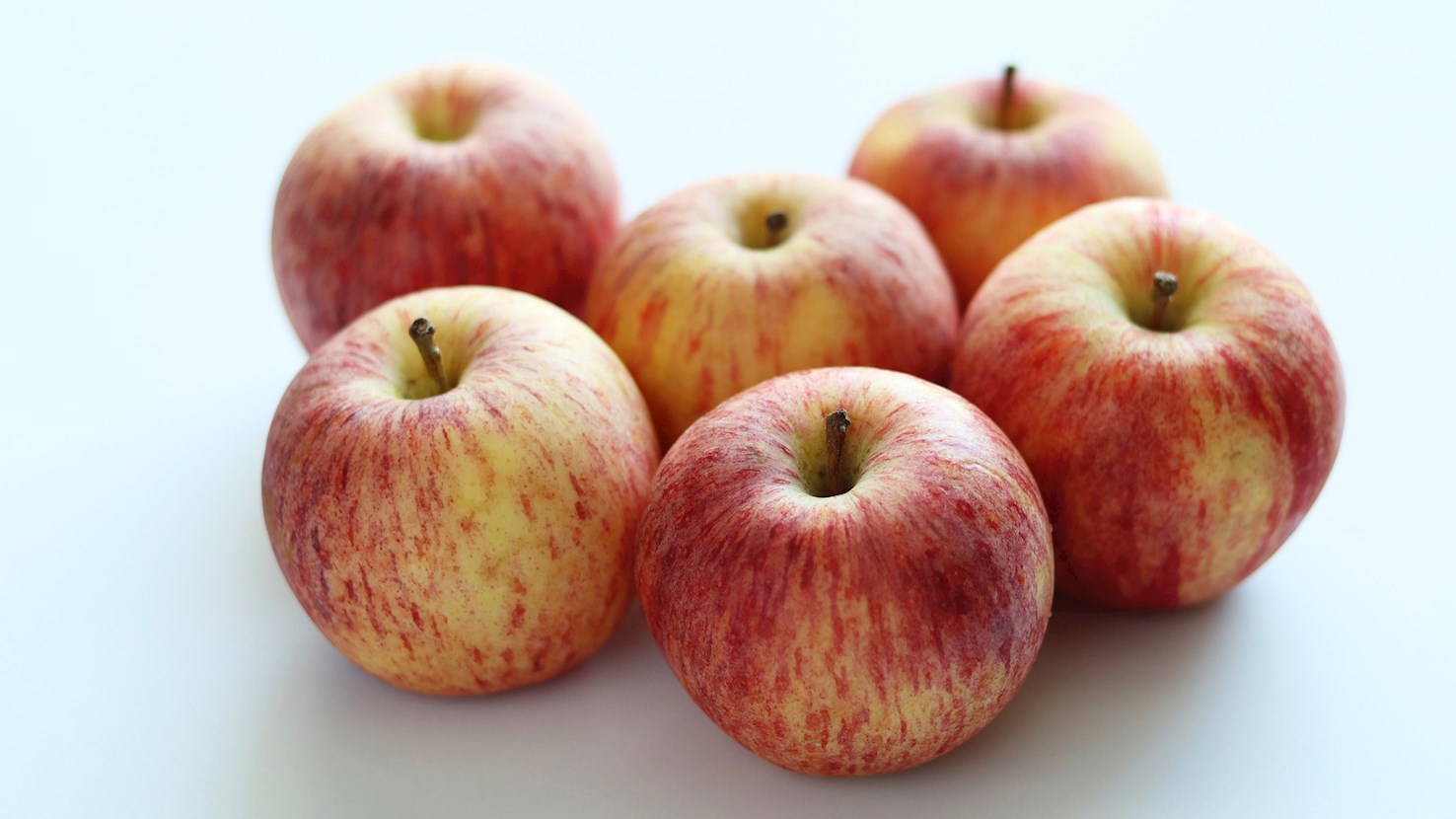
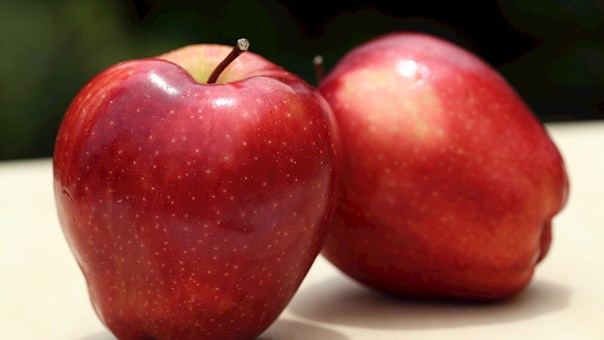
Red Prince is an apple variety that was discovered in Weert, a town in the Netherlands as a hybrid between Jonathan and Golden Delicious. The apples are deep red in color and quite large. The texture of the flesh is crisp and juicy, while the flavors are sweet, especially after aging in cellars for a few months after the harvest, when it develops both tangy and sweet flavors. Available in fall through late winter, Red Prince apples are very versatile – they can be eaten fresh, cooked, baked, or transformed into juices. The apples are also often added to soups, sauced, and salads.

02

Coquito Nuts

2.5 ·

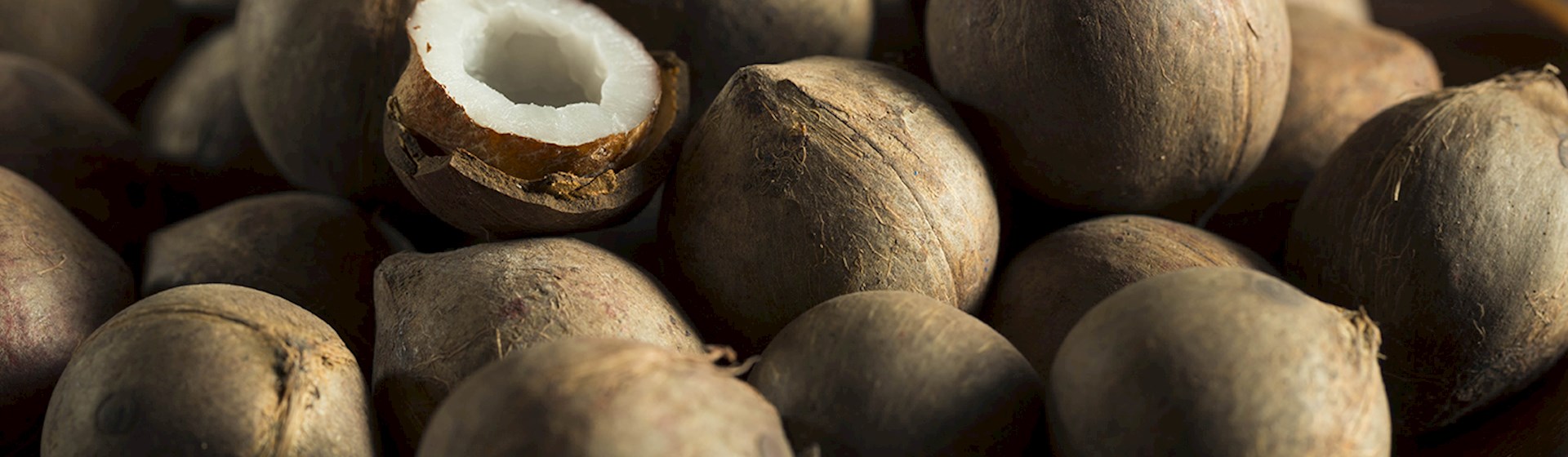
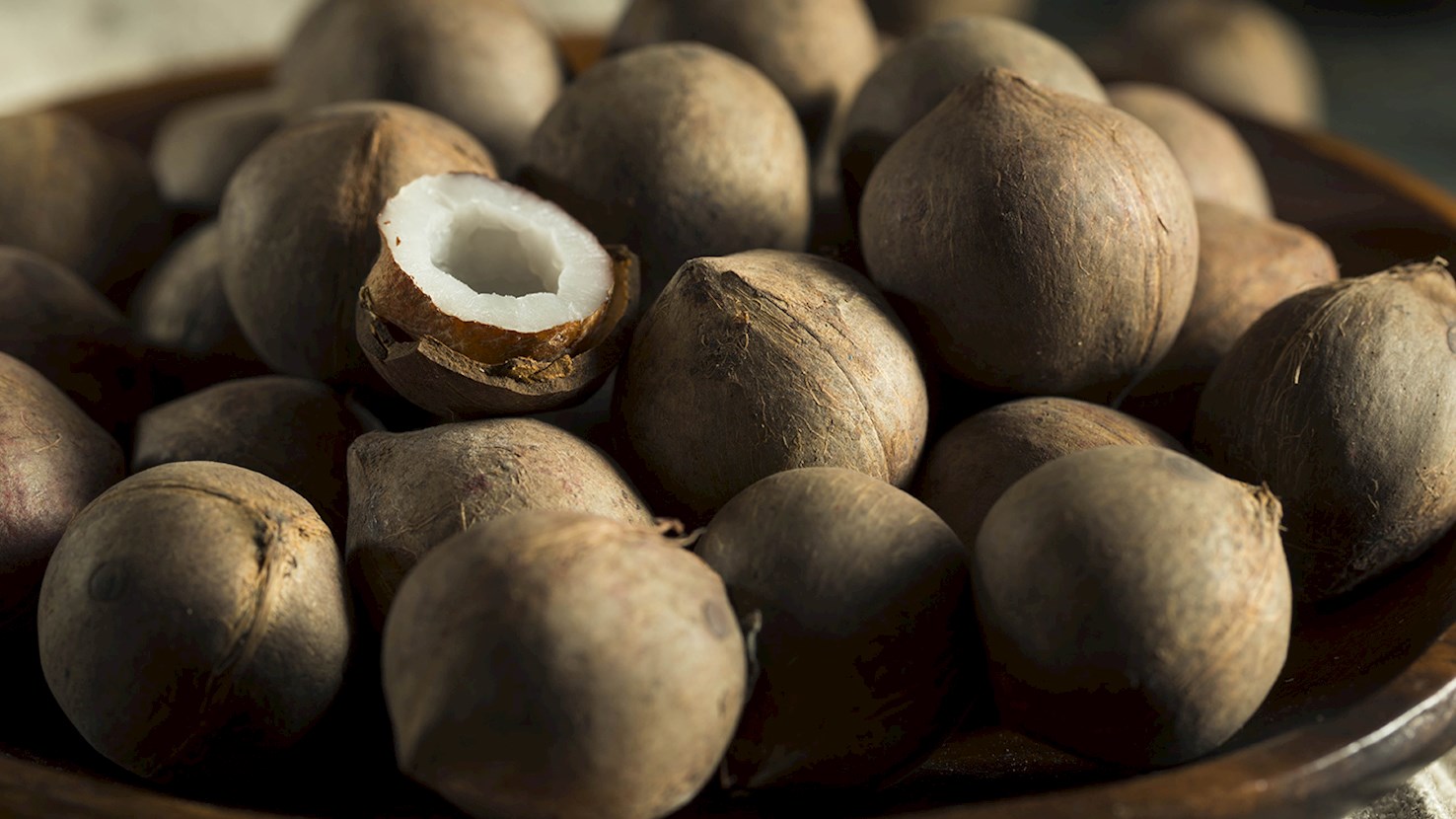
JUBAEA CHILENSIS WINE PALM IS ENDANGERED. Coquito nuts are the fruits of Jubaea chilensis wine palm, which is native to the coastal areas of Chile. Visually, the nuts look similar to tiny coconuts, while the flavor of the firm white interior is sweet and reminiscent of almonds. The texture is crunchy, and the whole coquito can be eaten in a single bite. Locals eat them raw and cooked, and the nuts can be added to cakes, ice cream, jellies, and cookies due to their crunch texture and nutty flavors. In Chile, these nuts grow wild, but they're also available in stores and markets. Interestingly, the wine palm that produces these nuts takes up to 50 years to achieve maturity. Also, palm sap used to be extracted from the wine palm and used for production of palm honey and palm wine. But since such practice causes the death of the wine palm, the Chilean government now protects the tree and forbids any tapping.

03

Juliet apples

2.6 ·

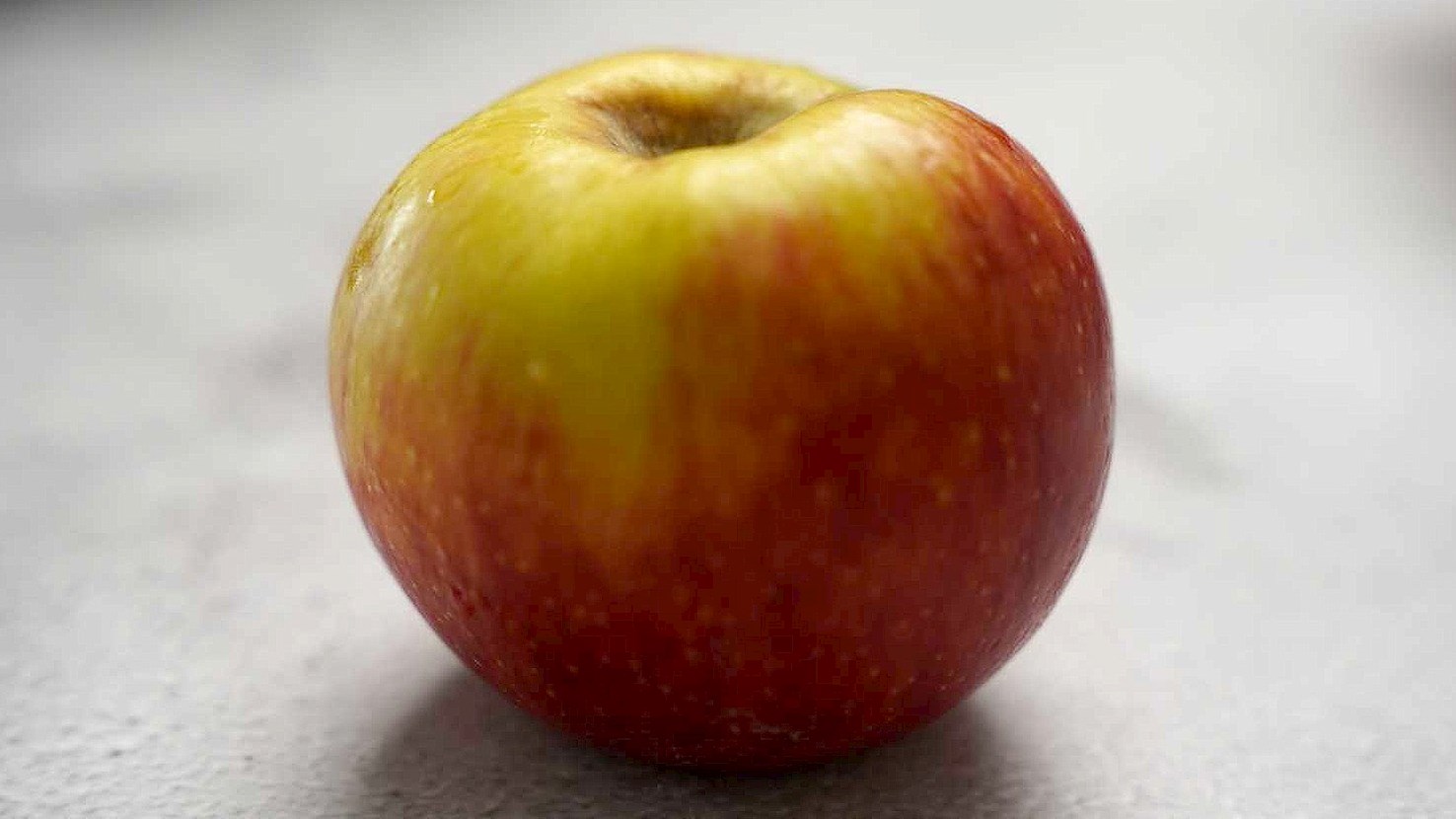
Juliet is an apple variety originating from France. The apples are medium in size, with a smooth and shiny red skin and a yellow-green or green background. The texture of the flesh is juicy and crisp, while the flavors have a nice balance of sweetness and acidity. It's recommended to eat the apples fresh, cook them, bake them, or transform them into juice. Juliet apples were released to the market in the 1990s, and they are available in the fall and winter months. Due to their long shelf life, these apples are shipped from France to North America, the Middle East and Asia throughout the year.

04

Enterprise apples

2.6 ·

Enterprise is a North American apple variety that's been developed in 1982 by Purdue University, and it was released and named in 1992. The apples are medium to large in size. The skin is smooth, tough, thick, and glossy red in color with a yellow or green background. The flesh is pale yellow in color, while the texture is crisp, juicy, and firm. These apples are most commonly used for candied apples, which are especially popular on Halloween in the United States. They are also often eaten fresh as a snack.

05

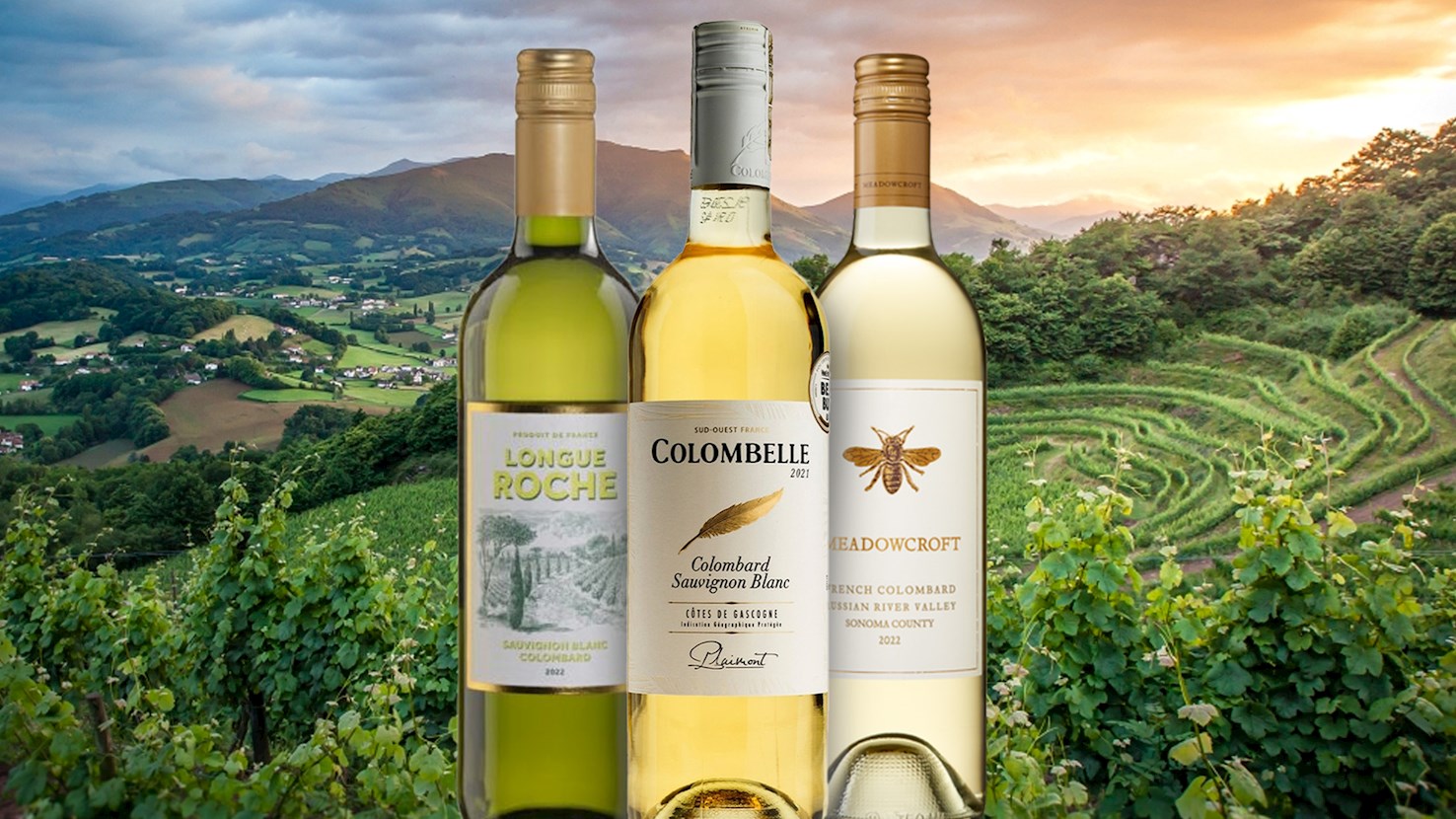
Colombard

2.7 ·

Colombard is a white grape variety that is primarily grown in France but is also cultivated in other wine regions around the world, including California and South Africa. Known for its high acidity and fresh, fruity flavors, Colombard is often used in the production of both still and sparkling wines, as well as in the distillation of brandy, particularly in the Cognac and Armagnac regions of France. Colombard grapes produce wines that are typically light to medium-bodied, with a bright, zesty character. The flavor profile of Colombard wines often includes notes of green apple, citrus fruits like lemon and lime, pear, and sometimes tropical fruits such as pineapple and guava. The high acidity of Colombard makes these wines crisp and refreshing, which is why they are often enjoyed as young wines. In addition to its use in table wines, Colombard is one of the traditional grape varieties used in the production of brandy. In this context, its high acidity and relatively neutral flavor profile make it an ideal base for distillation, contributing to the production of high-quality brandies with complex, aged characteristics.

06

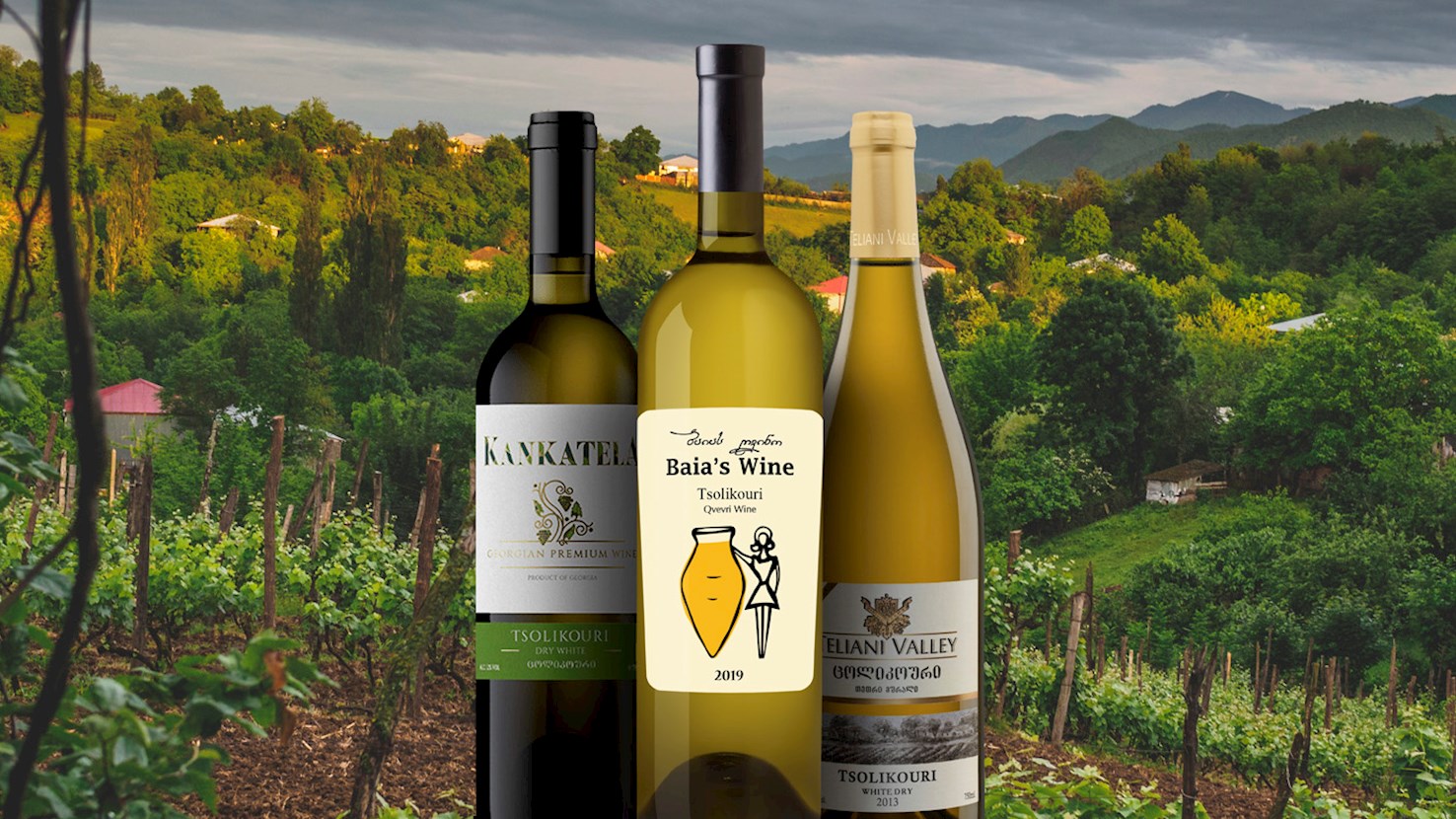
Tsolikouri

2.8 ·

Tsolikouri is a native white grape widely planted in western Georgia. This versatile, late-ripening variety is used in the production of dry white wines and semi-sweet dessert styles from the Tvishi appellation. It also shows some potential to produce good sparkling wines. The grape is used in varietals and blends. It is often blended with Tetra and Tsitska. The wines produced from Tsolikouri will have a fruity and floral character, medium to full body, and bright acidity. It usually has aromas reminiscent of yellow fruit, such as pear and quince, along with some citrus nuances. The wines are mostly enjoyed young, but there are some rare examples of aged styles. The grape is sometimes used to produce skin-contact wines in traditional Georgian qvevri (churi) vessels. These wines will have darker color and aromas that are reminiscent of apricots and spices. Tsolikouri wines generally pair well with poultry, light main courses, appetizers, and cheese.

07

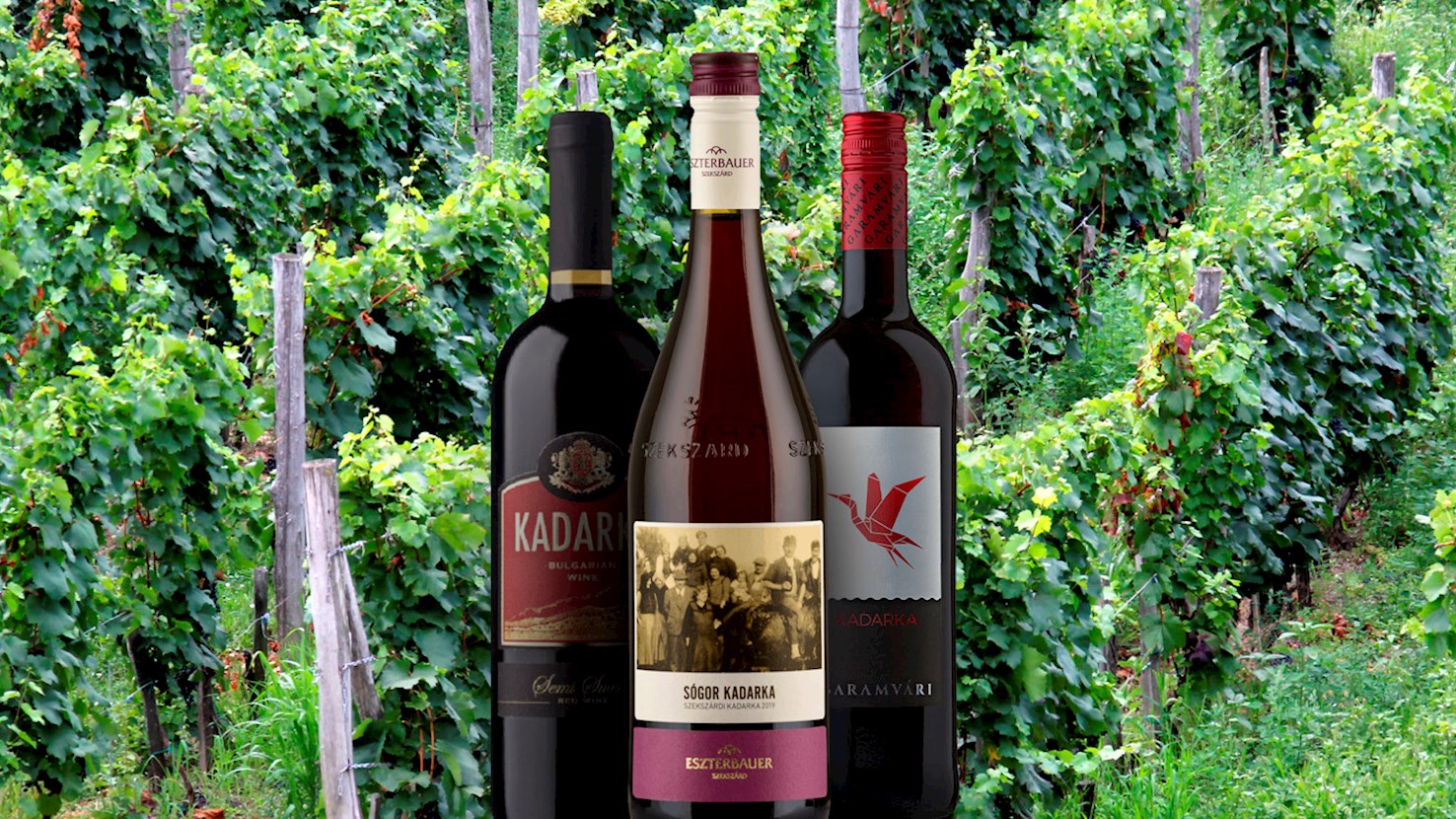
Kadarka

2.8 ·

Kadarka is a red grape with an uncertain origin. It is most likely a native Balkan variety that spread during Ottoman rule. Due to its finicky nature, it has slightly declined in popularity, but it is still an important red variety, especially in Hungary. Kadarka is a late-ripening grape that mainly produces fruity and elegant red wines. It is versatile and terroir-driven, so the wines can often vary in character, but they usually have light to medium body, bright acidity, and low tannins. The aroma is typically fruity, often with hints of spice and sometimes with subtle floral notes. Kadarka is an ideal partner for spicy meat dishes. Apart from Hungary and Serbia, Kadarka is also cultivated in Romania and Bulgaria, where it is known as Gamza. In Hungary, it is mostly associated with Szekszárd and Villány, but it is also popular in Eger, where it is used in the Egri Bikavér red blend.

08

Figue de Solliès

2.8 ·

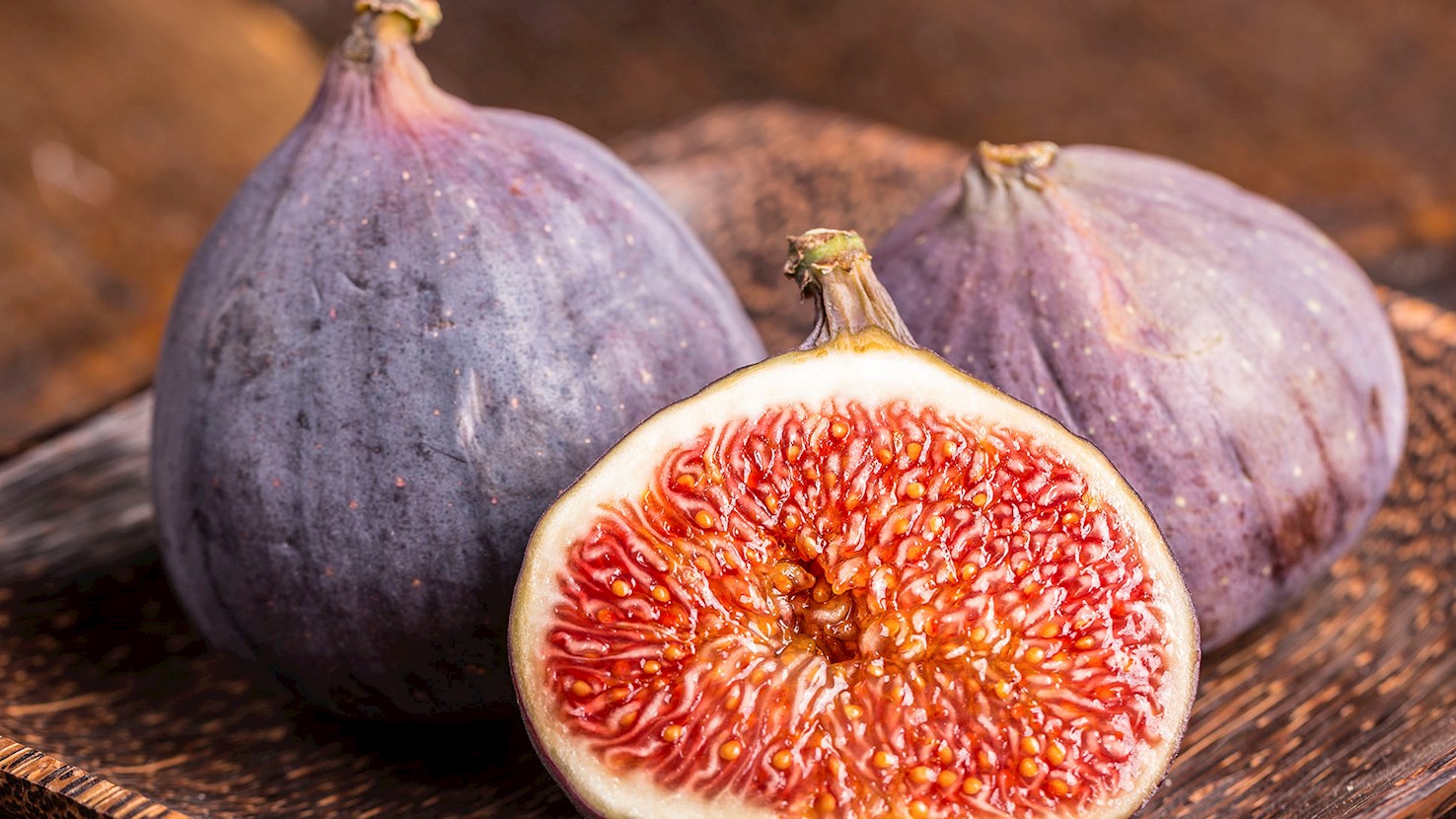
Figue de Solliés is a whole, fresh fig of the Bourjassote Noire variety, with a uniquely balanced flavor of acidity and sweetness, grown in the French region of Provence-Alpes-Côte d'Azur, department of Var. The figs are violet with black veins and their texture is dense and firm. On the inside of the fruit, the flesh is glossy and juicy with a dark red colour and numerous beige grains. Although the figs are shaped like a crushed teardrop, there is nothing to cry about, on the contrary, they smell beautiful, with a scent of red fruits such as watermelon, honeydew melon and strawberries. Once bitten, it is crunchy, but soon becomes tender and full-bodied on the palate. These figs are a great accompaniment to game, pork and rabbit meat, as well as foie gras, salmon, ham and cheese, yoghurt and cottage cheese. Alternatively, wrap them with prosciutto slices, roast them with Roquefort or bake it into crumbly tarts with vanilla ice cream on the side.

09

Cameo apples

2.9 ·

Cameo is an apple variety originating from Dryden, Washington, when it was discovered in 1987 by the Caudle family. It is believed that these apples are a cross between Red Delicious and Golden Delicious, but the parentage is still uncertain. The apples are covered in red strips and the skin is thin and delicate. The flesh is creamy and dense, with a juicy and crisp texture. The flavor is sweet and tart with notes of citrus and honey. Available from late fall through early spring, Cameo apples are typically used in sweet and savory dishes such as cobblers, quiches, sandwiches, and salads. When cooked, the flesh hold up well. Pair these apples with bacon or ricotta and cheddar cheese.

10

Bael (Wood apple)

2.9 ·

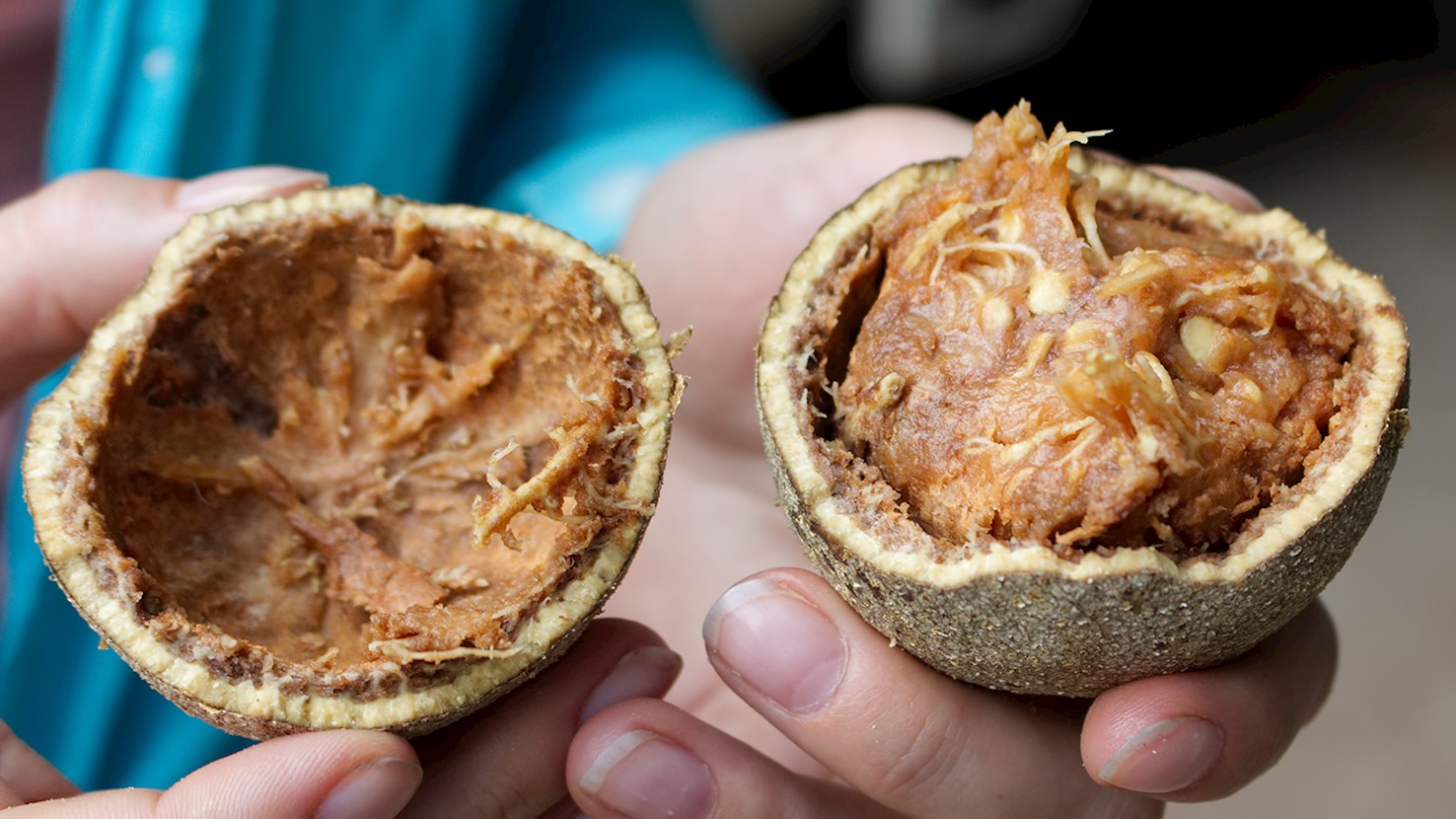
Wood apple is the tropical fruit of a tree with rough bark and sharp spines that’s native to India and Sri Lanka. The fruits are egg-shaped or round, with a hard and thick rind that must be crushed with a hammer or a stone in order to get to the pulp. The pulp is mealy, with an astringent, acid, or sweet flavor and numerous white seeds scattered throughout it. Whether sweet-sour or sweet, the pulp is usually enjoyed fresh after it’s been scooped out. It can also be made into jams, jellies, and chutneys. When mixed with palm syrup and coconut milk, the pulp can be made into ice cream, beverages, and various desserts. Interestingly, unripe fruits are used in traditional Indian medicine to treat diarrhea.

About this ranking

TasteAtlas food rankings are based on the ratings of the TasteAtlas audience, with a series of mechanisms that recognize real users and that ignore bot, nationalist or local patriotic ratings, and give additional value to the ratings of users that the system recognizes as knowledgeable. For the “100 Worst Rated Fruits in the World” list until June 16, 2026, 11,515 ratings were recorded, of which 7,828 were recognized by the system as legitimate. TasteAtlas Rankings should not be seen as the final global conclusion about food. Their purpose is to promote excellent local foods, instill pride in traditional dishes, and arouse curiosity about dishes you haven’t tried.

Similar lists