




46 Worst Rated Goat Cheeses
in the World

Last updated on June 16, 2026
01

Travia da Beira Baixa

2.4 ·

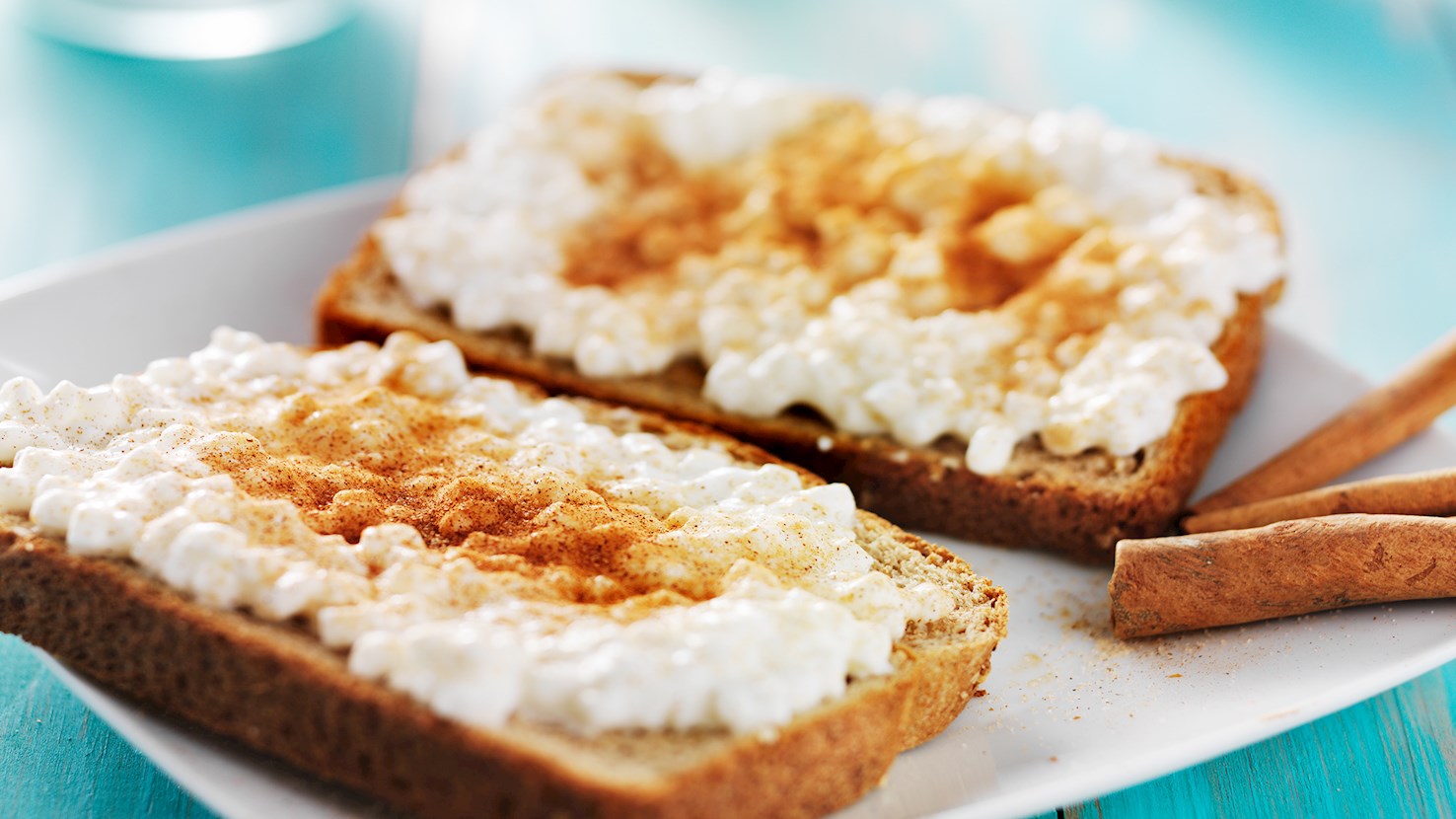
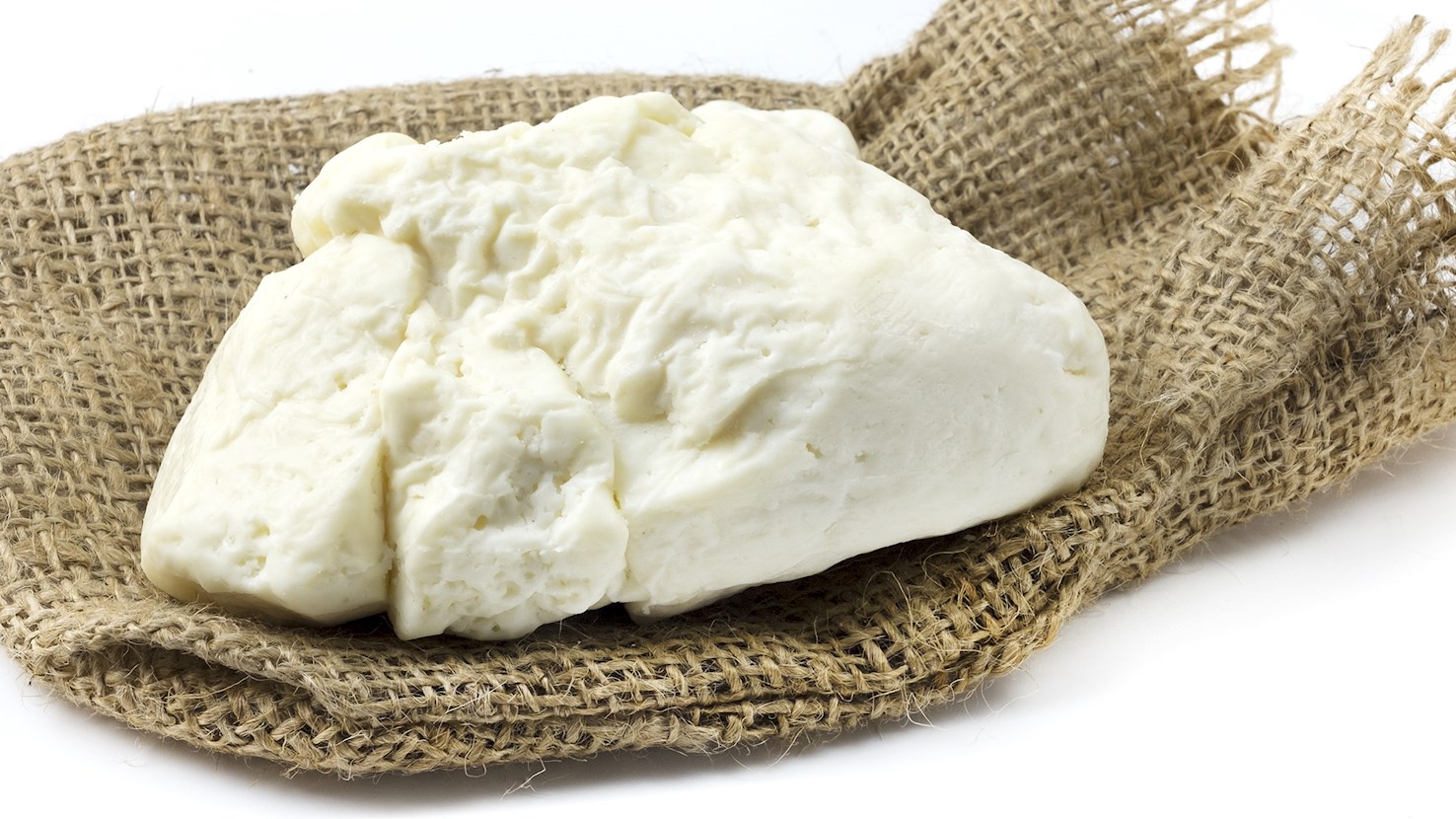
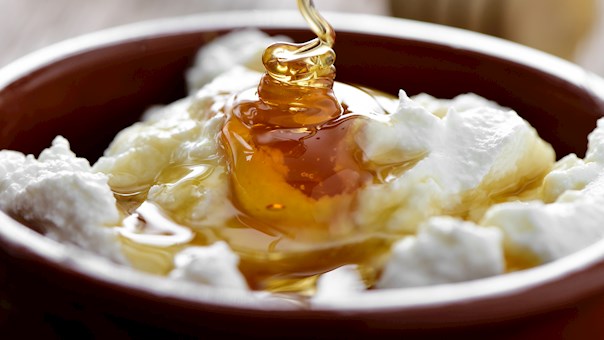
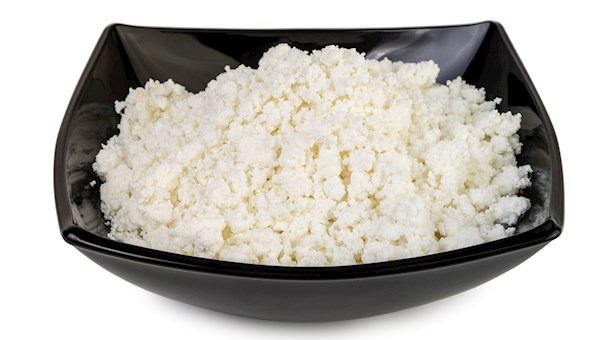
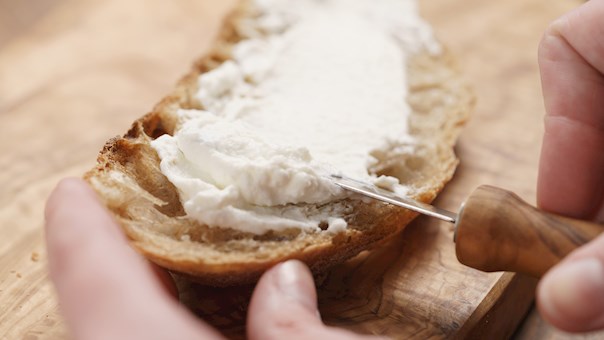
This Portuguese whey cheese is made from either sheep or goat milk whey left over from the cheesemaking operations in the Beira Baixa historical region, now Castelo Branco. The delicate, unfermented travia has a grainy but spreadable texture, and a pleasant, sweet lactic flavor. In Portugal, travia is one of the breakfast favorites, and it is usually enjoyed fresh, spread over toasted sourdough bread, sprinkled with sugar and ground cinnamon.

02

Bijou

2.7 ·

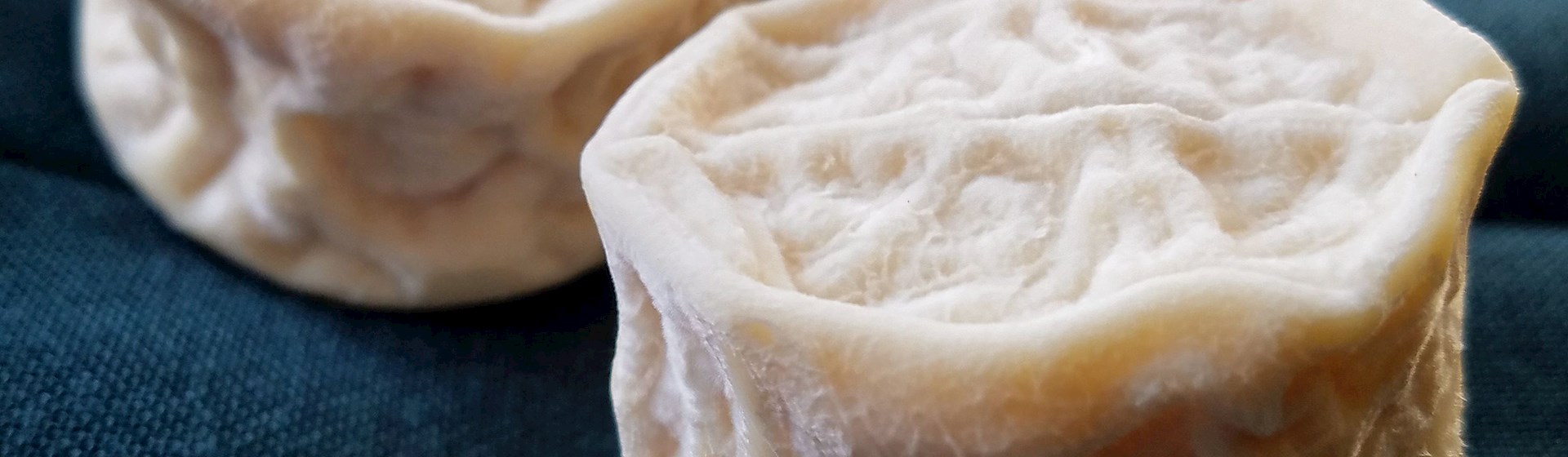
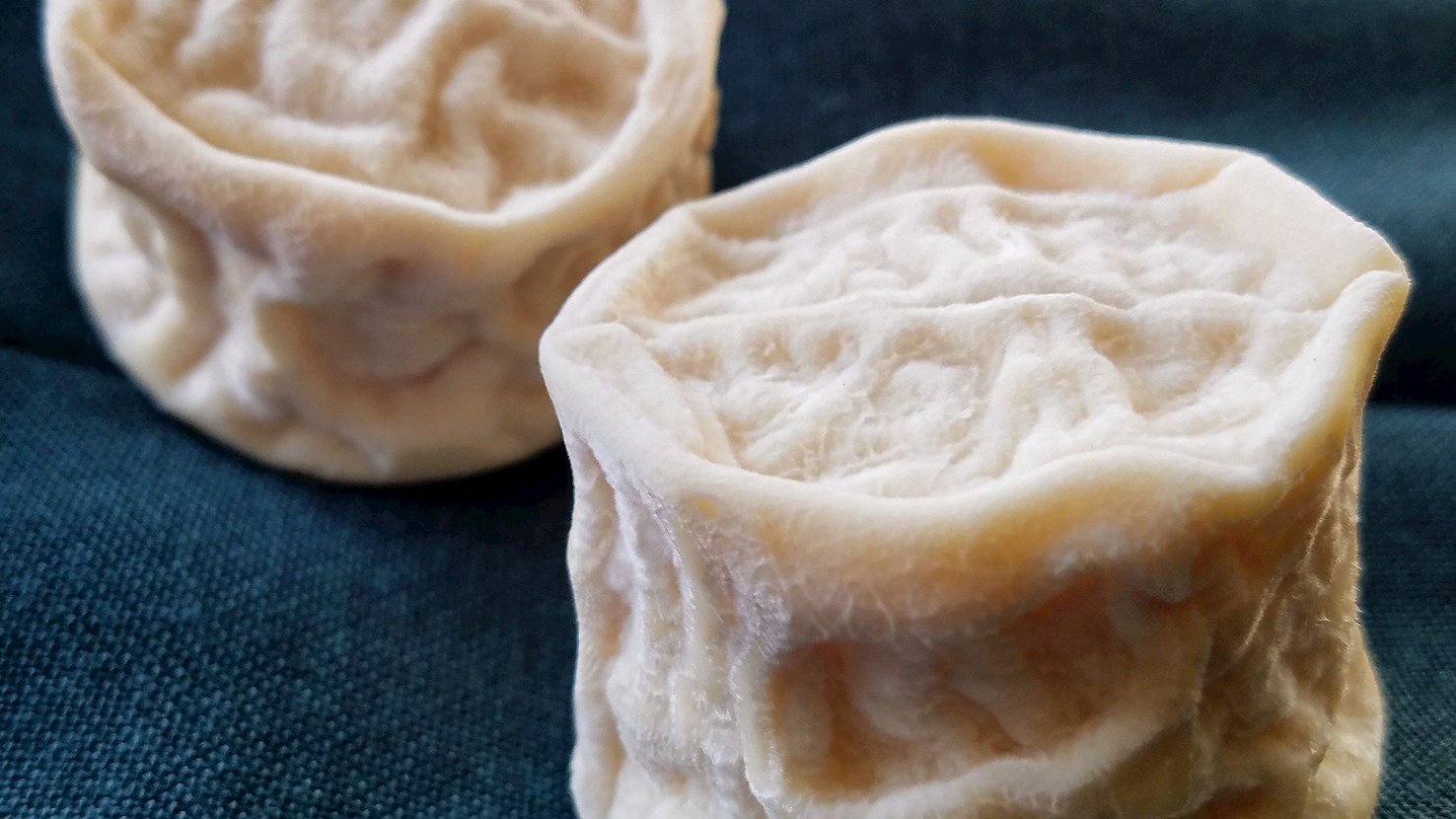
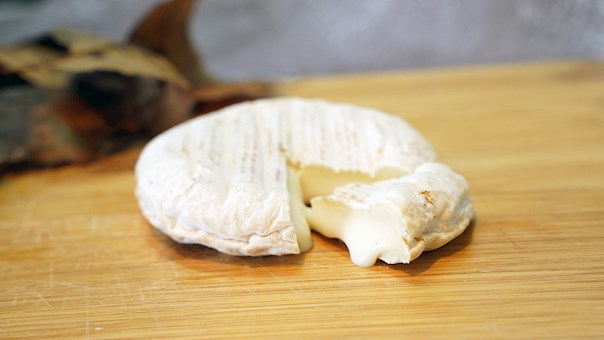
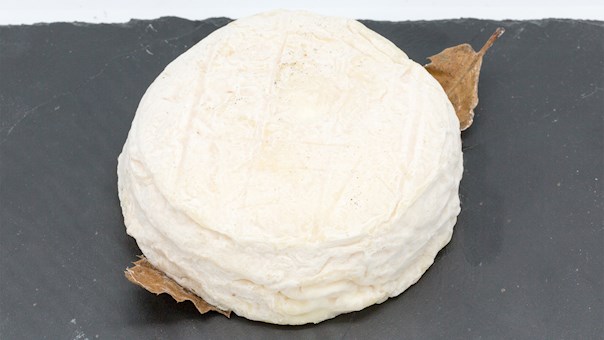
Bijou is an American cheese hailing from Vermont. The cheese is made from pasteurized goat's milk and it's left to age for 30 days. During the maturation period, Bijou (jewel in French) forms a wrinkly mold-ripened rind with a sweet and yeasty aroma. Underneath it, the texture is smooth and creamy. The flavors are tangy, sharp, yeasty, clean, milky, and sweet, with hints of hazelnuts and flowers. It's recommended to serve this small hand-shaped button of cheese with pickled cherries, pancetta, fig jam, and roasted hazelnuts. Pair it with amber cider or a glass of rosé. The cheese can also be served on a cheeseboard, used in salads, or wrapped in bacon, then baked in the oven.

03

Herbes de Provence Chevre

3.1 ·

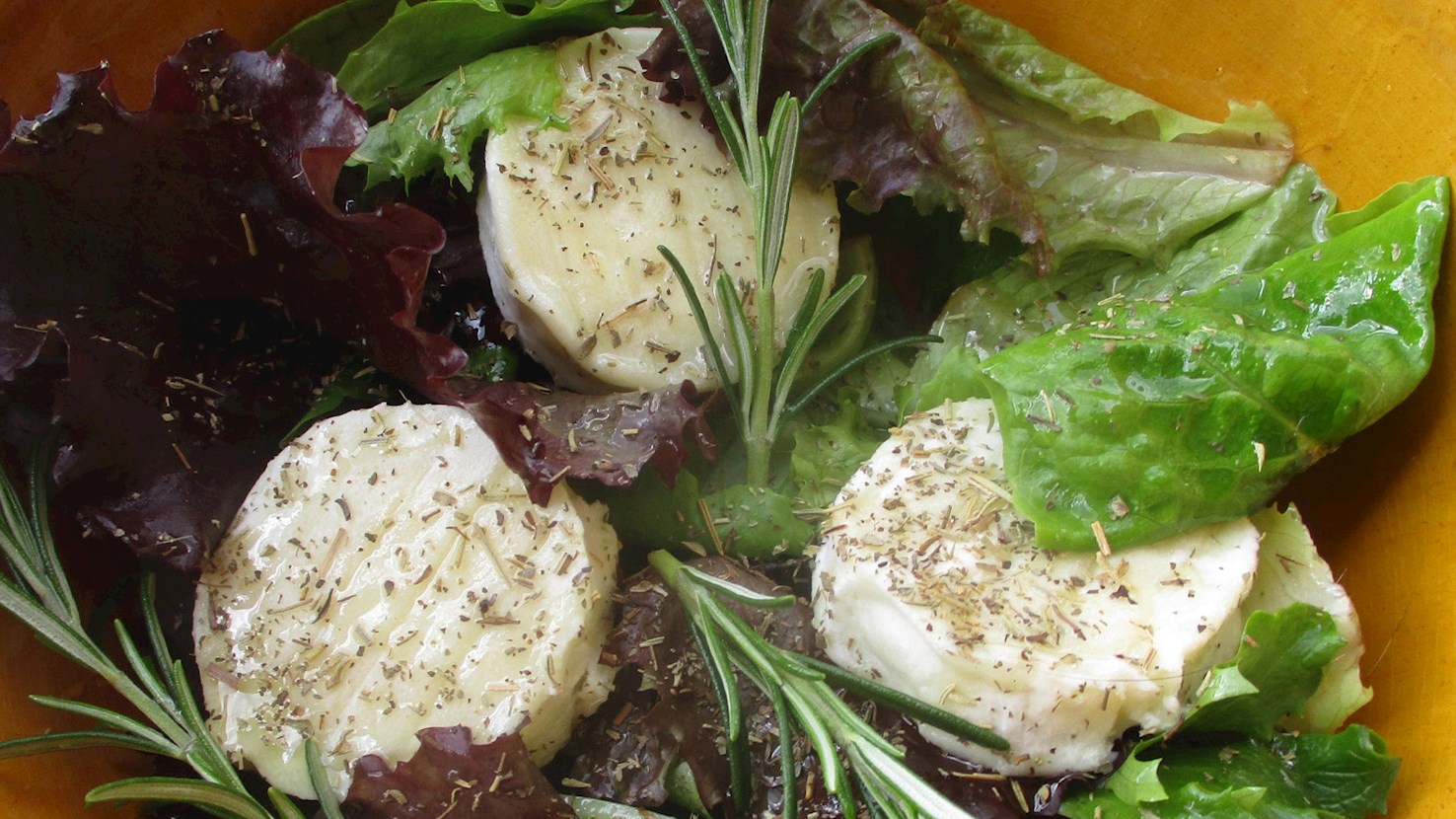
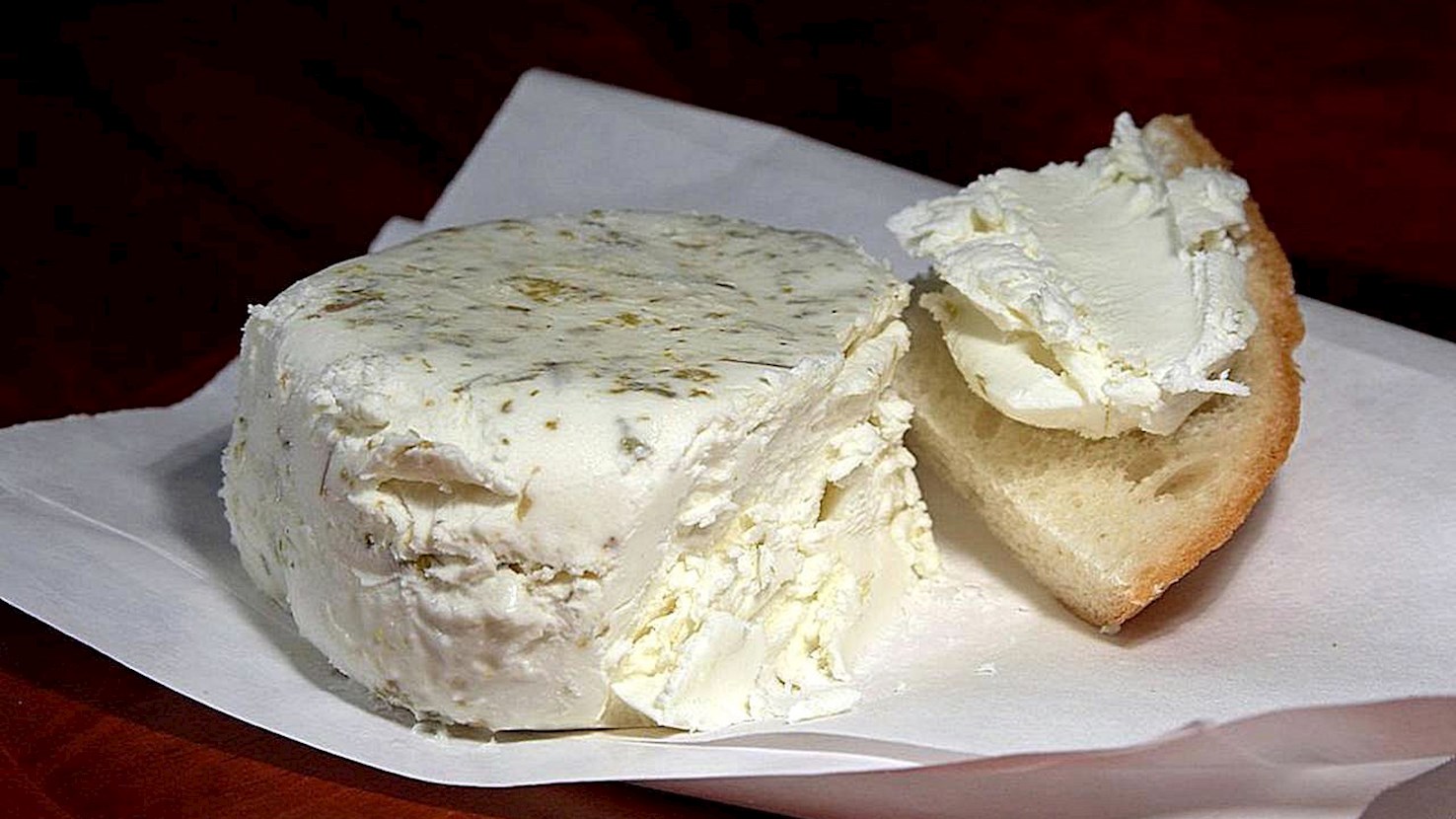
Herbes de Provence Chevre is an American semi-soft cheese hailing from Colorado, where it's produced by Haystack Mountain Goat Dairy. The cheese is made from pasteurized goat's milk and it's shaped into logs that are coated in Herbes de Provence, a traditional French spice blend originating from Provence. The texture of this rindless cheese is creamy and crumbly. The aromas are fresh and clean, while the flavors are mild and herbaceous. It's recommended to serve the cheese with crusty bread and Kalamata olives. Pair it with a glass of fruity wine such as Chenin Blanc or Sauvignon Blanc.

04

Coeur de Touraine

3.1 ·

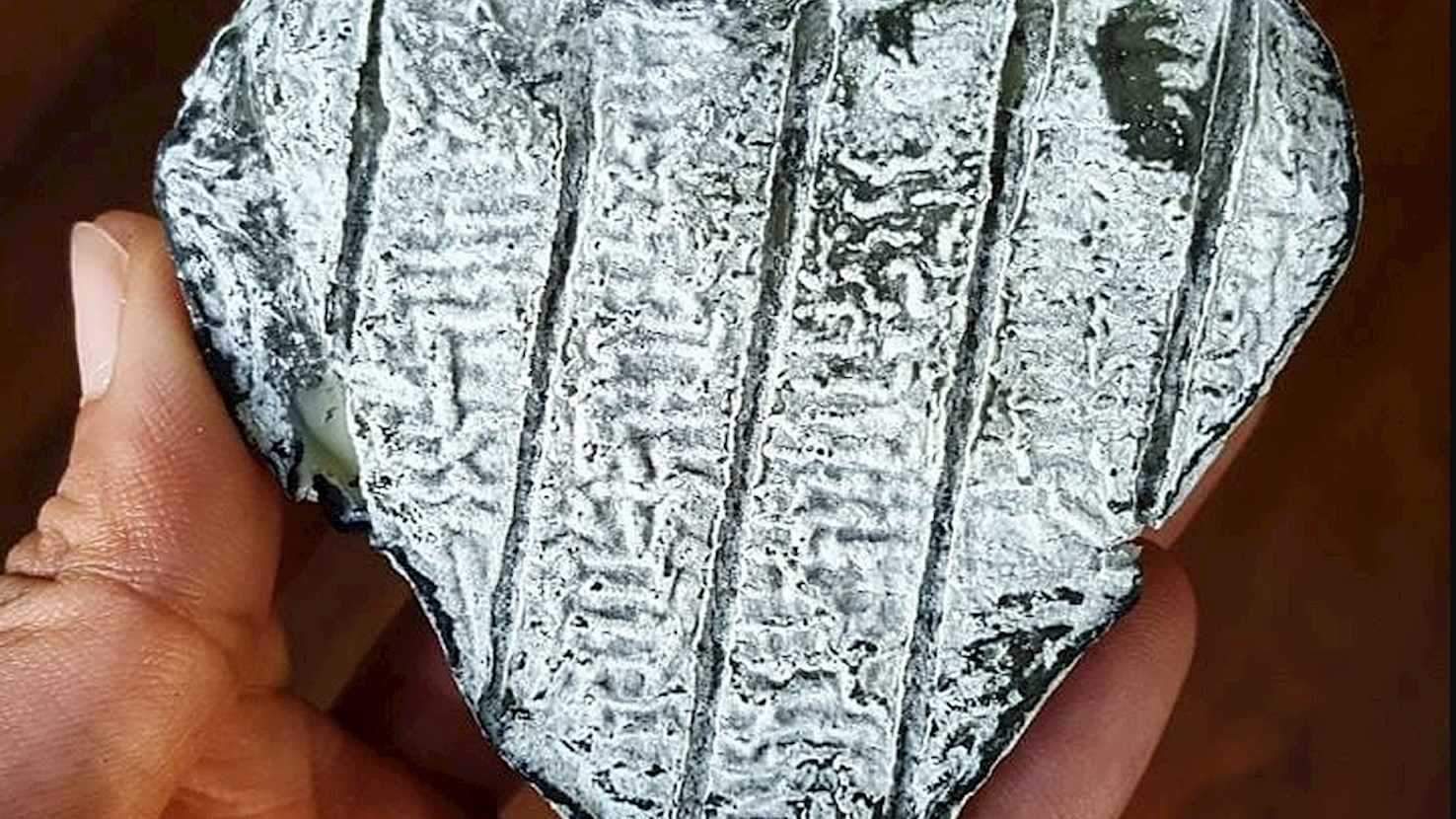
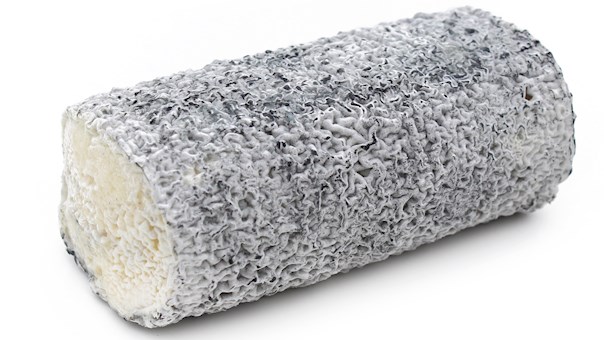
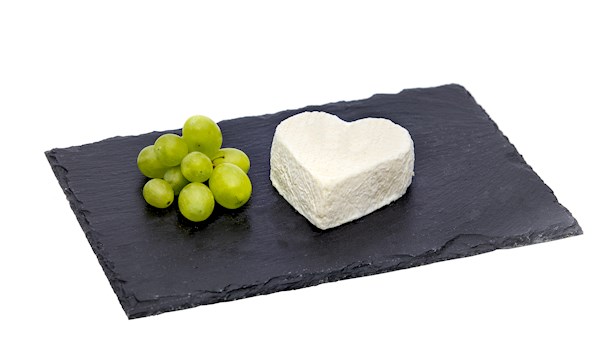
Coeur de Touraine (lit. the heart of Touraine) is a heart-shaped French cheese made with raw goat's milk. Apart from being distinguishable by its shape, it can also be easily recognized by its aromatic ash-covered edible rind. The cheese matures for a minimum of 3 weeks. The texture of Coeur de Touraine is thick and creamy, while the flavors are goaty, milky, and tangy, with a slightly salty aftertaste. It is recommended to serve the cheese with raisin bread or nut bread and a glass of white wine.

05

Tyrozouli

3.1 ·

Tyrozouli is a Greek cheese produced in the mountains of western Crete. It is made from sheep’s or goat’s milk which is curdled with fig sap. The cheese is typically consumed fresh, when its texture is very soft, but it can also be matured in olive oil, when its texture becomes hard.

06

Motal

3.2 ·

Motal is an ancient cheese that's produced from goat’s milk (or sometimes sheep's milk) throughout the Caucasus. Right after the goats have been milked by hand, calf rennet is combined with the warm milk, and the combination is then left to cool. The curd gets broken and drained in a cloth, while the remaining mixture is broken into smaller pieces and left in brine-filled molds for at least 40 days. After that period, the curd is crumbled, seasoned with a variety of mountain herbs, and placed in goat or sheep sacks to mature from 3 to 6 months. In some regions, the cheese gets placed into terracotta pots, and it's then sealed with wax and left to age from 35 to 50 days in ashes. The cheese is crumbly and very salty, similar in flavor to mature blue cheeses. It's recommended to serve Motal with bread, flatbreads such as pita or lavash, garlic, onions, and basil. Pair it with dry red wines for the best experience. In Azerbaijan, the cheese originates mainly from two regions - Karabakh and Gazakh.

07

Chevrotin

3.2 ·

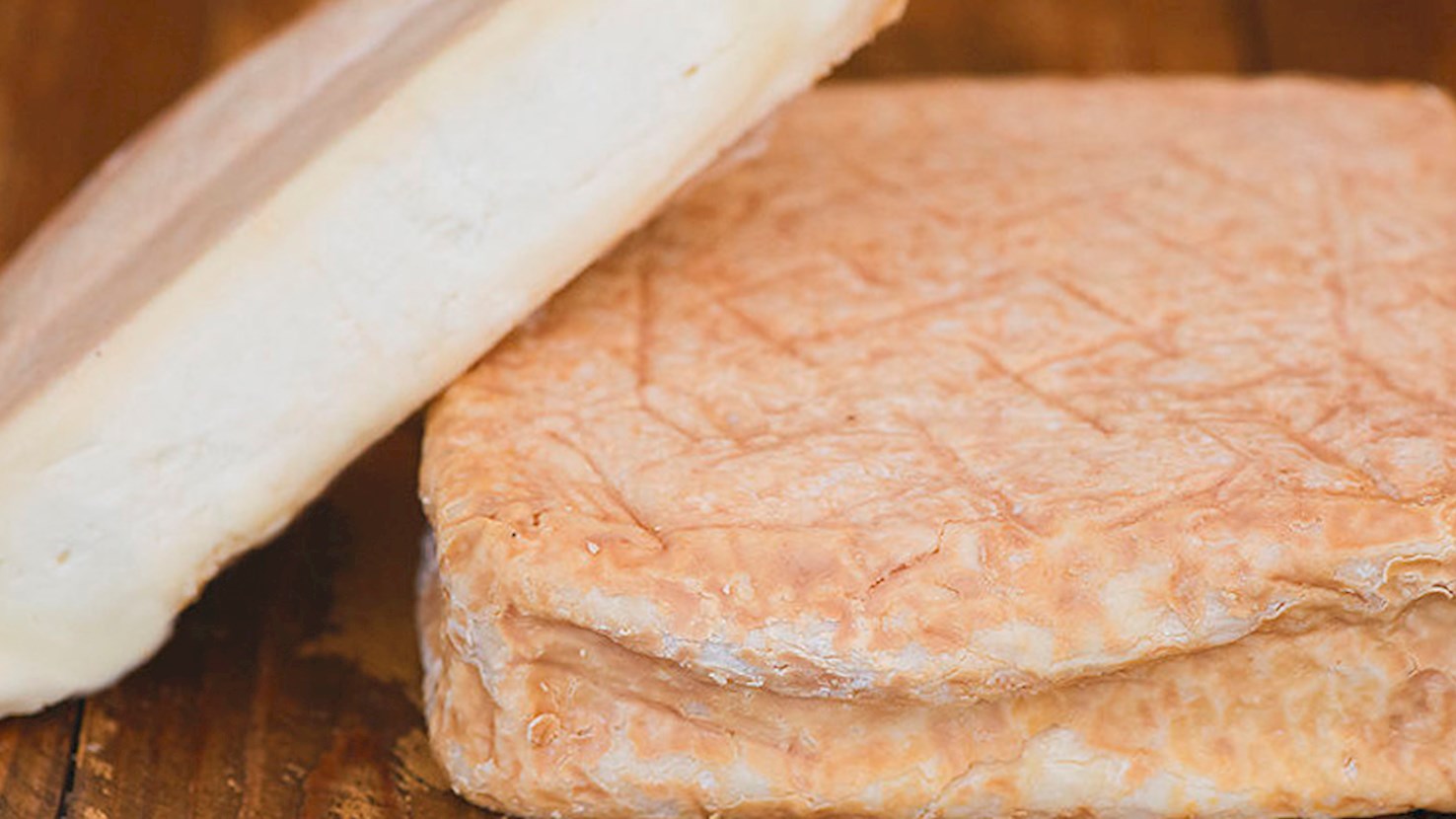
Chevrotin is a mold-pressed cheese made from goat's milk in the region of Haute-Savoie in France. It has a fine white rind and is packaged with a thin sheet of spruce boards on its base that can be removed. The boards allow the cheese to drain during the maturation period and also help with regulating the humidity in the package. Its flavor is slightly sweet, yoghurt-like, and unusual, with the aroma of goats, nuts, and flowers from the mountainous region. The texture is smooth and fine, slightly crumbly, perfect for pasta dishes or roasted vegetables. Pair Chevrotin with light dry wines.

08

Purple Haze

3.2 ·

Purple Haze is an American cheese produced in California by Cypress Grove. It dates back to the 1970s, when Mary Keehn found herself with excess goat milk and invented the cheese in the process. Nowadays, the milk is pasteurized in vats with coagulants and cultures, and the mix is then placed into a curd press to drain. The curd is combined with salt and shaped into disks which are dusted with wild fennel pollen and lavender. Without aging, the cheeses are sent to markets where they can be sold and consumed. This aromatic, fresh, soft cheese has no rind, and its texture is crumbly, smooth, creamy, and spreadable. The flavors are earthy and herbaceous. It's recommended to pair Purple Haze with Riseling or Sauvignon Blanc. Try it with bacon-wrapped dates or finocchiona salami.

09

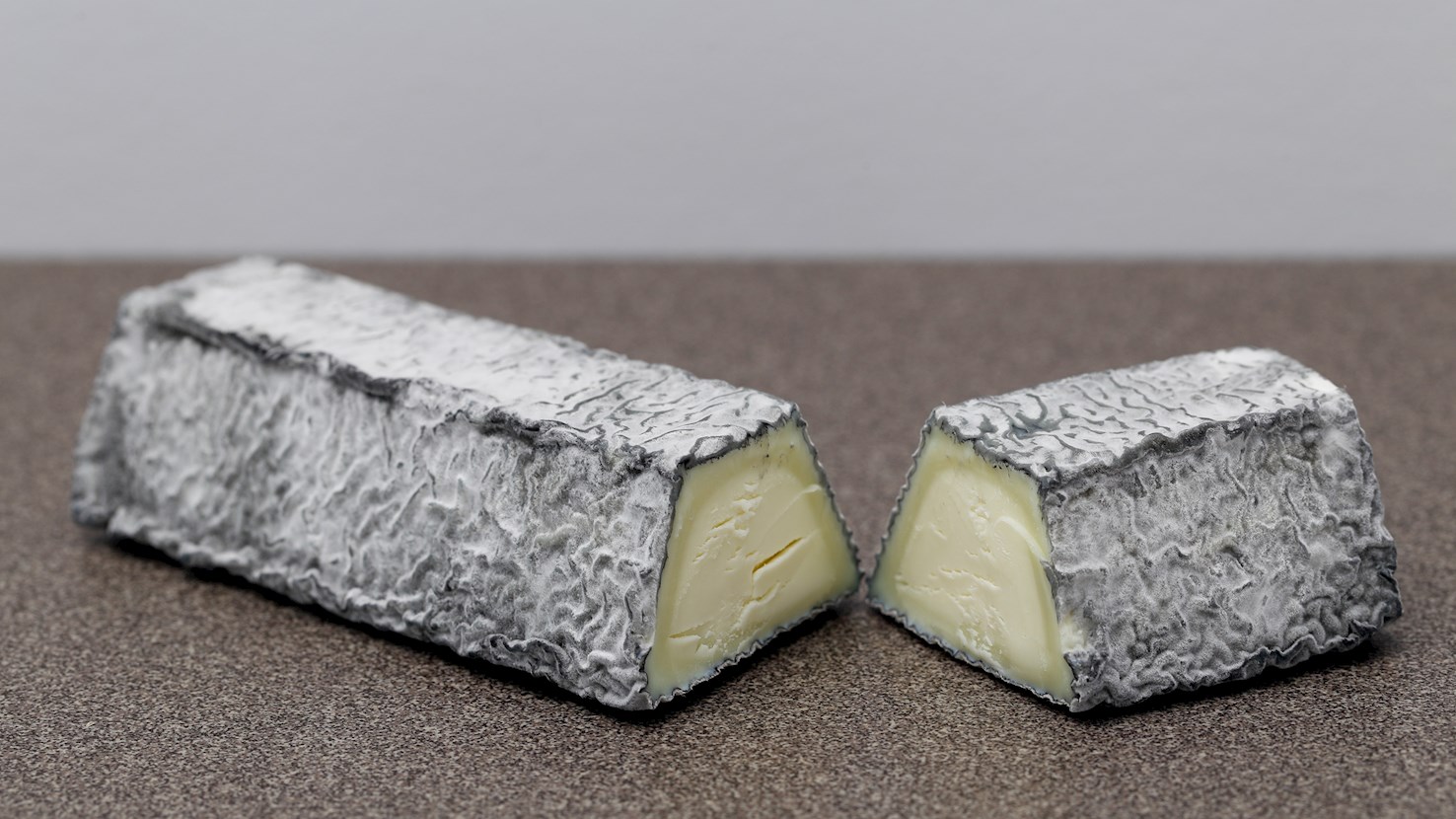
Le Cendrillon

3.2 ·

Le Cendrillon is a Canadian cheese hailing from Quebec. The cheese is made from pasteurized goat's milk. Underneath its ash-coated rind, the texture is smooth, soft, and creamy. It's shaped into triangular logs, and the flavors are semi-strong, sour, and acidic when mature. When young, the flavor is milder. Le Cendrillon (lit. Cinderella) has won the title of Best Cheese in the World at the World Cheese Awards in 2009. It's recommended to pair it with a glass of white Loire wine or amber ale.

10

Chloro

3.3 ·

Chloro is a fresh Greek cheese made from goat’s milk. It is characterized by a soft, creamy texture and a rich, distinctive flavor. The production of chloro is somewhat limited, but it can sometimes be found in Greek restaurants and shops. It is recommended to consume it as a table cheese or grate it over salads and savory dishes.

About this ranking

TasteAtlas food rankings are based on the ratings of the TasteAtlas audience, with a series of mechanisms that recognize real users and that ignore bot, nationalist or local patriotic ratings, and give additional value to the ratings of users that the system recognizes as knowledgeable. For the “46 Worst Rated Goat Cheeses in the World” list until June 16, 2026, 4,949 ratings were recorded, of which 2,496 were recognized by the system as legitimate. TasteAtlas Rankings should not be seen as the final global conclusion about food. Their purpose is to promote excellent local foods, instill pride in traditional dishes, and arouse curiosity about dishes you haven’t tried.

Similar lists