

shutterstock

5 Worst Rated Greek Legumes

Last updated on May 21, 2026
01

Fava Feneou

3.5 ·

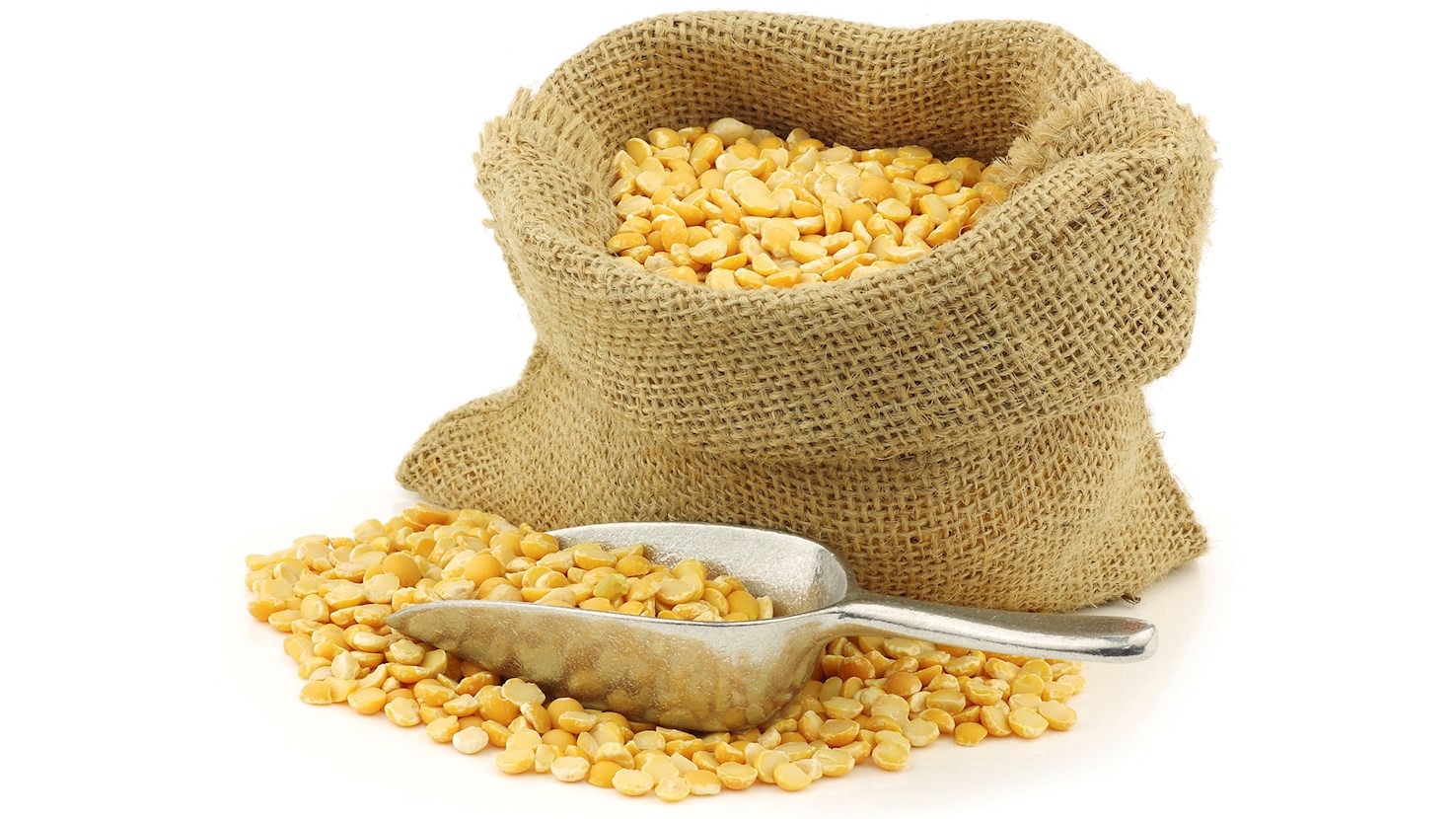
These are the dried seeds of the grass pea (Lathyrus sativus), which grows on the plateau of Feneos in Korinthia, one of the most beautiful mountain regions in Greece. The distinctiveness of the climate and calcium-rich soil give this product its special character. They are quite small (from 4 to 7 mm across), round, and yellow. Fava Feneou is rich in vegetable proteins and carbohydrates, and therefore very easy to cook – only small amounts of water are required. The most famous local recipe requires it to be boiled into a delicious puree and served with raw onions, olive oil, and a glass of Ouzo.

02

Fassolia Gigantes Elefantes Kato Nevrokopiou

3.6 ·

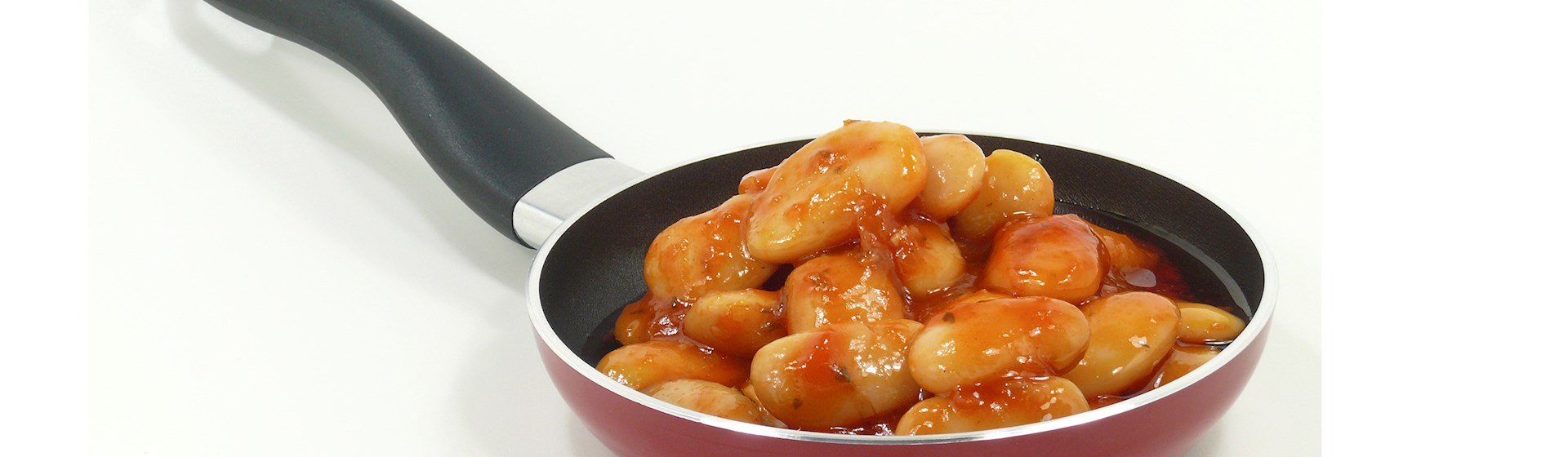
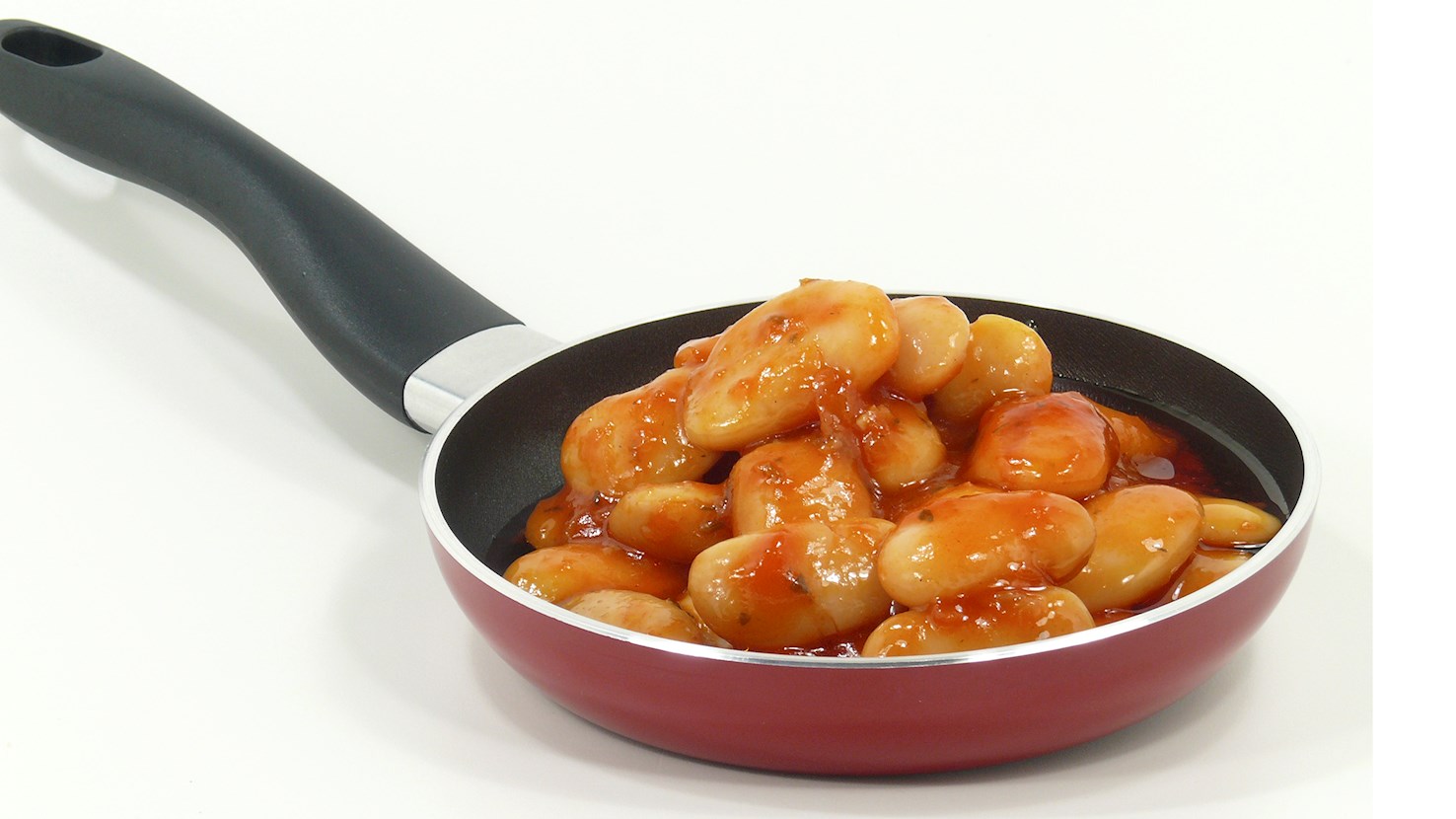
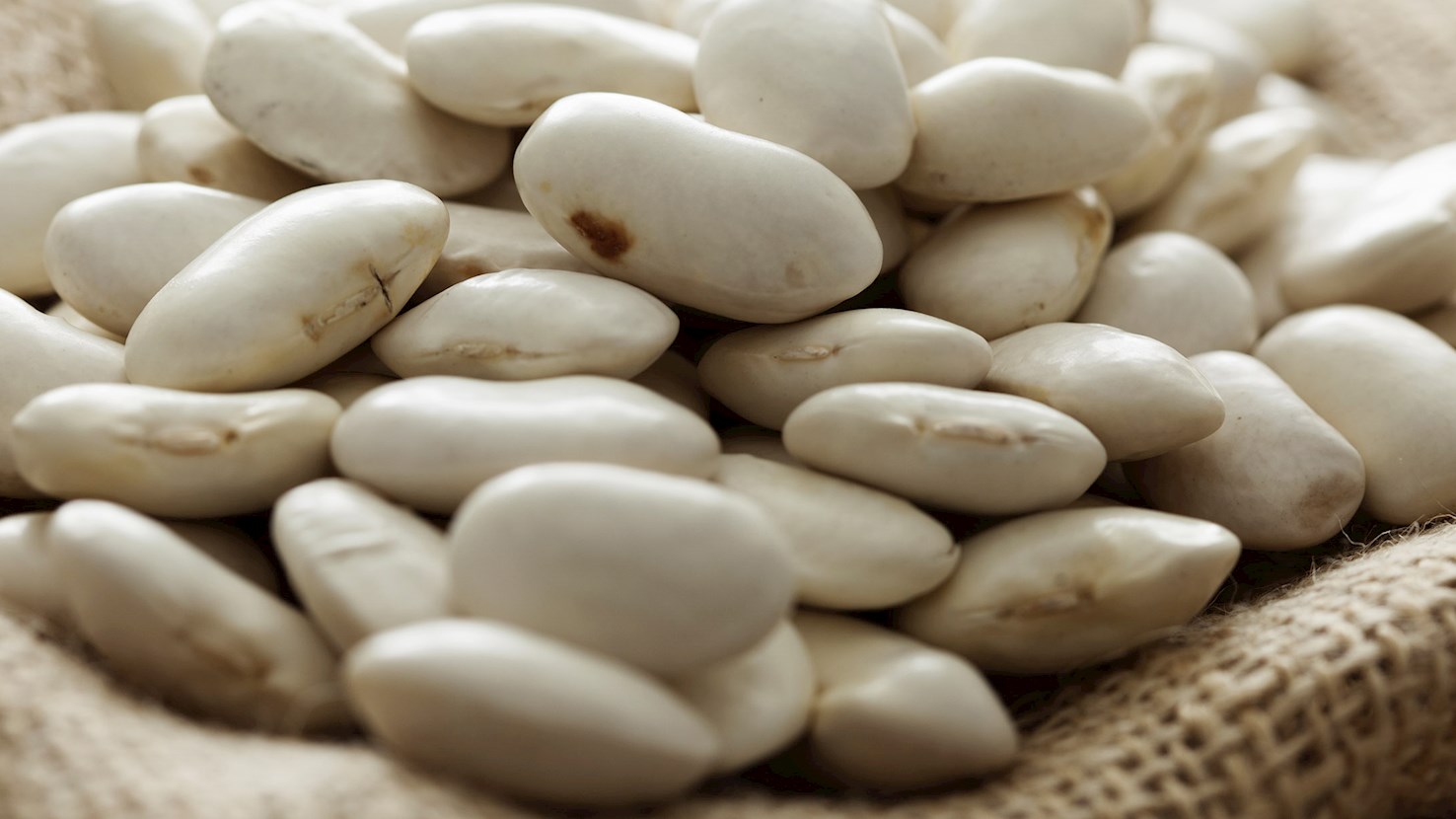
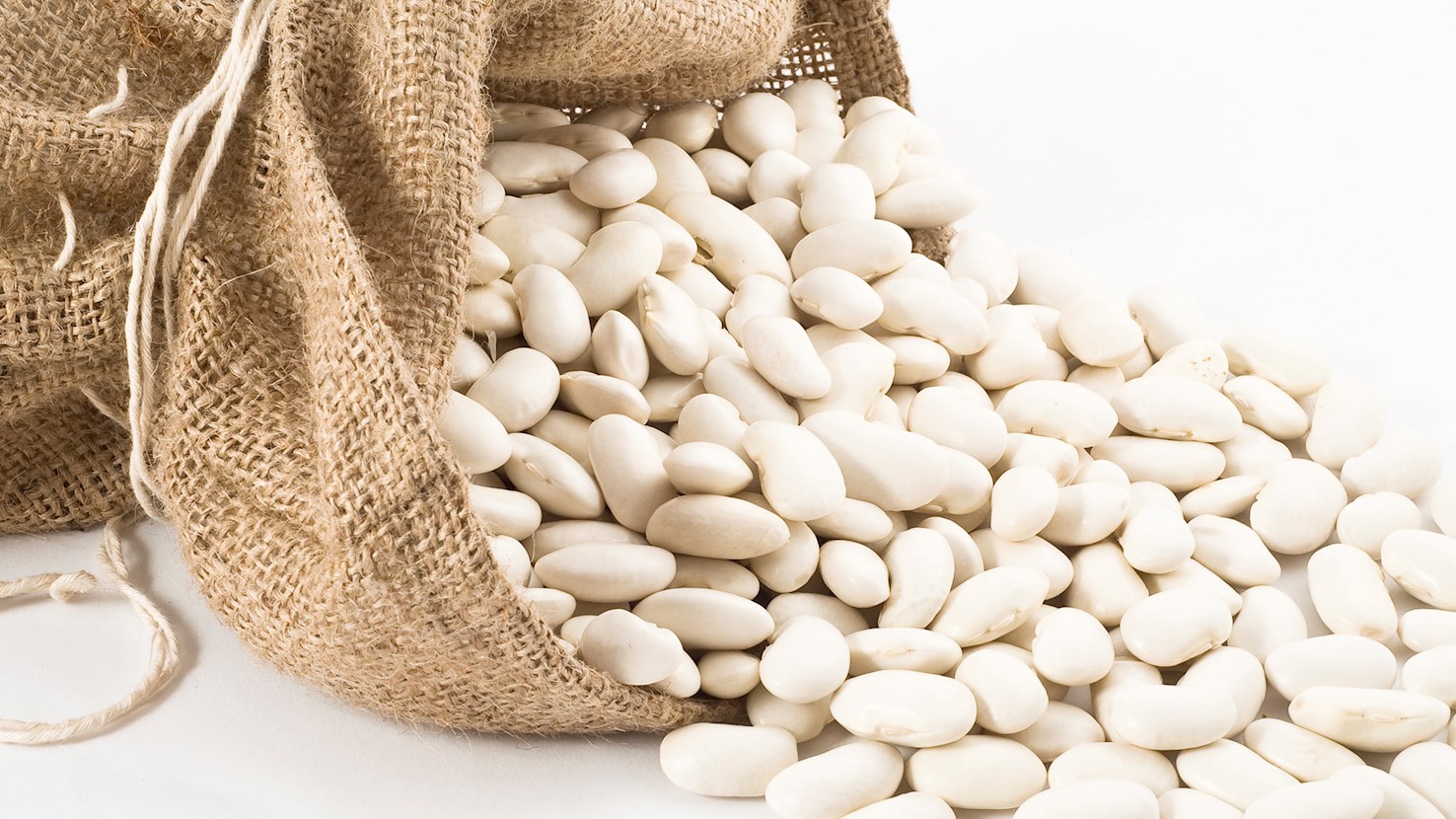
These giant elephant beans are a variety of runner bean (Phaseolus coccineus) cultivated using traditional techniques in the Kato Nevrokopi basin in Drama prefecture. These beans are white, kidney-shaped, and quite large – 1,000 seeds of this bean weigh around 1,200g. They are harvested manually, sun dried, and sorted before being graded and packed mechanically. Giant elephant beans are usually baked in a tomato sauce. Prior to cooking, they can be boiled in order to keep the skin firm and give them a buttery texture. Kato Nevrokopi giant elephant beans are also often eaten in a bean salad served with a glass of raki.

03

Fasolia Gigantes Elefantes Kastorias

3.8 ·

The runner bean (Phaseolus coccineus) found its way to Greece in the 16th century. The prefecture of Kastoria where these beans are cultivated is an area with a unique climate and fertile soils sheltered by Vitsi mountain and the Grammos mountain range. These beans are white, kidney-shaped, and have a very thin skin. The harvesting season begins in September and lasts until December. The beans are sorted, put in bags, and transported to the Agrotiki Kastorias grading and packing station, where the packing procedure is electronically controlled. To importance the bean cultivation in Kastoria is witnessed by the many bean festivals held – There is an annual fair in Lakkomata and a winter bean soup festival in nearby Fiorina, and this soup is also traditionally served on St. Nicholas's day. Fasolia Gigantes are often baked or stewed with various vegetables, but the most famous way to prepare them is in Fasolatha, a traditional Greek bean soup made with onions, celery, carrots, and spices.

04

Fassolia Kina Messosperma Kato Nevrokopiou

3.9 ·

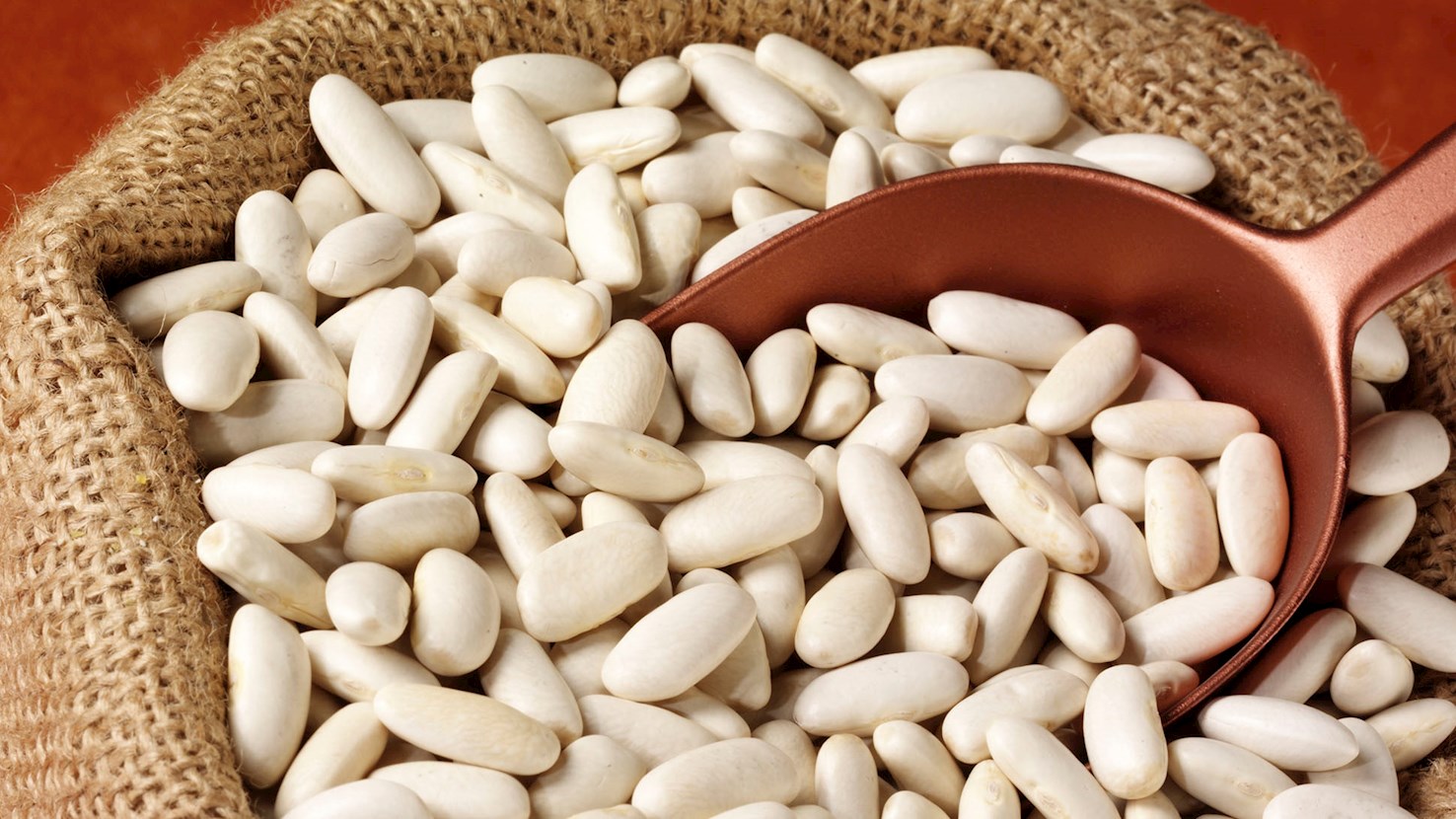
This is a variety of the common bean that is traditionally cultivated in the Kato Nevrokopi basin in Drama prefecture. They are medium-sized beans, and are cylindrical in shape. They are cultivated in open fields in limestone-free soils. They are often cooked together with other vegetables and served with a glass of ouzo or raki. Fassolia kina Messosperma Kato Nevrokopiou are mostly consumed in Greece, but are popular in the European Union as well.

05

Fasolia Vanilies Feneou

3.9 ·

This is a variety of the common bean produced in the municipality of Feneos in the Peloponnese. They have been grown in the area using traditional methods and experience passed down from one generation to the next since the end of the 19th century, when the waters of Lake Feneos drained away. They are small, white, shiny beans with a thin skin. The name 'Vanilia' emphasises their flat white color and sweet flavour, reminiscent of vanilla. They are highly nutritious, a great source of protein, and have less fat and calories than other beans. They are very popular on the market due to their distinctive sweet taste and the fact that they can be cooked quickly without disintegrating. In Greek mythology, pulses were a reward from the goddess Demeter to the inhabitants of Feneos, who had offered her hospitality when she was searching for her abducted daughter Persephone. Fasolia Vanilies Feneou beans are a pricey product that can cost up to 70% more than other beans. Many famous recipes include this variety of bean, such as traditional Fasoatha bean soup and Boulia (Polisipori) Feneos.

Read more
View all
View map
About this ranking

TasteAtlas food rankings are based on the ratings of the TasteAtlas audience, with a series of mechanisms that recognize real users and that ignore bot, nationalist or local patriotic ratings, and give additional value to the ratings of users that the system recognizes as knowledgeable. For the “5 Worst Rated Greek Legumes” list until May 21, 2026, 382 ratings were recorded, of which 161 were recognized by the system as legitimate. TasteAtlas Rankings should not be seen as the final global conclusion about food. Their purpose is to promote excellent local foods, instill pride in traditional dishes, and arouse curiosity about dishes you haven’t tried.

Similar lists