


94 Worst Rated Liqueurs
in the World

Last updated on June 16, 2026
01

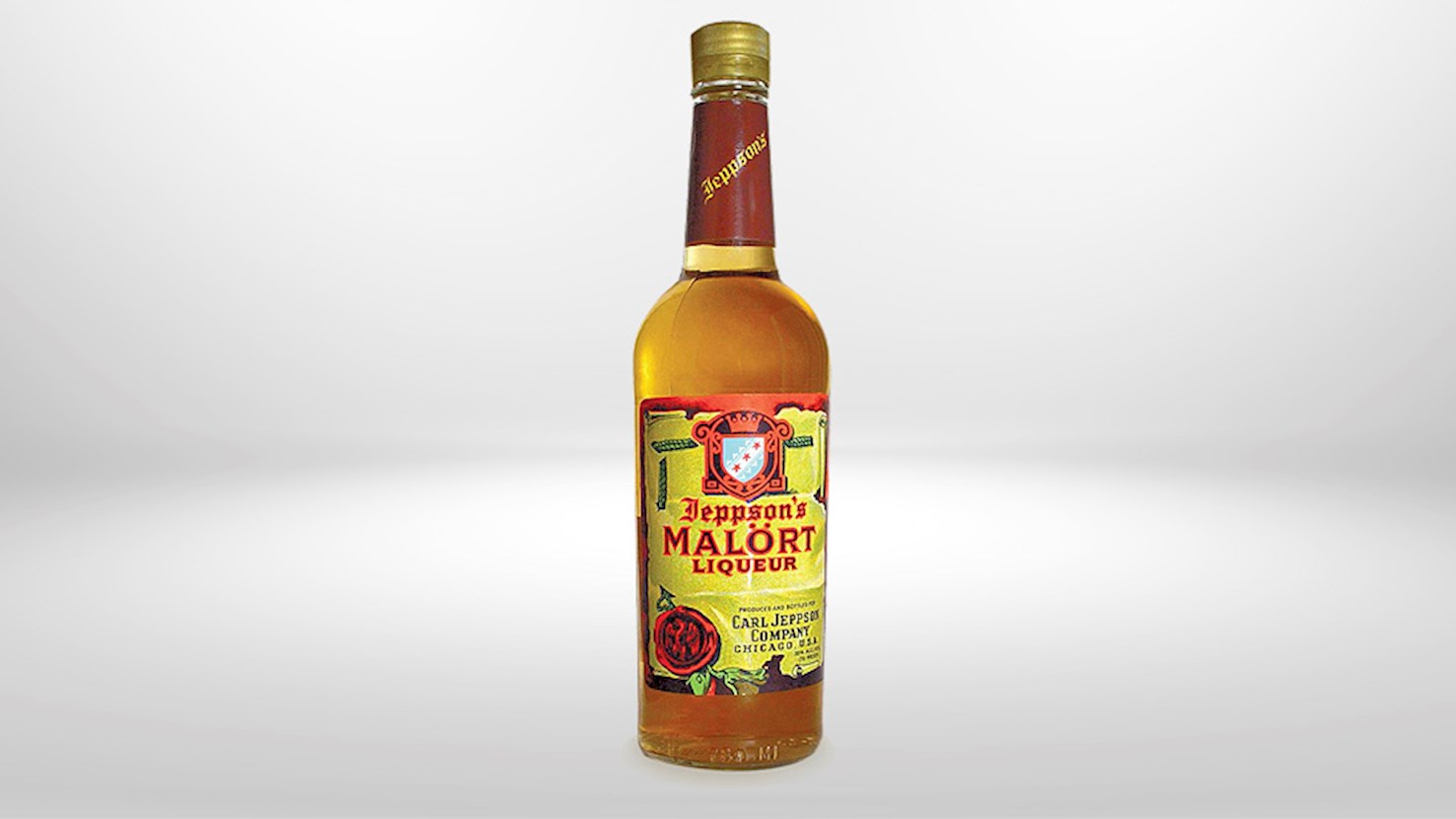
Malört

1.7 ·

Malört is a bitter, wormwood-based liqueur that was created in the 1930s by a Swedish immigrant Carl Jeppson. The drink was first introduced in Chicago, and although it is now produced in Florida, it is still mainly associated with its place of origin, and it can rarely be found elsewhere in the United States. Malört, which is a Swedish word for wormwood, was modeled on Swedish beskbrännvin – a liquor distilled from potatoes or grains that was often infused with wormwood. The drink is characterized by its sharp flavor and a long, bitter aftertaste. Although it is recommended to drink it with a sugar cube, it is mainly served neat, and it is intended to be enjoyed as a shot.

02

Catuaba

2.5 ·

Catuaba is a Brazilian alcoholic drink made with red wine. It is infused with guaraná, the caffeine-rich Brazilian plant, and catuaba—another native Brazilian plant that is often lauded as an aphrodisiac, and which gave the drink its name. As a plant, catuaba has been used for centuries, primarily by the Tupi people who were the first to use it due to its alleged health benefits. Catuaba drink is a dark-colored, sweet beverage that is cheap and hence quite popular in Brazil. It can be enjoyed over ice, or it can be used in mixed drinks.

03

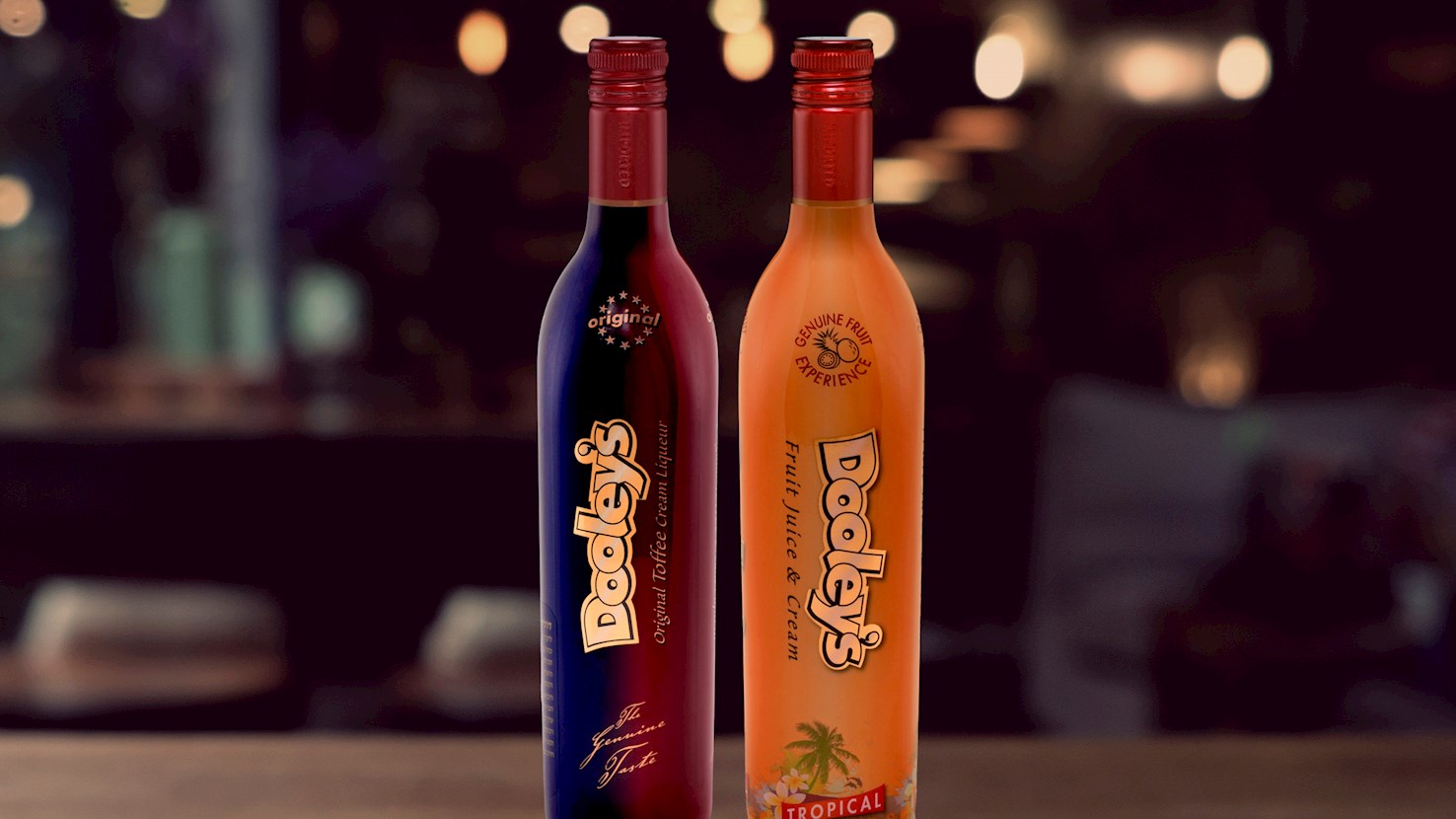
Dooley's

2.6 ·

This cream liqueur is prepared with a blend of premium vodka, quality Dutch cream, and best selection of Belgian toffee. It was launched in 2000, and it is produced by the family company BEHN in Eckernförde. Dooley’s is bottled at 17% ABV, and though it is best enjoyed neat over ice, it also incorporates well into a variety of cream-based cocktails. Apart from the original toffee variety, Dooley’s comes in licorice, egg cream, and white chocolate flavor.

04

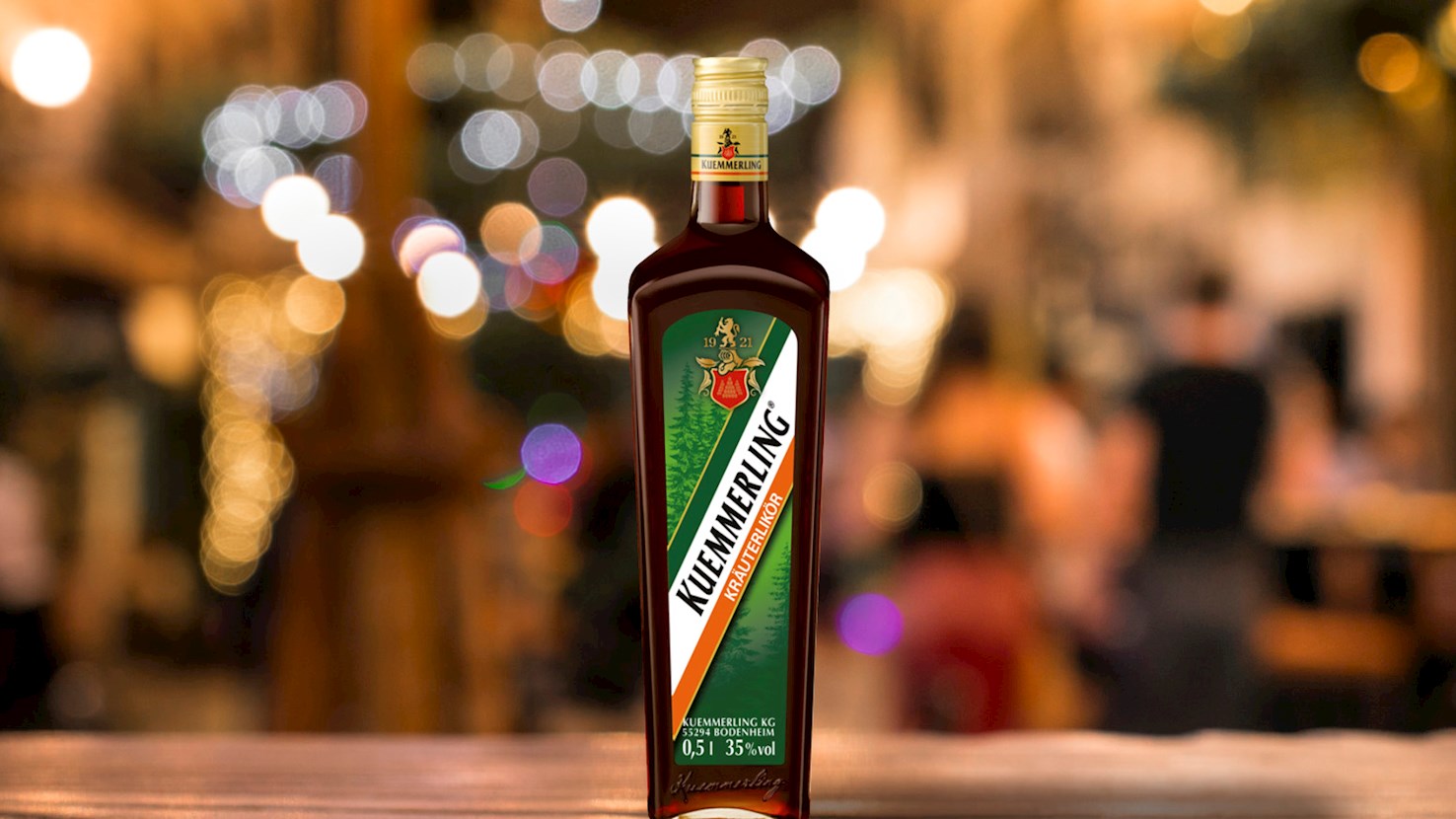
Kuemmerling

2.6 ·

Kuemmerling is a type of herb liqueur that is classified as a kräuterlikör. It was created by Hugo Kümmerling in 1938, and since 1963 the drink has been produced in Bodenheim. Although the exact recipe is kept secret, Kuemmerling is created with a large selection of herbs and spices such as cloves, cinnamon bark, licorice, wormwood, mint, calamus, and angelica root. It is an amber-colored drink that is characterized by herbaceous and bittersweet flavors. The drink is bottled at 35% ABV, and it is usually sold in the 20ml miniature spirit bottles. Kuemmerling is best served well chilled, preferably in a shot glass, and it is mostly enjoyed as a digestif, although it can also be incorporated into cocktails and long drinks.

05

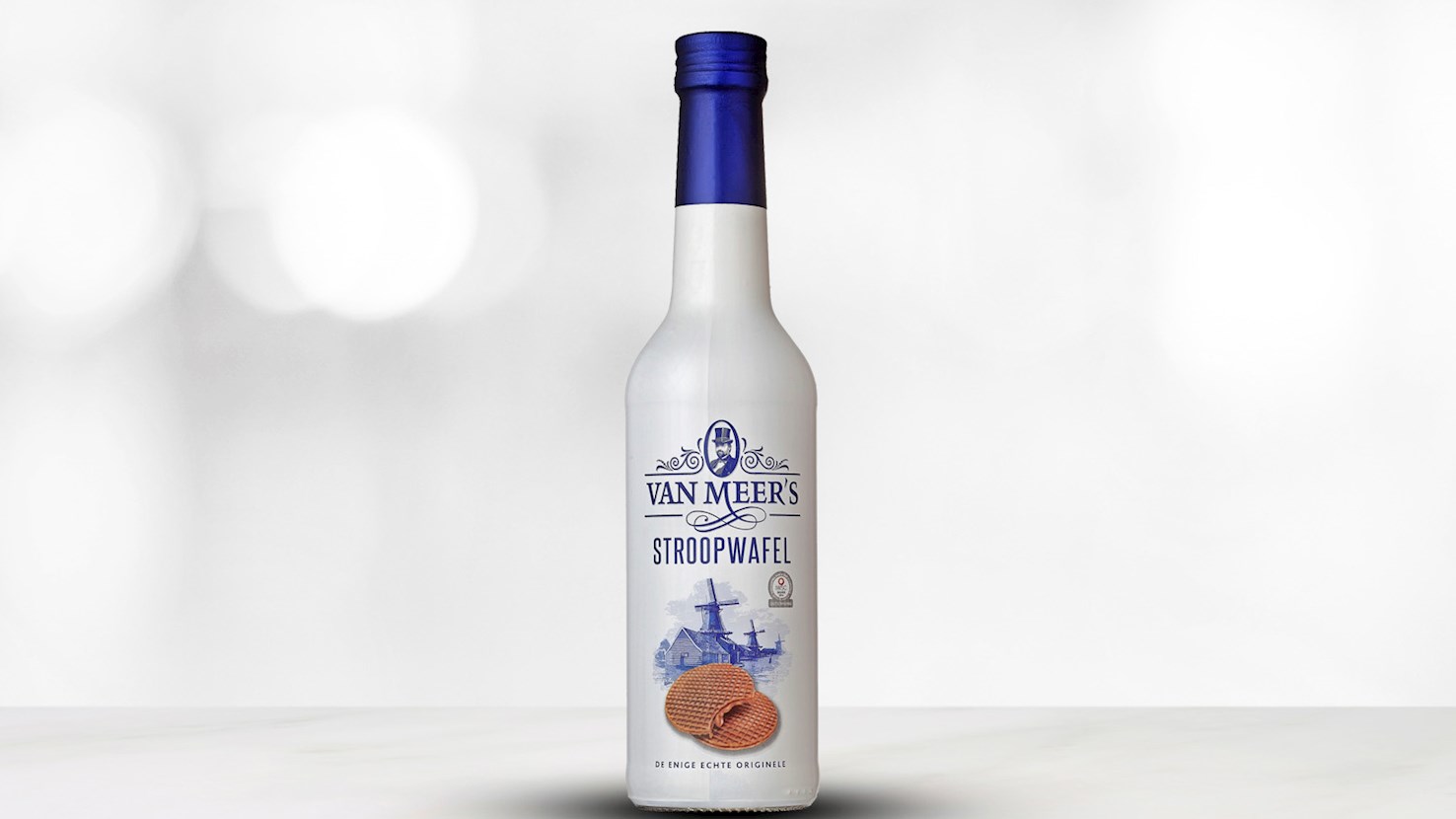
Stroopwafel Liqueur

2.7 ·

Stroopwafel Liqueur is a sweet and creamy liqueur whose flavor should mimic traditional Dutch stroopwafel, a cookie made with a caramel-like cream sandwiched between two thin wafers. The drink is sweet and smooth, with caramel, cinnamon, and nutty notes. Stroopwafel liqueur has around 15% ABV. It can be enjoyed neat or incorporated into cocktails, hot toddies, or desserts. Because of its character, it is also sometimes added to coffee or tea. Stroopwafel liqueur is produced by Van Meers company in Zwijndrecht.

06

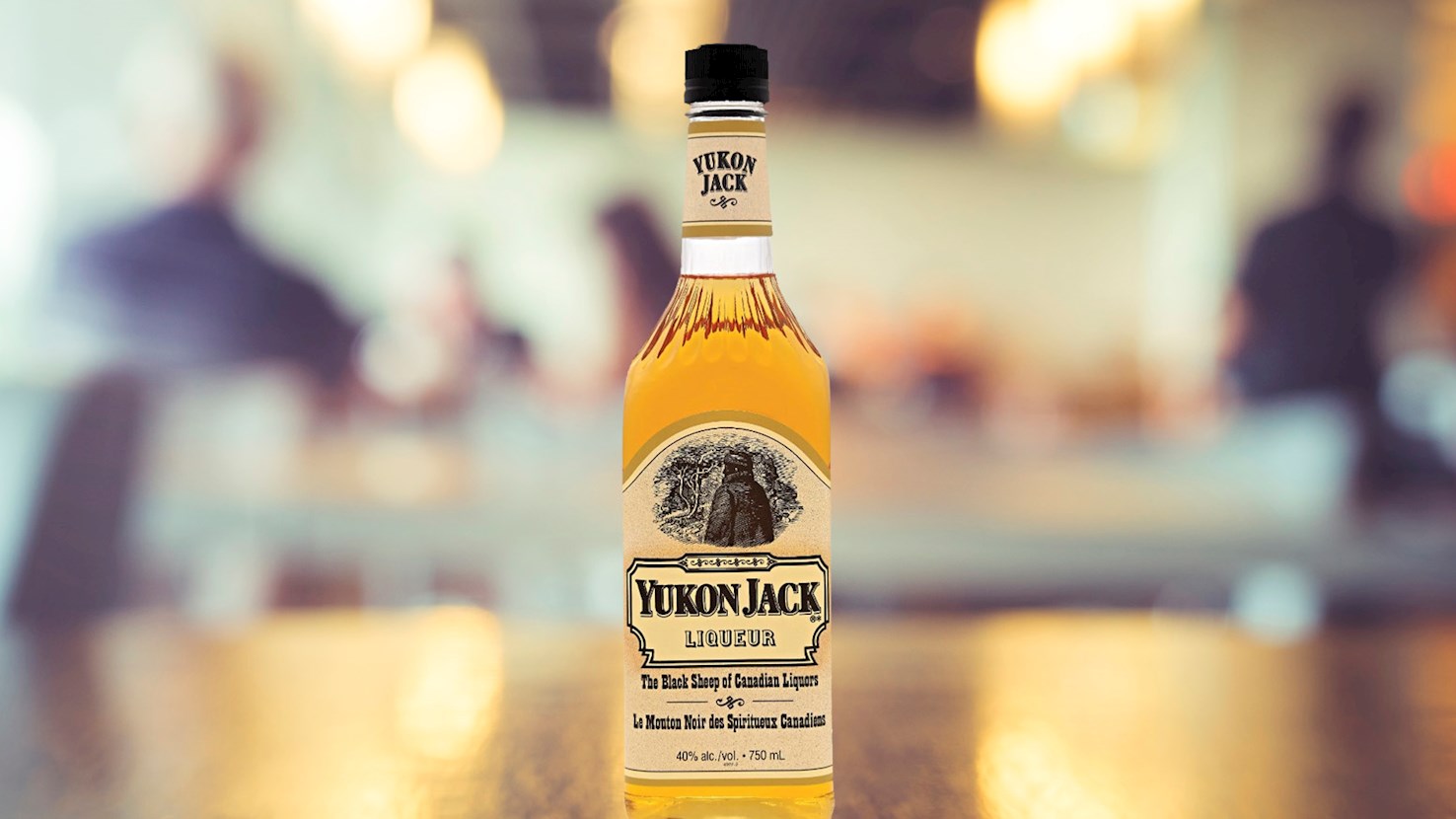
Yukon Jack

2.7 ·

Advertised as the black sheep of Canadian liqueurs, Yukon Jack is a liqueur that combines blended Canadian whiskey and honey. It is an overproof liqueur available as 100 proof for American and 80 proof for the Canadian market. Yukon Jack has an appealing golden color. It is a potent and sweet liqueur that has a smooth flavor and aromas of vanilla and spices. Although it can be enjoyed neat or on the rocks, it also works well in cocktails and long drinks. Yukon Jack is produced in Valleyfield, Quebec, while the Sazerac Company owns the brand.

07

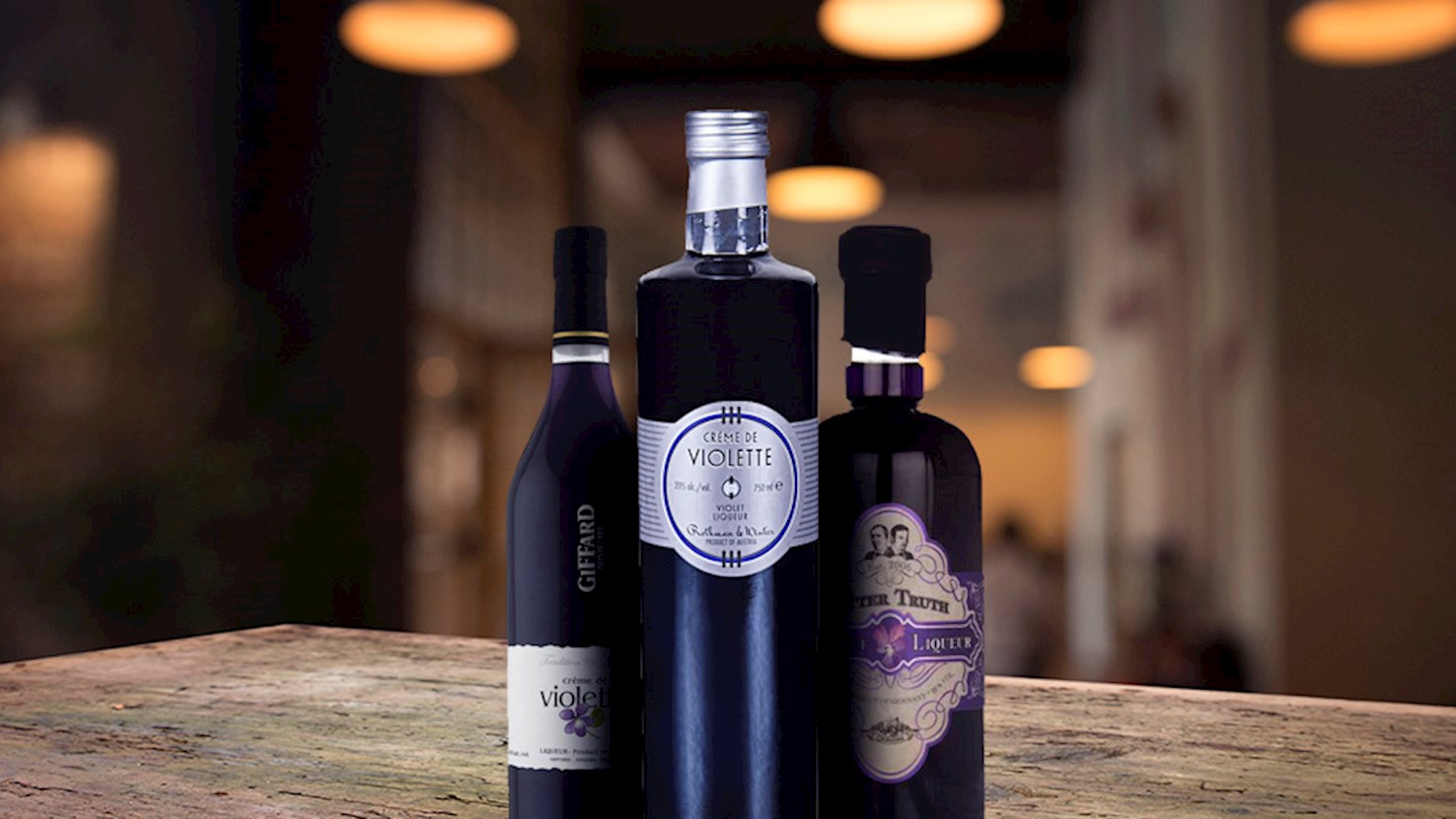
Crème de violette

2.7 ·

Crème de violette is a French liqueur that is made by macerating violets in brandy or neutral alcohol. This fragrant liqueur is usually dark purple in color, smooth, and subtly sweet, with typical floral and fruity nuances. The drink made its first appearance sometime in the 19th century, and in its beginnings, it was usually combined with vermouth or sometimes enjoyed on its own. Although violet liqueur lost its influence by the mid-20th century, recently some brands reintroduced it, promoting it as a great cocktail ingredient. The liqueur pairs well with sparkling wines, and it also complements citrus-based beverages. Aviation and Blue Moon are the most popular cocktails made with crème de violette.

08

Anisette

2.8 ·

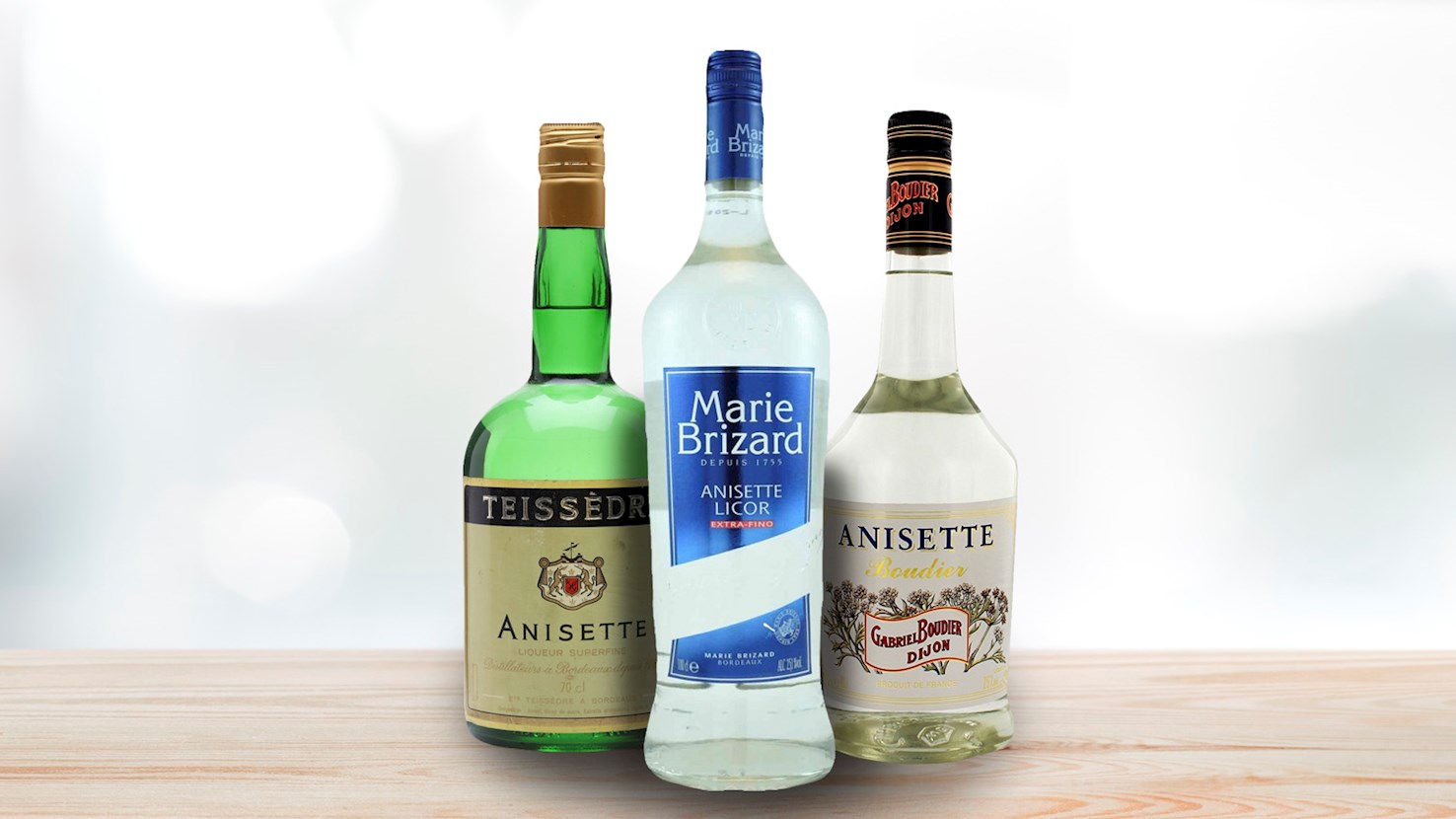
Anisette, anisetta, or simply anis is a term that encompasses various anise-based liqueurs. These types of liqueurs don’t have a single origin, but they are mostly associated with Mediterranean countries, such as Italy, Spain, France, Greece, and Turkey. The drink is mostly distilled from a base that is flavored with anise plant, sometimes together with other botanicals. The distillate is then usually sweetened or additional flavored. Most varieties range from 40 to 60% ABV. Anise liqueurs are usually enjoyed neat, mixed with water, or served over ice, but they can also be added to espresso (café corretto), or incorporated into cocktails and long drinks.

09

Underberg

2.8 ·

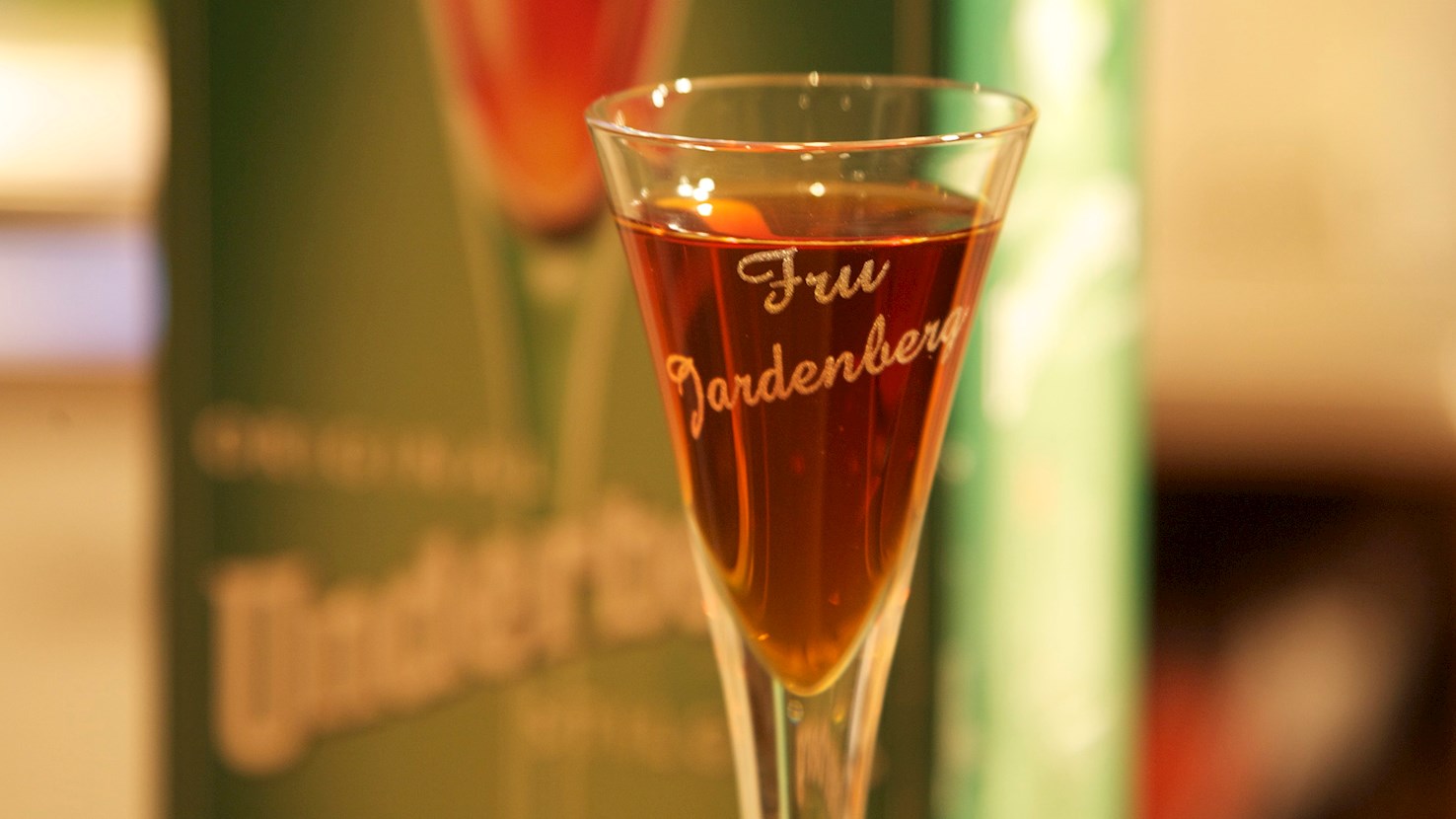
This German herbal liqueur is produced with the aromatic extraction of 43 herbs that results in an amber-colored, herbal drink, with notes of spices and licorice. The base is then aged in oak casks before it is adjusted with fresh spring water to reach the 44% ABV. Underberg is still produced following the original recipe, which dates back to 1851 and is only known by the members of Underberg family. The drink is traditionally enjoyed as a digestif, typically served in the signature tall glasses. It is sold in copyrighted 20ml bottles that are wrapped in straw paper.

10

Schrobbelèr

2.8 ·

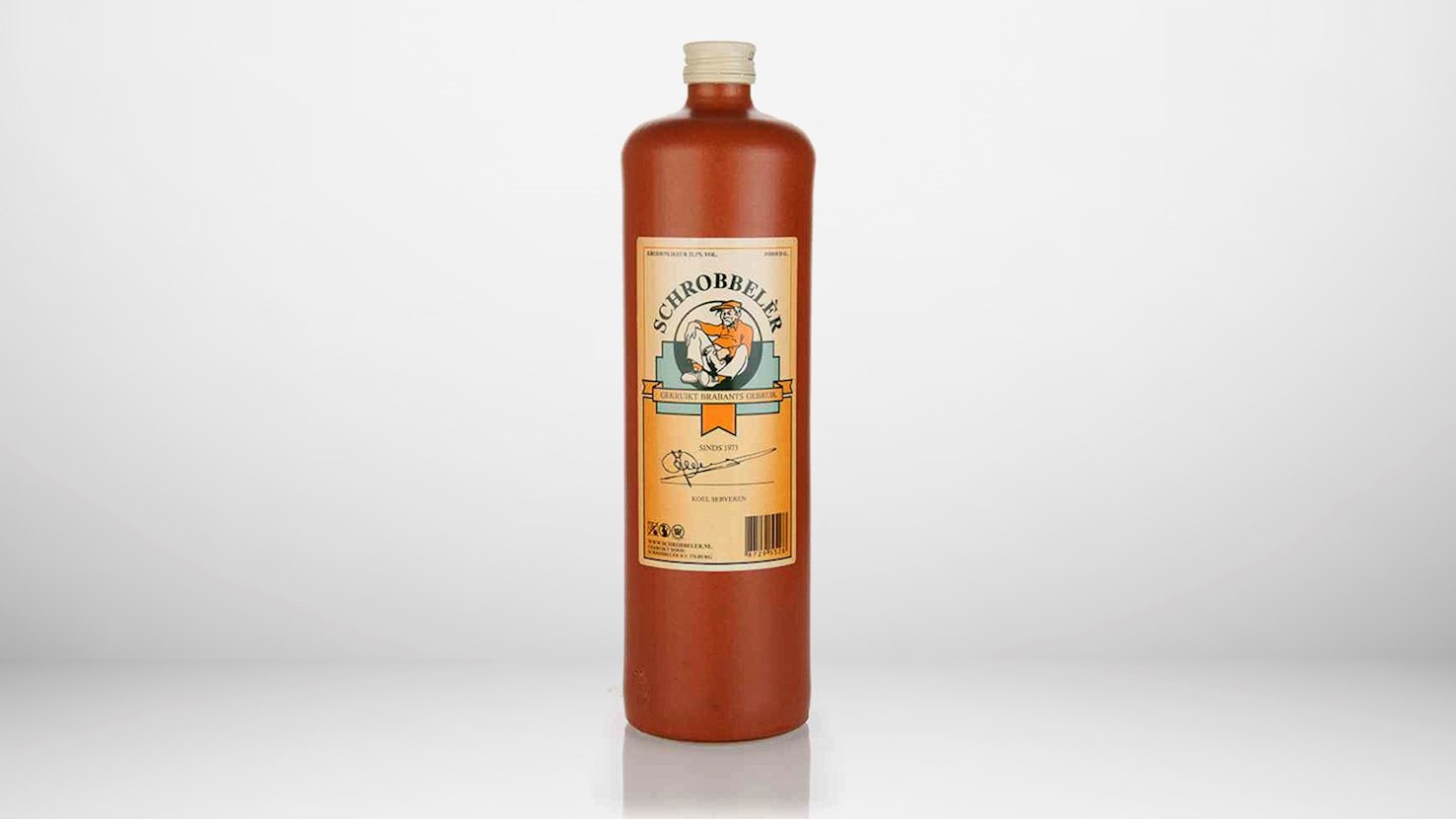
Schrobbelèr is a herbal liqueur hailing from Tilburg, Netherlands. It was created by Jan Wassing, a local who could not handle traditional liquors and spirits, so he decided to make a drink he could enjoy during the Carnival. The recipe is still a family secret, but it is known that the liqueur is flavored with 43 herbs. Schrobbelèr is a smooth, light amber liqueur with herbal flavor and aroma. It is intended for sipping and should be enjoyed chilled. Schrobbelèr is traditionally served neat or on the rocks, and it is sometimes paired with coffee. The name stems from the wool industry that was once important for the locals—schrobbelèr was the person who would untangle wool. Schrobbelèr is packed and sold in distinctive stone bottles. It has 21.5 % ABV.

11

XUXU

2.8 ·
14

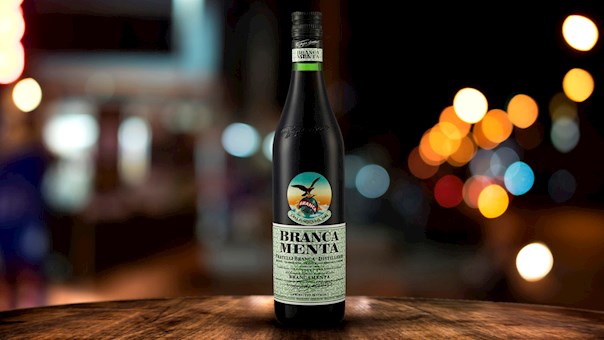
Brancamenta

2.8 ·
15

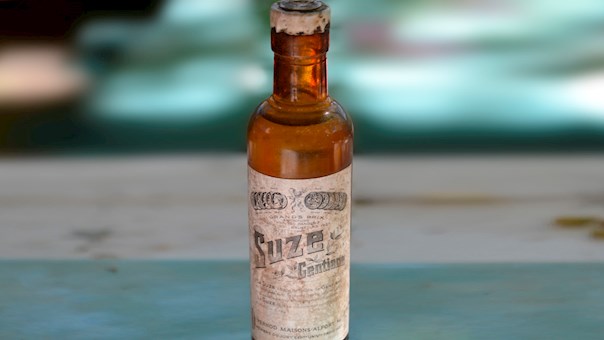
Suze

2.9 ·
16

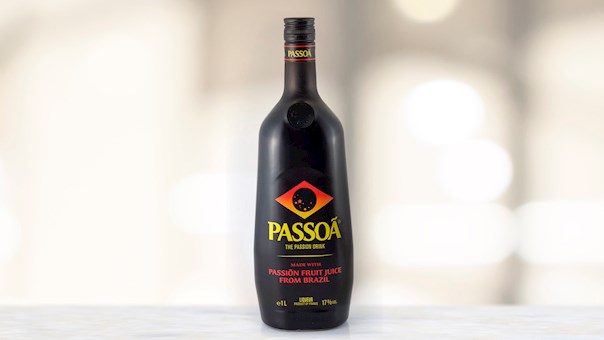
Passoã

2.9 ·
17

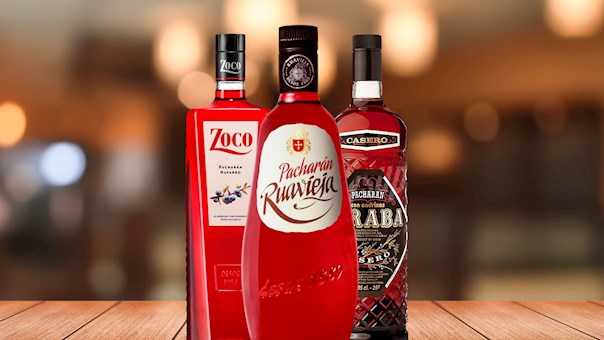
Pacharán

2.9 ·
19

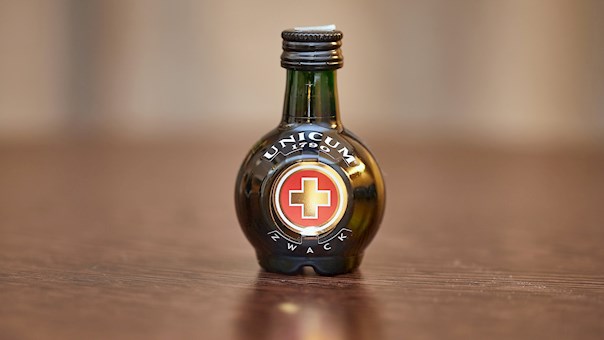
Unicum

2.9 ·
20

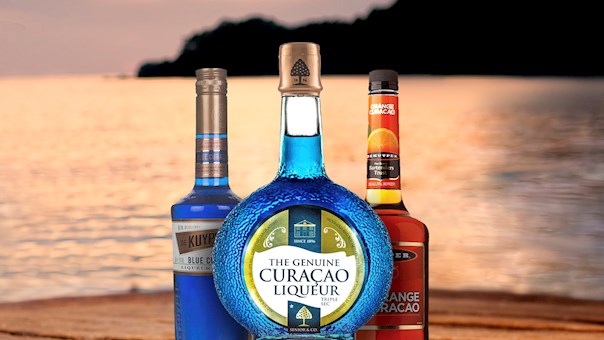
Curaçao

2.9 ·
About this ranking

TasteAtlas food rankings are based on the ratings of the TasteAtlas audience, with a series of mechanisms that recognize real users and that ignore bot, nationalist or local patriotic ratings, and give additional value to the ratings of users that the system recognizes as knowledgeable. For the “94 Worst Rated Liqueurs in the World” list until June 16, 2026, 5,841 ratings were recorded, of which 4,510 were recognized by the system as legitimate. TasteAtlas Rankings should not be seen as the final global conclusion about food. Their purpose is to promote excellent local foods, instill pride in traditional dishes, and arouse curiosity about dishes you haven’t tried.

Similar lists