



shutterstock

15 Worst Rated Brazilian Meat Dishes

Last updated on June 16, 2026
01

Pescoço

2.6 ·

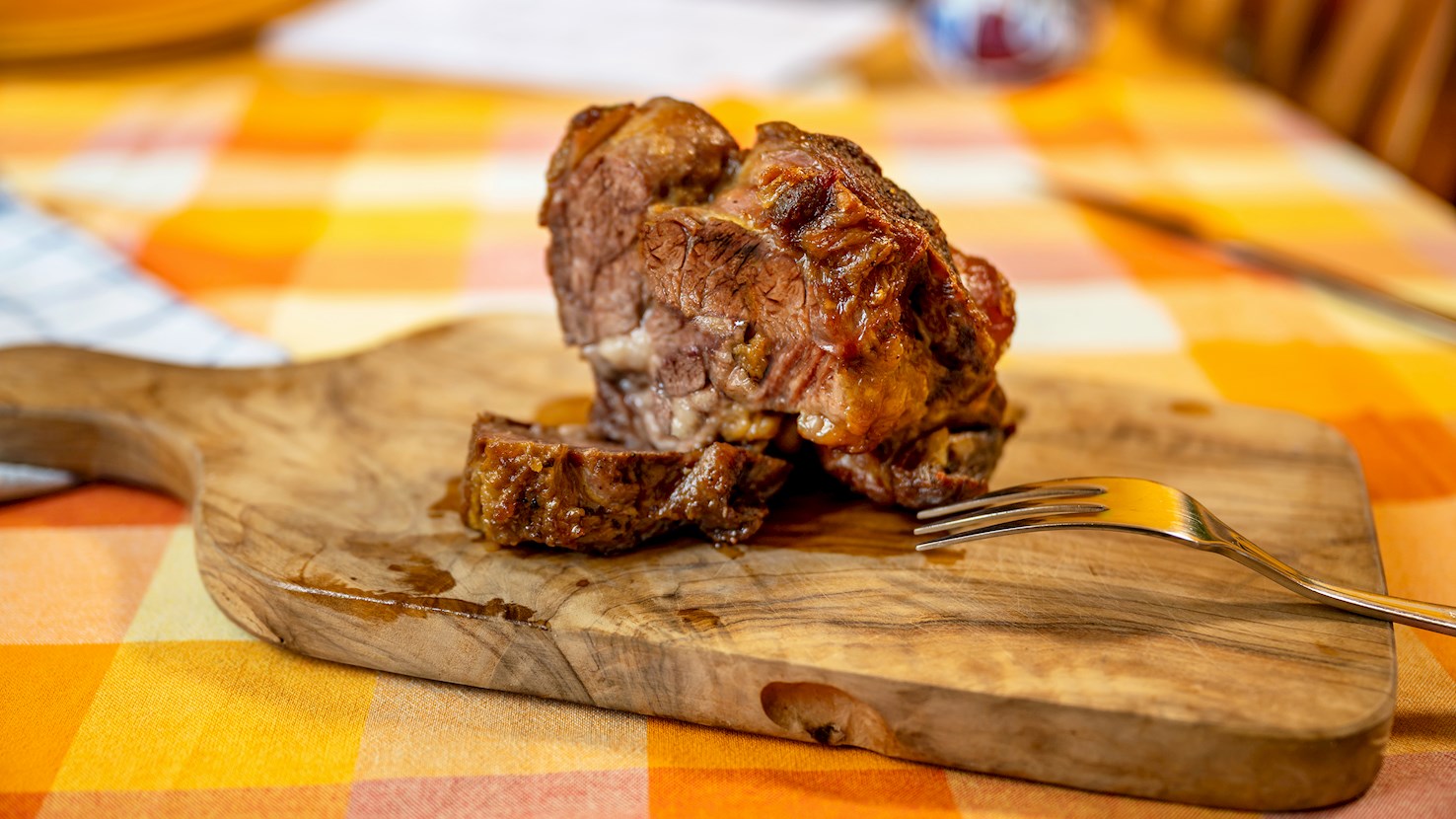
Pescoço is a beef cut that comes from the neck area of the animal and is typically a tougher and more muscular cut of meat. It would correspond most to the neck or nape beef cut in the US. Due to its composition, it's often used for slow-cooking methods like braising, stewing, or making stocks and broths. These methods help break down the tough connective tissues and fibers, resulting in tender and flavorful dishes. In Brazilian cuisine, pescoço might be used in hearty stews, soups, and traditional dishes that require long cooking times to develop rich flavors and tender textures.

02

Fraldão

3 ·

In Brazilian cuisine, fraldão refers to a specific cut of beef from the bottom part of the sirloin, close to the flank area, and on the end part of the rib area. It's a flavorful cut with a coarse texture that is prized for its taste. While it's not as tender as some other cuts, it offers a unique balance of flavor and texture. In Brazilian churrasco (barbecue), fraldão is often used for skewers or grilled whole, especially when marinated to enhance its flavors and tenderness.

03

Lagarto

3.3 ·

In Brazilian cuisine, lagarto refers to a specific cut of beef known as the eye of round roast in English. Lagarto translates to "lizard" in Portuguese, and the cut gets its name because of its shape, which is somewhat elongated and tapers at one end, resembling a lizard's tail. The lagarto comes from the hind leg of the animal and is a relatively lean and tough cut of meat. It's often used in Brazilian cooking for dishes that involve slow-cooking, braising, or marinating to break down the toughness and enhance its flavor. Due to its lean nature, lagarto can become tender and flavorful when cooked using methods that require longer cooking times. It's used in stews, pot roasts, and traditional Brazilian dishes that benefit from the gradual breakdown of the meat's fibers. In Brazilian churrasco (barbecue), lagarto might be used for skewers, but it's important to properly marinate and cook it to achieve the desired tenderness.

04

Acém

3.3 ·

In Brazilian cuisine, açém refers to a specific cut of beef that comes from the shoulder area of the animal. It's often used for a variety of dishes, including stews, braises, and ground beef. The açém cut includes a mix of lean meat and connective tissue, which makes it suitable for slow-cooking methods. It's known for its rich flavor and ability to become tender when cooked for an extended period. In Brazilian barbecue culture (churrasco), açém might be used for skewers or other grilled preparations. While not as tender as premium cuts like filet mignon or ribeye, açém is valued for its affordability and versatility. It's a popular choice for creating hearty, flavorful dishes that are common in Brazilian cuisine.

05

Peito

3.3 ·

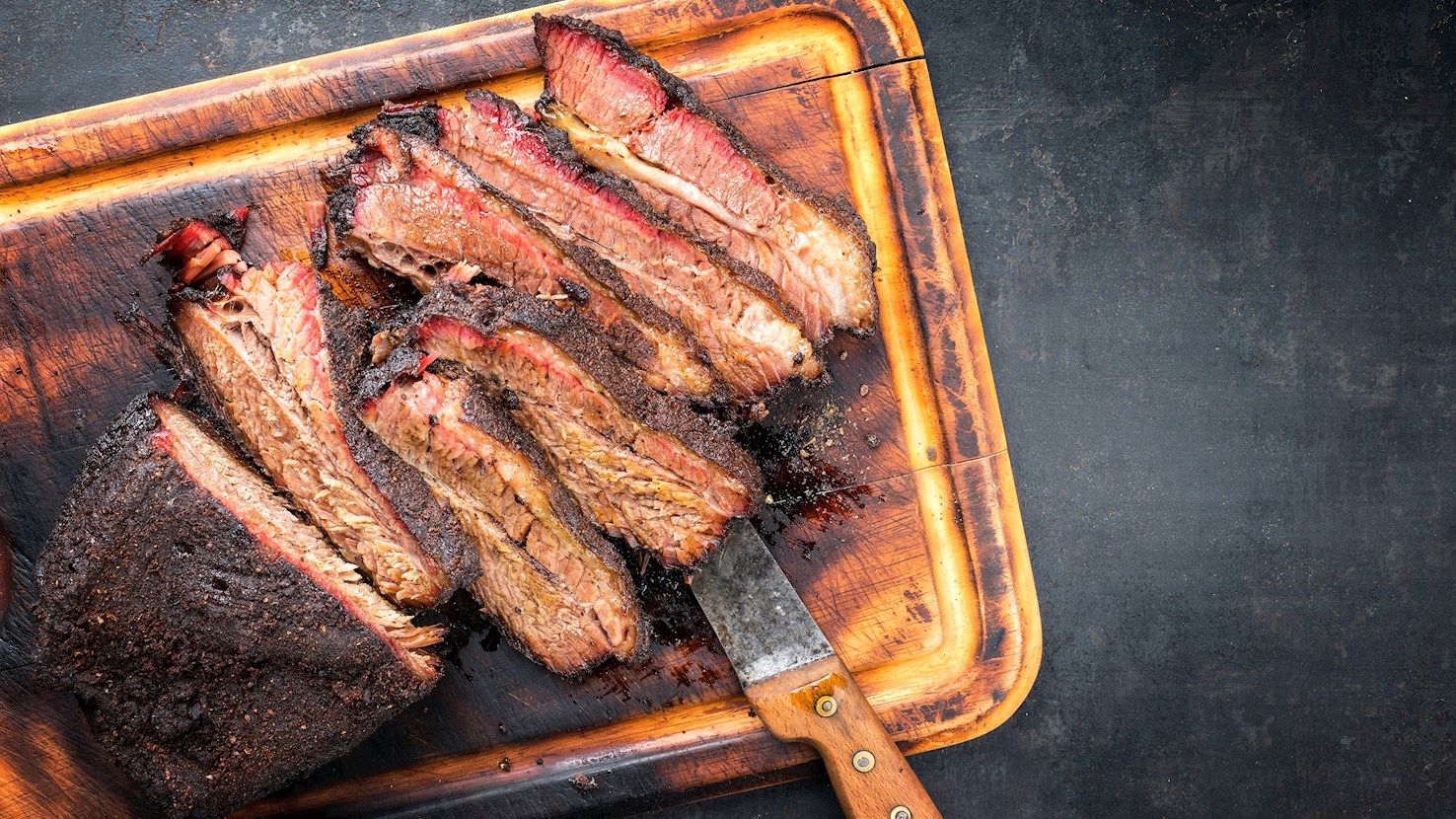
Brazilian beef cut peito can loosely translate as a specific cut of beef known as the brisket in the US; however, it does not completely correlate to the brisket as it is known in American or other cuisines. Peito comes from the chest or breast area of the animal and is a tough, heavily worked muscle. It's known for its connective tissues and collagen, which require longer cooking times to become tender. Due to its composition, peito is often used for slow-cooking methods such as braising, roasting, or smoking. In Brazilian cuisine, peito is commonly used to make pastrami or carne de panela, which are slow-cooked and braised dishes that take advantage of the cut's natural flavors and the breakdown of connective tissues during cooking. In Brazilian barbecue culture (churrasco), peito might be smoked or slow-cooked to create flavorful and tender dishes. It's also used in traditional stews and soups.

06

Músculo

3.4 ·

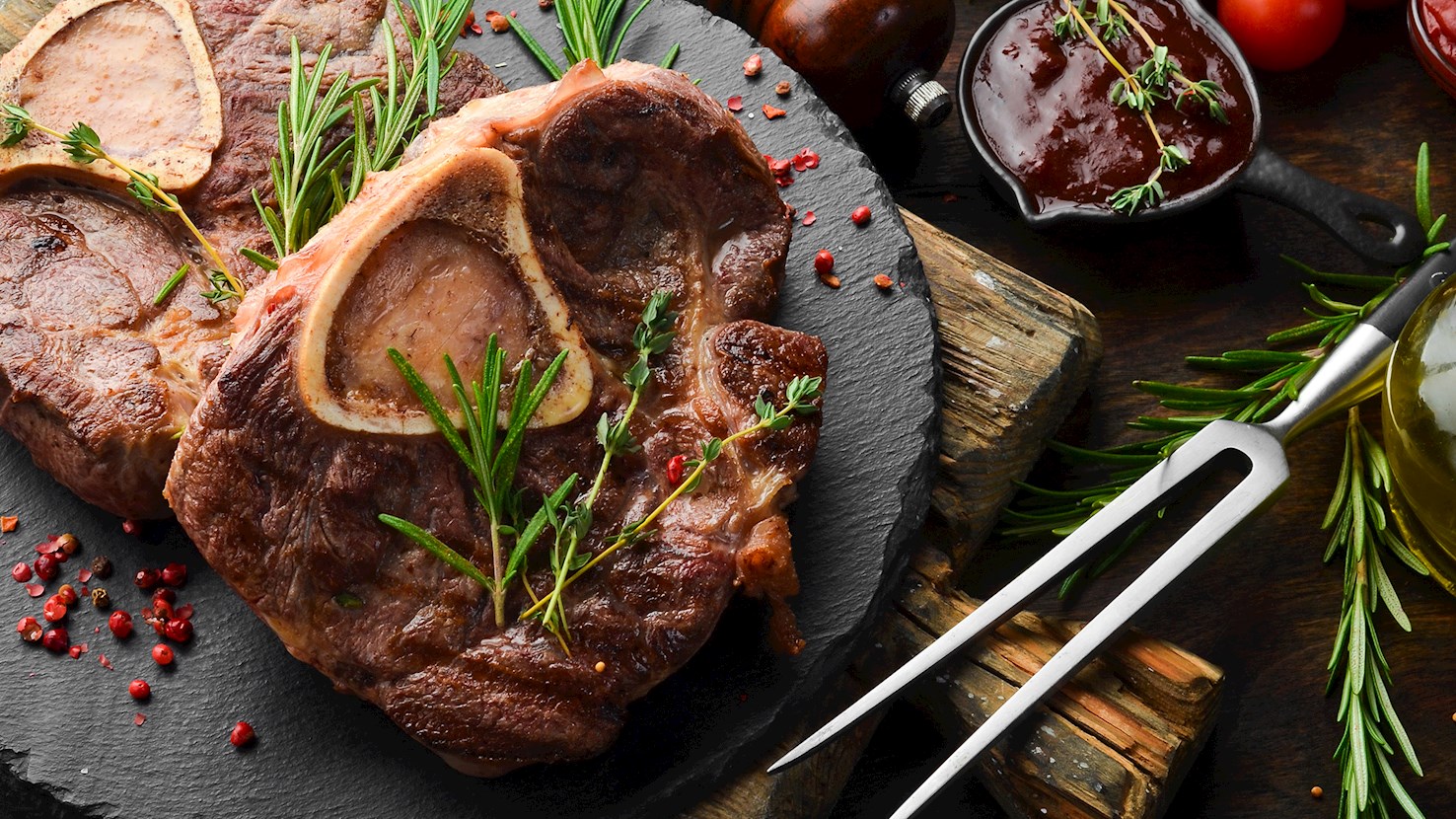
In the American, German, and Brazilian systems of primal beef cuts, the shank (hesse, músculo) is the term used for the leg portion of the cow. There are both front and hind shanks, coming from the legs of the steer. The shank is known to be one of the toughest cuts due to the fact that it comes from a part of the animal that is heavily exercised. As such, it contains a high amount of connective tissue, which can be made tender and flavorful through slow, moist-heat cooking methods like braising. The meat from the shank is often used in dishes like soups and stews. Shank is also commonly used for making bone broths and stocks, as the bones from the shank contain marrow, which adds depth and richness to the liquid.

07

Paleta

3.4 ·

In Brazilian cuisine, paleta refers to a specific cut of beef that, in the US, is known as the shoulder or shoulder clod. Paleta comes from the shoulder area of the animal and is a versatile cut that can be used in various culinary preparations. It's typically a tougher cut with some marbling, and it benefits from slow cooking to achieve tenderness and develop rich flavors. In Brazilian cooking, paleta can be used for pot roasts, stews, braises, and other dishes that require longer cooking times. The slow cooking helps break down the tough connective tissues and fibers, resulting in tender and flavorful meat. In Brazilian barbecue (churrasco), paleta might be used for skewers or slow-cooked preparations, allowing the meat to become tender and develop its natural flavors.

08

Capa de filé

3.5 ·

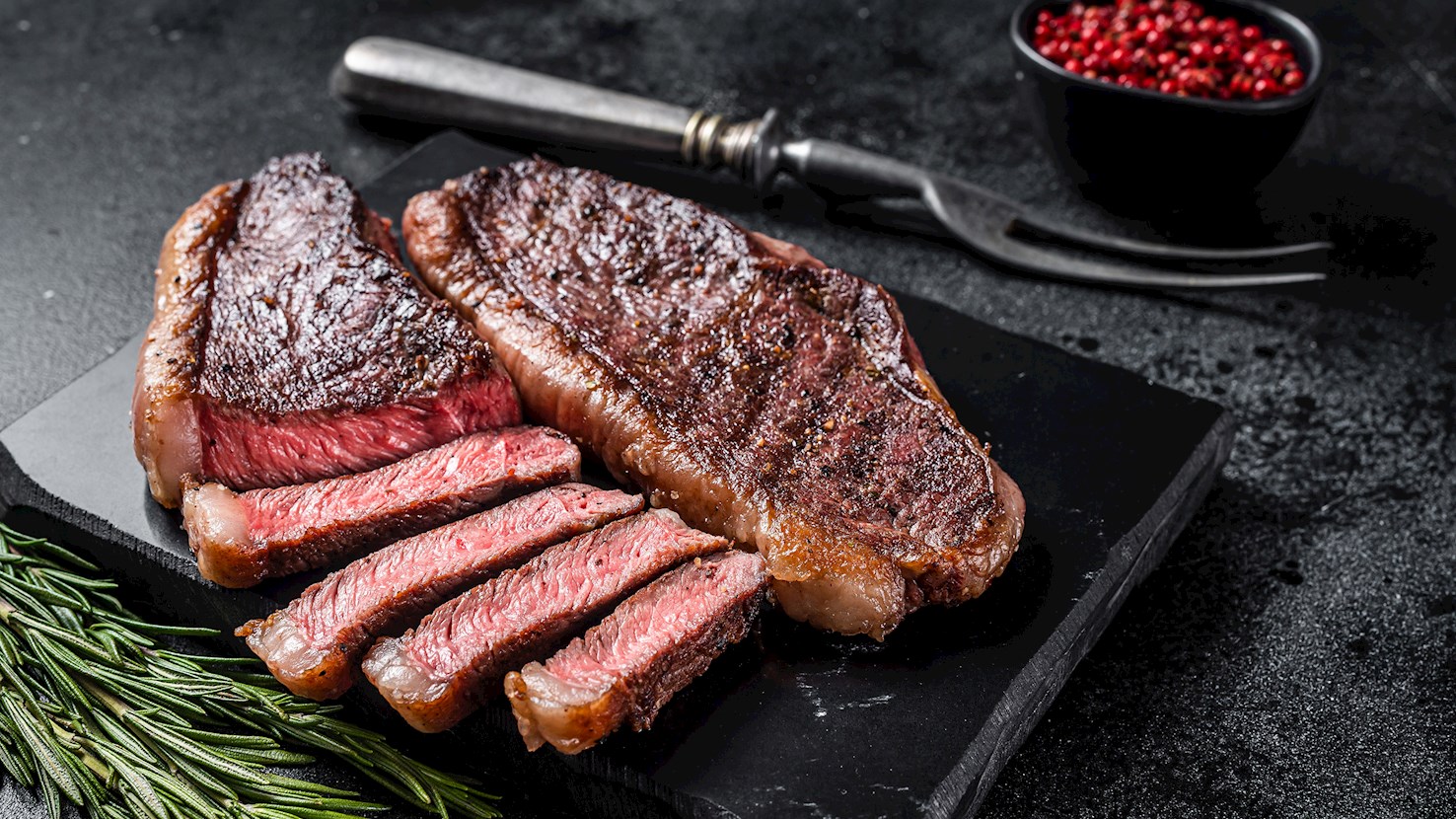
In Brazilian cuisine, capa de filé refers to a specific cut of beef located on the top of the sirloin and is often recognized for its triangular shape and distinct fat cap on one side. Capa de filé is a prized cut of meat in Brazil, known for its tenderness and rich flavor. The fat cap contributes to the flavor and juiciness of the meat during cooking. In Brazilian churrasco (barbecue), capa de filé is a popular choice for skewers or can be grilled as steaks. It's often seasoned simply with salt to enhance its natural flavors. Because of its tenderness, capa de filé can also be pan-seared or roasted. It's highly valued for its balance of texture and flavor, making it a favorite among those who enjoy Brazilian cuisine and churrasco culture.

09

Coxão mole

3.6 ·

In Brazilian cuisine, coxão mole refers to a specific cut of beef known as the sirloin tip or bottom sirloin in English. Coxão mole translates to "soft thigh" in Portuguese, indicating that this cut is relatively tender compared to other cuts from the hindquarters. The coxão mole is located near the hip joint of the animal's hind leg. It's a lean and flavorful cut that's less tough than some other cuts from the same region. It's valued for its tenderness and versatility in cooking. In Brazilian barbecue (churrasco), coxão mole can be prepared as skewers or thin slices for grilling. It's also used for roasting, pan-frying, and various other cooking methods. Due to its tenderness, it's a good choice for dishes that require shorter cooking times and where a more delicate texture is desired.

10

Patinho

3.6 ·

In Brazilian cuisine, patinho refers to a specific cut of beef known as the top round steak or round steak in English. Patinho is a lean and relatively tender cut that comes from the round, which is the hind leg of the animal. It's less tough compared to some other cuts from the same region, and it's often used for dishes that require shorter cooking times or that benefit from marinating to enhance its flavor. In Brazilian cooking, patinho can be prepared using methods such as grilling, pan-frying, or braising. It's commonly used in stews, stir-fries, and various other dishes where tenderness and flavor are desired. In Brazilian churrasco (barbecue), patinho might be used for skewers, especially if marinated to add extra flavor and tenderness.

11

X-Tudo

3.7 ·
12

Barreado

3.8 ·
13

Maniçoba

3.8 ·
14

Filé de costela

3.9 ·
Read more
View all
View map
About this ranking

TasteAtlas food rankings are based on the ratings of the TasteAtlas audience, with a series of mechanisms that recognize real users and that ignore bot, nationalist or local patriotic ratings, and give additional value to the ratings of users that the system recognizes as knowledgeable. For the “15 Worst Rated Brazilian Meat Dishes” list until June 16, 2026, 2,975 ratings were recorded, of which 2,157 were recognized by the system as legitimate. TasteAtlas Rankings should not be seen as the final global conclusion about food. Their purpose is to promote excellent local foods, instill pride in traditional dishes, and arouse curiosity about dishes you haven’t tried.

Similar lists