



14 Worst Rated Caribbean Meat Dishes

Last updated on June 16, 2026
01

Boliche

2.7 ·

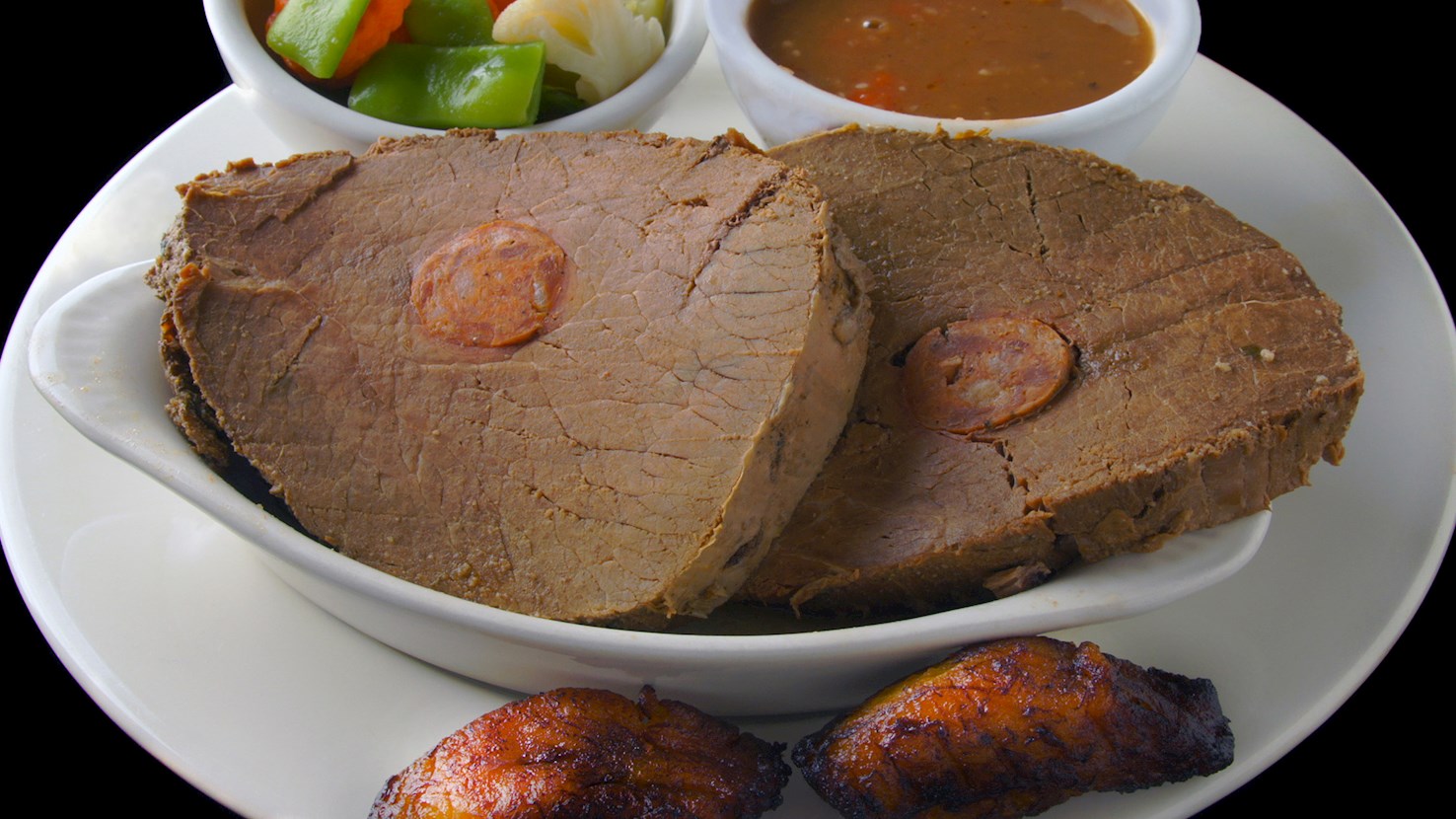
Boliche is a Cuban-style pot roast, but with a distinctive twist that sets it apart from the other pot roasts: eye round or chuck roast is stuffed with chorizo and sometimes hard-boiled eggs or olives. The meat is first seared to develop a rich crust and then slow-cooked in a flavorful broth made from a base of onions, garlic, bell peppers (often referred to as the "sofrito" which is foundational in many Latin American cuisines), tomatoes, wine, and various spices. This simmering process not only tenderizes the meat but also infuses it with the aromatic flavors of the broth. Once cooked, the meat is sliced, revealing the colorful stuffing in each slice, and served with the sauce it was cooked in. It's typically accompanied by white rice, black beans, and sometimes plantains, making for a complete and satisfying meal.

Best restaurants
02

Niños envueltos

3.1 ·

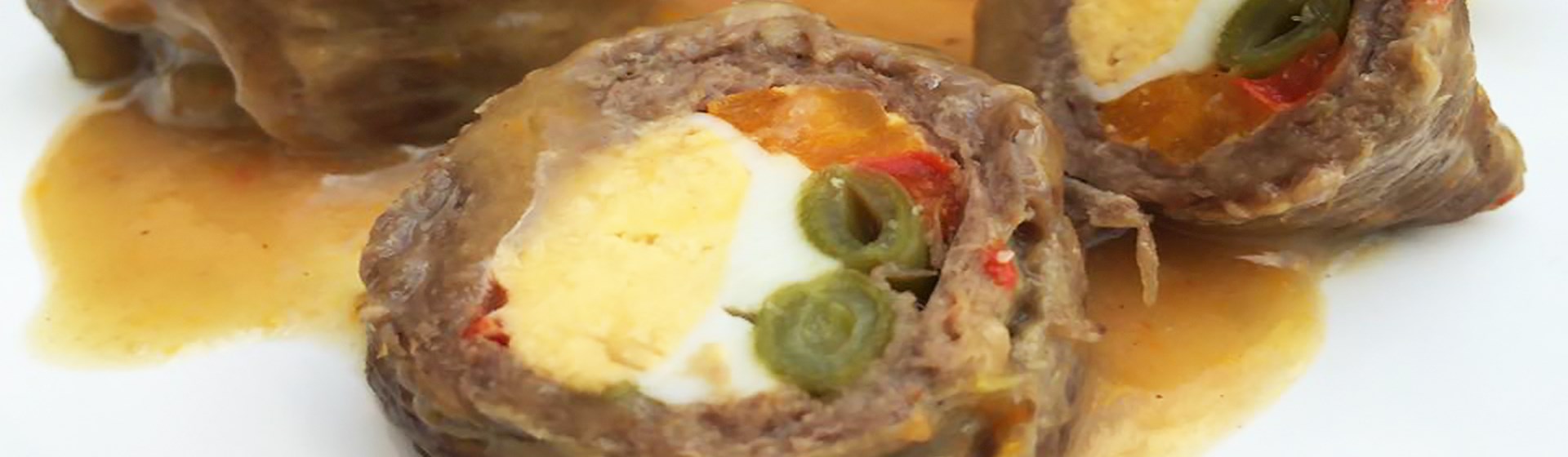
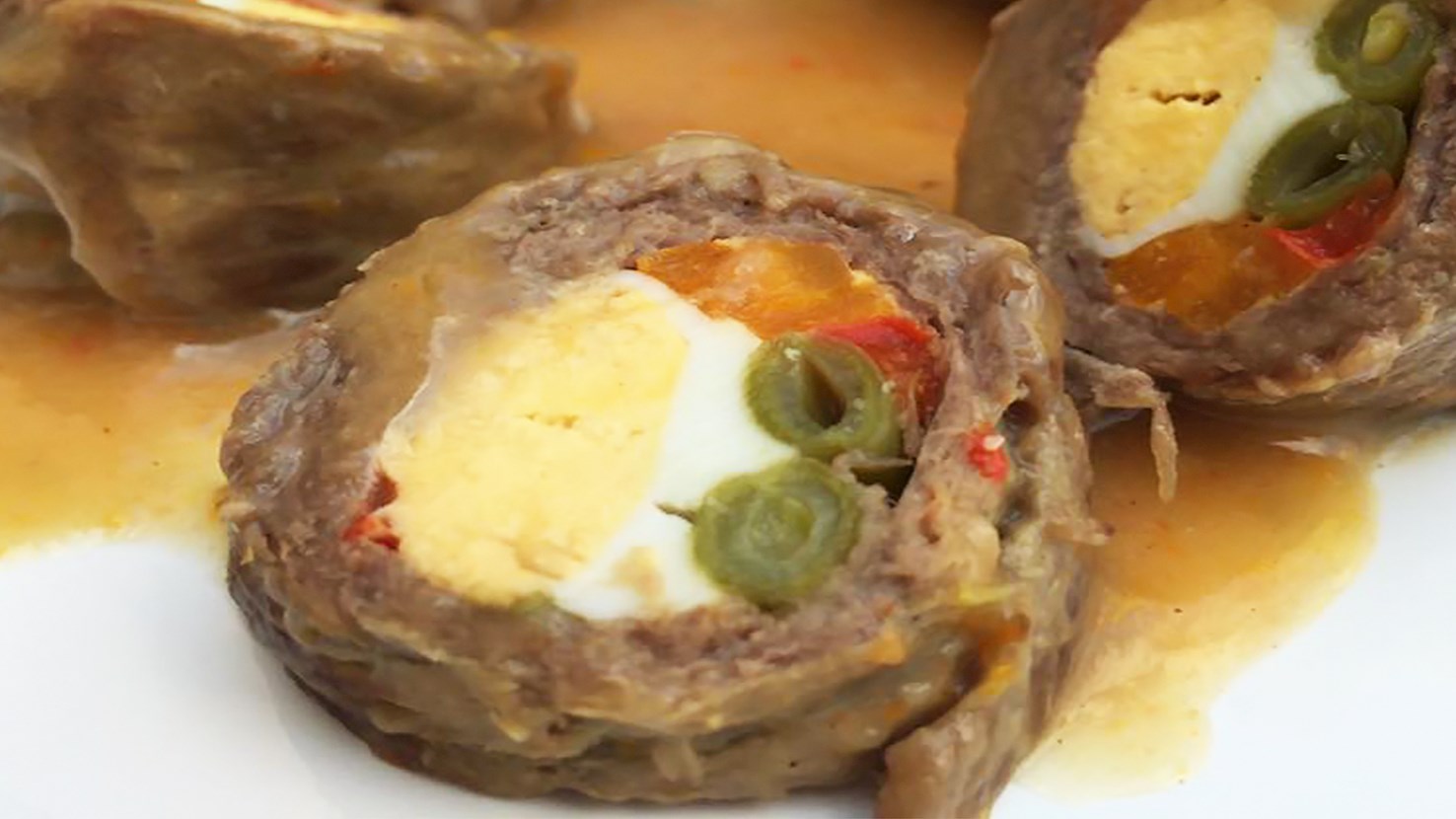
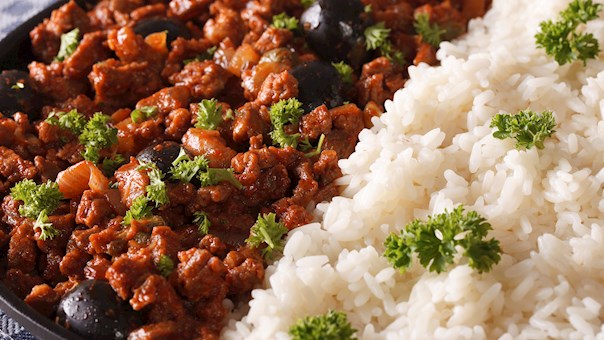
Niños envueltos (lit. wrapped children) is a traditional dish consisting of rice and ground beef that are wrapped in cabbage and cooked in tomato sauce. Apart from the main ingredients, the dish also often contains garlic, basil, bell peppers, and onions, while the tomato sauce is made with olive oil, tomatoes, garlic, oregano, sugar, salt, and pepper. The dish is slowly simmered until the cabbage becomes tender and the rolls are fully cooked. The rolls are often served with bread and a fresh salad on the side. It is believed that this dish is actually a Dominican adaptation of Middle Eastern dishes which were brought to the country by immigrants in the 19th century.

03

Bistec de palomilla

3.1 ·

Bistec de palomilla is a traditional meat dish. It's made with a combination of top sirloin beef, garlic, lime juice, onions, salt, pepper, and olive oil. The steak is cut super thin, marinated in garlic, lime juice, and seasonings, then pan-fried. When served, the meat is topped with sliced onions that have been fried in the same pan with the steak. Traditional accompaniments to the dish include black beans and rice. If desired, bistec de palomilla can be garnished with chopped parsley.

04

Pan con lechón

3.3 ·

Pan con lechón is a traditional sandwich originating from Cuba, but it's also very popular in Miami. This pressed sandwich is made with Cuban bread, lechón roasted pork, butter, onions, and mojo sauce. The bread is cut lengthwise, buttered on both sides, then topped with roasted pork, mojo sauce, and yellow onions – either raw or sautéed. Once assembled, it's placed on a sandwich press, then served. The meat is usually marinated in garlic, orange juice, oregano cumin, and lime juice before it's roasted, while the mojo sauce consists of garlic, oregano, sour orange juice, salt, and black peppercorns.

05

Frita

3.3 ·

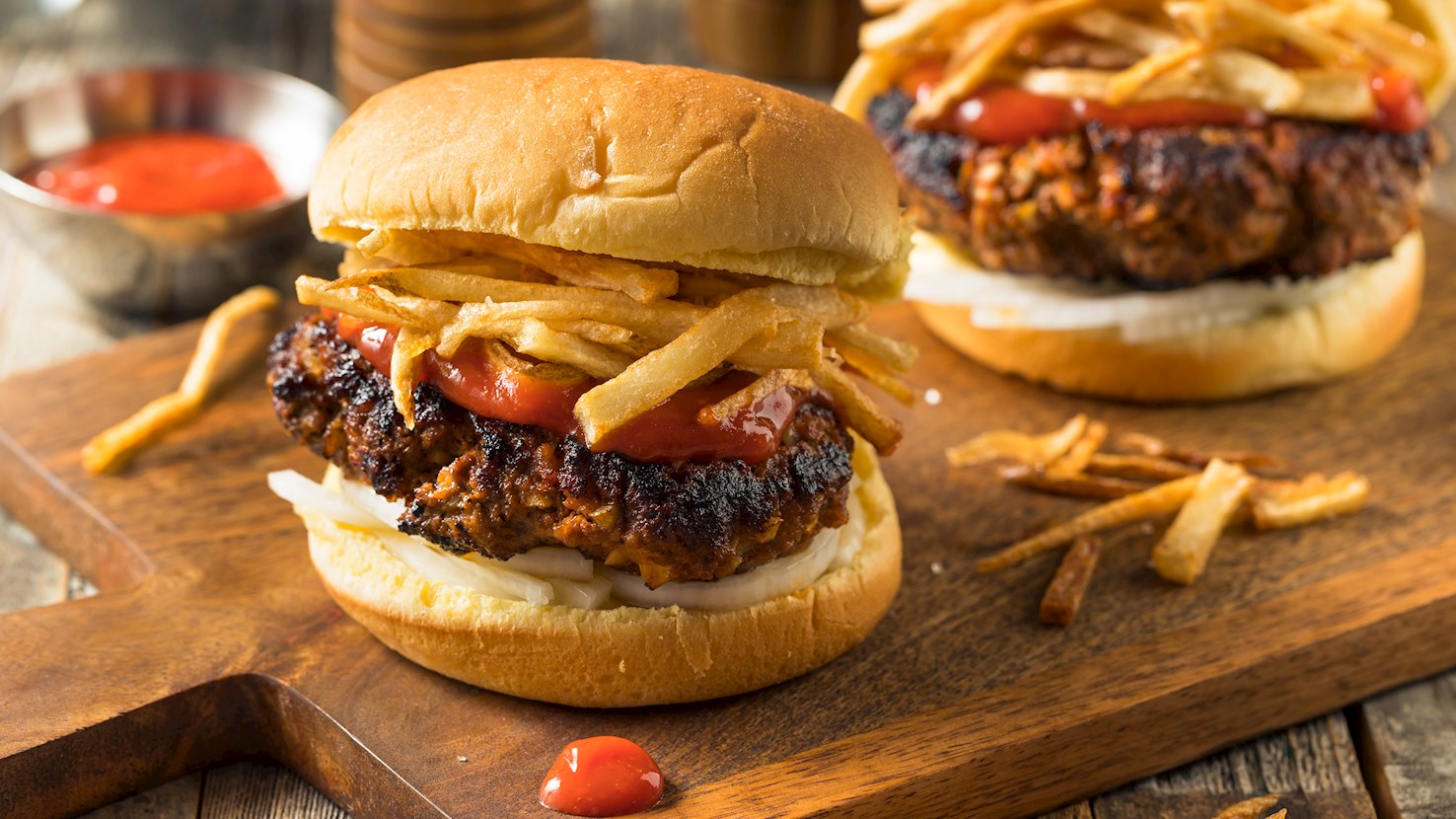
Frita Cubana (or simply frita) is a burger variety with Cuban origins. It was invented in Havana in the 1930s, 1940s, and 1950s (there's still no consensus). Originally, these burgers were sold by friteros from their stands, called puestos. The burgers were made with Cuban rolls, ground beef, onions, seasonings such as smoked paprika (pimentón), and julienned potatoes. In 1962, Ramon Estevill brought the burgers to Miami when he opened his small eatery. Nowadays, El Rey De Las Fritas is the most popular frita joint in Miami, and the fritas are made with a spicy tomato sauce, ground beef, a soft bun, red onions, and salty shoestring potatoes.

06

Karni stoba

3.3 ·

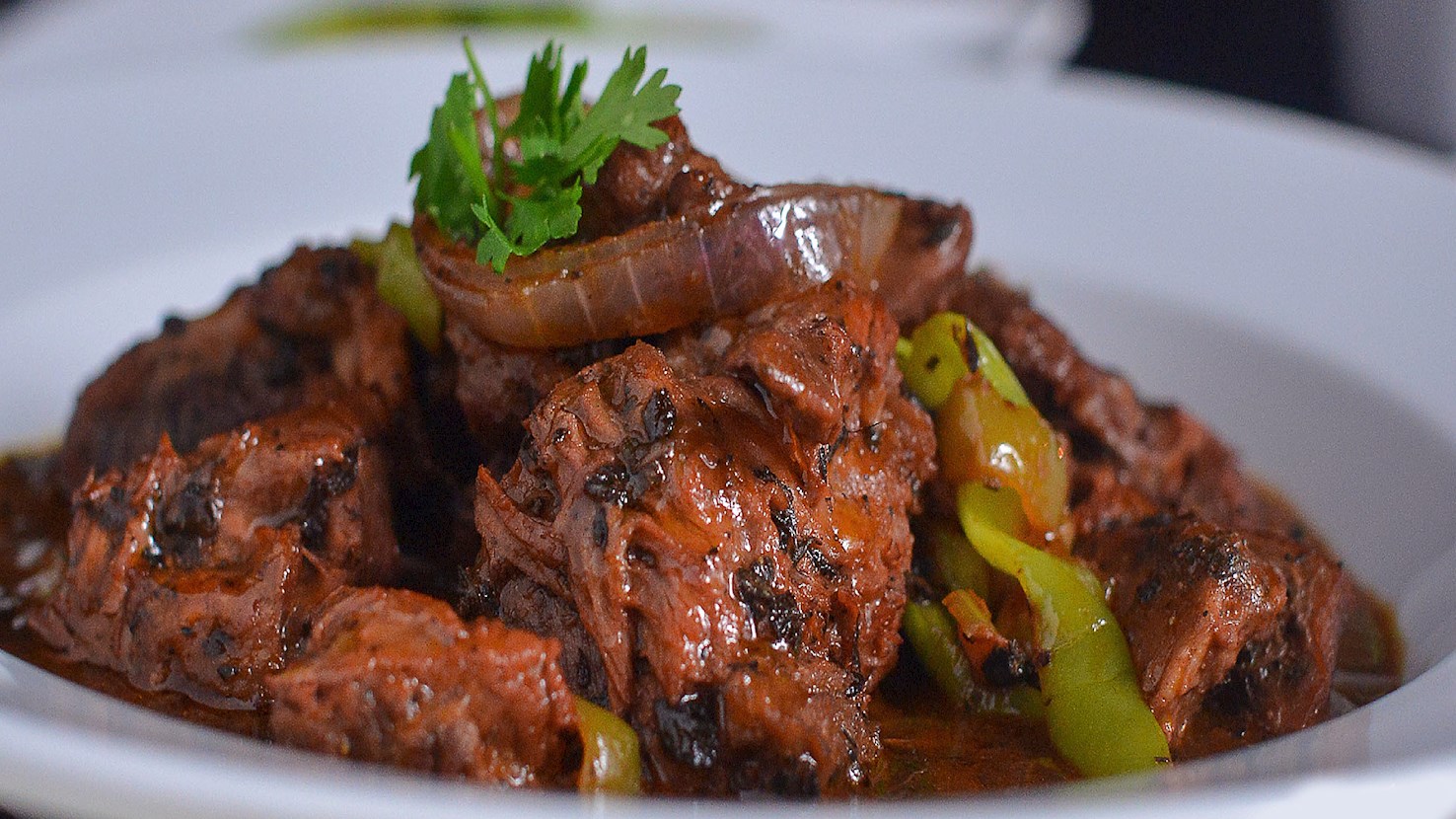
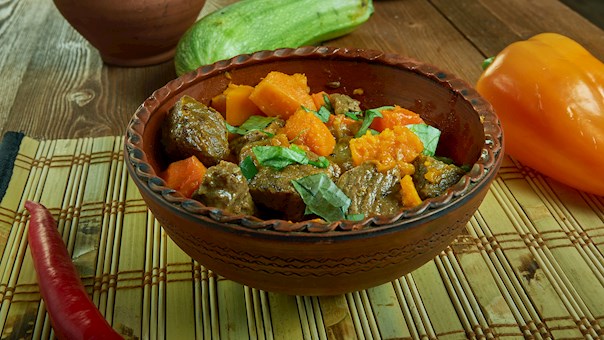
Karni stoba is a traditional Caribbean stew originating from Curaçao. In order to prepare it, chunks of beef are marinated with pepper and garlic, seared, then combined with bell peppers, onions, tomatoes, chili peppers, soy sauce, stock, cumin, and nutmeg. The dish is cooked slowly until the meat becomes tender and the stew develops a thick consistency. This fragrant stew is often garnished with cilantro, and it is recommended to serve it with steamed white rice.

07

Chuletas de puerco

3.4 ·

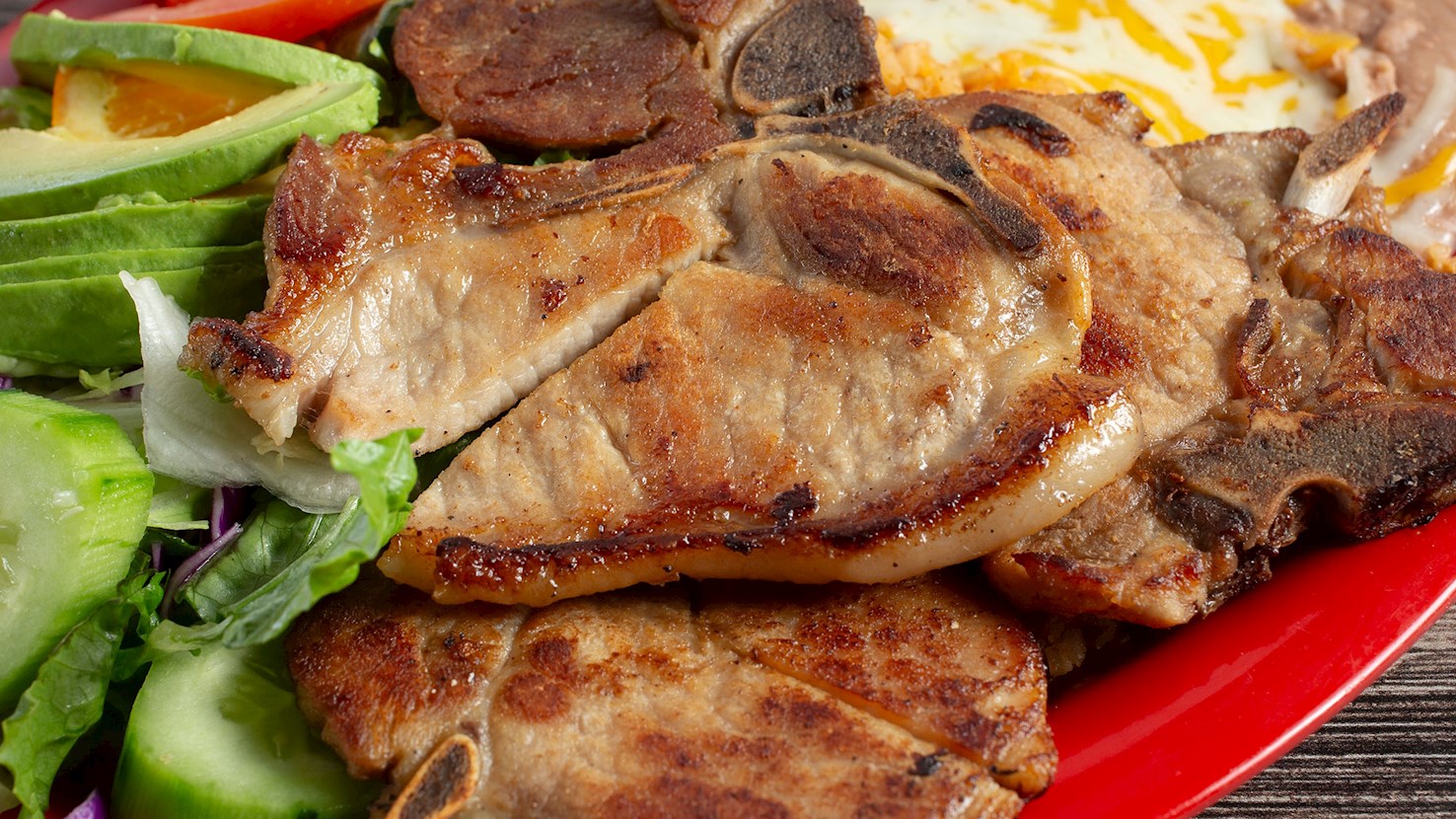
Chuletas de puerco is a traditional way of preparing pork chops. The dish is made with a combination of pork chops, cumin, oregano, garlic, sour oranges, olive oil, onions, and seasonings. The meat is marinated in a mixture of sour orange juice, garlic, oregano, and seasonings. Once fully marinated, the pork chops are fried in olive oil on both sides, then topped with sautéed onions and pan juices. This dish is characterized by the use of traditional Cuban spices such as sour orange juice, cumin, and oregano. Once served, it is often enjoyed with rice and beans on the side. A dish with the same name is often eaten in Mexico, and it's usually prepared with tomato salsa.

08

Vaca frita

3.6 ·

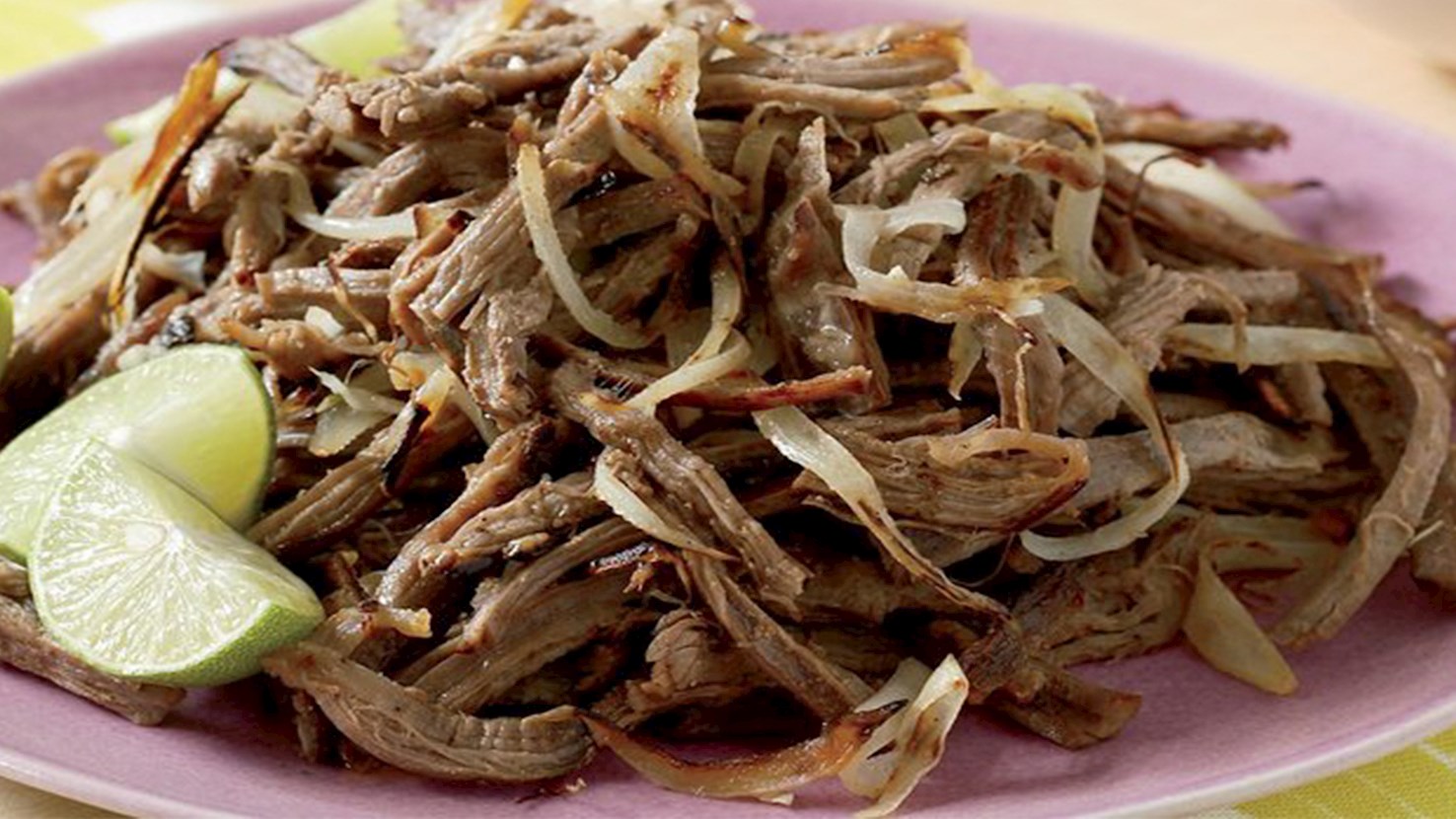
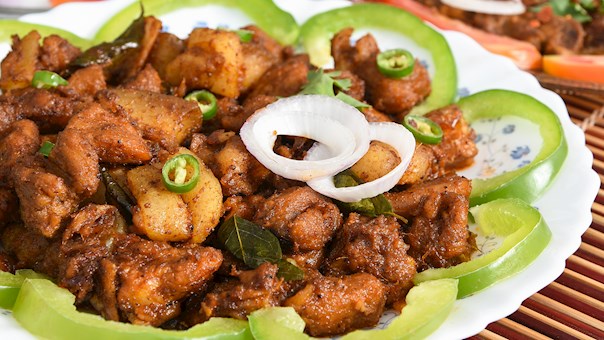
Vaca frita is a Cuban dish made by frying shredded skirt or flank steak. When translated, the name of the dish means fried cow, referring to the preparation process. The meat is sometimes topped with sautéed onions, and it is traditionally served with black beans and rice on the side. If there are no black beans and rice, mashed potatoes or french fries are a great alternative for side dishes.

09

Chimichurri burger

3.7 ·

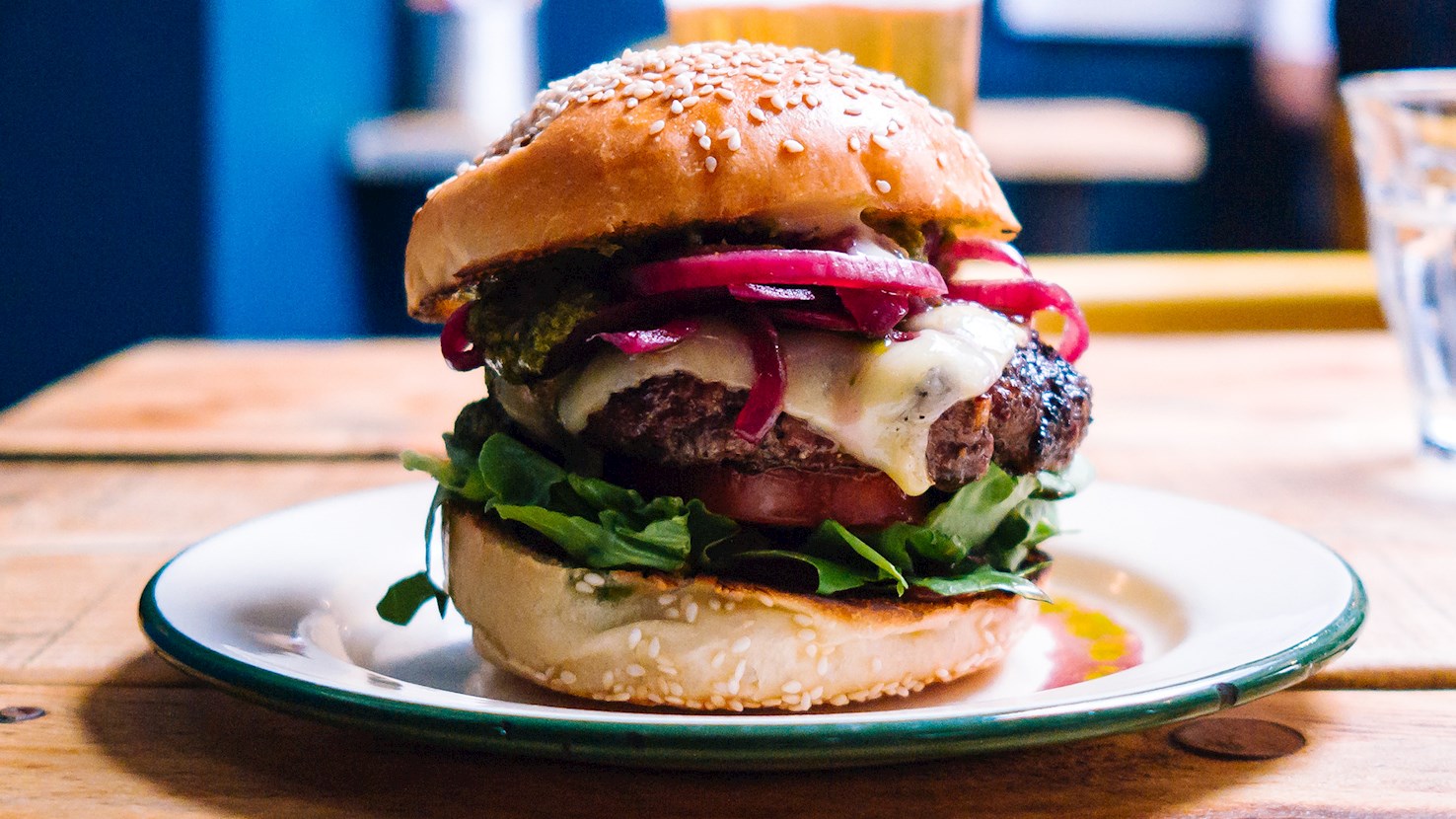
Chimichurris is a Dominican hamburger characterized by the addition of numerous spices to the meat patty, such as oregano, garlic, parsley, and red pepper flakes. It is usually not prepared at home, but bought from street food vendors. Like most burgers, chimichurris is served in a bun and topped with a variety of ingredients such as mayonnaise, shredded cabbage, tomatoes, and onions. It is said that the real Dominican chimichurri will always be served with a glass of cold, frosty beer on the side.

10

Chivo guisado

3.7 ·

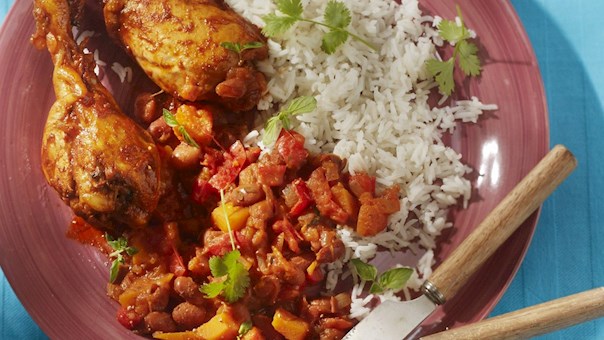
Chivo guisado is a Dominican goat stew. It is usually prepared with pieces of goat meat, onions, bitter oranges, garlic, and tomatoes, while the secrets to this delicacy are wild oregano and Scotch bonnet peppers. Local goats feed on wild oregano, which is the reason for great flavors of chivo guisado. It is recommended to serve this tender and flavorful stew with chenchén (cracked corn pilaf), which is another delicacy from this country.

Read more
View all
View map
About this ranking

TasteAtlas food rankings are based on the ratings of the TasteAtlas audience, with a series of mechanisms that recognize real users and that ignore bot, nationalist or local patriotic ratings, and give additional value to the ratings of users that the system recognizes as knowledgeable. For the “14 Worst Rated Caribbean Meat Dishes” list until June 16, 2026, 1,191 ratings were recorded, of which 751 were recognized by the system as legitimate. TasteAtlas Rankings should not be seen as the final global conclusion about food. Their purpose is to promote excellent local foods, instill pride in traditional dishes, and arouse curiosity about dishes you haven’t tried.

Similar lists