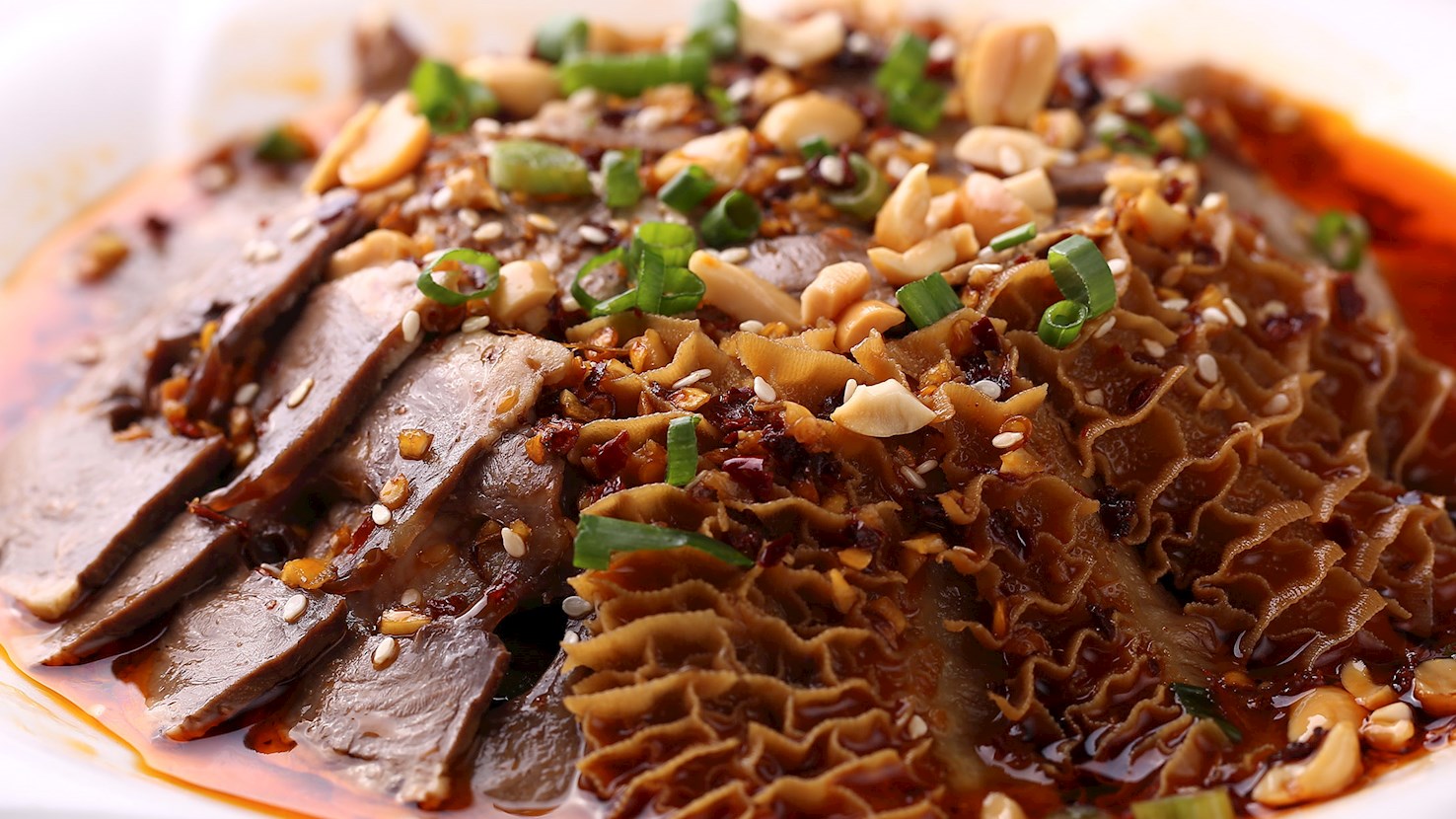
Fūqī fèipiàn is a Sichuanese cold dish made from thinly sliced beef and offal dressed in a fragrant, spicy sauce. The dish gained its distinctive name, meaning “husband and wife slices,” from a couple in Chengdu, Guo Chaohua and Zhang Tianzheng, who became famous in the early twentieth century for their exceptional version sold at street stalls. Their skill in seasoning and preparation turned what began as a humble vendor’s snack into one of the most recognizable representatives of Sichuan cuisine. Over time, the name stuck, spreading beyond Chengdu until it became synonymous with this particular style of seasoned beef. Preparation begins with beef heart, tongue, and tripe simmered in a lightly spiced broth until tender, then cooled and sliced thin to achieve a uniform texture. The sauce is what defines the dish: chili oil blended with Sichuan peppercorn, garlic, soy sauce, vinegar, sugar, and sesame paste, each component calibrated to strike a balance between numbing, heat, salt, and subtle sweetness. Once mixed, the sliced meat is coated thoroughly, allowing the oil to glisten over the surface and carry the fragrance of pepper and spice. Peanuts, sesame seeds, and fresh cilantro are often sprinkled on top, adding crispness and color. The result is both rich and precise, with the coolness of the meat offset by the warmth and sting of the dressing. Fūqī fèipiàn is served widely in Sichuan restaurants and across China, often as an appetizer or part of a shared spread. It pairs naturally with plain rice or light noodles that absorb its sauce without dulling its sharpness. Many people enjoy it with cold beer or mild grain spirits, as the drink’s crispness refreshes the palate between bites.
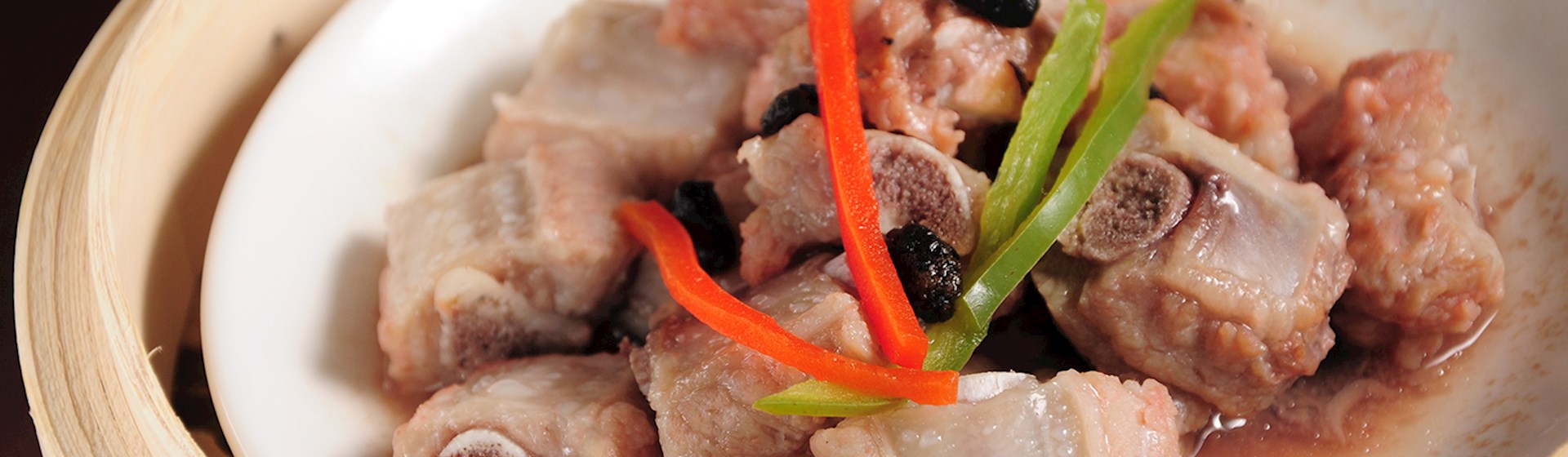
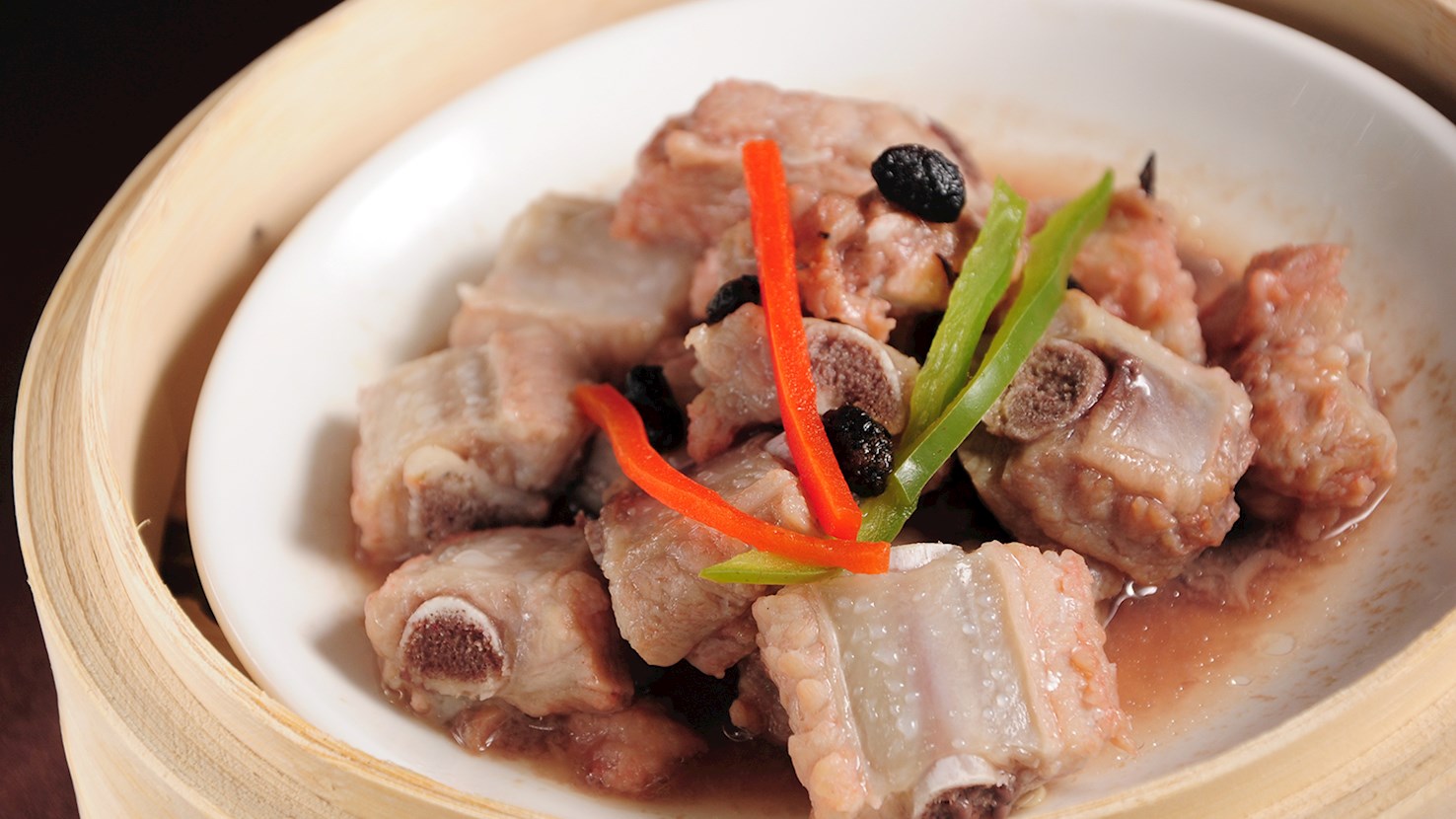
Pai gwut is a traditional dish that’s usually served as a part of dim sum. It consists of steamed pork ribs. The pork rib tips are steamed with oil and while black beans. Typical ingredients include black bean sauce, cornstarch, ginger, garlic, rice wine, pepper, sugar, oil, and sesame oil. Once done, the ribs are traditionally served covered in rich sauce in small bamboo steamers. Pai gwut can also be served on its own as an appetizer, and it’s then usually accompanied by rice and garnished with chopped scallions.
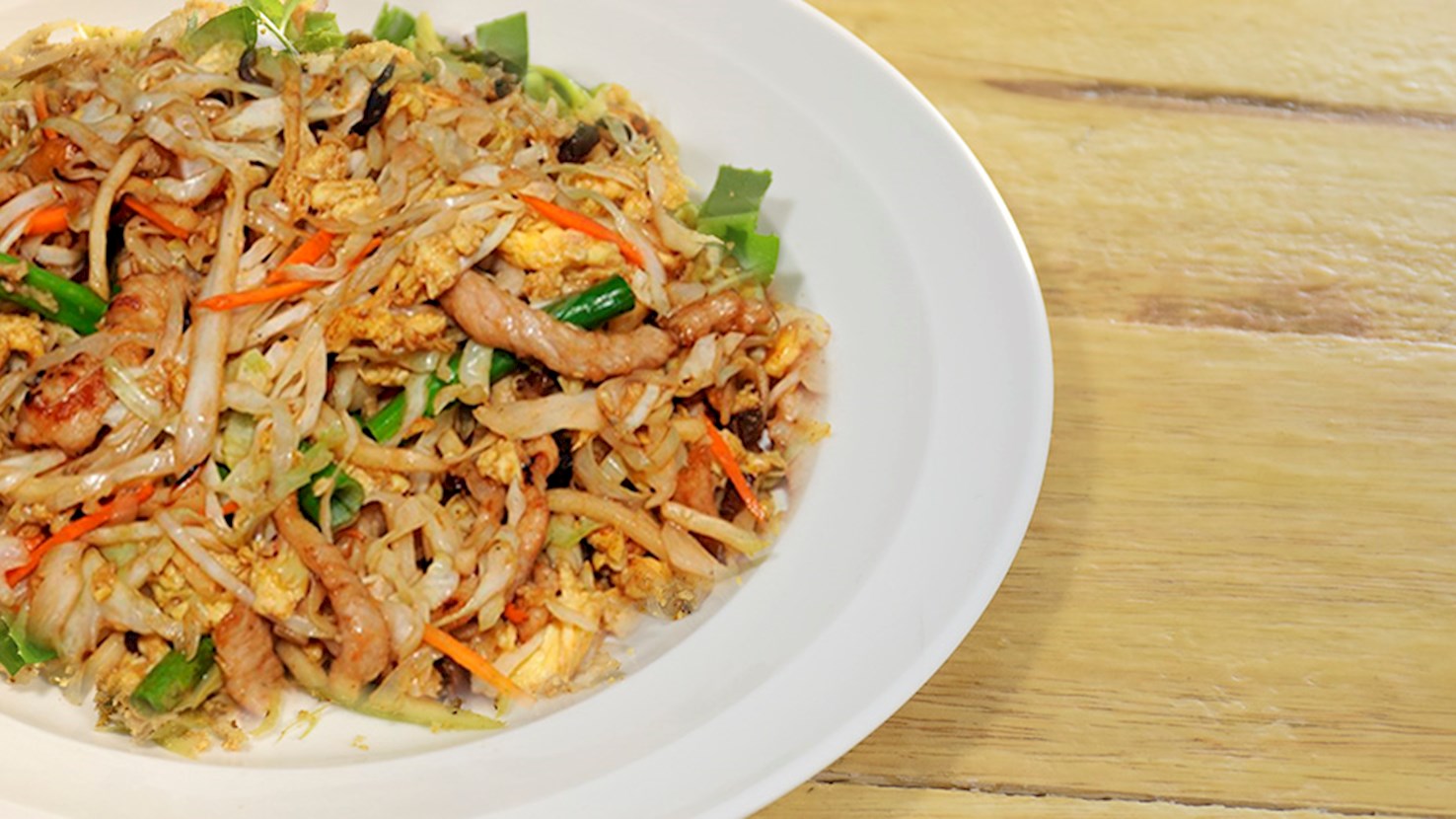
A Northern Chinese dish known as moo shu pork is a seasoned meat and vegetable stir-fry that is also an integral part of American-Chinese cuisine. Traditionally, slices of pork tenderloin, cucumbers, and scrambled eggs are stir-fried in peanut or sesame oil after which day lily buds and thinly sliced wood ear and enokitake mushrooms are added to the pan. The seasoning in moo shu pork consists of minced ginger and garlic, scallions, soy sauce, and rice wine. The dish is typically accompanied by rice. Although it is most often stated that moo shu pork comes from the Shangdou province, there are numerous theories about the origin of the dish and its name. One of the most popular varieties of the dish is made with gravy, called moo shu lu, and it is usually served with noodles and soft tofu for breakfast. In the 1960s, moo shu pork became popular in the United States but in a slightly tweaked version compared to the original, namely in the amount and versatility of the additional ingredients. Vegetables like cabbage, carrots, onions, bell peppers, and many more that have been cut up into thin strips are commonplace, while rice wine is often substituted with sherry. The American-Chinese version comes served with a side of hoisin sauce and a couple of Mandarin pancakes because the dish is meant to be eaten like a taco.
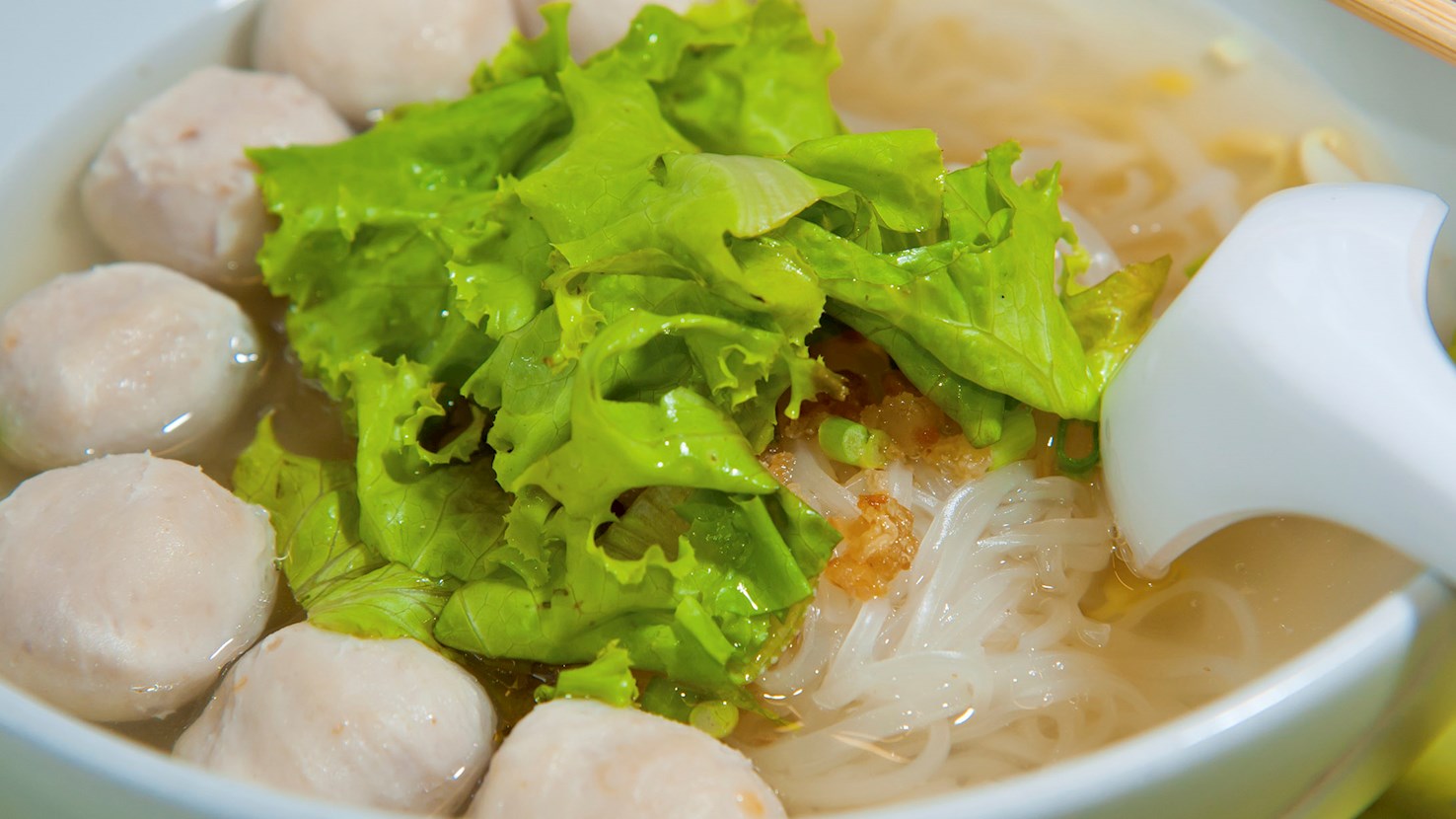
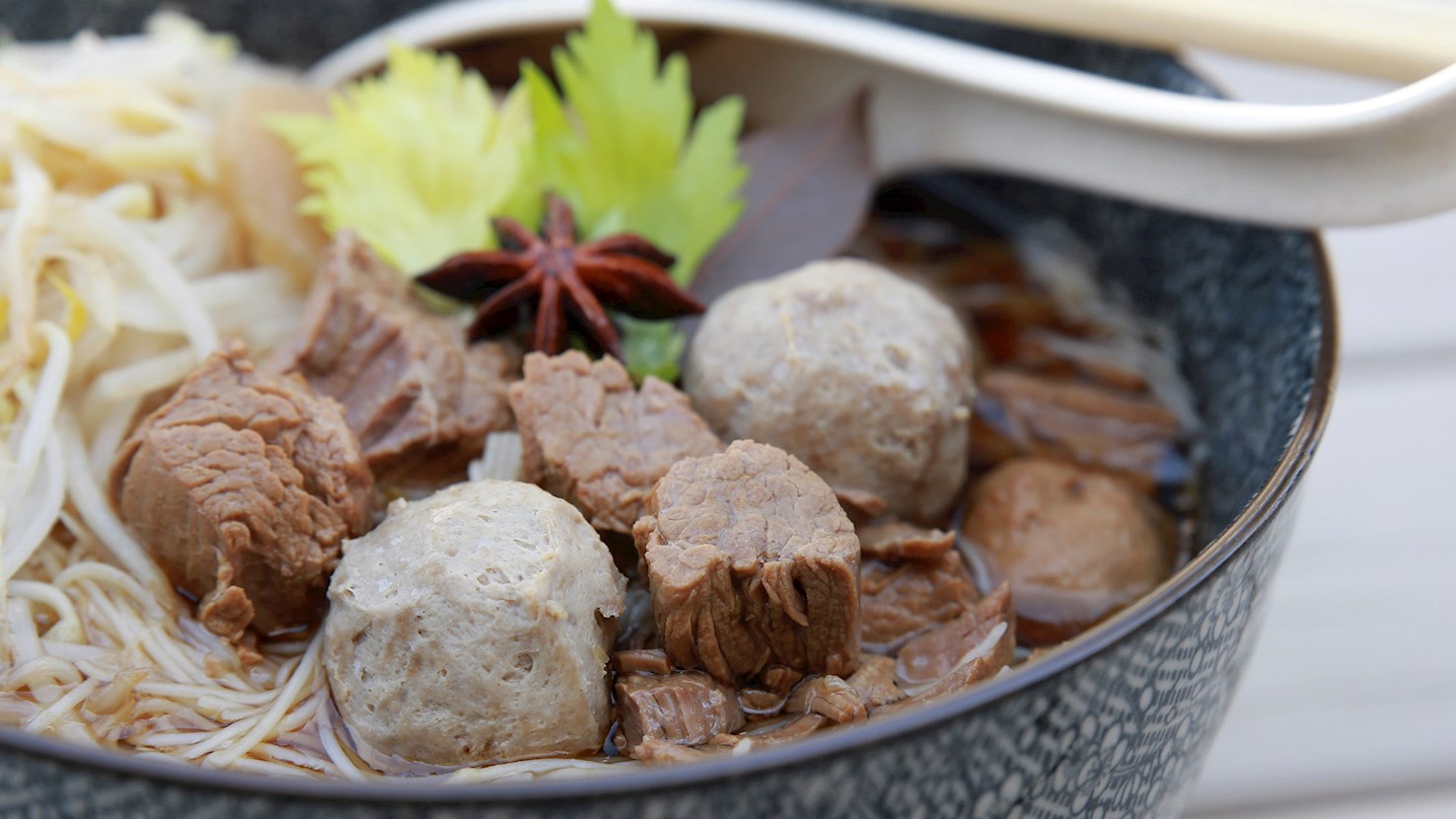
Pork ball is a meatball made with ground pork and starch, while cuttlefish is sometimes added to the combination in order to add flavor and impart a chewy texture to the meatballs. These chewy meatballs are popular in China, Hong Kong, Taiwan, Malaysia, Singapore, and Thailand. In Taiwan, pork balls are usually served in a soup known as gongwan tang, and in the Taiwanese city of Hsinchu, there is an annual festival dedicated solely to these delicious meatballs.
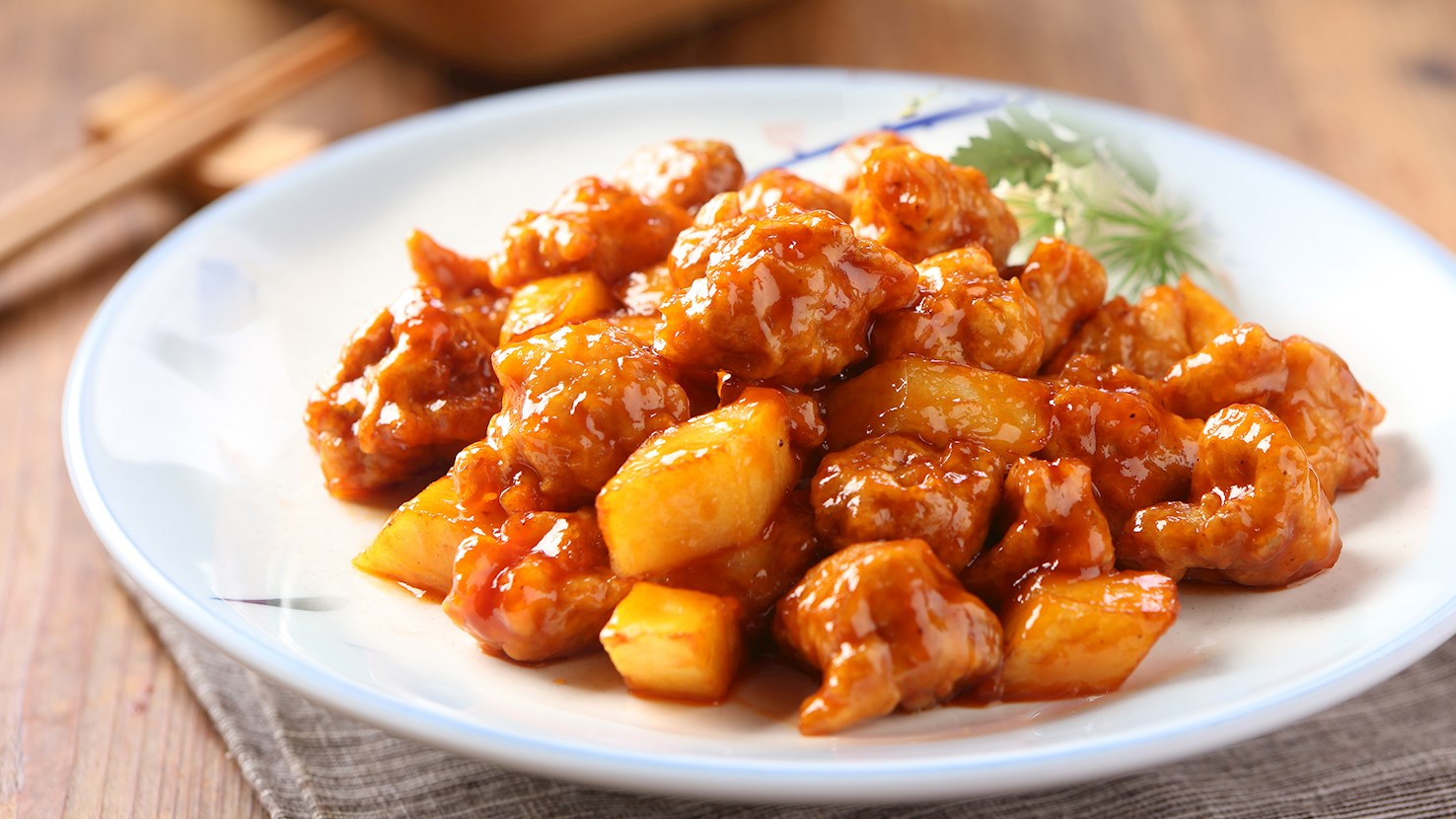
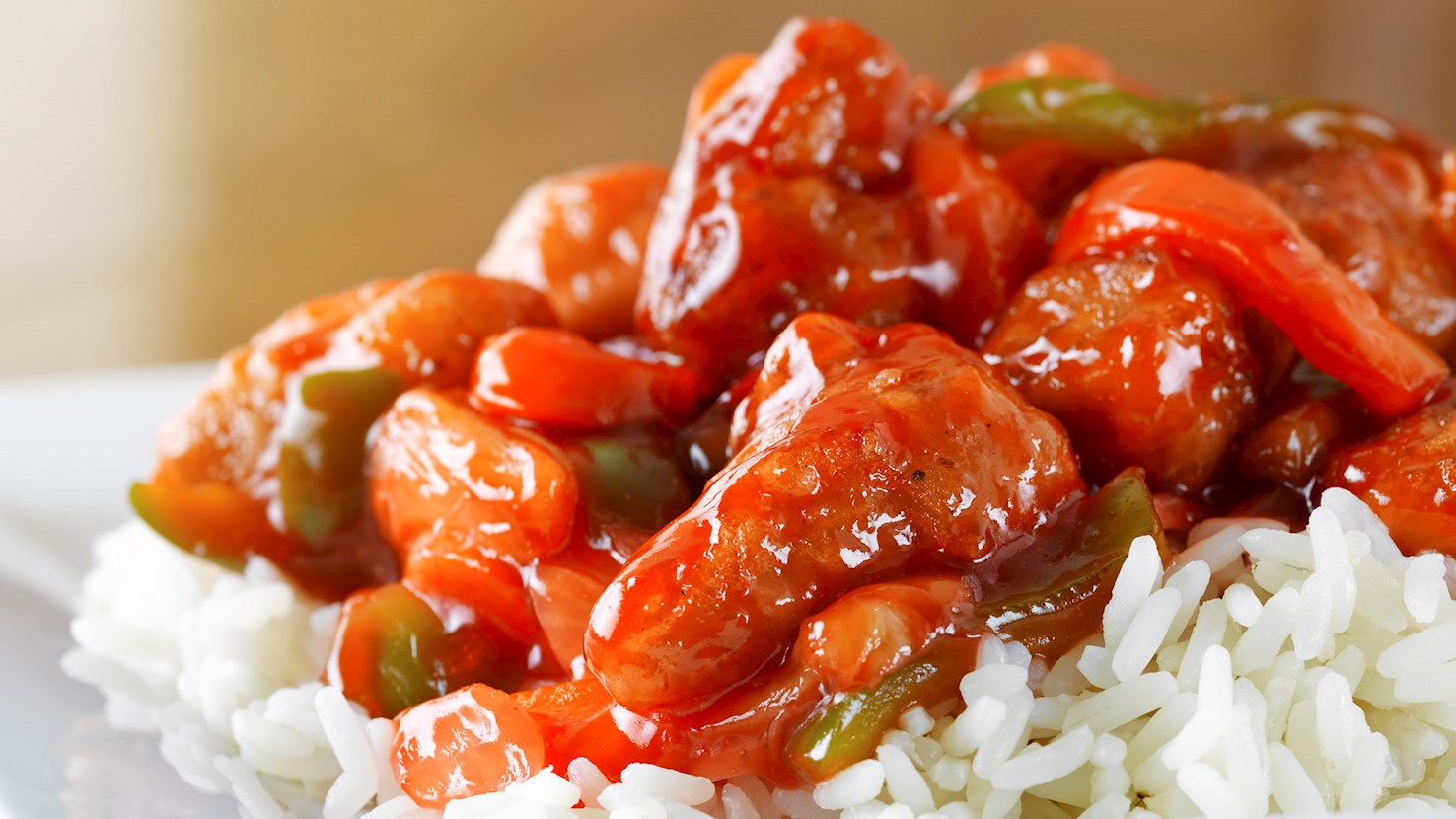
Lìzhī ròu is a sweet and sour pork dish from Fujian Province, particularly associated with the city of Fuzhou. The name translates to “lychee pork,” not because it contains the fruit, but because the pieces of meat resemble lychees in shape and color once cooked. It is made from small chunks of pork that are marinated, coated in starch, deep-fried, and then stir-fried in a bright, tangy sauce. The dish is characterized by its crisp exterior, tender interior, and glossy reddish appearance. It belongs to the Min cuisine family, known for dishes that balance sweetness, acidity, and umami with light textures and delicate presentation. The dish developed in Fujian during the Qing dynasty, when cooks began experimenting with sweet-sour sauces influenced by maritime trade and local fermentation techniques. Sugar production was already well established in the region, and the combination of sugar and vinegar became a defining element in Fujian cooking. Lìzhī ròu evolved from these flavor preferences, using vinegar for acidity and sugar for balance. The dish’s visual resemblance to lychee fruit gave it its name and helped it stand out in banquet cooking. Over time, it became a hallmark of Fuzhou cuisine, frequently served during festive occasions or family gatherings. Its sauce, lighter and more fruit-toned than that of Cantonese sweet and sour pork, reflects the subtler seasoning style typical of coastal Fujian dishes. Preparation begins with lean pork, commonly tenderloin, cut into bite-sized pieces. The meat is marinated in a mixture of rice wine, salt, and a small amount of cornstarch to tenderize it. Each piece is then coated with additional starch, usually sweet potato or potato starch, and deep-fried in oil until golden and crisp. Separately, the sauce is prepared by heating sugar until it melts into a light caramel, to which rice vinegar, soy sauce, and water are added, creating a balanced sweet-sour base. The fried pork pieces are added to the sauce and quickly tossed over high heat, allowing the glaze to coat them evenly without softening the crisp crust. The result is glossy, bite-sized pieces of pork with a slightly chewy shell and juicy interior. Lìzhī ròu is commonly eaten as part of a shared meal rather than a standalone dish. It appears at banquets, restaurants, and home dinners throughout Fujian and in overseas Chinese communities with Min roots. It is typically served with plain steamed rice to balance the sauce, and sometimes accompanied by light soups or stir-fried greens. The dish pairs well with mildly fragrant teas such as Tieguanyin or Wuyi oolong, which cut through its sweetness, or with light rice wine that complements its acidity.
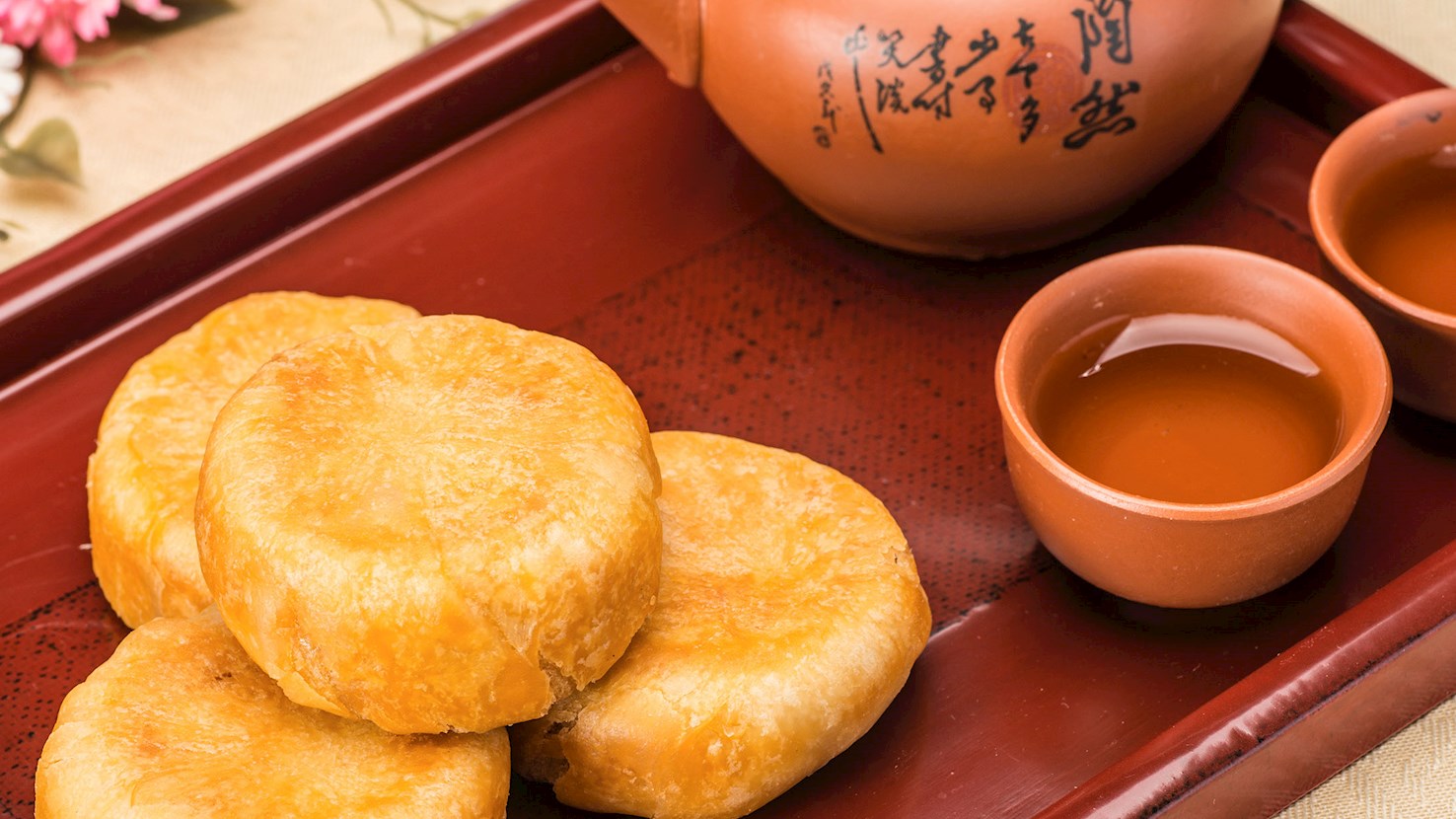
Even though it is often referred to as the Chinese meat pie, xianbing is, in fact, more similar to an over-sized, seared jiaozi-style dumpling. Both are made with the same, basic flour-and-water dough, except the one for xianbing is layered before being rolled out, and unlike jiaozi dumplings which are steamed, xianbings are pan-fried. Being one of the hallmarks of the Northern Chinese Islamic halāl cuisine, the crispy-crusted xianbing is traditionally filled with soy sauce flavored minced beef, ginger, and onions, while in other regions it can also be filled with pork, lamb, or even with an all-vegetable filling in its vegetarian version. Xianbings are considered a real comfort food and although they are easily found in restaurants, often served with the hearty hot and sour soup, in Northern China xianbings are most popular as a street food that is typically enjoyed warm with a dipping sauce consisting of soy sauce, sesame oil, garlic, and rice vinegar.
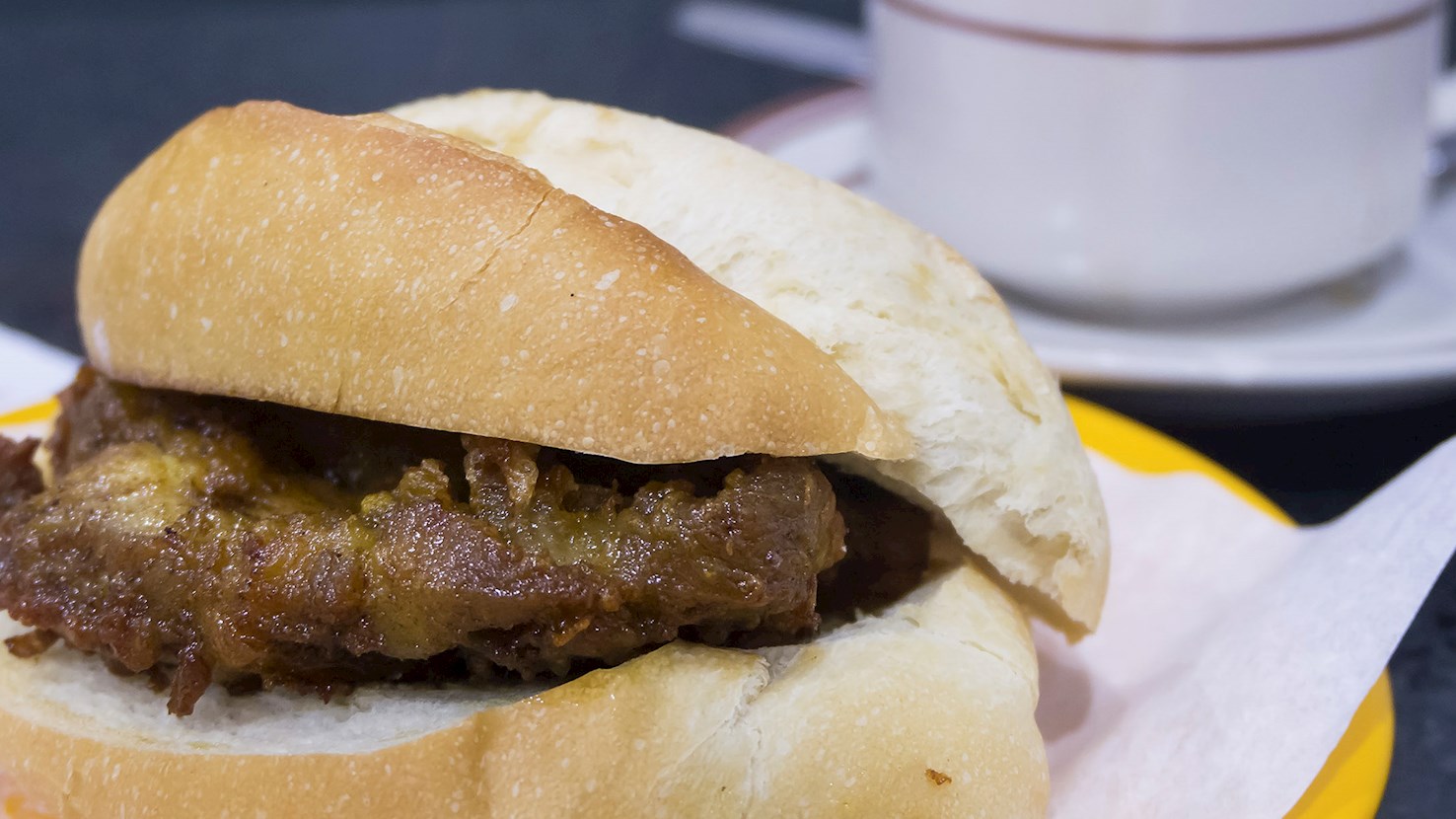
Pork chop bun is a Macanese specialty and one of the most famous dishes in the region. Although it is reminiscent of a typical sandwich or a hamburger, it doesn't have a lot in common with them. For a long time, Macau has been a Portuguese colony and the pork chop bun, in a way, represents a fusion of Portuguese and Asian cuisine and culture. It is praised for its simplicity because it consists of two main ingredients: a bun and a pork chop. The bun is also known as piggy bun, and it is traditionally made in Hong Kong. The inside of the bun is soft, while the outside is covered in a perfectly crunchy crust. The shape of the bun is originally Portuguese, and in Portugal it is used to make the famous bifana sandwich. Pork chop bun is distinguished by the usage of a pork chop on the bone, instead of the more typical pork cutlet. Simplicity is the main characteristic of this dish; it does not have any standard condiments or toppings, such as salad greens, cheese, or mayonnaise - the only thing that is added to pork chop bun is soy sauce, used to marinate the pork chop, and garlic, which is usually fried together with the pork chop or added to the marinade.
Niúwán are beef balls from the Chaoshan (Teochew), renowned for their extraordinary, almost rubbery elasticity and exceptionally juicy, savory interior. Unlike Western meatballs, which are typically made from minced or ground meat gently bound with breadcrumbs and egg, making niúwán is an intense physical endeavor that relies on bludgeoning rather than grinding. Traditionally, skilled artisans take large, lean cuts of beef—often from the leg or round—and relentlessly pound them on a heavy wooden block using two heavy, squared iron rods until the meat is pulverized into a smooth, highly elastic paste. This vigorous, rhythmic beating, which can take hours, is crucial because it stretches and aligns the muscle proteins without severing the long fibers, creating the signature "Q-texture"—a regional culinary term for the perfect, toothsome bounce. During this laborious process, ice water or crushed ice is carefully folded into the meat paste to prevent the friction heat from prematurely melting the beef fat, ensuring the final product remains cohesive and succulent, while seasonings like salt, white pepper, garlic, and sometimes toasted dried flounder powder are added for a deep, lingering umami finish. Once the paste reaches the perfect glossy consistency, it is squeezed by hand into uniform spheres and gently poached in warm, rather than rapidly boiling, water to set their shape and preserve their delicate internal moisture. Often served swimming in a clear, rich beef bone broth alongside slippery rice noodles, a scattering of fresh cilantro or Chinese celery, and a vital dipping side of savory, pungent Shacha sauce, niúwán is famously immortalized in Hong Kong cinema as meatballs so remarkably springy they could be used as ping-pong balls. In Hong Kong, the beef balls are paired with wonton noodles rather than rice.
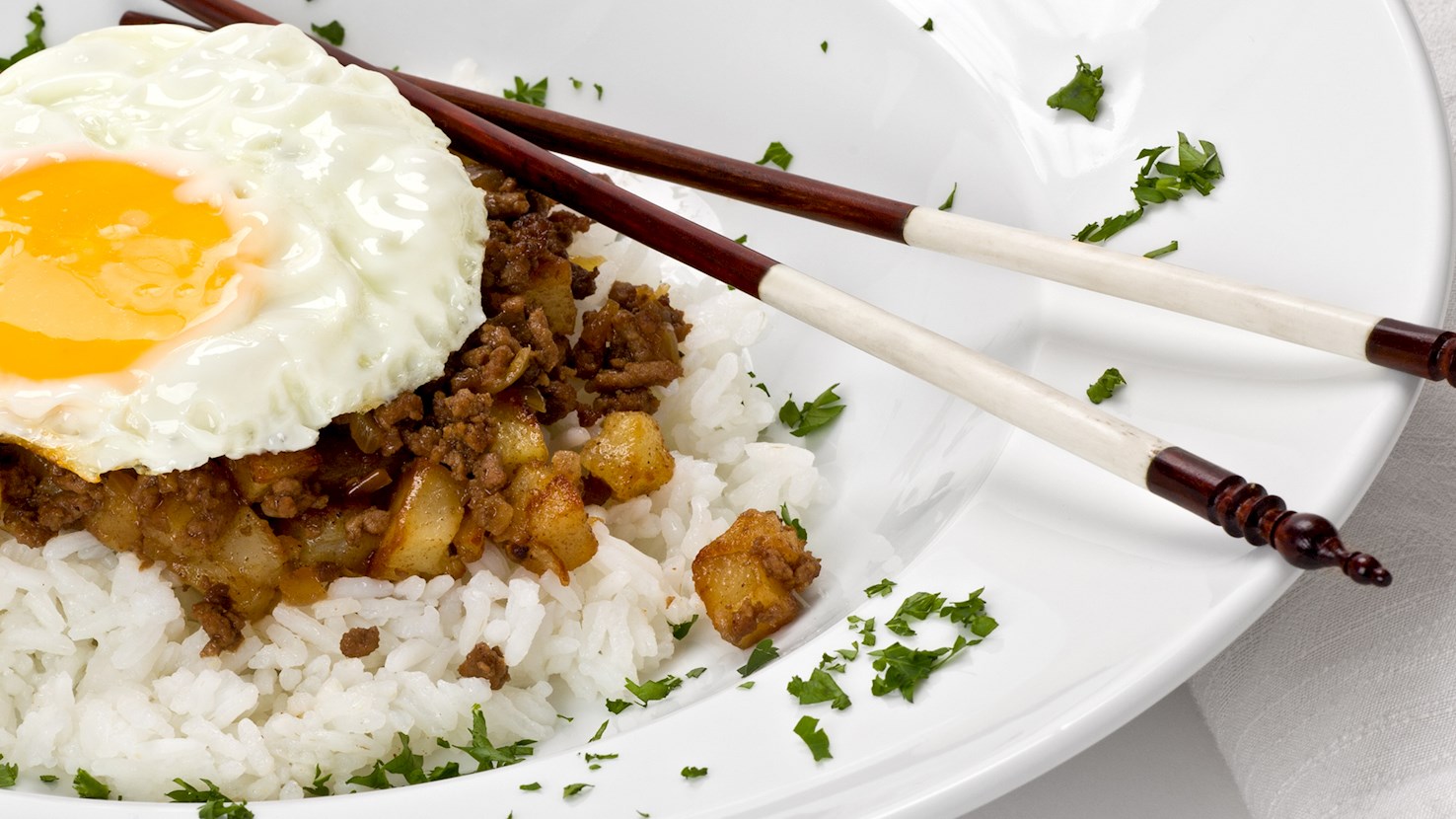
Minchi is a comforting dish native to Macau, consisting of stir-fried minced meat infused with soy sauce. The dish appears in many version but usually incorporates minced beef or pork, potatoes, onions, and occasionally Chinese black fungus and Portuguese sausage. It is usually served over rice and topped with a crispy fried egg. Because its name derives from the English word for minced, it is believed that the dish was influenced by the British community living in the vicinity of Macau.
Gūlūròu, widely celebrated across the globe as sweet and sour pork, consists of bite-sized morsels of pork that are expertly battered, deep-fried to a shattering crispness, and rapidly tossed in a vibrant, perfectly balanced, sweet and tangy glaze. Originating in the bustling, cosmopolitan port city of Guangzhou during the Qing Dynasty, this iconic dish emerged from a unique cultural cross-pollination, designed by resourceful local chefs to appeal to both traditional Chinese palates and the foreign merchants who frequented the region's trading hubs. The etymology of its whimsical name, which translates phonetically to "gulu meat," is deeply rooted in local culinary lore; many food historians suggest the word "gulu" represents the audible, involuntary gulping sound of saliva that diners make when presented with the dish's intoxicating, acidic aroma, while others believe it mimics the rhythmic bubbling of the thick, caramelized sauce reducing in a scorching wok. Achieving the perfect gūlūròu requires rigorous attention to textual contrast and temperature control, beginning with the selection of well-marbled pork collar or pork belly, which provides the necessary fat to ensure the meat remains succulent during the intense cooking process. The pork is lightly marinated, dredged in a starchy coating—often using sweet potato starch for maximum crunch—and subjected to a crucial double-frying technique in which an initial fry cooks the meat through, and a second, hotter flash-fry hardens the exterior into a golden, protective armor. The true soul of the dish, however, lies in its brilliant, ruby-hued sauce, a complex reduction that historically relied on the natural tartness of Chinese hawthorn berries, sour plums, and rice vinegar, though modern iterations frequently incorporate ketchup—a testament to historical Western trade influences in the region—to achieve its signature color and fruitiness. When the blistering hot, crispy pork is reintroduced to the wok alongside crisp bell peppers, onions, and chunks of juicy pineapple, it is tossed just long enough for the thick, glossy sauce to cling to the craggy surface of the batter without breaching it. The resulting culinary experience is a marvel of textural engineering and flavor harmony, offering diners a thrilling combination of a sticky, sweet-and-sour exterior giving way to a rich, savory, and incredibly tender bite of pork, firmly securing its legacy as one of the most beloved and globally recognized pillars of Chinese gastronomy. Because Gūlūròu is intensely flavorful, sticky, and rich, it is traditionally served with accompaniments that provide balance and act as a neutral canvas for the vibrant sauce, most notably mounds of fluffy steamed jasmine rice to soak up the glaze, crisp garlic-tossed greens like gai lan or bok choy to cut through the heavy batter, and light, palate-cleansing broths like winter melon or egg drop soup, all harmoniously washed down with a restorative, fat-cutting cup of warm, astringent oolong or pu-erh tea.
TasteAtlas food rankings are based on the ratings of the TasteAtlas audience, with a series of mechanisms that recognize real users and that ignore bot,
nationalist or local patriotic ratings, and give additional value to the ratings of users that the system recognizes as knowledgeable.
For the “11 Worst Rated Chinese Meat Dishes” list until June 16, 2026, 2,063 ratings were recorded, of which 1,769 were recognized by the system as legitimate.
TasteAtlas Rankings should not be seen as the final global conclusion about food. Their purpose is to promote excellent local foods,
instill pride in traditional dishes, and arouse curiosity about dishes you haven’t tried.