



shutterstock

9 Worst Rated Portuguese Meat Dishes

Last updated on June 16, 2026
01

Codornizes

2.7 ·

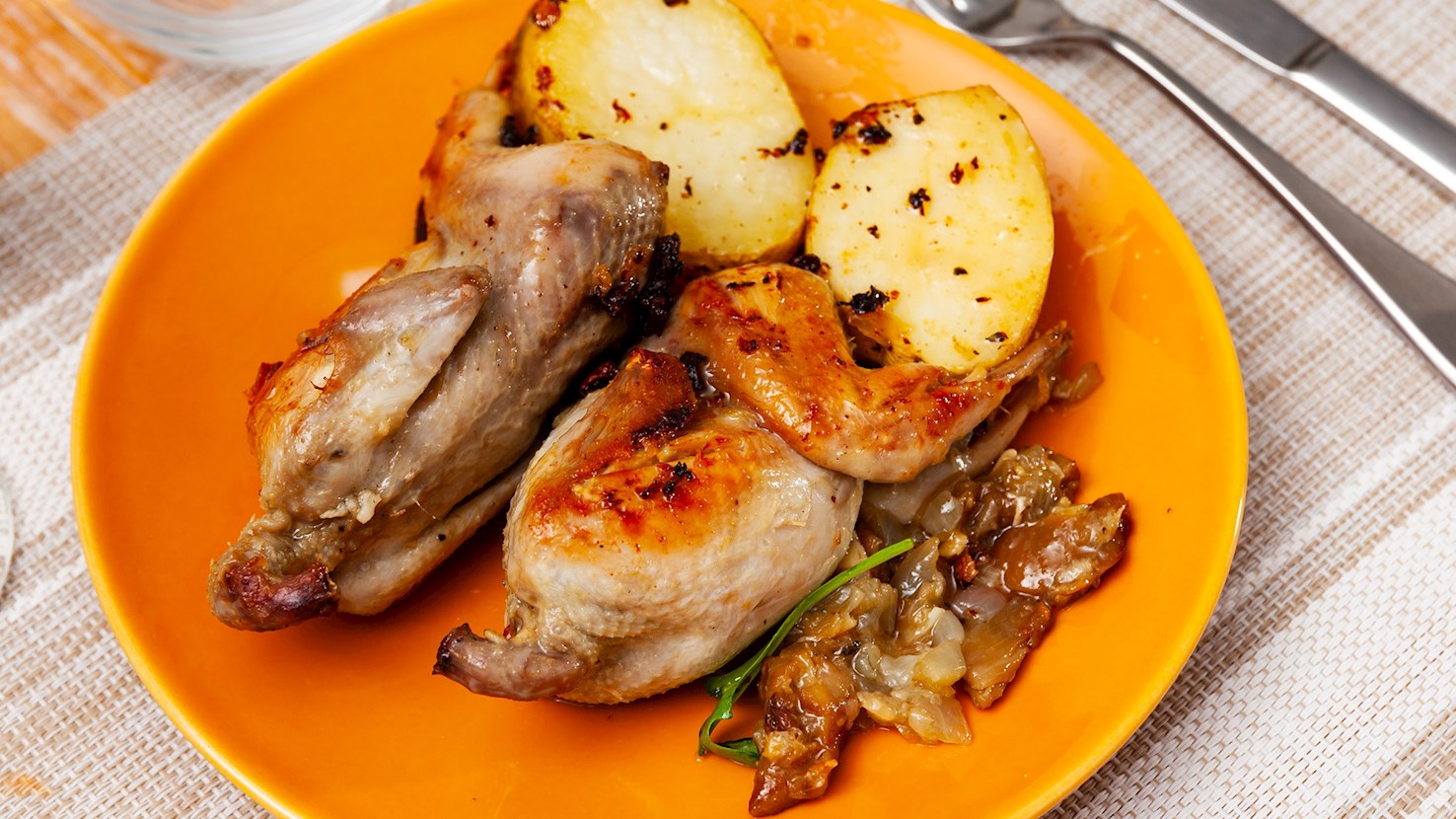
Codornizes refers to quails in Portuguese cuisine. These small game birds are often marinated and grilled or roasted, providing delicate and flavorful meat. Another common preparation involves stuffing the quails with herbs, garlic, and sometimes bacon and cooking them until tender. Quail dishes are typically served with sides such as bread, rice, potatoes, or vegetables and are popular in Portuguese culinary traditions, especially for festive occasions or gourmet meals. The succulent meat of quails is prized for its tenderness and unique taste.

02

Maranho

2.8 ·

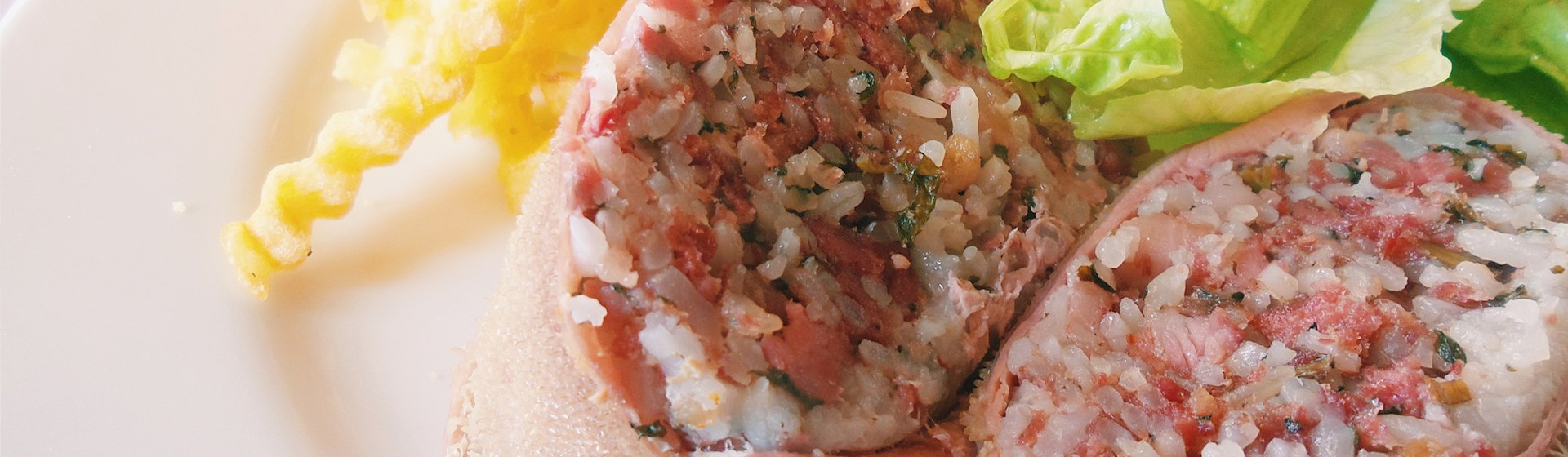
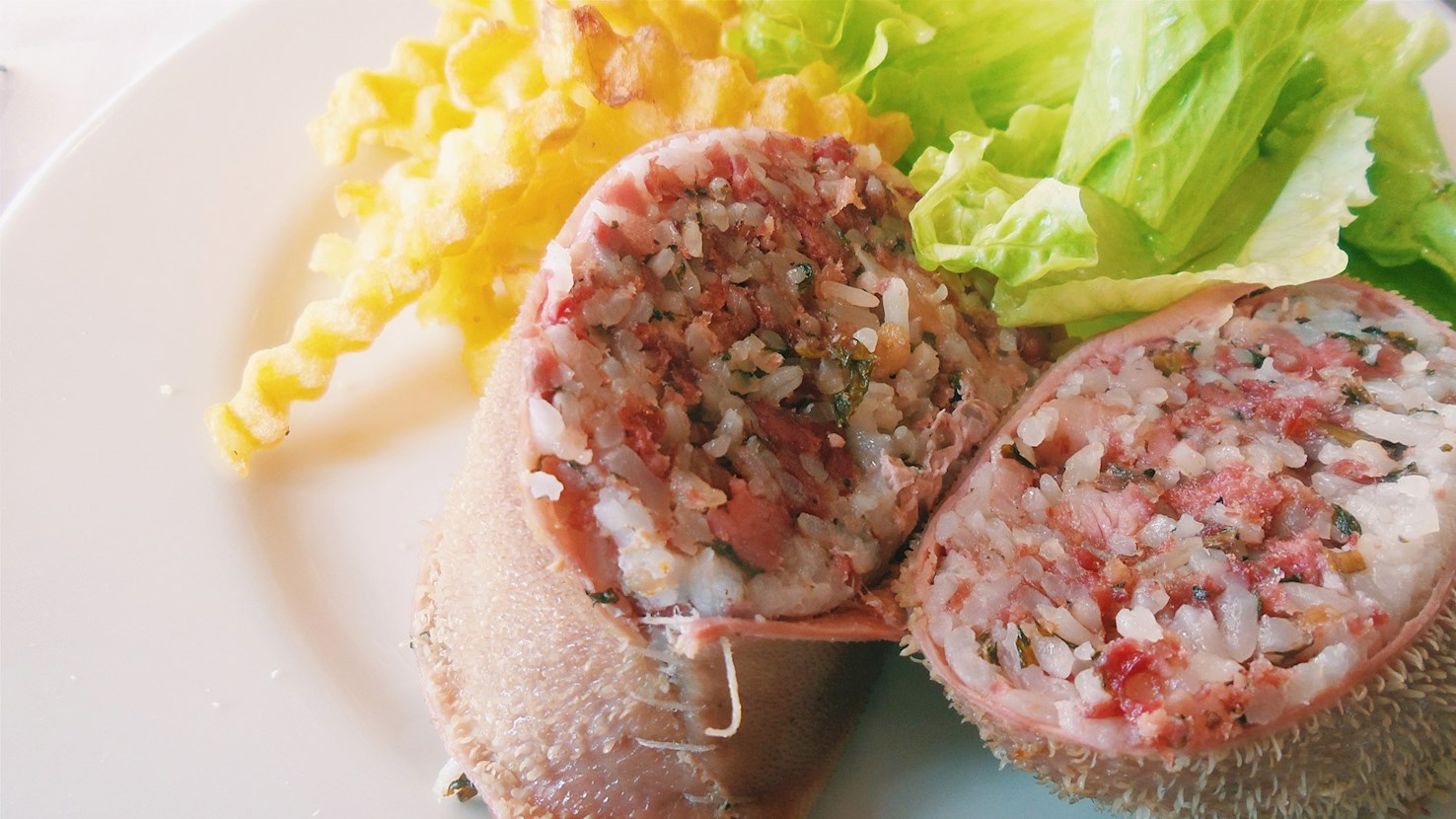
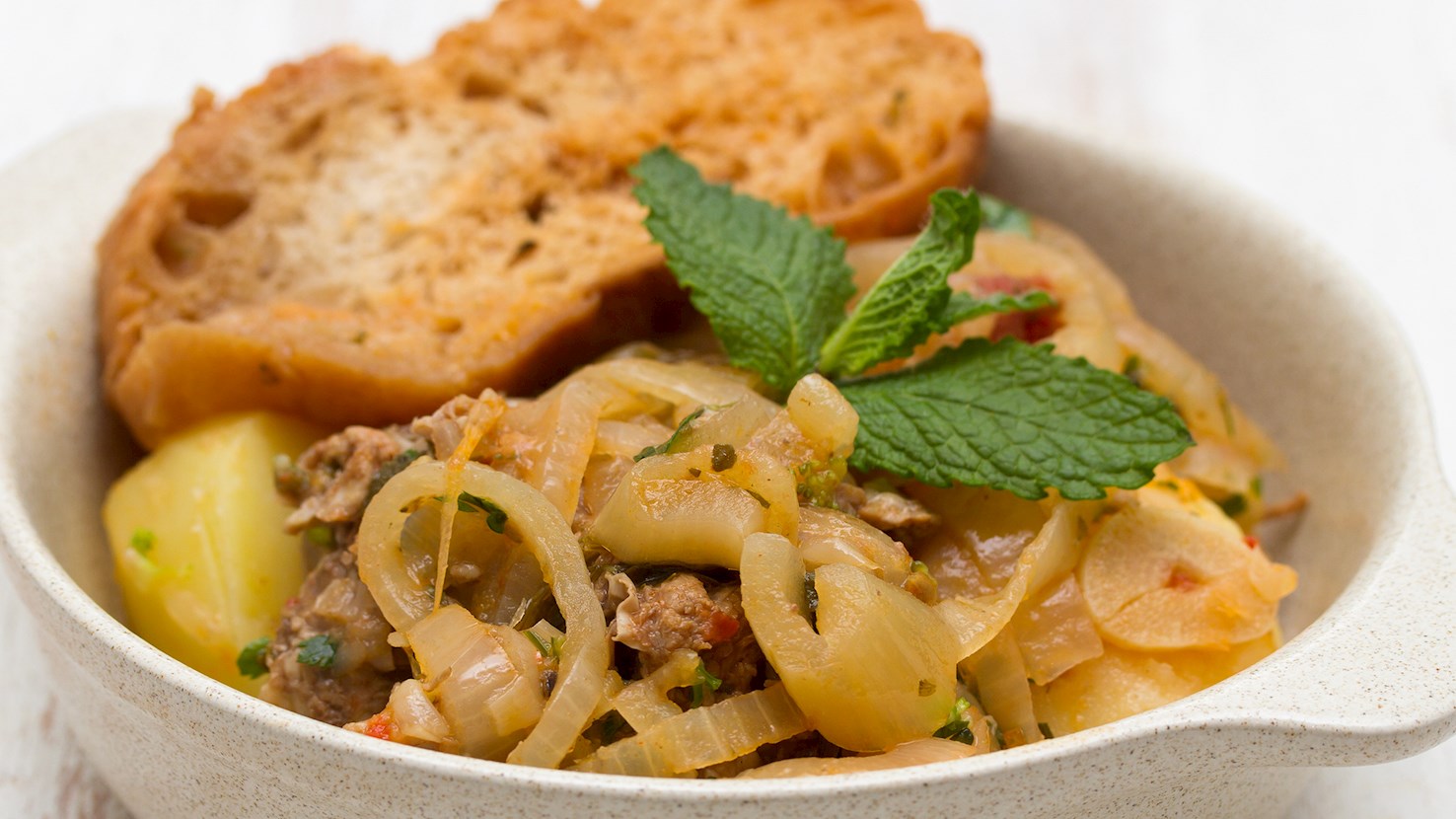
Maranho is a traditional dish hailing from Sertã in the region of Beira Baixa. It's made with a combination of goat meat, chouriço, dry-cured ham, rice, and mint. The ingredients are combined and sewn into a goat stomach. It is believed that the dish dates back to the 19th century, although some think that it existed even earlier. Throughout the 20th century, it was a staple celebratory dish that was prepared on feast days, both for the rich and the poor, but from the 1980s, maranho could be seen on the menus of local eateries. Nowadays, maranho is often served with potatoes and homemade bread on the side, and it's often prepared during the festive Christmas period.

Best restaurants
03

Papas de sarrabulho

3.1 ·

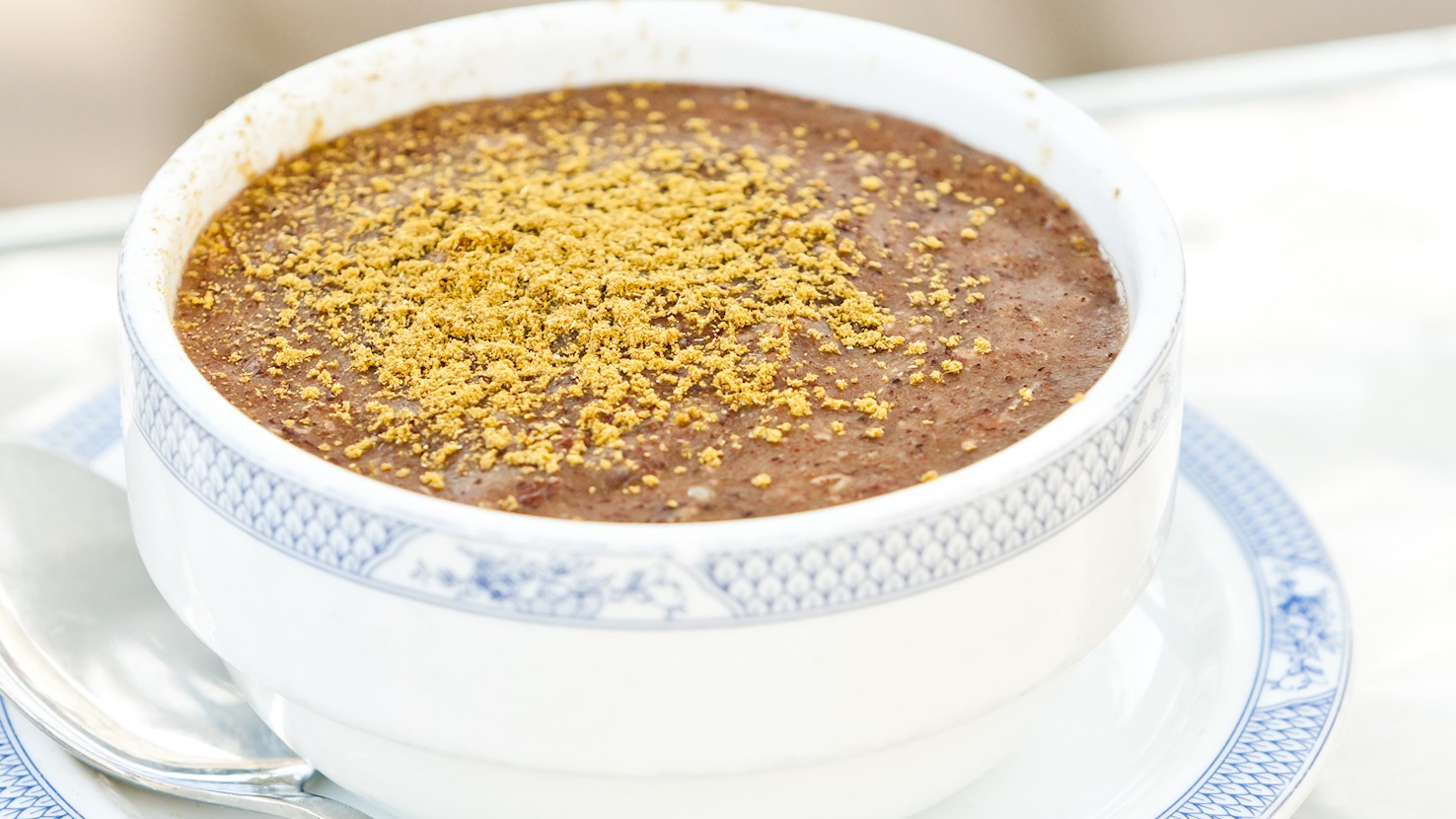
Hailing from Minho, this traditional Portuguese stew typically combines pork and chicken meat with smoked salpicão and chouriço sausages, ham, corn flour, pig’s blood, and various seasonings and spices such as cumin, lemon, cloves, or nutmeg. The dish was traditionally prepared in colder winter months when pigs were slaughtered, and fresh pig’s blood was readily available. Though it can be enjoyed on its own, the dish is commonly served as an accompaniment to rojões à moda do Minho, and it is recommended to pair it with Vinho Verde, a light and fresh Portuguese wine.

04

Bifana à moda de Lisboa

3.3 ·

Bifana à moda de Lisboa is a variety of bifana from Lisbon, that features thin slices of pork marinated in a savory blend of white wine, garlic, and spices, then sautéed until tender and juicy. The succulent pork is nestled within a fresh, crusty bread roll, often accompanied by a touch of mustard (or piri-piri sauce for added heat).

05

Ensopado de borrego

3.5 ·

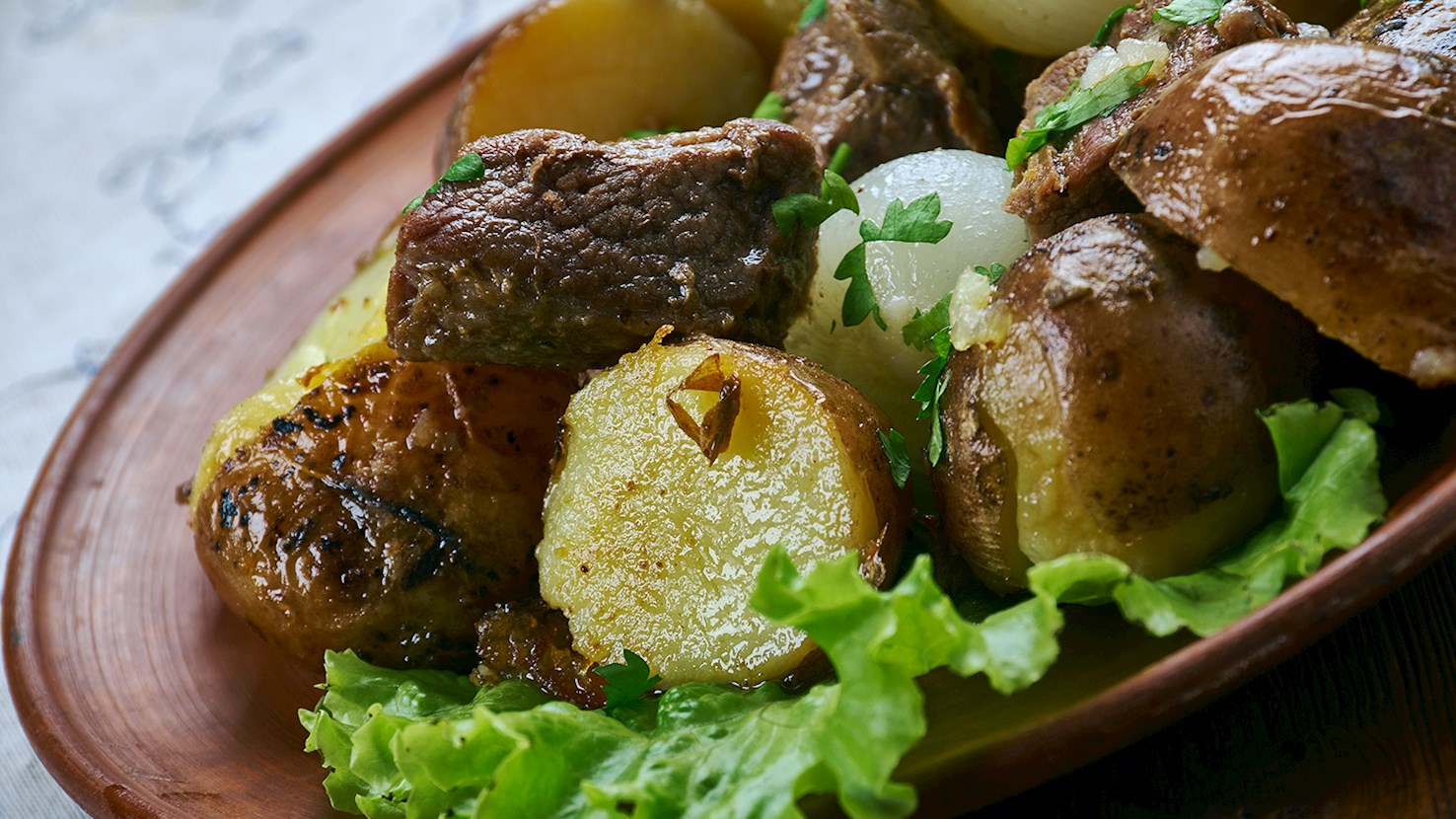
Ensopado de borrego is a flavorful Portuguese lamb stew originating from Alentejo. It is usually prepared with lean lamb that is cut into smaller cubes, cider vinegar, potatoes, stock, lard, flour, stale bread, and spices and seasonings such as salt, pepper, cloves, bay leaves, parsley, coriander, onions, and garlic. The stew is slowly simmered until the lamb becomes tender. When served, stale bread is first placed on the bottom of a large serving dish, and ensopado de borrego is then poured over it. It is recommended to serve the stew with a fresh salad on the side.

06

Carne de vinha d'alhos

3.7 ·

Carne de vinha d'alhos is a traditional meat dish prepared with marinated pork or rabbit. The marinade, which is made from red wine vinegar, white wine, garlic, paprika, and olive oil, is what gives this dish its signature flavor. After it's been in the marinade for at least 3 days, the meat is fried in olive oil. Carne de vinha d'alhos is traditionally served with crusty bread, but it also pairs well with mashed potatoes and rice. In the Madeira region, people prepare this dish at Christmas time. Slightly different versions of it can be found in some former Portuguese colonies like Brazil, Angola, Mozambique, Macau, and Goa, where vinha d'alhos was brought by Portuguese explorers in the 15th century. The name of the dish was mispronounced as vindaloo and it was enriched with Indian spices.

07

Cozido

3.8 ·

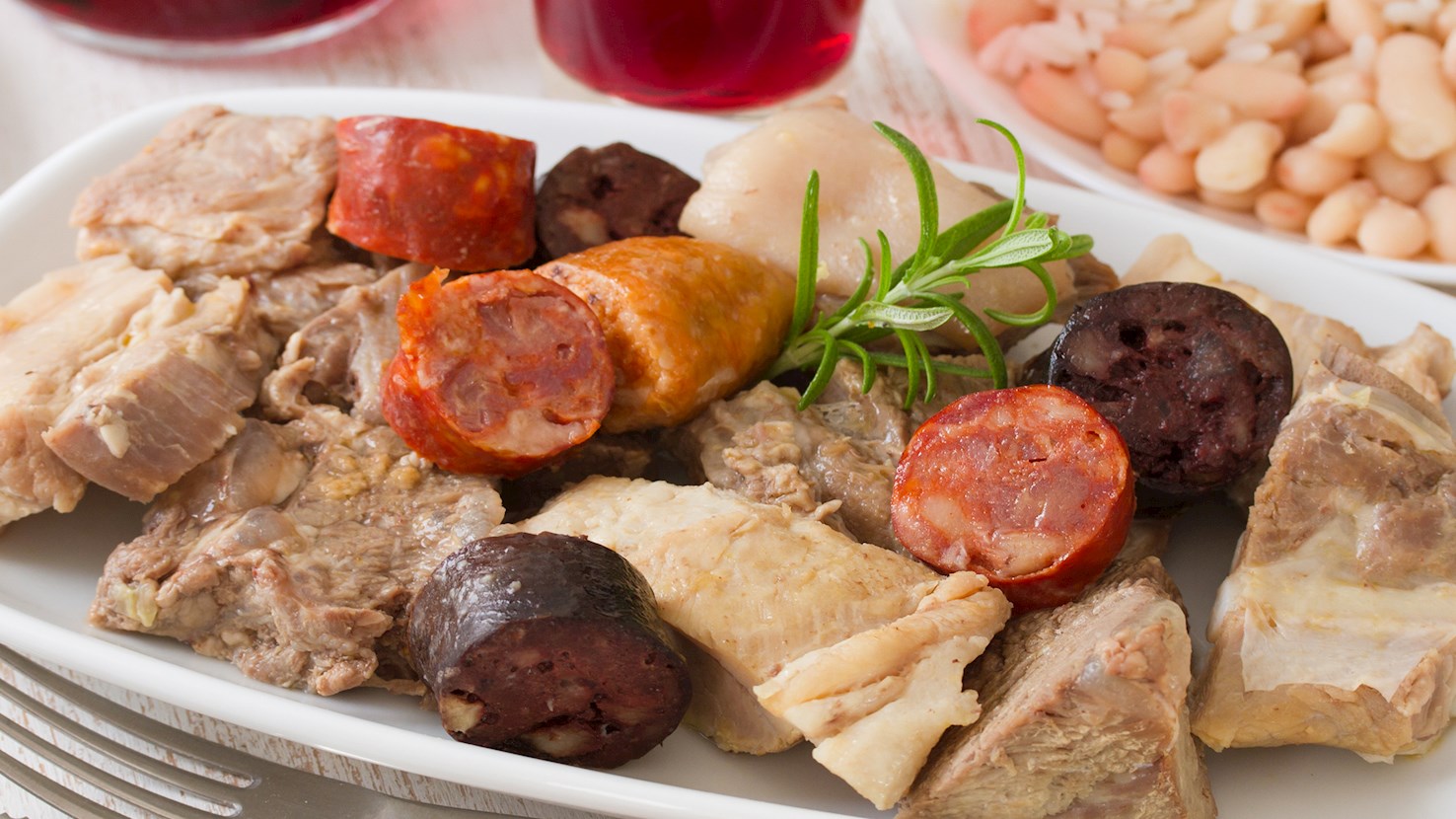
Cozido is a classic Portuguese stew made with various types and cuts of meat and different vegetables. It appears in numerous frugal and sophisticated variations throughout the country and can also incorporate smoked meat and spicy smoked or blood sausages. This comforting winter meal is believed to have originated as a simple farmer’s dish which soon became a restaurant staple and a part of Portuguese national cuisine. Traditionally, the cooked ingredients are served on a platter accompanied by rice and beans, while the flavorful broth is usually enjoyed as an appetizer. On the Azorean island of Sao Miguel, the dish is prepared by placing the cooking vessel in the ground in the close vicinity of hot springs, allowing the heat to slowly cook the stew.

08

Bife à café

3.8 ·

Bife à café is a unique Portuguese meat dish. The dish is a twist on the classic veal steak called bife de vitela. It's prepared with veal steaks, butter, garlic, bay leaves, cream, and coffee. The meat is browned in butter with garlic, and it's then combined with the sauce consisting of cream, coffee, and pan juices. As soon as it begins to boil, the heat is turned off and the steak can be served, preferably garnished with coffee beans. It's recommended to serve bife à café with fries on the side.

Best restaurants
09

Bifana à moda do Porto

3.9 ·

While its origins are often linked to Vendas Novas, in Porto, the bifana undergoes a distinctive transformation. Here, thin slices of pork are marinated and then simmered in a savory sauce enriched with garlic, paprika, and occasionally a hint of piri-piri for added heat. This method yields tender, flavorful meat that is generously piled into a soft bread roll, allowing the robust flavors to meld seamlessly with the bread. The Porto-style bifana is renowned for its juicy, succulent profile, often enjoyed with a cold beer or a glass of vinho verde. In contrast, the Lisbon variant of the bifana features pork marinated in a blend of white wine, garlic, and spices, which is then grilled or fried. The cooked meat is typically served in a crusty roll, sometimes accompanied by mustard or piri-piri sauce, offering a spicier experience.

Read more
View all
View map
About this ranking

TasteAtlas food rankings are based on the ratings of the TasteAtlas audience, with a series of mechanisms that recognize real users and that ignore bot, nationalist or local patriotic ratings, and give additional value to the ratings of users that the system recognizes as knowledgeable. For the “9 Worst Rated Portuguese Meat Dishes” list until June 16, 2026, 1,701 ratings were recorded, of which 1,205 were recognized by the system as legitimate. TasteAtlas Rankings should not be seen as the final global conclusion about food. Their purpose is to promote excellent local foods, instill pride in traditional dishes, and arouse curiosity about dishes you haven’t tried.

Similar lists