

shutterstock

6 Worst Rated Meat Jellies
in the World

Last updated on June 16, 2026
01

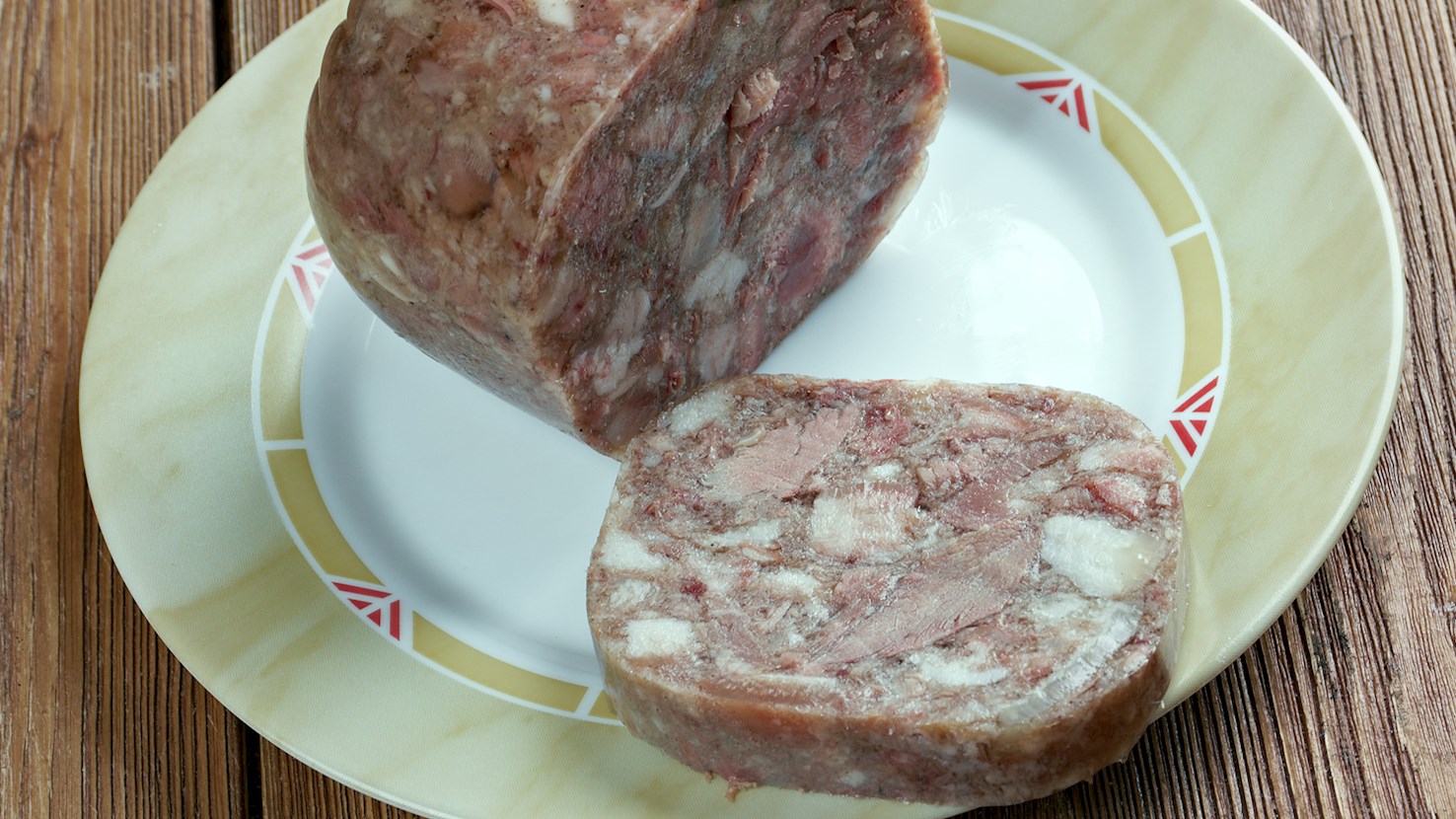
Salceson

2.5 ·

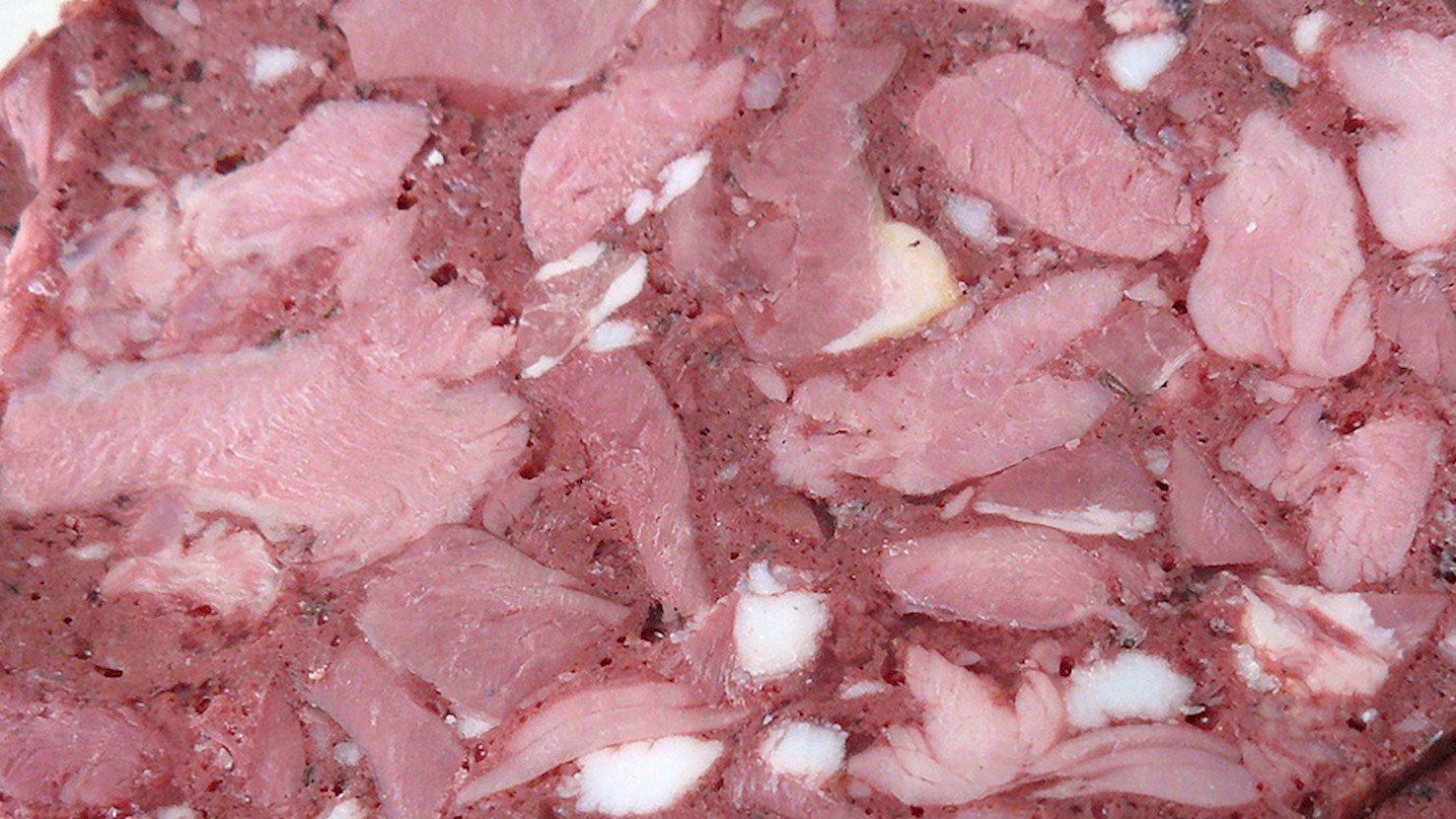
Once considered to be an inferior meat product, today the Polish head cheese is regarded as a unique gourmet delicacy. Depending on the seasonings, shape, and main ingredients, which often include brawn, offal, or blood, traditional Polish cuisine boasts with more than ten different head cheese varieties. They are mostly prepared with pork, but some varieties exclusively use veal. Once popular in many cities bordering Germany, today they are prepared and enjoyed throughout the country. Regardless of the type, these texturally-exciting treats are usually enjoyed as cold cuts, commonly accompanied by bread and various meat products.

02

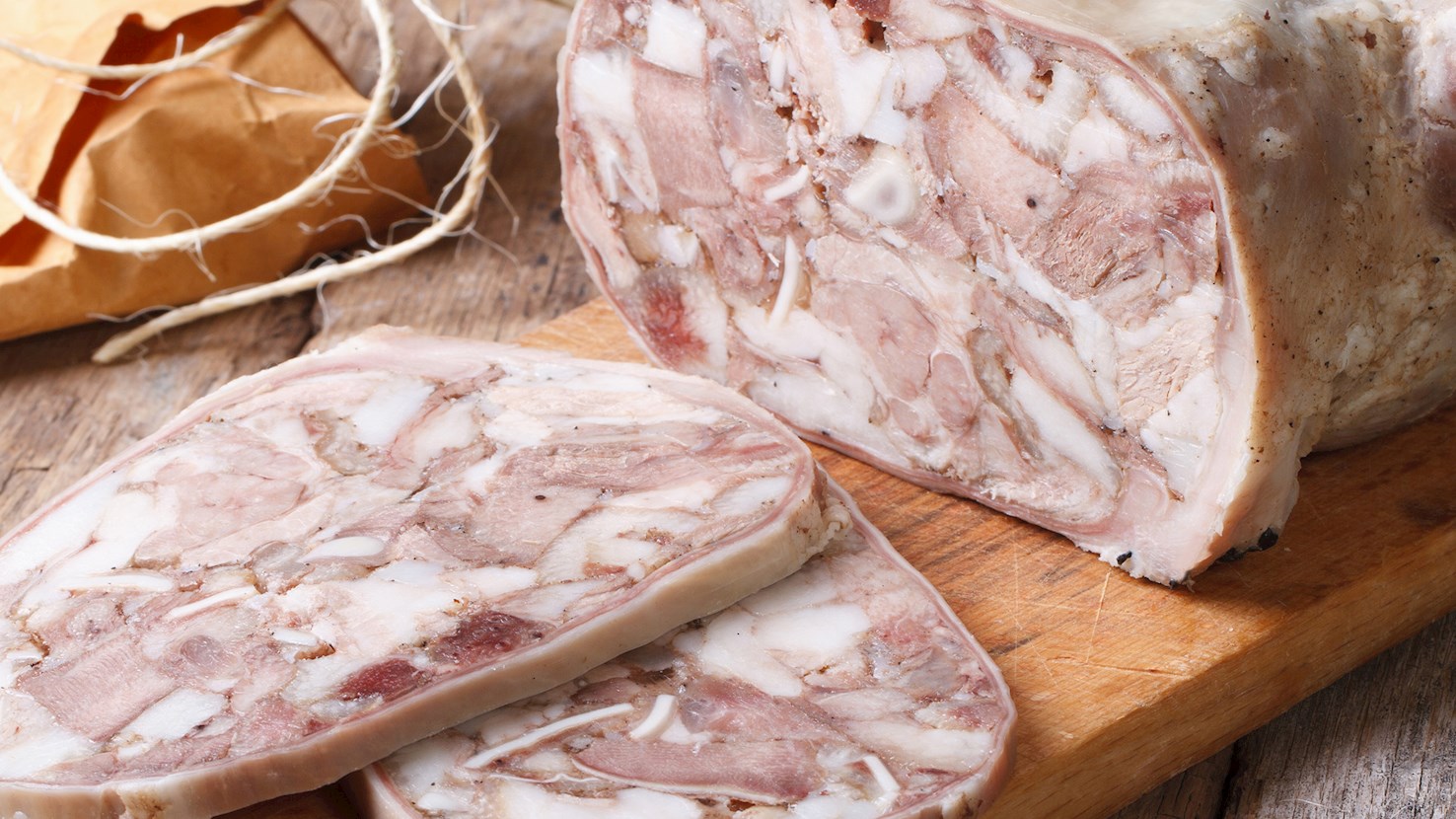
Sülze

2.5 ·

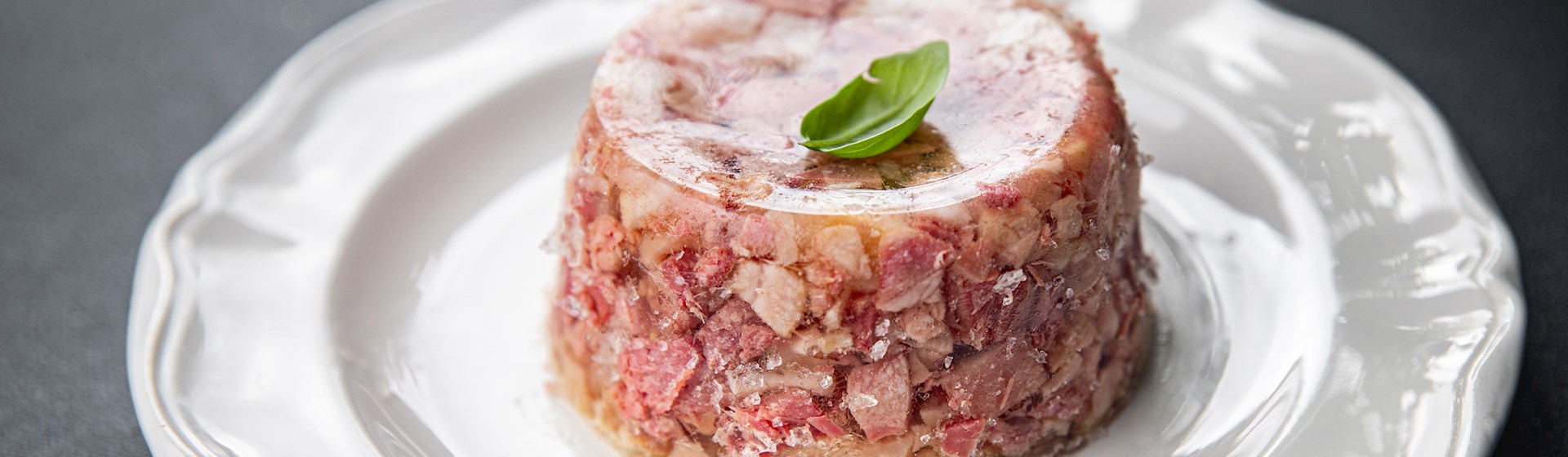
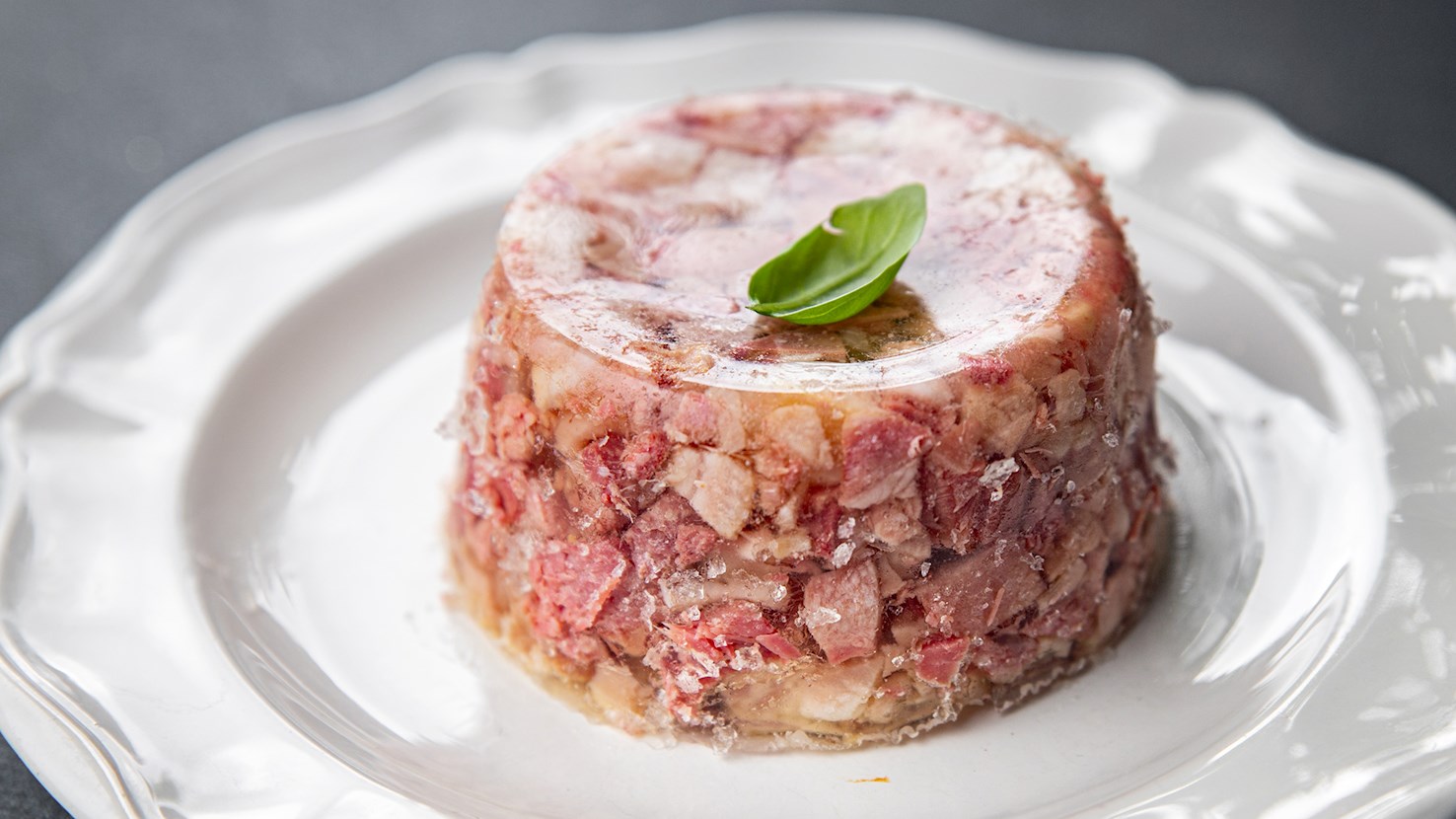
Sülze (or Sulz in Austrian cuisine) is a type of German meat jelly or aspic, typically made with pork. The preparation of Sülze begins with simmering meat, often including parts rich in collagen like pork knuckles, ears, or even tongue, along with vegetables and spices. The collagen from the meats creates a natural gelatin as it cools. The meat is then removed from the bones, cut into small pieces, and mixed back into the strained broth. This mixture is poured into a mold and left to cool, typically overnight. The gelatin in the broth solidifies as it cools, creating a jelly-like consistency. Sülze is served cold and is often sliced and served with garnishes like pickles, onions, or a side of bread. It can be found in many traditional German and Austrian restaurants and is a common sight in local delis. It's a classic example of nose-to-tail cooking, where all parts of the animal are used, helping to reduce waste.

03

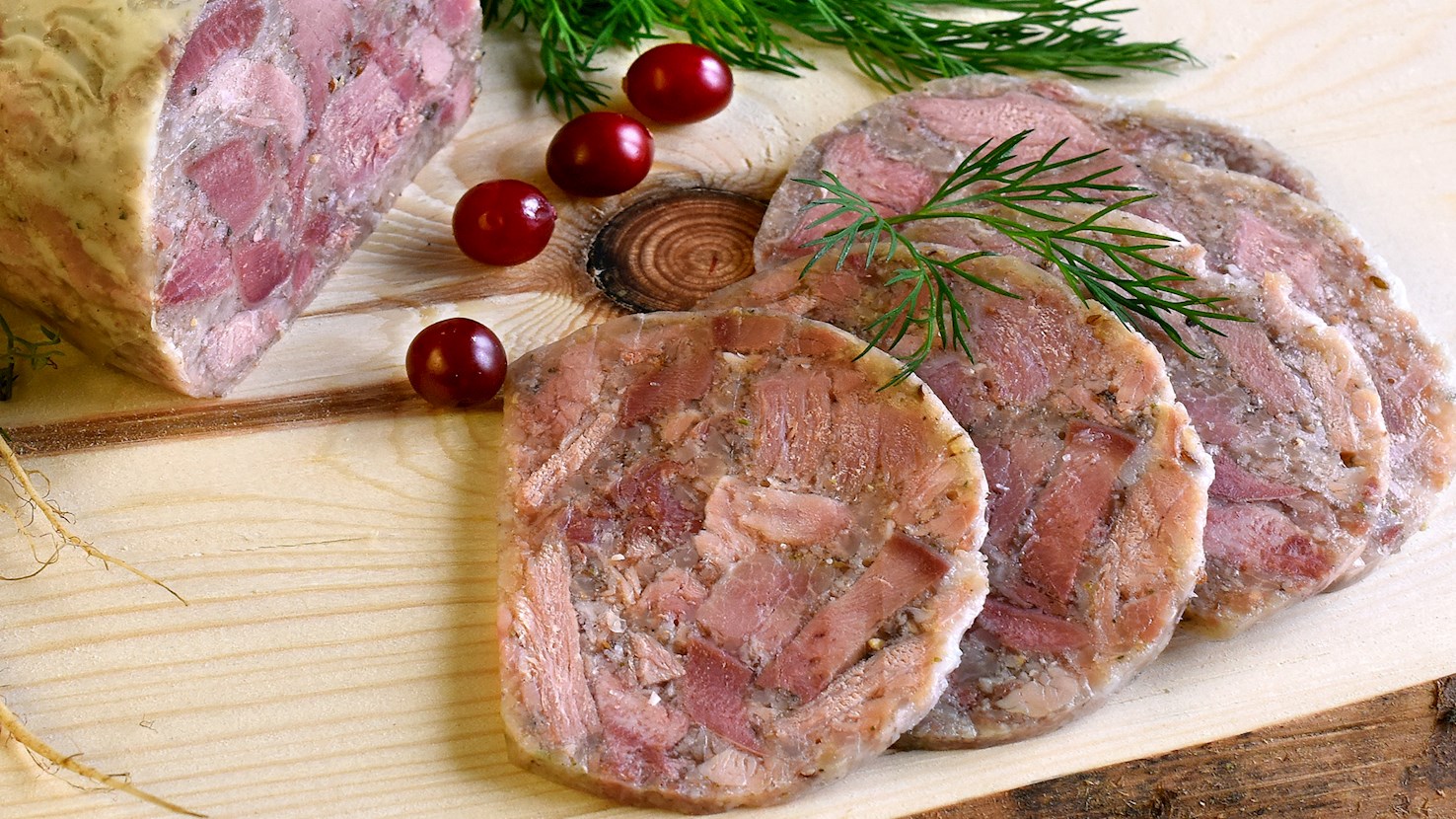
Disznósajt

3 ·

Traditionally prepared after the annual pig slaughter, disznósajt, translated to pork cheese, is a Hungarian head cheese that is usually made by combining various pork parts such as the head, tongue, heart, ears, and hooves of a pig. After cooking the pork parts with garlic, Hungarian paprika, salt, and black pepper, the meat mixture is typically stuffed into pig stomach in a similar manner to a sausage. The sausage-like head cheese is then cooked again before it is pressed and smoked. This Hungarian delicacy is typically eaten thinly sliced with fresh bread, mustard, and pickles, and it is usually washed down with a glass of traditional fröccs, made by mixing wine and soda water.

04

Presskopf

3.1 ·

Presskopf wurst is a variety of German head cheese that is made with different animal parts such as pork or calf head meat, rinds, bacon, pork heart, and sometimes pork blood or pork muscle meat. The sausage mixture is typically flavored with ingredients such as garlic, onions, pepper, salt, nutmeg, and sugar, and it is usually filled into sausage casings. The word presskopf means pressed head in German, and it refers to the method of pressing the sausage once it has gone through the process of scalding. The name of this cooked sausage varies from one region to another, with presssack, presswurst, and schwartenmagen being some of the common name variations. Presskopf wurst is typically enjoyed thinly sliced on top of bread, smeared with mustard or horseradish, or tossed with raw onions and vinaigrette.

05

Tlačenka (Czech head cheese)

3.1 ·

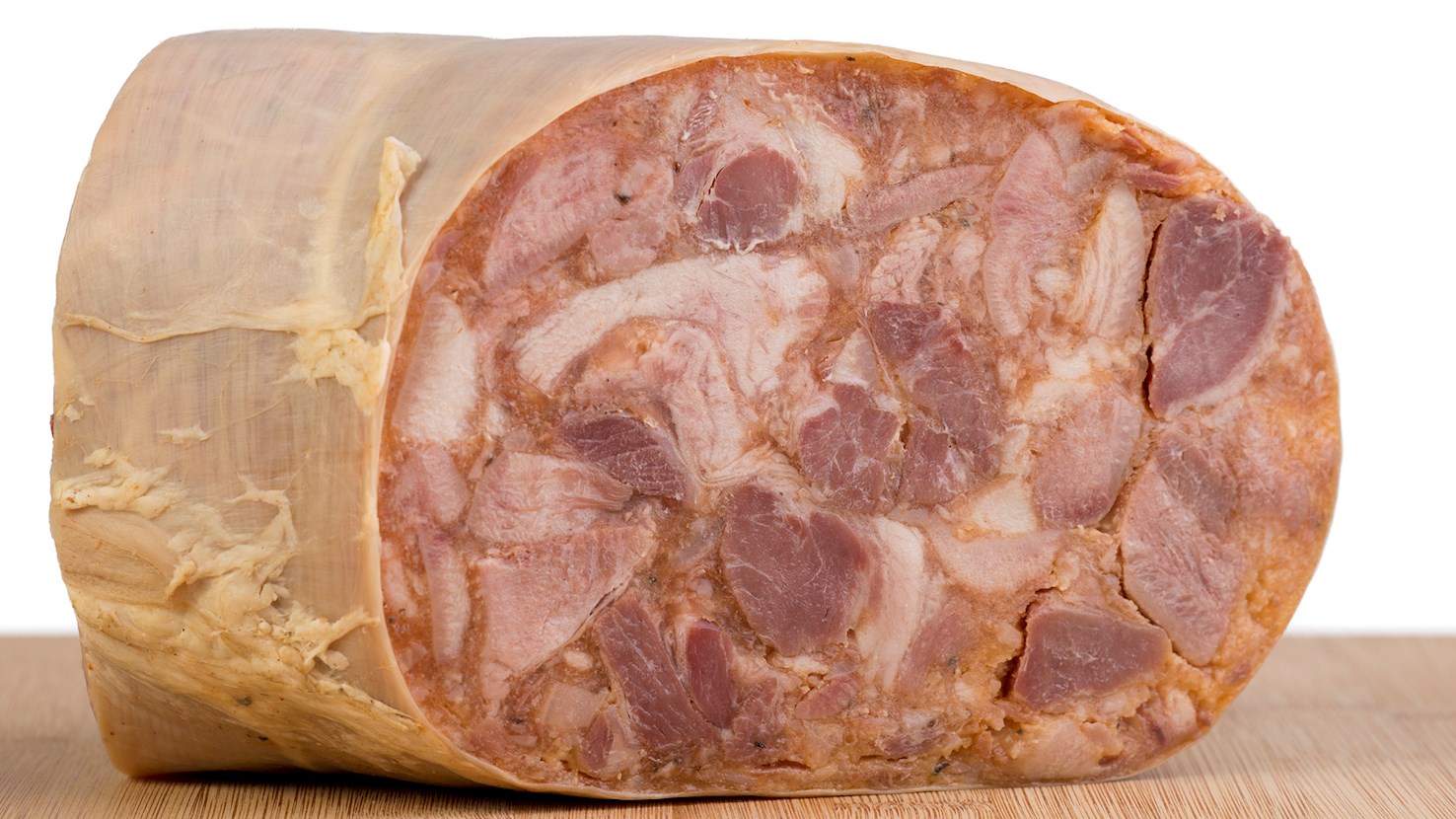
Tlačenka is the Czech version of gelatinous head cheese. It consists of different pork cuts, mainly offal that is simmered with chopped up trotters, poured into pig's intestines, and cooled until solid. Tlačenka is usually shaped into long and large cylindrical tubes and served in thick slices. With its rough texture, this traditional Czech product resembles a coarse pâté and is typically enjoyed with diced raw onions, rye bread, and a splash of vinegar.

06

Sülzwurst

3.3 ·

Sülzwurst is a type of German headcheese consisting of pork head meat, pork, rinds, and sometimes other offal parts, which are seasoned with a variety of spices. The animal parts are then cooked and chopped before they are set in a jelly-like liquid. Gherkins, onions, and additional spices are often added to this traditional headcheese for extra flavor. Sülzwurst is usually enjoyed as part of a selection of cold cuts along pickled vegetables, bread, and fried potatoes.

About this ranking

TasteAtlas food rankings are based on the ratings of the TasteAtlas audience, with a series of mechanisms that recognize real users and that ignore bot, nationalist or local patriotic ratings, and give additional value to the ratings of users that the system recognizes as knowledgeable. For the “6 Worst Rated Meat Jellies in the World” list until June 16, 2026, 332 ratings were recorded, of which 246 were recognized by the system as legitimate. TasteAtlas Rankings should not be seen as the final global conclusion about food. Their purpose is to promote excellent local foods, instill pride in traditional dishes, and arouse curiosity about dishes you haven’t tried.

Similar lists