

shutterstock

4 Worst Rated Czech Meat Products

Last updated on June 16, 2026
01

Tlačenka (Czech head cheese)

3.1 ·

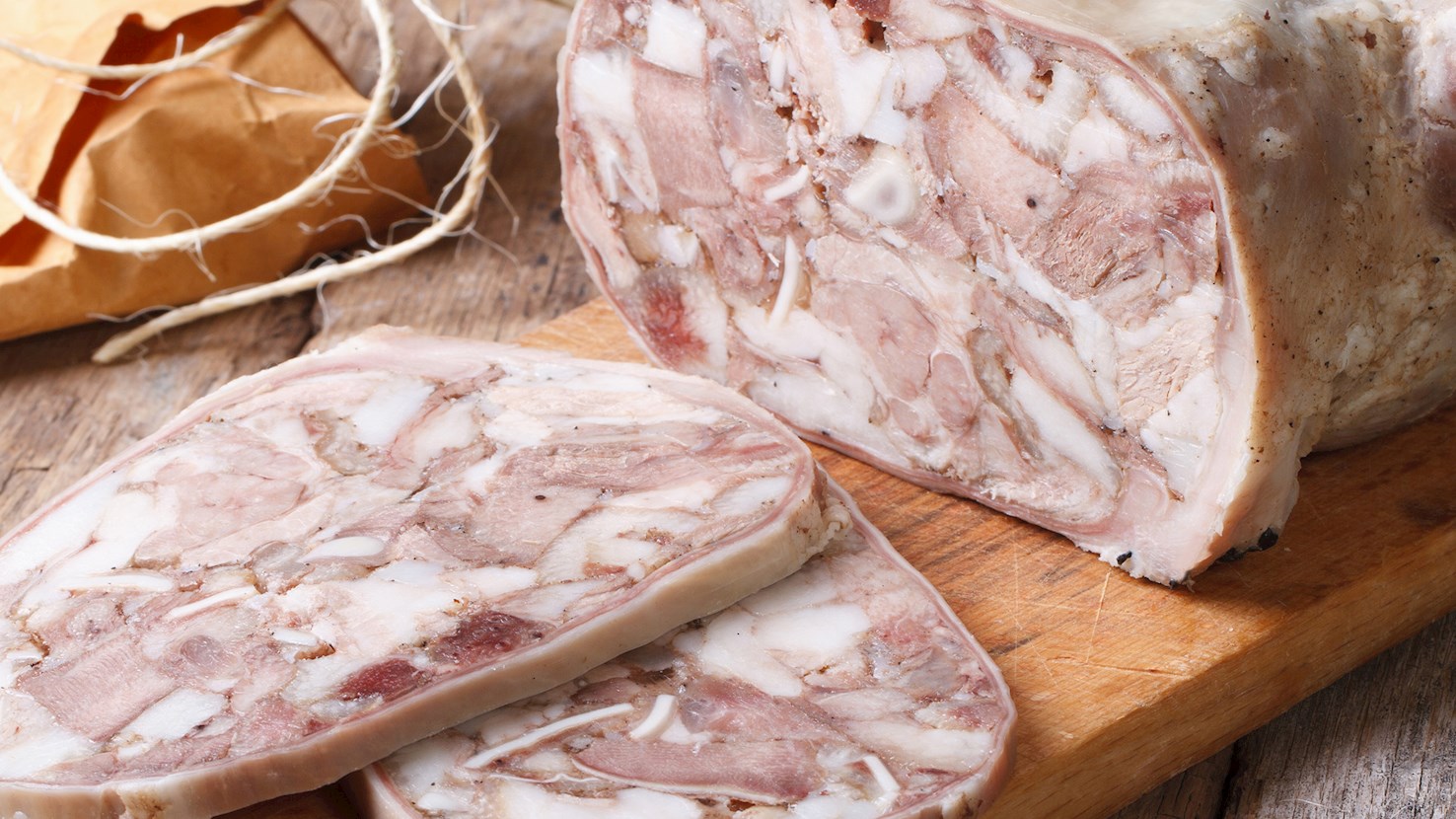
Tlačenka is the Czech version of gelatinous head cheese. It consists of different pork cuts, mainly offal that is simmered with chopped up trotters, poured into pig's intestines, and cooled until solid. Tlačenka is usually shaped into long and large cylindrical tubes and served in thick slices. With its rough texture, this traditional Czech product resembles a coarse pâté and is typically enjoyed with diced raw onions, rye bread, and a splash of vinegar.

02

Tradiční lovecký salám

3.5 ·

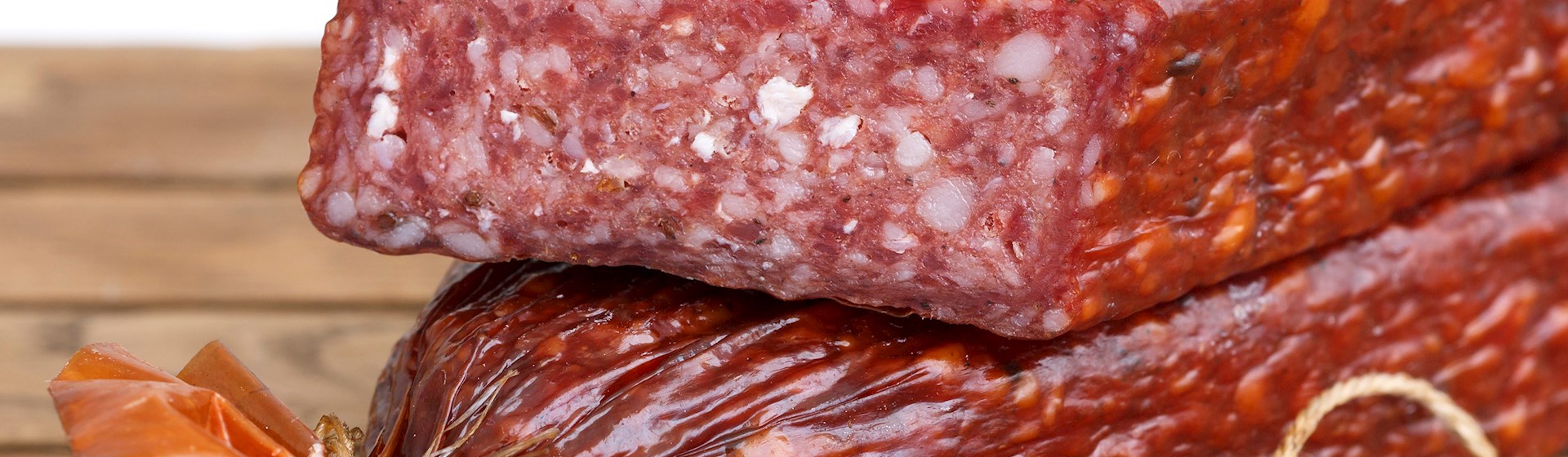
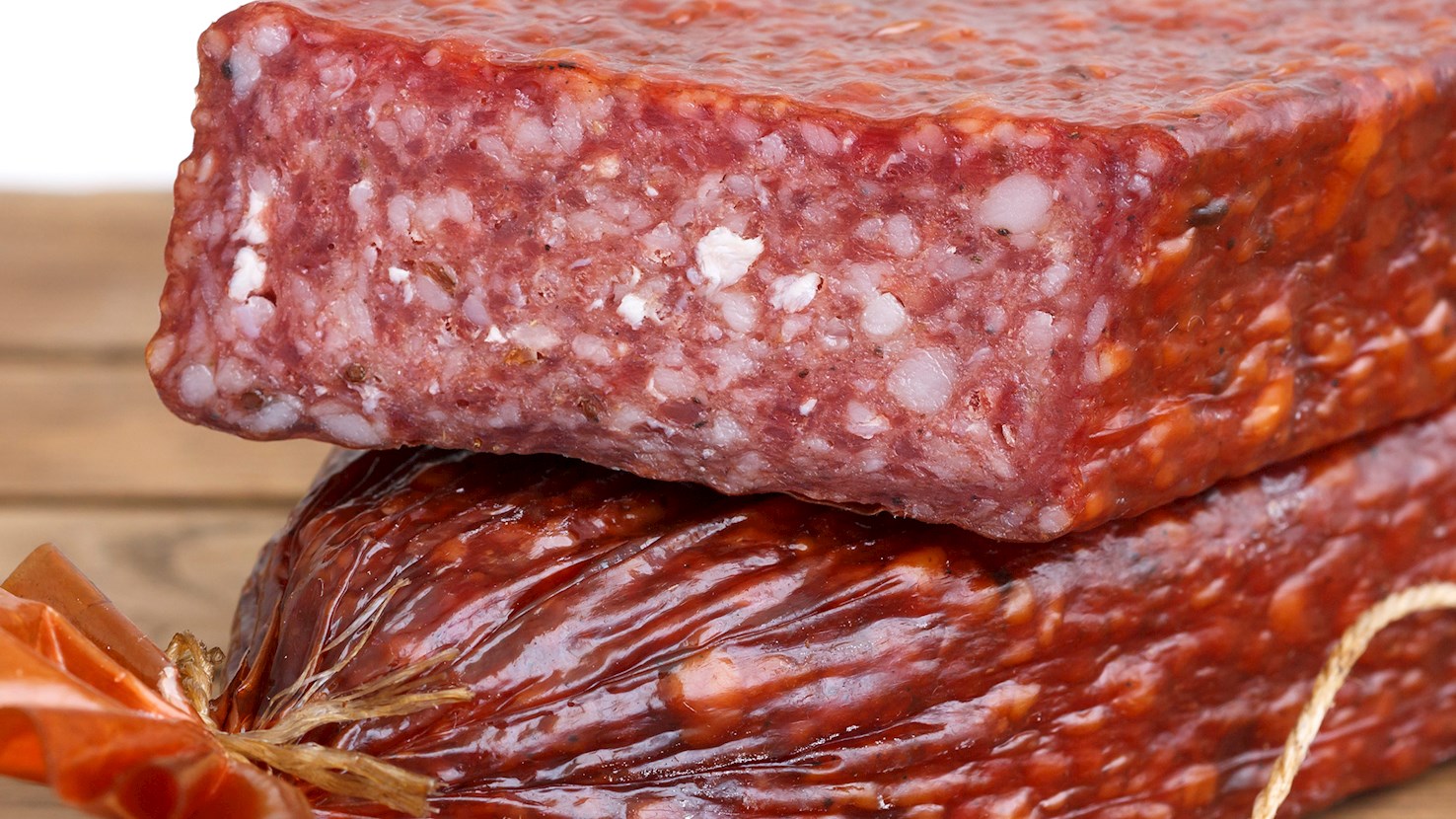
Lovecký salám or lovecká saláma is a special dark brown salami that's well known in the Czech Republic and the Slovak Republic as a traditional delicacy with a flat, rectangular shape and a distinctive flavor. The origin of the salami can be traced back to the beginning of the 20th century when it was made during winter in the Czech Republic. Today it is a popular product made all year round according to traditional recipes and methods of preparation. It is produced from a mixture of beef and pork with the addition of ground black pepper, sugar, garlic, ground cloves, and collagen casings. The process of cold smoking gives the lovecký salám its interesting aroma. The flavor of lovecký salám can be described as very spicy and salty. It is usually served with local cheeses and a glass of beer.

Best producers
03

Uzené

3.6 ·

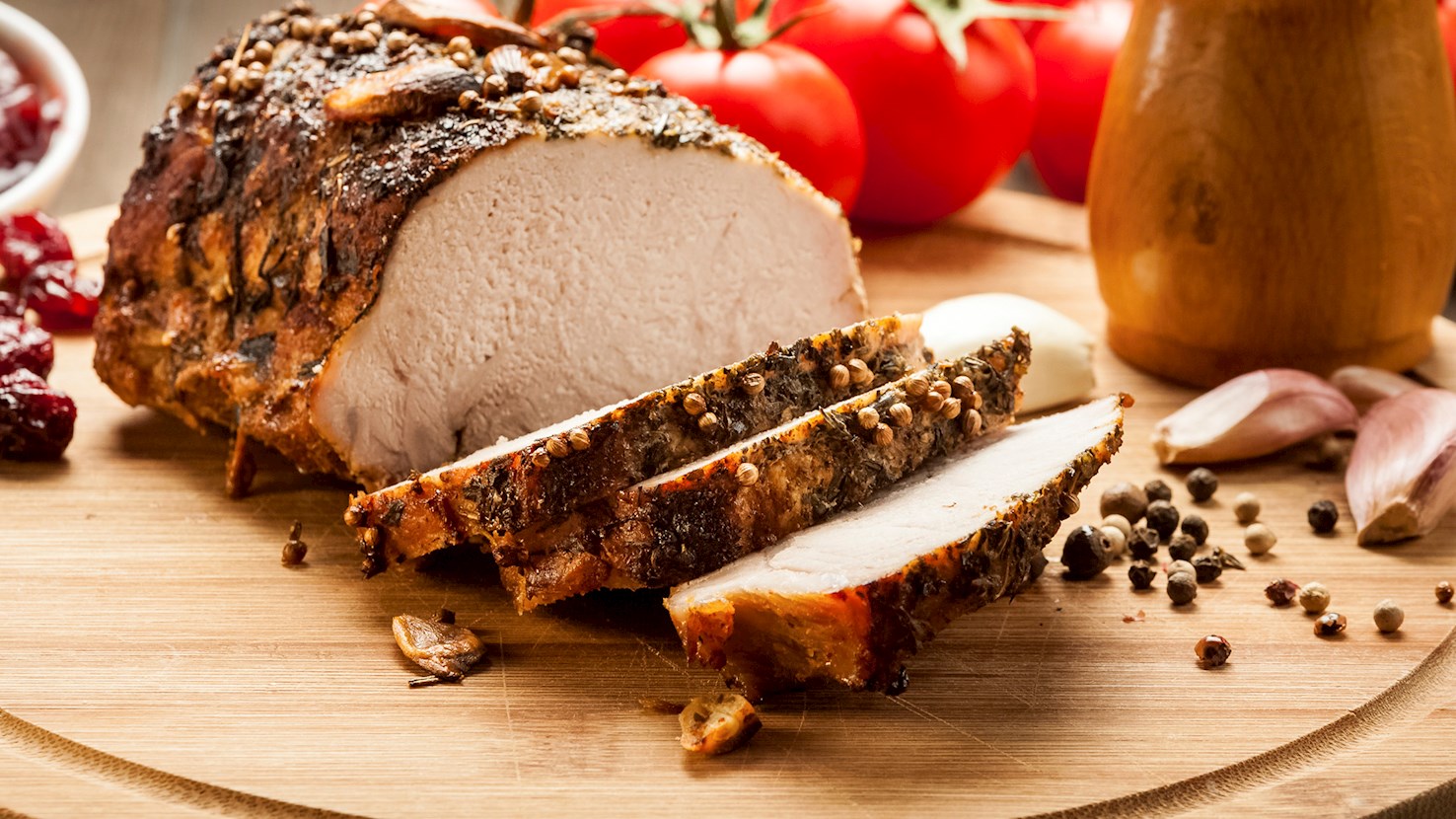
Uzené is a Czech term which refers to a variety of smoked meat products such as pork joints, pork ribs, or different types of ham. Whether they are industrially produced or smoked in traditional smokehouses, uzené products are often served as cold cuts and enjoyed as appetizers, although they can additionally be boiled and served as main courses, usually alongside dumplings, mashed potatoes, or peas.

04

Škvarky

3.7 ·

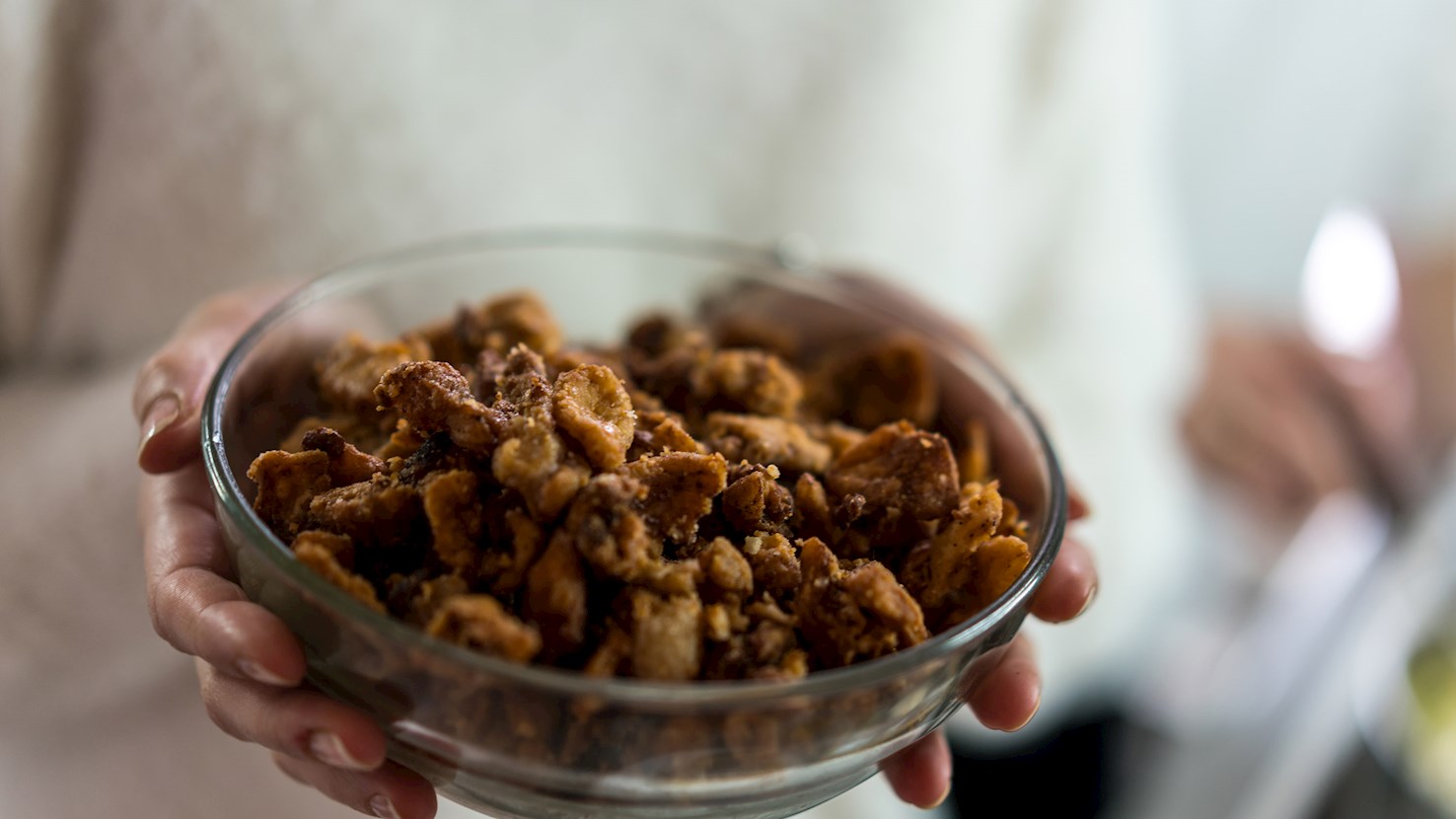
Čvarci or ocvirki is a traditional specialty that's popular in Southeastern Europe and the Balkans. This variety of pork rinds or cracklings is usually homemade, and it's made by thermally extracting fat from the lard. The lard is usually cut into blocks and fried in its own fat until it melts away and tough and crispy pork rind remain in the pot. During the process, čvarci are constantly stirred with big spoons, and milk is often added in order for them to obtain the color of caramel. Salt is typically added to the mixture, while some cooks like to add garlic or onions to the mixture. Čvarci are typically made in late autumn or winter, often during the pig slaughter, and they're usually enjoyed as a snack, served with bread and raw onions and paired with beer or rakija on the side. Small pieces of čvarci are often used in savory snacks such as pogačica s čvarcima.

Read more
View all
View map
About this ranking

TasteAtlas food rankings are based on the ratings of the TasteAtlas audience, with a series of mechanisms that recognize real users and that ignore bot, nationalist or local patriotic ratings, and give additional value to the ratings of users that the system recognizes as knowledgeable. For the “4 Worst Rated Czech Meat Products” list until June 16, 2026, 528 ratings were recorded, of which 409 were recognized by the system as legitimate. TasteAtlas Rankings should not be seen as the final global conclusion about food. Their purpose is to promote excellent local foods, instill pride in traditional dishes, and arouse curiosity about dishes you haven’t tried.

Similar lists