



shutterstock

12 Worst Rated German Meat Products

Last updated on July 16, 2026
01

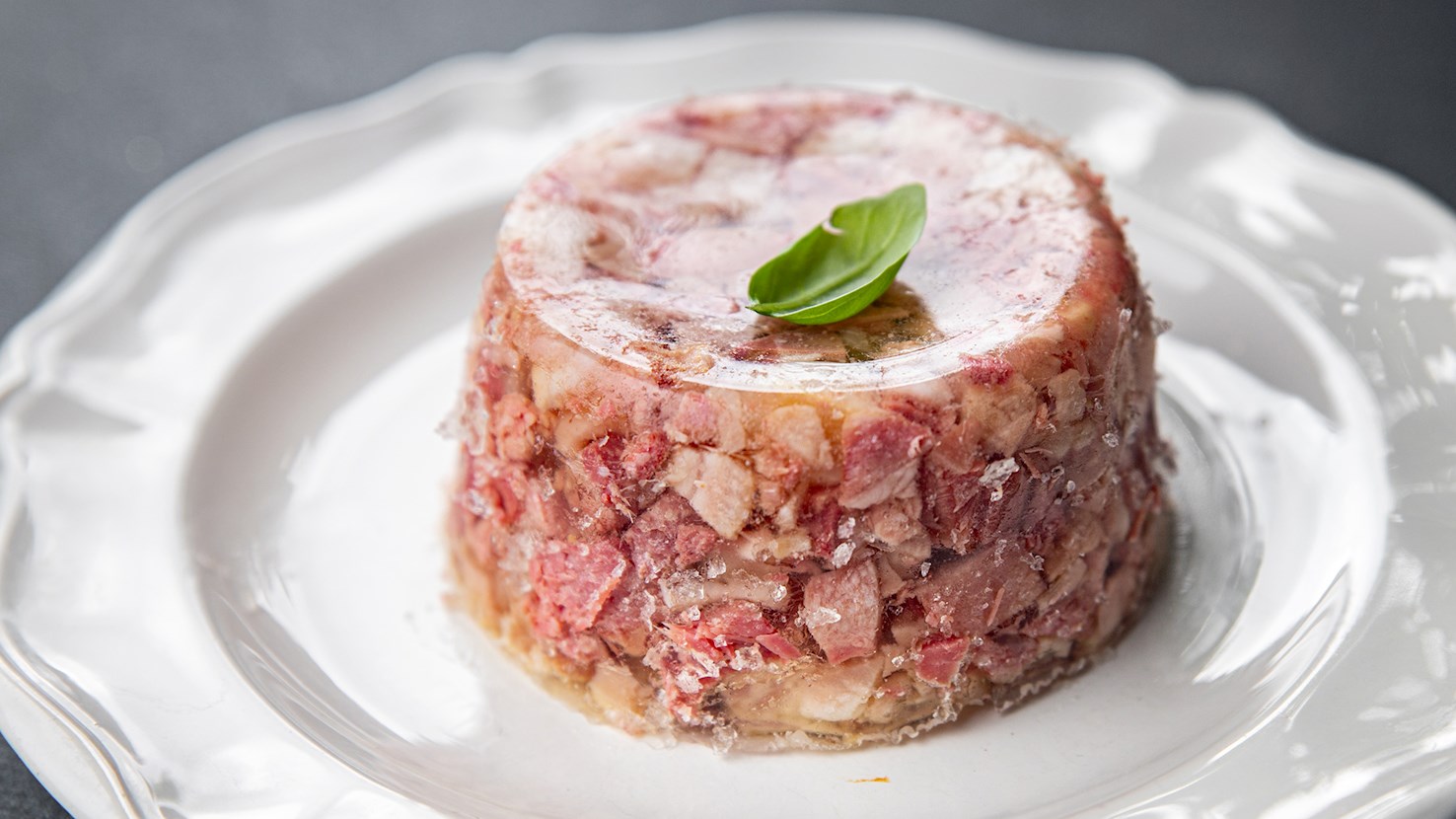
Sülze

2.5 ·

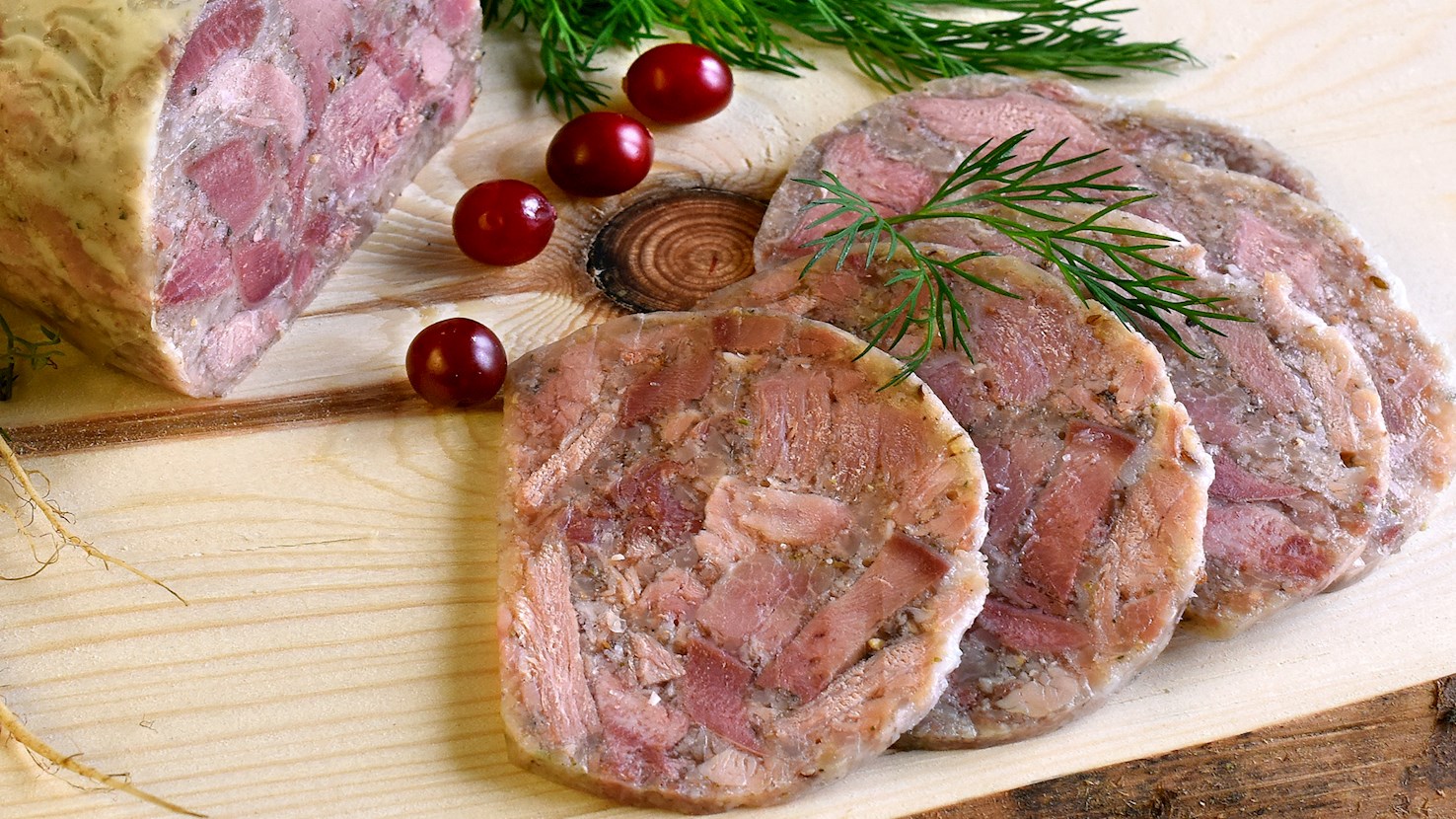
Sülze (or Sulz in Austrian cuisine) is a type of German meat jelly or aspic, typically made with pork. The preparation of Sülze begins with simmering meat, often including parts rich in collagen like pork knuckles, ears, or even tongue, along with vegetables and spices. The collagen from the meats creates a natural gelatin as it cools. The meat is then removed from the bones, cut into small pieces, and mixed back into the strained broth. This mixture is poured into a mold and left to cool, typically overnight. The gelatin in the broth solidifies as it cools, creating a jelly-like consistency. Sülze is served cold and is often sliced and served with garnishes like pickles, onions, or a side of bread. It can be found in many traditional German and Austrian restaurants and is a common sight in local delis. It's a classic example of nose-to-tail cooking, where all parts of the animal are used, helping to reduce waste.

02

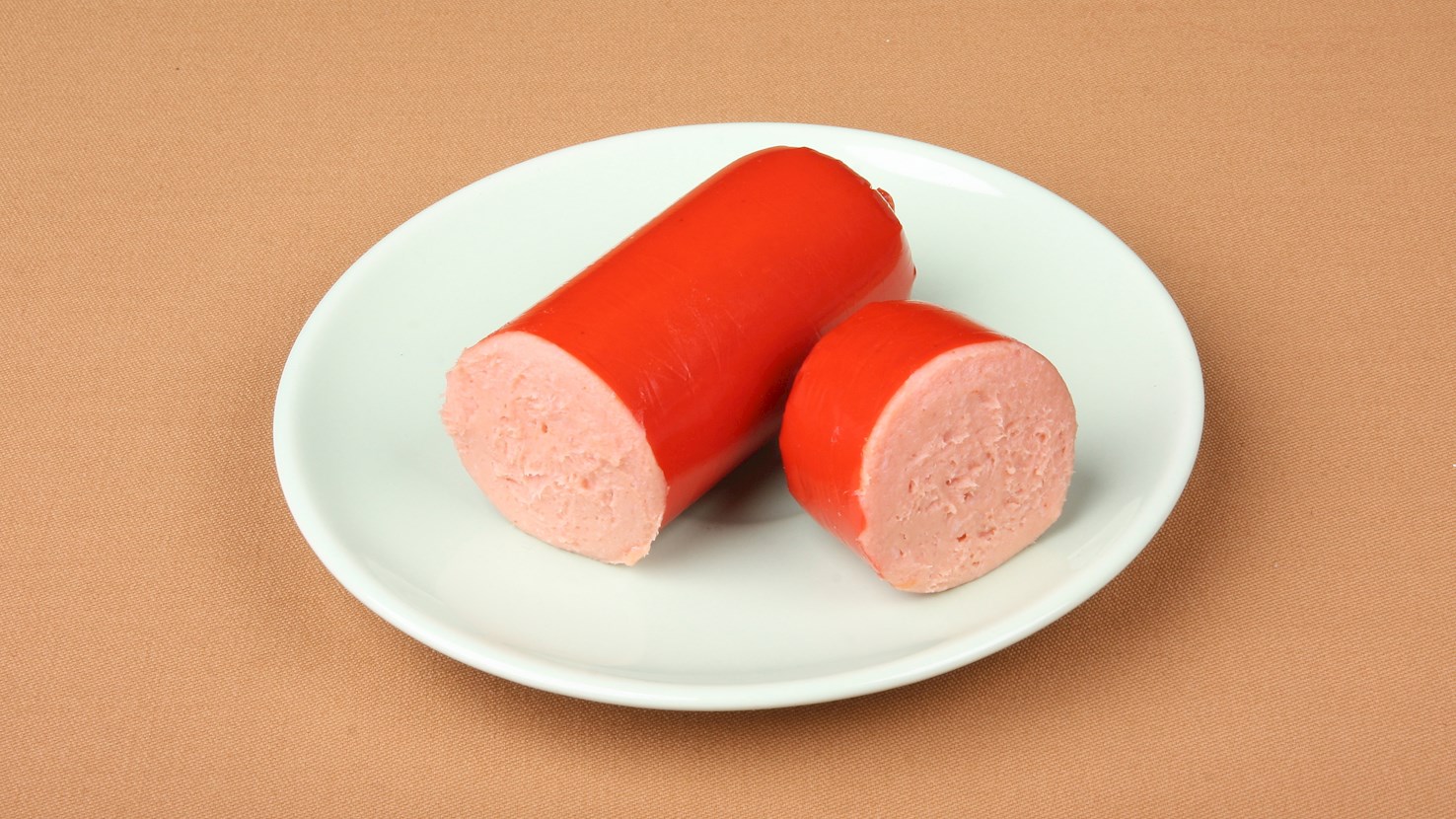
Halberstädter Würstchen

2.9 ·

Entrepreneur Friedrich Heine made it big in 1896 when he introduced a national specialty known as Halberstädter Würstchen to the global market. His jarred, preserved sausages travelled well and were able to be distributed far and wide, and they quickly gained popularity far outside of Germany's borders. The company was expropriated by the East German government in 1948, and its name was changed to VEB Halberstadt Meats. The smoky flavor of these long and thin sausages in sheep's casings results from a patented, traditional method of smoking in a chimney over a beechwood fire, combined with long ripening times of 24 to 36 hours. Halberstadt's products have received many gold medal awards from the German Agricultural Society, the first of which was awarded in 1913. Chimney-smoked Halberstädter Würstchen are the only products from Halberstadt in Saxony-Anhalt that can bear the official local denomination Halberstädter.

03

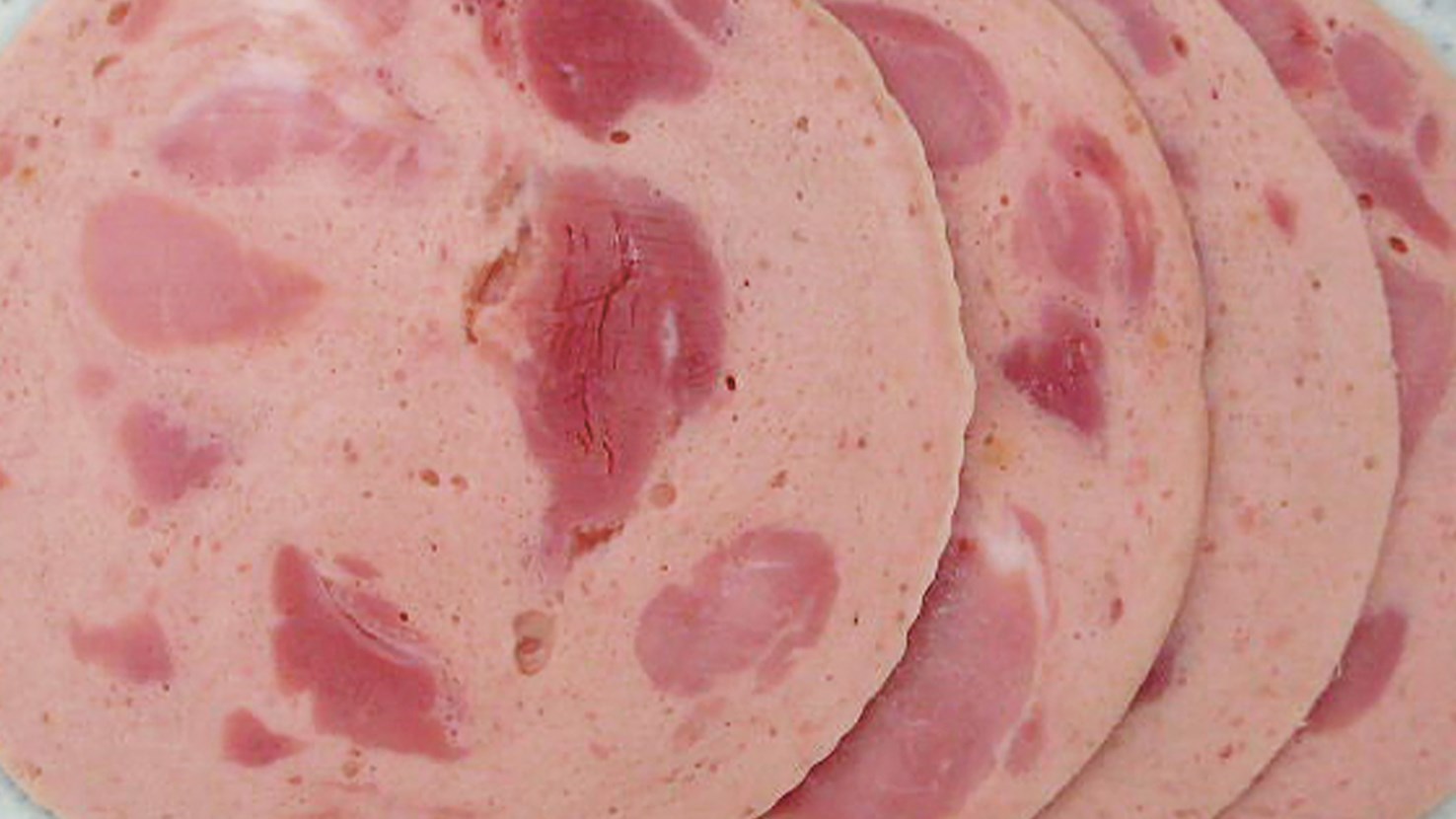
Bierschinken Wurst

3.1 ·

Bierschinken Wurst (lit. beer ham sausage) is a variety of parboiled German sausage with chunks of pickled pork meat or cooked ham. It typically consists of finely ground pork, bacon, water or ice, salt, and spices such as mace, ginger, cardamom, coriander, and white pepper. After it is combined with the meat pieces, the sausage mixture is typically filled into natural or artificial casings, and it sometimes gets smoked before cooking. Although it is mostly prepared with pork, the sausage can also be made with beef or poultry, or any combination of pork, beef, and poultry. The bier part (meaning beer in German) in the sausage’s name does not refer to its composition but rather to the tradition of enjoying slices of this sausage alongside a cold beer. Also known as Schinkenwurst, this sausage is usually eaten sliced as a cold cut atop fresh bread rolls or slices of wood-fired bread along with gherkins and eggs. It's also an excellent accompaniment to beer. Even though its exact origin is unknown, it is generally believed that this sausage variety originates from Bavaria.

04

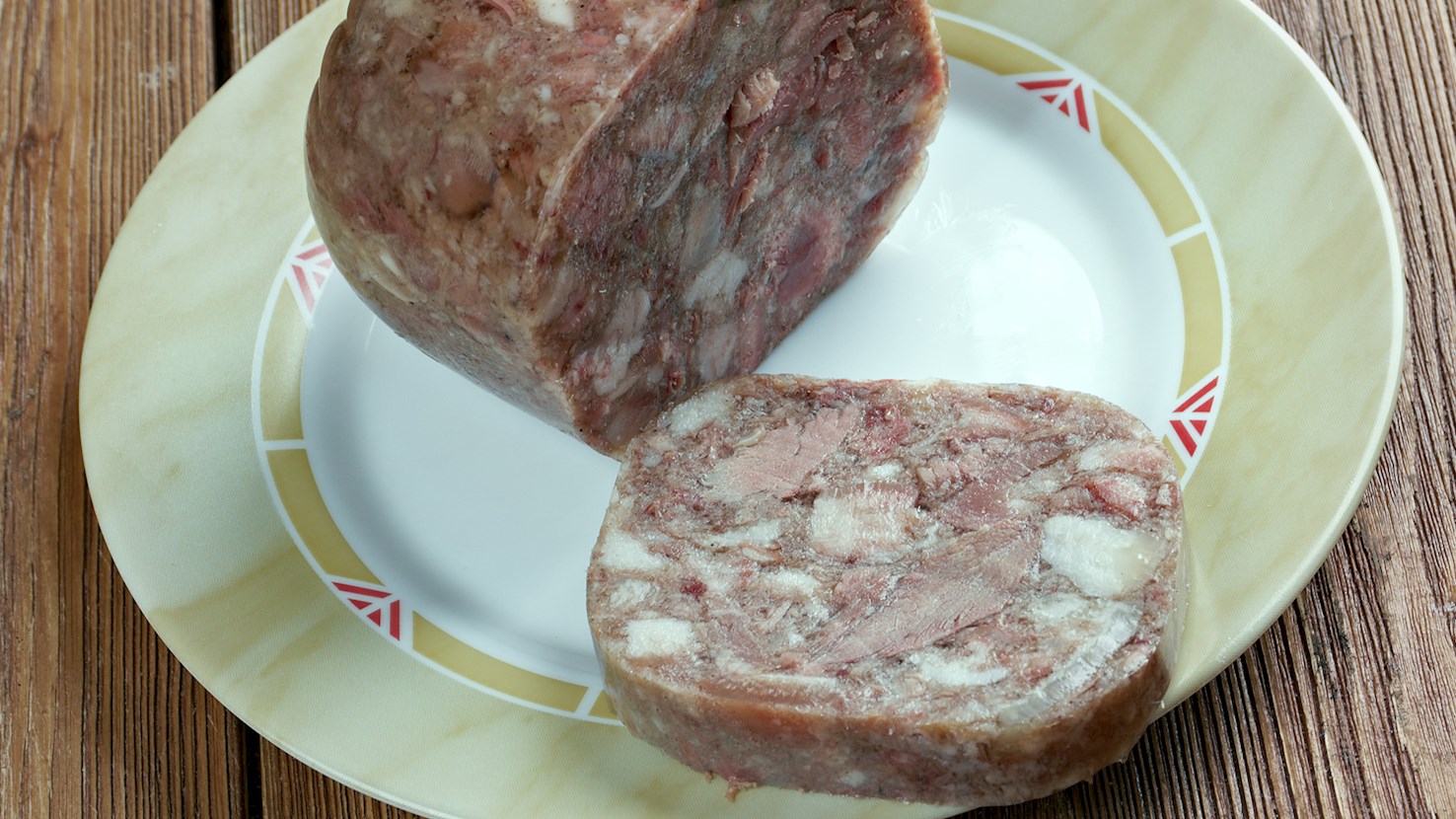
Presskopf

3.1 ·

Presskopf wurst is a variety of German head cheese that is made with different animal parts such as pork or calf head meat, rinds, bacon, pork heart, and sometimes pork blood or pork muscle meat. The sausage mixture is typically flavored with ingredients such as garlic, onions, pepper, salt, nutmeg, and sugar, and it is usually filled into sausage casings. The word presskopf means pressed head in German, and it refers to the method of pressing the sausage once it has gone through the process of scalding. The name of this cooked sausage varies from one region to another, with presssack, presswurst, and schwartenmagen being some of the common name variations. Presskopf wurst is typically enjoyed thinly sliced on top of bread, smeared with mustard or horseradish, or tossed with raw onions and vinaigrette.

05

Teewurst

3.2 ·

Teewurst is an air-dried German sausage that consists of pork (or pork and beef) and bacon. The finely ground sausage mixture is typically seasoned, stuffed in casings, and cold-smoked over beechwood. Once smoked, the sausage is left to ferment, a process which allows it to be safe for consumption without cooking. Mild and slightly sour, the sausage has a soft and spreadable texture which is why it’s typically enjoyed atop of crackers or open-faced sandwiches. In Germany, this type of sausage was reserved for tea time, hence the tee in its name, meaning tea in German. The creation of this sausage has been attributed to Karoline Ulrike Rudolph, who is also credited for the sausage’s name.

06

Greußener Salami

3.2 ·

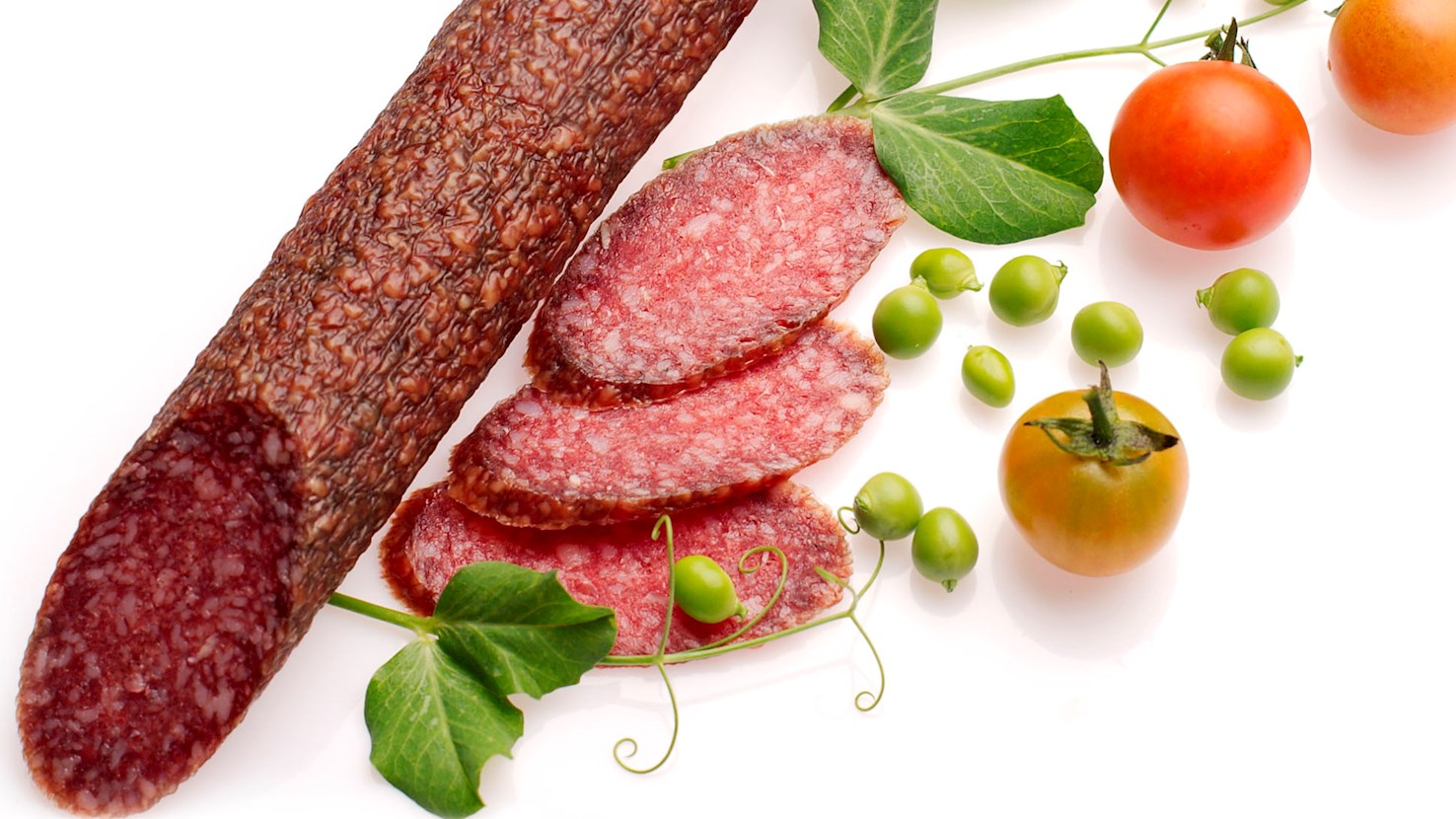
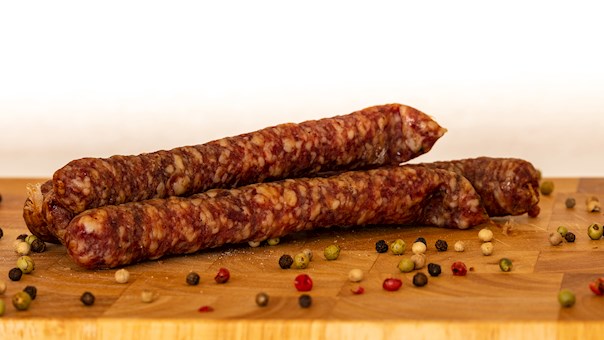
In the world of salami connoisseurs, Greußener salami has been a well-known name for almost 100 years. The Greußener Salami Company was founded in 1864 by master butcher Carl Auene from the town of Greußen in Thuringia, and word of this excellent salami soon spread throughout the region. The salami has a coarse grain dotted with coarse black pepper, and its hearty flavor is accentuated with garlic. In addition to Greußener salami, which is made from pork, the same company also produces salamis made with wild boar, venison, and poultry. They are seasoned with black pepper, garlic, paprika, chili, or juniper. Individual versions include salamis with a coating of herbs or pepper, mold-ripened salamis, and salamis in parmesan crust.

07

Sülzwurst

3.3 ·

Sülzwurst is a type of German headcheese consisting of pork head meat, pork, rinds, and sometimes other offal parts, which are seasoned with a variety of spices. The animal parts are then cooked and chopped before they are set in a jelly-like liquid. Gherkins, onions, and additional spices are often added to this traditional headcheese for extra flavor. Sülzwurst is usually enjoyed as part of a selection of cold cuts along pickled vegetables, bread, and fried potatoes.

08

Flönz

3.4 ·

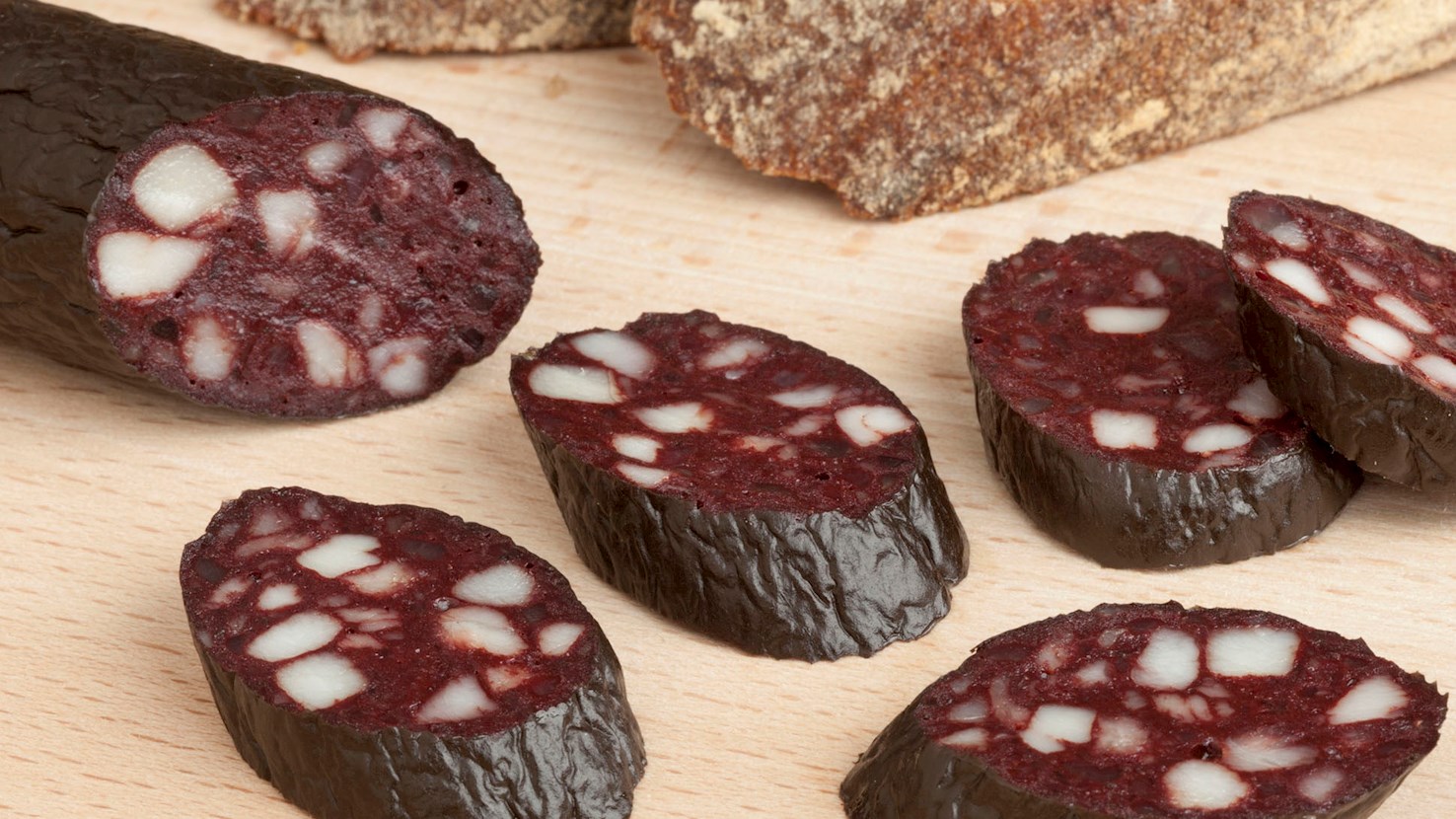
This delicate smoked blood sausage from the Rhineland region consists of lean meat and small pieces of fat. Flönz has been popular in Cologne for a hundred years, and it is the least expensive local sausage. It is a firm blood sausage made from various parts of the pig, including the rinds, head, and blood combined with salt and spices. The use of spice extracts and flavorings is prohibited. The visible fat consists of pieces measuring between 5 and 10 mm. Flönz is an ingredient in various kölsche specialties like Himmel und Eerde, while flönz served with buns and onion rings is affectionately known as Kölsche caviar.

09

Westfälischer Knochenschinken

3.7 ·

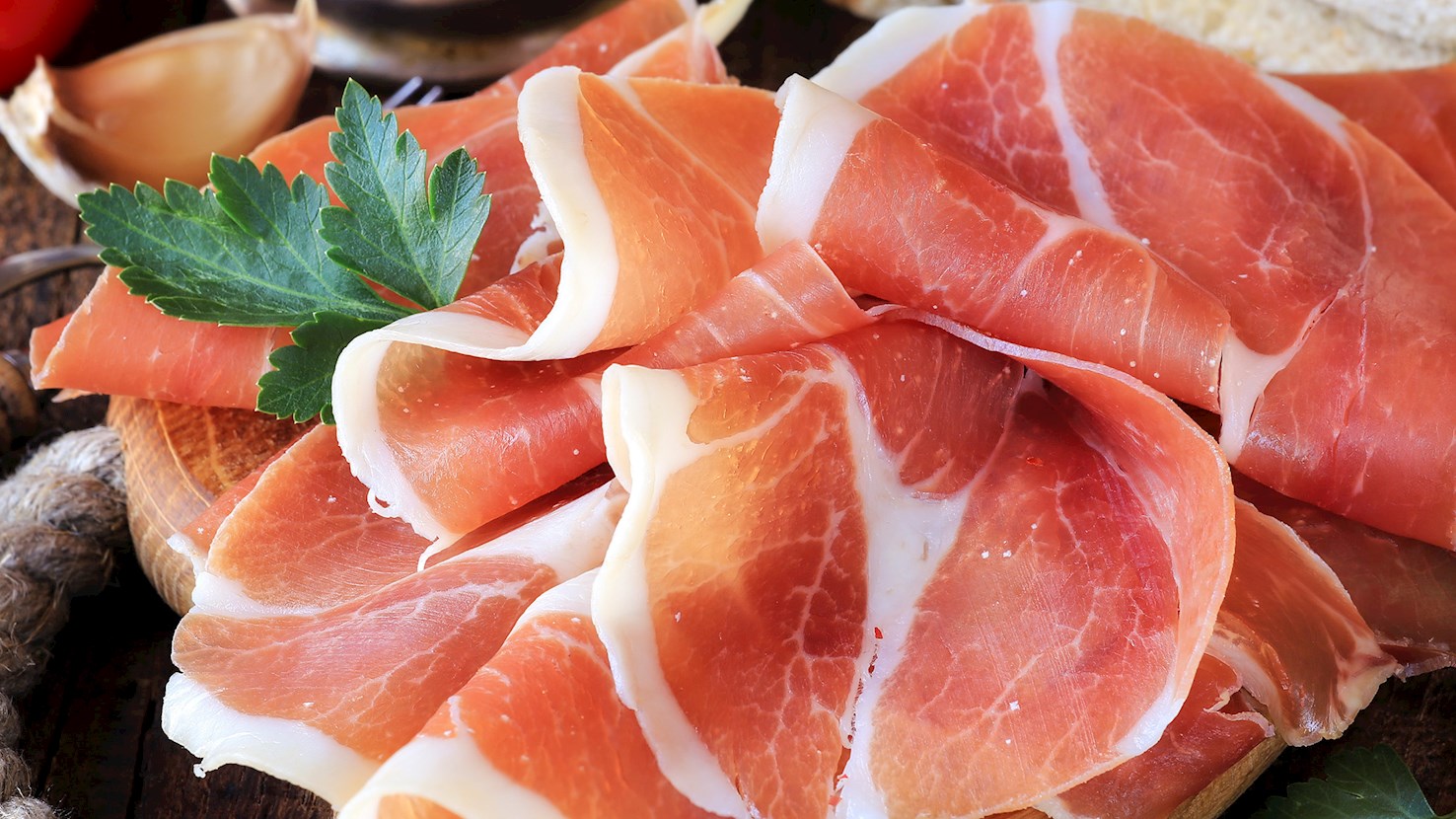
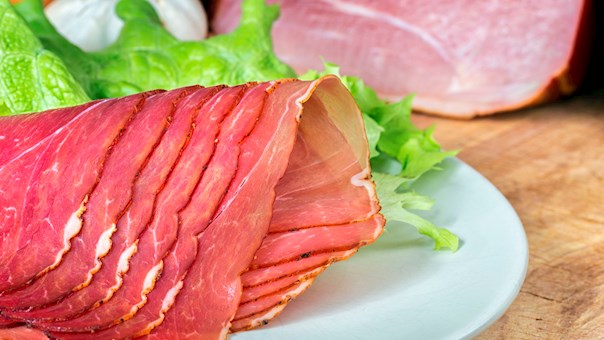
The pork used to make this ham originates from the region of Westphalia, which is known for its traditional pig farming. The recipe is guarded as a trade secret, and every step in the production process is carried out entirely by hand. The process begins by rubbing salt of a special consistency with added herbs or spices into the ham and bone, which is then left to cure and dry in aging rooms for an extended period of time. To produce the smoked version, the hams are left in a smoking chamber over a beech and juniper wood fire. This process may take time, but it results in a characteristic dark red meat, golden-yellow rind, and a particularly mild and nutty flavor. To enjoy this delicacy, slice it thinly and serve it as an appetizer with pretzels and cheese.

10

Landjäger

3.8 ·

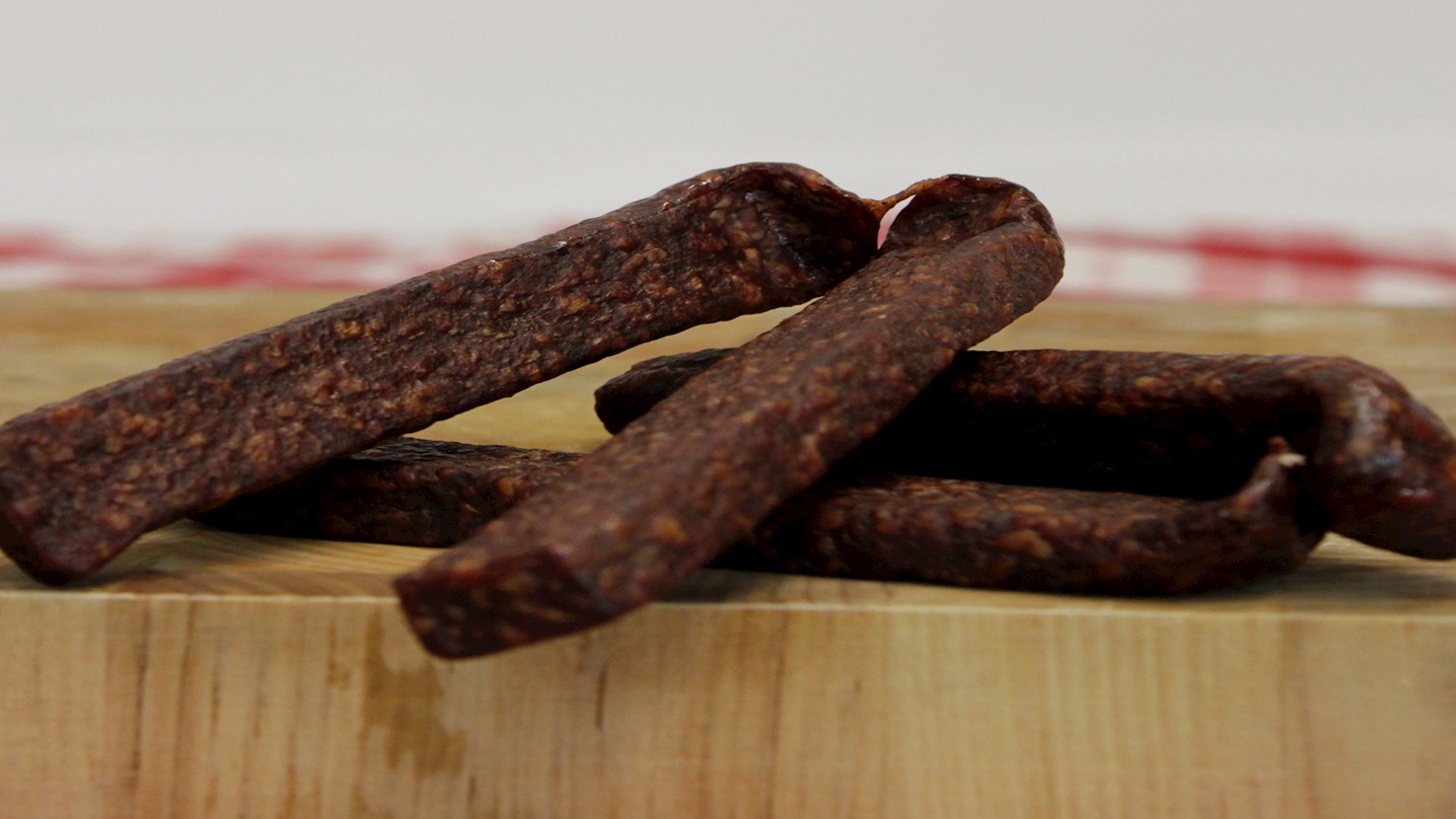
Landjäger is a semi-dried sausage popular throughout Switzerland, Germany, France, and Austria. It is typically prepared with a combination of pork, beef, lard, red wine, sugar, and selected spices. The sausage is first pressed in order to obtain its typical rectangular cross-section, and it is then smoked and dried. The name landjäger means land hunter, referring to the fact that these sausages are especially convenient and popular among back-packers and hunters, who carry them while traveling.

Read more
View all
View map
About this ranking

TasteAtlas food rankings are based on the ratings of the TasteAtlas audience, with a series of mechanisms that recognize real users and that ignore bot, nationalist or local patriotic ratings, and give additional value to the ratings of users that the system recognizes as knowledgeable. For the “12 Worst Rated German Meat Products” list until July 16, 2026, 681 ratings were recorded, of which 588 were recognized by the system as legitimate. TasteAtlas Rankings should not be seen as the final global conclusion about food. Their purpose is to promote excellent local foods, instill pride in traditional dishes, and arouse curiosity about dishes you haven’t tried.

Similar lists