



shutterstock

100 Worst Rated Meat Products
in the World

Last updated on June 16, 2026
01

Tlačenica

1.9 ·

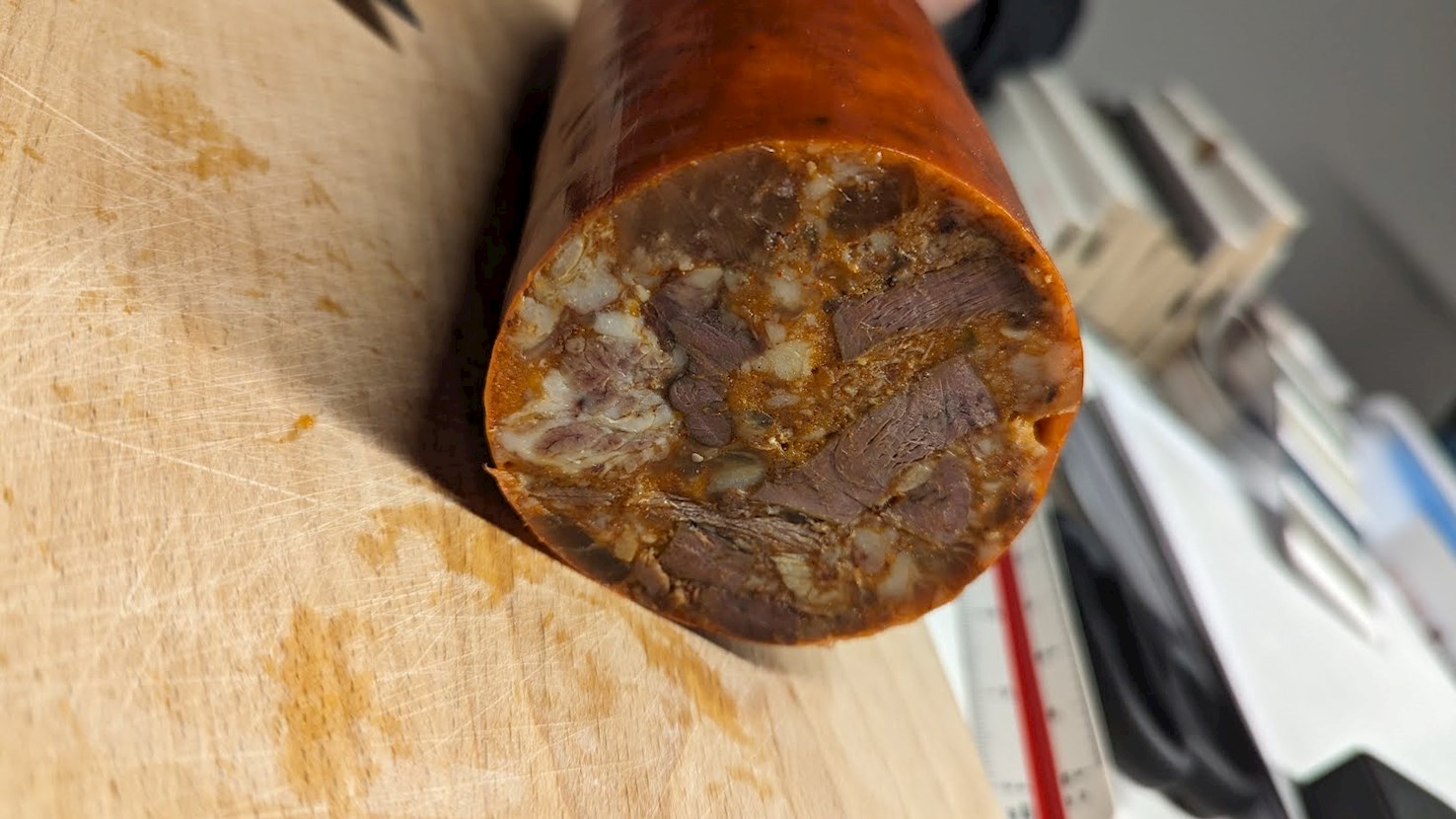
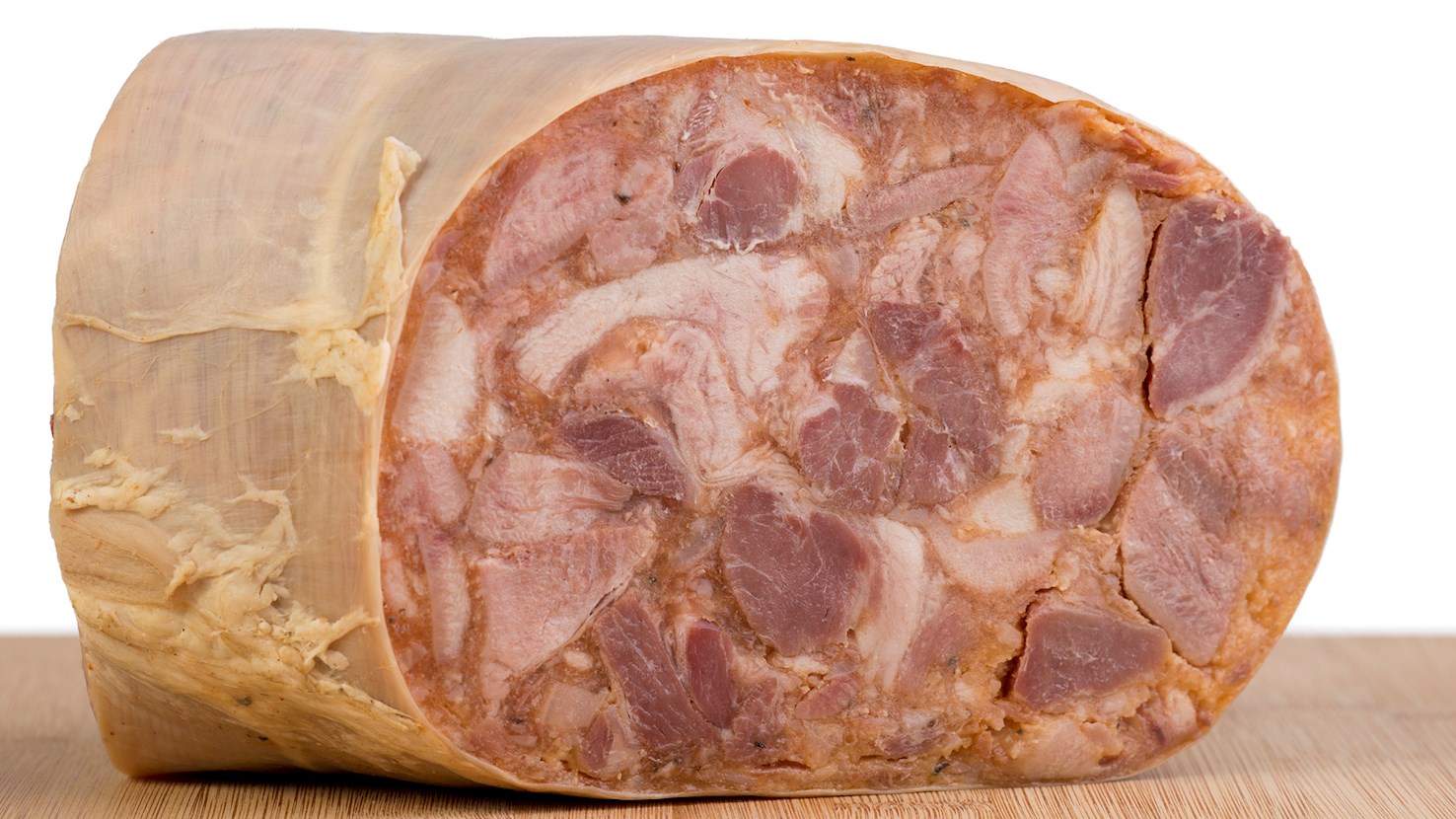
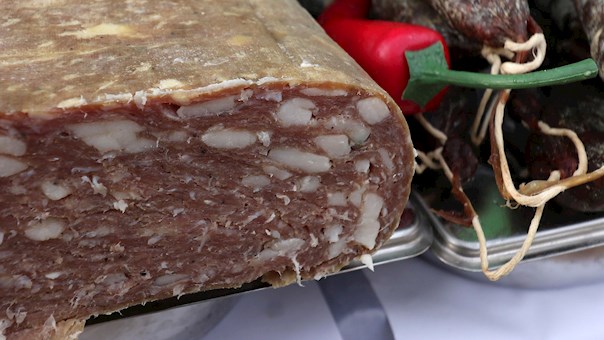
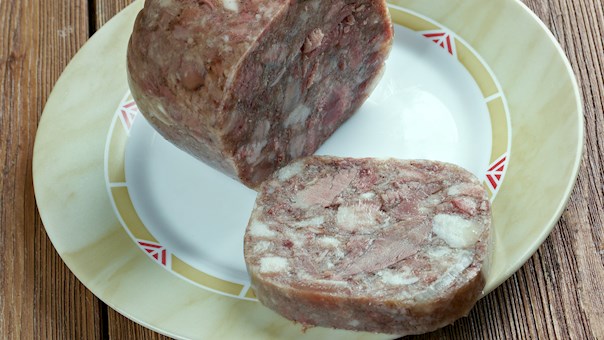
Tlačenica is a type of pressed pork sausage that is made with pork parts, usually pig’s head meat, heart, tongue, skin, and cheeks. The meat is cooked, deboned, and chopped into pieces, and it is then seasoned and mixed with some of the cooking liquid before it’s stuffed into a clean pig’s stomach or large intestine. The spices used for seasoning the meat vary from one region to another, but they usually include salt, black pepper, sweet or hot paprika, and garlic. Once stuffed, the sausage is cooked in water over low heat, and it is then chilled and pressed. Also known by other names, including švargl, presvuršt, or prezvuršt, this meat product can be consumed after it’s been cooked and pressed, or it can undergo a process of smoking and drying in traditional smokehouses for up to two weeks. This delicacy is traditionally prepared in rural households after the pig slaughter, and it is typically enjoyed sliced as a cold appetizer. It is recommended to serve tlačenica as a cold cut with garlic and bread, or use it as an ingredient in a variety of traditional specialties.

02

Liptovská saláma

2.4 ·

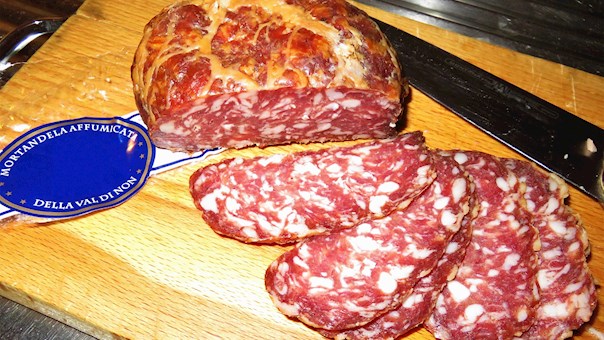
Liptovská saláma is a special type of salami created at the meat-producing plant in Dubnica nad Vahom in the Liptov region. The unique recipe for this salami dates back to the 1970s, and due to its distinctive flavor, the salami has gained great popularity among consumers. It is made from beef, pork, and spices such as black pepper, nutmeg, mace, ginger, and garlic. When the mixture is stuffed into casings, the salami is hung to dry and smoke before consumption. Liptovská saláma has a delicate, meaty flavor due to the fresh pork fat used in its preparation, and it exudes an intense aroma of nutmeg and ginger. It can be enjoyed on its own or served with other charcuterie products.

03

Pemmican

2.4 ·

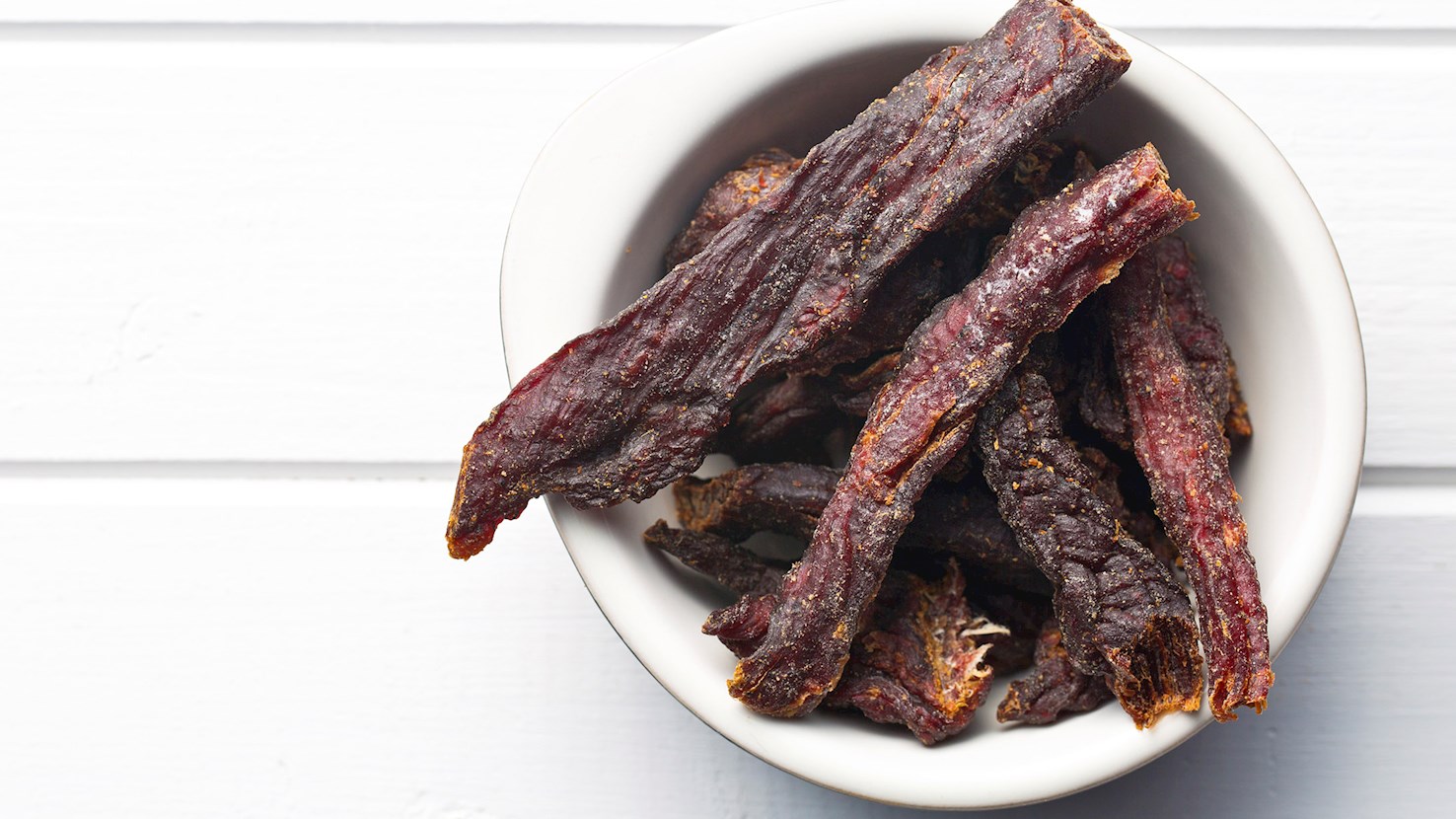
Long before beef jerky, there was pemmican, a Native American snack with a high fat content that was originally used as travel food. The word pemmican (pimîhkâ) comes from the Cree tribe and is derived from the word pimi, meaning fat or grease. It's made from a mixture of fat and lean meat of buffalos. The meat is thinly sliced, dried, and ground into a powder to make beef jerky, which is later mixed with fat to make pemmican. The flavor is creamy and salty, and pemmican bars are considered an outdoor tradition, useful for hunters, fishermen, and campers alike, as it provides tons of energy in a small package and it also has a very long shelf life. Today, there is a wide variety of pemmican bars made with pepper, cereals, and dried fruit such as cherries and blueberries.

04

Salceson

2.5 ·

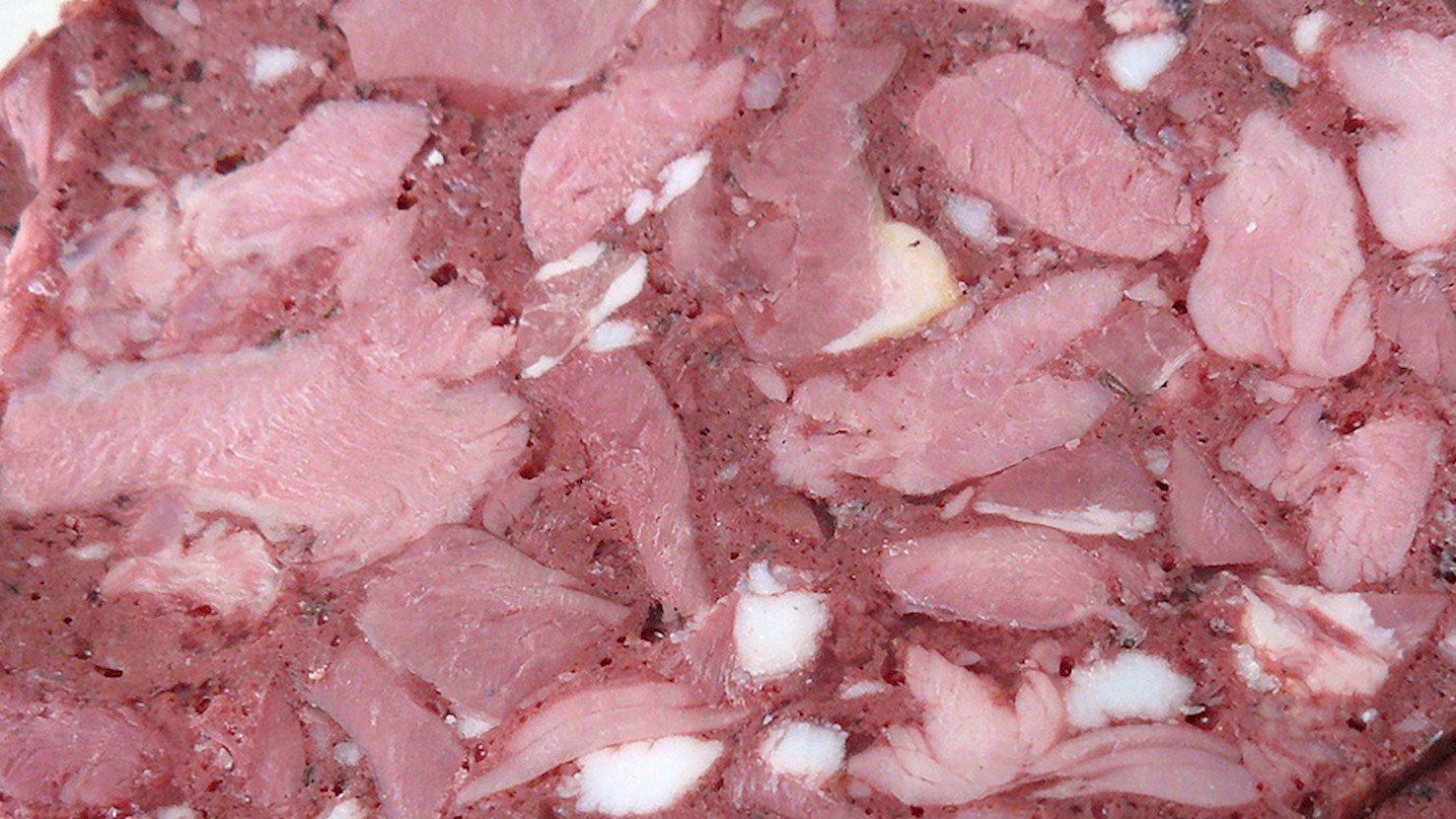
Once considered to be an inferior meat product, today the Polish head cheese is regarded as a unique gourmet delicacy. Depending on the seasonings, shape, and main ingredients, which often include brawn, offal, or blood, traditional Polish cuisine boasts with more than ten different head cheese varieties. They are mostly prepared with pork, but some varieties exclusively use veal. Once popular in many cities bordering Germany, today they are prepared and enjoyed throughout the country. Regardless of the type, these texturally-exciting treats are usually enjoyed as cold cuts, commonly accompanied by bread and various meat products.

05

Reindeer Souvas

2.5 ·

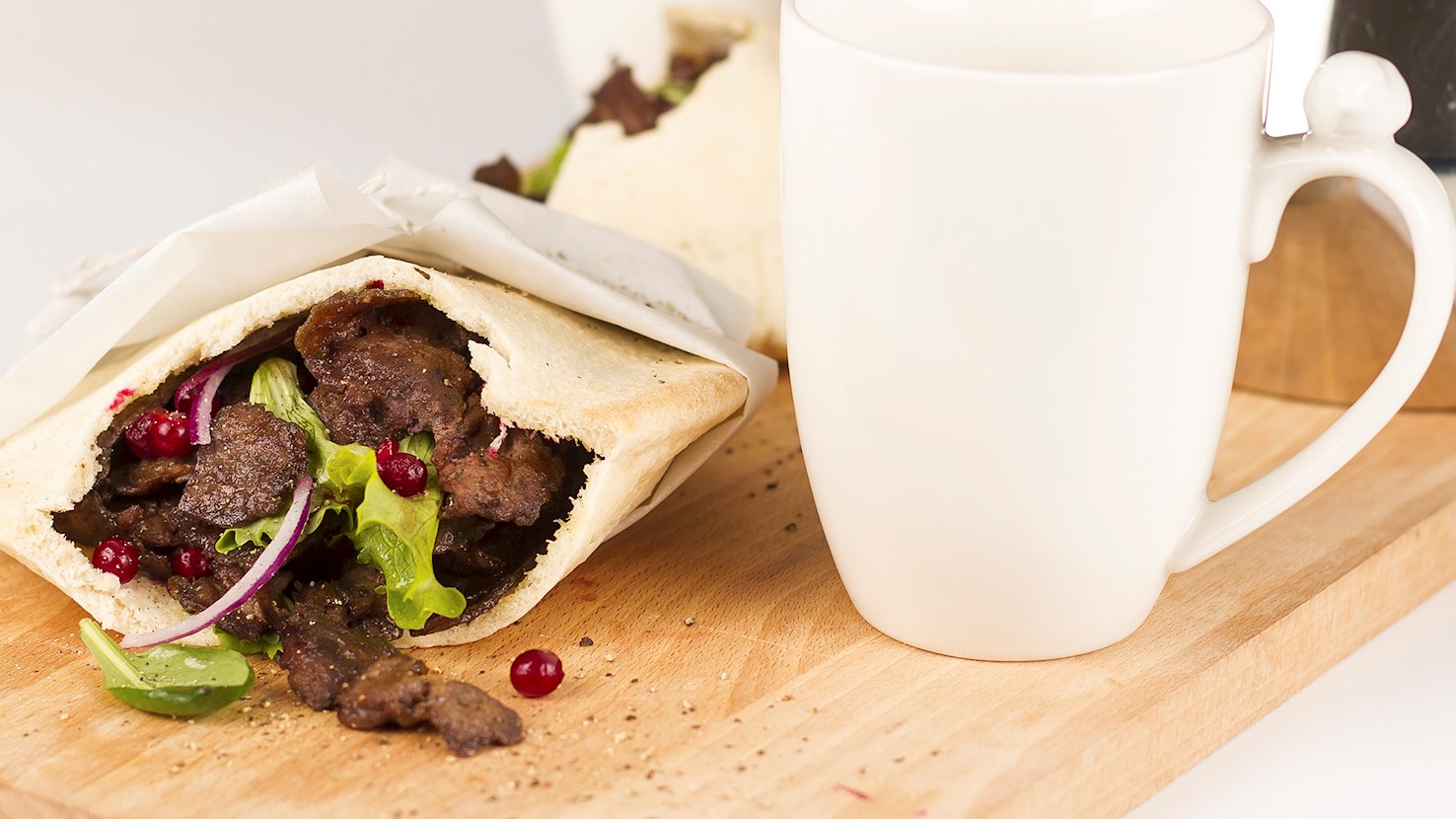
Reindeer suovas is a traditional meat product. It is prepared by dry-salting reindeer meat, then smoking it over an open fire in a peaked hut for 8 hours. The meat can be consumed raw or cut into pieces, then grilled. These semi-wild reindeers are slaughtered every autumn and winter, but the salting, smoking, and curing are done throughout the year. Flavorful, yet delicate, suovas is often accompanied by pickled mushrooms and lingonberries or lingonberry jam. It is prepared by the Sámi indigenous people living in an area called Sápmi. When Sámi venture on long trips, they traditionally pack suovas and unleavened bread to eat on the trail.

06

Sülze

2.5 ·

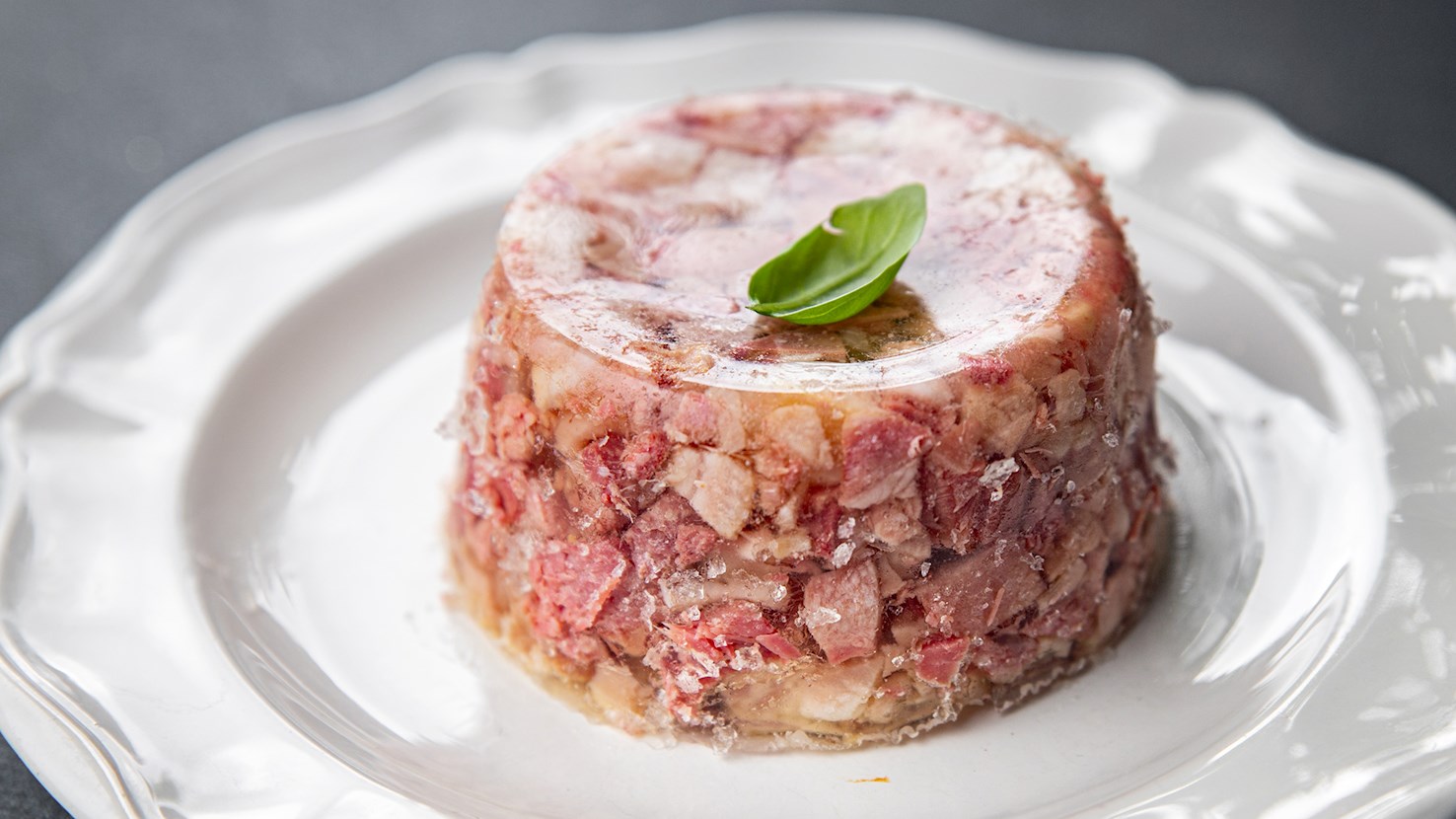
Sülze (or Sulz in Austrian cuisine) is a type of German meat jelly or aspic, typically made with pork. The preparation of Sülze begins with simmering meat, often including parts rich in collagen like pork knuckles, ears, or even tongue, along with vegetables and spices. The collagen from the meats creates a natural gelatin as it cools. The meat is then removed from the bones, cut into small pieces, and mixed back into the strained broth. This mixture is poured into a mold and left to cool, typically overnight. The gelatin in the broth solidifies as it cools, creating a jelly-like consistency. Sülze is served cold and is often sliced and served with garnishes like pickles, onions, or a side of bread. It can be found in many traditional German and Austrian restaurants and is a common sight in local delis. It's a classic example of nose-to-tail cooking, where all parts of the animal are used, helping to reduce waste.

07

Coppiette

2.8 ·

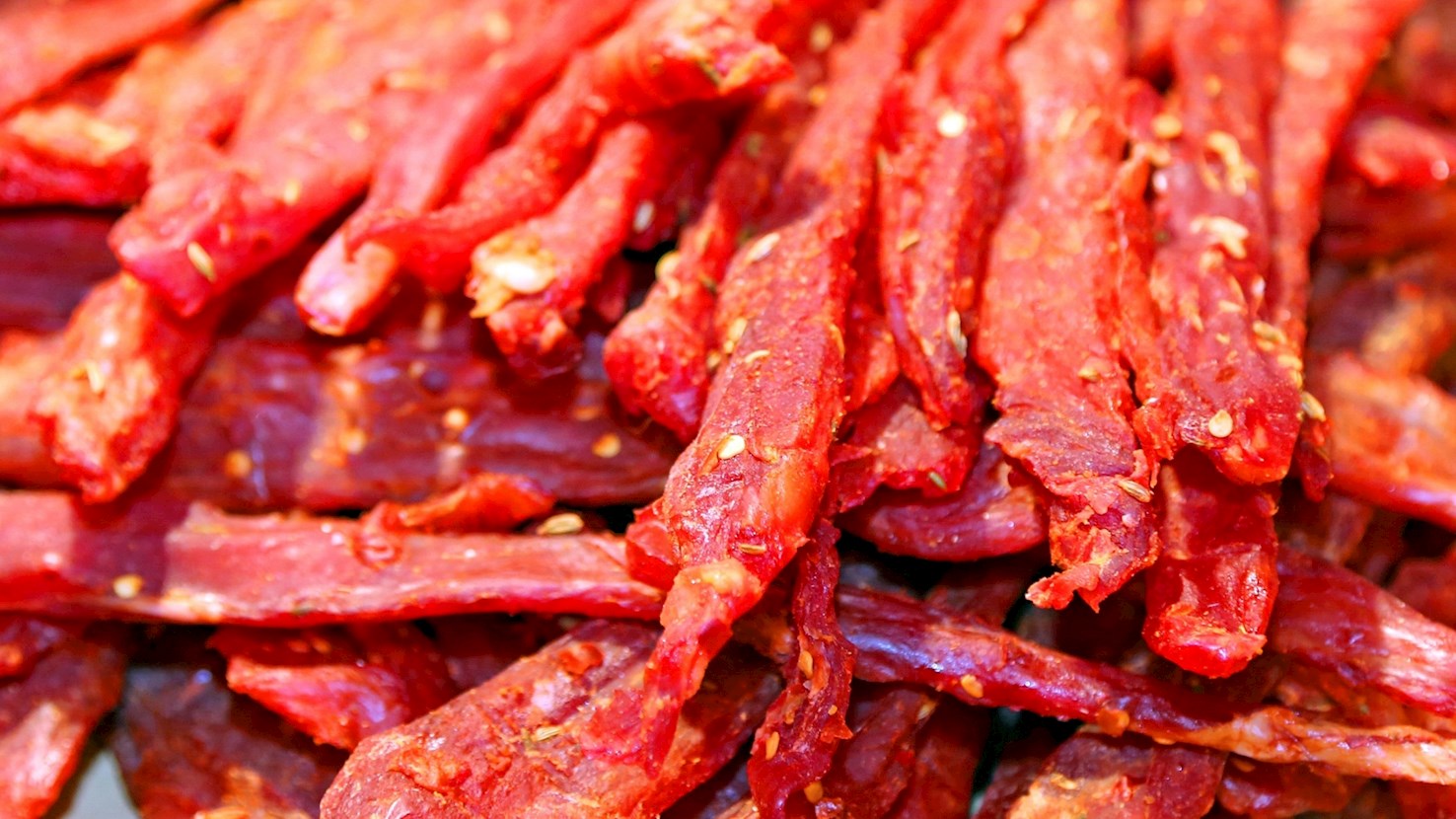
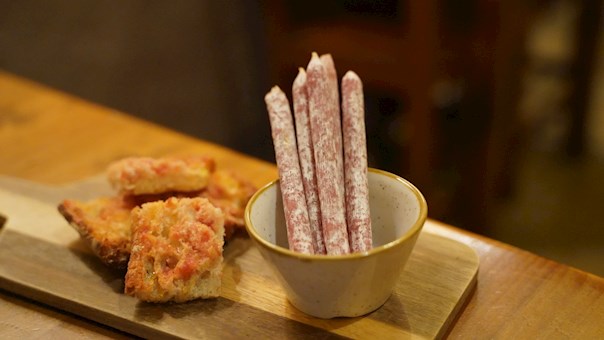
Originating from Lazio’s Castelli Romani, coppiette, meaning little couples, is a variety of traditional Italian salami consisting of long, thin strips of salt-cured and dehydrated meat flavored with fennel seeds and flakes of Italian hot chili pepper known as pepperoncino. In the past, this cured meat product was a staple of poor farmers who didn’t waste any part of their precious animals. Coppiette is traditionally dried in pairs - hence its name - and it used to be prepared with the sinewy hind limb muscle tissue of sheeps, goats, donkeys, and horses. Donkey coppiette remains a gourmet specialty even nowadays and is mainly prepared in the town of Genzano, while most of the coppiette produced these days comes from pork tenderloins. The drying period for the meat used to take about two months, but it is nowadays much shorter since the current drying process is typically done in special drying rooms. Distinguished by a reddish hue and a chewy texture, this meat specialty is generally served with other salumi varieties or as part of an aperitivo, and it is usually enjoyed with a glass of red wine, sparkling wine, or a crisp white prosecco.

Best producers
08

Halberstädter Würstchen

2.9 ·

Entrepreneur Friedrich Heine made it big in 1896 when he introduced a national specialty known as Halberstädter Würstchen to the global market. His jarred, preserved sausages travelled well and were able to be distributed far and wide, and they quickly gained popularity far outside of Germany's borders. The company was expropriated by the East German government in 1948, and its name was changed to VEB Halberstadt Meats. The smoky flavor of these long and thin sausages in sheep's casings results from a patented, traditional method of smoking in a chimney over a beechwood fire, combined with long ripening times of 24 to 36 hours. Halberstadt's products have received many gold medal awards from the German Agricultural Society, the first of which was awarded in 1913. Chimney-smoked Halberstädter Würstchen are the only products from Halberstadt in Saxony-Anhalt that can bear the official local denomination Halberstädter.

09

Disznósajt

3.0 ·

Traditionally prepared after the annual pig slaughter, disznósajt, translated to pork cheese, is a Hungarian head cheese that is usually made by combining various pork parts such as the head, tongue, heart, ears, and hooves of a pig. After cooking the pork parts with garlic, Hungarian paprika, salt, and black pepper, the meat mixture is typically stuffed into pig stomach in a similar manner to a sausage. The sausage-like head cheese is then cooked again before it is pressed and smoked. This Hungarian delicacy is typically eaten thinly sliced with fresh bread, mustard, and pickles, and it is usually washed down with a glass of traditional fröccs, made by mixing wine and soda water.

10

Wiltshire ham

3.0 ·

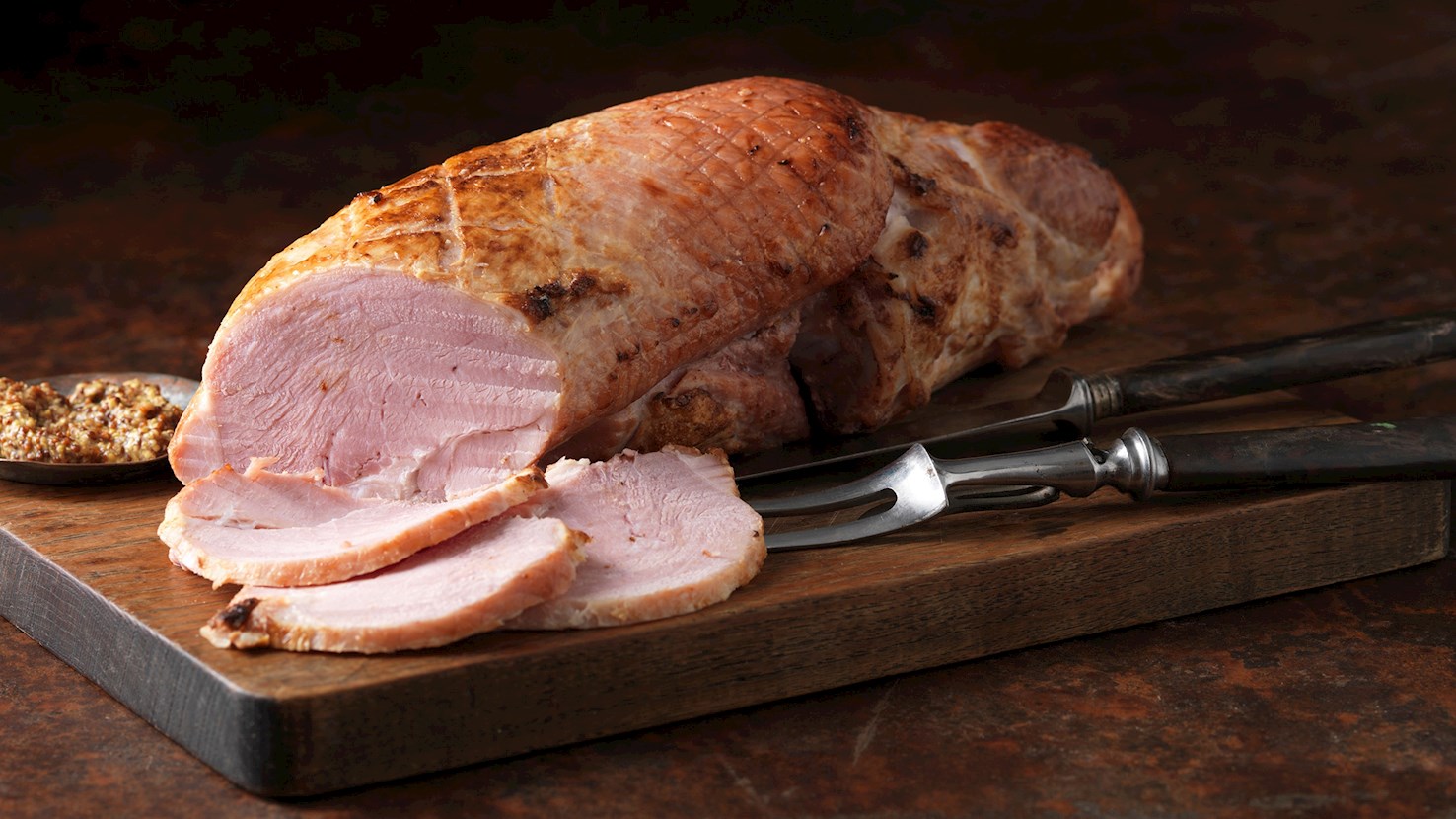
Wiltshire ham is a traditional pork ham originating from Wiltshire. The ham is cured in a process called a Wiltshire cure, in which brine is pumped into the pork with a single or multi-needle injector before the ham is placed in brine for up to a week. Once taken out of the brine, the ham is usually left to mature for one more week. Wiltshire ham has a mild flavor, and it’s moist but never wet. It can be enjoyed hot or cold. This succulent ham tastes more salty and meaty than non-cured ham, while the bacteria from the brine impart a buttery and malty flavor with hints of yogurt to the ham. The method of wet-curing pork known as Wiltshire cure dates back to the 1770s.

About this ranking

TasteAtlas food rankings are based on the ratings of the TasteAtlas audience, with a series of mechanisms that recognize real users and that ignore bot, nationalist or local patriotic ratings, and give additional value to the ratings of users that the system recognizes as knowledgeable. For the “100 Worst Rated Meat Products in the World” list until June 16, 2026, 14,470 ratings were recorded, of which 9,694 were recognized by the system as legitimate. TasteAtlas Rankings should not be seen as the final global conclusion about food. Their purpose is to promote excellent local foods, instill pride in traditional dishes, and arouse curiosity about dishes you haven’t tried.

Similar lists