


shutterstock

19 Worst Rated Asian Mollusk Dishes

Last updated on May 21, 2026
01

Sannakji

2.9 ·

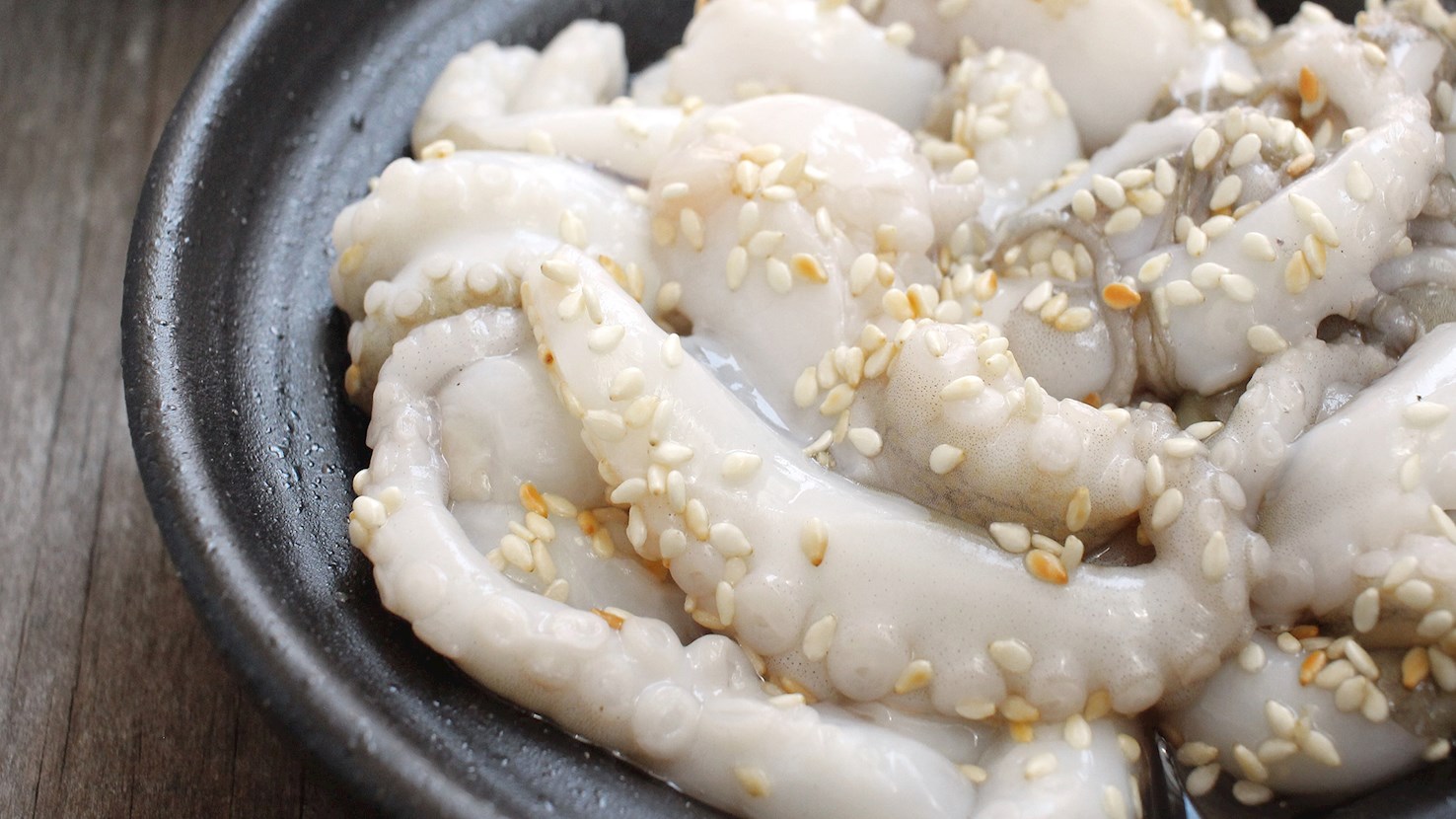
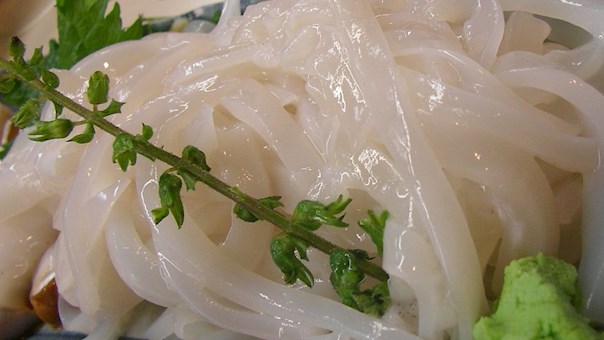
Salty, sticky, and chewy, sannakji is a South Korean dish consisting of raw baby octopus that is chopped and traditionally served drizzled with sesame oil. Interestingly, as the dish is served instantly after chopping, some of the pieces are still in motion, twitching on the plate. The dish can be commonly found at Korean street food stalls, and it is recommended to pair it with ssamjang and green tea. A popular Korean movie with a cult following called Oldboy (2003, dir. Park Chan-wook) depicted the dish in one of its most disturbing scenes. Just make sure to chew sannakji while eating, as there have been a few cases in which the octopus grasped onto the diner's esophagus, choking them to death in the process.

Best restaurants
02

Hoy tod (Thai-Style Omelet with Mussels or Oysters)

2.9 ·

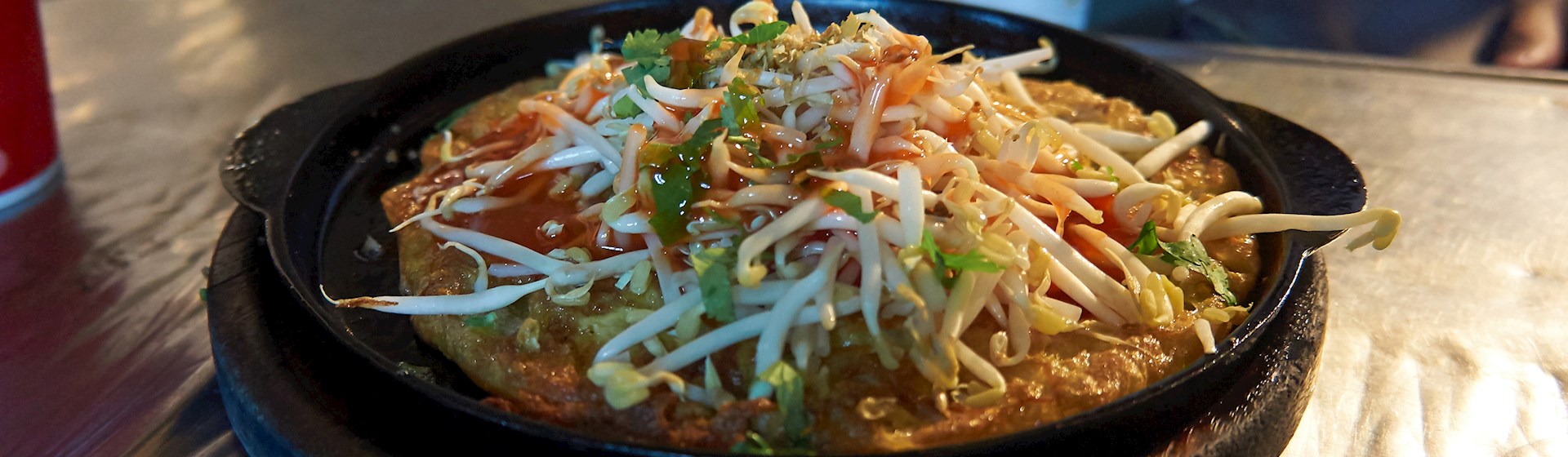
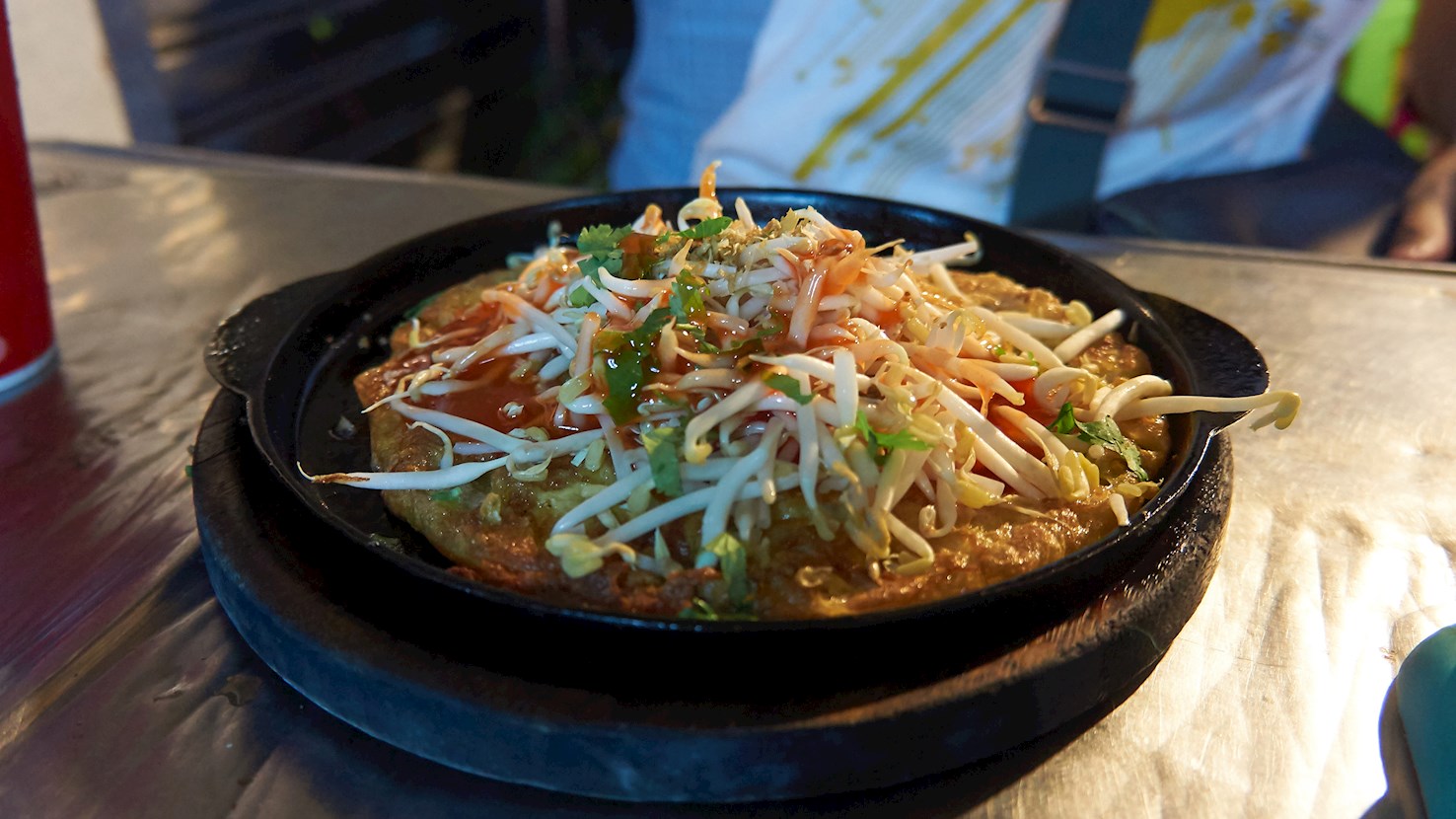
Hoy tod is a traditional dish that's commonly sold at street food stands. This crispy omelet is prepared with plump oysters or mussels (or both) and bean sprouts that are fried after being coated in savory egg batter. Once fried, the omelet is typically garnished with spring onions and served with assorted condiments such as green chili sauce, fish sauce with chili peppers, or tomato sauce. There's also the spongy and gooey version called or suan, and it's said that men usually prefer or suan, while women opt for the crispy hoy tod.

Best restaurants
03

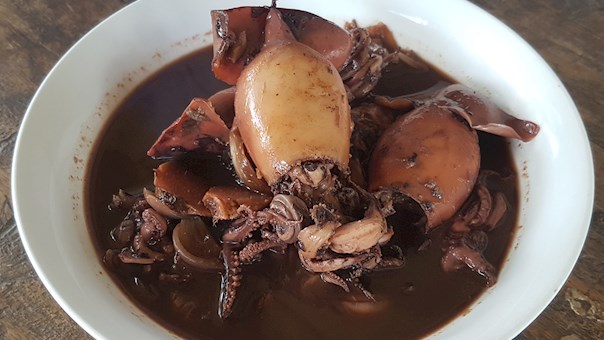
Men bao yu (Braised abalone)

2.9 ·

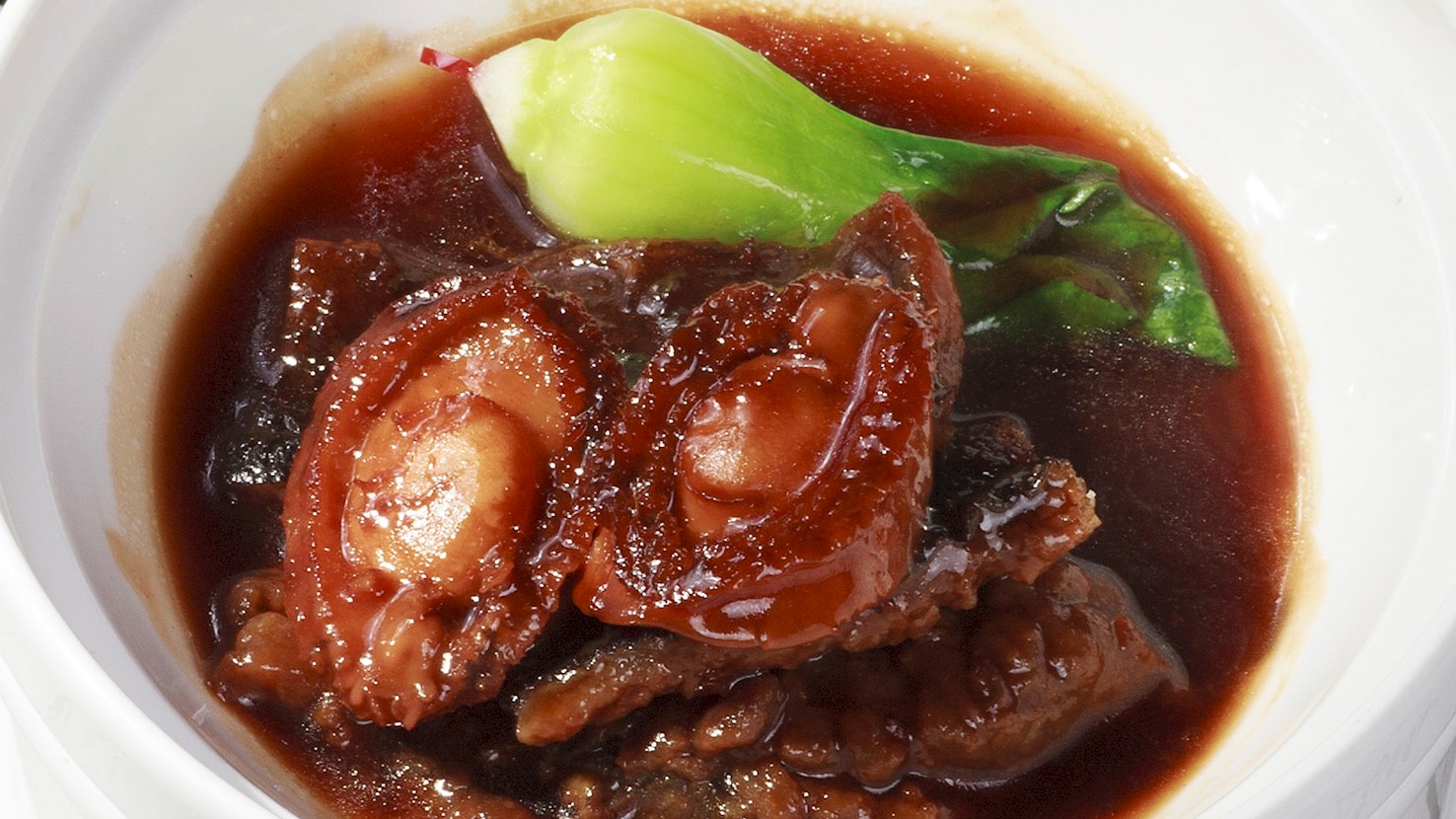
Braised abalone is a Chinese dish originating from the Guangdong region. The dish is made by simply braising the mollusk in a soy sauce-based liquid. It is recommended to use fresh abalones because their texture is tender, and they produce a delicate, fresh flavor. Abalones are often covered with scallions, ginger, and coriander before braising, while pork and chicken can also be added in order to impart their flavor during the slow and long process of braising. The dish is served hot with the sauce over it. It is especially popular at Chinese New Year celebrations.

04

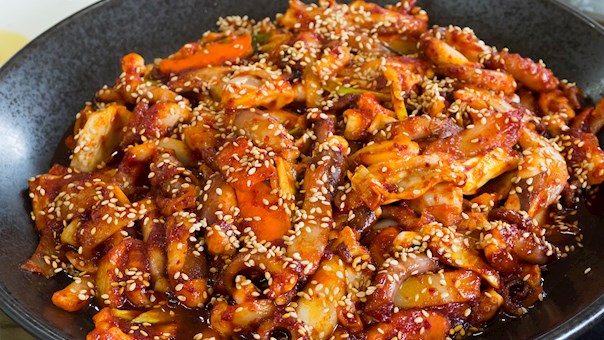
Ojingeojeot (Fermented Squid)

3.1 ·

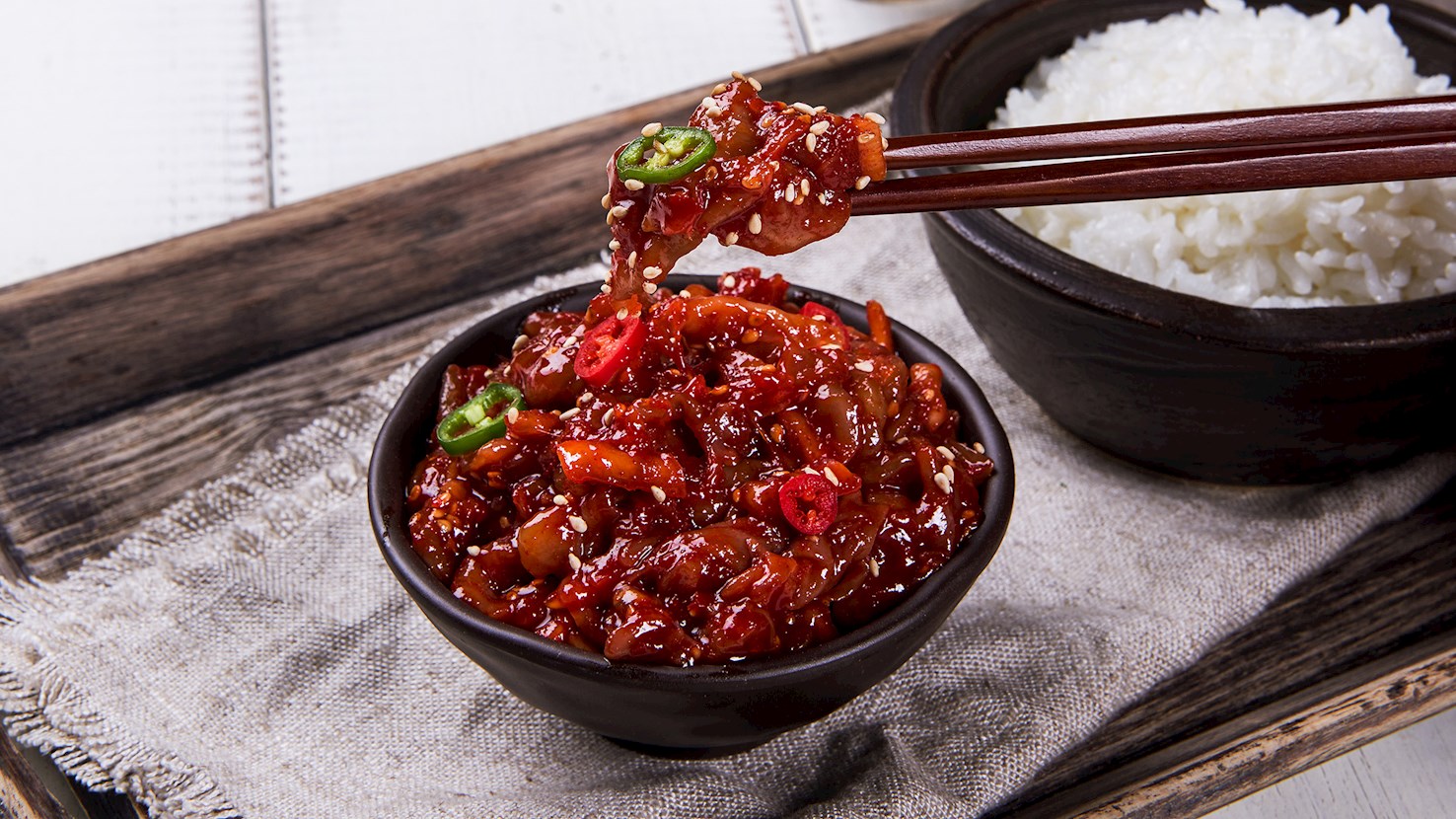
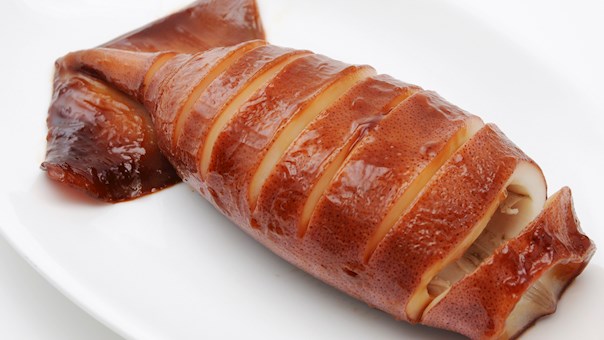
Ojingeojeot is a traditional squid-based dish originating from South Korea. This preserved squid side dish is usually made with a combination of squid, salt, gochugaru pepper flakes, fish sauce, scallions, garlic, ginger, hot peppers, toasted sesame seeds, sesame oil, and corn syrup. The squid is mixed with salt and left in an airtight container for a month in the fridge. The squid is then removed from the container, rinsed in water, drained, chopped into small pieces, and pounded to tenderize it. The rest of the ingredients are mixed and added to the chopped squid, and ojingeojeot is placed back into the airtight container and chilled. It’s enjoyed in moderate amounts as a spicy side dish.

05

Guljeon

3.1 ·

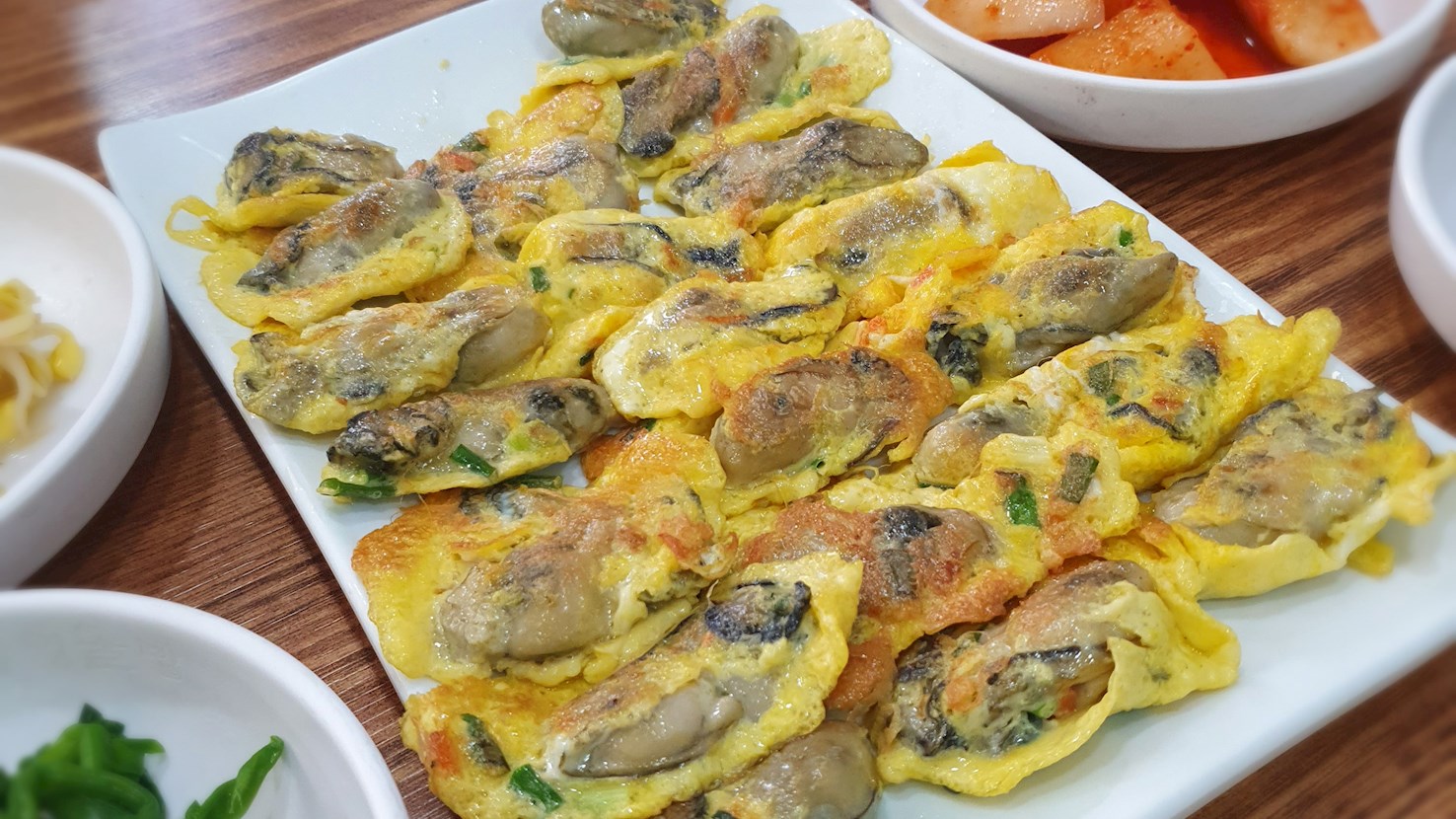
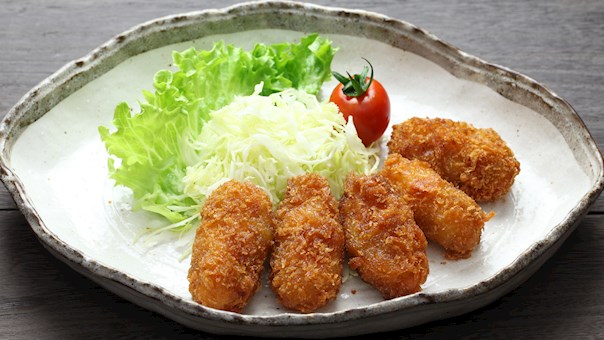
Guljeon is a traditional dish originating from South Korea. This type of jeon (pan-fried battered food) is made with oysters. Other ingredients include eggs, rice wine, salt, pepper, flour, scallions, and oil. The oysters are shelled, rinsed, drained, and coated with flour before they're dipped in a mixture of beaten eggs, rice wine, salt, pepper, and scallions. Once battered, the oysters are pan-fried in oil on both sides, then served hot with a dipping sauce on the side.

06

Honghap tang (Mussel Soup)

3.2 ·

Honghap tang is a traditional mussel soup originating from South Korea. Although there are many versions, the soup is usually made with a combination of mussels, onions, scallions, garlic, salt, and hot peppers. The mussels are cooked with onions and hot peppers until they open and the broth looks a bit milky. The broth is strained, the onions and hot peppers are removed, and the mussel soup is then sprinkled with garlic, reheated, seasoned with salt to taste, garnished with scallions and hot pepper strands, and served immediately. This soup is especially popular in soju bars.

07

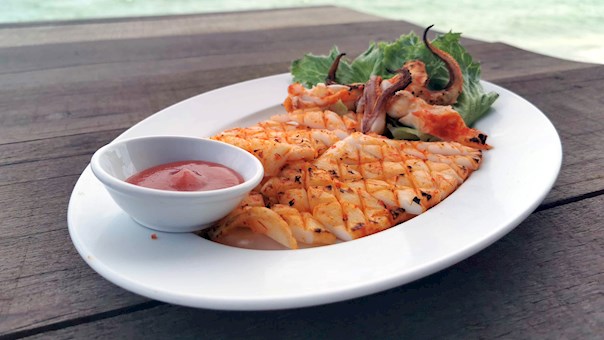
Pla muek yang

3.3 ·

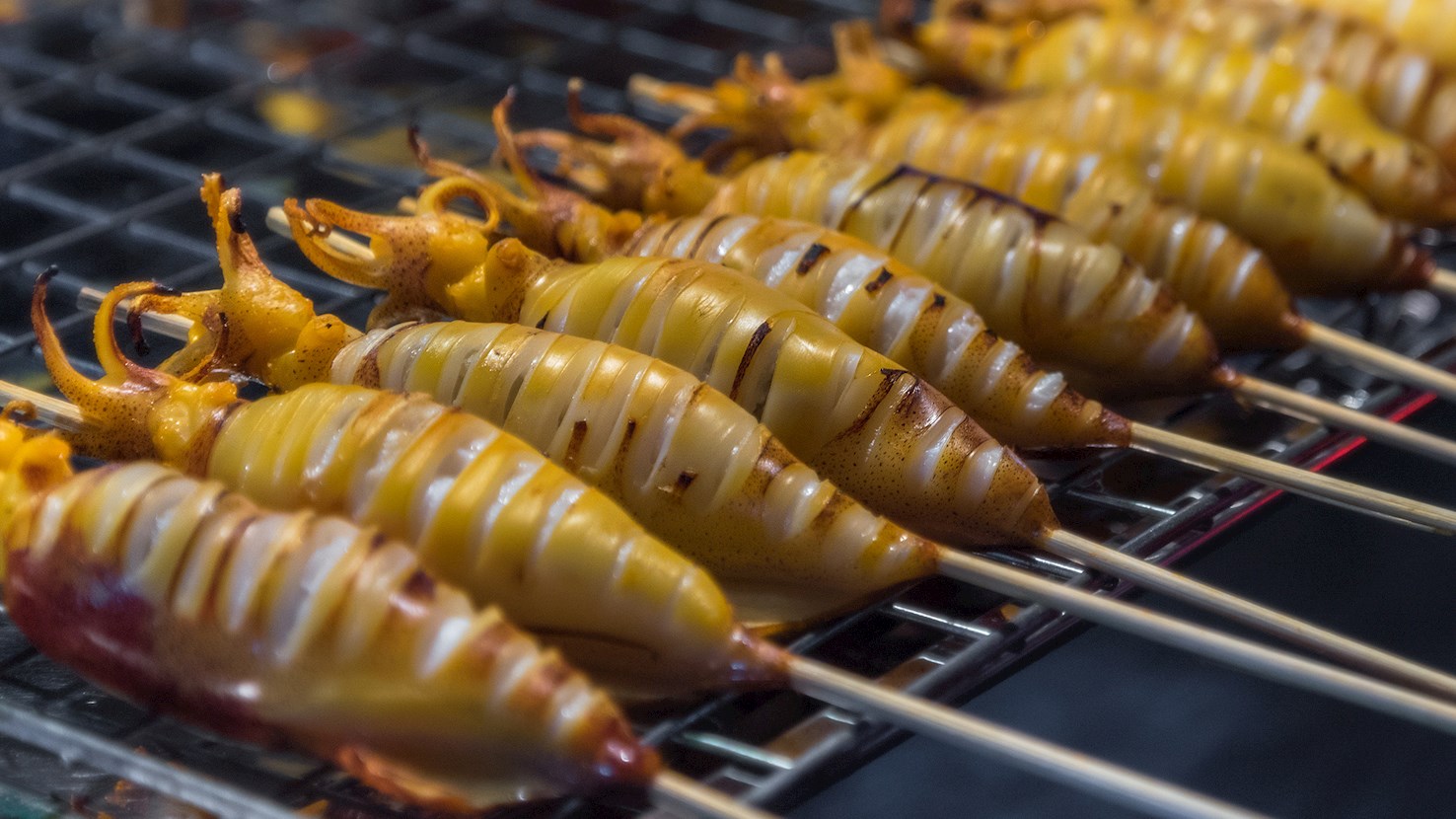
Pla muek yang is a Thai-style chargrilled squid dish typically coated in a spicy, sweet-and-sour sauce consisting of lime juice, fish sauce, garlic, chilis, coriander roots, and sugar. The dish is often served with peanuts and coriander leaves on top and is commonly sold at roadside eateries and street stalls across Thailand. It can be consumed on its own as an appetizer or a main course, or it can be mixed with salads.

08

Sate kerang (Mussels satay)

3.4 ·

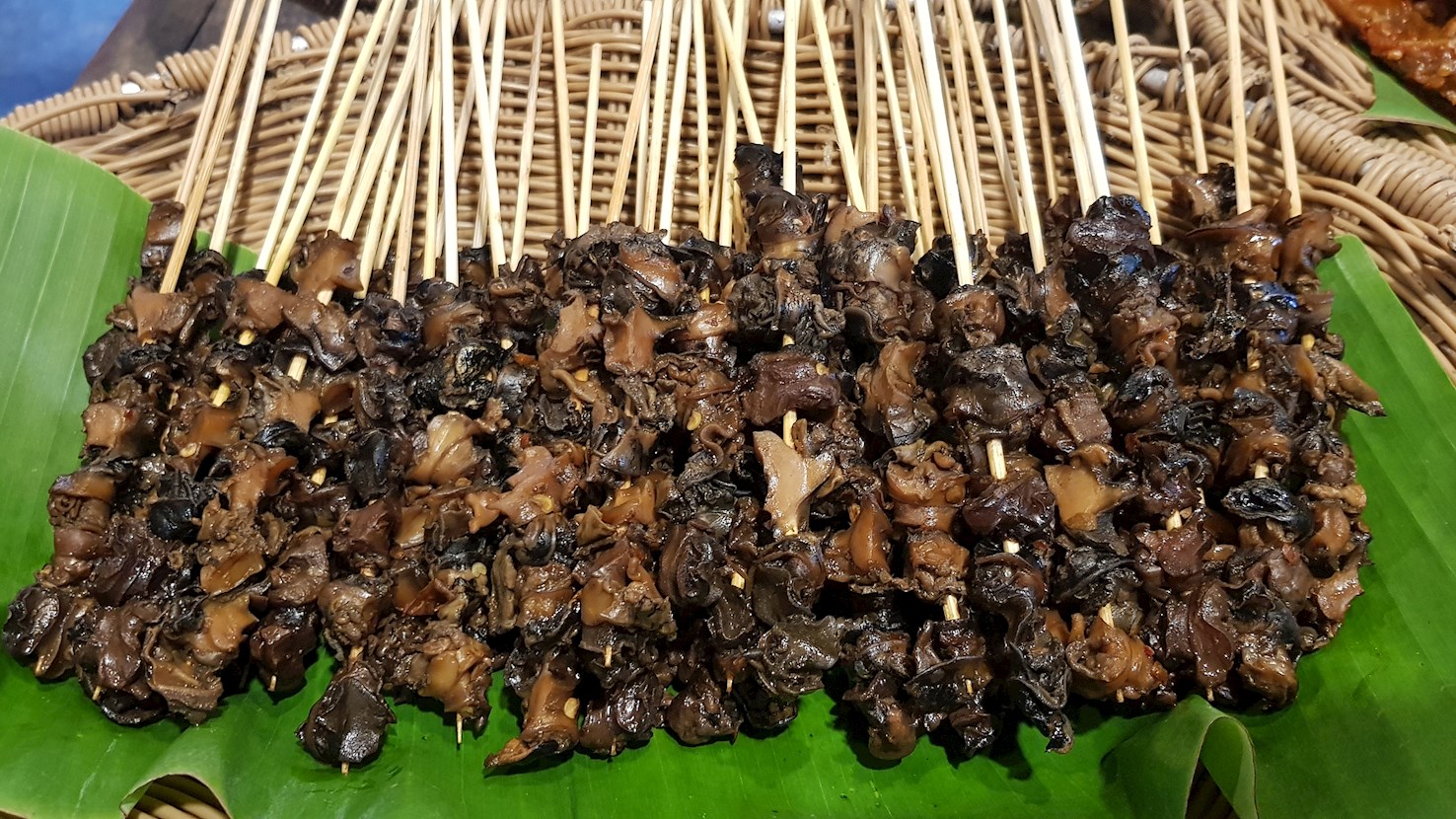
Sate kerang is an Indonesian skewered dish made with spiced and cooked mussels or clams, most famously associated with the city of Medan in North Sumatra. Unlike other types of sate that are grilled over charcoal, sate kerang is typically boiled or braised in a richly seasoned spice mixture before being skewered, resulting in a tender, flavorful bite with no need for additional grilling or sauces. Shellfish are first cleaned and then simmered in a blend of ground spices such as coriander, turmeric, galangal, lemongrass, chili, and shallots, often with the addition of coconut milk and sweet soy sauce to balance the heat with richness and a touch of sweetness. Sate kerang is commonly sold as a snack or side dish in warungs, roadside stalls, and markets, particularly in Medan, where it is often served alongside rice dishes like nasi gurih or as part of mixed platters during festive occasions. Its popularity has spread beyond North Sumatra, and it is now enjoyed in other parts of Indonesia, although it remains especially emblematic of Medan’s diverse culinary identity.

09

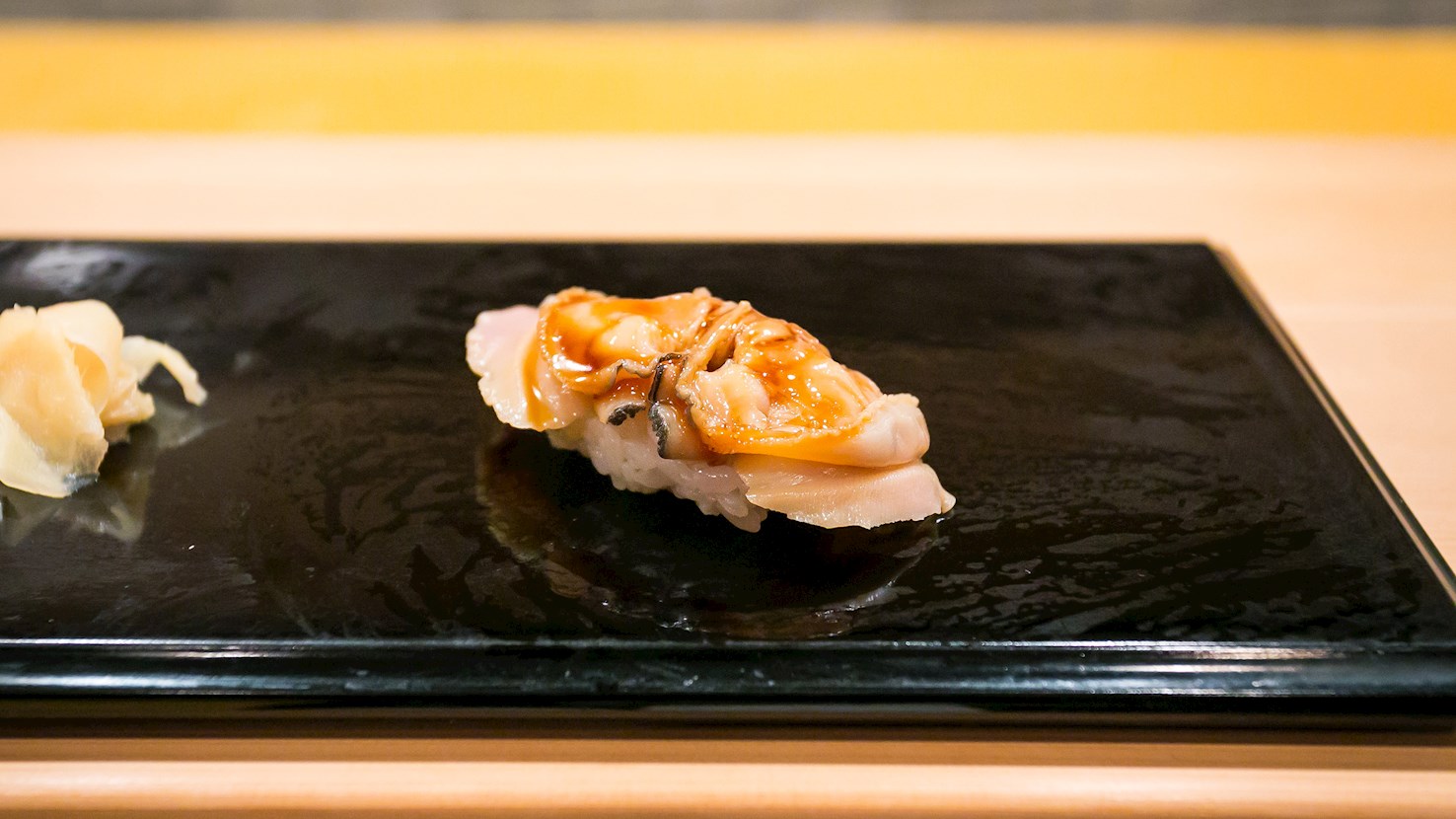
Hamaguri nigiri sushi

3.4 ·

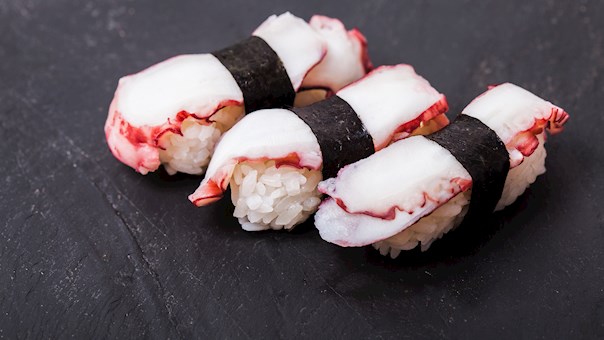
Hamaguri nigiri is a traditional type of nigiri sushi. It consists of hand-pressed sushi rice that's topped with boiled hamaguri clam. The clam shells are first rubbed together under a stream of water in order to remove the slime. The clams are boiled in sake, then pried open and the flesh is removed. The flesh is butterflied, while the leftover clam juice is typically mixed with soy sauce, sugar, and mirin, then simmered until it forms a thick sauce. The sauce is brushed over the assembled nigiri sushi, and it's then ready to be enjoyed without dipping. The clams have a chewy and delicate texture, and their best season is from February to April. Although not that rare, this type of nigiri sushi can be very expensive.

10

Adobong pugita

3.4 ·

Adobong pugita is a Filipino specialty originating from Occidental Mindoro. This adobo dish is made with mature octopus that's cooked in a combination of vinegar and soy sauce. Other common ingredients include garlic, onions, oil, and bay leaves for flavoring. The octopus is marinated, drained, then placed into a pan with sautéed garlic and onions. The dish is seasoned with salt and pepper and it's then traditionally served warm with steamed rice on the side. The key to success is to cook the octopus quickly, because it becomes rubbery and chewy if overcooked. Adobong pugita is usually eaten for lunch or dinner, but it can also be served as an accompaniment to beer.

Read more
View all
View map
About this ranking

TasteAtlas food rankings are based on the ratings of the TasteAtlas audience, with a series of mechanisms that recognize real users and that ignore bot, nationalist or local patriotic ratings, and give additional value to the ratings of users that the system recognizes as knowledgeable. For the “19 Worst Rated Asian Mollusk Dishes” list until May 21, 2026, 1,502 ratings were recorded, of which 1,102 were recognized by the system as legitimate. TasteAtlas Rankings should not be seen as the final global conclusion about food. Their purpose is to promote excellent local foods, instill pride in traditional dishes, and arouse curiosity about dishes you haven’t tried.

Similar lists